ENA - ENA English
Live:


Headlines

PM Abiy Reviews Ethiopia’s Progress Toward Nuclear Energy Development
Oct 21, 2026 179
Addis Ababa, October 21, 2026 (ENA) —Prime Minister Abiy Ahmed has visited the Ethiopian Nuclear Energy Commission to review progress in developing the country’s nuclear energy program. The Premier highlighted the role of advanced technology in Ethiopia’s long-term development ambitions. In a social media post following the visit, the Prime Minister said Ethiopia’s next chapter of development would focus on translating its vast potential into tangible progress. “Ethiopia’s next chapter is about transforming its immense potential and abundant natural resources into tangible development, technological advancement, and shared prosperity,” he underscored. He emphasized that reliable and sustainable energy is fundamental to industrialization, manufacturing, digital infrastructure, and broader economic transformation. He further noted that nuclear technology presents an opportunity to strengthen the country’s energy security while supporting progress across multiple sectors. Beyond electricity generation, nuclear technology can contribute to advancements in healthcare, agriculture, industry, and environmental protection, opening new pathways for scientific innovation and sustainable development. The Ethiopian Nuclear Energy Commission plays a central role in establishing the institutional and technical foundations for the country’s national nuclear energy program. Developing skilled human capital, advancing scientific research, and transferring knowledge to future generations will be critical to realizing its potential. Prime Minister Abiy underscored the importance of ensuring that nuclear energy development proceeds peacefully, safely, responsibly, and sustainably, as Ethiopia seeks to expand its energy capacity and harness emerging technologies to support its long-term economic transformation.
.jpg)
Ethiopia’s Sovereign Access to Seaport Crucial for Regional Shared Prosperity: Scholars
Oct 20, 2026 8697
Addis Ababa, October 21, 2026 (ENA) — Scholars have noted that Ethiopia’s sovereign access to seaport plays a crucial role in ensuring regional shared prosperity. Ethiopia was one of the world's prominent civilizations in international trade and diplomacy due to its secured sovereign sea access and ports. However, the country had lost its natural, historical, and legal resources due to internal and external political conspiracies as well as various historical circumstances. However, the present generation has risen with strong determination to regain this historical right of ownership and to safeguard the nation's core interests. Efforts being made by the government to address the issue through peaceful and diplomatic means are also showing promising results. The international community has also given due support and attention to Ethiopia’s fair demand. In an exclusive interview with ENA, Logistics Researcher Temesgen Walelign said access to the sea plays a significant role in strengthening commercial activities, cargo transport, and global market integration countries. As a result, Ethiopia’s lack of port has been incurring additional logistics costs and burdens, preventing products from reaching the global market on time and at competitive prices, he explained. These extra costs affect not only export trade but also cause price hikes on imported goods, ultimately impacting consumers, the researcher added. Moreover, Ethiopia’s claim for sea access is appropriate taking into consideration the historical, legal, and long-term development ambitions of the country beyond it geographical location and population. He also praised Ethiopia’s efforts in working with neighboring countries to achieve this demand by adhering to principles of give-and-take, peaceful diplomacy, and mutual benefit. Beyond strengthening Ethiopia's commercial and economic capacity, this contributes significantly to fostering lasting regional peace and economic cooperation, Temesgen underscored. Overall, he emphasized that the demand goes beyond current economic needs and forms the foundation of the country's future strategic survival. For his part, the economist Nemomsa Mengesha said Ethiopia's quest for sovereign seaport plays a crucial role in boosting economic competitiveness. This, he noted, will streamline the overall economic activities and play a major role in easing living cost for citizens. Therefore, securing seaport is a fundamental solution for achieving the country's long-term development goals and improving the living standards of its people.
United Arab Emirates Businesses Urged to Invest in Long-term Ventures
Oct 20, 2026 3536
Addis Ababa, October 20, 2026 (ENA) — Industry State Minister Hassan Mohammed has urged UAE businesses to consider long-term ventures involving local production, technology transfer and job creation beyond importing and distributing goods. Opening the Ethiopia-UAE Business and Investment Forum held in Addis Ababa today, he said Ethiopia’s natural resources, workforce, strategic location and ongoing economic reforms offer a foundation for expanded investment. The state minister identified agro-processing, food and beverage production, textiles, leather, pharmaceuticals, chemicals, metals, construction materials, packaging and agricultural machinery as areas with potential for cooperation. The government is ready to provide investment information, connect investors with relevant institutions and help address challenges in accordance with Ethiopian laws, Hassan added. Trade and Regional Integration Ministry representative, Bereket Meseret, said bilateral trade between Ethiopia and the UAE totaled 5.6 billion USD from 2021 to 2025, the former exporting 1.2 billion dollars’ worth of goods and importing 4.4 billion USD during the period. Coffee is Ethiopia’s leading export to the UAE, followed by sesame seeds, meat products, cut flowers and fresh produce, Bereket noted, adding that petroleum products accounted for the largest share of Ethiopian imports from the UAE, followed by urea fertilizer. He added that Ethiopia has been pursuing reforms to attract foreign investment, improve trade and logistics, and strengthen export base, highlighting the African Continental Free Trade Area as an opportunity to expand regional trade and build value chains. Middle East, Asia and Pacific Affairs Director General at the Ministry of Foreign Affairs, Dewano Kedir urged the UAE business delegation to learn about the Ethiopian market and consider developing business relationships from trade into manufacturing and investment. For his part, Sharjah City (UAE) Chamber of Commerce and Industry Chairman Abdulla Sultan Al Owais said the forum could open a new chapter in cooperation and support mutual development. According to him, the delegation has interest in exploring opportunities in trade, investment, industry, agribusiness and tourism sectors. The Chairman pointed out that the city chamber will continue to boost business engagement and future trade missions. Addis Ababa Chamber of Commerce and Sectoral Associations Secretary-General, Zekarias Assefa, highlighted the importance of the forum’s business-to-business sessions to pursue concrete partnerships, joint ventures and trade agreements. He emphasized that Ethiopia and the UAE have complementary economies, indicating opportunities for cooperation in agriculture, agro-processing, manufacturing, mining, energy, information and communications technology, and tourism sectors. The Secretary-General pointed out that Ethiopia’s natural resources and strategic location, combined with the UAE’s investment capacity, technology, logistics and access to global markets, could create new opportunities for businesses in both countries. The forum under the theme “Fostering New Partnerships and Driving the Future Together” brought together senior government officials, ambassadors, business representatives from both Sharjah and Addis Ababa cities.
.jpg)
TPLF Had Been Preparing for War: PM Abiy
Oct 20, 2026 3948
Addis Ababa, October 20, 2026 (ENA) — The defunct TPLF had been preparing for another round of war, violating the Pretoria Agreement, Prime Minister Abiy Ahmed revealed. During an interview with the Ethiopian Broadcasting Corporation (EBC), he said the TPLF violated the Pretoria Agreement signed in October 2022. The PM recalled that the key elements of the Pretoria Agreement included cessation of hostilities, restoration of all services, disarmament, return of displaced people, and recognition of the constitutional order. The federal government had fulfilled everything that was possible and expected of it, he added. On the contrary, the TPLF had been purchasing and soliciting weapons as well as openly recruiting young people instead of implementing the agreement to disarm combatants. Above all, PM Abiy pointed out that after the agreement, the TPLF used displaced persons as hostages to prevent them from returning to their homes. Additionally, it engaged in destroying and closing down infrastructure—including airlines, banking, and telecommunications—that had been restored by the Federal Government to deliver services. Despite the group’s misdeeds, the PM stated that the government had forewarned that war was not worthwhile and that peace was preferable. However, the TPLF disregarded the advice and collaborated with various forces, and violated the Pretoria Agreement by initiating an unnecessary war. Immense damage has been inflicted on the public as a result of the war instigated by the TPLF, he noted. War is bad and yields no benefit, the Premier further noted, adding that a war fought for the interests of foreign forces is even worse. The psychological damage is not to be taken lightly and damage has also been inflicted on development and the economy. PM Abiy stressed that young people carrying Kalashnikovs should therefore return to work and participate in the development and rehabilitation of Tigray. Noting that many young people were forcibly recruited, he advised those who have not yet returned to return to normal life. He stated that the leaders of the TPLF have been declaring war for 50 years without dying or being wounded themselves; instead they sent their children and families abroad and to Addis Ababa where they are engaged in business and construction. The youth of Tigray deserve to live and change their lives, rather than dying and suffering for them, the Premier added. He urged Tigrayan youth to avoid war and instead dedicate their physical and mental energy to development. Young people's daily lives should be spent in universities, businesses, agriculture, and factories. "Instead of pulling a trigger, your fingers should be on a computer. Lay down your Kalashnikov and return to development," PM Abiy advised. The Prime Minister also stated that the TPLF lacked principles. Although it presented itself as a popular movement in its rhetoric, its actions were anti-people. He argued that the TPLF could not bring about meaningful change because it had allied itself with anti-people forces. The TPLF is cooperating with forces that do not recognize the Constitution in an effort to dismantle the very Constitution that it claimed to have established.
.jpg)
Supreme Audit Institutions Deliberating on Strengthening Collaboration, Accountability in Africa
Oct 20, 2026 3910
Addis Ababa, October 20, 2026 (ENA) — A workshop aimed at strengthening collaboration and improving the effectiveness and sustainability of public-sector auditing across Africa is underway in Addis Ababa. Opening the three-day capacity development workshop today, Ethiopia's Auditor General Meseret Damtie said strengthening African Supreme Audit Institutions (SAIs) is essential in order to promote accountable governance, sound public financial management and sustainable development across the continent. She emphasized that improved audit quality, institutional capacity and collaboration are essential to enable audit institutions fulfil their mandates effectively. “At the heart of ARISE (African Regional Initiative for Strengthening Effectiveness) is the spirit of peer support and collaboration,” the Auditor General said, highlighting the importance of cooperation among participating institutions, programme coordinators, peer SAIs and development partners in achieving sustainable results. She said the workshop provides an opportunity to clarify roles and responsibilities, strengthen project-management and facilitation skills, and exchange experiences from the programme’s early implementation. Meseret linked the principles of cooperation and collective responsibility underpinning ARISE to Ethiopia’s Medemer philosophy, which emphasizes synergy, shared contributions and common goals. She highlighted the importance of collaboration in strengthening institutions and advancing sustainable development, reflecting the program’s emphasis on partnerships and collective efforts to improve public-sector accountability across Africa. INTOSAI Development Initiative (IDI) representative, Muhammed Dabo, stressed that sustainable improvements in Supreme Audit Institutions require more than technical training, emphasizing strong institutional systems, effective leadership, capable personnel and the ability to manage change. “Each partner has a distinct role, but we share one objective: stronger, more effective and sustainable Supreme Audit Institutions,” he said, underscoring the complementary roles of beneficiary SAIs, peer institutions, regional organizations and development partners. Dabo encouraged the participants to share experiences openly, identify challenges early, adapt when necessary and develop practical solutions for their respective institutions. He stressed that the workshop’s success should be measured by the lessons applied and improvements achieved after participants return to their work. The ARISE programme is implemented by IDI with support from the Norwegian Agency for Development Cooperation (Norad) for the 2025-2028 period. It provides long-term, SAI-led bilateral support to Supreme Audit Institutions operating in challenging environments across Africa, focusing on improving audit quality, institutional governance, strategic planning and stakeholder engagement.
Featured

PM Abiy Reviews Ethiopia’s Progress Toward Nuclear Energy Development
Oct 21, 2026 179
Addis Ababa, October 21, 2026 (ENA) —Prime Minister Abiy Ahmed has visited the Ethiopian Nuclear Energy Commission to review progress in developing the country’s nuclear energy program. The Premier highlighted the role of advanced technology in Ethiopia’s long-term development ambitions. In a social media post following the visit, the Prime Minister said Ethiopia’s next chapter of development would focus on translating its vast potential into tangible progress. “Ethiopia’s next chapter is about transforming its immense potential and abundant natural resources into tangible development, technological advancement, and shared prosperity,” he underscored. He emphasized that reliable and sustainable energy is fundamental to industrialization, manufacturing, digital infrastructure, and broader economic transformation. He further noted that nuclear technology presents an opportunity to strengthen the country’s energy security while supporting progress across multiple sectors. Beyond electricity generation, nuclear technology can contribute to advancements in healthcare, agriculture, industry, and environmental protection, opening new pathways for scientific innovation and sustainable development. The Ethiopian Nuclear Energy Commission plays a central role in establishing the institutional and technical foundations for the country’s national nuclear energy program. Developing skilled human capital, advancing scientific research, and transferring knowledge to future generations will be critical to realizing its potential. Prime Minister Abiy underscored the importance of ensuring that nuclear energy development proceeds peacefully, safely, responsibly, and sustainably, as Ethiopia seeks to expand its energy capacity and harness emerging technologies to support its long-term economic transformation.
.jpg)
Ethiopia’s Sovereign Access to Seaport Crucial for Regional Shared Prosperity: Scholars
Oct 20, 2026 8697
Addis Ababa, October 21, 2026 (ENA) — Scholars have noted that Ethiopia’s sovereign access to seaport plays a crucial role in ensuring regional shared prosperity. Ethiopia was one of the world's prominent civilizations in international trade and diplomacy due to its secured sovereign sea access and ports. However, the country had lost its natural, historical, and legal resources due to internal and external political conspiracies as well as various historical circumstances. However, the present generation has risen with strong determination to regain this historical right of ownership and to safeguard the nation's core interests. Efforts being made by the government to address the issue through peaceful and diplomatic means are also showing promising results. The international community has also given due support and attention to Ethiopia’s fair demand. In an exclusive interview with ENA, Logistics Researcher Temesgen Walelign said access to the sea plays a significant role in strengthening commercial activities, cargo transport, and global market integration countries. As a result, Ethiopia’s lack of port has been incurring additional logistics costs and burdens, preventing products from reaching the global market on time and at competitive prices, he explained. These extra costs affect not only export trade but also cause price hikes on imported goods, ultimately impacting consumers, the researcher added. Moreover, Ethiopia’s claim for sea access is appropriate taking into consideration the historical, legal, and long-term development ambitions of the country beyond it geographical location and population. He also praised Ethiopia’s efforts in working with neighboring countries to achieve this demand by adhering to principles of give-and-take, peaceful diplomacy, and mutual benefit. Beyond strengthening Ethiopia's commercial and economic capacity, this contributes significantly to fostering lasting regional peace and economic cooperation, Temesgen underscored. Overall, he emphasized that the demand goes beyond current economic needs and forms the foundation of the country's future strategic survival. For his part, the economist Nemomsa Mengesha said Ethiopia's quest for sovereign seaport plays a crucial role in boosting economic competitiveness. This, he noted, will streamline the overall economic activities and play a major role in easing living cost for citizens. Therefore, securing seaport is a fundamental solution for achieving the country's long-term development goals and improving the living standards of its people.
United Arab Emirates Businesses Urged to Invest in Long-term Ventures
Oct 20, 2026 3536
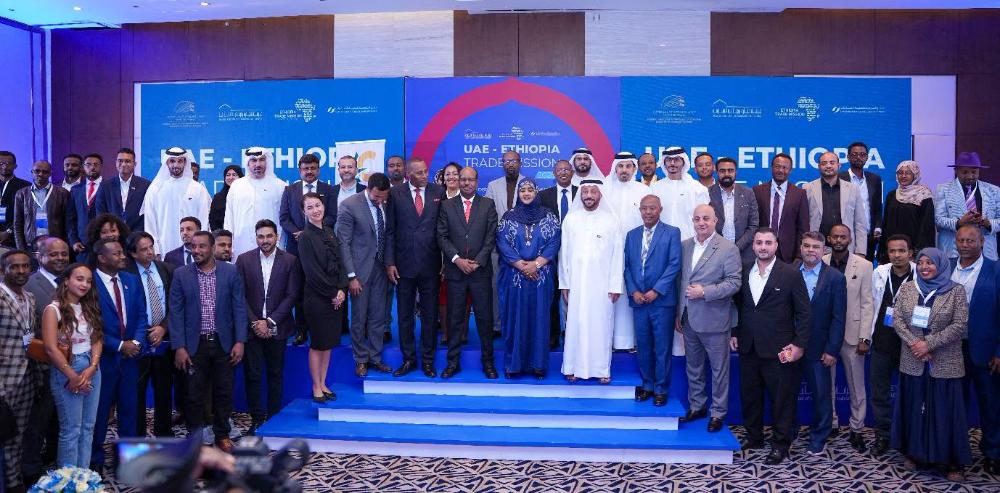
Addis Ababa, October 20, 2026 (ENA) — Industry State Minister Hassan Mohammed has urged UAE businesses to consider long-term ventures involving local production, technology transfer and job creation beyond importing and distributing goods. Opening the Ethiopia-UAE Business and Investment Forum held in Addis Ababa today, he said Ethiopia’s natural resources, workforce, strategic location and ongoing economic reforms offer a foundation for expanded investment. The state minister identified agro-processing, food and beverage production, textiles, leather, pharmaceuticals, chemicals, metals, construction materials, packaging and agricultural machinery as areas with potential for cooperation. The government is ready to provide investment information, connect investors with relevant institutions and help address challenges in accordance with Ethiopian laws, Hassan added. Trade and Regional Integration Ministry representative, Bereket Meseret, said bilateral trade between Ethiopia and the UAE totaled 5.6 billion USD from 2021 to 2025, the former exporting 1.2 billion dollars’ worth of goods and importing 4.4 billion USD during the period. Coffee is Ethiopia’s leading export to the UAE, followed by sesame seeds, meat products, cut flowers and fresh produce, Bereket noted, adding that petroleum products accounted for the largest share of Ethiopian imports from the UAE, followed by urea fertilizer. He added that Ethiopia has been pursuing reforms to attract foreign investment, improve trade and logistics, and strengthen export base, highlighting the African Continental Free Trade Area as an opportunity to expand regional trade and build value chains. Middle East, Asia and Pacific Affairs Director General at the Ministry of Foreign Affairs, Dewano Kedir urged the UAE business delegation to learn about the Ethiopian market and consider developing business relationships from trade into manufacturing and investment. For his part, Sharjah City (UAE) Chamber of Commerce and Industry Chairman Abdulla Sultan Al Owais said the forum could open a new chapter in cooperation and support mutual development. According to him, the delegation has interest in exploring opportunities in trade, investment, industry, agribusiness and tourism sectors. The Chairman pointed out that the city chamber will continue to boost business engagement and future trade missions. Addis Ababa Chamber of Commerce and Sectoral Associations Secretary-General, Zekarias Assefa, highlighted the importance of the forum’s business-to-business sessions to pursue concrete partnerships, joint ventures and trade agreements. He emphasized that Ethiopia and the UAE have complementary economies, indicating opportunities for cooperation in agriculture, agro-processing, manufacturing, mining, energy, information and communications technology, and tourism sectors. The Secretary-General pointed out that Ethiopia’s natural resources and strategic location, combined with the UAE’s investment capacity, technology, logistics and access to global markets, could create new opportunities for businesses in both countries. The forum under the theme “Fostering New Partnerships and Driving the Future Together” brought together senior government officials, ambassadors, business representatives from both Sharjah and Addis Ababa cities.
.jpg)
TPLF Had Been Preparing for War: PM Abiy
Oct 20, 2026 3948
Addis Ababa, October 20, 2026 (ENA) — The defunct TPLF had been preparing for another round of war, violating the Pretoria Agreement, Prime Minister Abiy Ahmed revealed. During an interview with the Ethiopian Broadcasting Corporation (EBC), he said the TPLF violated the Pretoria Agreement signed in October 2022. The PM recalled that the key elements of the Pretoria Agreement included cessation of hostilities, restoration of all services, disarmament, return of displaced people, and recognition of the constitutional order. The federal government had fulfilled everything that was possible and expected of it, he added. On the contrary, the TPLF had been purchasing and soliciting weapons as well as openly recruiting young people instead of implementing the agreement to disarm combatants. Above all, PM Abiy pointed out that after the agreement, the TPLF used displaced persons as hostages to prevent them from returning to their homes. Additionally, it engaged in destroying and closing down infrastructure—including airlines, banking, and telecommunications—that had been restored by the Federal Government to deliver services. Despite the group’s misdeeds, the PM stated that the government had forewarned that war was not worthwhile and that peace was preferable. However, the TPLF disregarded the advice and collaborated with various forces, and violated the Pretoria Agreement by initiating an unnecessary war. Immense damage has been inflicted on the public as a result of the war instigated by the TPLF, he noted. War is bad and yields no benefit, the Premier further noted, adding that a war fought for the interests of foreign forces is even worse. The psychological damage is not to be taken lightly and damage has also been inflicted on development and the economy. PM Abiy stressed that young people carrying Kalashnikovs should therefore return to work and participate in the development and rehabilitation of Tigray. Noting that many young people were forcibly recruited, he advised those who have not yet returned to return to normal life. He stated that the leaders of the TPLF have been declaring war for 50 years without dying or being wounded themselves; instead they sent their children and families abroad and to Addis Ababa where they are engaged in business and construction. The youth of Tigray deserve to live and change their lives, rather than dying and suffering for them, the Premier added. He urged Tigrayan youth to avoid war and instead dedicate their physical and mental energy to development. Young people's daily lives should be spent in universities, businesses, agriculture, and factories. "Instead of pulling a trigger, your fingers should be on a computer. Lay down your Kalashnikov and return to development," PM Abiy advised. The Prime Minister also stated that the TPLF lacked principles. Although it presented itself as a popular movement in its rhetoric, its actions were anti-people. He argued that the TPLF could not bring about meaningful change because it had allied itself with anti-people forces. The TPLF is cooperating with forces that do not recognize the Constitution in an effort to dismantle the very Constitution that it claimed to have established.
.jpg)
Supreme Audit Institutions Deliberating on Strengthening Collaboration, Accountability in Africa
Oct 20, 2026 3910
Addis Ababa, October 20, 2026 (ENA) — A workshop aimed at strengthening collaboration and improving the effectiveness and sustainability of public-sector auditing across Africa is underway in Addis Ababa. Opening the three-day capacity development workshop today, Ethiopia's Auditor General Meseret Damtie said strengthening African Supreme Audit Institutions (SAIs) is essential in order to promote accountable governance, sound public financial management and sustainable development across the continent. She emphasized that improved audit quality, institutional capacity and collaboration are essential to enable audit institutions fulfil their mandates effectively. “At the heart of ARISE (African Regional Initiative for Strengthening Effectiveness) is the spirit of peer support and collaboration,” the Auditor General said, highlighting the importance of cooperation among participating institutions, programme coordinators, peer SAIs and development partners in achieving sustainable results. She said the workshop provides an opportunity to clarify roles and responsibilities, strengthen project-management and facilitation skills, and exchange experiences from the programme’s early implementation. Meseret linked the principles of cooperation and collective responsibility underpinning ARISE to Ethiopia’s Medemer philosophy, which emphasizes synergy, shared contributions and common goals. She highlighted the importance of collaboration in strengthening institutions and advancing sustainable development, reflecting the program’s emphasis on partnerships and collective efforts to improve public-sector accountability across Africa. INTOSAI Development Initiative (IDI) representative, Muhammed Dabo, stressed that sustainable improvements in Supreme Audit Institutions require more than technical training, emphasizing strong institutional systems, effective leadership, capable personnel and the ability to manage change. “Each partner has a distinct role, but we share one objective: stronger, more effective and sustainable Supreme Audit Institutions,” he said, underscoring the complementary roles of beneficiary SAIs, peer institutions, regional organizations and development partners. Dabo encouraged the participants to share experiences openly, identify challenges early, adapt when necessary and develop practical solutions for their respective institutions. He stressed that the workshop’s success should be measured by the lessons applied and improvements achieved after participants return to their work. The ARISE programme is implemented by IDI with support from the Norwegian Agency for Development Cooperation (Norad) for the 2025-2028 period. It provides long-term, SAI-led bilateral support to Supreme Audit Institutions operating in challenging environments across Africa, focusing on improving audit quality, institutional governance, strategic planning and stakeholder engagement.

POA English
Pulse Of Africa - English Language
Your news, current affairs and entertainment channel
Join us on
POA Arabic - عربي
Pulse Of Africa - Arabic Language
قناتكم الاخبارية و الترفيهية
Join us on
Politics
Ethiopia’s Sovereign Access to Seaport Crucial for Regional Shared Prosperity: Scholars
Oct 20, 2026 8697
Addis Ababa, October 21, 2026 (ENA) — Scholars have noted that Ethiopia’s sovereign access to seaport plays a crucial role in ensuring regional shared prosperity. Ethiopia was one of the world's prominent civilizations in international trade and diplomacy due to its secured sovereign sea access and ports. However, the country had lost its natural, historical, and legal resources due to internal and external political conspiracies as well as various historical circumstances. However, the present generation has risen with strong determination to regain this historical right of ownership and to safeguard the nation's core interests. Efforts being made by the government to address the issue through peaceful and diplomatic means are also showing promising results. The international community has also given due support and attention to Ethiopia’s fair demand. In an exclusive interview with ENA, Logistics Researcher Temesgen Walelign said access to the sea plays a significant role in strengthening commercial activities, cargo transport, and global market integration countries. As a result, Ethiopia’s lack of port has been incurring additional logistics costs and burdens, preventing products from reaching the global market on time and at competitive prices, he explained. These extra costs affect not only export trade but also cause price hikes on imported goods, ultimately impacting consumers, the researcher added. Moreover, Ethiopia’s claim for sea access is appropriate taking into consideration the historical, legal, and long-term development ambitions of the country beyond it geographical location and population. He also praised Ethiopia’s efforts in working with neighboring countries to achieve this demand by adhering to principles of give-and-take, peaceful diplomacy, and mutual benefit. Beyond strengthening Ethiopia's commercial and economic capacity, this contributes significantly to fostering lasting regional peace and economic cooperation, Temesgen underscored. Overall, he emphasized that the demand goes beyond current economic needs and forms the foundation of the country's future strategic survival. For his part, the economist Nemomsa Mengesha said Ethiopia's quest for sovereign seaport plays a crucial role in boosting economic competitiveness. This, he noted, will streamline the overall economic activities and play a major role in easing living cost for citizens. Therefore, securing seaport is a fundamental solution for achieving the country's long-term development goals and improving the living standards of its people.
TPLF Had Been Preparing for War: PM Abiy
Oct 20, 2026 3948
Addis Ababa, October 20, 2026 (ENA) — The defunct TPLF had been preparing for another round of war, violating the Pretoria Agreement, Prime Minister Abiy Ahmed revealed. During an interview with the Ethiopian Broadcasting Corporation (EBC), he said the TPLF violated the Pretoria Agreement signed in October 2022. The PM recalled that the key elements of the Pretoria Agreement included cessation of hostilities, restoration of all services, disarmament, return of displaced people, and recognition of the constitutional order. The federal government had fulfilled everything that was possible and expected of it, he added. On the contrary, the TPLF had been purchasing and soliciting weapons as well as openly recruiting young people instead of implementing the agreement to disarm combatants. Above all, PM Abiy pointed out that after the agreement, the TPLF used displaced persons as hostages to prevent them from returning to their homes. Additionally, it engaged in destroying and closing down infrastructure—including airlines, banking, and telecommunications—that had been restored by the Federal Government to deliver services. Despite the group’s misdeeds, the PM stated that the government had forewarned that war was not worthwhile and that peace was preferable. However, the TPLF disregarded the advice and collaborated with various forces, and violated the Pretoria Agreement by initiating an unnecessary war. Immense damage has been inflicted on the public as a result of the war instigated by the TPLF, he noted. War is bad and yields no benefit, the Premier further noted, adding that a war fought for the interests of foreign forces is even worse. The psychological damage is not to be taken lightly and damage has also been inflicted on development and the economy. PM Abiy stressed that young people carrying Kalashnikovs should therefore return to work and participate in the development and rehabilitation of Tigray. Noting that many young people were forcibly recruited, he advised those who have not yet returned to return to normal life. He stated that the leaders of the TPLF have been declaring war for 50 years without dying or being wounded themselves; instead they sent their children and families abroad and to Addis Ababa where they are engaged in business and construction. The youth of Tigray deserve to live and change their lives, rather than dying and suffering for them, the Premier added. He urged Tigrayan youth to avoid war and instead dedicate their physical and mental energy to development. Young people's daily lives should be spent in universities, businesses, agriculture, and factories. "Instead of pulling a trigger, your fingers should be on a computer. Lay down your Kalashnikov and return to development," PM Abiy advised. The Prime Minister also stated that the TPLF lacked principles. Although it presented itself as a popular movement in its rhetoric, its actions were anti-people. He argued that the TPLF could not bring about meaningful change because it had allied itself with anti-people forces. The TPLF is cooperating with forces that do not recognize the Constitution in an effort to dismantle the very Constitution that it claimed to have established.
.jpg)
PM Abiy Honors Kenya’s Heroes, Highlights Shared Legacy of Unity
Oct 20, 2026 5411
Addis Ababa, October 20, 2026 (ENA) — Prime Minister Abiy Ahmed has paid tribute to Kenya’s freedom fighters and national heroes during the Mashujaa Day celebrations in Eldoret, Kenya. The Premier highlighted the shared legacy of courage, unity, and sacrifice between the two countries. In a social media post, the Prime Minister said: “I delivered remarks paying tribute to the heroes who fought for freedom and those who made the ultimate sacrifices to safeguard their nation. I honour their courage and legacy!” PM Abiy noted that Kenya’s history of courage and sacrifice resonates deeply with Ethiopia’s own story of Adwa, where Ethiopians from every corner of the country united to defend their homeland. These shared histories remind us that freedom was never given but won through courage, unity, and sacrifice, the Prime Minister added. “As our histories are intertwined, so too must our futures be. Through the spirit of Medemer, Ethiopia and Kenya must continue building on our existing cooperation in clean energy, connectivity, telecommunications, and trade to create greater opportunities and shared prosperity for our people,” he said. The two countries also cooperate in regional security, cross-border infrastructure, trade, telecommunications, and electricity interconnections, supporting economic integration and development across the Horn of Africa, it was learned.
PM Abiy Says Eritrean People Have Lost Former Assets Since Secession
Oct 20, 2026 10046
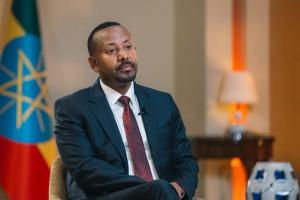
Addis Ababa, October 20, 2026 (ENA) —Prime Minister Abiy Ahmed said Eritrean people have lost much of its industrial capacity and urban vitality since secession, urging good neighborliness and development cooperation as the path forward. During an interview with the Ethiopian Broadcasting Corporation (EBC), the Prime Minister said Eritrean cities were once thriving economic centers when Eritrea was part of Ethiopia. However, these assets have significantly deteriorated since Eritrea’s secession, with some cities losing much of their former urban character. Recalling that Eritrea had more than 300 industries during that period, the Premier said the region had a substantial industrial base, contrasting its former economic strength with what he described as its present decline. Citing Asmara, PM Abiy said the capital had become smaller than many developing Ethiopian cities such as Arba Minch and Jigjiga. Speaking about the Red Sea port cities of Massawa and Assab, the Prime Minister said their economic activity had declined significantly, leaving their potential largely underutilized. “Massawa has been emptied, while Assab has been reduced to a ghost town,” Prime Minister Abiy said. The Prime Minister attributed the situation to the Eritrean government’s failure to prioritize development and institution-building, adding that its policies had instead drawn the country into serving the interests of forces opposed to Ethiopia. He said Eritreans, whom he described as industrious and welcoming, were now facing displacement and hardship, underscoring that external factors supporting confrontation would not resolve the country’s underlying challenges. Such involvement, the Premier said, offers no lasting solution to Eritrea’s problems, as those supporting confrontation are more likely to provide ammunition than contribute to addressing the country’s difficulties. He stressed that friendship, good neighborliness and development cooperation remain the viable path forward, noting that decades of experience have demonstrated the limitations of alternative approaches. The Prime Minister warned that continued disregard for calls to pursue partnership and development, rather than allowing the region to become an arena for external rivalries, could have serious consequences.
PM Abiy in Kenya to Attend Mashujaa Day Celebrations
Oct 20, 2026 3925
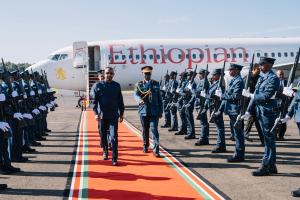
Addis Ababa, October 20, 2026 (ENA) —Prime Minister Abiy Ahmed has arrived in Eldoret, Kenya, as the Guest of Honor to attend the Mashujaa Day celebrations. The Mashujaa Day is a national holiday honoring those who have contributed to the country’s freedom, sovereignty, and development, Office of the Prime Minister stated.
Ethiopia Leads in Contributing to Africa's Geospatial, Space Observation: ECA Official
Oct 19, 2026 10060
Addis Ababa, October 19, 2026 (ENA) — Ethiopia is making significant contributions to Africa’s efforts to advance geospatial information and space observation for data driven development planning and evidence-based policymaking, a senior official of the United Nations Economic Commission for Africa (ECA) has said. Speaking exclusively to the Ethiopian News Agency (ENA), Andre Nonguierma, Chief of ECA’s Geospatial Information Management Section, highlighted Ethiopia’s progress in developing national space capabilities and applying satellite-based technologies to support development. He noted that Ethiopia’s satellite launches and growing use of Earth observation systems have strengthened its capacity to collect essential data for national planning, policymaking and development monitoring. Nonguierma described geospatial information as critical infrastructure for sustainable development, explaining that reliable location based data enables governments to identify community needs, guide infrastructure development and track progress over time. He emphasized the need for African countries to strengthen regional cooperation and pool resources to develop integrated geospatial and Earth observation systems linked to official statistics. Such integration, he said, would help countries improve development planning, strengthen evidence-based policymaking and make more informed decisions. Nonguierma also highlighted Ethiopia’s engagement in global geospatial governance, citing its role on the bureau of the United Nations Committee of Experts on Global Geospatial Information Management (UN-GGIM). Echoing his views, Nonmcebo Nkonyane-Simelane, a land surveyor at the Surveyor General’s Department of the Kingdom of Eswatini, said Ethiopia’s achievements in geospatial information management offer valuable lessons for other African countries. She stressed that continental cooperation enables countries to share experiences, learn from established practices and strengthen their national geospatial capabilities. They made the remarks during the Tenth Session of the Statistical Commission for Africa, held at the United Nations Conference Centre in Addis Ababa. Convened under the theme “Unleashing the Value of Data in Africa: Making Official Statistics a True Mirror of the Continent,” the session brings together African statistical leaders and international development partners to strengthen statistical systems and enhance the contribution of data to development policy. The event also includes the Twelfth Meeting of the Regional Committee of the United Nations Global Geospatial Information Management for Africa (UN-GGIM: Africa), which focuses on using geospatial information to promote sustainable development and monitor progress. The meetings aim to strengthen Africa’s statistical systems through greater technical cooperation, improved data integration and collaborative approaches to evidence-based policymaking.

Ethiopia’s Naval Experience Contributes to Red Sea Security: Aregawi Berhe
Oct 19, 2026 7543
Addis Ababa, October 19, 2026 (ENA) — Ethiopia’s historical experience in naval operations and maritime engagement can significantly contribute to addressing security challenges in the Red Sea region, CEO of the Grand Ethiopian Renaissance Dam (GERD) Project Coordination Office, Aregawi Berhe, said. Speaking to ENA, Aregawi emphasized that Ethiopia had maintained maritime connections for centuries, using Red Sea ports and shipping routes for trade, national defense and the development of naval capabilities. He cited Zeila, Massawa and Assab as ports historically connected to Ethiopia, noting that the country’s loss of direct access to the sea had not erased its legal rights and historical ties in maritime affairs. Aregawi further emphasized the importance of presenting Ethiopia’s legal, historical and operational experience to the international community while pursuing access through legal and diplomatic channels. He said the country’s approach to safeguarding its national interests had gained renewed attention following the political reforms. “During the EPRDF regime, no meaningful diplomatic work was done. Work that was outright contradictory was done. Work that opposed Ethiopia's interests were carried out,” Aregawi said. Aregawi also clarified that the Ethiopian government has genuinely taken up the belief of safeguarding Ethiopia's national interests. The CEO noted the public support for Ethiopia’s maritime interests, saying that alignment between the government and the public has been strengthening the country’s efforts to pursue its objectives. “The Ethiopian people are also grasping this understanding and supporting it. Therefore, if there is alignment between the government and the people, there is no reason why we cannot secure our rights,” he noted. Aregawi further argued that Ethiopia’s long-standing state institutions and experience in governance could contribute to stability in the Red Sea region and beyond. He also stressed that the development of naval capabilities could help Ethiopia protect its national interests while contributing to maritime security in the wider region. “Ethiopia is a country with a long history that has established governmental system since ancient times. This ancient governmental system has made Ethiopia subject to law and order,” he said. According to the CEO, this capacity, when strengthened and deployed, can serve not only as an anchor for the immediate Red Sea region but also as a foundation for the entire continent. Aregawi further elaborated that the GERD has demonstrated Ethiopia’s capacity to undertake similar major national initiatives through domestic expertise and collective effort, while expressing confidence that similar determination and cooperation could support the country’s maritime ambitions and efforts to contribute to regional peace and security.
.jpg)
Ethiopia Advances Strategic Interests, Diplomacy and Regional Security This Week
Oct 18, 2026 16862
By Staff Writer October 18, 2026 (ENA) Ethiopia has concluded the week with a series of significant political, diplomatic, economic and security developments, underscoring its determination to consolidate domestic stability, deepen international partnerships and strengthen its strategic role in the Horn of Africa and the Red Sea region. From establishing a six-month caretaker administration in Tigray to advancing economic diplomacy at the 2026 International Monetary Fund (IMF) and World Bank Group Annual Meetings in Bangkok, Ethiopia has pursued multiple priorities aimed at strengthening national stability and accelerating development. Prime Minister Abiy Ahmed’s telephone conversations with Israeli Prime Minister Benjamin Netanyahu and U.S. Secretary of State Marco Rubio further highlighted Ethiopia’s active bilateral engagement. Meanwhile a security briefing for foreign military attachés underscored the government’s emphasis on safeguarding national sovereignty and addressing information gaps surrounding the country’s security situation. Beyond immediate political and security priorities, the week also featured renewed calls for national unity, stronger technological capacity and climate resilience, alongside a broader national ambition to secure reliable maritime access and expand Ethiopia’s contribution to regional peace and economic integration. As Ethiopia begins a new five-year political chapter under the Medemer Government, these developments reflect an interconnected agenda: consolidating peace at home, mobilizing resources for development and advancing the country’s interests through regional cooperation and international engagement. Caretaker Administration in Tigray Region Ethiopia’s federal government has established a six-month caretaker administration for the Tigray Region, with a mandate to restore peace, revive public institutions and services, rebuild war-damaged infrastructure and prepare the ground for free and transparent elections. The decision followed a resolution by the House of Federation and a subsequent binding decision by the Council of Ministers to establish a provisional administration for the region. According to a statement from the Office of the Prime Minister, the measure came after repeated efforts to resolve the conflict through the Pretoria Agreement encountered obstacles attributed to the TPLF leadership. The statement accused the leadership of undermining the peace process and returning to conflict, arguing that the region’s population should not be trapped in a recurring cycle of violence. The federal government emphasized that lasting peace requires prioritizing development, strengthening Tigray’s place within Ethiopia’s federal system and deepening cooperation with the country’s other peoples. The caretaker administration is expected to restore the functioning of government institutions, facilitate the resumption of essential social services, rehabilitate damaged infrastructure and support the return of internally displaced people to their homes. The initiative places institutional recovery, peace and the restoration of essential services at the center of efforts to address the region’s challenges. Its implementation and progress toward credible elections will be important indicators of whether the transitional arrangement can help establish a more stable political environment. Ethiopia Intensifies Economic Diplomacy, Seeks Fresh Investment Capital Ethiopia has stepped up its international economic engagement at the 2026 IMF and World Bank Group Annual Meetings in Bangkok, Thailand, seeking to translate ongoing economic reforms and progress on debt restructuring into stronger investment partnerships and development financing. The Ethiopian delegation, led by National Bank of Ethiopia Governor Dr. Eyob Tekalign and including State Minister of Finance Tiguist Fisseha, engaged with international financial institutions, development partners and senior financial officials on the country’s economic priorities. The meetings provided a platform to discuss macroeconomic reforms, financial stability, debt sustainability, private investment and financing for Ethiopia’s development ambitions. Governor Eyob emphasized that Ethiopia is increasingly looking beyond debt restructuring toward attracting fresh investment capital and building high-value international partnerships that reflect the country’s market size, economic potential and development priorities. The shift comes as Ethiopia advances negotiations with external creditors. According to the delegation’s account, agreements with bilateral creditors have been finalized, while negotiations with commercial lenders are progressing following an agreement in principle with Eurobond holders. The delegation also held engagements with representatives of international financial institutions and partner countries to explore opportunities for closer cooperation and investment. For Ethiopia, the objective extends beyond securing additional financing. It is also about strengthening investor confidence, expanding access to development resources and ensuring that international partnerships support the country’s long-term economic transformation. As the country continues implementing economic reforms, the ability to convert international commitments into productive investment, employment opportunities and improved livelihoods will remain a central test of its economic diplomacy. Ethiopia Reaffirms Sovereignty as Foreign Military Attachés Receive Security Briefing Ethiopia has reiterated its commitment to safeguarding its sovereignty and territorial integrity as foreign military attachés received an update on the country’s security situation at Bishoftu Air Force Base. The briefing provided foreign military representatives with information on developments over the preceding three weeks, including security incidents and measures taken by the Ethiopian National Defense Force (ENDF). The representatives were also shown weapons reportedly captured during recent security operations in Tigray and adjoining areas. According to accounts of the briefing, the military attachés described the direct exchange as useful in clarifying information gaps and addressing reports circulating on social media and other media platforms. They also expressed support for Ethiopia’s right to protect its sovereignty and territorial integrity. High-Level Telephone Diplomacy Strengthens Ethiopia’s International Engagement Prime Minister Abiy Ahmed held separate telephone conversations with Israeli Prime Minister Benjamin Netanyahu and U.S. Secretary of State Marco Rubio, discussing bilateral relations and regional and multilateral issues of mutual interest. Following his conversation with Netanyahu, the Prime Minister described the exchange as fruitful and constructive, noting that the two leaders discussed bilateral relations and key regional developments. He also reaffirmed their commitment to strengthening cooperation. In his conversation with Rubio, PM Abiy discussed opportunities to translate the longstanding Ethiopia–United States relationship into a more strategic and practical partnership. The Prime Minister welcomed Washington’s assurance of continued support for Ethiopia and emphasized the shared interest in advancing bilateral cooperation and addressing regional and multilateral priorities. The engagements reflect Ethiopia’s continued efforts to maintain high-level dialogue with international partners while advancing its diplomatic and strategic interests. For a country whose economic and security priorities are closely connected to developments across the Horn of Africa, the Red Sea and the wider Middle East, sustained diplomatic engagement remains important to building partnerships, addressing shared concerns and supporting regional cooperation. National Flag Day Renews Call for Unity, Consensus and Shared Prosperity Ethiopia marked its 19th National Flag Day on October 12 under the theme “Our Flag for National Consensus and Unity,” renewing calls for national cohesion, respect for diversity and collective responsibility for the country’s future. In his message marking the occasion, Prime Minister Abiy Ahmed emphasized that national unity is fundamental to Ethiopia’s pursuit of prosperity and that the national flag represents the country’s shared history, sovereignty and strength in diversity. The observance came at a time when consolidating peace, strengthening public institutions and broadening national consensus remain important priorities for Ethiopia’s political transition. Beyond its symbolic significance, National Flag Day offered an opportunity to highlight the importance of dialogue, mutual understanding and cooperation among Ethiopia’s diverse communities. The message reinforced the idea that sustainable development requires more than economic growth: it also depends on social cohesion, shared responsibility and the ability to pursue common national objectives while respecting the country’s diversity. Technology and Meteorological Capacity Advance Climate Resilience Ethiopia has underscored the growing importance of scientific research, technological advancement and reliable data infrastructure in strengthening climate resilience and supporting national development. During a visit to the Ethiopia Meteorology Institute, Prime Minister Abiy Ahmed highlighted the institution’s role in generating meteorological information and improving the country’s capacity to anticipate and respond to changing weather conditions. The Prime Minister emphasized the need for continuous data collection, scientific research and technological modernization to strengthen institutional capacity and improve the use of weather and climate information. Reliable meteorological services are critical to several key sectors of the Ethiopian economy, particularly agriculture, water management, energy, transportation and disaster preparedness. Improved forecasting and early-warning systems can help communities and public institutions prepare for extreme weather events, reduce potential losses and make better-informed development decisions. As climate-related risks increasingly affect African economies, strengthening national forecasting and early-warning capacity will also contribute to wider efforts to protect livelihoods and support sustainable development. Ethiopia’s New Political Chapter Places Sea Access and Regional Integration in Focus As Ethiopia enters a new five-year political chapter under the Medemer Government, sovereign sea access remains a prominent national strategic and economic ambition. As one of the world’s most populous landlocked countries, Ethiopia has a substantial interest in securing dependable access to maritime trade routes through mutually beneficial arrangements with regional partners. Reliable sea access could help reduce logistical constraints, improve export competitiveness, attract investment and strengthen Ethiopia’s integration into regional and global markets. The issue also carries wider regional significance. Ethiopia’s economic growth, population size and position at the heart of the Horn of Africa mean that maritime connectivity has implications for trade, infrastructure development and cross-border economic cooperation. Ethiopia’s pursuit of maritime access therefore intersects with a broader national agenda: strengthening economic resilience, diversifying trade routes and building regional partnerships that can generate shared prosperity. Ethiopia’s Maritime Ambition Linked to Red Sea Stability Ethiopia’s pursuit of reliable maritime access featured prominently in the week’s strategic agenda, reflecting the country’s economic interests and the Red Sea’s critical role in global trade and security. With its strategic position, economic potential and longstanding peacekeeping record, Ethiopia could contribute to regional maritime security and protect vital trade routes through constructive cooperation with coastal states, respect for international law and mutually beneficial arrangements. Reliable maritime access, stronger regional cooperation and a stable Red Sea are interconnected priorities that could unlock trade, investment and shared prosperity across the Horn of Africa. Tana Forum Positions Ethiopia at the Center of Africa’s Peace and Security Dialogue Ethiopia is preparing to host the 12th Tana High-Level Forum on Security in Africa in Bahir Dar from October 23 to 25, bringing African leaders, policymakers, researchers and security experts together to examine the continent’s evolving peace and security challenges. The forum’s theme, “Pathways to Peace in Africa: Economic Sovereignty and Geopolitical Transformation,” reflects growing recognition that sustainable peace is closely linked to economic independence, institutional strength and Africa’s capacity to navigate intensifying global geopolitical competition. Across the continent, conflicts, political instability, external rivalries and economic vulnerabilities continue to complicate efforts to achieve lasting peace and development. The Tana Forum offers an opportunity to examine how African countries can strengthen locally driven responses, deepen regional cooperation and align peace and security strategies with the continent’s development priorities. Its emphasis on economic sovereignty also highlights the importance of mobilizing domestic resources, building resilient economies and ensuring that African countries have greater capacity to shape decisions affecting their futures. For Ethiopia, hosting the forum reinforces Addis Ababa’s and the country’s wider role in continental diplomacy and provides an additional platform for advancing dialogue on African-led solutions to shared challenges. Looking Ahead: Connecting National Stability with Regional Opportunity This week’s developments illustrate the interconnected nature of Ethiopia’s domestic priorities and international ambitions. The caretaker administration in Tigray region places peace, institutional recovery and the restoration of public services at the center of the country’s internal challenges. Economic diplomacy in Bangkok reflects an effort to turn reform and debt-restructuring progress into fresh investment and development financing. High-level telephone conversations and military briefings demonstrate continued engagement with international partners on diplomatic and security issues. At the same time, National Flag Day, investments in meteorological capacity and preparations for the Tana Forum highlight the importance of national cohesion, technological modernization and African-led approaches to peace and development. Ethiopia’s pursuit of sovereign sea access adds a longer-term strategic dimension to this agenda, linking economic competitiveness with regional connectivity and the stability of the Red Sea. All in all, these priorities point to a broader national objective: consolidating stability at home, mobilizing resources for inclusive development and building international partnerships that advance Ethiopia’s interests while contributing to regional cooperation.
Politics
Ethiopia’s Sovereign Access to Seaport Crucial for Regional Shared Prosperity: Scholars
Oct 20, 2026 8697
Addis Ababa, October 21, 2026 (ENA) — Scholars have noted that Ethiopia’s sovereign access to seaport plays a crucial role in ensuring regional shared prosperity. Ethiopia was one of the world's prominent civilizations in international trade and diplomacy due to its secured sovereign sea access and ports. However, the country had lost its natural, historical, and legal resources due to internal and external political conspiracies as well as various historical circumstances. However, the present generation has risen with strong determination to regain this historical right of ownership and to safeguard the nation's core interests. Efforts being made by the government to address the issue through peaceful and diplomatic means are also showing promising results. The international community has also given due support and attention to Ethiopia’s fair demand. In an exclusive interview with ENA, Logistics Researcher Temesgen Walelign said access to the sea plays a significant role in strengthening commercial activities, cargo transport, and global market integration countries. As a result, Ethiopia’s lack of port has been incurring additional logistics costs and burdens, preventing products from reaching the global market on time and at competitive prices, he explained. These extra costs affect not only export trade but also cause price hikes on imported goods, ultimately impacting consumers, the researcher added. Moreover, Ethiopia’s claim for sea access is appropriate taking into consideration the historical, legal, and long-term development ambitions of the country beyond it geographical location and population. He also praised Ethiopia’s efforts in working with neighboring countries to achieve this demand by adhering to principles of give-and-take, peaceful diplomacy, and mutual benefit. Beyond strengthening Ethiopia's commercial and economic capacity, this contributes significantly to fostering lasting regional peace and economic cooperation, Temesgen underscored. Overall, he emphasized that the demand goes beyond current economic needs and forms the foundation of the country's future strategic survival. For his part, the economist Nemomsa Mengesha said Ethiopia's quest for sovereign seaport plays a crucial role in boosting economic competitiveness. This, he noted, will streamline the overall economic activities and play a major role in easing living cost for citizens. Therefore, securing seaport is a fundamental solution for achieving the country's long-term development goals and improving the living standards of its people.
TPLF Had Been Preparing for War: PM Abiy
Oct 20, 2026 3948
Addis Ababa, October 20, 2026 (ENA) — The defunct TPLF had been preparing for another round of war, violating the Pretoria Agreement, Prime Minister Abiy Ahmed revealed. During an interview with the Ethiopian Broadcasting Corporation (EBC), he said the TPLF violated the Pretoria Agreement signed in October 2022. The PM recalled that the key elements of the Pretoria Agreement included cessation of hostilities, restoration of all services, disarmament, return of displaced people, and recognition of the constitutional order. The federal government had fulfilled everything that was possible and expected of it, he added. On the contrary, the TPLF had been purchasing and soliciting weapons as well as openly recruiting young people instead of implementing the agreement to disarm combatants. Above all, PM Abiy pointed out that after the agreement, the TPLF used displaced persons as hostages to prevent them from returning to their homes. Additionally, it engaged in destroying and closing down infrastructure—including airlines, banking, and telecommunications—that had been restored by the Federal Government to deliver services. Despite the group’s misdeeds, the PM stated that the government had forewarned that war was not worthwhile and that peace was preferable. However, the TPLF disregarded the advice and collaborated with various forces, and violated the Pretoria Agreement by initiating an unnecessary war. Immense damage has been inflicted on the public as a result of the war instigated by the TPLF, he noted. War is bad and yields no benefit, the Premier further noted, adding that a war fought for the interests of foreign forces is even worse. The psychological damage is not to be taken lightly and damage has also been inflicted on development and the economy. PM Abiy stressed that young people carrying Kalashnikovs should therefore return to work and participate in the development and rehabilitation of Tigray. Noting that many young people were forcibly recruited, he advised those who have not yet returned to return to normal life. He stated that the leaders of the TPLF have been declaring war for 50 years without dying or being wounded themselves; instead they sent their children and families abroad and to Addis Ababa where they are engaged in business and construction. The youth of Tigray deserve to live and change their lives, rather than dying and suffering for them, the Premier added. He urged Tigrayan youth to avoid war and instead dedicate their physical and mental energy to development. Young people's daily lives should be spent in universities, businesses, agriculture, and factories. "Instead of pulling a trigger, your fingers should be on a computer. Lay down your Kalashnikov and return to development," PM Abiy advised. The Prime Minister also stated that the TPLF lacked principles. Although it presented itself as a popular movement in its rhetoric, its actions were anti-people. He argued that the TPLF could not bring about meaningful change because it had allied itself with anti-people forces. The TPLF is cooperating with forces that do not recognize the Constitution in an effort to dismantle the very Constitution that it claimed to have established.
PM Abiy Honors Kenya’s Heroes, Highlights Shared Legacy of Unity
Oct 20, 2026 5411
Addis Ababa, October 20, 2026 (ENA) — Prime Minister Abiy Ahmed has paid tribute to Kenya’s freedom fighters and national heroes during the Mashujaa Day celebrations in Eldoret, Kenya. The Premier highlighted the shared legacy of courage, unity, and sacrifice between the two countries. In a social media post, the Prime Minister said: “I delivered remarks paying tribute to the heroes who fought for freedom and those who made the ultimate sacrifices to safeguard their nation. I honour their courage and legacy!” PM Abiy noted that Kenya’s history of courage and sacrifice resonates deeply with Ethiopia’s own story of Adwa, where Ethiopians from every corner of the country united to defend their homeland. These shared histories remind us that freedom was never given but won through courage, unity, and sacrifice, the Prime Minister added. “As our histories are intertwined, so too must our futures be. Through the spirit of Medemer, Ethiopia and Kenya must continue building on our existing cooperation in clean energy, connectivity, telecommunications, and trade to create greater opportunities and shared prosperity for our people,” he said. The two countries also cooperate in regional security, cross-border infrastructure, trade, telecommunications, and electricity interconnections, supporting economic integration and development across the Horn of Africa, it was learned.
PM Abiy Says Eritrean People Have Lost Former Assets Since Secession
Oct 20, 2026 10046
Addis Ababa, October 20, 2026 (ENA) —Prime Minister Abiy Ahmed said Eritrean people have lost much of its industrial capacity and urban vitality since secession, urging good neighborliness and development cooperation as the path forward. During an interview with the Ethiopian Broadcasting Corporation (EBC), the Prime Minister said Eritrean cities were once thriving economic centers when Eritrea was part of Ethiopia. However, these assets have significantly deteriorated since Eritrea’s secession, with some cities losing much of their former urban character. Recalling that Eritrea had more than 300 industries during that period, the Premier said the region had a substantial industrial base, contrasting its former economic strength with what he described as its present decline. Citing Asmara, PM Abiy said the capital had become smaller than many developing Ethiopian cities such as Arba Minch and Jigjiga. Speaking about the Red Sea port cities of Massawa and Assab, the Prime Minister said their economic activity had declined significantly, leaving their potential largely underutilized. “Massawa has been emptied, while Assab has been reduced to a ghost town,” Prime Minister Abiy said. The Prime Minister attributed the situation to the Eritrean government’s failure to prioritize development and institution-building, adding that its policies had instead drawn the country into serving the interests of forces opposed to Ethiopia. He said Eritreans, whom he described as industrious and welcoming, were now facing displacement and hardship, underscoring that external factors supporting confrontation would not resolve the country’s underlying challenges. Such involvement, the Premier said, offers no lasting solution to Eritrea’s problems, as those supporting confrontation are more likely to provide ammunition than contribute to addressing the country’s difficulties. He stressed that friendship, good neighborliness and development cooperation remain the viable path forward, noting that decades of experience have demonstrated the limitations of alternative approaches. The Prime Minister warned that continued disregard for calls to pursue partnership and development, rather than allowing the region to become an arena for external rivalries, could have serious consequences.
PM Abiy in Kenya to Attend Mashujaa Day Celebrations
Oct 20, 2026 3925
Addis Ababa, October 20, 2026 (ENA) —Prime Minister Abiy Ahmed has arrived in Eldoret, Kenya, as the Guest of Honor to attend the Mashujaa Day celebrations. The Mashujaa Day is a national holiday honoring those who have contributed to the country’s freedom, sovereignty, and development, Office of the Prime Minister stated.
Ethiopia Leads in Contributing to Africa's Geospatial, Space Observation: ECA Official
Oct 19, 2026 10060
Addis Ababa, October 19, 2026 (ENA) — Ethiopia is making significant contributions to Africa’s efforts to advance geospatial information and space observation for data driven development planning and evidence-based policymaking, a senior official of the United Nations Economic Commission for Africa (ECA) has said. Speaking exclusively to the Ethiopian News Agency (ENA), Andre Nonguierma, Chief of ECA’s Geospatial Information Management Section, highlighted Ethiopia’s progress in developing national space capabilities and applying satellite-based technologies to support development. He noted that Ethiopia’s satellite launches and growing use of Earth observation systems have strengthened its capacity to collect essential data for national planning, policymaking and development monitoring. Nonguierma described geospatial information as critical infrastructure for sustainable development, explaining that reliable location based data enables governments to identify community needs, guide infrastructure development and track progress over time. He emphasized the need for African countries to strengthen regional cooperation and pool resources to develop integrated geospatial and Earth observation systems linked to official statistics. Such integration, he said, would help countries improve development planning, strengthen evidence-based policymaking and make more informed decisions. Nonguierma also highlighted Ethiopia’s engagement in global geospatial governance, citing its role on the bureau of the United Nations Committee of Experts on Global Geospatial Information Management (UN-GGIM). Echoing his views, Nonmcebo Nkonyane-Simelane, a land surveyor at the Surveyor General’s Department of the Kingdom of Eswatini, said Ethiopia’s achievements in geospatial information management offer valuable lessons for other African countries. She stressed that continental cooperation enables countries to share experiences, learn from established practices and strengthen their national geospatial capabilities. They made the remarks during the Tenth Session of the Statistical Commission for Africa, held at the United Nations Conference Centre in Addis Ababa. Convened under the theme “Unleashing the Value of Data in Africa: Making Official Statistics a True Mirror of the Continent,” the session brings together African statistical leaders and international development partners to strengthen statistical systems and enhance the contribution of data to development policy. The event also includes the Twelfth Meeting of the Regional Committee of the United Nations Global Geospatial Information Management for Africa (UN-GGIM: Africa), which focuses on using geospatial information to promote sustainable development and monitor progress. The meetings aim to strengthen Africa’s statistical systems through greater technical cooperation, improved data integration and collaborative approaches to evidence-based policymaking.
Ethiopia’s Naval Experience Contributes to Red Sea Security: Aregawi Berhe
Oct 19, 2026 7543
Addis Ababa, October 19, 2026 (ENA) — Ethiopia’s historical experience in naval operations and maritime engagement can significantly contribute to addressing security challenges in the Red Sea region, CEO of the Grand Ethiopian Renaissance Dam (GERD) Project Coordination Office, Aregawi Berhe, said. Speaking to ENA, Aregawi emphasized that Ethiopia had maintained maritime connections for centuries, using Red Sea ports and shipping routes for trade, national defense and the development of naval capabilities. He cited Zeila, Massawa and Assab as ports historically connected to Ethiopia, noting that the country’s loss of direct access to the sea had not erased its legal rights and historical ties in maritime affairs. Aregawi further emphasized the importance of presenting Ethiopia’s legal, historical and operational experience to the international community while pursuing access through legal and diplomatic channels. He said the country’s approach to safeguarding its national interests had gained renewed attention following the political reforms. “During the EPRDF regime, no meaningful diplomatic work was done. Work that was outright contradictory was done. Work that opposed Ethiopia's interests were carried out,” Aregawi said. Aregawi also clarified that the Ethiopian government has genuinely taken up the belief of safeguarding Ethiopia's national interests. The CEO noted the public support for Ethiopia’s maritime interests, saying that alignment between the government and the public has been strengthening the country’s efforts to pursue its objectives. “The Ethiopian people are also grasping this understanding and supporting it. Therefore, if there is alignment between the government and the people, there is no reason why we cannot secure our rights,” he noted. Aregawi further argued that Ethiopia’s long-standing state institutions and experience in governance could contribute to stability in the Red Sea region and beyond. He also stressed that the development of naval capabilities could help Ethiopia protect its national interests while contributing to maritime security in the wider region. “Ethiopia is a country with a long history that has established governmental system since ancient times. This ancient governmental system has made Ethiopia subject to law and order,” he said. According to the CEO, this capacity, when strengthened and deployed, can serve not only as an anchor for the immediate Red Sea region but also as a foundation for the entire continent. Aregawi further elaborated that the GERD has demonstrated Ethiopia’s capacity to undertake similar major national initiatives through domestic expertise and collective effort, while expressing confidence that similar determination and cooperation could support the country’s maritime ambitions and efforts to contribute to regional peace and security.
Ethiopia Advances Strategic Interests, Diplomacy and Regional Security This Week
Oct 18, 2026 16862
By Staff Writer October 18, 2026 (ENA) Ethiopia has concluded the week with a series of significant political, diplomatic, economic and security developments, underscoring its determination to consolidate domestic stability, deepen international partnerships and strengthen its strategic role in the Horn of Africa and the Red Sea region. From establishing a six-month caretaker administration in Tigray to advancing economic diplomacy at the 2026 International Monetary Fund (IMF) and World Bank Group Annual Meetings in Bangkok, Ethiopia has pursued multiple priorities aimed at strengthening national stability and accelerating development. Prime Minister Abiy Ahmed’s telephone conversations with Israeli Prime Minister Benjamin Netanyahu and U.S. Secretary of State Marco Rubio further highlighted Ethiopia’s active bilateral engagement. Meanwhile a security briefing for foreign military attachés underscored the government’s emphasis on safeguarding national sovereignty and addressing information gaps surrounding the country’s security situation. Beyond immediate political and security priorities, the week also featured renewed calls for national unity, stronger technological capacity and climate resilience, alongside a broader national ambition to secure reliable maritime access and expand Ethiopia’s contribution to regional peace and economic integration. As Ethiopia begins a new five-year political chapter under the Medemer Government, these developments reflect an interconnected agenda: consolidating peace at home, mobilizing resources for development and advancing the country’s interests through regional cooperation and international engagement. Caretaker Administration in Tigray Region Ethiopia’s federal government has established a six-month caretaker administration for the Tigray Region, with a mandate to restore peace, revive public institutions and services, rebuild war-damaged infrastructure and prepare the ground for free and transparent elections. The decision followed a resolution by the House of Federation and a subsequent binding decision by the Council of Ministers to establish a provisional administration for the region. According to a statement from the Office of the Prime Minister, the measure came after repeated efforts to resolve the conflict through the Pretoria Agreement encountered obstacles attributed to the TPLF leadership. The statement accused the leadership of undermining the peace process and returning to conflict, arguing that the region’s population should not be trapped in a recurring cycle of violence. The federal government emphasized that lasting peace requires prioritizing development, strengthening Tigray’s place within Ethiopia’s federal system and deepening cooperation with the country’s other peoples. The caretaker administration is expected to restore the functioning of government institutions, facilitate the resumption of essential social services, rehabilitate damaged infrastructure and support the return of internally displaced people to their homes. The initiative places institutional recovery, peace and the restoration of essential services at the center of efforts to address the region’s challenges. Its implementation and progress toward credible elections will be important indicators of whether the transitional arrangement can help establish a more stable political environment. Ethiopia Intensifies Economic Diplomacy, Seeks Fresh Investment Capital Ethiopia has stepped up its international economic engagement at the 2026 IMF and World Bank Group Annual Meetings in Bangkok, Thailand, seeking to translate ongoing economic reforms and progress on debt restructuring into stronger investment partnerships and development financing. The Ethiopian delegation, led by National Bank of Ethiopia Governor Dr. Eyob Tekalign and including State Minister of Finance Tiguist Fisseha, engaged with international financial institutions, development partners and senior financial officials on the country’s economic priorities. The meetings provided a platform to discuss macroeconomic reforms, financial stability, debt sustainability, private investment and financing for Ethiopia’s development ambitions. Governor Eyob emphasized that Ethiopia is increasingly looking beyond debt restructuring toward attracting fresh investment capital and building high-value international partnerships that reflect the country’s market size, economic potential and development priorities. The shift comes as Ethiopia advances negotiations with external creditors. According to the delegation’s account, agreements with bilateral creditors have been finalized, while negotiations with commercial lenders are progressing following an agreement in principle with Eurobond holders. The delegation also held engagements with representatives of international financial institutions and partner countries to explore opportunities for closer cooperation and investment. For Ethiopia, the objective extends beyond securing additional financing. It is also about strengthening investor confidence, expanding access to development resources and ensuring that international partnerships support the country’s long-term economic transformation. As the country continues implementing economic reforms, the ability to convert international commitments into productive investment, employment opportunities and improved livelihoods will remain a central test of its economic diplomacy. Ethiopia Reaffirms Sovereignty as Foreign Military Attachés Receive Security Briefing Ethiopia has reiterated its commitment to safeguarding its sovereignty and territorial integrity as foreign military attachés received an update on the country’s security situation at Bishoftu Air Force Base. The briefing provided foreign military representatives with information on developments over the preceding three weeks, including security incidents and measures taken by the Ethiopian National Defense Force (ENDF). The representatives were also shown weapons reportedly captured during recent security operations in Tigray and adjoining areas. According to accounts of the briefing, the military attachés described the direct exchange as useful in clarifying information gaps and addressing reports circulating on social media and other media platforms. They also expressed support for Ethiopia’s right to protect its sovereignty and territorial integrity. High-Level Telephone Diplomacy Strengthens Ethiopia’s International Engagement Prime Minister Abiy Ahmed held separate telephone conversations with Israeli Prime Minister Benjamin Netanyahu and U.S. Secretary of State Marco Rubio, discussing bilateral relations and regional and multilateral issues of mutual interest. Following his conversation with Netanyahu, the Prime Minister described the exchange as fruitful and constructive, noting that the two leaders discussed bilateral relations and key regional developments. He also reaffirmed their commitment to strengthening cooperation. In his conversation with Rubio, PM Abiy discussed opportunities to translate the longstanding Ethiopia–United States relationship into a more strategic and practical partnership. The Prime Minister welcomed Washington’s assurance of continued support for Ethiopia and emphasized the shared interest in advancing bilateral cooperation and addressing regional and multilateral priorities. The engagements reflect Ethiopia’s continued efforts to maintain high-level dialogue with international partners while advancing its diplomatic and strategic interests. For a country whose economic and security priorities are closely connected to developments across the Horn of Africa, the Red Sea and the wider Middle East, sustained diplomatic engagement remains important to building partnerships, addressing shared concerns and supporting regional cooperation. National Flag Day Renews Call for Unity, Consensus and Shared Prosperity Ethiopia marked its 19th National Flag Day on October 12 under the theme “Our Flag for National Consensus and Unity,” renewing calls for national cohesion, respect for diversity and collective responsibility for the country’s future. In his message marking the occasion, Prime Minister Abiy Ahmed emphasized that national unity is fundamental to Ethiopia’s pursuit of prosperity and that the national flag represents the country’s shared history, sovereignty and strength in diversity. The observance came at a time when consolidating peace, strengthening public institutions and broadening national consensus remain important priorities for Ethiopia’s political transition. Beyond its symbolic significance, National Flag Day offered an opportunity to highlight the importance of dialogue, mutual understanding and cooperation among Ethiopia’s diverse communities. The message reinforced the idea that sustainable development requires more than economic growth: it also depends on social cohesion, shared responsibility and the ability to pursue common national objectives while respecting the country’s diversity. Technology and Meteorological Capacity Advance Climate Resilience Ethiopia has underscored the growing importance of scientific research, technological advancement and reliable data infrastructure in strengthening climate resilience and supporting national development. During a visit to the Ethiopia Meteorology Institute, Prime Minister Abiy Ahmed highlighted the institution’s role in generating meteorological information and improving the country’s capacity to anticipate and respond to changing weather conditions. The Prime Minister emphasized the need for continuous data collection, scientific research and technological modernization to strengthen institutional capacity and improve the use of weather and climate information. Reliable meteorological services are critical to several key sectors of the Ethiopian economy, particularly agriculture, water management, energy, transportation and disaster preparedness. Improved forecasting and early-warning systems can help communities and public institutions prepare for extreme weather events, reduce potential losses and make better-informed development decisions. As climate-related risks increasingly affect African economies, strengthening national forecasting and early-warning capacity will also contribute to wider efforts to protect livelihoods and support sustainable development. Ethiopia’s New Political Chapter Places Sea Access and Regional Integration in Focus As Ethiopia enters a new five-year political chapter under the Medemer Government, sovereign sea access remains a prominent national strategic and economic ambition. As one of the world’s most populous landlocked countries, Ethiopia has a substantial interest in securing dependable access to maritime trade routes through mutually beneficial arrangements with regional partners. Reliable sea access could help reduce logistical constraints, improve export competitiveness, attract investment and strengthen Ethiopia’s integration into regional and global markets. The issue also carries wider regional significance. Ethiopia’s economic growth, population size and position at the heart of the Horn of Africa mean that maritime connectivity has implications for trade, infrastructure development and cross-border economic cooperation. Ethiopia’s pursuit of maritime access therefore intersects with a broader national agenda: strengthening economic resilience, diversifying trade routes and building regional partnerships that can generate shared prosperity. Ethiopia’s Maritime Ambition Linked to Red Sea Stability Ethiopia’s pursuit of reliable maritime access featured prominently in the week’s strategic agenda, reflecting the country’s economic interests and the Red Sea’s critical role in global trade and security. With its strategic position, economic potential and longstanding peacekeeping record, Ethiopia could contribute to regional maritime security and protect vital trade routes through constructive cooperation with coastal states, respect for international law and mutually beneficial arrangements. Reliable maritime access, stronger regional cooperation and a stable Red Sea are interconnected priorities that could unlock trade, investment and shared prosperity across the Horn of Africa. Tana Forum Positions Ethiopia at the Center of Africa’s Peace and Security Dialogue Ethiopia is preparing to host the 12th Tana High-Level Forum on Security in Africa in Bahir Dar from October 23 to 25, bringing African leaders, policymakers, researchers and security experts together to examine the continent’s evolving peace and security challenges. The forum’s theme, “Pathways to Peace in Africa: Economic Sovereignty and Geopolitical Transformation,” reflects growing recognition that sustainable peace is closely linked to economic independence, institutional strength and Africa’s capacity to navigate intensifying global geopolitical competition. Across the continent, conflicts, political instability, external rivalries and economic vulnerabilities continue to complicate efforts to achieve lasting peace and development. The Tana Forum offers an opportunity to examine how African countries can strengthen locally driven responses, deepen regional cooperation and align peace and security strategies with the continent’s development priorities. Its emphasis on economic sovereignty also highlights the importance of mobilizing domestic resources, building resilient economies and ensuring that African countries have greater capacity to shape decisions affecting their futures. For Ethiopia, hosting the forum reinforces Addis Ababa’s and the country’s wider role in continental diplomacy and provides an additional platform for advancing dialogue on African-led solutions to shared challenges. Looking Ahead: Connecting National Stability with Regional Opportunity This week’s developments illustrate the interconnected nature of Ethiopia’s domestic priorities and international ambitions. The caretaker administration in Tigray region places peace, institutional recovery and the restoration of public services at the center of the country’s internal challenges. Economic diplomacy in Bangkok reflects an effort to turn reform and debt-restructuring progress into fresh investment and development financing. High-level telephone conversations and military briefings demonstrate continued engagement with international partners on diplomatic and security issues. At the same time, National Flag Day, investments in meteorological capacity and preparations for the Tana Forum highlight the importance of national cohesion, technological modernization and African-led approaches to peace and development. Ethiopia’s pursuit of sovereign sea access adds a longer-term strategic dimension to this agenda, linking economic competitiveness with regional connectivity and the stability of the Red Sea. All in all, these priorities point to a broader national objective: consolidating stability at home, mobilizing resources for inclusive development and building international partnerships that advance Ethiopia’s interests while contributing to regional cooperation.
Social
Supreme Audit Institutions Deliberating on Strengthening Collaboration, Accountability in Africa
Oct 20, 2026 3910
Addis Ababa, October 20, 2026 (ENA) — A workshop aimed at strengthening collaboration and improving the effectiveness and sustainability of public-sector auditing across Africa is underway in Addis Ababa. Opening the three-day capacity development workshop today, Ethiopia's Auditor General Meseret Damtie said strengthening African Supreme Audit Institutions (SAIs) is essential in order to promote accountable governance, sound public financial management and sustainable development across the continent. She emphasized that improved audit quality, institutional capacity and collaboration are essential to enable audit institutions fulfil their mandates effectively. “At the heart of ARISE (African Regional Initiative for Strengthening Effectiveness) is the spirit of peer support and collaboration,” the Auditor General said, highlighting the importance of cooperation among participating institutions, programme coordinators, peer SAIs and development partners in achieving sustainable results. She said the workshop provides an opportunity to clarify roles and responsibilities, strengthen project-management and facilitation skills, and exchange experiences from the programme’s early implementation. Meseret linked the principles of cooperation and collective responsibility underpinning ARISE to Ethiopia’s Medemer philosophy, which emphasizes synergy, shared contributions and common goals. She highlighted the importance of collaboration in strengthening institutions and advancing sustainable development, reflecting the program’s emphasis on partnerships and collective efforts to improve public-sector accountability across Africa. INTOSAI Development Initiative (IDI) representative, Muhammed Dabo, stressed that sustainable improvements in Supreme Audit Institutions require more than technical training, emphasizing strong institutional systems, effective leadership, capable personnel and the ability to manage change. “Each partner has a distinct role, but we share one objective: stronger, more effective and sustainable Supreme Audit Institutions,” he said, underscoring the complementary roles of beneficiary SAIs, peer institutions, regional organizations and development partners. Dabo encouraged the participants to share experiences openly, identify challenges early, adapt when necessary and develop practical solutions for their respective institutions. He stressed that the workshop’s success should be measured by the lessons applied and improvements achieved after participants return to their work. The ARISE programme is implemented by IDI with support from the Norwegian Agency for Development Cooperation (Norad) for the 2025-2028 period. It provides long-term, SAI-led bilateral support to Supreme Audit Institutions operating in challenging environments across Africa, focusing on improving audit quality, institutional governance, strategic planning and stakeholder engagement.
PM Abiy Honors Kenya’s Heroes, Highlights Shared Legacy of Unity
Oct 20, 2026 5411
Addis Ababa, October 20, 2026 (ENA) — Prime Minister Abiy Ahmed has paid tribute to Kenya’s freedom fighters and national heroes during the Mashujaa Day celebrations in Eldoret, Kenya. The Premier highlighted the shared legacy of courage, unity, and sacrifice between the two countries. In a social media post, the Prime Minister said: “I delivered remarks paying tribute to the heroes who fought for freedom and those who made the ultimate sacrifices to safeguard their nation. I honour their courage and legacy!” PM Abiy noted that Kenya’s history of courage and sacrifice resonates deeply with Ethiopia’s own story of Adwa, where Ethiopians from every corner of the country united to defend their homeland. These shared histories remind us that freedom was never given but won through courage, unity, and sacrifice, the Prime Minister added. “As our histories are intertwined, so too must our futures be. Through the spirit of Medemer, Ethiopia and Kenya must continue building on our existing cooperation in clean energy, connectivity, telecommunications, and trade to create greater opportunities and shared prosperity for our people,” he said. The two countries also cooperate in regional security, cross-border infrastructure, trade, telecommunications, and electricity interconnections, supporting economic integration and development across the Horn of Africa, it was learned.
Ethiopia Elected to Chair 78th UNHCR Executive Committee Session
Oct 16, 2026 15433
Addis Ababa, October 16, 2026 (ENA) —Ethiopia has been elected to chair the 78th session of the Executive Committee of the United Nations High Commissioner for Refugees (UNHCR), recognizing its longstanding role in refugee protection and international cooperation as it hosts more than 1.2 million refugees and asylum seekers. Addressing member states following the election, Ethiopia’s Permanent Representative to the UN Office at Geneva and other international organizations in Switzerland, Ambassador Tsegab Kebebew Daka, expressed gratitude to the African Group for its confidence and to other countries that supported Ethiopia’s nomination. Ambassador Tsegab highlighted Ethiopia’s historic tradition of providing refuge to people fleeing persecution, recalling how the ancient Kingdom of Aksum offered protection to early Muslims escaping persecution in Mecca during the seventh century. He said the refusal of the Aksumite king to surrender the refugees to their persecutors remained a powerful historical example of the principle of non-refoulement, a cornerstone of the 1951 Refugee Convention. “Long before this principle was codified in international law, Ethiopia’s history offered an enduring example of the importance of protecting those fleeing persecution and upholding the dignity of people seeking refuge,” he said, stressing that refugee protection transcends borders, cultures and generations. The ambassador underscored that refugee protection is a shared international responsibility, calling for stronger collective action, equitable responsibility-sharing and sustained support for refugees and host communities amid rising displacement and growing pressure on humanitarian resources. He also highlighted Ethiopia’s engagement in the Global Refugee Forum and the launch of the Makatet Roadmap as part of efforts to advance refugee inclusion, self-reliance and access to national systems while supporting development in host communities. He emphasized that these nationally led initiatives require predictable international financing and meaningful partnerships to achieve lasting results. Drawing on Ethiopia’s experience serving on the Executive Committee’s Bureau over the past two years, Ambassador Tsegab outlined the country’s vision for an effective, inclusive and constructive committee that promotes focused deliberations and gives all members meaningful opportunities to contribute. He pledged to foster open engagement among member states, UNHCR and its leadership, promoting dialogue and consensus to bridge differing perspectives and advance shared objectives in accordance with the committee’s rules of procedure. Addressing growing humanitarian needs and significant funding constraints, he stressed that institutional reform and efficiency must strengthen—not undermine—UNHCR’s ability to protect refugees and deliver assistance where it is most needed. “Reform, efficiency, and the responsible use of resources must strengthen rather than weaken UNHCR’s capacity to deliver protection and assistance where they are most needed,” he said. Ambassador Tsegab also expressed appreciation to Japan’s Ambassador Oike, the outgoing chairperson, and the previous Bureau for their work over the past year. He pledged Ethiopia’s close cooperation with the newly elected Executive Committee, the High Commissioner, UNHCR management and the Secretariat to advance shared priorities and strengthen the international refugee protection system. Ethiopia’s election comes as the country continues to host more than 1.2 million refugees and asylum seekers, underscoring both its substantial responsibilities and its engagement in international efforts to strengthen refugee protection and support host communities.
State Minister Stresses Need for Empowering Women in Agriculture
Oct 15, 2026 11407
Addis Ababa, October 15, 2026 (ENA) — Empowering women in agriculture is crucial to bringing about the desired change and transformation in the sector, Agriculture State Minister Sofia Kassa said. International Women Farmers and Pastoralists Day was marked under the theme: “Empower Women Farmers, Strengthen Food Security, Build a Prosperous Ethiopia” in Addis Ababa today. In her opening remarks, the state minister emphasized that to fully utilize the country's development potential in the agricultural sector, efforts must be strengthened to ensure the direct benefit of women farmers and pastoralists. She noted that empowering women farmers significantly contributes to ensuring food security and building a prosperous Ethiopia. Therefore, Sofia stressed the need to empower women farmers by enhancing financial access, leveraging technology, and ensuring land ownership, among other measures. Efforts will be strengthened to ensure that women benefit equally from digital agricultural technologies, access to climate-resilient seed varieties, and labor-saving tools, the state minister said. Emphasizing that an adequate financial supply tailored to the nature of agriculture must be facilitated, she expressed the government's strong commitment to providing financial access in rural areas, particularly for women farmers and pastoralists. Stating that women across all parts of the country are engaged in agricultural activities ranging from smallholder farming to large-scale investment, Sofia added that women achieve impressive yields through diligent land preparation and cultivation activities. Furthermore, she pointed out that women also possess the capacity to be productive, competitive, and strong leaders despite facing many challenges, highlighting the need to support and empower model women farmers and pastoralists moving forward. As women make a significant contribution to feeding millions of people globally, the state minister said greater attention will be given to enhance women’s participation and benefits in the sector. On the sidelines of the event, 33 water pumps and 150 knapsack sprayers were distributed to model women farmers as part of encouraging female farmers.
Economy
PM Abiy Reviews Ethiopia’s Progress Toward Nuclear Energy Development
Oct 21, 2026 179
Addis Ababa, October 21, 2026 (ENA) —Prime Minister Abiy Ahmed has visited the Ethiopian Nuclear Energy Commission to review progress in developing the country’s nuclear energy program. The Premier highlighted the role of advanced technology in Ethiopia’s long-term development ambitions. In a social media post following the visit, the Prime Minister said Ethiopia’s next chapter of development would focus on translating its vast potential into tangible progress. “Ethiopia’s next chapter is about transforming its immense potential and abundant natural resources into tangible development, technological advancement, and shared prosperity,” he underscored. He emphasized that reliable and sustainable energy is fundamental to industrialization, manufacturing, digital infrastructure, and broader economic transformation. He further noted that nuclear technology presents an opportunity to strengthen the country’s energy security while supporting progress across multiple sectors. Beyond electricity generation, nuclear technology can contribute to advancements in healthcare, agriculture, industry, and environmental protection, opening new pathways for scientific innovation and sustainable development. The Ethiopian Nuclear Energy Commission plays a central role in establishing the institutional and technical foundations for the country’s national nuclear energy program. Developing skilled human capital, advancing scientific research, and transferring knowledge to future generations will be critical to realizing its potential. Prime Minister Abiy underscored the importance of ensuring that nuclear energy development proceeds peacefully, safely, responsibly, and sustainably, as Ethiopia seeks to expand its energy capacity and harness emerging technologies to support its long-term economic transformation.
Ethiopia’s Sovereign Access to Seaport Crucial for Regional Shared Prosperity: Scholars
Oct 20, 2026 8697
Addis Ababa, October 21, 2026 (ENA) — Scholars have noted that Ethiopia’s sovereign access to seaport plays a crucial role in ensuring regional shared prosperity. Ethiopia was one of the world's prominent civilizations in international trade and diplomacy due to its secured sovereign sea access and ports. However, the country had lost its natural, historical, and legal resources due to internal and external political conspiracies as well as various historical circumstances. However, the present generation has risen with strong determination to regain this historical right of ownership and to safeguard the nation's core interests. Efforts being made by the government to address the issue through peaceful and diplomatic means are also showing promising results. The international community has also given due support and attention to Ethiopia’s fair demand. In an exclusive interview with ENA, Logistics Researcher Temesgen Walelign said access to the sea plays a significant role in strengthening commercial activities, cargo transport, and global market integration countries. As a result, Ethiopia’s lack of port has been incurring additional logistics costs and burdens, preventing products from reaching the global market on time and at competitive prices, he explained. These extra costs affect not only export trade but also cause price hikes on imported goods, ultimately impacting consumers, the researcher added. Moreover, Ethiopia’s claim for sea access is appropriate taking into consideration the historical, legal, and long-term development ambitions of the country beyond it geographical location and population. He also praised Ethiopia’s efforts in working with neighboring countries to achieve this demand by adhering to principles of give-and-take, peaceful diplomacy, and mutual benefit. Beyond strengthening Ethiopia's commercial and economic capacity, this contributes significantly to fostering lasting regional peace and economic cooperation, Temesgen underscored. Overall, he emphasized that the demand goes beyond current economic needs and forms the foundation of the country's future strategic survival. For his part, the economist Nemomsa Mengesha said Ethiopia's quest for sovereign seaport plays a crucial role in boosting economic competitiveness. This, he noted, will streamline the overall economic activities and play a major role in easing living cost for citizens. Therefore, securing seaport is a fundamental solution for achieving the country's long-term development goals and improving the living standards of its people.
United Arab Emirates Businesses Urged to Invest in Long-term Ventures
Oct 20, 2026 3536
Addis Ababa, October 20, 2026 (ENA) — Industry State Minister Hassan Mohammed has urged UAE businesses to consider long-term ventures involving local production, technology transfer and job creation beyond importing and distributing goods. Opening the Ethiopia-UAE Business and Investment Forum held in Addis Ababa today, he said Ethiopia’s natural resources, workforce, strategic location and ongoing economic reforms offer a foundation for expanded investment. The state minister identified agro-processing, food and beverage production, textiles, leather, pharmaceuticals, chemicals, metals, construction materials, packaging and agricultural machinery as areas with potential for cooperation. The government is ready to provide investment information, connect investors with relevant institutions and help address challenges in accordance with Ethiopian laws, Hassan added. Trade and Regional Integration Ministry representative, Bereket Meseret, said bilateral trade between Ethiopia and the UAE totaled 5.6 billion USD from 2021 to 2025, the former exporting 1.2 billion dollars’ worth of goods and importing 4.4 billion USD during the period. Coffee is Ethiopia’s leading export to the UAE, followed by sesame seeds, meat products, cut flowers and fresh produce, Bereket noted, adding that petroleum products accounted for the largest share of Ethiopian imports from the UAE, followed by urea fertilizer. He added that Ethiopia has been pursuing reforms to attract foreign investment, improve trade and logistics, and strengthen export base, highlighting the African Continental Free Trade Area as an opportunity to expand regional trade and build value chains. Middle East, Asia and Pacific Affairs Director General at the Ministry of Foreign Affairs, Dewano Kedir urged the UAE business delegation to learn about the Ethiopian market and consider developing business relationships from trade into manufacturing and investment. For his part, Sharjah City (UAE) Chamber of Commerce and Industry Chairman Abdulla Sultan Al Owais said the forum could open a new chapter in cooperation and support mutual development. According to him, the delegation has interest in exploring opportunities in trade, investment, industry, agribusiness and tourism sectors. The Chairman pointed out that the city chamber will continue to boost business engagement and future trade missions. Addis Ababa Chamber of Commerce and Sectoral Associations Secretary-General, Zekarias Assefa, highlighted the importance of the forum’s business-to-business sessions to pursue concrete partnerships, joint ventures and trade agreements. He emphasized that Ethiopia and the UAE have complementary economies, indicating opportunities for cooperation in agriculture, agro-processing, manufacturing, mining, energy, information and communications technology, and tourism sectors. The Secretary-General pointed out that Ethiopia’s natural resources and strategic location, combined with the UAE’s investment capacity, technology, logistics and access to global markets, could create new opportunities for businesses in both countries. The forum under the theme “Fostering New Partnerships and Driving the Future Together” brought together senior government officials, ambassadors, business representatives from both Sharjah and Addis Ababa cities.
PM Abiy Says Eritrean People Have Lost Former Assets Since Secession
Oct 20, 2026 10046
Addis Ababa, October 20, 2026 (ENA) —Prime Minister Abiy Ahmed said Eritrean people have lost much of its industrial capacity and urban vitality since secession, urging good neighborliness and development cooperation as the path forward. During an interview with the Ethiopian Broadcasting Corporation (EBC), the Prime Minister said Eritrean cities were once thriving economic centers when Eritrea was part of Ethiopia. However, these assets have significantly deteriorated since Eritrea’s secession, with some cities losing much of their former urban character. Recalling that Eritrea had more than 300 industries during that period, the Premier said the region had a substantial industrial base, contrasting its former economic strength with what he described as its present decline. Citing Asmara, PM Abiy said the capital had become smaller than many developing Ethiopian cities such as Arba Minch and Jigjiga. Speaking about the Red Sea port cities of Massawa and Assab, the Prime Minister said their economic activity had declined significantly, leaving their potential largely underutilized. “Massawa has been emptied, while Assab has been reduced to a ghost town,” Prime Minister Abiy said. The Prime Minister attributed the situation to the Eritrean government’s failure to prioritize development and institution-building, adding that its policies had instead drawn the country into serving the interests of forces opposed to Ethiopia. He said Eritreans, whom he described as industrious and welcoming, were now facing displacement and hardship, underscoring that external factors supporting confrontation would not resolve the country’s underlying challenges. Such involvement, the Premier said, offers no lasting solution to Eritrea’s problems, as those supporting confrontation are more likely to provide ammunition than contribute to addressing the country’s difficulties. He stressed that friendship, good neighborliness and development cooperation remain the viable path forward, noting that decades of experience have demonstrated the limitations of alternative approaches. The Prime Minister warned that continued disregard for calls to pursue partnership and development, rather than allowing the region to become an arena for external rivalries, could have serious consequences.
Videos
.jpg)
.jpg)

.jpg)
Technology
PM Abiy Reviews Ethiopia’s Progress Toward Nuclear Energy Development
Oct 21, 2026 179
Addis Ababa, October 21, 2026 (ENA) —Prime Minister Abiy Ahmed has visited the Ethiopian Nuclear Energy Commission to review progress in developing the country’s nuclear energy program. The Premier highlighted the role of advanced technology in Ethiopia’s long-term development ambitions. In a social media post following the visit, the Prime Minister said Ethiopia’s next chapter of development would focus on translating its vast potential into tangible progress. “Ethiopia’s next chapter is about transforming its immense potential and abundant natural resources into tangible development, technological advancement, and shared prosperity,” he underscored. He emphasized that reliable and sustainable energy is fundamental to industrialization, manufacturing, digital infrastructure, and broader economic transformation. He further noted that nuclear technology presents an opportunity to strengthen the country’s energy security while supporting progress across multiple sectors. Beyond electricity generation, nuclear technology can contribute to advancements in healthcare, agriculture, industry, and environmental protection, opening new pathways for scientific innovation and sustainable development. The Ethiopian Nuclear Energy Commission plays a central role in establishing the institutional and technical foundations for the country’s national nuclear energy program. Developing skilled human capital, advancing scientific research, and transferring knowledge to future generations will be critical to realizing its potential. Prime Minister Abiy underscored the importance of ensuring that nuclear energy development proceeds peacefully, safely, responsibly, and sustainably, as Ethiopia seeks to expand its energy capacity and harness emerging technologies to support its long-term economic transformation.

PM Abiy Stresses Investing in Meteorological Infrastructure, Data Systems Essential for Climate Resilience
Oct 13, 2026 20917
Addis Ababa, October 13, 2026 (ENA) — Prime Minister Abiy Ahmed underscored that strengthening national institutions, upgrading technological capacity, and expanding data infrastructure at the Ethiopia Meteorology Institute are vital steps to enhancing the nation’s climate resilience and supporting key economic sectors. Prime Minister Abiy Ahmed visited the Ethiopia Meteorology Institute, highlighting the long-standing institution's critical role in advancing national development and building climate resilience across the country. Following the visit, the Prime Minister noted that the engagement reaffirmed the necessity of continuous meteorological data collection, scientific research, and technological advancement to build national capacity in anticipating and responding to changing weather patterns and climate conditions. Highlighting the need for targeted institutional development, Prime Minister Abiy stated that strengthening institutions like the Ethiopia Meteorology Institute requires sustained investments in human capacity, modern technologies, and data infrastructure. He noted that these strategic investments are critical to improving the essential services on which key national sectors—including agriculture, water resource management, public health, aviation, and disaster risk management—heavily depend. The Prime Minister emphasized the crucial importance of early warning systems, noting their vital role in helping the nation anticipate risks, identify areas where interventions are most needed, and engage in a timely and effective manner. Reliable meteorological data, when translated into actionable information, saves lives, protects livelihoods, and supports better decision-making across all levels of governance. Prime Minister Abiy further observed that effective meteorological work extends far beyond satellite observation. He pointed out that it relies fundamentally on a robust, nationwide network of data collection stations and data centers where information is gathered, processed, and analyzed to inform timely, life-saving action.
Ethiopia Powers Future Growth with ‘Digital Ethiopia 2030’ Vision, Says DPM Temesgen
Oct 12, 2026 15216
Addis Ababa, October 12, 2026 (ENA) —Deputy Prime Minister Temesgen Tiruneh announced that Ethiopia is centering its long-term national prosperity on technology through the launch of the Digital Ethiopia 2030 vision. The announcement came as Deputy Prime Minister Temesgen Tiruneh officially launched Ethiopia’s 7th National Cybersecurity Month under the theme “Active Citizen; Secured Country!” Emphasizing that cybersecurity is inseparable from national security, he urged all Ethiopians to play an active role in safeguarding the country’s digital future. In a statement posted on his X page, the DPM highlighted that the achievements of Digital Ethiopia 2025. The gains include expanded internet access, telecom liberalization, digital payment systems, and digitized public services, have established a solid foundation for the country's ongoing digital transformation, he noted. He commended the Information Network Security Administration (INSA) for its “unwavering, round-the-clock efforts” in safeguarding Ethiopia’s cyberspace. “Cybersecurity is national security,” DPM Temesgen wrote, emphasizing that protecting cyberspace is “about defending our digital sovereignty, safeguarding our citizens, and securing the future of our nation.” Stressing that cybersecurity cannot be left solely to government institutions, he framed digital defense as a collective duty. “An active citizenry is the foundation of a secure nation,” he said, adding, “together, we must protect our digital sovereignty, strengthen national security, and secure Ethiopia’s digital future.”
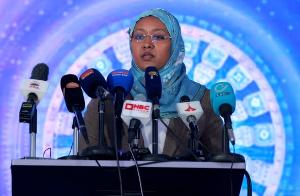
Ethiopia to Observe Seventh National Cybersecurity Month
Oct 9, 2026 19830
Addis Ababa, October 9, 2026 (ENA) —Ethiopia is set to observe its seventh National Cybersecurity Month from October 11 to November 9, 2026. Announced by the Information Network Security Administration (INSA), the month-long initiative aims to raise public awareness of cyber threats and promote the safer use of digital technologies. The observance will be held under the theme “An Active Citizen for a Secure Country,” INSA officials announced during a press briefing. During the briefing, INSA Director-General Tigist Hamid noted that the rapid expansion of technology has been accompanied by a surge in cyberattacks targeting individuals, public and private institutions, and critical national infrastructure. She underscored the urgent need to build widespread cybersecurity awareness, enabling citizens and organizations to better understand threats and implement robust protective measures. A primary focus of this year's campaign will be online child protection, with targeted efforts to educate families and youth on the risks associated with internet use. Planned activities include youth-oriented competitions and discussion forums exploring the intersection of artificial intelligence and cybersecurity. Reaffirming INSA’s commitment to safeguarding the nation's digital space, Tigist called for a collective, nationwide effort to strengthen cybersecurity resilience. She also urged both public and private sector organizations to mark the month by organizing employee awareness programs, emphasizing that cybersecurity is a shared responsibility. INSA confirmed that all preparations for the successful rollout of the campaign are complete. Globally, the cybersecurity awareness observance is being marked for the 23rd time, and for the seventh consecutive year in Ethiopia.
Sport
.jpg)
WHO RC76 Participants “Walk the Talk” in Addis Ababa, Championing Healthier Africa
Aug 23, 2026 133766
Addis Ababa, August 23, 2026 (ENA) —Participants of the 76th Session of the World Health Organization (WHO) Regional Committee for Africa (RC76) joined a symbolic health walk on Sunday from the Adwa Victory Memorial to Meskel Square in Addis Ababa. The participants also turned the message of “Walk the Talk” into action while promoting physical activity and healthier lifestyles across Africa. Ethiopia’s Minister of Health Dr. Mekdes Daba, African health ministers, senior government officials, WHO leaders and prominent athletes, including Ethiopian Athletics Federation President Commander Sileshi Sihine, took part in the event. The initiative sought to translate health policies and commitments into practical action by encouraging people to make regular physical activity part of their daily lives and strengthening public awareness about the prevention of non-communicable diseases. The walk began at the Adwa Victory Memorial, a landmark symbolizing Ethiopia’s historic victory and African resistance to colonialism, and continued through Addis Ababa’s pedestrian routes before concluding at Meskel Square. Organizers emphasized that regular physical activity plays a vital role in reducing the risk of non-communicable diseases, including diabetes, hypertension and cardiovascular diseases, while contributing to healthier and more active communities. The event also highlighted Africa’s collective commitment to improving public health and demonstrated the importance of moving beyond policy discussions toward tangible, everyday health practices. The 76th Session of the WHO Regional Committee for Africa, scheduled to take place in Addis Ababa from August 24 to 28, 2026, will bring together more than 600 delegates, including health ministers and senior officials from the WHO African Region’s 47 member states, global health leaders, development partners, donors and WHO representatives. Over the five-day session, participants will assess progress toward regional health goals, deliberate on new strategies and resolutions. The session is also anticipated to identify collective actions to strengthen health systems, advance universal health coverage, enhance health security and improve emergency preparedness across the continent. The gathering is expected to serve as a major platform for African countries and global health partners to deepen continental health cooperation and advance practical solutions to Africa’s most pressing health challenges.
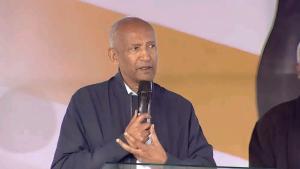
National Dialogue Conference to Address Root Causes of Differences through Consultation, Says ENDC Chief
Jul 12, 2026 139473
Addis Ababa, July 12, 2026 (ENA) —The upcoming National Dialogue Conference will serve as a platform to resolve the issues underlying Ethiopia's longstanding differences through peaceful consultation, Chief Commissioner of the Ethiopian National Dialogue Commission (ENDC) Professor Mesfin Araya, said. Speaking at a five-kilometer public race organized by the Commission at Meskel Square under the theme "Ethiopia is consulting" today, Professor Mesfin said the country has finalized all preparations for the landmark conference, which is scheduled to begin on July 15, 2026 in Addis Ababa. "The main national consultation conference will be a place where issues that are the source of our differences will be resolved through consultation," he said. According to the Chief Commissioner, delegates representing communities from every region, all woredas, Addis Ababa, Dire Dawa, and Ethiopians living abroad have already arrived in the capital to participate in the conference. He said participants are expected to engage in inclusive and constructive discussions and work toward consensus on recommendations that offer lasting solutions to issues that have fueled differences among Ethiopians. Professor Mesfin described the conference as a historic opportunity to address national challenges through dialogue rather than confrontation. He also expressed appreciation to security institutions, federal and regional government bodies, civil society organizations, and other stakeholders for their contributions in preparing for what he described as a significant stage in Ethiopia's national dialogue process. Participants in a five-kilometer race also expressed optimism that the conference would help strengthen national unity and foster lasting peace. "There is no problem that cannot be solved through consultation," participant Sherefa Ali said. "I believe the challenges that have persisted in Ethiopia for generations can be addressed through the main consultation conference." He added that such dialogue platforms help build trust between citizens and the government while creating opportunities to work together toward common national goals. Another participant, Gemechisa Waqgari, said the conference represents an important step toward reinforcing peace, unity, solidarity, and democratic values. Participant Tnisae Abebe also voiced hope that the conference would generate practical ideas to address the country's social and economic challenges. The National Dialogue Conference will deliberate on eight broad thematic areas identified during nationwide consultations. The agenda includes nation building, systems of government and governance, the political and electoral system, the status of the federal cities of Addis Ababa and Dire Dawa, religion and state relations, institution building, the rule of law and human rights, socio economic issues including the concerns of farmers and pastoralists, corruption and good governance, as well as peace building. The five kilometer race was attended by Deputy Chairperson of the House of Peoples' Representatives Standing Committee on Democratic Affairs Azmeraw Andemo, Professor Mesfin Araya, senior government officials, representatives of civil society organizations, and members of the public.

Diplomatic Football Participants Praise Ethiopia’s Heritage and Hospitality
Jun 14, 2026 137176
Addis Ababa, June 14, 2026 (ENA) —Participants in a diplomatic football event held in Addis Ababa have praised Ethiopia’s cultural heritage, historical legacy and warm hospitality. The tournament, organized in anticipation of the 2026 World Cup, brought together diplomatic football teams and invited guests who later toured key historical and cultural sites in the city. The delegation visited the Ethiopian National Museum, the Adwa Victory Memorial and Addis Sport Park, gaining what many described as a deeper appreciation of Ethiopia’s past and present development. Several participants said the experience reshaped their understanding of the country. Gordon Johnson, one of the participants, expressed admiration for what he witnessed during the visit. “The people are so welcoming and friendly. I love the culture,” he said. He further stated that: “We had a tour of the museum, and the guide showed us hominid fossils recovered in the ’60s, ’70s, and ’90s that date back millions of years.” Johnson said the experience reflected Ethiopia’s deeper historical significance beyond modern perceptions. Cameroonian guest Loic Kovamo also said the visit challenged her previous perceptions of the country. “I am speechless because I didn’t picture Ethiopia like this. It’s a very developed country, and the people are so proud of who they are,” she said, noting, “I’m going back with a lot of pride as an African because I discovered the incredible courage and bravery of the Ethiopian people.” Mark Hayes, one of the visitors, said his expectations were changed after arriving in Addis Ababa. “You have a perception before you come, but it’s the complete opposite. It’s an amazing country,” he said, adding, “What we do now is go home and tell stories about how good Ethiopia is. I feel like a proud advocate.” He further noted that he intends to share his experience in the United Kingdom, saying he would “educate others in England about what he had seen in Addis Ababa.” Joseph Kirule, who works with the Food and Agriculture Organization of the United Nations in Addis Ababa, highlighted the importance of the historical sites visited. “Today we saw different milestones in human civilization that originated here,” he said, adding, “Most importantly, we learned about the Adwa victory. That is a massive milestone that raises our prestige as Africans.”

Ethiopian Airlines Rises as Africa’s Leading Carrier After Decades of Expansion, Success, Says CEO
May 17, 2026 143286
Addis Ababa, May 17, 2026 —Ethiopian Airlines has solidified its position as Africa’s largest and leading airline after years of sustained growth and operational success, the airline’s Group Chief Executive Officer, Mesfin Tasew, said on Sunday. The remarks were made during an 8-kilometer street race organized as part of celebrations marking the airline’s 80th anniversary. Speaking at the event, CEO Mesfin reflected on the airline’s humble beginnings in 1946, when it launched operations with only a small fleet of aircraft. Since then, he said, the carrier has expanded significantly and now operates one of the continent’s most modern fleets, including advanced aircraft from Boeing and Airbus. According to Tasew, the airline currently serves more than 145 international destinations worldwide and has achieved strong growth across multiple sectors, including cargo transportation, aviation training through the Ethiopian Aviation Academy, and other aviation-related services. He further said the airline’s operational strength and long-term strategic investments have helped make it one of the most preferred carriers in Africa and a major player in the global aviation industry. As part of commemorating its eight decades of operations, Ethiopian Airlines is holding a series of celebratory events, including the street race, panel discussions, exhibitions, and community outreach programs. The anniversary run attracted senior officials, including Sileshi Sihine, President of the Ethiopian Athletics Federation, alongside airline executives and invited guests. The race began at Pushkin Square, commonly known as Sar Bet, and is set to conclude at Bole International Airport. Athletes, airline employees, members of the sporting community, and participants from various institutions are taking part in the event.
Environment
.jpg)
Ethiopia’s Renewable Energy Potential Opens New Avenues for African Cooperation
Oct 19, 2026 6933
Addis Ababa, October 19, 2026 (ENA) — Ethiopia’s renewable energy potential presents opportunities to strengthen African cooperation in agricultural productivity, cross-border electricity trade, investment and clean transport, according to Ugandan and Nigerian renewable energy representatives. Paddy Bakengana, Senior Programs Associate at the Uganda Solar Energy Association, told ENA that Ethiopia and Uganda could expand the use of renewable energy technologies in agriculture to boost production, improve efficiency and reduce post-harvest losses. “By the use of renewable energy, by the use of the solar water pumps, the solar dryers, we can actually increase our production,” he said. Bakengana further highlighted the potential of solar-powered irrigation and drying technologies to support agricultural development, noting that cooperation between the two countries could help farmers adopt practical and affordable renewable energy solutions. He also pointed to Ethiopia’s hydropower and solar resources, saying increased electricity generation could create further opportunities for regional power trade. According to Bakengana, partnerships between renewable energy associations in Ethiopia and Uganda could facilitate technical training, knowledge exchange and joint policy advocacy to accelerate the adoption of clean energy technologies. He further stressed the importance of improving access to financing to enable businesses to invest in renewable energy solutions for agriculture in both countries. Meanwhile, Motunrayo Akinfala, Chief Executive Officer of the Renewable Energy Association of Nigeria (REAN), identified electric mobility as another promising area for cooperation among Ethiopia, Nigeria and other African countries. She called for stronger partnerships to facilitate the exchange of expertise, attract investment and expand the deployment of clean energy technologies across the continent. “What I would advise, suggest, is more collaboration between both countries, and even across African countries as a whole,” she said. Akinfala also underscored the need to attract investors and development partners to support Ethiopia’s renewable energy development and help expand access to clean energy solutions. The experiences shared by the Ugandan and Nigerian representatives highlight the potential for African countries to combine their technical expertise, investment capacity and renewable energy resources to support agricultural transformation, expand electricity markets and accelerate the transition to cleaner transport systems.
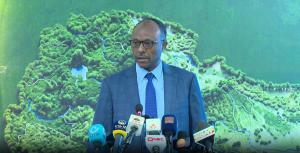
Ethiopia Targets 74.3 Percent Cut in Greenhouse Gas Emissions by 2030 : Minister of Energy and Water
Oct 13, 2026 18215
Addis Ababa, October 13, 2026 (ENA) — Ethiopia has committed to reducing greenhouse gas emissions by 74.3 percent by 2030, compared with the business-as-usual scenario, Minister of Water and Energy Habtamu Itefa said, highlighting the country’s climate action efforts despite mounting environmental challenges. Speaking at the 65th session of the Intergovernmental Panel on Climate Change (IPCC), which opened in Addis Ababa on October 12, the minister said Ethiopia was pursuing the ambitious target through renewable energy expansion, large-scale tree planting and the restoration of degraded landscapes. “Throughout national and international contribution, Ethiopia has committed to highly ambitious 74.3 percent reduction in greenhouse gas emissions by 2030, relative to the business-as-usual scenario,” Habtamu said. Ethiopia was already experiencing the severe consequences of climate change, including erratic rainfall, recurrent droughts and devastating floods , he elaborated. “Ethiopia is living in the front lines of the global climate crisis,” the minister elaborated, noting that anthropogenic climate change had seriously disrupted the country’s natural balance. The shifting rainfall patterns and increasingly frequent extreme weather events were affecting agriculture, water availability and energy production, he stated. “Recurrent droughts lead to tragic crop failures and the loss of livestock,” he added. However, he stressed that Ethiopia was taking concrete measures to address the crisis rather than merely bearing its consequences. According to him, the government had made the Climate-Resilient Green Economy strategy a cornerstone of national policy and was expanding renewable energy production through hydropower, wind and solar power. Ethiopia is also extending its clean electricity grid to neighboring countries to support Africa’s energy transition. The minister also highlighted the Green Legacy Initiative, which he said had contributed to expanding forest cover and restoring degraded landscapes. “I am incredibly proud to share that to date, we have planted more than 56 billion trees across the country,” he said. He added that Ethiopia’s forest cover had increased from 17.2 percent to 23.6 percent. “This is not just about planting trees, it is about restoring degraded water bodies, improving soil fertility, and raising better life.” He emphasized that Ethiopia’s climate ambitions were grounded in scientific evidence, pointing to the country’s engagement with the IPCC and the use of its methodologies in preparing national greenhouse gas inventories. He said the findings of the IPCC should inform national development strategies and strengthen climate change mitigation and adaptation efforts. IPCC Chair Jim Skea praised the Ethiopian government and the city of Addis Ababa, stating that they have done a tremendous job preparing for this important meeting, and expressed gratitude for their kind welcome and hospitality. Ethiopia has strongly supported the IPCC's scientific work, and Jim Skea underlined that he is proud to see Ethiopian scientists engaged in all three working group contributions to the second assessment report. The Director General of the Ethiopian Meteorological Institute (EMI), Fetene Teshome, said that African countries contribute the least to global greenhouse gas emissions, yet the region remains among the most vulnerable to climate variability and climate change. This reality highlights the urgent need for stronger adaptation, improved resilience, and greater access to climate services that support informed decision-making at all levels, he stressed. Therefore, Fetene said, in this regard, the work of the IPCC is indispensable. The scientific assessments prepared by the IPCC provide the foundation upon which governments, development partners, researchers, and communities can understand climate risks and identify effective responses. The credibility, transparency, and rigor of the IPCC process continue to guide global climate action and inspire confidence in climate science.

Humanitarian Assistance Being Transported to Needy in Afar Region
Oct 10, 2026 20101
Addis Ababa, October 10, 2026 (ENA)—The Ethiopian Disaster Risk Management Commission announced that it is delivering humanitarian aid to people requiring assistance in the Afar Region due to the impacts of climate change. The commission further stated that emergency humanitarian aid is currently being transported to the Afar Region from the central grain warehouse in Adama. While regional states are working hard to respond to natural and man-made disasters using their own resources, the commission is also providing additional humanitarian aid to priority areas, it said. Accordingly, the commission disclosed that it is delivering humanitarian aid to those requiring top-priority assistance in the Afar Region. While the Afar Regional State continues providing assistance and monitoring efforts within its capacity, the commission is also providing close support and oversight. Vehicles loaded with humanitarian aid from the Adama reserve warehouse have departed for the Afar Region, it was learned.
.jpg)
UN, African Forestry Experts Describe Ethiopia’s GLI Continental Benchmark
Oct 7, 2026 23431
Addis Ababa, October 7, 2026 (ENA)— United Nations (UN) and African forestry experts have praised Ethiopia’s Green Legacy Initiative (GLI) as a leading model of large-scale environmental restoration in Africa. The experts also emphasized that its science-based policies and agroforestry are essential to sustaining its gains and improving community livelihoods. Juliette Biao, Director of the Secretariat of the United Nations Forum on Forests (UNFF), described the Green Legacy Initiative as a highly ambitious undertaking and emphasized the importance of drawing lessons from past experiences to ensure its long-term success. “The Green Legacy Initiative (GLI) is a good ambition, but what we cannot afford is to repeat the mistakes of the past. If we can learn lessons from the past, I think that will be wonderful not only for Ethiopia, but for the world,” Biao said. Biao recalled her earlier involvement in the initiative, noting that she was Regional Director for Africa at the United Nations Environment Programme when Prime Minister Abiy Ahmed launched the Green Legacy Initiative in 2019. “As a matter of fact, I was the Regional Director for Africa at the United Nations Environment Programme when Prime Minister Abiy Ahmed launched the initiative in 2019, and we provided our support,” she said. She also highlighted Africa’s efforts to strengthen the link between scientific knowledge and policymaking, particularly through its hosting of the first Science Policy Information Network (SPIN) for Africa regional dialogue on forestry. “What will be really recommendable is to take the outcomes of SPIN Africa and customize them to the Ethiopian context,” She said. Biao stressed that tree planting should form part of a broader land restoration strategy, cautioning that planting trees alone would not be sufficient to reverse land degradation. “I am sure that the GLI will succeed. However, what we must learn from the past is that simply planting trees for the sake of planting trees can never reverse land degradation,” she said. She recommended greater use of agroforestry, which can combine environmental restoration with economic opportunities for rural communities. Such an approach, she said, can enable communities to benefit from restored landscapes while contributing to forest conservation and land rehabilitation. Ethiopia’s GLI has increasingly incorporated economically valuable crops and trees, including avocado, mango, apple and papaya, alongside coffee and other agricultural activities. This approach has strengthened the connection between environmental restoration, food production and household incomes. Doris Mutta, a forest scientist and Senior Program Officer at the African Forest Forum (AFF), similarly described Ethiopia’s GLI as one of Africa’s prominent examples of large-scale environmental restoration. “We noted that a lot of mobilization has been done to generate seedlings and to plant millions of seedlings. There has been a clear improvement in forest cover because of this initiative, which is very positive,” Mutta said. She said Ethiopia’s experience could offer valuable lessons to other African countries pursuing ambitious programs to restore degraded landscapes, expand forest cover and strengthen climate resilience. “For Africa, the Green Legacy Initiative is one of the flagship projects that we are monitoring very closely through the SPIN for Africa,” she said. The first SPIN Africa Regional Science Policy Dialogue on forestry, hosted by Ethiopia, brought together policymakers, scientists and forestry experts to strengthen the integration of scientific evidence into forest management and restoration policies. The experts’ assessment underscores the growing significance of Ethiopia’s Green Legacy Initiative beyond its national environmental objectives. With continued emphasis on science-based restoration, agroforestry and community participation, the initiative could provide practical lessons for African countries seeking to advance forest restoration while strengthening food production, livelihoods and climate resilience. Over the past eight years of planting campaigns, communities, institutions and technical experts have planted 56 billion trees and agroforestry seedlings across different ecological zones.
Most viewed
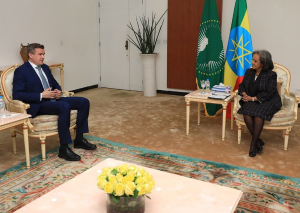
President Sahle-Work Holds Discussion with World Anti-Doping Agency President Bonka
Mar 29, 2023 353344
Addis Ababa March 29/2023/ENA/ President Sahle-Work Zewde has received a delegation led by World Anti-Doping Agency (WADA) President Witold Bonka today, according to the Office of the President. The discussion centered on the conditions under which Ethiopia and the World Anti-Doping Agency can work closely in anti-doping control and investigation, and how the organization can provide technical support, it was learned. During the discussion, Sahle-Work said that Ethiopia has a long history in athletics and is known in the world since athlete Abebe Bikila won marathon in Rome. She finally thanked the World Anti-Doping Agency for its technical support in anti-doping control.
Ethiopian Diaspora Demand Egypt to Change Counterproductive Posture on GERD
Apr 4, 2023 278968
Addis Ababa April 4/2023 (ENA) Ethiopians in the Diaspora have called on Egypt to change its counterproductive posture and find mutually beneficial agreements on the Grand Ethiopian Renaissance Dam (GERD). In a statement the diaspora issued yesterday, they noted that Ethiopia is the main source of the Nile by contributing 86 percent of the water to the Nile basin states while utilizing less than 1 percent of the potential for hydroelectric power. Ethiopians are currently building the GERD on the Blue Nile that is financed entirely by Ethiopians and is a crucial project for the country's development as it will provide clean, renewable energy and lift millions out of poverty. About 65 percent of the 122 million of Ethiopia's population have no access to any form of electricity. The much-needed electricity will facilitate economic growth for Ethiopia and the region, the statement elaborated. The dam will promote regional cooperation and integration while offering opportunity for eleven countries of the Nile Basin to work together to manage the river's resources more efficiently and effectively, it added. The GERD is being built with the highest environmental and technical standards to achieve the objectives of the national electrification program and the execution of Ethiopia’s Climate-Resilient Green Economy Strategy. According to the statement, Ethiopia has provided scientific evidence and expert testimonies that GERD will not significantly affect the flow of water downstream, and provided compelling arguments for the need for equitable use of the Nile's resources by all countries in the region. The diaspora further said they understand that the GERD has raised concerns in Egypt about the downstream effects on the Nile's flow and water availability since Egyptians have been misinformed about the GERD for many years. But on the contrary, the dam will provide several benefits to Egypt and Sudan, including increased water flow during dry seasons and decreased flooding events. “We want to assure Egyptians that Ethiopians are committed to fair and equitable use of the Nile's waters without harming our downstream neighbors. We recognize that the Nile River is a shared resource, and we support finding a mutually beneficial solution.” As Ethiopians in the Diaspora, we reiterate our support for fair and equitable use of the Nile River and call on the Egyptian people and Egyptian Diaspora to question the misinformation about the GERD in Egypt's mainstream media and embrace the spirit of friendship and cooperation by understanding that the GERD is a project of great national importance to Ethiopians that will benefit Egyptians by ensuring a reliable and predictable supply of water, that Ethiopians have the right to use their water resources for the development of its people and economy, in accordance with the principles of equitable and reasonable utilization without causing significant harm. Efforts to destabilize Ethiopia by the regime in Egypt, will indeed affect the historical and diplomatic relations dating back to several thousand years, the long-term interest of the Egyptian people and make Ethiopians less trusting in cooperating on the GERD and future hydropower projects on the Nile, they warned. The diaspora groups urged Egyptian leaders to engage in constructive dialogue with the leaders of Ethiopia regarding the GERD and steer away from their counterproductive posture of calling for a “binding agreement” on the GERD filling and the subsequent operations as an imposing instrument on water sharing that Ethiopians will never accept. The GERD can be a source of cooperation and collaboration between our two countries rather than a source of conflict, they underscored. "Ethiopians believe that, through dialogue and understanding, peaceful and equitable agreements that benefit all parties involved can be realized to build a brighter future for all people in the Nile basin. Belligerent positions by Egyptian leaders stating ‘all options are open’ are contrary to the spirit of the 2015 Declaration of Principles signed by Ethiopia, Sudan and Egypt." According to the statement, such postures will surely harm Egypt's long-term interest and impede trustful cooperation with the Ethiopian people and government. They asked Arab League and its member states to refrain from interfering in the issue of the GERD, which is the sole concern of the three riparian countries (Ethiopia, Sudan and Egypt) and their shared regional organization (the African Union), which is mediating the talks to find ‘African Solutions to African Problems.’ The issues remaining on the table at the trilateral negotiations under the auspices of the African Union are being narrowed to a handful of critical matters on equity and justice, on which the Arab league nations have no business or legal right to be involved.

Ethiopia's Ayana Takes Paris Win on Marathon Debut
Apr 2, 2023 277946
Addis Ababa April 2/ 2023 (ENA) Ethiopia's Abeje Ayana won the men's race at the Paris Marathon on Sunday in his first competitive run over the distance. The 20-year-old Ayana won with a time of two hours, seven minutes and 15 seconds, 20 seconds ahead of compatriot and pre-race favourite Guye Adola with Kenya's Josphat Boit a further five seconds back in third. After clocking 59:39 in a half marathon in Poznan, Poland in 2021, Ayana was one of the men to watch on a grey, windy morning in the French capital, Reuters reported.
Africa’s Sustainable Growth Hinges on Science, Technology and Innovation: Experts
Mar 3, 2023 275161
Addis Ababa March 3/2023/ENA/ Achieving the ambitious targets of the 2030 and 2063 Agendas of Africa requires leveraging the power of science, technology, and innovation (STI), according to experts. A press release issued by the ECA stated experts at the Ninth African Regional Forum on Sustainable Development have emphasized the crucial role of STI as a key driver and enabler for ensuring economic growth, improving well-being, mitigating the effects of climate change, and safeguarding the environment. They also underscored the need to strengthen national and regional STI ecosystems by fostering innovation, promoting entrepreneurship, and investing in research and development. By doing so, the experts said that Africa can harness the potential of STI to accelerate its socio-economic progress and achieve the Sustainable Development Goals (SDGs) by 2030 and the African Union's Agenda by 2063. The session, held on 2 March 2023, builds on the recommendations of the Fifth African Science, Technology, and Innovation Forum, which accentuates the central role of STI and digitalization during the COVID-19 pandemic and the need for the necessary infrastructures for the development of STI, plans, and policies that are action-oriented towards strengthening its full implantation. The experts highlighted that despite advances in STI, significant gaps remain in bridging the scientific and technological divide between developed countries and Africa. The highly uneven global distribution of scientific capacity and access to knowledge threatens to derail the goal of leaving no one behind, which is the central and transformative promise of Agenda 2030. “We need a clear political will from governments to ensure science, technology, and innovation is a reality. By doing so our education systems will be capacitated to deliver knowledge that is vital to solving Africa’s sustainability challenges,” Niger Higher Education and Research Minister Mamoudou Djibo said. The strategy includes the establishment of universities as centers for excellence and investments in education, technical competencies, and training in the fields of science, technology, research, and innovation. These initiatives are crucial in accelerating progress towards achieving global goals. However, in order to fully leverage the potential of STI, significant investments in research and development are required. National systems also need to be strengthened, Namibia Information and Communication Technologies Deputy Minister Emma Theophilus, stated adding that “strengthening our national systems for STI is a key game changer for rapid structural transformation in Africa. Leveraging the digital transformation can achieve a stronger, smarter, and more inclusive recovery.” Emerging evidence suggests that an STI and digital Africa can be a springboard to accelerate the implementation of the SDGs and fulfill the aspirations of Agenda 2063.
Feature Article
.jpg)
Eritrea’s Migration Economy: Can the Nation Survive Without Forced Remittance?
Oct 20, 2026 3916
By Staff Writer October 20, 2026 (ENA) Britain’s October 2026 ultimatum to Eritrea exposed a long-standing contradiction at the heart of Isaias Afwerki’s regime. The Asmara administration promotes self-reliance while rejecting fixed national budgets and external dependence. Yet, its system is sustained by the very forces it claims to transcend: indefinite national service drives emigration, while remittances from Eritreans abroad help finance the system that compels them to leave. Home Secretary Shabana Mahmood announced that Eritrea faces a total visa ban for its nationals unless Asmara resumes cooperation on the return of failed asylum seekers and foreign national offenders. Preferential processing for officials has already been withdrawn, and diplomats have been placed under travel limits outside London. This announcement came at a moment when Eritreans formed the largest nationality among small-boat arrivals in the year to June 2026—roughly 5,875 recorded arrivals, or about 18 percent of the total—and ranked second in overall asylum claims, with initial grant rates near 83–84 percent. Although Eritrea dismissed the pressure as a "dismissible political gimmick," the sequence of events requires a closer examination of a political economy that has organized continuous emigration into a remittance resource. That political economy, controlled by Shabia under President Isaias Afwerki since independence, rests on three interlocking pillars: indefinite national service, party ownership of the command economy, and the systematic capture of external financial flows. While appearing distinct, these pillars function as a single mechanism that converts the population into both a captive labor force at home and a source of finance abroad. This framework structured itself around the continuous extraction of value from that emigration, yielding a sustained regime monopoly. Way back in 1997, Eritrea ratified a constitution that has remained unimplemented for nearly three decades. In 2001, independent media outlets were shut down after senior party figures called for democratic elections and constitutional enforcement. As a result, what was once framed as temporary wartime mobilization hardened into a permanent state architecture in which citizenship itself was redefined as an obligation rather than a right. Although national service was formally limited to 18 months under Proclamation 82/1995, it has operated without an end date since the 1998–2000 border war. Secondary school students complete their final year at the Sawa military training center before being assigned to military or civilian roles that can last for decades, earning a meager stipend of 450 to 500 Nakfa a month—roughly 30 USD. Conditions like these are what the UN Commission of Inquiry characterized as “slavery-like,” linking them to arbitrary detention and the collective punishment of families. Such practices drive continuous emigration, where the outflow is not a policy failure but rather a deliberate revenue stream. While resident population estimates hover around 3.6 million, diaspora figures range from roughly 600,000 to 900,000 registered migrants and refugees, with up to one-third of the Eritrean-born population living outside the country. According to UNHCR data for the end of 2025, there were roughly 555,000 refugees plus more than 118,000 asylum seekers—totaling approximately 670,000–679,000 people of concern—with new asylum applications in 2025 alone exceeding 53,000. Although the formal economy remains dominated by Shabia-linked enterprises and the state, private-sector activity outside small family trade is constrained by currency controls, licensing restrictions, and the national-service labor regime. The decisive resource is human capital exported and then taxed; most household survival depends on external transfers estimated at 200 to 300 million USD annually—equivalent to roughly 30 percent of Eritrea's GDP. These flows keep households solvent in an environment of limited domestic opportunity, while a parallel 2 percent diaspora tax is levied on Eritreans abroad and collected through embassies and informal networks. Economic ownership is concentrated in party-controlled structures: the Hidri Trust functions as the central holding vehicle for Shabia’s commercial interests, the Red Sea Trading Corporation holds an effective monopoly on significant imports and serves as a primary channel for foreign exchange, construction firms such as Segen and Bidho execute major works frequently using national-service labor, and Himbol Financial Services manages remittances and related transactions. State banks exist, yet the party retains parallel financial channels outside conventional budgetary oversight, amidst no comprehensive national budget having been published since independence. This dual extraction reduces the need for productive employment creation and creates a closed loop in which indefinite national service and political controls generate flight, which in turn generates remittances and state revenue. When compared to the official doctrine of self-reliance that Eritrea follows—which rejects aid dependency while treating citizens as both free labor and external financiers—isolation from conventional multilateral finance is justified, while political pluralism is framed as a threat to national unity and sovereignty. This produces a distinctive equilibrium in which political power is monopolized, and the regime’s authority on budgets and the precise size of party holdings stay outside public scrutiny. Eritrea’s political economy has converted a significant fraction of its population into a transnational resource, where labor is extracted under coercive conditions while the diaspora supplies foreign exchange, producing an equilibrium of repression and economic stagnation. Consequently, host states are left to absorb the social and fiscal costs, as the ruling Shabia system externalizes those costs while capturing the financial returns. Eritrea’s migration economy is therefore not an unintended by-product of isolation, but the operating logic of a political order that converts its people into the principal resource keeping the regime intact. The stakes are the continuous depletion of a generation and the durability of a closed regime that feeds on it.
.jpg)
Global Roundup: A Week Exposing World’s Interconnected Crises
Oct 19, 2026 6598
The week of October 11–18, 2026, brought renewed conflict, economic uncertainty, climate warnings and rapid technological change across the globe. Developments across the Middle East, Europe, Africa, Asia and the Americas showed how closely security, energy, public finances, humanitarian needs and environmental sustainability are connected. Diplomatic efforts continued, but unresolved agreements and military tensions threatened regional and international stability. Meanwhile, governments weighed the cost of energy support and public debt, while forecasts of a strengthening El Niño and the growing reach of artificial intelligence reinforced the need for coordinated international action. Conflicts and Regional Security Middle East tensions remained acute. Reports of an alleged assault on diplomats from France, Belgium and Poland in the West Bank village of Taybeh during the olive harvest featured among the major events of the week. Reported casualties in Gaza and Yemen, including the deaths of three children in airstrikes in Dhamar, highlighted the human cost of regional hostilities. Tensions involving Saudi Arabia and Iran, alongside reports of attacks on commercial vessels in the Persian Gulf and Arabian Sea, raised concerns about commercial shipping and energy security. Extended disruption to these routes could raise fuel prices, freight charges and insurance costs, spreading economic impacts across global markets. The Russia–Ukraine war continued to threaten European security, with reported attacks on energy infrastructure and residential areas. Ukrainian President Volodymyr Zelenskyy said Kyiv was ready to observe a ceasefire covering energy facilities, calling on Russia to take concrete steps. European Union discussions also addressed competitiveness, support for Ukraine and the bloc’s long-term budget. Member state governments faced the challenge of balancing defence spending with affordable energy, industrial competitiveness and fiscal stability. In Africa, African Union consultations in Kigali, Rwanda, focused on implementing the Washington Peace Agreement for eastern Democratic Republic of the Congo. Discussions covered security commitments, disarming armed groups, refugee protection and regional economic cooperation. Sudan’s war between the Sudanese Armed Forces and the Rapid Support Forces continued to drive displacement and humanitarian needs, placing pressure on neighbouring countries through refugee movements, border insecurity and demands on public services. Violence and displacement also persisted in parts of the Sahel. In the Indo-Pacific, China and North Korea opened a long-delayed border bridge intended to facilitate trade, even as North Korea announced weapons tests involving submarine-launched cruise missiles. Global Economy and Financial Pressures High energy costs, public debt and uncertainty over investment and growth remained central economic concerns. At the annual meetings of the International Monetary Fund (IMF) and World Bank in Bangkok, officials considered the resilience of investment and financial markets amid geopolitical shocks. The IMF warned that energy-support measures were adding to fiscal pressure. Such measures were estimated at about 0.5 percent of global gross domestic product, while public debt in advanced economies was projected to rise from 108 percent of GDP to 115 percent over five years. Developing economies face difficult choices due to limited fiscal space, substantial external financing needs and heavy dependence on imported fuel and food. Currency pressure, volatile commodity markets and higher borrowing costs continue to test financial stability. The IMF projected African growth of 4.5 percent in 2026 and 5 percent in 2027, but insecurity, energy disruptions, climate shocks and reduced development assistance could weaken the outlook. Official development assistance was forecast to fall by a further 12 percent in 2026. In Latin America and the Caribbean, the IMF lowered its 2026 growth forecasts, citing the energy shock and limited gains from the global technology investment boom. Fuel importers face higher transport and production costs, while oil and mineral exporters remain exposed to price volatility. Energy Security and Maritime Trade Energy security connected many of the week’s geopolitical and economic developments. Reports of attacks on shipping in the Persian Gulf and Arabian Sea raised concerns over routes used to transport crude oil and other essential commodities. For African and other developing economies, diversifying energy sources, expanding domestic electricity generation and improving transport infrastructure remain crucial to reducing exposure to external shocks. Renewable energy investment, regional electricity interconnections and efficient logistics offer avenues to strengthen long-term competitiveness. Climate Change and Environmental Risks Climate risks featured prominently, with warnings of a strengthening El Niño, cross-border air pollution and renewed calls for adaptation and climate finance. The World Meteorological Organization’s seasonal outlook indicated that sea-surface temperatures in the central and eastern tropical Pacific could rise towards record levels during October–December 2026. A stronger El Niño could alter temperature and rainfall patterns, increasing drought risks in some regions and flooding in others. Potential consequences include crop losses, water shortages, disrupted hydropower generation and higher food prices. For Ethiopia and other African countries, climate variability threatens food production, rural livelihoods and water security. Expanding irrigation, soil conservation, climate-resilient crop varieties and reliable weather information remain central to protecting agricultural productivity. At pre-COP31 meetings in Fiji, Pacific island countries called for stronger emissions reductions, adaptation and climate finance. Fiji announced a contribution of 10 million USD to the Pacific Resilience Facility. The UN climate conference COP31 is scheduled for Antalya, Türkiye, from November 9 to 20, 2026. Environmental pressures were also evident in Southeast Asia, where Singapore prepared to issue haze-prevention notices to seven companies linked to fires in Indonesia, while Timor-Leste closed schools amid worsening air quality. Water shortages in Mexico’s Jalisco state further highlighted the need for sustainable water management. Technology and Artificial Intelligence Artificial intelligence continued to shape economic competitiveness, public services and national security. In Africa, supported by reliable digital infrastructure, digital technologies could improve agricultural advice, health services, education and public administration. However, these benefits depend on investment in digital connectivity, technical skills and affordable electricity. Major data centres and computing systems require increasing amounts of energy, linking digital development directly to national energy policies and climate goals. ….. Sources: The roundup draws on reporting and analysis from AllAfrica, Al Jazeera, Arab News, The Jordan Times, Channel NewsAsia, Japan’s NHK, Yonhap News Agency, The Hindu, Press Trust of India, Xinhua, Euronews, Deutsche Welle, the Associated Press, Reuters, CBC News, CityNews, LatinNews, ABC News and The Guardian.


