ENA - ENA English
Live:


Headlines
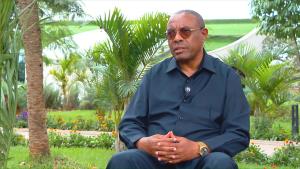
Peace-Security Anchor Ethiopia Must Consolidate Commitments to Peace and Security: Former PM
Oct 27, 2026 1613
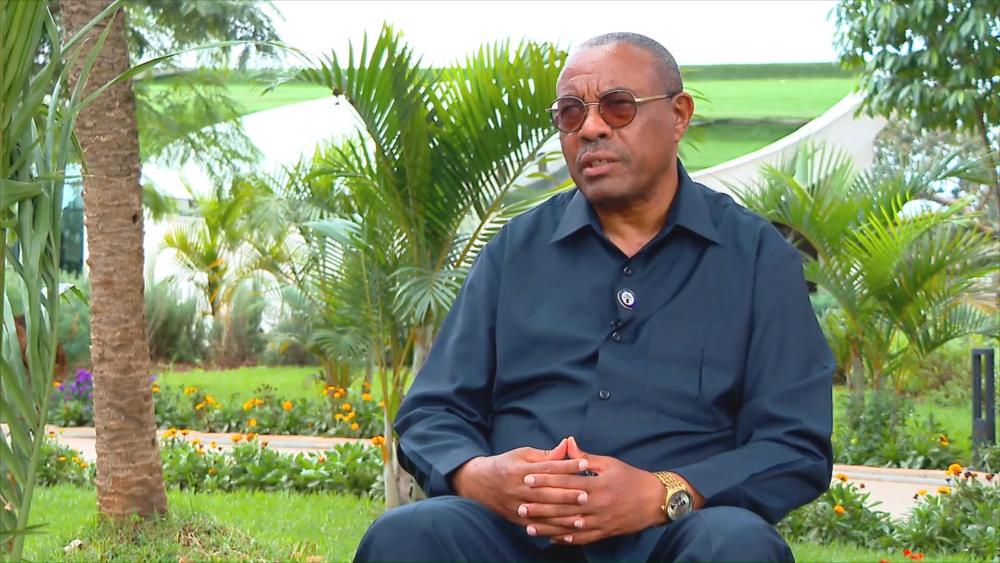
Addis Ababa, October 27, 2026 (ENA)— Ethiopia, which remains an anchor for peace and security in the region, must strengthen and continue this genuine commitment to peace, former Ethiopian Prime Minister Hailemariam Desalegn told ENA. Speaking to ENA on the sidelines of the recent 12th Tana High-Level Forum on Security in Africa, he noted that the country remains an anchor for peace and security in the region. The diplomatic efforts made when the Sudan crisis arose and the ongoing shared role it continues to play in Somalia are examples in this regard, Hailemariam said, stressing that Ethiopia must greatly strengthen and continue this genuine commitment to peace. According to him, there also is a commendable effort for a peace agenda to exist and for peace to come within the country as well. "When we look at all these things broadly, Ethiopia has continued to be an anchor state; and it must continue to do so," the former premier underscored. Commenting on the High-Level Forum, he highlighted the platform's success in fostering open and unvarnished dialogue among African leaders on pressing regional security challenges. Hailemariam emphasized that the Tana Forum sets itself apart from standard international gatherings by prioritizing candid exchange over political posture. “What distinguishes the Tana Forum from other well-known platforms is that it is a platform that allows people to speak their minds and express what they truly feel,” he explained. “Elsewhere, there is what is called a diplomatic language. The situation is often such that you pass through the middle without effectively conveying the message you want. So we needed a platform different from that; and we have come this far.” According to him, the Forum has played a vital, constructive role by delivering actionable recommendations and directly preparing comprehensive peace and security reports for the African Union over the past 12 years. In Ethiopia, there are also commendable ongoing efforts to ensure lasting peace within the country itself. Pointing to Ethiopia’s population of over 130 million, Hailemariam stressed that both domestic and regional stability directly impact the nation. He pointed out that the government's recent calls for peace reflect a practical commitment to resolving differences through open dialogue, negotiation, and a spirit of compromise rather than avoiding underlying issues. As peace benefits all, the former Prime Minister encouraged the continuous strengthening of peace initiatives to achieve tangible results across the region.
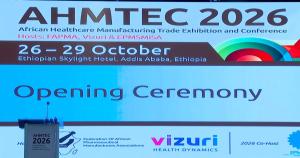
Ethiopia Working to Become Continental Pharmaceutical Manufacturing, Says Health State Minister
Oct 27, 2026 1392
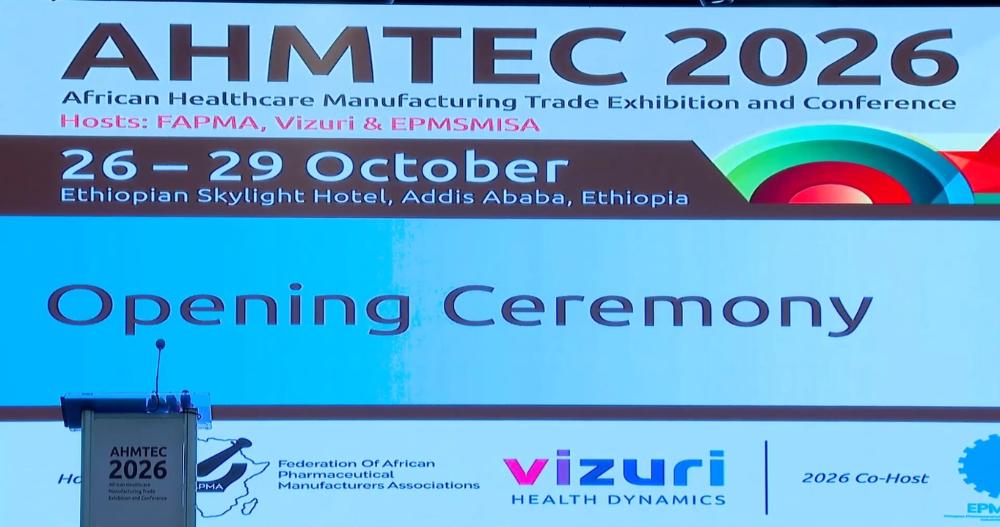
Addis Ababa, October 27, 2026 (ENA)— Ethiopia is striving to become a continental pharmaceutical manufacturing hub by leveraging the African Continental Free Trade Area, regional value chains, regulatory cooperation, and pooled procurement to expand African-made health products and position, Health State Minister Dr. Muluken Argaw said. Speaking at the African Healthcare Manufacturing Trade Exhibition and Conference (AHMTEC) 2026 in Addis Ababa yesterday, the state minister stressed Africa’s local production of essential medicines, vaccines, and medical devices central to health security, economic transformation, and reduced import dependence. The event being held under the theme “Industrialise to Commercialise”, seeks to advance investment, technology transfer, regulatory cooperation, and stronger links between African producers and buyers. The state minister told delegates that healthcare manufacturing must be placed at the center of national development and continental cooperation. “Ethiopia’s ambition looks beyond our borders. We are ready to leverage the African Continental Free Trade Area, develop regional value chains, and expand opportunities for African-made health products,” Dr. Muluken said. According to him, this requires practical progress in trade facilitation, regulatory cooperation, and market access requirements. He suggested that the African Medicines Agency and pooled procurement could reduce duplication and connect African demand with quality-assured supply. The state minister stressed that Ethiopia aims to become a pharmaceutical manufacturing hub while strengthening medical tourism with its pharmaceutical market projected to exceed 4 billion USD by 2030. “This creates opportunities to expand existing production, introduce products that are currently imported, and build the supporting businesses that manufacturers depend upon,” he said. For his part, Federation of African Pharmaceutical Manufacturers Associations Chairman Dr. Emmanuel Mujuru said African manufacturers must strengthen supply security while addressing daily challenges. “We are at a stage where, as African manufacturers, and indeed as key stakeholders in supplying and strengthening the supply security of healthcare products, need to be seen to plug into the form and be seen to be playing our part,” he added. Ethiopian Pharmaceuticals and Medical Supplies Manufacturing Industries Sectoral Association President Dr. Tadesse Teferi said Ethiopia offers manufacturers infrastructure, regulation, policy support, and political commitment. “We offer a dedicated pharmaceutical industrial park. We offer a regulatory authority that stands today at WHO Maturity Level 3, among the strongest regulators on the continent.” According to him, Ethiopia intends to become the home of African vaccines, of African insulin, of African oncology medicines, and of African APIs in the decade ahead. Vizuri Health Dynamics Acting Council Chair, Ann-Marie Hosang-Archer, said the African Pooled Procurement Mechanism, the African Medicines Agency, and financing initiatives are creating more predictable markets and stronger investment conditions for African manufacturers.
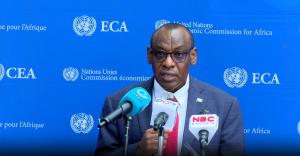
Diplomats Praise Ethiopia's Global Role, Call for Renewed Commitment to Peace
Oct 27, 2026 3412
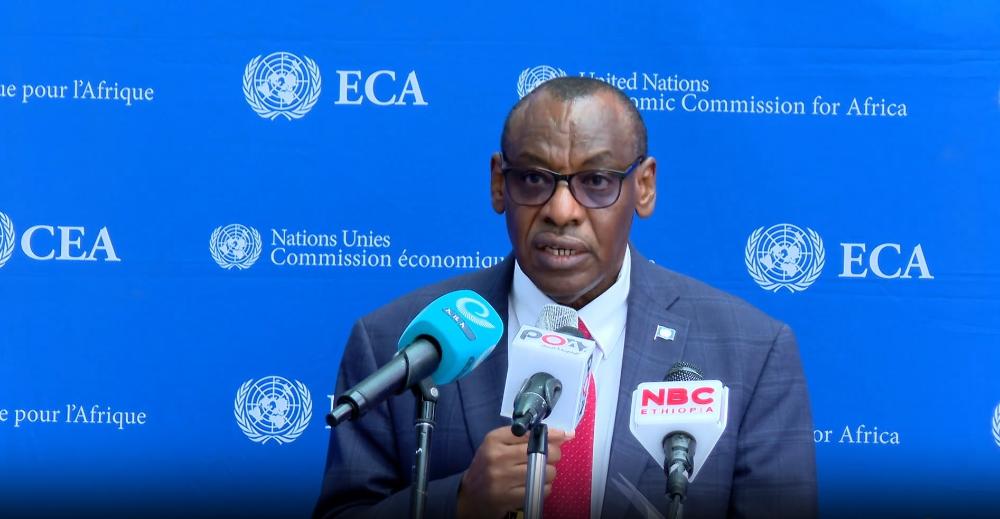
Addis Ababa, October 27, 2026 (ENA)— Diplomats, United Nations officials and development partners gathered in Addis Ababa to mark United Nations Day, praising Ethiopia's longstanding contribution to multilateralism and calling for renewed global commitment to peace, sustainable development and human rights. Observed annually on October 24, United Nations Day commemorates the 1945 entry into force of the UN Charter, the founding document that established the framework for international cooperation in addressing global challenges. The commemoration underscored Ethiopia's historic role within the United Nations and reaffirmed Addis Ababa's position as one of the world's leading diplomatic capitals. Speaking at the event, Executive Secretary of the United Nations Economic Commission for Africa (ECA), Claver Gatete, described Ethiopia as a "longstanding and reliable partner" of the United Nations. "Here in Addis Ababa, the United Nations family has long found such a partner in the government and people of Ethiopia," Gatete said. "I wish to express our sincere appreciation for their hospitality and their steadfast commitment to multilateral cooperation." He noted that Ethiopia was among the 51 founding members of the United Nations in 1945 and one of only four African countries to join the organization at its inception. Gatete also highlighted Addis Ababa's unique diplomatic significance as home to the ECA, the UN Country Team, the African Union and numerous foreign embassies. Reflecting on Africa Hall, where the Charter of the Organization of African Unity was signed in 1963, he described the landmark as an enduring symbol of Ethiopia's contribution to African unity and its partnership with the United Nations. Delivering a message on behalf of UN Secretary General António Guterres, UN Assistant Secretary General and UN Resident and Humanitarian Coordinator in Ethiopia, Ozonnia Ojielo, stressed the need for collective action at a time of growing global challenges. The Secretary General's message said United Nations Day celebrates not only an institution but also the principle that humanity's future depends on working together to advance peace, development and human rights. "For 81 years, the United Nations has given life to that idea," Guterres said in the message. The message highlighted the organization's role in resolving disputes through diplomacy and international law, combating poverty and hunger, advancing human rights and delivering lifesaving assistance to people affected by conflict, disasters and displacement. It also pointed to the UN's work in trade, technology, health and gender equality, including efforts to expand opportunities for women and girls. Guterres urged member states to reaffirm their commitment to the organization's founding principles. "Choose dialogue over division, cooperation over confrontation, and solidarity over fear," the message stated. African Union Commission Chairperson's Spokesperson Nuur Mohamud Sheekh emphasized Addis Ababa's enduring importance as the capital of African multilateralism and international cooperation. He also recognized Ethiopia's contribution to global connectivity through Ethiopian Airlines. "You can fly basically into the entire world from Addis Ababa, and we appreciate this contribution that this great country has made to travel and connectivity," Sheekh said. He said the institutionalized partnership between the African Union and the United Nations remains vital for advancing peace, security and sustainable development across Africa. "This strategic partnership serves as the cornerstone for advancing the synergies between the United Nations 2030 Agenda for Sustainable Development and the African Union's Agenda 2063," he noted. Representing the Ethiopian government, Director General for International Organizations Affairs at the Ministry of Foreign Affairs, Ambassador Yoseph Kassaye, reaffirmed Ethiopia's longstanding commitment to multilateralism. "Ethiopia, as a founding member of the United Nations and a staunch supporter of multilateralism, has made important contributions on various fronts since the earliest days of the organization," Yoseph said. "We have consistently championed the principles of sovereign equality and collective security." He reiterated Ethiopia's support for the core principles of the UN Charter, including state sovereignty, the peaceful settlement of disputes and collective security. The annual observance of United Nations Day concluded with renewed calls for dialogue, cooperation and solidarity as the foundation for building a more peaceful, equitable and sustainable future.
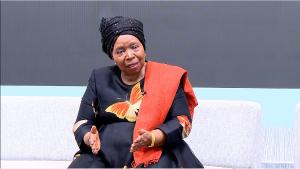
Ethiopia Exemplifies Self-Reliance, Transformative Energy Policies: Former AUC Chairperson
Oct 27, 2026 3802
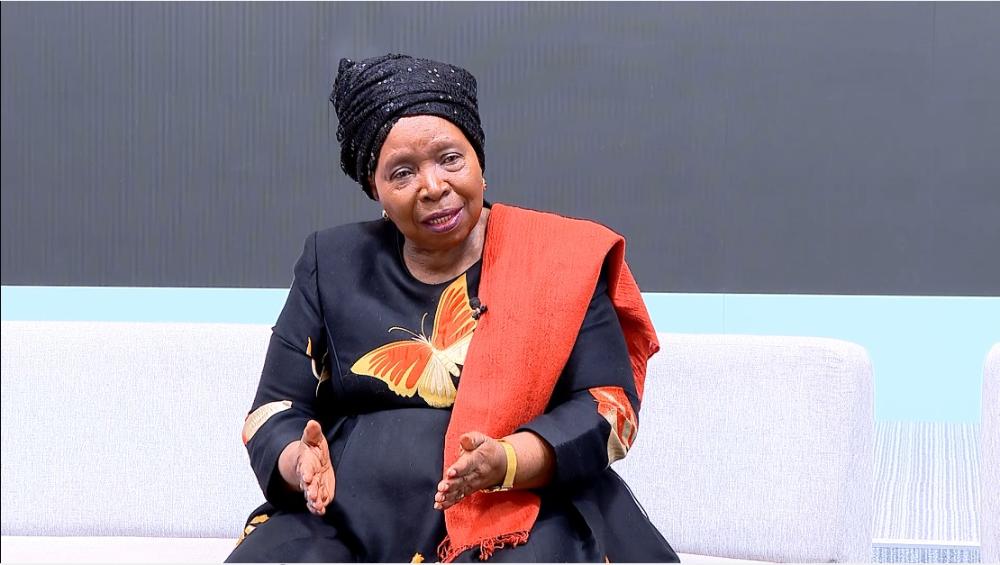
Addis Ababa, October 27, 2026 (ENA)— Former African Union Commission (AUC) Chairperson Nkosazana Dlamini-Zuma has lauded Ethiopia as a definitive model for continental progress. She cited the nation’s commitment to homegrown development and bold energy policies as a masterclass in national self-determination. Speaking to ENA in Moscow ahead of the Russia-Africa Summit, Dlamini-Zuma reflected on the essential role Ethiopia plays as the diplomatic "capital of Africa." Having led the AU from its Addis Ababa headquarters between 2012 and 2017, she noted that the nation bears a unique responsibility to lead by example. She argued that Ethiopia must remain at the forefront of the "Africa We Want"—an integrated, peaceful, and prosperous continent driven by its own citizens. Dlamini-Zuma identified a lack of internal confidence as the primary obstacle to African development. She pointed to the Grand Ethiopian Renaissance Dam (GERD) as the ultimate symbol of breaking the cycle of waiting for foreign intervention. "One of the things that impressed me about Ethiopia…(is) how you built, as Ethiopians, you built the Renaissance Dam without waiting for outsiders to come and do the work. For me, that was very important, because a lot of countries in Africa are not developing because they are waiting for outsiders to come and develop them," she stated. She challenged other African leaders to adopt this mindset, emphasizing that true progress requires an unwavering belief in local capacity. "Because if we don't have confidence in ourselves and don't believe in ourselves, we'll never go anywhere far," she added. Beyond large-scale infrastructure, Dlamini-Zuma highlighted Ethiopia’s rapid urban evolution as evidence of the power of energy sovereignty. Having recently visited Addis Ababa, she noted the visible, fast-paced transformation of the city, attributing this success to the country’s proactive energy initiatives. "I've been to Addis recently, and I can see it's changing very fast. And it shows that when you have energy, there is a lot you can do," she remarked. She specifically praised the Ethiopian government’s pioneering decision to ban the import of petrol and diesel vehicles. This policy, she noted, positions the nation at the forefront of the global green energy transition. "I think they're the only country in Africa, I don't know about in the world, that has banned the import of petrol and diesel cars. So, those are some of the things that I can mention in this short space of time," she noted. As leaders gathered in Moscow to discuss the future of the Russia-Africa partnership, Dlamini-Zuma’s message served as a rallying cry for self-reliance. She framed Ethiopia’s achievements as a replicable template for the entire continent.
.jpg)
Ethiopian Airlines Expands African Network with Thrice-Weekly Flights to Mozambique’s Nacala
Oct 27, 2026 5904
Addis Ababa, October 27, 2026 (ENA)— Ethiopian Airlines has expanded its African network with the launch of thrice-weekly flights to Nacala, Mozambique, strengthening air connectivity between the two countries and opening new opportunities for trade, tourism, and investment. The airline celebrated the launch of the new service, with the inaugural flight scheduled to depart from Addis Ababa Bole International Airport on the morning of October 27. The new route is expected to enhance connectivity across Africa and beyond while facilitating business and tourism. Nacala becomes Ethiopian Airlines’ third destination in Mozambique, following Maputo and Beira, further expanding the airline’s presence in the southern African country. The launch ceremony was attended by invited guests, including Ambassador Zerihun Abebe, Director General of African Affairs at Ethiopia’s Ministry of Foreign Affairs, and Mozambique’s Ambassador to Ethiopia, Nuno Tomás. Speaking at the event, Ambassador Zerihun underscored the longstanding ties between Ethiopia and Mozambique, rooted in the shared ideals of Pan-Africanism. He said Ethiopian Airlines’ entry into Nacala would elevate bilateral relations and create further opportunities for cooperation between the two countries. Recalling discussions between the leaders of Ethiopia and Mozambique on the sidelines of the Tana High-Level Forum, Ambassador Zerihun noted that the talks had laid the groundwork for expanding cooperation across various sectors. For his part, Ambassador Nuno Tomás said the new flight service would play a significant role in promoting tourism, trade, and investment, while creating opportunities to showcase the cultural heritage and resources of both countries to the world. He added that the service would strengthen people-to-people ties by making travel between Ethiopia and Mozambique more accessible. Reta Melaku, Chief Operating Officer of Ethiopian Airlines Group, said Nacala was the airline’s third destination in Mozambique, reflecting its continued commitment to connecting African countries. He emphasized that the airline is working to strengthen continental connectivity and facilitate trade, investment, and tourism, noting that the new route forms part of its broader vision of bringing African nations closer together. The new service reinforces Ethiopian Airlines’ role in advancing African connectivity and regional integration by linking markets, facilitating cross-border business, and bringing people and cultures closer together.
Featured
Peace-Security Anchor Ethiopia Must Consolidate Commitments to Peace and Security: Former PM
Oct 27, 2026 1613
Addis Ababa, October 27, 2026 (ENA)— Ethiopia, which remains an anchor for peace and security in the region, must strengthen and continue this genuine commitment to peace, former Ethiopian Prime Minister Hailemariam Desalegn told ENA. Speaking to ENA on the sidelines of the recent 12th Tana High-Level Forum on Security in Africa, he noted that the country remains an anchor for peace and security in the region. The diplomatic efforts made when the Sudan crisis arose and the ongoing shared role it continues to play in Somalia are examples in this regard, Hailemariam said, stressing that Ethiopia must greatly strengthen and continue this genuine commitment to peace. According to him, there also is a commendable effort for a peace agenda to exist and for peace to come within the country as well. "When we look at all these things broadly, Ethiopia has continued to be an anchor state; and it must continue to do so," the former premier underscored. Commenting on the High-Level Forum, he highlighted the platform's success in fostering open and unvarnished dialogue among African leaders on pressing regional security challenges. Hailemariam emphasized that the Tana Forum sets itself apart from standard international gatherings by prioritizing candid exchange over political posture. “What distinguishes the Tana Forum from other well-known platforms is that it is a platform that allows people to speak their minds and express what they truly feel,” he explained. “Elsewhere, there is what is called a diplomatic language. The situation is often such that you pass through the middle without effectively conveying the message you want. So we needed a platform different from that; and we have come this far.” According to him, the Forum has played a vital, constructive role by delivering actionable recommendations and directly preparing comprehensive peace and security reports for the African Union over the past 12 years. In Ethiopia, there are also commendable ongoing efforts to ensure lasting peace within the country itself. Pointing to Ethiopia’s population of over 130 million, Hailemariam stressed that both domestic and regional stability directly impact the nation. He pointed out that the government's recent calls for peace reflect a practical commitment to resolving differences through open dialogue, negotiation, and a spirit of compromise rather than avoiding underlying issues. As peace benefits all, the former Prime Minister encouraged the continuous strengthening of peace initiatives to achieve tangible results across the region.
Ethiopia Working to Become Continental Pharmaceutical Manufacturing, Says Health State Minister
Oct 27, 2026 1392
Addis Ababa, October 27, 2026 (ENA)— Ethiopia is striving to become a continental pharmaceutical manufacturing hub by leveraging the African Continental Free Trade Area, regional value chains, regulatory cooperation, and pooled procurement to expand African-made health products and position, Health State Minister Dr. Muluken Argaw said. Speaking at the African Healthcare Manufacturing Trade Exhibition and Conference (AHMTEC) 2026 in Addis Ababa yesterday, the state minister stressed Africa’s local production of essential medicines, vaccines, and medical devices central to health security, economic transformation, and reduced import dependence. The event being held under the theme “Industrialise to Commercialise”, seeks to advance investment, technology transfer, regulatory cooperation, and stronger links between African producers and buyers. The state minister told delegates that healthcare manufacturing must be placed at the center of national development and continental cooperation. “Ethiopia’s ambition looks beyond our borders. We are ready to leverage the African Continental Free Trade Area, develop regional value chains, and expand opportunities for African-made health products,” Dr. Muluken said. According to him, this requires practical progress in trade facilitation, regulatory cooperation, and market access requirements. He suggested that the African Medicines Agency and pooled procurement could reduce duplication and connect African demand with quality-assured supply. The state minister stressed that Ethiopia aims to become a pharmaceutical manufacturing hub while strengthening medical tourism with its pharmaceutical market projected to exceed 4 billion USD by 2030. “This creates opportunities to expand existing production, introduce products that are currently imported, and build the supporting businesses that manufacturers depend upon,” he said. For his part, Federation of African Pharmaceutical Manufacturers Associations Chairman Dr. Emmanuel Mujuru said African manufacturers must strengthen supply security while addressing daily challenges. “We are at a stage where, as African manufacturers, and indeed as key stakeholders in supplying and strengthening the supply security of healthcare products, need to be seen to plug into the form and be seen to be playing our part,” he added. Ethiopian Pharmaceuticals and Medical Supplies Manufacturing Industries Sectoral Association President Dr. Tadesse Teferi said Ethiopia offers manufacturers infrastructure, regulation, policy support, and political commitment. “We offer a dedicated pharmaceutical industrial park. We offer a regulatory authority that stands today at WHO Maturity Level 3, among the strongest regulators on the continent.” According to him, Ethiopia intends to become the home of African vaccines, of African insulin, of African oncology medicines, and of African APIs in the decade ahead. Vizuri Health Dynamics Acting Council Chair, Ann-Marie Hosang-Archer, said the African Pooled Procurement Mechanism, the African Medicines Agency, and financing initiatives are creating more predictable markets and stronger investment conditions for African manufacturers.
Diplomats Praise Ethiopia's Global Role, Call for Renewed Commitment to Peace
Oct 27, 2026 3412
Addis Ababa, October 27, 2026 (ENA)— Diplomats, United Nations officials and development partners gathered in Addis Ababa to mark United Nations Day, praising Ethiopia's longstanding contribution to multilateralism and calling for renewed global commitment to peace, sustainable development and human rights. Observed annually on October 24, United Nations Day commemorates the 1945 entry into force of the UN Charter, the founding document that established the framework for international cooperation in addressing global challenges. The commemoration underscored Ethiopia's historic role within the United Nations and reaffirmed Addis Ababa's position as one of the world's leading diplomatic capitals. Speaking at the event, Executive Secretary of the United Nations Economic Commission for Africa (ECA), Claver Gatete, described Ethiopia as a "longstanding and reliable partner" of the United Nations. "Here in Addis Ababa, the United Nations family has long found such a partner in the government and people of Ethiopia," Gatete said. "I wish to express our sincere appreciation for their hospitality and their steadfast commitment to multilateral cooperation." He noted that Ethiopia was among the 51 founding members of the United Nations in 1945 and one of only four African countries to join the organization at its inception. Gatete also highlighted Addis Ababa's unique diplomatic significance as home to the ECA, the UN Country Team, the African Union and numerous foreign embassies. Reflecting on Africa Hall, where the Charter of the Organization of African Unity was signed in 1963, he described the landmark as an enduring symbol of Ethiopia's contribution to African unity and its partnership with the United Nations. Delivering a message on behalf of UN Secretary General António Guterres, UN Assistant Secretary General and UN Resident and Humanitarian Coordinator in Ethiopia, Ozonnia Ojielo, stressed the need for collective action at a time of growing global challenges. The Secretary General's message said United Nations Day celebrates not only an institution but also the principle that humanity's future depends on working together to advance peace, development and human rights. "For 81 years, the United Nations has given life to that idea," Guterres said in the message. The message highlighted the organization's role in resolving disputes through diplomacy and international law, combating poverty and hunger, advancing human rights and delivering lifesaving assistance to people affected by conflict, disasters and displacement. It also pointed to the UN's work in trade, technology, health and gender equality, including efforts to expand opportunities for women and girls. Guterres urged member states to reaffirm their commitment to the organization's founding principles. "Choose dialogue over division, cooperation over confrontation, and solidarity over fear," the message stated. African Union Commission Chairperson's Spokesperson Nuur Mohamud Sheekh emphasized Addis Ababa's enduring importance as the capital of African multilateralism and international cooperation. He also recognized Ethiopia's contribution to global connectivity through Ethiopian Airlines. "You can fly basically into the entire world from Addis Ababa, and we appreciate this contribution that this great country has made to travel and connectivity," Sheekh said. He said the institutionalized partnership between the African Union and the United Nations remains vital for advancing peace, security and sustainable development across Africa. "This strategic partnership serves as the cornerstone for advancing the synergies between the United Nations 2030 Agenda for Sustainable Development and the African Union's Agenda 2063," he noted. Representing the Ethiopian government, Director General for International Organizations Affairs at the Ministry of Foreign Affairs, Ambassador Yoseph Kassaye, reaffirmed Ethiopia's longstanding commitment to multilateralism. "Ethiopia, as a founding member of the United Nations and a staunch supporter of multilateralism, has made important contributions on various fronts since the earliest days of the organization," Yoseph said. "We have consistently championed the principles of sovereign equality and collective security." He reiterated Ethiopia's support for the core principles of the UN Charter, including state sovereignty, the peaceful settlement of disputes and collective security. The annual observance of United Nations Day concluded with renewed calls for dialogue, cooperation and solidarity as the foundation for building a more peaceful, equitable and sustainable future.
Ethiopia Exemplifies Self-Reliance, Transformative Energy Policies: Former AUC Chairperson
Oct 27, 2026 3802
Addis Ababa, October 27, 2026 (ENA)— Former African Union Commission (AUC) Chairperson Nkosazana Dlamini-Zuma has lauded Ethiopia as a definitive model for continental progress. She cited the nation’s commitment to homegrown development and bold energy policies as a masterclass in national self-determination. Speaking to ENA in Moscow ahead of the Russia-Africa Summit, Dlamini-Zuma reflected on the essential role Ethiopia plays as the diplomatic "capital of Africa." Having led the AU from its Addis Ababa headquarters between 2012 and 2017, she noted that the nation bears a unique responsibility to lead by example. She argued that Ethiopia must remain at the forefront of the "Africa We Want"—an integrated, peaceful, and prosperous continent driven by its own citizens. Dlamini-Zuma identified a lack of internal confidence as the primary obstacle to African development. She pointed to the Grand Ethiopian Renaissance Dam (GERD) as the ultimate symbol of breaking the cycle of waiting for foreign intervention. "One of the things that impressed me about Ethiopia…(is) how you built, as Ethiopians, you built the Renaissance Dam without waiting for outsiders to come and do the work. For me, that was very important, because a lot of countries in Africa are not developing because they are waiting for outsiders to come and develop them," she stated. She challenged other African leaders to adopt this mindset, emphasizing that true progress requires an unwavering belief in local capacity. "Because if we don't have confidence in ourselves and don't believe in ourselves, we'll never go anywhere far," she added. Beyond large-scale infrastructure, Dlamini-Zuma highlighted Ethiopia’s rapid urban evolution as evidence of the power of energy sovereignty. Having recently visited Addis Ababa, she noted the visible, fast-paced transformation of the city, attributing this success to the country’s proactive energy initiatives. "I've been to Addis recently, and I can see it's changing very fast. And it shows that when you have energy, there is a lot you can do," she remarked. She specifically praised the Ethiopian government’s pioneering decision to ban the import of petrol and diesel vehicles. This policy, she noted, positions the nation at the forefront of the global green energy transition. "I think they're the only country in Africa, I don't know about in the world, that has banned the import of petrol and diesel cars. So, those are some of the things that I can mention in this short space of time," she noted. As leaders gathered in Moscow to discuss the future of the Russia-Africa partnership, Dlamini-Zuma’s message served as a rallying cry for self-reliance. She framed Ethiopia’s achievements as a replicable template for the entire continent.
.jpg)
Ethiopian Airlines Expands African Network with Thrice-Weekly Flights to Mozambique’s Nacala
Oct 27, 2026 5904
Addis Ababa, October 27, 2026 (ENA)— Ethiopian Airlines has expanded its African network with the launch of thrice-weekly flights to Nacala, Mozambique, strengthening air connectivity between the two countries and opening new opportunities for trade, tourism, and investment. The airline celebrated the launch of the new service, with the inaugural flight scheduled to depart from Addis Ababa Bole International Airport on the morning of October 27. The new route is expected to enhance connectivity across Africa and beyond while facilitating business and tourism. Nacala becomes Ethiopian Airlines’ third destination in Mozambique, following Maputo and Beira, further expanding the airline’s presence in the southern African country. The launch ceremony was attended by invited guests, including Ambassador Zerihun Abebe, Director General of African Affairs at Ethiopia’s Ministry of Foreign Affairs, and Mozambique’s Ambassador to Ethiopia, Nuno Tomás. Speaking at the event, Ambassador Zerihun underscored the longstanding ties between Ethiopia and Mozambique, rooted in the shared ideals of Pan-Africanism. He said Ethiopian Airlines’ entry into Nacala would elevate bilateral relations and create further opportunities for cooperation between the two countries. Recalling discussions between the leaders of Ethiopia and Mozambique on the sidelines of the Tana High-Level Forum, Ambassador Zerihun noted that the talks had laid the groundwork for expanding cooperation across various sectors. For his part, Ambassador Nuno Tomás said the new flight service would play a significant role in promoting tourism, trade, and investment, while creating opportunities to showcase the cultural heritage and resources of both countries to the world. He added that the service would strengthen people-to-people ties by making travel between Ethiopia and Mozambique more accessible. Reta Melaku, Chief Operating Officer of Ethiopian Airlines Group, said Nacala was the airline’s third destination in Mozambique, reflecting its continued commitment to connecting African countries. He emphasized that the airline is working to strengthen continental connectivity and facilitate trade, investment, and tourism, noting that the new route forms part of its broader vision of bringing African nations closer together. The new service reinforces Ethiopian Airlines’ role in advancing African connectivity and regional integration by linking markets, facilitating cross-border business, and bringing people and cultures closer together.

POA English
Pulse Of Africa - English Language
Your news, current affairs and entertainment channel
Join us on
POA Arabic - عربي
Pulse Of Africa - Arabic Language
قناتكم الاخبارية و الترفيهية
Join us on
Politics
Peace-Security Anchor Ethiopia Must Consolidate Commitments to Peace and Security: Former PM
Oct 27, 2026 1613
Addis Ababa, October 27, 2026 (ENA)— Ethiopia, which remains an anchor for peace and security in the region, must strengthen and continue this genuine commitment to peace, former Ethiopian Prime Minister Hailemariam Desalegn told ENA. Speaking to ENA on the sidelines of the recent 12th Tana High-Level Forum on Security in Africa, he noted that the country remains an anchor for peace and security in the region. The diplomatic efforts made when the Sudan crisis arose and the ongoing shared role it continues to play in Somalia are examples in this regard, Hailemariam said, stressing that Ethiopia must greatly strengthen and continue this genuine commitment to peace. According to him, there also is a commendable effort for a peace agenda to exist and for peace to come within the country as well. "When we look at all these things broadly, Ethiopia has continued to be an anchor state; and it must continue to do so," the former premier underscored. Commenting on the High-Level Forum, he highlighted the platform's success in fostering open and unvarnished dialogue among African leaders on pressing regional security challenges. Hailemariam emphasized that the Tana Forum sets itself apart from standard international gatherings by prioritizing candid exchange over political posture. “What distinguishes the Tana Forum from other well-known platforms is that it is a platform that allows people to speak their minds and express what they truly feel,” he explained. “Elsewhere, there is what is called a diplomatic language. The situation is often such that you pass through the middle without effectively conveying the message you want. So we needed a platform different from that; and we have come this far.” According to him, the Forum has played a vital, constructive role by delivering actionable recommendations and directly preparing comprehensive peace and security reports for the African Union over the past 12 years. In Ethiopia, there are also commendable ongoing efforts to ensure lasting peace within the country itself. Pointing to Ethiopia’s population of over 130 million, Hailemariam stressed that both domestic and regional stability directly impact the nation. He pointed out that the government's recent calls for peace reflect a practical commitment to resolving differences through open dialogue, negotiation, and a spirit of compromise rather than avoiding underlying issues. As peace benefits all, the former Prime Minister encouraged the continuous strengthening of peace initiatives to achieve tangible results across the region.
Diplomats Praise Ethiopia's Global Role, Call for Renewed Commitment to Peace
Oct 27, 2026 3412
Addis Ababa, October 27, 2026 (ENA)— Diplomats, United Nations officials and development partners gathered in Addis Ababa to mark United Nations Day, praising Ethiopia's longstanding contribution to multilateralism and calling for renewed global commitment to peace, sustainable development and human rights. Observed annually on October 24, United Nations Day commemorates the 1945 entry into force of the UN Charter, the founding document that established the framework for international cooperation in addressing global challenges. The commemoration underscored Ethiopia's historic role within the United Nations and reaffirmed Addis Ababa's position as one of the world's leading diplomatic capitals. Speaking at the event, Executive Secretary of the United Nations Economic Commission for Africa (ECA), Claver Gatete, described Ethiopia as a "longstanding and reliable partner" of the United Nations. "Here in Addis Ababa, the United Nations family has long found such a partner in the government and people of Ethiopia," Gatete said. "I wish to express our sincere appreciation for their hospitality and their steadfast commitment to multilateral cooperation." He noted that Ethiopia was among the 51 founding members of the United Nations in 1945 and one of only four African countries to join the organization at its inception. Gatete also highlighted Addis Ababa's unique diplomatic significance as home to the ECA, the UN Country Team, the African Union and numerous foreign embassies. Reflecting on Africa Hall, where the Charter of the Organization of African Unity was signed in 1963, he described the landmark as an enduring symbol of Ethiopia's contribution to African unity and its partnership with the United Nations. Delivering a message on behalf of UN Secretary General António Guterres, UN Assistant Secretary General and UN Resident and Humanitarian Coordinator in Ethiopia, Ozonnia Ojielo, stressed the need for collective action at a time of growing global challenges. The Secretary General's message said United Nations Day celebrates not only an institution but also the principle that humanity's future depends on working together to advance peace, development and human rights. "For 81 years, the United Nations has given life to that idea," Guterres said in the message. The message highlighted the organization's role in resolving disputes through diplomacy and international law, combating poverty and hunger, advancing human rights and delivering lifesaving assistance to people affected by conflict, disasters and displacement. It also pointed to the UN's work in trade, technology, health and gender equality, including efforts to expand opportunities for women and girls. Guterres urged member states to reaffirm their commitment to the organization's founding principles. "Choose dialogue over division, cooperation over confrontation, and solidarity over fear," the message stated. African Union Commission Chairperson's Spokesperson Nuur Mohamud Sheekh emphasized Addis Ababa's enduring importance as the capital of African multilateralism and international cooperation. He also recognized Ethiopia's contribution to global connectivity through Ethiopian Airlines. "You can fly basically into the entire world from Addis Ababa, and we appreciate this contribution that this great country has made to travel and connectivity," Sheekh said. He said the institutionalized partnership between the African Union and the United Nations remains vital for advancing peace, security and sustainable development across Africa. "This strategic partnership serves as the cornerstone for advancing the synergies between the United Nations 2030 Agenda for Sustainable Development and the African Union's Agenda 2063," he noted. Representing the Ethiopian government, Director General for International Organizations Affairs at the Ministry of Foreign Affairs, Ambassador Yoseph Kassaye, reaffirmed Ethiopia's longstanding commitment to multilateralism. "Ethiopia, as a founding member of the United Nations and a staunch supporter of multilateralism, has made important contributions on various fronts since the earliest days of the organization," Yoseph said. "We have consistently championed the principles of sovereign equality and collective security." He reiterated Ethiopia's support for the core principles of the UN Charter, including state sovereignty, the peaceful settlement of disputes and collective security. The annual observance of United Nations Day concluded with renewed calls for dialogue, cooperation and solidarity as the foundation for building a more peaceful, equitable and sustainable future.
Ethiopia Exemplifies Self-Reliance, Transformative Energy Policies: Former AUC Chairperson
Oct 27, 2026 3802
Addis Ababa, October 27, 2026 (ENA)— Former African Union Commission (AUC) Chairperson Nkosazana Dlamini-Zuma has lauded Ethiopia as a definitive model for continental progress. She cited the nation’s commitment to homegrown development and bold energy policies as a masterclass in national self-determination. Speaking to ENA in Moscow ahead of the Russia-Africa Summit, Dlamini-Zuma reflected on the essential role Ethiopia plays as the diplomatic "capital of Africa." Having led the AU from its Addis Ababa headquarters between 2012 and 2017, she noted that the nation bears a unique responsibility to lead by example. She argued that Ethiopia must remain at the forefront of the "Africa We Want"—an integrated, peaceful, and prosperous continent driven by its own citizens. Dlamini-Zuma identified a lack of internal confidence as the primary obstacle to African development. She pointed to the Grand Ethiopian Renaissance Dam (GERD) as the ultimate symbol of breaking the cycle of waiting for foreign intervention. "One of the things that impressed me about Ethiopia…(is) how you built, as Ethiopians, you built the Renaissance Dam without waiting for outsiders to come and do the work. For me, that was very important, because a lot of countries in Africa are not developing because they are waiting for outsiders to come and develop them," she stated. She challenged other African leaders to adopt this mindset, emphasizing that true progress requires an unwavering belief in local capacity. "Because if we don't have confidence in ourselves and don't believe in ourselves, we'll never go anywhere far," she added. Beyond large-scale infrastructure, Dlamini-Zuma highlighted Ethiopia’s rapid urban evolution as evidence of the power of energy sovereignty. Having recently visited Addis Ababa, she noted the visible, fast-paced transformation of the city, attributing this success to the country’s proactive energy initiatives. "I've been to Addis recently, and I can see it's changing very fast. And it shows that when you have energy, there is a lot you can do," she remarked. She specifically praised the Ethiopian government’s pioneering decision to ban the import of petrol and diesel vehicles. This policy, she noted, positions the nation at the forefront of the global green energy transition. "I think they're the only country in Africa, I don't know about in the world, that has banned the import of petrol and diesel cars. So, those are some of the things that I can mention in this short space of time," she noted. As leaders gathered in Moscow to discuss the future of the Russia-Africa partnership, Dlamini-Zuma’s message served as a rallying cry for self-reliance. She framed Ethiopia’s achievements as a replicable template for the entire continent.
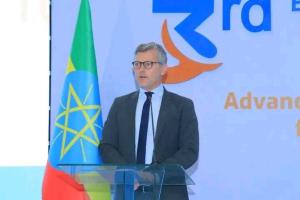
Denmark and Rwanda Seek Stronger Water, Energy Ties with Ethiopia
Oct 26, 2026 9021
Addis Ababa, October 26, 2026 (ENA)— Denmark and Rwanda have expressed a shared commitment to strengthening cooperation with Ethiopia in the water and energy sectors, focusing on technical assistance, direct investment, and sustainable resource management. In a speech they made at the 3rd Ethiopian Water and Energy Week, held in Addis Ababa from October 26 to 30, the Danish and Rwandan ambassadors to Ethiopia highlighted key opportunities to expand partnerships in both sectors citing them as vital drivers for regional economic development, environmental sustainability, and public well-being. Danish Ambassador to Ethiopia Sune Krogstrup highlighted the strong ongoing cooperation between the two nations across key sectors. Denmark’s involvement includes major initiatives such as the One WASH National Program, airborne electromagnetic groundwater mapping, and key energy infrastructure projects like the Assela Wind Farm. Ambassador Krogstrup noted that Denmark plans to deepen its engagement through technical assistance, strategic sector cooperation, and innovative financing to deliver sustainable water and energy solutions. He also pointed to growing opportunities for technology transfer, business partnerships, and private investment, referencing the active participation of major Danish firms, including Grundfos, the A.P. Møller Group, and Danfoss at the recent Ethiopian Water and Energy Week. Meanwhile, Rwandan Ambassador to Ethiopia Major General Charles Karamba emphasized the critical nexus between water and energy, highlighting both as vital pillars of human well-being, economic growth, and environmental sustainability. Energy is required to pump, treat, and distribute water, while water is essential for energy generation, Ambassador Karamba noted, pointing out that rapid population growth, economic expansion, and climate change are exerting unprecedented pressure on both finite resources. He described the Ethiopian Water and Energy Week as a key collaborative platform for government bodies, private sector leaders, researchers, civil society, and international development partners to exchange best practices, showcase innovations, and explore new investment avenues. Reaffirming Rwanda’s commitment to catchment protection, sustainable water management, and energy security, Ambassador Karamba thanked Ethiopia for hosting the event and pledged Rwanda’s readiness to deepen bilateral cooperation for present and future generations. The 3rd Ethiopian Water and Energy Week is being held in Addis Ababa under the theme: “Advancing Science-Based Policy and Partnerships for a Water- and Energy-Secure Future.”
.jpg)
Ethiopia Calls for Stronger Regional Cooperation on Shared Rivers
Oct 26, 2026 7580
Addis Ababa, October 26, 2026 (ENA)— Ethiopia called for stronger regional cooperation equitable utilization of transboundary water resources, emphasizing hydro-diplomacy as a pathway to regional integration. The call was made at the opening of the 3rd Ethiopian Water and Energy Week, which runs from October 26 to 30 under the theme: “Advancing Science-Based Policy and Partnerships for a Water- and Energy-Secure Future.” In a message delivered on behalf of Minister of Water and Energy Dr. Eng. Habtamu Itefa, the Ministry underscored that shared rivers require constructive engagement, reliable information and practical cooperation to turn common water challenges into opportunities for regional development and stability. It emphasized that water and energy are fundamental to food security, public health, industrial growth, job creation, environmental sustainability and national development. The Ministry also called for integrated planning to maximize development benefits, reduce resource wastage and strengthen resilience. The Ministry highlighted Ethiopia’s considerable water and renewable energy potential, stressing the need to translate these resources into sustainable development through effective resource management, coordinated institutions and decisive implementation. Expanding access to affordable and reliable energy, improving water supply and sanitation, strengthening irrigation and water-use efficiency, and protecting groundwater and water-source catchments were identified as key priorities. It also underscored the importance of science, digital information and modern technology in guiding policy decisions and development investments. Strengthening hydrological and meteorological monitoring, improving basin information systems, tracking water quality and generating reliable energy data would help identify risks, prioritize investments and evaluate development outcomes, it noted. The Ministry further emphasized the need to bridge the gap between scientific research and practical policymaking by strengthening collaboration among researchers, government institutions, investors, service providers and local communities. It called for a coordinated approach involving the government, private sector, universities, research institutions, development partners and communities to improve service delivery, mobilize investment and ensure the sustainable management of natural resources. The Ministry also stressed the importance of integrating water, energy, food production and ecosystem protection into development planning, noting that the water-energy-food-ecosystem nexus can help maximize the benefits of investments while safeguarding natural resources for future generations. Beyond policy discussions, the forum is expected to produce actionable recommendations, stronger partnerships, investment-ready projects and practical measures to improve services in the water and energy sectors. The Ministry emphasized that translating these objectives into tangible results requires capable institutions, clear responsibilities, sustainable financing, effective regulation and accountability. The 3rd Ethiopian Water and Energy Week has brought together government officials, members of the diplomatic community, development partners, private-sector leaders, researchers, academics, contractors, consultants and civil society representatives to explore science-based policies and partnerships for a water- and energy-secure future.

Lula da Silva Wins Presidential Election in Brazil
Oct 26, 2026 5080
Addis Ababa, October 26, 2026 (ENA)— Brazil’s Incumbent President Luiz Inácio Lula da Silva has been re-elected to a fourth nonconsecutive term, securing victory in a high-stakes runoff against right-wing Senator Flávio Bolsonaro. The election concludes a contentious campaign period. The incumbent president, Luiz Inácio Lula da Silva, has won the presidential election, securing 51.75 percent of the vote. Senator Flávio Bolsonaro received 48.25 percent. These figures are based on 99.76 percent of the votes counted. Lula was born on October 27, 1945, in Caetés to a family of farmers. From the late 1960s, he worked in steelworks and became involved in the trade union movement. From 1975, he led the ABC metalworkers’ union. In 1980, he founded the Workers’ Party. He contested the presidential elections in 1989, 1994 and 1998, finishing second each time. He won the presidency in 2002 and was re-elected in 2006. In 2023, he returned to power once again. The international community has reacted swiftly to the reported re-election, with world leaders and prominent political figures from across the Americas and other regions extending congratulations and emphasizing the importance of democratic processes.
.jpg)
Ethiopia Advances African Leadership, National Development and Strategic Interests
Oct 25, 2026 23841
By Staff Writer October 25, 2026 (ENA) Ethiopia’s key developments this week highlighted an interconnected national agenda: strengthening African leadership, accelerating economic transformation, building institutional capacity and safeguarding strategic interests amid a rapidly changing regional and global order. From the 12th Tana High-Level Forum on Security in Africa to the inauguration of the Megech Dam, the country’s engagements reflected a broader effort to connect continental cooperation with tangible development outcomes at home. Economic reforms, agricultural modernization, technological capacity-building and the National Dialogue further underscored the importance of building a resilient state capable of translating national ambitions into lasting results. At the same time, discussions surrounding Red Sea access, Abay River including the Grand Ethiopian Renaissance Dam (GERD) and regional security highlighted the complex geopolitical environment in which Ethiopia is pursuing its development priorities. Tana Forum Puts African Leadership and Economic Sovereignty in Focus The 12th Tana High-Level Forum on Security in Africa brought African leaders, policymakers and experts to Bahir Dar to examine pathways to peace amid economic uncertainty, geopolitical competition and shifting global power dynamics. Addressing the forum, Prime Minister Abiy Ahmed emphasized the need for African-led solutions, stronger collective action and economic sovereignty, stressing the importance of enabling the continent to shape its own future rather than remain on the margins of global decision-making. The African Union echoed the call for greater cooperation and strategic independence, underscoring the importance of collective capacity in navigating an increasingly complex international environment. Ghanaian President John Dramani Mahama described the Tana Forum as an authentic African platform for candid reflection and strategic foresight. The gathering provided an opportunity to assess the continent’s security challenges and explore solutions grounded in African realities, priorities and experiences. Prime Minister Abiy’s engagements with Kenya’s Deputy President Kithure Kindiki and Mozambique’s President Daniel Chapo further reinforced the diplomatic dimension of the gathering. His joint visit with President Mahama to Fasilides Castle in Gondar also brought Ethiopia’s historical heritage into the wider program of high-level engagements. Beyond the discussions themselves, the forum raised a fundamental question: how can Africa translate its abundant resources, demographic potential and collective influence into greater economic independence and geopolitical agency? For Ethiopia, the gathering offered an opportunity to contribute to this continental debate while strengthening engagement with African partners. Megech Dam Links Infrastructure with Food and Water Security While the Tana Forum focused on Africa’s strategic future, the inauguration of the Megech Dam in Gondar demonstrated how Ethiopia is pursuing development through investment in critical infrastructure. Prime Minister Abiy Ahmed officially inaugurated the project, which has a storage capacity of 185 million cubic meters and is expected to support irrigation across more than 17,000 hectares of farmland. The dam will also provide drinking water to Gondar and surrounding towns. Its anticipated benefits extend beyond water storage. By supporting irrigation, the project is expected to strengthen agricultural productivity, improve food security and reduce farmers’ dependence on seasonal rainfall. It also offers opportunities for employment, fisheries, tourism and urban agriculture. The project illustrates the relationship between infrastructure investment and broader economic transformation. Reliable water supplies can support agricultural production, expand economic activity and improve livelihoods, particularly when complemented by effective management and access to markets. Prime Minister Abiy highlighted the overcoming of longstanding implementation challenges through the Medemer philosophy and emphasized the importance of further development in Gondar. President Mahama, who attended the inauguration, said the project had inspired renewed efforts to advance Ghana’s long-delayed Pwalugu Irrigation Project. His remarks underscored the potential for African countries to learn from one another’s development experiences and adapt successful approaches to their own circumstances. The Megech Dam thus represents more than an engineering achievement. It reflects the broader challenge of converting natural resources into productive assets that support food security, employment and sustainable economic growth. Indigenous Capacity at the Heart of Economic Transformation Ethiopia’s development agenda also places growing emphasis on indigenous capacity—the ability to design, implement, operate and sustain projects through domestic expertise and institutions. Infrastructure alone cannot guarantee lasting transformation. Its long-term value depends on the availability of skilled professionals, effective institutions, appropriate technologies and productive industries capable of supporting and expanding the investments made. Economic developments during the week reflected this wider ambition. Ethiopia and the United States Treasury reaffirmed their partnership in advancing economic reforms and bilateral engagement, while investment outreach to businesses from the United Arab Emirates highlighted opportunities for longer-term commercial partnerships. Meanwhile, Airbus projected that passenger traffic in Ethiopia could grow sixfold over the next 20 years, pointing to substantial potential for aviation and related services. Realizing that growth will require sustained investment in infrastructure, workforce development and operational capacity. Agriculture also remained central to the country’s development priorities, with continued efforts to strengthen productivity and build a more sustainable agricultural sector. These priorities are mutually reinforcing. Economic reforms can help create conditions for investment, infrastructure can expand productive capacity, and technology and skills can improve efficiency and competitiveness. Ultimately, the impact of these initiatives will be measured by their contribution to employment, domestic industries, household incomes and improved living standards. Strengthening indigenous capacity is therefore essential to ensuring that Ethiopia’s development ambitions are not only achieved but sustained over the long term. Red Sea Access and Regional Geopolitics Remain Strategic Priorities Ethiopia’s development ambitions are closely connected to its geopolitical environment, particularly the Horn of Africa and the Red Sea corridor. Discussions during the week highlighted the strategic importance of maritime access, regional stability and the competition among external powers around one of the world’s significant commercial and security corridors. Ambassador Zerihun Abebe emphasized Ethiopia’s geographic position and historical connections to the Red Sea, framing maritime access as an important issue for the country’s long-term strategic and economic interests. As a landlocked country reliant on maritime routes for international trade, Ethiopia has a direct interest in secure, reliable and economically viable access to global markets. Developments around the Red Sea therefore have implications not only for national security but also for trade, logistics and economic competitiveness. Advisor to the Prime Minister on East African Affairs, Getachew Reda, also underscored Ethiopia’s pivotal geopolitical position. Meanwhile, Professor Al Mariam expressed concern over Eritrea’s policies and their implications for regional stability, while criticizing the Cairo–Asmara relationship. These assessments reflect the perspectives of the respective commentators amid continuing regional tensions. The GERD and Ethiopia’s relations with Egypt also remained part of the wider debate. Egyptian analyst Magdi Khalil argued that attempts to obstruct the dam had been a mistake and advocated strategic relations between the two countries. His position highlights the potential benefits of moving beyond confrontation toward constructive engagement. The GERD is central to Ethiopia’s electricity-generation ambitions, while Nile water security remains a major concern for Egypt. Sustained dialogue, cooperation and mutually beneficial arrangements are important to addressing these concerns and reducing tensions. The broader challenge for the region is to reconcile legitimate national interests with the shared need for peace, secure trade routes and economic cooperation. Pursuing strategic priorities through diplomacy and practical engagement offers a more sustainable basis for regional stability than prolonged confrontation. National Dialogue Seeks a Foundation for Lasting Consensus Alongside development and diplomacy, Ethiopia’s National Dialogue continued to focus on addressing longstanding political, social and governance questions through an inclusive process. Organized around eight pillars, the initiative seeks to create space for dialogue on issues affecting the country’s political arrangements, institutions, social relations and future direction. Its significance lies in the possibility of building a broader foundation for consensus in a country whose stability and development depend, in part, on the ability to manage differences constructively. Moving from deliberation toward consensus is an important step, but the process’s long-term value will depend on the inclusiveness of participation, the credibility of its outcomes and the extent to which areas of agreement can be translated into meaningful action. The week’s discussions among African Supreme Audit Institutions also highlighted the importance of institutional accountability and cooperation. Effective oversight of public resources is critical to ensuring that development commitments deliver tangible benefits and that public institutions maintain public trust. Together, these efforts point to a central requirement for sustainable national progress: institutions must not only deliver services and development but also promote accountability, confidence and constructive engagement. Human Capital and Technology Shape Future Competitiveness Ethiopia’s longer-term development ambitions increasingly depend on its ability to equip its population for a technology-driven global economy. Discussions during the week highlighted artificial intelligence, digital skills and private-sector investment in human-capital development, reflecting the growing importance of technological competence across industries. As digital technologies reshape production, services and employment, investment in skills is becoming an essential component of national competitiveness. However, the benefits of technological advancement depend on more than access to digital tools. Quality education, practical training, research, effective institutions and private-sector participation are equally important. These priorities complement Ethiopia’s infrastructure and economic reform agenda. Roads, dams, transport networks and digital systems create opportunities, but skilled people and capable institutions are needed to operate them efficiently and convert investment into productivity. Building human capital is therefore not a separate development objective; it is a foundation for sustaining economic growth, expanding employment and strengthening Ethiopia’s capacity to compete in an increasingly technology-driven world. Connecting National Transformation with African Ambitions Taken together, this week’s developments reveal a common thread linking Ethiopia’s domestic priorities with its regional and continental engagement. The Tana Forum placed African-led solutions and economic sovereignty at the center of discussions on peace and security. The Megech Dam demonstrated how investment in water infrastructure can advance agriculture and food security. Economic reforms, aviation growth and technological skills highlighted the importance of expanding productive capacity, while the National Dialogue and accountability initiatives underscored the role of institutions in building lasting stability. At the same time, debates over Red Sea access, the GERD and regional security demonstrated that Ethiopia’s development trajectory is inseparable from the geopolitical environment surrounding it. The central challenge is to turn ambition into measurable outcomes: stronger institutions, productive investment, skilled human capital, improved livelihoods and constructive regional partnerships. Ethiopia’s ability to advance these priorities will depend on how effectively it mobilizes domestic capacity, attracts sustainable investment, manages national differences and engages with its neighbors. Ultimately, national development and African leadership are interconnected pursuits. A more productive and institutionally resilient Ethiopia can contribute more effectively to continental cooperation, while a more peaceful, integrated and economically confident Africa can create greater opportunities for Ethiopia’s own transformation.
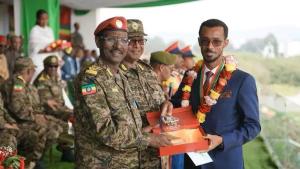
Honorary Defense Members Push for Stronger Commitment to Ethiopia’s Red Sea Access
Oct 25, 2026 10044
Addis Ababa, October 25, 2026 (ENA)— Honorary members of the Ethiopian National Defense Force (ENDF) have rallied behind Ethiopia’s quest for sovereign Red Sea access. Approached by ENA, members also called for peaceful diplomacy, dialogue with neighboring countries, and stronger national commitment to advance Ethiopia’s pursuit of Red Sea access. Biniyam Getachew and Afewerk Bedewi were among ten individuals awarded honorary Defense Forces membership in recognition of their contributions to supporting the defense force through social media and various media outlets, including international platforms. Field Marshal Birhanu Jula, Chief of General Staff of the Ethiopian National Defense Force, presented the honorary members with their recognition during celebrations marking the 119th anniversary of the FDRE Defense Forces Day. Biniyam and Afewerk stressed that Ethiopia’s maritime aspirations should be supported by public awareness and collective commitment. Biniyam Getachew, founder and president of the Ethiopian Global Youth Group, emphasized that Ethiopia should pursue Red Sea access through negotiations and constructive engagement with neighboring countries. “Ethiopia is a big nation, ranked among the world’s most populous countries. We need access to the Red Sea, but we need a peaceful way,” he said. He called for dialogue with Eritrea, describing the peoples of the two neighboring countries as brothers and sisters whose relations should be built on mutual respect, understanding, and cooperation. “We should sit and talk through negotiations. We need peace through diplomacy, through a give-and-take approach,” Biniyam said. He reiterated that young people support Ethiopia’s pursuit of maritime access. “As a young generation, we need seaport access. With our neighbors, we need love and mutual respect. They are our brothers and sisters,” he said. Biniyam also highlighted the importance of raising awareness among young people about Ethiopia’s maritime aspirations and encouraging their constructive participation in discussions on the issue. Afewerk Bedewi, a political affairs analyst at the Ethiopian Broadcasting Corporation, underscored the importance of national resolve, military discipline, and collective commitment in pursuing Ethiopia’s strategic interests. He described military discipline as an important national asset and expressed confidence in the Ethiopian people’s ability to achieve their objectives through determination and sustained commitment. “I believe that the entire Ethiopian people have a military psychological makeup. I believe that Ethiopia is a people with military discipline. Therefore, becoming a member of the Ethiopian Defense Force, in any way, of any kind, under any circumstance, and at any time, is a correct decision that no one will regret,” he said. Afewerk said Ethiopia’s pursuit of sea access required the determination and commitment of its people, adding that national aspirations could be achieved when citizens understood their objectives and worked collectively toward them. “The question of Ethiopia’s access to the sea can only be achieved through the decision of the Ethiopian people alone, and through commitment alone. I do not believe that there is anything the Ethiopian people would fail to attain if they desire it, have the commitment, and believe in it,” he said. Afewerk urged young Ethiopians to develop a deeper understanding of the strategic importance of maritime access and the implications of the country’s landlocked status. “The youth must properly understand what sea access means and what the loss of sea access means,” he said. He also called on young people to familiarize themselves with the missions and responsibilities of the government and the defense force, emphasizing the importance of informed public engagement in advancing national objectives. Afewerk further stressed the need to understand Ethiopia’s geopolitical position within the Horn of Africa, East Africa, and the wider continent when considering the country’s maritime interests. He characterized Ethiopia’s loss of direct sea access as an injustice that occurred without the consent of its people, arguing that understanding the historical circumstances surrounding the loss would help inform discussions about possible ways forward. “When we speak of being without sea access in this region, we lost it unjustly, through conspiracy, and without the consent of Ethiopians, we must pave our way out,” he said. He maintained that examining the historical circumstances surrounding Ethiopia’s loss of direct sea access was important to understanding the issue and determining how to address it. Both underscored the importance of public understanding and collective commitment in pursuing Ethiopia’s maritime interests, with diplomacy and dialogue remaining central to efforts to maintain peaceful relations with neighboring countries.
Politics
Peace-Security Anchor Ethiopia Must Consolidate Commitments to Peace and Security: Former PM
Oct 27, 2026 1613
Addis Ababa, October 27, 2026 (ENA)— Ethiopia, which remains an anchor for peace and security in the region, must strengthen and continue this genuine commitment to peace, former Ethiopian Prime Minister Hailemariam Desalegn told ENA. Speaking to ENA on the sidelines of the recent 12th Tana High-Level Forum on Security in Africa, he noted that the country remains an anchor for peace and security in the region. The diplomatic efforts made when the Sudan crisis arose and the ongoing shared role it continues to play in Somalia are examples in this regard, Hailemariam said, stressing that Ethiopia must greatly strengthen and continue this genuine commitment to peace. According to him, there also is a commendable effort for a peace agenda to exist and for peace to come within the country as well. "When we look at all these things broadly, Ethiopia has continued to be an anchor state; and it must continue to do so," the former premier underscored. Commenting on the High-Level Forum, he highlighted the platform's success in fostering open and unvarnished dialogue among African leaders on pressing regional security challenges. Hailemariam emphasized that the Tana Forum sets itself apart from standard international gatherings by prioritizing candid exchange over political posture. “What distinguishes the Tana Forum from other well-known platforms is that it is a platform that allows people to speak their minds and express what they truly feel,” he explained. “Elsewhere, there is what is called a diplomatic language. The situation is often such that you pass through the middle without effectively conveying the message you want. So we needed a platform different from that; and we have come this far.” According to him, the Forum has played a vital, constructive role by delivering actionable recommendations and directly preparing comprehensive peace and security reports for the African Union over the past 12 years. In Ethiopia, there are also commendable ongoing efforts to ensure lasting peace within the country itself. Pointing to Ethiopia’s population of over 130 million, Hailemariam stressed that both domestic and regional stability directly impact the nation. He pointed out that the government's recent calls for peace reflect a practical commitment to resolving differences through open dialogue, negotiation, and a spirit of compromise rather than avoiding underlying issues. As peace benefits all, the former Prime Minister encouraged the continuous strengthening of peace initiatives to achieve tangible results across the region.
Diplomats Praise Ethiopia's Global Role, Call for Renewed Commitment to Peace
Oct 27, 2026 3412
Addis Ababa, October 27, 2026 (ENA)— Diplomats, United Nations officials and development partners gathered in Addis Ababa to mark United Nations Day, praising Ethiopia's longstanding contribution to multilateralism and calling for renewed global commitment to peace, sustainable development and human rights. Observed annually on October 24, United Nations Day commemorates the 1945 entry into force of the UN Charter, the founding document that established the framework for international cooperation in addressing global challenges. The commemoration underscored Ethiopia's historic role within the United Nations and reaffirmed Addis Ababa's position as one of the world's leading diplomatic capitals. Speaking at the event, Executive Secretary of the United Nations Economic Commission for Africa (ECA), Claver Gatete, described Ethiopia as a "longstanding and reliable partner" of the United Nations. "Here in Addis Ababa, the United Nations family has long found such a partner in the government and people of Ethiopia," Gatete said. "I wish to express our sincere appreciation for their hospitality and their steadfast commitment to multilateral cooperation." He noted that Ethiopia was among the 51 founding members of the United Nations in 1945 and one of only four African countries to join the organization at its inception. Gatete also highlighted Addis Ababa's unique diplomatic significance as home to the ECA, the UN Country Team, the African Union and numerous foreign embassies. Reflecting on Africa Hall, where the Charter of the Organization of African Unity was signed in 1963, he described the landmark as an enduring symbol of Ethiopia's contribution to African unity and its partnership with the United Nations. Delivering a message on behalf of UN Secretary General António Guterres, UN Assistant Secretary General and UN Resident and Humanitarian Coordinator in Ethiopia, Ozonnia Ojielo, stressed the need for collective action at a time of growing global challenges. The Secretary General's message said United Nations Day celebrates not only an institution but also the principle that humanity's future depends on working together to advance peace, development and human rights. "For 81 years, the United Nations has given life to that idea," Guterres said in the message. The message highlighted the organization's role in resolving disputes through diplomacy and international law, combating poverty and hunger, advancing human rights and delivering lifesaving assistance to people affected by conflict, disasters and displacement. It also pointed to the UN's work in trade, technology, health and gender equality, including efforts to expand opportunities for women and girls. Guterres urged member states to reaffirm their commitment to the organization's founding principles. "Choose dialogue over division, cooperation over confrontation, and solidarity over fear," the message stated. African Union Commission Chairperson's Spokesperson Nuur Mohamud Sheekh emphasized Addis Ababa's enduring importance as the capital of African multilateralism and international cooperation. He also recognized Ethiopia's contribution to global connectivity through Ethiopian Airlines. "You can fly basically into the entire world from Addis Ababa, and we appreciate this contribution that this great country has made to travel and connectivity," Sheekh said. He said the institutionalized partnership between the African Union and the United Nations remains vital for advancing peace, security and sustainable development across Africa. "This strategic partnership serves as the cornerstone for advancing the synergies between the United Nations 2030 Agenda for Sustainable Development and the African Union's Agenda 2063," he noted. Representing the Ethiopian government, Director General for International Organizations Affairs at the Ministry of Foreign Affairs, Ambassador Yoseph Kassaye, reaffirmed Ethiopia's longstanding commitment to multilateralism. "Ethiopia, as a founding member of the United Nations and a staunch supporter of multilateralism, has made important contributions on various fronts since the earliest days of the organization," Yoseph said. "We have consistently championed the principles of sovereign equality and collective security." He reiterated Ethiopia's support for the core principles of the UN Charter, including state sovereignty, the peaceful settlement of disputes and collective security. The annual observance of United Nations Day concluded with renewed calls for dialogue, cooperation and solidarity as the foundation for building a more peaceful, equitable and sustainable future.
Ethiopia Exemplifies Self-Reliance, Transformative Energy Policies: Former AUC Chairperson
Oct 27, 2026 3802
Addis Ababa, October 27, 2026 (ENA)— Former African Union Commission (AUC) Chairperson Nkosazana Dlamini-Zuma has lauded Ethiopia as a definitive model for continental progress. She cited the nation’s commitment to homegrown development and bold energy policies as a masterclass in national self-determination. Speaking to ENA in Moscow ahead of the Russia-Africa Summit, Dlamini-Zuma reflected on the essential role Ethiopia plays as the diplomatic "capital of Africa." Having led the AU from its Addis Ababa headquarters between 2012 and 2017, she noted that the nation bears a unique responsibility to lead by example. She argued that Ethiopia must remain at the forefront of the "Africa We Want"—an integrated, peaceful, and prosperous continent driven by its own citizens. Dlamini-Zuma identified a lack of internal confidence as the primary obstacle to African development. She pointed to the Grand Ethiopian Renaissance Dam (GERD) as the ultimate symbol of breaking the cycle of waiting for foreign intervention. "One of the things that impressed me about Ethiopia…(is) how you built, as Ethiopians, you built the Renaissance Dam without waiting for outsiders to come and do the work. For me, that was very important, because a lot of countries in Africa are not developing because they are waiting for outsiders to come and develop them," she stated. She challenged other African leaders to adopt this mindset, emphasizing that true progress requires an unwavering belief in local capacity. "Because if we don't have confidence in ourselves and don't believe in ourselves, we'll never go anywhere far," she added. Beyond large-scale infrastructure, Dlamini-Zuma highlighted Ethiopia’s rapid urban evolution as evidence of the power of energy sovereignty. Having recently visited Addis Ababa, she noted the visible, fast-paced transformation of the city, attributing this success to the country’s proactive energy initiatives. "I've been to Addis recently, and I can see it's changing very fast. And it shows that when you have energy, there is a lot you can do," she remarked. She specifically praised the Ethiopian government’s pioneering decision to ban the import of petrol and diesel vehicles. This policy, she noted, positions the nation at the forefront of the global green energy transition. "I think they're the only country in Africa, I don't know about in the world, that has banned the import of petrol and diesel cars. So, those are some of the things that I can mention in this short space of time," she noted. As leaders gathered in Moscow to discuss the future of the Russia-Africa partnership, Dlamini-Zuma’s message served as a rallying cry for self-reliance. She framed Ethiopia’s achievements as a replicable template for the entire continent.
Denmark and Rwanda Seek Stronger Water, Energy Ties with Ethiopia
Oct 26, 2026 9021
Addis Ababa, October 26, 2026 (ENA)— Denmark and Rwanda have expressed a shared commitment to strengthening cooperation with Ethiopia in the water and energy sectors, focusing on technical assistance, direct investment, and sustainable resource management. In a speech they made at the 3rd Ethiopian Water and Energy Week, held in Addis Ababa from October 26 to 30, the Danish and Rwandan ambassadors to Ethiopia highlighted key opportunities to expand partnerships in both sectors citing them as vital drivers for regional economic development, environmental sustainability, and public well-being. Danish Ambassador to Ethiopia Sune Krogstrup highlighted the strong ongoing cooperation between the two nations across key sectors. Denmark’s involvement includes major initiatives such as the One WASH National Program, airborne electromagnetic groundwater mapping, and key energy infrastructure projects like the Assela Wind Farm. Ambassador Krogstrup noted that Denmark plans to deepen its engagement through technical assistance, strategic sector cooperation, and innovative financing to deliver sustainable water and energy solutions. He also pointed to growing opportunities for technology transfer, business partnerships, and private investment, referencing the active participation of major Danish firms, including Grundfos, the A.P. Møller Group, and Danfoss at the recent Ethiopian Water and Energy Week. Meanwhile, Rwandan Ambassador to Ethiopia Major General Charles Karamba emphasized the critical nexus between water and energy, highlighting both as vital pillars of human well-being, economic growth, and environmental sustainability. Energy is required to pump, treat, and distribute water, while water is essential for energy generation, Ambassador Karamba noted, pointing out that rapid population growth, economic expansion, and climate change are exerting unprecedented pressure on both finite resources. He described the Ethiopian Water and Energy Week as a key collaborative platform for government bodies, private sector leaders, researchers, civil society, and international development partners to exchange best practices, showcase innovations, and explore new investment avenues. Reaffirming Rwanda’s commitment to catchment protection, sustainable water management, and energy security, Ambassador Karamba thanked Ethiopia for hosting the event and pledged Rwanda’s readiness to deepen bilateral cooperation for present and future generations. The 3rd Ethiopian Water and Energy Week is being held in Addis Ababa under the theme: “Advancing Science-Based Policy and Partnerships for a Water- and Energy-Secure Future.”
Ethiopia Calls for Stronger Regional Cooperation on Shared Rivers
Oct 26, 2026 7580
Addis Ababa, October 26, 2026 (ENA)— Ethiopia called for stronger regional cooperation equitable utilization of transboundary water resources, emphasizing hydro-diplomacy as a pathway to regional integration. The call was made at the opening of the 3rd Ethiopian Water and Energy Week, which runs from October 26 to 30 under the theme: “Advancing Science-Based Policy and Partnerships for a Water- and Energy-Secure Future.” In a message delivered on behalf of Minister of Water and Energy Dr. Eng. Habtamu Itefa, the Ministry underscored that shared rivers require constructive engagement, reliable information and practical cooperation to turn common water challenges into opportunities for regional development and stability. It emphasized that water and energy are fundamental to food security, public health, industrial growth, job creation, environmental sustainability and national development. The Ministry also called for integrated planning to maximize development benefits, reduce resource wastage and strengthen resilience. The Ministry highlighted Ethiopia’s considerable water and renewable energy potential, stressing the need to translate these resources into sustainable development through effective resource management, coordinated institutions and decisive implementation. Expanding access to affordable and reliable energy, improving water supply and sanitation, strengthening irrigation and water-use efficiency, and protecting groundwater and water-source catchments were identified as key priorities. It also underscored the importance of science, digital information and modern technology in guiding policy decisions and development investments. Strengthening hydrological and meteorological monitoring, improving basin information systems, tracking water quality and generating reliable energy data would help identify risks, prioritize investments and evaluate development outcomes, it noted. The Ministry further emphasized the need to bridge the gap between scientific research and practical policymaking by strengthening collaboration among researchers, government institutions, investors, service providers and local communities. It called for a coordinated approach involving the government, private sector, universities, research institutions, development partners and communities to improve service delivery, mobilize investment and ensure the sustainable management of natural resources. The Ministry also stressed the importance of integrating water, energy, food production and ecosystem protection into development planning, noting that the water-energy-food-ecosystem nexus can help maximize the benefits of investments while safeguarding natural resources for future generations. Beyond policy discussions, the forum is expected to produce actionable recommendations, stronger partnerships, investment-ready projects and practical measures to improve services in the water and energy sectors. The Ministry emphasized that translating these objectives into tangible results requires capable institutions, clear responsibilities, sustainable financing, effective regulation and accountability. The 3rd Ethiopian Water and Energy Week has brought together government officials, members of the diplomatic community, development partners, private-sector leaders, researchers, academics, contractors, consultants and civil society representatives to explore science-based policies and partnerships for a water- and energy-secure future.
Lula da Silva Wins Presidential Election in Brazil
Oct 26, 2026 5080
Addis Ababa, October 26, 2026 (ENA)— Brazil’s Incumbent President Luiz Inácio Lula da Silva has been re-elected to a fourth nonconsecutive term, securing victory in a high-stakes runoff against right-wing Senator Flávio Bolsonaro. The election concludes a contentious campaign period. The incumbent president, Luiz Inácio Lula da Silva, has won the presidential election, securing 51.75 percent of the vote. Senator Flávio Bolsonaro received 48.25 percent. These figures are based on 99.76 percent of the votes counted. Lula was born on October 27, 1945, in Caetés to a family of farmers. From the late 1960s, he worked in steelworks and became involved in the trade union movement. From 1975, he led the ABC metalworkers’ union. In 1980, he founded the Workers’ Party. He contested the presidential elections in 1989, 1994 and 1998, finishing second each time. He won the presidency in 2002 and was re-elected in 2006. In 2023, he returned to power once again. The international community has reacted swiftly to the reported re-election, with world leaders and prominent political figures from across the Americas and other regions extending congratulations and emphasizing the importance of democratic processes.
Ethiopia Advances African Leadership, National Development and Strategic Interests
Oct 25, 2026 23841
By Staff Writer October 25, 2026 (ENA) Ethiopia’s key developments this week highlighted an interconnected national agenda: strengthening African leadership, accelerating economic transformation, building institutional capacity and safeguarding strategic interests amid a rapidly changing regional and global order. From the 12th Tana High-Level Forum on Security in Africa to the inauguration of the Megech Dam, the country’s engagements reflected a broader effort to connect continental cooperation with tangible development outcomes at home. Economic reforms, agricultural modernization, technological capacity-building and the National Dialogue further underscored the importance of building a resilient state capable of translating national ambitions into lasting results. At the same time, discussions surrounding Red Sea access, Abay River including the Grand Ethiopian Renaissance Dam (GERD) and regional security highlighted the complex geopolitical environment in which Ethiopia is pursuing its development priorities. Tana Forum Puts African Leadership and Economic Sovereignty in Focus The 12th Tana High-Level Forum on Security in Africa brought African leaders, policymakers and experts to Bahir Dar to examine pathways to peace amid economic uncertainty, geopolitical competition and shifting global power dynamics. Addressing the forum, Prime Minister Abiy Ahmed emphasized the need for African-led solutions, stronger collective action and economic sovereignty, stressing the importance of enabling the continent to shape its own future rather than remain on the margins of global decision-making. The African Union echoed the call for greater cooperation and strategic independence, underscoring the importance of collective capacity in navigating an increasingly complex international environment. Ghanaian President John Dramani Mahama described the Tana Forum as an authentic African platform for candid reflection and strategic foresight. The gathering provided an opportunity to assess the continent’s security challenges and explore solutions grounded in African realities, priorities and experiences. Prime Minister Abiy’s engagements with Kenya’s Deputy President Kithure Kindiki and Mozambique’s President Daniel Chapo further reinforced the diplomatic dimension of the gathering. His joint visit with President Mahama to Fasilides Castle in Gondar also brought Ethiopia’s historical heritage into the wider program of high-level engagements. Beyond the discussions themselves, the forum raised a fundamental question: how can Africa translate its abundant resources, demographic potential and collective influence into greater economic independence and geopolitical agency? For Ethiopia, the gathering offered an opportunity to contribute to this continental debate while strengthening engagement with African partners. Megech Dam Links Infrastructure with Food and Water Security While the Tana Forum focused on Africa’s strategic future, the inauguration of the Megech Dam in Gondar demonstrated how Ethiopia is pursuing development through investment in critical infrastructure. Prime Minister Abiy Ahmed officially inaugurated the project, which has a storage capacity of 185 million cubic meters and is expected to support irrigation across more than 17,000 hectares of farmland. The dam will also provide drinking water to Gondar and surrounding towns. Its anticipated benefits extend beyond water storage. By supporting irrigation, the project is expected to strengthen agricultural productivity, improve food security and reduce farmers’ dependence on seasonal rainfall. It also offers opportunities for employment, fisheries, tourism and urban agriculture. The project illustrates the relationship between infrastructure investment and broader economic transformation. Reliable water supplies can support agricultural production, expand economic activity and improve livelihoods, particularly when complemented by effective management and access to markets. Prime Minister Abiy highlighted the overcoming of longstanding implementation challenges through the Medemer philosophy and emphasized the importance of further development in Gondar. President Mahama, who attended the inauguration, said the project had inspired renewed efforts to advance Ghana’s long-delayed Pwalugu Irrigation Project. His remarks underscored the potential for African countries to learn from one another’s development experiences and adapt successful approaches to their own circumstances. The Megech Dam thus represents more than an engineering achievement. It reflects the broader challenge of converting natural resources into productive assets that support food security, employment and sustainable economic growth. Indigenous Capacity at the Heart of Economic Transformation Ethiopia’s development agenda also places growing emphasis on indigenous capacity—the ability to design, implement, operate and sustain projects through domestic expertise and institutions. Infrastructure alone cannot guarantee lasting transformation. Its long-term value depends on the availability of skilled professionals, effective institutions, appropriate technologies and productive industries capable of supporting and expanding the investments made. Economic developments during the week reflected this wider ambition. Ethiopia and the United States Treasury reaffirmed their partnership in advancing economic reforms and bilateral engagement, while investment outreach to businesses from the United Arab Emirates highlighted opportunities for longer-term commercial partnerships. Meanwhile, Airbus projected that passenger traffic in Ethiopia could grow sixfold over the next 20 years, pointing to substantial potential for aviation and related services. Realizing that growth will require sustained investment in infrastructure, workforce development and operational capacity. Agriculture also remained central to the country’s development priorities, with continued efforts to strengthen productivity and build a more sustainable agricultural sector. These priorities are mutually reinforcing. Economic reforms can help create conditions for investment, infrastructure can expand productive capacity, and technology and skills can improve efficiency and competitiveness. Ultimately, the impact of these initiatives will be measured by their contribution to employment, domestic industries, household incomes and improved living standards. Strengthening indigenous capacity is therefore essential to ensuring that Ethiopia’s development ambitions are not only achieved but sustained over the long term. Red Sea Access and Regional Geopolitics Remain Strategic Priorities Ethiopia’s development ambitions are closely connected to its geopolitical environment, particularly the Horn of Africa and the Red Sea corridor. Discussions during the week highlighted the strategic importance of maritime access, regional stability and the competition among external powers around one of the world’s significant commercial and security corridors. Ambassador Zerihun Abebe emphasized Ethiopia’s geographic position and historical connections to the Red Sea, framing maritime access as an important issue for the country’s long-term strategic and economic interests. As a landlocked country reliant on maritime routes for international trade, Ethiopia has a direct interest in secure, reliable and economically viable access to global markets. Developments around the Red Sea therefore have implications not only for national security but also for trade, logistics and economic competitiveness. Advisor to the Prime Minister on East African Affairs, Getachew Reda, also underscored Ethiopia’s pivotal geopolitical position. Meanwhile, Professor Al Mariam expressed concern over Eritrea’s policies and their implications for regional stability, while criticizing the Cairo–Asmara relationship. These assessments reflect the perspectives of the respective commentators amid continuing regional tensions. The GERD and Ethiopia’s relations with Egypt also remained part of the wider debate. Egyptian analyst Magdi Khalil argued that attempts to obstruct the dam had been a mistake and advocated strategic relations between the two countries. His position highlights the potential benefits of moving beyond confrontation toward constructive engagement. The GERD is central to Ethiopia’s electricity-generation ambitions, while Nile water security remains a major concern for Egypt. Sustained dialogue, cooperation and mutually beneficial arrangements are important to addressing these concerns and reducing tensions. The broader challenge for the region is to reconcile legitimate national interests with the shared need for peace, secure trade routes and economic cooperation. Pursuing strategic priorities through diplomacy and practical engagement offers a more sustainable basis for regional stability than prolonged confrontation. National Dialogue Seeks a Foundation for Lasting Consensus Alongside development and diplomacy, Ethiopia’s National Dialogue continued to focus on addressing longstanding political, social and governance questions through an inclusive process. Organized around eight pillars, the initiative seeks to create space for dialogue on issues affecting the country’s political arrangements, institutions, social relations and future direction. Its significance lies in the possibility of building a broader foundation for consensus in a country whose stability and development depend, in part, on the ability to manage differences constructively. Moving from deliberation toward consensus is an important step, but the process’s long-term value will depend on the inclusiveness of participation, the credibility of its outcomes and the extent to which areas of agreement can be translated into meaningful action. The week’s discussions among African Supreme Audit Institutions also highlighted the importance of institutional accountability and cooperation. Effective oversight of public resources is critical to ensuring that development commitments deliver tangible benefits and that public institutions maintain public trust. Together, these efforts point to a central requirement for sustainable national progress: institutions must not only deliver services and development but also promote accountability, confidence and constructive engagement. Human Capital and Technology Shape Future Competitiveness Ethiopia’s longer-term development ambitions increasingly depend on its ability to equip its population for a technology-driven global economy. Discussions during the week highlighted artificial intelligence, digital skills and private-sector investment in human-capital development, reflecting the growing importance of technological competence across industries. As digital technologies reshape production, services and employment, investment in skills is becoming an essential component of national competitiveness. However, the benefits of technological advancement depend on more than access to digital tools. Quality education, practical training, research, effective institutions and private-sector participation are equally important. These priorities complement Ethiopia’s infrastructure and economic reform agenda. Roads, dams, transport networks and digital systems create opportunities, but skilled people and capable institutions are needed to operate them efficiently and convert investment into productivity. Building human capital is therefore not a separate development objective; it is a foundation for sustaining economic growth, expanding employment and strengthening Ethiopia’s capacity to compete in an increasingly technology-driven world. Connecting National Transformation with African Ambitions Taken together, this week’s developments reveal a common thread linking Ethiopia’s domestic priorities with its regional and continental engagement. The Tana Forum placed African-led solutions and economic sovereignty at the center of discussions on peace and security. The Megech Dam demonstrated how investment in water infrastructure can advance agriculture and food security. Economic reforms, aviation growth and technological skills highlighted the importance of expanding productive capacity, while the National Dialogue and accountability initiatives underscored the role of institutions in building lasting stability. At the same time, debates over Red Sea access, the GERD and regional security demonstrated that Ethiopia’s development trajectory is inseparable from the geopolitical environment surrounding it. The central challenge is to turn ambition into measurable outcomes: stronger institutions, productive investment, skilled human capital, improved livelihoods and constructive regional partnerships. Ethiopia’s ability to advance these priorities will depend on how effectively it mobilizes domestic capacity, attracts sustainable investment, manages national differences and engages with its neighbors. Ultimately, national development and African leadership are interconnected pursuits. A more productive and institutionally resilient Ethiopia can contribute more effectively to continental cooperation, while a more peaceful, integrated and economically confident Africa can create greater opportunities for Ethiopia’s own transformation.
Honorary Defense Members Push for Stronger Commitment to Ethiopia’s Red Sea Access
Oct 25, 2026 10044
Addis Ababa, October 25, 2026 (ENA)— Honorary members of the Ethiopian National Defense Force (ENDF) have rallied behind Ethiopia’s quest for sovereign Red Sea access. Approached by ENA, members also called for peaceful diplomacy, dialogue with neighboring countries, and stronger national commitment to advance Ethiopia’s pursuit of Red Sea access. Biniyam Getachew and Afewerk Bedewi were among ten individuals awarded honorary Defense Forces membership in recognition of their contributions to supporting the defense force through social media and various media outlets, including international platforms. Field Marshal Birhanu Jula, Chief of General Staff of the Ethiopian National Defense Force, presented the honorary members with their recognition during celebrations marking the 119th anniversary of the FDRE Defense Forces Day. Biniyam and Afewerk stressed that Ethiopia’s maritime aspirations should be supported by public awareness and collective commitment. Biniyam Getachew, founder and president of the Ethiopian Global Youth Group, emphasized that Ethiopia should pursue Red Sea access through negotiations and constructive engagement with neighboring countries. “Ethiopia is a big nation, ranked among the world’s most populous countries. We need access to the Red Sea, but we need a peaceful way,” he said. He called for dialogue with Eritrea, describing the peoples of the two neighboring countries as brothers and sisters whose relations should be built on mutual respect, understanding, and cooperation. “We should sit and talk through negotiations. We need peace through diplomacy, through a give-and-take approach,” Biniyam said. He reiterated that young people support Ethiopia’s pursuit of maritime access. “As a young generation, we need seaport access. With our neighbors, we need love and mutual respect. They are our brothers and sisters,” he said. Biniyam also highlighted the importance of raising awareness among young people about Ethiopia’s maritime aspirations and encouraging their constructive participation in discussions on the issue. Afewerk Bedewi, a political affairs analyst at the Ethiopian Broadcasting Corporation, underscored the importance of national resolve, military discipline, and collective commitment in pursuing Ethiopia’s strategic interests. He described military discipline as an important national asset and expressed confidence in the Ethiopian people’s ability to achieve their objectives through determination and sustained commitment. “I believe that the entire Ethiopian people have a military psychological makeup. I believe that Ethiopia is a people with military discipline. Therefore, becoming a member of the Ethiopian Defense Force, in any way, of any kind, under any circumstance, and at any time, is a correct decision that no one will regret,” he said. Afewerk said Ethiopia’s pursuit of sea access required the determination and commitment of its people, adding that national aspirations could be achieved when citizens understood their objectives and worked collectively toward them. “The question of Ethiopia’s access to the sea can only be achieved through the decision of the Ethiopian people alone, and through commitment alone. I do not believe that there is anything the Ethiopian people would fail to attain if they desire it, have the commitment, and believe in it,” he said. Afewerk urged young Ethiopians to develop a deeper understanding of the strategic importance of maritime access and the implications of the country’s landlocked status. “The youth must properly understand what sea access means and what the loss of sea access means,” he said. He also called on young people to familiarize themselves with the missions and responsibilities of the government and the defense force, emphasizing the importance of informed public engagement in advancing national objectives. Afewerk further stressed the need to understand Ethiopia’s geopolitical position within the Horn of Africa, East Africa, and the wider continent when considering the country’s maritime interests. He characterized Ethiopia’s loss of direct sea access as an injustice that occurred without the consent of its people, arguing that understanding the historical circumstances surrounding the loss would help inform discussions about possible ways forward. “When we speak of being without sea access in this region, we lost it unjustly, through conspiracy, and without the consent of Ethiopians, we must pave our way out,” he said. He maintained that examining the historical circumstances surrounding Ethiopia’s loss of direct sea access was important to understanding the issue and determining how to address it. Both underscored the importance of public understanding and collective commitment in pursuing Ethiopia’s maritime interests, with diplomacy and dialogue remaining central to efforts to maintain peaceful relations with neighboring countries.
Social
Ethiopia Working to Become Continental Pharmaceutical Manufacturing, Says Health State Minister
Oct 27, 2026 1392
Addis Ababa, October 27, 2026 (ENA)— Ethiopia is striving to become a continental pharmaceutical manufacturing hub by leveraging the African Continental Free Trade Area, regional value chains, regulatory cooperation, and pooled procurement to expand African-made health products and position, Health State Minister Dr. Muluken Argaw said. Speaking at the African Healthcare Manufacturing Trade Exhibition and Conference (AHMTEC) 2026 in Addis Ababa yesterday, the state minister stressed Africa’s local production of essential medicines, vaccines, and medical devices central to health security, economic transformation, and reduced import dependence. The event being held under the theme “Industrialise to Commercialise”, seeks to advance investment, technology transfer, regulatory cooperation, and stronger links between African producers and buyers. The state minister told delegates that healthcare manufacturing must be placed at the center of national development and continental cooperation. “Ethiopia’s ambition looks beyond our borders. We are ready to leverage the African Continental Free Trade Area, develop regional value chains, and expand opportunities for African-made health products,” Dr. Muluken said. According to him, this requires practical progress in trade facilitation, regulatory cooperation, and market access requirements. He suggested that the African Medicines Agency and pooled procurement could reduce duplication and connect African demand with quality-assured supply. The state minister stressed that Ethiopia aims to become a pharmaceutical manufacturing hub while strengthening medical tourism with its pharmaceutical market projected to exceed 4 billion USD by 2030. “This creates opportunities to expand existing production, introduce products that are currently imported, and build the supporting businesses that manufacturers depend upon,” he said. For his part, Federation of African Pharmaceutical Manufacturers Associations Chairman Dr. Emmanuel Mujuru said African manufacturers must strengthen supply security while addressing daily challenges. “We are at a stage where, as African manufacturers, and indeed as key stakeholders in supplying and strengthening the supply security of healthcare products, need to be seen to plug into the form and be seen to be playing our part,” he added. Ethiopian Pharmaceuticals and Medical Supplies Manufacturing Industries Sectoral Association President Dr. Tadesse Teferi said Ethiopia offers manufacturers infrastructure, regulation, policy support, and political commitment. “We offer a dedicated pharmaceutical industrial park. We offer a regulatory authority that stands today at WHO Maturity Level 3, among the strongest regulators on the continent.” According to him, Ethiopia intends to become the home of African vaccines, of African insulin, of African oncology medicines, and of African APIs in the decade ahead. Vizuri Health Dynamics Acting Council Chair, Ann-Marie Hosang-Archer, said the African Pooled Procurement Mechanism, the African Medicines Agency, and financing initiatives are creating more predictable markets and stronger investment conditions for African manufacturers.
.jpg)
ICRC Reaffirms Commitment to Partnership with Ethiopia
Oct 26, 2026 6060
Addis Ababa, October 26, 2026 (ENA)— The International Committee of the Red Cross (ICRC) has reaffirmed its commitment to strengthening its partnership with Ethiopia, commending the humanitarian efforts of the Ethiopian Red Cross Society (ERCS). During discussions with President Taye Atske Selassie, ICRC Regional Director for Africa Mamadou Sow praised the ERCS for its humanitarian work across the country and emphasized the importance of international humanitarian law and strong leadership in ensuring that essential assistance reaches people in need. President Taye and Mamadou Sow discussed the validity and the importance of international humanitarian law. Sow also commended President Taye for promoting cooperation among key Ethiopian government institutions, including the Ministries of Health, Justice and Defense. He expressed appreciation for the access and acceptance granted to the ICRC in Ethiopia, which enable the organization to carry out its humanitarian operations. Highlighting the importance of collaboration with the ERCS, Sow described the organization as a key partner in implementing programs focused on water, health and food security across Ethiopia. "The Ethiopian Red Cross is a marvelous organization," Sow said. "It's our privileged partner in this country, with whom we work across Ethiopia on water, health, and food security." He also praised the ERCS's extensive volunteer network, describing volunteers as the backbone of the organization and the wider International Red Cross and Red Crescent Movement. "We are very proud of that partnership because it relies on so many volunteers who are the beating heart of our global movement," Sow added. "We take great pride in their work, as well as the strong support Ethiopia provides to its Red Cross society."
Ethiopia Advances African Leadership, National Development and Strategic Interests
Oct 25, 2026 23841
By Staff Writer October 25, 2026 (ENA) Ethiopia’s key developments this week highlighted an interconnected national agenda: strengthening African leadership, accelerating economic transformation, building institutional capacity and safeguarding strategic interests amid a rapidly changing regional and global order. From the 12th Tana High-Level Forum on Security in Africa to the inauguration of the Megech Dam, the country’s engagements reflected a broader effort to connect continental cooperation with tangible development outcomes at home. Economic reforms, agricultural modernization, technological capacity-building and the National Dialogue further underscored the importance of building a resilient state capable of translating national ambitions into lasting results. At the same time, discussions surrounding Red Sea access, Abay River including the Grand Ethiopian Renaissance Dam (GERD) and regional security highlighted the complex geopolitical environment in which Ethiopia is pursuing its development priorities. Tana Forum Puts African Leadership and Economic Sovereignty in Focus The 12th Tana High-Level Forum on Security in Africa brought African leaders, policymakers and experts to Bahir Dar to examine pathways to peace amid economic uncertainty, geopolitical competition and shifting global power dynamics. Addressing the forum, Prime Minister Abiy Ahmed emphasized the need for African-led solutions, stronger collective action and economic sovereignty, stressing the importance of enabling the continent to shape its own future rather than remain on the margins of global decision-making. The African Union echoed the call for greater cooperation and strategic independence, underscoring the importance of collective capacity in navigating an increasingly complex international environment. Ghanaian President John Dramani Mahama described the Tana Forum as an authentic African platform for candid reflection and strategic foresight. The gathering provided an opportunity to assess the continent’s security challenges and explore solutions grounded in African realities, priorities and experiences. Prime Minister Abiy’s engagements with Kenya’s Deputy President Kithure Kindiki and Mozambique’s President Daniel Chapo further reinforced the diplomatic dimension of the gathering. His joint visit with President Mahama to Fasilides Castle in Gondar also brought Ethiopia’s historical heritage into the wider program of high-level engagements. Beyond the discussions themselves, the forum raised a fundamental question: how can Africa translate its abundant resources, demographic potential and collective influence into greater economic independence and geopolitical agency? For Ethiopia, the gathering offered an opportunity to contribute to this continental debate while strengthening engagement with African partners. Megech Dam Links Infrastructure with Food and Water Security While the Tana Forum focused on Africa’s strategic future, the inauguration of the Megech Dam in Gondar demonstrated how Ethiopia is pursuing development through investment in critical infrastructure. Prime Minister Abiy Ahmed officially inaugurated the project, which has a storage capacity of 185 million cubic meters and is expected to support irrigation across more than 17,000 hectares of farmland. The dam will also provide drinking water to Gondar and surrounding towns. Its anticipated benefits extend beyond water storage. By supporting irrigation, the project is expected to strengthen agricultural productivity, improve food security and reduce farmers’ dependence on seasonal rainfall. It also offers opportunities for employment, fisheries, tourism and urban agriculture. The project illustrates the relationship between infrastructure investment and broader economic transformation. Reliable water supplies can support agricultural production, expand economic activity and improve livelihoods, particularly when complemented by effective management and access to markets. Prime Minister Abiy highlighted the overcoming of longstanding implementation challenges through the Medemer philosophy and emphasized the importance of further development in Gondar. President Mahama, who attended the inauguration, said the project had inspired renewed efforts to advance Ghana’s long-delayed Pwalugu Irrigation Project. His remarks underscored the potential for African countries to learn from one another’s development experiences and adapt successful approaches to their own circumstances. The Megech Dam thus represents more than an engineering achievement. It reflects the broader challenge of converting natural resources into productive assets that support food security, employment and sustainable economic growth. Indigenous Capacity at the Heart of Economic Transformation Ethiopia’s development agenda also places growing emphasis on indigenous capacity—the ability to design, implement, operate and sustain projects through domestic expertise and institutions. Infrastructure alone cannot guarantee lasting transformation. Its long-term value depends on the availability of skilled professionals, effective institutions, appropriate technologies and productive industries capable of supporting and expanding the investments made. Economic developments during the week reflected this wider ambition. Ethiopia and the United States Treasury reaffirmed their partnership in advancing economic reforms and bilateral engagement, while investment outreach to businesses from the United Arab Emirates highlighted opportunities for longer-term commercial partnerships. Meanwhile, Airbus projected that passenger traffic in Ethiopia could grow sixfold over the next 20 years, pointing to substantial potential for aviation and related services. Realizing that growth will require sustained investment in infrastructure, workforce development and operational capacity. Agriculture also remained central to the country’s development priorities, with continued efforts to strengthen productivity and build a more sustainable agricultural sector. These priorities are mutually reinforcing. Economic reforms can help create conditions for investment, infrastructure can expand productive capacity, and technology and skills can improve efficiency and competitiveness. Ultimately, the impact of these initiatives will be measured by their contribution to employment, domestic industries, household incomes and improved living standards. Strengthening indigenous capacity is therefore essential to ensuring that Ethiopia’s development ambitions are not only achieved but sustained over the long term. Red Sea Access and Regional Geopolitics Remain Strategic Priorities Ethiopia’s development ambitions are closely connected to its geopolitical environment, particularly the Horn of Africa and the Red Sea corridor. Discussions during the week highlighted the strategic importance of maritime access, regional stability and the competition among external powers around one of the world’s significant commercial and security corridors. Ambassador Zerihun Abebe emphasized Ethiopia’s geographic position and historical connections to the Red Sea, framing maritime access as an important issue for the country’s long-term strategic and economic interests. As a landlocked country reliant on maritime routes for international trade, Ethiopia has a direct interest in secure, reliable and economically viable access to global markets. Developments around the Red Sea therefore have implications not only for national security but also for trade, logistics and economic competitiveness. Advisor to the Prime Minister on East African Affairs, Getachew Reda, also underscored Ethiopia’s pivotal geopolitical position. Meanwhile, Professor Al Mariam expressed concern over Eritrea’s policies and their implications for regional stability, while criticizing the Cairo–Asmara relationship. These assessments reflect the perspectives of the respective commentators amid continuing regional tensions. The GERD and Ethiopia’s relations with Egypt also remained part of the wider debate. Egyptian analyst Magdi Khalil argued that attempts to obstruct the dam had been a mistake and advocated strategic relations between the two countries. His position highlights the potential benefits of moving beyond confrontation toward constructive engagement. The GERD is central to Ethiopia’s electricity-generation ambitions, while Nile water security remains a major concern for Egypt. Sustained dialogue, cooperation and mutually beneficial arrangements are important to addressing these concerns and reducing tensions. The broader challenge for the region is to reconcile legitimate national interests with the shared need for peace, secure trade routes and economic cooperation. Pursuing strategic priorities through diplomacy and practical engagement offers a more sustainable basis for regional stability than prolonged confrontation. National Dialogue Seeks a Foundation for Lasting Consensus Alongside development and diplomacy, Ethiopia’s National Dialogue continued to focus on addressing longstanding political, social and governance questions through an inclusive process. Organized around eight pillars, the initiative seeks to create space for dialogue on issues affecting the country’s political arrangements, institutions, social relations and future direction. Its significance lies in the possibility of building a broader foundation for consensus in a country whose stability and development depend, in part, on the ability to manage differences constructively. Moving from deliberation toward consensus is an important step, but the process’s long-term value will depend on the inclusiveness of participation, the credibility of its outcomes and the extent to which areas of agreement can be translated into meaningful action. The week’s discussions among African Supreme Audit Institutions also highlighted the importance of institutional accountability and cooperation. Effective oversight of public resources is critical to ensuring that development commitments deliver tangible benefits and that public institutions maintain public trust. Together, these efforts point to a central requirement for sustainable national progress: institutions must not only deliver services and development but also promote accountability, confidence and constructive engagement. Human Capital and Technology Shape Future Competitiveness Ethiopia’s longer-term development ambitions increasingly depend on its ability to equip its population for a technology-driven global economy. Discussions during the week highlighted artificial intelligence, digital skills and private-sector investment in human-capital development, reflecting the growing importance of technological competence across industries. As digital technologies reshape production, services and employment, investment in skills is becoming an essential component of national competitiveness. However, the benefits of technological advancement depend on more than access to digital tools. Quality education, practical training, research, effective institutions and private-sector participation are equally important. These priorities complement Ethiopia’s infrastructure and economic reform agenda. Roads, dams, transport networks and digital systems create opportunities, but skilled people and capable institutions are needed to operate them efficiently and convert investment into productivity. Building human capital is therefore not a separate development objective; it is a foundation for sustaining economic growth, expanding employment and strengthening Ethiopia’s capacity to compete in an increasingly technology-driven world. Connecting National Transformation with African Ambitions Taken together, this week’s developments reveal a common thread linking Ethiopia’s domestic priorities with its regional and continental engagement. The Tana Forum placed African-led solutions and economic sovereignty at the center of discussions on peace and security. The Megech Dam demonstrated how investment in water infrastructure can advance agriculture and food security. Economic reforms, aviation growth and technological skills highlighted the importance of expanding productive capacity, while the National Dialogue and accountability initiatives underscored the role of institutions in building lasting stability. At the same time, debates over Red Sea access, the GERD and regional security demonstrated that Ethiopia’s development trajectory is inseparable from the geopolitical environment surrounding it. The central challenge is to turn ambition into measurable outcomes: stronger institutions, productive investment, skilled human capital, improved livelihoods and constructive regional partnerships. Ethiopia’s ability to advance these priorities will depend on how effectively it mobilizes domestic capacity, attracts sustainable investment, manages national differences and engages with its neighbors. Ultimately, national development and African leadership are interconnected pursuits. A more productive and institutionally resilient Ethiopia can contribute more effectively to continental cooperation, while a more peaceful, integrated and economically confident Africa can create greater opportunities for Ethiopia’s own transformation.
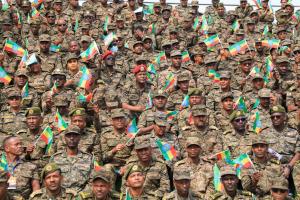
Ethiopia Marks 119th Defense Forces Day Under Theme: “Army of Victory”
Oct 25, 2026 7297
Addis Ababa, October 25, 2026 (ENA) —Ethiopia is commemorating the 119th Defense Forces Day under the theme: “Army of Victory” at the Armed Forces General Headquarters, honoring the history, traditions, and sacrifices of the Ethiopian National Defense Force (ENDF). The ceremony was attended by Chief of General Staff Field Marshal Birhanu Jula, Minister of Defense Mohammed Idris, and other senior government officials. Federal Police leaders and members, military attachés, diplomats representing various countries, and invited guests from different segments of society also participated in the celebration, underscoring the national significance of the occasion. Defense Forces Day is observed annually to commemorate the establishment of Ethiopia’s modern defense forces, traced to Tikimt 15, 1900, in the Ethiopian calendar, when the country appointed its first Minister of War, marking an important milestone in the development of an organized national military institution. The occasion pays tribute to military personnel who sacrificed their lives to safeguard Ethiopia’s sovereignty and territorial integrity. It also recognizes the contributions of generations of servicemen and women who have served the country. The annual commemoration aims to preserve the ENDF’s history, heroism, and institutional traditions while passing its legacy of service and sacrifice to future generations. Under the theme “Army of Victory,” this year’s observance highlights the enduring role of the defense forces in protecting national sovereignty and honoring the achievements and sacrifices of those who have served the country.
Economy
Ethiopia Exemplifies Self-Reliance, Transformative Energy Policies: Former AUC Chairperson
Oct 27, 2026 3802
Addis Ababa, October 27, 2026 (ENA)— Former African Union Commission (AUC) Chairperson Nkosazana Dlamini-Zuma has lauded Ethiopia as a definitive model for continental progress. She cited the nation’s commitment to homegrown development and bold energy policies as a masterclass in national self-determination. Speaking to ENA in Moscow ahead of the Russia-Africa Summit, Dlamini-Zuma reflected on the essential role Ethiopia plays as the diplomatic "capital of Africa." Having led the AU from its Addis Ababa headquarters between 2012 and 2017, she noted that the nation bears a unique responsibility to lead by example. She argued that Ethiopia must remain at the forefront of the "Africa We Want"—an integrated, peaceful, and prosperous continent driven by its own citizens. Dlamini-Zuma identified a lack of internal confidence as the primary obstacle to African development. She pointed to the Grand Ethiopian Renaissance Dam (GERD) as the ultimate symbol of breaking the cycle of waiting for foreign intervention. "One of the things that impressed me about Ethiopia…(is) how you built, as Ethiopians, you built the Renaissance Dam without waiting for outsiders to come and do the work. For me, that was very important, because a lot of countries in Africa are not developing because they are waiting for outsiders to come and develop them," she stated. She challenged other African leaders to adopt this mindset, emphasizing that true progress requires an unwavering belief in local capacity. "Because if we don't have confidence in ourselves and don't believe in ourselves, we'll never go anywhere far," she added. Beyond large-scale infrastructure, Dlamini-Zuma highlighted Ethiopia’s rapid urban evolution as evidence of the power of energy sovereignty. Having recently visited Addis Ababa, she noted the visible, fast-paced transformation of the city, attributing this success to the country’s proactive energy initiatives. "I've been to Addis recently, and I can see it's changing very fast. And it shows that when you have energy, there is a lot you can do," she remarked. She specifically praised the Ethiopian government’s pioneering decision to ban the import of petrol and diesel vehicles. This policy, she noted, positions the nation at the forefront of the global green energy transition. "I think they're the only country in Africa, I don't know about in the world, that has banned the import of petrol and diesel cars. So, those are some of the things that I can mention in this short space of time," she noted. As leaders gathered in Moscow to discuss the future of the Russia-Africa partnership, Dlamini-Zuma’s message served as a rallying cry for self-reliance. She framed Ethiopia’s achievements as a replicable template for the entire continent.
Ethiopian Airlines Expands African Network with Thrice-Weekly Flights to Mozambique’s Nacala
Oct 27, 2026 5905
Addis Ababa, October 27, 2026 (ENA)— Ethiopian Airlines has expanded its African network with the launch of thrice-weekly flights to Nacala, Mozambique, strengthening air connectivity between the two countries and opening new opportunities for trade, tourism, and investment. The airline celebrated the launch of the new service, with the inaugural flight scheduled to depart from Addis Ababa Bole International Airport on the morning of October 27. The new route is expected to enhance connectivity across Africa and beyond while facilitating business and tourism. Nacala becomes Ethiopian Airlines’ third destination in Mozambique, following Maputo and Beira, further expanding the airline’s presence in the southern African country. The launch ceremony was attended by invited guests, including Ambassador Zerihun Abebe, Director General of African Affairs at Ethiopia’s Ministry of Foreign Affairs, and Mozambique’s Ambassador to Ethiopia, Nuno Tomás. Speaking at the event, Ambassador Zerihun underscored the longstanding ties between Ethiopia and Mozambique, rooted in the shared ideals of Pan-Africanism. He said Ethiopian Airlines’ entry into Nacala would elevate bilateral relations and create further opportunities for cooperation between the two countries. Recalling discussions between the leaders of Ethiopia and Mozambique on the sidelines of the Tana High-Level Forum, Ambassador Zerihun noted that the talks had laid the groundwork for expanding cooperation across various sectors. For his part, Ambassador Nuno Tomás said the new flight service would play a significant role in promoting tourism, trade, and investment, while creating opportunities to showcase the cultural heritage and resources of both countries to the world. He added that the service would strengthen people-to-people ties by making travel between Ethiopia and Mozambique more accessible. Reta Melaku, Chief Operating Officer of Ethiopian Airlines Group, said Nacala was the airline’s third destination in Mozambique, reflecting its continued commitment to connecting African countries. He emphasized that the airline is working to strengthen continental connectivity and facilitate trade, investment, and tourism, noting that the new route forms part of its broader vision of bringing African nations closer together. The new service reinforces Ethiopian Airlines’ role in advancing African connectivity and regional integration by linking markets, facilitating cross-border business, and bringing people and cultures closer together.

Ethiopia Delivers Over 1 million Digital Business Registration, Licensing Services
Oct 26, 2026 4956
Addis Ababa, October 26, 2026 (ENA)— Ethiopia provided more than 1.08 million business registration and licensing services digitally over a three-month period, according to the Ministry of Trade and Regional Integration. The milestone highlights ongoing national efforts to streamline business procedures and expand online public services. The ministry’s latest online services report reveals that 1,088,787 services were delivered across federal institutions, regional states, and city administrations, underscoring the expanding role of digital platforms in the country’s commercial administration. Among the regions, Oromia Regional State recorded the highest volume with 441,550 services provided. Addis Ababa followed with 204,512, Amhara with 156,193, and South Ethiopia with 101,891. By service category, trade name clearance accounted for the largest share, with 579,785 services delivered. Business license renewals followed with 122,730, while license amendments totaled 107,317. New business registrations accounted for 60,409 services. The ministry said the digital system was helping reduce bureaucratic burdens on the business community while improving the efficiency, accessibility and transparency of public service delivery. The expansion of digital business registration and licensing services is part of Ethiopia’s broader digital transformation agenda, which aims to modernize public administration, simplify procedures and improve access to government services through technology.
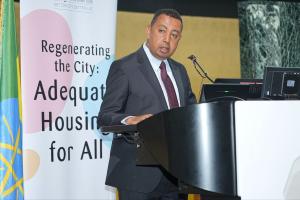
Ethiopia Steps Up Endeavors Affordable Housing Drive to Meet Rapid Urbanization
Oct 26, 2026 5037
Addis Ababa, October 26, 2026 (ENA)—Ethiopia is stepping up efforts to address urban housing and infrastructure challenges amid an annual urbanization rate of 5.4 percent, Minister of Urban and Infrastructure, Mohammed Abdurahman said. Speaking at the World Cities Day 2026 High-level Dialogue held at the UNECA in Addis Ababa, the minister said the government has been pursuing ab integrated approach to urban development aimed at expanding affordable housing, strengthening municipal capacity and transforming cities and towns into centers of economic growth, employment creation and innovation. The minister said the Grand Medemer Strategy provides a strategic framework for accelerating urban transformation through coordinated planning, domestic resource mobilization and sustainable development interventions. He emphasized that adequate housing should be viewed not merely as the construction of buildings but as a foundation for dignity, security, opportunity and inclusive social transformation. The government's five-year target of building 1.5 million housing units was part of broader efforts to expand housing opportunities and respond to the growing needs of urban populations, Mohammed stated. On institutional coordination, he said the Ministry of Urban and Infrastructure was advancing the Urban Agenda Platform for 2025–2030 to improve policy dialogue, program coordination, resource mobilization, joint monitoring and knowledge sharing. The platform is expected to operate under the ministry's leadership, with the World Bank as co-chair and UN-Habitat serving as secretariat, bringing partners together around Ethiopia's urban development priorities. The minister also called on government institutions, development partners, financial institutions, the private sector, academia and communities to contribute expertise, financing, technology and institutional capacity to the country's urban transformation agenda. He also highlighted the importance of integrating climate resilience, environmental sustainability and preparedness for climate-related risks into housing and urban development investments as Ethiopia prepares to host COP32 in 2027. On his part, Director of the Regional Office for Africa at the UN-Habitat, Oumar Sylla stated that over the years, UN-Habitat has strengthened partnerships with the ministries, the city administration, regional government and other federal institutions. He commended Ethiopia for leading the way in harnessing the green economy of cities to foster economic, social, and environmental transformations. He also welcomes the government's ambition to deliver 1.5 million housing unit over the next 5 years. He reaffirmed the commitment of UN-Habitat to supporting this agenda by helping mobilize investment and strengthening the enabling environment for the delivery of adequate and affordable housing. Ethiopia will be hosting the COP32 in Addis Ababa in November 2027, which present another significant opportunity to work advancing Africa urban climate priority, he pointed out. UN-Habitat is looking forward to working closely with government and partners to showcase African-led solution in climate resilience housing, sustainable urban planning, and improved basic services, he asserted. The World Cities Day 2026 High-level Dialogue was held under the theme “Regenerating the City: Adequate Housing for All in Ethiopian Cities,” focusing on housing and the broader challenges and opportunities associated with the country's rapid urbanization.
Videos
.jpg)
.jpg)

.jpg)
Technology
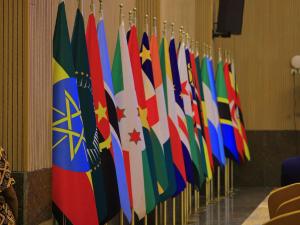
Ex-African Leaders Stress Need to Accelerate Integration, Tech Sovereignty for Africa’s Future
Oct 25, 2026 13011
Addis Ababa, October 25, 2026 (ENA) — Former African leaders and senior officials called for accelerated continental integration, greater investment in technological capabilities, and stronger African institutions. The call was made during a high-level panel at the 12th Tana High-Level Forum on Security in Africa in Bahir Dar, where former Ethiopian Prime Minister Hailemariam Desalegn, former Nigerian President Goodluck Jonathan, and Namibia’s National Planning Commission Director-General Kaire Mbuende discussed pathways to Africa’s geopolitical and economic transformation. The former African leaders underscored the importance of reinforcing continental integration and technological capabilities to advance the continent’s economic sovereignty, collective security, and global influence. Hailemariam emphasized that delays in implementing existing continental agreements continue to leave African countries vulnerable to external pressures and proxy conflicts. He also urged leaders to translate commitments into tangible action. “ For us African integration is all about an economic shield,” he said. Hailemariam stressed that closer economic cooperation would strengthen the continent’s ability to withstand external pressures. “We cannot shield ourselves from the pressure that's coming from outside if we don't integrate. Second, our integration is geopolitical power. That's why I say accelerated integration is essential and critical for us,” he added. Highlighting Africa’s critical minerals and energy-transition resources, which he described as “opportunity minerals,” Hailemariam warned that competition over these strategic assets could fuel instability if African countries failed to coordinate their resource policies and strengthen cooperation among producers. He cited the ongoing conflict in the Democratic Republic of the Congo (DRC) as an example of the risks facing resource-rich regions. He also expressed concern over delays in implementing the African Continental Free Trade Area (AfCFTA), arguing that political commitments must be matched by concrete action. Drawing on his role as chair of TradeMark Africa, he challenged African governments to move beyond signing agreements to delivering their intended benefits. “There is political will in terms of signing treaties, but there is no political will in terms of delivering them,” he stated. Former Nigerian President Goodluck Jonathan, meanwhile, underscored the need for technological sovereignty, arguing that Africa cannot achieve genuine economic independence while relying heavily on foreign technology, expertise, and industrial inputs. Illustrating the challenge, Jonathan said that even relatively minor technical repairs to infrastructure could require imported components and foreign specialists, leaving African economies dependent on external capabilities. “What is there for Africa is to consume the products, and that is not industrialization,” he said. “We can't talk about economic sovereignty without mentioning technological sovereignty,” he added. Jonathan pointed to the experiences of India, South Korea, and Singapore, emphasizing the role of research-intensive universities in developing domestic expertise, driving innovation, and supporting industrial growth. He urged African governments to invest strategically in specialized higher education and research institutions capable of producing the knowledge, technologies, and skilled professionals needed to support homegrown industries. He also cautioned against borrowing primarily to finance consumption, calling instead for greater investment in productive assets, research, and domestic capacity building. For his part, Namibia’s National Planning Commission Director-General Kaire Mbuende stressed that Africa’s collective strength depends on strong national institutions, effective regional cooperation, and capable continent-wide organizations. “There cannot be a strong Africa without strong African countries, without strong regions, and without a strong continent-wide organization,” Mbuende said. He described economic sovereignty as the ability to control and use natural resources for the benefit of African populations through industrialization, poverty reduction, and job creation. “Economic sovereignty is first of all a question of control over our natural resources to use them for the benefit of our people through industrialization, reducing poverty, and ending unemployment,” he stated. Mbuende also called for stronger domestic capacity and resource mobilization, renewed efforts to achieve the objectives of the Abuja Treaty, and the strengthening of long-proposed continental institutions. He further urged reforms to global governance and closer cooperation among countries of the Global South to secure fairer financing conditions, noting concerns over the high borrowing costs faced by African countries despite their relatively low default rates. The panelists stressed that Africa’s economic transformation depends on turning its existing agreements, natural resources, and development strategies into tangible results through faster implementation, technological investment, stronger institutions, and coordinated management of the continent’s resources.
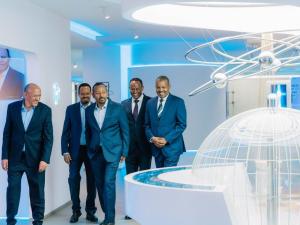
PM Abiy Reviews Ethiopia’s Progress Toward Nuclear Energy Development
Oct 21, 2026 15074
Addis Ababa, October 21, 2026 (ENA) —Prime Minister Abiy Ahmed has visited the Ethiopian Nuclear Energy Commission to review progress in developing the country’s nuclear energy program. The Premier highlighted the role of advanced technology in Ethiopia’s long-term development ambitions. In a social media post following the visit, the Prime Minister said Ethiopia’s next chapter of development would focus on translating its vast potential into tangible progress. “Ethiopia’s next chapter is about transforming its immense potential and abundant natural resources into tangible development, technological advancement, and shared prosperity,” he underscored. He emphasized that reliable and sustainable energy is fundamental to industrialization, manufacturing, digital infrastructure, and broader economic transformation. He further noted that nuclear technology presents an opportunity to strengthen the country’s energy security while supporting progress across multiple sectors. Beyond electricity generation, nuclear technology can contribute to advancements in healthcare, agriculture, industry, and environmental protection, opening new pathways for scientific innovation and sustainable development. The Ethiopian Nuclear Energy Commission plays a central role in establishing the institutional and technical foundations for the country’s national nuclear energy program. Developing skilled human capital, advancing scientific research, and transferring knowledge to future generations will be critical to realizing its potential. Prime Minister Abiy underscored the importance of ensuring that nuclear energy development proceeds peacefully, safely, responsibly, and sustainably, as Ethiopia seeks to expand its energy capacity and harness emerging technologies to support its long-term economic transformation.

PM Abiy Stresses Investing in Meteorological Infrastructure, Data Systems Essential for Climate Resilience
Oct 13, 2026 30589
Addis Ababa, October 13, 2026 (ENA) — Prime Minister Abiy Ahmed underscored that strengthening national institutions, upgrading technological capacity, and expanding data infrastructure at the Ethiopia Meteorology Institute are vital steps to enhancing the nation’s climate resilience and supporting key economic sectors. Prime Minister Abiy Ahmed visited the Ethiopia Meteorology Institute, highlighting the long-standing institution's critical role in advancing national development and building climate resilience across the country. Following the visit, the Prime Minister noted that the engagement reaffirmed the necessity of continuous meteorological data collection, scientific research, and technological advancement to build national capacity in anticipating and responding to changing weather patterns and climate conditions. Highlighting the need for targeted institutional development, Prime Minister Abiy stated that strengthening institutions like the Ethiopia Meteorology Institute requires sustained investments in human capacity, modern technologies, and data infrastructure. He noted that these strategic investments are critical to improving the essential services on which key national sectors—including agriculture, water resource management, public health, aviation, and disaster risk management—heavily depend. The Prime Minister emphasized the crucial importance of early warning systems, noting their vital role in helping the nation anticipate risks, identify areas where interventions are most needed, and engage in a timely and effective manner. Reliable meteorological data, when translated into actionable information, saves lives, protects livelihoods, and supports better decision-making across all levels of governance. Prime Minister Abiy further observed that effective meteorological work extends far beyond satellite observation. He pointed out that it relies fundamentally on a robust, nationwide network of data collection stations and data centers where information is gathered, processed, and analyzed to inform timely, life-saving action.
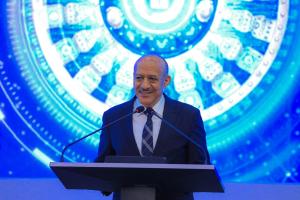
Ethiopia Powers Future Growth with ‘Digital Ethiopia 2030’ Vision, Says DPM Temesgen
Oct 12, 2026 24782
Addis Ababa, October 12, 2026 (ENA) —Deputy Prime Minister Temesgen Tiruneh announced that Ethiopia is centering its long-term national prosperity on technology through the launch of the Digital Ethiopia 2030 vision. The announcement came as Deputy Prime Minister Temesgen Tiruneh officially launched Ethiopia’s 7th National Cybersecurity Month under the theme “Active Citizen; Secured Country!” Emphasizing that cybersecurity is inseparable from national security, he urged all Ethiopians to play an active role in safeguarding the country’s digital future. In a statement posted on his X page, the DPM highlighted that the achievements of Digital Ethiopia 2025. The gains include expanded internet access, telecom liberalization, digital payment systems, and digitized public services, have established a solid foundation for the country's ongoing digital transformation, he noted. He commended the Information Network Security Administration (INSA) for its “unwavering, round-the-clock efforts” in safeguarding Ethiopia’s cyberspace. “Cybersecurity is national security,” DPM Temesgen wrote, emphasizing that protecting cyberspace is “about defending our digital sovereignty, safeguarding our citizens, and securing the future of our nation.” Stressing that cybersecurity cannot be left solely to government institutions, he framed digital defense as a collective duty. “An active citizenry is the foundation of a secure nation,” he said, adding, “together, we must protect our digital sovereignty, strengthen national security, and secure Ethiopia’s digital future.”
Sport
.jpg)
WHO RC76 Participants “Walk the Talk” in Addis Ababa, Championing Healthier Africa
Aug 23, 2026 149067
Addis Ababa, August 23, 2026 (ENA) —Participants of the 76th Session of the World Health Organization (WHO) Regional Committee for Africa (RC76) joined a symbolic health walk on Sunday from the Adwa Victory Memorial to Meskel Square in Addis Ababa. The participants also turned the message of “Walk the Talk” into action while promoting physical activity and healthier lifestyles across Africa. Ethiopia’s Minister of Health Dr. Mekdes Daba, African health ministers, senior government officials, WHO leaders and prominent athletes, including Ethiopian Athletics Federation President Commander Sileshi Sihine, took part in the event. The initiative sought to translate health policies and commitments into practical action by encouraging people to make regular physical activity part of their daily lives and strengthening public awareness about the prevention of non-communicable diseases. The walk began at the Adwa Victory Memorial, a landmark symbolizing Ethiopia’s historic victory and African resistance to colonialism, and continued through Addis Ababa’s pedestrian routes before concluding at Meskel Square. Organizers emphasized that regular physical activity plays a vital role in reducing the risk of non-communicable diseases, including diabetes, hypertension and cardiovascular diseases, while contributing to healthier and more active communities. The event also highlighted Africa’s collective commitment to improving public health and demonstrated the importance of moving beyond policy discussions toward tangible, everyday health practices. The 76th Session of the WHO Regional Committee for Africa, scheduled to take place in Addis Ababa from August 24 to 28, 2026, will bring together more than 600 delegates, including health ministers and senior officials from the WHO African Region’s 47 member states, global health leaders, development partners, donors and WHO representatives. Over the five-day session, participants will assess progress toward regional health goals, deliberate on new strategies and resolutions. The session is also anticipated to identify collective actions to strengthen health systems, advance universal health coverage, enhance health security and improve emergency preparedness across the continent. The gathering is expected to serve as a major platform for African countries and global health partners to deepen continental health cooperation and advance practical solutions to Africa’s most pressing health challenges.
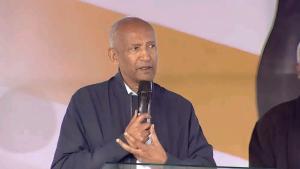
National Dialogue Conference to Address Root Causes of Differences through Consultation, Says ENDC Chief
Jul 12, 2026 149052
Addis Ababa, July 12, 2026 (ENA) —The upcoming National Dialogue Conference will serve as a platform to resolve the issues underlying Ethiopia's longstanding differences through peaceful consultation, Chief Commissioner of the Ethiopian National Dialogue Commission (ENDC) Professor Mesfin Araya, said. Speaking at a five-kilometer public race organized by the Commission at Meskel Square under the theme "Ethiopia is consulting" today, Professor Mesfin said the country has finalized all preparations for the landmark conference, which is scheduled to begin on July 15, 2026 in Addis Ababa. "The main national consultation conference will be a place where issues that are the source of our differences will be resolved through consultation," he said. According to the Chief Commissioner, delegates representing communities from every region, all woredas, Addis Ababa, Dire Dawa, and Ethiopians living abroad have already arrived in the capital to participate in the conference. He said participants are expected to engage in inclusive and constructive discussions and work toward consensus on recommendations that offer lasting solutions to issues that have fueled differences among Ethiopians. Professor Mesfin described the conference as a historic opportunity to address national challenges through dialogue rather than confrontation. He also expressed appreciation to security institutions, federal and regional government bodies, civil society organizations, and other stakeholders for their contributions in preparing for what he described as a significant stage in Ethiopia's national dialogue process. Participants in a five-kilometer race also expressed optimism that the conference would help strengthen national unity and foster lasting peace. "There is no problem that cannot be solved through consultation," participant Sherefa Ali said. "I believe the challenges that have persisted in Ethiopia for generations can be addressed through the main consultation conference." He added that such dialogue platforms help build trust between citizens and the government while creating opportunities to work together toward common national goals. Another participant, Gemechisa Waqgari, said the conference represents an important step toward reinforcing peace, unity, solidarity, and democratic values. Participant Tnisae Abebe also voiced hope that the conference would generate practical ideas to address the country's social and economic challenges. The National Dialogue Conference will deliberate on eight broad thematic areas identified during nationwide consultations. The agenda includes nation building, systems of government and governance, the political and electoral system, the status of the federal cities of Addis Ababa and Dire Dawa, religion and state relations, institution building, the rule of law and human rights, socio economic issues including the concerns of farmers and pastoralists, corruption and good governance, as well as peace building. The five kilometer race was attended by Deputy Chairperson of the House of Peoples' Representatives Standing Committee on Democratic Affairs Azmeraw Andemo, Professor Mesfin Araya, senior government officials, representatives of civil society organizations, and members of the public.

Diplomatic Football Participants Praise Ethiopia’s Heritage and Hospitality
Jun 14, 2026 146728
Addis Ababa, June 14, 2026 (ENA) —Participants in a diplomatic football event held in Addis Ababa have praised Ethiopia’s cultural heritage, historical legacy and warm hospitality. The tournament, organized in anticipation of the 2026 World Cup, brought together diplomatic football teams and invited guests who later toured key historical and cultural sites in the city. The delegation visited the Ethiopian National Museum, the Adwa Victory Memorial and Addis Sport Park, gaining what many described as a deeper appreciation of Ethiopia’s past and present development. Several participants said the experience reshaped their understanding of the country. Gordon Johnson, one of the participants, expressed admiration for what he witnessed during the visit. “The people are so welcoming and friendly. I love the culture,” he said. He further stated that: “We had a tour of the museum, and the guide showed us hominid fossils recovered in the ’60s, ’70s, and ’90s that date back millions of years.” Johnson said the experience reflected Ethiopia’s deeper historical significance beyond modern perceptions. Cameroonian guest Loic Kovamo also said the visit challenged her previous perceptions of the country. “I am speechless because I didn’t picture Ethiopia like this. It’s a very developed country, and the people are so proud of who they are,” she said, noting, “I’m going back with a lot of pride as an African because I discovered the incredible courage and bravery of the Ethiopian people.” Mark Hayes, one of the visitors, said his expectations were changed after arriving in Addis Ababa. “You have a perception before you come, but it’s the complete opposite. It’s an amazing country,” he said, adding, “What we do now is go home and tell stories about how good Ethiopia is. I feel like a proud advocate.” He further noted that he intends to share his experience in the United Kingdom, saying he would “educate others in England about what he had seen in Addis Ababa.” Joseph Kirule, who works with the Food and Agriculture Organization of the United Nations in Addis Ababa, highlighted the importance of the historical sites visited. “Today we saw different milestones in human civilization that originated here,” he said, adding, “Most importantly, we learned about the Adwa victory. That is a massive milestone that raises our prestige as Africans.”
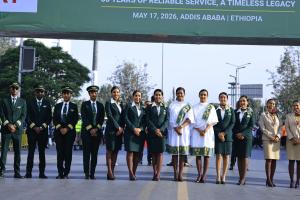
Ethiopian Airlines Rises as Africa’s Leading Carrier After Decades of Expansion, Success, Says CEO
May 17, 2026 152839
Addis Ababa, May 17, 2026 —Ethiopian Airlines has solidified its position as Africa’s largest and leading airline after years of sustained growth and operational success, the airline’s Group Chief Executive Officer, Mesfin Tasew, said on Sunday. The remarks were made during an 8-kilometer street race organized as part of celebrations marking the airline’s 80th anniversary. Speaking at the event, CEO Mesfin reflected on the airline’s humble beginnings in 1946, when it launched operations with only a small fleet of aircraft. Since then, he said, the carrier has expanded significantly and now operates one of the continent’s most modern fleets, including advanced aircraft from Boeing and Airbus. According to Tasew, the airline currently serves more than 145 international destinations worldwide and has achieved strong growth across multiple sectors, including cargo transportation, aviation training through the Ethiopian Aviation Academy, and other aviation-related services. He further said the airline’s operational strength and long-term strategic investments have helped make it one of the most preferred carriers in Africa and a major player in the global aviation industry. As part of commemorating its eight decades of operations, Ethiopian Airlines is holding a series of celebratory events, including the street race, panel discussions, exhibitions, and community outreach programs. The anniversary run attracted senior officials, including Sileshi Sihine, President of the Ethiopian Athletics Federation, alongside airline executives and invited guests. The race began at Pushkin Square, commonly known as Sar Bet, and is set to conclude at Bole International Airport. Athletes, airline employees, members of the sporting community, and participants from various institutions are taking part in the event.
Environment
.jpg)
Ethiopia’s Renewable Energy Potential Opens New Avenues for African Cooperation
Oct 19, 2026 22296
Addis Ababa, October 19, 2026 (ENA) — Ethiopia’s renewable energy potential presents opportunities to strengthen African cooperation in agricultural productivity, cross-border electricity trade, investment and clean transport, according to Ugandan and Nigerian renewable energy representatives. Paddy Bakengana, Senior Programs Associate at the Uganda Solar Energy Association, told ENA that Ethiopia and Uganda could expand the use of renewable energy technologies in agriculture to boost production, improve efficiency and reduce post-harvest losses. “By the use of renewable energy, by the use of the solar water pumps, the solar dryers, we can actually increase our production,” he said. Bakengana further highlighted the potential of solar-powered irrigation and drying technologies to support agricultural development, noting that cooperation between the two countries could help farmers adopt practical and affordable renewable energy solutions. He also pointed to Ethiopia’s hydropower and solar resources, saying increased electricity generation could create further opportunities for regional power trade. According to Bakengana, partnerships between renewable energy associations in Ethiopia and Uganda could facilitate technical training, knowledge exchange and joint policy advocacy to accelerate the adoption of clean energy technologies. He further stressed the importance of improving access to financing to enable businesses to invest in renewable energy solutions for agriculture in both countries. Meanwhile, Motunrayo Akinfala, Chief Executive Officer of the Renewable Energy Association of Nigeria (REAN), identified electric mobility as another promising area for cooperation among Ethiopia, Nigeria and other African countries. She called for stronger partnerships to facilitate the exchange of expertise, attract investment and expand the deployment of clean energy technologies across the continent. “What I would advise, suggest, is more collaboration between both countries, and even across African countries as a whole,” she said. Akinfala also underscored the need to attract investors and development partners to support Ethiopia’s renewable energy development and help expand access to clean energy solutions. The experiences shared by the Ugandan and Nigerian representatives highlight the potential for African countries to combine their technical expertise, investment capacity and renewable energy resources to support agricultural transformation, expand electricity markets and accelerate the transition to cleaner transport systems.
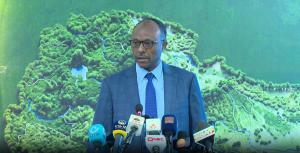
Ethiopia Targets 74.3 Percent Cut in Greenhouse Gas Emissions by 2030 : Minister of Energy and Water
Oct 13, 2026 27824
Addis Ababa, October 13, 2026 (ENA) — Ethiopia has committed to reducing greenhouse gas emissions by 74.3 percent by 2030, compared with the business-as-usual scenario, Minister of Water and Energy Habtamu Itefa said, highlighting the country’s climate action efforts despite mounting environmental challenges. Speaking at the 65th session of the Intergovernmental Panel on Climate Change (IPCC), which opened in Addis Ababa on October 12, the minister said Ethiopia was pursuing the ambitious target through renewable energy expansion, large-scale tree planting and the restoration of degraded landscapes. “Throughout national and international contribution, Ethiopia has committed to highly ambitious 74.3 percent reduction in greenhouse gas emissions by 2030, relative to the business-as-usual scenario,” Habtamu said. Ethiopia was already experiencing the severe consequences of climate change, including erratic rainfall, recurrent droughts and devastating floods , he elaborated. “Ethiopia is living in the front lines of the global climate crisis,” the minister elaborated, noting that anthropogenic climate change had seriously disrupted the country’s natural balance. The shifting rainfall patterns and increasingly frequent extreme weather events were affecting agriculture, water availability and energy production, he stated. “Recurrent droughts lead to tragic crop failures and the loss of livestock,” he added. However, he stressed that Ethiopia was taking concrete measures to address the crisis rather than merely bearing its consequences. According to him, the government had made the Climate-Resilient Green Economy strategy a cornerstone of national policy and was expanding renewable energy production through hydropower, wind and solar power. Ethiopia is also extending its clean electricity grid to neighboring countries to support Africa’s energy transition. The minister also highlighted the Green Legacy Initiative, which he said had contributed to expanding forest cover and restoring degraded landscapes. “I am incredibly proud to share that to date, we have planted more than 56 billion trees across the country,” he said. He added that Ethiopia’s forest cover had increased from 17.2 percent to 23.6 percent. “This is not just about planting trees, it is about restoring degraded water bodies, improving soil fertility, and raising better life.” He emphasized that Ethiopia’s climate ambitions were grounded in scientific evidence, pointing to the country’s engagement with the IPCC and the use of its methodologies in preparing national greenhouse gas inventories. He said the findings of the IPCC should inform national development strategies and strengthen climate change mitigation and adaptation efforts. IPCC Chair Jim Skea praised the Ethiopian government and the city of Addis Ababa, stating that they have done a tremendous job preparing for this important meeting, and expressed gratitude for their kind welcome and hospitality. Ethiopia has strongly supported the IPCC's scientific work, and Jim Skea underlined that he is proud to see Ethiopian scientists engaged in all three working group contributions to the second assessment report. The Director General of the Ethiopian Meteorological Institute (EMI), Fetene Teshome, said that African countries contribute the least to global greenhouse gas emissions, yet the region remains among the most vulnerable to climate variability and climate change. This reality highlights the urgent need for stronger adaptation, improved resilience, and greater access to climate services that support informed decision-making at all levels, he stressed. Therefore, Fetene said, in this regard, the work of the IPCC is indispensable. The scientific assessments prepared by the IPCC provide the foundation upon which governments, development partners, researchers, and communities can understand climate risks and identify effective responses. The credibility, transparency, and rigor of the IPCC process continue to guide global climate action and inspire confidence in climate science.
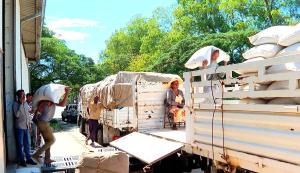
Humanitarian Assistance Being Transported to Needy in Afar Region
Oct 10, 2026 29511
Addis Ababa, October 10, 2026 (ENA)—The Ethiopian Disaster Risk Management Commission announced that it is delivering humanitarian aid to people requiring assistance in the Afar Region due to the impacts of climate change. The commission further stated that emergency humanitarian aid is currently being transported to the Afar Region from the central grain warehouse in Adama. While regional states are working hard to respond to natural and man-made disasters using their own resources, the commission is also providing additional humanitarian aid to priority areas, it said. Accordingly, the commission disclosed that it is delivering humanitarian aid to those requiring top-priority assistance in the Afar Region. While the Afar Regional State continues providing assistance and monitoring efforts within its capacity, the commission is also providing close support and oversight. Vehicles loaded with humanitarian aid from the Adama reserve warehouse have departed for the Afar Region, it was learned.
.jpg)
UN, African Forestry Experts Describe Ethiopia’s GLI Continental Benchmark
Oct 7, 2026 32977
Addis Ababa, October 7, 2026 (ENA)— United Nations (UN) and African forestry experts have praised Ethiopia’s Green Legacy Initiative (GLI) as a leading model of large-scale environmental restoration in Africa. The experts also emphasized that its science-based policies and agroforestry are essential to sustaining its gains and improving community livelihoods. Juliette Biao, Director of the Secretariat of the United Nations Forum on Forests (UNFF), described the Green Legacy Initiative as a highly ambitious undertaking and emphasized the importance of drawing lessons from past experiences to ensure its long-term success. “The Green Legacy Initiative (GLI) is a good ambition, but what we cannot afford is to repeat the mistakes of the past. If we can learn lessons from the past, I think that will be wonderful not only for Ethiopia, but for the world,” Biao said. Biao recalled her earlier involvement in the initiative, noting that she was Regional Director for Africa at the United Nations Environment Programme when Prime Minister Abiy Ahmed launched the Green Legacy Initiative in 2019. “As a matter of fact, I was the Regional Director for Africa at the United Nations Environment Programme when Prime Minister Abiy Ahmed launched the initiative in 2019, and we provided our support,” she said. She also highlighted Africa’s efforts to strengthen the link between scientific knowledge and policymaking, particularly through its hosting of the first Science Policy Information Network (SPIN) for Africa regional dialogue on forestry. “What will be really recommendable is to take the outcomes of SPIN Africa and customize them to the Ethiopian context,” She said. Biao stressed that tree planting should form part of a broader land restoration strategy, cautioning that planting trees alone would not be sufficient to reverse land degradation. “I am sure that the GLI will succeed. However, what we must learn from the past is that simply planting trees for the sake of planting trees can never reverse land degradation,” she said. She recommended greater use of agroforestry, which can combine environmental restoration with economic opportunities for rural communities. Such an approach, she said, can enable communities to benefit from restored landscapes while contributing to forest conservation and land rehabilitation. Ethiopia’s GLI has increasingly incorporated economically valuable crops and trees, including avocado, mango, apple and papaya, alongside coffee and other agricultural activities. This approach has strengthened the connection between environmental restoration, food production and household incomes. Doris Mutta, a forest scientist and Senior Program Officer at the African Forest Forum (AFF), similarly described Ethiopia’s GLI as one of Africa’s prominent examples of large-scale environmental restoration. “We noted that a lot of mobilization has been done to generate seedlings and to plant millions of seedlings. There has been a clear improvement in forest cover because of this initiative, which is very positive,” Mutta said. She said Ethiopia’s experience could offer valuable lessons to other African countries pursuing ambitious programs to restore degraded landscapes, expand forest cover and strengthen climate resilience. “For Africa, the Green Legacy Initiative is one of the flagship projects that we are monitoring very closely through the SPIN for Africa,” she said. The first SPIN Africa Regional Science Policy Dialogue on forestry, hosted by Ethiopia, brought together policymakers, scientists and forestry experts to strengthen the integration of scientific evidence into forest management and restoration policies. The experts’ assessment underscores the growing significance of Ethiopia’s Green Legacy Initiative beyond its national environmental objectives. With continued emphasis on science-based restoration, agroforestry and community participation, the initiative could provide practical lessons for African countries seeking to advance forest restoration while strengthening food production, livelihoods and climate resilience. Over the past eight years of planting campaigns, communities, institutions and technical experts have planted 56 billion trees and agroforestry seedlings across different ecological zones.
Most viewed
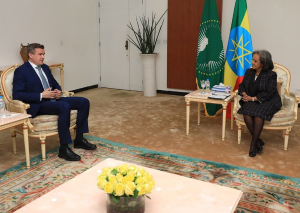
President Sahle-Work Holds Discussion with World Anti-Doping Agency President Bonka
Mar 29, 2023 368341
Addis Ababa March 29/2023/ENA/ President Sahle-Work Zewde has received a delegation led by World Anti-Doping Agency (WADA) President Witold Bonka today, according to the Office of the President. The discussion centered on the conditions under which Ethiopia and the World Anti-Doping Agency can work closely in anti-doping control and investigation, and how the organization can provide technical support, it was learned. During the discussion, Sahle-Work said that Ethiopia has a long history in athletics and is known in the world since athlete Abebe Bikila won marathon in Rome. She finally thanked the World Anti-Doping Agency for its technical support in anti-doping control.
Ethiopian Diaspora Demand Egypt to Change Counterproductive Posture on GERD
Apr 4, 2023 288393
Addis Ababa April 4/2023 (ENA) Ethiopians in the Diaspora have called on Egypt to change its counterproductive posture and find mutually beneficial agreements on the Grand Ethiopian Renaissance Dam (GERD). In a statement the diaspora issued yesterday, they noted that Ethiopia is the main source of the Nile by contributing 86 percent of the water to the Nile basin states while utilizing less than 1 percent of the potential for hydroelectric power. Ethiopians are currently building the GERD on the Blue Nile that is financed entirely by Ethiopians and is a crucial project for the country's development as it will provide clean, renewable energy and lift millions out of poverty. About 65 percent of the 122 million of Ethiopia's population have no access to any form of electricity. The much-needed electricity will facilitate economic growth for Ethiopia and the region, the statement elaborated. The dam will promote regional cooperation and integration while offering opportunity for eleven countries of the Nile Basin to work together to manage the river's resources more efficiently and effectively, it added. The GERD is being built with the highest environmental and technical standards to achieve the objectives of the national electrification program and the execution of Ethiopia’s Climate-Resilient Green Economy Strategy. According to the statement, Ethiopia has provided scientific evidence and expert testimonies that GERD will not significantly affect the flow of water downstream, and provided compelling arguments for the need for equitable use of the Nile's resources by all countries in the region. The diaspora further said they understand that the GERD has raised concerns in Egypt about the downstream effects on the Nile's flow and water availability since Egyptians have been misinformed about the GERD for many years. But on the contrary, the dam will provide several benefits to Egypt and Sudan, including increased water flow during dry seasons and decreased flooding events. “We want to assure Egyptians that Ethiopians are committed to fair and equitable use of the Nile's waters without harming our downstream neighbors. We recognize that the Nile River is a shared resource, and we support finding a mutually beneficial solution.” As Ethiopians in the Diaspora, we reiterate our support for fair and equitable use of the Nile River and call on the Egyptian people and Egyptian Diaspora to question the misinformation about the GERD in Egypt's mainstream media and embrace the spirit of friendship and cooperation by understanding that the GERD is a project of great national importance to Ethiopians that will benefit Egyptians by ensuring a reliable and predictable supply of water, that Ethiopians have the right to use their water resources for the development of its people and economy, in accordance with the principles of equitable and reasonable utilization without causing significant harm. Efforts to destabilize Ethiopia by the regime in Egypt, will indeed affect the historical and diplomatic relations dating back to several thousand years, the long-term interest of the Egyptian people and make Ethiopians less trusting in cooperating on the GERD and future hydropower projects on the Nile, they warned. The diaspora groups urged Egyptian leaders to engage in constructive dialogue with the leaders of Ethiopia regarding the GERD and steer away from their counterproductive posture of calling for a “binding agreement” on the GERD filling and the subsequent operations as an imposing instrument on water sharing that Ethiopians will never accept. The GERD can be a source of cooperation and collaboration between our two countries rather than a source of conflict, they underscored. "Ethiopians believe that, through dialogue and understanding, peaceful and equitable agreements that benefit all parties involved can be realized to build a brighter future for all people in the Nile basin. Belligerent positions by Egyptian leaders stating ‘all options are open’ are contrary to the spirit of the 2015 Declaration of Principles signed by Ethiopia, Sudan and Egypt." According to the statement, such postures will surely harm Egypt's long-term interest and impede trustful cooperation with the Ethiopian people and government. They asked Arab League and its member states to refrain from interfering in the issue of the GERD, which is the sole concern of the three riparian countries (Ethiopia, Sudan and Egypt) and their shared regional organization (the African Union), which is mediating the talks to find ‘African Solutions to African Problems.’ The issues remaining on the table at the trilateral negotiations under the auspices of the African Union are being narrowed to a handful of critical matters on equity and justice, on which the Arab league nations have no business or legal right to be involved.

Ethiopia's Ayana Takes Paris Win on Marathon Debut
Apr 2, 2023 287338
Addis Ababa April 2/ 2023 (ENA) Ethiopia's Abeje Ayana won the men's race at the Paris Marathon on Sunday in his first competitive run over the distance. The 20-year-old Ayana won with a time of two hours, seven minutes and 15 seconds, 20 seconds ahead of compatriot and pre-race favourite Guye Adola with Kenya's Josphat Boit a further five seconds back in third. After clocking 59:39 in a half marathon in Poznan, Poland in 2021, Ayana was one of the men to watch on a grey, windy morning in the French capital, Reuters reported.
Africa’s Sustainable Growth Hinges on Science, Technology and Innovation: Experts
Mar 3, 2023 284551
Addis Ababa March 3/2023/ENA/ Achieving the ambitious targets of the 2030 and 2063 Agendas of Africa requires leveraging the power of science, technology, and innovation (STI), according to experts. A press release issued by the ECA stated experts at the Ninth African Regional Forum on Sustainable Development have emphasized the crucial role of STI as a key driver and enabler for ensuring economic growth, improving well-being, mitigating the effects of climate change, and safeguarding the environment. They also underscored the need to strengthen national and regional STI ecosystems by fostering innovation, promoting entrepreneurship, and investing in research and development. By doing so, the experts said that Africa can harness the potential of STI to accelerate its socio-economic progress and achieve the Sustainable Development Goals (SDGs) by 2030 and the African Union's Agenda by 2063. The session, held on 2 March 2023, builds on the recommendations of the Fifth African Science, Technology, and Innovation Forum, which accentuates the central role of STI and digitalization during the COVID-19 pandemic and the need for the necessary infrastructures for the development of STI, plans, and policies that are action-oriented towards strengthening its full implantation. The experts highlighted that despite advances in STI, significant gaps remain in bridging the scientific and technological divide between developed countries and Africa. The highly uneven global distribution of scientific capacity and access to knowledge threatens to derail the goal of leaving no one behind, which is the central and transformative promise of Agenda 2030. “We need a clear political will from governments to ensure science, technology, and innovation is a reality. By doing so our education systems will be capacitated to deliver knowledge that is vital to solving Africa’s sustainability challenges,” Niger Higher Education and Research Minister Mamoudou Djibo said. The strategy includes the establishment of universities as centers for excellence and investments in education, technical competencies, and training in the fields of science, technology, research, and innovation. These initiatives are crucial in accelerating progress towards achieving global goals. However, in order to fully leverage the potential of STI, significant investments in research and development are required. National systems also need to be strengthened, Namibia Information and Communication Technologies Deputy Minister Emma Theophilus, stated adding that “strengthening our national systems for STI is a key game changer for rapid structural transformation in Africa. Leveraging the digital transformation can achieve a stronger, smarter, and more inclusive recovery.” Emerging evidence suggests that an STI and digital Africa can be a springboard to accelerate the implementation of the SDGs and fulfill the aspirations of Agenda 2063.
Feature Article
.jpg)
Regional Conflicts, Economic Pressures and Health Emergencies
Oct 26, 2026 5094
By Staff Writer October 26, 2026 (ENA) The week of October 19 to 25, 2026, highlighted the growing links between armed conflicts, economic uncertainty, public health emergencies, climate risks and geopolitical competition. Economic developments presented a mixed picture. China’s economy grew by 4.5 percent year on year in the third quarter, supported by industrial production and technology related sectors. However, weak domestic demand, subdued private investment and a struggling property market continued to weigh on the outlook. Energy security remained closely tied to geopolitical tensions and disruptions to international shipping, while governments grappled with the challenge of balancing industrial competitiveness with climate commitments. Across these developments, diplomatic initiatives and emergency responses underscored the importance of international cooperation. However, strategic rivalries, political disagreements and resource constraints continued to complicate collective efforts to address shared global challenges. Peace, Security, and Geopolitical Conflicts The War in Ukraine: A Winter of Uncertainty-The conflict between Russia and Ukraine escalated significantly this week, with a renewed focus on energy infrastructure. Reports indicate that Russia launched a coordinated assault involving 16 ballistic missiles and over 200 drones, targeting civilian and energy-related infrastructure. The human and economic toll is severe: more than half a million households are currently without electricity. As the region braces for winter, the destruction of power grids poses a humanitarian catastrophe. Hospitals, water treatment facilities, and heating systems are failing, which will inevitably lead to increased mortality rates and mass displacement. Diplomatically, the stalemate persists. While international engagement continues, the fundamental divide regarding territorial sovereignty, security guarantees, and the terms of a potential ceasefire remains unbridgeable. The conflict continues to act as a primary driver of instability in European defense policy and global food supply chains. Middle East Maritime Security Geopolitical tensions in the Middle East have entered a new phase of uncertainty. The potential for direct confrontation involving Iran has placed global maritime security at the center of international concern. The Strait of Hormuz, the Red Sea, and the Bab el Mandeb Strait—the world’s most critical maritime "choke points"—are currently under threat. For the global economy, this insecurity is not merely a regional issue; it is a systemic risk. The threat to commercial vessels has led to a spike in insurance premiums and forced shipping companies to reroute, adding weeks to transit times and significantly increasing the cost of fuel, food, and manufactured goods. For import-dependent economies, particularly in Africa, these disruptions are catastrophic. They exacerbate foreign exchange shortages, fuel domestic inflation, and erode the fiscal capacity of governments to provide essential services to their populations. Economy, Trade, and Energy China’s Economic Performance China’s National Bureau of Statistics reported a third-quarter GDP growth rate of 4.5% year-on-year, an improvement from the 4.3% recorded in the second quarter. While this demonstrates a degree of resilience, the underlying data reveals a complex picture. Growth is heavily concentrated in manufacturing and high-tech sectors, while the property market remains a significant drag on the economy. For the global south, China’s performance is a bellwether. As a primary consumer of minerals and agricultural commodities, China’s industrial output directly impacts commodity prices. However, the reliance on Chinese investment and development finance necessitates a cautious approach, as internal Chinese economic pressures could lead to a contraction in outward capital flows. Energy Security and the Transition Challenge Energy security has become the defining economic challenge of the decade. Governments are struggling to balance the immediate need for affordable energy to curb inflation with the long-term imperative of climate commitments. The vulnerability of global supply chains—highlighted by the maritime tensions mentioned above—has made the transition to renewable energy not just an environmental goal, but a strategic necessity. However, the transition is fraught with inequality. While advanced economies have the capital to invest in grid modernization and energy storage, developing nations face a "financing gap." Without international support to mobilize climate finance and technology transfer, the transition risks creating a two-tiered global economy: one that is energy-secure and green, and another that remains trapped in a cycle of high-cost, high-pollution fossil fuel dependence. Trade Policy and Industrial Competitiveness The global trade landscape is shifting toward protectionism as nations seek to secure their domestic industries. China’s manufacturing dominance has triggered a wave of trade policy adjustments globally. For developing nations, this fragmentation is a double-edged sword. While it creates opportunities for companies to diversify their manufacturing bases, it also raises the cost of essential technologies. The solution for many, particularly in Africa, lies in regional integration. The African Continental Free Trade Area (AfCFTA) represents a vital mechanism to reduce reliance on external markets and build a more robust, intra-continental industrial base. Climate, Water, and Environmental Risks Climate change is no longer a future threat; it is a current economic reality. This week saw continued evidence that extreme weather events—floods, droughts, and landslides—are systematically dismantling the development gains of the last decade. When a drought destroys a harvest, it does more than cause food insecurity; it triggers a chain reaction that forces governments to divert funds from education and healthcare to emergency relief. This cycle of "disaster-relief-reconstruction" prevents long-term capital accumulation. To break this cycle, the international community must prioritize "climate-resilient infrastructure." This requires not only funding but also the implementation of sophisticated early-warning systems and disaster-preparedness frameworks that are accessible to the most vulnerable communities. Public Health and Humanitarian Emergencies The outbreak of the Bundibugyo virus (a strain of Ebola) has reached alarming proportions. As of October 23, the World Health Organization reported 9,704 confirmed cases and 4,687 deaths in the Democratic Republic of the Congo. The spread to Kenya and Nigeria underscores the extreme difficulty of containing pathogens in a highly mobile, interconnected world. The response to this outbreak is being severely hampered by insecurity and the degradation of local health systems. In many regions, conflict has destroyed clinics and forced the flight of medical personnel. This crisis highlights a critical lesson: public health is a national security issue. Without investment in local laboratories, medical supply chains, and cross-border disease surveillance, the world remains perpetually vulnerable to the next pandemic. Technology and Artificial Intelligence The Global AI Race Artificial Intelligence (AI) has emerged as the new frontier of geopolitical competition. The race to dominate AI is not just about software; it is about the physical infrastructure—semiconductors, data centers, and massive amounts of electricity. This has created a new link between technological progress and energy security. Countries that fail to secure the necessary computing infrastructure risk being left behind. The concern is that the economic benefits of AI—productivity gains in manufacturing, healthcare, and finance—will accrue only to a handful of nations, further widening the global inequality gap. Digital Sovereignty The concept of "digital sovereignty" is gaining traction. Nations are realizing that relying on foreign providers for critical digital infrastructure (such as cloud services, digital identity, and communication networks) poses a strategic risk. Moving forward, the goal for many nations will be to foster local innovation and develop domestic technical expertise. While this is a long-term endeavor, it is essential for protecting sensitive data and ensuring that digital tools are used to serve local development priorities, such as precision agriculture and remote education. Conclusion The events of the week ending October 25, 2026, demonstrate that the world is in a period of "polycrisis." The links between a missile strike in Kyiv, a shipping delay in the Red Sea, and a virus outbreak in the DRC are not coincidental; they are symptomatic of a global system that is increasingly fragile. Peace and security can no longer be viewed in isolation from economic stability, environmental health, and technological capacity. As we look toward the remainder of the year, the path forward requires a shift from reactive crisis management to proactive, collaborative governance. Only through sustained international cooperation, transparent institutions, and a commitment to equitable development can the global community hope to navigate these interconnected challenges and ensure a stable future for all.
.jpg)
Ethiopia Advances African Leadership, National Development and Strategic Interests
Oct 25, 2026 23841
By Staff Writer October 25, 2026 (ENA) Ethiopia’s key developments this week highlighted an interconnected national agenda: strengthening African leadership, accelerating economic transformation, building institutional capacity and safeguarding strategic interests amid a rapidly changing regional and global order. From the 12th Tana High-Level Forum on Security in Africa to the inauguration of the Megech Dam, the country’s engagements reflected a broader effort to connect continental cooperation with tangible development outcomes at home. Economic reforms, agricultural modernization, technological capacity-building and the National Dialogue further underscored the importance of building a resilient state capable of translating national ambitions into lasting results. At the same time, discussions surrounding Red Sea access, Abay River including the Grand Ethiopian Renaissance Dam (GERD) and regional security highlighted the complex geopolitical environment in which Ethiopia is pursuing its development priorities. Tana Forum Puts African Leadership and Economic Sovereignty in Focus The 12th Tana High-Level Forum on Security in Africa brought African leaders, policymakers and experts to Bahir Dar to examine pathways to peace amid economic uncertainty, geopolitical competition and shifting global power dynamics. Addressing the forum, Prime Minister Abiy Ahmed emphasized the need for African-led solutions, stronger collective action and economic sovereignty, stressing the importance of enabling the continent to shape its own future rather than remain on the margins of global decision-making. The African Union echoed the call for greater cooperation and strategic independence, underscoring the importance of collective capacity in navigating an increasingly complex international environment. Ghanaian President John Dramani Mahama described the Tana Forum as an authentic African platform for candid reflection and strategic foresight. The gathering provided an opportunity to assess the continent’s security challenges and explore solutions grounded in African realities, priorities and experiences. Prime Minister Abiy’s engagements with Kenya’s Deputy President Kithure Kindiki and Mozambique’s President Daniel Chapo further reinforced the diplomatic dimension of the gathering. His joint visit with President Mahama to Fasilides Castle in Gondar also brought Ethiopia’s historical heritage into the wider program of high-level engagements. Beyond the discussions themselves, the forum raised a fundamental question: how can Africa translate its abundant resources, demographic potential and collective influence into greater economic independence and geopolitical agency? For Ethiopia, the gathering offered an opportunity to contribute to this continental debate while strengthening engagement with African partners. Megech Dam Links Infrastructure with Food and Water Security While the Tana Forum focused on Africa’s strategic future, the inauguration of the Megech Dam in Gondar demonstrated how Ethiopia is pursuing development through investment in critical infrastructure. Prime Minister Abiy Ahmed officially inaugurated the project, which has a storage capacity of 185 million cubic meters and is expected to support irrigation across more than 17,000 hectares of farmland. The dam will also provide drinking water to Gondar and surrounding towns. Its anticipated benefits extend beyond water storage. By supporting irrigation, the project is expected to strengthen agricultural productivity, improve food security and reduce farmers’ dependence on seasonal rainfall. It also offers opportunities for employment, fisheries, tourism and urban agriculture. The project illustrates the relationship between infrastructure investment and broader economic transformation. Reliable water supplies can support agricultural production, expand economic activity and improve livelihoods, particularly when complemented by effective management and access to markets. Prime Minister Abiy highlighted the overcoming of longstanding implementation challenges through the Medemer philosophy and emphasized the importance of further development in Gondar. President Mahama, who attended the inauguration, said the project had inspired renewed efforts to advance Ghana’s long-delayed Pwalugu Irrigation Project. His remarks underscored the potential for African countries to learn from one another’s development experiences and adapt successful approaches to their own circumstances. The Megech Dam thus represents more than an engineering achievement. It reflects the broader challenge of converting natural resources into productive assets that support food security, employment and sustainable economic growth. Indigenous Capacity at the Heart of Economic Transformation Ethiopia’s development agenda also places growing emphasis on indigenous capacity—the ability to design, implement, operate and sustain projects through domestic expertise and institutions. Infrastructure alone cannot guarantee lasting transformation. Its long-term value depends on the availability of skilled professionals, effective institutions, appropriate technologies and productive industries capable of supporting and expanding the investments made. Economic developments during the week reflected this wider ambition. Ethiopia and the United States Treasury reaffirmed their partnership in advancing economic reforms and bilateral engagement, while investment outreach to businesses from the United Arab Emirates highlighted opportunities for longer-term commercial partnerships. Meanwhile, Airbus projected that passenger traffic in Ethiopia could grow sixfold over the next 20 years, pointing to substantial potential for aviation and related services. Realizing that growth will require sustained investment in infrastructure, workforce development and operational capacity. Agriculture also remained central to the country’s development priorities, with continued efforts to strengthen productivity and build a more sustainable agricultural sector. These priorities are mutually reinforcing. Economic reforms can help create conditions for investment, infrastructure can expand productive capacity, and technology and skills can improve efficiency and competitiveness. Ultimately, the impact of these initiatives will be measured by their contribution to employment, domestic industries, household incomes and improved living standards. Strengthening indigenous capacity is therefore essential to ensuring that Ethiopia’s development ambitions are not only achieved but sustained over the long term. Red Sea Access and Regional Geopolitics Remain Strategic Priorities Ethiopia’s development ambitions are closely connected to its geopolitical environment, particularly the Horn of Africa and the Red Sea corridor. Discussions during the week highlighted the strategic importance of maritime access, regional stability and the competition among external powers around one of the world’s significant commercial and security corridors. Ambassador Zerihun Abebe emphasized Ethiopia’s geographic position and historical connections to the Red Sea, framing maritime access as an important issue for the country’s long-term strategic and economic interests. As a landlocked country reliant on maritime routes for international trade, Ethiopia has a direct interest in secure, reliable and economically viable access to global markets. Developments around the Red Sea therefore have implications not only for national security but also for trade, logistics and economic competitiveness. Advisor to the Prime Minister on East African Affairs, Getachew Reda, also underscored Ethiopia’s pivotal geopolitical position. Meanwhile, Professor Al Mariam expressed concern over Eritrea’s policies and their implications for regional stability, while criticizing the Cairo–Asmara relationship. These assessments reflect the perspectives of the respective commentators amid continuing regional tensions. The GERD and Ethiopia’s relations with Egypt also remained part of the wider debate. Egyptian analyst Magdi Khalil argued that attempts to obstruct the dam had been a mistake and advocated strategic relations between the two countries. His position highlights the potential benefits of moving beyond confrontation toward constructive engagement. The GERD is central to Ethiopia’s electricity-generation ambitions, while Nile water security remains a major concern for Egypt. Sustained dialogue, cooperation and mutually beneficial arrangements are important to addressing these concerns and reducing tensions. The broader challenge for the region is to reconcile legitimate national interests with the shared need for peace, secure trade routes and economic cooperation. Pursuing strategic priorities through diplomacy and practical engagement offers a more sustainable basis for regional stability than prolonged confrontation. National Dialogue Seeks a Foundation for Lasting Consensus Alongside development and diplomacy, Ethiopia’s National Dialogue continued to focus on addressing longstanding political, social and governance questions through an inclusive process. Organized around eight pillars, the initiative seeks to create space for dialogue on issues affecting the country’s political arrangements, institutions, social relations and future direction. Its significance lies in the possibility of building a broader foundation for consensus in a country whose stability and development depend, in part, on the ability to manage differences constructively. Moving from deliberation toward consensus is an important step, but the process’s long-term value will depend on the inclusiveness of participation, the credibility of its outcomes and the extent to which areas of agreement can be translated into meaningful action. The week’s discussions among African Supreme Audit Institutions also highlighted the importance of institutional accountability and cooperation. Effective oversight of public resources is critical to ensuring that development commitments deliver tangible benefits and that public institutions maintain public trust. Together, these efforts point to a central requirement for sustainable national progress: institutions must not only deliver services and development but also promote accountability, confidence and constructive engagement. Human Capital and Technology Shape Future Competitiveness Ethiopia’s longer-term development ambitions increasingly depend on its ability to equip its population for a technology-driven global economy. Discussions during the week highlighted artificial intelligence, digital skills and private-sector investment in human-capital development, reflecting the growing importance of technological competence across industries. As digital technologies reshape production, services and employment, investment in skills is becoming an essential component of national competitiveness. However, the benefits of technological advancement depend on more than access to digital tools. Quality education, practical training, research, effective institutions and private-sector participation are equally important. These priorities complement Ethiopia’s infrastructure and economic reform agenda. Roads, dams, transport networks and digital systems create opportunities, but skilled people and capable institutions are needed to operate them efficiently and convert investment into productivity. Building human capital is therefore not a separate development objective; it is a foundation for sustaining economic growth, expanding employment and strengthening Ethiopia’s capacity to compete in an increasingly technology-driven world. Connecting National Transformation with African Ambitions Taken together, this week’s developments reveal a common thread linking Ethiopia’s domestic priorities with its regional and continental engagement. The Tana Forum placed African-led solutions and economic sovereignty at the center of discussions on peace and security. The Megech Dam demonstrated how investment in water infrastructure can advance agriculture and food security. Economic reforms, aviation growth and technological skills highlighted the importance of expanding productive capacity, while the National Dialogue and accountability initiatives underscored the role of institutions in building lasting stability. At the same time, debates over Red Sea access, the GERD and regional security demonstrated that Ethiopia’s development trajectory is inseparable from the geopolitical environment surrounding it. The central challenge is to turn ambition into measurable outcomes: stronger institutions, productive investment, skilled human capital, improved livelihoods and constructive regional partnerships. Ethiopia’s ability to advance these priorities will depend on how effectively it mobilizes domestic capacity, attracts sustainable investment, manages national differences and engages with its neighbors. Ultimately, national development and African leadership are interconnected pursuits. A more productive and institutionally resilient Ethiopia can contribute more effectively to continental cooperation, while a more peaceful, integrated and economically confident Africa can create greater opportunities for Ethiopia’s own transformation.


