ENA - ENA English
Live:


Headlines
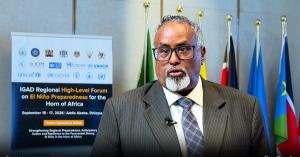
Anticipated El Niño Threat Now a Question of Action, Not Prediction: IGAD
Sep 19, 2026 2739
Addis Ababa, September 19, 2026 (ENA) — With forecasts pointing to an El Niño event in December, IGAD says the priority has shifted from prediction to preparedness. El Niño is a climate phenomenon associated with unusual warming of Pacific Ocean waters. Speaking to ENA on the sidelines of the IGAD Regional High-Level Forum on El Niño Preparedness for the Horn of Africa, held in Addis Ababa from September 15 to 17, 2026, IGAD Deputy Executive Secretary Mohamed Abdi Ware stressed the need for urgent action based on scientific forecasts. “We are saying it's not a question of if, it's a question of ‘what do we do now?’” he said, underscoring the importance of timely preparedness. He also expressed confidence in the accuracy of climate information provided by the IGAD Climate Prediction and Applications Centre (ICPAC), noting that the previous May forecast was “almost exactly as predicted.” That confidence, he said, should encourage governments and other stakeholders to act early rather than wait for the impacts to unfold. The consequences, he noted, extend far beyond climate statistics, affecting people, livelihoods and communities across the region. Possible impacts include reduced grazing access for pastoral communities, livestock diseases, crops rotting in fields before harvest, damaged infrastructure and isolated communities. “These are not just figures. These are real people and real communities that will be impacted by this phenomenon,” he said. Presentations from IGAD member states showed that countries are already taking steps to prepare for the anticipated impacts, he said, adding that each state must tailor its measures to the specific risks it faces. ICPAC’s regional climate outlook has forecast wetter-than-normal conditions across much of the Greater Horn of Africa during the October–December 2026 season, with excessive rainfall expected to heighten the risk of flooding, crop losses and damage to critical infrastructure. The response will require financing to ensure that preparedness measures are implemented before the impacts materialize. “These activities will need financing,” he said, calling on development partners and finance ministries in IGAD member states to work with national disaster risk management agencies to mobilize local resources. Such resources would help countries take timely measures to protect vulnerable communities, he added. “After all, it is our people that will be impacted,” he said. Beyond preparedness, IGAD will continue facilitating knowledge and experience sharing among member states to strengthen climate-risk responses. Countries with effective response measures can offer lessons for others in the region and help scale up successful approaches, he said. Coordinated action among member states is essential, he added, because the anticipated impacts will affect countries and communities differently. Reliable scientific forecasts, he said, give the region an opportunity to move from reacting after disasters strike to taking timely action based on early warning. The immediate priority is to translate scientific information into practical preparedness measures capable of protecting people, livelihoods and communities from the anticipated El Niño impacts.

Foreign Researchers Hail Ethiopia’s Green Legacy Initiative as a Model for Environmental Conservation
Sep 19, 2026 2222
Addis Ababa, September 19, 2026 (ENA) —Foreign forestry researchers have praised Ethiopia’s Green Legacy Initiative as an outstanding example of environmental conservation, citing its wide-ranging contribution to climate action and food security. It was learned that Ethiopia has planted a total of 56.2 billion seedlings, further strengthening the country’s leadership in efforts to restore and protect natural resources. According to the foreign researchers interviewed by ENA, the initiative is not only helping Ethiopia lay the groundwork for greater resilience in food production and long-term sustainability, but is also addressing the impacts of global climate change. Dutch researcher Albert Schenk described the initiative as a practical demonstration of Ethiopia’s contribution to the fight against climate change. He said Ethiopia’s Green Legacy Initiative is an impressive model for development and urged other countries to support similar efforts. Schenk emphasized that protecting forests and natural resources is essential to building a climate-resilient economy, and argued that investment in green development delivers returns worthy of sustained attention. Ugandan forest resource development researcher Robert Atugonza said Ethiopia is pursuing ambitious forestry and natural resource protection plans while delivering tangible results. He added that the initiative continues to serve as a foundation for climate mitigation, environmental protection, and food security. He urged other African countries, particularly in East Africa, to learn from Ethiopia’s approach and maintain momentum through collective effort. Tanzania-based forestry protection program coordinator Almas Kashindye described Ethiopia’s sustained seedling planting and care efforts as a remarkable public initiative. He noted that protecting and nurturing natural resources offers multiple benefits, including safeguarding biodiversity and water bodies, while supporting climate mitigation and food security. Bolivian scholar Humberto Gómez Cerveró, the Thematic Lead on Participatory Forest Restoration and Programme Coordinator at Tropenbos International also praised Ethiopia’s citizens for their contributions, noting that the seedlings planted in recent years carry significant value for ongoing global climate efforts. The researchers said the initiative reflects a comprehensive development strategy that has achieved notable success in a short period.
.jpg)
Egypt’s Reckless Water Wastage and Destabilizing Agenda Are Self-Defeating: Getachew Reda
Sep 19, 2026 3511
Addis Ababa, September 19, 2026 (ENA) — In a sharp assessment, Getachew Reda, Minister and Advisor to the Ethiopian Prime Minister on East African Affairs, described Egypt’s claim of exclusive control over the Nile as an outdated fantasy and condemned its regional interference as both counterproductive and dangerous. In an exclusive interview with The Pulse of Africa, Getachew stated: “Egyptians are very good at creating an artificial reality.” He described Egypt’s long-standing insistence that the Nile belongs to it alone — not as a shared resource among upstream and downstream countries, but as something it owns entirely. He highlighted the audacity of this position, noting that one should not be surprised if an Egyptian claimed that Egypt itself is the source of the Nile. Getachew argued that Egypt has shown a tremendous capacity to force science to fit its preferred narrative. In politics, he said, this has produced a deep sense of entitlement that they call “historic rights,” to such an extent that it would be almost impossible for an Egyptian to believe there are people who happen to be the source of the Nile and who might have some use for it — whether for hydroelectric power, irrigation, or other purposes. Invoking the ideas of Italian philosopher Antonio Gramsci, he argued that Egypt has developed cultural, social, and historical hegemony over how the Nile is perceived by Egyptians, which he attributed to what he described as a one-sided interpretation of the river’s significance. As a result, any attempt by other riparian countries to use these water resources is deemed unacceptable. The advisor explained that the Egyptian framing of “historic rights” is simply the idea that whoever used the water first must continue to use it indefinitely. “Historic rights became obsolete because they are unacceptable,” he asserted, adding that the later concept of “water security” promoted in international circles is simply another name for the same outdated claim. He rejected the notion that the Nile issue is an existential question for Egypt, arguing that Egyptian leaders securitize the matter precisely because they wish to preserve a monopoly. “Egyptian politicians have a very complicated relationship with reality,” Getachew remarked. The minister was blunt about Egypt’s water management. Egypt has among the worst water-management practices, he argued, pointing to water-intensive projects such as the Toshka scheme, including golf courses and other developments in the desert, as examples of what he described as poor water management. He further noted that annual evaporation from the Aswan High Dam far exceeds the amount of water stored in Ethiopia’s reservoirs. Getachew stated that the Egyptian regime has systematically worked to destabilize Ethiopia — the source of the largest share of the Nile’s water — and Sudan, which holds significant irrigation potential. Instability in Sudan, he argued, serves Egypt’s interests by preventing that country from fully utilizing the river. He cited what he called a clear double standard: while the Muslim Brotherhood is banned and suppressed in Egypt, Egyptian authorities have supported Brotherhood-linked elements in Sudan. He characterized Egypt’s political maneuvering as short-sighted. Getachew was unequivocal: the best option for Egypt is to abandon its failed strategy, come to terms with Ethiopia, and work toward regional stability. A stable Ethiopia and Sudan, he stressed, would never prejudice Egypt’s legitimate interests. He argued that Ethiopia, as an upstream riparian, has every right to use its water resources, while noting: “The problem with Egypt is that it cannot come to terms with reality.” “My advice is that the reality has changed and changed forever. Trying to impose their version of science, climate science, and hydrology on upstream countries is anachronistic and counterproductive. Their heavy involvement in destabilizing activities in the region is equally counterproductive — and potentially dangerous for themselves.” Any genuine negotiation or mediation, he insisted, must bring both sides to the table and be rooted in reality and science, not politics. “Geography is stable. You cannot change geography,” Getachew stated.

Red Sea Access Existential Issue for Ethiopia, Says AAU Researcher
Sep 19, 2026 3071
Addis Ababa, September 19, 2026 (ENA) —Access to the Red Sea is an existential issue for Ethiopia, with implications for the country’s security, sovereignty, economy ,and diplomatic influence, a researcher at Addis Ababa University said. Tesfaye Jima, a researcher at Addis Ababa University, made the remarks in an exclusive interview with ENA, saying Ethiopia’s interest in the Red Sea goes far beyond trade. Ethiopia’s growing population and future economic needs make access to the sea an important national concern, he said, questioning how the country can meet its future demands and sustain its influence while remaining landlocked. “The Red Sea is an existential issue for Ethiopia,” he said, noting that sea access matters for imports and exports, as well as fishing and agricultural production. Sea access would give Ethiopia greater control over its economic activities and strengthen its security and sovereignty, he said. Access to the Red Sea would also strengthen Ethiopia’s diplomatic and political engagement in the region and beyond, he said. “We need the Red Sea to project influence regionally and globally,” he said. Ethiopia’s interest in the Red Sea also has a regional dimension, he said, arguing that stronger engagement could contribute to peace, security and economic cooperation in the region. Ethiopia’s demographic and economic potential could enable it to play a greater role in regional affairs, he said, highlighting the importance of developing maritime and naval capabilities. Ethiopia’s return to the Red Sea and broader participation in regional mechanisms could benefit countries in the region by promoting cooperation in peace, security and development, he argued. On the legal dimension, Ethiopia has signed international treaties, agreements and conventions relevant to its interests in the Red Sea and the Nile, he said. Historical agreements and records, including those dating back to the 1870s, should be studied and presented with evidence through diplomatic channels as part of Ethiopia’s efforts to explain its position and national interests, he said. Tesfaye also stressed the importance of research and public awareness, calling on scholars to conduct evidence-based studies and engage major international institutions, while the media should help the public better understand the issue. National unity and cooperation are essential in pursuing Ethiopia’s sea-access interests, he said, adding that national interests should serve the country, its people and future generations. Ethiopia should pursue its interests through peaceful diplomacy while addressing internal challenges and strengthening peace and stability at home, he said. He cited Ethiopia’s experience in advancing the Grand Ethiopian Renaissance Dam through diplomatic engagement as an example of advancing national interests through peaceful means. Ethiopia’s sea-access agenda should therefore be treated as a long-term national issue requiring research, diplomacy, public awareness and cooperation, he said.
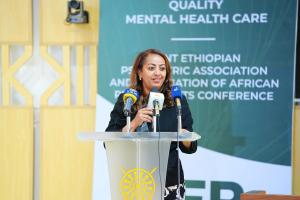
African Psychiatrists Convene in Addis Ababa to Advance AI-Powered Mental Healthcare
Sep 18, 2026 7495
Addis Ababa, September 18, 2026 (ENA) — Psychiatrists from Ethiopia and across Africa have convened in Addis Ababa to explore how artificial intelligence (AI) and digital psychiatry can expand access to quality mental healthcare across the continent, according to the Ministry of Health. The joint conference of the Ethiopian Psychiatrists Association and the African Association of Psychiatrists is being held under the theme, “Digital Psychiatry in Africa: Leveraging AI for Accessible and Quality Mental Health Care.” According to a Ministry of Health social media post, the two-day conference is taking place on September 18 and 19 at the Adwa Victory Memorial Museum in Addis Ababa. Speaking at the opening, Minister of Health Dr. Mekdes Daba emphasized that AI and digital psychiatry are increasingly important tools for reaching patients and responding to growing demand for mental health services. She emphasized the importance of adopting technology while maintaining technological sovereignty in the psychiatry sector and called for the use of adaptive technologies that respond to Africa’s specific needs. According to the minister, the time has come to leverage innovative technologies to improve healthcare in Africa. President of the Ethiopian Psychiatrists Association, Prof. Atalay Alem, on his part, said the conference theme is timely and reaffirmed the association’s commitment to working with the Ministry of Health and other stakeholders to advance mental healthcare. He said the association has grown to 194 members through continuous professional training in recent years. Prof. Atalay also highlighted the importance of collaboration with continental and international medical associations, saying the association is strengthening partnerships to advance the profession. He further stressed the need for stronger laws, policies and guidelines to regulate the development and implementation of artificial intelligence and digital psychiatry across Africa. Similarly, President of the African Association of Psychiatrists, Dr. Vuyiso Talatala, expressed appreciation to the Ethiopian Psychiatrists Association for its contributions to the continental body and for hosting the conference. In a video message, Dr. Vuyiso said the conference provides an important platform for psychiatrists to strengthen research and exchange ideas, experiences and knowledge. He expressed hope that the conference would identify practical ways of applying artificial intelligence to psychiatry and expanding access to mental healthcare across Africa.
Featured
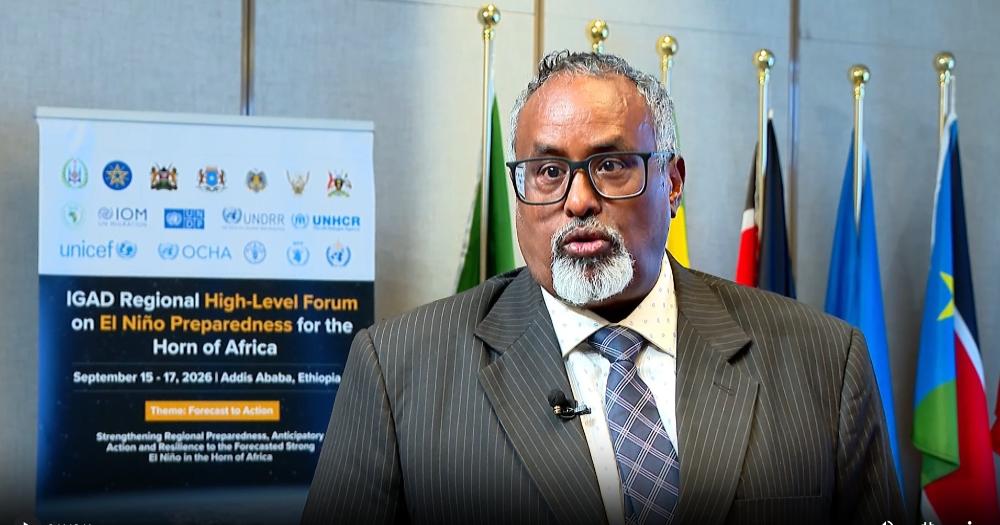
Anticipated El Niño Threat Now a Question of Action, Not Prediction: IGAD
Sep 19, 2026 2739
Addis Ababa, September 19, 2026 (ENA) — With forecasts pointing to an El Niño event in December, IGAD says the priority has shifted from prediction to preparedness. El Niño is a climate phenomenon associated with unusual warming of Pacific Ocean waters. Speaking to ENA on the sidelines of the IGAD Regional High-Level Forum on El Niño Preparedness for the Horn of Africa, held in Addis Ababa from September 15 to 17, 2026, IGAD Deputy Executive Secretary Mohamed Abdi Ware stressed the need for urgent action based on scientific forecasts. “We are saying it's not a question of if, it's a question of ‘what do we do now?’” he said, underscoring the importance of timely preparedness. He also expressed confidence in the accuracy of climate information provided by the IGAD Climate Prediction and Applications Centre (ICPAC), noting that the previous May forecast was “almost exactly as predicted.” That confidence, he said, should encourage governments and other stakeholders to act early rather than wait for the impacts to unfold. The consequences, he noted, extend far beyond climate statistics, affecting people, livelihoods and communities across the region. Possible impacts include reduced grazing access for pastoral communities, livestock diseases, crops rotting in fields before harvest, damaged infrastructure and isolated communities. “These are not just figures. These are real people and real communities that will be impacted by this phenomenon,” he said. Presentations from IGAD member states showed that countries are already taking steps to prepare for the anticipated impacts, he said, adding that each state must tailor its measures to the specific risks it faces. ICPAC’s regional climate outlook has forecast wetter-than-normal conditions across much of the Greater Horn of Africa during the October–December 2026 season, with excessive rainfall expected to heighten the risk of flooding, crop losses and damage to critical infrastructure. The response will require financing to ensure that preparedness measures are implemented before the impacts materialize. “These activities will need financing,” he said, calling on development partners and finance ministries in IGAD member states to work with national disaster risk management agencies to mobilize local resources. Such resources would help countries take timely measures to protect vulnerable communities, he added. “After all, it is our people that will be impacted,” he said. Beyond preparedness, IGAD will continue facilitating knowledge and experience sharing among member states to strengthen climate-risk responses. Countries with effective response measures can offer lessons for others in the region and help scale up successful approaches, he said. Coordinated action among member states is essential, he added, because the anticipated impacts will affect countries and communities differently. Reliable scientific forecasts, he said, give the region an opportunity to move from reacting after disasters strike to taking timely action based on early warning. The immediate priority is to translate scientific information into practical preparedness measures capable of protecting people, livelihoods and communities from the anticipated El Niño impacts.

Foreign Researchers Hail Ethiopia’s Green Legacy Initiative as a Model for Environmental Conservation
Sep 19, 2026 2222
Addis Ababa, September 19, 2026 (ENA) —Foreign forestry researchers have praised Ethiopia’s Green Legacy Initiative as an outstanding example of environmental conservation, citing its wide-ranging contribution to climate action and food security. It was learned that Ethiopia has planted a total of 56.2 billion seedlings, further strengthening the country’s leadership in efforts to restore and protect natural resources. According to the foreign researchers interviewed by ENA, the initiative is not only helping Ethiopia lay the groundwork for greater resilience in food production and long-term sustainability, but is also addressing the impacts of global climate change. Dutch researcher Albert Schenk described the initiative as a practical demonstration of Ethiopia’s contribution to the fight against climate change. He said Ethiopia’s Green Legacy Initiative is an impressive model for development and urged other countries to support similar efforts. Schenk emphasized that protecting forests and natural resources is essential to building a climate-resilient economy, and argued that investment in green development delivers returns worthy of sustained attention. Ugandan forest resource development researcher Robert Atugonza said Ethiopia is pursuing ambitious forestry and natural resource protection plans while delivering tangible results. He added that the initiative continues to serve as a foundation for climate mitigation, environmental protection, and food security. He urged other African countries, particularly in East Africa, to learn from Ethiopia’s approach and maintain momentum through collective effort. Tanzania-based forestry protection program coordinator Almas Kashindye described Ethiopia’s sustained seedling planting and care efforts as a remarkable public initiative. He noted that protecting and nurturing natural resources offers multiple benefits, including safeguarding biodiversity and water bodies, while supporting climate mitigation and food security. Bolivian scholar Humberto Gómez Cerveró, the Thematic Lead on Participatory Forest Restoration and Programme Coordinator at Tropenbos International also praised Ethiopia’s citizens for their contributions, noting that the seedlings planted in recent years carry significant value for ongoing global climate efforts. The researchers said the initiative reflects a comprehensive development strategy that has achieved notable success in a short period.
.jpg)
Egypt’s Reckless Water Wastage and Destabilizing Agenda Are Self-Defeating: Getachew Reda
Sep 19, 2026 3511
Addis Ababa, September 19, 2026 (ENA) — In a sharp assessment, Getachew Reda, Minister and Advisor to the Ethiopian Prime Minister on East African Affairs, described Egypt’s claim of exclusive control over the Nile as an outdated fantasy and condemned its regional interference as both counterproductive and dangerous. In an exclusive interview with The Pulse of Africa, Getachew stated: “Egyptians are very good at creating an artificial reality.” He described Egypt’s long-standing insistence that the Nile belongs to it alone — not as a shared resource among upstream and downstream countries, but as something it owns entirely. He highlighted the audacity of this position, noting that one should not be surprised if an Egyptian claimed that Egypt itself is the source of the Nile. Getachew argued that Egypt has shown a tremendous capacity to force science to fit its preferred narrative. In politics, he said, this has produced a deep sense of entitlement that they call “historic rights,” to such an extent that it would be almost impossible for an Egyptian to believe there are people who happen to be the source of the Nile and who might have some use for it — whether for hydroelectric power, irrigation, or other purposes. Invoking the ideas of Italian philosopher Antonio Gramsci, he argued that Egypt has developed cultural, social, and historical hegemony over how the Nile is perceived by Egyptians, which he attributed to what he described as a one-sided interpretation of the river’s significance. As a result, any attempt by other riparian countries to use these water resources is deemed unacceptable. The advisor explained that the Egyptian framing of “historic rights” is simply the idea that whoever used the water first must continue to use it indefinitely. “Historic rights became obsolete because they are unacceptable,” he asserted, adding that the later concept of “water security” promoted in international circles is simply another name for the same outdated claim. He rejected the notion that the Nile issue is an existential question for Egypt, arguing that Egyptian leaders securitize the matter precisely because they wish to preserve a monopoly. “Egyptian politicians have a very complicated relationship with reality,” Getachew remarked. The minister was blunt about Egypt’s water management. Egypt has among the worst water-management practices, he argued, pointing to water-intensive projects such as the Toshka scheme, including golf courses and other developments in the desert, as examples of what he described as poor water management. He further noted that annual evaporation from the Aswan High Dam far exceeds the amount of water stored in Ethiopia’s reservoirs. Getachew stated that the Egyptian regime has systematically worked to destabilize Ethiopia — the source of the largest share of the Nile’s water — and Sudan, which holds significant irrigation potential. Instability in Sudan, he argued, serves Egypt’s interests by preventing that country from fully utilizing the river. He cited what he called a clear double standard: while the Muslim Brotherhood is banned and suppressed in Egypt, Egyptian authorities have supported Brotherhood-linked elements in Sudan. He characterized Egypt’s political maneuvering as short-sighted. Getachew was unequivocal: the best option for Egypt is to abandon its failed strategy, come to terms with Ethiopia, and work toward regional stability. A stable Ethiopia and Sudan, he stressed, would never prejudice Egypt’s legitimate interests. He argued that Ethiopia, as an upstream riparian, has every right to use its water resources, while noting: “The problem with Egypt is that it cannot come to terms with reality.” “My advice is that the reality has changed and changed forever. Trying to impose their version of science, climate science, and hydrology on upstream countries is anachronistic and counterproductive. Their heavy involvement in destabilizing activities in the region is equally counterproductive — and potentially dangerous for themselves.” Any genuine negotiation or mediation, he insisted, must bring both sides to the table and be rooted in reality and science, not politics. “Geography is stable. You cannot change geography,” Getachew stated.

Red Sea Access Existential Issue for Ethiopia, Says AAU Researcher
Sep 19, 2026 3071
Addis Ababa, September 19, 2026 (ENA) —Access to the Red Sea is an existential issue for Ethiopia, with implications for the country’s security, sovereignty, economy ,and diplomatic influence, a researcher at Addis Ababa University said. Tesfaye Jima, a researcher at Addis Ababa University, made the remarks in an exclusive interview with ENA, saying Ethiopia’s interest in the Red Sea goes far beyond trade. Ethiopia’s growing population and future economic needs make access to the sea an important national concern, he said, questioning how the country can meet its future demands and sustain its influence while remaining landlocked. “The Red Sea is an existential issue for Ethiopia,” he said, noting that sea access matters for imports and exports, as well as fishing and agricultural production. Sea access would give Ethiopia greater control over its economic activities and strengthen its security and sovereignty, he said. Access to the Red Sea would also strengthen Ethiopia’s diplomatic and political engagement in the region and beyond, he said. “We need the Red Sea to project influence regionally and globally,” he said. Ethiopia’s interest in the Red Sea also has a regional dimension, he said, arguing that stronger engagement could contribute to peace, security and economic cooperation in the region. Ethiopia’s demographic and economic potential could enable it to play a greater role in regional affairs, he said, highlighting the importance of developing maritime and naval capabilities. Ethiopia’s return to the Red Sea and broader participation in regional mechanisms could benefit countries in the region by promoting cooperation in peace, security and development, he argued. On the legal dimension, Ethiopia has signed international treaties, agreements and conventions relevant to its interests in the Red Sea and the Nile, he said. Historical agreements and records, including those dating back to the 1870s, should be studied and presented with evidence through diplomatic channels as part of Ethiopia’s efforts to explain its position and national interests, he said. Tesfaye also stressed the importance of research and public awareness, calling on scholars to conduct evidence-based studies and engage major international institutions, while the media should help the public better understand the issue. National unity and cooperation are essential in pursuing Ethiopia’s sea-access interests, he said, adding that national interests should serve the country, its people and future generations. Ethiopia should pursue its interests through peaceful diplomacy while addressing internal challenges and strengthening peace and stability at home, he said. He cited Ethiopia’s experience in advancing the Grand Ethiopian Renaissance Dam through diplomatic engagement as an example of advancing national interests through peaceful means. Ethiopia’s sea-access agenda should therefore be treated as a long-term national issue requiring research, diplomacy, public awareness and cooperation, he said.
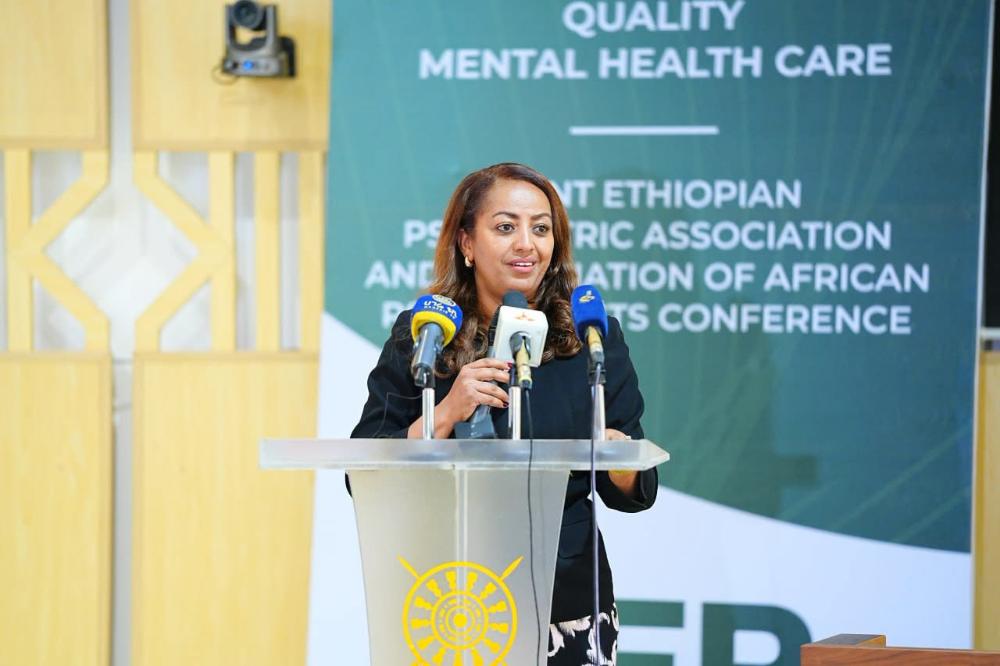
African Psychiatrists Convene in Addis Ababa to Advance AI-Powered Mental Healthcare
Sep 18, 2026 7495
Addis Ababa, September 18, 2026 (ENA) — Psychiatrists from Ethiopia and across Africa have convened in Addis Ababa to explore how artificial intelligence (AI) and digital psychiatry can expand access to quality mental healthcare across the continent, according to the Ministry of Health. The joint conference of the Ethiopian Psychiatrists Association and the African Association of Psychiatrists is being held under the theme, “Digital Psychiatry in Africa: Leveraging AI for Accessible and Quality Mental Health Care.” According to a Ministry of Health social media post, the two-day conference is taking place on September 18 and 19 at the Adwa Victory Memorial Museum in Addis Ababa. Speaking at the opening, Minister of Health Dr. Mekdes Daba emphasized that AI and digital psychiatry are increasingly important tools for reaching patients and responding to growing demand for mental health services. She emphasized the importance of adopting technology while maintaining technological sovereignty in the psychiatry sector and called for the use of adaptive technologies that respond to Africa’s specific needs. According to the minister, the time has come to leverage innovative technologies to improve healthcare in Africa. President of the Ethiopian Psychiatrists Association, Prof. Atalay Alem, on his part, said the conference theme is timely and reaffirmed the association’s commitment to working with the Ministry of Health and other stakeholders to advance mental healthcare. He said the association has grown to 194 members through continuous professional training in recent years. Prof. Atalay also highlighted the importance of collaboration with continental and international medical associations, saying the association is strengthening partnerships to advance the profession. He further stressed the need for stronger laws, policies and guidelines to regulate the development and implementation of artificial intelligence and digital psychiatry across Africa. Similarly, President of the African Association of Psychiatrists, Dr. Vuyiso Talatala, expressed appreciation to the Ethiopian Psychiatrists Association for its contributions to the continental body and for hosting the conference. In a video message, Dr. Vuyiso said the conference provides an important platform for psychiatrists to strengthen research and exchange ideas, experiences and knowledge. He expressed hope that the conference would identify practical ways of applying artificial intelligence to psychiatry and expanding access to mental healthcare across Africa.

POA English
Pulse Of Africa - English Language
Your news, current affairs and entertainment channel
Join us on
POA Arabic - عربي
Pulse Of Africa - Arabic Language
قناتكم الاخبارية و الترفيهية
Join us on
Politics
Egypt’s Reckless Water Wastage and Destabilizing Agenda Are Self-Defeating: Getachew Reda
Sep 19, 2026 3511
Addis Ababa, September 19, 2026 (ENA) — In a sharp assessment, Getachew Reda, Minister and Advisor to the Ethiopian Prime Minister on East African Affairs, described Egypt’s claim of exclusive control over the Nile as an outdated fantasy and condemned its regional interference as both counterproductive and dangerous. In an exclusive interview with The Pulse of Africa, Getachew stated: “Egyptians are very good at creating an artificial reality.” He described Egypt’s long-standing insistence that the Nile belongs to it alone — not as a shared resource among upstream and downstream countries, but as something it owns entirely. He highlighted the audacity of this position, noting that one should not be surprised if an Egyptian claimed that Egypt itself is the source of the Nile. Getachew argued that Egypt has shown a tremendous capacity to force science to fit its preferred narrative. In politics, he said, this has produced a deep sense of entitlement that they call “historic rights,” to such an extent that it would be almost impossible for an Egyptian to believe there are people who happen to be the source of the Nile and who might have some use for it — whether for hydroelectric power, irrigation, or other purposes. Invoking the ideas of Italian philosopher Antonio Gramsci, he argued that Egypt has developed cultural, social, and historical hegemony over how the Nile is perceived by Egyptians, which he attributed to what he described as a one-sided interpretation of the river’s significance. As a result, any attempt by other riparian countries to use these water resources is deemed unacceptable. The advisor explained that the Egyptian framing of “historic rights” is simply the idea that whoever used the water first must continue to use it indefinitely. “Historic rights became obsolete because they are unacceptable,” he asserted, adding that the later concept of “water security” promoted in international circles is simply another name for the same outdated claim. He rejected the notion that the Nile issue is an existential question for Egypt, arguing that Egyptian leaders securitize the matter precisely because they wish to preserve a monopoly. “Egyptian politicians have a very complicated relationship with reality,” Getachew remarked. The minister was blunt about Egypt’s water management. Egypt has among the worst water-management practices, he argued, pointing to water-intensive projects such as the Toshka scheme, including golf courses and other developments in the desert, as examples of what he described as poor water management. He further noted that annual evaporation from the Aswan High Dam far exceeds the amount of water stored in Ethiopia’s reservoirs. Getachew stated that the Egyptian regime has systematically worked to destabilize Ethiopia — the source of the largest share of the Nile’s water — and Sudan, which holds significant irrigation potential. Instability in Sudan, he argued, serves Egypt’s interests by preventing that country from fully utilizing the river. He cited what he called a clear double standard: while the Muslim Brotherhood is banned and suppressed in Egypt, Egyptian authorities have supported Brotherhood-linked elements in Sudan. He characterized Egypt’s political maneuvering as short-sighted. Getachew was unequivocal: the best option for Egypt is to abandon its failed strategy, come to terms with Ethiopia, and work toward regional stability. A stable Ethiopia and Sudan, he stressed, would never prejudice Egypt’s legitimate interests. He argued that Ethiopia, as an upstream riparian, has every right to use its water resources, while noting: “The problem with Egypt is that it cannot come to terms with reality.” “My advice is that the reality has changed and changed forever. Trying to impose their version of science, climate science, and hydrology on upstream countries is anachronistic and counterproductive. Their heavy involvement in destabilizing activities in the region is equally counterproductive — and potentially dangerous for themselves.” Any genuine negotiation or mediation, he insisted, must bring both sides to the table and be rooted in reality and science, not politics. “Geography is stable. You cannot change geography,” Getachew stated.
Red Sea Access Existential Issue for Ethiopia, Says AAU Researcher
Sep 19, 2026 3071
Addis Ababa, September 19, 2026 (ENA) —Access to the Red Sea is an existential issue for Ethiopia, with implications for the country’s security, sovereignty, economy ,and diplomatic influence, a researcher at Addis Ababa University said. Tesfaye Jima, a researcher at Addis Ababa University, made the remarks in an exclusive interview with ENA, saying Ethiopia’s interest in the Red Sea goes far beyond trade. Ethiopia’s growing population and future economic needs make access to the sea an important national concern, he said, questioning how the country can meet its future demands and sustain its influence while remaining landlocked. “The Red Sea is an existential issue for Ethiopia,” he said, noting that sea access matters for imports and exports, as well as fishing and agricultural production. Sea access would give Ethiopia greater control over its economic activities and strengthen its security and sovereignty, he said. Access to the Red Sea would also strengthen Ethiopia’s diplomatic and political engagement in the region and beyond, he said. “We need the Red Sea to project influence regionally and globally,” he said. Ethiopia’s interest in the Red Sea also has a regional dimension, he said, arguing that stronger engagement could contribute to peace, security and economic cooperation in the region. Ethiopia’s demographic and economic potential could enable it to play a greater role in regional affairs, he said, highlighting the importance of developing maritime and naval capabilities. Ethiopia’s return to the Red Sea and broader participation in regional mechanisms could benefit countries in the region by promoting cooperation in peace, security and development, he argued. On the legal dimension, Ethiopia has signed international treaties, agreements and conventions relevant to its interests in the Red Sea and the Nile, he said. Historical agreements and records, including those dating back to the 1870s, should be studied and presented with evidence through diplomatic channels as part of Ethiopia’s efforts to explain its position and national interests, he said. Tesfaye also stressed the importance of research and public awareness, calling on scholars to conduct evidence-based studies and engage major international institutions, while the media should help the public better understand the issue. National unity and cooperation are essential in pursuing Ethiopia’s sea-access interests, he said, adding that national interests should serve the country, its people and future generations. Ethiopia should pursue its interests through peaceful diplomacy while addressing internal challenges and strengthening peace and stability at home, he said. He cited Ethiopia’s experience in advancing the Grand Ethiopian Renaissance Dam through diplomatic engagement as an example of advancing national interests through peaceful means. Ethiopia’s sea-access agenda should therefore be treated as a long-term national issue requiring research, diplomacy, public awareness and cooperation, he said.
Ethiopian Officials Underscore Strategic Importance of Red Sea Access
Sep 18, 2026 7398
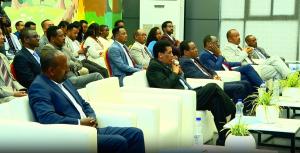
Addis Ababa, September 18, 2026 (ENA) — Senior Ethiopian officials have emphasized the strategic importance of access to the Red Sea, linking it to the country’s economic development, national security, regional integration and diplomatic relations with neighboring and wider international partners. The remarks were made during a panel discussion on the Nile River and sea access organized by the Addis Ababa Leadership Academy, bringing together government officials, scholars and other invited participants to examine the two issues and their implications for Ethiopia’s long term national interests. Participants stressed that Ethiopia’s interests in maritime access should be pursued through peaceful dialogue, diplomatic engagement, cooperation and arrangements based on mutual benefit. Adviser to the Prime Minister on Youth and Sports Affairs Kejela Merdasa, speaking at the opening of the discussion, said the Red Sea has long served as a major corridor for international trade and has assumed growing importance in global and regional geopolitics. Minister Kejela also highlighted Ethiopia’s historical connections with the Red Sea region, including the longstanding links between the Aksumite civilization and the Arabian Peninsula, particularly southern Yemen. Beyond its historical significance, Kejela said the Red Sea has acquired increasing geopolitical and military importance due to the strategic interests and presence of major regional and global powers. For Ethiopia, he said, access to the Red Sea has implications extending beyond maritime trade, including logistics infrastructure, economic competitiveness, energy security, national security, regional integration and diplomatic relations with the wider world. He further stressed the need to view Ethiopia’s interests in the Red Sea and the Nile as interconnected components of the country’s long term national interests. Ambassador Dina Mufti, a member of the House of Peoples’ Representatives, similarly linked Ethiopia’s interest in maritime access to its history, geography, population, economic development and security requirements. Mufti emphasized that the issue should be pursued through peaceful and diplomatic means, including dialogue, agreement, cooperation and mutual benefit. He also stressed that Ethiopia has no intention of invading another country. “Sea access is our permanent national agenda,” Mufti said. He called for sustained intellectual and public discussions on the issue, alongside stronger diplomatic engagement with neighboring countries, African states and the international community. Tasew Gebre, President of the Addis Ababa Leadership Academy, said sea access and the Nile are closely connected to Ethiopia’s future economic development, national security and regional integration. The president emphasized the importance of addressing differences through dialogue, trust, legal frameworks and shared interests, noting that the development of one country does not necessarily have to be perceived as a threat by another. According to him, the Academy seeks to bring scholarly research and ideas into public discussions and contribute to dialogue aimed at safeguarding national interests, advancing shared interests and creating opportunities for regional cooperation. The discussion highlighted the growing attention in Ethiopia to the relationship between maritime access, the Nile, economic development and regional security. Speakers emphasized diplomacy, dialogue and negotiated arrangements as the basis for pursuing Ethiopia’s interests while promoting stability and cooperation in the wider Horn of Africa and Red Sea region.
.jpg)
Eritrea’s Regime Internationalizing Conflict: PM Advisor Getachew
Sep 17, 2026 9569
Addis Ababa, September 17, 2026 (ENA) —The Eritrean regime is seeking to internationalize the conflict in the region by using the TPLF and other armed groups, said Getachew Reda, Minister and Advisor to the Ethiopian Prime Minister on East African Affairs. Speaking to Pulse of Africa, Getachew, who was also the former President of the Tigray Interim Regional Administration said: “The effort to internationalize the conflict is being done by Eritrea….” According to the advisor, the regime in Asmara is also exerting a maximum efforts to widen the conflict by involving armed groups and encouraging the deployment of young people beyond Ethiopia’s borders. He said reports that some had been captured, killed or wounded were deeply concerning. Getachew further revealed that former adversaries had set aside their differences in pursuit of a common objective, warning that such alliances could ultimately deepen instability across the Horn of Africa. He described the alignment between the defunct Tigray People’s Liberation Front and Eritrea as a marriage of convenience between “strange bedfellows” who cannot agree on major issues, calling it a prescription for disaster. Getachew said “I don't lose sleep over that particular issue,” referring to the alliance. But he warned that an alliance of “strange bedfellows” whose members disagree on major issues could ultimately become a “prescription for disaster.” Politics is often called “the art of the possible.” Yet the latest alignment, Getachew Reda argued, shows that political interests can unite even former foes—proving, in this case, that politics can also be the art of the impossible. He noted that the TPLF had been given “marching orders” to provoke clashes with federal forces and link up with armed groups in Amhara region. Getachew further stated that the Eritrean government seeking to keep Ethiopia unstable by coordinating with different groups opposed to the federal government. He further alleged that Eritrea enjoys support from Egypt in these efforts. “President Isaias has support in this endeavor from the likes of Egypt. We know for a fact,” Getachew underscored. “The federal government has exercised maximum restraint so far, despite provocations here and there,” he said, adding that the government had largely pursued a containment strategy. He cautioned, however, that the situation could change if armed groups-initiated attacks, potentially turning a localized confrontation into a broader regional conflict. The advisor stressed the need for the international community to exert pressure on the Eritrean regime and other actors he described as spoilers of peace to prevent another devastating war in the region.
Ethiopia, Comoros Seek to Strengthen Cooperation
Sep 17, 2026 9562
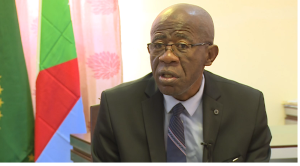
Addis Ababa, September 17, 2026 (ENA) —Ethiopia and Comoros enjoy strong diplomatic relations and wish to strengthen their cooperation in several areas, the Comoros’ ambassador to Ethiopia has said. The two countries have established cooperative relations that have gradually grown stronger. The Comoros opened its embassy in Ethiopia in 2011, and both sides are currently working to finalize an agreement on the establishment of a joint commission. In an exclusive interview, the Comoros’ Ambassador and Permanent Representative to the African Union, Mr. Youssouf Mondoha Assoumani, said the commission should help identify new areas of cooperation, particularly in trade, health, education, culture, tourism, and civil aviation. Economic cooperation is also a key priority. The air connectivity provided by Ethiopian Airlines facilitates trade between the two countries and helps increase travel by Comorian and Ethiopian citizens and business operators. The Comoros is preparing to celebrate the 10th anniversary of Ethiopian Airlines’ service to the country, and a delegation from the airline is expected to visit the Comoros for the occasion. The ambassador also highlighted the potential for expanding trade, noting that Comorian businesses could strengthen their ties with their Ethiopian counterparts, particularly through the chambers of commerce in both countries. Cooperation also extends to the security sector. A Comorian police delegation recently visited Ethiopia to learn about Ethiopia’s experience in security, the fight against organized crime, and drug trafficking. In civil aviation, cooperation on air traffic controller training is also under way with Ethiopian institutions. The training program, scheduled to last several years, aims to strengthen Comorian national capabilities in this sector. Ambassador Youssouf also emphasized the importance of the energy sector for Africa’s development, commending Ethiopia’s efforts to expand its energy capacity and its potential to help provide access to electricity in the region. He also commended Ethiopia’s national dialogue initiative, noting that peace and stability are essential conditions for the development of the African continent. Finally, the Comoros hopes to draw on Ethiopia’s expertise in tourism, the hospitality industry, and the organization of sporting events. In particular, the Comoros will host the upcoming Indian Ocean Islands Games, for which cooperation with Ethiopian partners is being considered. The ambassador reaffirmed the Comoros’ commitment to continuing to strengthen relations with Ethiopia, particularly through the future joint commission, which should help identify areas of mutual interest and bring new cooperation projects to fruition.
IGAD Ministers Endorse Regional Agrifood Investment and Seed Policy Frameworks
Sep 17, 2026 12392
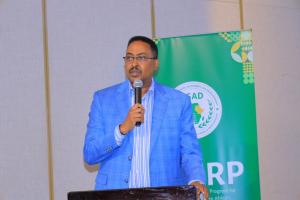
Addis Ababa, September 17, 2026 (ENA) —Ministers and senior government officials from IGAD Member States have endorsed the IGAD Regional Agrifood Systems Investment Plan (RASIP) 2026–2035 and the IGAD Regional Seed Policy Framework 2026. The decision marks a major step toward coordinated investment, policy harmonization, and the transformation of agrifood systems across the region. Speaking at the ministerial meeting in Addis Ababa on Thursday, IGAD Executive Secretary Workneh Gebeyehu said the two frameworks would provide a foundation for aligning national priorities, mobilizing investment and strengthening cross border cooperation among member states. He said RASIP is intended to guide investment in resilient and sustainable food systems, promote regional agricultural trade and translate continental commitments into coordinated regional and national action. Workneh also emphasized the role of the IGAD Regional Seed Policy Framework 2026 in harmonizing seed systems and facilitating the cross-border movement of quality and climate resilient crop varieties. The framework seeks to reduce regulatory barriers, align seed standards and facilitate regional trade in certified seeds. It is also expected to expand farmers’ access to climate smart and high yielding varieties while ensuring that traded seeds comply with quality, safety and disease prevention requirements. The IGAD executive secretary said the endorsement of the two frameworks demonstrates regional solidarity and a shared commitment to move from policy dialogue toward implementation, coordinated investment and greater accountability. “Resilient seeds are one of the most effective tools to combat climate shocks and improve yields,” he said, stressing the importance of coordinated regional action to strengthen food security. Workneh said stronger agricultural systems could help IGAD member states reduce their reliance on recurrent emergency food responses by increasing agricultural production, improving rural livelihoods and expanding opportunities to participate in continental markets. He also used the meeting to highlight the humanitarian and security situation in the region, calling for an end to the conflict in Sudan and increased humanitarian assistance to populations affected by the war. Speaking on behalf of Ethiopia’s Ministry of Agriculture, Senior Advisor Getachew Deriba reaffirmed Ethiopia’s support for the regional agrifood transformation agenda. He described food security as a critical priority for the highly interconnected IGAD region and said Ethiopia was integrating regional objectives into its national agricultural development framework. The endorsement of RASIP 2026–2035 and the Regional Seed Policy Framework 2026 is expected to strengthen cooperation among IGAD Member States in investment planning, seed production, quality assurance, regulation and agricultural trade, while supporting efforts to build more productive and climate resilient food systems across the region.

Egypt’s Stereotype of Nile Basin Countries More Harmful Than Effective: Senior Researcher
Sep 17, 2026 8672
Addis Ababa, September 17, 2026 (ENA) — The Egyptian political instrumentalization of the Nile and the portrayal of Nile Basin countries as a stereotype have fostered negative public perceptions in Egypt toward basin countries in general, and Ethiopia in particular, a senior researcher at the Center for Strategic Studies and Integration Initiative, Abdushakur Abdussamad, told ENA. “This portrayal, instrumentalization, intense media use, and heavy media campaigns are ultimately more harmful to the Egyptian public than they are effective,” Abdushakur said. He explained that the Egyptian public has been conditioned to believe that the Nile is Egypt’s sole source of water for meeting its needs. “This implies that any development project undertaken by another country on the Nile would come at the expense of the Egyptian people’s water share, deeply ingraining this concept in the Egyptian public’s psyche.” The senior researcher noted that this framing serves, to a large extent, a media purpose designed to distract from domestic social, political, and economic issues within Egypt. “In turn, this promotes a significantly biased and stereotypical image of other Nile Basin countries. As a result, generations raised on this narrative accept it as absolute fact, whereas the true reality that needs to be projected is that this water source is shared, not the exclusive property of Egypt,” he explained. Abdushakur said the issue was thus diverted from an integrative developmental project into a politically exploited initiative. The senior researcher pointed out that Egypt possesses numerous other water resources. It is bordered by the Mediterranean Sea to the north and the Red Sea to the east, and it also has groundwater reserves. “However, driven by a desire for a cost-free resource that requires no additional financial burden, our Egyptian brothers focus on the Nile and seek to retain a veto over its utilization.” Further elaborating on the Nile, the senior researcher said the Nile Basin Cooperative Framework Agreement (CFA), also known as the Entebbe Agreement, has confirmed that everyone has the right to benefit from Nile waters. He noted that the legally binding international agreement now serves as the framework regulating relations among Nile Basin countries. “Consequently, Ethiopia has every right to benefit and has never needed permission, as has been reaffirmed over the past decades, to pursue its legitimate right to meet its development needs, particularly in the field of hydropower,” Abdushakur stressed. He said it should be clear that Ethiopia does not need to ask anyone’s permission, since hydropower is a renewable, safe and clean source of electricity. He added that the country is therefore “responsibly fulfilling its role without harming anyone — a principle Ethiopia emphasizes and which has been proven correct, as the Ethiopian position is sound and has caused no harm to any party.” He underscored that the current and former Ethiopian water ministers have stated that Ethiopia’s utilization of the Nile waters — and all its water resources in rivers that feed neighboring countries — is an inherent right. “Just imagine a country that supplies over 86 percent of the Blue Nile’s waters being barred from utilizing this vital resource. This is both an injustice and a significant bias.” The senior researcher said Ethiopia, from the very beginning, invited downstream and transit countries to negotiate regarding the Grand Ethiopian Renaissance Dam (GERD), going even further by proposing a partnership in financing, construction and operation. “Unfortunately, this invitation was not received in a manner befitting partners of a shared destiny.” Abdushakur added that the issue was diverted from an integrative developmental project into a politically exploited initiative. “But political instrumentalization is short-lived, although the rift it creates in public sentiment can be difficult to overcome in the near term.”

Consensus Growing on Ethiopia’s Role in Red Sea Affairs: IFA Researcher
Sep 17, 2026 11366
Addis Ababa, September 17, 2026 (ENA) —TheEthiopia’s quest for sovereign access to the Red Sea has been witnessing growing consensus, Chief of Staff and Senior Researcher of the Horn of Africa at IFA, Gizachew Asrat, said. In an exclusive interview with ENA, Gizachew said Ethiopia’s quest for sea access is gaining momentum as a great asset for the Red Sea region. He noted that “there is a great consensus on Ethiopia’s access to the sea or presence in the sea issues.” Today, Ethiopia’s access to the sea is increasingly viewed as a legitimate strategic right, driven by its growing population and economy, expanding import-export trade, and pressing national and regional security interests. The country’s geographical proximity to the Red Sea, together with its historical links to the region’s ports, has remained central to its argument for pursuing a sustainable maritime outlet. Ethiopia historically administered the ports of Massawa and Assab and maintained naval capabilities before Eritrea’s separation. The Senior Researcher further stated that there is a common understanding that Ethiopia should be around the sea and should also play a great role in the sea in terms of economy and security. He emphasized the significance of advancing on trust-building and cooperation between neighboring countries, and the global community. The researcher, particularly stressed the need for understanding the real intent of Ethiopia's quest for access to the sea. “The geopolitical, geo-economic, technology and energy, and everything are interconnected and interlinked between the maritime, the sea and the land,” he said. Gizachew elaborated that the interconnected nature of regional challenges requires countries to focus on common threats and interests rather than treating maritime and land-based security as separate issues. In this regard, Ethiopia's return to reliable sea access is vital for peace, regional integration and collective security of the Horn of Africa and beyond, he asserted. “Engaging Ethiopia on the Red Sea platform is an asset for the region,” Gizachew said, emphasizing the importance of regional cooperation and partnership. Maritime security should also be examined from wider geopolitical and geo-economic perspectives, particularly given the strategic importance of global waterways and the competition surrounding them. Gizachew further emphasized that Ethiopia is part of the global economic and security system and therefore needs to remain engaged in issues affecting the Red Sea and international maritime routes. “We are part of the globe and we have to be engaged there and definitely Ethiopia should have to be around the sea or on the sea,” he said. He underscored the importance of working closely with regional states and institutions, noting that Ethiopia's return to the sea will be instrumental not only for its national interest but also crucial for ensuring regional stability. Having a huge population, a growing economy, and a strategic location, the return of Ethiopia’s access to the sea is a vital geopolitical imperative for securing maritime security in the Horn of Africa and the wider Red Sea corridor, the senior researcher stressed. As the world’s most populous landlocked nation, the country’s strategic push to reconnect with the Red Sea and Gulf of Aden corridors represents a foundational pillar for both its domestic survival and the broader geopolitical integration.
Politics
Egypt’s Reckless Water Wastage and Destabilizing Agenda Are Self-Defeating: Getachew Reda
Sep 19, 2026 3511
Addis Ababa, September 19, 2026 (ENA) — In a sharp assessment, Getachew Reda, Minister and Advisor to the Ethiopian Prime Minister on East African Affairs, described Egypt’s claim of exclusive control over the Nile as an outdated fantasy and condemned its regional interference as both counterproductive and dangerous. In an exclusive interview with The Pulse of Africa, Getachew stated: “Egyptians are very good at creating an artificial reality.” He described Egypt’s long-standing insistence that the Nile belongs to it alone — not as a shared resource among upstream and downstream countries, but as something it owns entirely. He highlighted the audacity of this position, noting that one should not be surprised if an Egyptian claimed that Egypt itself is the source of the Nile. Getachew argued that Egypt has shown a tremendous capacity to force science to fit its preferred narrative. In politics, he said, this has produced a deep sense of entitlement that they call “historic rights,” to such an extent that it would be almost impossible for an Egyptian to believe there are people who happen to be the source of the Nile and who might have some use for it — whether for hydroelectric power, irrigation, or other purposes. Invoking the ideas of Italian philosopher Antonio Gramsci, he argued that Egypt has developed cultural, social, and historical hegemony over how the Nile is perceived by Egyptians, which he attributed to what he described as a one-sided interpretation of the river’s significance. As a result, any attempt by other riparian countries to use these water resources is deemed unacceptable. The advisor explained that the Egyptian framing of “historic rights” is simply the idea that whoever used the water first must continue to use it indefinitely. “Historic rights became obsolete because they are unacceptable,” he asserted, adding that the later concept of “water security” promoted in international circles is simply another name for the same outdated claim. He rejected the notion that the Nile issue is an existential question for Egypt, arguing that Egyptian leaders securitize the matter precisely because they wish to preserve a monopoly. “Egyptian politicians have a very complicated relationship with reality,” Getachew remarked. The minister was blunt about Egypt’s water management. Egypt has among the worst water-management practices, he argued, pointing to water-intensive projects such as the Toshka scheme, including golf courses and other developments in the desert, as examples of what he described as poor water management. He further noted that annual evaporation from the Aswan High Dam far exceeds the amount of water stored in Ethiopia’s reservoirs. Getachew stated that the Egyptian regime has systematically worked to destabilize Ethiopia — the source of the largest share of the Nile’s water — and Sudan, which holds significant irrigation potential. Instability in Sudan, he argued, serves Egypt’s interests by preventing that country from fully utilizing the river. He cited what he called a clear double standard: while the Muslim Brotherhood is banned and suppressed in Egypt, Egyptian authorities have supported Brotherhood-linked elements in Sudan. He characterized Egypt’s political maneuvering as short-sighted. Getachew was unequivocal: the best option for Egypt is to abandon its failed strategy, come to terms with Ethiopia, and work toward regional stability. A stable Ethiopia and Sudan, he stressed, would never prejudice Egypt’s legitimate interests. He argued that Ethiopia, as an upstream riparian, has every right to use its water resources, while noting: “The problem with Egypt is that it cannot come to terms with reality.” “My advice is that the reality has changed and changed forever. Trying to impose their version of science, climate science, and hydrology on upstream countries is anachronistic and counterproductive. Their heavy involvement in destabilizing activities in the region is equally counterproductive — and potentially dangerous for themselves.” Any genuine negotiation or mediation, he insisted, must bring both sides to the table and be rooted in reality and science, not politics. “Geography is stable. You cannot change geography,” Getachew stated.
Red Sea Access Existential Issue for Ethiopia, Says AAU Researcher
Sep 19, 2026 3071
Addis Ababa, September 19, 2026 (ENA) —Access to the Red Sea is an existential issue for Ethiopia, with implications for the country’s security, sovereignty, economy ,and diplomatic influence, a researcher at Addis Ababa University said. Tesfaye Jima, a researcher at Addis Ababa University, made the remarks in an exclusive interview with ENA, saying Ethiopia’s interest in the Red Sea goes far beyond trade. Ethiopia’s growing population and future economic needs make access to the sea an important national concern, he said, questioning how the country can meet its future demands and sustain its influence while remaining landlocked. “The Red Sea is an existential issue for Ethiopia,” he said, noting that sea access matters for imports and exports, as well as fishing and agricultural production. Sea access would give Ethiopia greater control over its economic activities and strengthen its security and sovereignty, he said. Access to the Red Sea would also strengthen Ethiopia’s diplomatic and political engagement in the region and beyond, he said. “We need the Red Sea to project influence regionally and globally,” he said. Ethiopia’s interest in the Red Sea also has a regional dimension, he said, arguing that stronger engagement could contribute to peace, security and economic cooperation in the region. Ethiopia’s demographic and economic potential could enable it to play a greater role in regional affairs, he said, highlighting the importance of developing maritime and naval capabilities. Ethiopia’s return to the Red Sea and broader participation in regional mechanisms could benefit countries in the region by promoting cooperation in peace, security and development, he argued. On the legal dimension, Ethiopia has signed international treaties, agreements and conventions relevant to its interests in the Red Sea and the Nile, he said. Historical agreements and records, including those dating back to the 1870s, should be studied and presented with evidence through diplomatic channels as part of Ethiopia’s efforts to explain its position and national interests, he said. Tesfaye also stressed the importance of research and public awareness, calling on scholars to conduct evidence-based studies and engage major international institutions, while the media should help the public better understand the issue. National unity and cooperation are essential in pursuing Ethiopia’s sea-access interests, he said, adding that national interests should serve the country, its people and future generations. Ethiopia should pursue its interests through peaceful diplomacy while addressing internal challenges and strengthening peace and stability at home, he said. He cited Ethiopia’s experience in advancing the Grand Ethiopian Renaissance Dam through diplomatic engagement as an example of advancing national interests through peaceful means. Ethiopia’s sea-access agenda should therefore be treated as a long-term national issue requiring research, diplomacy, public awareness and cooperation, he said.
Ethiopian Officials Underscore Strategic Importance of Red Sea Access
Sep 18, 2026 7398
Addis Ababa, September 18, 2026 (ENA) — Senior Ethiopian officials have emphasized the strategic importance of access to the Red Sea, linking it to the country’s economic development, national security, regional integration and diplomatic relations with neighboring and wider international partners. The remarks were made during a panel discussion on the Nile River and sea access organized by the Addis Ababa Leadership Academy, bringing together government officials, scholars and other invited participants to examine the two issues and their implications for Ethiopia’s long term national interests. Participants stressed that Ethiopia’s interests in maritime access should be pursued through peaceful dialogue, diplomatic engagement, cooperation and arrangements based on mutual benefit. Adviser to the Prime Minister on Youth and Sports Affairs Kejela Merdasa, speaking at the opening of the discussion, said the Red Sea has long served as a major corridor for international trade and has assumed growing importance in global and regional geopolitics. Minister Kejela also highlighted Ethiopia’s historical connections with the Red Sea region, including the longstanding links between the Aksumite civilization and the Arabian Peninsula, particularly southern Yemen. Beyond its historical significance, Kejela said the Red Sea has acquired increasing geopolitical and military importance due to the strategic interests and presence of major regional and global powers. For Ethiopia, he said, access to the Red Sea has implications extending beyond maritime trade, including logistics infrastructure, economic competitiveness, energy security, national security, regional integration and diplomatic relations with the wider world. He further stressed the need to view Ethiopia’s interests in the Red Sea and the Nile as interconnected components of the country’s long term national interests. Ambassador Dina Mufti, a member of the House of Peoples’ Representatives, similarly linked Ethiopia’s interest in maritime access to its history, geography, population, economic development and security requirements. Mufti emphasized that the issue should be pursued through peaceful and diplomatic means, including dialogue, agreement, cooperation and mutual benefit. He also stressed that Ethiopia has no intention of invading another country. “Sea access is our permanent national agenda,” Mufti said. He called for sustained intellectual and public discussions on the issue, alongside stronger diplomatic engagement with neighboring countries, African states and the international community. Tasew Gebre, President of the Addis Ababa Leadership Academy, said sea access and the Nile are closely connected to Ethiopia’s future economic development, national security and regional integration. The president emphasized the importance of addressing differences through dialogue, trust, legal frameworks and shared interests, noting that the development of one country does not necessarily have to be perceived as a threat by another. According to him, the Academy seeks to bring scholarly research and ideas into public discussions and contribute to dialogue aimed at safeguarding national interests, advancing shared interests and creating opportunities for regional cooperation. The discussion highlighted the growing attention in Ethiopia to the relationship between maritime access, the Nile, economic development and regional security. Speakers emphasized diplomacy, dialogue and negotiated arrangements as the basis for pursuing Ethiopia’s interests while promoting stability and cooperation in the wider Horn of Africa and Red Sea region.
Eritrea’s Regime Internationalizing Conflict: PM Advisor Getachew
Sep 17, 2026 9569
Addis Ababa, September 17, 2026 (ENA) —The Eritrean regime is seeking to internationalize the conflict in the region by using the TPLF and other armed groups, said Getachew Reda, Minister and Advisor to the Ethiopian Prime Minister on East African Affairs. Speaking to Pulse of Africa, Getachew, who was also the former President of the Tigray Interim Regional Administration said: “The effort to internationalize the conflict is being done by Eritrea….” According to the advisor, the regime in Asmara is also exerting a maximum efforts to widen the conflict by involving armed groups and encouraging the deployment of young people beyond Ethiopia’s borders. He said reports that some had been captured, killed or wounded were deeply concerning. Getachew further revealed that former adversaries had set aside their differences in pursuit of a common objective, warning that such alliances could ultimately deepen instability across the Horn of Africa. He described the alignment between the defunct Tigray People’s Liberation Front and Eritrea as a marriage of convenience between “strange bedfellows” who cannot agree on major issues, calling it a prescription for disaster. Getachew said “I don't lose sleep over that particular issue,” referring to the alliance. But he warned that an alliance of “strange bedfellows” whose members disagree on major issues could ultimately become a “prescription for disaster.” Politics is often called “the art of the possible.” Yet the latest alignment, Getachew Reda argued, shows that political interests can unite even former foes—proving, in this case, that politics can also be the art of the impossible. He noted that the TPLF had been given “marching orders” to provoke clashes with federal forces and link up with armed groups in Amhara region. Getachew further stated that the Eritrean government seeking to keep Ethiopia unstable by coordinating with different groups opposed to the federal government. He further alleged that Eritrea enjoys support from Egypt in these efforts. “President Isaias has support in this endeavor from the likes of Egypt. We know for a fact,” Getachew underscored. “The federal government has exercised maximum restraint so far, despite provocations here and there,” he said, adding that the government had largely pursued a containment strategy. He cautioned, however, that the situation could change if armed groups-initiated attacks, potentially turning a localized confrontation into a broader regional conflict. The advisor stressed the need for the international community to exert pressure on the Eritrean regime and other actors he described as spoilers of peace to prevent another devastating war in the region.
Ethiopia, Comoros Seek to Strengthen Cooperation
Sep 17, 2026 9562
Addis Ababa, September 17, 2026 (ENA) —Ethiopia and Comoros enjoy strong diplomatic relations and wish to strengthen their cooperation in several areas, the Comoros’ ambassador to Ethiopia has said. The two countries have established cooperative relations that have gradually grown stronger. The Comoros opened its embassy in Ethiopia in 2011, and both sides are currently working to finalize an agreement on the establishment of a joint commission. In an exclusive interview, the Comoros’ Ambassador and Permanent Representative to the African Union, Mr. Youssouf Mondoha Assoumani, said the commission should help identify new areas of cooperation, particularly in trade, health, education, culture, tourism, and civil aviation. Economic cooperation is also a key priority. The air connectivity provided by Ethiopian Airlines facilitates trade between the two countries and helps increase travel by Comorian and Ethiopian citizens and business operators. The Comoros is preparing to celebrate the 10th anniversary of Ethiopian Airlines’ service to the country, and a delegation from the airline is expected to visit the Comoros for the occasion. The ambassador also highlighted the potential for expanding trade, noting that Comorian businesses could strengthen their ties with their Ethiopian counterparts, particularly through the chambers of commerce in both countries. Cooperation also extends to the security sector. A Comorian police delegation recently visited Ethiopia to learn about Ethiopia’s experience in security, the fight against organized crime, and drug trafficking. In civil aviation, cooperation on air traffic controller training is also under way with Ethiopian institutions. The training program, scheduled to last several years, aims to strengthen Comorian national capabilities in this sector. Ambassador Youssouf also emphasized the importance of the energy sector for Africa’s development, commending Ethiopia’s efforts to expand its energy capacity and its potential to help provide access to electricity in the region. He also commended Ethiopia’s national dialogue initiative, noting that peace and stability are essential conditions for the development of the African continent. Finally, the Comoros hopes to draw on Ethiopia’s expertise in tourism, the hospitality industry, and the organization of sporting events. In particular, the Comoros will host the upcoming Indian Ocean Islands Games, for which cooperation with Ethiopian partners is being considered. The ambassador reaffirmed the Comoros’ commitment to continuing to strengthen relations with Ethiopia, particularly through the future joint commission, which should help identify areas of mutual interest and bring new cooperation projects to fruition.
IGAD Ministers Endorse Regional Agrifood Investment and Seed Policy Frameworks
Sep 17, 2026 12392
Addis Ababa, September 17, 2026 (ENA) —Ministers and senior government officials from IGAD Member States have endorsed the IGAD Regional Agrifood Systems Investment Plan (RASIP) 2026–2035 and the IGAD Regional Seed Policy Framework 2026. The decision marks a major step toward coordinated investment, policy harmonization, and the transformation of agrifood systems across the region. Speaking at the ministerial meeting in Addis Ababa on Thursday, IGAD Executive Secretary Workneh Gebeyehu said the two frameworks would provide a foundation for aligning national priorities, mobilizing investment and strengthening cross border cooperation among member states. He said RASIP is intended to guide investment in resilient and sustainable food systems, promote regional agricultural trade and translate continental commitments into coordinated regional and national action. Workneh also emphasized the role of the IGAD Regional Seed Policy Framework 2026 in harmonizing seed systems and facilitating the cross-border movement of quality and climate resilient crop varieties. The framework seeks to reduce regulatory barriers, align seed standards and facilitate regional trade in certified seeds. It is also expected to expand farmers’ access to climate smart and high yielding varieties while ensuring that traded seeds comply with quality, safety and disease prevention requirements. The IGAD executive secretary said the endorsement of the two frameworks demonstrates regional solidarity and a shared commitment to move from policy dialogue toward implementation, coordinated investment and greater accountability. “Resilient seeds are one of the most effective tools to combat climate shocks and improve yields,” he said, stressing the importance of coordinated regional action to strengthen food security. Workneh said stronger agricultural systems could help IGAD member states reduce their reliance on recurrent emergency food responses by increasing agricultural production, improving rural livelihoods and expanding opportunities to participate in continental markets. He also used the meeting to highlight the humanitarian and security situation in the region, calling for an end to the conflict in Sudan and increased humanitarian assistance to populations affected by the war. Speaking on behalf of Ethiopia’s Ministry of Agriculture, Senior Advisor Getachew Deriba reaffirmed Ethiopia’s support for the regional agrifood transformation agenda. He described food security as a critical priority for the highly interconnected IGAD region and said Ethiopia was integrating regional objectives into its national agricultural development framework. The endorsement of RASIP 2026–2035 and the Regional Seed Policy Framework 2026 is expected to strengthen cooperation among IGAD Member States in investment planning, seed production, quality assurance, regulation and agricultural trade, while supporting efforts to build more productive and climate resilient food systems across the region.
Egypt’s Stereotype of Nile Basin Countries More Harmful Than Effective: Senior Researcher
Sep 17, 2026 8672
Addis Ababa, September 17, 2026 (ENA) — The Egyptian political instrumentalization of the Nile and the portrayal of Nile Basin countries as a stereotype have fostered negative public perceptions in Egypt toward basin countries in general, and Ethiopia in particular, a senior researcher at the Center for Strategic Studies and Integration Initiative, Abdushakur Abdussamad, told ENA. “This portrayal, instrumentalization, intense media use, and heavy media campaigns are ultimately more harmful to the Egyptian public than they are effective,” Abdushakur said. He explained that the Egyptian public has been conditioned to believe that the Nile is Egypt’s sole source of water for meeting its needs. “This implies that any development project undertaken by another country on the Nile would come at the expense of the Egyptian people’s water share, deeply ingraining this concept in the Egyptian public’s psyche.” The senior researcher noted that this framing serves, to a large extent, a media purpose designed to distract from domestic social, political, and economic issues within Egypt. “In turn, this promotes a significantly biased and stereotypical image of other Nile Basin countries. As a result, generations raised on this narrative accept it as absolute fact, whereas the true reality that needs to be projected is that this water source is shared, not the exclusive property of Egypt,” he explained. Abdushakur said the issue was thus diverted from an integrative developmental project into a politically exploited initiative. The senior researcher pointed out that Egypt possesses numerous other water resources. It is bordered by the Mediterranean Sea to the north and the Red Sea to the east, and it also has groundwater reserves. “However, driven by a desire for a cost-free resource that requires no additional financial burden, our Egyptian brothers focus on the Nile and seek to retain a veto over its utilization.” Further elaborating on the Nile, the senior researcher said the Nile Basin Cooperative Framework Agreement (CFA), also known as the Entebbe Agreement, has confirmed that everyone has the right to benefit from Nile waters. He noted that the legally binding international agreement now serves as the framework regulating relations among Nile Basin countries. “Consequently, Ethiopia has every right to benefit and has never needed permission, as has been reaffirmed over the past decades, to pursue its legitimate right to meet its development needs, particularly in the field of hydropower,” Abdushakur stressed. He said it should be clear that Ethiopia does not need to ask anyone’s permission, since hydropower is a renewable, safe and clean source of electricity. He added that the country is therefore “responsibly fulfilling its role without harming anyone — a principle Ethiopia emphasizes and which has been proven correct, as the Ethiopian position is sound and has caused no harm to any party.” He underscored that the current and former Ethiopian water ministers have stated that Ethiopia’s utilization of the Nile waters — and all its water resources in rivers that feed neighboring countries — is an inherent right. “Just imagine a country that supplies over 86 percent of the Blue Nile’s waters being barred from utilizing this vital resource. This is both an injustice and a significant bias.” The senior researcher said Ethiopia, from the very beginning, invited downstream and transit countries to negotiate regarding the Grand Ethiopian Renaissance Dam (GERD), going even further by proposing a partnership in financing, construction and operation. “Unfortunately, this invitation was not received in a manner befitting partners of a shared destiny.” Abdushakur added that the issue was diverted from an integrative developmental project into a politically exploited initiative. “But political instrumentalization is short-lived, although the rift it creates in public sentiment can be difficult to overcome in the near term.”
Consensus Growing on Ethiopia’s Role in Red Sea Affairs: IFA Researcher
Sep 17, 2026 11366
Addis Ababa, September 17, 2026 (ENA) —TheEthiopia’s quest for sovereign access to the Red Sea has been witnessing growing consensus, Chief of Staff and Senior Researcher of the Horn of Africa at IFA, Gizachew Asrat, said. In an exclusive interview with ENA, Gizachew said Ethiopia’s quest for sea access is gaining momentum as a great asset for the Red Sea region. He noted that “there is a great consensus on Ethiopia’s access to the sea or presence in the sea issues.” Today, Ethiopia’s access to the sea is increasingly viewed as a legitimate strategic right, driven by its growing population and economy, expanding import-export trade, and pressing national and regional security interests. The country’s geographical proximity to the Red Sea, together with its historical links to the region’s ports, has remained central to its argument for pursuing a sustainable maritime outlet. Ethiopia historically administered the ports of Massawa and Assab and maintained naval capabilities before Eritrea’s separation. The Senior Researcher further stated that there is a common understanding that Ethiopia should be around the sea and should also play a great role in the sea in terms of economy and security. He emphasized the significance of advancing on trust-building and cooperation between neighboring countries, and the global community. The researcher, particularly stressed the need for understanding the real intent of Ethiopia's quest for access to the sea. “The geopolitical, geo-economic, technology and energy, and everything are interconnected and interlinked between the maritime, the sea and the land,” he said. Gizachew elaborated that the interconnected nature of regional challenges requires countries to focus on common threats and interests rather than treating maritime and land-based security as separate issues. In this regard, Ethiopia's return to reliable sea access is vital for peace, regional integration and collective security of the Horn of Africa and beyond, he asserted. “Engaging Ethiopia on the Red Sea platform is an asset for the region,” Gizachew said, emphasizing the importance of regional cooperation and partnership. Maritime security should also be examined from wider geopolitical and geo-economic perspectives, particularly given the strategic importance of global waterways and the competition surrounding them. Gizachew further emphasized that Ethiopia is part of the global economic and security system and therefore needs to remain engaged in issues affecting the Red Sea and international maritime routes. “We are part of the globe and we have to be engaged there and definitely Ethiopia should have to be around the sea or on the sea,” he said. He underscored the importance of working closely with regional states and institutions, noting that Ethiopia's return to the sea will be instrumental not only for its national interest but also crucial for ensuring regional stability. Having a huge population, a growing economy, and a strategic location, the return of Ethiopia’s access to the sea is a vital geopolitical imperative for securing maritime security in the Horn of Africa and the wider Red Sea corridor, the senior researcher stressed. As the world’s most populous landlocked nation, the country’s strategic push to reconnect with the Red Sea and Gulf of Aden corridors represents a foundational pillar for both its domestic survival and the broader geopolitical integration.
Social
African Psychiatrists Convene in Addis Ababa to Advance AI-Powered Mental Healthcare
Sep 18, 2026 7495
Addis Ababa, September 18, 2026 (ENA) — Psychiatrists from Ethiopia and across Africa have convened in Addis Ababa to explore how artificial intelligence (AI) and digital psychiatry can expand access to quality mental healthcare across the continent, according to the Ministry of Health. The joint conference of the Ethiopian Psychiatrists Association and the African Association of Psychiatrists is being held under the theme, “Digital Psychiatry in Africa: Leveraging AI for Accessible and Quality Mental Health Care.” According to a Ministry of Health social media post, the two-day conference is taking place on September 18 and 19 at the Adwa Victory Memorial Museum in Addis Ababa. Speaking at the opening, Minister of Health Dr. Mekdes Daba emphasized that AI and digital psychiatry are increasingly important tools for reaching patients and responding to growing demand for mental health services. She emphasized the importance of adopting technology while maintaining technological sovereignty in the psychiatry sector and called for the use of adaptive technologies that respond to Africa’s specific needs. According to the minister, the time has come to leverage innovative technologies to improve healthcare in Africa. President of the Ethiopian Psychiatrists Association, Prof. Atalay Alem, on his part, said the conference theme is timely and reaffirmed the association’s commitment to working with the Ministry of Health and other stakeholders to advance mental healthcare. He said the association has grown to 194 members through continuous professional training in recent years. Prof. Atalay also highlighted the importance of collaboration with continental and international medical associations, saying the association is strengthening partnerships to advance the profession. He further stressed the need for stronger laws, policies and guidelines to regulate the development and implementation of artificial intelligence and digital psychiatry across Africa. Similarly, President of the African Association of Psychiatrists, Dr. Vuyiso Talatala, expressed appreciation to the Ethiopian Psychiatrists Association for its contributions to the continental body and for hosting the conference. In a video message, Dr. Vuyiso said the conference provides an important platform for psychiatrists to strengthen research and exchange ideas, experiences and knowledge. He expressed hope that the conference would identify practical ways of applying artificial intelligence to psychiatry and expanding access to mental healthcare across Africa.
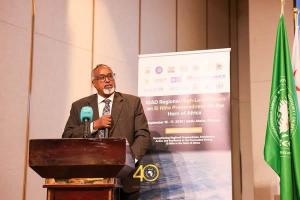
IGAD Pushes Early Investment to Limit El Niño Damage and Recovery Costs
Sep 17, 2026 6981
Addis Ababa, September 17, 2026 (ENA) —IGAD is calling on partners to invest in anticipatory action before El Niño-related impacts intensify, saying early preparedness can reduce damage to livelihoods, infrastructure and economies. In his welcoming remarks at the IGAD Regional High-Level Forum on El Niño Preparedness for the Horn of Africa in Addis Ababa today, IGAD Deputy Executive Secretary Mohamed Abdi Ware emphasized the need for early action. He said ICPAC’s forecast of above-normal rainfall in parts of the Horn of Africa requires countries to act before the impacts occur. “In our region, every dollar invested in resilience can return up to three or four dollars in prevented losses,” Ware said, stressing the economic value of acting before disasters strike. Ware also urged member states to activate preparedness plans, preposition supplies and share early warnings across borders, saying the region can reduce the consequences of El Niño through early action. He called on development and humanitarian partners to invest alongside IGAD member states where anticipatory action is most needed, rather than waiting to finance recovery after disasters occur. “The forecast has spoken. Now it’s our turn to act on it,” he said, urging the region to turn climate information into concrete early action. UNDP Director of the Resilience Hub for Africa, Zeynu Ummer, said weaknesses in financing, cross-border coordination, infrastructure and recovery planning exposed by recent El Niño events are long-term development gaps. He urged countries to integrate disaster risk financing into national budgets, saying reliance on humanitarian appeals is unpredictable and can leave responses underfunded. Ummer called for long-term investments to address flooding and water stress, including water storage, watershed restoration, resilient transport corridors and joint management of shared water basins. He said UNDP stands ready to support recovery assessments and help governments integrate resilience into development budgets, while also strengthening early action through existing local structures. UNICEF Representative in Ethiopia Aboubacar Kampo said early-warning triggers must unlock financing and action before El Niño impacts intensify, including prepositioning essential supplies and strengthening disease surveillance. He urged countries to protect essential services for children, including water, sanitation, healthcare, nutrition and education, while strengthening cross-border coordination to manage displacement and disease outbreaks. El Niño is a climate phenomenon driven by warming Pacific Ocean waters that disrupts rainfall and weather patterns. The forum comes as the Horn of Africa prepares for potential El Niño impacts, seeking to strengthen regional preparedness, early warning and anticipatory action before climate-related risks intensify.
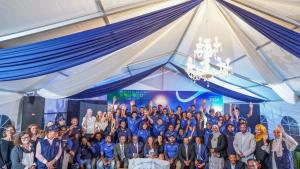
Ethiopia Becomes First Civilian EMT in Africa to Get International Classification
Sep 16, 2026 9674
Addis Ababa, September 16, 2026 (ENA) —Ethiopia has become the first civilian Emergency Medical Team (EMT) in the WHO African Region to achieve international classification, marking a major milestone in the country’s emergency preparedness and response capacity, WHO Regional Office for Africa announced. The achievement comes as countries across the WHO African Region work to strengthen national emergency response capacity. WHO said thirty countries are currently developing national EMT capacities under the Regional Framework on Emergency Medical Teams 2026–2030. For Ethiopia, the milestone follows years of leadership, investment, training and partnership led by the Ministry of Health and the Ethiopian Public Health Institute (EPHI), with technical support from WHO and partners across the Emergency Medical Team Network, it was pointed out. According to Ethiopian Public Health Institute Director-General, Dr. Mesay Hailu, the Ethiopian National EMT underwent a rigorous verification process against WHO standards covering governance, clinical services, logistics, information management, infection prevention and control, water, sanitation and hygiene (WASH), and operational readiness. "Earlier pre-verification and simulation exercises demonstrated the team's ability to establish and operate a fully functional field hospital and effectively respond to complex public health emergencies." Health Minister Dr. Mekdes Daba said, “This is the moment we have been working toward, and I am incredibly proud of what we have achieved together. The successful WHO verification of Ethiopia's National Emergency Medical Team demonstrates our readiness to protect communities when emergencies strike. WHO Country Representative, Dr. Francis Chisaka Kasolo, said the achievement reflects Ethiopia's commitment to protecting communities through stronger preparedness and rapid response capacity. "The successful verification of the Ethiopian National EMT demonstrates what can be achieved through national leadership, sustained investment, strong partnerships and a shared commitment to health security,” he added. According to him, the verification confirms that Ethiopia’s National EMT meets internationally recognized standards for quality, readiness, deployment capacity and emergency medical response. Earlier pre-verification and simulation exercises demonstrated the team’s capacity to establish and operate a fully functional field hospital and respond to complex public health emergencies. Emergency Medical Teams are trained health professionals capable of rapidly deploying during health emergencies, disease outbreaks, natural disasters and humanitarian crises. They provide life-saving clinical services, emergency care, outbreak response and public health support while operating as self-sufficient units in challenging environments.

PM Abiy Wishes Students Success as New Academic Year Begins
Sep 16, 2026 8243
Addis Ababa, September 16, 2026 (ENA) — Prime Minister Abiy Ahmed extended his best wishes to students across Ethiopia as the 2019 academic year begins, urging them to pursue excellence and help shape the country’s future. In a social media post, Prime Minister Abiy Ahmed said, “Our young generation is Ethiopia’s greatest wealth,” adding that “as the 2019 academic year begins, I encourage every student to learn with curiosity, pursue excellence, and develop the skills to shape our nation’s future.” He said much of what is being built today is intended “for generations to come,” stressing that students, as “the beneficiaries and custodians of that future,” have a vital role in carrying Ethiopia’s “proud legacy of civilization forward.” He also commended teachers, saying their dedication is “central to building a capable and confident generation.” “Continue inspiring our students, nurturing their potential, and equipping them with the knowledge and values to thrive,” he said. The Prime Minister also wished all stakeholders in the education sector “a successful and rewarding academic year.”
Economy
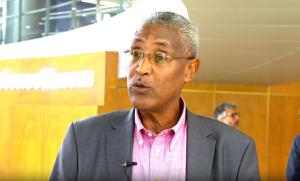
Ethiopia’s Green Energy Drives Electric Mobility Transition: TradeMark Africa
Sep 18, 2026 5412
Addis Ababa, September 18, 2026 (ENA) —Ethiopia’s abundant renewable electricity resources provide a strong strategic foundation for transitioning from diesel-powered transport to electric mobility, according to TradeMark Africa. The organization highlighted the move's potential to reduce transport costs, cut carbon emissions, and enhance regional trade competitiveness. Ewnetu Taye, TradeMark Africa’s Country Director for Ethiopia, shared these insights in an interview with ENA on the sidelines of the Nordic Africa EV Summit, held in Addis Ababa from September 14 to 16. Ethiopia’s abundant renewable energy resources, particularly hydropower, provide a strong foundation for the country’s transition to electric mobility, TradeMark Africa Country Director in Ethiopia Ewnetu Taye said. Ewnetu said the country’s expanding hydropower generation, including electricity from the Grand Ethiopian Renaissance Dam (GERD), could help accelerate the shift from diesel powered transport to electric vehicles. Greater use of electricity in transport could reduce Ethiopia’s dependence on imported diesel while enabling the country to make greater use of its domestic renewable energy resources, he said. “Using the electricity, which is cheap in Ethiopia, is reducing cost of transport,” Ewnetu said. He said lower transport costs could strengthen the competitiveness of Ethiopian imports and exports by reducing the cost of moving goods along major trade corridors. Reduced transport costs could also contribute to increased trade and job creation, he added, giving the transition to electric mobility economic benefits beyond its potential to reduce carbon emissions. The potential is particularly significant in freight transport, where Ethiopia is developing electric trucking initiatives along major trade corridors. Ewnetu identified the Ethio Djibouti corridor, one of the country’s main routes for import and export cargo, as a key focus of electric trucking initiatives under Ethiopia’s five year electric mobility strategy. Introducing electric trucks along high volume trade corridors could help connect Ethiopia’s renewable electricity resources with its transport and logistics system while reducing the costs associated with diesel powered freight movement, he said. However, Ewnetu stressed that the transition requires an enabling ecosystem capable of supporting electric freight transport along major corridors. He identified charging infrastructure, suitable road systems and local technical capacity as key areas that require attention for the successful implementation of electric trucking. Experiences from Nordic countries and other African countries have also helped identify practical requirements and capacity gaps that Ethiopia needs to address as it develops its electric trucking system, he said. Ewnetu said TradeMark Africa is working with partners to support electric trucking initiatives, particularly along the Ethio Djibouti corridor. Beyond transport, he said Ethiopia’s broader efforts to expand renewable energy and promote environmental sustainability provide further opportunities to advance the country’s green development agenda. He cited the country’s hydropower development and large scale tree planting initiatives as examples that could offer lessons to other African countries seeking to expand renewable energy and climate related development. For Ethiopia, Ewnetu said, combining renewable electricity with electric mobility presents an opportunity to reduce transport emissions while addressing the economic costs associated with dependence on imported diesel. TradeMark Africa is an Aid for Trade organization that supports trade facilitation, regional integration and market access across Africa.
Consensus Growing on Ethiopia’s Role in Red Sea Affairs: IFA Researcher
Sep 17, 2026 11366
Addis Ababa, September 17, 2026 (ENA) —TheEthiopia’s quest for sovereign access to the Red Sea has been witnessing growing consensus, Chief of Staff and Senior Researcher of the Horn of Africa at IFA, Gizachew Asrat, said. In an exclusive interview with ENA, Gizachew said Ethiopia’s quest for sea access is gaining momentum as a great asset for the Red Sea region. He noted that “there is a great consensus on Ethiopia’s access to the sea or presence in the sea issues.” Today, Ethiopia’s access to the sea is increasingly viewed as a legitimate strategic right, driven by its growing population and economy, expanding import-export trade, and pressing national and regional security interests. The country’s geographical proximity to the Red Sea, together with its historical links to the region’s ports, has remained central to its argument for pursuing a sustainable maritime outlet. Ethiopia historically administered the ports of Massawa and Assab and maintained naval capabilities before Eritrea’s separation. The Senior Researcher further stated that there is a common understanding that Ethiopia should be around the sea and should also play a great role in the sea in terms of economy and security. He emphasized the significance of advancing on trust-building and cooperation between neighboring countries, and the global community. The researcher, particularly stressed the need for understanding the real intent of Ethiopia's quest for access to the sea. “The geopolitical, geo-economic, technology and energy, and everything are interconnected and interlinked between the maritime, the sea and the land,” he said. Gizachew elaborated that the interconnected nature of regional challenges requires countries to focus on common threats and interests rather than treating maritime and land-based security as separate issues. In this regard, Ethiopia's return to reliable sea access is vital for peace, regional integration and collective security of the Horn of Africa and beyond, he asserted. “Engaging Ethiopia on the Red Sea platform is an asset for the region,” Gizachew said, emphasizing the importance of regional cooperation and partnership. Maritime security should also be examined from wider geopolitical and geo-economic perspectives, particularly given the strategic importance of global waterways and the competition surrounding them. Gizachew further emphasized that Ethiopia is part of the global economic and security system and therefore needs to remain engaged in issues affecting the Red Sea and international maritime routes. “We are part of the globe and we have to be engaged there and definitely Ethiopia should have to be around the sea or on the sea,” he said. He underscored the importance of working closely with regional states and institutions, noting that Ethiopia's return to the sea will be instrumental not only for its national interest but also crucial for ensuring regional stability. Having a huge population, a growing economy, and a strategic location, the return of Ethiopia’s access to the sea is a vital geopolitical imperative for securing maritime security in the Horn of Africa and the wider Red Sea corridor, the senior researcher stressed. As the world’s most populous landlocked nation, the country’s strategic push to reconnect with the Red Sea and Gulf of Aden corridors represents a foundational pillar for both its domestic survival and the broader geopolitical integration.

IFC Welcomes Ethiopia’s Economic Reforms, Citing Stronger Foundations for Private Investment
Sep 17, 2026 7907
Addis Ababa, September 17, 2026 (ENA) —The International Finance Corporation (IFC) has welcomed Ethiopia’s economic reform efforts, saying progress in the foreign-exchange market, international reserves and inflation is helping address some of the key constraints that previously discouraged private-sector investment. Speaking exclusively to The Pulse of Africa, IFC Managing Director Makhtar Diop said Ethiopia had made significant progress in tackling economic challenges that had historically created uncertainty for investors. Reflecting on his previous engagement with Ethiopia, Diop said three major constraints stood out: high inflation, foreign-exchange pressures and inadequate reserve levels. According to Diop, these challenges directly affected the ability of businesses to operate and invest. Foreign-exchange shortages, for instance, made it difficult for companies to import essential goods and could create difficulties in repatriating profits. He said Ethiopia has since taken steps to address these constraints, pointing particularly to the move toward a more flexible exchange-rate system, the rebuilding of foreign-exchange reserves and the reduction in inflation. Diop noted that inflation, which had previously remained in double digits, has now fallen into single-digit territory at certain points, although it continues to fluctuate depending on economic conditions. For private-sector investors, Diop explained, these developments are important because investment decisions depend heavily on economic predictability. Diop said these fundamentals are critical for attracting private capital, emphasizing that investors need a degree of certainty before committing resources to a market. He therefore credited the Ethiopian government for taking what he described as serious steps to address the economic constraints that had previously weighed on private-sector investment. His assessment places Ethiopia’s ongoing economic reforms within a broader effort to create a more predictable environment for domestic and international businesses, with implications for investment, trade, infrastructure and private-sector-led growth across the country. For Africa, the developments also highlight the importance of macroeconomic stability, access to foreign exchange and investment certainty in unlocking greater private-sector participation in the continent’s economic transformation. Diop also highlighted opportunities in Ethiopia’s digital economy, tourism, aviation, infrastructure and renewable energy sectors, as well as the country’s potential to attract investment into housing. During his 1–3 September visit to Ethiopia, IFC Managing Director Makhtar Diop met with Prime Minister Abiy Ahmed and other government officials to discuss economic reforms, private-sector investment and job creation. On 3 September, Prime Minister Abiy oversaw the signing of a framework agreement between the National Bank of Ethiopia and the IFC to establish the country’s first mortgage refinance company. The proposed institution is expected to be capitalised at 100 billion birr, with the IFC contributing at least 200 million US dollars, supporting the government’s ambition to deliver 1.5 million homes over the next five years. The IFC chief said expanding housing would also require greater participation from private developers and investment in skills and construction capacity.
.jpg)
Ethiopia Participates in Global Nuclear Forum in Vienna
Sep 16, 2026 22349
Addis Ababa, September 16, 2026 (ENA) —The 70th General Conference of the International Atomic Energy Agency (IAEA), bringing together representatives of 181 member states, including Ethiopia, is underway in Vienna, with member states discussing nuclear safety and security, technology applications and the peaceful uses of nuclear science. The annual General Conference serves as the IAEA’s principal policymaking forum, where representatives of member states review the Agency’s activities, consider key issues in the nuclear field and set priorities for its work. Since the IAEA was founded in 1957, the conference has provided a global platform for advancing the peaceful applications of nuclear technology across areas ranging from energy production and cancer care to food security, water management, nuclear safety and security, and safeguards. Decisions adopted during the conference help shape the Agency’s programme of work for the year ahead, ensuring that its activities respond to emerging global needs and development priorities. Opening the conference, IAEA Director General Rafael Grossi highlighted the Agency’s achievements over the past year and their positive impacts, underscoring the growing role of nuclear science and technology in addressing development and humanitarian challenges. The conference also features a scientific forum focused on expanding access to cancer treatment services, as well as side events and exhibitions highlighting advances and practical applications of nuclear science and technology. Delegates are further deliberating on measures to strengthen nuclear safety and security and expand the peaceful application of nuclear technology. The agenda includes consideration of the IAEA’s 2025 Annual Report, an update to the Agency’s 2027 budget, financial reports and the election of members to the IAEA Board of Governors. Representing Ethiopia at the high-level conference are Ambassador Haileselassie Subba, Deputy Permanent Representative Permanent Mission Geneva and Second Secretary Betelhem Mekonnen, who are leading the Ethiopian delegation. The 70th General Conference comes as countries continue to explore how nuclear science and technology can contribute to global priorities, including energy, health, food security, environmental management and sustainable development.
Videos

.jpg)
.jpg)
Technology
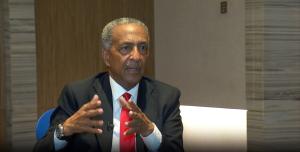
Ethiopia’s Tech, AI Push Drives Global Competitiveness, Says CBE Capital Investment Bank CEO
Sep 18, 2026 6082
Addis Ababa, September 18, 2026 (ENA) —Ethiopia’s strategic focus on technology and artificial intelligence (AI) is carving out a new path toward global economic competitiveness, according to Zemedeneh Negatu, CEO of CBE Capital Investment Bank. Speaking in an interview with ENA, Zemedeneh emphasized that technology and AI are driving the modern global economy, making digital skills and automation critical for rapid economic development. He highlighted the swift shift toward digital ecosystems, particularly among younger demographics, as a primary engine of this ongoing transformation. He said Ethiopia’s young population, combined with expanding access to technological skills, could help the country emerge as what he described as the “Silicon Valley of Africa.” Zemedeneh also highlighted Ethiopia’s initiative to train five million coders, saying a large pool of digitally skilled young people could accelerate technological advancement while creating new opportunities for the country’s growing workforce. He stressed that Ethiopia cannot rely solely on traditional economic approaches to sustain future growth, underscoring the need for greater national ownership and long term commitment to technology and artificial intelligence. “Such efforts will be critical for building the Ethiopia of tomorrow,” he said. As artificial intelligence and technological transformation continue to reshape the global economy, Ethiopia’s growing investment and policy focus on the sector are creating opportunities to boost productivity, develop new industries and strengthen the country’s position in the global digital economy, he added. Science and technology have become increasingly important to Ethiopia’s economic transformation, with digital initiatives contributing to changes in financial services, public service delivery, communications and other areas of economic activity. Ethiopia has also sought to strengthen its role in the development and application of artificial intelligence technologies in Africa while promoting wider access to emerging digital technologies across the continent. In this regard, Prime Minister Abiy Ahmed has been appointed African Union Champion for Artificial Intelligence and Digital Health, reflecting the growing continental focus on AI and digital transformation.
Ethiopia Participates in Global Nuclear Forum in Vienna
Sep 16, 2026 22349
Addis Ababa, September 16, 2026 (ENA) —The 70th General Conference of the International Atomic Energy Agency (IAEA), bringing together representatives of 181 member states, including Ethiopia, is underway in Vienna, with member states discussing nuclear safety and security, technology applications and the peaceful uses of nuclear science. The annual General Conference serves as the IAEA’s principal policymaking forum, where representatives of member states review the Agency’s activities, consider key issues in the nuclear field and set priorities for its work. Since the IAEA was founded in 1957, the conference has provided a global platform for advancing the peaceful applications of nuclear technology across areas ranging from energy production and cancer care to food security, water management, nuclear safety and security, and safeguards. Decisions adopted during the conference help shape the Agency’s programme of work for the year ahead, ensuring that its activities respond to emerging global needs and development priorities. Opening the conference, IAEA Director General Rafael Grossi highlighted the Agency’s achievements over the past year and their positive impacts, underscoring the growing role of nuclear science and technology in addressing development and humanitarian challenges. The conference also features a scientific forum focused on expanding access to cancer treatment services, as well as side events and exhibitions highlighting advances and practical applications of nuclear science and technology. Delegates are further deliberating on measures to strengthen nuclear safety and security and expand the peaceful application of nuclear technology. The agenda includes consideration of the IAEA’s 2025 Annual Report, an update to the Agency’s 2027 budget, financial reports and the election of members to the IAEA Board of Governors. Representing Ethiopia at the high-level conference are Ambassador Haileselassie Subba, Deputy Permanent Representative Permanent Mission Geneva and Second Secretary Betelhem Mekonnen, who are leading the Ethiopian delegation. The 70th General Conference comes as countries continue to explore how nuclear science and technology can contribute to global priorities, including energy, health, food security, environmental management and sustainable development.
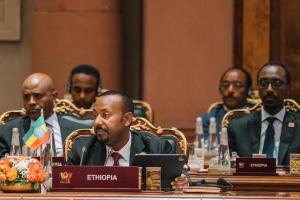
PM Abiy Calls for Stronger BRICS-Africa Partnerships, Coordinated Action Ahead of COP32
Sep 12, 2026 35838
Addis Ababa, September 12, 2026 (ENA) —Prime Minister Abiy Ahmed called for stronger cooperation among BRICS members and deeper engagement with Africa. Addressing the 18th BRICS Summit in New Delhi, the Prime Minister emphasized the need to build resilience, expand value creation and accelerate climate and economic transformation. PM Abiy also thanked Indian Prime Minister Narendra Modi and the Government of India for their leadership, saying the summit’s theme of resilience, innovation, cooperation and sustainability reflects the interconnected challenges facing the world. “Shocks rarely come alone,” the Premier said, stressing that resilience must be built into national governance and systems before crises emerge. He highlighted Ethiopia’s progress in food security, noting that the country has moved from dependence on imported wheat toward self-sufficiency. Ethiopia, Prime Minister Abiy said, therefore approaches the proposed BRICS grain exchange not only as a consumer but also as a producer and potential supplier. The Prime Minister also underscored Ethiopia’s efforts to expand pharmaceutical manufacturing, strengthen digital public infrastructure and develop digital identification, payment and data-exchange systems. On artificial intelligence, PM Abiy called for a more inclusive next generation of AI that better understands Africa’s languages, communities and knowledge systems. He said Ethiopia’s Medemer University of Artificial Intelligence reflects the country’s ambition to work with BRICS institutions to develop AI that better serves Africa, while stressing that ethical governance must be matched by research capacity, computing infrastructure, skills and strong institutions. The Premier further highlighted the potential for BRICS cooperation to connect Africa’s natural resources with capital, technology and markets, particularly, he explained untapped potential in critical minerals, renewable energy and advanced manufacturing. “Africa holds many of these resources,” he said, emphasizing the opportunity to create greater value where resources are found rather than exporting raw materials without sufficient local value addition. He also pointed to Ethiopia’s strategic connectivity, citing Ethiopian Airlines’ global network, electricity exports to neighboring countries and Addis Ababa’s role as the headquarters of the African Union as platforms for wider economic and strategic partnerships. In this regard, Prime Minister Abiy called for stronger consultation between BRICS and the African Union to ensure engagement with the continent is better aligned with Agenda 2063. Turning to global finance, the Prime Minister urged faster, more transparent and predictable mechanisms for debt resolution, drawing on Ethiopia’s ongoing economic reforms and external debt restructuring. PM Abiy also backed efforts within BRICS to facilitate cross-border payments and expand the use of local currencies where this can reduce transaction costs and promote trade. On climate change, Premier Abiy said Ethiopia views climate action and economic transformation as mutually reinforcing priorities. He highlighted the Green Legacy Initiative, renewable energy expansion, electric mobility and investments in resilient agriculture, cities and infrastructure. Looking ahead to COP32 in Addis Ababa in 2027, PM Abiy said Ethiopia intends to make the conference a “COP of delivery and hope,” with a strong focus on climate adaptation, practical solutions, climate finance and responsible use of emerging technologies. He proposed establishing a BRICS coordinating track on the road to COP32 to translate shared priorities into practical areas of agreement ahead of the Addis Ababa climate summit. Concluding his remarks, Abiy said the future requires countries to manage differences while pursuing common objectives, stressing that BRICS’ strength lies in what its members can achieve together. “Ethiopia comes to its partnership ready to contribute,” he said, inviting BRICS members to Addis Ababa for COP32 in 2027.

Digital Sovereignty Eliminates Technological Dependency to Drive Self-Reliant New Ethiopia: Prime Minister Abiy
Sep 10, 2026 18450
(September 10, 2026, Addis Ababa) —Ethiopia’s strategic leap from paper to digital systems and from passive consumption to active innovation has placed the nation on a monumental trajectory toward a self-reliant digital economy, Prime Minister Abiy Ahmed announced today. PM Abiy made the statements in a message shared on his official X page on September 10 or Pagume 5 on Ethiopian Calendar, observed nationally as "The Day of the Future," marking the final day of the bridge period preceding the Ethiopian New Year. Highlighting how technology has been embedded across sectors, he emphasized the cultural evolution taking place nationwide. "From paper to digital, from passive consumption to active innovation!" Abiy said. "By learning from the past and relentlessly building the present, digital transformation is becoming our living daily culture streamlining commerce, enhancing accessibility, and modernizing public services." The Prime Minister pointed to human capital building as a core driver of the nation’s technological advancement and youth empowerment. "As the 5 million Ethio-coders initiative empowers our youth as AI creators toward a 7 million target, our expanding digital service infrastructure guarantees quality and seamless access for all," he stated. Underscoring the achievement of complete strategic independence in technology, Abiy affirmed that national capacity now protects the country's economic future. "Backed by homegrown capacity, our Digital sovereignty eliminates technological dependency proudly signalling a self-reliant, digitally driven new Ethiopia," he said.
Sport
.jpg)
WHO RC76 Participants “Walk the Talk” in Addis Ababa, Championing Healthier Africa
Aug 23, 2026 65444
Addis Ababa, August 23, 2026 (ENA) —Participants of the 76th Session of the World Health Organization (WHO) Regional Committee for Africa (RC76) joined a symbolic health walk on Sunday from the Adwa Victory Memorial to Meskel Square in Addis Ababa. The participants also turned the message of “Walk the Talk” into action while promoting physical activity and healthier lifestyles across Africa. Ethiopia’s Minister of Health Dr. Mekdes Daba, African health ministers, senior government officials, WHO leaders and prominent athletes, including Ethiopian Athletics Federation President Commander Sileshi Sihine, took part in the event. The initiative sought to translate health policies and commitments into practical action by encouraging people to make regular physical activity part of their daily lives and strengthening public awareness about the prevention of non-communicable diseases. The walk began at the Adwa Victory Memorial, a landmark symbolizing Ethiopia’s historic victory and African resistance to colonialism, and continued through Addis Ababa’s pedestrian routes before concluding at Meskel Square. Organizers emphasized that regular physical activity plays a vital role in reducing the risk of non-communicable diseases, including diabetes, hypertension and cardiovascular diseases, while contributing to healthier and more active communities. The event also highlighted Africa’s collective commitment to improving public health and demonstrated the importance of moving beyond policy discussions toward tangible, everyday health practices. The 76th Session of the WHO Regional Committee for Africa, scheduled to take place in Addis Ababa from August 24 to 28, 2026, will bring together more than 600 delegates, including health ministers and senior officials from the WHO African Region’s 47 member states, global health leaders, development partners, donors and WHO representatives. Over the five-day session, participants will assess progress toward regional health goals, deliberate on new strategies and resolutions. The session is also anticipated to identify collective actions to strengthen health systems, advance universal health coverage, enhance health security and improve emergency preparedness across the continent. The gathering is expected to serve as a major platform for African countries and global health partners to deepen continental health cooperation and advance practical solutions to Africa’s most pressing health challenges.

National Dialogue Conference to Address Root Causes of Differences through Consultation, Says ENDC Chief
Jul 12, 2026 94024
Addis Ababa, July 12, 2026 (ENA) —The upcoming National Dialogue Conference will serve as a platform to resolve the issues underlying Ethiopia's longstanding differences through peaceful consultation, Chief Commissioner of the Ethiopian National Dialogue Commission (ENDC) Professor Mesfin Araya, said. Speaking at a five-kilometer public race organized by the Commission at Meskel Square under the theme "Ethiopia is consulting" today, Professor Mesfin said the country has finalized all preparations for the landmark conference, which is scheduled to begin on July 15, 2026 in Addis Ababa. "The main national consultation conference will be a place where issues that are the source of our differences will be resolved through consultation," he said. According to the Chief Commissioner, delegates representing communities from every region, all woredas, Addis Ababa, Dire Dawa, and Ethiopians living abroad have already arrived in the capital to participate in the conference. He said participants are expected to engage in inclusive and constructive discussions and work toward consensus on recommendations that offer lasting solutions to issues that have fueled differences among Ethiopians. Professor Mesfin described the conference as a historic opportunity to address national challenges through dialogue rather than confrontation. He also expressed appreciation to security institutions, federal and regional government bodies, civil society organizations, and other stakeholders for their contributions in preparing for what he described as a significant stage in Ethiopia's national dialogue process. Participants in a five-kilometer race also expressed optimism that the conference would help strengthen national unity and foster lasting peace. "There is no problem that cannot be solved through consultation," participant Sherefa Ali said. "I believe the challenges that have persisted in Ethiopia for generations can be addressed through the main consultation conference." He added that such dialogue platforms help build trust between citizens and the government while creating opportunities to work together toward common national goals. Another participant, Gemechisa Waqgari, said the conference represents an important step toward reinforcing peace, unity, solidarity, and democratic values. Participant Tnisae Abebe also voiced hope that the conference would generate practical ideas to address the country's social and economic challenges. The National Dialogue Conference will deliberate on eight broad thematic areas identified during nationwide consultations. The agenda includes nation building, systems of government and governance, the political and electoral system, the status of the federal cities of Addis Ababa and Dire Dawa, religion and state relations, institution building, the rule of law and human rights, socio economic issues including the concerns of farmers and pastoralists, corruption and good governance, as well as peace building. The five kilometer race was attended by Deputy Chairperson of the House of Peoples' Representatives Standing Committee on Democratic Affairs Azmeraw Andemo, Professor Mesfin Araya, senior government officials, representatives of civil society organizations, and members of the public.

Diplomatic Football Participants Praise Ethiopia’s Heritage and Hospitality
Jun 14, 2026 91618
Addis Ababa, June 14, 2026 (ENA) —Participants in a diplomatic football event held in Addis Ababa have praised Ethiopia’s cultural heritage, historical legacy and warm hospitality. The tournament, organized in anticipation of the 2026 World Cup, brought together diplomatic football teams and invited guests who later toured key historical and cultural sites in the city. The delegation visited the Ethiopian National Museum, the Adwa Victory Memorial and Addis Sport Park, gaining what many described as a deeper appreciation of Ethiopia’s past and present development. Several participants said the experience reshaped their understanding of the country. Gordon Johnson, one of the participants, expressed admiration for what he witnessed during the visit. “The people are so welcoming and friendly. I love the culture,” he said. He further stated that: “We had a tour of the museum, and the guide showed us hominid fossils recovered in the ’60s, ’70s, and ’90s that date back millions of years.” Johnson said the experience reflected Ethiopia’s deeper historical significance beyond modern perceptions. Cameroonian guest Loic Kovamo also said the visit challenged her previous perceptions of the country. “I am speechless because I didn’t picture Ethiopia like this. It’s a very developed country, and the people are so proud of who they are,” she said, noting, “I’m going back with a lot of pride as an African because I discovered the incredible courage and bravery of the Ethiopian people.” Mark Hayes, one of the visitors, said his expectations were changed after arriving in Addis Ababa. “You have a perception before you come, but it’s the complete opposite. It’s an amazing country,” he said, adding, “What we do now is go home and tell stories about how good Ethiopia is. I feel like a proud advocate.” He further noted that he intends to share his experience in the United Kingdom, saying he would “educate others in England about what he had seen in Addis Ababa.” Joseph Kirule, who works with the Food and Agriculture Organization of the United Nations in Addis Ababa, highlighted the importance of the historical sites visited. “Today we saw different milestones in human civilization that originated here,” he said, adding, “Most importantly, we learned about the Adwa victory. That is a massive milestone that raises our prestige as Africans.”

Ethiopian Airlines Rises as Africa’s Leading Carrier After Decades of Expansion, Success, Says CEO
May 17, 2026 97955
Addis Ababa, May 17, 2026 —Ethiopian Airlines has solidified its position as Africa’s largest and leading airline after years of sustained growth and operational success, the airline’s Group Chief Executive Officer, Mesfin Tasew, said on Sunday. The remarks were made during an 8-kilometer street race organized as part of celebrations marking the airline’s 80th anniversary. Speaking at the event, CEO Mesfin reflected on the airline’s humble beginnings in 1946, when it launched operations with only a small fleet of aircraft. Since then, he said, the carrier has expanded significantly and now operates one of the continent’s most modern fleets, including advanced aircraft from Boeing and Airbus. According to Tasew, the airline currently serves more than 145 international destinations worldwide and has achieved strong growth across multiple sectors, including cargo transportation, aviation training through the Ethiopian Aviation Academy, and other aviation-related services. He further said the airline’s operational strength and long-term strategic investments have helped make it one of the most preferred carriers in Africa and a major player in the global aviation industry. As part of commemorating its eight decades of operations, Ethiopian Airlines is holding a series of celebratory events, including the street race, panel discussions, exhibitions, and community outreach programs. The anniversary run attracted senior officials, including Sileshi Sihine, President of the Ethiopian Athletics Federation, alongside airline executives and invited guests. The race began at Pushkin Square, commonly known as Sar Bet, and is set to conclude at Bole International Airport. Athletes, airline employees, members of the sporting community, and participants from various institutions are taking part in the event.
Environment
Anticipated El Niño Threat Now a Question of Action, Not Prediction: IGAD
Sep 19, 2026 2739
Addis Ababa, September 19, 2026 (ENA) — With forecasts pointing to an El Niño event in December, IGAD says the priority has shifted from prediction to preparedness. El Niño is a climate phenomenon associated with unusual warming of Pacific Ocean waters. Speaking to ENA on the sidelines of the IGAD Regional High-Level Forum on El Niño Preparedness for the Horn of Africa, held in Addis Ababa from September 15 to 17, 2026, IGAD Deputy Executive Secretary Mohamed Abdi Ware stressed the need for urgent action based on scientific forecasts. “We are saying it's not a question of if, it's a question of ‘what do we do now?’” he said, underscoring the importance of timely preparedness. He also expressed confidence in the accuracy of climate information provided by the IGAD Climate Prediction and Applications Centre (ICPAC), noting that the previous May forecast was “almost exactly as predicted.” That confidence, he said, should encourage governments and other stakeholders to act early rather than wait for the impacts to unfold. The consequences, he noted, extend far beyond climate statistics, affecting people, livelihoods and communities across the region. Possible impacts include reduced grazing access for pastoral communities, livestock diseases, crops rotting in fields before harvest, damaged infrastructure and isolated communities. “These are not just figures. These are real people and real communities that will be impacted by this phenomenon,” he said. Presentations from IGAD member states showed that countries are already taking steps to prepare for the anticipated impacts, he said, adding that each state must tailor its measures to the specific risks it faces. ICPAC’s regional climate outlook has forecast wetter-than-normal conditions across much of the Greater Horn of Africa during the October–December 2026 season, with excessive rainfall expected to heighten the risk of flooding, crop losses and damage to critical infrastructure. The response will require financing to ensure that preparedness measures are implemented before the impacts materialize. “These activities will need financing,” he said, calling on development partners and finance ministries in IGAD member states to work with national disaster risk management agencies to mobilize local resources. Such resources would help countries take timely measures to protect vulnerable communities, he added. “After all, it is our people that will be impacted,” he said. Beyond preparedness, IGAD will continue facilitating knowledge and experience sharing among member states to strengthen climate-risk responses. Countries with effective response measures can offer lessons for others in the region and help scale up successful approaches, he said. Coordinated action among member states is essential, he added, because the anticipated impacts will affect countries and communities differently. Reliable scientific forecasts, he said, give the region an opportunity to move from reacting after disasters strike to taking timely action based on early warning. The immediate priority is to translate scientific information into practical preparedness measures capable of protecting people, livelihoods and communities from the anticipated El Niño impacts.
Foreign Researchers Hail Ethiopia’s Green Legacy Initiative as a Model for Environmental Conservation
Sep 19, 2026 2222
Addis Ababa, September 19, 2026 (ENA) —Foreign forestry researchers have praised Ethiopia’s Green Legacy Initiative as an outstanding example of environmental conservation, citing its wide-ranging contribution to climate action and food security. It was learned that Ethiopia has planted a total of 56.2 billion seedlings, further strengthening the country’s leadership in efforts to restore and protect natural resources. According to the foreign researchers interviewed by ENA, the initiative is not only helping Ethiopia lay the groundwork for greater resilience in food production and long-term sustainability, but is also addressing the impacts of global climate change. Dutch researcher Albert Schenk described the initiative as a practical demonstration of Ethiopia’s contribution to the fight against climate change. He said Ethiopia’s Green Legacy Initiative is an impressive model for development and urged other countries to support similar efforts. Schenk emphasized that protecting forests and natural resources is essential to building a climate-resilient economy, and argued that investment in green development delivers returns worthy of sustained attention. Ugandan forest resource development researcher Robert Atugonza said Ethiopia is pursuing ambitious forestry and natural resource protection plans while delivering tangible results. He added that the initiative continues to serve as a foundation for climate mitigation, environmental protection, and food security. He urged other African countries, particularly in East Africa, to learn from Ethiopia’s approach and maintain momentum through collective effort. Tanzania-based forestry protection program coordinator Almas Kashindye described Ethiopia’s sustained seedling planting and care efforts as a remarkable public initiative. He noted that protecting and nurturing natural resources offers multiple benefits, including safeguarding biodiversity and water bodies, while supporting climate mitigation and food security. Bolivian scholar Humberto Gómez Cerveró, the Thematic Lead on Participatory Forest Restoration and Programme Coordinator at Tropenbos International also praised Ethiopia’s citizens for their contributions, noting that the seedlings planted in recent years carry significant value for ongoing global climate efforts. The researchers said the initiative reflects a comprehensive development strategy that has achieved notable success in a short period.
.jpg)
EU Supports Ethiopia’s COP32 Hosting, Green Growth Agenda
Sep 18, 2026 5204
Addis Ababa, September 18, 2026 (ENA) — The European Union (EU) will support Ethiopia’s preparations to host the 32nd United Nations (UN) Climate Change Conference (COP32) and strengthen cooperation on environmental protection and green economic development, an EU official said. Adrián Cano Guerrero, Program Officer for Trade, Economic and Private Sector Development at the EU Delegation to Ethiopia, told ENA that the EU remains committed to close engagement with Ethiopia ahead of the global climate summit. “The commitment of the Ethiopian government to organize COP32 here in Ethiopia is something that the EU will be supporting and we will be having a very strong engagement on that,” Guerrero said. He said the EU’s engagement with Ethiopia extends beyond COP32 preparations, with climate change, environmental protection and sustainable economic development emerging as important areas of cooperation. Guerrero noted that the EU is among the international partners working to address climate change and environmental degradation, adding that Ethiopia’s COP32 preparations could create opportunities to expand cooperation with Ethiopian institutions. He further said the EU is interested in supporting initiatives that integrate climate action into economic activities and contribute to sustainable development. The cooperation could cover areas including environmental standards, water management, climate resilient development and the expansion of green economic activities. Guerrero said the EU also intends to work with Ethiopian institutions to translate climate cooperation into broader economic and environmental outcomes. The EU official also welcomed Ethiopia’s ongoing macroeconomic and structural reforms, saying the changes have resulted in visible transformations in several areas. “We really see the transformation that has been taking place on several realms: on FX, on the governance of certain institutions and on the SOE reform. We are really happy about it and we are trying to support them with our own actions,” he said. Guerrero further elaborated that EU’s multisectoral engagement is aligned with Ethiopia’s national development priorities and includes support for sustainable agricultural value chains, digitalization, green energy, public private sector engagement and improvements to the business environment. He also highlighted the EU’s interest in Ethiopia’s financial sector reforms, particularly the liberalization and privatization measures and the operationalization of the country’s capital market. The EU’s planned engagement comes as Ethiopia steps up preparations to host COP32 while pursuing economic reforms and climate related development initiatives aimed at supporting sustainable and green growth.
.jpg)
Anticipated El Niño 2026 Challenges Require Regional Solidarity: Deputy Commissioner
Sep 18, 2026 4108
Addis Ababa, September 18, 2026 (ENA) — The potential impacts of El Niño in 2026 require political leadership, national ownership and regional solidarity, Ethiopian Disaster Risk Management Deputy Commissioner Aydrus Hassan noted. He said they also require timely financing and early action beyond technical preparedness. In his opening remarks at the IGAD Regional High-Level Forum on El Niño Preparedness for the Horn of Africa, the Deputy Commissioner said Ethiopia is strengthening its disaster risk management system to become more multi-hazard, impact-based, anticipatory and multi-sectoral. The system links monitoring, forecasting, impact assessment, early warning, preparedness, anticipatory action and response, Aydrus added. Moreover, he said that Ethiopia is strengthening national self-reliance, including through its Disaster Risk Response Fund, which provides predictable financing for disaster preparedness, early warning, anticipatory action, response and resilience building. At the regional level, IGAD and ICPAC have been working to strengthen cross-border information sharing, joint risk analysis, inter-operable early-warning systems and coordinated anticipatory action. These efforts are important given risks affecting shared river basins, livestock corridors, markets and population movements. Aydrus urged IGAD member states to ensure that financing is available before disasters occur and translate the regional high-level call to action into concrete commitments. He added that international assistance should complement national leadership rather than substitute for it. The Deputy Commissioner further stressed the need to connect forecast, trigger, financing, and action to protect lives, livelihoods and development gains. The forum has brought together IGAD member states and partners to strengthen regional preparedness and early action. The 2026 El Niño is forecast by the World Meteorological Organization to become a very strong, potentially historic event peaking late in the year and extending into 2027.
Most viewed
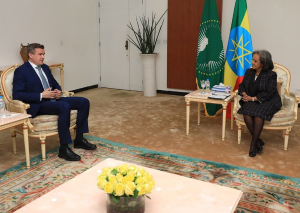
President Sahle-Work Holds Discussion with World Anti-Doping Agency President Bonka
Mar 29, 2023 285495
Addis Ababa March 29/2023/ENA/ President Sahle-Work Zewde has received a delegation led by World Anti-Doping Agency (WADA) President Witold Bonka today, according to the Office of the President. The discussion centered on the conditions under which Ethiopia and the World Anti-Doping Agency can work closely in anti-doping control and investigation, and how the organization can provide technical support, it was learned. During the discussion, Sahle-Work said that Ethiopia has a long history in athletics and is known in the world since athlete Abebe Bikila won marathon in Rome. She finally thanked the World Anti-Doping Agency for its technical support in anti-doping control.
Ethiopian Diaspora Demand Egypt to Change Counterproductive Posture on GERD
Apr 4, 2023 234108
Addis Ababa April 4/2023 (ENA) Ethiopians in the Diaspora have called on Egypt to change its counterproductive posture and find mutually beneficial agreements on the Grand Ethiopian Renaissance Dam (GERD). In a statement the diaspora issued yesterday, they noted that Ethiopia is the main source of the Nile by contributing 86 percent of the water to the Nile basin states while utilizing less than 1 percent of the potential for hydroelectric power. Ethiopians are currently building the GERD on the Blue Nile that is financed entirely by Ethiopians and is a crucial project for the country's development as it will provide clean, renewable energy and lift millions out of poverty. About 65 percent of the 122 million of Ethiopia's population have no access to any form of electricity. The much-needed electricity will facilitate economic growth for Ethiopia and the region, the statement elaborated. The dam will promote regional cooperation and integration while offering opportunity for eleven countries of the Nile Basin to work together to manage the river's resources more efficiently and effectively, it added. The GERD is being built with the highest environmental and technical standards to achieve the objectives of the national electrification program and the execution of Ethiopia’s Climate-Resilient Green Economy Strategy. According to the statement, Ethiopia has provided scientific evidence and expert testimonies that GERD will not significantly affect the flow of water downstream, and provided compelling arguments for the need for equitable use of the Nile's resources by all countries in the region. The diaspora further said they understand that the GERD has raised concerns in Egypt about the downstream effects on the Nile's flow and water availability since Egyptians have been misinformed about the GERD for many years. But on the contrary, the dam will provide several benefits to Egypt and Sudan, including increased water flow during dry seasons and decreased flooding events. “We want to assure Egyptians that Ethiopians are committed to fair and equitable use of the Nile's waters without harming our downstream neighbors. We recognize that the Nile River is a shared resource, and we support finding a mutually beneficial solution.” As Ethiopians in the Diaspora, we reiterate our support for fair and equitable use of the Nile River and call on the Egyptian people and Egyptian Diaspora to question the misinformation about the GERD in Egypt's mainstream media and embrace the spirit of friendship and cooperation by understanding that the GERD is a project of great national importance to Ethiopians that will benefit Egyptians by ensuring a reliable and predictable supply of water, that Ethiopians have the right to use their water resources for the development of its people and economy, in accordance with the principles of equitable and reasonable utilization without causing significant harm. Efforts to destabilize Ethiopia by the regime in Egypt, will indeed affect the historical and diplomatic relations dating back to several thousand years, the long-term interest of the Egyptian people and make Ethiopians less trusting in cooperating on the GERD and future hydropower projects on the Nile, they warned. The diaspora groups urged Egyptian leaders to engage in constructive dialogue with the leaders of Ethiopia regarding the GERD and steer away from their counterproductive posture of calling for a “binding agreement” on the GERD filling and the subsequent operations as an imposing instrument on water sharing that Ethiopians will never accept. The GERD can be a source of cooperation and collaboration between our two countries rather than a source of conflict, they underscored. "Ethiopians believe that, through dialogue and understanding, peaceful and equitable agreements that benefit all parties involved can be realized to build a brighter future for all people in the Nile basin. Belligerent positions by Egyptian leaders stating ‘all options are open’ are contrary to the spirit of the 2015 Declaration of Principles signed by Ethiopia, Sudan and Egypt." According to the statement, such postures will surely harm Egypt's long-term interest and impede trustful cooperation with the Ethiopian people and government. They asked Arab League and its member states to refrain from interfering in the issue of the GERD, which is the sole concern of the three riparian countries (Ethiopia, Sudan and Egypt) and their shared regional organization (the African Union), which is mediating the talks to find ‘African Solutions to African Problems.’ The issues remaining on the table at the trilateral negotiations under the auspices of the African Union are being narrowed to a handful of critical matters on equity and justice, on which the Arab league nations have no business or legal right to be involved.

Ethiopia's Ayana Takes Paris Win on Marathon Debut
Apr 2, 2023 233220
Addis Ababa April 2/ 2023 (ENA) Ethiopia's Abeje Ayana won the men's race at the Paris Marathon on Sunday in his first competitive run over the distance. The 20-year-old Ayana won with a time of two hours, seven minutes and 15 seconds, 20 seconds ahead of compatriot and pre-race favourite Guye Adola with Kenya's Josphat Boit a further five seconds back in third. After clocking 59:39 in a half marathon in Poznan, Poland in 2021, Ayana was one of the men to watch on a grey, windy morning in the French capital, Reuters reported.
Africa’s Sustainable Growth Hinges on Science, Technology and Innovation: Experts
Mar 3, 2023 231045
Addis Ababa March 3/2023/ENA/ Achieving the ambitious targets of the 2030 and 2063 Agendas of Africa requires leveraging the power of science, technology, and innovation (STI), according to experts. A press release issued by the ECA stated experts at the Ninth African Regional Forum on Sustainable Development have emphasized the crucial role of STI as a key driver and enabler for ensuring economic growth, improving well-being, mitigating the effects of climate change, and safeguarding the environment. They also underscored the need to strengthen national and regional STI ecosystems by fostering innovation, promoting entrepreneurship, and investing in research and development. By doing so, the experts said that Africa can harness the potential of STI to accelerate its socio-economic progress and achieve the Sustainable Development Goals (SDGs) by 2030 and the African Union's Agenda by 2063. The session, held on 2 March 2023, builds on the recommendations of the Fifth African Science, Technology, and Innovation Forum, which accentuates the central role of STI and digitalization during the COVID-19 pandemic and the need for the necessary infrastructures for the development of STI, plans, and policies that are action-oriented towards strengthening its full implantation. The experts highlighted that despite advances in STI, significant gaps remain in bridging the scientific and technological divide between developed countries and Africa. The highly uneven global distribution of scientific capacity and access to knowledge threatens to derail the goal of leaving no one behind, which is the central and transformative promise of Agenda 2030. “We need a clear political will from governments to ensure science, technology, and innovation is a reality. By doing so our education systems will be capacitated to deliver knowledge that is vital to solving Africa’s sustainability challenges,” Niger Higher Education and Research Minister Mamoudou Djibo said. The strategy includes the establishment of universities as centers for excellence and investments in education, technical competencies, and training in the fields of science, technology, research, and innovation. These initiatives are crucial in accelerating progress towards achieving global goals. However, in order to fully leverage the potential of STI, significant investments in research and development are required. National systems also need to be strengthened, Namibia Information and Communication Technologies Deputy Minister Emma Theophilus, stated adding that “strengthening our national systems for STI is a key game changer for rapid structural transformation in Africa. Leveraging the digital transformation can achieve a stronger, smarter, and more inclusive recovery.” Emerging evidence suggests that an STI and digital Africa can be a springboard to accelerate the implementation of the SDGs and fulfill the aspirations of Agenda 2063.
Feature Article
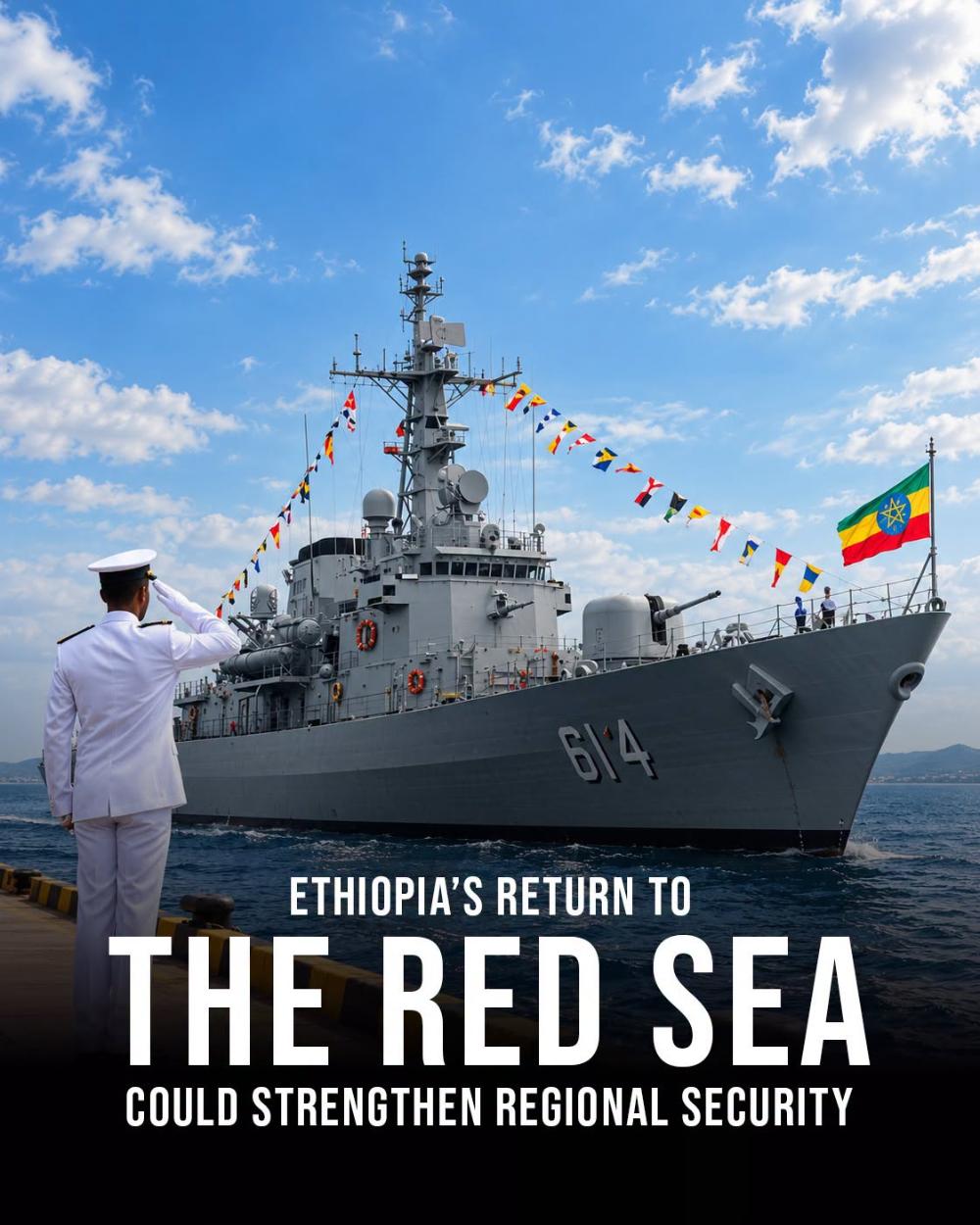
Why Does Red Sea Security Need Ethiopia?
Sep 15, 2026 17288
With analysis from Pulse of Africa (POA) By Mahder Nesibu Sept. 15, 2026 The Red Sea, a narrow waterway connecting the Gulf of Aden and the Indian Ocean to the Mediterranean, has in recent years come under heavy insecurity. The prevalence of armed groups around the waterway, compounded by threats such as piracy, has undermined its reliability, despite it handling around 13 percent of global shipping. This threat has now come under the spotlight. When war broke out between Iran on one side and Israel and the United States on the other, a similar waterway, the Persian Gulf, and the chokepoint connecting it to the Indian Ocean, came to be weaponised, with Tehran effectively choking a passage that handles 25 percent of the world's oil and gas output. The same weaponisation became visible at Bab-el-Mandeb, the chokepoint of the Red Sea, when Yemen's Houthis, who control the country's north bordering the chokepoint, declared a blockade against Israel in March 2025, partly motivated by their alignment with Iran. The rebels have since extended that blockade to Saudi Arabia, with whom they have been at war for over a decade, a conflict paused by a truce in 2022. Just last week, A blitzkrieg offensive by Houthi forces over the past week has shattered the regional status quo, placing the strategic Bab al-Mandeb Strait firmly under their control. Sweeping down Yemen’s western coast with relentless momentum, the forces have completely overrun Saudi-backed government positions, meeting virtually zero resistance along the way. Saudi is said to have launched counter offensives with sorties targeting Houthis’ positions. The situation remains fluid. Saudi ships, like Israeli ones, have become targets for the Houthis, compounding the insecurity the waterway has been witnessing. On top of that, piracy, primarily emanating from the Somali coast, continues to pose a threat. Although thought to have decreased in frequency, piracy on Bab-el-Mandeb and the Red Sea appears to be resurging. The New York Times reported in late August that the pattern points to a possible resurgence, with 2026 alone seeing 17 piracy-related incidents documented. Although Israeli and Saudi shipping, alongside international cargo, are coming under direct attack, the effects of this insecurity are more structural. According to Reuters, shipping across the Red Sea has declined by as much as 60 percent since 2023, when the Houthi weaponisation of the chokepoint began, and has not effectively recovered since. These figures translate into greater costs for shipping and slower traffic, as ships are diverted through the Cape of Good Hope route along southern Africa, adding extra days at sea and additional fuel costs. For countries served through the Red Sea itself, this has meant greater volatility in their trade. Beyond the added costs of moving ships through the sea, it means living with the risk of disruption, particularly for essentials such as oil and gas. This has been the case for countries in the Horn of Africa and the Persian Gulf, whose supply lines have been subject to disruption. Moves to secure the Red Sea and Bab-el-Mandeb have largely been futile, falling short of a comprehensive and cohesive plan to meet the challenge, as geopolitical competition within the Middle East and the Horn of Africa has undermined such efforts. One country that has been making efforts to secure the Red Sea is Ethiopia. The Horn of Africa state, the largest in the region by both population and economy, has been trying to establish a security presence on the waterway to help address the prevailing insecurity. Ethiopia relies on Djibouti, the country on the African side of Bab-el-Mandeb, for more than 85 percent of its maritime affairs, and its imposed landlocked status has limited its ability to contribute to addressing a security dilemma that carries consequences for its own economy and stability, as well as those of its neighbours. This, alongside historical realities and demographic concerns, has formed the foundation of the country's case for a return to the Red Sea. Access to the sea has been treated as a primary issue of national interest by the majority Ethiopians for long —an issue that received greater prominence particularly since 2018, when the administration of Prime Minister Abiy Ahmed came to power. Alongside launching a diplomatic push, Ethiopia also revived its navy that same year, effectively declaring its strong interest in reestablishing a security presence on the Red Sea. The Ethiopian Navy was a major actor in Red Sea affairs for decades. Established in 1955, it is older than most naval security institutions in the region, including Saudi Arabia's, which was launched in 1960. It had been a pillar of Red Sea security for decades and was only disbanded in 1996, following Eritrea's secession from Ethiopia in 1991. Now revived, it offers to contribute to maritime security and help address the growing dilemma facing the Middle East and the Horn of Africa. Speaking at the 4th Annual Red Sea and Gulf of Aden Dialogue this April, Commander-in-Chief of the Ethiopian Navy Kindu Gezu stated that Ethiopia's bid was also "for the common benefit of the region", adding that "inclusivity strengthens legitimacy and fosters shared interests in security and connectivity". For the region, and for those affected by insecurity in the Red Sea, it is worth considering what an increased Ethiopian role could contribute. For Djibouti, Yemen and Saudi Arabia, and also to superpowers with footholds on the region, the case for backing Ethiopia's return to the sea is a reasonable one on maritime security grounds. Writing for the Middle Eastern outlet MEMRI, Morocco expert Anna Mahjar-Barducci made the case for Ethiopia's access to the sea on similar security grounds, arguing that the United States, a global power that considers Red Sea security a strategic priority, should back Ethiopia, as the country could play a critical role in securing the waterway. The Middle East and the Horn of Africa face the same strategic considerations. Strategic competition aside, states in the region now have to treat maritime security as a matter of permanent concern. Ultimately, the solution rests on inclusive mechanisms that pool together available resources, including those Ethiopia can offer. Ethiopia’s return to the Red Sea could strengthen regional security.
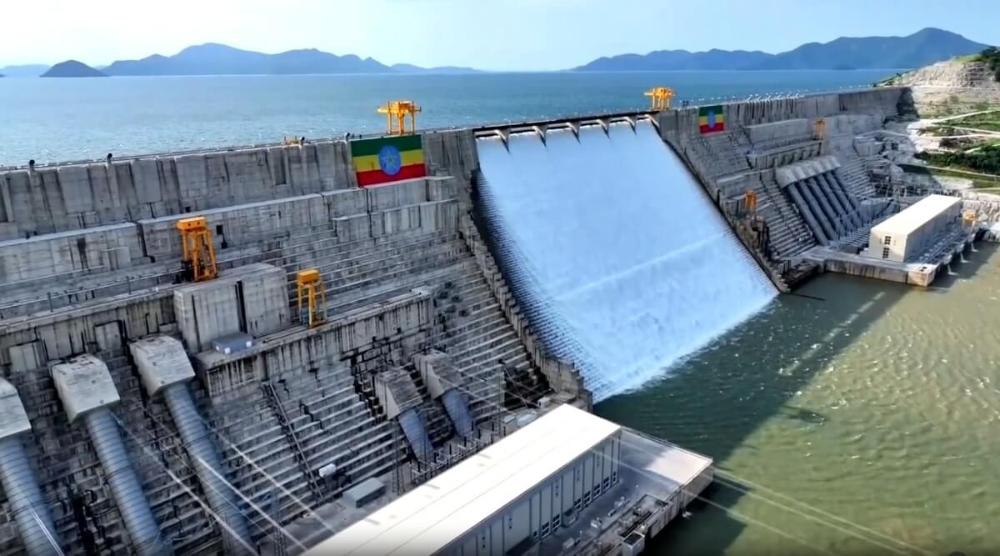
Egypt Must Align Its Nile Strategies with the Realities of 21st Century
Sep 15, 2026 20243
Abay/Nile Waters at the Intersection of Ethiopia- Egypt Relations Sept. 15, 2026 (ENA) By Ambassador Teshome Toga Chanaka (PHD) Background The Nile is one of the world’s great transboundary river systems, shared by eleven riparian countries. Egypt and Sudan are the principal downstream states with virtually no contribution to the flow of the Nile. The Nile’s waters originate in the upstream countries, Ethiopia being the source of the Blue Nile. The Blue Nile, originating in the Ethiopian highlands, contributes 86% share of the Nile’s annual flow. For centuries, the utilization of Nile waters has been a source of tension between upstream and downstream countries. Historical circumstances, colonial legacies and competing interpretations of rights over the river have contributed to a pattern of mistrust that has often prevented the emergence of a genuinely cooperative basin-wide framework. Egypt, in particular, has developed and maintained an entrenched position concerning the allocation and utilization of the Nile waters. Its continued emphasis on what it describes as “historical rights” and on agreements concluded during periods when most upstream countries were not parties to the negotiations has made it difficult to establish a framework based on contemporary principles of international water law, particularly equitable and reasonable utilization and the obligation to cooperate. The 1959 Agreement between Egypt and Sudan is a particularly important example. The agreement allocated the entire estimated Nile flow between the two downstream countries without the participation of the other riparian states, including Ethiopia, the source of the Blue Nile. It is difficult to envisage how such an arrangement could provide a sustainable basis for managing a shared trans boundary resource in the twenty-first century. The fundamental issue, therefore, is not whether Egypt has legitimate interests in the Nile. It unquestionably does. The question is whether those interests can legitimately be pursued at the expense of the equally legitimate interests of the other riparian states. Why Egypt Needs a New Nile Strategy for the 21st Century? Egypt’s heavy dependence on the Nile is a reality that Ethiopia fully understands. But dependence does not confer a monopoly over a shared international watercourse. The challenge is to reconcile Egypt’s legitimate water-security concerns with the development aspirations and rights of the upstream countries. The twenty-first century has transformed the political, economic and technological circumstances of the Nile Basin. Population growth, climate change, food insecurity, energy demands, economic development and changing patterns of regional cooperation have fundamentally altered the context in which Nile waters must be managed. It is therefore neither realistic nor sustainable to approach the Nile exclusively through the prism of historical allocations. The river must increasingly be viewed as a shared resource whose sustainable management requires cooperation, dialogue, scientific evidence and equitable utilization. The Grand Ethiopian Renaissance Dam (GERD) represents perhaps the clearest manifestation of this changing reality. The GERD has demonstrated Ethiopia’s growing capacity to mobilize domestic resources and undertake major infrastructure projects in pursuit of its national development objectives. Whatever one’s position on the dam, it has fundamentally changed the political and strategic context of the Nile question. Consequently, statements that Ethiopia should not be permitted to construct another dam on the Blue Nile cannot provide a serious basis for future policy. Ethiopia’s development needs cannot be indefinitely subordinated to another country’s perception of its own water security. Nor is it realistic to assume that Ethiopia’s development projects on the Nile can be prevented indefinitely through efforts to restrict international financing. The experience of the GERD demonstrated Ethiopia’s ability to mobilize domestic resources when external financing was unavailable. This is an important lesson for all concerned: the future of the Nile cannot be determined through vetoes, pressure or attempts to prevent development. It must be shaped through cooperation. The same applies to the broader political relationship between Ethiopia and Egypt. Attempts to address differences over the Nile through political pressure, geopolitical rivalry or support for destabilizing forces cannot provide a sustainable solution. Such approaches risk deepening mistrust and making an eventual settlement more difficult. Military confrontation is equally untenable. No military strategy can produce sustainable water security. The Nile will continue to flow across borders long after political crises have passed. The only durable answer is therefore a political and diplomatic framework that recognizes the legitimate interests of all riparian countries. Other major transboundary river systems demonstrate that shared rivers need not inevitably become sources of military confrontation. China, for example, shares numerous transboundary rivers with neighboring countries and has developed a variety of mechanisms for managing shared water interests. The experiences of other river basins demonstrate that differences can be managed through dialogue, cooperation and negotiated arrangements. The Comprehensive Framework Agreement and the Changing Regional Context The effort by the Nile Basin riparian states to establish a basin-wide legal framework has been underway for many years. The negotiation of the Cooperative Framework Agreement (CFA) was intended to provide a more inclusive and equitable basis for cooperation among the Nile Basin countries. The CFA’s evolution reflects an important reality: upstream countries increasingly expect their interests and development needs to be recognized within the governance of the Nile Basin. The issue is therefore larger than the GERD or the relationship between Egypt and Ethiopia. It concerns the fundamental question of how an international river basin should be governed in an era of population growth, climate change, energy transition and rapid economic transformation. A sustainable Nile framework cannot be built around arrangements negotiated without the participation of all concerned states. Nor can the interests of downstream countries simply be ignored. The answer lies in developing an inclusive framework that accommodates the legitimate concerns of downstream states while recognizing the development rights of upstream countries. Ethiopia’s Cooperative Approach Should Not Be Mistaken for Weakness Since the political transition of 1991, Ethiopia has repeatedly expressed its preference for dialogue and cooperation in addressing the Nile question. The 1993 memorandum of understanding reached during the visit of Ethiopia’s Transitional Government leadership to Cairo and the subsequent 2015 Declaration of Principles on the GERD involving Ethiopia, Egypt and Sudan were important demonstrations of Ethiopia’s willingness to engage diplomatically and seek mutually beneficial solutions. The Declaration of Principles was particularly significant because it established a set of principles intended to guide the three countries in addressing issues related to the GERD, including cooperation, equitable and reasonable utilization, the obligation not to cause significant harm, and the peaceful settlement of disputes. These initiatives demonstrate that Ethiopia does not seek confrontation with Egypt. Indeed, Ethiopia has repeatedly made clear that it has no intention in harming the Egyptian people. This was amply stated by PM Abiy Ahmed during his offical visit to Cairo. Ethiopians and Egyptians share deep historical, cultural and human bonds. If the two countries estblish cooperation and working together, the benefits will transcend the borders of the two countries. The outcome will have broader regional impact. The Nile should be a bridge connecting the peoples of the two countries rather than a permanent source of antagonism between them. But cooperation is necessarily reciprocal. Ethiopia’s willingness to negotiate should not be interpreted as an acceptance of arrangements that deny its legitimate development interests. Nor should restraint be mistaken for weakness. Ethiopia has legitimate interests in using its natural resources to reduce poverty, expand access to electricity, develop agriculture and transform its economy. At the same time, Ethiopia has an interest in ensuring that its utilization of the Nile is undertaken responsibly and without significant harm to downstream populations. This is precisely why a cooperative framework is possible. The Way Forward: From Confrontation to Cooperation The Nile question has reached a point where old assumptions need to be reconsidered. Egypt’s water-security concerns are legitimate. Ethiopia’s development aspirations are equally legitimate. Sudan also has legitimate interests that must be taken into account. The challenge is to create a framework in which these interests are not viewed as mutually exclusive. The choice before Egypt and Ethiopia should therefore not be framed as a choice between Egyptian water security and Ethiopian development. The real choice is between competition and cooperation; confrontation and dialogue; unilateralism and shared governance. There is considerable room for cooperation. The two countries could strengthen scientific and technical cooperation on hydrology, climate change, drought and flood management, sedimentation, agricultural productivity, electricity trade and water-use efficiency. Ethiopia’s potential for hydropower development and Egypt’s expertise in water management could, for example, become complementary rather than competing assets. A broader economic relationship could also transform the politics of the Nile. Energy trade, investment, infrastructure connectivity, agriculture and regional economic integration could create incentives for both countries to regard the river as an opportunity for mutual benefit rather than a zero-sum contest. The way forward is therefore not through threats, pressure or attempts to prevent Ethiopia from developing its water resources. Nor is it through unilateral actions that disregard the legitimate concerns of downstream countries. The answer is a return to the negotiating table with a different mindset. Egypt needs to recognize that the Nile Basin of the twenty-first century is fundamentally different from the Nile Basin of the nineteenth or twentieth century. Ethiopia, for its part, should continue to demonstrate that its development of the Nile can coexist with the legitimate water-security interests of downstream countries. The central principle should be simple: no country should seek to monopolize a shared river, and no country should be denied its legitimate right to development. The Nile can become either a permanent fault line between Egypt and Ethiopia or an unprecedented opportunity for cooperation between two ancient civilizations. The choice is ultimately political. What is required now is not another round of confrontation, but a new political understanding—one founded on sovereign equality, equitable and reasonable utilization, mutual respect, scientific cooperation and shared prosperity. The Nile does not belong to one country. It is a shared resource, and its future must be built on shared responsibility. …………………… * The author is former Ethiopian Ambassador to Egypt. The views only represent that of the author alone. Ambassador Teshome Toga Chanaka is a senior Ethiopian politician and veteran diplomat. He served as Speaker of the House of Peoples' Representatives, Minister of Youth, Sports, and Culture, and Commissioner of the National Rehabilitation Commission. In his diplomatic career, he served as Ambassador to the European Union, China, Kenya, and Ghana.


