ENA - ENA English
Live:


Headlines
.jpg)
Ethiopia Leads a Week of Green Diplomacy as Red Sea Access Push Gains International Momentum
Nov 15, 2026 2589
By Staff Writer November 15, 2026 (ENA) The second week of November 2026 marked a significant period in Ethiopia’s diplomatic engagement, as the country stepped up its global climate leadership at COP31 in Türkiye while its longstanding aspiration for sovereign access to the Red Sea gained further international attention. From advancing climate finance and green development partnerships to strengthening Africa’s voice in global climate negotiations, Ethiopia used the COP31 platform to reinforce its diplomatic standing ahead of hosting COP32 in Addis Ababa in November 2027. At the same time, growing international recognition of Ethiopia’s strategic interests in Red Sea access, alongside renewed discussions over the equitable utilization of the Nile waters, brought the country's development priorities into sharper regional and international focus. Together, these developments underscored Ethiopia’s increasingly assertive diplomatic engagement, anchored in its pursuit of sustainable development, regional cooperation and a greater role in shaping issues of strategic importance to Africa and the wider world. Ethiopia Takes Center Stage in Global Climate Diplomacy Ethiopia emerged as a prominent diplomatic voice at the 31st United Nations Climate Change Conference (COP31), held in Antalya, Türkiye, where leaders and delegations from nearly 200 countries gathered to address the mounting challenges of global climate change. As the incoming host of COP32, Ethiopia used the international platform not only to showcase its homegrown climate initiatives but also to advocate for stronger international cooperation, accessible climate finance and practical solutions that address the needs of vulnerable communities. Addressing the COP31 Leaders’ Summit, Prime Minister Abiy Ahmed called for predictable, timely and affordable climate finance, emphasizing that international climate commitments must translate into tangible support before disasters strike. The Premier stressed that climate action is not simply an environmental undertaking for Ethiopia but a fundamental pillar of its economic policy and national development strategy. “In Ethiopia, climate action is economic policy,” he said, highlighting the devastating effects of recurring El Niño-related droughts and floods on agricultural production, livelihoods and community resilience. He noted that climate-related disasters continue to displace families, undermine economic gains and prolong recovery, even after rainfall returns and floodwaters recede. Against this backdrop, the Prime Minister underscored Ethiopia’s efforts to strengthen community-level preparedness and equip local governments to anticipate climate risks, protect livelihoods and respond before disasters escalate. He also highlighted the country's broader climate vulnerabilities, noting that more than 90 percent of Ethiopia’s electricity is generated from hydropower, making changing rainfall patterns a critical concern for national energy security and electricity supplies to neighboring countries. The effects of rising temperatures and changing rainfall patterns also threaten Ethiopia’s forests and agricultural landscapes, including the country's globally renowned Arabica coffee, which remains an important source of livelihoods, export earnings and national identity. Highlighting Ethiopia’s homegrown development philosophy of Medemer (Synergy), Abiy explained how the country is mobilizing communities, institutions and resources around shared climate and development objectives. The Green Legacy Initiative, through which millions of Ethiopians participate in large-scale tree-planting campaigns, has seen more than 56 billion seedlings planted to date. The initiative is contributing to land restoration, forest expansion, employment creation and improved livelihoods. The Premier further reaffirmed Ethiopia’s commitment to expanding renewable energy, promoting climate-resilient agriculture, protecting urban environments and accelerating electric mobility as part of its broader green development agenda. His message reinforced Ethiopia’s position that climate action must go beyond declarations and translate into measurable development outcomes, particularly for countries facing disproportionate climate risks despite contributing relatively little to global emissions. Building the Road to COP32 in Addis Ababa Beyond its high-level political engagements, Ethiopia intensified diplomatic consultations to lay the groundwork for a successful and inclusive COP32. The country's high-level delegation, led by Foreign Minister and COP32 President-Designate Gedion Timothewos and Finance Minister and COP32 Chief Negotiator Fitsum Assefa, held extensive discussions with the COP31 Presidency, negotiating groups, participating countries and international partners. The engagements focused on ensuring a smooth transition from COP31 to COP32, strengthening trust among negotiating parties and building consensus around an implementation-oriented climate conference in Addis Ababa. Ethiopia's approach seeks to position COP32 as a platform that moves beyond climate pledges towards concrete action, with particular emphasis on climate finance, adaptation, resilience and the priorities of developing countries. The opening of the Ethiopian Pavilion at COP31 further strengthened the country's visibility, bringing together diplomats, members of the Ethiopian delegation, partner organizations and international participants to showcase its climate initiatives, investment opportunities and green development experience. The pavilion also provided an important platform for promoting Ethiopia's renewable energy potential, Green Legacy achievements, sustainable agriculture and climate investment opportunities ahead of COP32. Intensive Diplomatic Engagements on the Sidelines of COP31 Prime Minister Abiy Ahmed also used the COP31 gathering to advance Ethiopia’s bilateral and multilateral relations through a series of high-level meetings with world leaders. Among his engagements was a meeting with Turkish President Recep Tayyip Erdoğan in Antalya ahead of the COP31 Leaders’ Summit, reflecting the importance Ethiopia attaches to strengthening relations with its strategic partners. The Premier also held discussions with Barbadian Prime Minister Mia Mottley, Finnish President Alexander Stubb, Norwegian Prime Minister Jonas Gahr Støre, Iraqi President Nizar Mohammed Saeed, Somali President Hassan Sheikh Mohamud, Qatar's Amir Sheikh Tamim bin Hamad Al-Thani and Botswana's President Duma Gideon Boko. The engagements provided opportunities to discuss bilateral cooperation, shared development priorities, climate action and broader regional and international issues. Ethiopia's diplomatic presence at COP31 thus extended beyond climate negotiations, reinforcing its commitment to building strategic partnerships and expanding cooperation across regions. Ethiopia’s Red Sea Access Aspiration Gains International Recognition While Ethiopia was advancing its climate diplomacy in Antalya, its pursuit of sovereign access to the Red Sea also attracted renewed international attention, with prominent political figures and foreign defense officials expressing recognition of the country's strategic interests. As Africa's second-most populous nation and one of the region's major economies, Ethiopia has consistently argued that its landlocked status presents significant economic and strategic constraints, particularly given the growing importance of maritime trade to its long-term development. The country has maintained that its aspiration for sea access is rooted in legitimate geographical, historical, economic and strategic considerations, while emphasizing the importance of peaceful engagement, dialogue and mutually beneficial arrangements. Former Prime Minister of Côte d’Ivoire and President of the Ivorian Popular Front, Pascal Affi N’Guessan, recently described Ethiopia's quest for sovereign sea access as a legitimate national aspiration. Speaking to ENA in Addis Ababa, Affi N’Guessan expressed hope that outstanding issues could be resolved through constructive dialogue and compromises acceptable to all parties. “I believe that the ambition of Ethiopia is legitimate, and we hope that these questions will find solutions acceptable to all parties, through good compromises that allow everyone to recognize that this is the path that enables the entire region to move forward,” he said. He emphasized that mutual understanding and cooperation were essential to ensuring that competing interests do not become obstacles to regional development and stability. His remarks added to growing international discussions surrounding Ethiopia's maritime aspirations and the broader implications of sea access for economic integration and regional cooperation in the Horn of Africa. Similarly, French and Danish defense attachés recognized Ethiopia's legitimate interest in Red Sea access, highlighting its potential contribution to regional stability, maritime security and efforts to combat terrorism. Speaking to ENA, French Defense Attaché Colonel Damien Cypryk described Ethiopia's aspiration as legitimate, linking maritime access to the country's development and stability. “Access to the Red Sea for Ethiopia is a perfectly legitimate act because it is a question of development and stability,” he stated. The defense officials also underscored Ethiopia's importance as a major regional actor, noting that its participation in regional security mechanisms could contribute to safeguarding the strategically important Horn of Africa and its surrounding maritime routes. Their remarks highlighted the broader strategic dimension of Ethiopia's maritime aspirations, which extend beyond trade and economic considerations to encompass regional security, stability and cooperation. Nile Development: Ethiopia Reaffirms Its Position on Equitable Utilization Meanwhile, the equitable utilization of the Abay (Blue Nile) waters remained another important dimension of Ethiopia's regional development diplomacy. Water and Energy Minister Habtamu Itefa urged Egypt to modernize its domestic water management practices, reconsider water-intensive agricultural activities and seek Ethiopia's consent for development projects involving Nile waters. The Minister's remarks reaffirm Ethiopia's position that the Nile should serve as a source of shared prosperity and development rather than a basis for perpetuating historical inequities. Ethiopia has consistently maintained that the equitable and reasonable utilization of transboundary water resources is essential to ensuring the development rights of all riparian countries, while promoting cooperation and avoiding unnecessary regional tensions. The completion of the Grand Ethiopian Renaissance Dam (GERD), achieved despite considerable financial and diplomatic challenges, remains a major expression of the country's determination to harness its natural resources for national development. A Week Reflecting Ethiopia's Expanding Diplomatic Ambitions All in all, Ethiopia's engagements during the second week of November reflected a broader diplomatic strategy that connects climate leadership, economic transformation, regional security and sovereign development interests. At COP31, the country strengthened its international profile as an emerging voice in global climate negotiations, while laying the diplomatic groundwork for COP32 in Addis Ababa. Its extensive bilateral engagements further demonstrated its determination to build partnerships around shared development and global challenges. At the same time, international recognition of Ethiopia's Red Sea access aspirations and renewed discussions over equitable Nile utilization brought its strategic interests into greater international focus. As Ethiopia prepares to host COP32 in 2027, it is increasingly positioning itself not merely as a participant in international discussions but as a country seeking to shape the global development agenda, advance African priorities and promote solutions to some of the most consequential challenges facing the continent and the wider world.
.jpg)
Ethiopia’s Coffee Expo Targets Global Markets, Investment and Tourism Opportunities
Nov 15, 2026 1765
Addis Ababa, November 15, 2026 (ENA)— The World Coffee Expo 2026 has opened in Jimma, Oromia Regional State, bringing together key stakeholders in the coffee industry to promote Ethiopian coffee, and expand international market connections. The two-day exhibition, which runs from November 14–15, has brought together regional government officials, coffee producers, exporters, international traders and industry representatives to strengthen partnerships and showcase Ethiopia’s coffee potential. More importantly, the expo aims to strengthen cooperation across the coffee value chain, showcase Ethiopia’s distinctive coffee varieties and create new opportunities in international trade, investment and coffee tourism, ENA reported from the scene. Speaking at the opening ceremony, Mohammed Taha Abafita, Head of the Political Sector of the Prosperity Party in the South Western Oromia Zone, underscored the importance of coordinated efforts among the government, producers and business stakeholders to increase coffee production and improve quality. Describing coffee as a backbone of Ethiopia’s economy, he stressed the need to strengthen development activities, provide professional support to farmers and maintain quality standards throughout the production process. He pointed out that the South Western Oromia Zone plans to produce 700,000 tonnes of coffee during the current production year, of which 195,000 tonnes are targeted for export to international markets. On his part, Nejib Kedir, President of the Jimma Chamber of Commerce and Sectoral Associations, emphasized the importance of boosting productivity while maintaining high-quality standards. He called on farmers, investors and exporters to give greater attention to coffee production standards to enhance the competitiveness of Ethiopian coffee in international markets. The 2026 exhibition is expected to attract more than 100 international coffee experts, traders, organizations and other industry stakeholders, providing a platform to showcase Ethiopia’s unique coffee varieties and connect local producers with global buyers. Widely recognized as the birthplace of Arabica coffee, Ethiopia remains one of the world's important coffee-producing countries. Its diverse growing conditions and distinctive varieties, including Sidama, Yirgacheffe, Guji, Harar and Limu, have earned the country a strong reputation in the international specialty coffee market. Beyond its cultural and historical significance, coffee remains one of Ethiopia’s most important export commodities, sustaining millions of livelihoods, particularly among smallholder farmers, while generating substantial foreign currency earnings. In that regard, the expo is also expected to create new investment opportunities in South Western Oromia, particularly in coffee tourism and related economic activities, further expanding the sector’s contribution to regional development. The event is coordinated by the Oromia Chamber of Commerce, with support from the Oromia Regional Government and the Ethiopian Chamber of Commerce, in collaboration with the South Western Oromia Zone and Jimma City Administration. Running through November 15, the exhibition seeks to translate Ethiopia’s longstanding coffee heritage into stronger international partnerships, expanded market access, increased investment and greater economic opportunities for coffee producers and businesses.

African Delegates Witness Major Development Shift in Ethiopia
Nov 15, 2026 1062
Addis Ababa, November 15, 2026 (ENA)— African delegates attending the 23rd Conference on Mathematics, Science and Technology Education in Africa (COMSTEDA 23) have praised Ethiopia’s development progress, rich historical heritage and growing capacity to host major international events. Approached by ENA on the sidelines of COMSTEDA 23, the delegates described Ethiopia as an inspiring example of Africa’s potential for homegrown development and continental cooperation. Moreover, the participants highlighted Addis Ababa’s changing urban landscape, Ethiopia’s historical significance and its hospitality, while underscoring the importance of African countries building their own development capacities and strengthening cooperation across the continent. Professor Benson Banda, President of Strengthening Mathematics and Science Education in Africa (SMASE-Africa), said his repeated visits to Ethiopia had allowed him to witness a remarkable transformation in the capital, particularly in urban infrastructure, cleanliness, connectivity and traffic management. Banda said the progress he had observed over successive visits reflected a growing commitment to sustainable, locally driven development. “The first time I came to Ethiopia, the area looked very underdeveloped. Over subsequent visits, I witnessed gradual progress, and now I see genuine sustainable development taking shape in Addis Ababa,” he said. He stressed that Africa's development should be driven by the continent's own capacities, with local communities empowered to participate in and benefit from economic progress. “This is what we need to focus on across the continent, creating what is our own, owned by ourselves,” Banda said, emphasizing that empowering local people ensures that the benefits of development remain within their communities. “When you empower local people and they grow with you, that is true sustainable development because the benefits stay right here in Ethiopia. I give a thumbs-up to the shift I have seen in Ethiopia’s approach to development,” he added. Beyond its development progress, Ethiopia’s historical legacy also left a strong impression on visiting delegates, particularly following their visit to the Adwa Victory Memorial Museum. Zambian academician Cleopatra Songolo said the visit gave her a deeper appreciation of Ethiopia’s historic struggle to defend its sovereignty and its enduring significance in African history. While she had long known Ethiopia as the only African country never colonized, Songolo said the museum offered a more profound understanding of the sacrifices behind that historic legacy. “What I expected and what I experienced this morning were completely different. We had an excellent tour guide who explained what Ethiopia went through, including the roughly 20,000 Ethiopians who laid down their lives to defend the country’s sovereignty,” she said. Songolo also described Ethiopia’s hosting of COMSTEDA 23 as an important demonstration of Africa’s capacity to organize and lead major continental gatherings. She said such events create opportunities for African countries to exchange knowledge, strengthen partnerships and increasingly look within the continent for solutions and opportunities. “Hosting an event of this scale is a great achievement for Ethiopia. It encourages other African nations to recognize that we do not always have to look outside the continent. We can host and lead right here,” she said. Ethiopia’s hospitality and conference arrangements also earned positive remarks from participants. Arthur Tukakira, a Regional Trainer at Uganda’s Ministry of Education, said the smooth visa application process, facilitated through Ethiopian Airlines, and the warm reception upon arrival had exceeded his expectations. “From the moment I applied to come and present at the conference, securing an online visa through Ethiopian Airlines was smooth, and we were warmly received upon landing,” he said. Tukakira further expressed optimism about Africa’s development prospects, stressing that stronger cooperation among African countries and sustained investment in education are essential to realizing the continent’s ambitions. “I believe we will get there. One day, the entire African continent will rise to where we aspire to be,” he said. The delegates’ reflections underscore the importance of Ethiopia’s growing profile as a destination for continental gatherings, cultural and historical tourism, and broader African engagement, while highlighting the potential of homegrown development and stronger intra-African partnerships to advance the continent’s aspirations.
.jpg)
Ethiopia Turns COP31 Diplomacy into Strategic Opportunity to Advance COP32 and Africa’s Climate Agenda
Nov 15, 2026 2707
By Staff Writer November 15, 2026 (ENA) By hosting COP32 in 2027, Ethiopia seeks to translate its growing diplomatic influence into climate investment, green development partnerships and stronger African representation in global climate negotiations. Ethiopia’s preparations to host the 32nd United Nations Climate Change Conference (COP32) in Addis Ababa in November 2027 are already taking shape on the diplomatic stage, with the country using the ongoing COP31 in Antalya, Türkiye, to build partnerships, advance Africa’s climate priorities and lay the groundwork for an ambitious global conference. For Ethiopia, COP32 represents far more than the responsibility of hosting one of the world's most consequential international gatherings. It offers a strategic opportunity to strengthen the country's diplomatic standing, mobilize climate finance, attract investment, showcase its green development initiatives and position Africa more prominently in international climate negotiations. The diplomatic push underway at COP31 is therefore particularly significant. Through high-level engagements with the current COP Presidency, negotiating groups and international partners, Ethiopia is seeking to ensure that the transition towards COP32 begins with a clear agenda: turning climate commitments into practical action, making climate finance more accessible and connecting environmental protection with economic transformation. At the heart of this ambition is a development philosophy that views climate action not as a separate environmental undertaking but as an essential pillar of economic policy. Addressing the opening of COP31 in Antalya, Prime Minister Abiy Ahmed captured this approach in a clear message: “In Ethiopia, climate action is economic policy.” The Prime Minister explained that changing weather patterns have direct consequences for agricultural production, electricity generation, livelihoods and the country's broader development trajectory. Droughts and floods associated with El Niño, he noted, can disrupt harvests, displace families and impose prolonged economic costs. “The rain comes back, floods subside, but recovery takes much longer,” he observed. His remarks underscore why climate resilience has become increasingly central to Ethiopia's development priorities. For a country whose economy remains closely connected to agriculture and hydropower, climate-related disruptions are not simply environmental challenges; they threaten productivity, economic stability and the livelihoods of millions. This perspective is expected to inform Ethiopia's preparations for COP32, particularly its emphasis on adaptation, early-warning systems, climate finance and investment in resilient infrastructure. From COP31 diplomatic engagement to COP32 leadership The arrival of Foreign Affairs Minister and COP32 President-Designate Gedion Timothewos in Antalya to participate in COP31 marks an important phase in Ethiopia's diplomatic preparations. His engagements with the current COP Presidency, negotiating groups and international partners are expected to help establish the political and institutional foundations for a successful conference in Addis Ababa. Ethiopia has expressed its ambition to make COP32 inclusive, action-oriented and implementation-focused, with particular attention to the needs of developing countries. The objective is to move beyond repeated declarations and ensure that international climate commitments translate into accessible financing, technology partnerships and tangible outcomes. The country's selection as host reflects both its diplomatic standing and Africa's collective ambition to secure a stronger voice in shaping global climate policy. The African Group of Negotiators unanimously endorsed Ethiopia's candidacy during COP30 in Belém, Brazil, in November 2025. Although Nigeria initially competed for the hosting opportunity, it eventually stepped aside, allowing Africa to present a unified position. The UNFCCC subsequently accepted Ethiopia's offer to host COP32 in Addis Ababa from November 8 to 19, 2027. Several factors underpin Ethiopia's selection. Addis Ababa, as the headquarters of the African Union (AU) and a major center of international diplomacy, provides an important institutional advantage. Hosting COP32 will create an opportunity to connect global climate negotiations with continental development priorities and strengthen cooperation between African institutions and international partners. Ethiopia has also demonstrated its capacity to convene major international climate discussions. In September 2025, the country hosted the Second Africa Climate Summit, bringing together more than 26,000 participants and producing the Addis Ababa Declaration on Climate Change and Call for Action. The summit provided an important platform for advancing African-led climate finance, innovation and collective action. Its outcomes also established a foundation upon which Ethiopia can build as it prepares to host the global climate conference. Equally important are the country's domestic green development initiatives, including the Climate-Resilient Green Economy Strategy, the Green Legacy Initiative and substantial investments in renewable energy. Together, these initiatives provide Ethiopia with practical experiences to bring into international discussions on how developing countries can pursue economic growth while protecting natural resources and building resilience against climate change. COP32: An opportunity to advance Africa's climate priorities Beyond its national diplomatic and economic interests, Ethiopia's hosting of COP32 carries considerable continental significance. Africa contributes a relatively small share of global greenhouse gas emissions but faces some of the most severe consequences of climate change. Prolonged droughts, devastating floods, land degradation, food insecurity and water stress continue to threaten communities and undermine development gains across the continent. Yet African countries face persistent challenges in accessing affordable climate finance, transferring advanced technologies and building the institutional capacity needed to respond effectively. For this reason, climate finance, adaptation, technology transfer and capacity building remain central to Africa's negotiating priorities. Ethiopia's selection as host therefore represents an opportunity to strengthen the continent's collective negotiating position and ensure that its development concerns receive greater attention in international climate decision-making. The conference could also help advance African-led initiatives, including the proposed Africa Climate Innovation Compact and African Climate Facility, aimed at mobilizing resources and supporting climate solutions across the continent. The broader objective is to move beyond presenting Africa primarily as a continent vulnerable to climate change and increasingly recognize its potential as a source of renewable energy, environmental solutions, innovation and sustainable investment opportunities. Mobilizing climate finance for sustainable development One of the most significant opportunities presented by COP32 is the potential to mobilize climate finance and attract investment into Ethiopia's green economy. The country requires substantial resources to expand renewable energy, modernize agriculture, develop irrigation, restore degraded landscapes and build climate-resilient infrastructure. Its dependence on rain-fed agriculture and hydropower also makes it particularly vulnerable to changing rainfall patterns, prolonged droughts and extreme weather events. Against this backdrop, COP32 could provide a major platform for engaging multilateral climate funds, development banks, bilateral partners and private investors. Such partnerships could support investments in renewable energy, sustainable agriculture, water infrastructure, forest restoration, climate-resilient cities and disaster preparedness. However, attracting international attention alone will not be sufficient. Ethiopia's ability to translate diplomatic engagement into investment-ready projects, affordable financing and sustainable development partnerships will be critical to realizing the conference's potential. Prime Minister Abiy has particularly emphasized the importance of predictable and accessible climate finance, arguing that resources must reach vulnerable communities before disasters cause widespread damage. Outlining the approach Ethiopia intends to advance at COP32, he said: “We will put early action at the center, funding released when warning comes, reaching the most exposed first.” This vision points to an important shift in global climate policy: moving from financing recovery after disasters towards investing in preparedness, prevention and resilience before they occur. For developing countries, timely access to climate finance, reliable forecasting and effective early-warning systems can protect agricultural production, infrastructure and vulnerable communities while reducing the enormous economic costs of climate-related disasters. Making this approach a practical outcome of COP32 could give Ethiopia an opportunity to contribute to a more responsive and development-oriented international climate finance system. Renewable energy: Connecting green development with regional economic integration Renewable energy is another major area in which Ethiopia can demonstrate the relationship between climate action and economic transformation. The country possesses considerable hydropower, wind, solar and geothermal resources, offering significant potential to expand clean electricity generation, support industrialization and strengthen regional energy cooperation. The Grand Ethiopian Renaissance Dam (GERD), alongside other renewable energy investments, illustrates Ethiopia's ambition to expand domestic electricity generation and enhance its role in regional power integration. Addressing COP31, Prime Minister Abiy highlighted the regional importance of Ethiopia's hydropower resources, noting that more than 90 percent of the country's electricity comes from water, including electricity supplied to neighboring countries. This demonstrates that Ethiopia's renewable energy investments have implications beyond its national borders. Expanded electricity generation and cross-border power trade can support regional industrial development, improve energy access and strengthen economic interdependence. Through COP32, Ethiopia could attract partnerships and investment in energy storage, transmission infrastructure, renewable energy technologies and regional electricity markets. Such investments would help accelerate industrialization, expand electricity access and strengthen the country's position as an emerging regional electricity supplier. At the same time, the Prime Minister acknowledged the importance of diversifying the country's energy mix to reduce vulnerability to changing rainfall patterns and fluctuations in water availability. “We are also taking a long view with our energy supply, developing wind, solar, and geothermal power, while planning for nuclear, so a dry year does less harm to our economy,” he said. The strategy reflects the importance of a diversified and reliable energy supply in supporting economic expansion. While hydropower remains central to Ethiopia's electricity generation, developing alternative energy sources can strengthen resilience against drought and improve long-term energy security. Protecting agriculture and safeguarding Ethiopia's global coffee heritage Climate resilience is equally important to Ethiopia's agricultural transformation. Erratic rainfall, prolonged droughts, flooding and land degradation continue to threaten agricultural productivity and rural livelihoods. Strengthening the sector's resilience therefore requires investment in irrigation, improved seeds, soil conservation, agricultural research, climate information services and early-warning systems. At COP31, Prime Minister Abiy highlighted the role of emerging technologies in strengthening climate monitoring and helping farmers respond to changing weather conditions. “We use satellite data to watch the land, and we are improving forecasts with artificial intelligence to give farmers earlier warning,” he said. The application of satellite monitoring, artificial intelligence and advanced forecasting systems could help farmers anticipate extreme weather events, make better-informed planting and harvesting decisions and minimize agricultural losses. Ethiopia could use COP32 to advocate for greater international cooperation in climate information systems, technology transfer and capacity building, particularly for countries with limited resources to develop these capabilities independently. The issue also has implications for Ethiopia's international trade and global agricultural reputation. Drawing attention to the climate threats facing one of the country's most celebrated exports, the Prime Minister noted that changing temperatures and rainfall patterns are endangering the forests and farms where Ethiopian Arabica coffee is grown. “Many of you begin your day with Ethiopia’s gift to the world, Arabica coffee, but rising temperatures and changing rainfall threaten the forests and the farms where it grows,” he stated. The message connects climate change with livelihoods, export earnings and global agricultural value chains. Ethiopia's coffee sector, deeply rooted in the country's natural forests and agricultural communities, illustrates how environmental degradation can affect both domestic economic interests and international markets. Protecting coffee-growing landscapes, strengthening agricultural adaptation and supporting sustainable production are therefore not merely environmental priorities. They are essential to safeguarding an important source of export revenue and the livelihoods of farming communities. For Ethiopia, COP32 could help attract partnerships in climate-smart agriculture, agricultural research, sustainable value chains and nature-based solutions. Green Legacy: Mobilizing citizens for environmental restoration Ethiopia's climate resilience agenda also extends beyond technological interventions and infrastructure investment to community participation and environmental restoration. The Green Legacy Initiative, launched in 2019 under the leadership of Prime Minister Abiy Ahmed, stands among the country's most prominent examples of large-scale citizen mobilization around environmental protection. Explaining the philosophy behind the initiative, the Prime Minister said Ethiopia's development approach of Medemer brings citizens, institutions and resources together around shared national objectives. “Every year, millions of Ethiopians join in planting trees. Together, we have planted over 56 billion seedlings, restoring degraded land and expanding our forests,” he said at COP31. The initiative has mobilized millions of citizens in tree planting, watershed development and environmental restoration, making environmental protection an increasingly visible part of national development efforts. Its significance, however, extends beyond the number of seedlings planted. The initiative contributes to soil conservation, water resource protection, biodiversity preservation and the broader objective of building a climate-resilient green economy. “The initiative has created jobs and improved livelihoods. Planting is now a family habit. It is teaching us to honor the land we inherit, to live in harmony with nature, and to care for what we leave to our children,” the Prime Minister stated. These remarks highlight the social and economic dimensions of environmental restoration, particularly its contribution to employment, community participation and intergenerational responsibility. Environmental restoration also complements major infrastructure investments. Protecting watersheds and restoring degraded landscapes can help reduce soil erosion and sedimentation, contributing to the long-term sustainability of reservoirs and hydropower facilities, including the GERD. Through COP32, Ethiopia could demonstrate how community-led environmental restoration can complement infrastructure development, strengthen water security and support sustainable economic growth. At the same time, independently verifiable evidence of seedling survival rates, forest-cover expansion, restored land areas and measurable ecological improvements will be essential to demonstrating the initiative's long-term environmental impact. Building climate-resilient cities and promoting sustainable mobility Ethiopia's climate agenda is also increasingly extending into urban development. As cities expand, flooding, pollution, environmental degradation and pressure on public infrastructure are becoming more pressing challenges. In response, the government has been pursuing urban interventions that combine environmental protection with improved public spaces and living conditions. Prime Minister Abiy highlighted ongoing efforts to rehabilitate urban rivers, strengthen flood protection and develop accessible green spaces. “We are extending that work into our cities, building flood fences, cleaning polluted rivers, and turning their banks into parks and walkways where families gather and children play,” he said. Such initiatives reflect the importance of climate-resilient urban planning, particularly as rapid urbanization increases exposure to flooding and environmental pressures. Ethiopia's transition towards cleaner transportation represents another dimension of its green development agenda. At COP31, the Prime Minister highlighted the country's decision to ban imports of petrol and diesel-powered vehicles as part of efforts to accelerate electric mobility. “Ethiopia is doing its part. We have banned imports of petrol and diesel cars as we switch to EVs,” he said. The policy forms part of broader efforts to reduce dependence on imported fossil fuels, promote electric transportation and align the transport sector with the country's expanding clean-energy ambitions. It also demonstrates how domestic policy measures can support climate objectives while addressing economic priorities, including energy security and the country's import bill. These experiences provide further opportunities for Ethiopia to engage international partners on clean transportation, charging infrastructure, electric mobility technologies and sustainable urban development. COP32 and the wider economic opportunities for Ethiopia Beyond climate diplomacy and environmental priorities, hosting COP32 could generate substantial economic opportunities across several sectors. Thousands of international delegates, government officials, researchers, investors, journalists and representatives of international organizations are expected to travel to Addis Ababa, generating increased demand for accommodation, aviation, transportation, hospitality and other services. Ethiopian Airlines, hotels, tourism operators and local businesses could benefit from the increased international activity. The conference would also provide an exceptional platform to promote Ethiopia's cultural heritage, historical destinations and natural attractions to a global audience. More importantly, COP32 could strengthen the country's international profile and create opportunities for new bilateral relationships, investment agreements and strategic partnerships. As the host of a major international climate conference, Ethiopia will have the opportunity to bring together political leaders, international financial institutions, development partners and private-sector actors around shared economic and environmental priorities. This diplomatic exposure could create benefits that extend well beyond the conference itself, provided the country develops a clear strategy for converting international engagement into long-term partnerships and investment. From international commitments to measurable results Despite the opportunities, one of the greatest challenges facing COP32 will be ensuring that global climate commitments translate into tangible results. Developing countries have repeatedly called for increased climate finance, affordable access to technology and stronger international cooperation. Yet the gap between financial commitments and actual implementation remains a persistent obstacle to effective climate action. Ethiopia could use its COP32 presidency to advance discussions on climate finance, adaptation, technology transfer and equitable access to resources, building on the outcomes of the Second Africa Climate Summit. For Africa, the stakes are particularly high. Governments across the continent face the dual challenge of expanding electricity access, developing infrastructure, creating employment and accelerating industrialization while confronting increasingly severe climate pressures. The continent requires substantial investment in renewable energy, climate-resilient agriculture, sustainable transportation, water management and environmental restoration. However, limited fiscal resources, high borrowing costs and difficulties accessing international climate finance continue to constrain progress. Against this background, COP32 could bring African governments, international financial institutions, development partners and private investors together to address these structural challenges. Ethiopia has an opportunity to position the conference around a development-centered climate agenda, emphasizing that climate action must contribute to industrialization, poverty reduction, employment creation and improved living standards. Such an approach would also reinforce Africa's demand for a fairer international climate framework in which developing countries are supported in pursuing their development aspirations without compromising environmental sustainability. Ethiopia's diplomatic opportunity and the road to Addis Ababa Prime Minister Abiy's remarks at COP31 offer an indication of the priorities Ethiopia intends to advance as it prepares to assume the COP32 presidency. By emphasizing early action, accessible climate finance, technological innovation, renewable energy, environmental restoration and community participation, he has outlined an agenda that connects international climate cooperation with practical development needs. His message also reflects Ethiopia's intention to work closely with the current COP31 Presidency to advance the global climate process and ensure a smooth transition towards the Addis Ababa conference. “Ethiopia will work closely with COP31 Presidency for a successful outcome here. We look forward to welcoming you for COP32 in the Land of Origins,” he said. This commitment is significant because the success of COP32 will depend not only on Ethiopia's preparations as host but also on its ability to build consensus among countries with different economic interests, development priorities and negotiating positions. The diplomatic engagements taking place in Antalya therefore provide an important starting point for shaping the conference's political direction, strengthening international partnerships and building confidence in Ethiopia's capacity to lead the process. Ultimately, Ethiopia's hosting of COP32 presents an opportunity to connect global climate diplomacy with national development and Africa's wider economic aspirations. The conference could strengthen Ethiopia's diplomatic influence, attract climate finance, accelerate renewable energy investment, support agricultural transformation, promote tourism and expand international partnerships. But its ultimate success will not be measured by the number of delegates attending, the scale of international attention or the declarations adopted in Addis Ababa. It will be measured by the resources mobilized, partnerships established, projects implemented, communities reached and progress achieved in addressing the climate challenges confronting Ethiopia and the wider African continent. For Ethiopia, COP32 must therefore become more than an international gathering. It must serve as a strategic platform for translating diplomatic influence into investment, international commitments into development partnerships and environmental ambitions into measurable improvements in people's lives.

Ethiopia Example for Africa in Preserving Cultural Identity, Sustainability: Africa Celebrates President
Nov 15, 2026 1308
Addis Ababa, November 15, 2026 (ENA)— Ethiopia’s commitment to preserving its cultural heritage and advancing sustainability sets an example for other African countries in safeguarding their cultural identity and promoting environmental action, African Celebrates President Lexy Mojo-Eyes said. Africa Celebrates is an annual Pan-African festival that unites African Union member states, the diaspora, and global partners to celebrate the continent's diversity through culture, business, and innovation. The festival is being held at the African Union in Addis Ababa, Ethiopia. In an exclusive interview with ENA, the President said Ethiopia’s historical experience, particularly its resistance to colonization, has enabled it to maintain a rich cultural heritage that offers valuable lessons for other African countries. According to him, many African countries have experienced significant changes in their cultural practices, including traditional dressing, food, and languages, following colonial influence, while Ethiopia has largely maintained its cultural identity. Mojo-Eyes noted that Ethiopia’s continued use of its indigenous languages, traditional clothing, food, and cultural practices demonstrates the importance of preserving African heritage and passing it on to future generations. Highlighting the widespread use of the Amharic language in everyday communication across Ethiopia, the President said the country's continued use of its indigenous languages offers an important lesson for other African nations in preserving their linguistic and cultural identities. Beyond cultural preservation, he also commended Ethiopia’s efforts to promote sustainability and raise public awareness about climate change and environmental protection. Mojo-Eyes praised Prime Minister Abiy Ahmed’s climate initiatives, particularly efforts to promote sustainability, recycling, and environmental awareness, describing the progress made in Ethiopia as remarkable. In this regard, he said Ethiopia’s preparations to host COP32 demonstrate the country's commitment to advancing sustainability and championing environmental action on the African continent. For him, hosting the global climate conference would provide an important opportunity for Ethiopia to showcase its sustainability efforts while encouraging other African countries to learn from its experience. The President described Ethiopia’s role in championing sustainability and hosting COP32 as commendable, saying its experience could encourage other African countries to intensify their efforts toward environmental protection and sustainable development.
Featured
.jpg)
Ethiopia Leads a Week of Green Diplomacy as Red Sea Access Push Gains International Momentum
Nov 15, 2026 2589
By Staff Writer November 15, 2026 (ENA) The second week of November 2026 marked a significant period in Ethiopia’s diplomatic engagement, as the country stepped up its global climate leadership at COP31 in Türkiye while its longstanding aspiration for sovereign access to the Red Sea gained further international attention. From advancing climate finance and green development partnerships to strengthening Africa’s voice in global climate negotiations, Ethiopia used the COP31 platform to reinforce its diplomatic standing ahead of hosting COP32 in Addis Ababa in November 2027. At the same time, growing international recognition of Ethiopia’s strategic interests in Red Sea access, alongside renewed discussions over the equitable utilization of the Nile waters, brought the country's development priorities into sharper regional and international focus. Together, these developments underscored Ethiopia’s increasingly assertive diplomatic engagement, anchored in its pursuit of sustainable development, regional cooperation and a greater role in shaping issues of strategic importance to Africa and the wider world. Ethiopia Takes Center Stage in Global Climate Diplomacy Ethiopia emerged as a prominent diplomatic voice at the 31st United Nations Climate Change Conference (COP31), held in Antalya, Türkiye, where leaders and delegations from nearly 200 countries gathered to address the mounting challenges of global climate change. As the incoming host of COP32, Ethiopia used the international platform not only to showcase its homegrown climate initiatives but also to advocate for stronger international cooperation, accessible climate finance and practical solutions that address the needs of vulnerable communities. Addressing the COP31 Leaders’ Summit, Prime Minister Abiy Ahmed called for predictable, timely and affordable climate finance, emphasizing that international climate commitments must translate into tangible support before disasters strike. The Premier stressed that climate action is not simply an environmental undertaking for Ethiopia but a fundamental pillar of its economic policy and national development strategy. “In Ethiopia, climate action is economic policy,” he said, highlighting the devastating effects of recurring El Niño-related droughts and floods on agricultural production, livelihoods and community resilience. He noted that climate-related disasters continue to displace families, undermine economic gains and prolong recovery, even after rainfall returns and floodwaters recede. Against this backdrop, the Prime Minister underscored Ethiopia’s efforts to strengthen community-level preparedness and equip local governments to anticipate climate risks, protect livelihoods and respond before disasters escalate. He also highlighted the country's broader climate vulnerabilities, noting that more than 90 percent of Ethiopia’s electricity is generated from hydropower, making changing rainfall patterns a critical concern for national energy security and electricity supplies to neighboring countries. The effects of rising temperatures and changing rainfall patterns also threaten Ethiopia’s forests and agricultural landscapes, including the country's globally renowned Arabica coffee, which remains an important source of livelihoods, export earnings and national identity. Highlighting Ethiopia’s homegrown development philosophy of Medemer (Synergy), Abiy explained how the country is mobilizing communities, institutions and resources around shared climate and development objectives. The Green Legacy Initiative, through which millions of Ethiopians participate in large-scale tree-planting campaigns, has seen more than 56 billion seedlings planted to date. The initiative is contributing to land restoration, forest expansion, employment creation and improved livelihoods. The Premier further reaffirmed Ethiopia’s commitment to expanding renewable energy, promoting climate-resilient agriculture, protecting urban environments and accelerating electric mobility as part of its broader green development agenda. His message reinforced Ethiopia’s position that climate action must go beyond declarations and translate into measurable development outcomes, particularly for countries facing disproportionate climate risks despite contributing relatively little to global emissions. Building the Road to COP32 in Addis Ababa Beyond its high-level political engagements, Ethiopia intensified diplomatic consultations to lay the groundwork for a successful and inclusive COP32. The country's high-level delegation, led by Foreign Minister and COP32 President-Designate Gedion Timothewos and Finance Minister and COP32 Chief Negotiator Fitsum Assefa, held extensive discussions with the COP31 Presidency, negotiating groups, participating countries and international partners. The engagements focused on ensuring a smooth transition from COP31 to COP32, strengthening trust among negotiating parties and building consensus around an implementation-oriented climate conference in Addis Ababa. Ethiopia's approach seeks to position COP32 as a platform that moves beyond climate pledges towards concrete action, with particular emphasis on climate finance, adaptation, resilience and the priorities of developing countries. The opening of the Ethiopian Pavilion at COP31 further strengthened the country's visibility, bringing together diplomats, members of the Ethiopian delegation, partner organizations and international participants to showcase its climate initiatives, investment opportunities and green development experience. The pavilion also provided an important platform for promoting Ethiopia's renewable energy potential, Green Legacy achievements, sustainable agriculture and climate investment opportunities ahead of COP32. Intensive Diplomatic Engagements on the Sidelines of COP31 Prime Minister Abiy Ahmed also used the COP31 gathering to advance Ethiopia’s bilateral and multilateral relations through a series of high-level meetings with world leaders. Among his engagements was a meeting with Turkish President Recep Tayyip Erdoğan in Antalya ahead of the COP31 Leaders’ Summit, reflecting the importance Ethiopia attaches to strengthening relations with its strategic partners. The Premier also held discussions with Barbadian Prime Minister Mia Mottley, Finnish President Alexander Stubb, Norwegian Prime Minister Jonas Gahr Støre, Iraqi President Nizar Mohammed Saeed, Somali President Hassan Sheikh Mohamud, Qatar's Amir Sheikh Tamim bin Hamad Al-Thani and Botswana's President Duma Gideon Boko. The engagements provided opportunities to discuss bilateral cooperation, shared development priorities, climate action and broader regional and international issues. Ethiopia's diplomatic presence at COP31 thus extended beyond climate negotiations, reinforcing its commitment to building strategic partnerships and expanding cooperation across regions. Ethiopia’s Red Sea Access Aspiration Gains International Recognition While Ethiopia was advancing its climate diplomacy in Antalya, its pursuit of sovereign access to the Red Sea also attracted renewed international attention, with prominent political figures and foreign defense officials expressing recognition of the country's strategic interests. As Africa's second-most populous nation and one of the region's major economies, Ethiopia has consistently argued that its landlocked status presents significant economic and strategic constraints, particularly given the growing importance of maritime trade to its long-term development. The country has maintained that its aspiration for sea access is rooted in legitimate geographical, historical, economic and strategic considerations, while emphasizing the importance of peaceful engagement, dialogue and mutually beneficial arrangements. Former Prime Minister of Côte d’Ivoire and President of the Ivorian Popular Front, Pascal Affi N’Guessan, recently described Ethiopia's quest for sovereign sea access as a legitimate national aspiration. Speaking to ENA in Addis Ababa, Affi N’Guessan expressed hope that outstanding issues could be resolved through constructive dialogue and compromises acceptable to all parties. “I believe that the ambition of Ethiopia is legitimate, and we hope that these questions will find solutions acceptable to all parties, through good compromises that allow everyone to recognize that this is the path that enables the entire region to move forward,” he said. He emphasized that mutual understanding and cooperation were essential to ensuring that competing interests do not become obstacles to regional development and stability. His remarks added to growing international discussions surrounding Ethiopia's maritime aspirations and the broader implications of sea access for economic integration and regional cooperation in the Horn of Africa. Similarly, French and Danish defense attachés recognized Ethiopia's legitimate interest in Red Sea access, highlighting its potential contribution to regional stability, maritime security and efforts to combat terrorism. Speaking to ENA, French Defense Attaché Colonel Damien Cypryk described Ethiopia's aspiration as legitimate, linking maritime access to the country's development and stability. “Access to the Red Sea for Ethiopia is a perfectly legitimate act because it is a question of development and stability,” he stated. The defense officials also underscored Ethiopia's importance as a major regional actor, noting that its participation in regional security mechanisms could contribute to safeguarding the strategically important Horn of Africa and its surrounding maritime routes. Their remarks highlighted the broader strategic dimension of Ethiopia's maritime aspirations, which extend beyond trade and economic considerations to encompass regional security, stability and cooperation. Nile Development: Ethiopia Reaffirms Its Position on Equitable Utilization Meanwhile, the equitable utilization of the Abay (Blue Nile) waters remained another important dimension of Ethiopia's regional development diplomacy. Water and Energy Minister Habtamu Itefa urged Egypt to modernize its domestic water management practices, reconsider water-intensive agricultural activities and seek Ethiopia's consent for development projects involving Nile waters. The Minister's remarks reaffirm Ethiopia's position that the Nile should serve as a source of shared prosperity and development rather than a basis for perpetuating historical inequities. Ethiopia has consistently maintained that the equitable and reasonable utilization of transboundary water resources is essential to ensuring the development rights of all riparian countries, while promoting cooperation and avoiding unnecessary regional tensions. The completion of the Grand Ethiopian Renaissance Dam (GERD), achieved despite considerable financial and diplomatic challenges, remains a major expression of the country's determination to harness its natural resources for national development. A Week Reflecting Ethiopia's Expanding Diplomatic Ambitions All in all, Ethiopia's engagements during the second week of November reflected a broader diplomatic strategy that connects climate leadership, economic transformation, regional security and sovereign development interests. At COP31, the country strengthened its international profile as an emerging voice in global climate negotiations, while laying the diplomatic groundwork for COP32 in Addis Ababa. Its extensive bilateral engagements further demonstrated its determination to build partnerships around shared development and global challenges. At the same time, international recognition of Ethiopia's Red Sea access aspirations and renewed discussions over equitable Nile utilization brought its strategic interests into greater international focus. As Ethiopia prepares to host COP32 in 2027, it is increasingly positioning itself not merely as a participant in international discussions but as a country seeking to shape the global development agenda, advance African priorities and promote solutions to some of the most consequential challenges facing the continent and the wider world.
.jpg)
Ethiopia’s Coffee Expo Targets Global Markets, Investment and Tourism Opportunities
Nov 15, 2026 1765
Addis Ababa, November 15, 2026 (ENA)— The World Coffee Expo 2026 has opened in Jimma, Oromia Regional State, bringing together key stakeholders in the coffee industry to promote Ethiopian coffee, and expand international market connections. The two-day exhibition, which runs from November 14–15, has brought together regional government officials, coffee producers, exporters, international traders and industry representatives to strengthen partnerships and showcase Ethiopia’s coffee potential. More importantly, the expo aims to strengthen cooperation across the coffee value chain, showcase Ethiopia’s distinctive coffee varieties and create new opportunities in international trade, investment and coffee tourism, ENA reported from the scene. Speaking at the opening ceremony, Mohammed Taha Abafita, Head of the Political Sector of the Prosperity Party in the South Western Oromia Zone, underscored the importance of coordinated efforts among the government, producers and business stakeholders to increase coffee production and improve quality. Describing coffee as a backbone of Ethiopia’s economy, he stressed the need to strengthen development activities, provide professional support to farmers and maintain quality standards throughout the production process. He pointed out that the South Western Oromia Zone plans to produce 700,000 tonnes of coffee during the current production year, of which 195,000 tonnes are targeted for export to international markets. On his part, Nejib Kedir, President of the Jimma Chamber of Commerce and Sectoral Associations, emphasized the importance of boosting productivity while maintaining high-quality standards. He called on farmers, investors and exporters to give greater attention to coffee production standards to enhance the competitiveness of Ethiopian coffee in international markets. The 2026 exhibition is expected to attract more than 100 international coffee experts, traders, organizations and other industry stakeholders, providing a platform to showcase Ethiopia’s unique coffee varieties and connect local producers with global buyers. Widely recognized as the birthplace of Arabica coffee, Ethiopia remains one of the world's important coffee-producing countries. Its diverse growing conditions and distinctive varieties, including Sidama, Yirgacheffe, Guji, Harar and Limu, have earned the country a strong reputation in the international specialty coffee market. Beyond its cultural and historical significance, coffee remains one of Ethiopia’s most important export commodities, sustaining millions of livelihoods, particularly among smallholder farmers, while generating substantial foreign currency earnings. In that regard, the expo is also expected to create new investment opportunities in South Western Oromia, particularly in coffee tourism and related economic activities, further expanding the sector’s contribution to regional development. The event is coordinated by the Oromia Chamber of Commerce, with support from the Oromia Regional Government and the Ethiopian Chamber of Commerce, in collaboration with the South Western Oromia Zone and Jimma City Administration. Running through November 15, the exhibition seeks to translate Ethiopia’s longstanding coffee heritage into stronger international partnerships, expanded market access, increased investment and greater economic opportunities for coffee producers and businesses.

African Delegates Witness Major Development Shift in Ethiopia
Nov 15, 2026 1062
Addis Ababa, November 15, 2026 (ENA)— African delegates attending the 23rd Conference on Mathematics, Science and Technology Education in Africa (COMSTEDA 23) have praised Ethiopia’s development progress, rich historical heritage and growing capacity to host major international events. Approached by ENA on the sidelines of COMSTEDA 23, the delegates described Ethiopia as an inspiring example of Africa’s potential for homegrown development and continental cooperation. Moreover, the participants highlighted Addis Ababa’s changing urban landscape, Ethiopia’s historical significance and its hospitality, while underscoring the importance of African countries building their own development capacities and strengthening cooperation across the continent. Professor Benson Banda, President of Strengthening Mathematics and Science Education in Africa (SMASE-Africa), said his repeated visits to Ethiopia had allowed him to witness a remarkable transformation in the capital, particularly in urban infrastructure, cleanliness, connectivity and traffic management. Banda said the progress he had observed over successive visits reflected a growing commitment to sustainable, locally driven development. “The first time I came to Ethiopia, the area looked very underdeveloped. Over subsequent visits, I witnessed gradual progress, and now I see genuine sustainable development taking shape in Addis Ababa,” he said. He stressed that Africa's development should be driven by the continent's own capacities, with local communities empowered to participate in and benefit from economic progress. “This is what we need to focus on across the continent, creating what is our own, owned by ourselves,” Banda said, emphasizing that empowering local people ensures that the benefits of development remain within their communities. “When you empower local people and they grow with you, that is true sustainable development because the benefits stay right here in Ethiopia. I give a thumbs-up to the shift I have seen in Ethiopia’s approach to development,” he added. Beyond its development progress, Ethiopia’s historical legacy also left a strong impression on visiting delegates, particularly following their visit to the Adwa Victory Memorial Museum. Zambian academician Cleopatra Songolo said the visit gave her a deeper appreciation of Ethiopia’s historic struggle to defend its sovereignty and its enduring significance in African history. While she had long known Ethiopia as the only African country never colonized, Songolo said the museum offered a more profound understanding of the sacrifices behind that historic legacy. “What I expected and what I experienced this morning were completely different. We had an excellent tour guide who explained what Ethiopia went through, including the roughly 20,000 Ethiopians who laid down their lives to defend the country’s sovereignty,” she said. Songolo also described Ethiopia’s hosting of COMSTEDA 23 as an important demonstration of Africa’s capacity to organize and lead major continental gatherings. She said such events create opportunities for African countries to exchange knowledge, strengthen partnerships and increasingly look within the continent for solutions and opportunities. “Hosting an event of this scale is a great achievement for Ethiopia. It encourages other African nations to recognize that we do not always have to look outside the continent. We can host and lead right here,” she said. Ethiopia’s hospitality and conference arrangements also earned positive remarks from participants. Arthur Tukakira, a Regional Trainer at Uganda’s Ministry of Education, said the smooth visa application process, facilitated through Ethiopian Airlines, and the warm reception upon arrival had exceeded his expectations. “From the moment I applied to come and present at the conference, securing an online visa through Ethiopian Airlines was smooth, and we were warmly received upon landing,” he said. Tukakira further expressed optimism about Africa’s development prospects, stressing that stronger cooperation among African countries and sustained investment in education are essential to realizing the continent’s ambitions. “I believe we will get there. One day, the entire African continent will rise to where we aspire to be,” he said. The delegates’ reflections underscore the importance of Ethiopia’s growing profile as a destination for continental gatherings, cultural and historical tourism, and broader African engagement, while highlighting the potential of homegrown development and stronger intra-African partnerships to advance the continent’s aspirations.
.jpg)
Ethiopia Turns COP31 Diplomacy into Strategic Opportunity to Advance COP32 and Africa’s Climate Agenda
Nov 15, 2026 2707
By Staff Writer November 15, 2026 (ENA) By hosting COP32 in 2027, Ethiopia seeks to translate its growing diplomatic influence into climate investment, green development partnerships and stronger African representation in global climate negotiations. Ethiopia’s preparations to host the 32nd United Nations Climate Change Conference (COP32) in Addis Ababa in November 2027 are already taking shape on the diplomatic stage, with the country using the ongoing COP31 in Antalya, Türkiye, to build partnerships, advance Africa’s climate priorities and lay the groundwork for an ambitious global conference. For Ethiopia, COP32 represents far more than the responsibility of hosting one of the world's most consequential international gatherings. It offers a strategic opportunity to strengthen the country's diplomatic standing, mobilize climate finance, attract investment, showcase its green development initiatives and position Africa more prominently in international climate negotiations. The diplomatic push underway at COP31 is therefore particularly significant. Through high-level engagements with the current COP Presidency, negotiating groups and international partners, Ethiopia is seeking to ensure that the transition towards COP32 begins with a clear agenda: turning climate commitments into practical action, making climate finance more accessible and connecting environmental protection with economic transformation. At the heart of this ambition is a development philosophy that views climate action not as a separate environmental undertaking but as an essential pillar of economic policy. Addressing the opening of COP31 in Antalya, Prime Minister Abiy Ahmed captured this approach in a clear message: “In Ethiopia, climate action is economic policy.” The Prime Minister explained that changing weather patterns have direct consequences for agricultural production, electricity generation, livelihoods and the country's broader development trajectory. Droughts and floods associated with El Niño, he noted, can disrupt harvests, displace families and impose prolonged economic costs. “The rain comes back, floods subside, but recovery takes much longer,” he observed. His remarks underscore why climate resilience has become increasingly central to Ethiopia's development priorities. For a country whose economy remains closely connected to agriculture and hydropower, climate-related disruptions are not simply environmental challenges; they threaten productivity, economic stability and the livelihoods of millions. This perspective is expected to inform Ethiopia's preparations for COP32, particularly its emphasis on adaptation, early-warning systems, climate finance and investment in resilient infrastructure. From COP31 diplomatic engagement to COP32 leadership The arrival of Foreign Affairs Minister and COP32 President-Designate Gedion Timothewos in Antalya to participate in COP31 marks an important phase in Ethiopia's diplomatic preparations. His engagements with the current COP Presidency, negotiating groups and international partners are expected to help establish the political and institutional foundations for a successful conference in Addis Ababa. Ethiopia has expressed its ambition to make COP32 inclusive, action-oriented and implementation-focused, with particular attention to the needs of developing countries. The objective is to move beyond repeated declarations and ensure that international climate commitments translate into accessible financing, technology partnerships and tangible outcomes. The country's selection as host reflects both its diplomatic standing and Africa's collective ambition to secure a stronger voice in shaping global climate policy. The African Group of Negotiators unanimously endorsed Ethiopia's candidacy during COP30 in Belém, Brazil, in November 2025. Although Nigeria initially competed for the hosting opportunity, it eventually stepped aside, allowing Africa to present a unified position. The UNFCCC subsequently accepted Ethiopia's offer to host COP32 in Addis Ababa from November 8 to 19, 2027. Several factors underpin Ethiopia's selection. Addis Ababa, as the headquarters of the African Union (AU) and a major center of international diplomacy, provides an important institutional advantage. Hosting COP32 will create an opportunity to connect global climate negotiations with continental development priorities and strengthen cooperation between African institutions and international partners. Ethiopia has also demonstrated its capacity to convene major international climate discussions. In September 2025, the country hosted the Second Africa Climate Summit, bringing together more than 26,000 participants and producing the Addis Ababa Declaration on Climate Change and Call for Action. The summit provided an important platform for advancing African-led climate finance, innovation and collective action. Its outcomes also established a foundation upon which Ethiopia can build as it prepares to host the global climate conference. Equally important are the country's domestic green development initiatives, including the Climate-Resilient Green Economy Strategy, the Green Legacy Initiative and substantial investments in renewable energy. Together, these initiatives provide Ethiopia with practical experiences to bring into international discussions on how developing countries can pursue economic growth while protecting natural resources and building resilience against climate change. COP32: An opportunity to advance Africa's climate priorities Beyond its national diplomatic and economic interests, Ethiopia's hosting of COP32 carries considerable continental significance. Africa contributes a relatively small share of global greenhouse gas emissions but faces some of the most severe consequences of climate change. Prolonged droughts, devastating floods, land degradation, food insecurity and water stress continue to threaten communities and undermine development gains across the continent. Yet African countries face persistent challenges in accessing affordable climate finance, transferring advanced technologies and building the institutional capacity needed to respond effectively. For this reason, climate finance, adaptation, technology transfer and capacity building remain central to Africa's negotiating priorities. Ethiopia's selection as host therefore represents an opportunity to strengthen the continent's collective negotiating position and ensure that its development concerns receive greater attention in international climate decision-making. The conference could also help advance African-led initiatives, including the proposed Africa Climate Innovation Compact and African Climate Facility, aimed at mobilizing resources and supporting climate solutions across the continent. The broader objective is to move beyond presenting Africa primarily as a continent vulnerable to climate change and increasingly recognize its potential as a source of renewable energy, environmental solutions, innovation and sustainable investment opportunities. Mobilizing climate finance for sustainable development One of the most significant opportunities presented by COP32 is the potential to mobilize climate finance and attract investment into Ethiopia's green economy. The country requires substantial resources to expand renewable energy, modernize agriculture, develop irrigation, restore degraded landscapes and build climate-resilient infrastructure. Its dependence on rain-fed agriculture and hydropower also makes it particularly vulnerable to changing rainfall patterns, prolonged droughts and extreme weather events. Against this backdrop, COP32 could provide a major platform for engaging multilateral climate funds, development banks, bilateral partners and private investors. Such partnerships could support investments in renewable energy, sustainable agriculture, water infrastructure, forest restoration, climate-resilient cities and disaster preparedness. However, attracting international attention alone will not be sufficient. Ethiopia's ability to translate diplomatic engagement into investment-ready projects, affordable financing and sustainable development partnerships will be critical to realizing the conference's potential. Prime Minister Abiy has particularly emphasized the importance of predictable and accessible climate finance, arguing that resources must reach vulnerable communities before disasters cause widespread damage. Outlining the approach Ethiopia intends to advance at COP32, he said: “We will put early action at the center, funding released when warning comes, reaching the most exposed first.” This vision points to an important shift in global climate policy: moving from financing recovery after disasters towards investing in preparedness, prevention and resilience before they occur. For developing countries, timely access to climate finance, reliable forecasting and effective early-warning systems can protect agricultural production, infrastructure and vulnerable communities while reducing the enormous economic costs of climate-related disasters. Making this approach a practical outcome of COP32 could give Ethiopia an opportunity to contribute to a more responsive and development-oriented international climate finance system. Renewable energy: Connecting green development with regional economic integration Renewable energy is another major area in which Ethiopia can demonstrate the relationship between climate action and economic transformation. The country possesses considerable hydropower, wind, solar and geothermal resources, offering significant potential to expand clean electricity generation, support industrialization and strengthen regional energy cooperation. The Grand Ethiopian Renaissance Dam (GERD), alongside other renewable energy investments, illustrates Ethiopia's ambition to expand domestic electricity generation and enhance its role in regional power integration. Addressing COP31, Prime Minister Abiy highlighted the regional importance of Ethiopia's hydropower resources, noting that more than 90 percent of the country's electricity comes from water, including electricity supplied to neighboring countries. This demonstrates that Ethiopia's renewable energy investments have implications beyond its national borders. Expanded electricity generation and cross-border power trade can support regional industrial development, improve energy access and strengthen economic interdependence. Through COP32, Ethiopia could attract partnerships and investment in energy storage, transmission infrastructure, renewable energy technologies and regional electricity markets. Such investments would help accelerate industrialization, expand electricity access and strengthen the country's position as an emerging regional electricity supplier. At the same time, the Prime Minister acknowledged the importance of diversifying the country's energy mix to reduce vulnerability to changing rainfall patterns and fluctuations in water availability. “We are also taking a long view with our energy supply, developing wind, solar, and geothermal power, while planning for nuclear, so a dry year does less harm to our economy,” he said. The strategy reflects the importance of a diversified and reliable energy supply in supporting economic expansion. While hydropower remains central to Ethiopia's electricity generation, developing alternative energy sources can strengthen resilience against drought and improve long-term energy security. Protecting agriculture and safeguarding Ethiopia's global coffee heritage Climate resilience is equally important to Ethiopia's agricultural transformation. Erratic rainfall, prolonged droughts, flooding and land degradation continue to threaten agricultural productivity and rural livelihoods. Strengthening the sector's resilience therefore requires investment in irrigation, improved seeds, soil conservation, agricultural research, climate information services and early-warning systems. At COP31, Prime Minister Abiy highlighted the role of emerging technologies in strengthening climate monitoring and helping farmers respond to changing weather conditions. “We use satellite data to watch the land, and we are improving forecasts with artificial intelligence to give farmers earlier warning,” he said. The application of satellite monitoring, artificial intelligence and advanced forecasting systems could help farmers anticipate extreme weather events, make better-informed planting and harvesting decisions and minimize agricultural losses. Ethiopia could use COP32 to advocate for greater international cooperation in climate information systems, technology transfer and capacity building, particularly for countries with limited resources to develop these capabilities independently. The issue also has implications for Ethiopia's international trade and global agricultural reputation. Drawing attention to the climate threats facing one of the country's most celebrated exports, the Prime Minister noted that changing temperatures and rainfall patterns are endangering the forests and farms where Ethiopian Arabica coffee is grown. “Many of you begin your day with Ethiopia’s gift to the world, Arabica coffee, but rising temperatures and changing rainfall threaten the forests and the farms where it grows,” he stated. The message connects climate change with livelihoods, export earnings and global agricultural value chains. Ethiopia's coffee sector, deeply rooted in the country's natural forests and agricultural communities, illustrates how environmental degradation can affect both domestic economic interests and international markets. Protecting coffee-growing landscapes, strengthening agricultural adaptation and supporting sustainable production are therefore not merely environmental priorities. They are essential to safeguarding an important source of export revenue and the livelihoods of farming communities. For Ethiopia, COP32 could help attract partnerships in climate-smart agriculture, agricultural research, sustainable value chains and nature-based solutions. Green Legacy: Mobilizing citizens for environmental restoration Ethiopia's climate resilience agenda also extends beyond technological interventions and infrastructure investment to community participation and environmental restoration. The Green Legacy Initiative, launched in 2019 under the leadership of Prime Minister Abiy Ahmed, stands among the country's most prominent examples of large-scale citizen mobilization around environmental protection. Explaining the philosophy behind the initiative, the Prime Minister said Ethiopia's development approach of Medemer brings citizens, institutions and resources together around shared national objectives. “Every year, millions of Ethiopians join in planting trees. Together, we have planted over 56 billion seedlings, restoring degraded land and expanding our forests,” he said at COP31. The initiative has mobilized millions of citizens in tree planting, watershed development and environmental restoration, making environmental protection an increasingly visible part of national development efforts. Its significance, however, extends beyond the number of seedlings planted. The initiative contributes to soil conservation, water resource protection, biodiversity preservation and the broader objective of building a climate-resilient green economy. “The initiative has created jobs and improved livelihoods. Planting is now a family habit. It is teaching us to honor the land we inherit, to live in harmony with nature, and to care for what we leave to our children,” the Prime Minister stated. These remarks highlight the social and economic dimensions of environmental restoration, particularly its contribution to employment, community participation and intergenerational responsibility. Environmental restoration also complements major infrastructure investments. Protecting watersheds and restoring degraded landscapes can help reduce soil erosion and sedimentation, contributing to the long-term sustainability of reservoirs and hydropower facilities, including the GERD. Through COP32, Ethiopia could demonstrate how community-led environmental restoration can complement infrastructure development, strengthen water security and support sustainable economic growth. At the same time, independently verifiable evidence of seedling survival rates, forest-cover expansion, restored land areas and measurable ecological improvements will be essential to demonstrating the initiative's long-term environmental impact. Building climate-resilient cities and promoting sustainable mobility Ethiopia's climate agenda is also increasingly extending into urban development. As cities expand, flooding, pollution, environmental degradation and pressure on public infrastructure are becoming more pressing challenges. In response, the government has been pursuing urban interventions that combine environmental protection with improved public spaces and living conditions. Prime Minister Abiy highlighted ongoing efforts to rehabilitate urban rivers, strengthen flood protection and develop accessible green spaces. “We are extending that work into our cities, building flood fences, cleaning polluted rivers, and turning their banks into parks and walkways where families gather and children play,” he said. Such initiatives reflect the importance of climate-resilient urban planning, particularly as rapid urbanization increases exposure to flooding and environmental pressures. Ethiopia's transition towards cleaner transportation represents another dimension of its green development agenda. At COP31, the Prime Minister highlighted the country's decision to ban imports of petrol and diesel-powered vehicles as part of efforts to accelerate electric mobility. “Ethiopia is doing its part. We have banned imports of petrol and diesel cars as we switch to EVs,” he said. The policy forms part of broader efforts to reduce dependence on imported fossil fuels, promote electric transportation and align the transport sector with the country's expanding clean-energy ambitions. It also demonstrates how domestic policy measures can support climate objectives while addressing economic priorities, including energy security and the country's import bill. These experiences provide further opportunities for Ethiopia to engage international partners on clean transportation, charging infrastructure, electric mobility technologies and sustainable urban development. COP32 and the wider economic opportunities for Ethiopia Beyond climate diplomacy and environmental priorities, hosting COP32 could generate substantial economic opportunities across several sectors. Thousands of international delegates, government officials, researchers, investors, journalists and representatives of international organizations are expected to travel to Addis Ababa, generating increased demand for accommodation, aviation, transportation, hospitality and other services. Ethiopian Airlines, hotels, tourism operators and local businesses could benefit from the increased international activity. The conference would also provide an exceptional platform to promote Ethiopia's cultural heritage, historical destinations and natural attractions to a global audience. More importantly, COP32 could strengthen the country's international profile and create opportunities for new bilateral relationships, investment agreements and strategic partnerships. As the host of a major international climate conference, Ethiopia will have the opportunity to bring together political leaders, international financial institutions, development partners and private-sector actors around shared economic and environmental priorities. This diplomatic exposure could create benefits that extend well beyond the conference itself, provided the country develops a clear strategy for converting international engagement into long-term partnerships and investment. From international commitments to measurable results Despite the opportunities, one of the greatest challenges facing COP32 will be ensuring that global climate commitments translate into tangible results. Developing countries have repeatedly called for increased climate finance, affordable access to technology and stronger international cooperation. Yet the gap between financial commitments and actual implementation remains a persistent obstacle to effective climate action. Ethiopia could use its COP32 presidency to advance discussions on climate finance, adaptation, technology transfer and equitable access to resources, building on the outcomes of the Second Africa Climate Summit. For Africa, the stakes are particularly high. Governments across the continent face the dual challenge of expanding electricity access, developing infrastructure, creating employment and accelerating industrialization while confronting increasingly severe climate pressures. The continent requires substantial investment in renewable energy, climate-resilient agriculture, sustainable transportation, water management and environmental restoration. However, limited fiscal resources, high borrowing costs and difficulties accessing international climate finance continue to constrain progress. Against this background, COP32 could bring African governments, international financial institutions, development partners and private investors together to address these structural challenges. Ethiopia has an opportunity to position the conference around a development-centered climate agenda, emphasizing that climate action must contribute to industrialization, poverty reduction, employment creation and improved living standards. Such an approach would also reinforce Africa's demand for a fairer international climate framework in which developing countries are supported in pursuing their development aspirations without compromising environmental sustainability. Ethiopia's diplomatic opportunity and the road to Addis Ababa Prime Minister Abiy's remarks at COP31 offer an indication of the priorities Ethiopia intends to advance as it prepares to assume the COP32 presidency. By emphasizing early action, accessible climate finance, technological innovation, renewable energy, environmental restoration and community participation, he has outlined an agenda that connects international climate cooperation with practical development needs. His message also reflects Ethiopia's intention to work closely with the current COP31 Presidency to advance the global climate process and ensure a smooth transition towards the Addis Ababa conference. “Ethiopia will work closely with COP31 Presidency for a successful outcome here. We look forward to welcoming you for COP32 in the Land of Origins,” he said. This commitment is significant because the success of COP32 will depend not only on Ethiopia's preparations as host but also on its ability to build consensus among countries with different economic interests, development priorities and negotiating positions. The diplomatic engagements taking place in Antalya therefore provide an important starting point for shaping the conference's political direction, strengthening international partnerships and building confidence in Ethiopia's capacity to lead the process. Ultimately, Ethiopia's hosting of COP32 presents an opportunity to connect global climate diplomacy with national development and Africa's wider economic aspirations. The conference could strengthen Ethiopia's diplomatic influence, attract climate finance, accelerate renewable energy investment, support agricultural transformation, promote tourism and expand international partnerships. But its ultimate success will not be measured by the number of delegates attending, the scale of international attention or the declarations adopted in Addis Ababa. It will be measured by the resources mobilized, partnerships established, projects implemented, communities reached and progress achieved in addressing the climate challenges confronting Ethiopia and the wider African continent. For Ethiopia, COP32 must therefore become more than an international gathering. It must serve as a strategic platform for translating diplomatic influence into investment, international commitments into development partnerships and environmental ambitions into measurable improvements in people's lives.

Ethiopia Example for Africa in Preserving Cultural Identity, Sustainability: Africa Celebrates President
Nov 15, 2026 1308
Addis Ababa, November 15, 2026 (ENA)— Ethiopia’s commitment to preserving its cultural heritage and advancing sustainability sets an example for other African countries in safeguarding their cultural identity and promoting environmental action, African Celebrates President Lexy Mojo-Eyes said. Africa Celebrates is an annual Pan-African festival that unites African Union member states, the diaspora, and global partners to celebrate the continent's diversity through culture, business, and innovation. The festival is being held at the African Union in Addis Ababa, Ethiopia. In an exclusive interview with ENA, the President said Ethiopia’s historical experience, particularly its resistance to colonization, has enabled it to maintain a rich cultural heritage that offers valuable lessons for other African countries. According to him, many African countries have experienced significant changes in their cultural practices, including traditional dressing, food, and languages, following colonial influence, while Ethiopia has largely maintained its cultural identity. Mojo-Eyes noted that Ethiopia’s continued use of its indigenous languages, traditional clothing, food, and cultural practices demonstrates the importance of preserving African heritage and passing it on to future generations. Highlighting the widespread use of the Amharic language in everyday communication across Ethiopia, the President said the country's continued use of its indigenous languages offers an important lesson for other African nations in preserving their linguistic and cultural identities. Beyond cultural preservation, he also commended Ethiopia’s efforts to promote sustainability and raise public awareness about climate change and environmental protection. Mojo-Eyes praised Prime Minister Abiy Ahmed’s climate initiatives, particularly efforts to promote sustainability, recycling, and environmental awareness, describing the progress made in Ethiopia as remarkable. In this regard, he said Ethiopia’s preparations to host COP32 demonstrate the country's commitment to advancing sustainability and championing environmental action on the African continent. For him, hosting the global climate conference would provide an important opportunity for Ethiopia to showcase its sustainability efforts while encouraging other African countries to learn from its experience. The President described Ethiopia’s role in championing sustainability and hosting COP32 as commendable, saying its experience could encourage other African countries to intensify their efforts toward environmental protection and sustainable development.

POA English
Pulse Of Africa - English Language
Your news, current affairs and entertainment channel
Join us on
POA Arabic - عربي
Pulse Of Africa - Arabic Language
قناتكم الاخبارية و الترفيهية
Join us on
Politics
Ethiopia Leads a Week of Green Diplomacy as Red Sea Access Push Gains International Momentum
Nov 15, 2026 2589
By Staff Writer November 15, 2026 (ENA) The second week of November 2026 marked a significant period in Ethiopia’s diplomatic engagement, as the country stepped up its global climate leadership at COP31 in Türkiye while its longstanding aspiration for sovereign access to the Red Sea gained further international attention. From advancing climate finance and green development partnerships to strengthening Africa’s voice in global climate negotiations, Ethiopia used the COP31 platform to reinforce its diplomatic standing ahead of hosting COP32 in Addis Ababa in November 2027. At the same time, growing international recognition of Ethiopia’s strategic interests in Red Sea access, alongside renewed discussions over the equitable utilization of the Nile waters, brought the country's development priorities into sharper regional and international focus. Together, these developments underscored Ethiopia’s increasingly assertive diplomatic engagement, anchored in its pursuit of sustainable development, regional cooperation and a greater role in shaping issues of strategic importance to Africa and the wider world. Ethiopia Takes Center Stage in Global Climate Diplomacy Ethiopia emerged as a prominent diplomatic voice at the 31st United Nations Climate Change Conference (COP31), held in Antalya, Türkiye, where leaders and delegations from nearly 200 countries gathered to address the mounting challenges of global climate change. As the incoming host of COP32, Ethiopia used the international platform not only to showcase its homegrown climate initiatives but also to advocate for stronger international cooperation, accessible climate finance and practical solutions that address the needs of vulnerable communities. Addressing the COP31 Leaders’ Summit, Prime Minister Abiy Ahmed called for predictable, timely and affordable climate finance, emphasizing that international climate commitments must translate into tangible support before disasters strike. The Premier stressed that climate action is not simply an environmental undertaking for Ethiopia but a fundamental pillar of its economic policy and national development strategy. “In Ethiopia, climate action is economic policy,” he said, highlighting the devastating effects of recurring El Niño-related droughts and floods on agricultural production, livelihoods and community resilience. He noted that climate-related disasters continue to displace families, undermine economic gains and prolong recovery, even after rainfall returns and floodwaters recede. Against this backdrop, the Prime Minister underscored Ethiopia’s efforts to strengthen community-level preparedness and equip local governments to anticipate climate risks, protect livelihoods and respond before disasters escalate. He also highlighted the country's broader climate vulnerabilities, noting that more than 90 percent of Ethiopia’s electricity is generated from hydropower, making changing rainfall patterns a critical concern for national energy security and electricity supplies to neighboring countries. The effects of rising temperatures and changing rainfall patterns also threaten Ethiopia’s forests and agricultural landscapes, including the country's globally renowned Arabica coffee, which remains an important source of livelihoods, export earnings and national identity. Highlighting Ethiopia’s homegrown development philosophy of Medemer (Synergy), Abiy explained how the country is mobilizing communities, institutions and resources around shared climate and development objectives. The Green Legacy Initiative, through which millions of Ethiopians participate in large-scale tree-planting campaigns, has seen more than 56 billion seedlings planted to date. The initiative is contributing to land restoration, forest expansion, employment creation and improved livelihoods. The Premier further reaffirmed Ethiopia’s commitment to expanding renewable energy, promoting climate-resilient agriculture, protecting urban environments and accelerating electric mobility as part of its broader green development agenda. His message reinforced Ethiopia’s position that climate action must go beyond declarations and translate into measurable development outcomes, particularly for countries facing disproportionate climate risks despite contributing relatively little to global emissions. Building the Road to COP32 in Addis Ababa Beyond its high-level political engagements, Ethiopia intensified diplomatic consultations to lay the groundwork for a successful and inclusive COP32. The country's high-level delegation, led by Foreign Minister and COP32 President-Designate Gedion Timothewos and Finance Minister and COP32 Chief Negotiator Fitsum Assefa, held extensive discussions with the COP31 Presidency, negotiating groups, participating countries and international partners. The engagements focused on ensuring a smooth transition from COP31 to COP32, strengthening trust among negotiating parties and building consensus around an implementation-oriented climate conference in Addis Ababa. Ethiopia's approach seeks to position COP32 as a platform that moves beyond climate pledges towards concrete action, with particular emphasis on climate finance, adaptation, resilience and the priorities of developing countries. The opening of the Ethiopian Pavilion at COP31 further strengthened the country's visibility, bringing together diplomats, members of the Ethiopian delegation, partner organizations and international participants to showcase its climate initiatives, investment opportunities and green development experience. The pavilion also provided an important platform for promoting Ethiopia's renewable energy potential, Green Legacy achievements, sustainable agriculture and climate investment opportunities ahead of COP32. Intensive Diplomatic Engagements on the Sidelines of COP31 Prime Minister Abiy Ahmed also used the COP31 gathering to advance Ethiopia’s bilateral and multilateral relations through a series of high-level meetings with world leaders. Among his engagements was a meeting with Turkish President Recep Tayyip Erdoğan in Antalya ahead of the COP31 Leaders’ Summit, reflecting the importance Ethiopia attaches to strengthening relations with its strategic partners. The Premier also held discussions with Barbadian Prime Minister Mia Mottley, Finnish President Alexander Stubb, Norwegian Prime Minister Jonas Gahr Støre, Iraqi President Nizar Mohammed Saeed, Somali President Hassan Sheikh Mohamud, Qatar's Amir Sheikh Tamim bin Hamad Al-Thani and Botswana's President Duma Gideon Boko. The engagements provided opportunities to discuss bilateral cooperation, shared development priorities, climate action and broader regional and international issues. Ethiopia's diplomatic presence at COP31 thus extended beyond climate negotiations, reinforcing its commitment to building strategic partnerships and expanding cooperation across regions. Ethiopia’s Red Sea Access Aspiration Gains International Recognition While Ethiopia was advancing its climate diplomacy in Antalya, its pursuit of sovereign access to the Red Sea also attracted renewed international attention, with prominent political figures and foreign defense officials expressing recognition of the country's strategic interests. As Africa's second-most populous nation and one of the region's major economies, Ethiopia has consistently argued that its landlocked status presents significant economic and strategic constraints, particularly given the growing importance of maritime trade to its long-term development. The country has maintained that its aspiration for sea access is rooted in legitimate geographical, historical, economic and strategic considerations, while emphasizing the importance of peaceful engagement, dialogue and mutually beneficial arrangements. Former Prime Minister of Côte d’Ivoire and President of the Ivorian Popular Front, Pascal Affi N’Guessan, recently described Ethiopia's quest for sovereign sea access as a legitimate national aspiration. Speaking to ENA in Addis Ababa, Affi N’Guessan expressed hope that outstanding issues could be resolved through constructive dialogue and compromises acceptable to all parties. “I believe that the ambition of Ethiopia is legitimate, and we hope that these questions will find solutions acceptable to all parties, through good compromises that allow everyone to recognize that this is the path that enables the entire region to move forward,” he said. He emphasized that mutual understanding and cooperation were essential to ensuring that competing interests do not become obstacles to regional development and stability. His remarks added to growing international discussions surrounding Ethiopia's maritime aspirations and the broader implications of sea access for economic integration and regional cooperation in the Horn of Africa. Similarly, French and Danish defense attachés recognized Ethiopia's legitimate interest in Red Sea access, highlighting its potential contribution to regional stability, maritime security and efforts to combat terrorism. Speaking to ENA, French Defense Attaché Colonel Damien Cypryk described Ethiopia's aspiration as legitimate, linking maritime access to the country's development and stability. “Access to the Red Sea for Ethiopia is a perfectly legitimate act because it is a question of development and stability,” he stated. The defense officials also underscored Ethiopia's importance as a major regional actor, noting that its participation in regional security mechanisms could contribute to safeguarding the strategically important Horn of Africa and its surrounding maritime routes. Their remarks highlighted the broader strategic dimension of Ethiopia's maritime aspirations, which extend beyond trade and economic considerations to encompass regional security, stability and cooperation. Nile Development: Ethiopia Reaffirms Its Position on Equitable Utilization Meanwhile, the equitable utilization of the Abay (Blue Nile) waters remained another important dimension of Ethiopia's regional development diplomacy. Water and Energy Minister Habtamu Itefa urged Egypt to modernize its domestic water management practices, reconsider water-intensive agricultural activities and seek Ethiopia's consent for development projects involving Nile waters. The Minister's remarks reaffirm Ethiopia's position that the Nile should serve as a source of shared prosperity and development rather than a basis for perpetuating historical inequities. Ethiopia has consistently maintained that the equitable and reasonable utilization of transboundary water resources is essential to ensuring the development rights of all riparian countries, while promoting cooperation and avoiding unnecessary regional tensions. The completion of the Grand Ethiopian Renaissance Dam (GERD), achieved despite considerable financial and diplomatic challenges, remains a major expression of the country's determination to harness its natural resources for national development. A Week Reflecting Ethiopia's Expanding Diplomatic Ambitions All in all, Ethiopia's engagements during the second week of November reflected a broader diplomatic strategy that connects climate leadership, economic transformation, regional security and sovereign development interests. At COP31, the country strengthened its international profile as an emerging voice in global climate negotiations, while laying the diplomatic groundwork for COP32 in Addis Ababa. Its extensive bilateral engagements further demonstrated its determination to build partnerships around shared development and global challenges. At the same time, international recognition of Ethiopia's Red Sea access aspirations and renewed discussions over equitable Nile utilization brought its strategic interests into greater international focus. As Ethiopia prepares to host COP32 in 2027, it is increasingly positioning itself not merely as a participant in international discussions but as a country seeking to shape the global development agenda, advance African priorities and promote solutions to some of the most consequential challenges facing the continent and the wider world.
Ethiopia Turns COP31 Diplomacy into Strategic Opportunity to Advance COP32 and Africa’s Climate Agenda
Nov 15, 2026 2707
By Staff Writer November 15, 2026 (ENA) By hosting COP32 in 2027, Ethiopia seeks to translate its growing diplomatic influence into climate investment, green development partnerships and stronger African representation in global climate negotiations. Ethiopia’s preparations to host the 32nd United Nations Climate Change Conference (COP32) in Addis Ababa in November 2027 are already taking shape on the diplomatic stage, with the country using the ongoing COP31 in Antalya, Türkiye, to build partnerships, advance Africa’s climate priorities and lay the groundwork for an ambitious global conference. For Ethiopia, COP32 represents far more than the responsibility of hosting one of the world's most consequential international gatherings. It offers a strategic opportunity to strengthen the country's diplomatic standing, mobilize climate finance, attract investment, showcase its green development initiatives and position Africa more prominently in international climate negotiations. The diplomatic push underway at COP31 is therefore particularly significant. Through high-level engagements with the current COP Presidency, negotiating groups and international partners, Ethiopia is seeking to ensure that the transition towards COP32 begins with a clear agenda: turning climate commitments into practical action, making climate finance more accessible and connecting environmental protection with economic transformation. At the heart of this ambition is a development philosophy that views climate action not as a separate environmental undertaking but as an essential pillar of economic policy. Addressing the opening of COP31 in Antalya, Prime Minister Abiy Ahmed captured this approach in a clear message: “In Ethiopia, climate action is economic policy.” The Prime Minister explained that changing weather patterns have direct consequences for agricultural production, electricity generation, livelihoods and the country's broader development trajectory. Droughts and floods associated with El Niño, he noted, can disrupt harvests, displace families and impose prolonged economic costs. “The rain comes back, floods subside, but recovery takes much longer,” he observed. His remarks underscore why climate resilience has become increasingly central to Ethiopia's development priorities. For a country whose economy remains closely connected to agriculture and hydropower, climate-related disruptions are not simply environmental challenges; they threaten productivity, economic stability and the livelihoods of millions. This perspective is expected to inform Ethiopia's preparations for COP32, particularly its emphasis on adaptation, early-warning systems, climate finance and investment in resilient infrastructure. From COP31 diplomatic engagement to COP32 leadership The arrival of Foreign Affairs Minister and COP32 President-Designate Gedion Timothewos in Antalya to participate in COP31 marks an important phase in Ethiopia's diplomatic preparations. His engagements with the current COP Presidency, negotiating groups and international partners are expected to help establish the political and institutional foundations for a successful conference in Addis Ababa. Ethiopia has expressed its ambition to make COP32 inclusive, action-oriented and implementation-focused, with particular attention to the needs of developing countries. The objective is to move beyond repeated declarations and ensure that international climate commitments translate into accessible financing, technology partnerships and tangible outcomes. The country's selection as host reflects both its diplomatic standing and Africa's collective ambition to secure a stronger voice in shaping global climate policy. The African Group of Negotiators unanimously endorsed Ethiopia's candidacy during COP30 in Belém, Brazil, in November 2025. Although Nigeria initially competed for the hosting opportunity, it eventually stepped aside, allowing Africa to present a unified position. The UNFCCC subsequently accepted Ethiopia's offer to host COP32 in Addis Ababa from November 8 to 19, 2027. Several factors underpin Ethiopia's selection. Addis Ababa, as the headquarters of the African Union (AU) and a major center of international diplomacy, provides an important institutional advantage. Hosting COP32 will create an opportunity to connect global climate negotiations with continental development priorities and strengthen cooperation between African institutions and international partners. Ethiopia has also demonstrated its capacity to convene major international climate discussions. In September 2025, the country hosted the Second Africa Climate Summit, bringing together more than 26,000 participants and producing the Addis Ababa Declaration on Climate Change and Call for Action. The summit provided an important platform for advancing African-led climate finance, innovation and collective action. Its outcomes also established a foundation upon which Ethiopia can build as it prepares to host the global climate conference. Equally important are the country's domestic green development initiatives, including the Climate-Resilient Green Economy Strategy, the Green Legacy Initiative and substantial investments in renewable energy. Together, these initiatives provide Ethiopia with practical experiences to bring into international discussions on how developing countries can pursue economic growth while protecting natural resources and building resilience against climate change. COP32: An opportunity to advance Africa's climate priorities Beyond its national diplomatic and economic interests, Ethiopia's hosting of COP32 carries considerable continental significance. Africa contributes a relatively small share of global greenhouse gas emissions but faces some of the most severe consequences of climate change. Prolonged droughts, devastating floods, land degradation, food insecurity and water stress continue to threaten communities and undermine development gains across the continent. Yet African countries face persistent challenges in accessing affordable climate finance, transferring advanced technologies and building the institutional capacity needed to respond effectively. For this reason, climate finance, adaptation, technology transfer and capacity building remain central to Africa's negotiating priorities. Ethiopia's selection as host therefore represents an opportunity to strengthen the continent's collective negotiating position and ensure that its development concerns receive greater attention in international climate decision-making. The conference could also help advance African-led initiatives, including the proposed Africa Climate Innovation Compact and African Climate Facility, aimed at mobilizing resources and supporting climate solutions across the continent. The broader objective is to move beyond presenting Africa primarily as a continent vulnerable to climate change and increasingly recognize its potential as a source of renewable energy, environmental solutions, innovation and sustainable investment opportunities. Mobilizing climate finance for sustainable development One of the most significant opportunities presented by COP32 is the potential to mobilize climate finance and attract investment into Ethiopia's green economy. The country requires substantial resources to expand renewable energy, modernize agriculture, develop irrigation, restore degraded landscapes and build climate-resilient infrastructure. Its dependence on rain-fed agriculture and hydropower also makes it particularly vulnerable to changing rainfall patterns, prolonged droughts and extreme weather events. Against this backdrop, COP32 could provide a major platform for engaging multilateral climate funds, development banks, bilateral partners and private investors. Such partnerships could support investments in renewable energy, sustainable agriculture, water infrastructure, forest restoration, climate-resilient cities and disaster preparedness. However, attracting international attention alone will not be sufficient. Ethiopia's ability to translate diplomatic engagement into investment-ready projects, affordable financing and sustainable development partnerships will be critical to realizing the conference's potential. Prime Minister Abiy has particularly emphasized the importance of predictable and accessible climate finance, arguing that resources must reach vulnerable communities before disasters cause widespread damage. Outlining the approach Ethiopia intends to advance at COP32, he said: “We will put early action at the center, funding released when warning comes, reaching the most exposed first.” This vision points to an important shift in global climate policy: moving from financing recovery after disasters towards investing in preparedness, prevention and resilience before they occur. For developing countries, timely access to climate finance, reliable forecasting and effective early-warning systems can protect agricultural production, infrastructure and vulnerable communities while reducing the enormous economic costs of climate-related disasters. Making this approach a practical outcome of COP32 could give Ethiopia an opportunity to contribute to a more responsive and development-oriented international climate finance system. Renewable energy: Connecting green development with regional economic integration Renewable energy is another major area in which Ethiopia can demonstrate the relationship between climate action and economic transformation. The country possesses considerable hydropower, wind, solar and geothermal resources, offering significant potential to expand clean electricity generation, support industrialization and strengthen regional energy cooperation. The Grand Ethiopian Renaissance Dam (GERD), alongside other renewable energy investments, illustrates Ethiopia's ambition to expand domestic electricity generation and enhance its role in regional power integration. Addressing COP31, Prime Minister Abiy highlighted the regional importance of Ethiopia's hydropower resources, noting that more than 90 percent of the country's electricity comes from water, including electricity supplied to neighboring countries. This demonstrates that Ethiopia's renewable energy investments have implications beyond its national borders. Expanded electricity generation and cross-border power trade can support regional industrial development, improve energy access and strengthen economic interdependence. Through COP32, Ethiopia could attract partnerships and investment in energy storage, transmission infrastructure, renewable energy technologies and regional electricity markets. Such investments would help accelerate industrialization, expand electricity access and strengthen the country's position as an emerging regional electricity supplier. At the same time, the Prime Minister acknowledged the importance of diversifying the country's energy mix to reduce vulnerability to changing rainfall patterns and fluctuations in water availability. “We are also taking a long view with our energy supply, developing wind, solar, and geothermal power, while planning for nuclear, so a dry year does less harm to our economy,” he said. The strategy reflects the importance of a diversified and reliable energy supply in supporting economic expansion. While hydropower remains central to Ethiopia's electricity generation, developing alternative energy sources can strengthen resilience against drought and improve long-term energy security. Protecting agriculture and safeguarding Ethiopia's global coffee heritage Climate resilience is equally important to Ethiopia's agricultural transformation. Erratic rainfall, prolonged droughts, flooding and land degradation continue to threaten agricultural productivity and rural livelihoods. Strengthening the sector's resilience therefore requires investment in irrigation, improved seeds, soil conservation, agricultural research, climate information services and early-warning systems. At COP31, Prime Minister Abiy highlighted the role of emerging technologies in strengthening climate monitoring and helping farmers respond to changing weather conditions. “We use satellite data to watch the land, and we are improving forecasts with artificial intelligence to give farmers earlier warning,” he said. The application of satellite monitoring, artificial intelligence and advanced forecasting systems could help farmers anticipate extreme weather events, make better-informed planting and harvesting decisions and minimize agricultural losses. Ethiopia could use COP32 to advocate for greater international cooperation in climate information systems, technology transfer and capacity building, particularly for countries with limited resources to develop these capabilities independently. The issue also has implications for Ethiopia's international trade and global agricultural reputation. Drawing attention to the climate threats facing one of the country's most celebrated exports, the Prime Minister noted that changing temperatures and rainfall patterns are endangering the forests and farms where Ethiopian Arabica coffee is grown. “Many of you begin your day with Ethiopia’s gift to the world, Arabica coffee, but rising temperatures and changing rainfall threaten the forests and the farms where it grows,” he stated. The message connects climate change with livelihoods, export earnings and global agricultural value chains. Ethiopia's coffee sector, deeply rooted in the country's natural forests and agricultural communities, illustrates how environmental degradation can affect both domestic economic interests and international markets. Protecting coffee-growing landscapes, strengthening agricultural adaptation and supporting sustainable production are therefore not merely environmental priorities. They are essential to safeguarding an important source of export revenue and the livelihoods of farming communities. For Ethiopia, COP32 could help attract partnerships in climate-smart agriculture, agricultural research, sustainable value chains and nature-based solutions. Green Legacy: Mobilizing citizens for environmental restoration Ethiopia's climate resilience agenda also extends beyond technological interventions and infrastructure investment to community participation and environmental restoration. The Green Legacy Initiative, launched in 2019 under the leadership of Prime Minister Abiy Ahmed, stands among the country's most prominent examples of large-scale citizen mobilization around environmental protection. Explaining the philosophy behind the initiative, the Prime Minister said Ethiopia's development approach of Medemer brings citizens, institutions and resources together around shared national objectives. “Every year, millions of Ethiopians join in planting trees. Together, we have planted over 56 billion seedlings, restoring degraded land and expanding our forests,” he said at COP31. The initiative has mobilized millions of citizens in tree planting, watershed development and environmental restoration, making environmental protection an increasingly visible part of national development efforts. Its significance, however, extends beyond the number of seedlings planted. The initiative contributes to soil conservation, water resource protection, biodiversity preservation and the broader objective of building a climate-resilient green economy. “The initiative has created jobs and improved livelihoods. Planting is now a family habit. It is teaching us to honor the land we inherit, to live in harmony with nature, and to care for what we leave to our children,” the Prime Minister stated. These remarks highlight the social and economic dimensions of environmental restoration, particularly its contribution to employment, community participation and intergenerational responsibility. Environmental restoration also complements major infrastructure investments. Protecting watersheds and restoring degraded landscapes can help reduce soil erosion and sedimentation, contributing to the long-term sustainability of reservoirs and hydropower facilities, including the GERD. Through COP32, Ethiopia could demonstrate how community-led environmental restoration can complement infrastructure development, strengthen water security and support sustainable economic growth. At the same time, independently verifiable evidence of seedling survival rates, forest-cover expansion, restored land areas and measurable ecological improvements will be essential to demonstrating the initiative's long-term environmental impact. Building climate-resilient cities and promoting sustainable mobility Ethiopia's climate agenda is also increasingly extending into urban development. As cities expand, flooding, pollution, environmental degradation and pressure on public infrastructure are becoming more pressing challenges. In response, the government has been pursuing urban interventions that combine environmental protection with improved public spaces and living conditions. Prime Minister Abiy highlighted ongoing efforts to rehabilitate urban rivers, strengthen flood protection and develop accessible green spaces. “We are extending that work into our cities, building flood fences, cleaning polluted rivers, and turning their banks into parks and walkways where families gather and children play,” he said. Such initiatives reflect the importance of climate-resilient urban planning, particularly as rapid urbanization increases exposure to flooding and environmental pressures. Ethiopia's transition towards cleaner transportation represents another dimension of its green development agenda. At COP31, the Prime Minister highlighted the country's decision to ban imports of petrol and diesel-powered vehicles as part of efforts to accelerate electric mobility. “Ethiopia is doing its part. We have banned imports of petrol and diesel cars as we switch to EVs,” he said. The policy forms part of broader efforts to reduce dependence on imported fossil fuels, promote electric transportation and align the transport sector with the country's expanding clean-energy ambitions. It also demonstrates how domestic policy measures can support climate objectives while addressing economic priorities, including energy security and the country's import bill. These experiences provide further opportunities for Ethiopia to engage international partners on clean transportation, charging infrastructure, electric mobility technologies and sustainable urban development. COP32 and the wider economic opportunities for Ethiopia Beyond climate diplomacy and environmental priorities, hosting COP32 could generate substantial economic opportunities across several sectors. Thousands of international delegates, government officials, researchers, investors, journalists and representatives of international organizations are expected to travel to Addis Ababa, generating increased demand for accommodation, aviation, transportation, hospitality and other services. Ethiopian Airlines, hotels, tourism operators and local businesses could benefit from the increased international activity. The conference would also provide an exceptional platform to promote Ethiopia's cultural heritage, historical destinations and natural attractions to a global audience. More importantly, COP32 could strengthen the country's international profile and create opportunities for new bilateral relationships, investment agreements and strategic partnerships. As the host of a major international climate conference, Ethiopia will have the opportunity to bring together political leaders, international financial institutions, development partners and private-sector actors around shared economic and environmental priorities. This diplomatic exposure could create benefits that extend well beyond the conference itself, provided the country develops a clear strategy for converting international engagement into long-term partnerships and investment. From international commitments to measurable results Despite the opportunities, one of the greatest challenges facing COP32 will be ensuring that global climate commitments translate into tangible results. Developing countries have repeatedly called for increased climate finance, affordable access to technology and stronger international cooperation. Yet the gap between financial commitments and actual implementation remains a persistent obstacle to effective climate action. Ethiopia could use its COP32 presidency to advance discussions on climate finance, adaptation, technology transfer and equitable access to resources, building on the outcomes of the Second Africa Climate Summit. For Africa, the stakes are particularly high. Governments across the continent face the dual challenge of expanding electricity access, developing infrastructure, creating employment and accelerating industrialization while confronting increasingly severe climate pressures. The continent requires substantial investment in renewable energy, climate-resilient agriculture, sustainable transportation, water management and environmental restoration. However, limited fiscal resources, high borrowing costs and difficulties accessing international climate finance continue to constrain progress. Against this background, COP32 could bring African governments, international financial institutions, development partners and private investors together to address these structural challenges. Ethiopia has an opportunity to position the conference around a development-centered climate agenda, emphasizing that climate action must contribute to industrialization, poverty reduction, employment creation and improved living standards. Such an approach would also reinforce Africa's demand for a fairer international climate framework in which developing countries are supported in pursuing their development aspirations without compromising environmental sustainability. Ethiopia's diplomatic opportunity and the road to Addis Ababa Prime Minister Abiy's remarks at COP31 offer an indication of the priorities Ethiopia intends to advance as it prepares to assume the COP32 presidency. By emphasizing early action, accessible climate finance, technological innovation, renewable energy, environmental restoration and community participation, he has outlined an agenda that connects international climate cooperation with practical development needs. His message also reflects Ethiopia's intention to work closely with the current COP31 Presidency to advance the global climate process and ensure a smooth transition towards the Addis Ababa conference. “Ethiopia will work closely with COP31 Presidency for a successful outcome here. We look forward to welcoming you for COP32 in the Land of Origins,” he said. This commitment is significant because the success of COP32 will depend not only on Ethiopia's preparations as host but also on its ability to build consensus among countries with different economic interests, development priorities and negotiating positions. The diplomatic engagements taking place in Antalya therefore provide an important starting point for shaping the conference's political direction, strengthening international partnerships and building confidence in Ethiopia's capacity to lead the process. Ultimately, Ethiopia's hosting of COP32 presents an opportunity to connect global climate diplomacy with national development and Africa's wider economic aspirations. The conference could strengthen Ethiopia's diplomatic influence, attract climate finance, accelerate renewable energy investment, support agricultural transformation, promote tourism and expand international partnerships. But its ultimate success will not be measured by the number of delegates attending, the scale of international attention or the declarations adopted in Addis Ababa. It will be measured by the resources mobilized, partnerships established, projects implemented, communities reached and progress achieved in addressing the climate challenges confronting Ethiopia and the wider African continent. For Ethiopia, COP32 must therefore become more than an international gathering. It must serve as a strategic platform for translating diplomatic influence into investment, international commitments into development partnerships and environmental ambitions into measurable improvements in people's lives.
Ethiopia Example for Africa in Preserving Cultural Identity, Sustainability: Africa Celebrates President
Nov 15, 2026 1308
Addis Ababa, November 15, 2026 (ENA)— Ethiopia’s commitment to preserving its cultural heritage and advancing sustainability sets an example for other African countries in safeguarding their cultural identity and promoting environmental action, African Celebrates President Lexy Mojo-Eyes said. Africa Celebrates is an annual Pan-African festival that unites African Union member states, the diaspora, and global partners to celebrate the continent's diversity through culture, business, and innovation. The festival is being held at the African Union in Addis Ababa, Ethiopia. In an exclusive interview with ENA, the President said Ethiopia’s historical experience, particularly its resistance to colonization, has enabled it to maintain a rich cultural heritage that offers valuable lessons for other African countries. According to him, many African countries have experienced significant changes in their cultural practices, including traditional dressing, food, and languages, following colonial influence, while Ethiopia has largely maintained its cultural identity. Mojo-Eyes noted that Ethiopia’s continued use of its indigenous languages, traditional clothing, food, and cultural practices demonstrates the importance of preserving African heritage and passing it on to future generations. Highlighting the widespread use of the Amharic language in everyday communication across Ethiopia, the President said the country's continued use of its indigenous languages offers an important lesson for other African nations in preserving their linguistic and cultural identities. Beyond cultural preservation, he also commended Ethiopia’s efforts to promote sustainability and raise public awareness about climate change and environmental protection. Mojo-Eyes praised Prime Minister Abiy Ahmed’s climate initiatives, particularly efforts to promote sustainability, recycling, and environmental awareness, describing the progress made in Ethiopia as remarkable. In this regard, he said Ethiopia’s preparations to host COP32 demonstrate the country's commitment to advancing sustainability and championing environmental action on the African continent. For him, hosting the global climate conference would provide an important opportunity for Ethiopia to showcase its sustainability efforts while encouraging other African countries to learn from its experience. The President described Ethiopia’s role in championing sustainability and hosting COP32 as commendable, saying its experience could encourage other African countries to intensify their efforts toward environmental protection and sustainable development.
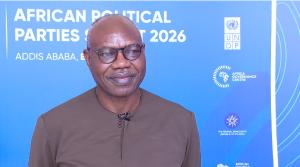
Adwa Enduring Lesson in Nat’l Sovereignty, Ability of People to Determine Own Destiny: UNDP Advisor
Nov 15, 2026 1191
Addis Ababa, November 15, 2026 (ENA)— The historic victory of Adwa remains an enduring lesson in national sovereignty and the ability of people to determine their own destiny as well as an inspiration for self-reliance, David Omozuafoh, UNDP Regional Governance and Rule of Law Advisor said. In an exclusive interview with ENA, he stated that Adwa Victory represents the resilience and determination of a people who refused to surrender their sovereignty to external forces. The significance of the historic victory extends beyond its military dimension, offering important lessons for contemporary societies confronting economic, political and other forms of external pressure, he added. "The history of Adwa is a history of resilience. It's a history of a people saying we are in charge of ourselves, and we cannot succumb to the pressure from outside," the Advisor elaborated. For Omozuafoh, the central message of Adwa is that people possess the capacity to shape their own future and overcome challenges through their determination, collective strength and resilience. The lessons of the historic victory remain particularly relevant today when nations and communities continue to face different forms of pressures. He stressed that self-reliance should remain a fundamental principle, underscoring that sustainable liberation and progress cannot depend on external actors. "No one from outside is your savior. You are the savior of yourself," he noted, highlighting the importance of determining own destiny. His reflections underscore the continuing relevance of Adwa as more than a defining chapter in Ethiopia's history, but also as a source of inspiration for sovereignty, self-determination and national resilience. The victory became a landmark in the history of African resistance to colonialism, inspiring generations across the continent and beyond. The enduring significance of Adwa lies not only in remembering the triumph of 1896, but also in drawing lessons from the courage, resilience and self-belief that made it possible — values that continue to hold relevance for generations seeking to shape their own future. Adwa occupies a distinctive place in the broader historical memory of Africa, representing not only military triumph but also collective unity, courage and the resolve to determine one's own destiny. The victory stands as a defining turning point in modern history and a lasting blueprint for Africa's contemporary transformation. Today, the spirit of Adwa continues to inspire Africa's push for economic independence, regional integration, and global influence.
.jpg)
GERD Proves Ethiopia’s Ability to Overcome Future Water Dev’t Challenges, Says Water Minister
Nov 14, 2026 7798
Addis Ababa, November 14, 2026 (ENA)— The successful execution of the Grand Ethiopian Renaissance Dam (GERD) has amply demonstrated the nation's capacity to overcome challenges and bring to fruition its water development projects, Water and Energy Minister Habtamu Itefa told ENA. The Minister added that any future development and infrastructure projects in Ethiopia will be significantly smoother and less burdensome than past endeavors. "Challenges for any further development projects in Ethiopia will be much simpler than that we passed through; because we built Africa’s biggest dam overcoming many difficulties," he stated. Habtamu noted that external pressure and attempts to prevent Ethiopia from utilizing its water resources for development have ironically strengthened national unity and determination. “The more pressure is exerted on Ethiopia from outside, the more united Ethiopians become,” he said, citing the construction of the GERD as evidence of the country's collective commitment to safeguarding its national interests. The Minister criticized Egypt’s approach to the Nile River, noting that its continued opposition to Ethiopia’s water development projects disregards the contributions of upstream countries. Ethiopia, for instance, contributes over 86 percent of the Nile’s water. Similarly, the other upstream countries contributing to the river have the right to utilize their water resources for development. Habtamu argues that Egypt’s political rhetoric over the Nile is partly intended to divert public attention from domestic challenges and create the impression that its government is protecting national interests. However, the truth is that Ethiopia’s development projects are not intended and do no harm to downstream countries. On the contrary, the GERD for example provides benefits to both Sudan and Egypt. Among the benefits he mentioned improved water regulation, increased water availability during dry seasons, and reduced evaporation losses compared with the Aswan High Dam. The Minister reiterated that Ethiopia remains committed to utilizing its natural resources for development while respecting the interests of other countries. Recall that Ethiopia signed the 2015 Declaration of Principles on the GERD with Egypt and Sudan to exchange information and cooperation during the dam's construction and filling process. On the other hand, Egypt had undertaken several water development projects without adequately considering Ethiopia's interests, including the construction of the Aswan High Dam and other water-transfer schemes, Habtamu elaborated. The Water Minister insisted that Egypt abandon such unilateral approaches to Nile water development and engage Ethiopia and all other Nile Basin countries through meaningful negotiations and cooperation based on mutual understanding, compromise and the recognition of the legitimate development interests of all Nile Basin countries. He urged Egypt to move beyond opposing Ethiopia's development initiatives and instead participate in joint water development projects across the Nile Basin. Furthermore, Habtamu advised Egypt to re-evaluate domestic water consumption policies, pointing to water intensive agricultural practices such as extensive rice and sugarcane cultivation, as well as water diversion projects directed toward desert areas like the Toshka Valley and the Sinai Peninsula, rather than placing sole focus on upstream development. Egypt needs to improve its water management practices, including adopting modern irrigation technologies and reconsidering water-intensive agricultural activities, he said.
.jpg)
President Taye Appoints Ambassadors Plenipotentiary
Nov 14, 2026 6681
Addis Ababa, November 14, 2026 (ENA)— President Taye Atseke Selassie has appointed 32 Ambassadors Plenipotentiary today. According to a press statement sent to ENA, the following Ambassadors Plenipotentiary were appointed. 1.Mr. Tagesse Chafo 2.Mr. Agegnehu Teshager 3.Mr. Zadig Abrha 4.Ambassador Siraj Rashid Jundi 5.Ambassador Meles Alem Tekie 6.Ambassador Anteneh Alemu Senbete 7.Ambassador Zerihun Abebe Yigzaw 8.Mr. Melaku Alebel 9. Dr. Ergogie Tesfaye 10. Dr. Sintayehu W/Michael 11. Dr. Seman Tiruneh 12. Prof. Mesfin Araya 13. Dr. Kassahun Gofe 14. Dr. Alemu Sime 15. Mr. Adam Tesfaye Abera 16. Mr. Amha H/Giorgis Ayele 17. Mr. Samuel Addis Alemayehu 18. Mr. Belachew Anshiso Kembecha 19. Mr. Abebe Mebratu Kibret 20. Mr. Melaku Bedada Senbeta 21. Mrs. Ubah Mohamed Hussein 22. Mr. Daniel Tenkir Arega 23. Dr. Ambaye Ogato 24. Mrs. Worknesh Biru 25. Dr. Yonas Adaye 26. Mr. Melaku Fenta Balcha 27. Mr. Jantirar Abay 28. Mr. Temesgen Tilahun 29. Mr. Tadele Negisho 30. Mr. Zerihun Megersa Jima 31. Mr. Shimelis Adugna Balcha 32. Mr. Abdurahman Jamal Nurlign
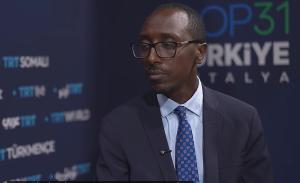
FM Gedion Stresses Need for Action-Oriented COP32, Urges Global Investment in Africa’s Green Future
Nov 14, 2026 3686
Addis Ababa, November 14, 2026 (ENA)— Ethiopia is calling for concrete global action and increased investment in Africa’s green future. Foreign Minister Gedion Timothewos made the call in an interview with Türkiye’s TRT World One on One program on the sidelines of the 31st United Nations Climate Change Conference (COP31) in Antalya, Türkiye, urged developed countries to translate climate commitments into tangible support for green infrastructure, industrialization and sustainable development across the continent. He further emphasized the need for meaningful outcomes at the current summit ahead of Ethiopia’s hosting of COP32 in 2027. The minister said Ethiopia’s immediate priority is to support the COP31 presidency and ensure successful negotiations that generate positive momentum for the next climate conference in Addis Ababa. Gedion said Ethiopia expects COP31 to deliver consensus and meaningful decisions across key negotiation tracks, particularly on climate adaptation, mitigation, implementation plans and other measures requiring operationalization. Addressing Africa’s climate priorities, he stressed that developed countries must demonstrate their commitment through concrete investments in green infrastructure, industrialization and a sustainable economic future for the continent. Gedion noted that Ethiopia’s experience demonstrates that climate action can go hand in hand with economic growth, creating jobs, improving livelihoods and expanding development opportunities. Through its nationwide tree-planting campaign, green mobility and sustainable urbanization initiatives, Ethiopia is demonstrating how environmental protection can also serve as a driver of economic transformation, he added. The Foreign Minister said Ethiopia intends to translate this commitment into concrete outcomes through climate negotiations, its action agenda and initiatives under its COP32 presidency. He emphasized that the upcoming summit should go beyond declarations and pledges to advance the implementation of existing climate agreements and deliver the financing needed by developing countries. Gedion called for stronger political will and international cooperation, stressing the need to strengthen existing mechanisms, improve access to affordable capital, address credit-rating challenges and expand direct budgetary support and official development assistance. He also underscored the importance of advancing international cooperation under the Paris Agreement and other relevant legal instruments to ensure that climate commitments translate into meaningful action. Speaking on Ethiopia-Türkiye relations, Gedion described the partnership as strong and historic, founded on longstanding ties, mutual understanding and growing cooperation between the two countries and their peoples. He further encouraged Turkish businesses to expand their investments in Ethiopia, particularly in hospitality, manufacturing and construction, noting that Turkish companies could make significant contributions to Ethiopia’s growing economy. He said greater private-sector engagement would create mutually beneficial opportunities and further strengthen the economic partnership between the two countries.

Ethiopia Reinforces Development Partnerships Ahead of COP32
Nov 13, 2026 5336
Addis Ababa, November 13, 2026 (ENA)— Ethiopia’s Minister of Finance and COP32 Chief Negotiator, Fitsum Assefa, held discussions with French Development Agency (AFD) Chief Executive Officer Christophe Lecourtier on the sidelines of COP31 in Antalya, Türkiye. The discussions focused on strengthening the development partnership between Ethiopia and the French Development Agency and exploring additional areas of collaboration in connection with Ethiopia’s preparations to host COP32 in 2027. In a separate engagement on the sidelines of COP31, Fitsum also held bilateral talks with UNDP Administrator Alexander De Croo. The meeting provided an opportunity to exchange views on Ethiopia’s longstanding cooperation with the United Nations Development Programme (UNDP) in climate action and sustainable development. Discussions focused on climate finance, investment, resilience and ongoing efforts to support the implementation of Ethiopia’s climate and development priorities. The two sides also explored opportunities to further expand their cooperation, ENA learned. The engagements underscore Ethiopia’s efforts to deepen partnerships with international development institutions, mobilize climate finance and strengthen international cooperation in support of its climate ambitions ahead of hosting COP32 in 2027.
Politics
Ethiopia Leads a Week of Green Diplomacy as Red Sea Access Push Gains International Momentum
Nov 15, 2026 2589
By Staff Writer November 15, 2026 (ENA) The second week of November 2026 marked a significant period in Ethiopia’s diplomatic engagement, as the country stepped up its global climate leadership at COP31 in Türkiye while its longstanding aspiration for sovereign access to the Red Sea gained further international attention. From advancing climate finance and green development partnerships to strengthening Africa’s voice in global climate negotiations, Ethiopia used the COP31 platform to reinforce its diplomatic standing ahead of hosting COP32 in Addis Ababa in November 2027. At the same time, growing international recognition of Ethiopia’s strategic interests in Red Sea access, alongside renewed discussions over the equitable utilization of the Nile waters, brought the country's development priorities into sharper regional and international focus. Together, these developments underscored Ethiopia’s increasingly assertive diplomatic engagement, anchored in its pursuit of sustainable development, regional cooperation and a greater role in shaping issues of strategic importance to Africa and the wider world. Ethiopia Takes Center Stage in Global Climate Diplomacy Ethiopia emerged as a prominent diplomatic voice at the 31st United Nations Climate Change Conference (COP31), held in Antalya, Türkiye, where leaders and delegations from nearly 200 countries gathered to address the mounting challenges of global climate change. As the incoming host of COP32, Ethiopia used the international platform not only to showcase its homegrown climate initiatives but also to advocate for stronger international cooperation, accessible climate finance and practical solutions that address the needs of vulnerable communities. Addressing the COP31 Leaders’ Summit, Prime Minister Abiy Ahmed called for predictable, timely and affordable climate finance, emphasizing that international climate commitments must translate into tangible support before disasters strike. The Premier stressed that climate action is not simply an environmental undertaking for Ethiopia but a fundamental pillar of its economic policy and national development strategy. “In Ethiopia, climate action is economic policy,” he said, highlighting the devastating effects of recurring El Niño-related droughts and floods on agricultural production, livelihoods and community resilience. He noted that climate-related disasters continue to displace families, undermine economic gains and prolong recovery, even after rainfall returns and floodwaters recede. Against this backdrop, the Prime Minister underscored Ethiopia’s efforts to strengthen community-level preparedness and equip local governments to anticipate climate risks, protect livelihoods and respond before disasters escalate. He also highlighted the country's broader climate vulnerabilities, noting that more than 90 percent of Ethiopia’s electricity is generated from hydropower, making changing rainfall patterns a critical concern for national energy security and electricity supplies to neighboring countries. The effects of rising temperatures and changing rainfall patterns also threaten Ethiopia’s forests and agricultural landscapes, including the country's globally renowned Arabica coffee, which remains an important source of livelihoods, export earnings and national identity. Highlighting Ethiopia’s homegrown development philosophy of Medemer (Synergy), Abiy explained how the country is mobilizing communities, institutions and resources around shared climate and development objectives. The Green Legacy Initiative, through which millions of Ethiopians participate in large-scale tree-planting campaigns, has seen more than 56 billion seedlings planted to date. The initiative is contributing to land restoration, forest expansion, employment creation and improved livelihoods. The Premier further reaffirmed Ethiopia’s commitment to expanding renewable energy, promoting climate-resilient agriculture, protecting urban environments and accelerating electric mobility as part of its broader green development agenda. His message reinforced Ethiopia’s position that climate action must go beyond declarations and translate into measurable development outcomes, particularly for countries facing disproportionate climate risks despite contributing relatively little to global emissions. Building the Road to COP32 in Addis Ababa Beyond its high-level political engagements, Ethiopia intensified diplomatic consultations to lay the groundwork for a successful and inclusive COP32. The country's high-level delegation, led by Foreign Minister and COP32 President-Designate Gedion Timothewos and Finance Minister and COP32 Chief Negotiator Fitsum Assefa, held extensive discussions with the COP31 Presidency, negotiating groups, participating countries and international partners. The engagements focused on ensuring a smooth transition from COP31 to COP32, strengthening trust among negotiating parties and building consensus around an implementation-oriented climate conference in Addis Ababa. Ethiopia's approach seeks to position COP32 as a platform that moves beyond climate pledges towards concrete action, with particular emphasis on climate finance, adaptation, resilience and the priorities of developing countries. The opening of the Ethiopian Pavilion at COP31 further strengthened the country's visibility, bringing together diplomats, members of the Ethiopian delegation, partner organizations and international participants to showcase its climate initiatives, investment opportunities and green development experience. The pavilion also provided an important platform for promoting Ethiopia's renewable energy potential, Green Legacy achievements, sustainable agriculture and climate investment opportunities ahead of COP32. Intensive Diplomatic Engagements on the Sidelines of COP31 Prime Minister Abiy Ahmed also used the COP31 gathering to advance Ethiopia’s bilateral and multilateral relations through a series of high-level meetings with world leaders. Among his engagements was a meeting with Turkish President Recep Tayyip Erdoğan in Antalya ahead of the COP31 Leaders’ Summit, reflecting the importance Ethiopia attaches to strengthening relations with its strategic partners. The Premier also held discussions with Barbadian Prime Minister Mia Mottley, Finnish President Alexander Stubb, Norwegian Prime Minister Jonas Gahr Støre, Iraqi President Nizar Mohammed Saeed, Somali President Hassan Sheikh Mohamud, Qatar's Amir Sheikh Tamim bin Hamad Al-Thani and Botswana's President Duma Gideon Boko. The engagements provided opportunities to discuss bilateral cooperation, shared development priorities, climate action and broader regional and international issues. Ethiopia's diplomatic presence at COP31 thus extended beyond climate negotiations, reinforcing its commitment to building strategic partnerships and expanding cooperation across regions. Ethiopia’s Red Sea Access Aspiration Gains International Recognition While Ethiopia was advancing its climate diplomacy in Antalya, its pursuit of sovereign access to the Red Sea also attracted renewed international attention, with prominent political figures and foreign defense officials expressing recognition of the country's strategic interests. As Africa's second-most populous nation and one of the region's major economies, Ethiopia has consistently argued that its landlocked status presents significant economic and strategic constraints, particularly given the growing importance of maritime trade to its long-term development. The country has maintained that its aspiration for sea access is rooted in legitimate geographical, historical, economic and strategic considerations, while emphasizing the importance of peaceful engagement, dialogue and mutually beneficial arrangements. Former Prime Minister of Côte d’Ivoire and President of the Ivorian Popular Front, Pascal Affi N’Guessan, recently described Ethiopia's quest for sovereign sea access as a legitimate national aspiration. Speaking to ENA in Addis Ababa, Affi N’Guessan expressed hope that outstanding issues could be resolved through constructive dialogue and compromises acceptable to all parties. “I believe that the ambition of Ethiopia is legitimate, and we hope that these questions will find solutions acceptable to all parties, through good compromises that allow everyone to recognize that this is the path that enables the entire region to move forward,” he said. He emphasized that mutual understanding and cooperation were essential to ensuring that competing interests do not become obstacles to regional development and stability. His remarks added to growing international discussions surrounding Ethiopia's maritime aspirations and the broader implications of sea access for economic integration and regional cooperation in the Horn of Africa. Similarly, French and Danish defense attachés recognized Ethiopia's legitimate interest in Red Sea access, highlighting its potential contribution to regional stability, maritime security and efforts to combat terrorism. Speaking to ENA, French Defense Attaché Colonel Damien Cypryk described Ethiopia's aspiration as legitimate, linking maritime access to the country's development and stability. “Access to the Red Sea for Ethiopia is a perfectly legitimate act because it is a question of development and stability,” he stated. The defense officials also underscored Ethiopia's importance as a major regional actor, noting that its participation in regional security mechanisms could contribute to safeguarding the strategically important Horn of Africa and its surrounding maritime routes. Their remarks highlighted the broader strategic dimension of Ethiopia's maritime aspirations, which extend beyond trade and economic considerations to encompass regional security, stability and cooperation. Nile Development: Ethiopia Reaffirms Its Position on Equitable Utilization Meanwhile, the equitable utilization of the Abay (Blue Nile) waters remained another important dimension of Ethiopia's regional development diplomacy. Water and Energy Minister Habtamu Itefa urged Egypt to modernize its domestic water management practices, reconsider water-intensive agricultural activities and seek Ethiopia's consent for development projects involving Nile waters. The Minister's remarks reaffirm Ethiopia's position that the Nile should serve as a source of shared prosperity and development rather than a basis for perpetuating historical inequities. Ethiopia has consistently maintained that the equitable and reasonable utilization of transboundary water resources is essential to ensuring the development rights of all riparian countries, while promoting cooperation and avoiding unnecessary regional tensions. The completion of the Grand Ethiopian Renaissance Dam (GERD), achieved despite considerable financial and diplomatic challenges, remains a major expression of the country's determination to harness its natural resources for national development. A Week Reflecting Ethiopia's Expanding Diplomatic Ambitions All in all, Ethiopia's engagements during the second week of November reflected a broader diplomatic strategy that connects climate leadership, economic transformation, regional security and sovereign development interests. At COP31, the country strengthened its international profile as an emerging voice in global climate negotiations, while laying the diplomatic groundwork for COP32 in Addis Ababa. Its extensive bilateral engagements further demonstrated its determination to build partnerships around shared development and global challenges. At the same time, international recognition of Ethiopia's Red Sea access aspirations and renewed discussions over equitable Nile utilization brought its strategic interests into greater international focus. As Ethiopia prepares to host COP32 in 2027, it is increasingly positioning itself not merely as a participant in international discussions but as a country seeking to shape the global development agenda, advance African priorities and promote solutions to some of the most consequential challenges facing the continent and the wider world.
Ethiopia Turns COP31 Diplomacy into Strategic Opportunity to Advance COP32 and Africa’s Climate Agenda
Nov 15, 2026 2707
By Staff Writer November 15, 2026 (ENA) By hosting COP32 in 2027, Ethiopia seeks to translate its growing diplomatic influence into climate investment, green development partnerships and stronger African representation in global climate negotiations. Ethiopia’s preparations to host the 32nd United Nations Climate Change Conference (COP32) in Addis Ababa in November 2027 are already taking shape on the diplomatic stage, with the country using the ongoing COP31 in Antalya, Türkiye, to build partnerships, advance Africa’s climate priorities and lay the groundwork for an ambitious global conference. For Ethiopia, COP32 represents far more than the responsibility of hosting one of the world's most consequential international gatherings. It offers a strategic opportunity to strengthen the country's diplomatic standing, mobilize climate finance, attract investment, showcase its green development initiatives and position Africa more prominently in international climate negotiations. The diplomatic push underway at COP31 is therefore particularly significant. Through high-level engagements with the current COP Presidency, negotiating groups and international partners, Ethiopia is seeking to ensure that the transition towards COP32 begins with a clear agenda: turning climate commitments into practical action, making climate finance more accessible and connecting environmental protection with economic transformation. At the heart of this ambition is a development philosophy that views climate action not as a separate environmental undertaking but as an essential pillar of economic policy. Addressing the opening of COP31 in Antalya, Prime Minister Abiy Ahmed captured this approach in a clear message: “In Ethiopia, climate action is economic policy.” The Prime Minister explained that changing weather patterns have direct consequences for agricultural production, electricity generation, livelihoods and the country's broader development trajectory. Droughts and floods associated with El Niño, he noted, can disrupt harvests, displace families and impose prolonged economic costs. “The rain comes back, floods subside, but recovery takes much longer,” he observed. His remarks underscore why climate resilience has become increasingly central to Ethiopia's development priorities. For a country whose economy remains closely connected to agriculture and hydropower, climate-related disruptions are not simply environmental challenges; they threaten productivity, economic stability and the livelihoods of millions. This perspective is expected to inform Ethiopia's preparations for COP32, particularly its emphasis on adaptation, early-warning systems, climate finance and investment in resilient infrastructure. From COP31 diplomatic engagement to COP32 leadership The arrival of Foreign Affairs Minister and COP32 President-Designate Gedion Timothewos in Antalya to participate in COP31 marks an important phase in Ethiopia's diplomatic preparations. His engagements with the current COP Presidency, negotiating groups and international partners are expected to help establish the political and institutional foundations for a successful conference in Addis Ababa. Ethiopia has expressed its ambition to make COP32 inclusive, action-oriented and implementation-focused, with particular attention to the needs of developing countries. The objective is to move beyond repeated declarations and ensure that international climate commitments translate into accessible financing, technology partnerships and tangible outcomes. The country's selection as host reflects both its diplomatic standing and Africa's collective ambition to secure a stronger voice in shaping global climate policy. The African Group of Negotiators unanimously endorsed Ethiopia's candidacy during COP30 in Belém, Brazil, in November 2025. Although Nigeria initially competed for the hosting opportunity, it eventually stepped aside, allowing Africa to present a unified position. The UNFCCC subsequently accepted Ethiopia's offer to host COP32 in Addis Ababa from November 8 to 19, 2027. Several factors underpin Ethiopia's selection. Addis Ababa, as the headquarters of the African Union (AU) and a major center of international diplomacy, provides an important institutional advantage. Hosting COP32 will create an opportunity to connect global climate negotiations with continental development priorities and strengthen cooperation between African institutions and international partners. Ethiopia has also demonstrated its capacity to convene major international climate discussions. In September 2025, the country hosted the Second Africa Climate Summit, bringing together more than 26,000 participants and producing the Addis Ababa Declaration on Climate Change and Call for Action. The summit provided an important platform for advancing African-led climate finance, innovation and collective action. Its outcomes also established a foundation upon which Ethiopia can build as it prepares to host the global climate conference. Equally important are the country's domestic green development initiatives, including the Climate-Resilient Green Economy Strategy, the Green Legacy Initiative and substantial investments in renewable energy. Together, these initiatives provide Ethiopia with practical experiences to bring into international discussions on how developing countries can pursue economic growth while protecting natural resources and building resilience against climate change. COP32: An opportunity to advance Africa's climate priorities Beyond its national diplomatic and economic interests, Ethiopia's hosting of COP32 carries considerable continental significance. Africa contributes a relatively small share of global greenhouse gas emissions but faces some of the most severe consequences of climate change. Prolonged droughts, devastating floods, land degradation, food insecurity and water stress continue to threaten communities and undermine development gains across the continent. Yet African countries face persistent challenges in accessing affordable climate finance, transferring advanced technologies and building the institutional capacity needed to respond effectively. For this reason, climate finance, adaptation, technology transfer and capacity building remain central to Africa's negotiating priorities. Ethiopia's selection as host therefore represents an opportunity to strengthen the continent's collective negotiating position and ensure that its development concerns receive greater attention in international climate decision-making. The conference could also help advance African-led initiatives, including the proposed Africa Climate Innovation Compact and African Climate Facility, aimed at mobilizing resources and supporting climate solutions across the continent. The broader objective is to move beyond presenting Africa primarily as a continent vulnerable to climate change and increasingly recognize its potential as a source of renewable energy, environmental solutions, innovation and sustainable investment opportunities. Mobilizing climate finance for sustainable development One of the most significant opportunities presented by COP32 is the potential to mobilize climate finance and attract investment into Ethiopia's green economy. The country requires substantial resources to expand renewable energy, modernize agriculture, develop irrigation, restore degraded landscapes and build climate-resilient infrastructure. Its dependence on rain-fed agriculture and hydropower also makes it particularly vulnerable to changing rainfall patterns, prolonged droughts and extreme weather events. Against this backdrop, COP32 could provide a major platform for engaging multilateral climate funds, development banks, bilateral partners and private investors. Such partnerships could support investments in renewable energy, sustainable agriculture, water infrastructure, forest restoration, climate-resilient cities and disaster preparedness. However, attracting international attention alone will not be sufficient. Ethiopia's ability to translate diplomatic engagement into investment-ready projects, affordable financing and sustainable development partnerships will be critical to realizing the conference's potential. Prime Minister Abiy has particularly emphasized the importance of predictable and accessible climate finance, arguing that resources must reach vulnerable communities before disasters cause widespread damage. Outlining the approach Ethiopia intends to advance at COP32, he said: “We will put early action at the center, funding released when warning comes, reaching the most exposed first.” This vision points to an important shift in global climate policy: moving from financing recovery after disasters towards investing in preparedness, prevention and resilience before they occur. For developing countries, timely access to climate finance, reliable forecasting and effective early-warning systems can protect agricultural production, infrastructure and vulnerable communities while reducing the enormous economic costs of climate-related disasters. Making this approach a practical outcome of COP32 could give Ethiopia an opportunity to contribute to a more responsive and development-oriented international climate finance system. Renewable energy: Connecting green development with regional economic integration Renewable energy is another major area in which Ethiopia can demonstrate the relationship between climate action and economic transformation. The country possesses considerable hydropower, wind, solar and geothermal resources, offering significant potential to expand clean electricity generation, support industrialization and strengthen regional energy cooperation. The Grand Ethiopian Renaissance Dam (GERD), alongside other renewable energy investments, illustrates Ethiopia's ambition to expand domestic electricity generation and enhance its role in regional power integration. Addressing COP31, Prime Minister Abiy highlighted the regional importance of Ethiopia's hydropower resources, noting that more than 90 percent of the country's electricity comes from water, including electricity supplied to neighboring countries. This demonstrates that Ethiopia's renewable energy investments have implications beyond its national borders. Expanded electricity generation and cross-border power trade can support regional industrial development, improve energy access and strengthen economic interdependence. Through COP32, Ethiopia could attract partnerships and investment in energy storage, transmission infrastructure, renewable energy technologies and regional electricity markets. Such investments would help accelerate industrialization, expand electricity access and strengthen the country's position as an emerging regional electricity supplier. At the same time, the Prime Minister acknowledged the importance of diversifying the country's energy mix to reduce vulnerability to changing rainfall patterns and fluctuations in water availability. “We are also taking a long view with our energy supply, developing wind, solar, and geothermal power, while planning for nuclear, so a dry year does less harm to our economy,” he said. The strategy reflects the importance of a diversified and reliable energy supply in supporting economic expansion. While hydropower remains central to Ethiopia's electricity generation, developing alternative energy sources can strengthen resilience against drought and improve long-term energy security. Protecting agriculture and safeguarding Ethiopia's global coffee heritage Climate resilience is equally important to Ethiopia's agricultural transformation. Erratic rainfall, prolonged droughts, flooding and land degradation continue to threaten agricultural productivity and rural livelihoods. Strengthening the sector's resilience therefore requires investment in irrigation, improved seeds, soil conservation, agricultural research, climate information services and early-warning systems. At COP31, Prime Minister Abiy highlighted the role of emerging technologies in strengthening climate monitoring and helping farmers respond to changing weather conditions. “We use satellite data to watch the land, and we are improving forecasts with artificial intelligence to give farmers earlier warning,” he said. The application of satellite monitoring, artificial intelligence and advanced forecasting systems could help farmers anticipate extreme weather events, make better-informed planting and harvesting decisions and minimize agricultural losses. Ethiopia could use COP32 to advocate for greater international cooperation in climate information systems, technology transfer and capacity building, particularly for countries with limited resources to develop these capabilities independently. The issue also has implications for Ethiopia's international trade and global agricultural reputation. Drawing attention to the climate threats facing one of the country's most celebrated exports, the Prime Minister noted that changing temperatures and rainfall patterns are endangering the forests and farms where Ethiopian Arabica coffee is grown. “Many of you begin your day with Ethiopia’s gift to the world, Arabica coffee, but rising temperatures and changing rainfall threaten the forests and the farms where it grows,” he stated. The message connects climate change with livelihoods, export earnings and global agricultural value chains. Ethiopia's coffee sector, deeply rooted in the country's natural forests and agricultural communities, illustrates how environmental degradation can affect both domestic economic interests and international markets. Protecting coffee-growing landscapes, strengthening agricultural adaptation and supporting sustainable production are therefore not merely environmental priorities. They are essential to safeguarding an important source of export revenue and the livelihoods of farming communities. For Ethiopia, COP32 could help attract partnerships in climate-smart agriculture, agricultural research, sustainable value chains and nature-based solutions. Green Legacy: Mobilizing citizens for environmental restoration Ethiopia's climate resilience agenda also extends beyond technological interventions and infrastructure investment to community participation and environmental restoration. The Green Legacy Initiative, launched in 2019 under the leadership of Prime Minister Abiy Ahmed, stands among the country's most prominent examples of large-scale citizen mobilization around environmental protection. Explaining the philosophy behind the initiative, the Prime Minister said Ethiopia's development approach of Medemer brings citizens, institutions and resources together around shared national objectives. “Every year, millions of Ethiopians join in planting trees. Together, we have planted over 56 billion seedlings, restoring degraded land and expanding our forests,” he said at COP31. The initiative has mobilized millions of citizens in tree planting, watershed development and environmental restoration, making environmental protection an increasingly visible part of national development efforts. Its significance, however, extends beyond the number of seedlings planted. The initiative contributes to soil conservation, water resource protection, biodiversity preservation and the broader objective of building a climate-resilient green economy. “The initiative has created jobs and improved livelihoods. Planting is now a family habit. It is teaching us to honor the land we inherit, to live in harmony with nature, and to care for what we leave to our children,” the Prime Minister stated. These remarks highlight the social and economic dimensions of environmental restoration, particularly its contribution to employment, community participation and intergenerational responsibility. Environmental restoration also complements major infrastructure investments. Protecting watersheds and restoring degraded landscapes can help reduce soil erosion and sedimentation, contributing to the long-term sustainability of reservoirs and hydropower facilities, including the GERD. Through COP32, Ethiopia could demonstrate how community-led environmental restoration can complement infrastructure development, strengthen water security and support sustainable economic growth. At the same time, independently verifiable evidence of seedling survival rates, forest-cover expansion, restored land areas and measurable ecological improvements will be essential to demonstrating the initiative's long-term environmental impact. Building climate-resilient cities and promoting sustainable mobility Ethiopia's climate agenda is also increasingly extending into urban development. As cities expand, flooding, pollution, environmental degradation and pressure on public infrastructure are becoming more pressing challenges. In response, the government has been pursuing urban interventions that combine environmental protection with improved public spaces and living conditions. Prime Minister Abiy highlighted ongoing efforts to rehabilitate urban rivers, strengthen flood protection and develop accessible green spaces. “We are extending that work into our cities, building flood fences, cleaning polluted rivers, and turning their banks into parks and walkways where families gather and children play,” he said. Such initiatives reflect the importance of climate-resilient urban planning, particularly as rapid urbanization increases exposure to flooding and environmental pressures. Ethiopia's transition towards cleaner transportation represents another dimension of its green development agenda. At COP31, the Prime Minister highlighted the country's decision to ban imports of petrol and diesel-powered vehicles as part of efforts to accelerate electric mobility. “Ethiopia is doing its part. We have banned imports of petrol and diesel cars as we switch to EVs,” he said. The policy forms part of broader efforts to reduce dependence on imported fossil fuels, promote electric transportation and align the transport sector with the country's expanding clean-energy ambitions. It also demonstrates how domestic policy measures can support climate objectives while addressing economic priorities, including energy security and the country's import bill. These experiences provide further opportunities for Ethiopia to engage international partners on clean transportation, charging infrastructure, electric mobility technologies and sustainable urban development. COP32 and the wider economic opportunities for Ethiopia Beyond climate diplomacy and environmental priorities, hosting COP32 could generate substantial economic opportunities across several sectors. Thousands of international delegates, government officials, researchers, investors, journalists and representatives of international organizations are expected to travel to Addis Ababa, generating increased demand for accommodation, aviation, transportation, hospitality and other services. Ethiopian Airlines, hotels, tourism operators and local businesses could benefit from the increased international activity. The conference would also provide an exceptional platform to promote Ethiopia's cultural heritage, historical destinations and natural attractions to a global audience. More importantly, COP32 could strengthen the country's international profile and create opportunities for new bilateral relationships, investment agreements and strategic partnerships. As the host of a major international climate conference, Ethiopia will have the opportunity to bring together political leaders, international financial institutions, development partners and private-sector actors around shared economic and environmental priorities. This diplomatic exposure could create benefits that extend well beyond the conference itself, provided the country develops a clear strategy for converting international engagement into long-term partnerships and investment. From international commitments to measurable results Despite the opportunities, one of the greatest challenges facing COP32 will be ensuring that global climate commitments translate into tangible results. Developing countries have repeatedly called for increased climate finance, affordable access to technology and stronger international cooperation. Yet the gap between financial commitments and actual implementation remains a persistent obstacle to effective climate action. Ethiopia could use its COP32 presidency to advance discussions on climate finance, adaptation, technology transfer and equitable access to resources, building on the outcomes of the Second Africa Climate Summit. For Africa, the stakes are particularly high. Governments across the continent face the dual challenge of expanding electricity access, developing infrastructure, creating employment and accelerating industrialization while confronting increasingly severe climate pressures. The continent requires substantial investment in renewable energy, climate-resilient agriculture, sustainable transportation, water management and environmental restoration. However, limited fiscal resources, high borrowing costs and difficulties accessing international climate finance continue to constrain progress. Against this background, COP32 could bring African governments, international financial institutions, development partners and private investors together to address these structural challenges. Ethiopia has an opportunity to position the conference around a development-centered climate agenda, emphasizing that climate action must contribute to industrialization, poverty reduction, employment creation and improved living standards. Such an approach would also reinforce Africa's demand for a fairer international climate framework in which developing countries are supported in pursuing their development aspirations without compromising environmental sustainability. Ethiopia's diplomatic opportunity and the road to Addis Ababa Prime Minister Abiy's remarks at COP31 offer an indication of the priorities Ethiopia intends to advance as it prepares to assume the COP32 presidency. By emphasizing early action, accessible climate finance, technological innovation, renewable energy, environmental restoration and community participation, he has outlined an agenda that connects international climate cooperation with practical development needs. His message also reflects Ethiopia's intention to work closely with the current COP31 Presidency to advance the global climate process and ensure a smooth transition towards the Addis Ababa conference. “Ethiopia will work closely with COP31 Presidency for a successful outcome here. We look forward to welcoming you for COP32 in the Land of Origins,” he said. This commitment is significant because the success of COP32 will depend not only on Ethiopia's preparations as host but also on its ability to build consensus among countries with different economic interests, development priorities and negotiating positions. The diplomatic engagements taking place in Antalya therefore provide an important starting point for shaping the conference's political direction, strengthening international partnerships and building confidence in Ethiopia's capacity to lead the process. Ultimately, Ethiopia's hosting of COP32 presents an opportunity to connect global climate diplomacy with national development and Africa's wider economic aspirations. The conference could strengthen Ethiopia's diplomatic influence, attract climate finance, accelerate renewable energy investment, support agricultural transformation, promote tourism and expand international partnerships. But its ultimate success will not be measured by the number of delegates attending, the scale of international attention or the declarations adopted in Addis Ababa. It will be measured by the resources mobilized, partnerships established, projects implemented, communities reached and progress achieved in addressing the climate challenges confronting Ethiopia and the wider African continent. For Ethiopia, COP32 must therefore become more than an international gathering. It must serve as a strategic platform for translating diplomatic influence into investment, international commitments into development partnerships and environmental ambitions into measurable improvements in people's lives.
Ethiopia Example for Africa in Preserving Cultural Identity, Sustainability: Africa Celebrates President
Nov 15, 2026 1308
Addis Ababa, November 15, 2026 (ENA)— Ethiopia’s commitment to preserving its cultural heritage and advancing sustainability sets an example for other African countries in safeguarding their cultural identity and promoting environmental action, African Celebrates President Lexy Mojo-Eyes said. Africa Celebrates is an annual Pan-African festival that unites African Union member states, the diaspora, and global partners to celebrate the continent's diversity through culture, business, and innovation. The festival is being held at the African Union in Addis Ababa, Ethiopia. In an exclusive interview with ENA, the President said Ethiopia’s historical experience, particularly its resistance to colonization, has enabled it to maintain a rich cultural heritage that offers valuable lessons for other African countries. According to him, many African countries have experienced significant changes in their cultural practices, including traditional dressing, food, and languages, following colonial influence, while Ethiopia has largely maintained its cultural identity. Mojo-Eyes noted that Ethiopia’s continued use of its indigenous languages, traditional clothing, food, and cultural practices demonstrates the importance of preserving African heritage and passing it on to future generations. Highlighting the widespread use of the Amharic language in everyday communication across Ethiopia, the President said the country's continued use of its indigenous languages offers an important lesson for other African nations in preserving their linguistic and cultural identities. Beyond cultural preservation, he also commended Ethiopia’s efforts to promote sustainability and raise public awareness about climate change and environmental protection. Mojo-Eyes praised Prime Minister Abiy Ahmed’s climate initiatives, particularly efforts to promote sustainability, recycling, and environmental awareness, describing the progress made in Ethiopia as remarkable. In this regard, he said Ethiopia’s preparations to host COP32 demonstrate the country's commitment to advancing sustainability and championing environmental action on the African continent. For him, hosting the global climate conference would provide an important opportunity for Ethiopia to showcase its sustainability efforts while encouraging other African countries to learn from its experience. The President described Ethiopia’s role in championing sustainability and hosting COP32 as commendable, saying its experience could encourage other African countries to intensify their efforts toward environmental protection and sustainable development.
Adwa Enduring Lesson in Nat’l Sovereignty, Ability of People to Determine Own Destiny: UNDP Advisor
Nov 15, 2026 1191
Addis Ababa, November 15, 2026 (ENA)— The historic victory of Adwa remains an enduring lesson in national sovereignty and the ability of people to determine their own destiny as well as an inspiration for self-reliance, David Omozuafoh, UNDP Regional Governance and Rule of Law Advisor said. In an exclusive interview with ENA, he stated that Adwa Victory represents the resilience and determination of a people who refused to surrender their sovereignty to external forces. The significance of the historic victory extends beyond its military dimension, offering important lessons for contemporary societies confronting economic, political and other forms of external pressure, he added. "The history of Adwa is a history of resilience. It's a history of a people saying we are in charge of ourselves, and we cannot succumb to the pressure from outside," the Advisor elaborated. For Omozuafoh, the central message of Adwa is that people possess the capacity to shape their own future and overcome challenges through their determination, collective strength and resilience. The lessons of the historic victory remain particularly relevant today when nations and communities continue to face different forms of pressures. He stressed that self-reliance should remain a fundamental principle, underscoring that sustainable liberation and progress cannot depend on external actors. "No one from outside is your savior. You are the savior of yourself," he noted, highlighting the importance of determining own destiny. His reflections underscore the continuing relevance of Adwa as more than a defining chapter in Ethiopia's history, but also as a source of inspiration for sovereignty, self-determination and national resilience. The victory became a landmark in the history of African resistance to colonialism, inspiring generations across the continent and beyond. The enduring significance of Adwa lies not only in remembering the triumph of 1896, but also in drawing lessons from the courage, resilience and self-belief that made it possible — values that continue to hold relevance for generations seeking to shape their own future. Adwa occupies a distinctive place in the broader historical memory of Africa, representing not only military triumph but also collective unity, courage and the resolve to determine one's own destiny. The victory stands as a defining turning point in modern history and a lasting blueprint for Africa's contemporary transformation. Today, the spirit of Adwa continues to inspire Africa's push for economic independence, regional integration, and global influence.
GERD Proves Ethiopia’s Ability to Overcome Future Water Dev’t Challenges, Says Water Minister
Nov 14, 2026 7798
Addis Ababa, November 14, 2026 (ENA)— The successful execution of the Grand Ethiopian Renaissance Dam (GERD) has amply demonstrated the nation's capacity to overcome challenges and bring to fruition its water development projects, Water and Energy Minister Habtamu Itefa told ENA. The Minister added that any future development and infrastructure projects in Ethiopia will be significantly smoother and less burdensome than past endeavors. "Challenges for any further development projects in Ethiopia will be much simpler than that we passed through; because we built Africa’s biggest dam overcoming many difficulties," he stated. Habtamu noted that external pressure and attempts to prevent Ethiopia from utilizing its water resources for development have ironically strengthened national unity and determination. “The more pressure is exerted on Ethiopia from outside, the more united Ethiopians become,” he said, citing the construction of the GERD as evidence of the country's collective commitment to safeguarding its national interests. The Minister criticized Egypt’s approach to the Nile River, noting that its continued opposition to Ethiopia’s water development projects disregards the contributions of upstream countries. Ethiopia, for instance, contributes over 86 percent of the Nile’s water. Similarly, the other upstream countries contributing to the river have the right to utilize their water resources for development. Habtamu argues that Egypt’s political rhetoric over the Nile is partly intended to divert public attention from domestic challenges and create the impression that its government is protecting national interests. However, the truth is that Ethiopia’s development projects are not intended and do no harm to downstream countries. On the contrary, the GERD for example provides benefits to both Sudan and Egypt. Among the benefits he mentioned improved water regulation, increased water availability during dry seasons, and reduced evaporation losses compared with the Aswan High Dam. The Minister reiterated that Ethiopia remains committed to utilizing its natural resources for development while respecting the interests of other countries. Recall that Ethiopia signed the 2015 Declaration of Principles on the GERD with Egypt and Sudan to exchange information and cooperation during the dam's construction and filling process. On the other hand, Egypt had undertaken several water development projects without adequately considering Ethiopia's interests, including the construction of the Aswan High Dam and other water-transfer schemes, Habtamu elaborated. The Water Minister insisted that Egypt abandon such unilateral approaches to Nile water development and engage Ethiopia and all other Nile Basin countries through meaningful negotiations and cooperation based on mutual understanding, compromise and the recognition of the legitimate development interests of all Nile Basin countries. He urged Egypt to move beyond opposing Ethiopia's development initiatives and instead participate in joint water development projects across the Nile Basin. Furthermore, Habtamu advised Egypt to re-evaluate domestic water consumption policies, pointing to water intensive agricultural practices such as extensive rice and sugarcane cultivation, as well as water diversion projects directed toward desert areas like the Toshka Valley and the Sinai Peninsula, rather than placing sole focus on upstream development. Egypt needs to improve its water management practices, including adopting modern irrigation technologies and reconsidering water-intensive agricultural activities, he said.
President Taye Appoints Ambassadors Plenipotentiary
Nov 14, 2026 6681
Addis Ababa, November 14, 2026 (ENA)— President Taye Atseke Selassie has appointed 32 Ambassadors Plenipotentiary today. According to a press statement sent to ENA, the following Ambassadors Plenipotentiary were appointed. 1.Mr. Tagesse Chafo 2.Mr. Agegnehu Teshager 3.Mr. Zadig Abrha 4.Ambassador Siraj Rashid Jundi 5.Ambassador Meles Alem Tekie 6.Ambassador Anteneh Alemu Senbete 7.Ambassador Zerihun Abebe Yigzaw 8.Mr. Melaku Alebel 9. Dr. Ergogie Tesfaye 10. Dr. Sintayehu W/Michael 11. Dr. Seman Tiruneh 12. Prof. Mesfin Araya 13. Dr. Kassahun Gofe 14. Dr. Alemu Sime 15. Mr. Adam Tesfaye Abera 16. Mr. Amha H/Giorgis Ayele 17. Mr. Samuel Addis Alemayehu 18. Mr. Belachew Anshiso Kembecha 19. Mr. Abebe Mebratu Kibret 20. Mr. Melaku Bedada Senbeta 21. Mrs. Ubah Mohamed Hussein 22. Mr. Daniel Tenkir Arega 23. Dr. Ambaye Ogato 24. Mrs. Worknesh Biru 25. Dr. Yonas Adaye 26. Mr. Melaku Fenta Balcha 27. Mr. Jantirar Abay 28. Mr. Temesgen Tilahun 29. Mr. Tadele Negisho 30. Mr. Zerihun Megersa Jima 31. Mr. Shimelis Adugna Balcha 32. Mr. Abdurahman Jamal Nurlign
FM Gedion Stresses Need for Action-Oriented COP32, Urges Global Investment in Africa’s Green Future
Nov 14, 2026 3686
Addis Ababa, November 14, 2026 (ENA)— Ethiopia is calling for concrete global action and increased investment in Africa’s green future. Foreign Minister Gedion Timothewos made the call in an interview with Türkiye’s TRT World One on One program on the sidelines of the 31st United Nations Climate Change Conference (COP31) in Antalya, Türkiye, urged developed countries to translate climate commitments into tangible support for green infrastructure, industrialization and sustainable development across the continent. He further emphasized the need for meaningful outcomes at the current summit ahead of Ethiopia’s hosting of COP32 in 2027. The minister said Ethiopia’s immediate priority is to support the COP31 presidency and ensure successful negotiations that generate positive momentum for the next climate conference in Addis Ababa. Gedion said Ethiopia expects COP31 to deliver consensus and meaningful decisions across key negotiation tracks, particularly on climate adaptation, mitigation, implementation plans and other measures requiring operationalization. Addressing Africa’s climate priorities, he stressed that developed countries must demonstrate their commitment through concrete investments in green infrastructure, industrialization and a sustainable economic future for the continent. Gedion noted that Ethiopia’s experience demonstrates that climate action can go hand in hand with economic growth, creating jobs, improving livelihoods and expanding development opportunities. Through its nationwide tree-planting campaign, green mobility and sustainable urbanization initiatives, Ethiopia is demonstrating how environmental protection can also serve as a driver of economic transformation, he added. The Foreign Minister said Ethiopia intends to translate this commitment into concrete outcomes through climate negotiations, its action agenda and initiatives under its COP32 presidency. He emphasized that the upcoming summit should go beyond declarations and pledges to advance the implementation of existing climate agreements and deliver the financing needed by developing countries. Gedion called for stronger political will and international cooperation, stressing the need to strengthen existing mechanisms, improve access to affordable capital, address credit-rating challenges and expand direct budgetary support and official development assistance. He also underscored the importance of advancing international cooperation under the Paris Agreement and other relevant legal instruments to ensure that climate commitments translate into meaningful action. Speaking on Ethiopia-Türkiye relations, Gedion described the partnership as strong and historic, founded on longstanding ties, mutual understanding and growing cooperation between the two countries and their peoples. He further encouraged Turkish businesses to expand their investments in Ethiopia, particularly in hospitality, manufacturing and construction, noting that Turkish companies could make significant contributions to Ethiopia’s growing economy. He said greater private-sector engagement would create mutually beneficial opportunities and further strengthen the economic partnership between the two countries.
Ethiopia Reinforces Development Partnerships Ahead of COP32
Nov 13, 2026 5336
Addis Ababa, November 13, 2026 (ENA)— Ethiopia’s Minister of Finance and COP32 Chief Negotiator, Fitsum Assefa, held discussions with French Development Agency (AFD) Chief Executive Officer Christophe Lecourtier on the sidelines of COP31 in Antalya, Türkiye. The discussions focused on strengthening the development partnership between Ethiopia and the French Development Agency and exploring additional areas of collaboration in connection with Ethiopia’s preparations to host COP32 in 2027. In a separate engagement on the sidelines of COP31, Fitsum also held bilateral talks with UNDP Administrator Alexander De Croo. The meeting provided an opportunity to exchange views on Ethiopia’s longstanding cooperation with the United Nations Development Programme (UNDP) in climate action and sustainable development. Discussions focused on climate finance, investment, resilience and ongoing efforts to support the implementation of Ethiopia’s climate and development priorities. The two sides also explored opportunities to further expand their cooperation, ENA learned. The engagements underscore Ethiopia’s efforts to deepen partnerships with international development institutions, mobilize climate finance and strengthen international cooperation in support of its climate ambitions ahead of hosting COP32 in 2027.
Social
Ethiopia’s Coffee Expo Targets Global Markets, Investment and Tourism Opportunities
Nov 15, 2026 1765
Addis Ababa, November 15, 2026 (ENA)— The World Coffee Expo 2026 has opened in Jimma, Oromia Regional State, bringing together key stakeholders in the coffee industry to promote Ethiopian coffee, and expand international market connections. The two-day exhibition, which runs from November 14–15, has brought together regional government officials, coffee producers, exporters, international traders and industry representatives to strengthen partnerships and showcase Ethiopia’s coffee potential. More importantly, the expo aims to strengthen cooperation across the coffee value chain, showcase Ethiopia’s distinctive coffee varieties and create new opportunities in international trade, investment and coffee tourism, ENA reported from the scene. Speaking at the opening ceremony, Mohammed Taha Abafita, Head of the Political Sector of the Prosperity Party in the South Western Oromia Zone, underscored the importance of coordinated efforts among the government, producers and business stakeholders to increase coffee production and improve quality. Describing coffee as a backbone of Ethiopia’s economy, he stressed the need to strengthen development activities, provide professional support to farmers and maintain quality standards throughout the production process. He pointed out that the South Western Oromia Zone plans to produce 700,000 tonnes of coffee during the current production year, of which 195,000 tonnes are targeted for export to international markets. On his part, Nejib Kedir, President of the Jimma Chamber of Commerce and Sectoral Associations, emphasized the importance of boosting productivity while maintaining high-quality standards. He called on farmers, investors and exporters to give greater attention to coffee production standards to enhance the competitiveness of Ethiopian coffee in international markets. The 2026 exhibition is expected to attract more than 100 international coffee experts, traders, organizations and other industry stakeholders, providing a platform to showcase Ethiopia’s unique coffee varieties and connect local producers with global buyers. Widely recognized as the birthplace of Arabica coffee, Ethiopia remains one of the world's important coffee-producing countries. Its diverse growing conditions and distinctive varieties, including Sidama, Yirgacheffe, Guji, Harar and Limu, have earned the country a strong reputation in the international specialty coffee market. Beyond its cultural and historical significance, coffee remains one of Ethiopia’s most important export commodities, sustaining millions of livelihoods, particularly among smallholder farmers, while generating substantial foreign currency earnings. In that regard, the expo is also expected to create new investment opportunities in South Western Oromia, particularly in coffee tourism and related economic activities, further expanding the sector’s contribution to regional development. The event is coordinated by the Oromia Chamber of Commerce, with support from the Oromia Regional Government and the Ethiopian Chamber of Commerce, in collaboration with the South Western Oromia Zone and Jimma City Administration. Running through November 15, the exhibition seeks to translate Ethiopia’s longstanding coffee heritage into stronger international partnerships, expanded market access, increased investment and greater economic opportunities for coffee producers and businesses.
African Delegates Witness Major Development Shift in Ethiopia
Nov 15, 2026 1062
Addis Ababa, November 15, 2026 (ENA)— African delegates attending the 23rd Conference on Mathematics, Science and Technology Education in Africa (COMSTEDA 23) have praised Ethiopia’s development progress, rich historical heritage and growing capacity to host major international events. Approached by ENA on the sidelines of COMSTEDA 23, the delegates described Ethiopia as an inspiring example of Africa’s potential for homegrown development and continental cooperation. Moreover, the participants highlighted Addis Ababa’s changing urban landscape, Ethiopia’s historical significance and its hospitality, while underscoring the importance of African countries building their own development capacities and strengthening cooperation across the continent. Professor Benson Banda, President of Strengthening Mathematics and Science Education in Africa (SMASE-Africa), said his repeated visits to Ethiopia had allowed him to witness a remarkable transformation in the capital, particularly in urban infrastructure, cleanliness, connectivity and traffic management. Banda said the progress he had observed over successive visits reflected a growing commitment to sustainable, locally driven development. “The first time I came to Ethiopia, the area looked very underdeveloped. Over subsequent visits, I witnessed gradual progress, and now I see genuine sustainable development taking shape in Addis Ababa,” he said. He stressed that Africa's development should be driven by the continent's own capacities, with local communities empowered to participate in and benefit from economic progress. “This is what we need to focus on across the continent, creating what is our own, owned by ourselves,” Banda said, emphasizing that empowering local people ensures that the benefits of development remain within their communities. “When you empower local people and they grow with you, that is true sustainable development because the benefits stay right here in Ethiopia. I give a thumbs-up to the shift I have seen in Ethiopia’s approach to development,” he added. Beyond its development progress, Ethiopia’s historical legacy also left a strong impression on visiting delegates, particularly following their visit to the Adwa Victory Memorial Museum. Zambian academician Cleopatra Songolo said the visit gave her a deeper appreciation of Ethiopia’s historic struggle to defend its sovereignty and its enduring significance in African history. While she had long known Ethiopia as the only African country never colonized, Songolo said the museum offered a more profound understanding of the sacrifices behind that historic legacy. “What I expected and what I experienced this morning were completely different. We had an excellent tour guide who explained what Ethiopia went through, including the roughly 20,000 Ethiopians who laid down their lives to defend the country’s sovereignty,” she said. Songolo also described Ethiopia’s hosting of COMSTEDA 23 as an important demonstration of Africa’s capacity to organize and lead major continental gatherings. She said such events create opportunities for African countries to exchange knowledge, strengthen partnerships and increasingly look within the continent for solutions and opportunities. “Hosting an event of this scale is a great achievement for Ethiopia. It encourages other African nations to recognize that we do not always have to look outside the continent. We can host and lead right here,” she said. Ethiopia’s hospitality and conference arrangements also earned positive remarks from participants. Arthur Tukakira, a Regional Trainer at Uganda’s Ministry of Education, said the smooth visa application process, facilitated through Ethiopian Airlines, and the warm reception upon arrival had exceeded his expectations. “From the moment I applied to come and present at the conference, securing an online visa through Ethiopian Airlines was smooth, and we were warmly received upon landing,” he said. Tukakira further expressed optimism about Africa’s development prospects, stressing that stronger cooperation among African countries and sustained investment in education are essential to realizing the continent’s ambitions. “I believe we will get there. One day, the entire African continent will rise to where we aspire to be,” he said. The delegates’ reflections underscore the importance of Ethiopia’s growing profile as a destination for continental gatherings, cultural and historical tourism, and broader African engagement, while highlighting the potential of homegrown development and stronger intra-African partnerships to advance the continent’s aspirations.
Ethiopia Example for Africa in Preserving Cultural Identity, Sustainability: Africa Celebrates President
Nov 15, 2026 1308
Addis Ababa, November 15, 2026 (ENA)— Ethiopia’s commitment to preserving its cultural heritage and advancing sustainability sets an example for other African countries in safeguarding their cultural identity and promoting environmental action, African Celebrates President Lexy Mojo-Eyes said. Africa Celebrates is an annual Pan-African festival that unites African Union member states, the diaspora, and global partners to celebrate the continent's diversity through culture, business, and innovation. The festival is being held at the African Union in Addis Ababa, Ethiopia. In an exclusive interview with ENA, the President said Ethiopia’s historical experience, particularly its resistance to colonization, has enabled it to maintain a rich cultural heritage that offers valuable lessons for other African countries. According to him, many African countries have experienced significant changes in their cultural practices, including traditional dressing, food, and languages, following colonial influence, while Ethiopia has largely maintained its cultural identity. Mojo-Eyes noted that Ethiopia’s continued use of its indigenous languages, traditional clothing, food, and cultural practices demonstrates the importance of preserving African heritage and passing it on to future generations. Highlighting the widespread use of the Amharic language in everyday communication across Ethiopia, the President said the country's continued use of its indigenous languages offers an important lesson for other African nations in preserving their linguistic and cultural identities. Beyond cultural preservation, he also commended Ethiopia’s efforts to promote sustainability and raise public awareness about climate change and environmental protection. Mojo-Eyes praised Prime Minister Abiy Ahmed’s climate initiatives, particularly efforts to promote sustainability, recycling, and environmental awareness, describing the progress made in Ethiopia as remarkable. In this regard, he said Ethiopia’s preparations to host COP32 demonstrate the country's commitment to advancing sustainability and championing environmental action on the African continent. For him, hosting the global climate conference would provide an important opportunity for Ethiopia to showcase its sustainability efforts while encouraging other African countries to learn from its experience. The President described Ethiopia’s role in championing sustainability and hosting COP32 as commendable, saying its experience could encourage other African countries to intensify their efforts toward environmental protection and sustainable development.

Ethiopia, Switzerland Sign Agreement to Strengthen Strategic Cooperation on Migration
Nov 13, 2026 3804
Addis Ababa, November 13, 2026 (ENA)— Ethiopia and Switzerland have signed a Statement of Intent on Strategic Cooperation and Dialogue on Migration, aimed at deepening bilateral engagement and expanding cooperation in migration management. The statement was signed today by Ambassador Meles Alem, Director General for European and American Affairs at Ministry of Foreign Affairs, and Ambassador Hendrick Krauskopf, Director for International Affairs at Switzerland’s State Secretariat for Migration. The two sides reaffirmed their longstanding relations, built on mutual understanding and shared responsibility, and pledged to strengthen cooperation in addressing the adverse impacts of irregular migration. They also underscored the importance of sustained dialogue and agreed to explore additional areas of mutually beneficial cooperation, further strengthening the bilateral partnership on migration-related matters.
Economy
Ethiopia Leads a Week of Green Diplomacy as Red Sea Access Push Gains International Momentum
Nov 15, 2026 2589
By Staff Writer November 15, 2026 (ENA) The second week of November 2026 marked a significant period in Ethiopia’s diplomatic engagement, as the country stepped up its global climate leadership at COP31 in Türkiye while its longstanding aspiration for sovereign access to the Red Sea gained further international attention. From advancing climate finance and green development partnerships to strengthening Africa’s voice in global climate negotiations, Ethiopia used the COP31 platform to reinforce its diplomatic standing ahead of hosting COP32 in Addis Ababa in November 2027. At the same time, growing international recognition of Ethiopia’s strategic interests in Red Sea access, alongside renewed discussions over the equitable utilization of the Nile waters, brought the country's development priorities into sharper regional and international focus. Together, these developments underscored Ethiopia’s increasingly assertive diplomatic engagement, anchored in its pursuit of sustainable development, regional cooperation and a greater role in shaping issues of strategic importance to Africa and the wider world. Ethiopia Takes Center Stage in Global Climate Diplomacy Ethiopia emerged as a prominent diplomatic voice at the 31st United Nations Climate Change Conference (COP31), held in Antalya, Türkiye, where leaders and delegations from nearly 200 countries gathered to address the mounting challenges of global climate change. As the incoming host of COP32, Ethiopia used the international platform not only to showcase its homegrown climate initiatives but also to advocate for stronger international cooperation, accessible climate finance and practical solutions that address the needs of vulnerable communities. Addressing the COP31 Leaders’ Summit, Prime Minister Abiy Ahmed called for predictable, timely and affordable climate finance, emphasizing that international climate commitments must translate into tangible support before disasters strike. The Premier stressed that climate action is not simply an environmental undertaking for Ethiopia but a fundamental pillar of its economic policy and national development strategy. “In Ethiopia, climate action is economic policy,” he said, highlighting the devastating effects of recurring El Niño-related droughts and floods on agricultural production, livelihoods and community resilience. He noted that climate-related disasters continue to displace families, undermine economic gains and prolong recovery, even after rainfall returns and floodwaters recede. Against this backdrop, the Prime Minister underscored Ethiopia’s efforts to strengthen community-level preparedness and equip local governments to anticipate climate risks, protect livelihoods and respond before disasters escalate. He also highlighted the country's broader climate vulnerabilities, noting that more than 90 percent of Ethiopia’s electricity is generated from hydropower, making changing rainfall patterns a critical concern for national energy security and electricity supplies to neighboring countries. The effects of rising temperatures and changing rainfall patterns also threaten Ethiopia’s forests and agricultural landscapes, including the country's globally renowned Arabica coffee, which remains an important source of livelihoods, export earnings and national identity. Highlighting Ethiopia’s homegrown development philosophy of Medemer (Synergy), Abiy explained how the country is mobilizing communities, institutions and resources around shared climate and development objectives. The Green Legacy Initiative, through which millions of Ethiopians participate in large-scale tree-planting campaigns, has seen more than 56 billion seedlings planted to date. The initiative is contributing to land restoration, forest expansion, employment creation and improved livelihoods. The Premier further reaffirmed Ethiopia’s commitment to expanding renewable energy, promoting climate-resilient agriculture, protecting urban environments and accelerating electric mobility as part of its broader green development agenda. His message reinforced Ethiopia’s position that climate action must go beyond declarations and translate into measurable development outcomes, particularly for countries facing disproportionate climate risks despite contributing relatively little to global emissions. Building the Road to COP32 in Addis Ababa Beyond its high-level political engagements, Ethiopia intensified diplomatic consultations to lay the groundwork for a successful and inclusive COP32. The country's high-level delegation, led by Foreign Minister and COP32 President-Designate Gedion Timothewos and Finance Minister and COP32 Chief Negotiator Fitsum Assefa, held extensive discussions with the COP31 Presidency, negotiating groups, participating countries and international partners. The engagements focused on ensuring a smooth transition from COP31 to COP32, strengthening trust among negotiating parties and building consensus around an implementation-oriented climate conference in Addis Ababa. Ethiopia's approach seeks to position COP32 as a platform that moves beyond climate pledges towards concrete action, with particular emphasis on climate finance, adaptation, resilience and the priorities of developing countries. The opening of the Ethiopian Pavilion at COP31 further strengthened the country's visibility, bringing together diplomats, members of the Ethiopian delegation, partner organizations and international participants to showcase its climate initiatives, investment opportunities and green development experience. The pavilion also provided an important platform for promoting Ethiopia's renewable energy potential, Green Legacy achievements, sustainable agriculture and climate investment opportunities ahead of COP32. Intensive Diplomatic Engagements on the Sidelines of COP31 Prime Minister Abiy Ahmed also used the COP31 gathering to advance Ethiopia’s bilateral and multilateral relations through a series of high-level meetings with world leaders. Among his engagements was a meeting with Turkish President Recep Tayyip Erdoğan in Antalya ahead of the COP31 Leaders’ Summit, reflecting the importance Ethiopia attaches to strengthening relations with its strategic partners. The Premier also held discussions with Barbadian Prime Minister Mia Mottley, Finnish President Alexander Stubb, Norwegian Prime Minister Jonas Gahr Støre, Iraqi President Nizar Mohammed Saeed, Somali President Hassan Sheikh Mohamud, Qatar's Amir Sheikh Tamim bin Hamad Al-Thani and Botswana's President Duma Gideon Boko. The engagements provided opportunities to discuss bilateral cooperation, shared development priorities, climate action and broader regional and international issues. Ethiopia's diplomatic presence at COP31 thus extended beyond climate negotiations, reinforcing its commitment to building strategic partnerships and expanding cooperation across regions. Ethiopia’s Red Sea Access Aspiration Gains International Recognition While Ethiopia was advancing its climate diplomacy in Antalya, its pursuit of sovereign access to the Red Sea also attracted renewed international attention, with prominent political figures and foreign defense officials expressing recognition of the country's strategic interests. As Africa's second-most populous nation and one of the region's major economies, Ethiopia has consistently argued that its landlocked status presents significant economic and strategic constraints, particularly given the growing importance of maritime trade to its long-term development. The country has maintained that its aspiration for sea access is rooted in legitimate geographical, historical, economic and strategic considerations, while emphasizing the importance of peaceful engagement, dialogue and mutually beneficial arrangements. Former Prime Minister of Côte d’Ivoire and President of the Ivorian Popular Front, Pascal Affi N’Guessan, recently described Ethiopia's quest for sovereign sea access as a legitimate national aspiration. Speaking to ENA in Addis Ababa, Affi N’Guessan expressed hope that outstanding issues could be resolved through constructive dialogue and compromises acceptable to all parties. “I believe that the ambition of Ethiopia is legitimate, and we hope that these questions will find solutions acceptable to all parties, through good compromises that allow everyone to recognize that this is the path that enables the entire region to move forward,” he said. He emphasized that mutual understanding and cooperation were essential to ensuring that competing interests do not become obstacles to regional development and stability. His remarks added to growing international discussions surrounding Ethiopia's maritime aspirations and the broader implications of sea access for economic integration and regional cooperation in the Horn of Africa. Similarly, French and Danish defense attachés recognized Ethiopia's legitimate interest in Red Sea access, highlighting its potential contribution to regional stability, maritime security and efforts to combat terrorism. Speaking to ENA, French Defense Attaché Colonel Damien Cypryk described Ethiopia's aspiration as legitimate, linking maritime access to the country's development and stability. “Access to the Red Sea for Ethiopia is a perfectly legitimate act because it is a question of development and stability,” he stated. The defense officials also underscored Ethiopia's importance as a major regional actor, noting that its participation in regional security mechanisms could contribute to safeguarding the strategically important Horn of Africa and its surrounding maritime routes. Their remarks highlighted the broader strategic dimension of Ethiopia's maritime aspirations, which extend beyond trade and economic considerations to encompass regional security, stability and cooperation. Nile Development: Ethiopia Reaffirms Its Position on Equitable Utilization Meanwhile, the equitable utilization of the Abay (Blue Nile) waters remained another important dimension of Ethiopia's regional development diplomacy. Water and Energy Minister Habtamu Itefa urged Egypt to modernize its domestic water management practices, reconsider water-intensive agricultural activities and seek Ethiopia's consent for development projects involving Nile waters. The Minister's remarks reaffirm Ethiopia's position that the Nile should serve as a source of shared prosperity and development rather than a basis for perpetuating historical inequities. Ethiopia has consistently maintained that the equitable and reasonable utilization of transboundary water resources is essential to ensuring the development rights of all riparian countries, while promoting cooperation and avoiding unnecessary regional tensions. The completion of the Grand Ethiopian Renaissance Dam (GERD), achieved despite considerable financial and diplomatic challenges, remains a major expression of the country's determination to harness its natural resources for national development. A Week Reflecting Ethiopia's Expanding Diplomatic Ambitions All in all, Ethiopia's engagements during the second week of November reflected a broader diplomatic strategy that connects climate leadership, economic transformation, regional security and sovereign development interests. At COP31, the country strengthened its international profile as an emerging voice in global climate negotiations, while laying the diplomatic groundwork for COP32 in Addis Ababa. Its extensive bilateral engagements further demonstrated its determination to build partnerships around shared development and global challenges. At the same time, international recognition of Ethiopia's Red Sea access aspirations and renewed discussions over equitable Nile utilization brought its strategic interests into greater international focus. As Ethiopia prepares to host COP32 in 2027, it is increasingly positioning itself not merely as a participant in international discussions but as a country seeking to shape the global development agenda, advance African priorities and promote solutions to some of the most consequential challenges facing the continent and the wider world.
Ethiopia’s Coffee Expo Targets Global Markets, Investment and Tourism Opportunities
Nov 15, 2026 1765
Addis Ababa, November 15, 2026 (ENA)— The World Coffee Expo 2026 has opened in Jimma, Oromia Regional State, bringing together key stakeholders in the coffee industry to promote Ethiopian coffee, and expand international market connections. The two-day exhibition, which runs from November 14–15, has brought together regional government officials, coffee producers, exporters, international traders and industry representatives to strengthen partnerships and showcase Ethiopia’s coffee potential. More importantly, the expo aims to strengthen cooperation across the coffee value chain, showcase Ethiopia’s distinctive coffee varieties and create new opportunities in international trade, investment and coffee tourism, ENA reported from the scene. Speaking at the opening ceremony, Mohammed Taha Abafita, Head of the Political Sector of the Prosperity Party in the South Western Oromia Zone, underscored the importance of coordinated efforts among the government, producers and business stakeholders to increase coffee production and improve quality. Describing coffee as a backbone of Ethiopia’s economy, he stressed the need to strengthen development activities, provide professional support to farmers and maintain quality standards throughout the production process. He pointed out that the South Western Oromia Zone plans to produce 700,000 tonnes of coffee during the current production year, of which 195,000 tonnes are targeted for export to international markets. On his part, Nejib Kedir, President of the Jimma Chamber of Commerce and Sectoral Associations, emphasized the importance of boosting productivity while maintaining high-quality standards. He called on farmers, investors and exporters to give greater attention to coffee production standards to enhance the competitiveness of Ethiopian coffee in international markets. The 2026 exhibition is expected to attract more than 100 international coffee experts, traders, organizations and other industry stakeholders, providing a platform to showcase Ethiopia’s unique coffee varieties and connect local producers with global buyers. Widely recognized as the birthplace of Arabica coffee, Ethiopia remains one of the world's important coffee-producing countries. Its diverse growing conditions and distinctive varieties, including Sidama, Yirgacheffe, Guji, Harar and Limu, have earned the country a strong reputation in the international specialty coffee market. Beyond its cultural and historical significance, coffee remains one of Ethiopia’s most important export commodities, sustaining millions of livelihoods, particularly among smallholder farmers, while generating substantial foreign currency earnings. In that regard, the expo is also expected to create new investment opportunities in South Western Oromia, particularly in coffee tourism and related economic activities, further expanding the sector’s contribution to regional development. The event is coordinated by the Oromia Chamber of Commerce, with support from the Oromia Regional Government and the Ethiopian Chamber of Commerce, in collaboration with the South Western Oromia Zone and Jimma City Administration. Running through November 15, the exhibition seeks to translate Ethiopia’s longstanding coffee heritage into stronger international partnerships, expanded market access, increased investment and greater economic opportunities for coffee producers and businesses.
African Delegates Witness Major Development Shift in Ethiopia
Nov 15, 2026 1062
Addis Ababa, November 15, 2026 (ENA)— African delegates attending the 23rd Conference on Mathematics, Science and Technology Education in Africa (COMSTEDA 23) have praised Ethiopia’s development progress, rich historical heritage and growing capacity to host major international events. Approached by ENA on the sidelines of COMSTEDA 23, the delegates described Ethiopia as an inspiring example of Africa’s potential for homegrown development and continental cooperation. Moreover, the participants highlighted Addis Ababa’s changing urban landscape, Ethiopia’s historical significance and its hospitality, while underscoring the importance of African countries building their own development capacities and strengthening cooperation across the continent. Professor Benson Banda, President of Strengthening Mathematics and Science Education in Africa (SMASE-Africa), said his repeated visits to Ethiopia had allowed him to witness a remarkable transformation in the capital, particularly in urban infrastructure, cleanliness, connectivity and traffic management. Banda said the progress he had observed over successive visits reflected a growing commitment to sustainable, locally driven development. “The first time I came to Ethiopia, the area looked very underdeveloped. Over subsequent visits, I witnessed gradual progress, and now I see genuine sustainable development taking shape in Addis Ababa,” he said. He stressed that Africa's development should be driven by the continent's own capacities, with local communities empowered to participate in and benefit from economic progress. “This is what we need to focus on across the continent, creating what is our own, owned by ourselves,” Banda said, emphasizing that empowering local people ensures that the benefits of development remain within their communities. “When you empower local people and they grow with you, that is true sustainable development because the benefits stay right here in Ethiopia. I give a thumbs-up to the shift I have seen in Ethiopia’s approach to development,” he added. Beyond its development progress, Ethiopia’s historical legacy also left a strong impression on visiting delegates, particularly following their visit to the Adwa Victory Memorial Museum. Zambian academician Cleopatra Songolo said the visit gave her a deeper appreciation of Ethiopia’s historic struggle to defend its sovereignty and its enduring significance in African history. While she had long known Ethiopia as the only African country never colonized, Songolo said the museum offered a more profound understanding of the sacrifices behind that historic legacy. “What I expected and what I experienced this morning were completely different. We had an excellent tour guide who explained what Ethiopia went through, including the roughly 20,000 Ethiopians who laid down their lives to defend the country’s sovereignty,” she said. Songolo also described Ethiopia’s hosting of COMSTEDA 23 as an important demonstration of Africa’s capacity to organize and lead major continental gatherings. She said such events create opportunities for African countries to exchange knowledge, strengthen partnerships and increasingly look within the continent for solutions and opportunities. “Hosting an event of this scale is a great achievement for Ethiopia. It encourages other African nations to recognize that we do not always have to look outside the continent. We can host and lead right here,” she said. Ethiopia’s hospitality and conference arrangements also earned positive remarks from participants. Arthur Tukakira, a Regional Trainer at Uganda’s Ministry of Education, said the smooth visa application process, facilitated through Ethiopian Airlines, and the warm reception upon arrival had exceeded his expectations. “From the moment I applied to come and present at the conference, securing an online visa through Ethiopian Airlines was smooth, and we were warmly received upon landing,” he said. Tukakira further expressed optimism about Africa’s development prospects, stressing that stronger cooperation among African countries and sustained investment in education are essential to realizing the continent’s ambitions. “I believe we will get there. One day, the entire African continent will rise to where we aspire to be,” he said. The delegates’ reflections underscore the importance of Ethiopia’s growing profile as a destination for continental gatherings, cultural and historical tourism, and broader African engagement, while highlighting the potential of homegrown development and stronger intra-African partnerships to advance the continent’s aspirations.
Ethiopia Turns COP31 Diplomacy into Strategic Opportunity to Advance COP32 and Africa’s Climate Agenda
Nov 15, 2026 2707
By Staff Writer November 15, 2026 (ENA) By hosting COP32 in 2027, Ethiopia seeks to translate its growing diplomatic influence into climate investment, green development partnerships and stronger African representation in global climate negotiations. Ethiopia’s preparations to host the 32nd United Nations Climate Change Conference (COP32) in Addis Ababa in November 2027 are already taking shape on the diplomatic stage, with the country using the ongoing COP31 in Antalya, Türkiye, to build partnerships, advance Africa’s climate priorities and lay the groundwork for an ambitious global conference. For Ethiopia, COP32 represents far more than the responsibility of hosting one of the world's most consequential international gatherings. It offers a strategic opportunity to strengthen the country's diplomatic standing, mobilize climate finance, attract investment, showcase its green development initiatives and position Africa more prominently in international climate negotiations. The diplomatic push underway at COP31 is therefore particularly significant. Through high-level engagements with the current COP Presidency, negotiating groups and international partners, Ethiopia is seeking to ensure that the transition towards COP32 begins with a clear agenda: turning climate commitments into practical action, making climate finance more accessible and connecting environmental protection with economic transformation. At the heart of this ambition is a development philosophy that views climate action not as a separate environmental undertaking but as an essential pillar of economic policy. Addressing the opening of COP31 in Antalya, Prime Minister Abiy Ahmed captured this approach in a clear message: “In Ethiopia, climate action is economic policy.” The Prime Minister explained that changing weather patterns have direct consequences for agricultural production, electricity generation, livelihoods and the country's broader development trajectory. Droughts and floods associated with El Niño, he noted, can disrupt harvests, displace families and impose prolonged economic costs. “The rain comes back, floods subside, but recovery takes much longer,” he observed. His remarks underscore why climate resilience has become increasingly central to Ethiopia's development priorities. For a country whose economy remains closely connected to agriculture and hydropower, climate-related disruptions are not simply environmental challenges; they threaten productivity, economic stability and the livelihoods of millions. This perspective is expected to inform Ethiopia's preparations for COP32, particularly its emphasis on adaptation, early-warning systems, climate finance and investment in resilient infrastructure. From COP31 diplomatic engagement to COP32 leadership The arrival of Foreign Affairs Minister and COP32 President-Designate Gedion Timothewos in Antalya to participate in COP31 marks an important phase in Ethiopia's diplomatic preparations. His engagements with the current COP Presidency, negotiating groups and international partners are expected to help establish the political and institutional foundations for a successful conference in Addis Ababa. Ethiopia has expressed its ambition to make COP32 inclusive, action-oriented and implementation-focused, with particular attention to the needs of developing countries. The objective is to move beyond repeated declarations and ensure that international climate commitments translate into accessible financing, technology partnerships and tangible outcomes. The country's selection as host reflects both its diplomatic standing and Africa's collective ambition to secure a stronger voice in shaping global climate policy. The African Group of Negotiators unanimously endorsed Ethiopia's candidacy during COP30 in Belém, Brazil, in November 2025. Although Nigeria initially competed for the hosting opportunity, it eventually stepped aside, allowing Africa to present a unified position. The UNFCCC subsequently accepted Ethiopia's offer to host COP32 in Addis Ababa from November 8 to 19, 2027. Several factors underpin Ethiopia's selection. Addis Ababa, as the headquarters of the African Union (AU) and a major center of international diplomacy, provides an important institutional advantage. Hosting COP32 will create an opportunity to connect global climate negotiations with continental development priorities and strengthen cooperation between African institutions and international partners. Ethiopia has also demonstrated its capacity to convene major international climate discussions. In September 2025, the country hosted the Second Africa Climate Summit, bringing together more than 26,000 participants and producing the Addis Ababa Declaration on Climate Change and Call for Action. The summit provided an important platform for advancing African-led climate finance, innovation and collective action. Its outcomes also established a foundation upon which Ethiopia can build as it prepares to host the global climate conference. Equally important are the country's domestic green development initiatives, including the Climate-Resilient Green Economy Strategy, the Green Legacy Initiative and substantial investments in renewable energy. Together, these initiatives provide Ethiopia with practical experiences to bring into international discussions on how developing countries can pursue economic growth while protecting natural resources and building resilience against climate change. COP32: An opportunity to advance Africa's climate priorities Beyond its national diplomatic and economic interests, Ethiopia's hosting of COP32 carries considerable continental significance. Africa contributes a relatively small share of global greenhouse gas emissions but faces some of the most severe consequences of climate change. Prolonged droughts, devastating floods, land degradation, food insecurity and water stress continue to threaten communities and undermine development gains across the continent. Yet African countries face persistent challenges in accessing affordable climate finance, transferring advanced technologies and building the institutional capacity needed to respond effectively. For this reason, climate finance, adaptation, technology transfer and capacity building remain central to Africa's negotiating priorities. Ethiopia's selection as host therefore represents an opportunity to strengthen the continent's collective negotiating position and ensure that its development concerns receive greater attention in international climate decision-making. The conference could also help advance African-led initiatives, including the proposed Africa Climate Innovation Compact and African Climate Facility, aimed at mobilizing resources and supporting climate solutions across the continent. The broader objective is to move beyond presenting Africa primarily as a continent vulnerable to climate change and increasingly recognize its potential as a source of renewable energy, environmental solutions, innovation and sustainable investment opportunities. Mobilizing climate finance for sustainable development One of the most significant opportunities presented by COP32 is the potential to mobilize climate finance and attract investment into Ethiopia's green economy. The country requires substantial resources to expand renewable energy, modernize agriculture, develop irrigation, restore degraded landscapes and build climate-resilient infrastructure. Its dependence on rain-fed agriculture and hydropower also makes it particularly vulnerable to changing rainfall patterns, prolonged droughts and extreme weather events. Against this backdrop, COP32 could provide a major platform for engaging multilateral climate funds, development banks, bilateral partners and private investors. Such partnerships could support investments in renewable energy, sustainable agriculture, water infrastructure, forest restoration, climate-resilient cities and disaster preparedness. However, attracting international attention alone will not be sufficient. Ethiopia's ability to translate diplomatic engagement into investment-ready projects, affordable financing and sustainable development partnerships will be critical to realizing the conference's potential. Prime Minister Abiy has particularly emphasized the importance of predictable and accessible climate finance, arguing that resources must reach vulnerable communities before disasters cause widespread damage. Outlining the approach Ethiopia intends to advance at COP32, he said: “We will put early action at the center, funding released when warning comes, reaching the most exposed first.” This vision points to an important shift in global climate policy: moving from financing recovery after disasters towards investing in preparedness, prevention and resilience before they occur. For developing countries, timely access to climate finance, reliable forecasting and effective early-warning systems can protect agricultural production, infrastructure and vulnerable communities while reducing the enormous economic costs of climate-related disasters. Making this approach a practical outcome of COP32 could give Ethiopia an opportunity to contribute to a more responsive and development-oriented international climate finance system. Renewable energy: Connecting green development with regional economic integration Renewable energy is another major area in which Ethiopia can demonstrate the relationship between climate action and economic transformation. The country possesses considerable hydropower, wind, solar and geothermal resources, offering significant potential to expand clean electricity generation, support industrialization and strengthen regional energy cooperation. The Grand Ethiopian Renaissance Dam (GERD), alongside other renewable energy investments, illustrates Ethiopia's ambition to expand domestic electricity generation and enhance its role in regional power integration. Addressing COP31, Prime Minister Abiy highlighted the regional importance of Ethiopia's hydropower resources, noting that more than 90 percent of the country's electricity comes from water, including electricity supplied to neighboring countries. This demonstrates that Ethiopia's renewable energy investments have implications beyond its national borders. Expanded electricity generation and cross-border power trade can support regional industrial development, improve energy access and strengthen economic interdependence. Through COP32, Ethiopia could attract partnerships and investment in energy storage, transmission infrastructure, renewable energy technologies and regional electricity markets. Such investments would help accelerate industrialization, expand electricity access and strengthen the country's position as an emerging regional electricity supplier. At the same time, the Prime Minister acknowledged the importance of diversifying the country's energy mix to reduce vulnerability to changing rainfall patterns and fluctuations in water availability. “We are also taking a long view with our energy supply, developing wind, solar, and geothermal power, while planning for nuclear, so a dry year does less harm to our economy,” he said. The strategy reflects the importance of a diversified and reliable energy supply in supporting economic expansion. While hydropower remains central to Ethiopia's electricity generation, developing alternative energy sources can strengthen resilience against drought and improve long-term energy security. Protecting agriculture and safeguarding Ethiopia's global coffee heritage Climate resilience is equally important to Ethiopia's agricultural transformation. Erratic rainfall, prolonged droughts, flooding and land degradation continue to threaten agricultural productivity and rural livelihoods. Strengthening the sector's resilience therefore requires investment in irrigation, improved seeds, soil conservation, agricultural research, climate information services and early-warning systems. At COP31, Prime Minister Abiy highlighted the role of emerging technologies in strengthening climate monitoring and helping farmers respond to changing weather conditions. “We use satellite data to watch the land, and we are improving forecasts with artificial intelligence to give farmers earlier warning,” he said. The application of satellite monitoring, artificial intelligence and advanced forecasting systems could help farmers anticipate extreme weather events, make better-informed planting and harvesting decisions and minimize agricultural losses. Ethiopia could use COP32 to advocate for greater international cooperation in climate information systems, technology transfer and capacity building, particularly for countries with limited resources to develop these capabilities independently. The issue also has implications for Ethiopia's international trade and global agricultural reputation. Drawing attention to the climate threats facing one of the country's most celebrated exports, the Prime Minister noted that changing temperatures and rainfall patterns are endangering the forests and farms where Ethiopian Arabica coffee is grown. “Many of you begin your day with Ethiopia’s gift to the world, Arabica coffee, but rising temperatures and changing rainfall threaten the forests and the farms where it grows,” he stated. The message connects climate change with livelihoods, export earnings and global agricultural value chains. Ethiopia's coffee sector, deeply rooted in the country's natural forests and agricultural communities, illustrates how environmental degradation can affect both domestic economic interests and international markets. Protecting coffee-growing landscapes, strengthening agricultural adaptation and supporting sustainable production are therefore not merely environmental priorities. They are essential to safeguarding an important source of export revenue and the livelihoods of farming communities. For Ethiopia, COP32 could help attract partnerships in climate-smart agriculture, agricultural research, sustainable value chains and nature-based solutions. Green Legacy: Mobilizing citizens for environmental restoration Ethiopia's climate resilience agenda also extends beyond technological interventions and infrastructure investment to community participation and environmental restoration. The Green Legacy Initiative, launched in 2019 under the leadership of Prime Minister Abiy Ahmed, stands among the country's most prominent examples of large-scale citizen mobilization around environmental protection. Explaining the philosophy behind the initiative, the Prime Minister said Ethiopia's development approach of Medemer brings citizens, institutions and resources together around shared national objectives. “Every year, millions of Ethiopians join in planting trees. Together, we have planted over 56 billion seedlings, restoring degraded land and expanding our forests,” he said at COP31. The initiative has mobilized millions of citizens in tree planting, watershed development and environmental restoration, making environmental protection an increasingly visible part of national development efforts. Its significance, however, extends beyond the number of seedlings planted. The initiative contributes to soil conservation, water resource protection, biodiversity preservation and the broader objective of building a climate-resilient green economy. “The initiative has created jobs and improved livelihoods. Planting is now a family habit. It is teaching us to honor the land we inherit, to live in harmony with nature, and to care for what we leave to our children,” the Prime Minister stated. These remarks highlight the social and economic dimensions of environmental restoration, particularly its contribution to employment, community participation and intergenerational responsibility. Environmental restoration also complements major infrastructure investments. Protecting watersheds and restoring degraded landscapes can help reduce soil erosion and sedimentation, contributing to the long-term sustainability of reservoirs and hydropower facilities, including the GERD. Through COP32, Ethiopia could demonstrate how community-led environmental restoration can complement infrastructure development, strengthen water security and support sustainable economic growth. At the same time, independently verifiable evidence of seedling survival rates, forest-cover expansion, restored land areas and measurable ecological improvements will be essential to demonstrating the initiative's long-term environmental impact. Building climate-resilient cities and promoting sustainable mobility Ethiopia's climate agenda is also increasingly extending into urban development. As cities expand, flooding, pollution, environmental degradation and pressure on public infrastructure are becoming more pressing challenges. In response, the government has been pursuing urban interventions that combine environmental protection with improved public spaces and living conditions. Prime Minister Abiy highlighted ongoing efforts to rehabilitate urban rivers, strengthen flood protection and develop accessible green spaces. “We are extending that work into our cities, building flood fences, cleaning polluted rivers, and turning their banks into parks and walkways where families gather and children play,” he said. Such initiatives reflect the importance of climate-resilient urban planning, particularly as rapid urbanization increases exposure to flooding and environmental pressures. Ethiopia's transition towards cleaner transportation represents another dimension of its green development agenda. At COP31, the Prime Minister highlighted the country's decision to ban imports of petrol and diesel-powered vehicles as part of efforts to accelerate electric mobility. “Ethiopia is doing its part. We have banned imports of petrol and diesel cars as we switch to EVs,” he said. The policy forms part of broader efforts to reduce dependence on imported fossil fuels, promote electric transportation and align the transport sector with the country's expanding clean-energy ambitions. It also demonstrates how domestic policy measures can support climate objectives while addressing economic priorities, including energy security and the country's import bill. These experiences provide further opportunities for Ethiopia to engage international partners on clean transportation, charging infrastructure, electric mobility technologies and sustainable urban development. COP32 and the wider economic opportunities for Ethiopia Beyond climate diplomacy and environmental priorities, hosting COP32 could generate substantial economic opportunities across several sectors. Thousands of international delegates, government officials, researchers, investors, journalists and representatives of international organizations are expected to travel to Addis Ababa, generating increased demand for accommodation, aviation, transportation, hospitality and other services. Ethiopian Airlines, hotels, tourism operators and local businesses could benefit from the increased international activity. The conference would also provide an exceptional platform to promote Ethiopia's cultural heritage, historical destinations and natural attractions to a global audience. More importantly, COP32 could strengthen the country's international profile and create opportunities for new bilateral relationships, investment agreements and strategic partnerships. As the host of a major international climate conference, Ethiopia will have the opportunity to bring together political leaders, international financial institutions, development partners and private-sector actors around shared economic and environmental priorities. This diplomatic exposure could create benefits that extend well beyond the conference itself, provided the country develops a clear strategy for converting international engagement into long-term partnerships and investment. From international commitments to measurable results Despite the opportunities, one of the greatest challenges facing COP32 will be ensuring that global climate commitments translate into tangible results. Developing countries have repeatedly called for increased climate finance, affordable access to technology and stronger international cooperation. Yet the gap between financial commitments and actual implementation remains a persistent obstacle to effective climate action. Ethiopia could use its COP32 presidency to advance discussions on climate finance, adaptation, technology transfer and equitable access to resources, building on the outcomes of the Second Africa Climate Summit. For Africa, the stakes are particularly high. Governments across the continent face the dual challenge of expanding electricity access, developing infrastructure, creating employment and accelerating industrialization while confronting increasingly severe climate pressures. The continent requires substantial investment in renewable energy, climate-resilient agriculture, sustainable transportation, water management and environmental restoration. However, limited fiscal resources, high borrowing costs and difficulties accessing international climate finance continue to constrain progress. Against this background, COP32 could bring African governments, international financial institutions, development partners and private investors together to address these structural challenges. Ethiopia has an opportunity to position the conference around a development-centered climate agenda, emphasizing that climate action must contribute to industrialization, poverty reduction, employment creation and improved living standards. Such an approach would also reinforce Africa's demand for a fairer international climate framework in which developing countries are supported in pursuing their development aspirations without compromising environmental sustainability. Ethiopia's diplomatic opportunity and the road to Addis Ababa Prime Minister Abiy's remarks at COP31 offer an indication of the priorities Ethiopia intends to advance as it prepares to assume the COP32 presidency. By emphasizing early action, accessible climate finance, technological innovation, renewable energy, environmental restoration and community participation, he has outlined an agenda that connects international climate cooperation with practical development needs. His message also reflects Ethiopia's intention to work closely with the current COP31 Presidency to advance the global climate process and ensure a smooth transition towards the Addis Ababa conference. “Ethiopia will work closely with COP31 Presidency for a successful outcome here. We look forward to welcoming you for COP32 in the Land of Origins,” he said. This commitment is significant because the success of COP32 will depend not only on Ethiopia's preparations as host but also on its ability to build consensus among countries with different economic interests, development priorities and negotiating positions. The diplomatic engagements taking place in Antalya therefore provide an important starting point for shaping the conference's political direction, strengthening international partnerships and building confidence in Ethiopia's capacity to lead the process. Ultimately, Ethiopia's hosting of COP32 presents an opportunity to connect global climate diplomacy with national development and Africa's wider economic aspirations. The conference could strengthen Ethiopia's diplomatic influence, attract climate finance, accelerate renewable energy investment, support agricultural transformation, promote tourism and expand international partnerships. But its ultimate success will not be measured by the number of delegates attending, the scale of international attention or the declarations adopted in Addis Ababa. It will be measured by the resources mobilized, partnerships established, projects implemented, communities reached and progress achieved in addressing the climate challenges confronting Ethiopia and the wider African continent. For Ethiopia, COP32 must therefore become more than an international gathering. It must serve as a strategic platform for translating diplomatic influence into investment, international commitments into development partnerships and environmental ambitions into measurable improvements in people's lives.
Videos



.jpg)
Technology
.jpg)
PM Abiy Calls for Predictable Climate Finance, Early Action to Protect Vulnerable Communities
Nov 11, 2026 8824
Addis Ababa, November 11, 2026 (ENA)— Prime Minister Abiy Ahmed called for predictable climate finance that reaches vulnerable communities before disasters strike. The Prime Minister further urged the international community to translate climate commitments into timely, accessible and affordable support. Addressing the opening of the 31st United Nations Climate Change Conference (COP31) in Türkiye’s Mediterranean city of Antalya, PM Abiy underscored that climate action is not merely an environmental concern for Ethiopia but a fundamental part of its economic policy and development strategy. “In Ethiopia, climate action is economic policy,” he said, highlighting how recurring El Niño-related droughts and floods threaten agricultural production, displace families and prolong recovery, even after rainfall returns and floodwaters recede. He stressed that Ethiopia is strengthening community-level preparedness and working with local governments to anticipate climate risks and protect livelihoods before disasters occur. Highlighting the country's broader climate vulnerability, the Premier noted that more than 90 percent of Ethiopia's electricity comes from hydropower, making rainfall patterns critical not only to domestic energy security but also to electricity supplies to neighboring countries. He also warned that rising temperatures and changing rainfall patterns threaten the forests and agricultural landscapes that sustain Ethiopia's globally renowned Arabica coffee. The Prime Minister said Ethiopia's homegrown philosophy of Medemer guides its climate response by bringing communities, institutions and resources together around shared development objectives. Under the Green Legacy Initiative, millions of Ethiopians participate in annual tree-planting campaigns, with more than 56 billion seedlings planted to date, contributing to land restoration, forest expansion, job creation and improved livelihoods. “Planting is now a family habit,” he said, describing the initiative as a growing culture of environmental stewardship and responsibility toward future generations. Ethiopia is also extending its environmental efforts into urban areas through flood protection measures, river rehabilitation and the development of green public spaces, including parks and walkways along riverbanks. On the energy front, PM Abiy highlighted the country's investments in wind, solar and geothermal power, alongside plans to explore nuclear energy, as part of a long-term strategy to diversify electricity sources and reduce economic vulnerability during dry seasons. He further emphasized the growing role of technology in climate resilience, noting that Ethiopia is using satellite data to monitor environmental conditions and artificial intelligence to improve weather forecasting and provide farmers with earlier warnings of extreme weather events. The country's Fayda digital identification (ID) system is also helping strengthen the delivery of support to vulnerable households. However, the Prime Minister stressed that early warnings must be backed by financing that enables communities to take timely protective measures. “Funding should be agreed in advance. It can then move at the speed of our forecasters, while there is still time to save lives,” he said. Turning to the global climate financing gap, Abiy called for stronger coordination between climate, development, trade and financial institutions, arguing that commitments made in international climate negotiations must be reflected in actual financing decisions. He noted that developing countries spend nearly one trillion US dollars annually on public debt interest, significantly constraining their capacity to invest in climate resilience, infrastructure and essential social services. Referring to the financing discussions in Sevilla, he stressed that high borrowing costs undermine developing countries' ability to respond to climate challenges, calling for multilateral financial institutions to make financing more affordable. The Prime Minister also urged faster emissions reductions, warning that the growing cost of responding to climate-related damage leaves fewer resources available for education, healthcare and opportunities for young people. Highlighting Ethiopia's contribution to the global energy transition, he said the country has banned imports of petrol- and diesel-powered vehicles as it accelerates the shift toward electric mobility. He called on countries with the greatest historical responsibility for emissions and the financial capacity to act to lead with deeper emissions reductions during this decade. Looking ahead to Ethiopia's COP32 Presidency, Prime Minister Abiy said early action and predictable climate financing would be central to the country's priorities, particularly ensuring that resources are released when early warnings are issued and reach the most climate-vulnerable communities first. He urged countries to make their climate finance pledges clear and measurable, setting out three essential commitments: how much funding will be provided, when it will be delivered and under what terms. Such clarity, he said, would enable governments to plan their budgets, investors to make commitments and communities to prepare for climate risks. Ethiopia, he added, will work closely with the COP31 Presidency to ensure a successful outcome in Türkiye and looks forward to welcoming the international community to Addis Ababa for COP32 in 2027. Concluding his remarks, the Prime Minister invoked the vulnerability of farmers to increasingly unpredictable weather patterns, delivering a powerful appeal for timely international solidarity. “Our farmers once trusted the seasons to arrive on time. Let us make sure our support does,” he said.
Ethiopia Targets to Become Africa’s Leading AI Innovation Hub by 2030: EAII Director General
Nov 9, 2026 13990
Addis Ababa, November 9, 2026 (ENA)— Ethiopia is accelerating efforts to position itself as one of Africa’s leading hubs for artificial intelligence (AI) research and innovation by 2030 through strategic investments in digital infrastructure, human capital development and continental partnerships, Director General of the Ethiopian Artificial Intelligence Institute (EAII), Worku Gachena, said. Speaking at the opening of the Pan-African AI Ventures Residency Program in Addis Ababa, Worku said Ethiopia aims to build strong AI capabilities that support national development priorities while contributing to technological advancement across Africa through research, innovation and entrepreneurship. He noted that the ambition is aligned with Digital Ethiopia 2030, the country’s strategic roadmap for digital transformation, and supported by initiatives designed to strengthen research capacity and develop the next generation of AI professionals. Among these initiatives is Medemer AI University, established as an autonomous public university following the Council of Ministers’ approval of its founding regulation. The institution is expected to train AI scientists, engineers and entrepreneurs while expanding the country’s technological and research capabilities. Worku also highlighted the AI UniPod, inaugurated on February 16, 2026, through a partnership between EAII, the United Nations Development Programme (UNDP) and Addis Ababa University. The facility is equipped with advanced laboratories, robotics facilities, high-performance computing resources, design studios and collaborative learning spaces. It is designed to connect research with entrepreneurship and the development of practical technological solutions. He emphasized that realizing Ethiopia’s ambition to become a leading African AI research and development hub by 2030 requires sustained investment in digital infrastructure, computing capacity and skilled human resources. In this regard, the Pan-African AI Ventures Residency Program brings together young innovators from 12 African countries to develop AI-driven solutions to challenges facing the continent. The initiative provides participants with mentorship, knowledge exchange opportunities, professional networks and platforms for cross-border collaboration. Worku further underscored the importance of stronger African cooperation, particularly in responsible data sharing and developing African-language datasets and AI models, to ensure that emerging technologies reflect the continent’s realities and development priorities. He also acknowledged the contributions of the Japanese government, UNDP and Addis Ababa University, noting that international and regional partnerships are essential to strengthening Africa’s competitiveness in the global AI landscape. Japanese Ambassador to Ethiopia Shibata Hironori highlighted Japan’s support for the AI UniPod initiative through its Ministry of Economy, Trade and Industry, which provides approximately 1 million USD in annual funding to advance African AI capacity and digital innovation. He said the initiative also creates opportunities for Japanese companies to collaborate with African startups through joint development and pilot projects, reaffirming Japan’s commitment to supporting Ethiopia in partnership with EAII, Addis Ababa University and UNDP. Meanwhile, Matthias Z. Naab, Director of UNDP’s Regional Service Centre for Africa, called on African countries to move beyond being passive consumers of foreign technologies and become active creators of solutions to their own development challenges. He said Africa’s youthful population, expanding digital economy and growing innovation ecosystem provide a strong foundation for developing homegrown AI technologies and generating sustainable employment opportunities. Naab also highlighted UNDP’s investments in digital infrastructure through its EDGE initiative, which provides essential resources, including high-performance graphics processing units (GPUs) at the AI UniPod, enabling innovators to develop AI-powered products. However, he stressed that access to computing resources alone would not be sufficient, emphasizing the need for young innovators to acquire practical skills and connect their solutions to real-world markets. He added that promising ventures emerging from the residency program could advance to UNDP’s broader Timbuktoo Initiative, gaining access to thematic innovation hubs, venture capital and market networks. The 10-day residency brings together 51 AI startup founders from 12 African countries at the AI UniPod for intensive training, mentorship, product development and networking, marking another step toward strengthening Africa’s homegrown artificial intelligence ecosystem.
.jpg)
Digital Sovereignty Priority for Africa’s Future: Innovation & Technology State Minister
Nov 8, 2026 10205
Addis Ababa, November 8, 2026 (ENA)— Strengthening digital sovereignty and developing artificial intelligence infrastructure should be the priorities for Africa, Innovation and Technology State Minister Solomon Soka said. According to him, sovereignty is no longer limited to geographical boundaries, but increasingly depends on algorithms, computing centers, and artificial intelligence technologies. “Our sovereign spirit cannot be broken by external domination, but the arena of sovereignty has fundamentally changed. Today, it is defined by algorithms, computing capabilities, and artificial intelligence,” he noted. Warning the danger AI-powered disinformation poses to economic and social stability by undermining public trust and affecting markets and investment, the State Minister stressed the need to establish independent African AI systems that ensure control over data, algorithms, and technological capabilities. He revealed that Ethiopia is pursuing an approach of functional sovereignty, guided by the philosophy of “Medemer,” which emphasizes integration, strengthening national capabilities, protecting critical data, and maintaining independent decision-making. The Digital Ethiopia 2030 Strategy translates this vision into action through the development of digital infrastructure and national capabilities, he added. Solomon highlighted the launch of the national digital identity system (Fayda), the initiative to train five million Ethiopians in coding, and the establishment of the Ethiopian Artificial Intelligence Institute. The institute is developing AI models in Ethiopia’s local languages to strengthen the presence of national identity and culture in the digital space. The State Minister noted that Prime Minister Abiy Ahmed initiated the establishment of Medemer Artificial Intelligence University, which is envisioned as a continental hub for developing expertise and strengthening African countries’ capabilities in artificial intelligence. Moreover, he noted that reliable energy, expanded telecommunications networks, data centers, and cloud computing infrastructure are essential requirements for achieving digital sovereignty. “You cannot build a sovereign home on rented land,” the State Minister said, stressing the importance of African countries owning their data centers and cloud infrastructure and hosting their data within their territories. He noted that Ethiopia aims to host its national data, projected to reach approximately 600 petabytes within its digital infrastructure by 2030. Solomon also called for stronger African technological integration, noting that individual African countries cannot compete with the massive investments of global technology companies on their own. In his remarks at a parallel session on the sidelines of the Second African Political Parties Summit in Addis Ababa, the State Minister warned against the use of deepfake technology and disinformation to influence voters, urging political parties to adopt ethical and responsible AI practices. He underscored that exploiting these technologies for electoral gains would undermine public trust in institutions and threaten political and economic stability
.jpg)
Diplomatic Visibility, Strategic Deterrence and Growing Stakes in the Red Sea Region
Nov 1, 2026 39734
By Staff Writer November 1, 2026 (ENA) The final week of October 2026 brought Ethiopia into sharper international focus, as the country advanced its defence modernization, strengthened strategic partnerships and renewed attention to its interests in the Abay (Nile) Basin and Red Sea region. From the announcement of the delivery of advanced fighter jets and plans to acquire sophisticated air defence systems to high-level diplomatic engagements at the Russia-Africa Summit, Ethiopia's activities reflected the growing intersection of national security, economic ambitions and regional geopolitics. Prime Minister Abiy Ahmed's participation in the Third Russia-Africa Summit in Moscow provided an important platform for advancing bilateral and continental cooperation. His announcement that Ethiopia had received its first 12 Su-35 fighter jets and was set to acquire four batteries of S-400 air defence systems also brought the country's military modernization into the international spotlight. Meanwhile, the Third Ethiopian Water and Energy Week highlighted the country's efforts to strengthen water-resource management amid rising demand from agriculture, industry and a growing population. In Addis Ababa, the introduction of the first 26 natural gas-powered city buses marked another step towards reducing fuel imports, lowering transport costs and expanding the use of locally sourced energy. Beyond these developments, discussions surrounding Ethiopia's interests in the Abay River and sustainable access to the Red Sea continued to feature prominently in national and international discourse. Together, these developments underscored Ethiopia's efforts to strengthen its national capabilities, diversify international partnerships and advance its economic and strategic interests in an increasingly interconnected regional environment. Defence Modernization: Ethiopia Advances Strategic Deterrence One of the week's most consequential announcements came from Prime Minister Abiy Ahmed, who disclosed that Ethiopia had taken delivery of its first 12 Russian-made Su-35 4++ generation fighter jets and was preparing to receive four batteries of S-400 air defence systems. The Prime Minister described the development as a significant milestone in the country's efforts to strengthen national defence and security capabilities, emphasizing the importance of building military readiness during peacetime to deter potential threats. "Today, in accordance with our prior agreement with the Russian government, we have taken delivery of the first twelve Su-35 4++ Generation fighter jets," he announced. He further disclosed that Ethiopia would receive four batteries of S-400 air defence systems, marking another major component of the country's military modernization programme. The Prime Minister elaborated that the delivery was expedited ahead of schedule following high-level engagements with the Russian government, including discussions with President Vladimir Putin. Highlighting the capabilities of the newly acquired aircraft, Abiy said the Su-35 combines advanced radar technology, high manoeuvrability and air-to-air and air-to-ground combat capabilities. He also pointed to its ability to detect and engage aerial threats, including cruise missiles and certain ballistic targets. The acquisition signals Ethiopia's intention to strengthen its air capabilities as part of a broader effort to modernize the Ethiopian National Defence Force (ENDF). Beyond acquiring sophisticated military platforms, the country's evolving defence priorities also place emphasis on operational readiness, technological capabilities and the institutional capacity required to maintain and sustain modern military systems. The announcement has consequently drawn international attention to Ethiopia's changing defence posture and its implications for the wider Horn of Africa and Red Sea security environment. Russia-Africa Summit: Advancing Ethiopia's Strategic Partnerships Ethiopia's defence announcement coincided with Prime Minister Abiy Ahmed's participation in the Third Russia-Africa Summit in Moscow, where he engaged in bilateral and multilateral discussions aimed at expanding cooperation across strategic sectors. Among the key engagements was his meeting with Russian President Vladimir Putin, during which the two leaders discussed ways to deepen the longstanding relationship between their countries. PM Abiy pointed out that the discussions explored opportunities for expanding cooperation in nuclear energy, healthcare, trade and other areas of mutual interest. The meeting reflected the two countries' continued interest in broadening their partnership beyond traditional diplomatic relations into sectors central to Ethiopia's long-term economic and technological ambitions. In a gesture underscoring the importance of intellectual exchange and mutual understanding, the Ethiopian Prime Minister also presented Putin with the Russian edition of his book, Medemer. PM Abiy described the presentation as reflecting the shared commitment of the two countries to dialogue, mutual understanding and the continued advancement of bilateral relations. Addressing the summit, the Prime Minister emphasized the importance of translating longstanding diplomatic relationships and strategic commitments into tangible development outcomes. He identified food security and agricultural productivity, reliable energy supply, and skills and knowledge transfer as three essential pillars underpinning Ethiopia's development ambitions. He further noted that Ethiopia and Russia have maintained diplomatic relations for more than a century, founded on mutual respect and shared interests. As part of efforts to expand this historic partnership, the two countries are pursuing cooperation on the development of a nuclear power plant in Ethiopia, an initiative expected to contribute to the country's long-term energy ambitions. Prime Minister Abiy said the strategic partnership with Russia could help diversify Ethiopia's energy options, accelerate its development aspirations and strengthen cooperation in areas critical to national prosperity. Water and Energy: Strengthening the Foundation for Sustainable Development While defence and diplomacy attracted considerable international attention, Ethiopia's water and energy agenda remained another important focus during the week. The Third Ethiopian Water and Energy Week brought together policymakers, technical experts and other stakeholders to examine the country's progress and challenges in managing its water resources and expanding access to essential services. The third day of the event was dedicated to Water Day under the theme "Evidence to Action: Science-Based Solutions for Integrated WASH and Water Resource Management." Discussions focused on strengthening the identification, documentation and sustainable management of Ethiopia's surface and groundwater resources as population growth, industrialization and agricultural expansion continue to increase national demand. The gathering also provided an opportunity to assess progress over the past decade in drinking water supply and sanitation, recognize achievements and identify remaining gaps. For Ethiopia, effective water-resource management is closely linked to food security, energy generation, industrial development and public health. With agriculture remaining central to the national economy, improved water management and expanded irrigation infrastructure are increasingly important to strengthening agricultural productivity and reducing vulnerability to climate-related shocks. The discussions therefore highlighted the importance of translating scientific evidence, research and policy commitments into practical solutions that can support the country's long-term development. Addis Ababa Introduces Its First Natural Gas-Powered City Buses Another notable development during the week was the introduction of the first 26 natural gas-powered city buses into Addis Ababa's public transportation system. Prime Minister Abiy Ahmed announced that the buses, converted from conventional fuel to natural gas, had officially entered service, marking a new phase in the capital's efforts to modernize public transport and diversify its energy sources. The initiative is expected to reduce the country's fuel import bill, lower public transport operating expenses and make transportation more affordable for passengers. the Prime Minister revealed that the transition is projected to cut passenger fares by half while reducing foreign currency expenditure on conventional fuels. He explained that the initiative followed months of work to transport domestically produced natural gas to Addis Ababa, establish refuelling facilities and retrofit existing buses. Beyond its immediate transport benefits, the project demonstrates efforts to expand the domestic application of locally available energy resources and strengthen technological and industrial capabilities. The Premier also disclosed that an additional 400 natural gas-powered buses were expected to arrive soon, as the government seeks to accelerate the transition towards more affordable and diversified public transportation. The initiative forms part of broader efforts to improve urban mobility, reduce dependence on imported petroleum products and deliver tangible economic benefits to citizens. Abay and Red Sea: Ethiopia's Strategic Interests Gain International Attention Alongside developments in defence, diplomacy and economic transformation, Ethiopia's interests in the Abay River and sustainable access to the Red Sea continued to attract attention from political leaders, analysts and international commentators. The country's geographical position, population size, economic ambitions and growing regional responsibilities have increasingly brought these issues into discussions about the future of the Horn of Africa. Former Prime Minister Hailemariam Desalegn described Ethiopia's pursuit of sustainable sea access as a legitimate national aspiration that should be addressed through dialogue, negotiations and mutually beneficial arrangements. He argued that the central question should not be whether Ethiopia needs access to the sea, but how such access can be secured peacefully while respecting the interests of all parties. With a population of approximately 130 million, a growing economy and a vast geographical area, Ethiopia is the world's most populous landlocked country. Hailemariam described the loss of direct maritime access as a historical development that continues to influence the country's economic and strategic interests. He also traced the region's present geographical arrangements to the European scramble for Africa in the 1880s, arguing that the issue deserves serious consideration rather than being passed on to future generations. His remarks added to the growing discussion about Ethiopia's maritime interests and the importance of pursuing regional solutions through constructive engagement. Meanwhile, former African Union Commission Chairperson Nkosazana Dlamini-Zuma highlighted Ethiopia's broader continental significance, particularly its homegrown development approach and investments in energy. Speaking to ENA in Moscow ahead of the Russia-Africa Summit, Dlamini-Zuma described Ethiopia as an important model of African development and self-determination. Having led the African Union Commission from its headquarters in Addis Ababa between 2012 and 2017, she emphasized the country's unique responsibility as the diplomatic capital of Africa. She said Ethiopia should continue contributing to the vision of an integrated, peaceful and prosperous continent, driven by African leadership and the aspirations of its people. Her remarks highlighted the importance of Ethiopia's development experience and its role in advancing continental cooperation. A Week Reflecting Ethiopia's Expanding Strategic Priorities Taken together, the developments of the final week of October reflected several interconnected dimensions of Ethiopia's national priorities. The defence acquisitions highlighted efforts to strengthen military readiness and strategic deterrence. The Russia-Africa Summit provided an opportunity to expand international partnerships in energy, trade, healthcare and technology. The Water and Energy Week reinforced the importance of sustainable resource management, while the introduction of natural gas-powered buses demonstrated the practical application of domestic energy resources. At the same time, discussions surrounding the Abay River and Red Sea access underscored the enduring importance of geography, economic interests and regional cooperation in shaping Ethiopia's strategic outlook. These developments point to a broader national agenda in which security, economic transformation, technological advancement and diplomatic engagement increasingly intersect. As Ethiopia continues to pursue its development ambitions and navigate a changing regional and international environment, the challenge will be to translate these strategic priorities into sustainable economic gains, stronger national institutions and peaceful, mutually beneficial regional partnerships.
Sport

PM Abiy Hails Ethiopian Athletes for Historic Dakar 2026 Youth Olympic Triumph
Nov 14, 2026 2518
Addis Ababa, November 14, 2026 (ENA)— Prime Minister Abiy Ahmed has congratulated Ethiopia’s young athletes for their outstanding performance at the Dakar 2026 Youth Olympic Games in Senegal, where they topped the athletics medal table with an impressive eight medals. The Ethiopian team secured five gold and three silver medals, reaffirming the country’s enduring strength in athletics and showcasing the depth of its emerging sporting talent on the international stage. In a congratulatory message, Prime Minister Abiy praised the athletes for their historic achievement, describing their performance as a testament to Ethiopia’s rich athletics tradition and continued sporting excellence. “I extend my heartfelt congratulations to our young Ethiopian athletes for their outstanding and historic achievement at the Dakar 2026 Youth Olympic Games in Senegal,” PM Abiy said. He urged the young athletes to continue raising the Ethiopian flag with distinction and inspiring a new generation to pursue excellence. The Premier stated that: “Continue carrying the Ethiopian flag with distinction and inspiring a new generation to pursue excellence!” The achievement further highlights Ethiopia’s emerging generation of athletes and its continued potential to remain a leading force in international athletics, it was learned.
.jpg)
WHO RC76 Participants “Walk the Talk” in Addis Ababa, Championing Healthier Africa
Aug 23, 2026 181464
Addis Ababa, August 23, 2026 (ENA) —Participants of the 76th Session of the World Health Organization (WHO) Regional Committee for Africa (RC76) joined a symbolic health walk on Sunday from the Adwa Victory Memorial to Meskel Square in Addis Ababa. The participants also turned the message of “Walk the Talk” into action while promoting physical activity and healthier lifestyles across Africa. Ethiopia’s Minister of Health Dr. Mekdes Daba, African health ministers, senior government officials, WHO leaders and prominent athletes, including Ethiopian Athletics Federation President Commander Sileshi Sihine, took part in the event. The initiative sought to translate health policies and commitments into practical action by encouraging people to make regular physical activity part of their daily lives and strengthening public awareness about the prevention of non-communicable diseases. The walk began at the Adwa Victory Memorial, a landmark symbolizing Ethiopia’s historic victory and African resistance to colonialism, and continued through Addis Ababa’s pedestrian routes before concluding at Meskel Square. Organizers emphasized that regular physical activity plays a vital role in reducing the risk of non-communicable diseases, including diabetes, hypertension and cardiovascular diseases, while contributing to healthier and more active communities. The event also highlighted Africa’s collective commitment to improving public health and demonstrated the importance of moving beyond policy discussions toward tangible, everyday health practices. The 76th Session of the WHO Regional Committee for Africa, scheduled to take place in Addis Ababa from August 24 to 28, 2026, will bring together more than 600 delegates, including health ministers and senior officials from the WHO African Region’s 47 member states, global health leaders, development partners, donors and WHO representatives. Over the five-day session, participants will assess progress toward regional health goals, deliberate on new strategies and resolutions. The session is also anticipated to identify collective actions to strengthen health systems, advance universal health coverage, enhance health security and improve emergency preparedness across the continent. The gathering is expected to serve as a major platform for African countries and global health partners to deepen continental health cooperation and advance practical solutions to Africa’s most pressing health challenges.
National Dialogue Conference to Address Root Causes of Differences through Consultation, Says ENDC Chief
Jul 12, 2026 172897
Addis Ababa, July 12, 2026 (ENA) —The upcoming National Dialogue Conference will serve as a platform to resolve the issues underlying Ethiopia's longstanding differences through peaceful consultation, Chief Commissioner of the Ethiopian National Dialogue Commission (ENDC) Professor Mesfin Araya, said. Speaking at a five-kilometer public race organized by the Commission at Meskel Square under the theme "Ethiopia is consulting" today, Professor Mesfin said the country has finalized all preparations for the landmark conference, which is scheduled to begin on July 15, 2026 in Addis Ababa. "The main national consultation conference will be a place where issues that are the source of our differences will be resolved through consultation," he said. According to the Chief Commissioner, delegates representing communities from every region, all woredas, Addis Ababa, Dire Dawa, and Ethiopians living abroad have already arrived in the capital to participate in the conference. He said participants are expected to engage in inclusive and constructive discussions and work toward consensus on recommendations that offer lasting solutions to issues that have fueled differences among Ethiopians. Professor Mesfin described the conference as a historic opportunity to address national challenges through dialogue rather than confrontation. He also expressed appreciation to security institutions, federal and regional government bodies, civil society organizations, and other stakeholders for their contributions in preparing for what he described as a significant stage in Ethiopia's national dialogue process. Participants in a five-kilometer race also expressed optimism that the conference would help strengthen national unity and foster lasting peace. "There is no problem that cannot be solved through consultation," participant Sherefa Ali said. "I believe the challenges that have persisted in Ethiopia for generations can be addressed through the main consultation conference." He added that such dialogue platforms help build trust between citizens and the government while creating opportunities to work together toward common national goals. Another participant, Gemechisa Waqgari, said the conference represents an important step toward reinforcing peace, unity, solidarity, and democratic values. Participant Tnisae Abebe also voiced hope that the conference would generate practical ideas to address the country's social and economic challenges. The National Dialogue Conference will deliberate on eight broad thematic areas identified during nationwide consultations. The agenda includes nation building, systems of government and governance, the political and electoral system, the status of the federal cities of Addis Ababa and Dire Dawa, religion and state relations, institution building, the rule of law and human rights, socio economic issues including the concerns of farmers and pastoralists, corruption and good governance, as well as peace building. The five kilometer race was attended by Deputy Chairperson of the House of Peoples' Representatives Standing Committee on Democratic Affairs Azmeraw Andemo, Professor Mesfin Araya, senior government officials, representatives of civil society organizations, and members of the public.

Diplomatic Football Participants Praise Ethiopia’s Heritage and Hospitality
Jun 14, 2026 171090
Addis Ababa, June 14, 2026 (ENA) —Participants in a diplomatic football event held in Addis Ababa have praised Ethiopia’s cultural heritage, historical legacy and warm hospitality. The tournament, organized in anticipation of the 2026 World Cup, brought together diplomatic football teams and invited guests who later toured key historical and cultural sites in the city. The delegation visited the Ethiopian National Museum, the Adwa Victory Memorial and Addis Sport Park, gaining what many described as a deeper appreciation of Ethiopia’s past and present development. Several participants said the experience reshaped their understanding of the country. Gordon Johnson, one of the participants, expressed admiration for what he witnessed during the visit. “The people are so welcoming and friendly. I love the culture,” he said. He further stated that: “We had a tour of the museum, and the guide showed us hominid fossils recovered in the ’60s, ’70s, and ’90s that date back millions of years.” Johnson said the experience reflected Ethiopia’s deeper historical significance beyond modern perceptions. Cameroonian guest Loic Kovamo also said the visit challenged her previous perceptions of the country. “I am speechless because I didn’t picture Ethiopia like this. It’s a very developed country, and the people are so proud of who they are,” she said, noting, “I’m going back with a lot of pride as an African because I discovered the incredible courage and bravery of the Ethiopian people.” Mark Hayes, one of the visitors, said his expectations were changed after arriving in Addis Ababa. “You have a perception before you come, but it’s the complete opposite. It’s an amazing country,” he said, adding, “What we do now is go home and tell stories about how good Ethiopia is. I feel like a proud advocate.” He further noted that he intends to share his experience in the United Kingdom, saying he would “educate others in England about what he had seen in Addis Ababa.” Joseph Kirule, who works with the Food and Agriculture Organization of the United Nations in Addis Ababa, highlighted the importance of the historical sites visited. “Today we saw different milestones in human civilization that originated here,” he said, adding, “Most importantly, we learned about the Adwa victory. That is a massive milestone that raises our prestige as Africans.”
Environment
Ethiopia Leads a Week of Green Diplomacy as Red Sea Access Push Gains International Momentum
Nov 15, 2026 2589
By Staff Writer November 15, 2026 (ENA) The second week of November 2026 marked a significant period in Ethiopia’s diplomatic engagement, as the country stepped up its global climate leadership at COP31 in Türkiye while its longstanding aspiration for sovereign access to the Red Sea gained further international attention. From advancing climate finance and green development partnerships to strengthening Africa’s voice in global climate negotiations, Ethiopia used the COP31 platform to reinforce its diplomatic standing ahead of hosting COP32 in Addis Ababa in November 2027. At the same time, growing international recognition of Ethiopia’s strategic interests in Red Sea access, alongside renewed discussions over the equitable utilization of the Nile waters, brought the country's development priorities into sharper regional and international focus. Together, these developments underscored Ethiopia’s increasingly assertive diplomatic engagement, anchored in its pursuit of sustainable development, regional cooperation and a greater role in shaping issues of strategic importance to Africa and the wider world. Ethiopia Takes Center Stage in Global Climate Diplomacy Ethiopia emerged as a prominent diplomatic voice at the 31st United Nations Climate Change Conference (COP31), held in Antalya, Türkiye, where leaders and delegations from nearly 200 countries gathered to address the mounting challenges of global climate change. As the incoming host of COP32, Ethiopia used the international platform not only to showcase its homegrown climate initiatives but also to advocate for stronger international cooperation, accessible climate finance and practical solutions that address the needs of vulnerable communities. Addressing the COP31 Leaders’ Summit, Prime Minister Abiy Ahmed called for predictable, timely and affordable climate finance, emphasizing that international climate commitments must translate into tangible support before disasters strike. The Premier stressed that climate action is not simply an environmental undertaking for Ethiopia but a fundamental pillar of its economic policy and national development strategy. “In Ethiopia, climate action is economic policy,” he said, highlighting the devastating effects of recurring El Niño-related droughts and floods on agricultural production, livelihoods and community resilience. He noted that climate-related disasters continue to displace families, undermine economic gains and prolong recovery, even after rainfall returns and floodwaters recede. Against this backdrop, the Prime Minister underscored Ethiopia’s efforts to strengthen community-level preparedness and equip local governments to anticipate climate risks, protect livelihoods and respond before disasters escalate. He also highlighted the country's broader climate vulnerabilities, noting that more than 90 percent of Ethiopia’s electricity is generated from hydropower, making changing rainfall patterns a critical concern for national energy security and electricity supplies to neighboring countries. The effects of rising temperatures and changing rainfall patterns also threaten Ethiopia’s forests and agricultural landscapes, including the country's globally renowned Arabica coffee, which remains an important source of livelihoods, export earnings and national identity. Highlighting Ethiopia’s homegrown development philosophy of Medemer (Synergy), Abiy explained how the country is mobilizing communities, institutions and resources around shared climate and development objectives. The Green Legacy Initiative, through which millions of Ethiopians participate in large-scale tree-planting campaigns, has seen more than 56 billion seedlings planted to date. The initiative is contributing to land restoration, forest expansion, employment creation and improved livelihoods. The Premier further reaffirmed Ethiopia’s commitment to expanding renewable energy, promoting climate-resilient agriculture, protecting urban environments and accelerating electric mobility as part of its broader green development agenda. His message reinforced Ethiopia’s position that climate action must go beyond declarations and translate into measurable development outcomes, particularly for countries facing disproportionate climate risks despite contributing relatively little to global emissions. Building the Road to COP32 in Addis Ababa Beyond its high-level political engagements, Ethiopia intensified diplomatic consultations to lay the groundwork for a successful and inclusive COP32. The country's high-level delegation, led by Foreign Minister and COP32 President-Designate Gedion Timothewos and Finance Minister and COP32 Chief Negotiator Fitsum Assefa, held extensive discussions with the COP31 Presidency, negotiating groups, participating countries and international partners. The engagements focused on ensuring a smooth transition from COP31 to COP32, strengthening trust among negotiating parties and building consensus around an implementation-oriented climate conference in Addis Ababa. Ethiopia's approach seeks to position COP32 as a platform that moves beyond climate pledges towards concrete action, with particular emphasis on climate finance, adaptation, resilience and the priorities of developing countries. The opening of the Ethiopian Pavilion at COP31 further strengthened the country's visibility, bringing together diplomats, members of the Ethiopian delegation, partner organizations and international participants to showcase its climate initiatives, investment opportunities and green development experience. The pavilion also provided an important platform for promoting Ethiopia's renewable energy potential, Green Legacy achievements, sustainable agriculture and climate investment opportunities ahead of COP32. Intensive Diplomatic Engagements on the Sidelines of COP31 Prime Minister Abiy Ahmed also used the COP31 gathering to advance Ethiopia’s bilateral and multilateral relations through a series of high-level meetings with world leaders. Among his engagements was a meeting with Turkish President Recep Tayyip Erdoğan in Antalya ahead of the COP31 Leaders’ Summit, reflecting the importance Ethiopia attaches to strengthening relations with its strategic partners. The Premier also held discussions with Barbadian Prime Minister Mia Mottley, Finnish President Alexander Stubb, Norwegian Prime Minister Jonas Gahr Støre, Iraqi President Nizar Mohammed Saeed, Somali President Hassan Sheikh Mohamud, Qatar's Amir Sheikh Tamim bin Hamad Al-Thani and Botswana's President Duma Gideon Boko. The engagements provided opportunities to discuss bilateral cooperation, shared development priorities, climate action and broader regional and international issues. Ethiopia's diplomatic presence at COP31 thus extended beyond climate negotiations, reinforcing its commitment to building strategic partnerships and expanding cooperation across regions. Ethiopia’s Red Sea Access Aspiration Gains International Recognition While Ethiopia was advancing its climate diplomacy in Antalya, its pursuit of sovereign access to the Red Sea also attracted renewed international attention, with prominent political figures and foreign defense officials expressing recognition of the country's strategic interests. As Africa's second-most populous nation and one of the region's major economies, Ethiopia has consistently argued that its landlocked status presents significant economic and strategic constraints, particularly given the growing importance of maritime trade to its long-term development. The country has maintained that its aspiration for sea access is rooted in legitimate geographical, historical, economic and strategic considerations, while emphasizing the importance of peaceful engagement, dialogue and mutually beneficial arrangements. Former Prime Minister of Côte d’Ivoire and President of the Ivorian Popular Front, Pascal Affi N’Guessan, recently described Ethiopia's quest for sovereign sea access as a legitimate national aspiration. Speaking to ENA in Addis Ababa, Affi N’Guessan expressed hope that outstanding issues could be resolved through constructive dialogue and compromises acceptable to all parties. “I believe that the ambition of Ethiopia is legitimate, and we hope that these questions will find solutions acceptable to all parties, through good compromises that allow everyone to recognize that this is the path that enables the entire region to move forward,” he said. He emphasized that mutual understanding and cooperation were essential to ensuring that competing interests do not become obstacles to regional development and stability. His remarks added to growing international discussions surrounding Ethiopia's maritime aspirations and the broader implications of sea access for economic integration and regional cooperation in the Horn of Africa. Similarly, French and Danish defense attachés recognized Ethiopia's legitimate interest in Red Sea access, highlighting its potential contribution to regional stability, maritime security and efforts to combat terrorism. Speaking to ENA, French Defense Attaché Colonel Damien Cypryk described Ethiopia's aspiration as legitimate, linking maritime access to the country's development and stability. “Access to the Red Sea for Ethiopia is a perfectly legitimate act because it is a question of development and stability,” he stated. The defense officials also underscored Ethiopia's importance as a major regional actor, noting that its participation in regional security mechanisms could contribute to safeguarding the strategically important Horn of Africa and its surrounding maritime routes. Their remarks highlighted the broader strategic dimension of Ethiopia's maritime aspirations, which extend beyond trade and economic considerations to encompass regional security, stability and cooperation. Nile Development: Ethiopia Reaffirms Its Position on Equitable Utilization Meanwhile, the equitable utilization of the Abay (Blue Nile) waters remained another important dimension of Ethiopia's regional development diplomacy. Water and Energy Minister Habtamu Itefa urged Egypt to modernize its domestic water management practices, reconsider water-intensive agricultural activities and seek Ethiopia's consent for development projects involving Nile waters. The Minister's remarks reaffirm Ethiopia's position that the Nile should serve as a source of shared prosperity and development rather than a basis for perpetuating historical inequities. Ethiopia has consistently maintained that the equitable and reasonable utilization of transboundary water resources is essential to ensuring the development rights of all riparian countries, while promoting cooperation and avoiding unnecessary regional tensions. The completion of the Grand Ethiopian Renaissance Dam (GERD), achieved despite considerable financial and diplomatic challenges, remains a major expression of the country's determination to harness its natural resources for national development. A Week Reflecting Ethiopia's Expanding Diplomatic Ambitions All in all, Ethiopia's engagements during the second week of November reflected a broader diplomatic strategy that connects climate leadership, economic transformation, regional security and sovereign development interests. At COP31, the country strengthened its international profile as an emerging voice in global climate negotiations, while laying the diplomatic groundwork for COP32 in Addis Ababa. Its extensive bilateral engagements further demonstrated its determination to build partnerships around shared development and global challenges. At the same time, international recognition of Ethiopia's Red Sea access aspirations and renewed discussions over equitable Nile utilization brought its strategic interests into greater international focus. As Ethiopia prepares to host COP32 in 2027, it is increasingly positioning itself not merely as a participant in international discussions but as a country seeking to shape the global development agenda, advance African priorities and promote solutions to some of the most consequential challenges facing the continent and the wider world.
Ethiopia Turns COP31 Diplomacy into Strategic Opportunity to Advance COP32 and Africa’s Climate Agenda
Nov 15, 2026 2707
By Staff Writer November 15, 2026 (ENA) By hosting COP32 in 2027, Ethiopia seeks to translate its growing diplomatic influence into climate investment, green development partnerships and stronger African representation in global climate negotiations. Ethiopia’s preparations to host the 32nd United Nations Climate Change Conference (COP32) in Addis Ababa in November 2027 are already taking shape on the diplomatic stage, with the country using the ongoing COP31 in Antalya, Türkiye, to build partnerships, advance Africa’s climate priorities and lay the groundwork for an ambitious global conference. For Ethiopia, COP32 represents far more than the responsibility of hosting one of the world's most consequential international gatherings. It offers a strategic opportunity to strengthen the country's diplomatic standing, mobilize climate finance, attract investment, showcase its green development initiatives and position Africa more prominently in international climate negotiations. The diplomatic push underway at COP31 is therefore particularly significant. Through high-level engagements with the current COP Presidency, negotiating groups and international partners, Ethiopia is seeking to ensure that the transition towards COP32 begins with a clear agenda: turning climate commitments into practical action, making climate finance more accessible and connecting environmental protection with economic transformation. At the heart of this ambition is a development philosophy that views climate action not as a separate environmental undertaking but as an essential pillar of economic policy. Addressing the opening of COP31 in Antalya, Prime Minister Abiy Ahmed captured this approach in a clear message: “In Ethiopia, climate action is economic policy.” The Prime Minister explained that changing weather patterns have direct consequences for agricultural production, electricity generation, livelihoods and the country's broader development trajectory. Droughts and floods associated with El Niño, he noted, can disrupt harvests, displace families and impose prolonged economic costs. “The rain comes back, floods subside, but recovery takes much longer,” he observed. His remarks underscore why climate resilience has become increasingly central to Ethiopia's development priorities. For a country whose economy remains closely connected to agriculture and hydropower, climate-related disruptions are not simply environmental challenges; they threaten productivity, economic stability and the livelihoods of millions. This perspective is expected to inform Ethiopia's preparations for COP32, particularly its emphasis on adaptation, early-warning systems, climate finance and investment in resilient infrastructure. From COP31 diplomatic engagement to COP32 leadership The arrival of Foreign Affairs Minister and COP32 President-Designate Gedion Timothewos in Antalya to participate in COP31 marks an important phase in Ethiopia's diplomatic preparations. His engagements with the current COP Presidency, negotiating groups and international partners are expected to help establish the political and institutional foundations for a successful conference in Addis Ababa. Ethiopia has expressed its ambition to make COP32 inclusive, action-oriented and implementation-focused, with particular attention to the needs of developing countries. The objective is to move beyond repeated declarations and ensure that international climate commitments translate into accessible financing, technology partnerships and tangible outcomes. The country's selection as host reflects both its diplomatic standing and Africa's collective ambition to secure a stronger voice in shaping global climate policy. The African Group of Negotiators unanimously endorsed Ethiopia's candidacy during COP30 in Belém, Brazil, in November 2025. Although Nigeria initially competed for the hosting opportunity, it eventually stepped aside, allowing Africa to present a unified position. The UNFCCC subsequently accepted Ethiopia's offer to host COP32 in Addis Ababa from November 8 to 19, 2027. Several factors underpin Ethiopia's selection. Addis Ababa, as the headquarters of the African Union (AU) and a major center of international diplomacy, provides an important institutional advantage. Hosting COP32 will create an opportunity to connect global climate negotiations with continental development priorities and strengthen cooperation between African institutions and international partners. Ethiopia has also demonstrated its capacity to convene major international climate discussions. In September 2025, the country hosted the Second Africa Climate Summit, bringing together more than 26,000 participants and producing the Addis Ababa Declaration on Climate Change and Call for Action. The summit provided an important platform for advancing African-led climate finance, innovation and collective action. Its outcomes also established a foundation upon which Ethiopia can build as it prepares to host the global climate conference. Equally important are the country's domestic green development initiatives, including the Climate-Resilient Green Economy Strategy, the Green Legacy Initiative and substantial investments in renewable energy. Together, these initiatives provide Ethiopia with practical experiences to bring into international discussions on how developing countries can pursue economic growth while protecting natural resources and building resilience against climate change. COP32: An opportunity to advance Africa's climate priorities Beyond its national diplomatic and economic interests, Ethiopia's hosting of COP32 carries considerable continental significance. Africa contributes a relatively small share of global greenhouse gas emissions but faces some of the most severe consequences of climate change. Prolonged droughts, devastating floods, land degradation, food insecurity and water stress continue to threaten communities and undermine development gains across the continent. Yet African countries face persistent challenges in accessing affordable climate finance, transferring advanced technologies and building the institutional capacity needed to respond effectively. For this reason, climate finance, adaptation, technology transfer and capacity building remain central to Africa's negotiating priorities. Ethiopia's selection as host therefore represents an opportunity to strengthen the continent's collective negotiating position and ensure that its development concerns receive greater attention in international climate decision-making. The conference could also help advance African-led initiatives, including the proposed Africa Climate Innovation Compact and African Climate Facility, aimed at mobilizing resources and supporting climate solutions across the continent. The broader objective is to move beyond presenting Africa primarily as a continent vulnerable to climate change and increasingly recognize its potential as a source of renewable energy, environmental solutions, innovation and sustainable investment opportunities. Mobilizing climate finance for sustainable development One of the most significant opportunities presented by COP32 is the potential to mobilize climate finance and attract investment into Ethiopia's green economy. The country requires substantial resources to expand renewable energy, modernize agriculture, develop irrigation, restore degraded landscapes and build climate-resilient infrastructure. Its dependence on rain-fed agriculture and hydropower also makes it particularly vulnerable to changing rainfall patterns, prolonged droughts and extreme weather events. Against this backdrop, COP32 could provide a major platform for engaging multilateral climate funds, development banks, bilateral partners and private investors. Such partnerships could support investments in renewable energy, sustainable agriculture, water infrastructure, forest restoration, climate-resilient cities and disaster preparedness. However, attracting international attention alone will not be sufficient. Ethiopia's ability to translate diplomatic engagement into investment-ready projects, affordable financing and sustainable development partnerships will be critical to realizing the conference's potential. Prime Minister Abiy has particularly emphasized the importance of predictable and accessible climate finance, arguing that resources must reach vulnerable communities before disasters cause widespread damage. Outlining the approach Ethiopia intends to advance at COP32, he said: “We will put early action at the center, funding released when warning comes, reaching the most exposed first.” This vision points to an important shift in global climate policy: moving from financing recovery after disasters towards investing in preparedness, prevention and resilience before they occur. For developing countries, timely access to climate finance, reliable forecasting and effective early-warning systems can protect agricultural production, infrastructure and vulnerable communities while reducing the enormous economic costs of climate-related disasters. Making this approach a practical outcome of COP32 could give Ethiopia an opportunity to contribute to a more responsive and development-oriented international climate finance system. Renewable energy: Connecting green development with regional economic integration Renewable energy is another major area in which Ethiopia can demonstrate the relationship between climate action and economic transformation. The country possesses considerable hydropower, wind, solar and geothermal resources, offering significant potential to expand clean electricity generation, support industrialization and strengthen regional energy cooperation. The Grand Ethiopian Renaissance Dam (GERD), alongside other renewable energy investments, illustrates Ethiopia's ambition to expand domestic electricity generation and enhance its role in regional power integration. Addressing COP31, Prime Minister Abiy highlighted the regional importance of Ethiopia's hydropower resources, noting that more than 90 percent of the country's electricity comes from water, including electricity supplied to neighboring countries. This demonstrates that Ethiopia's renewable energy investments have implications beyond its national borders. Expanded electricity generation and cross-border power trade can support regional industrial development, improve energy access and strengthen economic interdependence. Through COP32, Ethiopia could attract partnerships and investment in energy storage, transmission infrastructure, renewable energy technologies and regional electricity markets. Such investments would help accelerate industrialization, expand electricity access and strengthen the country's position as an emerging regional electricity supplier. At the same time, the Prime Minister acknowledged the importance of diversifying the country's energy mix to reduce vulnerability to changing rainfall patterns and fluctuations in water availability. “We are also taking a long view with our energy supply, developing wind, solar, and geothermal power, while planning for nuclear, so a dry year does less harm to our economy,” he said. The strategy reflects the importance of a diversified and reliable energy supply in supporting economic expansion. While hydropower remains central to Ethiopia's electricity generation, developing alternative energy sources can strengthen resilience against drought and improve long-term energy security. Protecting agriculture and safeguarding Ethiopia's global coffee heritage Climate resilience is equally important to Ethiopia's agricultural transformation. Erratic rainfall, prolonged droughts, flooding and land degradation continue to threaten agricultural productivity and rural livelihoods. Strengthening the sector's resilience therefore requires investment in irrigation, improved seeds, soil conservation, agricultural research, climate information services and early-warning systems. At COP31, Prime Minister Abiy highlighted the role of emerging technologies in strengthening climate monitoring and helping farmers respond to changing weather conditions. “We use satellite data to watch the land, and we are improving forecasts with artificial intelligence to give farmers earlier warning,” he said. The application of satellite monitoring, artificial intelligence and advanced forecasting systems could help farmers anticipate extreme weather events, make better-informed planting and harvesting decisions and minimize agricultural losses. Ethiopia could use COP32 to advocate for greater international cooperation in climate information systems, technology transfer and capacity building, particularly for countries with limited resources to develop these capabilities independently. The issue also has implications for Ethiopia's international trade and global agricultural reputation. Drawing attention to the climate threats facing one of the country's most celebrated exports, the Prime Minister noted that changing temperatures and rainfall patterns are endangering the forests and farms where Ethiopian Arabica coffee is grown. “Many of you begin your day with Ethiopia’s gift to the world, Arabica coffee, but rising temperatures and changing rainfall threaten the forests and the farms where it grows,” he stated. The message connects climate change with livelihoods, export earnings and global agricultural value chains. Ethiopia's coffee sector, deeply rooted in the country's natural forests and agricultural communities, illustrates how environmental degradation can affect both domestic economic interests and international markets. Protecting coffee-growing landscapes, strengthening agricultural adaptation and supporting sustainable production are therefore not merely environmental priorities. They are essential to safeguarding an important source of export revenue and the livelihoods of farming communities. For Ethiopia, COP32 could help attract partnerships in climate-smart agriculture, agricultural research, sustainable value chains and nature-based solutions. Green Legacy: Mobilizing citizens for environmental restoration Ethiopia's climate resilience agenda also extends beyond technological interventions and infrastructure investment to community participation and environmental restoration. The Green Legacy Initiative, launched in 2019 under the leadership of Prime Minister Abiy Ahmed, stands among the country's most prominent examples of large-scale citizen mobilization around environmental protection. Explaining the philosophy behind the initiative, the Prime Minister said Ethiopia's development approach of Medemer brings citizens, institutions and resources together around shared national objectives. “Every year, millions of Ethiopians join in planting trees. Together, we have planted over 56 billion seedlings, restoring degraded land and expanding our forests,” he said at COP31. The initiative has mobilized millions of citizens in tree planting, watershed development and environmental restoration, making environmental protection an increasingly visible part of national development efforts. Its significance, however, extends beyond the number of seedlings planted. The initiative contributes to soil conservation, water resource protection, biodiversity preservation and the broader objective of building a climate-resilient green economy. “The initiative has created jobs and improved livelihoods. Planting is now a family habit. It is teaching us to honor the land we inherit, to live in harmony with nature, and to care for what we leave to our children,” the Prime Minister stated. These remarks highlight the social and economic dimensions of environmental restoration, particularly its contribution to employment, community participation and intergenerational responsibility. Environmental restoration also complements major infrastructure investments. Protecting watersheds and restoring degraded landscapes can help reduce soil erosion and sedimentation, contributing to the long-term sustainability of reservoirs and hydropower facilities, including the GERD. Through COP32, Ethiopia could demonstrate how community-led environmental restoration can complement infrastructure development, strengthen water security and support sustainable economic growth. At the same time, independently verifiable evidence of seedling survival rates, forest-cover expansion, restored land areas and measurable ecological improvements will be essential to demonstrating the initiative's long-term environmental impact. Building climate-resilient cities and promoting sustainable mobility Ethiopia's climate agenda is also increasingly extending into urban development. As cities expand, flooding, pollution, environmental degradation and pressure on public infrastructure are becoming more pressing challenges. In response, the government has been pursuing urban interventions that combine environmental protection with improved public spaces and living conditions. Prime Minister Abiy highlighted ongoing efforts to rehabilitate urban rivers, strengthen flood protection and develop accessible green spaces. “We are extending that work into our cities, building flood fences, cleaning polluted rivers, and turning their banks into parks and walkways where families gather and children play,” he said. Such initiatives reflect the importance of climate-resilient urban planning, particularly as rapid urbanization increases exposure to flooding and environmental pressures. Ethiopia's transition towards cleaner transportation represents another dimension of its green development agenda. At COP31, the Prime Minister highlighted the country's decision to ban imports of petrol and diesel-powered vehicles as part of efforts to accelerate electric mobility. “Ethiopia is doing its part. We have banned imports of petrol and diesel cars as we switch to EVs,” he said. The policy forms part of broader efforts to reduce dependence on imported fossil fuels, promote electric transportation and align the transport sector with the country's expanding clean-energy ambitions. It also demonstrates how domestic policy measures can support climate objectives while addressing economic priorities, including energy security and the country's import bill. These experiences provide further opportunities for Ethiopia to engage international partners on clean transportation, charging infrastructure, electric mobility technologies and sustainable urban development. COP32 and the wider economic opportunities for Ethiopia Beyond climate diplomacy and environmental priorities, hosting COP32 could generate substantial economic opportunities across several sectors. Thousands of international delegates, government officials, researchers, investors, journalists and representatives of international organizations are expected to travel to Addis Ababa, generating increased demand for accommodation, aviation, transportation, hospitality and other services. Ethiopian Airlines, hotels, tourism operators and local businesses could benefit from the increased international activity. The conference would also provide an exceptional platform to promote Ethiopia's cultural heritage, historical destinations and natural attractions to a global audience. More importantly, COP32 could strengthen the country's international profile and create opportunities for new bilateral relationships, investment agreements and strategic partnerships. As the host of a major international climate conference, Ethiopia will have the opportunity to bring together political leaders, international financial institutions, development partners and private-sector actors around shared economic and environmental priorities. This diplomatic exposure could create benefits that extend well beyond the conference itself, provided the country develops a clear strategy for converting international engagement into long-term partnerships and investment. From international commitments to measurable results Despite the opportunities, one of the greatest challenges facing COP32 will be ensuring that global climate commitments translate into tangible results. Developing countries have repeatedly called for increased climate finance, affordable access to technology and stronger international cooperation. Yet the gap between financial commitments and actual implementation remains a persistent obstacle to effective climate action. Ethiopia could use its COP32 presidency to advance discussions on climate finance, adaptation, technology transfer and equitable access to resources, building on the outcomes of the Second Africa Climate Summit. For Africa, the stakes are particularly high. Governments across the continent face the dual challenge of expanding electricity access, developing infrastructure, creating employment and accelerating industrialization while confronting increasingly severe climate pressures. The continent requires substantial investment in renewable energy, climate-resilient agriculture, sustainable transportation, water management and environmental restoration. However, limited fiscal resources, high borrowing costs and difficulties accessing international climate finance continue to constrain progress. Against this background, COP32 could bring African governments, international financial institutions, development partners and private investors together to address these structural challenges. Ethiopia has an opportunity to position the conference around a development-centered climate agenda, emphasizing that climate action must contribute to industrialization, poverty reduction, employment creation and improved living standards. Such an approach would also reinforce Africa's demand for a fairer international climate framework in which developing countries are supported in pursuing their development aspirations without compromising environmental sustainability. Ethiopia's diplomatic opportunity and the road to Addis Ababa Prime Minister Abiy's remarks at COP31 offer an indication of the priorities Ethiopia intends to advance as it prepares to assume the COP32 presidency. By emphasizing early action, accessible climate finance, technological innovation, renewable energy, environmental restoration and community participation, he has outlined an agenda that connects international climate cooperation with practical development needs. His message also reflects Ethiopia's intention to work closely with the current COP31 Presidency to advance the global climate process and ensure a smooth transition towards the Addis Ababa conference. “Ethiopia will work closely with COP31 Presidency for a successful outcome here. We look forward to welcoming you for COP32 in the Land of Origins,” he said. This commitment is significant because the success of COP32 will depend not only on Ethiopia's preparations as host but also on its ability to build consensus among countries with different economic interests, development priorities and negotiating positions. The diplomatic engagements taking place in Antalya therefore provide an important starting point for shaping the conference's political direction, strengthening international partnerships and building confidence in Ethiopia's capacity to lead the process. Ultimately, Ethiopia's hosting of COP32 presents an opportunity to connect global climate diplomacy with national development and Africa's wider economic aspirations. The conference could strengthen Ethiopia's diplomatic influence, attract climate finance, accelerate renewable energy investment, support agricultural transformation, promote tourism and expand international partnerships. But its ultimate success will not be measured by the number of delegates attending, the scale of international attention or the declarations adopted in Addis Ababa. It will be measured by the resources mobilized, partnerships established, projects implemented, communities reached and progress achieved in addressing the climate challenges confronting Ethiopia and the wider African continent. For Ethiopia, COP32 must therefore become more than an international gathering. It must serve as a strategic platform for translating diplomatic influence into investment, international commitments into development partnerships and environmental ambitions into measurable improvements in people's lives.
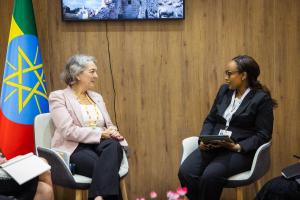
Ethiopia, Canada Explore Stronger Climate Partnership
Nov 14, 2026 2554
Addis Ababa, November 14, 2026 (ENA)— Ethiopia and Canada are exploring opportunities to deepen bilateral cooperation on climate action, with a focus on climate resilience, sustainable development and shared priorities ahead of COP32, which Ethiopia will host in 2027. Ethiopia’s Minister of Finance and COP32 Chief Negotiator, Fitsum Assefa, held talks with Canada’s Minister of Environment, Climate Change and Nature, Julie Dabrusin, on strengthening collaboration to address shared climate challenges and advance common priorities. The discussions reaffirmed the commitment to strengthening bilateral partnership and international cooperation in support of Ethiopia’s vision for COP32. By hosting COP32 in 2027, Ethiopia seeks to translate its growing diplomatic engagement into greater climate investment, green development partnerships and stronger African representation in global climate negotiations. Preparations for the landmark conference in Addis Ababa in November 2027 are already gaining momentum on the diplomatic front. Ethiopia is using the ongoing COP31 in Antalya, Türkiye, to forge strategic partnerships, champion Africa’s climate priorities and build international support for an action-oriented COP32. For Ethiopia, hosting the 32nd UN Climate Change Conference represents far more than the responsibility of staging one of the world's most consequential international gatherings.
.jpg)
Ethiopia Calls for Shift from Climate Commitments to Action Ahead of COP32
Nov 14, 2026 2785
Addis Ababa, November 14, 2026 (ENA)— Ethiopia has called for a stronger focus on translating global climate commitments into concrete action through enhanced financing, investment and international partnerships. Minister of Finance and COP32 Chief Negotiator Fitsum Assefa has also emphasized the need to bridge the gap between climate ambitions and implementation, particularly in developing countries during a series of high-level engagements at COP31 in Antalya, Türkiye. Speaking at a high-level event on financing the implementation of Nationally Determined Contributions (NDCs) through the Climate Promise Forward initiative, she highlighted the importance of integrating climate priorities into national budgets, investment frameworks and financing strategies. She noted that finance ministries have a critical role in translating climate commitments into practical development interventions by aligning climate objectives with national economic priorities and mobilizing the resources required for implementation. Fitsum further stressed the need to strengthen cooperation among governments, development partners and financial institutions to ensure that climate plans generate investment opportunities and tangible results. During discussions about advancing the Baku-to-Belém Roadmap, the Minister emphasized the importance of translating global climate finance ambitions into practical support that addresses the financing needs of developing countries. She highlighted the need for affordable and appropriate financing, stronger institutional capacity and more effective delivery mechanisms to ensure that developing countries can implement their climate commitments. The Minister underscored the importance of international partnerships in closing the gap between climate plans and implementation while exchanging perspectives with global philanthropy leaders at a roundtable hosted at the Ethiopia Pavilion. Meanwhile, at the launch of the Climate Implementation Bridge (BRIDGE), a COP31 Presidency legacy initiative designed to help countries translate climate commitments into investable projects, Fitsum stressed the importance of connecting national climate and development priorities with financing, investment and technical support. The initiative has brought together participating countries, the United Nations Development Programme and multilateral development banks to strengthen cooperation and advance the implementation of climate commitments. The engagements reflect Ethiopia's emphasis on connecting climate finance, national development priorities and international partnerships as it prepares to lead the global climate process through the COP32 Presidency. Through its upcoming presidency, Ethiopia is seeking to advance an implementation-oriented climate agenda that connects global commitments with financing and tangible outcomes on the ground.
Most viewed
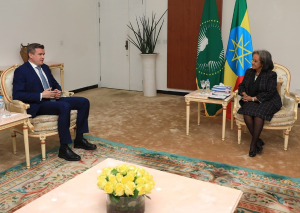
President Sahle-Work Holds Discussion with World Anti-Doping Agency President Bonka
Mar 29, 2023 400131
Addis Ababa March 29/2023/ENA/ President Sahle-Work Zewde has received a delegation led by World Anti-Doping Agency (WADA) President Witold Bonka today, according to the Office of the President. The discussion centered on the conditions under which Ethiopia and the World Anti-Doping Agency can work closely in anti-doping control and investigation, and how the organization can provide technical support, it was learned. During the discussion, Sahle-Work said that Ethiopia has a long history in athletics and is known in the world since athlete Abebe Bikila won marathon in Rome. She finally thanked the World Anti-Doping Agency for its technical support in anti-doping control.
Ethiopian Diaspora Demand Egypt to Change Counterproductive Posture on GERD
Apr 4, 2023 312250
Addis Ababa April 4/2023 (ENA) Ethiopians in the Diaspora have called on Egypt to change its counterproductive posture and find mutually beneficial agreements on the Grand Ethiopian Renaissance Dam (GERD). In a statement the diaspora issued yesterday, they noted that Ethiopia is the main source of the Nile by contributing 86 percent of the water to the Nile basin states while utilizing less than 1 percent of the potential for hydroelectric power. Ethiopians are currently building the GERD on the Blue Nile that is financed entirely by Ethiopians and is a crucial project for the country's development as it will provide clean, renewable energy and lift millions out of poverty. About 65 percent of the 122 million of Ethiopia's population have no access to any form of electricity. The much-needed electricity will facilitate economic growth for Ethiopia and the region, the statement elaborated. The dam will promote regional cooperation and integration while offering opportunity for eleven countries of the Nile Basin to work together to manage the river's resources more efficiently and effectively, it added. The GERD is being built with the highest environmental and technical standards to achieve the objectives of the national electrification program and the execution of Ethiopia’s Climate-Resilient Green Economy Strategy. According to the statement, Ethiopia has provided scientific evidence and expert testimonies that GERD will not significantly affect the flow of water downstream, and provided compelling arguments for the need for equitable use of the Nile's resources by all countries in the region. The diaspora further said they understand that the GERD has raised concerns in Egypt about the downstream effects on the Nile's flow and water availability since Egyptians have been misinformed about the GERD for many years. But on the contrary, the dam will provide several benefits to Egypt and Sudan, including increased water flow during dry seasons and decreased flooding events. “We want to assure Egyptians that Ethiopians are committed to fair and equitable use of the Nile's waters without harming our downstream neighbors. We recognize that the Nile River is a shared resource, and we support finding a mutually beneficial solution.” As Ethiopians in the Diaspora, we reiterate our support for fair and equitable use of the Nile River and call on the Egyptian people and Egyptian Diaspora to question the misinformation about the GERD in Egypt's mainstream media and embrace the spirit of friendship and cooperation by understanding that the GERD is a project of great national importance to Ethiopians that will benefit Egyptians by ensuring a reliable and predictable supply of water, that Ethiopians have the right to use their water resources for the development of its people and economy, in accordance with the principles of equitable and reasonable utilization without causing significant harm. Efforts to destabilize Ethiopia by the regime in Egypt, will indeed affect the historical and diplomatic relations dating back to several thousand years, the long-term interest of the Egyptian people and make Ethiopians less trusting in cooperating on the GERD and future hydropower projects on the Nile, they warned. The diaspora groups urged Egyptian leaders to engage in constructive dialogue with the leaders of Ethiopia regarding the GERD and steer away from their counterproductive posture of calling for a “binding agreement” on the GERD filling and the subsequent operations as an imposing instrument on water sharing that Ethiopians will never accept. The GERD can be a source of cooperation and collaboration between our two countries rather than a source of conflict, they underscored. "Ethiopians believe that, through dialogue and understanding, peaceful and equitable agreements that benefit all parties involved can be realized to build a brighter future for all people in the Nile basin. Belligerent positions by Egyptian leaders stating ‘all options are open’ are contrary to the spirit of the 2015 Declaration of Principles signed by Ethiopia, Sudan and Egypt." According to the statement, such postures will surely harm Egypt's long-term interest and impede trustful cooperation with the Ethiopian people and government. They asked Arab League and its member states to refrain from interfering in the issue of the GERD, which is the sole concern of the three riparian countries (Ethiopia, Sudan and Egypt) and their shared regional organization (the African Union), which is mediating the talks to find ‘African Solutions to African Problems.’ The issues remaining on the table at the trilateral negotiations under the auspices of the African Union are being narrowed to a handful of critical matters on equity and justice, on which the Arab league nations have no business or legal right to be involved.

Ethiopia's Ayana Takes Paris Win on Marathon Debut
Apr 2, 2023 311088
Addis Ababa April 2/ 2023 (ENA) Ethiopia's Abeje Ayana won the men's race at the Paris Marathon on Sunday in his first competitive run over the distance. The 20-year-old Ayana won with a time of two hours, seven minutes and 15 seconds, 20 seconds ahead of compatriot and pre-race favourite Guye Adola with Kenya's Josphat Boit a further five seconds back in third. After clocking 59:39 in a half marathon in Poznan, Poland in 2021, Ayana was one of the men to watch on a grey, windy morning in the French capital, Reuters reported.
Africa’s Sustainable Growth Hinges on Science, Technology and Innovation: Experts
Mar 3, 2023 307794
Addis Ababa March 3/2023/ENA/ Achieving the ambitious targets of the 2030 and 2063 Agendas of Africa requires leveraging the power of science, technology, and innovation (STI), according to experts. A press release issued by the ECA stated experts at the Ninth African Regional Forum on Sustainable Development have emphasized the crucial role of STI as a key driver and enabler for ensuring economic growth, improving well-being, mitigating the effects of climate change, and safeguarding the environment. They also underscored the need to strengthen national and regional STI ecosystems by fostering innovation, promoting entrepreneurship, and investing in research and development. By doing so, the experts said that Africa can harness the potential of STI to accelerate its socio-economic progress and achieve the Sustainable Development Goals (SDGs) by 2030 and the African Union's Agenda by 2063. The session, held on 2 March 2023, builds on the recommendations of the Fifth African Science, Technology, and Innovation Forum, which accentuates the central role of STI and digitalization during the COVID-19 pandemic and the need for the necessary infrastructures for the development of STI, plans, and policies that are action-oriented towards strengthening its full implantation. The experts highlighted that despite advances in STI, significant gaps remain in bridging the scientific and technological divide between developed countries and Africa. The highly uneven global distribution of scientific capacity and access to knowledge threatens to derail the goal of leaving no one behind, which is the central and transformative promise of Agenda 2030. “We need a clear political will from governments to ensure science, technology, and innovation is a reality. By doing so our education systems will be capacitated to deliver knowledge that is vital to solving Africa’s sustainability challenges,” Niger Higher Education and Research Minister Mamoudou Djibo said. The strategy includes the establishment of universities as centers for excellence and investments in education, technical competencies, and training in the fields of science, technology, research, and innovation. These initiatives are crucial in accelerating progress towards achieving global goals. However, in order to fully leverage the potential of STI, significant investments in research and development are required. National systems also need to be strengthened, Namibia Information and Communication Technologies Deputy Minister Emma Theophilus, stated adding that “strengthening our national systems for STI is a key game changer for rapid structural transformation in Africa. Leveraging the digital transformation can achieve a stronger, smarter, and more inclusive recovery.” Emerging evidence suggests that an STI and digital Africa can be a springboard to accelerate the implementation of the SDGs and fulfill the aspirations of Agenda 2063.
Feature Article
Ethiopia Leads a Week of Green Diplomacy as Red Sea Access Push Gains International Momentum
Nov 15, 2026 2589
By Staff Writer November 15, 2026 (ENA) The second week of November 2026 marked a significant period in Ethiopia’s diplomatic engagement, as the country stepped up its global climate leadership at COP31 in Türkiye while its longstanding aspiration for sovereign access to the Red Sea gained further international attention. From advancing climate finance and green development partnerships to strengthening Africa’s voice in global climate negotiations, Ethiopia used the COP31 platform to reinforce its diplomatic standing ahead of hosting COP32 in Addis Ababa in November 2027. At the same time, growing international recognition of Ethiopia’s strategic interests in Red Sea access, alongside renewed discussions over the equitable utilization of the Nile waters, brought the country's development priorities into sharper regional and international focus. Together, these developments underscored Ethiopia’s increasingly assertive diplomatic engagement, anchored in its pursuit of sustainable development, regional cooperation and a greater role in shaping issues of strategic importance to Africa and the wider world. Ethiopia Takes Center Stage in Global Climate Diplomacy Ethiopia emerged as a prominent diplomatic voice at the 31st United Nations Climate Change Conference (COP31), held in Antalya, Türkiye, where leaders and delegations from nearly 200 countries gathered to address the mounting challenges of global climate change. As the incoming host of COP32, Ethiopia used the international platform not only to showcase its homegrown climate initiatives but also to advocate for stronger international cooperation, accessible climate finance and practical solutions that address the needs of vulnerable communities. Addressing the COP31 Leaders’ Summit, Prime Minister Abiy Ahmed called for predictable, timely and affordable climate finance, emphasizing that international climate commitments must translate into tangible support before disasters strike. The Premier stressed that climate action is not simply an environmental undertaking for Ethiopia but a fundamental pillar of its economic policy and national development strategy. “In Ethiopia, climate action is economic policy,” he said, highlighting the devastating effects of recurring El Niño-related droughts and floods on agricultural production, livelihoods and community resilience. He noted that climate-related disasters continue to displace families, undermine economic gains and prolong recovery, even after rainfall returns and floodwaters recede. Against this backdrop, the Prime Minister underscored Ethiopia’s efforts to strengthen community-level preparedness and equip local governments to anticipate climate risks, protect livelihoods and respond before disasters escalate. He also highlighted the country's broader climate vulnerabilities, noting that more than 90 percent of Ethiopia’s electricity is generated from hydropower, making changing rainfall patterns a critical concern for national energy security and electricity supplies to neighboring countries. The effects of rising temperatures and changing rainfall patterns also threaten Ethiopia’s forests and agricultural landscapes, including the country's globally renowned Arabica coffee, which remains an important source of livelihoods, export earnings and national identity. Highlighting Ethiopia’s homegrown development philosophy of Medemer (Synergy), Abiy explained how the country is mobilizing communities, institutions and resources around shared climate and development objectives. The Green Legacy Initiative, through which millions of Ethiopians participate in large-scale tree-planting campaigns, has seen more than 56 billion seedlings planted to date. The initiative is contributing to land restoration, forest expansion, employment creation and improved livelihoods. The Premier further reaffirmed Ethiopia’s commitment to expanding renewable energy, promoting climate-resilient agriculture, protecting urban environments and accelerating electric mobility as part of its broader green development agenda. His message reinforced Ethiopia’s position that climate action must go beyond declarations and translate into measurable development outcomes, particularly for countries facing disproportionate climate risks despite contributing relatively little to global emissions. Building the Road to COP32 in Addis Ababa Beyond its high-level political engagements, Ethiopia intensified diplomatic consultations to lay the groundwork for a successful and inclusive COP32. The country's high-level delegation, led by Foreign Minister and COP32 President-Designate Gedion Timothewos and Finance Minister and COP32 Chief Negotiator Fitsum Assefa, held extensive discussions with the COP31 Presidency, negotiating groups, participating countries and international partners. The engagements focused on ensuring a smooth transition from COP31 to COP32, strengthening trust among negotiating parties and building consensus around an implementation-oriented climate conference in Addis Ababa. Ethiopia's approach seeks to position COP32 as a platform that moves beyond climate pledges towards concrete action, with particular emphasis on climate finance, adaptation, resilience and the priorities of developing countries. The opening of the Ethiopian Pavilion at COP31 further strengthened the country's visibility, bringing together diplomats, members of the Ethiopian delegation, partner organizations and international participants to showcase its climate initiatives, investment opportunities and green development experience. The pavilion also provided an important platform for promoting Ethiopia's renewable energy potential, Green Legacy achievements, sustainable agriculture and climate investment opportunities ahead of COP32. Intensive Diplomatic Engagements on the Sidelines of COP31 Prime Minister Abiy Ahmed also used the COP31 gathering to advance Ethiopia’s bilateral and multilateral relations through a series of high-level meetings with world leaders. Among his engagements was a meeting with Turkish President Recep Tayyip Erdoğan in Antalya ahead of the COP31 Leaders’ Summit, reflecting the importance Ethiopia attaches to strengthening relations with its strategic partners. The Premier also held discussions with Barbadian Prime Minister Mia Mottley, Finnish President Alexander Stubb, Norwegian Prime Minister Jonas Gahr Støre, Iraqi President Nizar Mohammed Saeed, Somali President Hassan Sheikh Mohamud, Qatar's Amir Sheikh Tamim bin Hamad Al-Thani and Botswana's President Duma Gideon Boko. The engagements provided opportunities to discuss bilateral cooperation, shared development priorities, climate action and broader regional and international issues. Ethiopia's diplomatic presence at COP31 thus extended beyond climate negotiations, reinforcing its commitment to building strategic partnerships and expanding cooperation across regions. Ethiopia’s Red Sea Access Aspiration Gains International Recognition While Ethiopia was advancing its climate diplomacy in Antalya, its pursuit of sovereign access to the Red Sea also attracted renewed international attention, with prominent political figures and foreign defense officials expressing recognition of the country's strategic interests. As Africa's second-most populous nation and one of the region's major economies, Ethiopia has consistently argued that its landlocked status presents significant economic and strategic constraints, particularly given the growing importance of maritime trade to its long-term development. The country has maintained that its aspiration for sea access is rooted in legitimate geographical, historical, economic and strategic considerations, while emphasizing the importance of peaceful engagement, dialogue and mutually beneficial arrangements. Former Prime Minister of Côte d’Ivoire and President of the Ivorian Popular Front, Pascal Affi N’Guessan, recently described Ethiopia's quest for sovereign sea access as a legitimate national aspiration. Speaking to ENA in Addis Ababa, Affi N’Guessan expressed hope that outstanding issues could be resolved through constructive dialogue and compromises acceptable to all parties. “I believe that the ambition of Ethiopia is legitimate, and we hope that these questions will find solutions acceptable to all parties, through good compromises that allow everyone to recognize that this is the path that enables the entire region to move forward,” he said. He emphasized that mutual understanding and cooperation were essential to ensuring that competing interests do not become obstacles to regional development and stability. His remarks added to growing international discussions surrounding Ethiopia's maritime aspirations and the broader implications of sea access for economic integration and regional cooperation in the Horn of Africa. Similarly, French and Danish defense attachés recognized Ethiopia's legitimate interest in Red Sea access, highlighting its potential contribution to regional stability, maritime security and efforts to combat terrorism. Speaking to ENA, French Defense Attaché Colonel Damien Cypryk described Ethiopia's aspiration as legitimate, linking maritime access to the country's development and stability. “Access to the Red Sea for Ethiopia is a perfectly legitimate act because it is a question of development and stability,” he stated. The defense officials also underscored Ethiopia's importance as a major regional actor, noting that its participation in regional security mechanisms could contribute to safeguarding the strategically important Horn of Africa and its surrounding maritime routes. Their remarks highlighted the broader strategic dimension of Ethiopia's maritime aspirations, which extend beyond trade and economic considerations to encompass regional security, stability and cooperation. Nile Development: Ethiopia Reaffirms Its Position on Equitable Utilization Meanwhile, the equitable utilization of the Abay (Blue Nile) waters remained another important dimension of Ethiopia's regional development diplomacy. Water and Energy Minister Habtamu Itefa urged Egypt to modernize its domestic water management practices, reconsider water-intensive agricultural activities and seek Ethiopia's consent for development projects involving Nile waters. The Minister's remarks reaffirm Ethiopia's position that the Nile should serve as a source of shared prosperity and development rather than a basis for perpetuating historical inequities. Ethiopia has consistently maintained that the equitable and reasonable utilization of transboundary water resources is essential to ensuring the development rights of all riparian countries, while promoting cooperation and avoiding unnecessary regional tensions. The completion of the Grand Ethiopian Renaissance Dam (GERD), achieved despite considerable financial and diplomatic challenges, remains a major expression of the country's determination to harness its natural resources for national development. A Week Reflecting Ethiopia's Expanding Diplomatic Ambitions All in all, Ethiopia's engagements during the second week of November reflected a broader diplomatic strategy that connects climate leadership, economic transformation, regional security and sovereign development interests. At COP31, the country strengthened its international profile as an emerging voice in global climate negotiations, while laying the diplomatic groundwork for COP32 in Addis Ababa. Its extensive bilateral engagements further demonstrated its determination to build partnerships around shared development and global challenges. At the same time, international recognition of Ethiopia's Red Sea access aspirations and renewed discussions over equitable Nile utilization brought its strategic interests into greater international focus. As Ethiopia prepares to host COP32 in 2027, it is increasingly positioning itself not merely as a participant in international discussions but as a country seeking to shape the global development agenda, advance African priorities and promote solutions to some of the most consequential challenges facing the continent and the wider world.
Ethiopia Turns COP31 Diplomacy into Strategic Opportunity to Advance COP32 and Africa’s Climate Agenda
Nov 15, 2026 2707
By Staff Writer November 15, 2026 (ENA) By hosting COP32 in 2027, Ethiopia seeks to translate its growing diplomatic influence into climate investment, green development partnerships and stronger African representation in global climate negotiations. Ethiopia’s preparations to host the 32nd United Nations Climate Change Conference (COP32) in Addis Ababa in November 2027 are already taking shape on the diplomatic stage, with the country using the ongoing COP31 in Antalya, Türkiye, to build partnerships, advance Africa’s climate priorities and lay the groundwork for an ambitious global conference. For Ethiopia, COP32 represents far more than the responsibility of hosting one of the world's most consequential international gatherings. It offers a strategic opportunity to strengthen the country's diplomatic standing, mobilize climate finance, attract investment, showcase its green development initiatives and position Africa more prominently in international climate negotiations. The diplomatic push underway at COP31 is therefore particularly significant. Through high-level engagements with the current COP Presidency, negotiating groups and international partners, Ethiopia is seeking to ensure that the transition towards COP32 begins with a clear agenda: turning climate commitments into practical action, making climate finance more accessible and connecting environmental protection with economic transformation. At the heart of this ambition is a development philosophy that views climate action not as a separate environmental undertaking but as an essential pillar of economic policy. Addressing the opening of COP31 in Antalya, Prime Minister Abiy Ahmed captured this approach in a clear message: “In Ethiopia, climate action is economic policy.” The Prime Minister explained that changing weather patterns have direct consequences for agricultural production, electricity generation, livelihoods and the country's broader development trajectory. Droughts and floods associated with El Niño, he noted, can disrupt harvests, displace families and impose prolonged economic costs. “The rain comes back, floods subside, but recovery takes much longer,” he observed. His remarks underscore why climate resilience has become increasingly central to Ethiopia's development priorities. For a country whose economy remains closely connected to agriculture and hydropower, climate-related disruptions are not simply environmental challenges; they threaten productivity, economic stability and the livelihoods of millions. This perspective is expected to inform Ethiopia's preparations for COP32, particularly its emphasis on adaptation, early-warning systems, climate finance and investment in resilient infrastructure. From COP31 diplomatic engagement to COP32 leadership The arrival of Foreign Affairs Minister and COP32 President-Designate Gedion Timothewos in Antalya to participate in COP31 marks an important phase in Ethiopia's diplomatic preparations. His engagements with the current COP Presidency, negotiating groups and international partners are expected to help establish the political and institutional foundations for a successful conference in Addis Ababa. Ethiopia has expressed its ambition to make COP32 inclusive, action-oriented and implementation-focused, with particular attention to the needs of developing countries. The objective is to move beyond repeated declarations and ensure that international climate commitments translate into accessible financing, technology partnerships and tangible outcomes. The country's selection as host reflects both its diplomatic standing and Africa's collective ambition to secure a stronger voice in shaping global climate policy. The African Group of Negotiators unanimously endorsed Ethiopia's candidacy during COP30 in Belém, Brazil, in November 2025. Although Nigeria initially competed for the hosting opportunity, it eventually stepped aside, allowing Africa to present a unified position. The UNFCCC subsequently accepted Ethiopia's offer to host COP32 in Addis Ababa from November 8 to 19, 2027. Several factors underpin Ethiopia's selection. Addis Ababa, as the headquarters of the African Union (AU) and a major center of international diplomacy, provides an important institutional advantage. Hosting COP32 will create an opportunity to connect global climate negotiations with continental development priorities and strengthen cooperation between African institutions and international partners. Ethiopia has also demonstrated its capacity to convene major international climate discussions. In September 2025, the country hosted the Second Africa Climate Summit, bringing together more than 26,000 participants and producing the Addis Ababa Declaration on Climate Change and Call for Action. The summit provided an important platform for advancing African-led climate finance, innovation and collective action. Its outcomes also established a foundation upon which Ethiopia can build as it prepares to host the global climate conference. Equally important are the country's domestic green development initiatives, including the Climate-Resilient Green Economy Strategy, the Green Legacy Initiative and substantial investments in renewable energy. Together, these initiatives provide Ethiopia with practical experiences to bring into international discussions on how developing countries can pursue economic growth while protecting natural resources and building resilience against climate change. COP32: An opportunity to advance Africa's climate priorities Beyond its national diplomatic and economic interests, Ethiopia's hosting of COP32 carries considerable continental significance. Africa contributes a relatively small share of global greenhouse gas emissions but faces some of the most severe consequences of climate change. Prolonged droughts, devastating floods, land degradation, food insecurity and water stress continue to threaten communities and undermine development gains across the continent. Yet African countries face persistent challenges in accessing affordable climate finance, transferring advanced technologies and building the institutional capacity needed to respond effectively. For this reason, climate finance, adaptation, technology transfer and capacity building remain central to Africa's negotiating priorities. Ethiopia's selection as host therefore represents an opportunity to strengthen the continent's collective negotiating position and ensure that its development concerns receive greater attention in international climate decision-making. The conference could also help advance African-led initiatives, including the proposed Africa Climate Innovation Compact and African Climate Facility, aimed at mobilizing resources and supporting climate solutions across the continent. The broader objective is to move beyond presenting Africa primarily as a continent vulnerable to climate change and increasingly recognize its potential as a source of renewable energy, environmental solutions, innovation and sustainable investment opportunities. Mobilizing climate finance for sustainable development One of the most significant opportunities presented by COP32 is the potential to mobilize climate finance and attract investment into Ethiopia's green economy. The country requires substantial resources to expand renewable energy, modernize agriculture, develop irrigation, restore degraded landscapes and build climate-resilient infrastructure. Its dependence on rain-fed agriculture and hydropower also makes it particularly vulnerable to changing rainfall patterns, prolonged droughts and extreme weather events. Against this backdrop, COP32 could provide a major platform for engaging multilateral climate funds, development banks, bilateral partners and private investors. Such partnerships could support investments in renewable energy, sustainable agriculture, water infrastructure, forest restoration, climate-resilient cities and disaster preparedness. However, attracting international attention alone will not be sufficient. Ethiopia's ability to translate diplomatic engagement into investment-ready projects, affordable financing and sustainable development partnerships will be critical to realizing the conference's potential. Prime Minister Abiy has particularly emphasized the importance of predictable and accessible climate finance, arguing that resources must reach vulnerable communities before disasters cause widespread damage. Outlining the approach Ethiopia intends to advance at COP32, he said: “We will put early action at the center, funding released when warning comes, reaching the most exposed first.” This vision points to an important shift in global climate policy: moving from financing recovery after disasters towards investing in preparedness, prevention and resilience before they occur. For developing countries, timely access to climate finance, reliable forecasting and effective early-warning systems can protect agricultural production, infrastructure and vulnerable communities while reducing the enormous economic costs of climate-related disasters. Making this approach a practical outcome of COP32 could give Ethiopia an opportunity to contribute to a more responsive and development-oriented international climate finance system. Renewable energy: Connecting green development with regional economic integration Renewable energy is another major area in which Ethiopia can demonstrate the relationship between climate action and economic transformation. The country possesses considerable hydropower, wind, solar and geothermal resources, offering significant potential to expand clean electricity generation, support industrialization and strengthen regional energy cooperation. The Grand Ethiopian Renaissance Dam (GERD), alongside other renewable energy investments, illustrates Ethiopia's ambition to expand domestic electricity generation and enhance its role in regional power integration. Addressing COP31, Prime Minister Abiy highlighted the regional importance of Ethiopia's hydropower resources, noting that more than 90 percent of the country's electricity comes from water, including electricity supplied to neighboring countries. This demonstrates that Ethiopia's renewable energy investments have implications beyond its national borders. Expanded electricity generation and cross-border power trade can support regional industrial development, improve energy access and strengthen economic interdependence. Through COP32, Ethiopia could attract partnerships and investment in energy storage, transmission infrastructure, renewable energy technologies and regional electricity markets. Such investments would help accelerate industrialization, expand electricity access and strengthen the country's position as an emerging regional electricity supplier. At the same time, the Prime Minister acknowledged the importance of diversifying the country's energy mix to reduce vulnerability to changing rainfall patterns and fluctuations in water availability. “We are also taking a long view with our energy supply, developing wind, solar, and geothermal power, while planning for nuclear, so a dry year does less harm to our economy,” he said. The strategy reflects the importance of a diversified and reliable energy supply in supporting economic expansion. While hydropower remains central to Ethiopia's electricity generation, developing alternative energy sources can strengthen resilience against drought and improve long-term energy security. Protecting agriculture and safeguarding Ethiopia's global coffee heritage Climate resilience is equally important to Ethiopia's agricultural transformation. Erratic rainfall, prolonged droughts, flooding and land degradation continue to threaten agricultural productivity and rural livelihoods. Strengthening the sector's resilience therefore requires investment in irrigation, improved seeds, soil conservation, agricultural research, climate information services and early-warning systems. At COP31, Prime Minister Abiy highlighted the role of emerging technologies in strengthening climate monitoring and helping farmers respond to changing weather conditions. “We use satellite data to watch the land, and we are improving forecasts with artificial intelligence to give farmers earlier warning,” he said. The application of satellite monitoring, artificial intelligence and advanced forecasting systems could help farmers anticipate extreme weather events, make better-informed planting and harvesting decisions and minimize agricultural losses. Ethiopia could use COP32 to advocate for greater international cooperation in climate information systems, technology transfer and capacity building, particularly for countries with limited resources to develop these capabilities independently. The issue also has implications for Ethiopia's international trade and global agricultural reputation. Drawing attention to the climate threats facing one of the country's most celebrated exports, the Prime Minister noted that changing temperatures and rainfall patterns are endangering the forests and farms where Ethiopian Arabica coffee is grown. “Many of you begin your day with Ethiopia’s gift to the world, Arabica coffee, but rising temperatures and changing rainfall threaten the forests and the farms where it grows,” he stated. The message connects climate change with livelihoods, export earnings and global agricultural value chains. Ethiopia's coffee sector, deeply rooted in the country's natural forests and agricultural communities, illustrates how environmental degradation can affect both domestic economic interests and international markets. Protecting coffee-growing landscapes, strengthening agricultural adaptation and supporting sustainable production are therefore not merely environmental priorities. They are essential to safeguarding an important source of export revenue and the livelihoods of farming communities. For Ethiopia, COP32 could help attract partnerships in climate-smart agriculture, agricultural research, sustainable value chains and nature-based solutions. Green Legacy: Mobilizing citizens for environmental restoration Ethiopia's climate resilience agenda also extends beyond technological interventions and infrastructure investment to community participation and environmental restoration. The Green Legacy Initiative, launched in 2019 under the leadership of Prime Minister Abiy Ahmed, stands among the country's most prominent examples of large-scale citizen mobilization around environmental protection. Explaining the philosophy behind the initiative, the Prime Minister said Ethiopia's development approach of Medemer brings citizens, institutions and resources together around shared national objectives. “Every year, millions of Ethiopians join in planting trees. Together, we have planted over 56 billion seedlings, restoring degraded land and expanding our forests,” he said at COP31. The initiative has mobilized millions of citizens in tree planting, watershed development and environmental restoration, making environmental protection an increasingly visible part of national development efforts. Its significance, however, extends beyond the number of seedlings planted. The initiative contributes to soil conservation, water resource protection, biodiversity preservation and the broader objective of building a climate-resilient green economy. “The initiative has created jobs and improved livelihoods. Planting is now a family habit. It is teaching us to honor the land we inherit, to live in harmony with nature, and to care for what we leave to our children,” the Prime Minister stated. These remarks highlight the social and economic dimensions of environmental restoration, particularly its contribution to employment, community participation and intergenerational responsibility. Environmental restoration also complements major infrastructure investments. Protecting watersheds and restoring degraded landscapes can help reduce soil erosion and sedimentation, contributing to the long-term sustainability of reservoirs and hydropower facilities, including the GERD. Through COP32, Ethiopia could demonstrate how community-led environmental restoration can complement infrastructure development, strengthen water security and support sustainable economic growth. At the same time, independently verifiable evidence of seedling survival rates, forest-cover expansion, restored land areas and measurable ecological improvements will be essential to demonstrating the initiative's long-term environmental impact. Building climate-resilient cities and promoting sustainable mobility Ethiopia's climate agenda is also increasingly extending into urban development. As cities expand, flooding, pollution, environmental degradation and pressure on public infrastructure are becoming more pressing challenges. In response, the government has been pursuing urban interventions that combine environmental protection with improved public spaces and living conditions. Prime Minister Abiy highlighted ongoing efforts to rehabilitate urban rivers, strengthen flood protection and develop accessible green spaces. “We are extending that work into our cities, building flood fences, cleaning polluted rivers, and turning their banks into parks and walkways where families gather and children play,” he said. Such initiatives reflect the importance of climate-resilient urban planning, particularly as rapid urbanization increases exposure to flooding and environmental pressures. Ethiopia's transition towards cleaner transportation represents another dimension of its green development agenda. At COP31, the Prime Minister highlighted the country's decision to ban imports of petrol and diesel-powered vehicles as part of efforts to accelerate electric mobility. “Ethiopia is doing its part. We have banned imports of petrol and diesel cars as we switch to EVs,” he said. The policy forms part of broader efforts to reduce dependence on imported fossil fuels, promote electric transportation and align the transport sector with the country's expanding clean-energy ambitions. It also demonstrates how domestic policy measures can support climate objectives while addressing economic priorities, including energy security and the country's import bill. These experiences provide further opportunities for Ethiopia to engage international partners on clean transportation, charging infrastructure, electric mobility technologies and sustainable urban development. COP32 and the wider economic opportunities for Ethiopia Beyond climate diplomacy and environmental priorities, hosting COP32 could generate substantial economic opportunities across several sectors. Thousands of international delegates, government officials, researchers, investors, journalists and representatives of international organizations are expected to travel to Addis Ababa, generating increased demand for accommodation, aviation, transportation, hospitality and other services. Ethiopian Airlines, hotels, tourism operators and local businesses could benefit from the increased international activity. The conference would also provide an exceptional platform to promote Ethiopia's cultural heritage, historical destinations and natural attractions to a global audience. More importantly, COP32 could strengthen the country's international profile and create opportunities for new bilateral relationships, investment agreements and strategic partnerships. As the host of a major international climate conference, Ethiopia will have the opportunity to bring together political leaders, international financial institutions, development partners and private-sector actors around shared economic and environmental priorities. This diplomatic exposure could create benefits that extend well beyond the conference itself, provided the country develops a clear strategy for converting international engagement into long-term partnerships and investment. From international commitments to measurable results Despite the opportunities, one of the greatest challenges facing COP32 will be ensuring that global climate commitments translate into tangible results. Developing countries have repeatedly called for increased climate finance, affordable access to technology and stronger international cooperation. Yet the gap between financial commitments and actual implementation remains a persistent obstacle to effective climate action. Ethiopia could use its COP32 presidency to advance discussions on climate finance, adaptation, technology transfer and equitable access to resources, building on the outcomes of the Second Africa Climate Summit. For Africa, the stakes are particularly high. Governments across the continent face the dual challenge of expanding electricity access, developing infrastructure, creating employment and accelerating industrialization while confronting increasingly severe climate pressures. The continent requires substantial investment in renewable energy, climate-resilient agriculture, sustainable transportation, water management and environmental restoration. However, limited fiscal resources, high borrowing costs and difficulties accessing international climate finance continue to constrain progress. Against this background, COP32 could bring African governments, international financial institutions, development partners and private investors together to address these structural challenges. Ethiopia has an opportunity to position the conference around a development-centered climate agenda, emphasizing that climate action must contribute to industrialization, poverty reduction, employment creation and improved living standards. Such an approach would also reinforce Africa's demand for a fairer international climate framework in which developing countries are supported in pursuing their development aspirations without compromising environmental sustainability. Ethiopia's diplomatic opportunity and the road to Addis Ababa Prime Minister Abiy's remarks at COP31 offer an indication of the priorities Ethiopia intends to advance as it prepares to assume the COP32 presidency. By emphasizing early action, accessible climate finance, technological innovation, renewable energy, environmental restoration and community participation, he has outlined an agenda that connects international climate cooperation with practical development needs. His message also reflects Ethiopia's intention to work closely with the current COP31 Presidency to advance the global climate process and ensure a smooth transition towards the Addis Ababa conference. “Ethiopia will work closely with COP31 Presidency for a successful outcome here. We look forward to welcoming you for COP32 in the Land of Origins,” he said. This commitment is significant because the success of COP32 will depend not only on Ethiopia's preparations as host but also on its ability to build consensus among countries with different economic interests, development priorities and negotiating positions. The diplomatic engagements taking place in Antalya therefore provide an important starting point for shaping the conference's political direction, strengthening international partnerships and building confidence in Ethiopia's capacity to lead the process. Ultimately, Ethiopia's hosting of COP32 presents an opportunity to connect global climate diplomacy with national development and Africa's wider economic aspirations. The conference could strengthen Ethiopia's diplomatic influence, attract climate finance, accelerate renewable energy investment, support agricultural transformation, promote tourism and expand international partnerships. But its ultimate success will not be measured by the number of delegates attending, the scale of international attention or the declarations adopted in Addis Ababa. It will be measured by the resources mobilized, partnerships established, projects implemented, communities reached and progress achieved in addressing the climate challenges confronting Ethiopia and the wider African continent. For Ethiopia, COP32 must therefore become more than an international gathering. It must serve as a strategic platform for translating diplomatic influence into investment, international commitments into development partnerships and environmental ambitions into measurable improvements in people's lives.


