Ethiopia-South Africa Deepen Academic Ties as UNISA Marks 20 Years in Ethiopia - ENA English


Ethiopia-South Africa Deepen Academic Ties as UNISA Marks 20 Years in Ethiopia
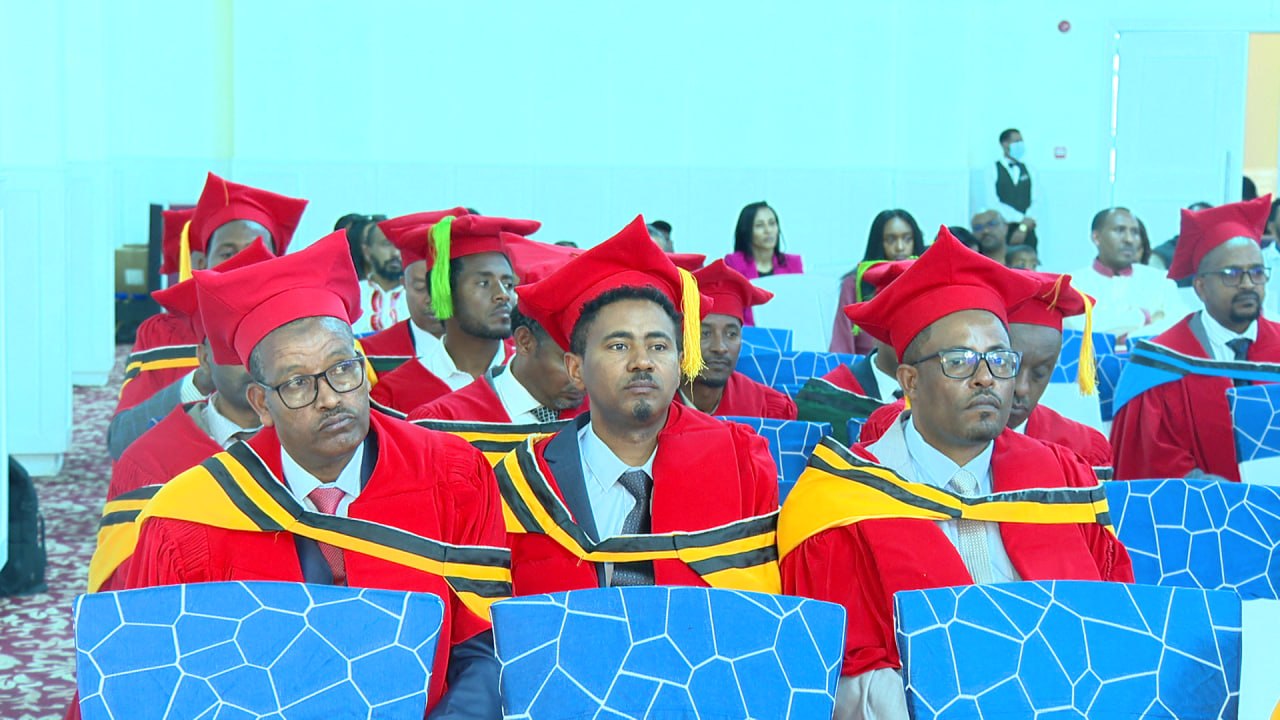
Addis Ababa, November 29, 2026 (ENA)— Ethiopia and South Africa are deepening their longstanding partnership through expanding academic cooperation, with the University of South Africa (UNISA) marking two decades of contribution to higher education in Ethiopia.
South Africa’s Ambassador to Ethiopia, Nonceba Losi, said UNISA’s presence in Ethiopia reflects the enduring friendship between the two countries and their growing commitment to advancing education, knowledge exchange and human capital development across Africa.
She made the remarks as UNISA celebrated the graduation of 61 Ethiopian students, including 58 doctoral scholars, at a ceremony held on Saturday at Haile Grand Hotel in Addis Ababa, coinciding with the university’s 20th anniversary of operations in Ethiopia.
Ambassador Losi said the graduates’ achievements represent more than individual academic success, underscoring the growing educational partnership and historical bonds between the two countries.
She traced Ethiopia-South Africa relations to a shared history of solidarity, mutual respect and a common commitment to African liberation, unity and progress.
Recalling a significant chapter in that history, Losi noted that Ethiopia provided a home to South Africa’s founding president, Nelson Mandela, during the 1960s, describing the connection as a lasting symbol of African solidarity.
She said bilateral cooperation has continued to expand through institutional frameworks, particularly the Joint Ministerial Commission, and is underpinned by nearly 20 agreements and memoranda of understanding.
The bilateral Memorandum of Understanding on Higher Education, she added, provides an important foundation for academic collaboration and further underscores the significance of UNISA’s longstanding presence in Ethiopia.
Losi highlighted UNISA’s open and distance learning model for expanding access to higher education, enabling professionals to pursue advanced qualifications while maintaining their careers and continuing to serve their communities.
She stressed that such cooperation is instrumental in producing skilled professionals, researchers and academics capable of responding to Ethiopia’s development priorities and contributing to Africa’s broader transformation.
Speaking at the ceremony, Asegid Samuel, Lead Executive Officer for Human Resources Development and Improvement at the Ministry of Health, said the graduation demonstrates the growing pool of advanced academic talent needed to strengthen national institutions and improve public services.
He described the UNISA Ethiopia Regional Learning Center as an expression of shared values embodied in South Africa’s Ubuntu philosophy and Ethiopia’s Medemer (Synergy) vision, both emphasizing collective responsibility, solidarity and shared progress.
Asegid particularly highlighted the contribution of UNISA graduates specializing in public health and nursing to strengthening Ethiopia’s healthcare system.
He cited improvements in maternal health, noting that maternal mortality declined from approximately 950 deaths per 100,000 live births in 2000 to about 195 in 2023.
He attributed the progress largely to sustained investments in health infrastructure and human resources, including the deployment of nearly 43,000 health extension workers who deliver essential services at the community level.
However, he emphasized that further investment in qualified health professionals, research and specialized training remains critical to advancing universal health coverage.
He urged the graduates to translate their academic achievements into practical solutions, mentor emerging professionals and contribute meaningfully to national development and improved public service delivery.
For his part, UNISA Vice Principal for Institutional Development and Transformation, Solomon R. Magano, commended the graduates for their perseverance in completing their studies while balancing professional and family responsibilities.
He challenged them to turn their academic knowledge into practical responses to Africa’s pressing challenges, including poverty, unemployment, political instability and gender-based violence.
Magano stressed that Africans must take the lead in generating solutions to the continent’s challenges, emphasizing the importance of applying research, innovation and professional expertise to drive sustainable development.
Speaking on behalf of the graduating class, Solomon Abebe, a PhD graduate in Development Studies, said the academic journey had strengthened their discipline, resilience, critical thinking and capacity for evidence-based decision-making.
He noted that the Ethiopia-South Africa academic partnership had enabled Ethiopian professionals to pursue advanced studies without stepping away from their institutional responsibilities and community service.
Abebe described graduation as the beginning of a greater responsibility, calling on fellow graduates to transform their research and academic accomplishments into innovation, effective public service and tangible contributions to society.
The university’s 20-year presence in Ethiopia highlights the growing role of cross-border academic partnerships in expanding access to advanced education, developing skilled human capital and strengthening cooperation among African institutions.
The graduation of 61 Ethiopian scholars, including 58 doctoral graduates, further underscores the potential of sustained educational collaboration to build the expertise needed to address national and continental development challenges.


