ENA - ENA English
Live:


Headlines
.png)
A Strong Ethiopia, A Stable Horn: The Strategic Vision for National Transformation
Nov 28, 2026 238
By Staff Writer November 28, 2026 (ENA) Ethiopia’s pursuit of national transformation is increasingly shaped by a fundamental strategic question: how can a country with enormous human, economic and geopolitical potential translate its national aspirations into lasting stability, prosperity and regional influence? Prime Minister Abiy Ahmed’s recent address to the House of Peoples’ Representatives offers a broad perspective on this question, bringing together political unity, regional diplomacy, economic development, national sovereignty and institutional capacity as interconnected pillars of Ethiopia’s long-term national agenda. At the heart of the vision is a recognition that Ethiopia’s future cannot be secured through economic growth alone, military strength in isolation or diplomatic engagement detached from domestic realities. Rather, sustainable national progress requires a comprehensive approach in which political consensus strengthens institutions, economic development reinforces sovereignty, and regional peace creates opportunities for shared prosperity. The Prime Minister’s remarks on Sudan, Eritrea, the Ethiopian National Dialogue, the Medemer Grand Strategy and national defense therefore reflect more than separate government priorities. Together, they point to a broader ambition: building an internally cohesive, economically capable and sovereign Ethiopia that can play a constructive role in shaping the future of the Horn of Africa. Regional Peace: Ethiopia’s Security Begins Beyond Its Borders “Sudan’s peace is our peace.” Prime Minister Abiy’s statement captures a central principle underpinning Ethiopia’s approach to regional diplomacy: the security and stability of neighboring countries are inseparable from Ethiopia’s own long-term interests. The relationship between Ethiopia and Sudan extends beyond geographical proximity. Historical, social, economic and cultural connections have made the stability of one country an important consideration for the other. Sudan’s prolonged conflict consequently carries implications extending across borders, affecting trade, humanitarian conditions, population movements and the broader security environment of the Horn of Africa. Against this backdrop, the Prime Minister reaffirmed Ethiopia’s readiness to contribute diplomatic, financial and institutional resources to Sudan’s peace and recovery. He called on the warring parties to embrace dialogue and give Ethiopia’s proposed peace initiative an opportunity. The proposed initiative seeks to bring together Sudanese military, political and civilian stakeholders through an inclusive, Sudanese-led national dialogue facilitated by Ethiopia. Its underlying premise is that sustainable peace cannot be imposed from outside; it must emerge from political ownership, meaningful participation and an agreement among the country's principal stakeholders. This approach also reflects a broader strategic understanding: instability in the Horn of Africa cannot be addressed through isolated national responses. The region's interconnected security challenges require sustained diplomatic engagement, collective responsibility and practical cooperation among neighboring countries. Ethiopia’s relations with Eritrea present another important dimension of this regional vision. The Prime Minister reiterated Ethiopia’s preference for peaceful coexistence and mutually beneficial development while expressing concern over the deterioration of bilateral relations. Recalling the efforts made following the rapprochement between the two countries, he highlighted Ethiopia’s initiatives to facilitate Eritrea’s regional diplomatic engagement, offer electricity supplies at domestic Ethiopian rates and pursue joint infrastructure development, including roads and ports. These proposals reflected an understanding that geographical proximity and complementary economic resources could serve as foundations for shared prosperity rather than confrontation. The failure to translate these opportunities into sustained cooperation, as described by the Prime Minister, illustrates the challenges confronting relations between the two neighboring countries. It also underscores the importance of rebuilding confidence, maintaining diplomatic channels and addressing differences through peaceful engagement. For Ethiopia, constructive relations with Eritrea are particularly significant within the wider context of Horn of Africa stability, regional connectivity and economic integration. The broader strategic lesson is that lasting regional influence is built not simply on geographical position, population size or military capabilities, but also on the ability to establish trust, develop mutually beneficial partnerships and accommodate the legitimate interests of neighboring states. Sovereignty and Security: Strength Through Peace and Preparedness Ethiopia’s commitment to regional peace, as outlined in the parliamentary address, was accompanied by an equally firm emphasis on protecting national sovereignty and territorial integrity. The Prime Minister underscored that Ethiopia has no intention of invading other countries but remains determined to defend itself against external aggression. His remarks also recalled Ethiopia’s historical contributions to international and regional peacekeeping, including missions in Rwanda, Somalia, the Democratic Republic of Congo, Liberia and South Sudan. He acknowledged the sacrifices made by Ethiopian forces in supporting peace and stability beyond the country's borders. These contributions have helped establish Ethiopia as an important participant in African peace and security efforts. They also demonstrate the country's longstanding recognition that regional stability is a shared responsibility. At the same time, the Prime Minister’s invocation of the Battle of Adwa placed national sovereignty within Ethiopia’s historical experience. The victory of 1896 remains a powerful symbol of independence, resistance to colonial domination and the determination of Ethiopians to preserve their national identity. However, sovereignty in today's international environment requires more than historical pride and military preparedness. It depends on a combination of effective diplomacy, economic resilience, technological capabilities, strong institutions and credible defense systems. The Horn of Africa's evolving geopolitical environment, characterized by security challenges, competition over strategic infrastructure and growing interest in maritime connectivity, makes these capabilities particularly important. A capable defense system and a commitment to peaceful coexistence are not contradictory. Properly developed, they reinforce one another by protecting national interests while creating conditions for diplomacy and cooperation. Ethiopia’s National Dialogue in Building Unity Through Reconciliation While regional stability and national sovereignty define important aspects of Ethiopia’s external environment, the durability of its national transformation ultimately depends on its internal political foundations. This makes the Ethiopian National Dialogue one of the most consequential initiatives highlighted in the Prime Minister’s address. Ethiopia's political and social challenges cannot be resolved through administrative measures or security responses alone. They require a political environment in which different communities, political groups and social constituencies can express their grievances, aspirations and competing visions of the country's future. The National Dialogue seeks to provide such a platform. According to the Prime Minister, hundreds of thousands of Ethiopians, both inside the country and abroad, have participated in discussions throughout the four-year process. His reference to approximately 4,000 participants conducting discussions in one hall over 46 days illustrates the scale and complexity of the undertaking. The importance of this process, however, extends beyond the number of participants or the duration of discussions. Its real significance lies in its potential to transform political differences into constructive national engagement. Ethiopia's diversity is an essential part of its national identity. Building lasting unity does not mean eliminating differences or requiring uniform political perspectives. It means establishing credible institutions and mechanisms through which differences can be managed peacefully, constitutional rights protected and common national interests advanced. In this regard, the Prime Minister's reference to Article 39 of the Constitution is particularly significant. The constitutional recognition of the rights of nations, nationalities and peoples to use their languages, administer themselves and protect their rights remains a fundamental component of Ethiopia's federal framework. The broader challenge is to strengthen these constitutional guarantees while promoting national cohesion, equal citizenship, effective federal institutions and confidence in the country's constitutional order. These objectives should be mutually reinforcing. National unity becomes more sustainable when citizens feel represented, their rights are respected and public institutions respond equitably to their needs. Ultimately, the credibility of the National Dialogue will be determined by what follows the discussions. Its recommendations must translate into meaningful political, legislative and institutional reforms. Citizens must see that their participation contributes to addressing the structural challenges facing the country. The process therefore presents an opportunity to build a more inclusive political settlement and establish a stronger foundation for Ethiopia's long-term stability. Medemer: A Long-Term Framework for National Transformation The political foundations of national unity are closely connected to Ethiopia's broader economic and institutional ambitions. This is where the Medemer Grand Strategy assumes particular significance. At its core, Medemer advances the principles of cooperation, complementarity and the pooling of individual and collective capabilities. It seeks to translate Ethiopia's human, natural, geographical and economic resources into productive national strength. The underlying proposition is straightforward but strategically important: resources alone do not generate prosperity. Their value depends on the institutions, knowledge, technology, infrastructure and productive capabilities available to mobilize them. For a country with Ethiopia's population, agricultural potential, strategic location and expanding economic ambitions, this requires a sustained commitment to economic modernization, industrial development, infrastructure expansion, technological advancement and human capital investment. The Medemer framework also places considerable importance on institutional development and generational continuity. Ethiopia's transformation cannot depend exclusively on the priorities of individual political administrations. It requires long-term national frameworks capable of preserving achievements, correcting shortcomings and sustaining development beyond political transitions. This is particularly important in a country where the scale of development challenges demands consistency in economic planning, investment policy, institutional reform and public administration. The strategic value of a long-term national development framework lies in its ability to establish continuity while allowing policies to evolve in response to changing economic and social realities. For Medemer to achieve its broader ambitions, its principles must be reflected in effective institutions, measurable development outcomes, productive investment and tangible improvements in citizens' livelihoods. Its ultimate test is whether it can help transform national potential into sustainable and broadly shared prosperity. Economic Strength for the Foundation of National Sovereignty An important thread running through the Prime Minister's address is the relationship between economic development and national security. His observation that defense cannot be built independently of economic capacity highlights a fundamental reality of modern statecraft: a country's ability to safeguard its sovereignty is closely linked to the strength of its economy. Contemporary defense systems require far more than military personnel and conventional equipment. They depend on technological innovation, industrial capacity, skilled professionals, effective logistics, research and development, and sustainable financial resources. A strong economy enables a country to invest in these capabilities without undermining other national development priorities. This relationship is particularly important for Ethiopia as it seeks to expand its productive base, modernize its institutions and strengthen its strategic autonomy. Economic transformation, therefore, is not simply about increasing national output or attracting investment. It is also about building the capabilities that enable the country to make independent strategic decisions, withstand external pressures and protect its long-term national interests. The Prime Minister's references to air capabilities, ground forces and technological advancement reflect the importance attached to developing a comprehensive national defense system. However, sustainable defense modernization must be accompanied by professional standards, institutional accountability and continued attention to the welfare of the armed forces. The broader lesson is that national sovereignty is strongest when supported by a productive economy, capable institutions, technological advancement and responsible diplomacy. The Horn of Africa: From Geopolitical Competition to Shared Prosperity Ethiopia's national transformation agenda cannot be fully understood without considering its position in the Horn of Africa. As one of the region's largest countries by population and a major diplomatic and economic center, Ethiopia occupies a strategic position in shaping regional political and economic developments. Yet the Horn of Africa remains affected by protracted conflicts, political instability, limited economic integration, climate-related pressures, humanitarian emergencies and competition over strategic infrastructure and maritime connectivity. These challenges also present opportunities for a different regional future. Improved relations among neighboring countries could unlock significant economic potential through cross-border trade, electricity exchanges, transport infrastructure, logistics networks and coordinated development initiatives. For Ethiopia, stronger regional connectivity would expand access to markets, improve the movement of goods and services and create opportunities for investment and industrial development. Similarly, regional energy cooperation could allow countries to benefit from complementary resources, while coordinated infrastructure development could reduce economic fragmentation and strengthen commercial relations. The pursuit of these opportunities requires a regional environment founded on trust, predictable relations, respect for sovereignty and peaceful resolution of disagreements. Ethiopia's aspirations for greater regional engagement will therefore be most sustainable when its national development objectives are advanced alongside the legitimate interests of neighboring countries. Regional leadership in the contemporary international environment is not measured solely by national capabilities. It is demonstrated through the ability to generate shared benefits, facilitate dialogue and contribute to solutions to common challenges. In this sense, Ethiopia's national transformation and the future of the Horn of Africa are closely connected. Turning National Vision into Tangible Results Perhaps the most important analytical lesson from the Prime Minister's address is the interconnectedness of the priorities he outlined. Political dialogue, constitutional inclusion, regional diplomacy, economic transformation and defense modernization are not isolated policy areas. They constitute complementary dimensions of a broader national development and state-building project. Political consensus provides the foundation for stability. Effective institutions strengthen governance and public confidence. Economic development mobilizes human and financial resources. Defense capabilities safeguard sovereignty, while regional peace creates opportunities for trade, investment and connectivity. However, the success of this vision will ultimately depend not on the scale of its ambitions but on the effectiveness of its implementation. Three priorities will be particularly decisive. First, political inclusion must produce meaningful institutional outcomes. The National Dialogue needs to translate participation into credible reforms, strengthen constitutional legitimacy and build confidence across different political and social constituencies. Its success should be measured by its contribution to addressing underlying differences and strengthening national institutions. Second, regional diplomacy must prioritize trust and sustained cooperation. Ethiopia's engagement with Sudan and its pursuit of constructive relations with Eritrea require consistent diplomatic efforts, confidence-building measures and respect for the legitimate interests of all parties. Sustainable regional influence is achieved through partnerships and practical cooperation rather than confrontation. Third, economic transformation must improve the everyday lives of citizens. Development must generate employment, increase productivity, strengthen livelihoods, improve public services and expand opportunities for younger generations. National economic progress becomes a durable foundation for stability when its benefits are reflected in the lives of ordinary people. These priorities are essential to ensuring that the country's broader national vision translates into measurable and lasting achievements. In a nutshell, Prime Minister Abiy Ahmed's parliamentary address brings together some of the most consequential questions shaping Ethiopia's future: how to consolidate national unity, safeguard sovereignty, transform economic potential into prosperity, contribute to peace in Sudan, establish constructive relations with Eritrea and build institutions capable of sustaining progress across generations. The vision articulated in the address rests on a fundamental understanding that these objectives are inseparable. A politically cohesive Ethiopia is better positioned to pursue economic transformation. A stronger economy provides the resources and capabilities necessary to protect sovereignty. Effective institutions sustain development and strengthen public confidence. Constructive relations with neighboring countries create opportunities for regional peace, trade and shared prosperity. The challenge is to advance these priorities simultaneously while ensuring that national ambitions are matched by inclusive governance, institutional accountability and tangible results. Ethiopia's historical experience has demonstrated the importance of independence, resilience and collective responsibility. Its contemporary ambitions require these strengths to be complemented by modern institutions, technological innovation, economic competitiveness, political inclusion and constructive international partnerships. Ultimately, the measure of Ethiopia's national transformation will not be determined simply by the resources it possesses, the strategies it announces or the influence it seeks. It will be determined by the strength of the institutions it builds, the trust it establishes among its citizens, the prosperity it delivers and the contribution it makes to a more peaceful and economically integrated Horn of Africa. The strategic ambition is clear. It is an Ethiopia that is strong at home, sovereign in its decisions, prosperous in its economy and constructive in its engagement with the world.
.jpg)
Addis Ababa Gears Up to Welcome Over 100,000 Global Participants for COP32, Mayor Adanech Says
Nov 28, 2026 348
Addis Ababa, November 28, 2026 (ENA)— Addis Ababa is intensifying preparations to welcome more than 100,000 participants for the 32nd UN Climate Change Conference (COP32) in 2027, building on its successful hosting of a major international public health conference that demonstrated the capital's capacity to accommodate large-scale international gatherings. Mayor of the capital, Adanech Abiebie announced the preparations in a message shared on her social media pages, describing the successful hosting of the 2026 International Conference on Public Health in Africa (CPHIA). The Conference attracted more than 30,000 participants, as a demonstration of the city's growing ability to organize major international events with confidence and professionalism, it was pointed out. She noted that over the six days of the conference, participants experienced not only the conference facilities but also different parts of the capital, exploring its streets, hospitality, and vibrant urban atmosphere during the day and into the evening. The positive feedback from visitors, she said, underscored Addis Ababa's capacity to deliver major international gatherings while providing a welcoming environment and quality services. The Mayor credited the achievement to the leadership and coordination of the Africa Centres for Disease Control and Prevention (Africa CDC) and the Ministry of Health, alongside the dedicated contributions of institutions and professionals responsible for transportation, accommodation, utilities, security, tourism, sanitation, hospitality, and other essential services. Expressing appreciation to all stakeholders, Adanech said the experience had provided a valuable foundation for preparing the capital to host an even larger global gathering. Building on this success, Addis Ababa is now gearing up to welcome more than 100,000 participants for COP32, with plans to further enhance its capacity, service delivery, and organizational standards. The upcoming conference is a major opportunity to showcase Ethiopia's hospitality, institutional capacity, creativity, and development potential to the world, she revealed. Adanech urged all stakeholders to intensify their efforts, complete preparations on schedule, and ensure that every aspect of the event meets the highest standards. The Mayor stressed that COP32 should go beyond hosting an international conference and become a platform for elevating Ethiopia's global profile while creating a lasting legacy for Addis Ababa and the country. "Let us welcome the world to our capital and show what Ethiopia can achieve," she said. Ethiopia is scheduled to host COP32 in Addis Ababa in November 2027, bringing together world leaders, climate negotiators, policymakers, scientists, investors, and development partners to advance discussions on global climate action.
.jpg)
Ethiopia, Netherlands Eye New Investment Frontiers as Trade Ties Mark 100 Years
Nov 28, 2026 426
Addis Ababa, November 28, 2026 (ENA)— Ethiopia and the Netherlands are seeking to unlock new investment opportunities and deepen their century-old economic partnership. The two countries are looking to transform their longstanding trade relations into a broader economic partnership that harnesses the Netherlands' technological expertise and global market access alongside Ethiopia's resources, production capacity, and expanding investment opportunities. Speaking at a forum marking 100 years of Ethiopia-Netherlands trade relations at the Embassy of the Netherlands in Addis Ababa, Ethiopian Investment Commission (EIC) Commissioner Hana Tehelku emphasized the need to build on the historical partnership by moving beyond conventional trade exchanges toward more diversified and mutually beneficial economic cooperation. She underscored the importance of shifting from raw material exports to value-added production through processing, packaging, and branding. She added this would enable Ethiopia to strengthen its export competitiveness, generate employment, and capture greater value from its resources. The Commissioner also identified manufacturing, renewable energy, water management, logistics, and digital services as promising sectors for expanding Dutch investment, highlighting the potential for closer collaboration in emerging and strategic industries. Hana noted that combining Dutch technological capabilities, specialized expertise, and international market access with Ethiopia's natural resources and growing production capacity could create new opportunities for industrial expansion, job creation, export diversification, and private-sector development. The century-long economic relationship already provides a foundation for this next phase of cooperation. Early ventures, including the Wonji Sugar Factory and Desta Candy, demonstrated the longstanding commercial connections between the two countries. Over the years, these ties have evolved into a broader investment partnership, with Dutch-linked businesses, including Heineken, Holland Yogurt, and Zequala Horticulture, alongside companies operating in Ethiopia's horticulture and floriculture industries, contributing to the country's economic activities. Looking toward the next century, Hana stressed that sustaining and expanding the partnership would require continued improvements in the investment climate, particularly through transparent administrative procedures, efficient logistics, and a more conducive business environment. She also highlighted human capital development as a critical pillar of future cooperation, calling for stronger collaboration among universities, technical and vocational education institutions, young entrepreneurs, and women-led businesses. The Commissioner invited Dutch investors to explore Ethiopia's expanding investment opportunities and increase their engagement across strategic sectors, reaffirming the Ethiopian Investment Commission's commitment to facilitating investment and supporting businesses. During a panel discussion organized by the Ethiopia-Netherlands Business Association (ENLBA), Hana also outlined the Ethiopian government's investment reforms, the progress achieved, and the opportunities these changes are creating for domestic and foreign investors.U The forum, jointly organized by ENLBA and the Embassy of the Netherlands under the theme "100 Years of Living Trade: Connecting Heritage, Investment and the Future," brought together former Ethiopian Prime Minister Hailemariam Desalegn, senior government officials, diplomats, and business leaders. Beyond commemorating a century of commercial relations, the gathering provided a platform to examine emerging investment opportunities and identify ways to translate the historical partnership into stronger economic cooperation in the decades ahead. A book documenting the 100-year history of Ethiopia-Netherlands relations was also launched at the conclusion of the event.
.jpg)
IGAD Lauds Pulse of Africa for Amplifying Human Mobility Stories Across Horn of Africa
Nov 27, 2026 2393
Addis Ababa, November 27, 2026 (ENA)— The Intergovernmental Authority on Development (IGAD) has commended Pulse of Africa (POA), an Addis Ababa-based Pan-African media platform, for its valuable media partnership and extensive coverage of regional issues, particularly human mobility and the 2026 IGAD Media Awards. In a special message of appreciation shared on its social media platforms, the IGAD Secretariat described Pulse of Africa as a valued media partner, thanking the outlet for its contribution to amplifying important stories across the region. “A special thank you to Pulse of Africa, our valued Media Partner!” the Secretariat stated. IGAD further recognized POA's extensive coverage of the fourth edition of the IGAD Media Awards, held in Kampala, Uganda, last week. The Pulse of Africa’s support helped celebrate and recognize outstanding journalists and digital storytellers from across the region, the statement noted. “Your invaluable support helped us celebrate and recognise outstanding journalists and digital storytellers from across the IGAD region whose work shines a light on free movement of persons, labour migration, human mobility and displacement,” the Secretariat said. The recognition underscores Pulse of Africa's growing contribution to regional journalism, particularly its reporting on human mobility dynamics in the Greater Horn of Africa, a region facing complex challenges and opportunities related to migration, displacement, refugee protection and cross-border movement. The IGAD region is currently home to approximately 5.6 million refugees, making informed reporting and public awareness of human mobility issues increasingly important to regional cooperation and policy discussions. Through its regional reporting, POA has been amplifying the experiences of displaced communities, migration-related developments and broader efforts to advance safe, orderly and regular human mobility across the region. Its extensive coverage of the 2026 IGAD Media Awards also brought greater visibility to journalists and digital storytellers whose work is helping shape public understanding of free movement, labour migration and displacement across the Greater Horn of Africa. The fourth edition of the awards recognized approximately 20 outstanding journalists and storytellers for their contributions to journalism and digital storytelling, highlighting the media's role in informing public debate and transforming narratives across the region. IGAD also praised Pulse of Africa for its continued efforts to amplify stories that matter to communities across the region. “Thank you for being part of this remarkable journey and for your continued commitment to amplifying the stories that matter across our region,” the Secretariat added. The commendation further highlights the importance of media partnerships in strengthening regional awareness, promoting informed public discourse and bringing African stories and perspectives to wider audiences.
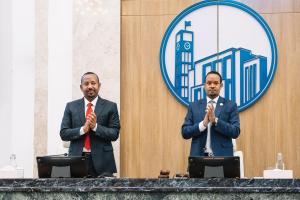
PM Abiy Pledges Continued Abay River Development, Regional Cooperation
Nov 27, 2026 3096
Addis Ababa, November 27, 2026 (ENA)— Prime Minister Abiy Ahmed has reaffirmed Ethiopia’s sovereign right to develop and utilize the Abay River without external authorization, while pledging to pursue shared regional development through cooperation with downstream countries. The Prime Minister made the remarks while responding to Members of the House of Peoples’ Representatives’ questions on regional diplomacy and water resources during the fourth regular session of the first year of the house. Describing the Abay as a divine gift to Ethiopia, PM Abiy stressed that harnessing the river’s potential is essential to overcoming poverty, expanding energy production, strengthening food security, and improving the livelihoods of citizens. “Abay is a potent remedy given to us by the grace of God, and we will use it. We do not need anyone’s permission for that,” he told parliamentarians. He said Ethiopia’s development ambitions are inseparable from its sovereign right to utilize its natural resources. The PM added that the country’s approach to the river is grounded in shared responsibility rather than unilateral exploitation. “Abay does not belong to us alone; it is also the rightful share of our neighbors, which we respect and protect for them,” the Prime Minister said. PM Abiy emphasized that Ethiopia has no intention of monopolizing the river and remains committed to cooperation with downstream countries, particularly Egypt and Sudan, to advance equitable and responsible water utilization. “We have no desire to use it exclusively; we will use it lawfully, assist, and cooperate,” he stated. The Prime Minister also welcomed reports of agricultural expansion in Egypt, expressing Ethiopia’s desire to see Egyptian agriculture flourish alongside Ethiopia’s own efforts to expand energy production. He said the two countries’ development aspirations could advance together through cooperation. Addressing environmental concerns and the long-term sustainability of the river, the Premier highlighted the role of Ethiopia’s Green Legacy Initiative, particularly tree planting, reforestation, and soil conservation, in protecting the Abay basin. “We plant trees so that the Abay does not diminish; and we responsibly uphold our neighbors' rightful share,” he said. He underscored the importance of protecting the river’s source and addressing environmental pressures, including deforestation, soil erosion, and siltation, as part of responsible water-resource management. PM Abiy also challenged the zero-sum narrative surrounding the Abay, arguing that Ethiopia’s development should not be viewed as coming at the expense of downstream countries. He stressed that the expansion of Ethiopia’s energy capacity and agricultural development in neighboring countries could complement one another through dialogue and cooperation. Beyond the Abay basin, the Prime Minister highlighted Ethiopia’s role as a source of freshwater for neighboring countries, including Eritrea, Somalia, Kenya, Sudan, and Djibouti, stressing that Ethiopia has no intention of obstructing shared water resources. He further called for educational and public narratives that promote brotherhood and cooperation among the peoples of Ethiopia, Egypt, Sudan, Djibouti, and Eritrea rather than hostility. Emphasizing the regional benefits of Ethiopia’s prosperity and stability, Prime Minister Abiy likened a prosperous Ethiopia to a shade-giving sycamore tree beside a spring, offering vitality and relief to neighboring countries. He said the central challenge was to transform Ethiopia’s abundant natural resources into tangible economic benefits while strengthening good-neighborly relations and advancing mutually beneficial development across the region.
Featured
.png)
A Strong Ethiopia, A Stable Horn: The Strategic Vision for National Transformation
Nov 28, 2026 238
By Staff Writer November 28, 2026 (ENA) Ethiopia’s pursuit of national transformation is increasingly shaped by a fundamental strategic question: how can a country with enormous human, economic and geopolitical potential translate its national aspirations into lasting stability, prosperity and regional influence? Prime Minister Abiy Ahmed’s recent address to the House of Peoples’ Representatives offers a broad perspective on this question, bringing together political unity, regional diplomacy, economic development, national sovereignty and institutional capacity as interconnected pillars of Ethiopia’s long-term national agenda. At the heart of the vision is a recognition that Ethiopia’s future cannot be secured through economic growth alone, military strength in isolation or diplomatic engagement detached from domestic realities. Rather, sustainable national progress requires a comprehensive approach in which political consensus strengthens institutions, economic development reinforces sovereignty, and regional peace creates opportunities for shared prosperity. The Prime Minister’s remarks on Sudan, Eritrea, the Ethiopian National Dialogue, the Medemer Grand Strategy and national defense therefore reflect more than separate government priorities. Together, they point to a broader ambition: building an internally cohesive, economically capable and sovereign Ethiopia that can play a constructive role in shaping the future of the Horn of Africa. Regional Peace: Ethiopia’s Security Begins Beyond Its Borders “Sudan’s peace is our peace.” Prime Minister Abiy’s statement captures a central principle underpinning Ethiopia’s approach to regional diplomacy: the security and stability of neighboring countries are inseparable from Ethiopia’s own long-term interests. The relationship between Ethiopia and Sudan extends beyond geographical proximity. Historical, social, economic and cultural connections have made the stability of one country an important consideration for the other. Sudan’s prolonged conflict consequently carries implications extending across borders, affecting trade, humanitarian conditions, population movements and the broader security environment of the Horn of Africa. Against this backdrop, the Prime Minister reaffirmed Ethiopia’s readiness to contribute diplomatic, financial and institutional resources to Sudan’s peace and recovery. He called on the warring parties to embrace dialogue and give Ethiopia’s proposed peace initiative an opportunity. The proposed initiative seeks to bring together Sudanese military, political and civilian stakeholders through an inclusive, Sudanese-led national dialogue facilitated by Ethiopia. Its underlying premise is that sustainable peace cannot be imposed from outside; it must emerge from political ownership, meaningful participation and an agreement among the country's principal stakeholders. This approach also reflects a broader strategic understanding: instability in the Horn of Africa cannot be addressed through isolated national responses. The region's interconnected security challenges require sustained diplomatic engagement, collective responsibility and practical cooperation among neighboring countries. Ethiopia’s relations with Eritrea present another important dimension of this regional vision. The Prime Minister reiterated Ethiopia’s preference for peaceful coexistence and mutually beneficial development while expressing concern over the deterioration of bilateral relations. Recalling the efforts made following the rapprochement between the two countries, he highlighted Ethiopia’s initiatives to facilitate Eritrea’s regional diplomatic engagement, offer electricity supplies at domestic Ethiopian rates and pursue joint infrastructure development, including roads and ports. These proposals reflected an understanding that geographical proximity and complementary economic resources could serve as foundations for shared prosperity rather than confrontation. The failure to translate these opportunities into sustained cooperation, as described by the Prime Minister, illustrates the challenges confronting relations between the two neighboring countries. It also underscores the importance of rebuilding confidence, maintaining diplomatic channels and addressing differences through peaceful engagement. For Ethiopia, constructive relations with Eritrea are particularly significant within the wider context of Horn of Africa stability, regional connectivity and economic integration. The broader strategic lesson is that lasting regional influence is built not simply on geographical position, population size or military capabilities, but also on the ability to establish trust, develop mutually beneficial partnerships and accommodate the legitimate interests of neighboring states. Sovereignty and Security: Strength Through Peace and Preparedness Ethiopia’s commitment to regional peace, as outlined in the parliamentary address, was accompanied by an equally firm emphasis on protecting national sovereignty and territorial integrity. The Prime Minister underscored that Ethiopia has no intention of invading other countries but remains determined to defend itself against external aggression. His remarks also recalled Ethiopia’s historical contributions to international and regional peacekeeping, including missions in Rwanda, Somalia, the Democratic Republic of Congo, Liberia and South Sudan. He acknowledged the sacrifices made by Ethiopian forces in supporting peace and stability beyond the country's borders. These contributions have helped establish Ethiopia as an important participant in African peace and security efforts. They also demonstrate the country's longstanding recognition that regional stability is a shared responsibility. At the same time, the Prime Minister’s invocation of the Battle of Adwa placed national sovereignty within Ethiopia’s historical experience. The victory of 1896 remains a powerful symbol of independence, resistance to colonial domination and the determination of Ethiopians to preserve their national identity. However, sovereignty in today's international environment requires more than historical pride and military preparedness. It depends on a combination of effective diplomacy, economic resilience, technological capabilities, strong institutions and credible defense systems. The Horn of Africa's evolving geopolitical environment, characterized by security challenges, competition over strategic infrastructure and growing interest in maritime connectivity, makes these capabilities particularly important. A capable defense system and a commitment to peaceful coexistence are not contradictory. Properly developed, they reinforce one another by protecting national interests while creating conditions for diplomacy and cooperation. Ethiopia’s National Dialogue in Building Unity Through Reconciliation While regional stability and national sovereignty define important aspects of Ethiopia’s external environment, the durability of its national transformation ultimately depends on its internal political foundations. This makes the Ethiopian National Dialogue one of the most consequential initiatives highlighted in the Prime Minister’s address. Ethiopia's political and social challenges cannot be resolved through administrative measures or security responses alone. They require a political environment in which different communities, political groups and social constituencies can express their grievances, aspirations and competing visions of the country's future. The National Dialogue seeks to provide such a platform. According to the Prime Minister, hundreds of thousands of Ethiopians, both inside the country and abroad, have participated in discussions throughout the four-year process. His reference to approximately 4,000 participants conducting discussions in one hall over 46 days illustrates the scale and complexity of the undertaking. The importance of this process, however, extends beyond the number of participants or the duration of discussions. Its real significance lies in its potential to transform political differences into constructive national engagement. Ethiopia's diversity is an essential part of its national identity. Building lasting unity does not mean eliminating differences or requiring uniform political perspectives. It means establishing credible institutions and mechanisms through which differences can be managed peacefully, constitutional rights protected and common national interests advanced. In this regard, the Prime Minister's reference to Article 39 of the Constitution is particularly significant. The constitutional recognition of the rights of nations, nationalities and peoples to use their languages, administer themselves and protect their rights remains a fundamental component of Ethiopia's federal framework. The broader challenge is to strengthen these constitutional guarantees while promoting national cohesion, equal citizenship, effective federal institutions and confidence in the country's constitutional order. These objectives should be mutually reinforcing. National unity becomes more sustainable when citizens feel represented, their rights are respected and public institutions respond equitably to their needs. Ultimately, the credibility of the National Dialogue will be determined by what follows the discussions. Its recommendations must translate into meaningful political, legislative and institutional reforms. Citizens must see that their participation contributes to addressing the structural challenges facing the country. The process therefore presents an opportunity to build a more inclusive political settlement and establish a stronger foundation for Ethiopia's long-term stability. Medemer: A Long-Term Framework for National Transformation The political foundations of national unity are closely connected to Ethiopia's broader economic and institutional ambitions. This is where the Medemer Grand Strategy assumes particular significance. At its core, Medemer advances the principles of cooperation, complementarity and the pooling of individual and collective capabilities. It seeks to translate Ethiopia's human, natural, geographical and economic resources into productive national strength. The underlying proposition is straightforward but strategically important: resources alone do not generate prosperity. Their value depends on the institutions, knowledge, technology, infrastructure and productive capabilities available to mobilize them. For a country with Ethiopia's population, agricultural potential, strategic location and expanding economic ambitions, this requires a sustained commitment to economic modernization, industrial development, infrastructure expansion, technological advancement and human capital investment. The Medemer framework also places considerable importance on institutional development and generational continuity. Ethiopia's transformation cannot depend exclusively on the priorities of individual political administrations. It requires long-term national frameworks capable of preserving achievements, correcting shortcomings and sustaining development beyond political transitions. This is particularly important in a country where the scale of development challenges demands consistency in economic planning, investment policy, institutional reform and public administration. The strategic value of a long-term national development framework lies in its ability to establish continuity while allowing policies to evolve in response to changing economic and social realities. For Medemer to achieve its broader ambitions, its principles must be reflected in effective institutions, measurable development outcomes, productive investment and tangible improvements in citizens' livelihoods. Its ultimate test is whether it can help transform national potential into sustainable and broadly shared prosperity. Economic Strength for the Foundation of National Sovereignty An important thread running through the Prime Minister's address is the relationship between economic development and national security. His observation that defense cannot be built independently of economic capacity highlights a fundamental reality of modern statecraft: a country's ability to safeguard its sovereignty is closely linked to the strength of its economy. Contemporary defense systems require far more than military personnel and conventional equipment. They depend on technological innovation, industrial capacity, skilled professionals, effective logistics, research and development, and sustainable financial resources. A strong economy enables a country to invest in these capabilities without undermining other national development priorities. This relationship is particularly important for Ethiopia as it seeks to expand its productive base, modernize its institutions and strengthen its strategic autonomy. Economic transformation, therefore, is not simply about increasing national output or attracting investment. It is also about building the capabilities that enable the country to make independent strategic decisions, withstand external pressures and protect its long-term national interests. The Prime Minister's references to air capabilities, ground forces and technological advancement reflect the importance attached to developing a comprehensive national defense system. However, sustainable defense modernization must be accompanied by professional standards, institutional accountability and continued attention to the welfare of the armed forces. The broader lesson is that national sovereignty is strongest when supported by a productive economy, capable institutions, technological advancement and responsible diplomacy. The Horn of Africa: From Geopolitical Competition to Shared Prosperity Ethiopia's national transformation agenda cannot be fully understood without considering its position in the Horn of Africa. As one of the region's largest countries by population and a major diplomatic and economic center, Ethiopia occupies a strategic position in shaping regional political and economic developments. Yet the Horn of Africa remains affected by protracted conflicts, political instability, limited economic integration, climate-related pressures, humanitarian emergencies and competition over strategic infrastructure and maritime connectivity. These challenges also present opportunities for a different regional future. Improved relations among neighboring countries could unlock significant economic potential through cross-border trade, electricity exchanges, transport infrastructure, logistics networks and coordinated development initiatives. For Ethiopia, stronger regional connectivity would expand access to markets, improve the movement of goods and services and create opportunities for investment and industrial development. Similarly, regional energy cooperation could allow countries to benefit from complementary resources, while coordinated infrastructure development could reduce economic fragmentation and strengthen commercial relations. The pursuit of these opportunities requires a regional environment founded on trust, predictable relations, respect for sovereignty and peaceful resolution of disagreements. Ethiopia's aspirations for greater regional engagement will therefore be most sustainable when its national development objectives are advanced alongside the legitimate interests of neighboring countries. Regional leadership in the contemporary international environment is not measured solely by national capabilities. It is demonstrated through the ability to generate shared benefits, facilitate dialogue and contribute to solutions to common challenges. In this sense, Ethiopia's national transformation and the future of the Horn of Africa are closely connected. Turning National Vision into Tangible Results Perhaps the most important analytical lesson from the Prime Minister's address is the interconnectedness of the priorities he outlined. Political dialogue, constitutional inclusion, regional diplomacy, economic transformation and defense modernization are not isolated policy areas. They constitute complementary dimensions of a broader national development and state-building project. Political consensus provides the foundation for stability. Effective institutions strengthen governance and public confidence. Economic development mobilizes human and financial resources. Defense capabilities safeguard sovereignty, while regional peace creates opportunities for trade, investment and connectivity. However, the success of this vision will ultimately depend not on the scale of its ambitions but on the effectiveness of its implementation. Three priorities will be particularly decisive. First, political inclusion must produce meaningful institutional outcomes. The National Dialogue needs to translate participation into credible reforms, strengthen constitutional legitimacy and build confidence across different political and social constituencies. Its success should be measured by its contribution to addressing underlying differences and strengthening national institutions. Second, regional diplomacy must prioritize trust and sustained cooperation. Ethiopia's engagement with Sudan and its pursuit of constructive relations with Eritrea require consistent diplomatic efforts, confidence-building measures and respect for the legitimate interests of all parties. Sustainable regional influence is achieved through partnerships and practical cooperation rather than confrontation. Third, economic transformation must improve the everyday lives of citizens. Development must generate employment, increase productivity, strengthen livelihoods, improve public services and expand opportunities for younger generations. National economic progress becomes a durable foundation for stability when its benefits are reflected in the lives of ordinary people. These priorities are essential to ensuring that the country's broader national vision translates into measurable and lasting achievements. In a nutshell, Prime Minister Abiy Ahmed's parliamentary address brings together some of the most consequential questions shaping Ethiopia's future: how to consolidate national unity, safeguard sovereignty, transform economic potential into prosperity, contribute to peace in Sudan, establish constructive relations with Eritrea and build institutions capable of sustaining progress across generations. The vision articulated in the address rests on a fundamental understanding that these objectives are inseparable. A politically cohesive Ethiopia is better positioned to pursue economic transformation. A stronger economy provides the resources and capabilities necessary to protect sovereignty. Effective institutions sustain development and strengthen public confidence. Constructive relations with neighboring countries create opportunities for regional peace, trade and shared prosperity. The challenge is to advance these priorities simultaneously while ensuring that national ambitions are matched by inclusive governance, institutional accountability and tangible results. Ethiopia's historical experience has demonstrated the importance of independence, resilience and collective responsibility. Its contemporary ambitions require these strengths to be complemented by modern institutions, technological innovation, economic competitiveness, political inclusion and constructive international partnerships. Ultimately, the measure of Ethiopia's national transformation will not be determined simply by the resources it possesses, the strategies it announces or the influence it seeks. It will be determined by the strength of the institutions it builds, the trust it establishes among its citizens, the prosperity it delivers and the contribution it makes to a more peaceful and economically integrated Horn of Africa. The strategic ambition is clear. It is an Ethiopia that is strong at home, sovereign in its decisions, prosperous in its economy and constructive in its engagement with the world.
.jpg)
Addis Ababa Gears Up to Welcome Over 100,000 Global Participants for COP32, Mayor Adanech Says
Nov 28, 2026 348
Addis Ababa, November 28, 2026 (ENA)— Addis Ababa is intensifying preparations to welcome more than 100,000 participants for the 32nd UN Climate Change Conference (COP32) in 2027, building on its successful hosting of a major international public health conference that demonstrated the capital's capacity to accommodate large-scale international gatherings. Mayor of the capital, Adanech Abiebie announced the preparations in a message shared on her social media pages, describing the successful hosting of the 2026 International Conference on Public Health in Africa (CPHIA). The Conference attracted more than 30,000 participants, as a demonstration of the city's growing ability to organize major international events with confidence and professionalism, it was pointed out. She noted that over the six days of the conference, participants experienced not only the conference facilities but also different parts of the capital, exploring its streets, hospitality, and vibrant urban atmosphere during the day and into the evening. The positive feedback from visitors, she said, underscored Addis Ababa's capacity to deliver major international gatherings while providing a welcoming environment and quality services. The Mayor credited the achievement to the leadership and coordination of the Africa Centres for Disease Control and Prevention (Africa CDC) and the Ministry of Health, alongside the dedicated contributions of institutions and professionals responsible for transportation, accommodation, utilities, security, tourism, sanitation, hospitality, and other essential services. Expressing appreciation to all stakeholders, Adanech said the experience had provided a valuable foundation for preparing the capital to host an even larger global gathering. Building on this success, Addis Ababa is now gearing up to welcome more than 100,000 participants for COP32, with plans to further enhance its capacity, service delivery, and organizational standards. The upcoming conference is a major opportunity to showcase Ethiopia's hospitality, institutional capacity, creativity, and development potential to the world, she revealed. Adanech urged all stakeholders to intensify their efforts, complete preparations on schedule, and ensure that every aspect of the event meets the highest standards. The Mayor stressed that COP32 should go beyond hosting an international conference and become a platform for elevating Ethiopia's global profile while creating a lasting legacy for Addis Ababa and the country. "Let us welcome the world to our capital and show what Ethiopia can achieve," she said. Ethiopia is scheduled to host COP32 in Addis Ababa in November 2027, bringing together world leaders, climate negotiators, policymakers, scientists, investors, and development partners to advance discussions on global climate action.
.jpg)
Ethiopia, Netherlands Eye New Investment Frontiers as Trade Ties Mark 100 Years
Nov 28, 2026 426
Addis Ababa, November 28, 2026 (ENA)— Ethiopia and the Netherlands are seeking to unlock new investment opportunities and deepen their century-old economic partnership. The two countries are looking to transform their longstanding trade relations into a broader economic partnership that harnesses the Netherlands' technological expertise and global market access alongside Ethiopia's resources, production capacity, and expanding investment opportunities. Speaking at a forum marking 100 years of Ethiopia-Netherlands trade relations at the Embassy of the Netherlands in Addis Ababa, Ethiopian Investment Commission (EIC) Commissioner Hana Tehelku emphasized the need to build on the historical partnership by moving beyond conventional trade exchanges toward more diversified and mutually beneficial economic cooperation. She underscored the importance of shifting from raw material exports to value-added production through processing, packaging, and branding. She added this would enable Ethiopia to strengthen its export competitiveness, generate employment, and capture greater value from its resources. The Commissioner also identified manufacturing, renewable energy, water management, logistics, and digital services as promising sectors for expanding Dutch investment, highlighting the potential for closer collaboration in emerging and strategic industries. Hana noted that combining Dutch technological capabilities, specialized expertise, and international market access with Ethiopia's natural resources and growing production capacity could create new opportunities for industrial expansion, job creation, export diversification, and private-sector development. The century-long economic relationship already provides a foundation for this next phase of cooperation. Early ventures, including the Wonji Sugar Factory and Desta Candy, demonstrated the longstanding commercial connections between the two countries. Over the years, these ties have evolved into a broader investment partnership, with Dutch-linked businesses, including Heineken, Holland Yogurt, and Zequala Horticulture, alongside companies operating in Ethiopia's horticulture and floriculture industries, contributing to the country's economic activities. Looking toward the next century, Hana stressed that sustaining and expanding the partnership would require continued improvements in the investment climate, particularly through transparent administrative procedures, efficient logistics, and a more conducive business environment. She also highlighted human capital development as a critical pillar of future cooperation, calling for stronger collaboration among universities, technical and vocational education institutions, young entrepreneurs, and women-led businesses. The Commissioner invited Dutch investors to explore Ethiopia's expanding investment opportunities and increase their engagement across strategic sectors, reaffirming the Ethiopian Investment Commission's commitment to facilitating investment and supporting businesses. During a panel discussion organized by the Ethiopia-Netherlands Business Association (ENLBA), Hana also outlined the Ethiopian government's investment reforms, the progress achieved, and the opportunities these changes are creating for domestic and foreign investors.U The forum, jointly organized by ENLBA and the Embassy of the Netherlands under the theme "100 Years of Living Trade: Connecting Heritage, Investment and the Future," brought together former Ethiopian Prime Minister Hailemariam Desalegn, senior government officials, diplomats, and business leaders. Beyond commemorating a century of commercial relations, the gathering provided a platform to examine emerging investment opportunities and identify ways to translate the historical partnership into stronger economic cooperation in the decades ahead. A book documenting the 100-year history of Ethiopia-Netherlands relations was also launched at the conclusion of the event.
.jpg)
IGAD Lauds Pulse of Africa for Amplifying Human Mobility Stories Across Horn of Africa
Nov 27, 2026 2393
Addis Ababa, November 27, 2026 (ENA)— The Intergovernmental Authority on Development (IGAD) has commended Pulse of Africa (POA), an Addis Ababa-based Pan-African media platform, for its valuable media partnership and extensive coverage of regional issues, particularly human mobility and the 2026 IGAD Media Awards. In a special message of appreciation shared on its social media platforms, the IGAD Secretariat described Pulse of Africa as a valued media partner, thanking the outlet for its contribution to amplifying important stories across the region. “A special thank you to Pulse of Africa, our valued Media Partner!” the Secretariat stated. IGAD further recognized POA's extensive coverage of the fourth edition of the IGAD Media Awards, held in Kampala, Uganda, last week. The Pulse of Africa’s support helped celebrate and recognize outstanding journalists and digital storytellers from across the region, the statement noted. “Your invaluable support helped us celebrate and recognise outstanding journalists and digital storytellers from across the IGAD region whose work shines a light on free movement of persons, labour migration, human mobility and displacement,” the Secretariat said. The recognition underscores Pulse of Africa's growing contribution to regional journalism, particularly its reporting on human mobility dynamics in the Greater Horn of Africa, a region facing complex challenges and opportunities related to migration, displacement, refugee protection and cross-border movement. The IGAD region is currently home to approximately 5.6 million refugees, making informed reporting and public awareness of human mobility issues increasingly important to regional cooperation and policy discussions. Through its regional reporting, POA has been amplifying the experiences of displaced communities, migration-related developments and broader efforts to advance safe, orderly and regular human mobility across the region. Its extensive coverage of the 2026 IGAD Media Awards also brought greater visibility to journalists and digital storytellers whose work is helping shape public understanding of free movement, labour migration and displacement across the Greater Horn of Africa. The fourth edition of the awards recognized approximately 20 outstanding journalists and storytellers for their contributions to journalism and digital storytelling, highlighting the media's role in informing public debate and transforming narratives across the region. IGAD also praised Pulse of Africa for its continued efforts to amplify stories that matter to communities across the region. “Thank you for being part of this remarkable journey and for your continued commitment to amplifying the stories that matter across our region,” the Secretariat added. The commendation further highlights the importance of media partnerships in strengthening regional awareness, promoting informed public discourse and bringing African stories and perspectives to wider audiences.
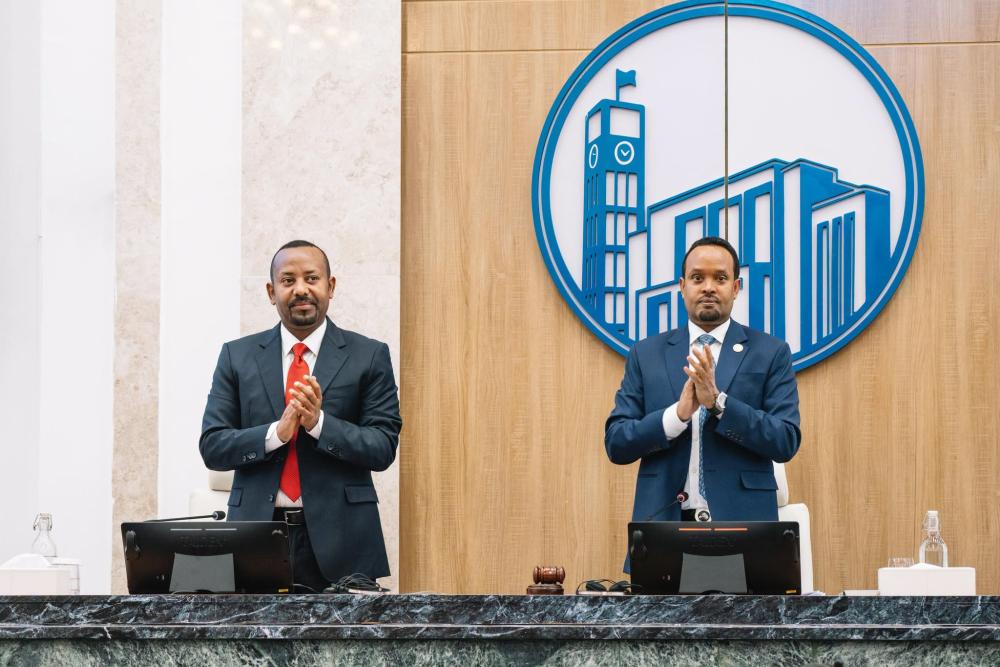
PM Abiy Pledges Continued Abay River Development, Regional Cooperation
Nov 27, 2026 3096
Addis Ababa, November 27, 2026 (ENA)— Prime Minister Abiy Ahmed has reaffirmed Ethiopia’s sovereign right to develop and utilize the Abay River without external authorization, while pledging to pursue shared regional development through cooperation with downstream countries. The Prime Minister made the remarks while responding to Members of the House of Peoples’ Representatives’ questions on regional diplomacy and water resources during the fourth regular session of the first year of the house. Describing the Abay as a divine gift to Ethiopia, PM Abiy stressed that harnessing the river’s potential is essential to overcoming poverty, expanding energy production, strengthening food security, and improving the livelihoods of citizens. “Abay is a potent remedy given to us by the grace of God, and we will use it. We do not need anyone’s permission for that,” he told parliamentarians. He said Ethiopia’s development ambitions are inseparable from its sovereign right to utilize its natural resources. The PM added that the country’s approach to the river is grounded in shared responsibility rather than unilateral exploitation. “Abay does not belong to us alone; it is also the rightful share of our neighbors, which we respect and protect for them,” the Prime Minister said. PM Abiy emphasized that Ethiopia has no intention of monopolizing the river and remains committed to cooperation with downstream countries, particularly Egypt and Sudan, to advance equitable and responsible water utilization. “We have no desire to use it exclusively; we will use it lawfully, assist, and cooperate,” he stated. The Prime Minister also welcomed reports of agricultural expansion in Egypt, expressing Ethiopia’s desire to see Egyptian agriculture flourish alongside Ethiopia’s own efforts to expand energy production. He said the two countries’ development aspirations could advance together through cooperation. Addressing environmental concerns and the long-term sustainability of the river, the Premier highlighted the role of Ethiopia’s Green Legacy Initiative, particularly tree planting, reforestation, and soil conservation, in protecting the Abay basin. “We plant trees so that the Abay does not diminish; and we responsibly uphold our neighbors' rightful share,” he said. He underscored the importance of protecting the river’s source and addressing environmental pressures, including deforestation, soil erosion, and siltation, as part of responsible water-resource management. PM Abiy also challenged the zero-sum narrative surrounding the Abay, arguing that Ethiopia’s development should not be viewed as coming at the expense of downstream countries. He stressed that the expansion of Ethiopia’s energy capacity and agricultural development in neighboring countries could complement one another through dialogue and cooperation. Beyond the Abay basin, the Prime Minister highlighted Ethiopia’s role as a source of freshwater for neighboring countries, including Eritrea, Somalia, Kenya, Sudan, and Djibouti, stressing that Ethiopia has no intention of obstructing shared water resources. He further called for educational and public narratives that promote brotherhood and cooperation among the peoples of Ethiopia, Egypt, Sudan, Djibouti, and Eritrea rather than hostility. Emphasizing the regional benefits of Ethiopia’s prosperity and stability, Prime Minister Abiy likened a prosperous Ethiopia to a shade-giving sycamore tree beside a spring, offering vitality and relief to neighboring countries. He said the central challenge was to transform Ethiopia’s abundant natural resources into tangible economic benefits while strengthening good-neighborly relations and advancing mutually beneficial development across the region.

POA English
Pulse Of Africa - English Language
Your news, current affairs and entertainment channel
Join us on
POA Arabic - عربي
Pulse Of Africa - Arabic Language
قناتكم الاخبارية و الترفيهية
Join us on
Politics
A Strong Ethiopia, A Stable Horn: The Strategic Vision for National Transformation
Nov 28, 2026 238
By Staff Writer November 28, 2026 (ENA) Ethiopia’s pursuit of national transformation is increasingly shaped by a fundamental strategic question: how can a country with enormous human, economic and geopolitical potential translate its national aspirations into lasting stability, prosperity and regional influence? Prime Minister Abiy Ahmed’s recent address to the House of Peoples’ Representatives offers a broad perspective on this question, bringing together political unity, regional diplomacy, economic development, national sovereignty and institutional capacity as interconnected pillars of Ethiopia’s long-term national agenda. At the heart of the vision is a recognition that Ethiopia’s future cannot be secured through economic growth alone, military strength in isolation or diplomatic engagement detached from domestic realities. Rather, sustainable national progress requires a comprehensive approach in which political consensus strengthens institutions, economic development reinforces sovereignty, and regional peace creates opportunities for shared prosperity. The Prime Minister’s remarks on Sudan, Eritrea, the Ethiopian National Dialogue, the Medemer Grand Strategy and national defense therefore reflect more than separate government priorities. Together, they point to a broader ambition: building an internally cohesive, economically capable and sovereign Ethiopia that can play a constructive role in shaping the future of the Horn of Africa. Regional Peace: Ethiopia’s Security Begins Beyond Its Borders “Sudan’s peace is our peace.” Prime Minister Abiy’s statement captures a central principle underpinning Ethiopia’s approach to regional diplomacy: the security and stability of neighboring countries are inseparable from Ethiopia’s own long-term interests. The relationship between Ethiopia and Sudan extends beyond geographical proximity. Historical, social, economic and cultural connections have made the stability of one country an important consideration for the other. Sudan’s prolonged conflict consequently carries implications extending across borders, affecting trade, humanitarian conditions, population movements and the broader security environment of the Horn of Africa. Against this backdrop, the Prime Minister reaffirmed Ethiopia’s readiness to contribute diplomatic, financial and institutional resources to Sudan’s peace and recovery. He called on the warring parties to embrace dialogue and give Ethiopia’s proposed peace initiative an opportunity. The proposed initiative seeks to bring together Sudanese military, political and civilian stakeholders through an inclusive, Sudanese-led national dialogue facilitated by Ethiopia. Its underlying premise is that sustainable peace cannot be imposed from outside; it must emerge from political ownership, meaningful participation and an agreement among the country's principal stakeholders. This approach also reflects a broader strategic understanding: instability in the Horn of Africa cannot be addressed through isolated national responses. The region's interconnected security challenges require sustained diplomatic engagement, collective responsibility and practical cooperation among neighboring countries. Ethiopia’s relations with Eritrea present another important dimension of this regional vision. The Prime Minister reiterated Ethiopia’s preference for peaceful coexistence and mutually beneficial development while expressing concern over the deterioration of bilateral relations. Recalling the efforts made following the rapprochement between the two countries, he highlighted Ethiopia’s initiatives to facilitate Eritrea’s regional diplomatic engagement, offer electricity supplies at domestic Ethiopian rates and pursue joint infrastructure development, including roads and ports. These proposals reflected an understanding that geographical proximity and complementary economic resources could serve as foundations for shared prosperity rather than confrontation. The failure to translate these opportunities into sustained cooperation, as described by the Prime Minister, illustrates the challenges confronting relations between the two neighboring countries. It also underscores the importance of rebuilding confidence, maintaining diplomatic channels and addressing differences through peaceful engagement. For Ethiopia, constructive relations with Eritrea are particularly significant within the wider context of Horn of Africa stability, regional connectivity and economic integration. The broader strategic lesson is that lasting regional influence is built not simply on geographical position, population size or military capabilities, but also on the ability to establish trust, develop mutually beneficial partnerships and accommodate the legitimate interests of neighboring states. Sovereignty and Security: Strength Through Peace and Preparedness Ethiopia’s commitment to regional peace, as outlined in the parliamentary address, was accompanied by an equally firm emphasis on protecting national sovereignty and territorial integrity. The Prime Minister underscored that Ethiopia has no intention of invading other countries but remains determined to defend itself against external aggression. His remarks also recalled Ethiopia’s historical contributions to international and regional peacekeeping, including missions in Rwanda, Somalia, the Democratic Republic of Congo, Liberia and South Sudan. He acknowledged the sacrifices made by Ethiopian forces in supporting peace and stability beyond the country's borders. These contributions have helped establish Ethiopia as an important participant in African peace and security efforts. They also demonstrate the country's longstanding recognition that regional stability is a shared responsibility. At the same time, the Prime Minister’s invocation of the Battle of Adwa placed national sovereignty within Ethiopia’s historical experience. The victory of 1896 remains a powerful symbol of independence, resistance to colonial domination and the determination of Ethiopians to preserve their national identity. However, sovereignty in today's international environment requires more than historical pride and military preparedness. It depends on a combination of effective diplomacy, economic resilience, technological capabilities, strong institutions and credible defense systems. The Horn of Africa's evolving geopolitical environment, characterized by security challenges, competition over strategic infrastructure and growing interest in maritime connectivity, makes these capabilities particularly important. A capable defense system and a commitment to peaceful coexistence are not contradictory. Properly developed, they reinforce one another by protecting national interests while creating conditions for diplomacy and cooperation. Ethiopia’s National Dialogue in Building Unity Through Reconciliation While regional stability and national sovereignty define important aspects of Ethiopia’s external environment, the durability of its national transformation ultimately depends on its internal political foundations. This makes the Ethiopian National Dialogue one of the most consequential initiatives highlighted in the Prime Minister’s address. Ethiopia's political and social challenges cannot be resolved through administrative measures or security responses alone. They require a political environment in which different communities, political groups and social constituencies can express their grievances, aspirations and competing visions of the country's future. The National Dialogue seeks to provide such a platform. According to the Prime Minister, hundreds of thousands of Ethiopians, both inside the country and abroad, have participated in discussions throughout the four-year process. His reference to approximately 4,000 participants conducting discussions in one hall over 46 days illustrates the scale and complexity of the undertaking. The importance of this process, however, extends beyond the number of participants or the duration of discussions. Its real significance lies in its potential to transform political differences into constructive national engagement. Ethiopia's diversity is an essential part of its national identity. Building lasting unity does not mean eliminating differences or requiring uniform political perspectives. It means establishing credible institutions and mechanisms through which differences can be managed peacefully, constitutional rights protected and common national interests advanced. In this regard, the Prime Minister's reference to Article 39 of the Constitution is particularly significant. The constitutional recognition of the rights of nations, nationalities and peoples to use their languages, administer themselves and protect their rights remains a fundamental component of Ethiopia's federal framework. The broader challenge is to strengthen these constitutional guarantees while promoting national cohesion, equal citizenship, effective federal institutions and confidence in the country's constitutional order. These objectives should be mutually reinforcing. National unity becomes more sustainable when citizens feel represented, their rights are respected and public institutions respond equitably to their needs. Ultimately, the credibility of the National Dialogue will be determined by what follows the discussions. Its recommendations must translate into meaningful political, legislative and institutional reforms. Citizens must see that their participation contributes to addressing the structural challenges facing the country. The process therefore presents an opportunity to build a more inclusive political settlement and establish a stronger foundation for Ethiopia's long-term stability. Medemer: A Long-Term Framework for National Transformation The political foundations of national unity are closely connected to Ethiopia's broader economic and institutional ambitions. This is where the Medemer Grand Strategy assumes particular significance. At its core, Medemer advances the principles of cooperation, complementarity and the pooling of individual and collective capabilities. It seeks to translate Ethiopia's human, natural, geographical and economic resources into productive national strength. The underlying proposition is straightforward but strategically important: resources alone do not generate prosperity. Their value depends on the institutions, knowledge, technology, infrastructure and productive capabilities available to mobilize them. For a country with Ethiopia's population, agricultural potential, strategic location and expanding economic ambitions, this requires a sustained commitment to economic modernization, industrial development, infrastructure expansion, technological advancement and human capital investment. The Medemer framework also places considerable importance on institutional development and generational continuity. Ethiopia's transformation cannot depend exclusively on the priorities of individual political administrations. It requires long-term national frameworks capable of preserving achievements, correcting shortcomings and sustaining development beyond political transitions. This is particularly important in a country where the scale of development challenges demands consistency in economic planning, investment policy, institutional reform and public administration. The strategic value of a long-term national development framework lies in its ability to establish continuity while allowing policies to evolve in response to changing economic and social realities. For Medemer to achieve its broader ambitions, its principles must be reflected in effective institutions, measurable development outcomes, productive investment and tangible improvements in citizens' livelihoods. Its ultimate test is whether it can help transform national potential into sustainable and broadly shared prosperity. Economic Strength for the Foundation of National Sovereignty An important thread running through the Prime Minister's address is the relationship between economic development and national security. His observation that defense cannot be built independently of economic capacity highlights a fundamental reality of modern statecraft: a country's ability to safeguard its sovereignty is closely linked to the strength of its economy. Contemporary defense systems require far more than military personnel and conventional equipment. They depend on technological innovation, industrial capacity, skilled professionals, effective logistics, research and development, and sustainable financial resources. A strong economy enables a country to invest in these capabilities without undermining other national development priorities. This relationship is particularly important for Ethiopia as it seeks to expand its productive base, modernize its institutions and strengthen its strategic autonomy. Economic transformation, therefore, is not simply about increasing national output or attracting investment. It is also about building the capabilities that enable the country to make independent strategic decisions, withstand external pressures and protect its long-term national interests. The Prime Minister's references to air capabilities, ground forces and technological advancement reflect the importance attached to developing a comprehensive national defense system. However, sustainable defense modernization must be accompanied by professional standards, institutional accountability and continued attention to the welfare of the armed forces. The broader lesson is that national sovereignty is strongest when supported by a productive economy, capable institutions, technological advancement and responsible diplomacy. The Horn of Africa: From Geopolitical Competition to Shared Prosperity Ethiopia's national transformation agenda cannot be fully understood without considering its position in the Horn of Africa. As one of the region's largest countries by population and a major diplomatic and economic center, Ethiopia occupies a strategic position in shaping regional political and economic developments. Yet the Horn of Africa remains affected by protracted conflicts, political instability, limited economic integration, climate-related pressures, humanitarian emergencies and competition over strategic infrastructure and maritime connectivity. These challenges also present opportunities for a different regional future. Improved relations among neighboring countries could unlock significant economic potential through cross-border trade, electricity exchanges, transport infrastructure, logistics networks and coordinated development initiatives. For Ethiopia, stronger regional connectivity would expand access to markets, improve the movement of goods and services and create opportunities for investment and industrial development. Similarly, regional energy cooperation could allow countries to benefit from complementary resources, while coordinated infrastructure development could reduce economic fragmentation and strengthen commercial relations. The pursuit of these opportunities requires a regional environment founded on trust, predictable relations, respect for sovereignty and peaceful resolution of disagreements. Ethiopia's aspirations for greater regional engagement will therefore be most sustainable when its national development objectives are advanced alongside the legitimate interests of neighboring countries. Regional leadership in the contemporary international environment is not measured solely by national capabilities. It is demonstrated through the ability to generate shared benefits, facilitate dialogue and contribute to solutions to common challenges. In this sense, Ethiopia's national transformation and the future of the Horn of Africa are closely connected. Turning National Vision into Tangible Results Perhaps the most important analytical lesson from the Prime Minister's address is the interconnectedness of the priorities he outlined. Political dialogue, constitutional inclusion, regional diplomacy, economic transformation and defense modernization are not isolated policy areas. They constitute complementary dimensions of a broader national development and state-building project. Political consensus provides the foundation for stability. Effective institutions strengthen governance and public confidence. Economic development mobilizes human and financial resources. Defense capabilities safeguard sovereignty, while regional peace creates opportunities for trade, investment and connectivity. However, the success of this vision will ultimately depend not on the scale of its ambitions but on the effectiveness of its implementation. Three priorities will be particularly decisive. First, political inclusion must produce meaningful institutional outcomes. The National Dialogue needs to translate participation into credible reforms, strengthen constitutional legitimacy and build confidence across different political and social constituencies. Its success should be measured by its contribution to addressing underlying differences and strengthening national institutions. Second, regional diplomacy must prioritize trust and sustained cooperation. Ethiopia's engagement with Sudan and its pursuit of constructive relations with Eritrea require consistent diplomatic efforts, confidence-building measures and respect for the legitimate interests of all parties. Sustainable regional influence is achieved through partnerships and practical cooperation rather than confrontation. Third, economic transformation must improve the everyday lives of citizens. Development must generate employment, increase productivity, strengthen livelihoods, improve public services and expand opportunities for younger generations. National economic progress becomes a durable foundation for stability when its benefits are reflected in the lives of ordinary people. These priorities are essential to ensuring that the country's broader national vision translates into measurable and lasting achievements. In a nutshell, Prime Minister Abiy Ahmed's parliamentary address brings together some of the most consequential questions shaping Ethiopia's future: how to consolidate national unity, safeguard sovereignty, transform economic potential into prosperity, contribute to peace in Sudan, establish constructive relations with Eritrea and build institutions capable of sustaining progress across generations. The vision articulated in the address rests on a fundamental understanding that these objectives are inseparable. A politically cohesive Ethiopia is better positioned to pursue economic transformation. A stronger economy provides the resources and capabilities necessary to protect sovereignty. Effective institutions sustain development and strengthen public confidence. Constructive relations with neighboring countries create opportunities for regional peace, trade and shared prosperity. The challenge is to advance these priorities simultaneously while ensuring that national ambitions are matched by inclusive governance, institutional accountability and tangible results. Ethiopia's historical experience has demonstrated the importance of independence, resilience and collective responsibility. Its contemporary ambitions require these strengths to be complemented by modern institutions, technological innovation, economic competitiveness, political inclusion and constructive international partnerships. Ultimately, the measure of Ethiopia's national transformation will not be determined simply by the resources it possesses, the strategies it announces or the influence it seeks. It will be determined by the strength of the institutions it builds, the trust it establishes among its citizens, the prosperity it delivers and the contribution it makes to a more peaceful and economically integrated Horn of Africa. The strategic ambition is clear. It is an Ethiopia that is strong at home, sovereign in its decisions, prosperous in its economy and constructive in its engagement with the world.
IGAD Lauds Pulse of Africa for Amplifying Human Mobility Stories Across Horn of Africa
Nov 27, 2026 2393
Addis Ababa, November 27, 2026 (ENA)— The Intergovernmental Authority on Development (IGAD) has commended Pulse of Africa (POA), an Addis Ababa-based Pan-African media platform, for its valuable media partnership and extensive coverage of regional issues, particularly human mobility and the 2026 IGAD Media Awards. In a special message of appreciation shared on its social media platforms, the IGAD Secretariat described Pulse of Africa as a valued media partner, thanking the outlet for its contribution to amplifying important stories across the region. “A special thank you to Pulse of Africa, our valued Media Partner!” the Secretariat stated. IGAD further recognized POA's extensive coverage of the fourth edition of the IGAD Media Awards, held in Kampala, Uganda, last week. The Pulse of Africa’s support helped celebrate and recognize outstanding journalists and digital storytellers from across the region, the statement noted. “Your invaluable support helped us celebrate and recognise outstanding journalists and digital storytellers from across the IGAD region whose work shines a light on free movement of persons, labour migration, human mobility and displacement,” the Secretariat said. The recognition underscores Pulse of Africa's growing contribution to regional journalism, particularly its reporting on human mobility dynamics in the Greater Horn of Africa, a region facing complex challenges and opportunities related to migration, displacement, refugee protection and cross-border movement. The IGAD region is currently home to approximately 5.6 million refugees, making informed reporting and public awareness of human mobility issues increasingly important to regional cooperation and policy discussions. Through its regional reporting, POA has been amplifying the experiences of displaced communities, migration-related developments and broader efforts to advance safe, orderly and regular human mobility across the region. Its extensive coverage of the 2026 IGAD Media Awards also brought greater visibility to journalists and digital storytellers whose work is helping shape public understanding of free movement, labour migration and displacement across the Greater Horn of Africa. The fourth edition of the awards recognized approximately 20 outstanding journalists and storytellers for their contributions to journalism and digital storytelling, highlighting the media's role in informing public debate and transforming narratives across the region. IGAD also praised Pulse of Africa for its continued efforts to amplify stories that matter to communities across the region. “Thank you for being part of this remarkable journey and for your continued commitment to amplifying the stories that matter across our region,” the Secretariat added. The commendation further highlights the importance of media partnerships in strengthening regional awareness, promoting informed public discourse and bringing African stories and perspectives to wider audiences.
PM Abiy Pledges Continued Abay River Development, Regional Cooperation
Nov 27, 2026 3096
Addis Ababa, November 27, 2026 (ENA)— Prime Minister Abiy Ahmed has reaffirmed Ethiopia’s sovereign right to develop and utilize the Abay River without external authorization, while pledging to pursue shared regional development through cooperation with downstream countries. The Prime Minister made the remarks while responding to Members of the House of Peoples’ Representatives’ questions on regional diplomacy and water resources during the fourth regular session of the first year of the house. Describing the Abay as a divine gift to Ethiopia, PM Abiy stressed that harnessing the river’s potential is essential to overcoming poverty, expanding energy production, strengthening food security, and improving the livelihoods of citizens. “Abay is a potent remedy given to us by the grace of God, and we will use it. We do not need anyone’s permission for that,” he told parliamentarians. He said Ethiopia’s development ambitions are inseparable from its sovereign right to utilize its natural resources. The PM added that the country’s approach to the river is grounded in shared responsibility rather than unilateral exploitation. “Abay does not belong to us alone; it is also the rightful share of our neighbors, which we respect and protect for them,” the Prime Minister said. PM Abiy emphasized that Ethiopia has no intention of monopolizing the river and remains committed to cooperation with downstream countries, particularly Egypt and Sudan, to advance equitable and responsible water utilization. “We have no desire to use it exclusively; we will use it lawfully, assist, and cooperate,” he stated. The Prime Minister also welcomed reports of agricultural expansion in Egypt, expressing Ethiopia’s desire to see Egyptian agriculture flourish alongside Ethiopia’s own efforts to expand energy production. He said the two countries’ development aspirations could advance together through cooperation. Addressing environmental concerns and the long-term sustainability of the river, the Premier highlighted the role of Ethiopia’s Green Legacy Initiative, particularly tree planting, reforestation, and soil conservation, in protecting the Abay basin. “We plant trees so that the Abay does not diminish; and we responsibly uphold our neighbors' rightful share,” he said. He underscored the importance of protecting the river’s source and addressing environmental pressures, including deforestation, soil erosion, and siltation, as part of responsible water-resource management. PM Abiy also challenged the zero-sum narrative surrounding the Abay, arguing that Ethiopia’s development should not be viewed as coming at the expense of downstream countries. He stressed that the expansion of Ethiopia’s energy capacity and agricultural development in neighboring countries could complement one another through dialogue and cooperation. Beyond the Abay basin, the Prime Minister highlighted Ethiopia’s role as a source of freshwater for neighboring countries, including Eritrea, Somalia, Kenya, Sudan, and Djibouti, stressing that Ethiopia has no intention of obstructing shared water resources. He further called for educational and public narratives that promote brotherhood and cooperation among the peoples of Ethiopia, Egypt, Sudan, Djibouti, and Eritrea rather than hostility. Emphasizing the regional benefits of Ethiopia’s prosperity and stability, Prime Minister Abiy likened a prosperous Ethiopia to a shade-giving sycamore tree beside a spring, offering vitality and relief to neighboring countries. He said the central challenge was to transform Ethiopia’s abundant natural resources into tangible economic benefits while strengthening good-neighborly relations and advancing mutually beneficial development across the region.
Ethiopian, South Sudanese Foreign Ministers Discuss Bilateral Ties, Electoral Support
Nov 27, 2026 2577
Addis Ababa, November 27, 2026 (ENA)— Ethiopia and South Sudan have reaffirmed their commitment to strengthening bilateral relations, with discussions focusing on continued cooperation, high-level engagement, and support for South Sudan’s upcoming elections. Minister of Foreign Affairs Gedion Timothewos held talks today with Ambassador Cecilia Adut Manyok Adeng, Caretaker Minister of Foreign Affairs and International Cooperation of the Republic of South Sudan, at his office. In its social media post, the Ministry of Foreign Affairs said Foreign Minister Gedion highlighted the longstanding friendship between the two countries and underscored the importance of further deepening bilateral cooperation. He emphasized that sustained engagement and regular high-level exchanges would help maintain momentum in relations and expand areas of cooperation. On South Sudan’s upcoming elections, Gedion said the Ethiopian Government was closely following developments and reaffirmed Ethiopia’s commitment to supporting the electoral process. For her part, Minister Adeng appreciated Ethiopia’s contributions to peace and security in South Sudan and expressed her country’s interest in continued Ethiopian support. She also commended Ethiopia’s assistance to South Sudanese students, recognizing their contributions to institutions and professional fields in their home country.
Ethiopia Reaffirms Commitment to Peace and Security in South Sudan
Nov 27, 2026 2113
Addis Ababa, November 27, 2026 (ENA)— Ethiopia has reiterated its commitment to supporting lasting peace, stability, and security in South Sudan. The commitment was reiterated today by State Minister of Foreign Affairs Ambassador Hadera Abera during talks with Anita Kiki Gbeho, Special Representative of the United Nations Secretary-General for South Sudan and Head of the United Nations Mission in South Sudan (UNMISS). According to the Ministry of Foreign Affairs, the two sides exchanged views on South Sudan’s upcoming elections, the prevailing political and security situation, and the implementation of the Revitalized Agreement on the Resolution of the Conflict in South Sudan (R-ARCSS). They also discussed the operational challenges facing UNMISS and the activities of the AU–IGAD–UN Task Force. During the meeting, Ambassador Hadera reiterated Ethiopia’s full support for UNMISS and its mandate. He further emphasized the country’s commitment to working closely with South Sudanese stakeholders, as well as regional and international partners, to advance sustainable peace and security in the nation.

Guba-launched Mega Projects Poised to Shape Ethiopia’s Medemer Vision, Say MPs
Nov 27, 2026 2697
Addis Ababa, November 27, 2026 (ENA)—Ethiopia’s Guba-launched mega-development projects, valued at more than 30 billion USD, hold immense potential to accelerate economic transformation and shape the country’s emerging Medemer civilization, members of the House of Peoples’ Representatives told ENA. The lawmakers described the strategic projects as major engines of national growth, saying their successful completion would expand economic opportunities, enhance citizens’ livelihoods and lay a stronger foundation for Ethiopia’s long-term prosperity. Their remarks follow Prime Minister Abiy Ahmed’s address to the House during the fourth regular session of the first working year of the seventh parliament, where he outlined the progress, strategic significance and national aspirations underpinning the Guba-launched initiatives. Guided by the vision of “A Great Country, A Great People, A Grand Vision,” the projects demonstrate Ethiopia’s capacity to undertake ambitious development initiatives while pursuing greater economic self-reliance, the Prime Minister explained. The strategic portfolio encompasses the Bishoftu International Airport, the Ogaden natural gas project, the 1.5-million-housing development program, nuclear energy initiatives and the Gode soil fertilizer factory. Providing updates on their implementation, PM Abiy disclosed that natural gas from the Ogaden project in the Somali Region is already being used as an input by domestic ceramics factories and for powering Addis Ababa’s city buses, illustrating its contribution to the country's industrial and transport sectors. He also said preparations for the Bishoftu International Airport are advancing with the support of modern artificial intelligence technologies. Initial site selection has been completed, while the tender process for runway construction is underway. The Gode fertilizer factory is also progressing under close supervision, with the development including nearly 18,000 residential units for workers. Meanwhile, the 1.5-million-housing program is incorporating modern construction approaches designed to take citizens’ purchasing power into account. Approached by ENA, MP Addis Alemayehu said the pace of implementation of the mega-projects within a relatively short period was encouraging. She described them as a manifestation of the vision to hand over a more prosperous Ethiopia to future generations. MP Abiyot Delelegn, for her part, highlighted the projects’ round-the-clock construction activities as evidence of an emerging work culture focused on translating national ambitions into tangible results. She said the initiatives have considerable potential to shape Ethiopia’s new Medemer civilization by strengthening the country's development capacity and expanding opportunities for its people. Another MP, Samson Wondmeneh, said the government's vision of positioning Ethiopia as an African beacon of prosperity is being pursued through strategic development planning and major national investments. The lawmaker further reaffirmed their commitment to discharging their parliamentary oversight, support and regulatory responsibilities to ensure the projects are completed within their stipulated timelines and required quality standards and become operational. They emphasized that the successful realization of these strategic investments would be instrumental in advancing Ethiopia’s economic transformation and building a foundation for sustainable prosperity for generations to come.
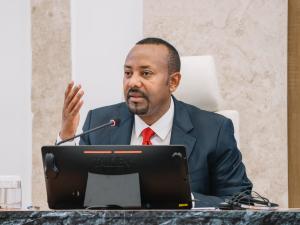
Prime Minister Abiy Reaffirms Ethiopia’s Readiness to Help Restore Peace in Sudan
Nov 27, 2026 2834
Addis Ababa, November 27, 2026 (ENA)— Prime Minister Abiy Ahmed has reaffirmed Ethiopia’s readiness to commit its resources to restoring peace and stability in war-torn Sudan. The Prime Minister also called on Eritrea to end its alleged support for forces hostile to Ethiopia and embrace peaceful coexistence and mutual development. Addressing the House of Peoples’ Representatives on Thursday, the Prime Minister outlined Ethiopia’s foreign policy priorities toward neighboring countries, underscoring the country’s commitment to regional peace, cooperation and shared prosperity. On Sudan, Prime Minister Abiy reiterated Ethiopia’s longstanding commitment to its neighbor’s stability, emphasizing the deep historical, social and brotherly ties between the two countries. “Sudan’s peace is our peace,” he told lawmakers, reaffirming Ethiopia’s willingness to contribute whatever it can to help the country overcome its devastating conflict. “If Ethiopia can contribute in any way to restoring Sudan to where it was, we are ready to spend our time and our money,” he said, urging the warring parties to give the proposed peace initiative a chance, noting that dialogue could produce meaningful results. The Prime Minister’s remarks build on his recent initiative inviting Sudanese military, political and civilian stakeholders to an inclusive national dialogue hosted and facilitated by Ethiopia. In a statement issued in Arabic, PM Abiy described the initiative as a sincere effort to help Sudan overcome its prolonged conflict through an inclusive, Sudanese-led political process. “At this critical historical juncture, the Ethiopian government is putting forward a sincere and genuine initiative calling on all Sudanese parties, across their military, political, and civilian components, to participate in a comprehensive and open Sudanese dialogue to be hosted and facilitated by Ethiopia,” he stated. Turning to Eritrea, the Prime Minister detailed Ethiopia’s extensive diplomatic and economic efforts to build constructive relations following the rapprochement between the two countries. The Premier also expressing disappointment over Eritrean regime’s rejection of opportunities for cooperation. He recalled that Ethiopia had played an active role in helping Eritrea reconnect with regional neighbors after years of diplomatic isolation, including providing Ethiopian aircraft to facilitate engagements with countries with which Eritrean officials had limited contact. Beyond diplomatic engagement, Ethiopia had also proposed practical economic cooperation, including electricity supplies at domestic Ethiopian rates and joint development of roads and ports to address infrastructure and energy constraints. However, he said, the Eritrean government rejected these proposals, arguing that its lack of a development-oriented vision had undermined opportunities for bilateral cooperation. “The reason is that while the Eritrean government is a government for the time being, words like development and growth do not exist in its vocabulary,” PM Abiy said. The Prime Minister also recalled the initial goodwill demonstrated by Eritrea following the attack on Ethiopia’s Northern Command but said relations subsequently deteriorated after Eritrean forces entered the Tigray region during the conflict. He accused the forces of involvement in killings, looting and the destruction of infrastructure, adding that relations further soured following the signing of the Pretoria Peace Agreement. Against this backdrop, Prime Minister Abiy called on Eritrea to make a clear choice between confrontation and cooperation, outlining two essential expectations for the future of bilateral relations: ending support for forces hostile to Ethiopia and pursuing mutually beneficial development. He urged Asmara to immediately stop arming Ethiopia’s adversaries, end its alleged role as a weapons supply channel and cease cooperation with forces undermining peace and stability.
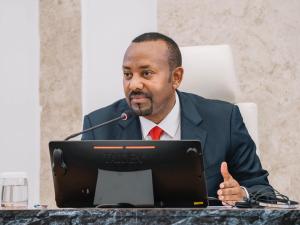
Nat'l Dialogue Big Step Forward in Building Culture of Conversation: PM Abiy
Nov 26, 2026 5827
Addis Ababa, November 26, 2026 (ENA)— The Ethiopian National Dialogue is a major leap forward in the nation's history, laying the foundation for a culture of conversation and helping build national consensus, Prime Minister Abiy Ahmed noted. Addressing the House of People’s Representatives today, the PM said hundreds of thousands of Ethiopians, both at home and abroad, had participated in extensive discussions over the past four years on issues of national importance. He described the process as a significant achievement, noting that it brought together people from different regions, ethnic groups, languages, and religious backgrounds to openly discuss the country's affairs. The Prime Minister said the dialogue had created an opportunity to understand public concerns, accommodate diverse perspectives, and strengthen a culture of peaceful discussion. PM Abiy noted that around 4,000 participants held discussions in one hall for 46 days, describing the achievement as a major milestone in Ethiopia's political history. He commended the National Dialogue Commission for successfully managing the challenging process and compiling its findings and recommendations within a short period. The Premier added that the Commission had submitted recommendations to the federal government and regional administrations, covering issues requiring policy adjustments, administrative measures, and constitutional amendments. According to him, the Medemer Grand Strategy has incorporated many of the recommendations, while legal experts have been working to review constitutional reform proposals. He stressed that constitutional reform should build on existing achievements rather than discard the entire document, emphasizing the need to preserve useful provisions while correcting shortcomings. Referring to Article 39 of the present Constitution as an example, PM Abiy said the recognition of the rights of nations, nationalities, and peoples to use their languages, administer themselves, and protect their rights remains important. However, he noted that provisions that need improvements should be improved rather than being totally eliminated. The Commission had been working with that mind set. PM Abiy expressed confidence that the constitutional review process would be completed in the coming weeks and months, with the participation of the House of People’s Representatives, adding that the outcomes of the dialogue and consultations would eventually be presented to the Ethiopian public. The Prime Minister reaffirmed the government's commitment to implementing ideas raised during the four-year dialogue process through legal, policy, and administrative measures. Turning to the Medemer Grand Strategy, Abiy said it seeks to transform Ethiopia's untapped potential into national capability and, ultimately, national power through institutional development, effective governance, and economic advancement. He emphasized that development alone is not sufficient unless it can be sustained across generations, highlighting the importance of stewardship, responsible leadership, and building institutions capable of preserving national achievements. The strategy, he added, outlines 15 nation-building models designed to strengthen institutions, systems, and national capabilities, alongside economic frameworks for mobilizing and managing capital. The Premier elaborated that Medemer, which is the foundation of the country's long-term development ambitions, emphasizes cooperation and the pooling of individual and collective capacities. He said the strategy is not intended to serve a single political party or government but to establish a shared national direction that transcends political administrations and generations. The Prime Minister further stressed that Ethiopia needs a common long-term vision capable of guiding the country over the next 25, 50, 75, and 100 years, noting that national transformation and the preservation of achievements require collective commitment beyond the tenure of individual governments.
Politics
A Strong Ethiopia, A Stable Horn: The Strategic Vision for National Transformation
Nov 28, 2026 238
By Staff Writer November 28, 2026 (ENA) Ethiopia’s pursuit of national transformation is increasingly shaped by a fundamental strategic question: how can a country with enormous human, economic and geopolitical potential translate its national aspirations into lasting stability, prosperity and regional influence? Prime Minister Abiy Ahmed’s recent address to the House of Peoples’ Representatives offers a broad perspective on this question, bringing together political unity, regional diplomacy, economic development, national sovereignty and institutional capacity as interconnected pillars of Ethiopia’s long-term national agenda. At the heart of the vision is a recognition that Ethiopia’s future cannot be secured through economic growth alone, military strength in isolation or diplomatic engagement detached from domestic realities. Rather, sustainable national progress requires a comprehensive approach in which political consensus strengthens institutions, economic development reinforces sovereignty, and regional peace creates opportunities for shared prosperity. The Prime Minister’s remarks on Sudan, Eritrea, the Ethiopian National Dialogue, the Medemer Grand Strategy and national defense therefore reflect more than separate government priorities. Together, they point to a broader ambition: building an internally cohesive, economically capable and sovereign Ethiopia that can play a constructive role in shaping the future of the Horn of Africa. Regional Peace: Ethiopia’s Security Begins Beyond Its Borders “Sudan’s peace is our peace.” Prime Minister Abiy’s statement captures a central principle underpinning Ethiopia’s approach to regional diplomacy: the security and stability of neighboring countries are inseparable from Ethiopia’s own long-term interests. The relationship between Ethiopia and Sudan extends beyond geographical proximity. Historical, social, economic and cultural connections have made the stability of one country an important consideration for the other. Sudan’s prolonged conflict consequently carries implications extending across borders, affecting trade, humanitarian conditions, population movements and the broader security environment of the Horn of Africa. Against this backdrop, the Prime Minister reaffirmed Ethiopia’s readiness to contribute diplomatic, financial and institutional resources to Sudan’s peace and recovery. He called on the warring parties to embrace dialogue and give Ethiopia’s proposed peace initiative an opportunity. The proposed initiative seeks to bring together Sudanese military, political and civilian stakeholders through an inclusive, Sudanese-led national dialogue facilitated by Ethiopia. Its underlying premise is that sustainable peace cannot be imposed from outside; it must emerge from political ownership, meaningful participation and an agreement among the country's principal stakeholders. This approach also reflects a broader strategic understanding: instability in the Horn of Africa cannot be addressed through isolated national responses. The region's interconnected security challenges require sustained diplomatic engagement, collective responsibility and practical cooperation among neighboring countries. Ethiopia’s relations with Eritrea present another important dimension of this regional vision. The Prime Minister reiterated Ethiopia’s preference for peaceful coexistence and mutually beneficial development while expressing concern over the deterioration of bilateral relations. Recalling the efforts made following the rapprochement between the two countries, he highlighted Ethiopia’s initiatives to facilitate Eritrea’s regional diplomatic engagement, offer electricity supplies at domestic Ethiopian rates and pursue joint infrastructure development, including roads and ports. These proposals reflected an understanding that geographical proximity and complementary economic resources could serve as foundations for shared prosperity rather than confrontation. The failure to translate these opportunities into sustained cooperation, as described by the Prime Minister, illustrates the challenges confronting relations between the two neighboring countries. It also underscores the importance of rebuilding confidence, maintaining diplomatic channels and addressing differences through peaceful engagement. For Ethiopia, constructive relations with Eritrea are particularly significant within the wider context of Horn of Africa stability, regional connectivity and economic integration. The broader strategic lesson is that lasting regional influence is built not simply on geographical position, population size or military capabilities, but also on the ability to establish trust, develop mutually beneficial partnerships and accommodate the legitimate interests of neighboring states. Sovereignty and Security: Strength Through Peace and Preparedness Ethiopia’s commitment to regional peace, as outlined in the parliamentary address, was accompanied by an equally firm emphasis on protecting national sovereignty and territorial integrity. The Prime Minister underscored that Ethiopia has no intention of invading other countries but remains determined to defend itself against external aggression. His remarks also recalled Ethiopia’s historical contributions to international and regional peacekeeping, including missions in Rwanda, Somalia, the Democratic Republic of Congo, Liberia and South Sudan. He acknowledged the sacrifices made by Ethiopian forces in supporting peace and stability beyond the country's borders. These contributions have helped establish Ethiopia as an important participant in African peace and security efforts. They also demonstrate the country's longstanding recognition that regional stability is a shared responsibility. At the same time, the Prime Minister’s invocation of the Battle of Adwa placed national sovereignty within Ethiopia’s historical experience. The victory of 1896 remains a powerful symbol of independence, resistance to colonial domination and the determination of Ethiopians to preserve their national identity. However, sovereignty in today's international environment requires more than historical pride and military preparedness. It depends on a combination of effective diplomacy, economic resilience, technological capabilities, strong institutions and credible defense systems. The Horn of Africa's evolving geopolitical environment, characterized by security challenges, competition over strategic infrastructure and growing interest in maritime connectivity, makes these capabilities particularly important. A capable defense system and a commitment to peaceful coexistence are not contradictory. Properly developed, they reinforce one another by protecting national interests while creating conditions for diplomacy and cooperation. Ethiopia’s National Dialogue in Building Unity Through Reconciliation While regional stability and national sovereignty define important aspects of Ethiopia’s external environment, the durability of its national transformation ultimately depends on its internal political foundations. This makes the Ethiopian National Dialogue one of the most consequential initiatives highlighted in the Prime Minister’s address. Ethiopia's political and social challenges cannot be resolved through administrative measures or security responses alone. They require a political environment in which different communities, political groups and social constituencies can express their grievances, aspirations and competing visions of the country's future. The National Dialogue seeks to provide such a platform. According to the Prime Minister, hundreds of thousands of Ethiopians, both inside the country and abroad, have participated in discussions throughout the four-year process. His reference to approximately 4,000 participants conducting discussions in one hall over 46 days illustrates the scale and complexity of the undertaking. The importance of this process, however, extends beyond the number of participants or the duration of discussions. Its real significance lies in its potential to transform political differences into constructive national engagement. Ethiopia's diversity is an essential part of its national identity. Building lasting unity does not mean eliminating differences or requiring uniform political perspectives. It means establishing credible institutions and mechanisms through which differences can be managed peacefully, constitutional rights protected and common national interests advanced. In this regard, the Prime Minister's reference to Article 39 of the Constitution is particularly significant. The constitutional recognition of the rights of nations, nationalities and peoples to use their languages, administer themselves and protect their rights remains a fundamental component of Ethiopia's federal framework. The broader challenge is to strengthen these constitutional guarantees while promoting national cohesion, equal citizenship, effective federal institutions and confidence in the country's constitutional order. These objectives should be mutually reinforcing. National unity becomes more sustainable when citizens feel represented, their rights are respected and public institutions respond equitably to their needs. Ultimately, the credibility of the National Dialogue will be determined by what follows the discussions. Its recommendations must translate into meaningful political, legislative and institutional reforms. Citizens must see that their participation contributes to addressing the structural challenges facing the country. The process therefore presents an opportunity to build a more inclusive political settlement and establish a stronger foundation for Ethiopia's long-term stability. Medemer: A Long-Term Framework for National Transformation The political foundations of national unity are closely connected to Ethiopia's broader economic and institutional ambitions. This is where the Medemer Grand Strategy assumes particular significance. At its core, Medemer advances the principles of cooperation, complementarity and the pooling of individual and collective capabilities. It seeks to translate Ethiopia's human, natural, geographical and economic resources into productive national strength. The underlying proposition is straightforward but strategically important: resources alone do not generate prosperity. Their value depends on the institutions, knowledge, technology, infrastructure and productive capabilities available to mobilize them. For a country with Ethiopia's population, agricultural potential, strategic location and expanding economic ambitions, this requires a sustained commitment to economic modernization, industrial development, infrastructure expansion, technological advancement and human capital investment. The Medemer framework also places considerable importance on institutional development and generational continuity. Ethiopia's transformation cannot depend exclusively on the priorities of individual political administrations. It requires long-term national frameworks capable of preserving achievements, correcting shortcomings and sustaining development beyond political transitions. This is particularly important in a country where the scale of development challenges demands consistency in economic planning, investment policy, institutional reform and public administration. The strategic value of a long-term national development framework lies in its ability to establish continuity while allowing policies to evolve in response to changing economic and social realities. For Medemer to achieve its broader ambitions, its principles must be reflected in effective institutions, measurable development outcomes, productive investment and tangible improvements in citizens' livelihoods. Its ultimate test is whether it can help transform national potential into sustainable and broadly shared prosperity. Economic Strength for the Foundation of National Sovereignty An important thread running through the Prime Minister's address is the relationship between economic development and national security. His observation that defense cannot be built independently of economic capacity highlights a fundamental reality of modern statecraft: a country's ability to safeguard its sovereignty is closely linked to the strength of its economy. Contemporary defense systems require far more than military personnel and conventional equipment. They depend on technological innovation, industrial capacity, skilled professionals, effective logistics, research and development, and sustainable financial resources. A strong economy enables a country to invest in these capabilities without undermining other national development priorities. This relationship is particularly important for Ethiopia as it seeks to expand its productive base, modernize its institutions and strengthen its strategic autonomy. Economic transformation, therefore, is not simply about increasing national output or attracting investment. It is also about building the capabilities that enable the country to make independent strategic decisions, withstand external pressures and protect its long-term national interests. The Prime Minister's references to air capabilities, ground forces and technological advancement reflect the importance attached to developing a comprehensive national defense system. However, sustainable defense modernization must be accompanied by professional standards, institutional accountability and continued attention to the welfare of the armed forces. The broader lesson is that national sovereignty is strongest when supported by a productive economy, capable institutions, technological advancement and responsible diplomacy. The Horn of Africa: From Geopolitical Competition to Shared Prosperity Ethiopia's national transformation agenda cannot be fully understood without considering its position in the Horn of Africa. As one of the region's largest countries by population and a major diplomatic and economic center, Ethiopia occupies a strategic position in shaping regional political and economic developments. Yet the Horn of Africa remains affected by protracted conflicts, political instability, limited economic integration, climate-related pressures, humanitarian emergencies and competition over strategic infrastructure and maritime connectivity. These challenges also present opportunities for a different regional future. Improved relations among neighboring countries could unlock significant economic potential through cross-border trade, electricity exchanges, transport infrastructure, logistics networks and coordinated development initiatives. For Ethiopia, stronger regional connectivity would expand access to markets, improve the movement of goods and services and create opportunities for investment and industrial development. Similarly, regional energy cooperation could allow countries to benefit from complementary resources, while coordinated infrastructure development could reduce economic fragmentation and strengthen commercial relations. The pursuit of these opportunities requires a regional environment founded on trust, predictable relations, respect for sovereignty and peaceful resolution of disagreements. Ethiopia's aspirations for greater regional engagement will therefore be most sustainable when its national development objectives are advanced alongside the legitimate interests of neighboring countries. Regional leadership in the contemporary international environment is not measured solely by national capabilities. It is demonstrated through the ability to generate shared benefits, facilitate dialogue and contribute to solutions to common challenges. In this sense, Ethiopia's national transformation and the future of the Horn of Africa are closely connected. Turning National Vision into Tangible Results Perhaps the most important analytical lesson from the Prime Minister's address is the interconnectedness of the priorities he outlined. Political dialogue, constitutional inclusion, regional diplomacy, economic transformation and defense modernization are not isolated policy areas. They constitute complementary dimensions of a broader national development and state-building project. Political consensus provides the foundation for stability. Effective institutions strengthen governance and public confidence. Economic development mobilizes human and financial resources. Defense capabilities safeguard sovereignty, while regional peace creates opportunities for trade, investment and connectivity. However, the success of this vision will ultimately depend not on the scale of its ambitions but on the effectiveness of its implementation. Three priorities will be particularly decisive. First, political inclusion must produce meaningful institutional outcomes. The National Dialogue needs to translate participation into credible reforms, strengthen constitutional legitimacy and build confidence across different political and social constituencies. Its success should be measured by its contribution to addressing underlying differences and strengthening national institutions. Second, regional diplomacy must prioritize trust and sustained cooperation. Ethiopia's engagement with Sudan and its pursuit of constructive relations with Eritrea require consistent diplomatic efforts, confidence-building measures and respect for the legitimate interests of all parties. Sustainable regional influence is achieved through partnerships and practical cooperation rather than confrontation. Third, economic transformation must improve the everyday lives of citizens. Development must generate employment, increase productivity, strengthen livelihoods, improve public services and expand opportunities for younger generations. National economic progress becomes a durable foundation for stability when its benefits are reflected in the lives of ordinary people. These priorities are essential to ensuring that the country's broader national vision translates into measurable and lasting achievements. In a nutshell, Prime Minister Abiy Ahmed's parliamentary address brings together some of the most consequential questions shaping Ethiopia's future: how to consolidate national unity, safeguard sovereignty, transform economic potential into prosperity, contribute to peace in Sudan, establish constructive relations with Eritrea and build institutions capable of sustaining progress across generations. The vision articulated in the address rests on a fundamental understanding that these objectives are inseparable. A politically cohesive Ethiopia is better positioned to pursue economic transformation. A stronger economy provides the resources and capabilities necessary to protect sovereignty. Effective institutions sustain development and strengthen public confidence. Constructive relations with neighboring countries create opportunities for regional peace, trade and shared prosperity. The challenge is to advance these priorities simultaneously while ensuring that national ambitions are matched by inclusive governance, institutional accountability and tangible results. Ethiopia's historical experience has demonstrated the importance of independence, resilience and collective responsibility. Its contemporary ambitions require these strengths to be complemented by modern institutions, technological innovation, economic competitiveness, political inclusion and constructive international partnerships. Ultimately, the measure of Ethiopia's national transformation will not be determined simply by the resources it possesses, the strategies it announces or the influence it seeks. It will be determined by the strength of the institutions it builds, the trust it establishes among its citizens, the prosperity it delivers and the contribution it makes to a more peaceful and economically integrated Horn of Africa. The strategic ambition is clear. It is an Ethiopia that is strong at home, sovereign in its decisions, prosperous in its economy and constructive in its engagement with the world.
IGAD Lauds Pulse of Africa for Amplifying Human Mobility Stories Across Horn of Africa
Nov 27, 2026 2393
Addis Ababa, November 27, 2026 (ENA)— The Intergovernmental Authority on Development (IGAD) has commended Pulse of Africa (POA), an Addis Ababa-based Pan-African media platform, for its valuable media partnership and extensive coverage of regional issues, particularly human mobility and the 2026 IGAD Media Awards. In a special message of appreciation shared on its social media platforms, the IGAD Secretariat described Pulse of Africa as a valued media partner, thanking the outlet for its contribution to amplifying important stories across the region. “A special thank you to Pulse of Africa, our valued Media Partner!” the Secretariat stated. IGAD further recognized POA's extensive coverage of the fourth edition of the IGAD Media Awards, held in Kampala, Uganda, last week. The Pulse of Africa’s support helped celebrate and recognize outstanding journalists and digital storytellers from across the region, the statement noted. “Your invaluable support helped us celebrate and recognise outstanding journalists and digital storytellers from across the IGAD region whose work shines a light on free movement of persons, labour migration, human mobility and displacement,” the Secretariat said. The recognition underscores Pulse of Africa's growing contribution to regional journalism, particularly its reporting on human mobility dynamics in the Greater Horn of Africa, a region facing complex challenges and opportunities related to migration, displacement, refugee protection and cross-border movement. The IGAD region is currently home to approximately 5.6 million refugees, making informed reporting and public awareness of human mobility issues increasingly important to regional cooperation and policy discussions. Through its regional reporting, POA has been amplifying the experiences of displaced communities, migration-related developments and broader efforts to advance safe, orderly and regular human mobility across the region. Its extensive coverage of the 2026 IGAD Media Awards also brought greater visibility to journalists and digital storytellers whose work is helping shape public understanding of free movement, labour migration and displacement across the Greater Horn of Africa. The fourth edition of the awards recognized approximately 20 outstanding journalists and storytellers for their contributions to journalism and digital storytelling, highlighting the media's role in informing public debate and transforming narratives across the region. IGAD also praised Pulse of Africa for its continued efforts to amplify stories that matter to communities across the region. “Thank you for being part of this remarkable journey and for your continued commitment to amplifying the stories that matter across our region,” the Secretariat added. The commendation further highlights the importance of media partnerships in strengthening regional awareness, promoting informed public discourse and bringing African stories and perspectives to wider audiences.
PM Abiy Pledges Continued Abay River Development, Regional Cooperation
Nov 27, 2026 3096
Addis Ababa, November 27, 2026 (ENA)— Prime Minister Abiy Ahmed has reaffirmed Ethiopia’s sovereign right to develop and utilize the Abay River without external authorization, while pledging to pursue shared regional development through cooperation with downstream countries. The Prime Minister made the remarks while responding to Members of the House of Peoples’ Representatives’ questions on regional diplomacy and water resources during the fourth regular session of the first year of the house. Describing the Abay as a divine gift to Ethiopia, PM Abiy stressed that harnessing the river’s potential is essential to overcoming poverty, expanding energy production, strengthening food security, and improving the livelihoods of citizens. “Abay is a potent remedy given to us by the grace of God, and we will use it. We do not need anyone’s permission for that,” he told parliamentarians. He said Ethiopia’s development ambitions are inseparable from its sovereign right to utilize its natural resources. The PM added that the country’s approach to the river is grounded in shared responsibility rather than unilateral exploitation. “Abay does not belong to us alone; it is also the rightful share of our neighbors, which we respect and protect for them,” the Prime Minister said. PM Abiy emphasized that Ethiopia has no intention of monopolizing the river and remains committed to cooperation with downstream countries, particularly Egypt and Sudan, to advance equitable and responsible water utilization. “We have no desire to use it exclusively; we will use it lawfully, assist, and cooperate,” he stated. The Prime Minister also welcomed reports of agricultural expansion in Egypt, expressing Ethiopia’s desire to see Egyptian agriculture flourish alongside Ethiopia’s own efforts to expand energy production. He said the two countries’ development aspirations could advance together through cooperation. Addressing environmental concerns and the long-term sustainability of the river, the Premier highlighted the role of Ethiopia’s Green Legacy Initiative, particularly tree planting, reforestation, and soil conservation, in protecting the Abay basin. “We plant trees so that the Abay does not diminish; and we responsibly uphold our neighbors' rightful share,” he said. He underscored the importance of protecting the river’s source and addressing environmental pressures, including deforestation, soil erosion, and siltation, as part of responsible water-resource management. PM Abiy also challenged the zero-sum narrative surrounding the Abay, arguing that Ethiopia’s development should not be viewed as coming at the expense of downstream countries. He stressed that the expansion of Ethiopia’s energy capacity and agricultural development in neighboring countries could complement one another through dialogue and cooperation. Beyond the Abay basin, the Prime Minister highlighted Ethiopia’s role as a source of freshwater for neighboring countries, including Eritrea, Somalia, Kenya, Sudan, and Djibouti, stressing that Ethiopia has no intention of obstructing shared water resources. He further called for educational and public narratives that promote brotherhood and cooperation among the peoples of Ethiopia, Egypt, Sudan, Djibouti, and Eritrea rather than hostility. Emphasizing the regional benefits of Ethiopia’s prosperity and stability, Prime Minister Abiy likened a prosperous Ethiopia to a shade-giving sycamore tree beside a spring, offering vitality and relief to neighboring countries. He said the central challenge was to transform Ethiopia’s abundant natural resources into tangible economic benefits while strengthening good-neighborly relations and advancing mutually beneficial development across the region.
Ethiopian, South Sudanese Foreign Ministers Discuss Bilateral Ties, Electoral Support
Nov 27, 2026 2577
Addis Ababa, November 27, 2026 (ENA)— Ethiopia and South Sudan have reaffirmed their commitment to strengthening bilateral relations, with discussions focusing on continued cooperation, high-level engagement, and support for South Sudan’s upcoming elections. Minister of Foreign Affairs Gedion Timothewos held talks today with Ambassador Cecilia Adut Manyok Adeng, Caretaker Minister of Foreign Affairs and International Cooperation of the Republic of South Sudan, at his office. In its social media post, the Ministry of Foreign Affairs said Foreign Minister Gedion highlighted the longstanding friendship between the two countries and underscored the importance of further deepening bilateral cooperation. He emphasized that sustained engagement and regular high-level exchanges would help maintain momentum in relations and expand areas of cooperation. On South Sudan’s upcoming elections, Gedion said the Ethiopian Government was closely following developments and reaffirmed Ethiopia’s commitment to supporting the electoral process. For her part, Minister Adeng appreciated Ethiopia’s contributions to peace and security in South Sudan and expressed her country’s interest in continued Ethiopian support. She also commended Ethiopia’s assistance to South Sudanese students, recognizing their contributions to institutions and professional fields in their home country.
Ethiopia Reaffirms Commitment to Peace and Security in South Sudan
Nov 27, 2026 2113
Addis Ababa, November 27, 2026 (ENA)— Ethiopia has reiterated its commitment to supporting lasting peace, stability, and security in South Sudan. The commitment was reiterated today by State Minister of Foreign Affairs Ambassador Hadera Abera during talks with Anita Kiki Gbeho, Special Representative of the United Nations Secretary-General for South Sudan and Head of the United Nations Mission in South Sudan (UNMISS). According to the Ministry of Foreign Affairs, the two sides exchanged views on South Sudan’s upcoming elections, the prevailing political and security situation, and the implementation of the Revitalized Agreement on the Resolution of the Conflict in South Sudan (R-ARCSS). They also discussed the operational challenges facing UNMISS and the activities of the AU–IGAD–UN Task Force. During the meeting, Ambassador Hadera reiterated Ethiopia’s full support for UNMISS and its mandate. He further emphasized the country’s commitment to working closely with South Sudanese stakeholders, as well as regional and international partners, to advance sustainable peace and security in the nation.
Guba-launched Mega Projects Poised to Shape Ethiopia’s Medemer Vision, Say MPs
Nov 27, 2026 2697
Addis Ababa, November 27, 2026 (ENA)—Ethiopia’s Guba-launched mega-development projects, valued at more than 30 billion USD, hold immense potential to accelerate economic transformation and shape the country’s emerging Medemer civilization, members of the House of Peoples’ Representatives told ENA. The lawmakers described the strategic projects as major engines of national growth, saying their successful completion would expand economic opportunities, enhance citizens’ livelihoods and lay a stronger foundation for Ethiopia’s long-term prosperity. Their remarks follow Prime Minister Abiy Ahmed’s address to the House during the fourth regular session of the first working year of the seventh parliament, where he outlined the progress, strategic significance and national aspirations underpinning the Guba-launched initiatives. Guided by the vision of “A Great Country, A Great People, A Grand Vision,” the projects demonstrate Ethiopia’s capacity to undertake ambitious development initiatives while pursuing greater economic self-reliance, the Prime Minister explained. The strategic portfolio encompasses the Bishoftu International Airport, the Ogaden natural gas project, the 1.5-million-housing development program, nuclear energy initiatives and the Gode soil fertilizer factory. Providing updates on their implementation, PM Abiy disclosed that natural gas from the Ogaden project in the Somali Region is already being used as an input by domestic ceramics factories and for powering Addis Ababa’s city buses, illustrating its contribution to the country's industrial and transport sectors. He also said preparations for the Bishoftu International Airport are advancing with the support of modern artificial intelligence technologies. Initial site selection has been completed, while the tender process for runway construction is underway. The Gode fertilizer factory is also progressing under close supervision, with the development including nearly 18,000 residential units for workers. Meanwhile, the 1.5-million-housing program is incorporating modern construction approaches designed to take citizens’ purchasing power into account. Approached by ENA, MP Addis Alemayehu said the pace of implementation of the mega-projects within a relatively short period was encouraging. She described them as a manifestation of the vision to hand over a more prosperous Ethiopia to future generations. MP Abiyot Delelegn, for her part, highlighted the projects’ round-the-clock construction activities as evidence of an emerging work culture focused on translating national ambitions into tangible results. She said the initiatives have considerable potential to shape Ethiopia’s new Medemer civilization by strengthening the country's development capacity and expanding opportunities for its people. Another MP, Samson Wondmeneh, said the government's vision of positioning Ethiopia as an African beacon of prosperity is being pursued through strategic development planning and major national investments. The lawmaker further reaffirmed their commitment to discharging their parliamentary oversight, support and regulatory responsibilities to ensure the projects are completed within their stipulated timelines and required quality standards and become operational. They emphasized that the successful realization of these strategic investments would be instrumental in advancing Ethiopia’s economic transformation and building a foundation for sustainable prosperity for generations to come.
Prime Minister Abiy Reaffirms Ethiopia’s Readiness to Help Restore Peace in Sudan
Nov 27, 2026 2834
Addis Ababa, November 27, 2026 (ENA)— Prime Minister Abiy Ahmed has reaffirmed Ethiopia’s readiness to commit its resources to restoring peace and stability in war-torn Sudan. The Prime Minister also called on Eritrea to end its alleged support for forces hostile to Ethiopia and embrace peaceful coexistence and mutual development. Addressing the House of Peoples’ Representatives on Thursday, the Prime Minister outlined Ethiopia’s foreign policy priorities toward neighboring countries, underscoring the country’s commitment to regional peace, cooperation and shared prosperity. On Sudan, Prime Minister Abiy reiterated Ethiopia’s longstanding commitment to its neighbor’s stability, emphasizing the deep historical, social and brotherly ties between the two countries. “Sudan’s peace is our peace,” he told lawmakers, reaffirming Ethiopia’s willingness to contribute whatever it can to help the country overcome its devastating conflict. “If Ethiopia can contribute in any way to restoring Sudan to where it was, we are ready to spend our time and our money,” he said, urging the warring parties to give the proposed peace initiative a chance, noting that dialogue could produce meaningful results. The Prime Minister’s remarks build on his recent initiative inviting Sudanese military, political and civilian stakeholders to an inclusive national dialogue hosted and facilitated by Ethiopia. In a statement issued in Arabic, PM Abiy described the initiative as a sincere effort to help Sudan overcome its prolonged conflict through an inclusive, Sudanese-led political process. “At this critical historical juncture, the Ethiopian government is putting forward a sincere and genuine initiative calling on all Sudanese parties, across their military, political, and civilian components, to participate in a comprehensive and open Sudanese dialogue to be hosted and facilitated by Ethiopia,” he stated. Turning to Eritrea, the Prime Minister detailed Ethiopia’s extensive diplomatic and economic efforts to build constructive relations following the rapprochement between the two countries. The Premier also expressing disappointment over Eritrean regime’s rejection of opportunities for cooperation. He recalled that Ethiopia had played an active role in helping Eritrea reconnect with regional neighbors after years of diplomatic isolation, including providing Ethiopian aircraft to facilitate engagements with countries with which Eritrean officials had limited contact. Beyond diplomatic engagement, Ethiopia had also proposed practical economic cooperation, including electricity supplies at domestic Ethiopian rates and joint development of roads and ports to address infrastructure and energy constraints. However, he said, the Eritrean government rejected these proposals, arguing that its lack of a development-oriented vision had undermined opportunities for bilateral cooperation. “The reason is that while the Eritrean government is a government for the time being, words like development and growth do not exist in its vocabulary,” PM Abiy said. The Prime Minister also recalled the initial goodwill demonstrated by Eritrea following the attack on Ethiopia’s Northern Command but said relations subsequently deteriorated after Eritrean forces entered the Tigray region during the conflict. He accused the forces of involvement in killings, looting and the destruction of infrastructure, adding that relations further soured following the signing of the Pretoria Peace Agreement. Against this backdrop, Prime Minister Abiy called on Eritrea to make a clear choice between confrontation and cooperation, outlining two essential expectations for the future of bilateral relations: ending support for forces hostile to Ethiopia and pursuing mutually beneficial development. He urged Asmara to immediately stop arming Ethiopia’s adversaries, end its alleged role as a weapons supply channel and cease cooperation with forces undermining peace and stability.
Nat'l Dialogue Big Step Forward in Building Culture of Conversation: PM Abiy
Nov 26, 2026 5827
Addis Ababa, November 26, 2026 (ENA)— The Ethiopian National Dialogue is a major leap forward in the nation's history, laying the foundation for a culture of conversation and helping build national consensus, Prime Minister Abiy Ahmed noted. Addressing the House of People’s Representatives today, the PM said hundreds of thousands of Ethiopians, both at home and abroad, had participated in extensive discussions over the past four years on issues of national importance. He described the process as a significant achievement, noting that it brought together people from different regions, ethnic groups, languages, and religious backgrounds to openly discuss the country's affairs. The Prime Minister said the dialogue had created an opportunity to understand public concerns, accommodate diverse perspectives, and strengthen a culture of peaceful discussion. PM Abiy noted that around 4,000 participants held discussions in one hall for 46 days, describing the achievement as a major milestone in Ethiopia's political history. He commended the National Dialogue Commission for successfully managing the challenging process and compiling its findings and recommendations within a short period. The Premier added that the Commission had submitted recommendations to the federal government and regional administrations, covering issues requiring policy adjustments, administrative measures, and constitutional amendments. According to him, the Medemer Grand Strategy has incorporated many of the recommendations, while legal experts have been working to review constitutional reform proposals. He stressed that constitutional reform should build on existing achievements rather than discard the entire document, emphasizing the need to preserve useful provisions while correcting shortcomings. Referring to Article 39 of the present Constitution as an example, PM Abiy said the recognition of the rights of nations, nationalities, and peoples to use their languages, administer themselves, and protect their rights remains important. However, he noted that provisions that need improvements should be improved rather than being totally eliminated. The Commission had been working with that mind set. PM Abiy expressed confidence that the constitutional review process would be completed in the coming weeks and months, with the participation of the House of People’s Representatives, adding that the outcomes of the dialogue and consultations would eventually be presented to the Ethiopian public. The Prime Minister reaffirmed the government's commitment to implementing ideas raised during the four-year dialogue process through legal, policy, and administrative measures. Turning to the Medemer Grand Strategy, Abiy said it seeks to transform Ethiopia's untapped potential into national capability and, ultimately, national power through institutional development, effective governance, and economic advancement. He emphasized that development alone is not sufficient unless it can be sustained across generations, highlighting the importance of stewardship, responsible leadership, and building institutions capable of preserving national achievements. The strategy, he added, outlines 15 nation-building models designed to strengthen institutions, systems, and national capabilities, alongside economic frameworks for mobilizing and managing capital. The Premier elaborated that Medemer, which is the foundation of the country's long-term development ambitions, emphasizes cooperation and the pooling of individual and collective capacities. He said the strategy is not intended to serve a single political party or government but to establish a shared national direction that transcends political administrations and generations. The Prime Minister further stressed that Ethiopia needs a common long-term vision capable of guiding the country over the next 25, 50, 75, and 100 years, noting that national transformation and the preservation of achievements require collective commitment beyond the tenure of individual governments.
Social
A Strong Ethiopia, A Stable Horn: The Strategic Vision for National Transformation
Nov 28, 2026 238
By Staff Writer November 28, 2026 (ENA) Ethiopia’s pursuit of national transformation is increasingly shaped by a fundamental strategic question: how can a country with enormous human, economic and geopolitical potential translate its national aspirations into lasting stability, prosperity and regional influence? Prime Minister Abiy Ahmed’s recent address to the House of Peoples’ Representatives offers a broad perspective on this question, bringing together political unity, regional diplomacy, economic development, national sovereignty and institutional capacity as interconnected pillars of Ethiopia’s long-term national agenda. At the heart of the vision is a recognition that Ethiopia’s future cannot be secured through economic growth alone, military strength in isolation or diplomatic engagement detached from domestic realities. Rather, sustainable national progress requires a comprehensive approach in which political consensus strengthens institutions, economic development reinforces sovereignty, and regional peace creates opportunities for shared prosperity. The Prime Minister’s remarks on Sudan, Eritrea, the Ethiopian National Dialogue, the Medemer Grand Strategy and national defense therefore reflect more than separate government priorities. Together, they point to a broader ambition: building an internally cohesive, economically capable and sovereign Ethiopia that can play a constructive role in shaping the future of the Horn of Africa. Regional Peace: Ethiopia’s Security Begins Beyond Its Borders “Sudan’s peace is our peace.” Prime Minister Abiy’s statement captures a central principle underpinning Ethiopia’s approach to regional diplomacy: the security and stability of neighboring countries are inseparable from Ethiopia’s own long-term interests. The relationship between Ethiopia and Sudan extends beyond geographical proximity. Historical, social, economic and cultural connections have made the stability of one country an important consideration for the other. Sudan’s prolonged conflict consequently carries implications extending across borders, affecting trade, humanitarian conditions, population movements and the broader security environment of the Horn of Africa. Against this backdrop, the Prime Minister reaffirmed Ethiopia’s readiness to contribute diplomatic, financial and institutional resources to Sudan’s peace and recovery. He called on the warring parties to embrace dialogue and give Ethiopia’s proposed peace initiative an opportunity. The proposed initiative seeks to bring together Sudanese military, political and civilian stakeholders through an inclusive, Sudanese-led national dialogue facilitated by Ethiopia. Its underlying premise is that sustainable peace cannot be imposed from outside; it must emerge from political ownership, meaningful participation and an agreement among the country's principal stakeholders. This approach also reflects a broader strategic understanding: instability in the Horn of Africa cannot be addressed through isolated national responses. The region's interconnected security challenges require sustained diplomatic engagement, collective responsibility and practical cooperation among neighboring countries. Ethiopia’s relations with Eritrea present another important dimension of this regional vision. The Prime Minister reiterated Ethiopia’s preference for peaceful coexistence and mutually beneficial development while expressing concern over the deterioration of bilateral relations. Recalling the efforts made following the rapprochement between the two countries, he highlighted Ethiopia’s initiatives to facilitate Eritrea’s regional diplomatic engagement, offer electricity supplies at domestic Ethiopian rates and pursue joint infrastructure development, including roads and ports. These proposals reflected an understanding that geographical proximity and complementary economic resources could serve as foundations for shared prosperity rather than confrontation. The failure to translate these opportunities into sustained cooperation, as described by the Prime Minister, illustrates the challenges confronting relations between the two neighboring countries. It also underscores the importance of rebuilding confidence, maintaining diplomatic channels and addressing differences through peaceful engagement. For Ethiopia, constructive relations with Eritrea are particularly significant within the wider context of Horn of Africa stability, regional connectivity and economic integration. The broader strategic lesson is that lasting regional influence is built not simply on geographical position, population size or military capabilities, but also on the ability to establish trust, develop mutually beneficial partnerships and accommodate the legitimate interests of neighboring states. Sovereignty and Security: Strength Through Peace and Preparedness Ethiopia’s commitment to regional peace, as outlined in the parliamentary address, was accompanied by an equally firm emphasis on protecting national sovereignty and territorial integrity. The Prime Minister underscored that Ethiopia has no intention of invading other countries but remains determined to defend itself against external aggression. His remarks also recalled Ethiopia’s historical contributions to international and regional peacekeeping, including missions in Rwanda, Somalia, the Democratic Republic of Congo, Liberia and South Sudan. He acknowledged the sacrifices made by Ethiopian forces in supporting peace and stability beyond the country's borders. These contributions have helped establish Ethiopia as an important participant in African peace and security efforts. They also demonstrate the country's longstanding recognition that regional stability is a shared responsibility. At the same time, the Prime Minister’s invocation of the Battle of Adwa placed national sovereignty within Ethiopia’s historical experience. The victory of 1896 remains a powerful symbol of independence, resistance to colonial domination and the determination of Ethiopians to preserve their national identity. However, sovereignty in today's international environment requires more than historical pride and military preparedness. It depends on a combination of effective diplomacy, economic resilience, technological capabilities, strong institutions and credible defense systems. The Horn of Africa's evolving geopolitical environment, characterized by security challenges, competition over strategic infrastructure and growing interest in maritime connectivity, makes these capabilities particularly important. A capable defense system and a commitment to peaceful coexistence are not contradictory. Properly developed, they reinforce one another by protecting national interests while creating conditions for diplomacy and cooperation. Ethiopia’s National Dialogue in Building Unity Through Reconciliation While regional stability and national sovereignty define important aspects of Ethiopia’s external environment, the durability of its national transformation ultimately depends on its internal political foundations. This makes the Ethiopian National Dialogue one of the most consequential initiatives highlighted in the Prime Minister’s address. Ethiopia's political and social challenges cannot be resolved through administrative measures or security responses alone. They require a political environment in which different communities, political groups and social constituencies can express their grievances, aspirations and competing visions of the country's future. The National Dialogue seeks to provide such a platform. According to the Prime Minister, hundreds of thousands of Ethiopians, both inside the country and abroad, have participated in discussions throughout the four-year process. His reference to approximately 4,000 participants conducting discussions in one hall over 46 days illustrates the scale and complexity of the undertaking. The importance of this process, however, extends beyond the number of participants or the duration of discussions. Its real significance lies in its potential to transform political differences into constructive national engagement. Ethiopia's diversity is an essential part of its national identity. Building lasting unity does not mean eliminating differences or requiring uniform political perspectives. It means establishing credible institutions and mechanisms through which differences can be managed peacefully, constitutional rights protected and common national interests advanced. In this regard, the Prime Minister's reference to Article 39 of the Constitution is particularly significant. The constitutional recognition of the rights of nations, nationalities and peoples to use their languages, administer themselves and protect their rights remains a fundamental component of Ethiopia's federal framework. The broader challenge is to strengthen these constitutional guarantees while promoting national cohesion, equal citizenship, effective federal institutions and confidence in the country's constitutional order. These objectives should be mutually reinforcing. National unity becomes more sustainable when citizens feel represented, their rights are respected and public institutions respond equitably to their needs. Ultimately, the credibility of the National Dialogue will be determined by what follows the discussions. Its recommendations must translate into meaningful political, legislative and institutional reforms. Citizens must see that their participation contributes to addressing the structural challenges facing the country. The process therefore presents an opportunity to build a more inclusive political settlement and establish a stronger foundation for Ethiopia's long-term stability. Medemer: A Long-Term Framework for National Transformation The political foundations of national unity are closely connected to Ethiopia's broader economic and institutional ambitions. This is where the Medemer Grand Strategy assumes particular significance. At its core, Medemer advances the principles of cooperation, complementarity and the pooling of individual and collective capabilities. It seeks to translate Ethiopia's human, natural, geographical and economic resources into productive national strength. The underlying proposition is straightforward but strategically important: resources alone do not generate prosperity. Their value depends on the institutions, knowledge, technology, infrastructure and productive capabilities available to mobilize them. For a country with Ethiopia's population, agricultural potential, strategic location and expanding economic ambitions, this requires a sustained commitment to economic modernization, industrial development, infrastructure expansion, technological advancement and human capital investment. The Medemer framework also places considerable importance on institutional development and generational continuity. Ethiopia's transformation cannot depend exclusively on the priorities of individual political administrations. It requires long-term national frameworks capable of preserving achievements, correcting shortcomings and sustaining development beyond political transitions. This is particularly important in a country where the scale of development challenges demands consistency in economic planning, investment policy, institutional reform and public administration. The strategic value of a long-term national development framework lies in its ability to establish continuity while allowing policies to evolve in response to changing economic and social realities. For Medemer to achieve its broader ambitions, its principles must be reflected in effective institutions, measurable development outcomes, productive investment and tangible improvements in citizens' livelihoods. Its ultimate test is whether it can help transform national potential into sustainable and broadly shared prosperity. Economic Strength for the Foundation of National Sovereignty An important thread running through the Prime Minister's address is the relationship between economic development and national security. His observation that defense cannot be built independently of economic capacity highlights a fundamental reality of modern statecraft: a country's ability to safeguard its sovereignty is closely linked to the strength of its economy. Contemporary defense systems require far more than military personnel and conventional equipment. They depend on technological innovation, industrial capacity, skilled professionals, effective logistics, research and development, and sustainable financial resources. A strong economy enables a country to invest in these capabilities without undermining other national development priorities. This relationship is particularly important for Ethiopia as it seeks to expand its productive base, modernize its institutions and strengthen its strategic autonomy. Economic transformation, therefore, is not simply about increasing national output or attracting investment. It is also about building the capabilities that enable the country to make independent strategic decisions, withstand external pressures and protect its long-term national interests. The Prime Minister's references to air capabilities, ground forces and technological advancement reflect the importance attached to developing a comprehensive national defense system. However, sustainable defense modernization must be accompanied by professional standards, institutional accountability and continued attention to the welfare of the armed forces. The broader lesson is that national sovereignty is strongest when supported by a productive economy, capable institutions, technological advancement and responsible diplomacy. The Horn of Africa: From Geopolitical Competition to Shared Prosperity Ethiopia's national transformation agenda cannot be fully understood without considering its position in the Horn of Africa. As one of the region's largest countries by population and a major diplomatic and economic center, Ethiopia occupies a strategic position in shaping regional political and economic developments. Yet the Horn of Africa remains affected by protracted conflicts, political instability, limited economic integration, climate-related pressures, humanitarian emergencies and competition over strategic infrastructure and maritime connectivity. These challenges also present opportunities for a different regional future. Improved relations among neighboring countries could unlock significant economic potential through cross-border trade, electricity exchanges, transport infrastructure, logistics networks and coordinated development initiatives. For Ethiopia, stronger regional connectivity would expand access to markets, improve the movement of goods and services and create opportunities for investment and industrial development. Similarly, regional energy cooperation could allow countries to benefit from complementary resources, while coordinated infrastructure development could reduce economic fragmentation and strengthen commercial relations. The pursuit of these opportunities requires a regional environment founded on trust, predictable relations, respect for sovereignty and peaceful resolution of disagreements. Ethiopia's aspirations for greater regional engagement will therefore be most sustainable when its national development objectives are advanced alongside the legitimate interests of neighboring countries. Regional leadership in the contemporary international environment is not measured solely by national capabilities. It is demonstrated through the ability to generate shared benefits, facilitate dialogue and contribute to solutions to common challenges. In this sense, Ethiopia's national transformation and the future of the Horn of Africa are closely connected. Turning National Vision into Tangible Results Perhaps the most important analytical lesson from the Prime Minister's address is the interconnectedness of the priorities he outlined. Political dialogue, constitutional inclusion, regional diplomacy, economic transformation and defense modernization are not isolated policy areas. They constitute complementary dimensions of a broader national development and state-building project. Political consensus provides the foundation for stability. Effective institutions strengthen governance and public confidence. Economic development mobilizes human and financial resources. Defense capabilities safeguard sovereignty, while regional peace creates opportunities for trade, investment and connectivity. However, the success of this vision will ultimately depend not on the scale of its ambitions but on the effectiveness of its implementation. Three priorities will be particularly decisive. First, political inclusion must produce meaningful institutional outcomes. The National Dialogue needs to translate participation into credible reforms, strengthen constitutional legitimacy and build confidence across different political and social constituencies. Its success should be measured by its contribution to addressing underlying differences and strengthening national institutions. Second, regional diplomacy must prioritize trust and sustained cooperation. Ethiopia's engagement with Sudan and its pursuit of constructive relations with Eritrea require consistent diplomatic efforts, confidence-building measures and respect for the legitimate interests of all parties. Sustainable regional influence is achieved through partnerships and practical cooperation rather than confrontation. Third, economic transformation must improve the everyday lives of citizens. Development must generate employment, increase productivity, strengthen livelihoods, improve public services and expand opportunities for younger generations. National economic progress becomes a durable foundation for stability when its benefits are reflected in the lives of ordinary people. These priorities are essential to ensuring that the country's broader national vision translates into measurable and lasting achievements. In a nutshell, Prime Minister Abiy Ahmed's parliamentary address brings together some of the most consequential questions shaping Ethiopia's future: how to consolidate national unity, safeguard sovereignty, transform economic potential into prosperity, contribute to peace in Sudan, establish constructive relations with Eritrea and build institutions capable of sustaining progress across generations. The vision articulated in the address rests on a fundamental understanding that these objectives are inseparable. A politically cohesive Ethiopia is better positioned to pursue economic transformation. A stronger economy provides the resources and capabilities necessary to protect sovereignty. Effective institutions sustain development and strengthen public confidence. Constructive relations with neighboring countries create opportunities for regional peace, trade and shared prosperity. The challenge is to advance these priorities simultaneously while ensuring that national ambitions are matched by inclusive governance, institutional accountability and tangible results. Ethiopia's historical experience has demonstrated the importance of independence, resilience and collective responsibility. Its contemporary ambitions require these strengths to be complemented by modern institutions, technological innovation, economic competitiveness, political inclusion and constructive international partnerships. Ultimately, the measure of Ethiopia's national transformation will not be determined simply by the resources it possesses, the strategies it announces or the influence it seeks. It will be determined by the strength of the institutions it builds, the trust it establishes among its citizens, the prosperity it delivers and the contribution it makes to a more peaceful and economically integrated Horn of Africa. The strategic ambition is clear. It is an Ethiopia that is strong at home, sovereign in its decisions, prosperous in its economy and constructive in its engagement with the world.
Addis Ababa Gears Up to Welcome Over 100,000 Global Participants for COP32, Mayor Adanech Says
Nov 28, 2026 348
Addis Ababa, November 28, 2026 (ENA)— Addis Ababa is intensifying preparations to welcome more than 100,000 participants for the 32nd UN Climate Change Conference (COP32) in 2027, building on its successful hosting of a major international public health conference that demonstrated the capital's capacity to accommodate large-scale international gatherings. Mayor of the capital, Adanech Abiebie announced the preparations in a message shared on her social media pages, describing the successful hosting of the 2026 International Conference on Public Health in Africa (CPHIA). The Conference attracted more than 30,000 participants, as a demonstration of the city's growing ability to organize major international events with confidence and professionalism, it was pointed out. She noted that over the six days of the conference, participants experienced not only the conference facilities but also different parts of the capital, exploring its streets, hospitality, and vibrant urban atmosphere during the day and into the evening. The positive feedback from visitors, she said, underscored Addis Ababa's capacity to deliver major international gatherings while providing a welcoming environment and quality services. The Mayor credited the achievement to the leadership and coordination of the Africa Centres for Disease Control and Prevention (Africa CDC) and the Ministry of Health, alongside the dedicated contributions of institutions and professionals responsible for transportation, accommodation, utilities, security, tourism, sanitation, hospitality, and other essential services. Expressing appreciation to all stakeholders, Adanech said the experience had provided a valuable foundation for preparing the capital to host an even larger global gathering. Building on this success, Addis Ababa is now gearing up to welcome more than 100,000 participants for COP32, with plans to further enhance its capacity, service delivery, and organizational standards. The upcoming conference is a major opportunity to showcase Ethiopia's hospitality, institutional capacity, creativity, and development potential to the world, she revealed. Adanech urged all stakeholders to intensify their efforts, complete preparations on schedule, and ensure that every aspect of the event meets the highest standards. The Mayor stressed that COP32 should go beyond hosting an international conference and become a platform for elevating Ethiopia's global profile while creating a lasting legacy for Addis Ababa and the country. "Let us welcome the world to our capital and show what Ethiopia can achieve," she said. Ethiopia is scheduled to host COP32 in Addis Ababa in November 2027, bringing together world leaders, climate negotiators, policymakers, scientists, investors, and development partners to advance discussions on global climate action.
IGAD Lauds Pulse of Africa for Amplifying Human Mobility Stories Across Horn of Africa
Nov 27, 2026 2393
Addis Ababa, November 27, 2026 (ENA)— The Intergovernmental Authority on Development (IGAD) has commended Pulse of Africa (POA), an Addis Ababa-based Pan-African media platform, for its valuable media partnership and extensive coverage of regional issues, particularly human mobility and the 2026 IGAD Media Awards. In a special message of appreciation shared on its social media platforms, the IGAD Secretariat described Pulse of Africa as a valued media partner, thanking the outlet for its contribution to amplifying important stories across the region. “A special thank you to Pulse of Africa, our valued Media Partner!” the Secretariat stated. IGAD further recognized POA's extensive coverage of the fourth edition of the IGAD Media Awards, held in Kampala, Uganda, last week. The Pulse of Africa’s support helped celebrate and recognize outstanding journalists and digital storytellers from across the region, the statement noted. “Your invaluable support helped us celebrate and recognise outstanding journalists and digital storytellers from across the IGAD region whose work shines a light on free movement of persons, labour migration, human mobility and displacement,” the Secretariat said. The recognition underscores Pulse of Africa's growing contribution to regional journalism, particularly its reporting on human mobility dynamics in the Greater Horn of Africa, a region facing complex challenges and opportunities related to migration, displacement, refugee protection and cross-border movement. The IGAD region is currently home to approximately 5.6 million refugees, making informed reporting and public awareness of human mobility issues increasingly important to regional cooperation and policy discussions. Through its regional reporting, POA has been amplifying the experiences of displaced communities, migration-related developments and broader efforts to advance safe, orderly and regular human mobility across the region. Its extensive coverage of the 2026 IGAD Media Awards also brought greater visibility to journalists and digital storytellers whose work is helping shape public understanding of free movement, labour migration and displacement across the Greater Horn of Africa. The fourth edition of the awards recognized approximately 20 outstanding journalists and storytellers for their contributions to journalism and digital storytelling, highlighting the media's role in informing public debate and transforming narratives across the region. IGAD also praised Pulse of Africa for its continued efforts to amplify stories that matter to communities across the region. “Thank you for being part of this remarkable journey and for your continued commitment to amplifying the stories that matter across our region,” the Secretariat added. The commendation further highlights the importance of media partnerships in strengthening regional awareness, promoting informed public discourse and bringing African stories and perspectives to wider audiences.
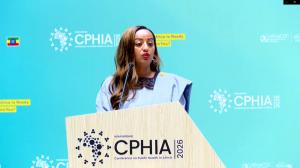
CPHIA 2026 Closes with Call for African Ownership of Health Security
Nov 27, 2026 2780
Addis Ababa, November 27, 2026 (ENA)— The five-day 2026 Conference on Public Health in Africa (CPHIA) concluded in Addis Ababa today with a strong call for African countries to take greater ownership of their health security through increased domestic investment, resilient health systems, and stronger continental cooperation. Closing the conference, Ethiopia’s Health Minister, Dr. Mekdes Daba, urged African governments to translate the commitments made during the gathering into tangible action through national budgets, legislation, and improved frontline healthcare delivery. The conference brought together more than 50,000 registered participants and featured over 90 sessions, attracting heads of state, ministers, scientists, health professionals, researchers, and private sector leaders. Highlighting Ethiopia’s efforts to strengthen domestic health financing, Dr. Mekdes said the government is funding its health extension workers entirely through local resources. She noted that Ethiopia aims to increase the government’s share of health financing to 53 percent by 2030 while reducing out-of-pocket healthcare expenditure to 20 percent. The minister called on African countries to prioritize pandemic preparedness, primary healthcare, predictable domestic financing, and local pharmaceutical manufacturing, including the production of African-made vaccines and other essential medical products. She also stressed the importance of stronger partnerships with the private sector, civil society, researchers, and young people in building sustainable health systems and advancing African-led solutions. Outlining the next steps, Dr. Mekdes identified three key actions: reviewing conference priorities and incorporating them into national plans and budgets within 90 days; establishing a permanent multi-stakeholder platform; and assessing progress at the next CPHIA. Africa CDC Director-General Dr. Jean Kaseya described CPHIA 2026 as a milestone in continental public health cooperation, declaring that “CPHIA is not just a conference; CPHIA is a movement” toward African health sovereignty. He said discussions had highlighted Africa’s growing capacity in pandemic preparedness, local manufacturing, and domestic health financing, while stressing the need for countries to learn from one another and deepen regional cooperation. Dr. Kaseya also called for more equitable partnerships with development partners, emphasizing that African countries must assume greater responsibility for their health security through domestic investment, good governance, and accountability. He identified the African Pooled Procurement Mechanism and the African Medicines Agency as important instruments for reducing dependence on external suppliers and strengthening pharmaceutical production across the continent. He reaffirmed Africa CDC’s commitment to building a continental community that connects countries, facilitates experience-sharing, coordinates health priorities, and advances collective ownership of Africa’s health security. For his part, Addis Ababa Deputy Mayor Samuel Molalign called for stronger cooperation in developing urban health solutions, highlighting the capital’s use of artificial intelligence and digital health technologies to improve patient record management, identify health risks early, and deliver more efficient healthcare services. He said Addis Ababa remained open to piloting innovative urban health initiatives in collaboration with partners. Samuel also encouraged participants to share Ethiopia’s development and healthcare achievements in their respective countries and serve as ambassadors for Addis Ababa and Ethiopia. During the five-day conference, two continental health roadmaps were also launched. The first seeks to improve maternal, newborn, child, and adolescent health by 2030 and is championed by Tanzanian President Samia Suluhu Hassan. The second focuses on advancing African-led artificial intelligence and digital health solutions and is championed by Ethiopian Prime Minister Abiy Ahmed.
Economy
A Strong Ethiopia, A Stable Horn: The Strategic Vision for National Transformation
Nov 28, 2026 238
By Staff Writer November 28, 2026 (ENA) Ethiopia’s pursuit of national transformation is increasingly shaped by a fundamental strategic question: how can a country with enormous human, economic and geopolitical potential translate its national aspirations into lasting stability, prosperity and regional influence? Prime Minister Abiy Ahmed’s recent address to the House of Peoples’ Representatives offers a broad perspective on this question, bringing together political unity, regional diplomacy, economic development, national sovereignty and institutional capacity as interconnected pillars of Ethiopia’s long-term national agenda. At the heart of the vision is a recognition that Ethiopia’s future cannot be secured through economic growth alone, military strength in isolation or diplomatic engagement detached from domestic realities. Rather, sustainable national progress requires a comprehensive approach in which political consensus strengthens institutions, economic development reinforces sovereignty, and regional peace creates opportunities for shared prosperity. The Prime Minister’s remarks on Sudan, Eritrea, the Ethiopian National Dialogue, the Medemer Grand Strategy and national defense therefore reflect more than separate government priorities. Together, they point to a broader ambition: building an internally cohesive, economically capable and sovereign Ethiopia that can play a constructive role in shaping the future of the Horn of Africa. Regional Peace: Ethiopia’s Security Begins Beyond Its Borders “Sudan’s peace is our peace.” Prime Minister Abiy’s statement captures a central principle underpinning Ethiopia’s approach to regional diplomacy: the security and stability of neighboring countries are inseparable from Ethiopia’s own long-term interests. The relationship between Ethiopia and Sudan extends beyond geographical proximity. Historical, social, economic and cultural connections have made the stability of one country an important consideration for the other. Sudan’s prolonged conflict consequently carries implications extending across borders, affecting trade, humanitarian conditions, population movements and the broader security environment of the Horn of Africa. Against this backdrop, the Prime Minister reaffirmed Ethiopia’s readiness to contribute diplomatic, financial and institutional resources to Sudan’s peace and recovery. He called on the warring parties to embrace dialogue and give Ethiopia’s proposed peace initiative an opportunity. The proposed initiative seeks to bring together Sudanese military, political and civilian stakeholders through an inclusive, Sudanese-led national dialogue facilitated by Ethiopia. Its underlying premise is that sustainable peace cannot be imposed from outside; it must emerge from political ownership, meaningful participation and an agreement among the country's principal stakeholders. This approach also reflects a broader strategic understanding: instability in the Horn of Africa cannot be addressed through isolated national responses. The region's interconnected security challenges require sustained diplomatic engagement, collective responsibility and practical cooperation among neighboring countries. Ethiopia’s relations with Eritrea present another important dimension of this regional vision. The Prime Minister reiterated Ethiopia’s preference for peaceful coexistence and mutually beneficial development while expressing concern over the deterioration of bilateral relations. Recalling the efforts made following the rapprochement between the two countries, he highlighted Ethiopia’s initiatives to facilitate Eritrea’s regional diplomatic engagement, offer electricity supplies at domestic Ethiopian rates and pursue joint infrastructure development, including roads and ports. These proposals reflected an understanding that geographical proximity and complementary economic resources could serve as foundations for shared prosperity rather than confrontation. The failure to translate these opportunities into sustained cooperation, as described by the Prime Minister, illustrates the challenges confronting relations between the two neighboring countries. It also underscores the importance of rebuilding confidence, maintaining diplomatic channels and addressing differences through peaceful engagement. For Ethiopia, constructive relations with Eritrea are particularly significant within the wider context of Horn of Africa stability, regional connectivity and economic integration. The broader strategic lesson is that lasting regional influence is built not simply on geographical position, population size or military capabilities, but also on the ability to establish trust, develop mutually beneficial partnerships and accommodate the legitimate interests of neighboring states. Sovereignty and Security: Strength Through Peace and Preparedness Ethiopia’s commitment to regional peace, as outlined in the parliamentary address, was accompanied by an equally firm emphasis on protecting national sovereignty and territorial integrity. The Prime Minister underscored that Ethiopia has no intention of invading other countries but remains determined to defend itself against external aggression. His remarks also recalled Ethiopia’s historical contributions to international and regional peacekeeping, including missions in Rwanda, Somalia, the Democratic Republic of Congo, Liberia and South Sudan. He acknowledged the sacrifices made by Ethiopian forces in supporting peace and stability beyond the country's borders. These contributions have helped establish Ethiopia as an important participant in African peace and security efforts. They also demonstrate the country's longstanding recognition that regional stability is a shared responsibility. At the same time, the Prime Minister’s invocation of the Battle of Adwa placed national sovereignty within Ethiopia’s historical experience. The victory of 1896 remains a powerful symbol of independence, resistance to colonial domination and the determination of Ethiopians to preserve their national identity. However, sovereignty in today's international environment requires more than historical pride and military preparedness. It depends on a combination of effective diplomacy, economic resilience, technological capabilities, strong institutions and credible defense systems. The Horn of Africa's evolving geopolitical environment, characterized by security challenges, competition over strategic infrastructure and growing interest in maritime connectivity, makes these capabilities particularly important. A capable defense system and a commitment to peaceful coexistence are not contradictory. Properly developed, they reinforce one another by protecting national interests while creating conditions for diplomacy and cooperation. Ethiopia’s National Dialogue in Building Unity Through Reconciliation While regional stability and national sovereignty define important aspects of Ethiopia’s external environment, the durability of its national transformation ultimately depends on its internal political foundations. This makes the Ethiopian National Dialogue one of the most consequential initiatives highlighted in the Prime Minister’s address. Ethiopia's political and social challenges cannot be resolved through administrative measures or security responses alone. They require a political environment in which different communities, political groups and social constituencies can express their grievances, aspirations and competing visions of the country's future. The National Dialogue seeks to provide such a platform. According to the Prime Minister, hundreds of thousands of Ethiopians, both inside the country and abroad, have participated in discussions throughout the four-year process. His reference to approximately 4,000 participants conducting discussions in one hall over 46 days illustrates the scale and complexity of the undertaking. The importance of this process, however, extends beyond the number of participants or the duration of discussions. Its real significance lies in its potential to transform political differences into constructive national engagement. Ethiopia's diversity is an essential part of its national identity. Building lasting unity does not mean eliminating differences or requiring uniform political perspectives. It means establishing credible institutions and mechanisms through which differences can be managed peacefully, constitutional rights protected and common national interests advanced. In this regard, the Prime Minister's reference to Article 39 of the Constitution is particularly significant. The constitutional recognition of the rights of nations, nationalities and peoples to use their languages, administer themselves and protect their rights remains a fundamental component of Ethiopia's federal framework. The broader challenge is to strengthen these constitutional guarantees while promoting national cohesion, equal citizenship, effective federal institutions and confidence in the country's constitutional order. These objectives should be mutually reinforcing. National unity becomes more sustainable when citizens feel represented, their rights are respected and public institutions respond equitably to their needs. Ultimately, the credibility of the National Dialogue will be determined by what follows the discussions. Its recommendations must translate into meaningful political, legislative and institutional reforms. Citizens must see that their participation contributes to addressing the structural challenges facing the country. The process therefore presents an opportunity to build a more inclusive political settlement and establish a stronger foundation for Ethiopia's long-term stability. Medemer: A Long-Term Framework for National Transformation The political foundations of national unity are closely connected to Ethiopia's broader economic and institutional ambitions. This is where the Medemer Grand Strategy assumes particular significance. At its core, Medemer advances the principles of cooperation, complementarity and the pooling of individual and collective capabilities. It seeks to translate Ethiopia's human, natural, geographical and economic resources into productive national strength. The underlying proposition is straightforward but strategically important: resources alone do not generate prosperity. Their value depends on the institutions, knowledge, technology, infrastructure and productive capabilities available to mobilize them. For a country with Ethiopia's population, agricultural potential, strategic location and expanding economic ambitions, this requires a sustained commitment to economic modernization, industrial development, infrastructure expansion, technological advancement and human capital investment. The Medemer framework also places considerable importance on institutional development and generational continuity. Ethiopia's transformation cannot depend exclusively on the priorities of individual political administrations. It requires long-term national frameworks capable of preserving achievements, correcting shortcomings and sustaining development beyond political transitions. This is particularly important in a country where the scale of development challenges demands consistency in economic planning, investment policy, institutional reform and public administration. The strategic value of a long-term national development framework lies in its ability to establish continuity while allowing policies to evolve in response to changing economic and social realities. For Medemer to achieve its broader ambitions, its principles must be reflected in effective institutions, measurable development outcomes, productive investment and tangible improvements in citizens' livelihoods. Its ultimate test is whether it can help transform national potential into sustainable and broadly shared prosperity. Economic Strength for the Foundation of National Sovereignty An important thread running through the Prime Minister's address is the relationship between economic development and national security. His observation that defense cannot be built independently of economic capacity highlights a fundamental reality of modern statecraft: a country's ability to safeguard its sovereignty is closely linked to the strength of its economy. Contemporary defense systems require far more than military personnel and conventional equipment. They depend on technological innovation, industrial capacity, skilled professionals, effective logistics, research and development, and sustainable financial resources. A strong economy enables a country to invest in these capabilities without undermining other national development priorities. This relationship is particularly important for Ethiopia as it seeks to expand its productive base, modernize its institutions and strengthen its strategic autonomy. Economic transformation, therefore, is not simply about increasing national output or attracting investment. It is also about building the capabilities that enable the country to make independent strategic decisions, withstand external pressures and protect its long-term national interests. The Prime Minister's references to air capabilities, ground forces and technological advancement reflect the importance attached to developing a comprehensive national defense system. However, sustainable defense modernization must be accompanied by professional standards, institutional accountability and continued attention to the welfare of the armed forces. The broader lesson is that national sovereignty is strongest when supported by a productive economy, capable institutions, technological advancement and responsible diplomacy. The Horn of Africa: From Geopolitical Competition to Shared Prosperity Ethiopia's national transformation agenda cannot be fully understood without considering its position in the Horn of Africa. As one of the region's largest countries by population and a major diplomatic and economic center, Ethiopia occupies a strategic position in shaping regional political and economic developments. Yet the Horn of Africa remains affected by protracted conflicts, political instability, limited economic integration, climate-related pressures, humanitarian emergencies and competition over strategic infrastructure and maritime connectivity. These challenges also present opportunities for a different regional future. Improved relations among neighboring countries could unlock significant economic potential through cross-border trade, electricity exchanges, transport infrastructure, logistics networks and coordinated development initiatives. For Ethiopia, stronger regional connectivity would expand access to markets, improve the movement of goods and services and create opportunities for investment and industrial development. Similarly, regional energy cooperation could allow countries to benefit from complementary resources, while coordinated infrastructure development could reduce economic fragmentation and strengthen commercial relations. The pursuit of these opportunities requires a regional environment founded on trust, predictable relations, respect for sovereignty and peaceful resolution of disagreements. Ethiopia's aspirations for greater regional engagement will therefore be most sustainable when its national development objectives are advanced alongside the legitimate interests of neighboring countries. Regional leadership in the contemporary international environment is not measured solely by national capabilities. It is demonstrated through the ability to generate shared benefits, facilitate dialogue and contribute to solutions to common challenges. In this sense, Ethiopia's national transformation and the future of the Horn of Africa are closely connected. Turning National Vision into Tangible Results Perhaps the most important analytical lesson from the Prime Minister's address is the interconnectedness of the priorities he outlined. Political dialogue, constitutional inclusion, regional diplomacy, economic transformation and defense modernization are not isolated policy areas. They constitute complementary dimensions of a broader national development and state-building project. Political consensus provides the foundation for stability. Effective institutions strengthen governance and public confidence. Economic development mobilizes human and financial resources. Defense capabilities safeguard sovereignty, while regional peace creates opportunities for trade, investment and connectivity. However, the success of this vision will ultimately depend not on the scale of its ambitions but on the effectiveness of its implementation. Three priorities will be particularly decisive. First, political inclusion must produce meaningful institutional outcomes. The National Dialogue needs to translate participation into credible reforms, strengthen constitutional legitimacy and build confidence across different political and social constituencies. Its success should be measured by its contribution to addressing underlying differences and strengthening national institutions. Second, regional diplomacy must prioritize trust and sustained cooperation. Ethiopia's engagement with Sudan and its pursuit of constructive relations with Eritrea require consistent diplomatic efforts, confidence-building measures and respect for the legitimate interests of all parties. Sustainable regional influence is achieved through partnerships and practical cooperation rather than confrontation. Third, economic transformation must improve the everyday lives of citizens. Development must generate employment, increase productivity, strengthen livelihoods, improve public services and expand opportunities for younger generations. National economic progress becomes a durable foundation for stability when its benefits are reflected in the lives of ordinary people. These priorities are essential to ensuring that the country's broader national vision translates into measurable and lasting achievements. In a nutshell, Prime Minister Abiy Ahmed's parliamentary address brings together some of the most consequential questions shaping Ethiopia's future: how to consolidate national unity, safeguard sovereignty, transform economic potential into prosperity, contribute to peace in Sudan, establish constructive relations with Eritrea and build institutions capable of sustaining progress across generations. The vision articulated in the address rests on a fundamental understanding that these objectives are inseparable. A politically cohesive Ethiopia is better positioned to pursue economic transformation. A stronger economy provides the resources and capabilities necessary to protect sovereignty. Effective institutions sustain development and strengthen public confidence. Constructive relations with neighboring countries create opportunities for regional peace, trade and shared prosperity. The challenge is to advance these priorities simultaneously while ensuring that national ambitions are matched by inclusive governance, institutional accountability and tangible results. Ethiopia's historical experience has demonstrated the importance of independence, resilience and collective responsibility. Its contemporary ambitions require these strengths to be complemented by modern institutions, technological innovation, economic competitiveness, political inclusion and constructive international partnerships. Ultimately, the measure of Ethiopia's national transformation will not be determined simply by the resources it possesses, the strategies it announces or the influence it seeks. It will be determined by the strength of the institutions it builds, the trust it establishes among its citizens, the prosperity it delivers and the contribution it makes to a more peaceful and economically integrated Horn of Africa. The strategic ambition is clear. It is an Ethiopia that is strong at home, sovereign in its decisions, prosperous in its economy and constructive in its engagement with the world.
Addis Ababa Gears Up to Welcome Over 100,000 Global Participants for COP32, Mayor Adanech Says
Nov 28, 2026 348
Addis Ababa, November 28, 2026 (ENA)— Addis Ababa is intensifying preparations to welcome more than 100,000 participants for the 32nd UN Climate Change Conference (COP32) in 2027, building on its successful hosting of a major international public health conference that demonstrated the capital's capacity to accommodate large-scale international gatherings. Mayor of the capital, Adanech Abiebie announced the preparations in a message shared on her social media pages, describing the successful hosting of the 2026 International Conference on Public Health in Africa (CPHIA). The Conference attracted more than 30,000 participants, as a demonstration of the city's growing ability to organize major international events with confidence and professionalism, it was pointed out. She noted that over the six days of the conference, participants experienced not only the conference facilities but also different parts of the capital, exploring its streets, hospitality, and vibrant urban atmosphere during the day and into the evening. The positive feedback from visitors, she said, underscored Addis Ababa's capacity to deliver major international gatherings while providing a welcoming environment and quality services. The Mayor credited the achievement to the leadership and coordination of the Africa Centres for Disease Control and Prevention (Africa CDC) and the Ministry of Health, alongside the dedicated contributions of institutions and professionals responsible for transportation, accommodation, utilities, security, tourism, sanitation, hospitality, and other essential services. Expressing appreciation to all stakeholders, Adanech said the experience had provided a valuable foundation for preparing the capital to host an even larger global gathering. Building on this success, Addis Ababa is now gearing up to welcome more than 100,000 participants for COP32, with plans to further enhance its capacity, service delivery, and organizational standards. The upcoming conference is a major opportunity to showcase Ethiopia's hospitality, institutional capacity, creativity, and development potential to the world, she revealed. Adanech urged all stakeholders to intensify their efforts, complete preparations on schedule, and ensure that every aspect of the event meets the highest standards. The Mayor stressed that COP32 should go beyond hosting an international conference and become a platform for elevating Ethiopia's global profile while creating a lasting legacy for Addis Ababa and the country. "Let us welcome the world to our capital and show what Ethiopia can achieve," she said. Ethiopia is scheduled to host COP32 in Addis Ababa in November 2027, bringing together world leaders, climate negotiators, policymakers, scientists, investors, and development partners to advance discussions on global climate action.
Ethiopia, Netherlands Eye New Investment Frontiers as Trade Ties Mark 100 Years
Nov 28, 2026 426
Addis Ababa, November 28, 2026 (ENA)— Ethiopia and the Netherlands are seeking to unlock new investment opportunities and deepen their century-old economic partnership. The two countries are looking to transform their longstanding trade relations into a broader economic partnership that harnesses the Netherlands' technological expertise and global market access alongside Ethiopia's resources, production capacity, and expanding investment opportunities. Speaking at a forum marking 100 years of Ethiopia-Netherlands trade relations at the Embassy of the Netherlands in Addis Ababa, Ethiopian Investment Commission (EIC) Commissioner Hana Tehelku emphasized the need to build on the historical partnership by moving beyond conventional trade exchanges toward more diversified and mutually beneficial economic cooperation. She underscored the importance of shifting from raw material exports to value-added production through processing, packaging, and branding. She added this would enable Ethiopia to strengthen its export competitiveness, generate employment, and capture greater value from its resources. The Commissioner also identified manufacturing, renewable energy, water management, logistics, and digital services as promising sectors for expanding Dutch investment, highlighting the potential for closer collaboration in emerging and strategic industries. Hana noted that combining Dutch technological capabilities, specialized expertise, and international market access with Ethiopia's natural resources and growing production capacity could create new opportunities for industrial expansion, job creation, export diversification, and private-sector development. The century-long economic relationship already provides a foundation for this next phase of cooperation. Early ventures, including the Wonji Sugar Factory and Desta Candy, demonstrated the longstanding commercial connections between the two countries. Over the years, these ties have evolved into a broader investment partnership, with Dutch-linked businesses, including Heineken, Holland Yogurt, and Zequala Horticulture, alongside companies operating in Ethiopia's horticulture and floriculture industries, contributing to the country's economic activities. Looking toward the next century, Hana stressed that sustaining and expanding the partnership would require continued improvements in the investment climate, particularly through transparent administrative procedures, efficient logistics, and a more conducive business environment. She also highlighted human capital development as a critical pillar of future cooperation, calling for stronger collaboration among universities, technical and vocational education institutions, young entrepreneurs, and women-led businesses. The Commissioner invited Dutch investors to explore Ethiopia's expanding investment opportunities and increase their engagement across strategic sectors, reaffirming the Ethiopian Investment Commission's commitment to facilitating investment and supporting businesses. During a panel discussion organized by the Ethiopia-Netherlands Business Association (ENLBA), Hana also outlined the Ethiopian government's investment reforms, the progress achieved, and the opportunities these changes are creating for domestic and foreign investors.U The forum, jointly organized by ENLBA and the Embassy of the Netherlands under the theme "100 Years of Living Trade: Connecting Heritage, Investment and the Future," brought together former Ethiopian Prime Minister Hailemariam Desalegn, senior government officials, diplomats, and business leaders. Beyond commemorating a century of commercial relations, the gathering provided a platform to examine emerging investment opportunities and identify ways to translate the historical partnership into stronger economic cooperation in the decades ahead. A book documenting the 100-year history of Ethiopia-Netherlands relations was also launched at the conclusion of the event.
PM Abiy Pledges Continued Abay River Development, Regional Cooperation
Nov 27, 2026 3096
Addis Ababa, November 27, 2026 (ENA)— Prime Minister Abiy Ahmed has reaffirmed Ethiopia’s sovereign right to develop and utilize the Abay River without external authorization, while pledging to pursue shared regional development through cooperation with downstream countries. The Prime Minister made the remarks while responding to Members of the House of Peoples’ Representatives’ questions on regional diplomacy and water resources during the fourth regular session of the first year of the house. Describing the Abay as a divine gift to Ethiopia, PM Abiy stressed that harnessing the river’s potential is essential to overcoming poverty, expanding energy production, strengthening food security, and improving the livelihoods of citizens. “Abay is a potent remedy given to us by the grace of God, and we will use it. We do not need anyone’s permission for that,” he told parliamentarians. He said Ethiopia’s development ambitions are inseparable from its sovereign right to utilize its natural resources. The PM added that the country’s approach to the river is grounded in shared responsibility rather than unilateral exploitation. “Abay does not belong to us alone; it is also the rightful share of our neighbors, which we respect and protect for them,” the Prime Minister said. PM Abiy emphasized that Ethiopia has no intention of monopolizing the river and remains committed to cooperation with downstream countries, particularly Egypt and Sudan, to advance equitable and responsible water utilization. “We have no desire to use it exclusively; we will use it lawfully, assist, and cooperate,” he stated. The Prime Minister also welcomed reports of agricultural expansion in Egypt, expressing Ethiopia’s desire to see Egyptian agriculture flourish alongside Ethiopia’s own efforts to expand energy production. He said the two countries’ development aspirations could advance together through cooperation. Addressing environmental concerns and the long-term sustainability of the river, the Premier highlighted the role of Ethiopia’s Green Legacy Initiative, particularly tree planting, reforestation, and soil conservation, in protecting the Abay basin. “We plant trees so that the Abay does not diminish; and we responsibly uphold our neighbors' rightful share,” he said. He underscored the importance of protecting the river’s source and addressing environmental pressures, including deforestation, soil erosion, and siltation, as part of responsible water-resource management. PM Abiy also challenged the zero-sum narrative surrounding the Abay, arguing that Ethiopia’s development should not be viewed as coming at the expense of downstream countries. He stressed that the expansion of Ethiopia’s energy capacity and agricultural development in neighboring countries could complement one another through dialogue and cooperation. Beyond the Abay basin, the Prime Minister highlighted Ethiopia’s role as a source of freshwater for neighboring countries, including Eritrea, Somalia, Kenya, Sudan, and Djibouti, stressing that Ethiopia has no intention of obstructing shared water resources. He further called for educational and public narratives that promote brotherhood and cooperation among the peoples of Ethiopia, Egypt, Sudan, Djibouti, and Eritrea rather than hostility. Emphasizing the regional benefits of Ethiopia’s prosperity and stability, Prime Minister Abiy likened a prosperous Ethiopia to a shade-giving sycamore tree beside a spring, offering vitality and relief to neighboring countries. He said the central challenge was to transform Ethiopia’s abundant natural resources into tangible economic benefits while strengthening good-neighborly relations and advancing mutually beneficial development across the region.
Videos



.jpg)
Technology

Ethiopia Showcases Africa’s Potential through Tangible Milestones in Health Sector
Nov 25, 2026 7428
Addis Ababa, November 25, 2026 (ENA)— Ethiopia is demonstrating Africa’s capabilities and potential through tangible achievements and transformative progress in the healthcare sector, Minister of Health Dr. Mekdes Daba said. Speaking to ENA on the sidelines of the 5th International Conference on Public Health in Africa (CPHIA 2026), currently underway at the Addis International Convention Center with more than 30,000 participants from over 100 countries, Dr. Mekdes highlighted the strong multisectoral engagement and high-level participation at the event. She noted that, alongside health officials, more than 46 ministers representing finance, planning, agriculture, and environmental protection are also attending the conference. The Minister emphasized that conference delegates have had the opportunity to witness firsthand Ethiopia’s impactful initiatives, proven best practices, and far-reaching transformations across other key development sectors. She explained that these achievements stand as tangible evidence of the nation's capacity to translate ambitions into concrete results, significantly strengthening international confidence in Africa’s potential. Through this collaborative platform, which brings together government and non-governmental institutions, development partners, and the private sector, Ethiopia is also showcasing its scientific and technological advancements across multiple areas, Dr. Mekdes noted. In particular, participants have witnessed the country's pioneering work in artificial intelligence, digital health, primary healthcare, and medical referral systems. The practical application of the Electronic Community Health Information System (eCHIS), an innovative digital platform that enables Health Extension Workers to efficiently monitor, track, and manage community health services, was also among the advancements showcased to delegates. As a result, several countries have expressed keen interest in adopting Ethiopia’s healthcare models and digital solutions, creating new opportunities for knowledge exchange, cooperation, and the sharing of best practices. Addressing the evolving dynamics of global health governance, the Minister highlighted Ethiopia’s strategic use of health diplomacy to strengthen Africa’s voice, influence, and standing on the international stage. She affirmed that the conference will help translate the vision of Africa’s health sovereignty into concrete actions and meaningful resolutions. Dr. Mekdes further emphasized that the continent is increasingly asserting itself not merely as a recipient of global health policies, discourse, and scientific applications, but as an active contributor, innovator, and driver of solutions. Finally, she noted that the series of international and continental summits previously hosted by Ethiopia had established a strong foundation, paving the way for the successful convening of this landmark gathering.
Pan-African AI Residency Strengthens Cross-Border Partnerships, Advances Innovation: EAII Director General
Nov 20, 2026 12480
Addis Ababa, November 20, 2026 (ENA)— The Pan-African AI Ventures Residency has strengthened cross-border partnerships among young African innovators while equipping them with the skills to develop market-ready artificial intelligence solutions, Ethiopian Artificial Intelligence Institute (EAII) Director General Worku Gachena said. A total of 51 young innovators from across Africa graduated today after completing a two-week intensive residency designed to transform AI prototypes into commercially viable products. Held in Addis Ababa under the AI UniPod initiative, the program brought together young technology entrepreneurs from several African countries to exchange expertise, collaborate on projects and explore opportunities for cross-border innovation. The residency was organized through a partnership involving the EAII, the United Nations Development Programme (UNDP), Addis Ababa University (AAU) and Japan's Ministry of Economy, Trade and Industry (METI). During the program, participants received technical and business training, worked with mentors and coaches, refined their prototypes and tested AI models to advance their early-stage ideas toward market-ready solutions. Speaking at the closing ceremony, Worku congratulated the graduates and highlighted the relationships and professional networks established during the residency as among its most valuable outcomes. "What makes me happiest is the connection you built," Worku said. "You didn't just walk next to each other. You built real links among each other and with Ethiopian startups. Some of those friendships, I'm sure, will become partnerships, and some of those partnerships will become companies that work across borders." He said participants also visited Addis Ababa's ongoing urban development projects, including the Chaka Project, and the Adwa Victory Memorial Museum. Worku said the museum visit reflected the Pan-African spirit of the residency, underscoring the importance of African solidarity, collective strength and self-reliance. "After these two weeks with you, I don't think it is a question anymore. You will shape it," he said. Describing the graduation as the beginning of a new journey rather than a farewell, Worku urged participants to become ambassadors of African innovation. He also assured them that the AI UniPod would remain open to supporting their ventures as they expand across the continent. UNDP Resident Representative in Ethiopia Samuel Doe, meanwhile, described the AI revolution as a new frontier in Africa's pursuit of technological sovereignty, calling the graduating innovators the "new foot soldiers of Adwa." Drawing parallels between Africa's historical struggle against colonial domination and the contemporary risks of technological and intellectual dependency, Doe urged the graduates to help position the continent as a creator and developer of AI technologies rather than merely a consumer. He commended Ethiopia's commitment to digital transformation under Prime Minister Abiy Ahmed and highlighted the country's initiative to establish what he described as the world's first dedicated AI university. Doe also challenged the graduates to translate Africa's widely discussed potential into tangible commercial achievements, citing Japan's post-World War II industrial transformation as an example of how technological adaptation, reverse engineering and innovation can accelerate economic development. "We are really tired with potential. Take this potential to the market," he said. Participants said the residency broadened their understanding of entrepreneurship, shifting their focus beyond coding to encompass market positioning, business strategies, product development and collaboration. Patrick Shilukwe Kasama, an innovator from Zambia, said the training helped him better understand how to position his project in the market. He also praised Ethiopia's efforts to advance artificial intelligence. "The interaction has been amazing. Different countries, different cultures, there's really been no isolating. It's one Africa, so we found a way to live with each other," Kasama said. He expressed appreciation to the organizers and sponsors for providing an opportunity for 51 innovators from across the continent to develop their skills and establish professional connections. Nanri Ouakhilatou Torou from Benin said the residency challenged her initial approach to developing and presenting her web application, prompting her to reconsider its technical aspects and strengthen its business strategy. "Beyond having knowledge from our mentors, we also have critical thinking of each of our projects from different participants as well," she said, highlighting the value of peer feedback and the professional networks established during the program. "Beyond anything else, I connected with everyone, and the network I built, I think the network is really, really powerful. Ethiopia is and will always be one of the countries that actually captured my heart," Torou added. Ashinze Emmanuel Chidi from Nigeria also said that although he initially joined the residency with a primary focus on coding his idea, mentorship and exchanges with fellow innovators broadened his understanding of developing scalable technology ventures. The residency is part of wider efforts to strengthen Africa's artificial intelligence ecosystem by building local technological capabilities, supporting young entrepreneurs and fostering cross-border partnerships to help African-developed innovations reach regional and international markets.
.jpg)
PM Abiy Calls for Predictable Climate Finance, Early Action to Protect Vulnerable Communities
Nov 11, 2026 24065
Addis Ababa, November 11, 2026 (ENA)— Prime Minister Abiy Ahmed called for predictable climate finance that reaches vulnerable communities before disasters strike. The Prime Minister further urged the international community to translate climate commitments into timely, accessible and affordable support. Addressing the opening of the 31st United Nations Climate Change Conference (COP31) in Türkiye’s Mediterranean city of Antalya, PM Abiy underscored that climate action is not merely an environmental concern for Ethiopia but a fundamental part of its economic policy and development strategy. “In Ethiopia, climate action is economic policy,” he said, highlighting how recurring El Niño-related droughts and floods threaten agricultural production, displace families and prolong recovery, even after rainfall returns and floodwaters recede. He stressed that Ethiopia is strengthening community-level preparedness and working with local governments to anticipate climate risks and protect livelihoods before disasters occur. Highlighting the country's broader climate vulnerability, the Premier noted that more than 90 percent of Ethiopia's electricity comes from hydropower, making rainfall patterns critical not only to domestic energy security but also to electricity supplies to neighboring countries. He also warned that rising temperatures and changing rainfall patterns threaten the forests and agricultural landscapes that sustain Ethiopia's globally renowned Arabica coffee. The Prime Minister said Ethiopia's homegrown philosophy of Medemer guides its climate response by bringing communities, institutions and resources together around shared development objectives. Under the Green Legacy Initiative, millions of Ethiopians participate in annual tree-planting campaigns, with more than 56 billion seedlings planted to date, contributing to land restoration, forest expansion, job creation and improved livelihoods. “Planting is now a family habit,” he said, describing the initiative as a growing culture of environmental stewardship and responsibility toward future generations. Ethiopia is also extending its environmental efforts into urban areas through flood protection measures, river rehabilitation and the development of green public spaces, including parks and walkways along riverbanks. On the energy front, PM Abiy highlighted the country's investments in wind, solar and geothermal power, alongside plans to explore nuclear energy, as part of a long-term strategy to diversify electricity sources and reduce economic vulnerability during dry seasons. He further emphasized the growing role of technology in climate resilience, noting that Ethiopia is using satellite data to monitor environmental conditions and artificial intelligence to improve weather forecasting and provide farmers with earlier warnings of extreme weather events. The country's Fayda digital identification (ID) system is also helping strengthen the delivery of support to vulnerable households. However, the Prime Minister stressed that early warnings must be backed by financing that enables communities to take timely protective measures. “Funding should be agreed in advance. It can then move at the speed of our forecasters, while there is still time to save lives,” he said. Turning to the global climate financing gap, Abiy called for stronger coordination between climate, development, trade and financial institutions, arguing that commitments made in international climate negotiations must be reflected in actual financing decisions. He noted that developing countries spend nearly one trillion US dollars annually on public debt interest, significantly constraining their capacity to invest in climate resilience, infrastructure and essential social services. Referring to the financing discussions in Sevilla, he stressed that high borrowing costs undermine developing countries' ability to respond to climate challenges, calling for multilateral financial institutions to make financing more affordable. The Prime Minister also urged faster emissions reductions, warning that the growing cost of responding to climate-related damage leaves fewer resources available for education, healthcare and opportunities for young people. Highlighting Ethiopia's contribution to the global energy transition, he said the country has banned imports of petrol- and diesel-powered vehicles as it accelerates the shift toward electric mobility. He called on countries with the greatest historical responsibility for emissions and the financial capacity to act to lead with deeper emissions reductions during this decade. Looking ahead to Ethiopia's COP32 Presidency, Prime Minister Abiy said early action and predictable climate financing would be central to the country's priorities, particularly ensuring that resources are released when early warnings are issued and reach the most climate-vulnerable communities first. He urged countries to make their climate finance pledges clear and measurable, setting out three essential commitments: how much funding will be provided, when it will be delivered and under what terms. Such clarity, he said, would enable governments to plan their budgets, investors to make commitments and communities to prepare for climate risks. Ethiopia, he added, will work closely with the COP31 Presidency to ensure a successful outcome in Türkiye and looks forward to welcoming the international community to Addis Ababa for COP32 in 2027. Concluding his remarks, the Prime Minister invoked the vulnerability of farmers to increasingly unpredictable weather patterns, delivering a powerful appeal for timely international solidarity. “Our farmers once trusted the seasons to arrive on time. Let us make sure our support does,” he said.
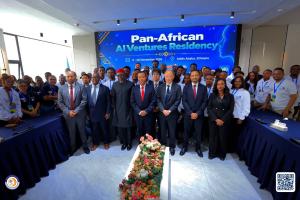
Ethiopia Targets to Become Africa’s Leading AI Innovation Hub by 2030: EAII Director General
Nov 9, 2026 28447
Addis Ababa, November 9, 2026 (ENA)— Ethiopia is accelerating efforts to position itself as one of Africa’s leading hubs for artificial intelligence (AI) research and innovation by 2030 through strategic investments in digital infrastructure, human capital development and continental partnerships, Director General of the Ethiopian Artificial Intelligence Institute (EAII), Worku Gachena, said. Speaking at the opening of the Pan-African AI Ventures Residency Program in Addis Ababa, Worku said Ethiopia aims to build strong AI capabilities that support national development priorities while contributing to technological advancement across Africa through research, innovation and entrepreneurship. He noted that the ambition is aligned with Digital Ethiopia 2030, the country’s strategic roadmap for digital transformation, and supported by initiatives designed to strengthen research capacity and develop the next generation of AI professionals. Among these initiatives is Medemer AI University, established as an autonomous public university following the Council of Ministers’ approval of its founding regulation. The institution is expected to train AI scientists, engineers and entrepreneurs while expanding the country’s technological and research capabilities. Worku also highlighted the AI UniPod, inaugurated on February 16, 2026, through a partnership between EAII, the United Nations Development Programme (UNDP) and Addis Ababa University. The facility is equipped with advanced laboratories, robotics facilities, high-performance computing resources, design studios and collaborative learning spaces. It is designed to connect research with entrepreneurship and the development of practical technological solutions. He emphasized that realizing Ethiopia’s ambition to become a leading African AI research and development hub by 2030 requires sustained investment in digital infrastructure, computing capacity and skilled human resources. In this regard, the Pan-African AI Ventures Residency Program brings together young innovators from 12 African countries to develop AI-driven solutions to challenges facing the continent. The initiative provides participants with mentorship, knowledge exchange opportunities, professional networks and platforms for cross-border collaboration. Worku further underscored the importance of stronger African cooperation, particularly in responsible data sharing and developing African-language datasets and AI models, to ensure that emerging technologies reflect the continent’s realities and development priorities. He also acknowledged the contributions of the Japanese government, UNDP and Addis Ababa University, noting that international and regional partnerships are essential to strengthening Africa’s competitiveness in the global AI landscape. Japanese Ambassador to Ethiopia Shibata Hironori highlighted Japan’s support for the AI UniPod initiative through its Ministry of Economy, Trade and Industry, which provides approximately 1 million USD in annual funding to advance African AI capacity and digital innovation. He said the initiative also creates opportunities for Japanese companies to collaborate with African startups through joint development and pilot projects, reaffirming Japan’s commitment to supporting Ethiopia in partnership with EAII, Addis Ababa University and UNDP. Meanwhile, Matthias Z. Naab, Director of UNDP’s Regional Service Centre for Africa, called on African countries to move beyond being passive consumers of foreign technologies and become active creators of solutions to their own development challenges. He said Africa’s youthful population, expanding digital economy and growing innovation ecosystem provide a strong foundation for developing homegrown AI technologies and generating sustainable employment opportunities. Naab also highlighted UNDP’s investments in digital infrastructure through its EDGE initiative, which provides essential resources, including high-performance graphics processing units (GPUs) at the AI UniPod, enabling innovators to develop AI-powered products. However, he stressed that access to computing resources alone would not be sufficient, emphasizing the need for young innovators to acquire practical skills and connect their solutions to real-world markets. He added that promising ventures emerging from the residency program could advance to UNDP’s broader Timbuktoo Initiative, gaining access to thematic innovation hubs, venture capital and market networks. The 10-day residency brings together 51 AI startup founders from 12 African countries at the AI UniPod for intensive training, mentorship, product development and networking, marking another step toward strengthening Africa’s homegrown artificial intelligence ecosystem.
Sport

Ethiopia’s Beauty, Addis Ababa’s Urban Transformation on Display at Great Ethiopian Run, Says Mayor Adanech
Nov 22, 2026 10346
Addis Ababa, November 22, 2026 (ENA)— Ethiopia showcased its beauty, peace and renowned culture of hospitality to the world during the 26th Great Ethiopian Run, while Addis Ababa’s ongoing urban transformation provided a fitting setting for the international sporting event, Mayor Adanech Abiebie said. In a message marking the successful conclusion of the event, the Mayor said that once again, Ethiopia showcased its beauty, peace and renowned culture of warm hospitality to the world. The Mayor further highlighted the capital’s renewed vibrancy and festive atmosphere, describing the event as an opportunity to showcase the country's positive image to the international community. She noted that the city's modern roads, expanded green spaces and improved infrastructure created an attractive setting for the more than 60,000 participants, who filled the streets in Ethiopia's national colors, celebrating unity, love and togetherness. According to a post on social media, Mayor Adanech emphasized that the internationally renowned sporting event provided a valuable platform to showcase Addis Ababa's development achievements and growing appeal to visitors from around the world. The 26th edition brought together people from all walks of life, ranging from young children to the elderly, alongside renowned Ethiopian and international athletes, reflecting the race's broad appeal and inclusive spirit. Describing the event as a remarkable celebration of social harmony, the mayor emphasized that unity remains a source of collective strength, adding that Addis Ababa's diversity and spirit of togetherness were clearly demonstrated throughout the day.
.jpg)
Great Ethiopian Run Transcends Sport, Promotes Nat'l Unity and Projects Ethiopia's Global Image
Nov 22, 2026 10764
Addis Ababa, November 22, 2026 (ENA)— The 26th edition of the Great Ethiopian Run is taking place this morning in Addis Ababa, bringing together a record 60,000 participants under the theme "My Run, My Color" in a vibrant celebration of unity, diversity and national pride.Over its 26-year history, the Great Ethiopian Run has grown beyond an annual sporting event to become an important national platform for promoting social cohesion, cultural exchange and international engagement. Participants from diverse ethnic, cultural, religious and social backgrounds, alongside international visitors, come together on the streets of the capital, demonstrating how sport can bridge differences and foster a shared sense of belonging. The event has increasingly become a reflection of Ethiopia's multicultural identity, providing a common platform where diversity is celebrated and collective aspirations are strengthened through sport. Beyond its contribution to national unity, the Great Ethiopian Run has also emerged as an important platform for showcasing Addis Ababa's hospitality, cultural vibrancy and capacity to host major international sporting events.As the 26th edition fills the capital's streets with color, enthusiasm and energy, its significance extends far beyond the race itself and the winners crossing the finish line. The event demonstrates the power of sport to bring people together, encourage healthy lifestyles, promote peaceful coexistence and strengthen national identity. It also contributes to projecting a positive image of Ethiopia internationally as a vibrant and welcoming country that embraces diversity and creates opportunities for cultural exchange and human connection. With participation growing over the years, the Great Ethiopian Run continues to attract international attention, inspire communities and reinforce Ethiopia's potential as a destination for sports, culture and tourism. Ultimately, its greatest achievement lies not merely in the distance covered or the records set, but in the sense of unity it fosters and the positive image of Ethiopia it projects to the world.

Great Ethiopian Run Marks 26 Years with Record 60,000 Runners, Showcasing Ethiopia to the World
Nov 22, 2026 16888
Addis Ababa, November 22, 2026 (ENA)—Ethiopia’s legendary Great Ethiopian Run marked its 26th anniversary with a spectacular turnout of more than 60,000 runners. The event transformed the streets of Addis Ababa into a vibrant celebration of athletics, national pride and international unity. The milestone edition of Africa’s largest 10-kilometer road race brought together around 200 international participants from 25 countries, reinforcing the event’s growing global appeal and Ethiopia’s standing as a powerhouse of long-distance running. Launched in 2001 by Ethiopian athletics legend Haile Gebrselassie, the Great Ethiopian Run has evolved from a major sporting competition into an internationally recognized platform celebrating athletic excellence, cultural identity and the unifying power of sport. Over the past quarter-century, the race has brought together hundreds of thousands of participants from Ethiopia and beyond, turning Addis Ababa into a global meeting point for professional athletes, recreational runners and sports enthusiasts. Addis Ababa Mayor Adanech Abiebie, Tourism Minister Selamawit Kassa, Haile Gebrselassie and other senior government officials attended the anniversary celebrations. The capital’s newly upgraded streets provided a spectacular backdrop for the race, with music, cultural performances and enthusiastic spectators creating a festive atmosphere along the route. Beyond the competition, the Great Ethiopian Run has become an important vehicle for promoting Ethiopian culture, strengthening community bonds and connecting people across nationalities and generations. The event has also contributed to social development through fundraising initiatives and youth-focused programs, while generating economic opportunities by attracting international visitors and stimulating tourism and business activities in the capital. Its growing international stature received further recognition this year with its designation as a World Athletics Heritage event, highlighting its enduring contribution to global athletics and sporting culture. Twenty-six years after its launch, the Great Ethiopian Run stands as more than a road race. It is a celebration of Ethiopia’s extraordinary running tradition, a showcase of African sporting excellence and a powerful demonstration of how sport can transcend borders and bring the world together.

PM Abiy Hails Ethiopian Athletes for Historic Dakar 2026 Youth Olympic Triumph
Nov 14, 2026 18051
Addis Ababa, November 14, 2026 (ENA)— Prime Minister Abiy Ahmed has congratulated Ethiopia’s young athletes for their outstanding performance at the Dakar 2026 Youth Olympic Games in Senegal, where they topped the athletics medal table with an impressive eight medals. The Ethiopian team secured five gold and three silver medals, reaffirming the country’s enduring strength in athletics and showcasing the depth of its emerging sporting talent on the international stage. In a congratulatory message, Prime Minister Abiy praised the athletes for their historic achievement, describing their performance as a testament to Ethiopia’s rich athletics tradition and continued sporting excellence. “I extend my heartfelt congratulations to our young Ethiopian athletes for their outstanding and historic achievement at the Dakar 2026 Youth Olympic Games in Senegal,” PM Abiy said. He urged the young athletes to continue raising the Ethiopian flag with distinction and inspiring a new generation to pursue excellence. The Premier stated that: “Continue carrying the Ethiopian flag with distinction and inspiring a new generation to pursue excellence!” The achievement further highlights Ethiopia’s emerging generation of athletes and its continued potential to remain a leading force in international athletics, it was learned.
Environment
Addis Ababa Gears Up to Welcome Over 100,000 Global Participants for COP32, Mayor Adanech Says
Nov 28, 2026 348
Addis Ababa, November 28, 2026 (ENA)— Addis Ababa is intensifying preparations to welcome more than 100,000 participants for the 32nd UN Climate Change Conference (COP32) in 2027, building on its successful hosting of a major international public health conference that demonstrated the capital's capacity to accommodate large-scale international gatherings. Mayor of the capital, Adanech Abiebie announced the preparations in a message shared on her social media pages, describing the successful hosting of the 2026 International Conference on Public Health in Africa (CPHIA). The Conference attracted more than 30,000 participants, as a demonstration of the city's growing ability to organize major international events with confidence and professionalism, it was pointed out. She noted that over the six days of the conference, participants experienced not only the conference facilities but also different parts of the capital, exploring its streets, hospitality, and vibrant urban atmosphere during the day and into the evening. The positive feedback from visitors, she said, underscored Addis Ababa's capacity to deliver major international gatherings while providing a welcoming environment and quality services. The Mayor credited the achievement to the leadership and coordination of the Africa Centres for Disease Control and Prevention (Africa CDC) and the Ministry of Health, alongside the dedicated contributions of institutions and professionals responsible for transportation, accommodation, utilities, security, tourism, sanitation, hospitality, and other essential services. Expressing appreciation to all stakeholders, Adanech said the experience had provided a valuable foundation for preparing the capital to host an even larger global gathering. Building on this success, Addis Ababa is now gearing up to welcome more than 100,000 participants for COP32, with plans to further enhance its capacity, service delivery, and organizational standards. The upcoming conference is a major opportunity to showcase Ethiopia's hospitality, institutional capacity, creativity, and development potential to the world, she revealed. Adanech urged all stakeholders to intensify their efforts, complete preparations on schedule, and ensure that every aspect of the event meets the highest standards. The Mayor stressed that COP32 should go beyond hosting an international conference and become a platform for elevating Ethiopia's global profile while creating a lasting legacy for Addis Ababa and the country. "Let us welcome the world to our capital and show what Ethiopia can achieve," she said. Ethiopia is scheduled to host COP32 in Addis Ababa in November 2027, bringing together world leaders, climate negotiators, policymakers, scientists, investors, and development partners to advance discussions on global climate action.
.jpg)
COP32 Offers Ethiopia A Strategic Path to Green Growth and Global Influence
Nov 27, 2026 3762
By Staff Writer When world leaders, policymakers, climate negotiators, investors, and development partners gather in Addis Ababa from November 8 to 19, 2027, for the 32nd United Nations Climate Change Conference (COP32), Ethiopia will take center stage in global climate diplomacy at a defining moment for the country and the African continent. Hosting the summit presents Ethiopia with a historic opportunity to strengthen its international standing, mobilize climate finance, attract green investment, deepen development partnerships, and accelerate its transition toward a climate-resilient, low-carbon economy. Beyond convening one of the world's largest diplomatic gatherings, COP32 provides Ethiopia with a powerful platform to place Africa's climate priorities at the heart of global negotiations while showcasing its progress in renewable energy, environmental restoration, sustainable transport, and green development. The opportunity also carries significant political and economic weight. For Ethiopia, COP32 is not simply an international conference to be organized and successfully delivered. It is an opportunity to translate diplomatic leadership into concrete development gains, positioning the country as a destination for climate investment and a prominent voice in shaping the future of global climate cooperation. Ethiopia secured the hosting role following unanimous endorsement by the African Group of Negotiators at COP30 in Belém, Brazil, in November 2025, after Nigeria withdrew its competing bid in support of a unified African candidacy. The endorsement reflected continental confidence in Ethiopia's diplomatic standing and its growing engagement in international climate affairs. The conference also builds on Ethiopia's experience hosting the Second Africa Climate Summit in September 2025, which attracted more than 25,000 participants and produced the Addis Ababa Declaration. As the headquarters of the African Union, Addis Ababa is uniquely positioned to bring together world leaders, policymakers, development partners, climate experts, and investors. The Strategic Value of COP32 The strategic value of COP32 extends far beyond international recognition. It offers Ethiopia an opportunity to mobilize financing for renewable energy, climate-smart agriculture, resilient infrastructure, forest restoration, clean technologies, and sustainable urban development. It also provides a critical platform for advocating accessible, predictable, affordable, and concessional climate finance for African countries, which have contributed relatively little to historical global emissions but face disproportionately severe climate impacts. At COP29 in Baku, countries agreed on a new climate finance goal calling on developed countries to take the lead in mobilizing at least 300 billion USD annually for developing nations by 2035, within a broader ambition to scale climate finance from all sources to 1.3 trillion USD annually. Ethiopia can use its COP32 presidency to advocate for practical mechanisms that translate these commitments into accessible financing for vulnerable economies. Prime Minister Abiy Ahmed has consistently emphasized that climate action must be viewed as an economic and development priority rather than a narrowly environmental concern. Addressing the opening of COP31 in Antalya, Türkiye, in November 2026, he stated: "In Ethiopia, climate action is economic policy." The statement captures an important dimension of Ethiopia's approach to climate change: environmental protection, economic transformation, agricultural productivity, energy development, and livelihood security are interconnected priorities. During the same conference, the Prime Minister called for climate financing that reaches vulnerable communities before disasters occur, stressing: "Funding should be agreed in advance. It can then move at the speed of our forecasters, while there is still time to save lives." These remarks offer a clear indication of the priorities Ethiopia intends to advance as it prepares to assume a prominent role in international climate diplomacy through COP32. Prime Minister Abiy has also highlighted the broader national benefits of hosting the conference. In convening the COP32 National Steering Committee on November 16, 2026, he described the summit as an opportunity to advance Ethiopia's climate and environmental agenda, strengthen international partnerships, attract investment, and translate national initiatives into lasting development outcomes. He further emphasized the need for a coordinated, whole-of-government approach to ensure that preparations are aligned and the country is ready to deliver a successful international conference. Domestic Transformation: Building Credibility Through Action Ethiopia's ambition to host COP32 is anchored in domestic initiatives demonstrating its commitment to environmental protection, renewable energy, and climate-resilient development. One of the most visible is the Green Legacy Initiative, launched in 2019. The nationwide program has mobilized millions of citizens in large-scale tree-planting and environmental restoration campaigns. Government figures indicate that more than 56 billion seedlings have been planted through the initiative, reflecting the scale of the country's efforts to restore degraded landscapes and expand green spaces. The initiative has become an important component of Ethiopia's environmental diplomacy. It also demonstrates how public participation can support national environmental objectives while creating awareness about the importance of protecting natural resources. Speaking at the Second Africa Climate Summit in Addis Ababa in September 2025, Prime Minister Abiy highlighted the initiative as an example of Ethiopia's homegrown climate solutions. He also articulated a broader African ambition, declaring: "We are not here to negotiate our survival. We are here to design the world's next climate economy." The statement reflects Ethiopia's intention to move beyond the conventional portrayal of Africa as merely a victim of climate change and instead position the continent as an active contributor to global climate solutions. In the energy sector, Ethiopia has steadily expanded its renewable electricity generation capacity through investments in hydropower, wind, and solar energy. The inauguration of the Grand Ethiopian Renaissance Dam (GERD) in September 2025 marked a major milestone in the country's ambition to strengthen clean energy generation, expand electricity access, and increase regional power exports. Ethiopia has also taken significant steps toward sustainable transport. Since January 2024, the country has restricted imports of conventional petrol- and diesel-powered vehicles as part of its transition toward electric mobility. Although expanding charging infrastructure, ensuring vehicle affordability, and strengthening electricity distribution remain important priorities, the policy positions Ethiopia as an early mover in Africa's clean transport transition. These initiatives complement Ethiopia's updated Nationally Determined Contribution (NDC 3.0), which targets a reduction in projected greenhouse gas emissions of up to 70.3 percent below business-as-usual levels by 2035, contingent on international support, alongside a long-term ambition of achieving carbon neutrality by 2050. However, Ethiopia's climate agenda extends beyond emissions reduction. Climate change poses significant risks to agriculture, food security, water resources, and rural livelihoods. World Bank assessments have estimated that climate impacts could cost the country between 1 and 1.5 percent of GDP annually, with the potential for substantially greater losses in the coming decades. Consequently, adaptation financing, climate-resilient agriculture, water resource management, early-warning systems, and disaster preparedness must remain central priorities in Ethiopia's preparations for COP32. This is particularly important given the Prime Minister's recent emphasis on early action and financial support for vulnerable communities. At COP31, he underscored the urgency of ensuring that climate finance is available when early warnings are issued and reaches those most exposed to climate risks. His appeal was particularly powerful when he observed: "Our farmers once trusted the seasons to arrive on time. Let us make sure our support does." The statement captures the human dimension of climate change and reinforces the importance of ensuring that international climate commitments produce tangible benefits for communities whose livelihoods depend on increasingly unpredictable weather patterns. Advancing Africa's Climate Priorities COP32 will give Ethiopia an influential platform to amplify Africa's collective position in international climate negotiations, particularly on climate finance, technology transfer, adaptation, and loss and damage. For African countries, the central challenge is balancing the urgent need for industrialization, energy access, employment creation, and agricultural modernization with the growing threats posed by climate change. Ethiopia can use its COP32 presidency to champion a development framework that recognizes Africa's right to economic transformation while supporting clean energy, environmental protection, and climate resilience. At the Second Africa Climate Summit, Prime Minister Abiy offered a particularly important perspective on the continent's position in the global climate economy. He called for a shift in how international partners approach Africa's climate ambitions, stating: "It is time to replace climate aid with climate investment. This is not charity. It is the most strategic investment humanity can make." This position could become a defining theme of Ethiopia's COP32 diplomacy. Rather than treating Africa primarily as a recipient of climate assistance, Ethiopia can advocate for investment partnerships that recognize the continent's enormous renewable energy potential, agricultural resources, biodiversity, critical minerals, and young population. The continent has considerable opportunities to develop solar, wind, geothermal, and hydropower resources, expand green industrialization, strengthen sustainable agriculture, and build climate-resilient infrastructure. However, realizing these opportunities requires affordable financing, technology transfer, capacity building, and stronger international partnerships. COP32 should therefore provide a platform for moving beyond declarations toward practical investment agreements, bankable projects, and measurable implementation commitments. The summit will also offer Ethiopia an opportunity to showcase its tourism potential, biodiversity, cultural heritage, and emerging economic opportunities. From the historical landmarks of Aksum and Lalibela to the Simien and Bale Mountains, the Great Rift Valley, and Lake Tana, Ethiopia possesses considerable natural and cultural assets that can reinforce its broader green growth narrative. Hosting thousands of international delegates will also generate economic opportunities across tourism, hospitality, transport, construction, and other service industries. Investments in conference facilities, urban infrastructure, transport networks, accommodation, and digital connectivity could produce economic benefits extending well beyond the summit. Turning COP32 into Lasting National Gains With less than a year remaining before the summit opens, effective implementation will be decisive in turning Ethiopia's hosting responsibilities into lasting national benefits. The government's establishment of coordination structures and engagement with international partners, alongside Prime Minister Abiy's convening of the National Steering Committee, signals the importance attached to a coordinated national preparation process. Successful delivery will require targeted investments in conference venues, hospitality, public transport, security, telecommunications, and urban environmental management. Equally important will be the participation of the private sector, universities, research institutions, civil society organizations, youth groups, and local communities. The private sector, in particular, has an important role to play in converting the international attention generated by COP32 into investment opportunities. Businesses operating in renewable energy, electric mobility, construction, agriculture, tourism, manufacturing, and financial services should be encouraged to develop partnerships and investment proposals ahead of the conference. Ethiopia must also ensure that its domestic climate achievements are supported by transparent implementation and measurable results. Expanding last-mile electricity access, scaling up clean cooking solutions, strengthening electric vehicle infrastructure, improving climate-smart agricultural practices, and monitoring the long-term survival of planted trees are among the important benchmarks that can demonstrate progress. The conference should also provide an opportunity to strengthen Ethiopia's institutional capacity for climate finance mobilization, project preparation, environmental governance, and international partnership management. Ultimately, the country's credibility as a climate host will depend not only on its ability to organize a successful international gathering but also on its capacity to demonstrate that its climate ambitions are translating into practical development outcomes. A Defining Opportunity for Ethiopia and Africa COP32 represents both an international responsibility and a defining national opportunity for Ethiopia. Prime Minister Abiy Ahmed's vision of moving from climate aid toward climate investment, combined with his emphasis on early action, accessible financing, and climate-resilient development, provides an important foundation for shaping Ethiopia's engagement with the international community. The country's presidency can help advance a more balanced global climate agenda—one that recognizes Africa's development aspirations, acknowledges its disproportionate vulnerability to climate impacts, and creates opportunities for the continent to participate more meaningfully in the emerging global green economy. For Ethiopia, the challenge is to ensure that the diplomatic visibility and international partnerships generated by COP32 translate into renewable energy investments, stronger infrastructure, employment opportunities, improved livelihoods, and greater climate resilience. The ultimate measure of Ethiopia's COP32 presidency will not simply be the successful organization of a global summit in Addis Ababa. It will be the extent to which the conference helps convert international commitments into tangible investments, strengthens Africa's voice in global climate governance, and delivers lasting benefits for Ethiopians and the wider African continent.
.jpg)
Ethiopia Urges Egypt to Modernize Water Use, Consult on Nile Development Projects
Nov 24, 2026 12549
Addis Ababa, November 24, 2026 (ENA)— Ethiopia’s Minister of Water and Energy, Habtamu Itefa, has urged Egypt to modernize its domestic water management practices and reconsider water-intensive agricultural activities that have resulted in excessive water wastage in the downstream country. Minister Habtamu also stressed the need for Egypt to consult Ethiopia before undertaking development projects involving the shared Nile River. In an exclusive interview with ENA, the minister said Egypt should address substantial water losses associated with inefficient irrigation, evaporation and water-intensive agricultural practices rather than blaming upstream countries for pursuing their legitimate development aspirations. "They don't have to point their finger toward Ethiopia; they have to look at their own yard and consume water efficiently, not abuse it," the minister said. He particularly criticized Egypt’s continued reliance on traditional flood irrigation despite its hot and arid climate, arguing that the practice contributes to significant water losses through evaporation. The minister also pointed to Egypt’s cultivation of water-intensive crops, including rice across more than 500,000 hectares and sugarcane on over 100,000 hectares, as major factors contributing to the country's substantial water consumption. He further questioned the diversion of Nile water to desert reclamation schemes, including projects in the Toshka Valley and the Sinai Peninsula, arguing that such initiatives result in considerable water losses. Habtamu maintained that Egypt should prioritize modern irrigation technologies, efficient water management and sustainable agricultural practices instead of attributing its water challenges to Ethiopia’s development activities along the Abay (Blue Nile). Beyond domestic water management, the minister called on Egypt to abandon unilateral approaches to the shared river and recognize Ethiopia’s development interests when planning projects that could affect Nile water resources. "Whenever they go for any development, they have to have consent from Ethiopia because Ethiopia also has a plan," he said. Referring to Egypt’s reported plans to construct a new city, Habtamu stressed that Cairo should consult Addis Ababa before embarking on development initiatives involving the shared water resource. "They have to stop unilateral actions," he emphasized. The minister cited the Aswan High Dam, the Toshka Canal and the Al-Salam (Peace) Canal, which extends toward the Sinai Peninsula, as examples of major Egyptian water infrastructure projects undertaken without Ethiopia’s participation or consent. He also pointed to the 1959 Nile Waters Agreement between Egypt and Sudan, which excluded Ethiopia, a major contributor of the water flow and other upstream Nile Basin countries, as evidence of the longstanding challenge of reaching inclusive arrangements over the shared river. In contrast, Habtamu highlighted Ethiopia’s participation in the 2015 Declaration of Principles (DoP) on the Grand Ethiopian Renaissance Dam (GERD), signed in Khartoum by the leaders of Ethiopia, Egypt and Sudan, as an example of an agreed framework for cooperation. He said Ethiopia had developed the GERD in line with the principles of the agreement and called on Egypt to demonstrate a similar commitment to consultation, cooperation and mutual understanding in its Nile-related development activities. Emphasizing that sustainable solutions to Nile-related differences require flexibility, mutual understanding and compromise, the minister urged Cairo to pursue constructive dialogue rather than opposing Ethiopia’s development aspirations. He also proposed joint investments in water infrastructure across the Nile Basin, particularly along the Blue Nile, arguing that collaborative projects, including dams, could unlock significant economic opportunities and generate shared benefits for all riparian countries. Habtamu reiterated that equitable utilization, cooperation and mutual respect should underpin the management of the Nile, stressing that Ethiopia’s growing water and energy needs must be recognized as the country works to meet the demands of its population of approximately 130 million. Contributing more than 86 percent of the Nile's annual flow, Blue Nile gives the country a significant stake in the river's equitable and sustainable utilization. The minister reaffirmed Ethiopia’s position that it has the right to harness its water resources for national development while taking the interests of downstream countries into consideration.
.jpg)
Ethiopia Advances Global Peacekeeping Ambitions, Climate Diplomacy and Strategic Red Sea Aspirations
Nov 22, 2026 17207
By Staff Writer November 22, 2026 (ENA) From strengthening its legacy in international peacekeeping and preparing to host COP32 to expanding diplomatic partnerships and renewing the debate over Red Sea access, Ethiopia’s engagements throughout the week highlighted its ambition to shape regional stability and play a more influential role in global affairs. Ethiopia has intensified its diplomatic, security and development engagements, projecting an increasingly multifaceted vision of its role in Africa and the wider international community. Developments throughout the week reflected the country's efforts to consolidate its longstanding contribution to international peacekeeping, strengthen its climate leadership ahead of hosting COP32 in 2027, deepen regional cooperation and advance discussions surrounding its strategic maritime interests. Together, these developments underscore Ethiopia's ambition to translate its historical diplomatic standing, growing national capabilities and development achievements into greater regional and international influence. Seven Decades of Peacekeeping: Ethiopia Seeks to Strengthen Its Global Role Ethiopia's longstanding contribution to international peacekeeping remains a defining pillar of its foreign policy and international engagement, with the country now seeking to adapt its capabilities to an increasingly complex global security environment. Speaking at a consultative forum jointly organized by the Ethiopian National Defense Force's International Peace Support Training Institute (IPSTI) and the Ethiopian National Defense College, IPSTI Commandant Brigadier General Gezahegn Fekadu underscored Ethiopia's nearly seven-decade legacy of contributing to international peace and security. From its participation in the Korean War to subsequent peace support missions in Sudan, South Sudan and Somalia, Ethiopia has maintained a sustained presence in international and regional efforts to promote stability. However, the changing global security landscape, declining funding for peace operations and political disagreements within multilateral institutions are creating new challenges for troop-contributing countries. Gezahegn stressed that Ethiopia must strengthen its operational readiness, modernize its capabilities and establish sustainable partnerships to maintain its position as a major contributor to international peacekeeping. He also highlighted the significant progress made by the Ethiopian National Defense Force through organizational reforms, improved weaponry, advanced training and broader capacity-building initiatives. These developments, he noted, have strengthened the country's defense readiness while enhancing its ability to safeguard national interests and contribute to regional security. The strategic discussion was further reinforced by FDRE Navy Commandant Vice Admiral Kindu Gezu, who emphasized that Ethiopia's future peacekeeping engagements must balance national security priorities, international responsibilities and its enduring commitment to stability in the Horn of Africa. He described the country's peacekeeping legacy as more than an international obligation, characterizing it as a national asset and strategic legacy that should inform future engagements. The message emerging from the forum was clear: Ethiopia cannot rely solely on its historical achievements. It must continuously adapt its military capabilities, operational strategies and international partnerships to remain relevant in a rapidly changing global security environment. Securing Sovereign Red Sea Access and Its Regional Implications Alongside its peacekeeping ambitions, Ethiopia's strategic interest in the Red Sea continued to feature prominently in discussions about its long-term economic and geopolitical future. Political scientist Bizuneh Yimenu, a lecturer in Comparative Politics at Queen's University Belfast, argued that Ethiopia's maritime future should ultimately be based on sovereign ownership of a Red Sea port rather than continued dependence on access arrangements with neighboring countries. He described Eritrea's independence in 1993 and the subsequent loss of Ethiopia's coastline as a major geopolitical transformation whose implications continue to shape the country's strategic calculations. According to Bizuneh, the political process surrounding Eritrea's independence should have included separate negotiations over Ethiopia's maritime position and unresolved border questions. He maintained that the legitimacy of Eritrea's self-determination and Ethiopia's responsibility to safeguard its strategic interests were distinct matters that should have been addressed independently. The scholar emphasized that the issue should now be pursued through political dialogue, diplomacy, regional integration and negotiations rather than rigid legal or constitutional arguments. His assessment highlights the wider geopolitical and economic significance of Ethiopia's maritime aspirations, particularly for a country whose population, economic ambitions and regional responsibilities continue to expand. COP32: Ethiopia Positions Climate Leadership at the Center of Its Global Engagement On the climate diplomacy front, Prime Minister Abiy Ahmed reaffirmed the government's commitment to ensuring successful preparations for COP32, which Ethiopia is scheduled to host in 2027. The Prime Minister said he convened the COP32 National Steering Committee to review progress, assess preparations and provide strategic direction for the country's hosting of the global climate summit. He called for a coordinated, whole-of-government approach, emphasizing that all task forces must work in alignment to ensure effective preparations and successful delivery of the conference. Beyond hosting a major international gathering, Abiy described COP32 as a strategic opportunity for Ethiopia to advance its environmental priorities, strengthen international partnerships, attract investment and translate ongoing national initiatives into lasting development outcomes. The summit is expected to provide Ethiopia with an important international platform to showcase its climate initiatives, development priorities and commitment to sustainable growth. For Ethiopia, COP32 represents more than a diplomatic hosting responsibility. It offers an opportunity to connect its domestic development agenda with global climate action, particularly around climate finance, green investment, renewable energy and sustainable development. GERD: A Landmark for Ethiopia's Energy Future and Regional Cooperation Ethiopia's development ambitions also received international recognition during a visit by a delegation from the United States Council on Foreign Relations (CFR) to the Grand Ethiopian Renaissance Dam (GERD). Led by CFR President Michael Froman, the delegation described the mega-hydropower project as a remarkable engineering achievement and an important milestone for Ethiopia's economic growth, industrial development and regional energy cooperation. The visiting delegation, including Mahesh K. Kotecha, Kevin Kinsella and Michelle Gavin, expressed admiration for the project's scale, efficiency and significance. Froman acknowledged the enormous investment of time, financial resources and human effort behind the construction of the dam, describing its completion as a major accomplishment for Ethiopia and the wider region. He also highlighted its potential to generate electricity for Ethiopia and neighboring countries, contributing to broader economic development and regional energy cooperation. The visit placed the GERD in the wider context of Africa's energy transformation, demonstrating the importance of large-scale infrastructure in supporting industrialization, expanding electricity access and strengthening economic connectivity. IGAD Chief Reaffirms Ethiopia's Indispensable Regional Leadership Ethiopia's regional diplomatic significance was further underscored by Intergovernmental Authority on Development (IGAD) Executive Secretary Dr. Workneh Gebeyehu, who described the country as an indispensable anchor for peace, diplomacy and cooperation across the Greater Horn of Africa. Speaking to ENA, Workneh highlighted Ethiopia's founding role in IGAD and its longstanding contribution to regional integration and collective action. He also noted that Ethiopia has played a significant role in the leadership of the regional organization, including his own tenure as Executive Secretary for more than eight years. "Ethiopia's role is indispensable. It can lead in peace, diplomacy, and bringing all member states together. We appreciate Ethiopia's role, not only in the region but also across the continent," he said. His remarks reinforced Ethiopia's strategic importance in advancing regional solidarity, promoting dialogue and mobilizing collective responses to shared challenges. At a time when the Horn of Africa faces complex political, security and economic dynamics, Ethiopia's diplomatic influence and geographical position make its engagement central to efforts aimed at building a more integrated and stable region. New Ambassadors Signal Stronger Partnerships with Ethiopia Ethiopia's diplomatic engagement also gained momentum as President Taye Atske Selassie received the credentials of 16 newly appointed ambassadors, marking another opportunity to strengthen bilateral and multilateral relations. The newly accredited diplomats expressed their commitment to expanding cooperation with Ethiopia across trade, investment, peace and security, agriculture, digitalization, healthcare and cultural exchange. Norwegian Ambassador Yngvild Berggrav described Ethiopia as a strategic country and pledged to build on existing areas of cooperation. Finnish Ambassador Erik Lundberg and Maltese Ambassador Bernard Hamilton also expressed their commitment to further strengthening relations with Ethiopia. Meanwhile, Republic of Korea Ambassador Koo Hong-seok highlighted opportunities to attract additional South Korean investment, particularly in agriculture, digitalization and healthcare. He also paid tribute to Ethiopia's historic contribution to the Korean War, recalling the sacrifices made by Ethiopian soldiers in defending South Korea's freedom and independence. The ambassador affirmed that his country would continue supporting Ethiopian veterans and their families, while working to deepen bilateral relations. The diplomatic commitments reflect Ethiopia's continuing importance as a partner for countries seeking expanded engagement in the Horn of Africa and across the African continent. A Broader Strategic Vision In nutshell, the week's developments reveal a country seeking to strengthen its influence through multiple interconnected fronts. Its peacekeeping legacy provides a foundation for greater international security engagement, while military modernization is intended to sustain its capacity to respond to emerging threats. Its preparations for COP32 offer an opportunity to elevate its climate diplomacy and attract international investment. The GERD, meanwhile, demonstrates the country's determination to expand energy production and contribute to regional economic transformation. At the same time, Ethiopia's diplomatic partnerships and renewed maritime debate reflect its broader ambition to secure strategic interests, deepen regional integration and expand its international standing. The challenge ahead will be to translate these ambitions into sustainable outcomes through diplomacy, institutional capacity, economic cooperation and constructive regional engagement. Eventually, Ethiopia's engagements throughout the week point to a broader national aspiration: to move beyond its historical role as a major African diplomatic and security actor and strengthen its position as an influential force in shaping Africa's peace, prosperity, climate future and strategic direction.
Most viewed
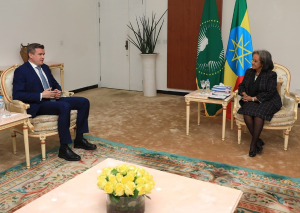
President Sahle-Work Holds Discussion with World Anti-Doping Agency President Bonka
Mar 29, 2023 416308
Addis Ababa March 29/2023/ENA/ President Sahle-Work Zewde has received a delegation led by World Anti-Doping Agency (WADA) President Witold Bonka today, according to the Office of the President. The discussion centered on the conditions under which Ethiopia and the World Anti-Doping Agency can work closely in anti-doping control and investigation, and how the organization can provide technical support, it was learned. During the discussion, Sahle-Work said that Ethiopia has a long history in athletics and is known in the world since athlete Abebe Bikila won marathon in Rome. She finally thanked the World Anti-Doping Agency for its technical support in anti-doping control.
Ethiopian Diaspora Demand Egypt to Change Counterproductive Posture on GERD
Apr 4, 2023 326101
Addis Ababa April 4/2023 (ENA) Ethiopians in the Diaspora have called on Egypt to change its counterproductive posture and find mutually beneficial agreements on the Grand Ethiopian Renaissance Dam (GERD). In a statement the diaspora issued yesterday, they noted that Ethiopia is the main source of the Nile by contributing 86 percent of the water to the Nile basin states while utilizing less than 1 percent of the potential for hydroelectric power. Ethiopians are currently building the GERD on the Blue Nile that is financed entirely by Ethiopians and is a crucial project for the country's development as it will provide clean, renewable energy and lift millions out of poverty. About 65 percent of the 122 million of Ethiopia's population have no access to any form of electricity. The much-needed electricity will facilitate economic growth for Ethiopia and the region, the statement elaborated. The dam will promote regional cooperation and integration while offering opportunity for eleven countries of the Nile Basin to work together to manage the river's resources more efficiently and effectively, it added. The GERD is being built with the highest environmental and technical standards to achieve the objectives of the national electrification program and the execution of Ethiopia’s Climate-Resilient Green Economy Strategy. According to the statement, Ethiopia has provided scientific evidence and expert testimonies that GERD will not significantly affect the flow of water downstream, and provided compelling arguments for the need for equitable use of the Nile's resources by all countries in the region. The diaspora further said they understand that the GERD has raised concerns in Egypt about the downstream effects on the Nile's flow and water availability since Egyptians have been misinformed about the GERD for many years. But on the contrary, the dam will provide several benefits to Egypt and Sudan, including increased water flow during dry seasons and decreased flooding events. “We want to assure Egyptians that Ethiopians are committed to fair and equitable use of the Nile's waters without harming our downstream neighbors. We recognize that the Nile River is a shared resource, and we support finding a mutually beneficial solution.” As Ethiopians in the Diaspora, we reiterate our support for fair and equitable use of the Nile River and call on the Egyptian people and Egyptian Diaspora to question the misinformation about the GERD in Egypt's mainstream media and embrace the spirit of friendship and cooperation by understanding that the GERD is a project of great national importance to Ethiopians that will benefit Egyptians by ensuring a reliable and predictable supply of water, that Ethiopians have the right to use their water resources for the development of its people and economy, in accordance with the principles of equitable and reasonable utilization without causing significant harm. Efforts to destabilize Ethiopia by the regime in Egypt, will indeed affect the historical and diplomatic relations dating back to several thousand years, the long-term interest of the Egyptian people and make Ethiopians less trusting in cooperating on the GERD and future hydropower projects on the Nile, they warned. The diaspora groups urged Egyptian leaders to engage in constructive dialogue with the leaders of Ethiopia regarding the GERD and steer away from their counterproductive posture of calling for a “binding agreement” on the GERD filling and the subsequent operations as an imposing instrument on water sharing that Ethiopians will never accept. The GERD can be a source of cooperation and collaboration between our two countries rather than a source of conflict, they underscored. "Ethiopians believe that, through dialogue and understanding, peaceful and equitable agreements that benefit all parties involved can be realized to build a brighter future for all people in the Nile basin. Belligerent positions by Egyptian leaders stating ‘all options are open’ are contrary to the spirit of the 2015 Declaration of Principles signed by Ethiopia, Sudan and Egypt." According to the statement, such postures will surely harm Egypt's long-term interest and impede trustful cooperation with the Ethiopian people and government. They asked Arab League and its member states to refrain from interfering in the issue of the GERD, which is the sole concern of the three riparian countries (Ethiopia, Sudan and Egypt) and their shared regional organization (the African Union), which is mediating the talks to find ‘African Solutions to African Problems.’ The issues remaining on the table at the trilateral negotiations under the auspices of the African Union are being narrowed to a handful of critical matters on equity and justice, on which the Arab league nations have no business or legal right to be involved.

Ethiopia's Ayana Takes Paris Win on Marathon Debut
Apr 2, 2023 324894
Addis Ababa April 2/ 2023 (ENA) Ethiopia's Abeje Ayana won the men's race at the Paris Marathon on Sunday in his first competitive run over the distance. The 20-year-old Ayana won with a time of two hours, seven minutes and 15 seconds, 20 seconds ahead of compatriot and pre-race favourite Guye Adola with Kenya's Josphat Boit a further five seconds back in third. After clocking 59:39 in a half marathon in Poznan, Poland in 2021, Ayana was one of the men to watch on a grey, windy morning in the French capital, Reuters reported.
Africa’s Sustainable Growth Hinges on Science, Technology and Innovation: Experts
Mar 3, 2023 321045
Addis Ababa March 3/2023/ENA/ Achieving the ambitious targets of the 2030 and 2063 Agendas of Africa requires leveraging the power of science, technology, and innovation (STI), according to experts. A press release issued by the ECA stated experts at the Ninth African Regional Forum on Sustainable Development have emphasized the crucial role of STI as a key driver and enabler for ensuring economic growth, improving well-being, mitigating the effects of climate change, and safeguarding the environment. They also underscored the need to strengthen national and regional STI ecosystems by fostering innovation, promoting entrepreneurship, and investing in research and development. By doing so, the experts said that Africa can harness the potential of STI to accelerate its socio-economic progress and achieve the Sustainable Development Goals (SDGs) by 2030 and the African Union's Agenda by 2063. The session, held on 2 March 2023, builds on the recommendations of the Fifth African Science, Technology, and Innovation Forum, which accentuates the central role of STI and digitalization during the COVID-19 pandemic and the need for the necessary infrastructures for the development of STI, plans, and policies that are action-oriented towards strengthening its full implantation. The experts highlighted that despite advances in STI, significant gaps remain in bridging the scientific and technological divide between developed countries and Africa. The highly uneven global distribution of scientific capacity and access to knowledge threatens to derail the goal of leaving no one behind, which is the central and transformative promise of Agenda 2030. “We need a clear political will from governments to ensure science, technology, and innovation is a reality. By doing so our education systems will be capacitated to deliver knowledge that is vital to solving Africa’s sustainability challenges,” Niger Higher Education and Research Minister Mamoudou Djibo said. The strategy includes the establishment of universities as centers for excellence and investments in education, technical competencies, and training in the fields of science, technology, research, and innovation. These initiatives are crucial in accelerating progress towards achieving global goals. However, in order to fully leverage the potential of STI, significant investments in research and development are required. National systems also need to be strengthened, Namibia Information and Communication Technologies Deputy Minister Emma Theophilus, stated adding that “strengthening our national systems for STI is a key game changer for rapid structural transformation in Africa. Leveraging the digital transformation can achieve a stronger, smarter, and more inclusive recovery.” Emerging evidence suggests that an STI and digital Africa can be a springboard to accelerate the implementation of the SDGs and fulfill the aspirations of Agenda 2063.
Feature Article
.jpg)
COP32 Offers Ethiopia A Strategic Path to Green Growth and Global Influence
Nov 27, 2026 3762
By Staff Writer When world leaders, policymakers, climate negotiators, investors, and development partners gather in Addis Ababa from November 8 to 19, 2027, for the 32nd United Nations Climate Change Conference (COP32), Ethiopia will take center stage in global climate diplomacy at a defining moment for the country and the African continent. Hosting the summit presents Ethiopia with a historic opportunity to strengthen its international standing, mobilize climate finance, attract green investment, deepen development partnerships, and accelerate its transition toward a climate-resilient, low-carbon economy. Beyond convening one of the world's largest diplomatic gatherings, COP32 provides Ethiopia with a powerful platform to place Africa's climate priorities at the heart of global negotiations while showcasing its progress in renewable energy, environmental restoration, sustainable transport, and green development. The opportunity also carries significant political and economic weight. For Ethiopia, COP32 is not simply an international conference to be organized and successfully delivered. It is an opportunity to translate diplomatic leadership into concrete development gains, positioning the country as a destination for climate investment and a prominent voice in shaping the future of global climate cooperation. Ethiopia secured the hosting role following unanimous endorsement by the African Group of Negotiators at COP30 in Belém, Brazil, in November 2025, after Nigeria withdrew its competing bid in support of a unified African candidacy. The endorsement reflected continental confidence in Ethiopia's diplomatic standing and its growing engagement in international climate affairs. The conference also builds on Ethiopia's experience hosting the Second Africa Climate Summit in September 2025, which attracted more than 25,000 participants and produced the Addis Ababa Declaration. As the headquarters of the African Union, Addis Ababa is uniquely positioned to bring together world leaders, policymakers, development partners, climate experts, and investors. The Strategic Value of COP32 The strategic value of COP32 extends far beyond international recognition. It offers Ethiopia an opportunity to mobilize financing for renewable energy, climate-smart agriculture, resilient infrastructure, forest restoration, clean technologies, and sustainable urban development. It also provides a critical platform for advocating accessible, predictable, affordable, and concessional climate finance for African countries, which have contributed relatively little to historical global emissions but face disproportionately severe climate impacts. At COP29 in Baku, countries agreed on a new climate finance goal calling on developed countries to take the lead in mobilizing at least 300 billion USD annually for developing nations by 2035, within a broader ambition to scale climate finance from all sources to 1.3 trillion USD annually. Ethiopia can use its COP32 presidency to advocate for practical mechanisms that translate these commitments into accessible financing for vulnerable economies. Prime Minister Abiy Ahmed has consistently emphasized that climate action must be viewed as an economic and development priority rather than a narrowly environmental concern. Addressing the opening of COP31 in Antalya, Türkiye, in November 2026, he stated: "In Ethiopia, climate action is economic policy." The statement captures an important dimension of Ethiopia's approach to climate change: environmental protection, economic transformation, agricultural productivity, energy development, and livelihood security are interconnected priorities. During the same conference, the Prime Minister called for climate financing that reaches vulnerable communities before disasters occur, stressing: "Funding should be agreed in advance. It can then move at the speed of our forecasters, while there is still time to save lives." These remarks offer a clear indication of the priorities Ethiopia intends to advance as it prepares to assume a prominent role in international climate diplomacy through COP32. Prime Minister Abiy has also highlighted the broader national benefits of hosting the conference. In convening the COP32 National Steering Committee on November 16, 2026, he described the summit as an opportunity to advance Ethiopia's climate and environmental agenda, strengthen international partnerships, attract investment, and translate national initiatives into lasting development outcomes. He further emphasized the need for a coordinated, whole-of-government approach to ensure that preparations are aligned and the country is ready to deliver a successful international conference. Domestic Transformation: Building Credibility Through Action Ethiopia's ambition to host COP32 is anchored in domestic initiatives demonstrating its commitment to environmental protection, renewable energy, and climate-resilient development. One of the most visible is the Green Legacy Initiative, launched in 2019. The nationwide program has mobilized millions of citizens in large-scale tree-planting and environmental restoration campaigns. Government figures indicate that more than 56 billion seedlings have been planted through the initiative, reflecting the scale of the country's efforts to restore degraded landscapes and expand green spaces. The initiative has become an important component of Ethiopia's environmental diplomacy. It also demonstrates how public participation can support national environmental objectives while creating awareness about the importance of protecting natural resources. Speaking at the Second Africa Climate Summit in Addis Ababa in September 2025, Prime Minister Abiy highlighted the initiative as an example of Ethiopia's homegrown climate solutions. He also articulated a broader African ambition, declaring: "We are not here to negotiate our survival. We are here to design the world's next climate economy." The statement reflects Ethiopia's intention to move beyond the conventional portrayal of Africa as merely a victim of climate change and instead position the continent as an active contributor to global climate solutions. In the energy sector, Ethiopia has steadily expanded its renewable electricity generation capacity through investments in hydropower, wind, and solar energy. The inauguration of the Grand Ethiopian Renaissance Dam (GERD) in September 2025 marked a major milestone in the country's ambition to strengthen clean energy generation, expand electricity access, and increase regional power exports. Ethiopia has also taken significant steps toward sustainable transport. Since January 2024, the country has restricted imports of conventional petrol- and diesel-powered vehicles as part of its transition toward electric mobility. Although expanding charging infrastructure, ensuring vehicle affordability, and strengthening electricity distribution remain important priorities, the policy positions Ethiopia as an early mover in Africa's clean transport transition. These initiatives complement Ethiopia's updated Nationally Determined Contribution (NDC 3.0), which targets a reduction in projected greenhouse gas emissions of up to 70.3 percent below business-as-usual levels by 2035, contingent on international support, alongside a long-term ambition of achieving carbon neutrality by 2050. However, Ethiopia's climate agenda extends beyond emissions reduction. Climate change poses significant risks to agriculture, food security, water resources, and rural livelihoods. World Bank assessments have estimated that climate impacts could cost the country between 1 and 1.5 percent of GDP annually, with the potential for substantially greater losses in the coming decades. Consequently, adaptation financing, climate-resilient agriculture, water resource management, early-warning systems, and disaster preparedness must remain central priorities in Ethiopia's preparations for COP32. This is particularly important given the Prime Minister's recent emphasis on early action and financial support for vulnerable communities. At COP31, he underscored the urgency of ensuring that climate finance is available when early warnings are issued and reaches those most exposed to climate risks. His appeal was particularly powerful when he observed: "Our farmers once trusted the seasons to arrive on time. Let us make sure our support does." The statement captures the human dimension of climate change and reinforces the importance of ensuring that international climate commitments produce tangible benefits for communities whose livelihoods depend on increasingly unpredictable weather patterns. Advancing Africa's Climate Priorities COP32 will give Ethiopia an influential platform to amplify Africa's collective position in international climate negotiations, particularly on climate finance, technology transfer, adaptation, and loss and damage. For African countries, the central challenge is balancing the urgent need for industrialization, energy access, employment creation, and agricultural modernization with the growing threats posed by climate change. Ethiopia can use its COP32 presidency to champion a development framework that recognizes Africa's right to economic transformation while supporting clean energy, environmental protection, and climate resilience. At the Second Africa Climate Summit, Prime Minister Abiy offered a particularly important perspective on the continent's position in the global climate economy. He called for a shift in how international partners approach Africa's climate ambitions, stating: "It is time to replace climate aid with climate investment. This is not charity. It is the most strategic investment humanity can make." This position could become a defining theme of Ethiopia's COP32 diplomacy. Rather than treating Africa primarily as a recipient of climate assistance, Ethiopia can advocate for investment partnerships that recognize the continent's enormous renewable energy potential, agricultural resources, biodiversity, critical minerals, and young population. The continent has considerable opportunities to develop solar, wind, geothermal, and hydropower resources, expand green industrialization, strengthen sustainable agriculture, and build climate-resilient infrastructure. However, realizing these opportunities requires affordable financing, technology transfer, capacity building, and stronger international partnerships. COP32 should therefore provide a platform for moving beyond declarations toward practical investment agreements, bankable projects, and measurable implementation commitments. The summit will also offer Ethiopia an opportunity to showcase its tourism potential, biodiversity, cultural heritage, and emerging economic opportunities. From the historical landmarks of Aksum and Lalibela to the Simien and Bale Mountains, the Great Rift Valley, and Lake Tana, Ethiopia possesses considerable natural and cultural assets that can reinforce its broader green growth narrative. Hosting thousands of international delegates will also generate economic opportunities across tourism, hospitality, transport, construction, and other service industries. Investments in conference facilities, urban infrastructure, transport networks, accommodation, and digital connectivity could produce economic benefits extending well beyond the summit. Turning COP32 into Lasting National Gains With less than a year remaining before the summit opens, effective implementation will be decisive in turning Ethiopia's hosting responsibilities into lasting national benefits. The government's establishment of coordination structures and engagement with international partners, alongside Prime Minister Abiy's convening of the National Steering Committee, signals the importance attached to a coordinated national preparation process. Successful delivery will require targeted investments in conference venues, hospitality, public transport, security, telecommunications, and urban environmental management. Equally important will be the participation of the private sector, universities, research institutions, civil society organizations, youth groups, and local communities. The private sector, in particular, has an important role to play in converting the international attention generated by COP32 into investment opportunities. Businesses operating in renewable energy, electric mobility, construction, agriculture, tourism, manufacturing, and financial services should be encouraged to develop partnerships and investment proposals ahead of the conference. Ethiopia must also ensure that its domestic climate achievements are supported by transparent implementation and measurable results. Expanding last-mile electricity access, scaling up clean cooking solutions, strengthening electric vehicle infrastructure, improving climate-smart agricultural practices, and monitoring the long-term survival of planted trees are among the important benchmarks that can demonstrate progress. The conference should also provide an opportunity to strengthen Ethiopia's institutional capacity for climate finance mobilization, project preparation, environmental governance, and international partnership management. Ultimately, the country's credibility as a climate host will depend not only on its ability to organize a successful international gathering but also on its capacity to demonstrate that its climate ambitions are translating into practical development outcomes. A Defining Opportunity for Ethiopia and Africa COP32 represents both an international responsibility and a defining national opportunity for Ethiopia. Prime Minister Abiy Ahmed's vision of moving from climate aid toward climate investment, combined with his emphasis on early action, accessible financing, and climate-resilient development, provides an important foundation for shaping Ethiopia's engagement with the international community. The country's presidency can help advance a more balanced global climate agenda—one that recognizes Africa's development aspirations, acknowledges its disproportionate vulnerability to climate impacts, and creates opportunities for the continent to participate more meaningfully in the emerging global green economy. For Ethiopia, the challenge is to ensure that the diplomatic visibility and international partnerships generated by COP32 translate into renewable energy investments, stronger infrastructure, employment opportunities, improved livelihoods, and greater climate resilience. The ultimate measure of Ethiopia's COP32 presidency will not simply be the successful organization of a global summit in Addis Ababa. It will be the extent to which the conference helps convert international commitments into tangible investments, strengthens Africa's voice in global climate governance, and delivers lasting benefits for Ethiopians and the wider African continent.
.jpg)
Ethiopia Advances Global Peacekeeping Ambitions, Climate Diplomacy and Strategic Red Sea Aspirations
Nov 22, 2026 17207
By Staff Writer November 22, 2026 (ENA) From strengthening its legacy in international peacekeeping and preparing to host COP32 to expanding diplomatic partnerships and renewing the debate over Red Sea access, Ethiopia’s engagements throughout the week highlighted its ambition to shape regional stability and play a more influential role in global affairs. Ethiopia has intensified its diplomatic, security and development engagements, projecting an increasingly multifaceted vision of its role in Africa and the wider international community. Developments throughout the week reflected the country's efforts to consolidate its longstanding contribution to international peacekeeping, strengthen its climate leadership ahead of hosting COP32 in 2027, deepen regional cooperation and advance discussions surrounding its strategic maritime interests. Together, these developments underscore Ethiopia's ambition to translate its historical diplomatic standing, growing national capabilities and development achievements into greater regional and international influence. Seven Decades of Peacekeeping: Ethiopia Seeks to Strengthen Its Global Role Ethiopia's longstanding contribution to international peacekeeping remains a defining pillar of its foreign policy and international engagement, with the country now seeking to adapt its capabilities to an increasingly complex global security environment. Speaking at a consultative forum jointly organized by the Ethiopian National Defense Force's International Peace Support Training Institute (IPSTI) and the Ethiopian National Defense College, IPSTI Commandant Brigadier General Gezahegn Fekadu underscored Ethiopia's nearly seven-decade legacy of contributing to international peace and security. From its participation in the Korean War to subsequent peace support missions in Sudan, South Sudan and Somalia, Ethiopia has maintained a sustained presence in international and regional efforts to promote stability. However, the changing global security landscape, declining funding for peace operations and political disagreements within multilateral institutions are creating new challenges for troop-contributing countries. Gezahegn stressed that Ethiopia must strengthen its operational readiness, modernize its capabilities and establish sustainable partnerships to maintain its position as a major contributor to international peacekeeping. He also highlighted the significant progress made by the Ethiopian National Defense Force through organizational reforms, improved weaponry, advanced training and broader capacity-building initiatives. These developments, he noted, have strengthened the country's defense readiness while enhancing its ability to safeguard national interests and contribute to regional security. The strategic discussion was further reinforced by FDRE Navy Commandant Vice Admiral Kindu Gezu, who emphasized that Ethiopia's future peacekeeping engagements must balance national security priorities, international responsibilities and its enduring commitment to stability in the Horn of Africa. He described the country's peacekeeping legacy as more than an international obligation, characterizing it as a national asset and strategic legacy that should inform future engagements. The message emerging from the forum was clear: Ethiopia cannot rely solely on its historical achievements. It must continuously adapt its military capabilities, operational strategies and international partnerships to remain relevant in a rapidly changing global security environment. Securing Sovereign Red Sea Access and Its Regional Implications Alongside its peacekeeping ambitions, Ethiopia's strategic interest in the Red Sea continued to feature prominently in discussions about its long-term economic and geopolitical future. Political scientist Bizuneh Yimenu, a lecturer in Comparative Politics at Queen's University Belfast, argued that Ethiopia's maritime future should ultimately be based on sovereign ownership of a Red Sea port rather than continued dependence on access arrangements with neighboring countries. He described Eritrea's independence in 1993 and the subsequent loss of Ethiopia's coastline as a major geopolitical transformation whose implications continue to shape the country's strategic calculations. According to Bizuneh, the political process surrounding Eritrea's independence should have included separate negotiations over Ethiopia's maritime position and unresolved border questions. He maintained that the legitimacy of Eritrea's self-determination and Ethiopia's responsibility to safeguard its strategic interests were distinct matters that should have been addressed independently. The scholar emphasized that the issue should now be pursued through political dialogue, diplomacy, regional integration and negotiations rather than rigid legal or constitutional arguments. His assessment highlights the wider geopolitical and economic significance of Ethiopia's maritime aspirations, particularly for a country whose population, economic ambitions and regional responsibilities continue to expand. COP32: Ethiopia Positions Climate Leadership at the Center of Its Global Engagement On the climate diplomacy front, Prime Minister Abiy Ahmed reaffirmed the government's commitment to ensuring successful preparations for COP32, which Ethiopia is scheduled to host in 2027. The Prime Minister said he convened the COP32 National Steering Committee to review progress, assess preparations and provide strategic direction for the country's hosting of the global climate summit. He called for a coordinated, whole-of-government approach, emphasizing that all task forces must work in alignment to ensure effective preparations and successful delivery of the conference. Beyond hosting a major international gathering, Abiy described COP32 as a strategic opportunity for Ethiopia to advance its environmental priorities, strengthen international partnerships, attract investment and translate ongoing national initiatives into lasting development outcomes. The summit is expected to provide Ethiopia with an important international platform to showcase its climate initiatives, development priorities and commitment to sustainable growth. For Ethiopia, COP32 represents more than a diplomatic hosting responsibility. It offers an opportunity to connect its domestic development agenda with global climate action, particularly around climate finance, green investment, renewable energy and sustainable development. GERD: A Landmark for Ethiopia's Energy Future and Regional Cooperation Ethiopia's development ambitions also received international recognition during a visit by a delegation from the United States Council on Foreign Relations (CFR) to the Grand Ethiopian Renaissance Dam (GERD). Led by CFR President Michael Froman, the delegation described the mega-hydropower project as a remarkable engineering achievement and an important milestone for Ethiopia's economic growth, industrial development and regional energy cooperation. The visiting delegation, including Mahesh K. Kotecha, Kevin Kinsella and Michelle Gavin, expressed admiration for the project's scale, efficiency and significance. Froman acknowledged the enormous investment of time, financial resources and human effort behind the construction of the dam, describing its completion as a major accomplishment for Ethiopia and the wider region. He also highlighted its potential to generate electricity for Ethiopia and neighboring countries, contributing to broader economic development and regional energy cooperation. The visit placed the GERD in the wider context of Africa's energy transformation, demonstrating the importance of large-scale infrastructure in supporting industrialization, expanding electricity access and strengthening economic connectivity. IGAD Chief Reaffirms Ethiopia's Indispensable Regional Leadership Ethiopia's regional diplomatic significance was further underscored by Intergovernmental Authority on Development (IGAD) Executive Secretary Dr. Workneh Gebeyehu, who described the country as an indispensable anchor for peace, diplomacy and cooperation across the Greater Horn of Africa. Speaking to ENA, Workneh highlighted Ethiopia's founding role in IGAD and its longstanding contribution to regional integration and collective action. He also noted that Ethiopia has played a significant role in the leadership of the regional organization, including his own tenure as Executive Secretary for more than eight years. "Ethiopia's role is indispensable. It can lead in peace, diplomacy, and bringing all member states together. We appreciate Ethiopia's role, not only in the region but also across the continent," he said. His remarks reinforced Ethiopia's strategic importance in advancing regional solidarity, promoting dialogue and mobilizing collective responses to shared challenges. At a time when the Horn of Africa faces complex political, security and economic dynamics, Ethiopia's diplomatic influence and geographical position make its engagement central to efforts aimed at building a more integrated and stable region. New Ambassadors Signal Stronger Partnerships with Ethiopia Ethiopia's diplomatic engagement also gained momentum as President Taye Atske Selassie received the credentials of 16 newly appointed ambassadors, marking another opportunity to strengthen bilateral and multilateral relations. The newly accredited diplomats expressed their commitment to expanding cooperation with Ethiopia across trade, investment, peace and security, agriculture, digitalization, healthcare and cultural exchange. Norwegian Ambassador Yngvild Berggrav described Ethiopia as a strategic country and pledged to build on existing areas of cooperation. Finnish Ambassador Erik Lundberg and Maltese Ambassador Bernard Hamilton also expressed their commitment to further strengthening relations with Ethiopia. Meanwhile, Republic of Korea Ambassador Koo Hong-seok highlighted opportunities to attract additional South Korean investment, particularly in agriculture, digitalization and healthcare. He also paid tribute to Ethiopia's historic contribution to the Korean War, recalling the sacrifices made by Ethiopian soldiers in defending South Korea's freedom and independence. The ambassador affirmed that his country would continue supporting Ethiopian veterans and their families, while working to deepen bilateral relations. The diplomatic commitments reflect Ethiopia's continuing importance as a partner for countries seeking expanded engagement in the Horn of Africa and across the African continent. A Broader Strategic Vision In nutshell, the week's developments reveal a country seeking to strengthen its influence through multiple interconnected fronts. Its peacekeeping legacy provides a foundation for greater international security engagement, while military modernization is intended to sustain its capacity to respond to emerging threats. Its preparations for COP32 offer an opportunity to elevate its climate diplomacy and attract international investment. The GERD, meanwhile, demonstrates the country's determination to expand energy production and contribute to regional economic transformation. At the same time, Ethiopia's diplomatic partnerships and renewed maritime debate reflect its broader ambition to secure strategic interests, deepen regional integration and expand its international standing. The challenge ahead will be to translate these ambitions into sustainable outcomes through diplomacy, institutional capacity, economic cooperation and constructive regional engagement. Eventually, Ethiopia's engagements throughout the week point to a broader national aspiration: to move beyond its historical role as a major African diplomatic and security actor and strengthen its position as an influential force in shaping Africa's peace, prosperity, climate future and strategic direction.


