ENA - ENA English
Live:
Headlines
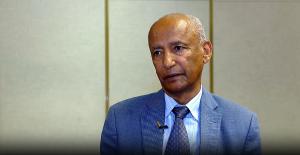
Starting Inclusive Nat'l Dialogue that Lay Foundation for Culture of Consultation Major Success in Ethiopia: ENDC
Apr 4, 2026 136
Addis Ababa, April 4, 2026 (ENA) —Ethiopian National Dialogue (END) Chief Commissioner, Professor Mesfin Araya, said starting an inclusive national dialogue that has a potential to lay foundation for consultation as a culture in the country is a major success for the commission. In an exclusive interview with ENA, Chief Commissioner Mesfin emphasized the achievements made since the establishment of the commission over the past three. According to him, the major success for the commission is to see that Ethiopians have started dialogue. For the first time, people from both the center and the periphery are taking part in the national dialogue on equal footing. He noted that the national dialogue process has removed the long-standing discrimination which confined political participation to those from central highland areas. “Now, for the first time, the Ethiopian pastoralist woman is discussing the fate of her country openly and transparently,” the Chief Commissioner said, citing women from Afar and Somali regions as well as inhabitants from the southern remote area Salamago have joined discussions on issues they consider relevant to the nation’s future. He underscored that the commission’s inclusive approach is not merely a matter of political correctness but essential for national survival. Traditionally marginalized groups — including artisans and others sidelined because of identity or occupation — have taken part in the consultations after years of subjugation and exclusion. The final phase of the dialogue will bring together 4,000 representatives that convene in a national conference which deliberates on national issues and work toward consensus. Where consensus cannot be reached, the Chief Commissioner said, it will forward matters for nationwide resolution, including possible referenda or issues that may be deferred to future generations. “Let us lay the weapon down, come together, bring out contentious issues that are relevant to national peace and progress, and continue discussing until we reach proper conclusions,” he urged. Chief Commissioner Mesfin described Ethiopia as richly diverse — home to more than 80 nations, nationalities and peoples — each with its own conflict-resolution practices. The ENDC aims to blend those traditional mechanisms with modern dialogue techniques under neutral facilitation by the commissioners, he said. “What we are doing is, I believe, the first of its kind — not only for Ethiopia but as an exemplary process for others,” the Chief Commissioner added. Unlike many dialogue processes that are top-down and dominated by elites, Ethiopia’s approach is bottom-up, driven by pastoralists, farmers, artisans and ordinary citizens alongside political elites and government representatives, he noted. The dialogue is open and inclusive to marginalized groups, women, persons with disabilities, pastoralists, and among other segments of the society. Above all, people are speaking their minds without reservation, and the neutrality and impartiality of the commission are crucial because there is no interference whatsoever from the government. For the Chief Commissioner, inclusivity is a foundational pillar of the dialogue. The ENDC’s outreach has already reached 1,234 Woredas nationwide, with remaining gaps concentrated in parts of Tigray region. The Ethiopian National Dialogue Commission plans to complete the coverage gap before holding a national plenary.
.jpg)
Ethiopia Enters New Scientific Age as PM Abiy Launches Advanced Research Hub
Apr 4, 2026 352
Addis Ababa, April 4, 2026 (ENA) —Prime Minister Abiy Ahmed has inaugurated a state-of-the-art research complex, marking what he described as the beginning of a new scientific era for Ethiopia and the broader African continent. The facility, located within the prestigious Armauer Hansen Research Institute (AHRI), is being hailed as a transformative step in the country’s journey toward innovation-driven development. In a social media post, the Prime Minister emphasized that the complex goes beyond physical infrastructure, calling it “a strategic leap” toward positioning Ethiopia as a leading center for scientific research, health security, and technological advancement. The newly launched hub features 40 fully equipped laboratories, alongside advanced genomics and bioinformatics platforms—tools that will enable Ethiopian scientists to engage in cutting-edge medical and scientific research on a global scale. A key highlight of the facility is its bioequivalence center, which will ensure the quality, safety, and effectiveness of medicines produced locally. This development is expected to significantly reduce Ethiopia’s dependence on imported pharmaceuticals while strengthening domestic manufacturing capacity. According to Prime Minister Abiy, the center is designed not only to generate scientific knowledge but also to translate research into tangible solutions. By connecting science with policymaking, the complex will support improved healthcare delivery, enhance emergency preparedness, and build resilience against future public health threats. The initiative represents a major step toward achieving pharmaceutical self-sufficiency and long-term health security. "By transforming research into policy and innovation into practical solutions, this center represents a major step toward achieving self-sufficiency in pharmaceutical production, and for sustainable health security and most importantly building on the progress we have made toward independence in other key sectors," PM Abiy underscored. It also aligns with Ethiopia’s broader ambition to attain greater independence across critical sectors through homegrown innovation and sustainable development. Ultimately, the new AHRI complex stands as more than a research facility, it is a bold symbol of Ethiopia’s commitment to a healthier, more self-reliant future, and a significant contribution to Africa’s scientific

Ethiopia’s Energy Transformation Gains Momentum Under Reform
Apr 4, 2026 659
By Staff Writer Addis Ababa, April 4, 2026 (ENA) —Anniversaries often invite reflection. In Ethiopia’s case, however, the eighth year since the reform government took office signals something more dynamic: a transformation still in motion, quietly reshaping the country’s economic foundations with lasting consequence. Few sectors illustrate this shift more clearly than energy. Long defined by paradox, abundant natural resources alongside limited access and persistent shortages, Ethiopia’s energy landscape is undergoing a profound structural reset. What was once a bottleneck to growth is steadily emerging as a pillar of national strategy in Africa. At the heart of this evolution stands the Grand Ethiopian Renaissance Dam, a project that embodies both ambition and pragmatism. With a capacity exceeding over 5,000 megawatts, it represents more than engineering scale; it signals a deliberate pivot toward energy security, industrial expansion, and regional integration. Yet the real story of transformation extends beyond any single project. It lies in the broader reimagining of how energy can power not just homes and industries, but the trajectory of a nation. Further downstream, the Koysha Hydroelectric Power Station is steadily advancing, adding another critical layer to the country’s hydropower capacity. With an expected generation capacity exceeding 2,000 megawatts, Koysha represents the continuation of a long-standing strategy: harnessing Ethiopia’s vast river systems to drive sustainable growth. Hydropower, however, is no longer the sole pillar. In recent years, Ethiopia has moved deliberately to diversify its energy mix, recognizing that resilience lies in complementarity. Wind energy projects such as the Ashegoda Wind Farm, Adama Wind Farm and the Aysha Wind Power Project is a landmark 300 MW renewable energy development in Ethiopia's Somali Region have demonstrated the viability of large-scale wind generation, contributing hundreds of megawatts to the grid. These projects, signal a shift toward a more balanced energy portfolio, one less vulnerable to seasonal variability and better aligned with global trends in renewable energy. Solar energy, too, is emerging as a critical frontier. Agreements signed with international partners for the development of utility-scale solar projects are beginning to translate into tangible progress. Ethiopia’s vast solar potential, long acknowledged but underutilized, is now being systematically integrated into the national energy strategy. The Ministry of Finance has emphasized that such partnerships are key to mobilizing investment and accelerating the transition toward clean energy. Perhaps most indicative of the reform government’s forward-looking approach is its entry into the realm of nuclear energy. Recent agreements to explore nuclear power development for peaceful purposes, in collaboration with international partners, mark a significant step toward diversifying Ethiopia’s long-term energy base. While still at an early stage, the initiative reflects a recognition that future energy security will require a mix that extends beyond conventional renewables. At the same time, Ethiopia is not neglecting transitional energy sources. The development of natural gas resources in the Somali region, particularly the Kalub Gas Field, is opening new possibilities for gas-fired power generation. Officials indicate that gas-to-power projects could provide a stable and flexible energy source, complementing intermittent renewables while supporting industrial growth. The integration of gas-fired power into the energy mix is being carefully calibrated to align with the country’s broader commitment to green development. Taken together, these efforts point to a deliberate strategy: to build an energy system that is not only expansive, but adaptive. The results are beginning to manifest. Ethiopia’s electricity generation capacity has grown significantly over the past years, while access to power is expanding to previously underserved areas. Export agreements with neighboring countries are also gaining traction, positioning Ethiopia as a net exporter of clean energy within the region. More importantly, the country’s energy trajectory is increasingly aligned with global climate goals. With over 90 percent of its electricity generated from renewable sources, Ethiopia stands among the leading nations in clean energy utilization. The Ministry of Planning and Development notes that this positions the country favorably within international climate frameworks, while also enhancing its attractiveness for green investment. Yet, beyond statistics and infrastructure, there is a deeper narrative at play. Energy, in the Ethiopian context, is no longer viewed merely as a utility. It is becoming an instrument of transformation by powering industries, enabling digital connectivity, supporting irrigation, and underpinning the broader economic reform agenda. Observers often remark that development is, at its core, about unlocking potential. In Ethiopia’s case, that potential has long resided in its rivers, its sun, its wind, and beneath its land. What the past eight years have demonstrated is a growing capacity to translate that potential into reality. The journey is far from complete. Challenges remain in financing, implementation, and ensuring equitable access. But the direction is unmistakable. From the towering turbines of GERD to the windswept plains of Ashegoda, from the emerging promise of solar fields to the untapped reserves of natural gas, Ethiopia is assembling an energy future that is as diverse as it is ambitious. And in doing so, it is not merely meeting its own needs. It is laying the foundation to power a region, sustain a green economy, and redefine its place in a world increasingly shaped by energy transitions. On this anniversary of reform, the message is clear: Ethiopia is not only generating power. The East African nation is generating possibility.
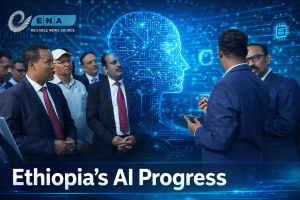
Global Tech Leaders Praise Ethiopia’s AI Progress, Call for Scaling Innovation
Apr 4, 2026 951
Addis Ababa, April 4, 2026 (ENA) —Ethiopia is gaining recognition from global technology leaders for its rapid advancement in artificial intelligence (AI), urging the country to scale its innovations and strengthen international partnerships to sustain momentum. The remarks came following a visit to the Ethiopian Artificial Intelligence Institute, where industry figures highlighted Ethiopia’s emergence as a promising innovation hub in Africa. Approached by James David, Head of Tata Consultancy Services (TCS) business for Africa, commended Ethiopia’s strong investment in AI and its growing startup ecosystem. He noted that the country’s progress could position it as a model for other African nations. David also emphasized the strategic importance of collaboration with India, pointing out that India’s experience in scaling digital solutions could complement Ethiopia’s innovative capacity. Meanwhile, Edwin Vollanoor, CEO of AppFace Technologies, described the institute as one of the leading AI centers in the region. He praised the quality of technologies showcased, including language models and robotics, calling them “world class.” Vollanoor highlighted that AI solutions are already being deployed in government systems, such as court operations, but stressed the need to expand these innovations to achieve broader impact. He also called for stronger mentorship, incubation, and accelerator programs, encouraging Ethiopia to leverage expertise from countries like China and India. According to Vollanoor, AI holds transformative potential for sectors such as agriculture, transportation, and employment, and could help position Ethiopia as a continental AI hub working alongside the African Union. Separately, Monsy Mathews of Moti Engineering pointed to Ethiopia’s significant technological progress over the past decade, particularly in the financial sector. He noted that banks are increasingly integrating AI into services such as risk management, customer verification, payments, and loan processing. Mathews also referenced ongoing AI and robotic process automation initiatives at Ethio Telecom, indicating that implementation is advancing in phases across sectors. Experts agree that with continued investment, stronger global collaboration, and a focus on scaling innovation, Ethiopia is well positioned to become a leading AI and digital hub in Africa.

US Warplane Downed over Iran, Pilot Rescued
Apr 3, 2026 3488
Addis Ababa, April 3, 2026 (ENA) —A U.S. fighter jet has been shot down over Iran, and search-and-rescue teams have recovered one of the two crew members who ejected, a U.S. official told Reuters. The incident is the first known of its kind in the nearly five-week-old war. One of the crew members aboard the F-15E Strike Eagle has been rescued, Fox News reported. The search is still ongoing for the second crew member, according US media reports. The Pentagon and U.S. Central Command did not respond to requests for comment. The possibility that a U.S. pilot may still be alive inside Iran raises the stakes for Washington in a conflict that has struggled to gain strong public support among Americans, according to opinion polls. It also presents a significant challenge for the U.S. military, which must balance efforts to rescue the missing crew member with the risks posed to personnel involved in potentially dangerous recovery operations behind enemy lines. Iranian officials have called on civilians to report any sightings of the crew and have circulated images on social media that they claim show wreckage from the aircraft. Two U.S. officials said the aircraft was an F-15E fighter jet, which carries two crew members: a pilot and a weapons systems officer. It remains unclear which of the two has been rescued, and no details have been provided on how the recovery was carried out. William Goodhind, a forensic imagery analyst with Contested Ground, said images of a tail fin posted online are consistent with that of an F-15E Strike Eagle. The governor of Kohgiluyeh and Boyer-Ahmad province said anyone who captured or killed the crew would be “specially commended,” Iran’s semi-official ISNA news agency reported. The incident follows threats by Donald Trump to strike Iran heavily, including targeting energy infrastructure and desalination facilities, as he pushes Tehran to end the war on U.S. terms. So far, 13 U.S. service members have been killed and more than 300 wounded in the conflict, according to U.S. Central Command. No American troops have been reported captured. While Trump has portrayed Iran’s military as weakened, reporting by Reuters citing U.S. intelligence suggests Iran still retains significant missile and drone capabilities. U.S. officials say they can confirm the destruction of about one-third of Iran’s missile arsenal, while the status of another third remains uncertain, with strikes likely damaging or burying weapons in underground facilities. The conflict involving the United States and Israel against Iran has spread across the Middle East, killing thousands and driving up global energy prices, raising concerns about inflation worldwide.
Featured
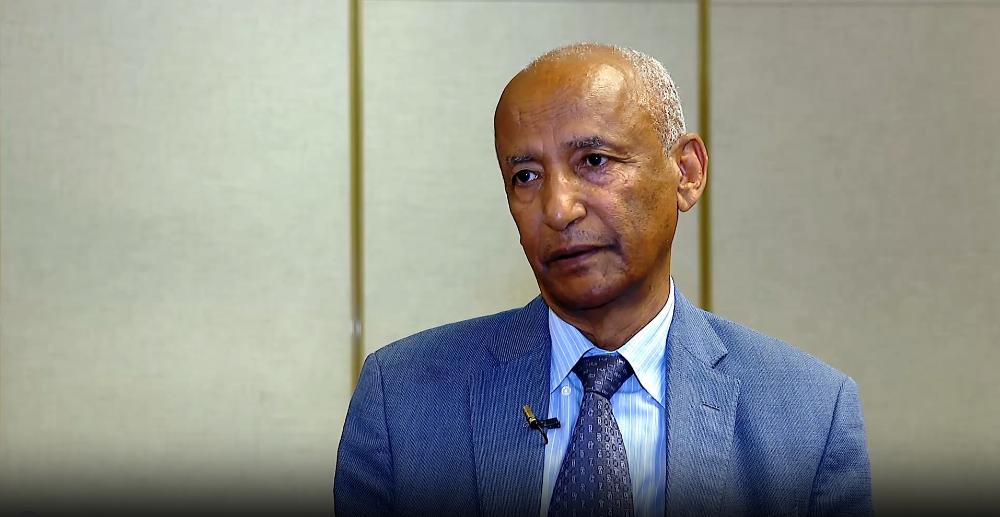
Starting Inclusive Nat'l Dialogue that Lay Foundation for Culture of Consultation Major Success in Ethiopia: ENDC
Apr 4, 2026 136
Addis Ababa, April 4, 2026 (ENA) —Ethiopian National Dialogue (END) Chief Commissioner, Professor Mesfin Araya, said starting an inclusive national dialogue that has a potential to lay foundation for consultation as a culture in the country is a major success for the commission. In an exclusive interview with ENA, Chief Commissioner Mesfin emphasized the achievements made since the establishment of the commission over the past three. According to him, the major success for the commission is to see that Ethiopians have started dialogue. For the first time, people from both the center and the periphery are taking part in the national dialogue on equal footing. He noted that the national dialogue process has removed the long-standing discrimination which confined political participation to those from central highland areas. “Now, for the first time, the Ethiopian pastoralist woman is discussing the fate of her country openly and transparently,” the Chief Commissioner said, citing women from Afar and Somali regions as well as inhabitants from the southern remote area Salamago have joined discussions on issues they consider relevant to the nation’s future. He underscored that the commission’s inclusive approach is not merely a matter of political correctness but essential for national survival. Traditionally marginalized groups — including artisans and others sidelined because of identity or occupation — have taken part in the consultations after years of subjugation and exclusion. The final phase of the dialogue will bring together 4,000 representatives that convene in a national conference which deliberates on national issues and work toward consensus. Where consensus cannot be reached, the Chief Commissioner said, it will forward matters for nationwide resolution, including possible referenda or issues that may be deferred to future generations. “Let us lay the weapon down, come together, bring out contentious issues that are relevant to national peace and progress, and continue discussing until we reach proper conclusions,” he urged. Chief Commissioner Mesfin described Ethiopia as richly diverse — home to more than 80 nations, nationalities and peoples — each with its own conflict-resolution practices. The ENDC aims to blend those traditional mechanisms with modern dialogue techniques under neutral facilitation by the commissioners, he said. “What we are doing is, I believe, the first of its kind — not only for Ethiopia but as an exemplary process for others,” the Chief Commissioner added. Unlike many dialogue processes that are top-down and dominated by elites, Ethiopia’s approach is bottom-up, driven by pastoralists, farmers, artisans and ordinary citizens alongside political elites and government representatives, he noted. The dialogue is open and inclusive to marginalized groups, women, persons with disabilities, pastoralists, and among other segments of the society. Above all, people are speaking their minds without reservation, and the neutrality and impartiality of the commission are crucial because there is no interference whatsoever from the government. For the Chief Commissioner, inclusivity is a foundational pillar of the dialogue. The ENDC’s outreach has already reached 1,234 Woredas nationwide, with remaining gaps concentrated in parts of Tigray region. The Ethiopian National Dialogue Commission plans to complete the coverage gap before holding a national plenary.
.jpg)
Ethiopia Enters New Scientific Age as PM Abiy Launches Advanced Research Hub
Apr 4, 2026 352
Addis Ababa, April 4, 2026 (ENA) —Prime Minister Abiy Ahmed has inaugurated a state-of-the-art research complex, marking what he described as the beginning of a new scientific era for Ethiopia and the broader African continent. The facility, located within the prestigious Armauer Hansen Research Institute (AHRI), is being hailed as a transformative step in the country’s journey toward innovation-driven development. In a social media post, the Prime Minister emphasized that the complex goes beyond physical infrastructure, calling it “a strategic leap” toward positioning Ethiopia as a leading center for scientific research, health security, and technological advancement. The newly launched hub features 40 fully equipped laboratories, alongside advanced genomics and bioinformatics platforms—tools that will enable Ethiopian scientists to engage in cutting-edge medical and scientific research on a global scale. A key highlight of the facility is its bioequivalence center, which will ensure the quality, safety, and effectiveness of medicines produced locally. This development is expected to significantly reduce Ethiopia’s dependence on imported pharmaceuticals while strengthening domestic manufacturing capacity. According to Prime Minister Abiy, the center is designed not only to generate scientific knowledge but also to translate research into tangible solutions. By connecting science with policymaking, the complex will support improved healthcare delivery, enhance emergency preparedness, and build resilience against future public health threats. The initiative represents a major step toward achieving pharmaceutical self-sufficiency and long-term health security. "By transforming research into policy and innovation into practical solutions, this center represents a major step toward achieving self-sufficiency in pharmaceutical production, and for sustainable health security and most importantly building on the progress we have made toward independence in other key sectors," PM Abiy underscored. It also aligns with Ethiopia’s broader ambition to attain greater independence across critical sectors through homegrown innovation and sustainable development. Ultimately, the new AHRI complex stands as more than a research facility, it is a bold symbol of Ethiopia’s commitment to a healthier, more self-reliant future, and a significant contribution to Africa’s scientific

Ethiopia’s Energy Transformation Gains Momentum Under Reform
Apr 4, 2026 659
By Staff Writer Addis Ababa, April 4, 2026 (ENA) —Anniversaries often invite reflection. In Ethiopia’s case, however, the eighth year since the reform government took office signals something more dynamic: a transformation still in motion, quietly reshaping the country’s economic foundations with lasting consequence. Few sectors illustrate this shift more clearly than energy. Long defined by paradox, abundant natural resources alongside limited access and persistent shortages, Ethiopia’s energy landscape is undergoing a profound structural reset. What was once a bottleneck to growth is steadily emerging as a pillar of national strategy in Africa. At the heart of this evolution stands the Grand Ethiopian Renaissance Dam, a project that embodies both ambition and pragmatism. With a capacity exceeding over 5,000 megawatts, it represents more than engineering scale; it signals a deliberate pivot toward energy security, industrial expansion, and regional integration. Yet the real story of transformation extends beyond any single project. It lies in the broader reimagining of how energy can power not just homes and industries, but the trajectory of a nation. Further downstream, the Koysha Hydroelectric Power Station is steadily advancing, adding another critical layer to the country’s hydropower capacity. With an expected generation capacity exceeding 2,000 megawatts, Koysha represents the continuation of a long-standing strategy: harnessing Ethiopia’s vast river systems to drive sustainable growth. Hydropower, however, is no longer the sole pillar. In recent years, Ethiopia has moved deliberately to diversify its energy mix, recognizing that resilience lies in complementarity. Wind energy projects such as the Ashegoda Wind Farm, Adama Wind Farm and the Aysha Wind Power Project is a landmark 300 MW renewable energy development in Ethiopia's Somali Region have demonstrated the viability of large-scale wind generation, contributing hundreds of megawatts to the grid. These projects, signal a shift toward a more balanced energy portfolio, one less vulnerable to seasonal variability and better aligned with global trends in renewable energy. Solar energy, too, is emerging as a critical frontier. Agreements signed with international partners for the development of utility-scale solar projects are beginning to translate into tangible progress. Ethiopia’s vast solar potential, long acknowledged but underutilized, is now being systematically integrated into the national energy strategy. The Ministry of Finance has emphasized that such partnerships are key to mobilizing investment and accelerating the transition toward clean energy. Perhaps most indicative of the reform government’s forward-looking approach is its entry into the realm of nuclear energy. Recent agreements to explore nuclear power development for peaceful purposes, in collaboration with international partners, mark a significant step toward diversifying Ethiopia’s long-term energy base. While still at an early stage, the initiative reflects a recognition that future energy security will require a mix that extends beyond conventional renewables. At the same time, Ethiopia is not neglecting transitional energy sources. The development of natural gas resources in the Somali region, particularly the Kalub Gas Field, is opening new possibilities for gas-fired power generation. Officials indicate that gas-to-power projects could provide a stable and flexible energy source, complementing intermittent renewables while supporting industrial growth. The integration of gas-fired power into the energy mix is being carefully calibrated to align with the country’s broader commitment to green development. Taken together, these efforts point to a deliberate strategy: to build an energy system that is not only expansive, but adaptive. The results are beginning to manifest. Ethiopia’s electricity generation capacity has grown significantly over the past years, while access to power is expanding to previously underserved areas. Export agreements with neighboring countries are also gaining traction, positioning Ethiopia as a net exporter of clean energy within the region. More importantly, the country’s energy trajectory is increasingly aligned with global climate goals. With over 90 percent of its electricity generated from renewable sources, Ethiopia stands among the leading nations in clean energy utilization. The Ministry of Planning and Development notes that this positions the country favorably within international climate frameworks, while also enhancing its attractiveness for green investment. Yet, beyond statistics and infrastructure, there is a deeper narrative at play. Energy, in the Ethiopian context, is no longer viewed merely as a utility. It is becoming an instrument of transformation by powering industries, enabling digital connectivity, supporting irrigation, and underpinning the broader economic reform agenda. Observers often remark that development is, at its core, about unlocking potential. In Ethiopia’s case, that potential has long resided in its rivers, its sun, its wind, and beneath its land. What the past eight years have demonstrated is a growing capacity to translate that potential into reality. The journey is far from complete. Challenges remain in financing, implementation, and ensuring equitable access. But the direction is unmistakable. From the towering turbines of GERD to the windswept plains of Ashegoda, from the emerging promise of solar fields to the untapped reserves of natural gas, Ethiopia is assembling an energy future that is as diverse as it is ambitious. And in doing so, it is not merely meeting its own needs. It is laying the foundation to power a region, sustain a green economy, and redefine its place in a world increasingly shaped by energy transitions. On this anniversary of reform, the message is clear: Ethiopia is not only generating power. The East African nation is generating possibility.
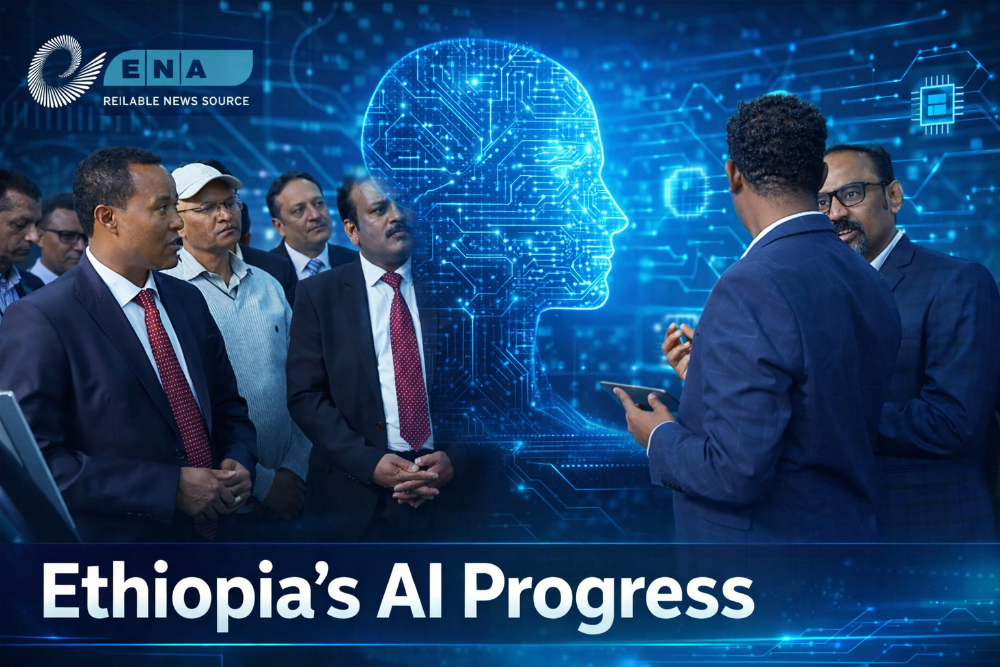
Global Tech Leaders Praise Ethiopia’s AI Progress, Call for Scaling Innovation
Apr 4, 2026 951
Addis Ababa, April 4, 2026 (ENA) —Ethiopia is gaining recognition from global technology leaders for its rapid advancement in artificial intelligence (AI), urging the country to scale its innovations and strengthen international partnerships to sustain momentum. The remarks came following a visit to the Ethiopian Artificial Intelligence Institute, where industry figures highlighted Ethiopia’s emergence as a promising innovation hub in Africa. Approached by James David, Head of Tata Consultancy Services (TCS) business for Africa, commended Ethiopia’s strong investment in AI and its growing startup ecosystem. He noted that the country’s progress could position it as a model for other African nations. David also emphasized the strategic importance of collaboration with India, pointing out that India’s experience in scaling digital solutions could complement Ethiopia’s innovative capacity. Meanwhile, Edwin Vollanoor, CEO of AppFace Technologies, described the institute as one of the leading AI centers in the region. He praised the quality of technologies showcased, including language models and robotics, calling them “world class.” Vollanoor highlighted that AI solutions are already being deployed in government systems, such as court operations, but stressed the need to expand these innovations to achieve broader impact. He also called for stronger mentorship, incubation, and accelerator programs, encouraging Ethiopia to leverage expertise from countries like China and India. According to Vollanoor, AI holds transformative potential for sectors such as agriculture, transportation, and employment, and could help position Ethiopia as a continental AI hub working alongside the African Union. Separately, Monsy Mathews of Moti Engineering pointed to Ethiopia’s significant technological progress over the past decade, particularly in the financial sector. He noted that banks are increasingly integrating AI into services such as risk management, customer verification, payments, and loan processing. Mathews also referenced ongoing AI and robotic process automation initiatives at Ethio Telecom, indicating that implementation is advancing in phases across sectors. Experts agree that with continued investment, stronger global collaboration, and a focus on scaling innovation, Ethiopia is well positioned to become a leading AI and digital hub in Africa.

US Warplane Downed over Iran, Pilot Rescued
Apr 3, 2026 3488
Addis Ababa, April 3, 2026 (ENA) —A U.S. fighter jet has been shot down over Iran, and search-and-rescue teams have recovered one of the two crew members who ejected, a U.S. official told Reuters. The incident is the first known of its kind in the nearly five-week-old war. One of the crew members aboard the F-15E Strike Eagle has been rescued, Fox News reported. The search is still ongoing for the second crew member, according US media reports. The Pentagon and U.S. Central Command did not respond to requests for comment. The possibility that a U.S. pilot may still be alive inside Iran raises the stakes for Washington in a conflict that has struggled to gain strong public support among Americans, according to opinion polls. It also presents a significant challenge for the U.S. military, which must balance efforts to rescue the missing crew member with the risks posed to personnel involved in potentially dangerous recovery operations behind enemy lines. Iranian officials have called on civilians to report any sightings of the crew and have circulated images on social media that they claim show wreckage from the aircraft. Two U.S. officials said the aircraft was an F-15E fighter jet, which carries two crew members: a pilot and a weapons systems officer. It remains unclear which of the two has been rescued, and no details have been provided on how the recovery was carried out. William Goodhind, a forensic imagery analyst with Contested Ground, said images of a tail fin posted online are consistent with that of an F-15E Strike Eagle. The governor of Kohgiluyeh and Boyer-Ahmad province said anyone who captured or killed the crew would be “specially commended,” Iran’s semi-official ISNA news agency reported. The incident follows threats by Donald Trump to strike Iran heavily, including targeting energy infrastructure and desalination facilities, as he pushes Tehran to end the war on U.S. terms. So far, 13 U.S. service members have been killed and more than 300 wounded in the conflict, according to U.S. Central Command. No American troops have been reported captured. While Trump has portrayed Iran’s military as weakened, reporting by Reuters citing U.S. intelligence suggests Iran still retains significant missile and drone capabilities. U.S. officials say they can confirm the destruction of about one-third of Iran’s missile arsenal, while the status of another third remains uncertain, with strikes likely damaging or burying weapons in underground facilities. The conflict involving the United States and Israel against Iran has spread across the Middle East, killing thousands and driving up global energy prices, raising concerns about inflation worldwide.

POA English
Pulse Of Africa - English Language
Your news, current affairs and entertainment channel
Join us on
POA Arabic - عربي
Pulse Of Africa - Arabic Language
قناتكم الاخبارية و الترفيهية
Join us on
Politics
Starting Inclusive Nat'l Dialogue that Lay Foundation for Culture of Consultation Major Success in Ethiopia: ENDC
Apr 4, 2026 136
Addis Ababa, April 4, 2026 (ENA) —Ethiopian National Dialogue (END) Chief Commissioner, Professor Mesfin Araya, said starting an inclusive national dialogue that has a potential to lay foundation for consultation as a culture in the country is a major success for the commission. In an exclusive interview with ENA, Chief Commissioner Mesfin emphasized the achievements made since the establishment of the commission over the past three. According to him, the major success for the commission is to see that Ethiopians have started dialogue. For the first time, people from both the center and the periphery are taking part in the national dialogue on equal footing. He noted that the national dialogue process has removed the long-standing discrimination which confined political participation to those from central highland areas. “Now, for the first time, the Ethiopian pastoralist woman is discussing the fate of her country openly and transparently,” the Chief Commissioner said, citing women from Afar and Somali regions as well as inhabitants from the southern remote area Salamago have joined discussions on issues they consider relevant to the nation’s future. He underscored that the commission’s inclusive approach is not merely a matter of political correctness but essential for national survival. Traditionally marginalized groups — including artisans and others sidelined because of identity or occupation — have taken part in the consultations after years of subjugation and exclusion. The final phase of the dialogue will bring together 4,000 representatives that convene in a national conference which deliberates on national issues and work toward consensus. Where consensus cannot be reached, the Chief Commissioner said, it will forward matters for nationwide resolution, including possible referenda or issues that may be deferred to future generations. “Let us lay the weapon down, come together, bring out contentious issues that are relevant to national peace and progress, and continue discussing until we reach proper conclusions,” he urged. Chief Commissioner Mesfin described Ethiopia as richly diverse — home to more than 80 nations, nationalities and peoples — each with its own conflict-resolution practices. The ENDC aims to blend those traditional mechanisms with modern dialogue techniques under neutral facilitation by the commissioners, he said. “What we are doing is, I believe, the first of its kind — not only for Ethiopia but as an exemplary process for others,” the Chief Commissioner added. Unlike many dialogue processes that are top-down and dominated by elites, Ethiopia’s approach is bottom-up, driven by pastoralists, farmers, artisans and ordinary citizens alongside political elites and government representatives, he noted. The dialogue is open and inclusive to marginalized groups, women, persons with disabilities, pastoralists, and among other segments of the society. Above all, people are speaking their minds without reservation, and the neutrality and impartiality of the commission are crucial because there is no interference whatsoever from the government. For the Chief Commissioner, inclusivity is a foundational pillar of the dialogue. The ENDC’s outreach has already reached 1,234 Woredas nationwide, with remaining gaps concentrated in parts of Tigray region. The Ethiopian National Dialogue Commission plans to complete the coverage gap before holding a national plenary.
US Warplane Downed over Iran, Pilot Rescued
Apr 3, 2026 3488
Addis Ababa, April 3, 2026 (ENA) —A U.S. fighter jet has been shot down over Iran, and search-and-rescue teams have recovered one of the two crew members who ejected, a U.S. official told Reuters. The incident is the first known of its kind in the nearly five-week-old war. One of the crew members aboard the F-15E Strike Eagle has been rescued, Fox News reported. The search is still ongoing for the second crew member, according US media reports. The Pentagon and U.S. Central Command did not respond to requests for comment. The possibility that a U.S. pilot may still be alive inside Iran raises the stakes for Washington in a conflict that has struggled to gain strong public support among Americans, according to opinion polls. It also presents a significant challenge for the U.S. military, which must balance efforts to rescue the missing crew member with the risks posed to personnel involved in potentially dangerous recovery operations behind enemy lines. Iranian officials have called on civilians to report any sightings of the crew and have circulated images on social media that they claim show wreckage from the aircraft. Two U.S. officials said the aircraft was an F-15E fighter jet, which carries two crew members: a pilot and a weapons systems officer. It remains unclear which of the two has been rescued, and no details have been provided on how the recovery was carried out. William Goodhind, a forensic imagery analyst with Contested Ground, said images of a tail fin posted online are consistent with that of an F-15E Strike Eagle. The governor of Kohgiluyeh and Boyer-Ahmad province said anyone who captured or killed the crew would be “specially commended,” Iran’s semi-official ISNA news agency reported. The incident follows threats by Donald Trump to strike Iran heavily, including targeting energy infrastructure and desalination facilities, as he pushes Tehran to end the war on U.S. terms. So far, 13 U.S. service members have been killed and more than 300 wounded in the conflict, according to U.S. Central Command. No American troops have been reported captured. While Trump has portrayed Iran’s military as weakened, reporting by Reuters citing U.S. intelligence suggests Iran still retains significant missile and drone capabilities. U.S. officials say they can confirm the destruction of about one-third of Iran’s missile arsenal, while the status of another third remains uncertain, with strikes likely damaging or burying weapons in underground facilities. The conflict involving the United States and Israel against Iran has spread across the Middle East, killing thousands and driving up global energy prices, raising concerns about inflation worldwide.
China to Continue Supporting Ethiopia’s WTO Entry, Reaffirms Top Official
Apr 3, 2026 2766
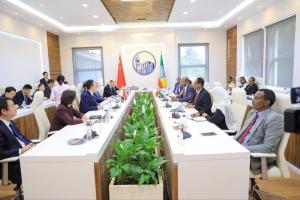
Addis Ababa, April 3, 2026 (ENA) —China has reaffirmed its commitment to support Ethiopia in its bid to join the World Trade Organization, underscoring growing economic and strategic ties between the two countries. Speaking in Addis Ababa, Wu Weihua, Vice Chairman of the Standing Committee of the National People's Congress of China, said China is ready to “continue playing a positive coordination role” to help advance Ethiopia’s accession process. The remarks came during discussions with Tagesse Chafo, Speaker of Ethiopia’s House of People’s Representatives, where both sides explored ways to deepen cooperation on bilateral, regional, and global issues. Tagesse emphasized the long-standing and evolving partnership between the two nations, describing it as an “all-weather strategic partnership” built on mutual trust and shared interests. He noted Ethiopia’s commitment to expanding cooperation across people-to-people ties, parliamentary engagement, business relations, and international coordination. Highlighting Ethiopia’s strategic importance, the speaker described the country as a gateway to Africa and a diplomatic hub, hosting the headquarters of the African Union. He added that Ethiopia stands ready to play a greater role in strengthening China–Africa relations. Economic cooperation remains central to the partnership, with major projects such as the Ethio-Djibouti Railway serving as a key symbol of collaboration under the Belt and Road Initiative, he further noted. The railway continues to function as a vital trade corridor for Ethiopia’s imports and exports, according to the speaker. Chinese investment in Ethiopia has also expanded significantly, with projects valued at around 9.6 billion U.S. dollars, contributing to job creation and industrial growth, it was disclosed. Tagesse expressed appreciation for China’s continued support in Ethiopia’s effort to join the WTO, calling for sustained cooperation to finalize the process. Wu Weihua, for his part, reaffirmed China’s unwavering backing of Ethiopia’s WTO accession, noting that bilateral negotiations and agreements were successfully concluded in 2025. He added that Ethiopia’s exports to China have nearly doubled, reflecting growing trade ties between the two countries. China, he said, is ready to import more high-quality Ethiopian products while working to improve the structure of bilateral trade. He also highlighted plans to deepen cooperation in infrastructure and manufacturing, while expanding into emerging sectors such as new energy vehicles, the digital economy, and artificial intelligence to support Ethiopia’s industrialization and modernization. Wu further expressed confidence in Ethiopia’s continued role in advancing broader China–Africa cooperation, emphasizing the country’s strategic position on the continent.
.jpg)
Tigray Representatives Submit Agenda to National Dialogue Commission
Apr 3, 2026 2732
Addis Ababa, April 3, 2026 (ENA) —Representatives of the agenda gathering consultation forum from the Tigray region have submitted finalized agenda items to the Ethiopian National Dialogue Commission (ENDC) today. The submission follows three days of consultations held in Addis Ababa, where the Commission convened the first round of agenda gathering forums for the region, bringing together a wide range of stakeholders. Chief Commissioner Mesfin Araya received the document, announcing the successful completion of the first phase of consultations. The compiled agenda reflects key issues affecting the region, drawn from concerns raised by participants during the discussions. He noted that the agenda gathering consultation process of Tigray was conducted in line with similar forums held across other regions of the country, underscoring the Commission’s consistent approach. The forum emphasized promoting peace and mutual understanding, while maintaining impartiality throughout the process. Commissioner Melaku Woldemariam, on his part, said more than 700 participants took part in the consultations, describing the discussions as productive with broad exchanges of views. Similarly, Commissioner Yonas Adaye stated that the broader consultation process will continue, noting that the first round concluded in an atmosphere of mutual respect and attentive listening. The Chief Commissioner and the commissioners expressed appreciation to all participants for their contributions to the successful completion of the forum.
National Reform Strengthens Security Institutions with Integrated Operational Capacity
Apr 3, 2026 1931
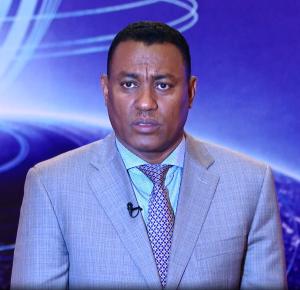
Addis Ababa, April 3, 2026 (ENA) — Senior officials from Ethiopia’s security and intelligence institutions have affirmed that the national reform agenda has significantly strengthened their capacity to execute missions with greater coordination, efficiency, and institutional resilience. The officials made the remarks at the National Security Conference that reviewed the country’s security landscape across national, regional, and global contexts. They emphasized that reforms implemented in recent years have laid the foundation for a modern security architecture that responds effectively to evolving regional and global dynamics. Ethiopian Federal Police Commissioner General Demelash Gebremichael stated that building strong and independent institutions has been a central pillar of the reform. He further noted that the Federal Police has undergone substantial improvements in human resources, technological capability, and organizational structure. According to him, these advancements have enhanced the institution’s ability to safeguard peace and security while ensuring readiness for future responsibilities. Ethiopia’s security institutions are increasingly serving as stabilizing pillars not only domestically but also across neighboring countries, he added. National Intelligence and Security Service Deputy Director General Sisay Tola on his part said the reform has brought about greater integration in the management of security, intelligence, and information systems. He explained that institutions have transitioned from fragmented approaches to a more unified and coordinated operational framework. The reform process has progressed steadily over the past five years, enabling institutions to grow stronger while overcoming a range of challenges, he noted. Similarly, Head of the Oromia Administration and Security Bureau, Commissioner Ararsa Merdasa noted that the reform has improved coordination among security bodies, creating a conducive environment for joint operations. He added that notable progress has been achieved at the regional level in resolving security challenges through peaceful mechanisms and strengthening rule of law enforcement. Amhara Regional Police Commissioner Zelalem Mengiste also stated that institutional reforms have enhanced the country’s capacity to effectively counter both internal and external security threats. He said the reforms have fostered complementary and mutually reinforcing institutions capable of addressing complex challenges. The officials further revealed that extensive preparations are underway to ensure the successful conduct of Ethiopia’s upcoming seventh general election. They indicated that a comprehensive joint security plan, developed over the past eight months by incorporating lessons from the previous election, is already being implemented. According to them, coordinated efforts to maintain peace and stability have created favorable conditions for holding the election in a secure environment. The officials also affirmed that collaboration among security institutions will continue throughout the pre-election, election, and post-election periods to prevent potential threats and ensure a peaceful and orderly electoral process.
.jpg)
NISS Chief Urges Stronger Cooperation to Safeguard Ethiopia’s National Interests
Apr 3, 2026 1879
Addis Ababa, April 3, 2026 (ENA) — Ambassador Redwan Hussein, Director General of the National Intelligence and Security Service (NISS), underscored the need for enhanced cooperation and institutional excellence to safeguard Ethiopia’s national security and broader regional interests. Speaking at the second National Security Conference in Addis Ababa, the intelligence chief emphasized that strengthening collaboration across sectors is no longer optional but essential in addressing evolving security threats. Reflecting on recent regional and global developments, Redwan Hussein noted that the security environment is increasingly characterized by volatility, unpredictability, and complex, evolving challenges. He also warned of anti-peace armed groups operating in parts of Ethiopia, seeking to destabilize the country. Despite these challenges, he affirmed that Ethiopia’s security and intelligence institutions are effectively discharging their responsibilities through coordinated operations, community engagement, and law enforcement measures that help maintain public safety and freedom of movement. The Director General also highlighted rising regional and global security concerns, pointing to the ongoing conflict in Sudan and the resurgence of extremist groups such as Al-Shabaab and ISIS in Somalia. He cautioned that these groups are adapting their tactics, contributing to growing instability across the region. “In such a fluid global environment, building a competitive national capacity is critical,” he said, stressing the importance of institutional coordination and synergy to strengthen national defense capabilities. Redwan further warned that tensions in the Middle East and increasing geopolitical competition over the Red Sea pose additional risks, particularly for landlocked Ethiopia. He noted that the country’s pursuit of sea access goes beyond trade and port services, carrying significant implications for national and regional security. He called for enhanced diplomatic engagement to ensure cooperation among regional stakeholders on access to the Red Sea. The intelligence chief also emphasized the need for security institutions to align their strategies with both immediate and long-term national priorities. He said NISS is undergoing institutional transformation through human resource development, structural reforms, improved operational efficiency, and the integration of modern technologies. He added that the agency will continue to strengthen cooperation with federal and regional institutions, as well as international partners with shared objectives, while remaining vigilant against adversaries seeking to exploit current global and regional uncertainties.
.jpg)
Justice Reforms Revise Various Laws, Strengthen Institutional Independence: Ministry of Justice
Apr 3, 2026 1976
Addis Ababa, April 3, 2026 (ENA) —Ministry of Justice has affirmed that various rules and regulations have been amended under the National Reform to strengthen the justice system and empower democratic institutions. In an exclusive interview with ENA, State Minister of Justice Belayihun Yirga said the reform process marked a clear departure from past practices, where institutions revised their own frameworks. “The current reform is unique as it was conducted through a neutral consultative council established by the Ministry of Justice,” he said. According to the state minister, the process has yielded significant results, including the revision of outdated and restrictive laws. He further noted that proclamations that had remained unchanged for more than sixty decades, including trade and criminal laws, have now been amended. Belayihun also highlighted progress in improving governance systems. For years, strengthening good governance was widely proposed, yet the executive lacked the willingness to implement reforms that would also limit its own powers, he said, adding that this reform has addressed that gap through expert-driven restructuring, institutional reforms, and related measures. He further explained that steps have been taken to ensure judicial independence. For the first time, courts are able to have their budgets approved directly by parliament, without interference from the executive branch, the state minister emphasized. He also stated that this has enhanced the practical independence of the judiciary. Reforms have also extended to democratic institutions, he stated, adding that the National Electoral Board of Ethiopia has conducted the sixth general election independently under revised rules and is preparing for the seventh election within the same framework. Likewise, the Ethiopian Human Rights Commission has gained greater autonomy following amendments to its governing proclamations, he added. The state minister noted that traditional dispute resolution mechanisms are also receiving renewed attention. He further noted efforts are underway to leverage indigenous knowledge and social values in resolving conflicts. On international cooperation, Belayihun emphasized that Ethiopia has strengthened collaboration with various countries in the justice sector. He further stated that there is growing interest from international partners to engage with Ethiopia in coordinated legal and institutional reforms. According to the state minister, the country has seen high-level visits and agreements with countries like China, Brazil, and most recently Algeria, reflecting increased global engagement in the sector.
.jpg)
Ethiopia Assumes Chairship of AU Peace and Security Council
Apr 3, 2026 2707
Addis Ababa, April 3, 2026 (ENA) —Ethiopia has assumed the Chairship of the African Union Peace and Security Council for April 2026, marking its first time leading the Council since rejoining it in April 2025. The country is set to officially begin presiding over the Council’s agenda on April 7, 2026. The chairship will be inaugurated with a flag-hoisting ceremony, which will also serve to formally welcome the newly elected members of the Council. During its tenure, Ethiopia will steer deliberations on a broad range of critical peace and security issues across the continent. These discussions will cover both country-specific situations and wider thematic concerns affecting Africa. Established in 2004 under the African Union, the Peace and Security Council serves as the AU’s central body for conflict prevention, management, and resolution. Ethiopia has been a member since the Council’s inception and has previously served four terms before its most recent re-entry in 2025. Ethiopia’s leadership comes at a time when coordinated regional efforts remain essential to addressing ongoing security challenges and promoting sustainable peace across Africa.
Politics
Starting Inclusive Nat'l Dialogue that Lay Foundation for Culture of Consultation Major Success in Ethiopia: ENDC
Apr 4, 2026 136
Addis Ababa, April 4, 2026 (ENA) —Ethiopian National Dialogue (END) Chief Commissioner, Professor Mesfin Araya, said starting an inclusive national dialogue that has a potential to lay foundation for consultation as a culture in the country is a major success for the commission. In an exclusive interview with ENA, Chief Commissioner Mesfin emphasized the achievements made since the establishment of the commission over the past three. According to him, the major success for the commission is to see that Ethiopians have started dialogue. For the first time, people from both the center and the periphery are taking part in the national dialogue on equal footing. He noted that the national dialogue process has removed the long-standing discrimination which confined political participation to those from central highland areas. “Now, for the first time, the Ethiopian pastoralist woman is discussing the fate of her country openly and transparently,” the Chief Commissioner said, citing women from Afar and Somali regions as well as inhabitants from the southern remote area Salamago have joined discussions on issues they consider relevant to the nation’s future. He underscored that the commission’s inclusive approach is not merely a matter of political correctness but essential for national survival. Traditionally marginalized groups — including artisans and others sidelined because of identity or occupation — have taken part in the consultations after years of subjugation and exclusion. The final phase of the dialogue will bring together 4,000 representatives that convene in a national conference which deliberates on national issues and work toward consensus. Where consensus cannot be reached, the Chief Commissioner said, it will forward matters for nationwide resolution, including possible referenda or issues that may be deferred to future generations. “Let us lay the weapon down, come together, bring out contentious issues that are relevant to national peace and progress, and continue discussing until we reach proper conclusions,” he urged. Chief Commissioner Mesfin described Ethiopia as richly diverse — home to more than 80 nations, nationalities and peoples — each with its own conflict-resolution practices. The ENDC aims to blend those traditional mechanisms with modern dialogue techniques under neutral facilitation by the commissioners, he said. “What we are doing is, I believe, the first of its kind — not only for Ethiopia but as an exemplary process for others,” the Chief Commissioner added. Unlike many dialogue processes that are top-down and dominated by elites, Ethiopia’s approach is bottom-up, driven by pastoralists, farmers, artisans and ordinary citizens alongside political elites and government representatives, he noted. The dialogue is open and inclusive to marginalized groups, women, persons with disabilities, pastoralists, and among other segments of the society. Above all, people are speaking their minds without reservation, and the neutrality and impartiality of the commission are crucial because there is no interference whatsoever from the government. For the Chief Commissioner, inclusivity is a foundational pillar of the dialogue. The ENDC’s outreach has already reached 1,234 Woredas nationwide, with remaining gaps concentrated in parts of Tigray region. The Ethiopian National Dialogue Commission plans to complete the coverage gap before holding a national plenary.
US Warplane Downed over Iran, Pilot Rescued
Apr 3, 2026 3488
Addis Ababa, April 3, 2026 (ENA) —A U.S. fighter jet has been shot down over Iran, and search-and-rescue teams have recovered one of the two crew members who ejected, a U.S. official told Reuters. The incident is the first known of its kind in the nearly five-week-old war. One of the crew members aboard the F-15E Strike Eagle has been rescued, Fox News reported. The search is still ongoing for the second crew member, according US media reports. The Pentagon and U.S. Central Command did not respond to requests for comment. The possibility that a U.S. pilot may still be alive inside Iran raises the stakes for Washington in a conflict that has struggled to gain strong public support among Americans, according to opinion polls. It also presents a significant challenge for the U.S. military, which must balance efforts to rescue the missing crew member with the risks posed to personnel involved in potentially dangerous recovery operations behind enemy lines. Iranian officials have called on civilians to report any sightings of the crew and have circulated images on social media that they claim show wreckage from the aircraft. Two U.S. officials said the aircraft was an F-15E fighter jet, which carries two crew members: a pilot and a weapons systems officer. It remains unclear which of the two has been rescued, and no details have been provided on how the recovery was carried out. William Goodhind, a forensic imagery analyst with Contested Ground, said images of a tail fin posted online are consistent with that of an F-15E Strike Eagle. The governor of Kohgiluyeh and Boyer-Ahmad province said anyone who captured or killed the crew would be “specially commended,” Iran’s semi-official ISNA news agency reported. The incident follows threats by Donald Trump to strike Iran heavily, including targeting energy infrastructure and desalination facilities, as he pushes Tehran to end the war on U.S. terms. So far, 13 U.S. service members have been killed and more than 300 wounded in the conflict, according to U.S. Central Command. No American troops have been reported captured. While Trump has portrayed Iran’s military as weakened, reporting by Reuters citing U.S. intelligence suggests Iran still retains significant missile and drone capabilities. U.S. officials say they can confirm the destruction of about one-third of Iran’s missile arsenal, while the status of another third remains uncertain, with strikes likely damaging or burying weapons in underground facilities. The conflict involving the United States and Israel against Iran has spread across the Middle East, killing thousands and driving up global energy prices, raising concerns about inflation worldwide.
China to Continue Supporting Ethiopia’s WTO Entry, Reaffirms Top Official
Apr 3, 2026 2766
Addis Ababa, April 3, 2026 (ENA) —China has reaffirmed its commitment to support Ethiopia in its bid to join the World Trade Organization, underscoring growing economic and strategic ties between the two countries. Speaking in Addis Ababa, Wu Weihua, Vice Chairman of the Standing Committee of the National People's Congress of China, said China is ready to “continue playing a positive coordination role” to help advance Ethiopia’s accession process. The remarks came during discussions with Tagesse Chafo, Speaker of Ethiopia’s House of People’s Representatives, where both sides explored ways to deepen cooperation on bilateral, regional, and global issues. Tagesse emphasized the long-standing and evolving partnership between the two nations, describing it as an “all-weather strategic partnership” built on mutual trust and shared interests. He noted Ethiopia’s commitment to expanding cooperation across people-to-people ties, parliamentary engagement, business relations, and international coordination. Highlighting Ethiopia’s strategic importance, the speaker described the country as a gateway to Africa and a diplomatic hub, hosting the headquarters of the African Union. He added that Ethiopia stands ready to play a greater role in strengthening China–Africa relations. Economic cooperation remains central to the partnership, with major projects such as the Ethio-Djibouti Railway serving as a key symbol of collaboration under the Belt and Road Initiative, he further noted. The railway continues to function as a vital trade corridor for Ethiopia’s imports and exports, according to the speaker. Chinese investment in Ethiopia has also expanded significantly, with projects valued at around 9.6 billion U.S. dollars, contributing to job creation and industrial growth, it was disclosed. Tagesse expressed appreciation for China’s continued support in Ethiopia’s effort to join the WTO, calling for sustained cooperation to finalize the process. Wu Weihua, for his part, reaffirmed China’s unwavering backing of Ethiopia’s WTO accession, noting that bilateral negotiations and agreements were successfully concluded in 2025. He added that Ethiopia’s exports to China have nearly doubled, reflecting growing trade ties between the two countries. China, he said, is ready to import more high-quality Ethiopian products while working to improve the structure of bilateral trade. He also highlighted plans to deepen cooperation in infrastructure and manufacturing, while expanding into emerging sectors such as new energy vehicles, the digital economy, and artificial intelligence to support Ethiopia’s industrialization and modernization. Wu further expressed confidence in Ethiopia’s continued role in advancing broader China–Africa cooperation, emphasizing the country’s strategic position on the continent.
Tigray Representatives Submit Agenda to National Dialogue Commission
Apr 3, 2026 2732
Addis Ababa, April 3, 2026 (ENA) —Representatives of the agenda gathering consultation forum from the Tigray region have submitted finalized agenda items to the Ethiopian National Dialogue Commission (ENDC) today. The submission follows three days of consultations held in Addis Ababa, where the Commission convened the first round of agenda gathering forums for the region, bringing together a wide range of stakeholders. Chief Commissioner Mesfin Araya received the document, announcing the successful completion of the first phase of consultations. The compiled agenda reflects key issues affecting the region, drawn from concerns raised by participants during the discussions. He noted that the agenda gathering consultation process of Tigray was conducted in line with similar forums held across other regions of the country, underscoring the Commission’s consistent approach. The forum emphasized promoting peace and mutual understanding, while maintaining impartiality throughout the process. Commissioner Melaku Woldemariam, on his part, said more than 700 participants took part in the consultations, describing the discussions as productive with broad exchanges of views. Similarly, Commissioner Yonas Adaye stated that the broader consultation process will continue, noting that the first round concluded in an atmosphere of mutual respect and attentive listening. The Chief Commissioner and the commissioners expressed appreciation to all participants for their contributions to the successful completion of the forum.
National Reform Strengthens Security Institutions with Integrated Operational Capacity
Apr 3, 2026 1931
Addis Ababa, April 3, 2026 (ENA) — Senior officials from Ethiopia’s security and intelligence institutions have affirmed that the national reform agenda has significantly strengthened their capacity to execute missions with greater coordination, efficiency, and institutional resilience. The officials made the remarks at the National Security Conference that reviewed the country’s security landscape across national, regional, and global contexts. They emphasized that reforms implemented in recent years have laid the foundation for a modern security architecture that responds effectively to evolving regional and global dynamics. Ethiopian Federal Police Commissioner General Demelash Gebremichael stated that building strong and independent institutions has been a central pillar of the reform. He further noted that the Federal Police has undergone substantial improvements in human resources, technological capability, and organizational structure. According to him, these advancements have enhanced the institution’s ability to safeguard peace and security while ensuring readiness for future responsibilities. Ethiopia’s security institutions are increasingly serving as stabilizing pillars not only domestically but also across neighboring countries, he added. National Intelligence and Security Service Deputy Director General Sisay Tola on his part said the reform has brought about greater integration in the management of security, intelligence, and information systems. He explained that institutions have transitioned from fragmented approaches to a more unified and coordinated operational framework. The reform process has progressed steadily over the past five years, enabling institutions to grow stronger while overcoming a range of challenges, he noted. Similarly, Head of the Oromia Administration and Security Bureau, Commissioner Ararsa Merdasa noted that the reform has improved coordination among security bodies, creating a conducive environment for joint operations. He added that notable progress has been achieved at the regional level in resolving security challenges through peaceful mechanisms and strengthening rule of law enforcement. Amhara Regional Police Commissioner Zelalem Mengiste also stated that institutional reforms have enhanced the country’s capacity to effectively counter both internal and external security threats. He said the reforms have fostered complementary and mutually reinforcing institutions capable of addressing complex challenges. The officials further revealed that extensive preparations are underway to ensure the successful conduct of Ethiopia’s upcoming seventh general election. They indicated that a comprehensive joint security plan, developed over the past eight months by incorporating lessons from the previous election, is already being implemented. According to them, coordinated efforts to maintain peace and stability have created favorable conditions for holding the election in a secure environment. The officials also affirmed that collaboration among security institutions will continue throughout the pre-election, election, and post-election periods to prevent potential threats and ensure a peaceful and orderly electoral process.
NISS Chief Urges Stronger Cooperation to Safeguard Ethiopia’s National Interests
Apr 3, 2026 1879
Addis Ababa, April 3, 2026 (ENA) — Ambassador Redwan Hussein, Director General of the National Intelligence and Security Service (NISS), underscored the need for enhanced cooperation and institutional excellence to safeguard Ethiopia’s national security and broader regional interests. Speaking at the second National Security Conference in Addis Ababa, the intelligence chief emphasized that strengthening collaboration across sectors is no longer optional but essential in addressing evolving security threats. Reflecting on recent regional and global developments, Redwan Hussein noted that the security environment is increasingly characterized by volatility, unpredictability, and complex, evolving challenges. He also warned of anti-peace armed groups operating in parts of Ethiopia, seeking to destabilize the country. Despite these challenges, he affirmed that Ethiopia’s security and intelligence institutions are effectively discharging their responsibilities through coordinated operations, community engagement, and law enforcement measures that help maintain public safety and freedom of movement. The Director General also highlighted rising regional and global security concerns, pointing to the ongoing conflict in Sudan and the resurgence of extremist groups such as Al-Shabaab and ISIS in Somalia. He cautioned that these groups are adapting their tactics, contributing to growing instability across the region. “In such a fluid global environment, building a competitive national capacity is critical,” he said, stressing the importance of institutional coordination and synergy to strengthen national defense capabilities. Redwan further warned that tensions in the Middle East and increasing geopolitical competition over the Red Sea pose additional risks, particularly for landlocked Ethiopia. He noted that the country’s pursuit of sea access goes beyond trade and port services, carrying significant implications for national and regional security. He called for enhanced diplomatic engagement to ensure cooperation among regional stakeholders on access to the Red Sea. The intelligence chief also emphasized the need for security institutions to align their strategies with both immediate and long-term national priorities. He said NISS is undergoing institutional transformation through human resource development, structural reforms, improved operational efficiency, and the integration of modern technologies. He added that the agency will continue to strengthen cooperation with federal and regional institutions, as well as international partners with shared objectives, while remaining vigilant against adversaries seeking to exploit current global and regional uncertainties.
Justice Reforms Revise Various Laws, Strengthen Institutional Independence: Ministry of Justice
Apr 3, 2026 1976
Addis Ababa, April 3, 2026 (ENA) —Ministry of Justice has affirmed that various rules and regulations have been amended under the National Reform to strengthen the justice system and empower democratic institutions. In an exclusive interview with ENA, State Minister of Justice Belayihun Yirga said the reform process marked a clear departure from past practices, where institutions revised their own frameworks. “The current reform is unique as it was conducted through a neutral consultative council established by the Ministry of Justice,” he said. According to the state minister, the process has yielded significant results, including the revision of outdated and restrictive laws. He further noted that proclamations that had remained unchanged for more than sixty decades, including trade and criminal laws, have now been amended. Belayihun also highlighted progress in improving governance systems. For years, strengthening good governance was widely proposed, yet the executive lacked the willingness to implement reforms that would also limit its own powers, he said, adding that this reform has addressed that gap through expert-driven restructuring, institutional reforms, and related measures. He further explained that steps have been taken to ensure judicial independence. For the first time, courts are able to have their budgets approved directly by parliament, without interference from the executive branch, the state minister emphasized. He also stated that this has enhanced the practical independence of the judiciary. Reforms have also extended to democratic institutions, he stated, adding that the National Electoral Board of Ethiopia has conducted the sixth general election independently under revised rules and is preparing for the seventh election within the same framework. Likewise, the Ethiopian Human Rights Commission has gained greater autonomy following amendments to its governing proclamations, he added. The state minister noted that traditional dispute resolution mechanisms are also receiving renewed attention. He further noted efforts are underway to leverage indigenous knowledge and social values in resolving conflicts. On international cooperation, Belayihun emphasized that Ethiopia has strengthened collaboration with various countries in the justice sector. He further stated that there is growing interest from international partners to engage with Ethiopia in coordinated legal and institutional reforms. According to the state minister, the country has seen high-level visits and agreements with countries like China, Brazil, and most recently Algeria, reflecting increased global engagement in the sector.
Ethiopia Assumes Chairship of AU Peace and Security Council
Apr 3, 2026 2707
Addis Ababa, April 3, 2026 (ENA) —Ethiopia has assumed the Chairship of the African Union Peace and Security Council for April 2026, marking its first time leading the Council since rejoining it in April 2025. The country is set to officially begin presiding over the Council’s agenda on April 7, 2026. The chairship will be inaugurated with a flag-hoisting ceremony, which will also serve to formally welcome the newly elected members of the Council. During its tenure, Ethiopia will steer deliberations on a broad range of critical peace and security issues across the continent. These discussions will cover both country-specific situations and wider thematic concerns affecting Africa. Established in 2004 under the African Union, the Peace and Security Council serves as the AU’s central body for conflict prevention, management, and resolution. Ethiopia has been a member since the Council’s inception and has previously served four terms before its most recent re-entry in 2025. Ethiopia’s leadership comes at a time when coordinated regional efforts remain essential to addressing ongoing security challenges and promoting sustainable peace across Africa.
Social
Ethiopia Enters New Scientific Age as PM Abiy Launches Advanced Research Hub
Apr 4, 2026 352
Addis Ababa, April 4, 2026 (ENA) —Prime Minister Abiy Ahmed has inaugurated a state-of-the-art research complex, marking what he described as the beginning of a new scientific era for Ethiopia and the broader African continent. The facility, located within the prestigious Armauer Hansen Research Institute (AHRI), is being hailed as a transformative step in the country’s journey toward innovation-driven development. In a social media post, the Prime Minister emphasized that the complex goes beyond physical infrastructure, calling it “a strategic leap” toward positioning Ethiopia as a leading center for scientific research, health security, and technological advancement. The newly launched hub features 40 fully equipped laboratories, alongside advanced genomics and bioinformatics platforms—tools that will enable Ethiopian scientists to engage in cutting-edge medical and scientific research on a global scale. A key highlight of the facility is its bioequivalence center, which will ensure the quality, safety, and effectiveness of medicines produced locally. This development is expected to significantly reduce Ethiopia’s dependence on imported pharmaceuticals while strengthening domestic manufacturing capacity. According to Prime Minister Abiy, the center is designed not only to generate scientific knowledge but also to translate research into tangible solutions. By connecting science with policymaking, the complex will support improved healthcare delivery, enhance emergency preparedness, and build resilience against future public health threats. The initiative represents a major step toward achieving pharmaceutical self-sufficiency and long-term health security. "By transforming research into policy and innovation into practical solutions, this center represents a major step toward achieving self-sufficiency in pharmaceutical production, and for sustainable health security and most importantly building on the progress we have made toward independence in other key sectors," PM Abiy underscored. It also aligns with Ethiopia’s broader ambition to attain greater independence across critical sectors through homegrown innovation and sustainable development. Ultimately, the new AHRI complex stands as more than a research facility, it is a bold symbol of Ethiopia’s commitment to a healthier, more self-reliant future, and a significant contribution to Africa’s scientific
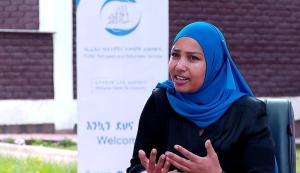
Ethiopia’s Hosting of Over One Million Refugees Wins International Recognition: RRS
Apr 3, 2026 1063
Addis Ababa, April 2, 2026 (ENA) —Ethiopia’s long-standing humanitarian approach to refugees is receiving growing international recognition, according to the Refugees and Returnees Service (RRS). Director General of RRS, Teyba Hassen recently told ENA that Ethiopia’s open-door refugee policy is strengthening the country’s global reputation as a leading humanitarian host. Ethiopia currently hosts more than one million refugees and asylum seekers, making it one of the largest refugee-hosting nations in Africa. The country ranks second in Africa after Uganda and seventh worldwide in total refugee population. Teyba link this achievement to Ethiopia’s long-standing commitment to the 1951 Refugee Convention, which guides its policy of welcoming people fleeing war and persecution. Beyond protection, she added that Ethiopia’s refugee strategy increasingly focuses on inclusion. Refugees are being integrated into local communities and gaining improved access to education, healthcare, food assistance, and livelihood opportunities, the director general pointed out. She also highlighted ongoing efforts to strengthen cooperation between refugees and host communities, aiming to boost shared development and economic participation in refugee-hosting regions. Teyba further noted that Ethiopia has created an environment where refugees can live, work, and contribute alongside local residents. Some former refugees educated in Ethiopia have even returned home and now promote a positive image of the country abroad. According to her, Ethiopia’s refugee approach is not only a humanitarian commitment but also a driver of regional stability and international goodwill.
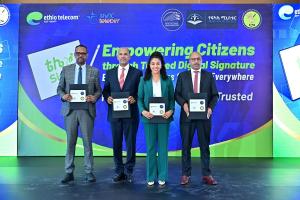
Ethio Telecom Launches “teleSign” to Transform Document Authentication
Mar 31, 2026 3850
Addis Ababa, March 31, 2026 (ENA) —Ethio Telecom has officially launched teleSign, a new digital platform designed to revolutionize document authentication and legal services in Ethiopia. Developed in collaboration with the Ministry of Foreign Affairs, Ministry of Justice, and the Federal Documents Authentication and Registration Service, the solution enables citizens to access services such as document authentication, power of attorney, and legal licensing entirely online. The platform allows both residents and members of the Ethiopian diaspora to grant or revoke power of attorney digitally, eliminating the need for in-person visits to embassies, consulates, or government offices. Users can also authenticate legal documents remotely and access services for obtaining or renewing professional licenses. teleSign leverages advanced technologies, including AI-powered video identity verification (liveness detection) and integration with the Fayda National Digital ID, ensuring secure and reliable authentication. Processes that previously took weeks can now be completed in minutes. Payments are processed via telebirr, and data is securely stored on Ethio Telecom’s cloud infrastructure, reinforcing national data sovereignty. The service is accessible through the teleSign mobile app and official website at any time. Speaking at the launch, Ethio Telecom CEO, Frehiwot Tamru linked teleSign to the government’s broader Digital Ethiopia 2030 strategy, noting its potential to serve over 110 million people, including 87 million active telecom users and hundreds of enterprises leveraging cloud services. She emphasized that the platform replaces previously limited digital services with integrated AI authentication, digital IDs, and secure video verification, streamlining consular and business processes, supporting economic growth, and strengthening trust in public services. State Minister of Foreign Affairs Berhanu Tsegaye described teleSign as a “game-changer,” highlighting its role in making authentication services more legal, reliable, fast, and user-friendly. He added that Ethiopia’s MESOB Service Center, in collaboration with the ministry, supports more than 50 diplomatic missions worldwide. State Minister of Justice Belayhun Yirga underscored the platform’s broader impact, noting that it will help create jobs, reduce transportation costs, and ease pressure on the country’s justice system through improved digital efficiency. Meanwhile, Hamid Keniso,Director General of DARS highlighted the scale of current operations, stating that FDARS serves approximately 6,000 customers daily across 17 branches in Addis Ababa, with plans to expand public access in the near future. The teleSign app became available on March 30 via major app platforms, enabling Ethiopians both at home and abroad to access authentication services instantly—saving time, reducing costs, and enhancing convenience.

Ethiopia Launches 10-Year Golden Visa for Foreign Investors
Mar 29, 2026 14297
Addis Ababa, March 29, 2026 (ENA) —The Immigration and Citizenship Service (ICS) has introduced a 10-year residency permit, called Golden Visa, which targets foreign investors making significant contributions to the national economy. In an exclusive interview with ENA, ICS Deputy Director-General Gosa Demissie said the initiative is part of the government’s broader economic reform agenda aimed at creating a more attractive environment for Foreign Direct Investment (FDI). He noted that the service has been undergoing rigorous institutional transformations to align its operations with international standards and modern technological demands. The Golden Visa is designed to provide long-term stability for high-impact investors, allowing them to reside and operate in Ethiopia with minimal bureaucratic hurdles. The Deputy Director-General pointed out that many countries offer similar long-term residency schemes ranging from five to ten years, adding that Ethiopia has introduced its own model to remain competitive in attracting quality investors. According to Gosa, the visa is a standardized electronic permit valid for 10 years, enabling holders to stay in the country with greater freedom. Gosa emphasized that the initiative is particularly crucial as Ethiopia opens its real estate sector to foreign nationals, noting that a five-year property visa will also be introduced for individuals and families acquiring immovable property in the country. He elaborated that the Golden Visa will significantly reduce processing time, eliminate repetitive procedures, and improve overall efficiency, while also enhancing government revenue and bringing services closer to users. The Deputy Director-General further highlighted that investors will benefit from streamlined entry and exit procedures, including faster processing at Bole International Airport, allowing for smoother travel experiences. The introduction of the Golden Visa underscores Ethiopia’s ambition to position itself as a premier investment destination in Africa. By reducing administrative burdens, the government aims to accelerate industrial growth, attract quality investors, and boost foreign currency inflows, ensuring that the immigration sector plays a vital role in national development. Besides the Golden Visa scheme, ICS has introduced a range of modernized services, including expedited processing options and digital payment systems aimed at improving customer satisfaction. The ongoing digitalization efforts also include enhanced visa-on-arrival services and improved passport distribution mechanisms to address previous backlogs. Gosa stressed that the overarching goal is to create an enabling environment for investors by making services more accessible and efficient. "We are service providers and problem solvers," he noted, reaffirming the institution’s commitment to facilitating investment.
Economy
Ethiopia’s Energy Transformation Gains Momentum Under Reform
Apr 4, 2026 659
By Staff Writer Addis Ababa, April 4, 2026 (ENA) —Anniversaries often invite reflection. In Ethiopia’s case, however, the eighth year since the reform government took office signals something more dynamic: a transformation still in motion, quietly reshaping the country’s economic foundations with lasting consequence. Few sectors illustrate this shift more clearly than energy. Long defined by paradox, abundant natural resources alongside limited access and persistent shortages, Ethiopia’s energy landscape is undergoing a profound structural reset. What was once a bottleneck to growth is steadily emerging as a pillar of national strategy in Africa. At the heart of this evolution stands the Grand Ethiopian Renaissance Dam, a project that embodies both ambition and pragmatism. With a capacity exceeding over 5,000 megawatts, it represents more than engineering scale; it signals a deliberate pivot toward energy security, industrial expansion, and regional integration. Yet the real story of transformation extends beyond any single project. It lies in the broader reimagining of how energy can power not just homes and industries, but the trajectory of a nation. Further downstream, the Koysha Hydroelectric Power Station is steadily advancing, adding another critical layer to the country’s hydropower capacity. With an expected generation capacity exceeding 2,000 megawatts, Koysha represents the continuation of a long-standing strategy: harnessing Ethiopia’s vast river systems to drive sustainable growth. Hydropower, however, is no longer the sole pillar. In recent years, Ethiopia has moved deliberately to diversify its energy mix, recognizing that resilience lies in complementarity. Wind energy projects such as the Ashegoda Wind Farm, Adama Wind Farm and the Aysha Wind Power Project is a landmark 300 MW renewable energy development in Ethiopia's Somali Region have demonstrated the viability of large-scale wind generation, contributing hundreds of megawatts to the grid. These projects, signal a shift toward a more balanced energy portfolio, one less vulnerable to seasonal variability and better aligned with global trends in renewable energy. Solar energy, too, is emerging as a critical frontier. Agreements signed with international partners for the development of utility-scale solar projects are beginning to translate into tangible progress. Ethiopia’s vast solar potential, long acknowledged but underutilized, is now being systematically integrated into the national energy strategy. The Ministry of Finance has emphasized that such partnerships are key to mobilizing investment and accelerating the transition toward clean energy. Perhaps most indicative of the reform government’s forward-looking approach is its entry into the realm of nuclear energy. Recent agreements to explore nuclear power development for peaceful purposes, in collaboration with international partners, mark a significant step toward diversifying Ethiopia’s long-term energy base. While still at an early stage, the initiative reflects a recognition that future energy security will require a mix that extends beyond conventional renewables. At the same time, Ethiopia is not neglecting transitional energy sources. The development of natural gas resources in the Somali region, particularly the Kalub Gas Field, is opening new possibilities for gas-fired power generation. Officials indicate that gas-to-power projects could provide a stable and flexible energy source, complementing intermittent renewables while supporting industrial growth. The integration of gas-fired power into the energy mix is being carefully calibrated to align with the country’s broader commitment to green development. Taken together, these efforts point to a deliberate strategy: to build an energy system that is not only expansive, but adaptive. The results are beginning to manifest. Ethiopia’s electricity generation capacity has grown significantly over the past years, while access to power is expanding to previously underserved areas. Export agreements with neighboring countries are also gaining traction, positioning Ethiopia as a net exporter of clean energy within the region. More importantly, the country’s energy trajectory is increasingly aligned with global climate goals. With over 90 percent of its electricity generated from renewable sources, Ethiopia stands among the leading nations in clean energy utilization. The Ministry of Planning and Development notes that this positions the country favorably within international climate frameworks, while also enhancing its attractiveness for green investment. Yet, beyond statistics and infrastructure, there is a deeper narrative at play. Energy, in the Ethiopian context, is no longer viewed merely as a utility. It is becoming an instrument of transformation by powering industries, enabling digital connectivity, supporting irrigation, and underpinning the broader economic reform agenda. Observers often remark that development is, at its core, about unlocking potential. In Ethiopia’s case, that potential has long resided in its rivers, its sun, its wind, and beneath its land. What the past eight years have demonstrated is a growing capacity to translate that potential into reality. The journey is far from complete. Challenges remain in financing, implementation, and ensuring equitable access. But the direction is unmistakable. From the towering turbines of GERD to the windswept plains of Ashegoda, from the emerging promise of solar fields to the untapped reserves of natural gas, Ethiopia is assembling an energy future that is as diverse as it is ambitious. And in doing so, it is not merely meeting its own needs. It is laying the foundation to power a region, sustain a green economy, and redefine its place in a world increasingly shaped by energy transitions. On this anniversary of reform, the message is clear: Ethiopia is not only generating power. The East African nation is generating possibility.
Global Tech Leaders Praise Ethiopia’s AI Progress, Call for Scaling Innovation
Apr 4, 2026 951
Addis Ababa, April 4, 2026 (ENA) —Ethiopia is gaining recognition from global technology leaders for its rapid advancement in artificial intelligence (AI), urging the country to scale its innovations and strengthen international partnerships to sustain momentum. The remarks came following a visit to the Ethiopian Artificial Intelligence Institute, where industry figures highlighted Ethiopia’s emergence as a promising innovation hub in Africa. Approached by James David, Head of Tata Consultancy Services (TCS) business for Africa, commended Ethiopia’s strong investment in AI and its growing startup ecosystem. He noted that the country’s progress could position it as a model for other African nations. David also emphasized the strategic importance of collaboration with India, pointing out that India’s experience in scaling digital solutions could complement Ethiopia’s innovative capacity. Meanwhile, Edwin Vollanoor, CEO of AppFace Technologies, described the institute as one of the leading AI centers in the region. He praised the quality of technologies showcased, including language models and robotics, calling them “world class.” Vollanoor highlighted that AI solutions are already being deployed in government systems, such as court operations, but stressed the need to expand these innovations to achieve broader impact. He also called for stronger mentorship, incubation, and accelerator programs, encouraging Ethiopia to leverage expertise from countries like China and India. According to Vollanoor, AI holds transformative potential for sectors such as agriculture, transportation, and employment, and could help position Ethiopia as a continental AI hub working alongside the African Union. Separately, Monsy Mathews of Moti Engineering pointed to Ethiopia’s significant technological progress over the past decade, particularly in the financial sector. He noted that banks are increasingly integrating AI into services such as risk management, customer verification, payments, and loan processing. Mathews also referenced ongoing AI and robotic process automation initiatives at Ethio Telecom, indicating that implementation is advancing in phases across sectors. Experts agree that with continued investment, stronger global collaboration, and a focus on scaling innovation, Ethiopia is well positioned to become a leading AI and digital hub in Africa.
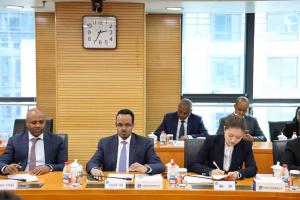
Ethiopia, China Deepen Talks on Trade Financing
Apr 3, 2026 1952
Addis Ababa, April 3, 2026 (ENA) —Ethiopia’s Minister of Finance, Ahmed Shide, held high-level discussions with Wang Hao, Chairman of the China Export & Credit Insurance Corporation SINOSURE, to strengthen policy-level cooperation in trade and investment financing. The two sides focused on expanding credit insurance coverage for priority sectors in Ethiopia and improving mechanisms to facilitate increased Chinese investment. Both parties reaffirmed their commitment to deepening bilateral economic ties and promoting sustainable trade growth and long-term development cooperation. In a separate engagement held earlier the same day, Minister Ahmed Shide met with officials from the Chinese Ministry of Finance to discuss broader macroeconomic cooperation, including debt restructuring, ongoing project implementation, and new financing opportunities for strategic infrastructure. A key focus of the discussions was Ethiopia’s debt treatment under the G20 Common Framework. Both sides reaffirmed their commitment to advancing negotiations toward a bilateral agreement aimed at improving fiscal sustainability and supporting economic recovery. The talks also reviewed progress on existing projects, emphasizing the need to enhance disbursement efficiency and strengthen coordination to ensure timely implementation. In addition, the ministers explored potential financing for priority infrastructure initiatives, including the proposed Bishoftu International Airport Bishoftu International Airport, expected to enhance regional connectivity and strengthen trade links between Africa, China, and global markets.
China to Continue Supporting Ethiopia’s WTO Entry, Reaffirms Top Official
Apr 3, 2026 2766
Addis Ababa, April 3, 2026 (ENA) —China has reaffirmed its commitment to support Ethiopia in its bid to join the World Trade Organization, underscoring growing economic and strategic ties between the two countries. Speaking in Addis Ababa, Wu Weihua, Vice Chairman of the Standing Committee of the National People's Congress of China, said China is ready to “continue playing a positive coordination role” to help advance Ethiopia’s accession process. The remarks came during discussions with Tagesse Chafo, Speaker of Ethiopia’s House of People’s Representatives, where both sides explored ways to deepen cooperation on bilateral, regional, and global issues. Tagesse emphasized the long-standing and evolving partnership between the two nations, describing it as an “all-weather strategic partnership” built on mutual trust and shared interests. He noted Ethiopia’s commitment to expanding cooperation across people-to-people ties, parliamentary engagement, business relations, and international coordination. Highlighting Ethiopia’s strategic importance, the speaker described the country as a gateway to Africa and a diplomatic hub, hosting the headquarters of the African Union. He added that Ethiopia stands ready to play a greater role in strengthening China–Africa relations. Economic cooperation remains central to the partnership, with major projects such as the Ethio-Djibouti Railway serving as a key symbol of collaboration under the Belt and Road Initiative, he further noted. The railway continues to function as a vital trade corridor for Ethiopia’s imports and exports, according to the speaker. Chinese investment in Ethiopia has also expanded significantly, with projects valued at around 9.6 billion U.S. dollars, contributing to job creation and industrial growth, it was disclosed. Tagesse expressed appreciation for China’s continued support in Ethiopia’s effort to join the WTO, calling for sustained cooperation to finalize the process. Wu Weihua, for his part, reaffirmed China’s unwavering backing of Ethiopia’s WTO accession, noting that bilateral negotiations and agreements were successfully concluded in 2025. He added that Ethiopia’s exports to China have nearly doubled, reflecting growing trade ties between the two countries. China, he said, is ready to import more high-quality Ethiopian products while working to improve the structure of bilateral trade. He also highlighted plans to deepen cooperation in infrastructure and manufacturing, while expanding into emerging sectors such as new energy vehicles, the digital economy, and artificial intelligence to support Ethiopia’s industrialization and modernization. Wu further expressed confidence in Ethiopia’s continued role in advancing broader China–Africa cooperation, emphasizing the country’s strategic position on the continent.
Videos
.jpg)
.jpg)
.jpg)
Technology
Ethiopia Enters New Scientific Age as PM Abiy Launches Advanced Research Hub
Apr 4, 2026 352
Addis Ababa, April 4, 2026 (ENA) —Prime Minister Abiy Ahmed has inaugurated a state-of-the-art research complex, marking what he described as the beginning of a new scientific era for Ethiopia and the broader African continent. The facility, located within the prestigious Armauer Hansen Research Institute (AHRI), is being hailed as a transformative step in the country’s journey toward innovation-driven development. In a social media post, the Prime Minister emphasized that the complex goes beyond physical infrastructure, calling it “a strategic leap” toward positioning Ethiopia as a leading center for scientific research, health security, and technological advancement. The newly launched hub features 40 fully equipped laboratories, alongside advanced genomics and bioinformatics platforms—tools that will enable Ethiopian scientists to engage in cutting-edge medical and scientific research on a global scale. A key highlight of the facility is its bioequivalence center, which will ensure the quality, safety, and effectiveness of medicines produced locally. This development is expected to significantly reduce Ethiopia’s dependence on imported pharmaceuticals while strengthening domestic manufacturing capacity. According to Prime Minister Abiy, the center is designed not only to generate scientific knowledge but also to translate research into tangible solutions. By connecting science with policymaking, the complex will support improved healthcare delivery, enhance emergency preparedness, and build resilience against future public health threats. The initiative represents a major step toward achieving pharmaceutical self-sufficiency and long-term health security. "By transforming research into policy and innovation into practical solutions, this center represents a major step toward achieving self-sufficiency in pharmaceutical production, and for sustainable health security and most importantly building on the progress we have made toward independence in other key sectors," PM Abiy underscored. It also aligns with Ethiopia’s broader ambition to attain greater independence across critical sectors through homegrown innovation and sustainable development. Ultimately, the new AHRI complex stands as more than a research facility, it is a bold symbol of Ethiopia’s commitment to a healthier, more self-reliant future, and a significant contribution to Africa’s scientific
Global Tech Leaders Praise Ethiopia’s AI Progress, Call for Scaling Innovation
Apr 4, 2026 951
Addis Ababa, April 4, 2026 (ENA) —Ethiopia is gaining recognition from global technology leaders for its rapid advancement in artificial intelligence (AI), urging the country to scale its innovations and strengthen international partnerships to sustain momentum. The remarks came following a visit to the Ethiopian Artificial Intelligence Institute, where industry figures highlighted Ethiopia’s emergence as a promising innovation hub in Africa. Approached by James David, Head of Tata Consultancy Services (TCS) business for Africa, commended Ethiopia’s strong investment in AI and its growing startup ecosystem. He noted that the country’s progress could position it as a model for other African nations. David also emphasized the strategic importance of collaboration with India, pointing out that India’s experience in scaling digital solutions could complement Ethiopia’s innovative capacity. Meanwhile, Edwin Vollanoor, CEO of AppFace Technologies, described the institute as one of the leading AI centers in the region. He praised the quality of technologies showcased, including language models and robotics, calling them “world class.” Vollanoor highlighted that AI solutions are already being deployed in government systems, such as court operations, but stressed the need to expand these innovations to achieve broader impact. He also called for stronger mentorship, incubation, and accelerator programs, encouraging Ethiopia to leverage expertise from countries like China and India. According to Vollanoor, AI holds transformative potential for sectors such as agriculture, transportation, and employment, and could help position Ethiopia as a continental AI hub working alongside the African Union. Separately, Monsy Mathews of Moti Engineering pointed to Ethiopia’s significant technological progress over the past decade, particularly in the financial sector. He noted that banks are increasingly integrating AI into services such as risk management, customer verification, payments, and loan processing. Mathews also referenced ongoing AI and robotic process automation initiatives at Ethio Telecom, indicating that implementation is advancing in phases across sectors. Experts agree that with continued investment, stronger global collaboration, and a focus on scaling innovation, Ethiopia is well positioned to become a leading AI and digital hub in Africa.
Ethio Telecom Launches “teleSign” to Transform Document Authentication
Mar 31, 2026 3850
Addis Ababa, March 31, 2026 (ENA) —Ethio Telecom has officially launched teleSign, a new digital platform designed to revolutionize document authentication and legal services in Ethiopia. Developed in collaboration with the Ministry of Foreign Affairs, Ministry of Justice, and the Federal Documents Authentication and Registration Service, the solution enables citizens to access services such as document authentication, power of attorney, and legal licensing entirely online. The platform allows both residents and members of the Ethiopian diaspora to grant or revoke power of attorney digitally, eliminating the need for in-person visits to embassies, consulates, or government offices. Users can also authenticate legal documents remotely and access services for obtaining or renewing professional licenses. teleSign leverages advanced technologies, including AI-powered video identity verification (liveness detection) and integration with the Fayda National Digital ID, ensuring secure and reliable authentication. Processes that previously took weeks can now be completed in minutes. Payments are processed via telebirr, and data is securely stored on Ethio Telecom’s cloud infrastructure, reinforcing national data sovereignty. The service is accessible through the teleSign mobile app and official website at any time. Speaking at the launch, Ethio Telecom CEO, Frehiwot Tamru linked teleSign to the government’s broader Digital Ethiopia 2030 strategy, noting its potential to serve over 110 million people, including 87 million active telecom users and hundreds of enterprises leveraging cloud services. She emphasized that the platform replaces previously limited digital services with integrated AI authentication, digital IDs, and secure video verification, streamlining consular and business processes, supporting economic growth, and strengthening trust in public services. State Minister of Foreign Affairs Berhanu Tsegaye described teleSign as a “game-changer,” highlighting its role in making authentication services more legal, reliable, fast, and user-friendly. He added that Ethiopia’s MESOB Service Center, in collaboration with the ministry, supports more than 50 diplomatic missions worldwide. State Minister of Justice Belayhun Yirga underscored the platform’s broader impact, noting that it will help create jobs, reduce transportation costs, and ease pressure on the country’s justice system through improved digital efficiency. Meanwhile, Hamid Keniso,Director General of DARS highlighted the scale of current operations, stating that FDARS serves approximately 6,000 customers daily across 17 branches in Addis Ababa, with plans to expand public access in the near future. The teleSign app became available on March 30 via major app platforms, enabling Ethiopians both at home and abroad to access authentication services instantly—saving time, reducing costs, and enhancing convenience.

Improved Seeds Released to Drive Significant Boost in Crop Yields, Says EIAR
Mar 28, 2026 2028
Addis Ababa, March 28, 2026 (ENA) —The Ethiopian Institute of Agricultural Research (EIAR) announced that it has released improved seeds to drive significant boosts in crop yield. Prof. Nigussie Dechassa, Director General of EIAR, has emphasized that the institute’s crucial role in enhancing agricultural productivity through the development and release of improved hybrid seeds. In a exclusive interview with ENA, Prof. Nigussie emphasized that the EIAR conducts research on key crops including maize, wheat, barley, potato, and coffee to develop high-quality, high-yield varieties. “These improved seeds have been instrumental in increasing yields per hectare,” he added. He cited maize production as a striking example, noting that yields have risen from 45 quintals per hectare to between 80 and 90 quintals when farmers cultivate the EIAR’s improved hybrid varieties. Similarly, the wheat seeds currently used nationwide were developed by the institute. With ten improved varieties, average wheat production has increased to 36 quintals per hectare, peaking at 80 quintals, up from 14 -15 quintals twenty years ago. The institute has also released twelve hybrid barley varieties, meeting domestic demand for malt and reducing reliance on imports. In the potato sector, some 45 new seed varieties have been introduced, nearly doubling average yields from 120 quintals to 230 quintals per hectare. Prof. Nigussie stressed that potatoes, like other staple crops, are vital for Ethiopia’s food sovereignty.
Sport
.jpeg)
Ethiopia’s Aklilu Asfaw Wins 2026 Sands China Macao International 10K
Mar 15, 2026 5850
Addis Ababa, March 15, 2026 (ENA)—Aklilu Asfaw of Ethiopia claimed victory in the men’s race at the Sands China Macao International 10K on Sunday, while Fridah Mweu of Kenya captured the women’s title in a pair of closely contested races. The event began at Sai Van Lake Square at 7:00 a.m., with runners crossing the Sai Van Bridge and passing through the famous Cotai Strip before finishing at the Macau Olympic Sports Centre Stadium. A separate Fun Run later in the morning allowed recreational runners to enjoy the course and take in Macau’s vibrant city scenery. In the men’s 10K race, Aklilu produced a powerful finish to secure victory in 28 minutes and 47 seconds, edging Kenya’s Ezekiel Tiepus by just one second in a thrilling sprint to the line. Another Kenyan runner, Martin Njenga, finished third with a time of 29:00. The women’s race also delivered a dramatic finish. Mweu crossed the line in 32:21, narrowly defeating defending champion Cintia Chepngeno by a single second. Clare Ndiwa placed third in 32:31, completing a strong Kenyan presence on the podium. Local athletes were also recognized during the event. Ip Seng Tou led the Macau men’s category with a time of 33:20, followed by Wong Chin Wa and Chan Yin Cheung. In the women’s local division, Hoi Long claimed the title in 38:49, ahead of Chao Kin I and Chio Tong Tong. Beyond the competition, the race celebrated sport and community spirit. Participants and spectators enjoyed cultural performances along the course, while organisers presented the “Sands 10K Presents: The FUNKiest Costume Award” to recognize the most creative outfits among runners. The annual race continues to highlight Macau’s unique blend of sport, culture and city life, attracting elite athletes and recreational runners from around the world.

AU Commission Chairperson Congratulates Senegal on Africa Cup of Nations Triumph
Jan 19, 2026 12413
Addis Ababa, January 19, 2026 (ENA)—The Chairperson of the African Union Commission, Mahmoud Ali Youssouf, has extended his warm congratulations to the Republic of Senegal following its victory in the final of the Africa Cup of Nations (AFCON). Senegal clinched its second AFCON title after defeating host nation Morocco 1–0 in a closely contested final. The decisive goal was scored by Pape Gueye in the fourth minute of extra time, following a tense goalless draw in regulation time. The match was briefly interrupted after a walk-off by Senegalese players amid heightened emotions. Describing the final as a fitting and memorable conclusion to the tournament, the Chairperson praised the high level of competition displayed by two formidable African teams of global stature—Senegal and Morocco. He noted that the encounter reflected the highest standards of African football, defined by excellence, competitiveness, and deep continental pride. “AFCON has once again demonstrated that the beautiful game is a powerful force for unity, bringing Africans together across cultures, borders, and generations,” Youssouf said. He commended all participating nations for elevating the standard of African football and for showcasing the continent’s immense talent, resilience, and leadership in sport. While acknowledging that moments of tension, driven by passion—are inherent in high-level competition, the Chairperson expressed satisfaction that sportsmanship and fair play ultimately prevailed, underscoring the shared values at the heart of African football. “The successful hosting of AFCON once again reflects Africa’s growing capacity to stage world-class sporting events that unite the continent and inspire global admiration,” he added. The Chairperson also expressed the African Union Commission’s profound appreciation to His Majesty the King, the Government, and the people of the Kingdom of Morocco for the gracious invitation extended to him and his delegation, as well as for the exemplary organization of the tournament. Having attended and witnessed the final match in person, he commended Morocco’s outstanding hospitality and the professionalism with which the competition was delivered. Mahmoud Ali Youssouf reaffirmed the African Union’s commitment to promoting sport as a catalyst for unity, development, and a shared continental identity.

Uganda, Tanzania East African derby ends in 1-1 draw
Dec 28, 2025 16960
Addis Ababa, December 28, 2025 (ENA)—The Uganda, Tanzanian East African derby at the ongoing TotalEnergies Africa Cup of Nations (AFCON), Morocco 2025, ended in a 1-1 draw Rabat on Saturday. Uganda missed a late penalty to take all three points in torrential rain on Saturday. Tanzania will end their Group C encounter against Tunisia in Rabat on Tuesday, while Uganda will travel to Fes to face Nigeria at the same time (16:00 GMT). The East African rivals showed little to play for in the first half contained with lots of endeavour but little quality. However, the second burst into life just before the hour mark when the Taifa Stars were awarded a spot kick of their own for handball and Simon Msuva sent an unstoppable finish into the roof of the net. Tanzania, who have now failed to win any of their 11 matches at AFCON final tournaments, held on to their lead until the 80th minute, when substitute striker Uche Ikpeazu, who was born in London and plays in Scotland’s second tier for St Johnstone, executed a classic diving heading to level proceedings. The heavens opened as both sides went in search of a winner, creating some comical moments as players struggled in the chaotic conditions. Allan Okello was the man presented with a golden opportunity to claim all three points for the Cranes when full-back Haji Mnoga was adjudged to have tugged his opponent’s shirt in the box, but the wideman sent his penalty high over the bar after a stuttering run up in the final minute of regular time. The result leaves the sides with one point each from their opening two games – and both now face a difficult task to make it to the second round.
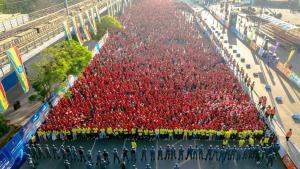
Participants, Diplomat Praise Great Ethiopian Run
Nov 25, 2025 22254
Addis Ababa, November 25, 2025 (ENA)— The Great Ethiopian Run 2025 has earned widespread praise from participants, a diplomat, and a sponsor, all celebrating its vibrant atmosphere and strong organization. With an impressive 55,000 runners, the event held on Sunday has once again affirmed its position as one of the world’s premier road races. Among the participants, TJ Cora of the Indigenous Marathon Foundation said the event stood out among major global marathons, noting the beauty of Addis Ababa and expressing deep appreciation for Ethiopia’s remarkable history in distance running. According to her, the 10 kilometer experience is simply unmatched. Australia’s Deputy Ambassador to Ethiopia, Caitlin Laing, spoke of the joy and community feeling that define the event, adding that the race evolves each year. Heineken Ethiopia Director, William Mills, described the event’s atmosphere as energetic and uplifting, emphasizing its strong global presence. Heineken, now a sponsor for seven consecutive years, values the unity the event fosters throughout the city, he added. Ethiopia’s U-17 football team coach, Benjamin Ziemer, also praised the Great Ethiopian Run, calling it a powerful blend of sport and culture. He encouraged runners worldwide to take part in what he described as a safe, well-organized, and truly memorable race. Peter Hopkins, a tourist from Boulder, Colorado, said he was struck by the tens of thousands of participants celebrating the event’s 25th edition. He noted that Ethiopia’s warmth and hospitality help attract tourists, while pre-race activities and post-race festivities add to the experience. Celebrating its 25th anniversary, the popular 10-km race in Addis Ababa continues to highlight Ethiopia’s welcoming spirit and its rich running tradition.
Environment
Green Legacy Initiative Model for Climate Resilience: Zambezi River Basin Secretary General
Apr 2, 2026 1905
Addis Ababa, April 2, 2026 (ENA) — Ethiopia’s Green Legacy initiative is an exemplary model for mitigating climate change impacts and protecting the environment, Zambezi Watercourse Commission (ZAMCOM) Secretary-General Felix Ngamlagosi said. In an exclusive interview with ENA, ZAMCOM Secretary-General Ngamlagosi noted that climate change is affecting the entire world, with African countries among the hardest hit. The continent now experiences droughts and floods concurrently — a pattern he described as climate-driven disasters. “The issues of climate change are affecting the entire world, but the African continent has been affected more; and our rivers are no longer retaining water for a big period. We also face droughts and floods at the same time. All these are disasters caused by climate change,” he elaborated. In this respect, the Secretary-General commended Ethiopia’s large-scale tree-planting and riverbank conservation efforts under the Green Legacy initiative. The measure, he noted, increases water retention during rainfall and helps restore stream flows. Ngamlagosi described the Green Legacy initiative remarkable, urging other countries to learn from Ethiopia’s experience. The “Green Legacy initiative, where the government is now planting trees, is conserving the river banks. This means there is more retention of water when it rains, and streams will come back.” This is a very remarkable initiative, and we have to learn something from Ethiopia. The government is showing us examples which are very good and we need to learn, Ngamlagosi concluded. Ethiopia has successfully planted billions of tree seedlings and strong political commitment has been the decisive factor behind the achievement.
.jpg)
Bangladesh Seeks to Learn from Ethiopia’s EV Foresight: Ambassador
Apr 2, 2026 1565
Addis Ababa, April 2, 2026 (ENA) —Bangladesh is keen to draw lessons from Ethiopia’s transition to electric vehicles (EVs), which is helping reduce vulnerability to global energy shocks, Bangladesh’s Ambassador to Ethiopia, Air Vice Marshal Sitwat Nayeem, said. In an exclusive interview with ENA, the ambassador said Ethiopia’s decision to limit the import of diesel and gasoline-powered vehicle. “You see, people now understand in the government decision of banning the import of diesel and octane driven vehicle. When this decision was taken in this country, there was some little bit of repercussion of why, why electric, because you need to change battery, at some point the expenses will be more. But you see, this is called the foresightedness. This government has this foresightedness that similar kind of thing might happen,” he said. He noted that Ethiopia is now less affected by global oil supply disruptions due to reduced dependence on fossil fuels. “Ethiopia is not very much affected because their requirement of this fossil fuel is very less now because of the government decision of bringing all battery driven vehicle and the hybrid vehicle,” he added. Highlighting Bangladesh’s reliance on imported fuel, particularly from the Middle East, the ambassador said his country is currently facing challenges, including fuel rationing. “Bangladesh needs to learn from this because we import a lot of fuel from the Middle Eastern countries. Now we are doing the rationing and also trying to survive this problem that is happening. So this is one thing I think the government of Bangladesh needs to need this lesson from Ethiopia and implement similar kind of policies in our country as well,” he stated. The ambassador also stressed the serious threat posed by climate change, particularly rising sea levels, to Bangladesh. “Because of the rise of the sea level, the countries will be affected by that. Bangladesh is one of the countries will be seriously affected by the rise of sea level. We will be losing a lot of grounds... you know, when you are based on agriculture, when the land submerged with the sea water, you cannot produce anything there. So it is a serious problem for Bangladesh,” he said. He further called for greater accountability from major greenhouse gas-emitting countries. “And you see, Bangladesh and Ethiopia, we do not produce any this harmful gas, which causes the problem of the global warming. But the countries who are producing the maximum, they need to compensate,” he noted. The ambassador also urged developing countries to collectively raise their voices on climate change. “And we can, what I said is that we need to raise our voice together about the climate change and tell people about our problems so that we are taken care of, we are compensated so that this problem does not exist,” he said.
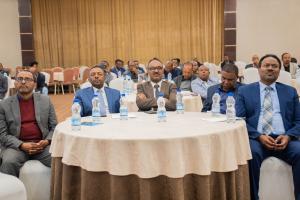
Universities Urged to Strengthen Ethiopia’s Climate Resilience Through Research
Mar 31, 2026 2132
Addis Ababa, March 31, 2026 (ENA) —Higher education institutions in Ethiopia have been called upon to play a stronger role in addressing climate change through scientific research, as national stakeholders emphasize the importance of coordinated academic engagement in climate resilience efforts. The call was made during the first general assembly of the Ethiopian Universities Climate Action Forum, underway, which brings together policymakers and university leaders to strengthen collaboration on environmental challenges. State Minister of Planning and Development Seyoum Mekonnen highlighted the strategic importance of universities in advancing Ethiopia’s climate response. He stressed that academic institutions are expected to work in close coordination to develop practical, science-based solutions and innovations to climate-related risks. He further noted that Climate Resilient Green Economy (CRGE) remains a cornerstone of the country’s national climate policy. According to him, Ethiopia has demonstrated leadership through large-scale environmental initiatives, including the planting of more than 48 billion seedlings under the Green Legacy Initiative, as well as progress in renewable energy development. “The forum serves as a platform to strengthen integrated work between policymakers and academic institutions,” he said. He further added that the Ministry of Planning and Development will continue reinforcing partnerships with universities to advance climate action. Acting President of Addis Ababa University Samuel Kifle also emphasized the critical role of universities in producing scientific solutions for climate resilience. He noted that universities must move beyond theoretical contributions and focus on practical, implementation-driven research. Samuel described the establishment of the forum as a significant milestone that will enhance national efforts to address climate change and support Ethiopia’s broader green development agenda.
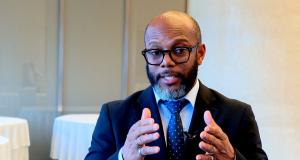
Ethiopia’s Green Legacy Inspiration for Different Nations: Colombian Ambassador
Mar 21, 2026 5260
Addis Ababa, March 21, 2026 (ENA) —Ethiopia’s Green Legacy is a great initiative that inspires nations and leaders, Colombia’s Ambassador to Ethiopia, Yeison Arcadio Meneses Copete, said. In an exclusive interview with ENA, the Ambassador stated that the Green Legacy policy led by Prime Minister Abiy Ahmed is a great initiative. “The Green Legacy, the policy implemented by or led by the Prime Minister, we see it as a great effort, as a great initiative and inspiration for different nations, different leaders as well. So, we can get all involved because it is not a matter of government, it is a matter of also citizens.” According to him, it is however important that leaders tell or convey the message of the challenges being faced with climate change to citizens “so that each one of us as citizens, leaders, politicians and scholars get involved in different initiatives.” It is important that all get involved in different initiatives that contribute to the overcoming of different kinds of challenges, Ambassador Copete stressed. Launched in 2019 by Prime Minister Abiy Ahmed, the Green Legacy initiative has mobilized the nation to plant over 48 billion seedlings, fostering ecological restoration, strengthening food security, and enhancing biodiversity. The initiative is a massive reforestation and environmental restoration campaign that serves as a powerful African-led example of climate action designed to reduce carbon emissions and build climate resilience. Regarding Ethiopia’s selection to host the global COP32 summit and Colombia’s experience in hosting COP16, Ambassador Copete said it is a good opportunity to share experiences as Ethiopia will have the COP32. For the Ambassador, it is a good opportunity to collaborate, to work together, to share Colombia’s last year experience, and to realize the vision of Ethiopia for these new challenges. In 2024“, Colombia had the COP16, and now we realize that Ethiopia will have the COP 32. We expect to work together in this experience Colombia had, and the vision of Ethiopia for these new challenges,” he added. Ethiopia was selected to host the 32nd United Nations Climate Change Conference (COP32) in 2027. The decision was finalized during the COP30 summit in Belém, Brazil, in November 2025, where Ethiopia received unanimous endorsement from the African Group of Climate Change Negotiators after a competitive bidding process. This selection reflects Ethiopia's growing role in global climate diplomacy and highlights key aspects of African climate leaders, marking a major milestone for African climate leadership as well. The recognition stems from the success of the Green Legacy initiative and the nation's commitment to renewable energy and sustainable development. Ethiopia's Green Legacy Initiative is a transformative environmental campaign aimed at combating climate change, deforestation, and land degradation by planting billions of trees.
Most viewed
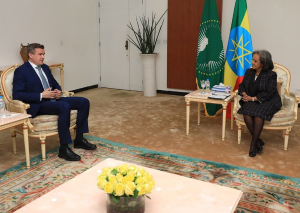
President Sahle-Work Holds Discussion with World Anti-Doping Agency President Bonka
Mar 29, 2023 144691
Addis Ababa March 29/2023/ENA/ President Sahle-Work Zewde has received a delegation led by World Anti-Doping Agency (WADA) President Witold Bonka today, according to the Office of the President. The discussion centered on the conditions under which Ethiopia and the World Anti-Doping Agency can work closely in anti-doping control and investigation, and how the organization can provide technical support, it was learned. During the discussion, Sahle-Work said that Ethiopia has a long history in athletics and is known in the world since athlete Abebe Bikila won marathon in Rome. She finally thanked the World Anti-Doping Agency for its technical support in anti-doping control.
Ethiopian Diaspora Demand Egypt to Change Counterproductive Posture on GERD
Apr 4, 2023 137332
Addis Ababa April 4/2023 (ENA) Ethiopians in the Diaspora have called on Egypt to change its counterproductive posture and find mutually beneficial agreements on the Grand Ethiopian Renaissance Dam (GERD). In a statement the diaspora issued yesterday, they noted that Ethiopia is the main source of the Nile by contributing 86 percent of the water to the Nile basin states while utilizing less than 1 percent of the potential for hydroelectric power. Ethiopians are currently building the GERD on the Blue Nile that is financed entirely by Ethiopians and is a crucial project for the country's development as it will provide clean, renewable energy and lift millions out of poverty. About 65 percent of the 122 million of Ethiopia's population have no access to any form of electricity. The much-needed electricity will facilitate economic growth for Ethiopia and the region, the statement elaborated. The dam will promote regional cooperation and integration while offering opportunity for eleven countries of the Nile Basin to work together to manage the river's resources more efficiently and effectively, it added. The GERD is being built with the highest environmental and technical standards to achieve the objectives of the national electrification program and the execution of Ethiopia’s Climate-Resilient Green Economy Strategy. According to the statement, Ethiopia has provided scientific evidence and expert testimonies that GERD will not significantly affect the flow of water downstream, and provided compelling arguments for the need for equitable use of the Nile's resources by all countries in the region. The diaspora further said they understand that the GERD has raised concerns in Egypt about the downstream effects on the Nile's flow and water availability since Egyptians have been misinformed about the GERD for many years. But on the contrary, the dam will provide several benefits to Egypt and Sudan, including increased water flow during dry seasons and decreased flooding events. “We want to assure Egyptians that Ethiopians are committed to fair and equitable use of the Nile's waters without harming our downstream neighbors. We recognize that the Nile River is a shared resource, and we support finding a mutually beneficial solution.” As Ethiopians in the Diaspora, we reiterate our support for fair and equitable use of the Nile River and call on the Egyptian people and Egyptian Diaspora to question the misinformation about the GERD in Egypt's mainstream media and embrace the spirit of friendship and cooperation by understanding that the GERD is a project of great national importance to Ethiopians that will benefit Egyptians by ensuring a reliable and predictable supply of water, that Ethiopians have the right to use their water resources for the development of its people and economy, in accordance with the principles of equitable and reasonable utilization without causing significant harm. Efforts to destabilize Ethiopia by the regime in Egypt, will indeed affect the historical and diplomatic relations dating back to several thousand years, the long-term interest of the Egyptian people and make Ethiopians less trusting in cooperating on the GERD and future hydropower projects on the Nile, they warned. The diaspora groups urged Egyptian leaders to engage in constructive dialogue with the leaders of Ethiopia regarding the GERD and steer away from their counterproductive posture of calling for a “binding agreement” on the GERD filling and the subsequent operations as an imposing instrument on water sharing that Ethiopians will never accept. The GERD can be a source of cooperation and collaboration between our two countries rather than a source of conflict, they underscored. "Ethiopians believe that, through dialogue and understanding, peaceful and equitable agreements that benefit all parties involved can be realized to build a brighter future for all people in the Nile basin. Belligerent positions by Egyptian leaders stating ‘all options are open’ are contrary to the spirit of the 2015 Declaration of Principles signed by Ethiopia, Sudan and Egypt." According to the statement, such postures will surely harm Egypt's long-term interest and impede trustful cooperation with the Ethiopian people and government. They asked Arab League and its member states to refrain from interfering in the issue of the GERD, which is the sole concern of the three riparian countries (Ethiopia, Sudan and Egypt) and their shared regional organization (the African Union), which is mediating the talks to find ‘African Solutions to African Problems.’ The issues remaining on the table at the trilateral negotiations under the auspices of the African Union are being narrowed to a handful of critical matters on equity and justice, on which the Arab league nations have no business or legal right to be involved.

Ethiopia's Ayana Takes Paris Win on Marathon Debut
Apr 2, 2023 136756
Addis Ababa April 2/ 2023 (ENA) Ethiopia's Abeje Ayana won the men's race at the Paris Marathon on Sunday in his first competitive run over the distance. The 20-year-old Ayana won with a time of two hours, seven minutes and 15 seconds, 20 seconds ahead of compatriot and pre-race favourite Guye Adola with Kenya's Josphat Boit a further five seconds back in third. After clocking 59:39 in a half marathon in Poznan, Poland in 2021, Ayana was one of the men to watch on a grey, windy morning in the French capital, Reuters reported.
Africa’s Sustainable Growth Hinges on Science, Technology and Innovation: Experts
Mar 3, 2023 135653
Addis Ababa March 3/2023/ENA/ Achieving the ambitious targets of the 2030 and 2063 Agendas of Africa requires leveraging the power of science, technology, and innovation (STI), according to experts. A press release issued by the ECA stated experts at the Ninth African Regional Forum on Sustainable Development have emphasized the crucial role of STI as a key driver and enabler for ensuring economic growth, improving well-being, mitigating the effects of climate change, and safeguarding the environment. They also underscored the need to strengthen national and regional STI ecosystems by fostering innovation, promoting entrepreneurship, and investing in research and development. By doing so, the experts said that Africa can harness the potential of STI to accelerate its socio-economic progress and achieve the Sustainable Development Goals (SDGs) by 2030 and the African Union's Agenda by 2063. The session, held on 2 March 2023, builds on the recommendations of the Fifth African Science, Technology, and Innovation Forum, which accentuates the central role of STI and digitalization during the COVID-19 pandemic and the need for the necessary infrastructures for the development of STI, plans, and policies that are action-oriented towards strengthening its full implantation. The experts highlighted that despite advances in STI, significant gaps remain in bridging the scientific and technological divide between developed countries and Africa. The highly uneven global distribution of scientific capacity and access to knowledge threatens to derail the goal of leaving no one behind, which is the central and transformative promise of Agenda 2030. “We need a clear political will from governments to ensure science, technology, and innovation is a reality. By doing so our education systems will be capacitated to deliver knowledge that is vital to solving Africa’s sustainability challenges,” Niger Higher Education and Research Minister Mamoudou Djibo said. The strategy includes the establishment of universities as centers for excellence and investments in education, technical competencies, and training in the fields of science, technology, research, and innovation. These initiatives are crucial in accelerating progress towards achieving global goals. However, in order to fully leverage the potential of STI, significant investments in research and development are required. National systems also need to be strengthened, Namibia Information and Communication Technologies Deputy Minister Emma Theophilus, stated adding that “strengthening our national systems for STI is a key game changer for rapid structural transformation in Africa. Leveraging the digital transformation can achieve a stronger, smarter, and more inclusive recovery.” Emerging evidence suggests that an STI and digital Africa can be a springboard to accelerate the implementation of the SDGs and fulfill the aspirations of Agenda 2063.
Feature Article
Ethiopia’s Energy Transformation Gains Momentum Under Reform
Apr 4, 2026 659
By Staff Writer Addis Ababa, April 4, 2026 (ENA) —Anniversaries often invite reflection. In Ethiopia’s case, however, the eighth year since the reform government took office signals something more dynamic: a transformation still in motion, quietly reshaping the country’s economic foundations with lasting consequence. Few sectors illustrate this shift more clearly than energy. Long defined by paradox, abundant natural resources alongside limited access and persistent shortages, Ethiopia’s energy landscape is undergoing a profound structural reset. What was once a bottleneck to growth is steadily emerging as a pillar of national strategy in Africa. At the heart of this evolution stands the Grand Ethiopian Renaissance Dam, a project that embodies both ambition and pragmatism. With a capacity exceeding over 5,000 megawatts, it represents more than engineering scale; it signals a deliberate pivot toward energy security, industrial expansion, and regional integration. Yet the real story of transformation extends beyond any single project. It lies in the broader reimagining of how energy can power not just homes and industries, but the trajectory of a nation. Further downstream, the Koysha Hydroelectric Power Station is steadily advancing, adding another critical layer to the country’s hydropower capacity. With an expected generation capacity exceeding 2,000 megawatts, Koysha represents the continuation of a long-standing strategy: harnessing Ethiopia’s vast river systems to drive sustainable growth. Hydropower, however, is no longer the sole pillar. In recent years, Ethiopia has moved deliberately to diversify its energy mix, recognizing that resilience lies in complementarity. Wind energy projects such as the Ashegoda Wind Farm, Adama Wind Farm and the Aysha Wind Power Project is a landmark 300 MW renewable energy development in Ethiopia's Somali Region have demonstrated the viability of large-scale wind generation, contributing hundreds of megawatts to the grid. These projects, signal a shift toward a more balanced energy portfolio, one less vulnerable to seasonal variability and better aligned with global trends in renewable energy. Solar energy, too, is emerging as a critical frontier. Agreements signed with international partners for the development of utility-scale solar projects are beginning to translate into tangible progress. Ethiopia’s vast solar potential, long acknowledged but underutilized, is now being systematically integrated into the national energy strategy. The Ministry of Finance has emphasized that such partnerships are key to mobilizing investment and accelerating the transition toward clean energy. Perhaps most indicative of the reform government’s forward-looking approach is its entry into the realm of nuclear energy. Recent agreements to explore nuclear power development for peaceful purposes, in collaboration with international partners, mark a significant step toward diversifying Ethiopia’s long-term energy base. While still at an early stage, the initiative reflects a recognition that future energy security will require a mix that extends beyond conventional renewables. At the same time, Ethiopia is not neglecting transitional energy sources. The development of natural gas resources in the Somali region, particularly the Kalub Gas Field, is opening new possibilities for gas-fired power generation. Officials indicate that gas-to-power projects could provide a stable and flexible energy source, complementing intermittent renewables while supporting industrial growth. The integration of gas-fired power into the energy mix is being carefully calibrated to align with the country’s broader commitment to green development. Taken together, these efforts point to a deliberate strategy: to build an energy system that is not only expansive, but adaptive. The results are beginning to manifest. Ethiopia’s electricity generation capacity has grown significantly over the past years, while access to power is expanding to previously underserved areas. Export agreements with neighboring countries are also gaining traction, positioning Ethiopia as a net exporter of clean energy within the region. More importantly, the country’s energy trajectory is increasingly aligned with global climate goals. With over 90 percent of its electricity generated from renewable sources, Ethiopia stands among the leading nations in clean energy utilization. The Ministry of Planning and Development notes that this positions the country favorably within international climate frameworks, while also enhancing its attractiveness for green investment. Yet, beyond statistics and infrastructure, there is a deeper narrative at play. Energy, in the Ethiopian context, is no longer viewed merely as a utility. It is becoming an instrument of transformation by powering industries, enabling digital connectivity, supporting irrigation, and underpinning the broader economic reform agenda. Observers often remark that development is, at its core, about unlocking potential. In Ethiopia’s case, that potential has long resided in its rivers, its sun, its wind, and beneath its land. What the past eight years have demonstrated is a growing capacity to translate that potential into reality. The journey is far from complete. Challenges remain in financing, implementation, and ensuring equitable access. But the direction is unmistakable. From the towering turbines of GERD to the windswept plains of Ashegoda, from the emerging promise of solar fields to the untapped reserves of natural gas, Ethiopia is assembling an energy future that is as diverse as it is ambitious. And in doing so, it is not merely meeting its own needs. It is laying the foundation to power a region, sustain a green economy, and redefine its place in a world increasingly shaped by energy transitions. On this anniversary of reform, the message is clear: Ethiopia is not only generating power. The East African nation is generating possibility.
Recasting the Foundations of Ethiopia’s Economy
Apr 2, 2026 1270
By Gezmu Edicha How Ethiopia’s Economic Reform Charts a New Course of Growth? There are defining moments in a nation’s history when continuity yields to recalibration, when accumulated pressures demand not incremental adjustment, but a fundamental rethinking of direction. For Ethiopia, April 2, 2018, marks such a turning point. The ascent of Prime Minister Abiy Ahmed was more than a political transition. It signaled the beginning of a profound reassessment of the country’s economic foundations. It was a moment that challenged long-standing assumptions and opened the door to a new vision of growth. For years, Ethiopia’s economic story was one of both achievement and constraint. Rapid expansion, driven largely by public investment and anchored in an agriculture-led model, delivered impressive gains in infrastructure and overall output. Yet beneath this progress, structural imbalances quietly intensified. Foreign exchange shortages became chronic, debt vulnerabilities deepened, and the limitations of a narrow production base grew increasingly evident. It was within this context that the Homegrown Economic Reform Agenda emerged; not merely as a set of policy measures, but as a strategic pivot. Its objective was twofold: to restore macroeconomic stability while laying the groundwork for a more diversified, competitive, and resilient economy. Upon taking office in 2018, the reform-oriented leadership moved swiftly to confront longstanding imbalances. High public debt, persistent foreign currency shortages, and a widening trade deficit demanded urgent attention. Early policy responses focused on tightening monetary conditions, improving domestic revenue mobilization, and restructuring state-owned enterprises. Currency devaluation was introduced to enhance export competitiveness, while engagement with international financial institutions intensified to secure support and debt relief. Yet stabilization was only the first step. The broader ambition lay in structural transformation. Key sectors such as telecommunications and logistics began to open to private participation, while plans were set in motion to partially privatize major state-owned enterprises. At the same time, efforts to improve the business environment sought to attract both domestic and foreign investment. These reforms, however, have unfolded in a complex and often turbulent environment. Political transitions, inflationary pressures, and global shocks, including the COVID-19 pandemic and supply chain disruptions—have tested both policy and resilience. As a result, progress has been uneven. Gains in liberalization and market opening coexist with persistent challenges in inflation control, foreign exchange availability, and fiscal balance. Still, the direction of change is unmistakable. At the heart of Ethiopia’s economic recalibration lies a deliberate shift away from reliance on a single engine of growth toward a more diversified structure. While agriculture remains central to livelihoods and food security, it is no longer viewed as the sole driver of expansion. Manufacturing, mining, tourism, and the digital economy are increasingly being cultivated as complementary pillars of growth. This transition has occurred under difficult global conditions, yet Ethiopia has managed to sustain growth rates exceeding six percent in recent years. And this is a testament not only to resilience, but to the underlying momentum of reform. More significant than the pace of growth, however, is its evolving composition. In the industrial sector, a quiet transformation is underway. Longstanding dependence on imported manufactured goods is gradually being challenged by a renewed emphasis on domestic production. Industries ranging from textiles to construction materials and pharmaceuticals are beginning to develop local capacity. Supported by industrial parks and targeted policy incentives, this push for import substitution through the “Made in Ethiopia” initiative, reflects a broader goal. The move is hugely helping retain value within the domestic economy while reducing exposure to external shocks. Meanwhile, the services sector continues to expand its strategic importance. Aviation and logistics, anchored by Ethiopian Airlines—are being strengthened through new infrastructure initiatives and international partnerships. Ambitious projects, including the proposed Bishoftu International Airport, signal Ethiopia’s intent to position itself as a regional hub for connectivity and commerce. Equally important is the evolving relationship between the state and the market. For decades, Ethiopia’s development model was characterized by strong state dominance across key sectors. While the state continues to play a significant role, the reform agenda is gradually widening space for private sector participation. Liberalization efforts in telecommunications, logistics, and financial services are introducing competition, attracting investment, and reshaping the economic landscape. Macroeconomic management remains central to this transition. Inflationary pressures, driven by both domestic constraints and global dynamics—have required coordinated fiscal and monetary responses. Recent signs of easing inflation, alongside efforts to diversify exports and rationalize imports, suggest gradual improvement in the country’s external position. These developments are incremental, but they point toward a broader objective: restoring balance within an economy long marked by structural asymmetries. Economic transformation is rarely linear, and Ethiopia’s experience reflects this reality. The challenges that necessitated reform foreign exchange shortages, productivity gaps, and institutional constraints, have not disappeared. Yet what has changed is the trajectory. The country is moving away from a model defined primarily by state-led expansion toward one increasingly shaped by diversification, private sector dynamism, and strategic openness. Perhaps the most defining feature of this transformation is its long-term orientation. The reform agenda is not designed for immediate gains, but for foundational change, expanding productive capacity, strengthening resilience, and positioning Ethiopia within an evolving global economy. The question, then, is no longer whether change is underway, but how deeply it will take root. For now, the evidence suggests that Ethiopia is engaged in more than economic adjustment. It is undertaking a redefinition, one that seeks to align ambition with structure and growth with sustainability. The reform remains a work in progress. But its direction is becoming increasingly clear and its implications increasingly profound. In Part Two, we’ll dive deeper into this topic