Ethiopia: Architect of Interdependent, Harmonized Horn - ENA English
Ethiopia: Architect of Interdependent, Harmonized Horn
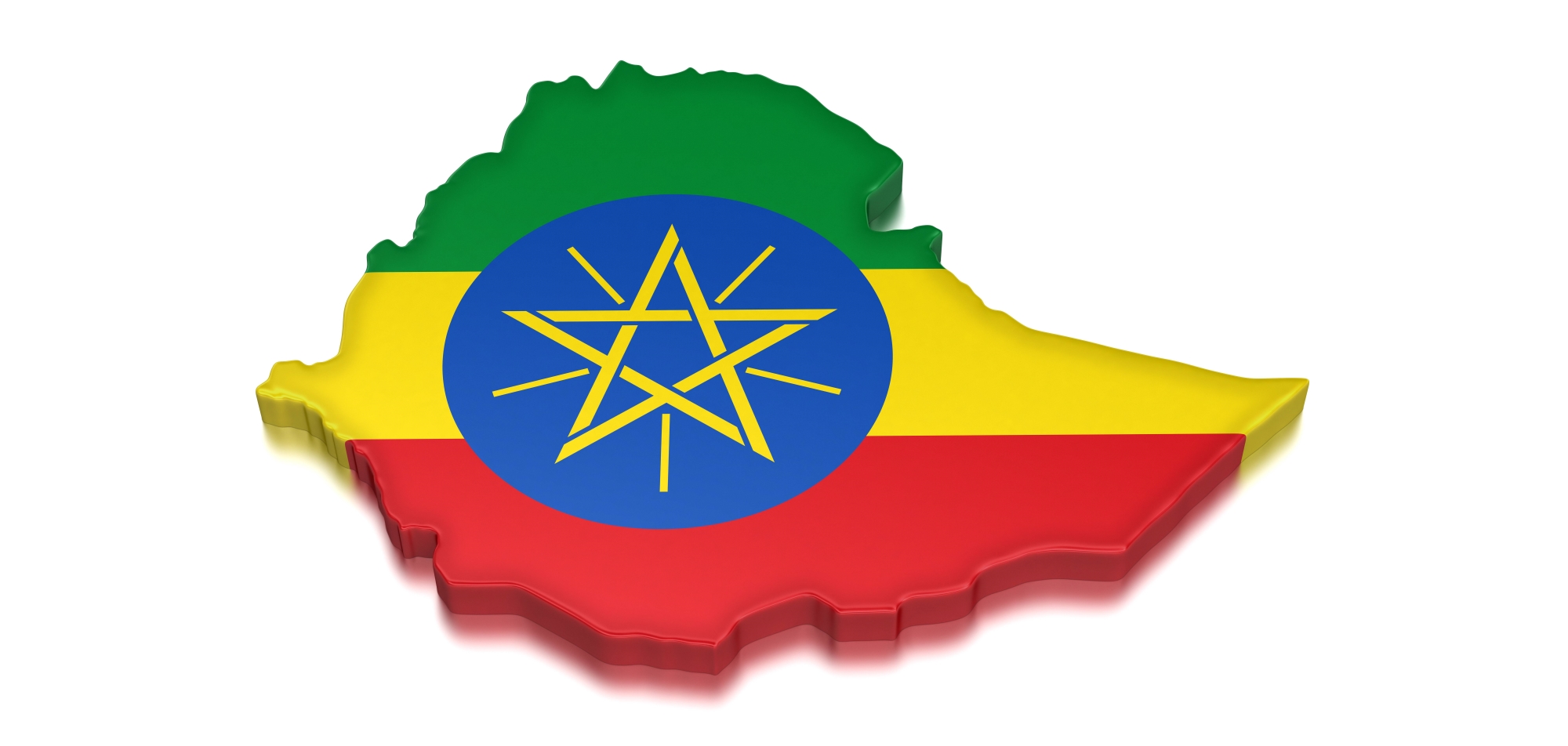
By Yordanos D.
Addis Ababa, March 17, 2026 (ENA) —In the volatile Horn of Africa, a region long shaped by geopolitical fragmentation, fragile transitions, and the persistent shadow of external power competition, Ethiopia is attempting something remarkable. It is currently authoring a radical new narrative.
This is not a narrative of isolation.
Nor is it a bid for dominance.
It is a calculated, forward-looking strategy rooted in connectivity, shared prosperity, and collective security, an ambitious effort to redefine the logic of regional order.
At its core lies a simple but transformative conviction: Ethiopia’s national renaissance cannot be achieved alone. Its future is inseparable from the stability, integration, and economic interdependence of its neighbors.
In choosing interdependence over fragmentation, Ethiopia is not merely reacting to history. The East African nation t is attempting to reshape it.
From Fragmentation to Strategic Interdependence
Ethiopia’s approach to regional integration, under the leadership of Abiy Ahmed, is neither rhetorical nor reactive. It is deliberate statecraft. With a population exceeding 130 million, a rapidly expanding economy, and a strategic geographic position, Ethiopia is structurally tied to its neighbors. Its leadership recognizes that ports, energy systems, trade corridors, and security frameworks are not isolated national assets. The country strongly believes they are regional lifelines.
For Ethiopia, the emerging strategy seeks to convert geography from a constraint into leverage.
Powering A Regional Future
A recent and prominent example of this integration vision is the Grand Ethiopian Renaissance Dam (GERD). This mega project stands at its very core. While countries like Egypt and its allies often frame their headlines for the dam through the lens of hydro-politics and dispute, Ethiopia has repositioned the project as the umbrella of East Africa. With a capacity exceeding 5,000 megawatts of renewable energy, the GERD is the cornerstone of a new electrical Interdependence.
As Prime Minister Abiy declared during its inauguration, the dam is intended “not to harm, but to light the region.” The implication is clear: energy interdependence can become a stabilizing force in one of the world’s most volatile regions.
Rewiring the Regin’s Corridors of Commerce
Infrastructure is the backbone of Ethiopia’s integration strategy.
The Addis Ababa–Djibouti Railway has already transformed trade dynamics, reducing transit times between the Ethiopian highlands and the Red Sea from days to hours. For exporters, manufacturers, and farmers, this is more than efficiency. It is access to global markets. Further south, the LAPSSET Corridor is expanding Ethiopia’s economic horizon. At the Moyale One-Stop Border Post, a once-overlooked frontier has become a thriving commercial gateway.
Described by President William Ruto of Kenya as “practical integration,” these projects are not abstract visions. They are functioning systems that facilitate trade, improve food security, and build resilience against climate shocks.
The Push for Port Diversification
As a landlocked nation, Ethiopia has long depended heavily on Djibouti’s ports. Today, it is pursuing a more diversified and resilient strategy, seeking lawful access to multiple maritime outlets across the region.
This is not merely about logistics. It is about strategic autonomy.
By reducing reliance on a single corridor, Ethiopia strengthens its bargaining position while deepening partnerships with neighboring states.
Security as a Shared Responsibility
Economic integration cannot thrive without stability. Ethiopia’s strategy therefore integrates security as a core pillar.
As host of the African Union headquarters in Addis Ababa, the country has long positioned itself as a diplomatic hub. Beyond diplomacy, it has consistently contributed peacekeeping forces to conflict zones such as Somalia and Abyei.
More recently, Ethiopian policy has evolved to prioritize the protection of strategic infrastructure, energy grids, transport corridors, and communication systems, recognizing that these are now central to regional stability.
Digital and Air Connectivity: Ethiopia’s New Frontiers
Physical infrastructure is only part of the story.
Through Ethiopian Airlines, Addis Ababa has emerged as a global aviation hub, linking Africa to Europe, Asia, and the Americas. The airline’s network is not just commercial. It is geopolitical, reinforcing Ethiopia’s role as a continental gateway.
At the same time, telecommunications reforms have opened the door to a digital transformation. Companies like Ethio telecom and Safaricom Ethiopia are expanding connectivity, enabling cross-border commerce in ways previously unimaginable.
Within the framework of the African Continental Free Trade Area (AfCFTA), this digital layer is particularly significant. It allows businesses to transcend physical barriers, linking markets from Addis Ababa to Nairobi and beyond.
A New Regional Logic
Despite persistent tensions and external pressures, Ethiopia’s leadership continues to advance a clear thesis: the Horn of Africa’s future will not be determined by rivalry, but by connectivity.
As Prime Minister Abiy has argued, the foundations of that future lie in “corridors of trade, shared power grids, and institutions that protect peace.” Through its expanding networks of infrastructure, energy, aviation, and digital systems, Ethiopia is constructing more than projects, building interdependence.
All in all, if this strategy succeeds, the implications will be profound.
The Horn of Africa, long characterized as a “shatterbelt,” could gradually evolve into a system defined by cooperation, shared growth, and mutual resilience.
Ethiopia’s vision is not utopian. It is strategic. It suggests that lasting stability in one of the world’s most complex regions will not emerge from isolation or competition. But from the deliberate construction of connections that bind nations together.
In that sense, Ethiopia is not just participating in regional change.
It is attempting to lead it.