Ethiopia This Week - ENA English
Ethiopia This Week
Development Drive, Strategic Partnerships and A Landslide Wake-Up Call
Addis Ababa, March 15, 2026 (ENA)—This week in Ethiopia captured the country’s complex moment of transformation: ambitious development projects, expanding diplomatic partnerships and an urgent humanitarian response to a natural disaster.
Major mining investments worth billions of dollars, new urban modernization projects and expanding regional diplomacy reflected the government’s continuing push toward economic transformation and institutional strengthening.
At the same time, a deadly landslide in southern Ethiopia served as a stark reminder of the environmental vulnerabilities facing rural communities.
Together, these developments illustrated the realities of a country pursuing rapid modernization while confronting climate pressures and longstanding social challenges. Even as Ethiopia continues large-scale environmental initiatives such as the Green Legacy campaign, climate-related risks remain an urgent concern.
Urban Modernization and Digital Governance
Prime Minister Abiy Ahmed began the week with an inspection tour of eastern Ethiopia, visiting the historic cities of Dire Dawa and Harar to review ongoing urban development and public service modernization projects.
In Dire Dawa, the Prime Minister evaluated the progress of the city’s corridor development program — an ambitious urban renewal initiative designed to improve public spaces, mobility and commercial activity. The project features pedestrian walkways, recreational areas, retail zones and electric vehicle charging stations aimed at enhancing both urban livability and economic vitality.
The premier also visited an urban farming initiative promoting local food production within the city. The project demonstrates how small-scale agriculture can strengthen urban food security while creating employment opportunities for residents.
Another key stop was the newly established MESOB One Stop Public Service Center, a facility that integrates services from multiple government institutions under one roof, simplifying administrative procedures for citizens.
While observing the projects, the prime minister emphasized the broader objective behind the initiative.
“We are working to ensure that our cities become engines of productivity and centers of opportunity for citizens,” he said. “Urban development must improve quality of life while strengthening economic competitiveness.”
The corridor development program focuses on expanding road networks, improving drainage systems, organizing commercial zones and creating green public spaces designed to make Ethiopian cities more functional and environmentally sustainable.
In Harar, the prime minister inspected a similar integrated service center designed to streamline government service delivery. The visit also included tours of natural and cultural landmarks such as Nasiol Cave and the iconic Kundudo Mountain.
Urban transformation remains central to Ethiopia’s development agenda through the nationwide Corridor Development Initiative, which is upgrading infrastructure across major cities and key transport routes to improve mobility, strengthen trade connectivity and raise urban living standards.
Harar’s modernization program is particularly distinctive because it seeks to balance infrastructure improvements with the preservation of historical identity. The city’s famous walled historic district, Harar Jugol, is undergoing improvements in sanitation, transport and tourism infrastructure while maintaining its unique architectural heritage.
Another milestone was the inauguration of the Mesob One Stop Service Center, part of Ethiopia’s broader digital transformation strategy under the national Digital Ethiopia initiative.
Digital public services are increasingly reshaping the relationship between citizens and government institutions by reducing administrative delays and improving transparency.
Urban modernization is also reaching the community level. Authorities in Harar presented the Burqa Kebele model village, a development initiative designed to demonstrate how improved housing and infrastructure can raise living standards while preserving cultural traditions. The project includes upgraded homes, improved sanitation facilities, paved roads and expanded access to health and education services.
Diplomacy and Strategic Partnerships
Diplomatic engagement also played a prominent role this week.
In Djibouti City, Prime Minister Abiy Ahmed joined Djiboutian President Ismaïl Omar Guelleh and Somali President Hassan Sheikh Mohamud for a tripartite consultation focused on regional cooperation and security across the Horn of Africa.
The leaders discussed political developments in the region, economic integration among neighboring countries and collective approaches to shared security challenges. They also exchanged views on the ongoing conflict in the Middle East and its potential implications for trade and regional stability.
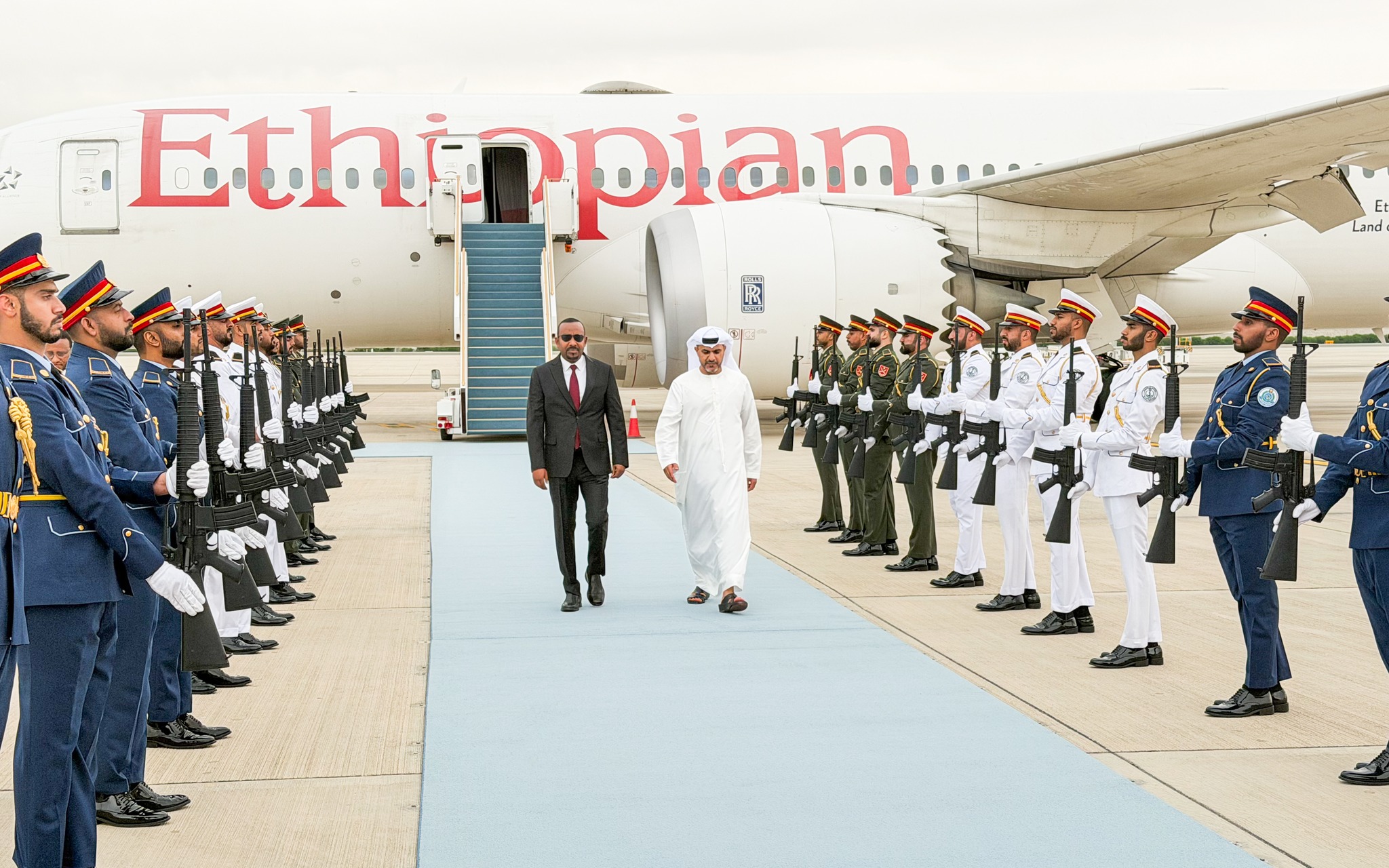
Later in the week, the prime minister traveled to the United Arab Emirates for a working visit aimed at strengthening bilateral relations and economic cooperation.
During the visit, he held talks with UAE President Mohamed bin Zayed Al Nahyan on expanding collaboration in investment, trade, education and regional stability.
“Brotherhood undeterred, a partnership rooted in trust,” the prime minister said, describing the relationship between the two countries.
He added that cooperation with the UAE continues to expand across investment, trade and development initiatives that support Ethiopia’s ambition to build a competitive and dynamic economy.
In recent years, the UAE has emerged as one of Ethiopia’s most significant economic partners, investing in sectors such as renewable energy, logistics infrastructure and agriculture.
Major Mining Investments
The week also saw the signing of major mining investment agreements worth approximately 4.2 billion USD.
The deals involve investors including Ethiopian Investment Holdings and private sector partners such as ZYTB DIM Metals and Minerals and Bero Mining.
The projects aim to develop significant deposits of iron ore, potash and gold across several regions of the country. Officials say these investments could strengthen Ethiopia’s industrial sector by supplying raw materials for domestic manufacturing while boosting export revenues.
Minister of Mines Habtamu Tegegne emphasized the importance of responsible mineral development.
“Our mineral resources have the potential to support industrialization, generate export revenue and create employment opportunities,” he said.
Economic analysts note that expanded mining activity could also help address Ethiopia’s persistent foreign currency shortages by increasing export earnings.
A Tragic Landslide in Southern Ethiopia
Despite these economic and diplomatic advances, the week was overshadowed by a devastating landslide in the Gamo Zone of southern Ethiopia that claimed lives and destroyed homes.
Upon returning from the UAE, Prime Minister Abiy Ahmed traveled to Arba Minch to assess the situation and meet affected families. The disaster was triggered by heavy seasonal rains that caused flooding and landslides in several communities.
Expressing his condolences, the prime minister said: “I express my deep sorrow over the loss of the lives of our citizens.”
He pledged that the government would provide assistance to affected communities while pursuing long-term preventive measures.
The House of Peoples' Representatives of Ethiopia declared a period of national mourning following the tragedy, while emergency teams were deployed to deliver humanitarian assistance.
Deputy Prime Minister Temesgen Tiruneh said government institutions were coordinating relief operations to support survivors and rebuild damaged infrastructure.
The disaster highlights growing climate-related risks in Ethiopia’s highland regions. Increasing rainfall variability, land degradation and deforestation have heightened the risk of landslides and flooding in vulnerable areas.
Authorities say stronger early warning systems, expanded reforestation and improved land management will be critical to reducing future disaster risks.
Cultural Celebration and Social Cohesion
Amid economic initiatives, cultural celebration also reminded Ethiopians of the importance of social unity. The Sidama people celebrated the annual Fichee Chambalaalla festival in the city of Hawassa.
Recognized by UNESCO as an element of intangible cultural heritage, the festival symbolizes renewal, reconciliation and communal solidarity. Thousands gathered for traditional ceremonies, music and cultural performances marking the Sidama New Year. The celebration reflects the enduring values of unity, forgiveness and community harmony that continue to shape Ethiopia’s diverse cultural landscape.
The Week in Perspective
Taken together, this week’s developments highlight three key priorities shaping Ethiopia’s current trajectory. First, domestic transformation, driven by urban modernization, digital governance and expanding economic investment. Second, active diplomacy, aimed at strengthening regional stability and deepening international partnerships. Third, humanitarian engagement, responding to natural disasters affecting vulnerable communities.
These parallel dynamics reveal the multiple dimensions of Ethiopia’s ongoing transformation. Investments in mining, urban infrastructure and digital services reflect an ambitious effort to accelerate economic growth and strengthen institutional capacity.