ENA - ENA English
Live:


Headlines
Ethiopia Leads in Contributing to Africa's Geospatial, Space Observation: ECA Official
Oct 19, 2026 2912
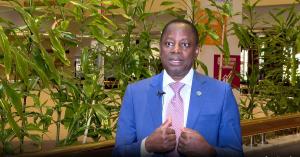
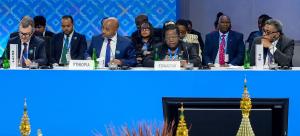
Addis Ababa, October 19, 2026 (ENA) — Ethiopia is making significant contributions to Africa’s efforts to advance geospatial information and space observation for data driven development planning and evidence-based policymaking, a senior official of the United Nations Economic Commission for Africa (ECA) has said. Speaking exclusively to the Ethiopian News Agency (ENA), Andre Nonguierma, Chief of ECA’s Geospatial Information Management Section, highlighted Ethiopia’s progress in developing national space capabilities and applying satellite-based technologies to support development. He noted that Ethiopia’s satellite launches and growing use of Earth observation systems have strengthened its capacity to collect essential data for national planning, policymaking and development monitoring. Nonguierma described geospatial information as critical infrastructure for sustainable development, explaining that reliable location based data enables governments to identify community needs, guide infrastructure development and track progress over time. He emphasized the need for African countries to strengthen regional cooperation and pool resources to develop integrated geospatial and Earth observation systems linked to official statistics. Such integration, he said, would help countries improve development planning, strengthen evidence-based policymaking and make more informed decisions. Nonguierma also highlighted Ethiopia’s engagement in global geospatial governance, citing its role on the bureau of the United Nations Committee of Experts on Global Geospatial Information Management (UN-GGIM). Echoing his views, Nonmcebo Nkonyane-Simelane, a land surveyor at the Surveyor General’s Department of the Kingdom of Eswatini, said Ethiopia’s achievements in geospatial information management offer valuable lessons for other African countries. She stressed that continental cooperation enables countries to share experiences, learn from established practices and strengthen their national geospatial capabilities. They made the remarks during the Tenth Session of the Statistical Commission for Africa, held at the United Nations Conference Centre in Addis Ababa. Convened under the theme “Unleashing the Value of Data in Africa: Making Official Statistics a True Mirror of the Continent,” the session brings together African statistical leaders and international development partners to strengthen statistical systems and enhance the contribution of data to development policy. The event also includes the Twelfth Meeting of the Regional Committee of the United Nations Global Geospatial Information Management for Africa (UN-GGIM: Africa), which focuses on using geospatial information to promote sustainable development and monitor progress. The meetings aim to strengthen Africa’s statistical systems through greater technical cooperation, improved data integration and collaborative approaches to evidence-based policymaking.
.jpg)
Ethiopia’s Renewable Energy Potential Opens New Avenues for African Cooperation
Oct 19, 2026 1917
Addis Ababa, October 19, 2026 (ENA) — Ethiopia’s renewable energy potential presents opportunities to strengthen African cooperation in agricultural productivity, cross-border electricity trade, investment and clean transport, according to Ugandan and Nigerian renewable energy representatives. Paddy Bakengana, Senior Programs Associate at the Uganda Solar Energy Association, told ENA that Ethiopia and Uganda could expand the use of renewable energy technologies in agriculture to boost production, improve efficiency and reduce post-harvest losses. “By the use of renewable energy, by the use of the solar water pumps, the solar dryers, we can actually increase our production,” he said. Bakengana further highlighted the potential of solar-powered irrigation and drying technologies to support agricultural development, noting that cooperation between the two countries could help farmers adopt practical and affordable renewable energy solutions. He also pointed to Ethiopia’s hydropower and solar resources, saying increased electricity generation could create further opportunities for regional power trade. According to Bakengana, partnerships between renewable energy associations in Ethiopia and Uganda could facilitate technical training, knowledge exchange and joint policy advocacy to accelerate the adoption of clean energy technologies. He further stressed the importance of improving access to financing to enable businesses to invest in renewable energy solutions for agriculture in both countries. Meanwhile, Motunrayo Akinfala, Chief Executive Officer of the Renewable Energy Association of Nigeria (REAN), identified electric mobility as another promising area for cooperation among Ethiopia, Nigeria and other African countries. She called for stronger partnerships to facilitate the exchange of expertise, attract investment and expand the deployment of clean energy technologies across the continent. “What I would advise, suggest, is more collaboration between both countries, and even across African countries as a whole,” she said. Akinfala also underscored the need to attract investors and development partners to support Ethiopia’s renewable energy development and help expand access to clean energy solutions. The experiences shared by the Ugandan and Nigerian representatives highlight the potential for African countries to combine their technical expertise, investment capacity and renewable energy resources to support agricultural transformation, expand electricity markets and accelerate the transition to cleaner transport systems.

Ethiopia’s Naval Experience Contributes to Red Sea Security: Aregawi Berhe
Oct 19, 2026 2073
Addis Ababa, October 19, 2026 (ENA) — Ethiopia’s historical experience in naval operations and maritime engagement can significantly contribute to addressing security challenges in the Red Sea region, CEO of the Grand Ethiopian Renaissance Dam (GERD) Project Coordination Office, Aregawi Berhe, said. Speaking to ENA, Aregawi emphasized that Ethiopia had maintained maritime connections for centuries, using Red Sea ports and shipping routes for trade, national defense and the development of naval capabilities. He cited Zeila, Massawa and Assab as ports historically connected to Ethiopia, noting that the country’s loss of direct access to the sea had not erased its legal rights and historical ties in maritime affairs. Aregawi further emphasized the importance of presenting Ethiopia’s legal, historical and operational experience to the international community while pursuing access through legal and diplomatic channels. He said the country’s approach to safeguarding its national interests had gained renewed attention following the political reforms. “During the EPRDF regime, no meaningful diplomatic work was done. Work that was outright contradictory was done. Work that opposed Ethiopia's interests were carried out,” Aregawi said. Aregawi also clarified that the Ethiopian government has genuinely taken up the belief of safeguarding Ethiopia's national interests. The CEO noted the public support for Ethiopia’s maritime interests, saying that alignment between the government and the public has been strengthening the country’s efforts to pursue its objectives. “The Ethiopian people are also grasping this understanding and supporting it. Therefore, if there is alignment between the government and the people, there is no reason why we cannot secure our rights,” he noted. Aregawi further argued that Ethiopia’s long-standing state institutions and experience in governance could contribute to stability in the Red Sea region and beyond. He also stressed that the development of naval capabilities could help Ethiopia protect its national interests while contributing to maritime security in the wider region. “Ethiopia is a country with a long history that has established governmental system since ancient times. This ancient governmental system has made Ethiopia subject to law and order,” he said. According to the CEO, this capacity, when strengthened and deployed, can serve not only as an anchor for the immediate Red Sea region but also as a foundation for the entire continent. Aregawi further elaborated that the GERD has demonstrated Ethiopia’s capacity to undertake similar major national initiatives through domestic expertise and collective effort, while expressing confidence that similar determination and cooperation could support the country’s maritime ambitions and efforts to contribute to regional peace and security.
Ethiopia Highlights AI, Digital Skills and Private Investment in Human Capital Development
Oct 19, 2026 1817
Addis Ababa, October 19, 2026 (ENA) — Ethiopia has highlighted its efforts to expand artificial intelligence (AI) and digital skills, strengthen job-oriented training, and mobilize private investment in human capital development. Speaking at the Human Capital Ministerial Conclave on Private Capital for Skills, Governor of the National Bank of Ethiopia (NBE), Dr. Eyob Tekalign, outlined the country’s policy initiatives and digital learning programs aimed at preparing young people for an evolving labor market. He highlighted key initiatives, including the National AI Policy, the Ethiopian Artificial Intelligence Institute, Digital Ethiopia 2030, the Five Million Coders initiative, and Medemer AI University, as part of Ethiopia’s efforts to build its AI and digital skills ecosystem. Dr. Eyob also pointed to pilot programs introducing AI Coaches and AI Tutors in secondary schools, as well as collaboration with the World Bank on an AI-enabled, gender-responsive skills-for-jobs platform for technical and vocational education and training institutions. The platform is designed to support skills development and employment opportunities, including for young people from refugee and host communities. He emphasized that skills development requires shared responsibility among governments, employers, and training institutions, stressing that the impact of training should be measured by the relevance of the skills acquired and improvements in employment prospects rather than the number of people trained. Dr. Eyob further underscored that mobilizing private capital for skills development must be guided by clear public priorities, quality standards, and equitable access to ensure that investment delivers meaningful and inclusive outcomes. The Conclave is convened by the World Bank Group’s Human Capital Project, a network that brings together policymakers from countries committed to investing in people. Ethiopia has been an active member since the Conclave’s establishment.
.jpg)
Global Roundup: A Week Exposing World’s Interconnected Crises
Oct 19, 2026 2353
The week of October 11–18, 2026, brought renewed conflict, economic uncertainty, climate warnings and rapid technological change across the globe. Developments across the Middle East, Europe, Africa, Asia and the Americas showed how closely security, energy, public finances, humanitarian needs and environmental sustainability are connected. Diplomatic efforts continued, but unresolved agreements and military tensions threatened regional and international stability. Meanwhile, governments weighed the cost of energy support and public debt, while forecasts of a strengthening El Niño and the growing reach of artificial intelligence reinforced the need for coordinated international action. Conflicts and Regional Security Middle East tensions remained acute. Reports of an alleged assault on diplomats from France, Belgium and Poland in the West Bank village of Taybeh during the olive harvest featured among the major events of the week. Reported casualties in Gaza and Yemen, including the deaths of three children in airstrikes in Dhamar, highlighted the human cost of regional hostilities. Tensions involving Saudi Arabia and Iran, alongside reports of attacks on commercial vessels in the Persian Gulf and Arabian Sea, raised concerns about commercial shipping and energy security. Extended disruption to these routes could raise fuel prices, freight charges and insurance costs, spreading economic impacts across global markets. The Russia–Ukraine war continued to threaten European security, with reported attacks on energy infrastructure and residential areas. Ukrainian President Volodymyr Zelenskyy said Kyiv was ready to observe a ceasefire covering energy facilities, calling on Russia to take concrete steps. European Union discussions also addressed competitiveness, support for Ukraine and the bloc’s long-term budget. Member state governments faced the challenge of balancing defence spending with affordable energy, industrial competitiveness and fiscal stability. In Africa, African Union consultations in Kigali, Rwanda, focused on implementing the Washington Peace Agreement for eastern Democratic Republic of the Congo. Discussions covered security commitments, disarming armed groups, refugee protection and regional economic cooperation. Sudan’s war between the Sudanese Armed Forces and the Rapid Support Forces continued to drive displacement and humanitarian needs, placing pressure on neighbouring countries through refugee movements, border insecurity and demands on public services. Violence and displacement also persisted in parts of the Sahel. In the Indo-Pacific, China and North Korea opened a long-delayed border bridge intended to facilitate trade, even as North Korea announced weapons tests involving submarine-launched cruise missiles. Global Economy and Financial Pressures High energy costs, public debt and uncertainty over investment and growth remained central economic concerns. At the annual meetings of the International Monetary Fund (IMF) and World Bank in Bangkok, officials considered the resilience of investment and financial markets amid geopolitical shocks. The IMF warned that energy-support measures were adding to fiscal pressure. Such measures were estimated at about 0.5 percent of global gross domestic product, while public debt in advanced economies was projected to rise from 108 percent of GDP to 115 percent over five years. Developing economies face difficult choices due to limited fiscal space, substantial external financing needs and heavy dependence on imported fuel and food. Currency pressure, volatile commodity markets and higher borrowing costs continue to test financial stability. The IMF projected African growth of 4.5 percent in 2026 and 5 percent in 2027, but insecurity, energy disruptions, climate shocks and reduced development assistance could weaken the outlook. Official development assistance was forecast to fall by a further 12 percent in 2026. In Latin America and the Caribbean, the IMF lowered its 2026 growth forecasts, citing the energy shock and limited gains from the global technology investment boom. Fuel importers face higher transport and production costs, while oil and mineral exporters remain exposed to price volatility. Energy Security and Maritime Trade Energy security connected many of the week’s geopolitical and economic developments. Reports of attacks on shipping in the Persian Gulf and Arabian Sea raised concerns over routes used to transport crude oil and other essential commodities. For African and other developing economies, diversifying energy sources, expanding domestic electricity generation and improving transport infrastructure remain crucial to reducing exposure to external shocks. Renewable energy investment, regional electricity interconnections and efficient logistics offer avenues to strengthen long-term competitiveness. Climate Change and Environmental Risks Climate risks featured prominently, with warnings of a strengthening El Niño, cross-border air pollution and renewed calls for adaptation and climate finance. The World Meteorological Organization’s seasonal outlook indicated that sea-surface temperatures in the central and eastern tropical Pacific could rise towards record levels during October–December 2026. A stronger El Niño could alter temperature and rainfall patterns, increasing drought risks in some regions and flooding in others. Potential consequences include crop losses, water shortages, disrupted hydropower generation and higher food prices. For Ethiopia and other African countries, climate variability threatens food production, rural livelihoods and water security. Expanding irrigation, soil conservation, climate-resilient crop varieties and reliable weather information remain central to protecting agricultural productivity. At pre-COP31 meetings in Fiji, Pacific island countries called for stronger emissions reductions, adaptation and climate finance. Fiji announced a contribution of 10 million USD to the Pacific Resilience Facility. The UN climate conference COP31 is scheduled for Antalya, Türkiye, from November 9 to 20, 2026. Environmental pressures were also evident in Southeast Asia, where Singapore prepared to issue haze-prevention notices to seven companies linked to fires in Indonesia, while Timor-Leste closed schools amid worsening air quality. Water shortages in Mexico’s Jalisco state further highlighted the need for sustainable water management. Technology and Artificial Intelligence Artificial intelligence continued to shape economic competitiveness, public services and national security. In Africa, supported by reliable digital infrastructure, digital technologies could improve agricultural advice, health services, education and public administration. However, these benefits depend on investment in digital connectivity, technical skills and affordable electricity. Major data centres and computing systems require increasing amounts of energy, linking digital development directly to national energy policies and climate goals. ….. Sources: The roundup draws on reporting and analysis from AllAfrica, Al Jazeera, Arab News, The Jordan Times, Channel NewsAsia, Japan’s NHK, Yonhap News Agency, The Hindu, Press Trust of India, Xinhua, Euronews, Deutsche Welle, the Associated Press, Reuters, CBC News, CityNews, LatinNews, ABC News and The Guardian.
Featured
Ethiopia Leads in Contributing to Africa's Geospatial, Space Observation: ECA Official
Oct 19, 2026 2912
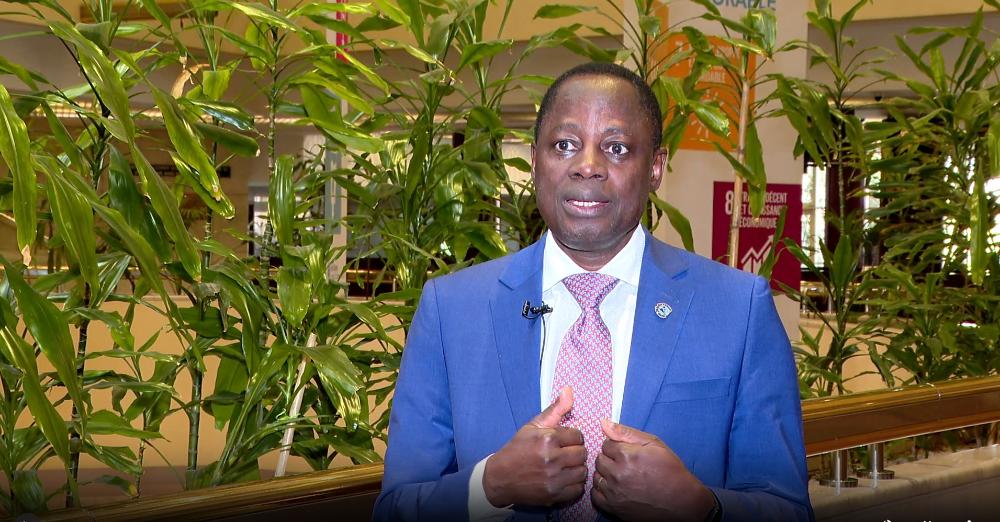
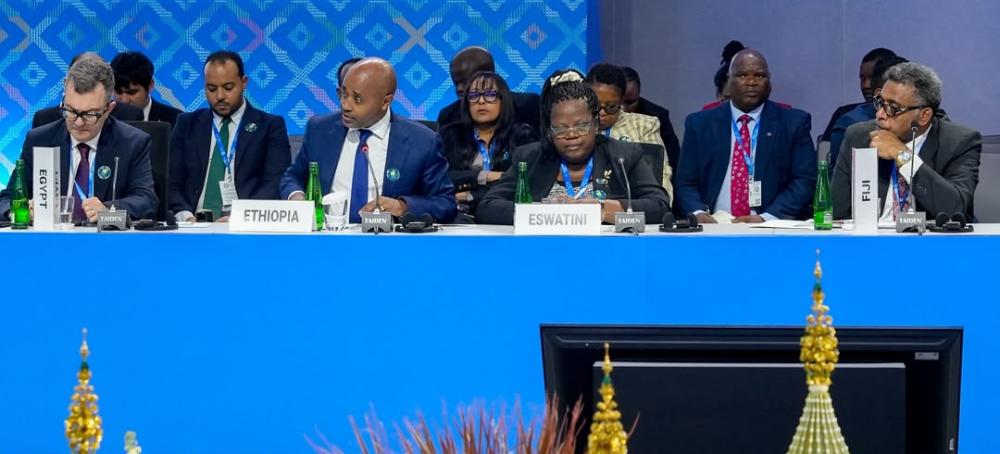
Addis Ababa, October 19, 2026 (ENA) — Ethiopia is making significant contributions to Africa’s efforts to advance geospatial information and space observation for data driven development planning and evidence-based policymaking, a senior official of the United Nations Economic Commission for Africa (ECA) has said. Speaking exclusively to the Ethiopian News Agency (ENA), Andre Nonguierma, Chief of ECA’s Geospatial Information Management Section, highlighted Ethiopia’s progress in developing national space capabilities and applying satellite-based technologies to support development. He noted that Ethiopia’s satellite launches and growing use of Earth observation systems have strengthened its capacity to collect essential data for national planning, policymaking and development monitoring. Nonguierma described geospatial information as critical infrastructure for sustainable development, explaining that reliable location based data enables governments to identify community needs, guide infrastructure development and track progress over time. He emphasized the need for African countries to strengthen regional cooperation and pool resources to develop integrated geospatial and Earth observation systems linked to official statistics. Such integration, he said, would help countries improve development planning, strengthen evidence-based policymaking and make more informed decisions. Nonguierma also highlighted Ethiopia’s engagement in global geospatial governance, citing its role on the bureau of the United Nations Committee of Experts on Global Geospatial Information Management (UN-GGIM). Echoing his views, Nonmcebo Nkonyane-Simelane, a land surveyor at the Surveyor General’s Department of the Kingdom of Eswatini, said Ethiopia’s achievements in geospatial information management offer valuable lessons for other African countries. She stressed that continental cooperation enables countries to share experiences, learn from established practices and strengthen their national geospatial capabilities. They made the remarks during the Tenth Session of the Statistical Commission for Africa, held at the United Nations Conference Centre in Addis Ababa. Convened under the theme “Unleashing the Value of Data in Africa: Making Official Statistics a True Mirror of the Continent,” the session brings together African statistical leaders and international development partners to strengthen statistical systems and enhance the contribution of data to development policy. The event also includes the Twelfth Meeting of the Regional Committee of the United Nations Global Geospatial Information Management for Africa (UN-GGIM: Africa), which focuses on using geospatial information to promote sustainable development and monitor progress. The meetings aim to strengthen Africa’s statistical systems through greater technical cooperation, improved data integration and collaborative approaches to evidence-based policymaking.
.jpg)
Ethiopia’s Renewable Energy Potential Opens New Avenues for African Cooperation
Oct 19, 2026 1917
Addis Ababa, October 19, 2026 (ENA) — Ethiopia’s renewable energy potential presents opportunities to strengthen African cooperation in agricultural productivity, cross-border electricity trade, investment and clean transport, according to Ugandan and Nigerian renewable energy representatives. Paddy Bakengana, Senior Programs Associate at the Uganda Solar Energy Association, told ENA that Ethiopia and Uganda could expand the use of renewable energy technologies in agriculture to boost production, improve efficiency and reduce post-harvest losses. “By the use of renewable energy, by the use of the solar water pumps, the solar dryers, we can actually increase our production,” he said. Bakengana further highlighted the potential of solar-powered irrigation and drying technologies to support agricultural development, noting that cooperation between the two countries could help farmers adopt practical and affordable renewable energy solutions. He also pointed to Ethiopia’s hydropower and solar resources, saying increased electricity generation could create further opportunities for regional power trade. According to Bakengana, partnerships between renewable energy associations in Ethiopia and Uganda could facilitate technical training, knowledge exchange and joint policy advocacy to accelerate the adoption of clean energy technologies. He further stressed the importance of improving access to financing to enable businesses to invest in renewable energy solutions for agriculture in both countries. Meanwhile, Motunrayo Akinfala, Chief Executive Officer of the Renewable Energy Association of Nigeria (REAN), identified electric mobility as another promising area for cooperation among Ethiopia, Nigeria and other African countries. She called for stronger partnerships to facilitate the exchange of expertise, attract investment and expand the deployment of clean energy technologies across the continent. “What I would advise, suggest, is more collaboration between both countries, and even across African countries as a whole,” she said. Akinfala also underscored the need to attract investors and development partners to support Ethiopia’s renewable energy development and help expand access to clean energy solutions. The experiences shared by the Ugandan and Nigerian representatives highlight the potential for African countries to combine their technical expertise, investment capacity and renewable energy resources to support agricultural transformation, expand electricity markets and accelerate the transition to cleaner transport systems.

Ethiopia’s Naval Experience Contributes to Red Sea Security: Aregawi Berhe
Oct 19, 2026 2073
Addis Ababa, October 19, 2026 (ENA) — Ethiopia’s historical experience in naval operations and maritime engagement can significantly contribute to addressing security challenges in the Red Sea region, CEO of the Grand Ethiopian Renaissance Dam (GERD) Project Coordination Office, Aregawi Berhe, said. Speaking to ENA, Aregawi emphasized that Ethiopia had maintained maritime connections for centuries, using Red Sea ports and shipping routes for trade, national defense and the development of naval capabilities. He cited Zeila, Massawa and Assab as ports historically connected to Ethiopia, noting that the country’s loss of direct access to the sea had not erased its legal rights and historical ties in maritime affairs. Aregawi further emphasized the importance of presenting Ethiopia’s legal, historical and operational experience to the international community while pursuing access through legal and diplomatic channels. He said the country’s approach to safeguarding its national interests had gained renewed attention following the political reforms. “During the EPRDF regime, no meaningful diplomatic work was done. Work that was outright contradictory was done. Work that opposed Ethiopia's interests were carried out,” Aregawi said. Aregawi also clarified that the Ethiopian government has genuinely taken up the belief of safeguarding Ethiopia's national interests. The CEO noted the public support for Ethiopia’s maritime interests, saying that alignment between the government and the public has been strengthening the country’s efforts to pursue its objectives. “The Ethiopian people are also grasping this understanding and supporting it. Therefore, if there is alignment between the government and the people, there is no reason why we cannot secure our rights,” he noted. Aregawi further argued that Ethiopia’s long-standing state institutions and experience in governance could contribute to stability in the Red Sea region and beyond. He also stressed that the development of naval capabilities could help Ethiopia protect its national interests while contributing to maritime security in the wider region. “Ethiopia is a country with a long history that has established governmental system since ancient times. This ancient governmental system has made Ethiopia subject to law and order,” he said. According to the CEO, this capacity, when strengthened and deployed, can serve not only as an anchor for the immediate Red Sea region but also as a foundation for the entire continent. Aregawi further elaborated that the GERD has demonstrated Ethiopia’s capacity to undertake similar major national initiatives through domestic expertise and collective effort, while expressing confidence that similar determination and cooperation could support the country’s maritime ambitions and efforts to contribute to regional peace and security.
Ethiopia Highlights AI, Digital Skills and Private Investment in Human Capital Development
Oct 19, 2026 1817
Addis Ababa, October 19, 2026 (ENA) — Ethiopia has highlighted its efforts to expand artificial intelligence (AI) and digital skills, strengthen job-oriented training, and mobilize private investment in human capital development. Speaking at the Human Capital Ministerial Conclave on Private Capital for Skills, Governor of the National Bank of Ethiopia (NBE), Dr. Eyob Tekalign, outlined the country’s policy initiatives and digital learning programs aimed at preparing young people for an evolving labor market. He highlighted key initiatives, including the National AI Policy, the Ethiopian Artificial Intelligence Institute, Digital Ethiopia 2030, the Five Million Coders initiative, and Medemer AI University, as part of Ethiopia’s efforts to build its AI and digital skills ecosystem. Dr. Eyob also pointed to pilot programs introducing AI Coaches and AI Tutors in secondary schools, as well as collaboration with the World Bank on an AI-enabled, gender-responsive skills-for-jobs platform for technical and vocational education and training institutions. The platform is designed to support skills development and employment opportunities, including for young people from refugee and host communities. He emphasized that skills development requires shared responsibility among governments, employers, and training institutions, stressing that the impact of training should be measured by the relevance of the skills acquired and improvements in employment prospects rather than the number of people trained. Dr. Eyob further underscored that mobilizing private capital for skills development must be guided by clear public priorities, quality standards, and equitable access to ensure that investment delivers meaningful and inclusive outcomes. The Conclave is convened by the World Bank Group’s Human Capital Project, a network that brings together policymakers from countries committed to investing in people. Ethiopia has been an active member since the Conclave’s establishment.
.jpg)
Global Roundup: A Week Exposing World’s Interconnected Crises
Oct 19, 2026 2353
The week of October 11–18, 2026, brought renewed conflict, economic uncertainty, climate warnings and rapid technological change across the globe. Developments across the Middle East, Europe, Africa, Asia and the Americas showed how closely security, energy, public finances, humanitarian needs and environmental sustainability are connected. Diplomatic efforts continued, but unresolved agreements and military tensions threatened regional and international stability. Meanwhile, governments weighed the cost of energy support and public debt, while forecasts of a strengthening El Niño and the growing reach of artificial intelligence reinforced the need for coordinated international action. Conflicts and Regional Security Middle East tensions remained acute. Reports of an alleged assault on diplomats from France, Belgium and Poland in the West Bank village of Taybeh during the olive harvest featured among the major events of the week. Reported casualties in Gaza and Yemen, including the deaths of three children in airstrikes in Dhamar, highlighted the human cost of regional hostilities. Tensions involving Saudi Arabia and Iran, alongside reports of attacks on commercial vessels in the Persian Gulf and Arabian Sea, raised concerns about commercial shipping and energy security. Extended disruption to these routes could raise fuel prices, freight charges and insurance costs, spreading economic impacts across global markets. The Russia–Ukraine war continued to threaten European security, with reported attacks on energy infrastructure and residential areas. Ukrainian President Volodymyr Zelenskyy said Kyiv was ready to observe a ceasefire covering energy facilities, calling on Russia to take concrete steps. European Union discussions also addressed competitiveness, support for Ukraine and the bloc’s long-term budget. Member state governments faced the challenge of balancing defence spending with affordable energy, industrial competitiveness and fiscal stability. In Africa, African Union consultations in Kigali, Rwanda, focused on implementing the Washington Peace Agreement for eastern Democratic Republic of the Congo. Discussions covered security commitments, disarming armed groups, refugee protection and regional economic cooperation. Sudan’s war between the Sudanese Armed Forces and the Rapid Support Forces continued to drive displacement and humanitarian needs, placing pressure on neighbouring countries through refugee movements, border insecurity and demands on public services. Violence and displacement also persisted in parts of the Sahel. In the Indo-Pacific, China and North Korea opened a long-delayed border bridge intended to facilitate trade, even as North Korea announced weapons tests involving submarine-launched cruise missiles. Global Economy and Financial Pressures High energy costs, public debt and uncertainty over investment and growth remained central economic concerns. At the annual meetings of the International Monetary Fund (IMF) and World Bank in Bangkok, officials considered the resilience of investment and financial markets amid geopolitical shocks. The IMF warned that energy-support measures were adding to fiscal pressure. Such measures were estimated at about 0.5 percent of global gross domestic product, while public debt in advanced economies was projected to rise from 108 percent of GDP to 115 percent over five years. Developing economies face difficult choices due to limited fiscal space, substantial external financing needs and heavy dependence on imported fuel and food. Currency pressure, volatile commodity markets and higher borrowing costs continue to test financial stability. The IMF projected African growth of 4.5 percent in 2026 and 5 percent in 2027, but insecurity, energy disruptions, climate shocks and reduced development assistance could weaken the outlook. Official development assistance was forecast to fall by a further 12 percent in 2026. In Latin America and the Caribbean, the IMF lowered its 2026 growth forecasts, citing the energy shock and limited gains from the global technology investment boom. Fuel importers face higher transport and production costs, while oil and mineral exporters remain exposed to price volatility. Energy Security and Maritime Trade Energy security connected many of the week’s geopolitical and economic developments. Reports of attacks on shipping in the Persian Gulf and Arabian Sea raised concerns over routes used to transport crude oil and other essential commodities. For African and other developing economies, diversifying energy sources, expanding domestic electricity generation and improving transport infrastructure remain crucial to reducing exposure to external shocks. Renewable energy investment, regional electricity interconnections and efficient logistics offer avenues to strengthen long-term competitiveness. Climate Change and Environmental Risks Climate risks featured prominently, with warnings of a strengthening El Niño, cross-border air pollution and renewed calls for adaptation and climate finance. The World Meteorological Organization’s seasonal outlook indicated that sea-surface temperatures in the central and eastern tropical Pacific could rise towards record levels during October–December 2026. A stronger El Niño could alter temperature and rainfall patterns, increasing drought risks in some regions and flooding in others. Potential consequences include crop losses, water shortages, disrupted hydropower generation and higher food prices. For Ethiopia and other African countries, climate variability threatens food production, rural livelihoods and water security. Expanding irrigation, soil conservation, climate-resilient crop varieties and reliable weather information remain central to protecting agricultural productivity. At pre-COP31 meetings in Fiji, Pacific island countries called for stronger emissions reductions, adaptation and climate finance. Fiji announced a contribution of 10 million USD to the Pacific Resilience Facility. The UN climate conference COP31 is scheduled for Antalya, Türkiye, from November 9 to 20, 2026. Environmental pressures were also evident in Southeast Asia, where Singapore prepared to issue haze-prevention notices to seven companies linked to fires in Indonesia, while Timor-Leste closed schools amid worsening air quality. Water shortages in Mexico’s Jalisco state further highlighted the need for sustainable water management. Technology and Artificial Intelligence Artificial intelligence continued to shape economic competitiveness, public services and national security. In Africa, supported by reliable digital infrastructure, digital technologies could improve agricultural advice, health services, education and public administration. However, these benefits depend on investment in digital connectivity, technical skills and affordable electricity. Major data centres and computing systems require increasing amounts of energy, linking digital development directly to national energy policies and climate goals. ….. Sources: The roundup draws on reporting and analysis from AllAfrica, Al Jazeera, Arab News, The Jordan Times, Channel NewsAsia, Japan’s NHK, Yonhap News Agency, The Hindu, Press Trust of India, Xinhua, Euronews, Deutsche Welle, the Associated Press, Reuters, CBC News, CityNews, LatinNews, ABC News and The Guardian.

POA English
Pulse Of Africa - English Language
Your news, current affairs and entertainment channel
Join us on
POA Arabic - عربي
Pulse Of Africa - Arabic Language
قناتكم الاخبارية و الترفيهية
Join us on
Politics
Ethiopia Leads in Contributing to Africa's Geospatial, Space Observation: ECA Official
Oct 19, 2026 2912
Addis Ababa, October 19, 2026 (ENA) — Ethiopia is making significant contributions to Africa’s efforts to advance geospatial information and space observation for data driven development planning and evidence-based policymaking, a senior official of the United Nations Economic Commission for Africa (ECA) has said. Speaking exclusively to the Ethiopian News Agency (ENA), Andre Nonguierma, Chief of ECA’s Geospatial Information Management Section, highlighted Ethiopia’s progress in developing national space capabilities and applying satellite-based technologies to support development. He noted that Ethiopia’s satellite launches and growing use of Earth observation systems have strengthened its capacity to collect essential data for national planning, policymaking and development monitoring. Nonguierma described geospatial information as critical infrastructure for sustainable development, explaining that reliable location based data enables governments to identify community needs, guide infrastructure development and track progress over time. He emphasized the need for African countries to strengthen regional cooperation and pool resources to develop integrated geospatial and Earth observation systems linked to official statistics. Such integration, he said, would help countries improve development planning, strengthen evidence-based policymaking and make more informed decisions. Nonguierma also highlighted Ethiopia’s engagement in global geospatial governance, citing its role on the bureau of the United Nations Committee of Experts on Global Geospatial Information Management (UN-GGIM). Echoing his views, Nonmcebo Nkonyane-Simelane, a land surveyor at the Surveyor General’s Department of the Kingdom of Eswatini, said Ethiopia’s achievements in geospatial information management offer valuable lessons for other African countries. She stressed that continental cooperation enables countries to share experiences, learn from established practices and strengthen their national geospatial capabilities. They made the remarks during the Tenth Session of the Statistical Commission for Africa, held at the United Nations Conference Centre in Addis Ababa. Convened under the theme “Unleashing the Value of Data in Africa: Making Official Statistics a True Mirror of the Continent,” the session brings together African statistical leaders and international development partners to strengthen statistical systems and enhance the contribution of data to development policy. The event also includes the Twelfth Meeting of the Regional Committee of the United Nations Global Geospatial Information Management for Africa (UN-GGIM: Africa), which focuses on using geospatial information to promote sustainable development and monitor progress. The meetings aim to strengthen Africa’s statistical systems through greater technical cooperation, improved data integration and collaborative approaches to evidence-based policymaking.
Ethiopia’s Naval Experience Contributes to Red Sea Security: Aregawi Berhe
Oct 19, 2026 2073
Addis Ababa, October 19, 2026 (ENA) — Ethiopia’s historical experience in naval operations and maritime engagement can significantly contribute to addressing security challenges in the Red Sea region, CEO of the Grand Ethiopian Renaissance Dam (GERD) Project Coordination Office, Aregawi Berhe, said. Speaking to ENA, Aregawi emphasized that Ethiopia had maintained maritime connections for centuries, using Red Sea ports and shipping routes for trade, national defense and the development of naval capabilities. He cited Zeila, Massawa and Assab as ports historically connected to Ethiopia, noting that the country’s loss of direct access to the sea had not erased its legal rights and historical ties in maritime affairs. Aregawi further emphasized the importance of presenting Ethiopia’s legal, historical and operational experience to the international community while pursuing access through legal and diplomatic channels. He said the country’s approach to safeguarding its national interests had gained renewed attention following the political reforms. “During the EPRDF regime, no meaningful diplomatic work was done. Work that was outright contradictory was done. Work that opposed Ethiopia's interests were carried out,” Aregawi said. Aregawi also clarified that the Ethiopian government has genuinely taken up the belief of safeguarding Ethiopia's national interests. The CEO noted the public support for Ethiopia’s maritime interests, saying that alignment between the government and the public has been strengthening the country’s efforts to pursue its objectives. “The Ethiopian people are also grasping this understanding and supporting it. Therefore, if there is alignment between the government and the people, there is no reason why we cannot secure our rights,” he noted. Aregawi further argued that Ethiopia’s long-standing state institutions and experience in governance could contribute to stability in the Red Sea region and beyond. He also stressed that the development of naval capabilities could help Ethiopia protect its national interests while contributing to maritime security in the wider region. “Ethiopia is a country with a long history that has established governmental system since ancient times. This ancient governmental system has made Ethiopia subject to law and order,” he said. According to the CEO, this capacity, when strengthened and deployed, can serve not only as an anchor for the immediate Red Sea region but also as a foundation for the entire continent. Aregawi further elaborated that the GERD has demonstrated Ethiopia’s capacity to undertake similar major national initiatives through domestic expertise and collective effort, while expressing confidence that similar determination and cooperation could support the country’s maritime ambitions and efforts to contribute to regional peace and security.
.jpg)
Ethiopia Advances Strategic Interests, Diplomacy and Regional Security This Week
Oct 18, 2026 11754
By Staff Writer October 18, 2026 (ENA) Ethiopia has concluded the week with a series of significant political, diplomatic, economic and security developments, underscoring its determination to consolidate domestic stability, deepen international partnerships and strengthen its strategic role in the Horn of Africa and the Red Sea region. From establishing a six-month caretaker administration in Tigray to advancing economic diplomacy at the 2026 International Monetary Fund (IMF) and World Bank Group Annual Meetings in Bangkok, Ethiopia has pursued multiple priorities aimed at strengthening national stability and accelerating development. Prime Minister Abiy Ahmed’s telephone conversations with Israeli Prime Minister Benjamin Netanyahu and U.S. Secretary of State Marco Rubio further highlighted Ethiopia’s active bilateral engagement. Meanwhile a security briefing for foreign military attachés underscored the government’s emphasis on safeguarding national sovereignty and addressing information gaps surrounding the country’s security situation. Beyond immediate political and security priorities, the week also featured renewed calls for national unity, stronger technological capacity and climate resilience, alongside a broader national ambition to secure reliable maritime access and expand Ethiopia’s contribution to regional peace and economic integration. As Ethiopia begins a new five-year political chapter under the Medemer Government, these developments reflect an interconnected agenda: consolidating peace at home, mobilizing resources for development and advancing the country’s interests through regional cooperation and international engagement. Caretaker Administration in Tigray Region Ethiopia’s federal government has established a six-month caretaker administration for the Tigray Region, with a mandate to restore peace, revive public institutions and services, rebuild war-damaged infrastructure and prepare the ground for free and transparent elections. The decision followed a resolution by the House of Federation and a subsequent binding decision by the Council of Ministers to establish a provisional administration for the region. According to a statement from the Office of the Prime Minister, the measure came after repeated efforts to resolve the conflict through the Pretoria Agreement encountered obstacles attributed to the TPLF leadership. The statement accused the leadership of undermining the peace process and returning to conflict, arguing that the region’s population should not be trapped in a recurring cycle of violence. The federal government emphasized that lasting peace requires prioritizing development, strengthening Tigray’s place within Ethiopia’s federal system and deepening cooperation with the country’s other peoples. The caretaker administration is expected to restore the functioning of government institutions, facilitate the resumption of essential social services, rehabilitate damaged infrastructure and support the return of internally displaced people to their homes. The initiative places institutional recovery, peace and the restoration of essential services at the center of efforts to address the region’s challenges. Its implementation and progress toward credible elections will be important indicators of whether the transitional arrangement can help establish a more stable political environment. Ethiopia Intensifies Economic Diplomacy, Seeks Fresh Investment Capital Ethiopia has stepped up its international economic engagement at the 2026 IMF and World Bank Group Annual Meetings in Bangkok, Thailand, seeking to translate ongoing economic reforms and progress on debt restructuring into stronger investment partnerships and development financing. The Ethiopian delegation, led by National Bank of Ethiopia Governor Dr. Eyob Tekalign and including State Minister of Finance Tiguist Fisseha, engaged with international financial institutions, development partners and senior financial officials on the country’s economic priorities. The meetings provided a platform to discuss macroeconomic reforms, financial stability, debt sustainability, private investment and financing for Ethiopia’s development ambitions. Governor Eyob emphasized that Ethiopia is increasingly looking beyond debt restructuring toward attracting fresh investment capital and building high-value international partnerships that reflect the country’s market size, economic potential and development priorities. The shift comes as Ethiopia advances negotiations with external creditors. According to the delegation’s account, agreements with bilateral creditors have been finalized, while negotiations with commercial lenders are progressing following an agreement in principle with Eurobond holders. The delegation also held engagements with representatives of international financial institutions and partner countries to explore opportunities for closer cooperation and investment. For Ethiopia, the objective extends beyond securing additional financing. It is also about strengthening investor confidence, expanding access to development resources and ensuring that international partnerships support the country’s long-term economic transformation. As the country continues implementing economic reforms, the ability to convert international commitments into productive investment, employment opportunities and improved livelihoods will remain a central test of its economic diplomacy. Ethiopia Reaffirms Sovereignty as Foreign Military Attachés Receive Security Briefing Ethiopia has reiterated its commitment to safeguarding its sovereignty and territorial integrity as foreign military attachés received an update on the country’s security situation at Bishoftu Air Force Base. The briefing provided foreign military representatives with information on developments over the preceding three weeks, including security incidents and measures taken by the Ethiopian National Defense Force (ENDF). The representatives were also shown weapons reportedly captured during recent security operations in Tigray and adjoining areas. According to accounts of the briefing, the military attachés described the direct exchange as useful in clarifying information gaps and addressing reports circulating on social media and other media platforms. They also expressed support for Ethiopia’s right to protect its sovereignty and territorial integrity. High-Level Telephone Diplomacy Strengthens Ethiopia’s International Engagement Prime Minister Abiy Ahmed held separate telephone conversations with Israeli Prime Minister Benjamin Netanyahu and U.S. Secretary of State Marco Rubio, discussing bilateral relations and regional and multilateral issues of mutual interest. Following his conversation with Netanyahu, the Prime Minister described the exchange as fruitful and constructive, noting that the two leaders discussed bilateral relations and key regional developments. He also reaffirmed their commitment to strengthening cooperation. In his conversation with Rubio, PM Abiy discussed opportunities to translate the longstanding Ethiopia–United States relationship into a more strategic and practical partnership. The Prime Minister welcomed Washington’s assurance of continued support for Ethiopia and emphasized the shared interest in advancing bilateral cooperation and addressing regional and multilateral priorities. The engagements reflect Ethiopia’s continued efforts to maintain high-level dialogue with international partners while advancing its diplomatic and strategic interests. For a country whose economic and security priorities are closely connected to developments across the Horn of Africa, the Red Sea and the wider Middle East, sustained diplomatic engagement remains important to building partnerships, addressing shared concerns and supporting regional cooperation. National Flag Day Renews Call for Unity, Consensus and Shared Prosperity Ethiopia marked its 19th National Flag Day on October 12 under the theme “Our Flag for National Consensus and Unity,” renewing calls for national cohesion, respect for diversity and collective responsibility for the country’s future. In his message marking the occasion, Prime Minister Abiy Ahmed emphasized that national unity is fundamental to Ethiopia’s pursuit of prosperity and that the national flag represents the country’s shared history, sovereignty and strength in diversity. The observance came at a time when consolidating peace, strengthening public institutions and broadening national consensus remain important priorities for Ethiopia’s political transition. Beyond its symbolic significance, National Flag Day offered an opportunity to highlight the importance of dialogue, mutual understanding and cooperation among Ethiopia’s diverse communities. The message reinforced the idea that sustainable development requires more than economic growth: it also depends on social cohesion, shared responsibility and the ability to pursue common national objectives while respecting the country’s diversity. Technology and Meteorological Capacity Advance Climate Resilience Ethiopia has underscored the growing importance of scientific research, technological advancement and reliable data infrastructure in strengthening climate resilience and supporting national development. During a visit to the Ethiopia Meteorology Institute, Prime Minister Abiy Ahmed highlighted the institution’s role in generating meteorological information and improving the country’s capacity to anticipate and respond to changing weather conditions. The Prime Minister emphasized the need for continuous data collection, scientific research and technological modernization to strengthen institutional capacity and improve the use of weather and climate information. Reliable meteorological services are critical to several key sectors of the Ethiopian economy, particularly agriculture, water management, energy, transportation and disaster preparedness. Improved forecasting and early-warning systems can help communities and public institutions prepare for extreme weather events, reduce potential losses and make better-informed development decisions. As climate-related risks increasingly affect African economies, strengthening national forecasting and early-warning capacity will also contribute to wider efforts to protect livelihoods and support sustainable development. Ethiopia’s New Political Chapter Places Sea Access and Regional Integration in Focus As Ethiopia enters a new five-year political chapter under the Medemer Government, sovereign sea access remains a prominent national strategic and economic ambition. As one of the world’s most populous landlocked countries, Ethiopia has a substantial interest in securing dependable access to maritime trade routes through mutually beneficial arrangements with regional partners. Reliable sea access could help reduce logistical constraints, improve export competitiveness, attract investment and strengthen Ethiopia’s integration into regional and global markets. The issue also carries wider regional significance. Ethiopia’s economic growth, population size and position at the heart of the Horn of Africa mean that maritime connectivity has implications for trade, infrastructure development and cross-border economic cooperation. Ethiopia’s pursuit of maritime access therefore intersects with a broader national agenda: strengthening economic resilience, diversifying trade routes and building regional partnerships that can generate shared prosperity. Ethiopia’s Maritime Ambition Linked to Red Sea Stability Ethiopia’s pursuit of reliable maritime access featured prominently in the week’s strategic agenda, reflecting the country’s economic interests and the Red Sea’s critical role in global trade and security. With its strategic position, economic potential and longstanding peacekeeping record, Ethiopia could contribute to regional maritime security and protect vital trade routes through constructive cooperation with coastal states, respect for international law and mutually beneficial arrangements. Reliable maritime access, stronger regional cooperation and a stable Red Sea are interconnected priorities that could unlock trade, investment and shared prosperity across the Horn of Africa. Tana Forum Positions Ethiopia at the Center of Africa’s Peace and Security Dialogue Ethiopia is preparing to host the 12th Tana High-Level Forum on Security in Africa in Bahir Dar from October 23 to 25, bringing African leaders, policymakers, researchers and security experts together to examine the continent’s evolving peace and security challenges. The forum’s theme, “Pathways to Peace in Africa: Economic Sovereignty and Geopolitical Transformation,” reflects growing recognition that sustainable peace is closely linked to economic independence, institutional strength and Africa’s capacity to navigate intensifying global geopolitical competition. Across the continent, conflicts, political instability, external rivalries and economic vulnerabilities continue to complicate efforts to achieve lasting peace and development. The Tana Forum offers an opportunity to examine how African countries can strengthen locally driven responses, deepen regional cooperation and align peace and security strategies with the continent’s development priorities. Its emphasis on economic sovereignty also highlights the importance of mobilizing domestic resources, building resilient economies and ensuring that African countries have greater capacity to shape decisions affecting their futures. For Ethiopia, hosting the forum reinforces Addis Ababa’s and the country’s wider role in continental diplomacy and provides an additional platform for advancing dialogue on African-led solutions to shared challenges. Looking Ahead: Connecting National Stability with Regional Opportunity This week’s developments illustrate the interconnected nature of Ethiopia’s domestic priorities and international ambitions. The caretaker administration in Tigray region places peace, institutional recovery and the restoration of public services at the center of the country’s internal challenges. Economic diplomacy in Bangkok reflects an effort to turn reform and debt-restructuring progress into fresh investment and development financing. High-level telephone conversations and military briefings demonstrate continued engagement with international partners on diplomatic and security issues. At the same time, National Flag Day, investments in meteorological capacity and preparations for the Tana Forum highlight the importance of national cohesion, technological modernization and African-led approaches to peace and development. Ethiopia’s pursuit of sovereign sea access adds a longer-term strategic dimension to this agenda, linking economic competitiveness with regional connectivity and the stability of the Red Sea. All in all, these priorities point to a broader national objective: consolidating stability at home, mobilizing resources for inclusive development and building international partnerships that advance Ethiopia’s interests while contributing to regional cooperation.
.jpg)
African Diplomats Urge Stronger African-Led Strategies, Sustained Dialogue, Local Ownership, Adequate Financing
Oct 18, 2026 6431
Addis Ababa, October 18, 2026 (ENA) —African diplomats have called for stronger African-led strategies to address the continent’s conflicts and security challenges. Approached by Pulse of Africa at the Pre-Tana Forum Dialogue in Bahir Dar, the ambassadors emphasized that sustained dialogue, local ownership and adequate financing are essential to achieving lasting peace and development. Ghana’s Ambassador to Ethiopia, McArios Akanbeanab Akanbong, and Burundi’s Permanent Representative to the African Union, Ambassador Willy Nyamitwe, highlighted the importance of platforms that bring together policymakers, diplomats, academics and civil society representatives to develop solutions grounded in Africa’s realities. Ambassador Akanbong said the Tana Forum provides an important platform for Africa to shape its security agenda, examine the root causes of conflict and formulate strategies to address terrorism, interstate tensions and other threats to stability. The Ghanaian ambassador also said that heavy reliance on external financing could leave Africa vulnerable to outside influence. While acknowledging the importance of international partnerships, he stressed that such cooperation should reinforce, rather than undermine, African ownership of the continent’s priorities and solutions. Meanwhile, Ambassador Nyamitwe called for sustained efforts to achieve the African Union’s goal of silencing the guns by 2030. He said continued dialogue was necessary to assess setbacks, bring diverse stakeholders together and identify practical pathways toward peace. Nyamitwe also highlighted the close link between security and economic development, noting that sustainable progress depends on peaceful and stable societies. He added that Burundi, under the chairmanship of its president at the African Union, remained committed to advancing peace and security alongside broader development priorities, including water and sanitation, education, youth empowerment and women’s advancement. Held under the theme “Navigating a Changing World: The Role of Diplomacy and Dialogue in Advancing Peace and Security in Africa,” the Pre-Tana Forum Dialogue highlighted the need for African-led responses to evolving security challenges. The discussions underscored a shared message: lasting peace requires more than dialogue alone. It also depends on effective African leadership, stronger cooperation, sustainable financing and a sustained commitment to solutions that reflect the continent’s priorities and realities.
.jpg)
Why Ethiopia’s Return to Red Sea is Indispensable Asset for Regional Peace and Stability?
Oct 18, 2026 12095
By Ambaye Woretaw October 18, 2026 (ENA) Ethiopia has a long history of contributing to regional, continental and international peacekeeping missions, guided by its commitment to collective security, Pan-Africanism and regional stability. Its pursuit of reliable maritime access presents an opportunity to expand this role by contributing to maritime security, protecting international trade and promoting lasting peace across the Red Sea region. Situated at the heart of the Horn of Africa, Ethiopia possesses substantial human resources, economic potential and security capabilities that could contribute to safeguarding one of the world’s most important commercial corridors. Through constructive regional engagement, institutional partnerships and appropriate maritime security cooperation, the country could help address shared security challenges while advancing collective security, economic integration and regional prosperity. Ethiopia’s potential contribution extends beyond protecting its economic interests. Its engagement in regional maritime initiatives could support efforts to combat illicit trafficking, deter maritime threats, protect commercial shipping and improve coordination among regional actors. Moreover, Ethiopia’s maritime engagement could strengthen regional capacity to respond to emerging threats and contribute to a more coordinated security architecture. Regional Integration Chief of Staff and Senior Researcher on the Horn of Africa at the Institute of Foreign Affairs (IFA), Gizachew Asrat, underscored the strategic importance of Ethiopia’s pursuit of reliable and sovereign access to the sea in a recent exclusive interview with ENA, linking the issue to regional peace, integration and collective security. “Ethiopia's return to reliable sea access is vital for peace, regional integration and collective security of the Horn of Africa and beyond,” he asserted. As one of Africa’s most populous countries and a major economic actor in the Horn of Africa, Ethiopia has a significant stake in the security and efficiency of regional maritime trade routes. Reliable access to these routes could improve commercial competitiveness, strengthen regional connectivity and support the resilience of interconnected economies. Gizachew also emphasized that Ethiopia’s participation in regional maritime initiatives should be viewed as an opportunity for the wider region. “Engaging Ethiopia on the Red Sea platform is an asset for the region,” he said, highlighting the importance of cooperation and partnership in addressing shared challenges. His assessment points to the potential benefits of a regional approach in which Ethiopia’s economic weight and institutional capabilities complement the efforts of neighboring countries to secure maritime routes and promote regional integration. Security Cooperation Ethiopia’s potential contribution to maritime security rests not only on its strategic position but also on its human resources, security capabilities and economic potential. These capacities could support regional initiatives aimed at protecting commercial shipping, improving information sharing and strengthening responses to cross-border threats. As Gizachew explained, Ethiopia’s “human resources, strong security-wise operation capacity, and a better economic potential as well as growth will add additional asset for the regional cooperation frameworks on maritime connectivity and security issues to be managed in partnership.” Ethiopia determines to translate these capabilities into practical contributions through sustained dialogue, institutional cooperation and arrangements. By aligning its national priorities with shared regional objectives, Ethiopia could help strengthen maritime security cooperation and build confidence among neighboring states. Such engagement could also encourage closer coordination between maritime security institutions and regional economic initiatives. Cooperation on information exchange, the prevention of illicit activities and the protection of commercial shipping could help address common threats more effectively than isolated national efforts. Maritime Connectivity The strategic significance of Ethiopia’s renewed maritime engagement extends beyond shipping routes and port infrastructure. It also concerns the broader challenge of overcoming persistent insecurity, improving regional connectivity and establishing a more cooperative order in the Horn of Africa. For decades, infrastructure gaps, recurring conflicts and fragmented transport networks have constrained the region’s economic potential. Improved maritime connectivity, supported by reliable access arrangements and coordinated regional planning, could help reduce these barriers, facilitate trade and strengthen economic interdependence. For Ethiopia, dependable access to maritime trade routes is closely linked to economic resilience, export competitiveness and integration into global markets. For neighboring countries, stronger transport and trade connections could create opportunities for investment, logistics development and expanded commercial exchanges. Ethiopia’s pursuit of access to the Red Sea and Gulf of Aden corridors therefore has both national and regional implications. If pursued through peaceful negotiations, mutually beneficial agreements and respect for international law, it could complement wider efforts to establish a more secure, interconnected and prosperous Horn of Africa. Global Trade The security of the Red Sea is a matter of international importance because the corridor connects major commercial routes linking Europe, Asia and Africa. Disruptions can delay shipments, increase transportation costs, affect energy markets and place additional pressure on economies that depend on predictable trade flows. Instability along these routes can also expose commercial vessels and seafarers to security threats, underscoring the need for effective coordination among regional and international stakeholders. Ethiopia’s constructive participation could broaden the economic and institutional base of regional security cooperation. Its human resources, economic potential and strategic position could complement existing initiatives, provided that its engagement is developed through appropriate regional mechanisms and mutually agreed arrangements. Gizachew Asrat’s assessment captures the central opportunity: Ethiopia’s participation in the Red Sea security framework could benefit the wider region when grounded in partnership, mutual benefit and a shared commitment to stability. A more inclusive approach to maritime security could help regional countries coordinate their responses to common threats while strengthening the relationship between security, trade and economic development. Given the corridor’s international significance, the benefits of such cooperation could extend well beyond the Horn of Africa. Strategic Opportunity Ethiopia’s pursuit of reliable maritime access is driven by economic development, national resilience and the need for stronger integration into regional and global trade networks. At the same time, it presents an opportunity to deepen the country’s contribution to peace and security in the Horn of Africa and the wider Red Sea region. With its substantial human resources, economic potential and strategic position, Ethiopia could play a constructive role in protecting maritime commerce, strengthening regional cooperation and addressing shared security threats. Realizing this potential, Ethiopia has been executing sustained diplomacy, practical institutional partnerships and arrangements that serve the legitimate interests of all parties. Ultimately, Ethiopia’s maritime aspirations and the security of the Red Sea need not be competing priorities. Through peaceful engagement and mutual benefit, the pursuit of reliable sea access could become part of a broader regional effort to promote stability, expand economic opportunities and build a more integrated and prosperous Horn of Africa.

Int’l Military Attachés Commend Ethiopia’s Defense Measures, Affirm Right to Protect Sovereignty
Oct 17, 2026 13202
Addis Ababa, October 17, 2026 (ENA) — Military attachés from several countries have rallied behind Ethiopia’s right to safeguard its sovereignty and territorial integrity, describing the measures taken by the Ethiopian National Defense Force (ENDF) to protect the country as encouraging. The remarks followed a briefing at Bishoftu Air Force base, where foreign military representatives received updates on Ethiopia’s security situation and the developments of the past three weeks. The attachés said the direct briefing helped address information gaps and clarify reports circulating on social media and other media platforms. The attachés confirmed Ethiopia’s meticulous measures to protect its sovereignty and thwart any threats. They appreciated the government’s openness in providing accurate information to help understand the country’s security situation. Lieutenant Colonel Gary Wolfenden, the United Kingdom’s Defense Attaché to Ethiopia, South Sudan and the African Union, said the visit provided a clearer picture of recent developments. He described the measures taken by the ENDF to protect the country as encouraging move. Colonel Karen Such, Australia’s Defense Attaché to Ethiopia and the African Union and Vice Dean of the Defense Attachés Association, commended the ENDF’s actions to safeguard Ethiopia’s territorial integrity. Brigadier General Shariful Islam, Bangladesh’s Defense Attaché, said military representatives had been awaiting reliable information from the Ethiopian government, particularly the Ministry of Defense, following the security developments. He said the briefing helped clarify the situation and expressed satisfaction with the ENDF’s reported adherence to international laws and regulations. Kenya’s Defense Attaché, Brigadier General Roba Wario, welcomed the opportunity to receive updated information. He further stressed that Ethiopia’s security measures must be understood within the context of the law and the shared security interests of neighboring countries. Defense Attaché of Gabon Embassy in Ethiopia, Colonel Aristide Anguilet, emphasized that protecting national sovereignty, territorial integrity and the safety of citizens and foreign nationals is a fundamental responsibility of any country’s armed forces. He added that the briefing helped clarify Ethiopia’s position amid misleading information circulating on social media. Other representatives, including military attachés from South Sudan and Tanzania, highlighted the wider regional implications of Ethiopia’s security and stability. Representatives from Bangladesh and Tanzania also commended the ENDF’s reported efforts to comply with international humanitarian and human rights standards and protect civilians. The attachés further stressed that peace and stability in Ethiopia are closely linked to security across the Horn of Africa. They also called for international support for Ethiopia’s efforts to restore lasting stability in the region and beyond. As ENA learned, the briefing underscores the importance of direct engagement between Ethiopia and the international military community as the country addresses its security challenges, counters misinformation surrounding developments on the ground, and reinforces the imperative of regional stability across the Horn of Africa and the Red Sea region. The Military Attachés Association expressed appreciation to the ENDF’s Directorate of International Relations and Military Cooperation for organizing the briefing.
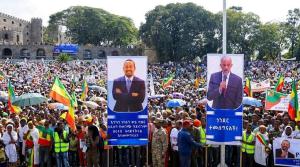
Massive Rallies Held in Support of Ethiopian National Defense Force in Amhara Reginal Cities
Oct 17, 2026 11408
Addis Ababa, October 17, 2026 (ENA) —Huge rallies were held today in various cities and towns across the Amhara region to demonstrate support for the Ethiopian National Defense Force (ENDF). The demonstrations took place in Gondar, Woldiya, Genda Wuha, Sekota, Debre Tabor, and several other towns. The rallies supported the ENDF's efforts in strengthening national unity and safeguarding sovereignty. Community elders, religious leaders, youth, and other segments participated in the demonstrations, chanting various slogans in support of the defense forces. Among the slogans chanted at the rallies were: "Our Defense Force, for the honor and unity of the people! We strongly condemn forces allying with our historical enemies to disrupt the country's peace! Our Defense Force are the symbol and emblem of our multinational unity! We support the measures taken by the government to establish peace!" In Gondar City, one of the locations where the rallies were held in the region, Mayor Chalachew Dagnachew said the demonstration reflected residents’ solidarity with the Ethiopian National Defense Force (ENDF) and regional security forces in safeguarding the country’s sovereignty and territorial integrity. The people of Gondar would continue supporting the security forces while working to maintain peace and advance development in the city, he stressed. The Mayor also highlighted Ethiopia’s aspiration for access to the Red Sea, describing it as a national vision linked to the country’s economic and strategic future. He called for unity and collective commitment to national interests. A participant in the rally, Ambachew Belay said the defense force is working dedicatedly to ensure the public's peace and development, expressing his firm belief that the public needs to stand alongside the army by providing necessary support and solidarity. The other participant, Bethelhem Degu, stated that she is committed to standing by the defense force at all times and under any condition as the ENDF is the guarantee of national sovereignty and the shield of the people. The participants noted that it is fitting and appropriate to support, assist, and express gratitude to the military force, which serves as a benefactor to the nation and a pillar of reliance for its people. In Woldiya City, North Wollo Zone, residents and local officials expressed appreciation for the sacrifices being made by the ENDF, federal security forces, and regional security forces in protecting the country’s sovereignty and public peace. Mayor Tamirat Demisse said the demonstration aimed to show solidarity with security personnel and strengthen public commitment to preserving peace and national unity. He also emphasized the importance of cooperation between residents and local authorities, calling on civil servants to improve public service delivery and young people to contribute to peace and security in their communities. Speaking at the rally in Debark, Mayor Getinet Tsegaw said Ethiopia’s history of resisting foreign invaders is being carried forward by the National Defense Force in the ongoing conflict in the north. He noted that the force is protecting the country’s borders through sacrifice and reaffirmed the town’s support for its members. Getinet also stressed that the Defense Force remains central to safeguarding Ethiopia’s sovereignty and preserving the country’s honor, expressing confidence in the nation’s continued resilience. Participants at the Debark rally voiced support for the National Defense Force and other security forces, describing them as symbol of national unity and calling for peace, sovereignty and stronger national cohesion. Their slogans also expressed support for government measures to maintain peace and highlighted Ethiopia’s aspiration for seaport. Speaking at the rally in Sekota, Deputy Mayor Getinet Eshetu expressed gratitude to the National Defense Force for its role in defending Ethiopia’s sovereignty and preserving national dignity. He said the force’s sustained military efforts thwarted the enemy’s plans in Sekota, describing its sacrifices as instrumental in protecting the country’s territorial integrity. Participants of the rally also echoed similar messages. Tsehayu Alemu noted that since the ENDF is the guarantee of national security, the public must always support it. He added that the army is actively demonstrating the same heroic history of safeguarding national sovereignty that it inherited from past patriots. Another resident, Wagaye Admasse, said "the defense force has preserved the honor of the nation." She emphasized that it is a civic duty to support members of the ENDF who are making the ultimate sacrifice with their precious lives for their motherland. A youth representative, Gebrehiwot Mede, also stated that the actions undertaken by the defense force for the unity of the country is a source of pride. In Dansha Town, Welkait Tegede Setit Humera Zone, Chief Administrator Ashete Demlew said residents were supporting the Defense Force while working to maintain local peace and pursue development. He stated that the community’s commitment to local stability and development goes hand in hand with its support for the country’s defense efforts

Nile and Red Sea Inseparable Pillars Capable of Creating Regional Cooperation, Integration: Researchers
Oct 17, 2026 13386
Addis Ababa, October 17, 2026 (ENA) —The Nile River and the Red Sea are inseparable strategic pillars capable of driving regional cooperation, economic integration, and shared security across the Horn of Africa, according to researchers. The insights were shared during a high-level panel discussion held at the Nile and Red Sea Strategic Forum today. Opening the panel under the theme “Nile, Red Sea and the New Politics of Survival in the Horn of Africa: Water Geography and Power in a Changing Horn”, Aregawi Berhe, CEO of the Office of the National Council for the Coordination of Public Participation in the Construction of the Grand Ethiopian Renaissance Dam (GERD), said that the two water bodies are inseparable components that strategically foster cooperation in the region. Although the Abay is known as the Blue Nile beyond Ethiopia’s borders, its source lies in Ethiopia, giving the country an undeniable and tangible stake in the river, he noted. However, Ethiopia has not benefited equitably from this resource as the country has not yet fully utilized the Blue Nile’s waters, he added. Having maintained international relations through the Red Sea for centuries, the CEO pointed out that Ethiopia has a historical and natural connection to the Red Sea. He recalled that Ethiopia has developed and utilized ports, including Adulis, Zeila, and Assab, along the Red Sea since ancient times. Aregawi stated that the Red Sea has long served as a security guarantee for Ethiopia, underscoring that history supports this assertion. Ethiopia's separation from the Red Sea was the result of conspiracy, according to the CEO who stressed that respecting Ethiopia's sovereignty and interests requires collective participation. He underscored the importance of developing a common understanding and urged that Ethiopians must strive for the respect of their sovereignty and national interests. Highlighting the evolving geopolitical landscape, Shimelis Hailu, a Maritime Diplomacy Researcher at the Institute of Foreign Affairs, addressed the complexities surrounding the Red Sea. He described the region as a vital global shipping lane characterized by both immense economic opportunity and acute security challenges, including illicit activities and the weaponization of maritime chokepoints like Bab el-Mandeb. The researcher noted that securing diversified, and sustainable access to the sea is an existential necessity for Ethiopia’s long-term economic survival, prosperity, and status as a regional anchor state. He outlined three potential modalities for achieving this: de facto sovereign access through shared transit corridors, joint port ownership and co-development, and full sovereign ownership. Similarly, Senior African Affairs Researcher at the Institute of Foreign Affairs, Gashaw Ayferam, said water security and maritime access must be evaluated within a unified strategic framework. He pointed out that the successful completion of the GERD marks a major technical milestone that has been translated into geopolitical and geo-economic victories. Nile can play a decisive role in the region’s energy security, agriculture, food production, tourism, and economic development. In this regard, the Renaissance dam is poised to foster broader geopolitical and economic benefits through regional electricity trade, infrastructure development, and cooperation among Nile Basin countries. Stressing the need to strengthen regional water governance and establishing effective institutions to ensure equitable and cooperative utilization of the river, he emphasized on transforming Nile water from a source of historical tension into a catalyst for regional integration and cooperation. The researcher underscored the need for regional cooperation like the Nile River Basin Cooperative Framework Agreement (CFA) anchored in equitable utilization. For his part, Mulugeta Ayele, a Peace and Security Researcher at Addis Ababa University, analyzed the intersection of water diplomacy and maritime strategy under the "politics of survival." He warned that intersecting security risks, climate pressures, and the rising involvement of global powers underscore the urgency of cooperative governance in the Horn of Africa. According to Mulugeta, trans-boundary water resources and maritime access should not inevitably breed conflict, provided that regional actors prioritize institutionalized legal agreements, mutual benefits, and transparent dialogue over zero-sum competition. He underlined that the future stability of the Horn of Africa relies on shifting the regional paradigm away from competition and toward cooperation, transforming shared natural resources into instruments of collective prosperity and enduring peace.
Politics
Ethiopia Leads in Contributing to Africa's Geospatial, Space Observation: ECA Official
Oct 19, 2026 2912
Addis Ababa, October 19, 2026 (ENA) — Ethiopia is making significant contributions to Africa’s efforts to advance geospatial information and space observation for data driven development planning and evidence-based policymaking, a senior official of the United Nations Economic Commission for Africa (ECA) has said. Speaking exclusively to the Ethiopian News Agency (ENA), Andre Nonguierma, Chief of ECA’s Geospatial Information Management Section, highlighted Ethiopia’s progress in developing national space capabilities and applying satellite-based technologies to support development. He noted that Ethiopia’s satellite launches and growing use of Earth observation systems have strengthened its capacity to collect essential data for national planning, policymaking and development monitoring. Nonguierma described geospatial information as critical infrastructure for sustainable development, explaining that reliable location based data enables governments to identify community needs, guide infrastructure development and track progress over time. He emphasized the need for African countries to strengthen regional cooperation and pool resources to develop integrated geospatial and Earth observation systems linked to official statistics. Such integration, he said, would help countries improve development planning, strengthen evidence-based policymaking and make more informed decisions. Nonguierma also highlighted Ethiopia’s engagement in global geospatial governance, citing its role on the bureau of the United Nations Committee of Experts on Global Geospatial Information Management (UN-GGIM). Echoing his views, Nonmcebo Nkonyane-Simelane, a land surveyor at the Surveyor General’s Department of the Kingdom of Eswatini, said Ethiopia’s achievements in geospatial information management offer valuable lessons for other African countries. She stressed that continental cooperation enables countries to share experiences, learn from established practices and strengthen their national geospatial capabilities. They made the remarks during the Tenth Session of the Statistical Commission for Africa, held at the United Nations Conference Centre in Addis Ababa. Convened under the theme “Unleashing the Value of Data in Africa: Making Official Statistics a True Mirror of the Continent,” the session brings together African statistical leaders and international development partners to strengthen statistical systems and enhance the contribution of data to development policy. The event also includes the Twelfth Meeting of the Regional Committee of the United Nations Global Geospatial Information Management for Africa (UN-GGIM: Africa), which focuses on using geospatial information to promote sustainable development and monitor progress. The meetings aim to strengthen Africa’s statistical systems through greater technical cooperation, improved data integration and collaborative approaches to evidence-based policymaking.
Ethiopia’s Naval Experience Contributes to Red Sea Security: Aregawi Berhe
Oct 19, 2026 2073
Addis Ababa, October 19, 2026 (ENA) — Ethiopia’s historical experience in naval operations and maritime engagement can significantly contribute to addressing security challenges in the Red Sea region, CEO of the Grand Ethiopian Renaissance Dam (GERD) Project Coordination Office, Aregawi Berhe, said. Speaking to ENA, Aregawi emphasized that Ethiopia had maintained maritime connections for centuries, using Red Sea ports and shipping routes for trade, national defense and the development of naval capabilities. He cited Zeila, Massawa and Assab as ports historically connected to Ethiopia, noting that the country’s loss of direct access to the sea had not erased its legal rights and historical ties in maritime affairs. Aregawi further emphasized the importance of presenting Ethiopia’s legal, historical and operational experience to the international community while pursuing access through legal and diplomatic channels. He said the country’s approach to safeguarding its national interests had gained renewed attention following the political reforms. “During the EPRDF regime, no meaningful diplomatic work was done. Work that was outright contradictory was done. Work that opposed Ethiopia's interests were carried out,” Aregawi said. Aregawi also clarified that the Ethiopian government has genuinely taken up the belief of safeguarding Ethiopia's national interests. The CEO noted the public support for Ethiopia’s maritime interests, saying that alignment between the government and the public has been strengthening the country’s efforts to pursue its objectives. “The Ethiopian people are also grasping this understanding and supporting it. Therefore, if there is alignment between the government and the people, there is no reason why we cannot secure our rights,” he noted. Aregawi further argued that Ethiopia’s long-standing state institutions and experience in governance could contribute to stability in the Red Sea region and beyond. He also stressed that the development of naval capabilities could help Ethiopia protect its national interests while contributing to maritime security in the wider region. “Ethiopia is a country with a long history that has established governmental system since ancient times. This ancient governmental system has made Ethiopia subject to law and order,” he said. According to the CEO, this capacity, when strengthened and deployed, can serve not only as an anchor for the immediate Red Sea region but also as a foundation for the entire continent. Aregawi further elaborated that the GERD has demonstrated Ethiopia’s capacity to undertake similar major national initiatives through domestic expertise and collective effort, while expressing confidence that similar determination and cooperation could support the country’s maritime ambitions and efforts to contribute to regional peace and security.
Ethiopia Advances Strategic Interests, Diplomacy and Regional Security This Week
Oct 18, 2026 11754
By Staff Writer October 18, 2026 (ENA) Ethiopia has concluded the week with a series of significant political, diplomatic, economic and security developments, underscoring its determination to consolidate domestic stability, deepen international partnerships and strengthen its strategic role in the Horn of Africa and the Red Sea region. From establishing a six-month caretaker administration in Tigray to advancing economic diplomacy at the 2026 International Monetary Fund (IMF) and World Bank Group Annual Meetings in Bangkok, Ethiopia has pursued multiple priorities aimed at strengthening national stability and accelerating development. Prime Minister Abiy Ahmed’s telephone conversations with Israeli Prime Minister Benjamin Netanyahu and U.S. Secretary of State Marco Rubio further highlighted Ethiopia’s active bilateral engagement. Meanwhile a security briefing for foreign military attachés underscored the government’s emphasis on safeguarding national sovereignty and addressing information gaps surrounding the country’s security situation. Beyond immediate political and security priorities, the week also featured renewed calls for national unity, stronger technological capacity and climate resilience, alongside a broader national ambition to secure reliable maritime access and expand Ethiopia’s contribution to regional peace and economic integration. As Ethiopia begins a new five-year political chapter under the Medemer Government, these developments reflect an interconnected agenda: consolidating peace at home, mobilizing resources for development and advancing the country’s interests through regional cooperation and international engagement. Caretaker Administration in Tigray Region Ethiopia’s federal government has established a six-month caretaker administration for the Tigray Region, with a mandate to restore peace, revive public institutions and services, rebuild war-damaged infrastructure and prepare the ground for free and transparent elections. The decision followed a resolution by the House of Federation and a subsequent binding decision by the Council of Ministers to establish a provisional administration for the region. According to a statement from the Office of the Prime Minister, the measure came after repeated efforts to resolve the conflict through the Pretoria Agreement encountered obstacles attributed to the TPLF leadership. The statement accused the leadership of undermining the peace process and returning to conflict, arguing that the region’s population should not be trapped in a recurring cycle of violence. The federal government emphasized that lasting peace requires prioritizing development, strengthening Tigray’s place within Ethiopia’s federal system and deepening cooperation with the country’s other peoples. The caretaker administration is expected to restore the functioning of government institutions, facilitate the resumption of essential social services, rehabilitate damaged infrastructure and support the return of internally displaced people to their homes. The initiative places institutional recovery, peace and the restoration of essential services at the center of efforts to address the region’s challenges. Its implementation and progress toward credible elections will be important indicators of whether the transitional arrangement can help establish a more stable political environment. Ethiopia Intensifies Economic Diplomacy, Seeks Fresh Investment Capital Ethiopia has stepped up its international economic engagement at the 2026 IMF and World Bank Group Annual Meetings in Bangkok, Thailand, seeking to translate ongoing economic reforms and progress on debt restructuring into stronger investment partnerships and development financing. The Ethiopian delegation, led by National Bank of Ethiopia Governor Dr. Eyob Tekalign and including State Minister of Finance Tiguist Fisseha, engaged with international financial institutions, development partners and senior financial officials on the country’s economic priorities. The meetings provided a platform to discuss macroeconomic reforms, financial stability, debt sustainability, private investment and financing for Ethiopia’s development ambitions. Governor Eyob emphasized that Ethiopia is increasingly looking beyond debt restructuring toward attracting fresh investment capital and building high-value international partnerships that reflect the country’s market size, economic potential and development priorities. The shift comes as Ethiopia advances negotiations with external creditors. According to the delegation’s account, agreements with bilateral creditors have been finalized, while negotiations with commercial lenders are progressing following an agreement in principle with Eurobond holders. The delegation also held engagements with representatives of international financial institutions and partner countries to explore opportunities for closer cooperation and investment. For Ethiopia, the objective extends beyond securing additional financing. It is also about strengthening investor confidence, expanding access to development resources and ensuring that international partnerships support the country’s long-term economic transformation. As the country continues implementing economic reforms, the ability to convert international commitments into productive investment, employment opportunities and improved livelihoods will remain a central test of its economic diplomacy. Ethiopia Reaffirms Sovereignty as Foreign Military Attachés Receive Security Briefing Ethiopia has reiterated its commitment to safeguarding its sovereignty and territorial integrity as foreign military attachés received an update on the country’s security situation at Bishoftu Air Force Base. The briefing provided foreign military representatives with information on developments over the preceding three weeks, including security incidents and measures taken by the Ethiopian National Defense Force (ENDF). The representatives were also shown weapons reportedly captured during recent security operations in Tigray and adjoining areas. According to accounts of the briefing, the military attachés described the direct exchange as useful in clarifying information gaps and addressing reports circulating on social media and other media platforms. They also expressed support for Ethiopia’s right to protect its sovereignty and territorial integrity. High-Level Telephone Diplomacy Strengthens Ethiopia’s International Engagement Prime Minister Abiy Ahmed held separate telephone conversations with Israeli Prime Minister Benjamin Netanyahu and U.S. Secretary of State Marco Rubio, discussing bilateral relations and regional and multilateral issues of mutual interest. Following his conversation with Netanyahu, the Prime Minister described the exchange as fruitful and constructive, noting that the two leaders discussed bilateral relations and key regional developments. He also reaffirmed their commitment to strengthening cooperation. In his conversation with Rubio, PM Abiy discussed opportunities to translate the longstanding Ethiopia–United States relationship into a more strategic and practical partnership. The Prime Minister welcomed Washington’s assurance of continued support for Ethiopia and emphasized the shared interest in advancing bilateral cooperation and addressing regional and multilateral priorities. The engagements reflect Ethiopia’s continued efforts to maintain high-level dialogue with international partners while advancing its diplomatic and strategic interests. For a country whose economic and security priorities are closely connected to developments across the Horn of Africa, the Red Sea and the wider Middle East, sustained diplomatic engagement remains important to building partnerships, addressing shared concerns and supporting regional cooperation. National Flag Day Renews Call for Unity, Consensus and Shared Prosperity Ethiopia marked its 19th National Flag Day on October 12 under the theme “Our Flag for National Consensus and Unity,” renewing calls for national cohesion, respect for diversity and collective responsibility for the country’s future. In his message marking the occasion, Prime Minister Abiy Ahmed emphasized that national unity is fundamental to Ethiopia’s pursuit of prosperity and that the national flag represents the country’s shared history, sovereignty and strength in diversity. The observance came at a time when consolidating peace, strengthening public institutions and broadening national consensus remain important priorities for Ethiopia’s political transition. Beyond its symbolic significance, National Flag Day offered an opportunity to highlight the importance of dialogue, mutual understanding and cooperation among Ethiopia’s diverse communities. The message reinforced the idea that sustainable development requires more than economic growth: it also depends on social cohesion, shared responsibility and the ability to pursue common national objectives while respecting the country’s diversity. Technology and Meteorological Capacity Advance Climate Resilience Ethiopia has underscored the growing importance of scientific research, technological advancement and reliable data infrastructure in strengthening climate resilience and supporting national development. During a visit to the Ethiopia Meteorology Institute, Prime Minister Abiy Ahmed highlighted the institution’s role in generating meteorological information and improving the country’s capacity to anticipate and respond to changing weather conditions. The Prime Minister emphasized the need for continuous data collection, scientific research and technological modernization to strengthen institutional capacity and improve the use of weather and climate information. Reliable meteorological services are critical to several key sectors of the Ethiopian economy, particularly agriculture, water management, energy, transportation and disaster preparedness. Improved forecasting and early-warning systems can help communities and public institutions prepare for extreme weather events, reduce potential losses and make better-informed development decisions. As climate-related risks increasingly affect African economies, strengthening national forecasting and early-warning capacity will also contribute to wider efforts to protect livelihoods and support sustainable development. Ethiopia’s New Political Chapter Places Sea Access and Regional Integration in Focus As Ethiopia enters a new five-year political chapter under the Medemer Government, sovereign sea access remains a prominent national strategic and economic ambition. As one of the world’s most populous landlocked countries, Ethiopia has a substantial interest in securing dependable access to maritime trade routes through mutually beneficial arrangements with regional partners. Reliable sea access could help reduce logistical constraints, improve export competitiveness, attract investment and strengthen Ethiopia’s integration into regional and global markets. The issue also carries wider regional significance. Ethiopia’s economic growth, population size and position at the heart of the Horn of Africa mean that maritime connectivity has implications for trade, infrastructure development and cross-border economic cooperation. Ethiopia’s pursuit of maritime access therefore intersects with a broader national agenda: strengthening economic resilience, diversifying trade routes and building regional partnerships that can generate shared prosperity. Ethiopia’s Maritime Ambition Linked to Red Sea Stability Ethiopia’s pursuit of reliable maritime access featured prominently in the week’s strategic agenda, reflecting the country’s economic interests and the Red Sea’s critical role in global trade and security. With its strategic position, economic potential and longstanding peacekeeping record, Ethiopia could contribute to regional maritime security and protect vital trade routes through constructive cooperation with coastal states, respect for international law and mutually beneficial arrangements. Reliable maritime access, stronger regional cooperation and a stable Red Sea are interconnected priorities that could unlock trade, investment and shared prosperity across the Horn of Africa. Tana Forum Positions Ethiopia at the Center of Africa’s Peace and Security Dialogue Ethiopia is preparing to host the 12th Tana High-Level Forum on Security in Africa in Bahir Dar from October 23 to 25, bringing African leaders, policymakers, researchers and security experts together to examine the continent’s evolving peace and security challenges. The forum’s theme, “Pathways to Peace in Africa: Economic Sovereignty and Geopolitical Transformation,” reflects growing recognition that sustainable peace is closely linked to economic independence, institutional strength and Africa’s capacity to navigate intensifying global geopolitical competition. Across the continent, conflicts, political instability, external rivalries and economic vulnerabilities continue to complicate efforts to achieve lasting peace and development. The Tana Forum offers an opportunity to examine how African countries can strengthen locally driven responses, deepen regional cooperation and align peace and security strategies with the continent’s development priorities. Its emphasis on economic sovereignty also highlights the importance of mobilizing domestic resources, building resilient economies and ensuring that African countries have greater capacity to shape decisions affecting their futures. For Ethiopia, hosting the forum reinforces Addis Ababa’s and the country’s wider role in continental diplomacy and provides an additional platform for advancing dialogue on African-led solutions to shared challenges. Looking Ahead: Connecting National Stability with Regional Opportunity This week’s developments illustrate the interconnected nature of Ethiopia’s domestic priorities and international ambitions. The caretaker administration in Tigray region places peace, institutional recovery and the restoration of public services at the center of the country’s internal challenges. Economic diplomacy in Bangkok reflects an effort to turn reform and debt-restructuring progress into fresh investment and development financing. High-level telephone conversations and military briefings demonstrate continued engagement with international partners on diplomatic and security issues. At the same time, National Flag Day, investments in meteorological capacity and preparations for the Tana Forum highlight the importance of national cohesion, technological modernization and African-led approaches to peace and development. Ethiopia’s pursuit of sovereign sea access adds a longer-term strategic dimension to this agenda, linking economic competitiveness with regional connectivity and the stability of the Red Sea. All in all, these priorities point to a broader national objective: consolidating stability at home, mobilizing resources for inclusive development and building international partnerships that advance Ethiopia’s interests while contributing to regional cooperation.
African Diplomats Urge Stronger African-Led Strategies, Sustained Dialogue, Local Ownership, Adequate Financing
Oct 18, 2026 6431
Addis Ababa, October 18, 2026 (ENA) —African diplomats have called for stronger African-led strategies to address the continent’s conflicts and security challenges. Approached by Pulse of Africa at the Pre-Tana Forum Dialogue in Bahir Dar, the ambassadors emphasized that sustained dialogue, local ownership and adequate financing are essential to achieving lasting peace and development. Ghana’s Ambassador to Ethiopia, McArios Akanbeanab Akanbong, and Burundi’s Permanent Representative to the African Union, Ambassador Willy Nyamitwe, highlighted the importance of platforms that bring together policymakers, diplomats, academics and civil society representatives to develop solutions grounded in Africa’s realities. Ambassador Akanbong said the Tana Forum provides an important platform for Africa to shape its security agenda, examine the root causes of conflict and formulate strategies to address terrorism, interstate tensions and other threats to stability. The Ghanaian ambassador also said that heavy reliance on external financing could leave Africa vulnerable to outside influence. While acknowledging the importance of international partnerships, he stressed that such cooperation should reinforce, rather than undermine, African ownership of the continent’s priorities and solutions. Meanwhile, Ambassador Nyamitwe called for sustained efforts to achieve the African Union’s goal of silencing the guns by 2030. He said continued dialogue was necessary to assess setbacks, bring diverse stakeholders together and identify practical pathways toward peace. Nyamitwe also highlighted the close link between security and economic development, noting that sustainable progress depends on peaceful and stable societies. He added that Burundi, under the chairmanship of its president at the African Union, remained committed to advancing peace and security alongside broader development priorities, including water and sanitation, education, youth empowerment and women’s advancement. Held under the theme “Navigating a Changing World: The Role of Diplomacy and Dialogue in Advancing Peace and Security in Africa,” the Pre-Tana Forum Dialogue highlighted the need for African-led responses to evolving security challenges. The discussions underscored a shared message: lasting peace requires more than dialogue alone. It also depends on effective African leadership, stronger cooperation, sustainable financing and a sustained commitment to solutions that reflect the continent’s priorities and realities.
Why Ethiopia’s Return to Red Sea is Indispensable Asset for Regional Peace and Stability?
Oct 18, 2026 12095
By Ambaye Woretaw October 18, 2026 (ENA) Ethiopia has a long history of contributing to regional, continental and international peacekeeping missions, guided by its commitment to collective security, Pan-Africanism and regional stability. Its pursuit of reliable maritime access presents an opportunity to expand this role by contributing to maritime security, protecting international trade and promoting lasting peace across the Red Sea region. Situated at the heart of the Horn of Africa, Ethiopia possesses substantial human resources, economic potential and security capabilities that could contribute to safeguarding one of the world’s most important commercial corridors. Through constructive regional engagement, institutional partnerships and appropriate maritime security cooperation, the country could help address shared security challenges while advancing collective security, economic integration and regional prosperity. Ethiopia’s potential contribution extends beyond protecting its economic interests. Its engagement in regional maritime initiatives could support efforts to combat illicit trafficking, deter maritime threats, protect commercial shipping and improve coordination among regional actors. Moreover, Ethiopia’s maritime engagement could strengthen regional capacity to respond to emerging threats and contribute to a more coordinated security architecture. Regional Integration Chief of Staff and Senior Researcher on the Horn of Africa at the Institute of Foreign Affairs (IFA), Gizachew Asrat, underscored the strategic importance of Ethiopia’s pursuit of reliable and sovereign access to the sea in a recent exclusive interview with ENA, linking the issue to regional peace, integration and collective security. “Ethiopia's return to reliable sea access is vital for peace, regional integration and collective security of the Horn of Africa and beyond,” he asserted. As one of Africa’s most populous countries and a major economic actor in the Horn of Africa, Ethiopia has a significant stake in the security and efficiency of regional maritime trade routes. Reliable access to these routes could improve commercial competitiveness, strengthen regional connectivity and support the resilience of interconnected economies. Gizachew also emphasized that Ethiopia’s participation in regional maritime initiatives should be viewed as an opportunity for the wider region. “Engaging Ethiopia on the Red Sea platform is an asset for the region,” he said, highlighting the importance of cooperation and partnership in addressing shared challenges. His assessment points to the potential benefits of a regional approach in which Ethiopia’s economic weight and institutional capabilities complement the efforts of neighboring countries to secure maritime routes and promote regional integration. Security Cooperation Ethiopia’s potential contribution to maritime security rests not only on its strategic position but also on its human resources, security capabilities and economic potential. These capacities could support regional initiatives aimed at protecting commercial shipping, improving information sharing and strengthening responses to cross-border threats. As Gizachew explained, Ethiopia’s “human resources, strong security-wise operation capacity, and a better economic potential as well as growth will add additional asset for the regional cooperation frameworks on maritime connectivity and security issues to be managed in partnership.” Ethiopia determines to translate these capabilities into practical contributions through sustained dialogue, institutional cooperation and arrangements. By aligning its national priorities with shared regional objectives, Ethiopia could help strengthen maritime security cooperation and build confidence among neighboring states. Such engagement could also encourage closer coordination between maritime security institutions and regional economic initiatives. Cooperation on information exchange, the prevention of illicit activities and the protection of commercial shipping could help address common threats more effectively than isolated national efforts. Maritime Connectivity The strategic significance of Ethiopia’s renewed maritime engagement extends beyond shipping routes and port infrastructure. It also concerns the broader challenge of overcoming persistent insecurity, improving regional connectivity and establishing a more cooperative order in the Horn of Africa. For decades, infrastructure gaps, recurring conflicts and fragmented transport networks have constrained the region’s economic potential. Improved maritime connectivity, supported by reliable access arrangements and coordinated regional planning, could help reduce these barriers, facilitate trade and strengthen economic interdependence. For Ethiopia, dependable access to maritime trade routes is closely linked to economic resilience, export competitiveness and integration into global markets. For neighboring countries, stronger transport and trade connections could create opportunities for investment, logistics development and expanded commercial exchanges. Ethiopia’s pursuit of access to the Red Sea and Gulf of Aden corridors therefore has both national and regional implications. If pursued through peaceful negotiations, mutually beneficial agreements and respect for international law, it could complement wider efforts to establish a more secure, interconnected and prosperous Horn of Africa. Global Trade The security of the Red Sea is a matter of international importance because the corridor connects major commercial routes linking Europe, Asia and Africa. Disruptions can delay shipments, increase transportation costs, affect energy markets and place additional pressure on economies that depend on predictable trade flows. Instability along these routes can also expose commercial vessels and seafarers to security threats, underscoring the need for effective coordination among regional and international stakeholders. Ethiopia’s constructive participation could broaden the economic and institutional base of regional security cooperation. Its human resources, economic potential and strategic position could complement existing initiatives, provided that its engagement is developed through appropriate regional mechanisms and mutually agreed arrangements. Gizachew Asrat’s assessment captures the central opportunity: Ethiopia’s participation in the Red Sea security framework could benefit the wider region when grounded in partnership, mutual benefit and a shared commitment to stability. A more inclusive approach to maritime security could help regional countries coordinate their responses to common threats while strengthening the relationship between security, trade and economic development. Given the corridor’s international significance, the benefits of such cooperation could extend well beyond the Horn of Africa. Strategic Opportunity Ethiopia’s pursuit of reliable maritime access is driven by economic development, national resilience and the need for stronger integration into regional and global trade networks. At the same time, it presents an opportunity to deepen the country’s contribution to peace and security in the Horn of Africa and the wider Red Sea region. With its substantial human resources, economic potential and strategic position, Ethiopia could play a constructive role in protecting maritime commerce, strengthening regional cooperation and addressing shared security threats. Realizing this potential, Ethiopia has been executing sustained diplomacy, practical institutional partnerships and arrangements that serve the legitimate interests of all parties. Ultimately, Ethiopia’s maritime aspirations and the security of the Red Sea need not be competing priorities. Through peaceful engagement and mutual benefit, the pursuit of reliable sea access could become part of a broader regional effort to promote stability, expand economic opportunities and build a more integrated and prosperous Horn of Africa.
Int’l Military Attachés Commend Ethiopia’s Defense Measures, Affirm Right to Protect Sovereignty
Oct 17, 2026 13202
Addis Ababa, October 17, 2026 (ENA) — Military attachés from several countries have rallied behind Ethiopia’s right to safeguard its sovereignty and territorial integrity, describing the measures taken by the Ethiopian National Defense Force (ENDF) to protect the country as encouraging. The remarks followed a briefing at Bishoftu Air Force base, where foreign military representatives received updates on Ethiopia’s security situation and the developments of the past three weeks. The attachés said the direct briefing helped address information gaps and clarify reports circulating on social media and other media platforms. The attachés confirmed Ethiopia’s meticulous measures to protect its sovereignty and thwart any threats. They appreciated the government’s openness in providing accurate information to help understand the country’s security situation. Lieutenant Colonel Gary Wolfenden, the United Kingdom’s Defense Attaché to Ethiopia, South Sudan and the African Union, said the visit provided a clearer picture of recent developments. He described the measures taken by the ENDF to protect the country as encouraging move. Colonel Karen Such, Australia’s Defense Attaché to Ethiopia and the African Union and Vice Dean of the Defense Attachés Association, commended the ENDF’s actions to safeguard Ethiopia’s territorial integrity. Brigadier General Shariful Islam, Bangladesh’s Defense Attaché, said military representatives had been awaiting reliable information from the Ethiopian government, particularly the Ministry of Defense, following the security developments. He said the briefing helped clarify the situation and expressed satisfaction with the ENDF’s reported adherence to international laws and regulations. Kenya’s Defense Attaché, Brigadier General Roba Wario, welcomed the opportunity to receive updated information. He further stressed that Ethiopia’s security measures must be understood within the context of the law and the shared security interests of neighboring countries. Defense Attaché of Gabon Embassy in Ethiopia, Colonel Aristide Anguilet, emphasized that protecting national sovereignty, territorial integrity and the safety of citizens and foreign nationals is a fundamental responsibility of any country’s armed forces. He added that the briefing helped clarify Ethiopia’s position amid misleading information circulating on social media. Other representatives, including military attachés from South Sudan and Tanzania, highlighted the wider regional implications of Ethiopia’s security and stability. Representatives from Bangladesh and Tanzania also commended the ENDF’s reported efforts to comply with international humanitarian and human rights standards and protect civilians. The attachés further stressed that peace and stability in Ethiopia are closely linked to security across the Horn of Africa. They also called for international support for Ethiopia’s efforts to restore lasting stability in the region and beyond. As ENA learned, the briefing underscores the importance of direct engagement between Ethiopia and the international military community as the country addresses its security challenges, counters misinformation surrounding developments on the ground, and reinforces the imperative of regional stability across the Horn of Africa and the Red Sea region. The Military Attachés Association expressed appreciation to the ENDF’s Directorate of International Relations and Military Cooperation for organizing the briefing.
Massive Rallies Held in Support of Ethiopian National Defense Force in Amhara Reginal Cities
Oct 17, 2026 11408
Addis Ababa, October 17, 2026 (ENA) —Huge rallies were held today in various cities and towns across the Amhara region to demonstrate support for the Ethiopian National Defense Force (ENDF). The demonstrations took place in Gondar, Woldiya, Genda Wuha, Sekota, Debre Tabor, and several other towns. The rallies supported the ENDF's efforts in strengthening national unity and safeguarding sovereignty. Community elders, religious leaders, youth, and other segments participated in the demonstrations, chanting various slogans in support of the defense forces. Among the slogans chanted at the rallies were: "Our Defense Force, for the honor and unity of the people! We strongly condemn forces allying with our historical enemies to disrupt the country's peace! Our Defense Force are the symbol and emblem of our multinational unity! We support the measures taken by the government to establish peace!" In Gondar City, one of the locations where the rallies were held in the region, Mayor Chalachew Dagnachew said the demonstration reflected residents’ solidarity with the Ethiopian National Defense Force (ENDF) and regional security forces in safeguarding the country’s sovereignty and territorial integrity. The people of Gondar would continue supporting the security forces while working to maintain peace and advance development in the city, he stressed. The Mayor also highlighted Ethiopia’s aspiration for access to the Red Sea, describing it as a national vision linked to the country’s economic and strategic future. He called for unity and collective commitment to national interests. A participant in the rally, Ambachew Belay said the defense force is working dedicatedly to ensure the public's peace and development, expressing his firm belief that the public needs to stand alongside the army by providing necessary support and solidarity. The other participant, Bethelhem Degu, stated that she is committed to standing by the defense force at all times and under any condition as the ENDF is the guarantee of national sovereignty and the shield of the people. The participants noted that it is fitting and appropriate to support, assist, and express gratitude to the military force, which serves as a benefactor to the nation and a pillar of reliance for its people. In Woldiya City, North Wollo Zone, residents and local officials expressed appreciation for the sacrifices being made by the ENDF, federal security forces, and regional security forces in protecting the country’s sovereignty and public peace. Mayor Tamirat Demisse said the demonstration aimed to show solidarity with security personnel and strengthen public commitment to preserving peace and national unity. He also emphasized the importance of cooperation between residents and local authorities, calling on civil servants to improve public service delivery and young people to contribute to peace and security in their communities. Speaking at the rally in Debark, Mayor Getinet Tsegaw said Ethiopia’s history of resisting foreign invaders is being carried forward by the National Defense Force in the ongoing conflict in the north. He noted that the force is protecting the country’s borders through sacrifice and reaffirmed the town’s support for its members. Getinet also stressed that the Defense Force remains central to safeguarding Ethiopia’s sovereignty and preserving the country’s honor, expressing confidence in the nation’s continued resilience. Participants at the Debark rally voiced support for the National Defense Force and other security forces, describing them as symbol of national unity and calling for peace, sovereignty and stronger national cohesion. Their slogans also expressed support for government measures to maintain peace and highlighted Ethiopia’s aspiration for seaport. Speaking at the rally in Sekota, Deputy Mayor Getinet Eshetu expressed gratitude to the National Defense Force for its role in defending Ethiopia’s sovereignty and preserving national dignity. He said the force’s sustained military efforts thwarted the enemy’s plans in Sekota, describing its sacrifices as instrumental in protecting the country’s territorial integrity. Participants of the rally also echoed similar messages. Tsehayu Alemu noted that since the ENDF is the guarantee of national security, the public must always support it. He added that the army is actively demonstrating the same heroic history of safeguarding national sovereignty that it inherited from past patriots. Another resident, Wagaye Admasse, said "the defense force has preserved the honor of the nation." She emphasized that it is a civic duty to support members of the ENDF who are making the ultimate sacrifice with their precious lives for their motherland. A youth representative, Gebrehiwot Mede, also stated that the actions undertaken by the defense force for the unity of the country is a source of pride. In Dansha Town, Welkait Tegede Setit Humera Zone, Chief Administrator Ashete Demlew said residents were supporting the Defense Force while working to maintain local peace and pursue development. He stated that the community’s commitment to local stability and development goes hand in hand with its support for the country’s defense efforts
Nile and Red Sea Inseparable Pillars Capable of Creating Regional Cooperation, Integration: Researchers
Oct 17, 2026 13386
Addis Ababa, October 17, 2026 (ENA) —The Nile River and the Red Sea are inseparable strategic pillars capable of driving regional cooperation, economic integration, and shared security across the Horn of Africa, according to researchers. The insights were shared during a high-level panel discussion held at the Nile and Red Sea Strategic Forum today. Opening the panel under the theme “Nile, Red Sea and the New Politics of Survival in the Horn of Africa: Water Geography and Power in a Changing Horn”, Aregawi Berhe, CEO of the Office of the National Council for the Coordination of Public Participation in the Construction of the Grand Ethiopian Renaissance Dam (GERD), said that the two water bodies are inseparable components that strategically foster cooperation in the region. Although the Abay is known as the Blue Nile beyond Ethiopia’s borders, its source lies in Ethiopia, giving the country an undeniable and tangible stake in the river, he noted. However, Ethiopia has not benefited equitably from this resource as the country has not yet fully utilized the Blue Nile’s waters, he added. Having maintained international relations through the Red Sea for centuries, the CEO pointed out that Ethiopia has a historical and natural connection to the Red Sea. He recalled that Ethiopia has developed and utilized ports, including Adulis, Zeila, and Assab, along the Red Sea since ancient times. Aregawi stated that the Red Sea has long served as a security guarantee for Ethiopia, underscoring that history supports this assertion. Ethiopia's separation from the Red Sea was the result of conspiracy, according to the CEO who stressed that respecting Ethiopia's sovereignty and interests requires collective participation. He underscored the importance of developing a common understanding and urged that Ethiopians must strive for the respect of their sovereignty and national interests. Highlighting the evolving geopolitical landscape, Shimelis Hailu, a Maritime Diplomacy Researcher at the Institute of Foreign Affairs, addressed the complexities surrounding the Red Sea. He described the region as a vital global shipping lane characterized by both immense economic opportunity and acute security challenges, including illicit activities and the weaponization of maritime chokepoints like Bab el-Mandeb. The researcher noted that securing diversified, and sustainable access to the sea is an existential necessity for Ethiopia’s long-term economic survival, prosperity, and status as a regional anchor state. He outlined three potential modalities for achieving this: de facto sovereign access through shared transit corridors, joint port ownership and co-development, and full sovereign ownership. Similarly, Senior African Affairs Researcher at the Institute of Foreign Affairs, Gashaw Ayferam, said water security and maritime access must be evaluated within a unified strategic framework. He pointed out that the successful completion of the GERD marks a major technical milestone that has been translated into geopolitical and geo-economic victories. Nile can play a decisive role in the region’s energy security, agriculture, food production, tourism, and economic development. In this regard, the Renaissance dam is poised to foster broader geopolitical and economic benefits through regional electricity trade, infrastructure development, and cooperation among Nile Basin countries. Stressing the need to strengthen regional water governance and establishing effective institutions to ensure equitable and cooperative utilization of the river, he emphasized on transforming Nile water from a source of historical tension into a catalyst for regional integration and cooperation. The researcher underscored the need for regional cooperation like the Nile River Basin Cooperative Framework Agreement (CFA) anchored in equitable utilization. For his part, Mulugeta Ayele, a Peace and Security Researcher at Addis Ababa University, analyzed the intersection of water diplomacy and maritime strategy under the "politics of survival." He warned that intersecting security risks, climate pressures, and the rising involvement of global powers underscore the urgency of cooperative governance in the Horn of Africa. According to Mulugeta, trans-boundary water resources and maritime access should not inevitably breed conflict, provided that regional actors prioritize institutionalized legal agreements, mutual benefits, and transparent dialogue over zero-sum competition. He underlined that the future stability of the Horn of Africa relies on shifting the regional paradigm away from competition and toward cooperation, transforming shared natural resources into instruments of collective prosperity and enduring peace.
Social
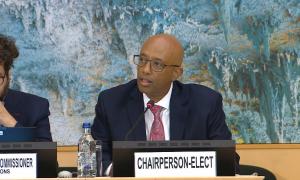
Ethiopia Elected to Chair 78th UNHCR Executive Committee Session
Oct 16, 2026 12369
Addis Ababa, October 16, 2026 (ENA) —Ethiopia has been elected to chair the 78th session of the Executive Committee of the United Nations High Commissioner for Refugees (UNHCR), recognizing its longstanding role in refugee protection and international cooperation as it hosts more than 1.2 million refugees and asylum seekers. Addressing member states following the election, Ethiopia’s Permanent Representative to the UN Office at Geneva and other international organizations in Switzerland, Ambassador Tsegab Kebebew Daka, expressed gratitude to the African Group for its confidence and to other countries that supported Ethiopia’s nomination. Ambassador Tsegab highlighted Ethiopia’s historic tradition of providing refuge to people fleeing persecution, recalling how the ancient Kingdom of Aksum offered protection to early Muslims escaping persecution in Mecca during the seventh century. He said the refusal of the Aksumite king to surrender the refugees to their persecutors remained a powerful historical example of the principle of non-refoulement, a cornerstone of the 1951 Refugee Convention. “Long before this principle was codified in international law, Ethiopia’s history offered an enduring example of the importance of protecting those fleeing persecution and upholding the dignity of people seeking refuge,” he said, stressing that refugee protection transcends borders, cultures and generations. The ambassador underscored that refugee protection is a shared international responsibility, calling for stronger collective action, equitable responsibility-sharing and sustained support for refugees and host communities amid rising displacement and growing pressure on humanitarian resources. He also highlighted Ethiopia’s engagement in the Global Refugee Forum and the launch of the Makatet Roadmap as part of efforts to advance refugee inclusion, self-reliance and access to national systems while supporting development in host communities. He emphasized that these nationally led initiatives require predictable international financing and meaningful partnerships to achieve lasting results. Drawing on Ethiopia’s experience serving on the Executive Committee’s Bureau over the past two years, Ambassador Tsegab outlined the country’s vision for an effective, inclusive and constructive committee that promotes focused deliberations and gives all members meaningful opportunities to contribute. He pledged to foster open engagement among member states, UNHCR and its leadership, promoting dialogue and consensus to bridge differing perspectives and advance shared objectives in accordance with the committee’s rules of procedure. Addressing growing humanitarian needs and significant funding constraints, he stressed that institutional reform and efficiency must strengthen—not undermine—UNHCR’s ability to protect refugees and deliver assistance where it is most needed. “Reform, efficiency, and the responsible use of resources must strengthen rather than weaken UNHCR’s capacity to deliver protection and assistance where they are most needed,” he said. Ambassador Tsegab also expressed appreciation to Japan’s Ambassador Oike, the outgoing chairperson, and the previous Bureau for their work over the past year. He pledged Ethiopia’s close cooperation with the newly elected Executive Committee, the High Commissioner, UNHCR management and the Secretariat to advance shared priorities and strengthen the international refugee protection system. Ethiopia’s election comes as the country continues to host more than 1.2 million refugees and asylum seekers, underscoring both its substantial responsibilities and its engagement in international efforts to strengthen refugee protection and support host communities.
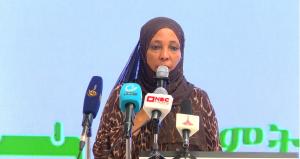
State Minister Stresses Need for Empowering Women in Agriculture
Oct 15, 2026 8989
Addis Ababa, October 15, 2026 (ENA) — Empowering women in agriculture is crucial to bringing about the desired change and transformation in the sector, Agriculture State Minister Sofia Kassa said. International Women Farmers and Pastoralists Day was marked under the theme: “Empower Women Farmers, Strengthen Food Security, Build a Prosperous Ethiopia” in Addis Ababa today. In her opening remarks, the state minister emphasized that to fully utilize the country's development potential in the agricultural sector, efforts must be strengthened to ensure the direct benefit of women farmers and pastoralists. She noted that empowering women farmers significantly contributes to ensuring food security and building a prosperous Ethiopia. Therefore, Sofia stressed the need to empower women farmers by enhancing financial access, leveraging technology, and ensuring land ownership, among other measures. Efforts will be strengthened to ensure that women benefit equally from digital agricultural technologies, access to climate-resilient seed varieties, and labor-saving tools, the state minister said. Emphasizing that an adequate financial supply tailored to the nature of agriculture must be facilitated, she expressed the government's strong commitment to providing financial access in rural areas, particularly for women farmers and pastoralists. Stating that women across all parts of the country are engaged in agricultural activities ranging from smallholder farming to large-scale investment, Sofia added that women achieve impressive yields through diligent land preparation and cultivation activities. Furthermore, she pointed out that women also possess the capacity to be productive, competitive, and strong leaders despite facing many challenges, highlighting the need to support and empower model women farmers and pastoralists moving forward. As women make a significant contribution to feeding millions of people globally, the state minister said greater attention will be given to enhance women’s participation and benefits in the sector. On the sidelines of the event, 33 water pumps and 150 knapsack sprayers were distributed to model women farmers as part of encouraging female farmers.
.jpg)
Emergency Aid Reaches Climate-Affected Communities in Afar
Oct 14, 2026 11549
Addis Ababa, October 14, 2026 (ENA)— Emergency humanitarian assistance is reaching drought-affected communities in Afar Region, Ethiopia, targeting vulnerable households and people in need following climate-induced challenges. The first round of relief supplies, dispatched from the central grain warehouse in Adama city, is being delivered to high-priority individuals and families across the region. In Girifo Kebele of Bidu Woreda, residents have begun receiving the assistance, which beneficiaries say has arrived at a critical time as drought continues to strain their livelihoods and access to food. Meyrem Abdu, one of the beneficiaries, said the assistance would help support her children and other family members who have been facing food shortages. She expressed appreciation for the government’s response to the situation affecting communities in the region. Asiya Mohammed, another beneficiary, said the intervention would help ease the hardship facing her family and other residents. He further noted that the support was particularly important given their difficult circumstances. On his part, Team Leader of Inventory Quality and Control at the Afar Region Disaster Risk Management Commission, Mohammed Abdella said the distribution was targeting the most vulnerable groups in affected areas. He explained that the region had previously been mobilizing its own resources to support drought-affected communities and was now supplementing those efforts with additional relief supplies dispatched by the Ethiopian Disaster Risk Management Commission. Bidu Woreda Agriculture and Natural Resources Office Head, Yesuf Mohammed said drought associated with climate change had caused significant hardship for local residents, describing the humanitarian intervention as timely and essential. The ongoing distribution is intended to provide immediate relief to affected households as authorities mobilize assistance for communities facing the impacts of drought. The humanitarian supply comes amid ongoing efforts by regional and federal authorities to support drought-affected communities and address food shortages in vulnerable areas, as ENA learned.

Second Round Humanitarian Aid Dispatched to Climate-Affected Communities in Afar, Commission Announes
Oct 14, 2026 10691
Addis Ababa, October 14, 2026 (ENA) — The Ethiopian Disaster Risk Management Commission (EDRMC) has announced that it has launched its second round of humanitarian assistance for communities hit hard by climate-related shocks in the Afar Region. Relief supplies loaded from the central reserve warehouses in Adama are currently enroute to support vulnerable households facing severe moisture stress, drought, and seasonal flooding risks in the region. Trucks carrying emergency relief supplies departed today from the central grain storage warehouse in Adama, heading toward affected areas across the region. According to the commission, the assistance aims to support the most vulnerable communities as the regional government continues mobilizing local resources to address the crisis. Reaffirming its commitment to supporting affected populations, the commission emphasized its ongoing efforts to strengthen the country's capacity to respond to both natural and human-induced disasters. The commission also assured the public that measures are in place to ensure relief supplies reach their intended beneficiaries efficiently. This release follows an initial round of humanitarian assistance transported to several areas of the Afar Region a few days ago, according to EDRMC.
Economy
Ethiopia Highlights AI, Digital Skills and Private Investment in Human Capital Development
Oct 19, 2026 1817
Addis Ababa, October 19, 2026 (ENA) — Ethiopia has highlighted its efforts to expand artificial intelligence (AI) and digital skills, strengthen job-oriented training, and mobilize private investment in human capital development. Speaking at the Human Capital Ministerial Conclave on Private Capital for Skills, Governor of the National Bank of Ethiopia (NBE), Dr. Eyob Tekalign, outlined the country’s policy initiatives and digital learning programs aimed at preparing young people for an evolving labor market. He highlighted key initiatives, including the National AI Policy, the Ethiopian Artificial Intelligence Institute, Digital Ethiopia 2030, the Five Million Coders initiative, and Medemer AI University, as part of Ethiopia’s efforts to build its AI and digital skills ecosystem. Dr. Eyob also pointed to pilot programs introducing AI Coaches and AI Tutors in secondary schools, as well as collaboration with the World Bank on an AI-enabled, gender-responsive skills-for-jobs platform for technical and vocational education and training institutions. The platform is designed to support skills development and employment opportunities, including for young people from refugee and host communities. He emphasized that skills development requires shared responsibility among governments, employers, and training institutions, stressing that the impact of training should be measured by the relevance of the skills acquired and improvements in employment prospects rather than the number of people trained. Dr. Eyob further underscored that mobilizing private capital for skills development must be guided by clear public priorities, quality standards, and equitable access to ensure that investment delivers meaningful and inclusive outcomes. The Conclave is convened by the World Bank Group’s Human Capital Project, a network that brings together policymakers from countries committed to investing in people. Ethiopia has been an active member since the Conclave’s establishment.

Airbus Projects Sixfold Growth in Ethiopia’s Air Passenger Traffic Over Next 20 Years
Oct 19, 2026 2521
Addis Ababa, October 19, 2026 (ENA) — Airbus has forecast a sixfold rise in Ethiopia’s air passenger traffic over the next 20 years, saying Ethiopian Airlines is well placed to turn Addis Ababa into one of Africa’s leading aviation hubs. It cited Ethiopian Airlines’ expanding network, growing demand and planned airport infrastructure as key factors positioning Addis Ababa to become a leading aviation hub in Africa Airbus Vice President for Market Analysis and Forecast Antonio Da Costa told ENA that Ethiopia has strong growth potential, with Ethiopian Airlines well positioned to capitalize on rising passenger numbers and expanding regional and international connectivity. “We’re obviously extremely proud to be a partner of Ethiopian Airlines,” Da Costa said. “Ethiopian Airlines are our first A350 customer in Africa and have been a great customer of the 350 over the last 10 years.” Da Costa said the airline’s established network, fleet capabilities and hub strategy would help it accommodate the projected increase in passenger traffic. “We obviously see a very good and strong potential of growth in Ethiopia with over six times more passengers coming over the next 20 years,” he said. “So we believe that Ethiopian Airlines is well placed to cover and to take advantage of that growth.” Airbus also projects that African air traffic will triple over the same period, creating opportunities for airlines and airports to expand capacity and strengthen connections across the continent and beyond. Da Costa said Addis Ababa’s role in African aviation would become increasingly significant as Ethiopia develops its planned airport infrastructure, including the new airport project in Bishoftu. Ethiopia has described the Bishoftu airport project as the largest aviation infrastructure undertaking in Africa’s history. Upon completion and full operation, the airport is expected to accommodate up to 110 million passengers annually and serve as Ethiopian Airlines’ principal operating base. “We expect that Addis Ababa and with the new airport to become more and more a central hub for the traffic in Africa,” Da Costa said. “We expect that growth of trans-African traffic for the Ethiopian coverage will be increasing by about six times over the next 20 years.” Ethiopian Airlines became the first African operator of the Airbus A350 in 2016 and subsequently became the first African customer for the larger A350-1000, strengthening its position in the continent’s long-haul aviation market. Da Costa described Ethiopian Airlines as a historic African carrier and reaffirmed Airbus’s commitment to supporting its expansion with modern, fuel-efficient aircraft suited to its growing operational needs. “As we want to continue to grow with new aircraft, better aircraft, we’re always open to hear from Ethiopian Airlines what their needs are,” he said. “We will do our utmost to make sure that we can provide the best aircraft to serve the growing needs of the airline.” He noted that connecting passengers account for nearly two-thirds of Ethiopian Airlines’ traffic, highlighting Addis Ababa’s importance as a transfer point linking destinations across Africa with Europe, Asia, the Americas and other international markets. “We’re delighted that we have aircraft like the A350 that is capable of connecting Addis Ababa to effectively the whole world,” Da Costa said. “By doing so, we believe that we’re providing Ethiopian Airlines with the right tools to continue this strong growth.” He added that Airbus would continue working with Ethiopian Airlines to provide aircraft, technical support and operational solutions to help the carrier expand efficiently and sustainably as demand for air travel increases. The projected growth would further strengthen Ethiopia’s ambitions to consolidate its position as a major gateway for African aviation, while the planned airport infrastructure is expected to provide additional capacity to support the airline’s long-term expansion.

Ethiopia, U.S. Treasury Reaffirm Partnership to Deepen Economic Reforms and Bilateral Engagement
Oct 19, 2026 2115
Addis Ababa, October 19, 2026 (ENA) — The Ethiopian high-level delegation met with Eric Meyer, Deputy Assistant Secretary for Africa and the Middle East at the U.S. Department of the Treasury, on the sidelines of the 2026 IMF–World Bank Group Annual Meetings in Bangkok. According to the social media post by National Bank of Ethiopia, the high-level engagement focused on exploring expanded avenues of technical and financial support, including within international financial institutions, to help sustain and accelerate Ethiopia’s ongoing economic reforms. The two sides also exchanged views on political and security developments in the region. During the session, Deputy Assistant Secretary Meyer commended Ethiopia’s commitment to structural economic reforms and underscored the United States’ continued dedication to a constructive bilateral partnership. Both delegations concluded the meeting by agreeing to maintain regular, constructive dialogue to advance mutual development goals and foster regional stability.
Ethiopia Advances Strategic Interests, Diplomacy and Regional Security This Week
Oct 18, 2026 11754
By Staff Writer October 18, 2026 (ENA) Ethiopia has concluded the week with a series of significant political, diplomatic, economic and security developments, underscoring its determination to consolidate domestic stability, deepen international partnerships and strengthen its strategic role in the Horn of Africa and the Red Sea region. From establishing a six-month caretaker administration in Tigray to advancing economic diplomacy at the 2026 International Monetary Fund (IMF) and World Bank Group Annual Meetings in Bangkok, Ethiopia has pursued multiple priorities aimed at strengthening national stability and accelerating development. Prime Minister Abiy Ahmed’s telephone conversations with Israeli Prime Minister Benjamin Netanyahu and U.S. Secretary of State Marco Rubio further highlighted Ethiopia’s active bilateral engagement. Meanwhile a security briefing for foreign military attachés underscored the government’s emphasis on safeguarding national sovereignty and addressing information gaps surrounding the country’s security situation. Beyond immediate political and security priorities, the week also featured renewed calls for national unity, stronger technological capacity and climate resilience, alongside a broader national ambition to secure reliable maritime access and expand Ethiopia’s contribution to regional peace and economic integration. As Ethiopia begins a new five-year political chapter under the Medemer Government, these developments reflect an interconnected agenda: consolidating peace at home, mobilizing resources for development and advancing the country’s interests through regional cooperation and international engagement. Caretaker Administration in Tigray Region Ethiopia’s federal government has established a six-month caretaker administration for the Tigray Region, with a mandate to restore peace, revive public institutions and services, rebuild war-damaged infrastructure and prepare the ground for free and transparent elections. The decision followed a resolution by the House of Federation and a subsequent binding decision by the Council of Ministers to establish a provisional administration for the region. According to a statement from the Office of the Prime Minister, the measure came after repeated efforts to resolve the conflict through the Pretoria Agreement encountered obstacles attributed to the TPLF leadership. The statement accused the leadership of undermining the peace process and returning to conflict, arguing that the region’s population should not be trapped in a recurring cycle of violence. The federal government emphasized that lasting peace requires prioritizing development, strengthening Tigray’s place within Ethiopia’s federal system and deepening cooperation with the country’s other peoples. The caretaker administration is expected to restore the functioning of government institutions, facilitate the resumption of essential social services, rehabilitate damaged infrastructure and support the return of internally displaced people to their homes. The initiative places institutional recovery, peace and the restoration of essential services at the center of efforts to address the region’s challenges. Its implementation and progress toward credible elections will be important indicators of whether the transitional arrangement can help establish a more stable political environment. Ethiopia Intensifies Economic Diplomacy, Seeks Fresh Investment Capital Ethiopia has stepped up its international economic engagement at the 2026 IMF and World Bank Group Annual Meetings in Bangkok, Thailand, seeking to translate ongoing economic reforms and progress on debt restructuring into stronger investment partnerships and development financing. The Ethiopian delegation, led by National Bank of Ethiopia Governor Dr. Eyob Tekalign and including State Minister of Finance Tiguist Fisseha, engaged with international financial institutions, development partners and senior financial officials on the country’s economic priorities. The meetings provided a platform to discuss macroeconomic reforms, financial stability, debt sustainability, private investment and financing for Ethiopia’s development ambitions. Governor Eyob emphasized that Ethiopia is increasingly looking beyond debt restructuring toward attracting fresh investment capital and building high-value international partnerships that reflect the country’s market size, economic potential and development priorities. The shift comes as Ethiopia advances negotiations with external creditors. According to the delegation’s account, agreements with bilateral creditors have been finalized, while negotiations with commercial lenders are progressing following an agreement in principle with Eurobond holders. The delegation also held engagements with representatives of international financial institutions and partner countries to explore opportunities for closer cooperation and investment. For Ethiopia, the objective extends beyond securing additional financing. It is also about strengthening investor confidence, expanding access to development resources and ensuring that international partnerships support the country’s long-term economic transformation. As the country continues implementing economic reforms, the ability to convert international commitments into productive investment, employment opportunities and improved livelihoods will remain a central test of its economic diplomacy. Ethiopia Reaffirms Sovereignty as Foreign Military Attachés Receive Security Briefing Ethiopia has reiterated its commitment to safeguarding its sovereignty and territorial integrity as foreign military attachés received an update on the country’s security situation at Bishoftu Air Force Base. The briefing provided foreign military representatives with information on developments over the preceding three weeks, including security incidents and measures taken by the Ethiopian National Defense Force (ENDF). The representatives were also shown weapons reportedly captured during recent security operations in Tigray and adjoining areas. According to accounts of the briefing, the military attachés described the direct exchange as useful in clarifying information gaps and addressing reports circulating on social media and other media platforms. They also expressed support for Ethiopia’s right to protect its sovereignty and territorial integrity. High-Level Telephone Diplomacy Strengthens Ethiopia’s International Engagement Prime Minister Abiy Ahmed held separate telephone conversations with Israeli Prime Minister Benjamin Netanyahu and U.S. Secretary of State Marco Rubio, discussing bilateral relations and regional and multilateral issues of mutual interest. Following his conversation with Netanyahu, the Prime Minister described the exchange as fruitful and constructive, noting that the two leaders discussed bilateral relations and key regional developments. He also reaffirmed their commitment to strengthening cooperation. In his conversation with Rubio, PM Abiy discussed opportunities to translate the longstanding Ethiopia–United States relationship into a more strategic and practical partnership. The Prime Minister welcomed Washington’s assurance of continued support for Ethiopia and emphasized the shared interest in advancing bilateral cooperation and addressing regional and multilateral priorities. The engagements reflect Ethiopia’s continued efforts to maintain high-level dialogue with international partners while advancing its diplomatic and strategic interests. For a country whose economic and security priorities are closely connected to developments across the Horn of Africa, the Red Sea and the wider Middle East, sustained diplomatic engagement remains important to building partnerships, addressing shared concerns and supporting regional cooperation. National Flag Day Renews Call for Unity, Consensus and Shared Prosperity Ethiopia marked its 19th National Flag Day on October 12 under the theme “Our Flag for National Consensus and Unity,” renewing calls for national cohesion, respect for diversity and collective responsibility for the country’s future. In his message marking the occasion, Prime Minister Abiy Ahmed emphasized that national unity is fundamental to Ethiopia’s pursuit of prosperity and that the national flag represents the country’s shared history, sovereignty and strength in diversity. The observance came at a time when consolidating peace, strengthening public institutions and broadening national consensus remain important priorities for Ethiopia’s political transition. Beyond its symbolic significance, National Flag Day offered an opportunity to highlight the importance of dialogue, mutual understanding and cooperation among Ethiopia’s diverse communities. The message reinforced the idea that sustainable development requires more than economic growth: it also depends on social cohesion, shared responsibility and the ability to pursue common national objectives while respecting the country’s diversity. Technology and Meteorological Capacity Advance Climate Resilience Ethiopia has underscored the growing importance of scientific research, technological advancement and reliable data infrastructure in strengthening climate resilience and supporting national development. During a visit to the Ethiopia Meteorology Institute, Prime Minister Abiy Ahmed highlighted the institution’s role in generating meteorological information and improving the country’s capacity to anticipate and respond to changing weather conditions. The Prime Minister emphasized the need for continuous data collection, scientific research and technological modernization to strengthen institutional capacity and improve the use of weather and climate information. Reliable meteorological services are critical to several key sectors of the Ethiopian economy, particularly agriculture, water management, energy, transportation and disaster preparedness. Improved forecasting and early-warning systems can help communities and public institutions prepare for extreme weather events, reduce potential losses and make better-informed development decisions. As climate-related risks increasingly affect African economies, strengthening national forecasting and early-warning capacity will also contribute to wider efforts to protect livelihoods and support sustainable development. Ethiopia’s New Political Chapter Places Sea Access and Regional Integration in Focus As Ethiopia enters a new five-year political chapter under the Medemer Government, sovereign sea access remains a prominent national strategic and economic ambition. As one of the world’s most populous landlocked countries, Ethiopia has a substantial interest in securing dependable access to maritime trade routes through mutually beneficial arrangements with regional partners. Reliable sea access could help reduce logistical constraints, improve export competitiveness, attract investment and strengthen Ethiopia’s integration into regional and global markets. The issue also carries wider regional significance. Ethiopia’s economic growth, population size and position at the heart of the Horn of Africa mean that maritime connectivity has implications for trade, infrastructure development and cross-border economic cooperation. Ethiopia’s pursuit of maritime access therefore intersects with a broader national agenda: strengthening economic resilience, diversifying trade routes and building regional partnerships that can generate shared prosperity. Ethiopia’s Maritime Ambition Linked to Red Sea Stability Ethiopia’s pursuit of reliable maritime access featured prominently in the week’s strategic agenda, reflecting the country’s economic interests and the Red Sea’s critical role in global trade and security. With its strategic position, economic potential and longstanding peacekeeping record, Ethiopia could contribute to regional maritime security and protect vital trade routes through constructive cooperation with coastal states, respect for international law and mutually beneficial arrangements. Reliable maritime access, stronger regional cooperation and a stable Red Sea are interconnected priorities that could unlock trade, investment and shared prosperity across the Horn of Africa. Tana Forum Positions Ethiopia at the Center of Africa’s Peace and Security Dialogue Ethiopia is preparing to host the 12th Tana High-Level Forum on Security in Africa in Bahir Dar from October 23 to 25, bringing African leaders, policymakers, researchers and security experts together to examine the continent’s evolving peace and security challenges. The forum’s theme, “Pathways to Peace in Africa: Economic Sovereignty and Geopolitical Transformation,” reflects growing recognition that sustainable peace is closely linked to economic independence, institutional strength and Africa’s capacity to navigate intensifying global geopolitical competition. Across the continent, conflicts, political instability, external rivalries and economic vulnerabilities continue to complicate efforts to achieve lasting peace and development. The Tana Forum offers an opportunity to examine how African countries can strengthen locally driven responses, deepen regional cooperation and align peace and security strategies with the continent’s development priorities. Its emphasis on economic sovereignty also highlights the importance of mobilizing domestic resources, building resilient economies and ensuring that African countries have greater capacity to shape decisions affecting their futures. For Ethiopia, hosting the forum reinforces Addis Ababa’s and the country’s wider role in continental diplomacy and provides an additional platform for advancing dialogue on African-led solutions to shared challenges. Looking Ahead: Connecting National Stability with Regional Opportunity This week’s developments illustrate the interconnected nature of Ethiopia’s domestic priorities and international ambitions. The caretaker administration in Tigray region places peace, institutional recovery and the restoration of public services at the center of the country’s internal challenges. Economic diplomacy in Bangkok reflects an effort to turn reform and debt-restructuring progress into fresh investment and development financing. High-level telephone conversations and military briefings demonstrate continued engagement with international partners on diplomatic and security issues. At the same time, National Flag Day, investments in meteorological capacity and preparations for the Tana Forum highlight the importance of national cohesion, technological modernization and African-led approaches to peace and development. Ethiopia’s pursuit of sovereign sea access adds a longer-term strategic dimension to this agenda, linking economic competitiveness with regional connectivity and the stability of the Red Sea. All in all, these priorities point to a broader national objective: consolidating stability at home, mobilizing resources for inclusive development and building international partnerships that advance Ethiopia’s interests while contributing to regional cooperation.
Videos
.jpg)
.jpg)

.jpg)
Technology

PM Abiy Stresses Investing in Meteorological Infrastructure, Data Systems Essential for Climate Resilience
Oct 13, 2026 17315
Addis Ababa, October 13, 2026 (ENA) — Prime Minister Abiy Ahmed underscored that strengthening national institutions, upgrading technological capacity, and expanding data infrastructure at the Ethiopia Meteorology Institute are vital steps to enhancing the nation’s climate resilience and supporting key economic sectors. Prime Minister Abiy Ahmed visited the Ethiopia Meteorology Institute, highlighting the long-standing institution's critical role in advancing national development and building climate resilience across the country. Following the visit, the Prime Minister noted that the engagement reaffirmed the necessity of continuous meteorological data collection, scientific research, and technological advancement to build national capacity in anticipating and responding to changing weather patterns and climate conditions. Highlighting the need for targeted institutional development, Prime Minister Abiy stated that strengthening institutions like the Ethiopia Meteorology Institute requires sustained investments in human capacity, modern technologies, and data infrastructure. He noted that these strategic investments are critical to improving the essential services on which key national sectors—including agriculture, water resource management, public health, aviation, and disaster risk management—heavily depend. The Prime Minister emphasized the crucial importance of early warning systems, noting their vital role in helping the nation anticipate risks, identify areas where interventions are most needed, and engage in a timely and effective manner. Reliable meteorological data, when translated into actionable information, saves lives, protects livelihoods, and supports better decision-making across all levels of governance. Prime Minister Abiy further observed that effective meteorological work extends far beyond satellite observation. He pointed out that it relies fundamentally on a robust, nationwide network of data collection stations and data centers where information is gathered, processed, and analyzed to inform timely, life-saving action.
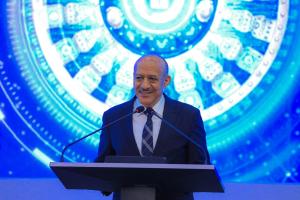
Ethiopia Powers Future Growth with ‘Digital Ethiopia 2030’ Vision, Says DPM Temesgen
Oct 12, 2026 12831
Addis Ababa, October 12, 2026 (ENA) —Deputy Prime Minister Temesgen Tiruneh announced that Ethiopia is centering its long-term national prosperity on technology through the launch of the Digital Ethiopia 2030 vision. The announcement came as Deputy Prime Minister Temesgen Tiruneh officially launched Ethiopia’s 7th National Cybersecurity Month under the theme “Active Citizen; Secured Country!” Emphasizing that cybersecurity is inseparable from national security, he urged all Ethiopians to play an active role in safeguarding the country’s digital future. In a statement posted on his X page, the DPM highlighted that the achievements of Digital Ethiopia 2025. The gains include expanded internet access, telecom liberalization, digital payment systems, and digitized public services, have established a solid foundation for the country's ongoing digital transformation, he noted. He commended the Information Network Security Administration (INSA) for its “unwavering, round-the-clock efforts” in safeguarding Ethiopia’s cyberspace. “Cybersecurity is national security,” DPM Temesgen wrote, emphasizing that protecting cyberspace is “about defending our digital sovereignty, safeguarding our citizens, and securing the future of our nation.” Stressing that cybersecurity cannot be left solely to government institutions, he framed digital defense as a collective duty. “An active citizenry is the foundation of a secure nation,” he said, adding, “together, we must protect our digital sovereignty, strengthen national security, and secure Ethiopia’s digital future.”
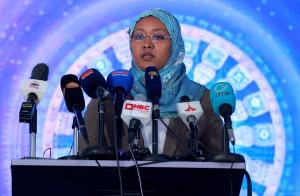
Ethiopia to Observe Seventh National Cybersecurity Month
Oct 9, 2026 17486
Addis Ababa, October 9, 2026 (ENA) —Ethiopia is set to observe its seventh National Cybersecurity Month from October 11 to November 9, 2026. Announced by the Information Network Security Administration (INSA), the month-long initiative aims to raise public awareness of cyber threats and promote the safer use of digital technologies. The observance will be held under the theme “An Active Citizen for a Secure Country,” INSA officials announced during a press briefing. During the briefing, INSA Director-General Tigist Hamid noted that the rapid expansion of technology has been accompanied by a surge in cyberattacks targeting individuals, public and private institutions, and critical national infrastructure. She underscored the urgent need to build widespread cybersecurity awareness, enabling citizens and organizations to better understand threats and implement robust protective measures. A primary focus of this year's campaign will be online child protection, with targeted efforts to educate families and youth on the risks associated with internet use. Planned activities include youth-oriented competitions and discussion forums exploring the intersection of artificial intelligence and cybersecurity. Reaffirming INSA’s commitment to safeguarding the nation's digital space, Tigist called for a collective, nationwide effort to strengthen cybersecurity resilience. She also urged both public and private sector organizations to mark the month by organizing employee awareness programs, emphasizing that cybersecurity is a shared responsibility. INSA confirmed that all preparations for the successful rollout of the campaign are complete. Globally, the cybersecurity awareness observance is being marked for the 23rd time, and for the seventh consecutive year in Ethiopia.
.jpg)
Ethiopia Holds Strong Potential to Contribute to Africa's Digital Transformation: JICA Advisor
Oct 1, 2026 31862
Addis Ababa, October 1, 2026 (ENA)— Ethiopia's growing technology talent and government support for the technology ecosystem are creating a strong potential for the country to contribute to Africa's digital transformation, said Takeshi Oikawa, Chief Advisor of a JICA project and Managing Director at Boston Consulting Group (BCG) East Africa. In an exclusive interview with ENA, Oikawa, who has been involved in Ethiopia's digital transformation alongside technology startups and the government, stated that the country's young, ambitious, and technology-savvy talent, combined with government efforts to build an enabling ecosystem, gives him strong confidence in Ethiopia's digital future. "I think that this young talent and government support, when combined, make me very optimistic about the digital transformation of Ethiopia," he said. He particularly cited the Ministry of Innovation and Technology's efforts to support startups through the Startup Act, including incentives, support, and coaching for young technology companies. Oikawa noted that Ethiopia's digital growth could also have wider benefits for Africa, considering the country's large population and economy, as well as its potential to provide technology and digital services to neighboring African countries. "Booming Ethiopia means booming Africa," he said, adding that Ethiopian technology talent could provide more relevant and customized services to other African countries, creating opportunities for Ethiopia to expand its service exports. He also commended Ethiopia's efforts to position itself as a Pan-African AI hub, highlighting the establishment of the Ethiopian Artificial Intelligence Institute and its mandate to drive the country's AI agenda. According to Oikawa, having a clearly mandated institution leading the AI agenda gives Ethiopia a strong foundation, while the country also needs to balance the opportunities created by AI with potential risks and safety concerns. He further pointed to opportunities for stronger technology cooperation between Japan and Ethiopia, particularly in AI and robotics. "Japan and Ethiopia can work together to advance the AI agenda," Oikawa said, noting Japan's experience in AI technology and robotics and the potential to combine the two fields. Oikawa praised Ethiopia's approach of establishing institutions with clear mandates to advance technology and AI while developing policies intended to enable private-sector players, including startups, to grow. He encouraged Ethiopia's technology and AI ecosystem to think beyond conventional development paths and take advantage of opportunities created by rapid technological change. His message to Ethiopia's technology and AI ecosystem was to "think out of the box," stressing that technological development is no longer necessarily linear and that countries can leapfrog stages of development. He also underscored the importance of simultaneously managing AI-related risks and unlocking the technology's opportunities.
Sport
.jpg)
WHO RC76 Participants “Walk the Talk” in Addis Ababa, Championing Healthier Africa
Aug 23, 2026 130196
Addis Ababa, August 23, 2026 (ENA) —Participants of the 76th Session of the World Health Organization (WHO) Regional Committee for Africa (RC76) joined a symbolic health walk on Sunday from the Adwa Victory Memorial to Meskel Square in Addis Ababa. The participants also turned the message of “Walk the Talk” into action while promoting physical activity and healthier lifestyles across Africa. Ethiopia’s Minister of Health Dr. Mekdes Daba, African health ministers, senior government officials, WHO leaders and prominent athletes, including Ethiopian Athletics Federation President Commander Sileshi Sihine, took part in the event. The initiative sought to translate health policies and commitments into practical action by encouraging people to make regular physical activity part of their daily lives and strengthening public awareness about the prevention of non-communicable diseases. The walk began at the Adwa Victory Memorial, a landmark symbolizing Ethiopia’s historic victory and African resistance to colonialism, and continued through Addis Ababa’s pedestrian routes before concluding at Meskel Square. Organizers emphasized that regular physical activity plays a vital role in reducing the risk of non-communicable diseases, including diabetes, hypertension and cardiovascular diseases, while contributing to healthier and more active communities. The event also highlighted Africa’s collective commitment to improving public health and demonstrated the importance of moving beyond policy discussions toward tangible, everyday health practices. The 76th Session of the WHO Regional Committee for Africa, scheduled to take place in Addis Ababa from August 24 to 28, 2026, will bring together more than 600 delegates, including health ministers and senior officials from the WHO African Region’s 47 member states, global health leaders, development partners, donors and WHO representatives. Over the five-day session, participants will assess progress toward regional health goals, deliberate on new strategies and resolutions. The session is also anticipated to identify collective actions to strengthen health systems, advance universal health coverage, enhance health security and improve emergency preparedness across the continent. The gathering is expected to serve as a major platform for African countries and global health partners to deepen continental health cooperation and advance practical solutions to Africa’s most pressing health challenges.

National Dialogue Conference to Address Root Causes of Differences through Consultation, Says ENDC Chief
Jul 12, 2026 137105
Addis Ababa, July 12, 2026 (ENA) —The upcoming National Dialogue Conference will serve as a platform to resolve the issues underlying Ethiopia's longstanding differences through peaceful consultation, Chief Commissioner of the Ethiopian National Dialogue Commission (ENDC) Professor Mesfin Araya, said. Speaking at a five-kilometer public race organized by the Commission at Meskel Square under the theme "Ethiopia is consulting" today, Professor Mesfin said the country has finalized all preparations for the landmark conference, which is scheduled to begin on July 15, 2026 in Addis Ababa. "The main national consultation conference will be a place where issues that are the source of our differences will be resolved through consultation," he said. According to the Chief Commissioner, delegates representing communities from every region, all woredas, Addis Ababa, Dire Dawa, and Ethiopians living abroad have already arrived in the capital to participate in the conference. He said participants are expected to engage in inclusive and constructive discussions and work toward consensus on recommendations that offer lasting solutions to issues that have fueled differences among Ethiopians. Professor Mesfin described the conference as a historic opportunity to address national challenges through dialogue rather than confrontation. He also expressed appreciation to security institutions, federal and regional government bodies, civil society organizations, and other stakeholders for their contributions in preparing for what he described as a significant stage in Ethiopia's national dialogue process. Participants in a five-kilometer race also expressed optimism that the conference would help strengthen national unity and foster lasting peace. "There is no problem that cannot be solved through consultation," participant Sherefa Ali said. "I believe the challenges that have persisted in Ethiopia for generations can be addressed through the main consultation conference." He added that such dialogue platforms help build trust between citizens and the government while creating opportunities to work together toward common national goals. Another participant, Gemechisa Waqgari, said the conference represents an important step toward reinforcing peace, unity, solidarity, and democratic values. Participant Tnisae Abebe also voiced hope that the conference would generate practical ideas to address the country's social and economic challenges. The National Dialogue Conference will deliberate on eight broad thematic areas identified during nationwide consultations. The agenda includes nation building, systems of government and governance, the political and electoral system, the status of the federal cities of Addis Ababa and Dire Dawa, religion and state relations, institution building, the rule of law and human rights, socio economic issues including the concerns of farmers and pastoralists, corruption and good governance, as well as peace building. The five kilometer race was attended by Deputy Chairperson of the House of Peoples' Representatives Standing Committee on Democratic Affairs Azmeraw Andemo, Professor Mesfin Araya, senior government officials, representatives of civil society organizations, and members of the public.

Diplomatic Football Participants Praise Ethiopia’s Heritage and Hospitality
Jun 14, 2026 134804
Addis Ababa, June 14, 2026 (ENA) —Participants in a diplomatic football event held in Addis Ababa have praised Ethiopia’s cultural heritage, historical legacy and warm hospitality. The tournament, organized in anticipation of the 2026 World Cup, brought together diplomatic football teams and invited guests who later toured key historical and cultural sites in the city. The delegation visited the Ethiopian National Museum, the Adwa Victory Memorial and Addis Sport Park, gaining what many described as a deeper appreciation of Ethiopia’s past and present development. Several participants said the experience reshaped their understanding of the country. Gordon Johnson, one of the participants, expressed admiration for what he witnessed during the visit. “The people are so welcoming and friendly. I love the culture,” he said. He further stated that: “We had a tour of the museum, and the guide showed us hominid fossils recovered in the ’60s, ’70s, and ’90s that date back millions of years.” Johnson said the experience reflected Ethiopia’s deeper historical significance beyond modern perceptions. Cameroonian guest Loic Kovamo also said the visit challenged her previous perceptions of the country. “I am speechless because I didn’t picture Ethiopia like this. It’s a very developed country, and the people are so proud of who they are,” she said, noting, “I’m going back with a lot of pride as an African because I discovered the incredible courage and bravery of the Ethiopian people.” Mark Hayes, one of the visitors, said his expectations were changed after arriving in Addis Ababa. “You have a perception before you come, but it’s the complete opposite. It’s an amazing country,” he said, adding, “What we do now is go home and tell stories about how good Ethiopia is. I feel like a proud advocate.” He further noted that he intends to share his experience in the United Kingdom, saying he would “educate others in England about what he had seen in Addis Ababa.” Joseph Kirule, who works with the Food and Agriculture Organization of the United Nations in Addis Ababa, highlighted the importance of the historical sites visited. “Today we saw different milestones in human civilization that originated here,” he said, adding, “Most importantly, we learned about the Adwa victory. That is a massive milestone that raises our prestige as Africans.”

Ethiopian Airlines Rises as Africa’s Leading Carrier After Decades of Expansion, Success, Says CEO
May 17, 2026 140936
Addis Ababa, May 17, 2026 —Ethiopian Airlines has solidified its position as Africa’s largest and leading airline after years of sustained growth and operational success, the airline’s Group Chief Executive Officer, Mesfin Tasew, said on Sunday. The remarks were made during an 8-kilometer street race organized as part of celebrations marking the airline’s 80th anniversary. Speaking at the event, CEO Mesfin reflected on the airline’s humble beginnings in 1946, when it launched operations with only a small fleet of aircraft. Since then, he said, the carrier has expanded significantly and now operates one of the continent’s most modern fleets, including advanced aircraft from Boeing and Airbus. According to Tasew, the airline currently serves more than 145 international destinations worldwide and has achieved strong growth across multiple sectors, including cargo transportation, aviation training through the Ethiopian Aviation Academy, and other aviation-related services. He further said the airline’s operational strength and long-term strategic investments have helped make it one of the most preferred carriers in Africa and a major player in the global aviation industry. As part of commemorating its eight decades of operations, Ethiopian Airlines is holding a series of celebratory events, including the street race, panel discussions, exhibitions, and community outreach programs. The anniversary run attracted senior officials, including Sileshi Sihine, President of the Ethiopian Athletics Federation, alongside airline executives and invited guests. The race began at Pushkin Square, commonly known as Sar Bet, and is set to conclude at Bole International Airport. Athletes, airline employees, members of the sporting community, and participants from various institutions are taking part in the event.
Environment
Ethiopia’s Renewable Energy Potential Opens New Avenues for African Cooperation
Oct 19, 2026 1917
Addis Ababa, October 19, 2026 (ENA) — Ethiopia’s renewable energy potential presents opportunities to strengthen African cooperation in agricultural productivity, cross-border electricity trade, investment and clean transport, according to Ugandan and Nigerian renewable energy representatives. Paddy Bakengana, Senior Programs Associate at the Uganda Solar Energy Association, told ENA that Ethiopia and Uganda could expand the use of renewable energy technologies in agriculture to boost production, improve efficiency and reduce post-harvest losses. “By the use of renewable energy, by the use of the solar water pumps, the solar dryers, we can actually increase our production,” he said. Bakengana further highlighted the potential of solar-powered irrigation and drying technologies to support agricultural development, noting that cooperation between the two countries could help farmers adopt practical and affordable renewable energy solutions. He also pointed to Ethiopia’s hydropower and solar resources, saying increased electricity generation could create further opportunities for regional power trade. According to Bakengana, partnerships between renewable energy associations in Ethiopia and Uganda could facilitate technical training, knowledge exchange and joint policy advocacy to accelerate the adoption of clean energy technologies. He further stressed the importance of improving access to financing to enable businesses to invest in renewable energy solutions for agriculture in both countries. Meanwhile, Motunrayo Akinfala, Chief Executive Officer of the Renewable Energy Association of Nigeria (REAN), identified electric mobility as another promising area for cooperation among Ethiopia, Nigeria and other African countries. She called for stronger partnerships to facilitate the exchange of expertise, attract investment and expand the deployment of clean energy technologies across the continent. “What I would advise, suggest, is more collaboration between both countries, and even across African countries as a whole,” she said. Akinfala also underscored the need to attract investors and development partners to support Ethiopia’s renewable energy development and help expand access to clean energy solutions. The experiences shared by the Ugandan and Nigerian representatives highlight the potential for African countries to combine their technical expertise, investment capacity and renewable energy resources to support agricultural transformation, expand electricity markets and accelerate the transition to cleaner transport systems.

Ethiopia Targets 74.3 Percent Cut in Greenhouse Gas Emissions by 2030 : Minister of Energy and Water
Oct 13, 2026 15832
Addis Ababa, October 13, 2026 (ENA) — Ethiopia has committed to reducing greenhouse gas emissions by 74.3 percent by 2030, compared with the business-as-usual scenario, Minister of Water and Energy Habtamu Itefa said, highlighting the country’s climate action efforts despite mounting environmental challenges. Speaking at the 65th session of the Intergovernmental Panel on Climate Change (IPCC), which opened in Addis Ababa on October 12, the minister said Ethiopia was pursuing the ambitious target through renewable energy expansion, large-scale tree planting and the restoration of degraded landscapes. “Throughout national and international contribution, Ethiopia has committed to highly ambitious 74.3 percent reduction in greenhouse gas emissions by 2030, relative to the business-as-usual scenario,” Habtamu said. Ethiopia was already experiencing the severe consequences of climate change, including erratic rainfall, recurrent droughts and devastating floods , he elaborated. “Ethiopia is living in the front lines of the global climate crisis,” the minister elaborated, noting that anthropogenic climate change had seriously disrupted the country’s natural balance. The shifting rainfall patterns and increasingly frequent extreme weather events were affecting agriculture, water availability and energy production, he stated. “Recurrent droughts lead to tragic crop failures and the loss of livestock,” he added. However, he stressed that Ethiopia was taking concrete measures to address the crisis rather than merely bearing its consequences. According to him, the government had made the Climate-Resilient Green Economy strategy a cornerstone of national policy and was expanding renewable energy production through hydropower, wind and solar power. Ethiopia is also extending its clean electricity grid to neighboring countries to support Africa’s energy transition. The minister also highlighted the Green Legacy Initiative, which he said had contributed to expanding forest cover and restoring degraded landscapes. “I am incredibly proud to share that to date, we have planted more than 56 billion trees across the country,” he said. He added that Ethiopia’s forest cover had increased from 17.2 percent to 23.6 percent. “This is not just about planting trees, it is about restoring degraded water bodies, improving soil fertility, and raising better life.” He emphasized that Ethiopia’s climate ambitions were grounded in scientific evidence, pointing to the country’s engagement with the IPCC and the use of its methodologies in preparing national greenhouse gas inventories. He said the findings of the IPCC should inform national development strategies and strengthen climate change mitigation and adaptation efforts. IPCC Chair Jim Skea praised the Ethiopian government and the city of Addis Ababa, stating that they have done a tremendous job preparing for this important meeting, and expressed gratitude for their kind welcome and hospitality. Ethiopia has strongly supported the IPCC's scientific work, and Jim Skea underlined that he is proud to see Ethiopian scientists engaged in all three working group contributions to the second assessment report. The Director General of the Ethiopian Meteorological Institute (EMI), Fetene Teshome, said that African countries contribute the least to global greenhouse gas emissions, yet the region remains among the most vulnerable to climate variability and climate change. This reality highlights the urgent need for stronger adaptation, improved resilience, and greater access to climate services that support informed decision-making at all levels, he stressed. Therefore, Fetene said, in this regard, the work of the IPCC is indispensable. The scientific assessments prepared by the IPCC provide the foundation upon which governments, development partners, researchers, and communities can understand climate risks and identify effective responses. The credibility, transparency, and rigor of the IPCC process continue to guide global climate action and inspire confidence in climate science.
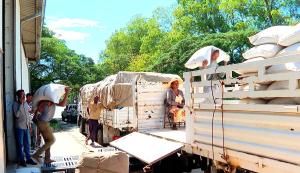
Humanitarian Assistance Being Transported to Needy in Afar Region
Oct 10, 2026 17765
Addis Ababa, October 10, 2026 (ENA)—The Ethiopian Disaster Risk Management Commission announced that it is delivering humanitarian aid to people requiring assistance in the Afar Region due to the impacts of climate change. The commission further stated that emergency humanitarian aid is currently being transported to the Afar Region from the central grain warehouse in Adama. While regional states are working hard to respond to natural and man-made disasters using their own resources, the commission is also providing additional humanitarian aid to priority areas, it said. Accordingly, the commission disclosed that it is delivering humanitarian aid to those requiring top-priority assistance in the Afar Region. While the Afar Regional State continues providing assistance and monitoring efforts within its capacity, the commission is also providing close support and oversight. Vehicles loaded with humanitarian aid from the Adama reserve warehouse have departed for the Afar Region, it was learned.
.jpg)
UN, African Forestry Experts Describe Ethiopia’s GLI Continental Benchmark
Oct 7, 2026 21076
Addis Ababa, October 7, 2026 (ENA)— United Nations (UN) and African forestry experts have praised Ethiopia’s Green Legacy Initiative (GLI) as a leading model of large-scale environmental restoration in Africa. The experts also emphasized that its science-based policies and agroforestry are essential to sustaining its gains and improving community livelihoods. Juliette Biao, Director of the Secretariat of the United Nations Forum on Forests (UNFF), described the Green Legacy Initiative as a highly ambitious undertaking and emphasized the importance of drawing lessons from past experiences to ensure its long-term success. “The Green Legacy Initiative (GLI) is a good ambition, but what we cannot afford is to repeat the mistakes of the past. If we can learn lessons from the past, I think that will be wonderful not only for Ethiopia, but for the world,” Biao said. Biao recalled her earlier involvement in the initiative, noting that she was Regional Director for Africa at the United Nations Environment Programme when Prime Minister Abiy Ahmed launched the Green Legacy Initiative in 2019. “As a matter of fact, I was the Regional Director for Africa at the United Nations Environment Programme when Prime Minister Abiy Ahmed launched the initiative in 2019, and we provided our support,” she said. She also highlighted Africa’s efforts to strengthen the link between scientific knowledge and policymaking, particularly through its hosting of the first Science Policy Information Network (SPIN) for Africa regional dialogue on forestry. “What will be really recommendable is to take the outcomes of SPIN Africa and customize them to the Ethiopian context,” She said. Biao stressed that tree planting should form part of a broader land restoration strategy, cautioning that planting trees alone would not be sufficient to reverse land degradation. “I am sure that the GLI will succeed. However, what we must learn from the past is that simply planting trees for the sake of planting trees can never reverse land degradation,” she said. She recommended greater use of agroforestry, which can combine environmental restoration with economic opportunities for rural communities. Such an approach, she said, can enable communities to benefit from restored landscapes while contributing to forest conservation and land rehabilitation. Ethiopia’s GLI has increasingly incorporated economically valuable crops and trees, including avocado, mango, apple and papaya, alongside coffee and other agricultural activities. This approach has strengthened the connection between environmental restoration, food production and household incomes. Doris Mutta, a forest scientist and Senior Program Officer at the African Forest Forum (AFF), similarly described Ethiopia’s GLI as one of Africa’s prominent examples of large-scale environmental restoration. “We noted that a lot of mobilization has been done to generate seedlings and to plant millions of seedlings. There has been a clear improvement in forest cover because of this initiative, which is very positive,” Mutta said. She said Ethiopia’s experience could offer valuable lessons to other African countries pursuing ambitious programs to restore degraded landscapes, expand forest cover and strengthen climate resilience. “For Africa, the Green Legacy Initiative is one of the flagship projects that we are monitoring very closely through the SPIN for Africa,” she said. The first SPIN Africa Regional Science Policy Dialogue on forestry, hosted by Ethiopia, brought together policymakers, scientists and forestry experts to strengthen the integration of scientific evidence into forest management and restoration policies. The experts’ assessment underscores the growing significance of Ethiopia’s Green Legacy Initiative beyond its national environmental objectives. With continued emphasis on science-based restoration, agroforestry and community participation, the initiative could provide practical lessons for African countries seeking to advance forest restoration while strengthening food production, livelihoods and climate resilience. Over the past eight years of planting campaigns, communities, institutions and technical experts have planted 56 billion trees and agroforestry seedlings across different ecological zones.
Most viewed
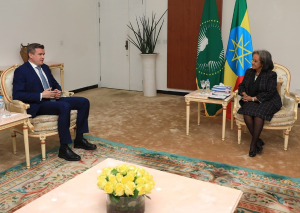
President Sahle-Work Holds Discussion with World Anti-Doping Agency President Bonka
Mar 29, 2023 349825
Addis Ababa March 29/2023/ENA/ President Sahle-Work Zewde has received a delegation led by World Anti-Doping Agency (WADA) President Witold Bonka today, according to the Office of the President. The discussion centered on the conditions under which Ethiopia and the World Anti-Doping Agency can work closely in anti-doping control and investigation, and how the organization can provide technical support, it was learned. During the discussion, Sahle-Work said that Ethiopia has a long history in athletics and is known in the world since athlete Abebe Bikila won marathon in Rome. She finally thanked the World Anti-Doping Agency for its technical support in anti-doping control.
Ethiopian Diaspora Demand Egypt to Change Counterproductive Posture on GERD
Apr 4, 2023 276637
Addis Ababa April 4/2023 (ENA) Ethiopians in the Diaspora have called on Egypt to change its counterproductive posture and find mutually beneficial agreements on the Grand Ethiopian Renaissance Dam (GERD). In a statement the diaspora issued yesterday, they noted that Ethiopia is the main source of the Nile by contributing 86 percent of the water to the Nile basin states while utilizing less than 1 percent of the potential for hydroelectric power. Ethiopians are currently building the GERD on the Blue Nile that is financed entirely by Ethiopians and is a crucial project for the country's development as it will provide clean, renewable energy and lift millions out of poverty. About 65 percent of the 122 million of Ethiopia's population have no access to any form of electricity. The much-needed electricity will facilitate economic growth for Ethiopia and the region, the statement elaborated. The dam will promote regional cooperation and integration while offering opportunity for eleven countries of the Nile Basin to work together to manage the river's resources more efficiently and effectively, it added. The GERD is being built with the highest environmental and technical standards to achieve the objectives of the national electrification program and the execution of Ethiopia’s Climate-Resilient Green Economy Strategy. According to the statement, Ethiopia has provided scientific evidence and expert testimonies that GERD will not significantly affect the flow of water downstream, and provided compelling arguments for the need for equitable use of the Nile's resources by all countries in the region. The diaspora further said they understand that the GERD has raised concerns in Egypt about the downstream effects on the Nile's flow and water availability since Egyptians have been misinformed about the GERD for many years. But on the contrary, the dam will provide several benefits to Egypt and Sudan, including increased water flow during dry seasons and decreased flooding events. “We want to assure Egyptians that Ethiopians are committed to fair and equitable use of the Nile's waters without harming our downstream neighbors. We recognize that the Nile River is a shared resource, and we support finding a mutually beneficial solution.” As Ethiopians in the Diaspora, we reiterate our support for fair and equitable use of the Nile River and call on the Egyptian people and Egyptian Diaspora to question the misinformation about the GERD in Egypt's mainstream media and embrace the spirit of friendship and cooperation by understanding that the GERD is a project of great national importance to Ethiopians that will benefit Egyptians by ensuring a reliable and predictable supply of water, that Ethiopians have the right to use their water resources for the development of its people and economy, in accordance with the principles of equitable and reasonable utilization without causing significant harm. Efforts to destabilize Ethiopia by the regime in Egypt, will indeed affect the historical and diplomatic relations dating back to several thousand years, the long-term interest of the Egyptian people and make Ethiopians less trusting in cooperating on the GERD and future hydropower projects on the Nile, they warned. The diaspora groups urged Egyptian leaders to engage in constructive dialogue with the leaders of Ethiopia regarding the GERD and steer away from their counterproductive posture of calling for a “binding agreement” on the GERD filling and the subsequent operations as an imposing instrument on water sharing that Ethiopians will never accept. The GERD can be a source of cooperation and collaboration between our two countries rather than a source of conflict, they underscored. "Ethiopians believe that, through dialogue and understanding, peaceful and equitable agreements that benefit all parties involved can be realized to build a brighter future for all people in the Nile basin. Belligerent positions by Egyptian leaders stating ‘all options are open’ are contrary to the spirit of the 2015 Declaration of Principles signed by Ethiopia, Sudan and Egypt." According to the statement, such postures will surely harm Egypt's long-term interest and impede trustful cooperation with the Ethiopian people and government. They asked Arab League and its member states to refrain from interfering in the issue of the GERD, which is the sole concern of the three riparian countries (Ethiopia, Sudan and Egypt) and their shared regional organization (the African Union), which is mediating the talks to find ‘African Solutions to African Problems.’ The issues remaining on the table at the trilateral negotiations under the auspices of the African Union are being narrowed to a handful of critical matters on equity and justice, on which the Arab league nations have no business or legal right to be involved.

Ethiopia's Ayana Takes Paris Win on Marathon Debut
Apr 2, 2023 275618
Addis Ababa April 2/ 2023 (ENA) Ethiopia's Abeje Ayana won the men's race at the Paris Marathon on Sunday in his first competitive run over the distance. The 20-year-old Ayana won with a time of two hours, seven minutes and 15 seconds, 20 seconds ahead of compatriot and pre-race favourite Guye Adola with Kenya's Josphat Boit a further five seconds back in third. After clocking 59:39 in a half marathon in Poznan, Poland in 2021, Ayana was one of the men to watch on a grey, windy morning in the French capital, Reuters reported.
Africa’s Sustainable Growth Hinges on Science, Technology and Innovation: Experts
Mar 3, 2023 272832
Addis Ababa March 3/2023/ENA/ Achieving the ambitious targets of the 2030 and 2063 Agendas of Africa requires leveraging the power of science, technology, and innovation (STI), according to experts. A press release issued by the ECA stated experts at the Ninth African Regional Forum on Sustainable Development have emphasized the crucial role of STI as a key driver and enabler for ensuring economic growth, improving well-being, mitigating the effects of climate change, and safeguarding the environment. They also underscored the need to strengthen national and regional STI ecosystems by fostering innovation, promoting entrepreneurship, and investing in research and development. By doing so, the experts said that Africa can harness the potential of STI to accelerate its socio-economic progress and achieve the Sustainable Development Goals (SDGs) by 2030 and the African Union's Agenda by 2063. The session, held on 2 March 2023, builds on the recommendations of the Fifth African Science, Technology, and Innovation Forum, which accentuates the central role of STI and digitalization during the COVID-19 pandemic and the need for the necessary infrastructures for the development of STI, plans, and policies that are action-oriented towards strengthening its full implantation. The experts highlighted that despite advances in STI, significant gaps remain in bridging the scientific and technological divide between developed countries and Africa. The highly uneven global distribution of scientific capacity and access to knowledge threatens to derail the goal of leaving no one behind, which is the central and transformative promise of Agenda 2030. “We need a clear political will from governments to ensure science, technology, and innovation is a reality. By doing so our education systems will be capacitated to deliver knowledge that is vital to solving Africa’s sustainability challenges,” Niger Higher Education and Research Minister Mamoudou Djibo said. The strategy includes the establishment of universities as centers for excellence and investments in education, technical competencies, and training in the fields of science, technology, research, and innovation. These initiatives are crucial in accelerating progress towards achieving global goals. However, in order to fully leverage the potential of STI, significant investments in research and development are required. National systems also need to be strengthened, Namibia Information and Communication Technologies Deputy Minister Emma Theophilus, stated adding that “strengthening our national systems for STI is a key game changer for rapid structural transformation in Africa. Leveraging the digital transformation can achieve a stronger, smarter, and more inclusive recovery.” Emerging evidence suggests that an STI and digital Africa can be a springboard to accelerate the implementation of the SDGs and fulfill the aspirations of Agenda 2063.
Feature Article
Global Roundup: A Week Exposing World’s Interconnected Crises
Oct 19, 2026 2353
The week of October 11–18, 2026, brought renewed conflict, economic uncertainty, climate warnings and rapid technological change across the globe. Developments across the Middle East, Europe, Africa, Asia and the Americas showed how closely security, energy, public finances, humanitarian needs and environmental sustainability are connected. Diplomatic efforts continued, but unresolved agreements and military tensions threatened regional and international stability. Meanwhile, governments weighed the cost of energy support and public debt, while forecasts of a strengthening El Niño and the growing reach of artificial intelligence reinforced the need for coordinated international action. Conflicts and Regional Security Middle East tensions remained acute. Reports of an alleged assault on diplomats from France, Belgium and Poland in the West Bank village of Taybeh during the olive harvest featured among the major events of the week. Reported casualties in Gaza and Yemen, including the deaths of three children in airstrikes in Dhamar, highlighted the human cost of regional hostilities. Tensions involving Saudi Arabia and Iran, alongside reports of attacks on commercial vessels in the Persian Gulf and Arabian Sea, raised concerns about commercial shipping and energy security. Extended disruption to these routes could raise fuel prices, freight charges and insurance costs, spreading economic impacts across global markets. The Russia–Ukraine war continued to threaten European security, with reported attacks on energy infrastructure and residential areas. Ukrainian President Volodymyr Zelenskyy said Kyiv was ready to observe a ceasefire covering energy facilities, calling on Russia to take concrete steps. European Union discussions also addressed competitiveness, support for Ukraine and the bloc’s long-term budget. Member state governments faced the challenge of balancing defence spending with affordable energy, industrial competitiveness and fiscal stability. In Africa, African Union consultations in Kigali, Rwanda, focused on implementing the Washington Peace Agreement for eastern Democratic Republic of the Congo. Discussions covered security commitments, disarming armed groups, refugee protection and regional economic cooperation. Sudan’s war between the Sudanese Armed Forces and the Rapid Support Forces continued to drive displacement and humanitarian needs, placing pressure on neighbouring countries through refugee movements, border insecurity and demands on public services. Violence and displacement also persisted in parts of the Sahel. In the Indo-Pacific, China and North Korea opened a long-delayed border bridge intended to facilitate trade, even as North Korea announced weapons tests involving submarine-launched cruise missiles. Global Economy and Financial Pressures High energy costs, public debt and uncertainty over investment and growth remained central economic concerns. At the annual meetings of the International Monetary Fund (IMF) and World Bank in Bangkok, officials considered the resilience of investment and financial markets amid geopolitical shocks. The IMF warned that energy-support measures were adding to fiscal pressure. Such measures were estimated at about 0.5 percent of global gross domestic product, while public debt in advanced economies was projected to rise from 108 percent of GDP to 115 percent over five years. Developing economies face difficult choices due to limited fiscal space, substantial external financing needs and heavy dependence on imported fuel and food. Currency pressure, volatile commodity markets and higher borrowing costs continue to test financial stability. The IMF projected African growth of 4.5 percent in 2026 and 5 percent in 2027, but insecurity, energy disruptions, climate shocks and reduced development assistance could weaken the outlook. Official development assistance was forecast to fall by a further 12 percent in 2026. In Latin America and the Caribbean, the IMF lowered its 2026 growth forecasts, citing the energy shock and limited gains from the global technology investment boom. Fuel importers face higher transport and production costs, while oil and mineral exporters remain exposed to price volatility. Energy Security and Maritime Trade Energy security connected many of the week’s geopolitical and economic developments. Reports of attacks on shipping in the Persian Gulf and Arabian Sea raised concerns over routes used to transport crude oil and other essential commodities. For African and other developing economies, diversifying energy sources, expanding domestic electricity generation and improving transport infrastructure remain crucial to reducing exposure to external shocks. Renewable energy investment, regional electricity interconnections and efficient logistics offer avenues to strengthen long-term competitiveness. Climate Change and Environmental Risks Climate risks featured prominently, with warnings of a strengthening El Niño, cross-border air pollution and renewed calls for adaptation and climate finance. The World Meteorological Organization’s seasonal outlook indicated that sea-surface temperatures in the central and eastern tropical Pacific could rise towards record levels during October–December 2026. A stronger El Niño could alter temperature and rainfall patterns, increasing drought risks in some regions and flooding in others. Potential consequences include crop losses, water shortages, disrupted hydropower generation and higher food prices. For Ethiopia and other African countries, climate variability threatens food production, rural livelihoods and water security. Expanding irrigation, soil conservation, climate-resilient crop varieties and reliable weather information remain central to protecting agricultural productivity. At pre-COP31 meetings in Fiji, Pacific island countries called for stronger emissions reductions, adaptation and climate finance. Fiji announced a contribution of 10 million USD to the Pacific Resilience Facility. The UN climate conference COP31 is scheduled for Antalya, Türkiye, from November 9 to 20, 2026. Environmental pressures were also evident in Southeast Asia, where Singapore prepared to issue haze-prevention notices to seven companies linked to fires in Indonesia, while Timor-Leste closed schools amid worsening air quality. Water shortages in Mexico’s Jalisco state further highlighted the need for sustainable water management. Technology and Artificial Intelligence Artificial intelligence continued to shape economic competitiveness, public services and national security. In Africa, supported by reliable digital infrastructure, digital technologies could improve agricultural advice, health services, education and public administration. However, these benefits depend on investment in digital connectivity, technical skills and affordable electricity. Major data centres and computing systems require increasing amounts of energy, linking digital development directly to national energy policies and climate goals. ….. Sources: The roundup draws on reporting and analysis from AllAfrica, Al Jazeera, Arab News, The Jordan Times, Channel NewsAsia, Japan’s NHK, Yonhap News Agency, The Hindu, Press Trust of India, Xinhua, Euronews, Deutsche Welle, the Associated Press, Reuters, CBC News, CityNews, LatinNews, ABC News and The Guardian.
.jpg)
Ethiopia Advances Strategic Interests, Diplomacy and Regional Security This Week
Oct 18, 2026 11754
By Staff Writer October 18, 2026 (ENA) Ethiopia has concluded the week with a series of significant political, diplomatic, economic and security developments, underscoring its determination to consolidate domestic stability, deepen international partnerships and strengthen its strategic role in the Horn of Africa and the Red Sea region. From establishing a six-month caretaker administration in Tigray to advancing economic diplomacy at the 2026 International Monetary Fund (IMF) and World Bank Group Annual Meetings in Bangkok, Ethiopia has pursued multiple priorities aimed at strengthening national stability and accelerating development. Prime Minister Abiy Ahmed’s telephone conversations with Israeli Prime Minister Benjamin Netanyahu and U.S. Secretary of State Marco Rubio further highlighted Ethiopia’s active bilateral engagement. Meanwhile a security briefing for foreign military attachés underscored the government’s emphasis on safeguarding national sovereignty and addressing information gaps surrounding the country’s security situation. Beyond immediate political and security priorities, the week also featured renewed calls for national unity, stronger technological capacity and climate resilience, alongside a broader national ambition to secure reliable maritime access and expand Ethiopia’s contribution to regional peace and economic integration. As Ethiopia begins a new five-year political chapter under the Medemer Government, these developments reflect an interconnected agenda: consolidating peace at home, mobilizing resources for development and advancing the country’s interests through regional cooperation and international engagement. Caretaker Administration in Tigray Region Ethiopia’s federal government has established a six-month caretaker administration for the Tigray Region, with a mandate to restore peace, revive public institutions and services, rebuild war-damaged infrastructure and prepare the ground for free and transparent elections. The decision followed a resolution by the House of Federation and a subsequent binding decision by the Council of Ministers to establish a provisional administration for the region. According to a statement from the Office of the Prime Minister, the measure came after repeated efforts to resolve the conflict through the Pretoria Agreement encountered obstacles attributed to the TPLF leadership. The statement accused the leadership of undermining the peace process and returning to conflict, arguing that the region’s population should not be trapped in a recurring cycle of violence. The federal government emphasized that lasting peace requires prioritizing development, strengthening Tigray’s place within Ethiopia’s federal system and deepening cooperation with the country’s other peoples. The caretaker administration is expected to restore the functioning of government institutions, facilitate the resumption of essential social services, rehabilitate damaged infrastructure and support the return of internally displaced people to their homes. The initiative places institutional recovery, peace and the restoration of essential services at the center of efforts to address the region’s challenges. Its implementation and progress toward credible elections will be important indicators of whether the transitional arrangement can help establish a more stable political environment. Ethiopia Intensifies Economic Diplomacy, Seeks Fresh Investment Capital Ethiopia has stepped up its international economic engagement at the 2026 IMF and World Bank Group Annual Meetings in Bangkok, Thailand, seeking to translate ongoing economic reforms and progress on debt restructuring into stronger investment partnerships and development financing. The Ethiopian delegation, led by National Bank of Ethiopia Governor Dr. Eyob Tekalign and including State Minister of Finance Tiguist Fisseha, engaged with international financial institutions, development partners and senior financial officials on the country’s economic priorities. The meetings provided a platform to discuss macroeconomic reforms, financial stability, debt sustainability, private investment and financing for Ethiopia’s development ambitions. Governor Eyob emphasized that Ethiopia is increasingly looking beyond debt restructuring toward attracting fresh investment capital and building high-value international partnerships that reflect the country’s market size, economic potential and development priorities. The shift comes as Ethiopia advances negotiations with external creditors. According to the delegation’s account, agreements with bilateral creditors have been finalized, while negotiations with commercial lenders are progressing following an agreement in principle with Eurobond holders. The delegation also held engagements with representatives of international financial institutions and partner countries to explore opportunities for closer cooperation and investment. For Ethiopia, the objective extends beyond securing additional financing. It is also about strengthening investor confidence, expanding access to development resources and ensuring that international partnerships support the country’s long-term economic transformation. As the country continues implementing economic reforms, the ability to convert international commitments into productive investment, employment opportunities and improved livelihoods will remain a central test of its economic diplomacy. Ethiopia Reaffirms Sovereignty as Foreign Military Attachés Receive Security Briefing Ethiopia has reiterated its commitment to safeguarding its sovereignty and territorial integrity as foreign military attachés received an update on the country’s security situation at Bishoftu Air Force Base. The briefing provided foreign military representatives with information on developments over the preceding three weeks, including security incidents and measures taken by the Ethiopian National Defense Force (ENDF). The representatives were also shown weapons reportedly captured during recent security operations in Tigray and adjoining areas. According to accounts of the briefing, the military attachés described the direct exchange as useful in clarifying information gaps and addressing reports circulating on social media and other media platforms. They also expressed support for Ethiopia’s right to protect its sovereignty and territorial integrity. High-Level Telephone Diplomacy Strengthens Ethiopia’s International Engagement Prime Minister Abiy Ahmed held separate telephone conversations with Israeli Prime Minister Benjamin Netanyahu and U.S. Secretary of State Marco Rubio, discussing bilateral relations and regional and multilateral issues of mutual interest. Following his conversation with Netanyahu, the Prime Minister described the exchange as fruitful and constructive, noting that the two leaders discussed bilateral relations and key regional developments. He also reaffirmed their commitment to strengthening cooperation. In his conversation with Rubio, PM Abiy discussed opportunities to translate the longstanding Ethiopia–United States relationship into a more strategic and practical partnership. The Prime Minister welcomed Washington’s assurance of continued support for Ethiopia and emphasized the shared interest in advancing bilateral cooperation and addressing regional and multilateral priorities. The engagements reflect Ethiopia’s continued efforts to maintain high-level dialogue with international partners while advancing its diplomatic and strategic interests. For a country whose economic and security priorities are closely connected to developments across the Horn of Africa, the Red Sea and the wider Middle East, sustained diplomatic engagement remains important to building partnerships, addressing shared concerns and supporting regional cooperation. National Flag Day Renews Call for Unity, Consensus and Shared Prosperity Ethiopia marked its 19th National Flag Day on October 12 under the theme “Our Flag for National Consensus and Unity,” renewing calls for national cohesion, respect for diversity and collective responsibility for the country’s future. In his message marking the occasion, Prime Minister Abiy Ahmed emphasized that national unity is fundamental to Ethiopia’s pursuit of prosperity and that the national flag represents the country’s shared history, sovereignty and strength in diversity. The observance came at a time when consolidating peace, strengthening public institutions and broadening national consensus remain important priorities for Ethiopia’s political transition. Beyond its symbolic significance, National Flag Day offered an opportunity to highlight the importance of dialogue, mutual understanding and cooperation among Ethiopia’s diverse communities. The message reinforced the idea that sustainable development requires more than economic growth: it also depends on social cohesion, shared responsibility and the ability to pursue common national objectives while respecting the country’s diversity. Technology and Meteorological Capacity Advance Climate Resilience Ethiopia has underscored the growing importance of scientific research, technological advancement and reliable data infrastructure in strengthening climate resilience and supporting national development. During a visit to the Ethiopia Meteorology Institute, Prime Minister Abiy Ahmed highlighted the institution’s role in generating meteorological information and improving the country’s capacity to anticipate and respond to changing weather conditions. The Prime Minister emphasized the need for continuous data collection, scientific research and technological modernization to strengthen institutional capacity and improve the use of weather and climate information. Reliable meteorological services are critical to several key sectors of the Ethiopian economy, particularly agriculture, water management, energy, transportation and disaster preparedness. Improved forecasting and early-warning systems can help communities and public institutions prepare for extreme weather events, reduce potential losses and make better-informed development decisions. As climate-related risks increasingly affect African economies, strengthening national forecasting and early-warning capacity will also contribute to wider efforts to protect livelihoods and support sustainable development. Ethiopia’s New Political Chapter Places Sea Access and Regional Integration in Focus As Ethiopia enters a new five-year political chapter under the Medemer Government, sovereign sea access remains a prominent national strategic and economic ambition. As one of the world’s most populous landlocked countries, Ethiopia has a substantial interest in securing dependable access to maritime trade routes through mutually beneficial arrangements with regional partners. Reliable sea access could help reduce logistical constraints, improve export competitiveness, attract investment and strengthen Ethiopia’s integration into regional and global markets. The issue also carries wider regional significance. Ethiopia’s economic growth, population size and position at the heart of the Horn of Africa mean that maritime connectivity has implications for trade, infrastructure development and cross-border economic cooperation. Ethiopia’s pursuit of maritime access therefore intersects with a broader national agenda: strengthening economic resilience, diversifying trade routes and building regional partnerships that can generate shared prosperity. Ethiopia’s Maritime Ambition Linked to Red Sea Stability Ethiopia’s pursuit of reliable maritime access featured prominently in the week’s strategic agenda, reflecting the country’s economic interests and the Red Sea’s critical role in global trade and security. With its strategic position, economic potential and longstanding peacekeeping record, Ethiopia could contribute to regional maritime security and protect vital trade routes through constructive cooperation with coastal states, respect for international law and mutually beneficial arrangements. Reliable maritime access, stronger regional cooperation and a stable Red Sea are interconnected priorities that could unlock trade, investment and shared prosperity across the Horn of Africa. Tana Forum Positions Ethiopia at the Center of Africa’s Peace and Security Dialogue Ethiopia is preparing to host the 12th Tana High-Level Forum on Security in Africa in Bahir Dar from October 23 to 25, bringing African leaders, policymakers, researchers and security experts together to examine the continent’s evolving peace and security challenges. The forum’s theme, “Pathways to Peace in Africa: Economic Sovereignty and Geopolitical Transformation,” reflects growing recognition that sustainable peace is closely linked to economic independence, institutional strength and Africa’s capacity to navigate intensifying global geopolitical competition. Across the continent, conflicts, political instability, external rivalries and economic vulnerabilities continue to complicate efforts to achieve lasting peace and development. The Tana Forum offers an opportunity to examine how African countries can strengthen locally driven responses, deepen regional cooperation and align peace and security strategies with the continent’s development priorities. Its emphasis on economic sovereignty also highlights the importance of mobilizing domestic resources, building resilient economies and ensuring that African countries have greater capacity to shape decisions affecting their futures. For Ethiopia, hosting the forum reinforces Addis Ababa’s and the country’s wider role in continental diplomacy and provides an additional platform for advancing dialogue on African-led solutions to shared challenges. Looking Ahead: Connecting National Stability with Regional Opportunity This week’s developments illustrate the interconnected nature of Ethiopia’s domestic priorities and international ambitions. The caretaker administration in Tigray region places peace, institutional recovery and the restoration of public services at the center of the country’s internal challenges. Economic diplomacy in Bangkok reflects an effort to turn reform and debt-restructuring progress into fresh investment and development financing. High-level telephone conversations and military briefings demonstrate continued engagement with international partners on diplomatic and security issues. At the same time, National Flag Day, investments in meteorological capacity and preparations for the Tana Forum highlight the importance of national cohesion, technological modernization and African-led approaches to peace and development. Ethiopia’s pursuit of sovereign sea access adds a longer-term strategic dimension to this agenda, linking economic competitiveness with regional connectivity and the stability of the Red Sea. All in all, these priorities point to a broader national objective: consolidating stability at home, mobilizing resources for inclusive development and building international partnerships that advance Ethiopia’s interests while contributing to regional cooperation.


