ENA - ENA English
Live:


Headlines
.jpg)
PM Reaffirms Ethiopia’s Commitment to Regional Peace, Vows to Defend Sovereignty at Any Cost
Nov 26, 2026 92
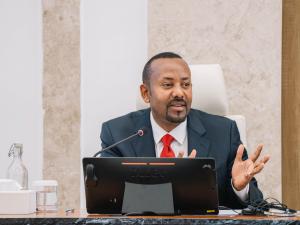
Addis Ababa, November 26, 2026 (ENA)— Prime Minister Abiy Ahmed has reaffirmed Ethiopia’s commitment to regional peace and stability, while warning that any attempt to invade the country would be met with resolute response. Addressing the House of People’s Representatives today, the PM noted that Ethiopia has been historically contributing to peace and security across the African continent. The Premier described the country’s role as that of an older brother committed to the stability of the region. He cited Ethiopia’s longstanding peacekeeping and military contributions in Rwanda, Somalia, the Democratic Republic of Congo, Liberia and South Sudan. Ethiopian forces have repeatedly stood on the front lines and made significant sacrifices for regional peace, the PM added. PM Abiy stressed that Ethiopia has no history or intention of invading other countries but would never tolerate violations of its territorial integrity. “Throughout its history, Ethiopia has never been known for invading any country, nor does it have any desire to do so in the future. However, no one can come to Ethiopia’s borders, invade the country and return with honor. Adwa will be repeated; do not test us!” he warned. He further stated that Ethiopia’s history is marked by generations who defended the country's independence, identity and sovereignty through extraordinary courage and sacrifice, adding that the current generation has a responsibility to preserve this legacy. Prime Minister Abiy also emphasized that peaceful conflict resolution, dialogue, patience and forgiveness remain central to Ethiopia’s approach to national and regional challenges. The government prioritizes peace because it understands the immense value of stability to ordinary citizens, particularly mothers and families affected by conflict. “Resolving problems peacefully through dialogue is a sign of civilization,” the PM said, underscoring that forgiveness and dialogue are essential to building the nation and strengthening regional stability. Meanwhile, Prime Minister Abiy expressed appreciation to the House for recognizing the sacrifices and contributions of the Ethiopian National Defense Force. He highlighted the difficult conditions under which members of the Defense Force serve, including marching 30 to 40 kilometers a day and enduring rain, frost and extreme heat to protect the country. Despite the modest salaries and immense personal sacrifices of military personnel, the PM said, recognizing those who have fallen, wounded and shed blood in defense of Ethiopia is an important expression of national gratitude.
Guba Mega Projects Valued at over 30 Billion USD on Track, Says PM Abiy
Nov 26, 2026 463
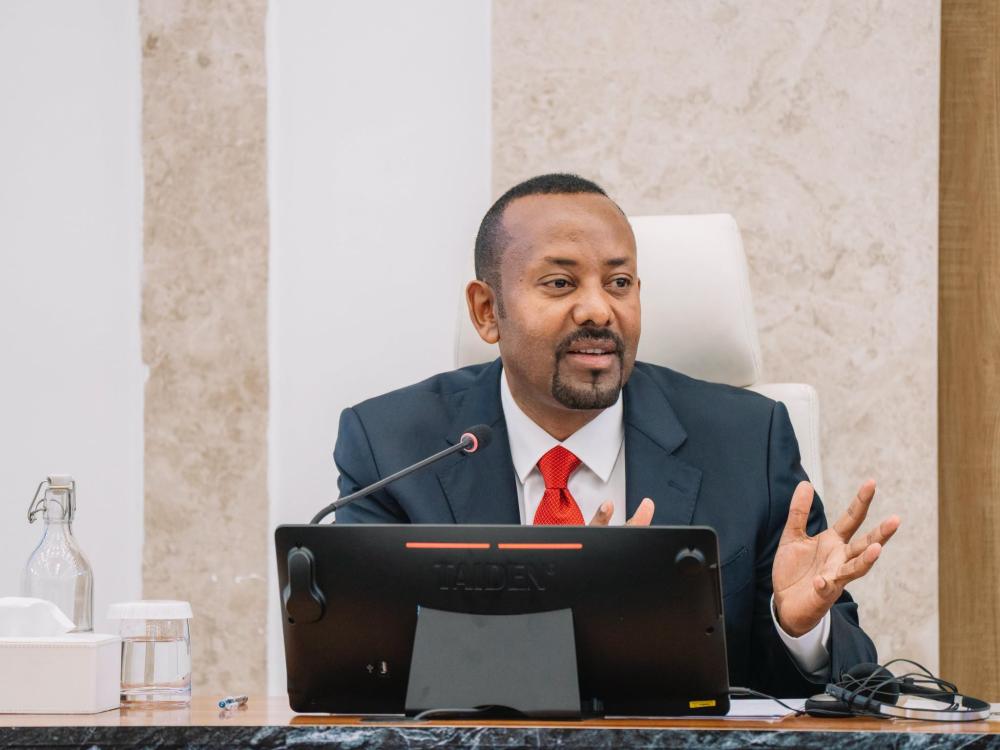
Addis Ababa, November 26, 2026 (ENA)— Ethiopia’s Guba mega projects that span from mass housing, nuclear energy, natural gas, fertilizer manufacturing to aviation are advancing on schedule, Prime Minister Abiy Ahmed told the House of People’s Representatives. Recall that Prime Minister Abiy Ahmed announced the Guba mega projects valued at over 30 billion USD during the September 2025 inauguration of the Grand Ethiopian Renaissance Dam (GERD) at Guba in Benishangul-Gumuz Region. Addressing the House today, the PM highlighted progress in the 1.5 Million-Home Program, the Ogaden LNG and gas infrastructure, the Gode urea fertilizer plant and oil refinery, Bishoftu International Airport, and nuclear energy development. Regarding the 1.5 Million-Home Mega Project, the PM said policy approval, land preparation, establishment of financing and mortgage systems are underway. The government is also testing modern construction technologies from Turkey, China, and South Korea to accelerate housing development. He disclosed that hundreds of thousands of houses are currently under construction in urban and rural areas across the country, while efforts are underway to establish a mortgage system that enables citizens to purchase homes through bank financing. Regarding the Ogaden gas project, the first phase of gas extraction has been completed, while infrastructure for transportation, distribution, and utilization is being developed. PM Abiy noted that gas distribution stations have been constructed in Adama, Dire Dawa, and Addis Ababa, while industries in Debre Berhan and Mojo have started using the resource. The government is also introducing gas-powered buses and expanding industrial applications to strengthen the gas value chain. Using gas instead of conventional fuel could reduce transportation costs by up to 50 percent, he added. On the Gode fertilizer project, the Premier said extensive site preparation has been undertaken, with construction materials and major equipment arriving despite logistical challenges. The project, estimated to cost at least 3 billion US dollars, comprises ammonia, urea, granulation, and packaging plants, as well as a gas pipeline and distribution infrastructure. It will also involve the construction of 18,000 houses for workers. He expressed confidence that the fertilizer project would be completed within its planned timeframe, barring unforeseen challenges. Regarding Bishoftu International Airport, the Prime Minister said initial site preparation is expected to be completed within the coming two to three months, while the tender process for runway construction is underway. PM Abiy described the airport as a major strategic investment requiring substantial financing, modern technology, and strong implementation capacity. He emphasized that the projects require substantial resources, infrastructure, and implementation capacity, but expressed confidence that they would be completed through continued government efforts and public support. On nuclear energy development, the Prime Minister said an institution has been established, technology selected, and potential project sites identified. Discussions with partner countries are also underway to secure financing and advance implementation. The PM also highlighted progress in energy infrastructure, particularly the Koysha hydropower project, which is expected to generate more than 2,000 megawatts of electricity. He said civil construction is nearing completion, while electromechanical works are expected to advance further. Prime Minister Abiy further noted that progress in cement, coal, steel, ceramics, and glass production has helped Ethiopia achieve 6 billion US dollars in import substitution, marking significant progress in domestic manufacturing.
GDP Rebasing Positions Ethiopia Third Largest Economy in Sub-Saharan Africa
Nov 26, 2026 692
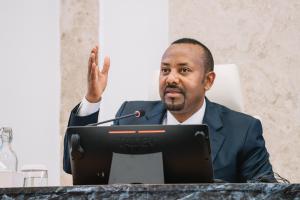
Addis Ababa, November 26, 2026 (ENA)— The GDP rebasing carried out in Ethiopia has positioned the nation as the third-largest economy in Sub-Saharan Africa at 210 billion USD, Prime Minister Abiy Ahmed stated. Addressing the House of People’s Representatives, the PM said GDP rebasing has revealed Ethiopia’s economic size and provided a broader picture of its actual economic capacity. Undertaken after 11 years by revising the country's economic measurements, the GDP rebasing has placed Ethiopia as the third-largest economy in Sub-Saharan Africa, after South Africa and Nigeria. He explained that international standards recommend rebasing national economies approximately every five years to account for structural changes, including emerging industries, new economic activities and sectors whose market significance has declined. However, Ethiopia had not undertaken such an exercise for 11 years, resulting in significant economic activities remaining inadequately reflected in the country's national accounts. Prime Minister Abiy noted that the GDP rebasing exercise presented three possible estimates, with the government opting for the most conservative assessment, which placed Ethiopia's economy at 210 billion USD. He emphasized that the figure was based on the economic activities captured through the exercise, while a considerable informal economy remains outside the measured economic base. The PM described the revised economic standing as a major opportunity, saying the country's sustained efforts to build one of Africa's major economies were beginning to yield tangible results. He said the new assessment provides a more comprehensive picture of Ethiopia's economic size and productive capacity, reflecting the cumulative impact of developments across multiple sectors. Prime Minister Abiy further stated that the latest rebasing exercise involved an extensive economic census conducted over more than a year by the Ethiopian Statistics Service, with the participation of thousands of people and support from international institutions, including the World Bank and the International Monetary Fund (IMF). The exercise incorporated economic activities that have expanded or emerged through the country's reform initiatives, providing a broader picture of Ethiopia's actual economic capacity. Citing the digital economy as one example, the Premier noted that mobile money and digital financial services, which were virtually nonexistent before the reform, have grown into major economic activities, with transactions amounting to trillions of Birr. He said the previous GDP accounting framework lacked adequate mechanisms to capture the scale and contribution of these emerging digital economic activities. The Prime Minister also highlighted the expansion of urban corridor development, explaining that the scale of infrastructure development and associated economic activities had not been adequately reflected in the previous national accounting system. In agriculture, he pointed to the expansion of cluster farming, through which farmers combine land and labor to improve productivity and agricultural output. In the industrial sector, PM Abiy highlighted the expansion of industrial parks as the growth of manufacturing activities and industrial production had not been adequately captured under the previous GDP measurement framework. The Green Legacy initiative was also identified as an important contributor to economic activity, extending beyond tree planting to include agricultural production, particularly coffee, avocados and other fruits. In the energy sector, he cited developments in wind power and the Grand Ethiopian Renaissance Dam (GERD) hydropower projects. Regarding tourism and services, PM Abiy pointed to the expansion of tourism infrastructure and Ethiopia's growing capacity to host major international conferences. He also mentioned the growth of Ethiopian Airlines and developments in railway services as important elements of the expanding service economy.
PM Abiy Underscores Ethiopia Has Overcome Centuries of Challenges Through Unity, Sacrifice
Nov 26, 2026 664
Addis Ababa, November 26, 2026 (ENA)— Prime Minister Abiy Ahmed said Ethiopia has endured centuries of challenges through the resilience of its people, national unity and the sacrifices of generations who defended the country's sovereignty. Addressing the House of Peoples’ Representatives, he said Ethiopia has repeatedly overcome adversity through its organized military forces, united people and citizens willing to make the ultimate sacrifice to safeguard the nation. Speaking on Ethiopia’s national defense, Prime Minister Abiy emphasized that building a strong defense force requires more than military investment, stressing that a sustainable economy must underpin the country's defense capabilities. "Defense is like a house. If we build the defense force alone, it will not endure. We must ensure that the economy can sustain it," he said. He explained that a strong defense system must rest on interconnected pillars, including air power, ground forces and technological capabilities. The Prime Minister said Ethiopia is pursuing a comprehensive defense strategy aimed at building a capable, resilient and technologically advanced military that can effectively operate across all these domains. He added that the ongoing transformation has strengthened the Defense Force's ability to utilize modern technology, with tangible results already being demonstrated.
.jpg)
Ethiopia’s Industry Overtakes Agriculture in GDP Share for First Time, Says PM Abiy
Nov 26, 2026 635
Addis Ababa, November 26, 2026 (ENA)— Prime Minister Abiy Ahmed has announced a historic shift in Ethiopia’s economic structure, with industry surpassing agriculture in its share of Gross Domestic Product (GDP) for the first time. Addressing the House of People's Representatives, he said industry now accounts for 31.8 percent of GDP, compared with agriculture’s 31.4 percent, signaling the country's accelerating industrial transformation. He described the development as a significant milestone in Ethiopia’s economic reform journey, reflecting the rapid expansion of industrial activities. The Prime Minister also disclosed that Ethiopia’s GDP has reached 210 billion USD, following the recent economic rebasing, making it the third-largest economy in Sub-Saharan Africa. The rebasing exercise was conducted with strict discipline, capturing economic activities and productive sectors that had not been adequately reflected in previous calculations. On domestic revenue mobilization, PM Abiy emphasized the importance of broadening the tax base, noting that Ethiopia's tax revenue remains low relative to the size of its economy. He described tax payment as an honor and responsibility of every citizen, stressing that stronger enforcement mechanisms and legal measures are needed to improve tax compliance and expand the number of taxpayers. Highlighting the performance of state-owned enterprises, the Prime Minister said Ethiopian Investment Holdings has expanded its asset base from 2.6 trillion birr a few years ago to 9 trillion birr. He attributed the growth to reforms aimed at consolidating public assets, improving their management and transforming previously underutilized resources into productive wealth. The state-owned enterprises have also significantly increased their revenue generation, while creating nearly 72,000 jobs over the past three months alone, he added. The Premier further underscored the transformative role of digital finance in expanding financial inclusion and access to credit. Digital financial transactions have reached 11 trillion birr, demonstrating the growing scale of Ethiopia’s digital financial ecosystem. Bank deposits have reached 5.3 trillion birr, while nearly 70 million citizens are accessing financial services through mobile banking platforms. The PM noted that the expansion of digital finance has strengthened the country's financial capacity and created greater opportunities for citizens and businesses to access credit.
Featured
.jpg)
PM Reaffirms Ethiopia’s Commitment to Regional Peace, Vows to Defend Sovereignty at Any Cost
Nov 26, 2026 92
Addis Ababa, November 26, 2026 (ENA)— Prime Minister Abiy Ahmed has reaffirmed Ethiopia’s commitment to regional peace and stability, while warning that any attempt to invade the country would be met with resolute response. Addressing the House of People’s Representatives today, the PM noted that Ethiopia has been historically contributing to peace and security across the African continent. The Premier described the country’s role as that of an older brother committed to the stability of the region. He cited Ethiopia’s longstanding peacekeeping and military contributions in Rwanda, Somalia, the Democratic Republic of Congo, Liberia and South Sudan. Ethiopian forces have repeatedly stood on the front lines and made significant sacrifices for regional peace, the PM added. PM Abiy stressed that Ethiopia has no history or intention of invading other countries but would never tolerate violations of its territorial integrity. “Throughout its history, Ethiopia has never been known for invading any country, nor does it have any desire to do so in the future. However, no one can come to Ethiopia’s borders, invade the country and return with honor. Adwa will be repeated; do not test us!” he warned. He further stated that Ethiopia’s history is marked by generations who defended the country's independence, identity and sovereignty through extraordinary courage and sacrifice, adding that the current generation has a responsibility to preserve this legacy. Prime Minister Abiy also emphasized that peaceful conflict resolution, dialogue, patience and forgiveness remain central to Ethiopia’s approach to national and regional challenges. The government prioritizes peace because it understands the immense value of stability to ordinary citizens, particularly mothers and families affected by conflict. “Resolving problems peacefully through dialogue is a sign of civilization,” the PM said, underscoring that forgiveness and dialogue are essential to building the nation and strengthening regional stability. Meanwhile, Prime Minister Abiy expressed appreciation to the House for recognizing the sacrifices and contributions of the Ethiopian National Defense Force. He highlighted the difficult conditions under which members of the Defense Force serve, including marching 30 to 40 kilometers a day and enduring rain, frost and extreme heat to protect the country. Despite the modest salaries and immense personal sacrifices of military personnel, the PM said, recognizing those who have fallen, wounded and shed blood in defense of Ethiopia is an important expression of national gratitude.
Guba Mega Projects Valued at over 30 Billion USD on Track, Says PM Abiy
Nov 26, 2026 463
Addis Ababa, November 26, 2026 (ENA)— Ethiopia’s Guba mega projects that span from mass housing, nuclear energy, natural gas, fertilizer manufacturing to aviation are advancing on schedule, Prime Minister Abiy Ahmed told the House of People’s Representatives. Recall that Prime Minister Abiy Ahmed announced the Guba mega projects valued at over 30 billion USD during the September 2025 inauguration of the Grand Ethiopian Renaissance Dam (GERD) at Guba in Benishangul-Gumuz Region. Addressing the House today, the PM highlighted progress in the 1.5 Million-Home Program, the Ogaden LNG and gas infrastructure, the Gode urea fertilizer plant and oil refinery, Bishoftu International Airport, and nuclear energy development. Regarding the 1.5 Million-Home Mega Project, the PM said policy approval, land preparation, establishment of financing and mortgage systems are underway. The government is also testing modern construction technologies from Turkey, China, and South Korea to accelerate housing development. He disclosed that hundreds of thousands of houses are currently under construction in urban and rural areas across the country, while efforts are underway to establish a mortgage system that enables citizens to purchase homes through bank financing. Regarding the Ogaden gas project, the first phase of gas extraction has been completed, while infrastructure for transportation, distribution, and utilization is being developed. PM Abiy noted that gas distribution stations have been constructed in Adama, Dire Dawa, and Addis Ababa, while industries in Debre Berhan and Mojo have started using the resource. The government is also introducing gas-powered buses and expanding industrial applications to strengthen the gas value chain. Using gas instead of conventional fuel could reduce transportation costs by up to 50 percent, he added. On the Gode fertilizer project, the Premier said extensive site preparation has been undertaken, with construction materials and major equipment arriving despite logistical challenges. The project, estimated to cost at least 3 billion US dollars, comprises ammonia, urea, granulation, and packaging plants, as well as a gas pipeline and distribution infrastructure. It will also involve the construction of 18,000 houses for workers. He expressed confidence that the fertilizer project would be completed within its planned timeframe, barring unforeseen challenges. Regarding Bishoftu International Airport, the Prime Minister said initial site preparation is expected to be completed within the coming two to three months, while the tender process for runway construction is underway. PM Abiy described the airport as a major strategic investment requiring substantial financing, modern technology, and strong implementation capacity. He emphasized that the projects require substantial resources, infrastructure, and implementation capacity, but expressed confidence that they would be completed through continued government efforts and public support. On nuclear energy development, the Prime Minister said an institution has been established, technology selected, and potential project sites identified. Discussions with partner countries are also underway to secure financing and advance implementation. The PM also highlighted progress in energy infrastructure, particularly the Koysha hydropower project, which is expected to generate more than 2,000 megawatts of electricity. He said civil construction is nearing completion, while electromechanical works are expected to advance further. Prime Minister Abiy further noted that progress in cement, coal, steel, ceramics, and glass production has helped Ethiopia achieve 6 billion US dollars in import substitution, marking significant progress in domestic manufacturing.
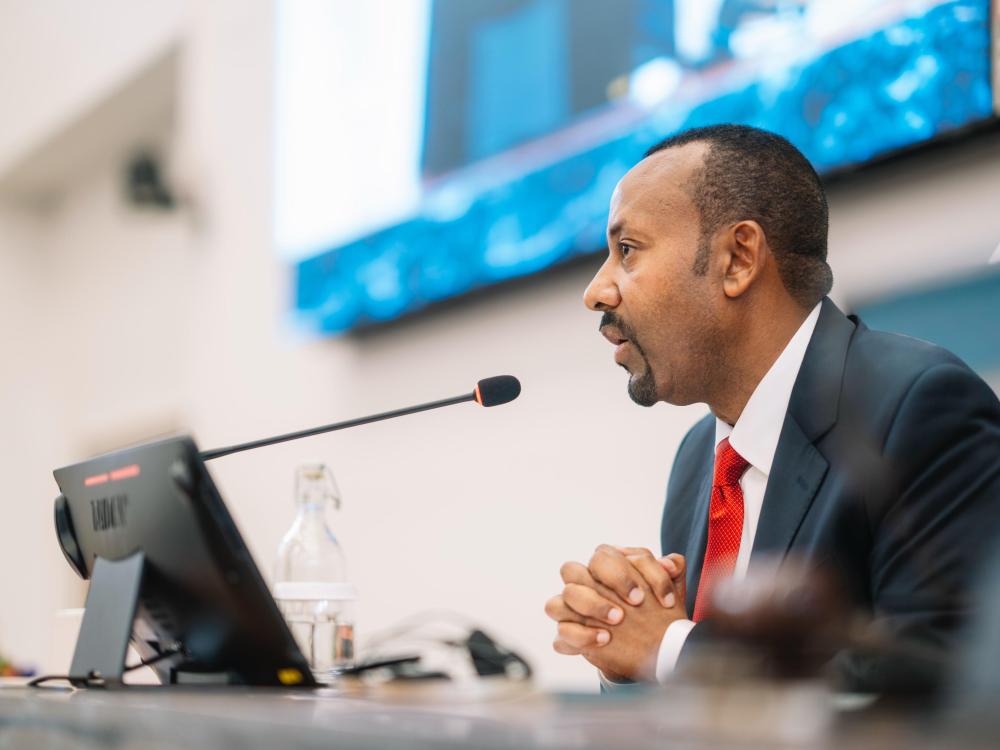
GDP Rebasing Positions Ethiopia Third Largest Economy in Sub-Saharan Africa
Nov 26, 2026 692
Addis Ababa, November 26, 2026 (ENA)— The GDP rebasing carried out in Ethiopia has positioned the nation as the third-largest economy in Sub-Saharan Africa at 210 billion USD, Prime Minister Abiy Ahmed stated. Addressing the House of People’s Representatives, the PM said GDP rebasing has revealed Ethiopia’s economic size and provided a broader picture of its actual economic capacity. Undertaken after 11 years by revising the country's economic measurements, the GDP rebasing has placed Ethiopia as the third-largest economy in Sub-Saharan Africa, after South Africa and Nigeria. He explained that international standards recommend rebasing national economies approximately every five years to account for structural changes, including emerging industries, new economic activities and sectors whose market significance has declined. However, Ethiopia had not undertaken such an exercise for 11 years, resulting in significant economic activities remaining inadequately reflected in the country's national accounts. Prime Minister Abiy noted that the GDP rebasing exercise presented three possible estimates, with the government opting for the most conservative assessment, which placed Ethiopia's economy at 210 billion USD. He emphasized that the figure was based on the economic activities captured through the exercise, while a considerable informal economy remains outside the measured economic base. The PM described the revised economic standing as a major opportunity, saying the country's sustained efforts to build one of Africa's major economies were beginning to yield tangible results. He said the new assessment provides a more comprehensive picture of Ethiopia's economic size and productive capacity, reflecting the cumulative impact of developments across multiple sectors. Prime Minister Abiy further stated that the latest rebasing exercise involved an extensive economic census conducted over more than a year by the Ethiopian Statistics Service, with the participation of thousands of people and support from international institutions, including the World Bank and the International Monetary Fund (IMF). The exercise incorporated economic activities that have expanded or emerged through the country's reform initiatives, providing a broader picture of Ethiopia's actual economic capacity. Citing the digital economy as one example, the Premier noted that mobile money and digital financial services, which were virtually nonexistent before the reform, have grown into major economic activities, with transactions amounting to trillions of Birr. He said the previous GDP accounting framework lacked adequate mechanisms to capture the scale and contribution of these emerging digital economic activities. The Prime Minister also highlighted the expansion of urban corridor development, explaining that the scale of infrastructure development and associated economic activities had not been adequately reflected in the previous national accounting system. In agriculture, he pointed to the expansion of cluster farming, through which farmers combine land and labor to improve productivity and agricultural output. In the industrial sector, PM Abiy highlighted the expansion of industrial parks as the growth of manufacturing activities and industrial production had not been adequately captured under the previous GDP measurement framework. The Green Legacy initiative was also identified as an important contributor to economic activity, extending beyond tree planting to include agricultural production, particularly coffee, avocados and other fruits. In the energy sector, he cited developments in wind power and the Grand Ethiopian Renaissance Dam (GERD) hydropower projects. Regarding tourism and services, PM Abiy pointed to the expansion of tourism infrastructure and Ethiopia's growing capacity to host major international conferences. He also mentioned the growth of Ethiopian Airlines and developments in railway services as important elements of the expanding service economy.
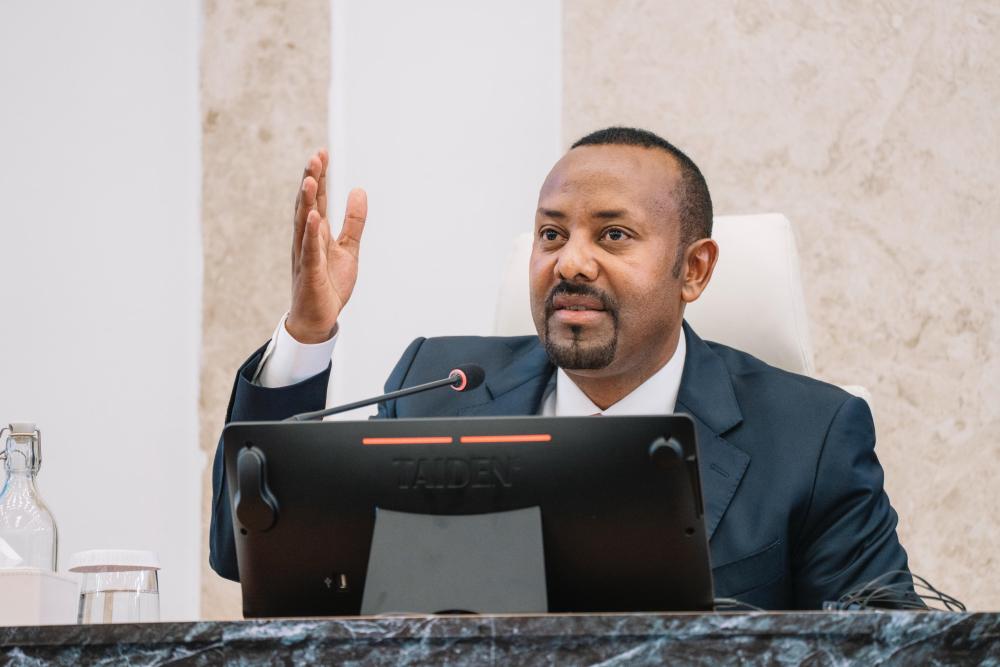
PM Abiy Underscores Ethiopia Has Overcome Centuries of Challenges Through Unity, Sacrifice
Nov 26, 2026 664
Addis Ababa, November 26, 2026 (ENA)— Prime Minister Abiy Ahmed said Ethiopia has endured centuries of challenges through the resilience of its people, national unity and the sacrifices of generations who defended the country's sovereignty. Addressing the House of Peoples’ Representatives, he said Ethiopia has repeatedly overcome adversity through its organized military forces, united people and citizens willing to make the ultimate sacrifice to safeguard the nation. Speaking on Ethiopia’s national defense, Prime Minister Abiy emphasized that building a strong defense force requires more than military investment, stressing that a sustainable economy must underpin the country's defense capabilities. "Defense is like a house. If we build the defense force alone, it will not endure. We must ensure that the economy can sustain it," he said. He explained that a strong defense system must rest on interconnected pillars, including air power, ground forces and technological capabilities. The Prime Minister said Ethiopia is pursuing a comprehensive defense strategy aimed at building a capable, resilient and technologically advanced military that can effectively operate across all these domains. He added that the ongoing transformation has strengthened the Defense Force's ability to utilize modern technology, with tangible results already being demonstrated.
.jpg)
Ethiopia’s Industry Overtakes Agriculture in GDP Share for First Time, Says PM Abiy
Nov 26, 2026 635
Addis Ababa, November 26, 2026 (ENA)— Prime Minister Abiy Ahmed has announced a historic shift in Ethiopia’s economic structure, with industry surpassing agriculture in its share of Gross Domestic Product (GDP) for the first time. Addressing the House of People's Representatives, he said industry now accounts for 31.8 percent of GDP, compared with agriculture’s 31.4 percent, signaling the country's accelerating industrial transformation. He described the development as a significant milestone in Ethiopia’s economic reform journey, reflecting the rapid expansion of industrial activities. The Prime Minister also disclosed that Ethiopia’s GDP has reached 210 billion USD, following the recent economic rebasing, making it the third-largest economy in Sub-Saharan Africa. The rebasing exercise was conducted with strict discipline, capturing economic activities and productive sectors that had not been adequately reflected in previous calculations. On domestic revenue mobilization, PM Abiy emphasized the importance of broadening the tax base, noting that Ethiopia's tax revenue remains low relative to the size of its economy. He described tax payment as an honor and responsibility of every citizen, stressing that stronger enforcement mechanisms and legal measures are needed to improve tax compliance and expand the number of taxpayers. Highlighting the performance of state-owned enterprises, the Prime Minister said Ethiopian Investment Holdings has expanded its asset base from 2.6 trillion birr a few years ago to 9 trillion birr. He attributed the growth to reforms aimed at consolidating public assets, improving their management and transforming previously underutilized resources into productive wealth. The state-owned enterprises have also significantly increased their revenue generation, while creating nearly 72,000 jobs over the past three months alone, he added. The Premier further underscored the transformative role of digital finance in expanding financial inclusion and access to credit. Digital financial transactions have reached 11 trillion birr, demonstrating the growing scale of Ethiopia’s digital financial ecosystem. Bank deposits have reached 5.3 trillion birr, while nearly 70 million citizens are accessing financial services through mobile banking platforms. The PM noted that the expansion of digital finance has strengthened the country's financial capacity and created greater opportunities for citizens and businesses to access credit.

POA English
Pulse Of Africa - English Language
Your news, current affairs and entertainment channel
Join us on
POA Arabic - عربي
Pulse Of Africa - Arabic Language
قناتكم الاخبارية و الترفيهية
Join us on
Politics
PM Reaffirms Ethiopia’s Commitment to Regional Peace, Vows to Defend Sovereignty at Any Cost
Nov 26, 2026 92
Addis Ababa, November 26, 2026 (ENA)— Prime Minister Abiy Ahmed has reaffirmed Ethiopia’s commitment to regional peace and stability, while warning that any attempt to invade the country would be met with resolute response. Addressing the House of People’s Representatives today, the PM noted that Ethiopia has been historically contributing to peace and security across the African continent. The Premier described the country’s role as that of an older brother committed to the stability of the region. He cited Ethiopia’s longstanding peacekeeping and military contributions in Rwanda, Somalia, the Democratic Republic of Congo, Liberia and South Sudan. Ethiopian forces have repeatedly stood on the front lines and made significant sacrifices for regional peace, the PM added. PM Abiy stressed that Ethiopia has no history or intention of invading other countries but would never tolerate violations of its territorial integrity. “Throughout its history, Ethiopia has never been known for invading any country, nor does it have any desire to do so in the future. However, no one can come to Ethiopia’s borders, invade the country and return with honor. Adwa will be repeated; do not test us!” he warned. He further stated that Ethiopia’s history is marked by generations who defended the country's independence, identity and sovereignty through extraordinary courage and sacrifice, adding that the current generation has a responsibility to preserve this legacy. Prime Minister Abiy also emphasized that peaceful conflict resolution, dialogue, patience and forgiveness remain central to Ethiopia’s approach to national and regional challenges. The government prioritizes peace because it understands the immense value of stability to ordinary citizens, particularly mothers and families affected by conflict. “Resolving problems peacefully through dialogue is a sign of civilization,” the PM said, underscoring that forgiveness and dialogue are essential to building the nation and strengthening regional stability. Meanwhile, Prime Minister Abiy expressed appreciation to the House for recognizing the sacrifices and contributions of the Ethiopian National Defense Force. He highlighted the difficult conditions under which members of the Defense Force serve, including marching 30 to 40 kilometers a day and enduring rain, frost and extreme heat to protect the country. Despite the modest salaries and immense personal sacrifices of military personnel, the PM said, recognizing those who have fallen, wounded and shed blood in defense of Ethiopia is an important expression of national gratitude.
PM Abiy Underscores Ethiopia Has Overcome Centuries of Challenges Through Unity, Sacrifice
Nov 26, 2026 664
Addis Ababa, November 26, 2026 (ENA)— Prime Minister Abiy Ahmed said Ethiopia has endured centuries of challenges through the resilience of its people, national unity and the sacrifices of generations who defended the country's sovereignty. Addressing the House of Peoples’ Representatives, he said Ethiopia has repeatedly overcome adversity through its organized military forces, united people and citizens willing to make the ultimate sacrifice to safeguard the nation. Speaking on Ethiopia’s national defense, Prime Minister Abiy emphasized that building a strong defense force requires more than military investment, stressing that a sustainable economy must underpin the country's defense capabilities. "Defense is like a house. If we build the defense force alone, it will not endure. We must ensure that the economy can sustain it," he said. He explained that a strong defense system must rest on interconnected pillars, including air power, ground forces and technological capabilities. The Prime Minister said Ethiopia is pursuing a comprehensive defense strategy aimed at building a capable, resilient and technologically advanced military that can effectively operate across all these domains. He added that the ongoing transformation has strengthened the Defense Force's ability to utilize modern technology, with tangible results already being demonstrated.
House Members Posing Questions to PM Abiy on Key National Issues
Nov 26, 2026 1336
Addis Ababa, November 26, 2026 (ENA)— Members of the House of People’s Representatives are putting Prime Minister Abiy Ahmed under parliamentary scrutiny over pressing national issues, including security threats, relations with Eritrea, economic performance, institutional reforms and major strategic development projects. The Prime Minister is going to respond to questions from lawmakers during the ongoing session of the House. The questions cover a wide range of issues shaping Ethiopia’s domestic and regional agenda, including peace and security, regional geopolitical developments, law enforcement, human rights, the implementation of institutional reforms under the Medemer government and the progress of major development initiatives. Particular attention is being given to Ethiopia’s security concerns and the actions of the Eritrean government, with lawmakers questioning the nation’s policy response to what they described as repeated efforts to undermine the country's peace and stability. The Members sought clarification on the government's position toward Eritrea's support for forces seeking to destabilize Ethiopia, asking what concrete measures have been taken to safeguard national sovereignty, protect citizens and prevent further security threats. They also asked the government on how it intends to balance diplomatic engagement and negotiated solutions with firm law enforcement, emphasizing the need for lasting peace and security. Beyond security, lawmakers raised questions about the government's efforts to strengthen Ethiopia's strategic deterrence capabilities and advance military technology, underscoring the importance of building a strong national defense capacity amid evolving regional security dynamics. The House is also expected to cover the rising cost of living, economic activities, the government's diplomatic engagements and the execution of flagship development projects, including the ongoing corridor development initiatives and the Bishoftu International Airport project. Meanwhile, the House members commended the government, under the leadership of Prime Minister Abiy Ahmed, for navigating unprecedented challenges while sustaining economic growth and advancing the country's diplomatic, security and development agendas. They also praised the Ethiopian security forces for their role in countering threats to national stability and safeguarding the country against coordinated efforts by anti-Ethiopian forces and extremist groups. The questions and exchanges are taking place during the Fourth Regular Session of the First Year of the Seventh House of People’s Representatives, providing a parliamentary platform for the government to address lawmakers' concerns and clarify its policy direction on critical national matters.
.jpg)
Horn Dialogue Participants Call for Stronger Cooperation, Strategic Trust in Horn Africa
Nov 25, 2026 4175
Addis Ababa, November 25, 2026 (ENA)— Strengthening regional cooperation, building strategic trust, and promoting collective action are essential to addressing the multifaceted challenges facing the Horn of Africa, participants at the fifth edition of the Horn Dialogue Series emphasized. The forum opened in Addis Ababa today under the theme, “Recalibrating Regionalism in the Horn of Africa: Building Strategic Trust, Regional Agency, and Cooperative Interdependence.” Speaking at the opening ceremony, Ambassador Adam Tesfaye, Chief of Staff at the Ministry of Foreign Affairs, described the dialogue as an important platform for bringing together scholars, diplomats, and other key stakeholders to exchange perspectives and develop practical solutions to pressing regional challenges. Despite its considerable economic potential and strong geographical, economic, and social interconnectedness, the Horn of Africa continues to grapple with interstate tensions, internal conflicts, competing national interests, and divergent security perceptions, he noted. Ambassador Adam stressed that addressing these challenges requires collective action, emphasizing that regional integration is crucial to advancing peace, stability, economic development, and connectivity. He reaffirmed Ethiopia’s commitment to regional and continental integration, highlighting the country's ongoing efforts to expand cross-border transport and energy infrastructure. He also underscored Ethiopia’s active and constructive engagement in promoting regional peace and security through the Intergovernmental Authority on Development (IGAD), the African Union, and the United Nations. The Ambassador further highlighted the strategic importance of Red Sea security to regional stability and Ethiopia’s national security. He reiterated Ethiopia’s commitment to securing reliable access to the sea through peaceful dialogue, diplomacy, international law, and mutually beneficial arrangements. For his part, Gizachew Asrat, Chief of Staff at the Institute of Foreign Affairs, said the region’s strategic location, economic potential, and proximity to major maritime routes present significant opportunities for shared prosperity and development. However, persistent conflicts, insecurity, fragmented economic cooperation, and a lack of mutual trust continue to prevent countries in the region from fully harnessing their economic complementarities, he noted. Gizachew described the dialogue series as a vital platform for generating practical policy recommendations, strengthening cooperation among regional research institutions, and fostering lasting networks between policymakers and scholars. Similarly, Paul-Simon Handy, East Africa Regional Director and Representative to the African Union for the Institute for Security Studies, said the forum would contribute to building a community of practice and knowledge to address the region’s complex challenges. Despite persistent instability, the Horn of Africa has considerable economic potential and continues to record notable growth, he observed. He added that this year’s edition places particular emphasis on translating regional cooperation into practical action, even amid strained political relations. Meanwhile, Jan-Ole Voss, Director of the Konrad-Adenauer-Stiftung Regional Programme Security Dialogue for East Africa, emphasized that trust-building, dialogue, and regional ownership are fundamental to achieving sustainable peace and development. He called on regional states to strengthen existing cooperation frameworks and work collectively to address shared challenges, including climate change, food insecurity, migration, and evolving security threats. He stressed that sustainable solutions must be rooted in local realities and shaped by the people of the Horn of Africa. The fifth edition of the Horn Dialogue Series brought together policymakers, diplomats, researchers, security experts, and other regional stakeholders to deliberate on strategic trust, economic cooperation, regional connectivity, and the future of regional institutions.
Ethiopia-Poland Ties Gaining Economic Momentum as Both Nations Eye Broader Cooperation
Nov 25, 2026 3064
Addis Ababa, November 25, 2026 (ENA)— Ethiopia and Poland have been working to strengthen their longstanding diplomatic relations by expanding economic cooperation, with investment and tourism emerging as key areas for collaboration, Ilona Korchut, Poland’s Head of Mission to Ethiopia told ENA. Speaking to ENA, Korchut noted that Ethiopia’s natural beauty, historical heritage, and cultural diversity offer significant potential for tourism development. She added that ongoing regulatory reforms are creating a more favorable environment for foreign investment. “The tourism industry has huge potential to be developed,” she said, highlighting the country’s diverse historical and natural attractions. Korchut said Poland aims to translate its longstanding friendship and political understanding with Ethiopia into stronger economic partnerships, particularly in mining, electric vehicles, and construction. “We are ready to share our experience regarding economic reforms and successful national development,” she said, noting that Poland’s own economic transformation could provide valuable lessons for Ethiopia as it pursues reforms and seeks to attract foreign investment. According to Korchut, Poland has been closely following Ethiopia’s economic development efforts, particularly measures aimed at improving the regulatory environment and expanding opportunities for foreign companies. “We have monitored the steps Ethiopia is taking in terms of economic development, reforms, improving regulations, and giving foreign companies the space to invest and establish a presence here,” she said. She added that Polish companies are well-positioned to introduce their products to the Ethiopian market and contribute to the country’s growth, particularly in sectors where Poland has strong expertise. Korchut also emphasized the role of diplomatic engagement in advancing bilateral cooperation, noting that political consultations held last year are helping shape joint initiatives, with further exchanges of political visits expected next year. “We are working very hard to strengthen, develop, and intensify our relations on both the political and economic levels,” she said. Reflecting on her return to Ethiopia 15 years after her first working visit, Korchut expressed admiration for the transformation of Addis Ababa, describing the changes in the capital as a reflection of the country’s broader progress. She also commended the hospitality and cooperative spirit of the Ethiopian people, noting that positive people-to-people ties remain a vital foundation for bilateral relations. “I found them very cooperative, easygoing, and supportive,” she said, recalling her interactions during her visits to the country.
Ethiopia, Pakistan Agree to Deepen Defence and Aviation Cooperation
Nov 25, 2026 3871
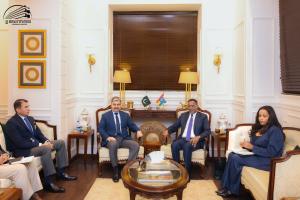
Addis Ababa, November 25, 2026 (ENA)— Ethiopia and Pakistan have agreed to strengthen bilateral cooperation in defence and aviation, opening further avenues for strategic partnership between the two countries. The agreement was reached during a meeting today between Ethiopia’s Ambassador to Pakistan, Oumer Hussein, and Pakistan’s Federal Secretary for Defence, Lt. Gen. (R) Muhammad Ali, in Rawalpindi, Pakistan. The two sides discussed issues of mutual interest, including regional peace and security, as well as opportunities to expand cooperation in defence and aviation. Ambassador Oumer reaffirmed Ethiopia’s commitment to working closely with the Pakistani government to strengthen bilateral relations through expanded cooperation in trade, investment, defence, aviation, tourism, and culture. For his part, Federal Secretary Muhammad Ali assured the Ethiopian Ambassador of his full support in advancing the partnership between the two countries under Pakistan’s "Look Africa" and "Engage Africa" policies. The discussions reflect the two countries' interest in broadening their bilateral engagement and exploring new areas of cooperation, according to Ethiopia’s embassy in Islamabad
Ethiopia Vows Direct Role in Shaping Red Sea Security Architecture, Maritime Governance
Nov 25, 2026 4163
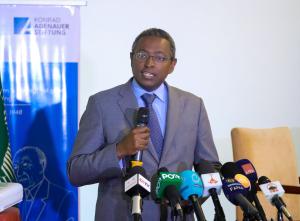
Addis Ababa, November 25, 2026 (ENA)— Red Sea security is an integral part of Ethiopia’s national security, and the country will continue to play a direct and constructive role in regional maritime governance, Chief of Staff at the Ministry of Foreign Affairs, Ambassador Adam Tesfaye, said. The two-day fifth edition of the Horn Dialogue Series is underway in Addis Ababa under the theme: “Re-collaborating Regionalism in the Horn of Africa: Building Strategic Trust, Regional Agency, and Cooperative Interdependence.” Opening the dialogue series, Ambassador Adam described the Horn Dialogue Series as an important platform that brings together scholars, diplomats, and other stakeholders to exchange views on pressing regional issues and explore solutions to shared challenges. He pointed out that the Horn of Africa is among the world's most strategically significant regions, with considerable potential for economic growth, supported by its geographical proximity and strong economic and social ties among countries in the region. However, he said the region continues to face multiple challenges. The ambassador pointed out that this geopolitically significant part of the world continues to face multiple challenges, including interstate tensions, internal conflicts, competing national priorities, differing security perceptions, and shifting regional alliances. According to him, these challenges cannot be addressed through individual efforts, stressing the need for coordinated regional responses to economic, social, traditional, transnational, and maritime security concerns. He stated that regional integration remains essential to addressing the region's multifaceted challenges, although translating shared interests in peace, stability, economic development, and connectivity into concrete collective action remains a major challenge. Adam reaffirmed Ethiopia's commitment to regional and continental integration. He further noted that the government firmly believes economic integration serves the best interests of the peoples of the region. He also emphasized Ethiopia's efforts to strengthen regional connectivity through investments in transport and energy infrastructure, as well as its active engagement in regional peace and security initiatives within the frameworks of the Intergovernmental Authority on Development (IGAD), the African Union (AU), and the United Nations (UN). Addressing maritime security, Ambassador Adam underscored the strategic importance of the Red Sea to regional stability, reiterating that its security is directly linked to Ethiopia's national security. In this regard, Ethiopia will continue to play a direct and constructive role in Red Sea governance while pursuing secure and reliable access to the sea through peaceful dialogue, diplomacy, international law, and mutual benefit, he noted. "We strongly believe that Red Sea security plays a pivotal role in the security of our region and is an integral part of Ethiopia’s national security," he said. He reiterated that Ethiopia would continue to play a direct and constructive role in Red Sea governance, stressing that such an approach would contribute to advancing peace, prosperity, and strategic cooperation across the region. For his part, Gizachew Asrat, Chief of Staff at the Institute of Foreign Affairs, highlighted the region’s critical position linking the Red Sea, the Gulf of Aden, and the Indian Ocean. He stressed that persistent trust deficits and fragmented cooperation have prevented Horn nations from fully capitalizing on their geographical proximity. "The central question is how we can transform the Horn of Africa from a region characterized by geopolitical competition into one defined by shared interests and economic complementarities," Gizachew said. Paul-Simon Handy, Regional Director for East Africa and Representative to the AU at the Institute for Security Studies (ISS), traced the evolution of the dialogue series since its inception in Djibouti in 2022, noting that the fifth edition convenes at a critical juncture marked by renewed regional instability. Handy explained that this year’s panels are structured around three core pillars: fostering strategic trust among neighbors with competing interests, asserting regional agency so external actors do not dictate the Horn's security agenda, and advancing "cooperative interdependence" even when political relations remain strained. Jan-Ole Voss, Director of the Konrad Adenauer Stiftung (KAS) Regional Programme Security Dialogue for East Africa, underscored that sustainable solutions must be locally driven rather than externally imposed. "The future of the Horn will ultimately be decided and determined by the countries and peoples of the region," Voss said, noting that recalibrating regionalism means building upon existing AU and IGAD frameworks rather than replacing them. Reaffirming Germany and the European Union's support for multilateral dialogue in the region, he added that trust cannot be built overnight but develops gradually through transparency, predictability, and sustained engagement.
Ethiopia’s Sea Access Quest Strategic Imperative Red Sea Region Cannot Ignore: Former Minister
Nov 25, 2026 3657
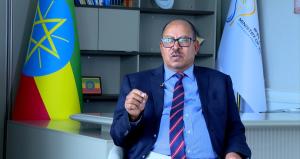
Addis Ababa, November 25, 2026 (ENA)— Ethiopia’s sea access quest is a strategic necessity that the Red Sea region and its architecture cannot ignore, former Minister of Water and Energy Motuma Mekasa told ENA. Motuma emphasized that Ethiopia’s maritime aspirations are rooted in its growing economic needs, expanding population, strategic proximity to the Red Sea, and the potential to forge mutually beneficial partnerships with neighboring countries. He argued that the issue extends well beyond access to international trade routes. For him, securing sovereign sea access and Ethiopia’s maritime connectivity is a critical pillar of economic transformation, regional integration, and long-term security. “Addressing Ethiopia’s sea access aspirations is not merely an economic matter, but a strategic national priority,” Motuma said. He further stressed that resolving the longstanding challenge through constructive engagement could open new avenues for regional cooperation, investment, and shared prosperity. Recalling that Ethiopia lost its direct access to the Red Sea following Eritrea’s separation in 1993, Motuma noted that the country previously relied on ports such as Massawa and Assab. He said Ethiopia’s rapidly growing economy, large population, and expanding international trade requirements make reliable maritime access increasingly important to its development and national interests. He stressed that a country of Ethiopia’s economic and demographic scale cannot afford to have its long-term development ambitions constrained by the absence of a direct maritime outlet. Motuma also highlighted Ethiopia’s geographical proximity to the Red Sea, noting that the nearest coastline is approximately 40 to 50 kilometers from its border, while underscoring the country’s longstanding historical, economic, and strategic connections to the maritime corridor. On the legal dimension, the former minister pointed to international legal frameworks recognizing the right of landlocked countries to access the sea, providing a basis for negotiated arrangements with coastal states. He maintained that Ethiopia’s pursuit of sovereign seaport access should not be viewed as a zero-sum undertaking. The former minister argued that mutually agreed arrangements could generate economic opportunities for neighboring countries while strengthening regional trade, peace, and security. Motuma underscored that dialogue, diplomacy, and negotiated agreements remain the appropriate pathways to address Ethiopia’s maritime aspirations. He said a cooperative approach to Ethiopia’s sea access quest could transform a longstanding regional challenge into an opportunity for broader economic integration, connectivity, and shared development across the Horn of Africa.
Politics
PM Reaffirms Ethiopia’s Commitment to Regional Peace, Vows to Defend Sovereignty at Any Cost
Nov 26, 2026 92
Addis Ababa, November 26, 2026 (ENA)— Prime Minister Abiy Ahmed has reaffirmed Ethiopia’s commitment to regional peace and stability, while warning that any attempt to invade the country would be met with resolute response. Addressing the House of People’s Representatives today, the PM noted that Ethiopia has been historically contributing to peace and security across the African continent. The Premier described the country’s role as that of an older brother committed to the stability of the region. He cited Ethiopia’s longstanding peacekeeping and military contributions in Rwanda, Somalia, the Democratic Republic of Congo, Liberia and South Sudan. Ethiopian forces have repeatedly stood on the front lines and made significant sacrifices for regional peace, the PM added. PM Abiy stressed that Ethiopia has no history or intention of invading other countries but would never tolerate violations of its territorial integrity. “Throughout its history, Ethiopia has never been known for invading any country, nor does it have any desire to do so in the future. However, no one can come to Ethiopia’s borders, invade the country and return with honor. Adwa will be repeated; do not test us!” he warned. He further stated that Ethiopia’s history is marked by generations who defended the country's independence, identity and sovereignty through extraordinary courage and sacrifice, adding that the current generation has a responsibility to preserve this legacy. Prime Minister Abiy also emphasized that peaceful conflict resolution, dialogue, patience and forgiveness remain central to Ethiopia’s approach to national and regional challenges. The government prioritizes peace because it understands the immense value of stability to ordinary citizens, particularly mothers and families affected by conflict. “Resolving problems peacefully through dialogue is a sign of civilization,” the PM said, underscoring that forgiveness and dialogue are essential to building the nation and strengthening regional stability. Meanwhile, Prime Minister Abiy expressed appreciation to the House for recognizing the sacrifices and contributions of the Ethiopian National Defense Force. He highlighted the difficult conditions under which members of the Defense Force serve, including marching 30 to 40 kilometers a day and enduring rain, frost and extreme heat to protect the country. Despite the modest salaries and immense personal sacrifices of military personnel, the PM said, recognizing those who have fallen, wounded and shed blood in defense of Ethiopia is an important expression of national gratitude.
PM Abiy Underscores Ethiopia Has Overcome Centuries of Challenges Through Unity, Sacrifice
Nov 26, 2026 664
Addis Ababa, November 26, 2026 (ENA)— Prime Minister Abiy Ahmed said Ethiopia has endured centuries of challenges through the resilience of its people, national unity and the sacrifices of generations who defended the country's sovereignty. Addressing the House of Peoples’ Representatives, he said Ethiopia has repeatedly overcome adversity through its organized military forces, united people and citizens willing to make the ultimate sacrifice to safeguard the nation. Speaking on Ethiopia’s national defense, Prime Minister Abiy emphasized that building a strong defense force requires more than military investment, stressing that a sustainable economy must underpin the country's defense capabilities. "Defense is like a house. If we build the defense force alone, it will not endure. We must ensure that the economy can sustain it," he said. He explained that a strong defense system must rest on interconnected pillars, including air power, ground forces and technological capabilities. The Prime Minister said Ethiopia is pursuing a comprehensive defense strategy aimed at building a capable, resilient and technologically advanced military that can effectively operate across all these domains. He added that the ongoing transformation has strengthened the Defense Force's ability to utilize modern technology, with tangible results already being demonstrated.
House Members Posing Questions to PM Abiy on Key National Issues
Nov 26, 2026 1336
Addis Ababa, November 26, 2026 (ENA)— Members of the House of People’s Representatives are putting Prime Minister Abiy Ahmed under parliamentary scrutiny over pressing national issues, including security threats, relations with Eritrea, economic performance, institutional reforms and major strategic development projects. The Prime Minister is going to respond to questions from lawmakers during the ongoing session of the House. The questions cover a wide range of issues shaping Ethiopia’s domestic and regional agenda, including peace and security, regional geopolitical developments, law enforcement, human rights, the implementation of institutional reforms under the Medemer government and the progress of major development initiatives. Particular attention is being given to Ethiopia’s security concerns and the actions of the Eritrean government, with lawmakers questioning the nation’s policy response to what they described as repeated efforts to undermine the country's peace and stability. The Members sought clarification on the government's position toward Eritrea's support for forces seeking to destabilize Ethiopia, asking what concrete measures have been taken to safeguard national sovereignty, protect citizens and prevent further security threats. They also asked the government on how it intends to balance diplomatic engagement and negotiated solutions with firm law enforcement, emphasizing the need for lasting peace and security. Beyond security, lawmakers raised questions about the government's efforts to strengthen Ethiopia's strategic deterrence capabilities and advance military technology, underscoring the importance of building a strong national defense capacity amid evolving regional security dynamics. The House is also expected to cover the rising cost of living, economic activities, the government's diplomatic engagements and the execution of flagship development projects, including the ongoing corridor development initiatives and the Bishoftu International Airport project. Meanwhile, the House members commended the government, under the leadership of Prime Minister Abiy Ahmed, for navigating unprecedented challenges while sustaining economic growth and advancing the country's diplomatic, security and development agendas. They also praised the Ethiopian security forces for their role in countering threats to national stability and safeguarding the country against coordinated efforts by anti-Ethiopian forces and extremist groups. The questions and exchanges are taking place during the Fourth Regular Session of the First Year of the Seventh House of People’s Representatives, providing a parliamentary platform for the government to address lawmakers' concerns and clarify its policy direction on critical national matters.
Horn Dialogue Participants Call for Stronger Cooperation, Strategic Trust in Horn Africa
Nov 25, 2026 4175
Addis Ababa, November 25, 2026 (ENA)— Strengthening regional cooperation, building strategic trust, and promoting collective action are essential to addressing the multifaceted challenges facing the Horn of Africa, participants at the fifth edition of the Horn Dialogue Series emphasized. The forum opened in Addis Ababa today under the theme, “Recalibrating Regionalism in the Horn of Africa: Building Strategic Trust, Regional Agency, and Cooperative Interdependence.” Speaking at the opening ceremony, Ambassador Adam Tesfaye, Chief of Staff at the Ministry of Foreign Affairs, described the dialogue as an important platform for bringing together scholars, diplomats, and other key stakeholders to exchange perspectives and develop practical solutions to pressing regional challenges. Despite its considerable economic potential and strong geographical, economic, and social interconnectedness, the Horn of Africa continues to grapple with interstate tensions, internal conflicts, competing national interests, and divergent security perceptions, he noted. Ambassador Adam stressed that addressing these challenges requires collective action, emphasizing that regional integration is crucial to advancing peace, stability, economic development, and connectivity. He reaffirmed Ethiopia’s commitment to regional and continental integration, highlighting the country's ongoing efforts to expand cross-border transport and energy infrastructure. He also underscored Ethiopia’s active and constructive engagement in promoting regional peace and security through the Intergovernmental Authority on Development (IGAD), the African Union, and the United Nations. The Ambassador further highlighted the strategic importance of Red Sea security to regional stability and Ethiopia’s national security. He reiterated Ethiopia’s commitment to securing reliable access to the sea through peaceful dialogue, diplomacy, international law, and mutually beneficial arrangements. For his part, Gizachew Asrat, Chief of Staff at the Institute of Foreign Affairs, said the region’s strategic location, economic potential, and proximity to major maritime routes present significant opportunities for shared prosperity and development. However, persistent conflicts, insecurity, fragmented economic cooperation, and a lack of mutual trust continue to prevent countries in the region from fully harnessing their economic complementarities, he noted. Gizachew described the dialogue series as a vital platform for generating practical policy recommendations, strengthening cooperation among regional research institutions, and fostering lasting networks between policymakers and scholars. Similarly, Paul-Simon Handy, East Africa Regional Director and Representative to the African Union for the Institute for Security Studies, said the forum would contribute to building a community of practice and knowledge to address the region’s complex challenges. Despite persistent instability, the Horn of Africa has considerable economic potential and continues to record notable growth, he observed. He added that this year’s edition places particular emphasis on translating regional cooperation into practical action, even amid strained political relations. Meanwhile, Jan-Ole Voss, Director of the Konrad-Adenauer-Stiftung Regional Programme Security Dialogue for East Africa, emphasized that trust-building, dialogue, and regional ownership are fundamental to achieving sustainable peace and development. He called on regional states to strengthen existing cooperation frameworks and work collectively to address shared challenges, including climate change, food insecurity, migration, and evolving security threats. He stressed that sustainable solutions must be rooted in local realities and shaped by the people of the Horn of Africa. The fifth edition of the Horn Dialogue Series brought together policymakers, diplomats, researchers, security experts, and other regional stakeholders to deliberate on strategic trust, economic cooperation, regional connectivity, and the future of regional institutions.
Ethiopia-Poland Ties Gaining Economic Momentum as Both Nations Eye Broader Cooperation
Nov 25, 2026 3064
Addis Ababa, November 25, 2026 (ENA)— Ethiopia and Poland have been working to strengthen their longstanding diplomatic relations by expanding economic cooperation, with investment and tourism emerging as key areas for collaboration, Ilona Korchut, Poland’s Head of Mission to Ethiopia told ENA. Speaking to ENA, Korchut noted that Ethiopia’s natural beauty, historical heritage, and cultural diversity offer significant potential for tourism development. She added that ongoing regulatory reforms are creating a more favorable environment for foreign investment. “The tourism industry has huge potential to be developed,” she said, highlighting the country’s diverse historical and natural attractions. Korchut said Poland aims to translate its longstanding friendship and political understanding with Ethiopia into stronger economic partnerships, particularly in mining, electric vehicles, and construction. “We are ready to share our experience regarding economic reforms and successful national development,” she said, noting that Poland’s own economic transformation could provide valuable lessons for Ethiopia as it pursues reforms and seeks to attract foreign investment. According to Korchut, Poland has been closely following Ethiopia’s economic development efforts, particularly measures aimed at improving the regulatory environment and expanding opportunities for foreign companies. “We have monitored the steps Ethiopia is taking in terms of economic development, reforms, improving regulations, and giving foreign companies the space to invest and establish a presence here,” she said. She added that Polish companies are well-positioned to introduce their products to the Ethiopian market and contribute to the country’s growth, particularly in sectors where Poland has strong expertise. Korchut also emphasized the role of diplomatic engagement in advancing bilateral cooperation, noting that political consultations held last year are helping shape joint initiatives, with further exchanges of political visits expected next year. “We are working very hard to strengthen, develop, and intensify our relations on both the political and economic levels,” she said. Reflecting on her return to Ethiopia 15 years after her first working visit, Korchut expressed admiration for the transformation of Addis Ababa, describing the changes in the capital as a reflection of the country’s broader progress. She also commended the hospitality and cooperative spirit of the Ethiopian people, noting that positive people-to-people ties remain a vital foundation for bilateral relations. “I found them very cooperative, easygoing, and supportive,” she said, recalling her interactions during her visits to the country.
Ethiopia, Pakistan Agree to Deepen Defence and Aviation Cooperation
Nov 25, 2026 3871
Addis Ababa, November 25, 2026 (ENA)— Ethiopia and Pakistan have agreed to strengthen bilateral cooperation in defence and aviation, opening further avenues for strategic partnership between the two countries. The agreement was reached during a meeting today between Ethiopia’s Ambassador to Pakistan, Oumer Hussein, and Pakistan’s Federal Secretary for Defence, Lt. Gen. (R) Muhammad Ali, in Rawalpindi, Pakistan. The two sides discussed issues of mutual interest, including regional peace and security, as well as opportunities to expand cooperation in defence and aviation. Ambassador Oumer reaffirmed Ethiopia’s commitment to working closely with the Pakistani government to strengthen bilateral relations through expanded cooperation in trade, investment, defence, aviation, tourism, and culture. For his part, Federal Secretary Muhammad Ali assured the Ethiopian Ambassador of his full support in advancing the partnership between the two countries under Pakistan’s "Look Africa" and "Engage Africa" policies. The discussions reflect the two countries' interest in broadening their bilateral engagement and exploring new areas of cooperation, according to Ethiopia’s embassy in Islamabad
Ethiopia Vows Direct Role in Shaping Red Sea Security Architecture, Maritime Governance
Nov 25, 2026 4163
Addis Ababa, November 25, 2026 (ENA)— Red Sea security is an integral part of Ethiopia’s national security, and the country will continue to play a direct and constructive role in regional maritime governance, Chief of Staff at the Ministry of Foreign Affairs, Ambassador Adam Tesfaye, said. The two-day fifth edition of the Horn Dialogue Series is underway in Addis Ababa under the theme: “Re-collaborating Regionalism in the Horn of Africa: Building Strategic Trust, Regional Agency, and Cooperative Interdependence.” Opening the dialogue series, Ambassador Adam described the Horn Dialogue Series as an important platform that brings together scholars, diplomats, and other stakeholders to exchange views on pressing regional issues and explore solutions to shared challenges. He pointed out that the Horn of Africa is among the world's most strategically significant regions, with considerable potential for economic growth, supported by its geographical proximity and strong economic and social ties among countries in the region. However, he said the region continues to face multiple challenges. The ambassador pointed out that this geopolitically significant part of the world continues to face multiple challenges, including interstate tensions, internal conflicts, competing national priorities, differing security perceptions, and shifting regional alliances. According to him, these challenges cannot be addressed through individual efforts, stressing the need for coordinated regional responses to economic, social, traditional, transnational, and maritime security concerns. He stated that regional integration remains essential to addressing the region's multifaceted challenges, although translating shared interests in peace, stability, economic development, and connectivity into concrete collective action remains a major challenge. Adam reaffirmed Ethiopia's commitment to regional and continental integration. He further noted that the government firmly believes economic integration serves the best interests of the peoples of the region. He also emphasized Ethiopia's efforts to strengthen regional connectivity through investments in transport and energy infrastructure, as well as its active engagement in regional peace and security initiatives within the frameworks of the Intergovernmental Authority on Development (IGAD), the African Union (AU), and the United Nations (UN). Addressing maritime security, Ambassador Adam underscored the strategic importance of the Red Sea to regional stability, reiterating that its security is directly linked to Ethiopia's national security. In this regard, Ethiopia will continue to play a direct and constructive role in Red Sea governance while pursuing secure and reliable access to the sea through peaceful dialogue, diplomacy, international law, and mutual benefit, he noted. "We strongly believe that Red Sea security plays a pivotal role in the security of our region and is an integral part of Ethiopia’s national security," he said. He reiterated that Ethiopia would continue to play a direct and constructive role in Red Sea governance, stressing that such an approach would contribute to advancing peace, prosperity, and strategic cooperation across the region. For his part, Gizachew Asrat, Chief of Staff at the Institute of Foreign Affairs, highlighted the region’s critical position linking the Red Sea, the Gulf of Aden, and the Indian Ocean. He stressed that persistent trust deficits and fragmented cooperation have prevented Horn nations from fully capitalizing on their geographical proximity. "The central question is how we can transform the Horn of Africa from a region characterized by geopolitical competition into one defined by shared interests and economic complementarities," Gizachew said. Paul-Simon Handy, Regional Director for East Africa and Representative to the AU at the Institute for Security Studies (ISS), traced the evolution of the dialogue series since its inception in Djibouti in 2022, noting that the fifth edition convenes at a critical juncture marked by renewed regional instability. Handy explained that this year’s panels are structured around three core pillars: fostering strategic trust among neighbors with competing interests, asserting regional agency so external actors do not dictate the Horn's security agenda, and advancing "cooperative interdependence" even when political relations remain strained. Jan-Ole Voss, Director of the Konrad Adenauer Stiftung (KAS) Regional Programme Security Dialogue for East Africa, underscored that sustainable solutions must be locally driven rather than externally imposed. "The future of the Horn will ultimately be decided and determined by the countries and peoples of the region," Voss said, noting that recalibrating regionalism means building upon existing AU and IGAD frameworks rather than replacing them. Reaffirming Germany and the European Union's support for multilateral dialogue in the region, he added that trust cannot be built overnight but develops gradually through transparency, predictability, and sustained engagement.
Ethiopia’s Sea Access Quest Strategic Imperative Red Sea Region Cannot Ignore: Former Minister
Nov 25, 2026 3657
Addis Ababa, November 25, 2026 (ENA)— Ethiopia’s sea access quest is a strategic necessity that the Red Sea region and its architecture cannot ignore, former Minister of Water and Energy Motuma Mekasa told ENA. Motuma emphasized that Ethiopia’s maritime aspirations are rooted in its growing economic needs, expanding population, strategic proximity to the Red Sea, and the potential to forge mutually beneficial partnerships with neighboring countries. He argued that the issue extends well beyond access to international trade routes. For him, securing sovereign sea access and Ethiopia’s maritime connectivity is a critical pillar of economic transformation, regional integration, and long-term security. “Addressing Ethiopia’s sea access aspirations is not merely an economic matter, but a strategic national priority,” Motuma said. He further stressed that resolving the longstanding challenge through constructive engagement could open new avenues for regional cooperation, investment, and shared prosperity. Recalling that Ethiopia lost its direct access to the Red Sea following Eritrea’s separation in 1993, Motuma noted that the country previously relied on ports such as Massawa and Assab. He said Ethiopia’s rapidly growing economy, large population, and expanding international trade requirements make reliable maritime access increasingly important to its development and national interests. He stressed that a country of Ethiopia’s economic and demographic scale cannot afford to have its long-term development ambitions constrained by the absence of a direct maritime outlet. Motuma also highlighted Ethiopia’s geographical proximity to the Red Sea, noting that the nearest coastline is approximately 40 to 50 kilometers from its border, while underscoring the country’s longstanding historical, economic, and strategic connections to the maritime corridor. On the legal dimension, the former minister pointed to international legal frameworks recognizing the right of landlocked countries to access the sea, providing a basis for negotiated arrangements with coastal states. He maintained that Ethiopia’s pursuit of sovereign seaport access should not be viewed as a zero-sum undertaking. The former minister argued that mutually agreed arrangements could generate economic opportunities for neighboring countries while strengthening regional trade, peace, and security. Motuma underscored that dialogue, diplomacy, and negotiated agreements remain the appropriate pathways to address Ethiopia’s maritime aspirations. He said a cooperative approach to Ethiopia’s sea access quest could transform a longstanding regional challenge into an opportunity for broader economic integration, connectivity, and shared development across the Horn of Africa.
Social
House Members Posing Questions to PM Abiy on Key National Issues
Nov 26, 2026 1336
Addis Ababa, November 26, 2026 (ENA)— Members of the House of People’s Representatives are putting Prime Minister Abiy Ahmed under parliamentary scrutiny over pressing national issues, including security threats, relations with Eritrea, economic performance, institutional reforms and major strategic development projects. The Prime Minister is going to respond to questions from lawmakers during the ongoing session of the House. The questions cover a wide range of issues shaping Ethiopia’s domestic and regional agenda, including peace and security, regional geopolitical developments, law enforcement, human rights, the implementation of institutional reforms under the Medemer government and the progress of major development initiatives. Particular attention is being given to Ethiopia’s security concerns and the actions of the Eritrean government, with lawmakers questioning the nation’s policy response to what they described as repeated efforts to undermine the country's peace and stability. The Members sought clarification on the government's position toward Eritrea's support for forces seeking to destabilize Ethiopia, asking what concrete measures have been taken to safeguard national sovereignty, protect citizens and prevent further security threats. They also asked the government on how it intends to balance diplomatic engagement and negotiated solutions with firm law enforcement, emphasizing the need for lasting peace and security. Beyond security, lawmakers raised questions about the government's efforts to strengthen Ethiopia's strategic deterrence capabilities and advance military technology, underscoring the importance of building a strong national defense capacity amid evolving regional security dynamics. The House is also expected to cover the rising cost of living, economic activities, the government's diplomatic engagements and the execution of flagship development projects, including the ongoing corridor development initiatives and the Bishoftu International Airport project. Meanwhile, the House members commended the government, under the leadership of Prime Minister Abiy Ahmed, for navigating unprecedented challenges while sustaining economic growth and advancing the country's diplomatic, security and development agendas. They also praised the Ethiopian security forces for their role in countering threats to national stability and safeguarding the country against coordinated efforts by anti-Ethiopian forces and extremist groups. The questions and exchanges are taking place during the Fourth Regular Session of the First Year of the Seventh House of People’s Representatives, providing a parliamentary platform for the government to address lawmakers' concerns and clarify its policy direction on critical national matters.
.jpg)
Ethiopia’s Returnee Support Model Emerges as Regional Benchmark, Says IOM Officer
Nov 25, 2026 2952
Addis Ababa, November 25, 2026 (ENA)— Ethiopia is transitioning its support for citizens returning from abroad from short-term humanitarian assistance to a sustainable, government-led system integrated into existing public institutions, an International Organization for Migration (IOM) senior officer said. Memory Mwale, IOM Senior Programme Officer for Protection, told ENA that the new approach aims to ensure returning migrants receive long-term support and access to essential services while reducing their dependence on humanitarian organizations. “The best practice is really government-led systems. We need to move from a service-based system to a government-led, sustainable, institutionalized framework,” Mwale said. She explained that the Ministry of Women and Social Affairs, the Ministry of Labor and Skills, and other government institutions are working through a coordinated mechanism to strengthen existing structures rather than establish parallel systems. “We are not recreating the wheel or bringing in new systems, but working with what is available. We strengthen the systems that are there and work together with the communities as well,” she said. Mwale emphasized that community participation is essential to sustainable reintegration, noting that local communities are best positioned to understand their challenges, identify their needs, and develop appropriate solutions. “Communities have a wealth of information. They are the people living in these environments; they know the issues they face and have solutions. Communities lead, and we are there to support,” she added. Ethiopia's National Referral Mechanism (NRM), implemented alongside the National Reintegration Directive, is also emerging as a regional model for connecting vulnerable migrants and returnees with protection services, healthcare, legal assistance, and other essential support. According to Mwale, several countries have visited Ethiopia to exchange experiences and draw lessons from the mechanism, underscoring its potential to strengthen coordinated assistance for returning migrants. “We have had several countries coming into Ethiopia, and we have exchanged different lessons learned from that national referral mechanism,” she said. She stressed that effective implementation requires stronger government leadership, institutional ownership, and community engagement. Mwale further noted that sustainable reintegration could help address some of the underlying factors driving irregular migration by creating opportunities for people to make informed and voluntary migration decisions. “Communities will be able to migrate in a regular manner, to make a choice in migrating rather than being forced to migrate because of difficult circumstances,” she said. In another effort to institutionalize support for returnees, Ethiopia's Fayda national digital identification programme has been integrated into services provided at the IOM Transit Centre in Addis Ababa, which receives approximately 7,000 returnees annually. Previously, many returnees left the centre without identification documents, limiting their ability to access banking and other public services. The integration of Fayda has helped address this challenge by enabling returnees to obtain identification before returning to their communities. “At this point in time, all returnees coming through the transit center receive an ID before going back to their communities. They are able to access banking systems and other services offered by the government,” Mwale said. With the Ministry of Women and Social Affairs playing a central coordinating role, the initiative seeks to strengthen institutional capacity, improve access to essential services, and empower returning migrants to take an active role in their recovery and reintegration. “We need to tap into that agency so that they lead their own lives and make their own decisions,” Mwale said.
Ethiopia Showcases Africa’s Potential through Tangible Milestones in Health Sector
Nov 25, 2026 3781
Addis Ababa, November 25, 2026 (ENA)— Ethiopia is demonstrating Africa’s capabilities and potential through tangible achievements and transformative progress in the healthcare sector, Minister of Health Dr. Mekdes Daba said. Speaking to ENA on the sidelines of the 5th International Conference on Public Health in Africa (CPHIA 2026), currently underway at the Addis International Convention Center with more than 30,000 participants from over 100 countries, Dr. Mekdes highlighted the strong multisectoral engagement and high-level participation at the event. She noted that, alongside health officials, more than 46 ministers representing finance, planning, agriculture, and environmental protection are also attending the conference. The Minister emphasized that conference delegates have had the opportunity to witness firsthand Ethiopia’s impactful initiatives, proven best practices, and far-reaching transformations across other key development sectors. She explained that these achievements stand as tangible evidence of the nation's capacity to translate ambitions into concrete results, significantly strengthening international confidence in Africa’s potential. Through this collaborative platform, which brings together government and non-governmental institutions, development partners, and the private sector, Ethiopia is also showcasing its scientific and technological advancements across multiple areas, Dr. Mekdes noted. In particular, participants have witnessed the country's pioneering work in artificial intelligence, digital health, primary healthcare, and medical referral systems. The practical application of the Electronic Community Health Information System (eCHIS), an innovative digital platform that enables Health Extension Workers to efficiently monitor, track, and manage community health services, was also among the advancements showcased to delegates. As a result, several countries have expressed keen interest in adopting Ethiopia’s healthcare models and digital solutions, creating new opportunities for knowledge exchange, cooperation, and the sharing of best practices. Addressing the evolving dynamics of global health governance, the Minister highlighted Ethiopia’s strategic use of health diplomacy to strengthen Africa’s voice, influence, and standing on the international stage. She affirmed that the conference will help translate the vision of Africa’s health sovereignty into concrete actions and meaningful resolutions. Dr. Mekdes further emphasized that the continent is increasingly asserting itself not merely as a recipient of global health policies, discourse, and scientific applications, but as an active contributor, innovator, and driver of solutions. Finally, she noted that the series of international and continental summits previously hosted by Ethiopia had established a strong foundation, paving the way for the successful convening of this landmark gathering.
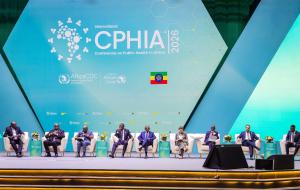
WHO Urges African Countries to Prioritize Domestic Financing for Pandemic Preparedness
Nov 25, 2026 2586
Addis Ababa, November 25, 2026 (ENA)— African governments have to increase domestic investment in pandemic preparedness instead reliance on external partners to finance health emergency responses after outbreaks have begun, Dr. Mohamed Yakub Janabi, WHO Regional Director for Africa said. The Regional Director made the call during a panel discussion at the 2026 Conference on Public Health in Africa (CPHIA), emphasizing that preparedness requires sustained investment before health emergencies emerge. According to him, African countries should prioritize financing national preparedness plans rather than waiting for international partners to provide resources after outbreaks begin. "Preparedness is cheaper, is faster, and it saves lives," Dr. Janabi said, urging governments to strengthen their readiness against emerging health threats. Citing Nigeria's experience, he said President Bola Tinubu approved 10 billion naira in June for the Nigeria Centre for Disease Control and Prevention and emergency preparedness ahead of an imported Ebola case. Accordingly, the Regional Director urged development partners to redirect more support toward preparedness and called on African governments not to depend on external funding to finance their readiness. "Preparedness is an investment, and then response is the bill," he said, underscoring the importance of investing in national health systems before outbreaks occur. Dr. Janabi highlighted Africa's collective negotiations on amendments to the International Health Regulations and the WHO Pandemic Agreement as important steps toward strengthening coordinated pandemic prevention and response. The amended International Health Regulations entered into force on September 19, 2025, introducing provisions on pandemic emergencies, national implementation mechanisms and equitable access to medical products. The Regional Director urged member states to incorporate the amended regulations into their national laws, translating international commitments into practical domestic health preparedness measures. He also emphasized the need to finalize the Pandemic Agreement's Pathogen Access and Benefit-Sharing annex, which addresses equitable access to vaccines, diagnostic tests and treatments developed using shared pathogen samples. "Our continent cannot only be study sites and subject of the clinical trials," Dr. Janabi stressed, calling for assurances that countries sharing pathogen samples also benefit from resulting medical products. Negotiations on the annex remain ongoing, with WHO member states reaffirming their commitment in November 2026 to finalize it for consideration by the World Health Assembly in May 2027. The Regional Director further called for expanded pooled procurement, stronger continental health institutions, including the African Medicines Agency, and increased regional pharmaceutical manufacturing to strengthen Africa's capacity to meet its medical needs. On WHO's institutional financing, he noted that member states had approved two increments toward raising assessed contributions to cover half of the organization's base budget by 2030–2031. His remarks underscored the importance of African ownership, sustainable financing and regional cooperation in strengthening the continent's capacity to prevent, detect and respond to future public health emergencies.
Economy
Guba Mega Projects Valued at over 30 Billion USD on Track, Says PM Abiy
Nov 26, 2026 463
Addis Ababa, November 26, 2026 (ENA)— Ethiopia’s Guba mega projects that span from mass housing, nuclear energy, natural gas, fertilizer manufacturing to aviation are advancing on schedule, Prime Minister Abiy Ahmed told the House of People’s Representatives. Recall that Prime Minister Abiy Ahmed announced the Guba mega projects valued at over 30 billion USD during the September 2025 inauguration of the Grand Ethiopian Renaissance Dam (GERD) at Guba in Benishangul-Gumuz Region. Addressing the House today, the PM highlighted progress in the 1.5 Million-Home Program, the Ogaden LNG and gas infrastructure, the Gode urea fertilizer plant and oil refinery, Bishoftu International Airport, and nuclear energy development. Regarding the 1.5 Million-Home Mega Project, the PM said policy approval, land preparation, establishment of financing and mortgage systems are underway. The government is also testing modern construction technologies from Turkey, China, and South Korea to accelerate housing development. He disclosed that hundreds of thousands of houses are currently under construction in urban and rural areas across the country, while efforts are underway to establish a mortgage system that enables citizens to purchase homes through bank financing. Regarding the Ogaden gas project, the first phase of gas extraction has been completed, while infrastructure for transportation, distribution, and utilization is being developed. PM Abiy noted that gas distribution stations have been constructed in Adama, Dire Dawa, and Addis Ababa, while industries in Debre Berhan and Mojo have started using the resource. The government is also introducing gas-powered buses and expanding industrial applications to strengthen the gas value chain. Using gas instead of conventional fuel could reduce transportation costs by up to 50 percent, he added. On the Gode fertilizer project, the Premier said extensive site preparation has been undertaken, with construction materials and major equipment arriving despite logistical challenges. The project, estimated to cost at least 3 billion US dollars, comprises ammonia, urea, granulation, and packaging plants, as well as a gas pipeline and distribution infrastructure. It will also involve the construction of 18,000 houses for workers. He expressed confidence that the fertilizer project would be completed within its planned timeframe, barring unforeseen challenges. Regarding Bishoftu International Airport, the Prime Minister said initial site preparation is expected to be completed within the coming two to three months, while the tender process for runway construction is underway. PM Abiy described the airport as a major strategic investment requiring substantial financing, modern technology, and strong implementation capacity. He emphasized that the projects require substantial resources, infrastructure, and implementation capacity, but expressed confidence that they would be completed through continued government efforts and public support. On nuclear energy development, the Prime Minister said an institution has been established, technology selected, and potential project sites identified. Discussions with partner countries are also underway to secure financing and advance implementation. The PM also highlighted progress in energy infrastructure, particularly the Koysha hydropower project, which is expected to generate more than 2,000 megawatts of electricity. He said civil construction is nearing completion, while electromechanical works are expected to advance further. Prime Minister Abiy further noted that progress in cement, coal, steel, ceramics, and glass production has helped Ethiopia achieve 6 billion US dollars in import substitution, marking significant progress in domestic manufacturing.
GDP Rebasing Positions Ethiopia Third Largest Economy in Sub-Saharan Africa
Nov 26, 2026 692
Addis Ababa, November 26, 2026 (ENA)— The GDP rebasing carried out in Ethiopia has positioned the nation as the third-largest economy in Sub-Saharan Africa at 210 billion USD, Prime Minister Abiy Ahmed stated. Addressing the House of People’s Representatives, the PM said GDP rebasing has revealed Ethiopia’s economic size and provided a broader picture of its actual economic capacity. Undertaken after 11 years by revising the country's economic measurements, the GDP rebasing has placed Ethiopia as the third-largest economy in Sub-Saharan Africa, after South Africa and Nigeria. He explained that international standards recommend rebasing national economies approximately every five years to account for structural changes, including emerging industries, new economic activities and sectors whose market significance has declined. However, Ethiopia had not undertaken such an exercise for 11 years, resulting in significant economic activities remaining inadequately reflected in the country's national accounts. Prime Minister Abiy noted that the GDP rebasing exercise presented three possible estimates, with the government opting for the most conservative assessment, which placed Ethiopia's economy at 210 billion USD. He emphasized that the figure was based on the economic activities captured through the exercise, while a considerable informal economy remains outside the measured economic base. The PM described the revised economic standing as a major opportunity, saying the country's sustained efforts to build one of Africa's major economies were beginning to yield tangible results. He said the new assessment provides a more comprehensive picture of Ethiopia's economic size and productive capacity, reflecting the cumulative impact of developments across multiple sectors. Prime Minister Abiy further stated that the latest rebasing exercise involved an extensive economic census conducted over more than a year by the Ethiopian Statistics Service, with the participation of thousands of people and support from international institutions, including the World Bank and the International Monetary Fund (IMF). The exercise incorporated economic activities that have expanded or emerged through the country's reform initiatives, providing a broader picture of Ethiopia's actual economic capacity. Citing the digital economy as one example, the Premier noted that mobile money and digital financial services, which were virtually nonexistent before the reform, have grown into major economic activities, with transactions amounting to trillions of Birr. He said the previous GDP accounting framework lacked adequate mechanisms to capture the scale and contribution of these emerging digital economic activities. The Prime Minister also highlighted the expansion of urban corridor development, explaining that the scale of infrastructure development and associated economic activities had not been adequately reflected in the previous national accounting system. In agriculture, he pointed to the expansion of cluster farming, through which farmers combine land and labor to improve productivity and agricultural output. In the industrial sector, PM Abiy highlighted the expansion of industrial parks as the growth of manufacturing activities and industrial production had not been adequately captured under the previous GDP measurement framework. The Green Legacy initiative was also identified as an important contributor to economic activity, extending beyond tree planting to include agricultural production, particularly coffee, avocados and other fruits. In the energy sector, he cited developments in wind power and the Grand Ethiopian Renaissance Dam (GERD) hydropower projects. Regarding tourism and services, PM Abiy pointed to the expansion of tourism infrastructure and Ethiopia's growing capacity to host major international conferences. He also mentioned the growth of Ethiopian Airlines and developments in railway services as important elements of the expanding service economy.
Ethiopia’s Industry Overtakes Agriculture in GDP Share for First Time, Says PM Abiy
Nov 26, 2026 635
Addis Ababa, November 26, 2026 (ENA)— Prime Minister Abiy Ahmed has announced a historic shift in Ethiopia’s economic structure, with industry surpassing agriculture in its share of Gross Domestic Product (GDP) for the first time. Addressing the House of People's Representatives, he said industry now accounts for 31.8 percent of GDP, compared with agriculture’s 31.4 percent, signaling the country's accelerating industrial transformation. He described the development as a significant milestone in Ethiopia’s economic reform journey, reflecting the rapid expansion of industrial activities. The Prime Minister also disclosed that Ethiopia’s GDP has reached 210 billion USD, following the recent economic rebasing, making it the third-largest economy in Sub-Saharan Africa. The rebasing exercise was conducted with strict discipline, capturing economic activities and productive sectors that had not been adequately reflected in previous calculations. On domestic revenue mobilization, PM Abiy emphasized the importance of broadening the tax base, noting that Ethiopia's tax revenue remains low relative to the size of its economy. He described tax payment as an honor and responsibility of every citizen, stressing that stronger enforcement mechanisms and legal measures are needed to improve tax compliance and expand the number of taxpayers. Highlighting the performance of state-owned enterprises, the Prime Minister said Ethiopian Investment Holdings has expanded its asset base from 2.6 trillion birr a few years ago to 9 trillion birr. He attributed the growth to reforms aimed at consolidating public assets, improving their management and transforming previously underutilized resources into productive wealth. The state-owned enterprises have also significantly increased their revenue generation, while creating nearly 72,000 jobs over the past three months alone, he added. The Premier further underscored the transformative role of digital finance in expanding financial inclusion and access to credit. Digital financial transactions have reached 11 trillion birr, demonstrating the growing scale of Ethiopia’s digital financial ecosystem. Bank deposits have reached 5.3 trillion birr, while nearly 70 million citizens are accessing financial services through mobile banking platforms. The PM noted that the expansion of digital finance has strengthened the country's financial capacity and created greater opportunities for citizens and businesses to access credit.
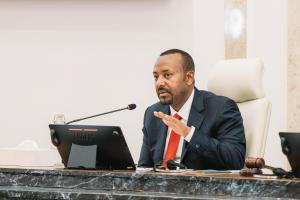
Ethiopia Undertakes Economic Rebasing after More than Decade: PM Abiy
Nov 26, 2026 678
Addis Ababa, November 26, 2026 (ENA)— Ethiopia has been undertaking a comprehensive revision of its national economic accounts after 11 years without economic rebasing, Prime Minister Abiy Ahmed said today. He said the exercise, which has been underway over the past year with the deployment of a large workforce, aims to incorporate newly emerging economic activities and account for sectors that have declined or ceased to contribute significantly to the economy. The PM also revealed that the previous economic measurement framework did not adequately capture several expanding sectors, including the digital economy, corridor development, cluster farming, Lemat Tirufat (Bounty of the Basket), additional industrial parks, the Green Legacy Initiative, new energy projects, conference tourism, tourism infrastructure and other service industries. The ongoing revision incorporates these and other emerging economic activities to provide a more comprehensive picture of Ethiopia's evolving economic structure and productive capacity. Addressing the Fourth Regular Session of the First Year of the Seventh House of People's Representatives, PM Abiy highlighted progress in economic reform, the ongoing national economic rebasing exercise and the transformation of the Ethio-Djibouti Railway Corporation. He noted that disruptions to global trade, shortages of major commodities and other external pressures have fueled inflation and slowed economic growth in different parts of the world. However, the Premier said Ethiopia's economic reform measures have helped establish a resilient economic system capable of withstanding such challenges. Turning to railway infrastructure, Abiy highlighted the significant operational and financial improvements achieved by the Ethio-Djibouti Railway Corporation through ongoing reform efforts. He said the corporation's profits increased from 3.4 billion birr to 43 billion birr, while its locomotive fleet expanded from 11 to 36, enabling it to manage more than 1,000 wagons. Passenger services have also grown, rising from 198,000 to 588,000, while railway freight transportation reached 4.3 million tons, according to the Prime Minister. PM Abiy further disclosed that the railway currently transports more than 95 percent of Ethiopia's coffee exports and 25 percent of its fertilizer imports, underscoring its growing role in facilitating international trade and strengthening the country's logistics network. The PM also revealed that Ethiopia is undertaking nearly 100 kilometers of railway construction using its own capacity, describing the achievement as an important step in expanding national infrastructure development capabilities.
Videos



.jpg)
Technology
Ethiopia Showcases Africa’s Potential through Tangible Milestones in Health Sector
Nov 25, 2026 3781
Addis Ababa, November 25, 2026 (ENA)— Ethiopia is demonstrating Africa’s capabilities and potential through tangible achievements and transformative progress in the healthcare sector, Minister of Health Dr. Mekdes Daba said. Speaking to ENA on the sidelines of the 5th International Conference on Public Health in Africa (CPHIA 2026), currently underway at the Addis International Convention Center with more than 30,000 participants from over 100 countries, Dr. Mekdes highlighted the strong multisectoral engagement and high-level participation at the event. She noted that, alongside health officials, more than 46 ministers representing finance, planning, agriculture, and environmental protection are also attending the conference. The Minister emphasized that conference delegates have had the opportunity to witness firsthand Ethiopia’s impactful initiatives, proven best practices, and far-reaching transformations across other key development sectors. She explained that these achievements stand as tangible evidence of the nation's capacity to translate ambitions into concrete results, significantly strengthening international confidence in Africa’s potential. Through this collaborative platform, which brings together government and non-governmental institutions, development partners, and the private sector, Ethiopia is also showcasing its scientific and technological advancements across multiple areas, Dr. Mekdes noted. In particular, participants have witnessed the country's pioneering work in artificial intelligence, digital health, primary healthcare, and medical referral systems. The practical application of the Electronic Community Health Information System (eCHIS), an innovative digital platform that enables Health Extension Workers to efficiently monitor, track, and manage community health services, was also among the advancements showcased to delegates. As a result, several countries have expressed keen interest in adopting Ethiopia’s healthcare models and digital solutions, creating new opportunities for knowledge exchange, cooperation, and the sharing of best practices. Addressing the evolving dynamics of global health governance, the Minister highlighted Ethiopia’s strategic use of health diplomacy to strengthen Africa’s voice, influence, and standing on the international stage. She affirmed that the conference will help translate the vision of Africa’s health sovereignty into concrete actions and meaningful resolutions. Dr. Mekdes further emphasized that the continent is increasingly asserting itself not merely as a recipient of global health policies, discourse, and scientific applications, but as an active contributor, innovator, and driver of solutions. Finally, she noted that the series of international and continental summits previously hosted by Ethiopia had established a strong foundation, paving the way for the successful convening of this landmark gathering.
Pan-African AI Residency Strengthens Cross-Border Partnerships, Advances Innovation: EAII Director General
Nov 20, 2026 10271
Addis Ababa, November 20, 2026 (ENA)— The Pan-African AI Ventures Residency has strengthened cross-border partnerships among young African innovators while equipping them with the skills to develop market-ready artificial intelligence solutions, Ethiopian Artificial Intelligence Institute (EAII) Director General Worku Gachena said. A total of 51 young innovators from across Africa graduated today after completing a two-week intensive residency designed to transform AI prototypes into commercially viable products. Held in Addis Ababa under the AI UniPod initiative, the program brought together young technology entrepreneurs from several African countries to exchange expertise, collaborate on projects and explore opportunities for cross-border innovation. The residency was organized through a partnership involving the EAII, the United Nations Development Programme (UNDP), Addis Ababa University (AAU) and Japan's Ministry of Economy, Trade and Industry (METI). During the program, participants received technical and business training, worked with mentors and coaches, refined their prototypes and tested AI models to advance their early-stage ideas toward market-ready solutions. Speaking at the closing ceremony, Worku congratulated the graduates and highlighted the relationships and professional networks established during the residency as among its most valuable outcomes. "What makes me happiest is the connection you built," Worku said. "You didn't just walk next to each other. You built real links among each other and with Ethiopian startups. Some of those friendships, I'm sure, will become partnerships, and some of those partnerships will become companies that work across borders." He said participants also visited Addis Ababa's ongoing urban development projects, including the Chaka Project, and the Adwa Victory Memorial Museum. Worku said the museum visit reflected the Pan-African spirit of the residency, underscoring the importance of African solidarity, collective strength and self-reliance. "After these two weeks with you, I don't think it is a question anymore. You will shape it," he said. Describing the graduation as the beginning of a new journey rather than a farewell, Worku urged participants to become ambassadors of African innovation. He also assured them that the AI UniPod would remain open to supporting their ventures as they expand across the continent. UNDP Resident Representative in Ethiopia Samuel Doe, meanwhile, described the AI revolution as a new frontier in Africa's pursuit of technological sovereignty, calling the graduating innovators the "new foot soldiers of Adwa." Drawing parallels between Africa's historical struggle against colonial domination and the contemporary risks of technological and intellectual dependency, Doe urged the graduates to help position the continent as a creator and developer of AI technologies rather than merely a consumer. He commended Ethiopia's commitment to digital transformation under Prime Minister Abiy Ahmed and highlighted the country's initiative to establish what he described as the world's first dedicated AI university. Doe also challenged the graduates to translate Africa's widely discussed potential into tangible commercial achievements, citing Japan's post-World War II industrial transformation as an example of how technological adaptation, reverse engineering and innovation can accelerate economic development. "We are really tired with potential. Take this potential to the market," he said. Participants said the residency broadened their understanding of entrepreneurship, shifting their focus beyond coding to encompass market positioning, business strategies, product development and collaboration. Patrick Shilukwe Kasama, an innovator from Zambia, said the training helped him better understand how to position his project in the market. He also praised Ethiopia's efforts to advance artificial intelligence. "The interaction has been amazing. Different countries, different cultures, there's really been no isolating. It's one Africa, so we found a way to live with each other," Kasama said. He expressed appreciation to the organizers and sponsors for providing an opportunity for 51 innovators from across the continent to develop their skills and establish professional connections. Nanri Ouakhilatou Torou from Benin said the residency challenged her initial approach to developing and presenting her web application, prompting her to reconsider its technical aspects and strengthen its business strategy. "Beyond having knowledge from our mentors, we also have critical thinking of each of our projects from different participants as well," she said, highlighting the value of peer feedback and the professional networks established during the program. "Beyond anything else, I connected with everyone, and the network I built, I think the network is really, really powerful. Ethiopia is and will always be one of the countries that actually captured my heart," Torou added. Ashinze Emmanuel Chidi from Nigeria also said that although he initially joined the residency with a primary focus on coding his idea, mentorship and exchanges with fellow innovators broadened his understanding of developing scalable technology ventures. The residency is part of wider efforts to strengthen Africa's artificial intelligence ecosystem by building local technological capabilities, supporting young entrepreneurs and fostering cross-border partnerships to help African-developed innovations reach regional and international markets.
.jpg)
PM Abiy Calls for Predictable Climate Finance, Early Action to Protect Vulnerable Communities
Nov 11, 2026 22020
Addis Ababa, November 11, 2026 (ENA)— Prime Minister Abiy Ahmed called for predictable climate finance that reaches vulnerable communities before disasters strike. The Prime Minister further urged the international community to translate climate commitments into timely, accessible and affordable support. Addressing the opening of the 31st United Nations Climate Change Conference (COP31) in Türkiye’s Mediterranean city of Antalya, PM Abiy underscored that climate action is not merely an environmental concern for Ethiopia but a fundamental part of its economic policy and development strategy. “In Ethiopia, climate action is economic policy,” he said, highlighting how recurring El Niño-related droughts and floods threaten agricultural production, displace families and prolong recovery, even after rainfall returns and floodwaters recede. He stressed that Ethiopia is strengthening community-level preparedness and working with local governments to anticipate climate risks and protect livelihoods before disasters occur. Highlighting the country's broader climate vulnerability, the Premier noted that more than 90 percent of Ethiopia's electricity comes from hydropower, making rainfall patterns critical not only to domestic energy security but also to electricity supplies to neighboring countries. He also warned that rising temperatures and changing rainfall patterns threaten the forests and agricultural landscapes that sustain Ethiopia's globally renowned Arabica coffee. The Prime Minister said Ethiopia's homegrown philosophy of Medemer guides its climate response by bringing communities, institutions and resources together around shared development objectives. Under the Green Legacy Initiative, millions of Ethiopians participate in annual tree-planting campaigns, with more than 56 billion seedlings planted to date, contributing to land restoration, forest expansion, job creation and improved livelihoods. “Planting is now a family habit,” he said, describing the initiative as a growing culture of environmental stewardship and responsibility toward future generations. Ethiopia is also extending its environmental efforts into urban areas through flood protection measures, river rehabilitation and the development of green public spaces, including parks and walkways along riverbanks. On the energy front, PM Abiy highlighted the country's investments in wind, solar and geothermal power, alongside plans to explore nuclear energy, as part of a long-term strategy to diversify electricity sources and reduce economic vulnerability during dry seasons. He further emphasized the growing role of technology in climate resilience, noting that Ethiopia is using satellite data to monitor environmental conditions and artificial intelligence to improve weather forecasting and provide farmers with earlier warnings of extreme weather events. The country's Fayda digital identification (ID) system is also helping strengthen the delivery of support to vulnerable households. However, the Prime Minister stressed that early warnings must be backed by financing that enables communities to take timely protective measures. “Funding should be agreed in advance. It can then move at the speed of our forecasters, while there is still time to save lives,” he said. Turning to the global climate financing gap, Abiy called for stronger coordination between climate, development, trade and financial institutions, arguing that commitments made in international climate negotiations must be reflected in actual financing decisions. He noted that developing countries spend nearly one trillion US dollars annually on public debt interest, significantly constraining their capacity to invest in climate resilience, infrastructure and essential social services. Referring to the financing discussions in Sevilla, he stressed that high borrowing costs undermine developing countries' ability to respond to climate challenges, calling for multilateral financial institutions to make financing more affordable. The Prime Minister also urged faster emissions reductions, warning that the growing cost of responding to climate-related damage leaves fewer resources available for education, healthcare and opportunities for young people. Highlighting Ethiopia's contribution to the global energy transition, he said the country has banned imports of petrol- and diesel-powered vehicles as it accelerates the shift toward electric mobility. He called on countries with the greatest historical responsibility for emissions and the financial capacity to act to lead with deeper emissions reductions during this decade. Looking ahead to Ethiopia's COP32 Presidency, Prime Minister Abiy said early action and predictable climate financing would be central to the country's priorities, particularly ensuring that resources are released when early warnings are issued and reach the most climate-vulnerable communities first. He urged countries to make their climate finance pledges clear and measurable, setting out three essential commitments: how much funding will be provided, when it will be delivered and under what terms. Such clarity, he said, would enable governments to plan their budgets, investors to make commitments and communities to prepare for climate risks. Ethiopia, he added, will work closely with the COP31 Presidency to ensure a successful outcome in Türkiye and looks forward to welcoming the international community to Addis Ababa for COP32 in 2027. Concluding his remarks, the Prime Minister invoked the vulnerability of farmers to increasingly unpredictable weather patterns, delivering a powerful appeal for timely international solidarity. “Our farmers once trusted the seasons to arrive on time. Let us make sure our support does,” he said.
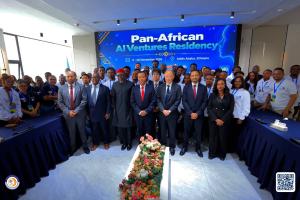
Ethiopia Targets to Become Africa’s Leading AI Innovation Hub by 2030: EAII Director General
Nov 9, 2026 26341
Addis Ababa, November 9, 2026 (ENA)— Ethiopia is accelerating efforts to position itself as one of Africa’s leading hubs for artificial intelligence (AI) research and innovation by 2030 through strategic investments in digital infrastructure, human capital development and continental partnerships, Director General of the Ethiopian Artificial Intelligence Institute (EAII), Worku Gachena, said. Speaking at the opening of the Pan-African AI Ventures Residency Program in Addis Ababa, Worku said Ethiopia aims to build strong AI capabilities that support national development priorities while contributing to technological advancement across Africa through research, innovation and entrepreneurship. He noted that the ambition is aligned with Digital Ethiopia 2030, the country’s strategic roadmap for digital transformation, and supported by initiatives designed to strengthen research capacity and develop the next generation of AI professionals. Among these initiatives is Medemer AI University, established as an autonomous public university following the Council of Ministers’ approval of its founding regulation. The institution is expected to train AI scientists, engineers and entrepreneurs while expanding the country’s technological and research capabilities. Worku also highlighted the AI UniPod, inaugurated on February 16, 2026, through a partnership between EAII, the United Nations Development Programme (UNDP) and Addis Ababa University. The facility is equipped with advanced laboratories, robotics facilities, high-performance computing resources, design studios and collaborative learning spaces. It is designed to connect research with entrepreneurship and the development of practical technological solutions. He emphasized that realizing Ethiopia’s ambition to become a leading African AI research and development hub by 2030 requires sustained investment in digital infrastructure, computing capacity and skilled human resources. In this regard, the Pan-African AI Ventures Residency Program brings together young innovators from 12 African countries to develop AI-driven solutions to challenges facing the continent. The initiative provides participants with mentorship, knowledge exchange opportunities, professional networks and platforms for cross-border collaboration. Worku further underscored the importance of stronger African cooperation, particularly in responsible data sharing and developing African-language datasets and AI models, to ensure that emerging technologies reflect the continent’s realities and development priorities. He also acknowledged the contributions of the Japanese government, UNDP and Addis Ababa University, noting that international and regional partnerships are essential to strengthening Africa’s competitiveness in the global AI landscape. Japanese Ambassador to Ethiopia Shibata Hironori highlighted Japan’s support for the AI UniPod initiative through its Ministry of Economy, Trade and Industry, which provides approximately 1 million USD in annual funding to advance African AI capacity and digital innovation. He said the initiative also creates opportunities for Japanese companies to collaborate with African startups through joint development and pilot projects, reaffirming Japan’s commitment to supporting Ethiopia in partnership with EAII, Addis Ababa University and UNDP. Meanwhile, Matthias Z. Naab, Director of UNDP’s Regional Service Centre for Africa, called on African countries to move beyond being passive consumers of foreign technologies and become active creators of solutions to their own development challenges. He said Africa’s youthful population, expanding digital economy and growing innovation ecosystem provide a strong foundation for developing homegrown AI technologies and generating sustainable employment opportunities. Naab also highlighted UNDP’s investments in digital infrastructure through its EDGE initiative, which provides essential resources, including high-performance graphics processing units (GPUs) at the AI UniPod, enabling innovators to develop AI-powered products. However, he stressed that access to computing resources alone would not be sufficient, emphasizing the need for young innovators to acquire practical skills and connect their solutions to real-world markets. He added that promising ventures emerging from the residency program could advance to UNDP’s broader Timbuktoo Initiative, gaining access to thematic innovation hubs, venture capital and market networks. The 10-day residency brings together 51 AI startup founders from 12 African countries at the AI UniPod for intensive training, mentorship, product development and networking, marking another step toward strengthening Africa’s homegrown artificial intelligence ecosystem.
Sport

Ethiopia’s Beauty, Addis Ababa’s Urban Transformation on Display at Great Ethiopian Run, Says Mayor Adanech
Nov 22, 2026 7598
Addis Ababa, November 22, 2026 (ENA)— Ethiopia showcased its beauty, peace and renowned culture of hospitality to the world during the 26th Great Ethiopian Run, while Addis Ababa’s ongoing urban transformation provided a fitting setting for the international sporting event, Mayor Adanech Abiebie said. In a message marking the successful conclusion of the event, the Mayor said that once again, Ethiopia showcased its beauty, peace and renowned culture of warm hospitality to the world. The Mayor further highlighted the capital’s renewed vibrancy and festive atmosphere, describing the event as an opportunity to showcase the country's positive image to the international community. She noted that the city's modern roads, expanded green spaces and improved infrastructure created an attractive setting for the more than 60,000 participants, who filled the streets in Ethiopia's national colors, celebrating unity, love and togetherness. According to a post on social media, Mayor Adanech emphasized that the internationally renowned sporting event provided a valuable platform to showcase Addis Ababa's development achievements and growing appeal to visitors from around the world. The 26th edition brought together people from all walks of life, ranging from young children to the elderly, alongside renowned Ethiopian and international athletes, reflecting the race's broad appeal and inclusive spirit. Describing the event as a remarkable celebration of social harmony, the mayor emphasized that unity remains a source of collective strength, adding that Addis Ababa's diversity and spirit of togetherness were clearly demonstrated throughout the day.
.jpg)
Great Ethiopian Run Transcends Sport, Promotes Nat'l Unity and Projects Ethiopia's Global Image
Nov 22, 2026 8464
Addis Ababa, November 22, 2026 (ENA)— The 26th edition of the Great Ethiopian Run is taking place this morning in Addis Ababa, bringing together a record 60,000 participants under the theme "My Run, My Color" in a vibrant celebration of unity, diversity and national pride.Over its 26-year history, the Great Ethiopian Run has grown beyond an annual sporting event to become an important national platform for promoting social cohesion, cultural exchange and international engagement. Participants from diverse ethnic, cultural, religious and social backgrounds, alongside international visitors, come together on the streets of the capital, demonstrating how sport can bridge differences and foster a shared sense of belonging. The event has increasingly become a reflection of Ethiopia's multicultural identity, providing a common platform where diversity is celebrated and collective aspirations are strengthened through sport. Beyond its contribution to national unity, the Great Ethiopian Run has also emerged as an important platform for showcasing Addis Ababa's hospitality, cultural vibrancy and capacity to host major international sporting events.As the 26th edition fills the capital's streets with color, enthusiasm and energy, its significance extends far beyond the race itself and the winners crossing the finish line. The event demonstrates the power of sport to bring people together, encourage healthy lifestyles, promote peaceful coexistence and strengthen national identity. It also contributes to projecting a positive image of Ethiopia internationally as a vibrant and welcoming country that embraces diversity and creates opportunities for cultural exchange and human connection. With participation growing over the years, the Great Ethiopian Run continues to attract international attention, inspire communities and reinforce Ethiopia's potential as a destination for sports, culture and tourism. Ultimately, its greatest achievement lies not merely in the distance covered or the records set, but in the sense of unity it fosters and the positive image of Ethiopia it projects to the world.

Great Ethiopian Run Marks 26 Years with Record 60,000 Runners, Showcasing Ethiopia to the World
Nov 22, 2026 14085
Addis Ababa, November 22, 2026 (ENA)—Ethiopia’s legendary Great Ethiopian Run marked its 26th anniversary with a spectacular turnout of more than 60,000 runners. The event transformed the streets of Addis Ababa into a vibrant celebration of athletics, national pride and international unity. The milestone edition of Africa’s largest 10-kilometer road race brought together around 200 international participants from 25 countries, reinforcing the event’s growing global appeal and Ethiopia’s standing as a powerhouse of long-distance running. Launched in 2001 by Ethiopian athletics legend Haile Gebrselassie, the Great Ethiopian Run has evolved from a major sporting competition into an internationally recognized platform celebrating athletic excellence, cultural identity and the unifying power of sport. Over the past quarter-century, the race has brought together hundreds of thousands of participants from Ethiopia and beyond, turning Addis Ababa into a global meeting point for professional athletes, recreational runners and sports enthusiasts. Addis Ababa Mayor Adanech Abiebie, Tourism Minister Selamawit Kassa, Haile Gebrselassie and other senior government officials attended the anniversary celebrations. The capital’s newly upgraded streets provided a spectacular backdrop for the race, with music, cultural performances and enthusiastic spectators creating a festive atmosphere along the route. Beyond the competition, the Great Ethiopian Run has become an important vehicle for promoting Ethiopian culture, strengthening community bonds and connecting people across nationalities and generations. The event has also contributed to social development through fundraising initiatives and youth-focused programs, while generating economic opportunities by attracting international visitors and stimulating tourism and business activities in the capital. Its growing international stature received further recognition this year with its designation as a World Athletics Heritage event, highlighting its enduring contribution to global athletics and sporting culture. Twenty-six years after its launch, the Great Ethiopian Run stands as more than a road race. It is a celebration of Ethiopia’s extraordinary running tradition, a showcase of African sporting excellence and a powerful demonstration of how sport can transcend borders and bring the world together.

PM Abiy Hails Ethiopian Athletes for Historic Dakar 2026 Youth Olympic Triumph
Nov 14, 2026 16002
Addis Ababa, November 14, 2026 (ENA)— Prime Minister Abiy Ahmed has congratulated Ethiopia’s young athletes for their outstanding performance at the Dakar 2026 Youth Olympic Games in Senegal, where they topped the athletics medal table with an impressive eight medals. The Ethiopian team secured five gold and three silver medals, reaffirming the country’s enduring strength in athletics and showcasing the depth of its emerging sporting talent on the international stage. In a congratulatory message, Prime Minister Abiy praised the athletes for their historic achievement, describing their performance as a testament to Ethiopia’s rich athletics tradition and continued sporting excellence. “I extend my heartfelt congratulations to our young Ethiopian athletes for their outstanding and historic achievement at the Dakar 2026 Youth Olympic Games in Senegal,” PM Abiy said. He urged the young athletes to continue raising the Ethiopian flag with distinction and inspiring a new generation to pursue excellence. The Premier stated that: “Continue carrying the Ethiopian flag with distinction and inspiring a new generation to pursue excellence!” The achievement further highlights Ethiopia’s emerging generation of athletes and its continued potential to remain a leading force in international athletics, it was learned.
Environment
.jpg)
Ethiopia Urges Egypt to Modernize Water Use, Consult on Nile Development Projects
Nov 24, 2026 9041
Addis Ababa, November 24, 2026 (ENA)— Ethiopia’s Minister of Water and Energy, Habtamu Itefa, has urged Egypt to modernize its domestic water management practices and reconsider water-intensive agricultural activities that have resulted in excessive water wastage in the downstream country. Minister Habtamu also stressed the need for Egypt to consult Ethiopia before undertaking development projects involving the shared Nile River. In an exclusive interview with ENA, the minister said Egypt should address substantial water losses associated with inefficient irrigation, evaporation and water-intensive agricultural practices rather than blaming upstream countries for pursuing their legitimate development aspirations. "They don't have to point their finger toward Ethiopia; they have to look at their own yard and consume water efficiently, not abuse it," the minister said. He particularly criticized Egypt’s continued reliance on traditional flood irrigation despite its hot and arid climate, arguing that the practice contributes to significant water losses through evaporation. The minister also pointed to Egypt’s cultivation of water-intensive crops, including rice across more than 500,000 hectares and sugarcane on over 100,000 hectares, as major factors contributing to the country's substantial water consumption. He further questioned the diversion of Nile water to desert reclamation schemes, including projects in the Toshka Valley and the Sinai Peninsula, arguing that such initiatives result in considerable water losses. Habtamu maintained that Egypt should prioritize modern irrigation technologies, efficient water management and sustainable agricultural practices instead of attributing its water challenges to Ethiopia’s development activities along the Abay (Blue Nile). Beyond domestic water management, the minister called on Egypt to abandon unilateral approaches to the shared river and recognize Ethiopia’s development interests when planning projects that could affect Nile water resources. "Whenever they go for any development, they have to have consent from Ethiopia because Ethiopia also has a plan," he said. Referring to Egypt’s reported plans to construct a new city, Habtamu stressed that Cairo should consult Addis Ababa before embarking on development initiatives involving the shared water resource. "They have to stop unilateral actions," he emphasized. The minister cited the Aswan High Dam, the Toshka Canal and the Al-Salam (Peace) Canal, which extends toward the Sinai Peninsula, as examples of major Egyptian water infrastructure projects undertaken without Ethiopia’s participation or consent. He also pointed to the 1959 Nile Waters Agreement between Egypt and Sudan, which excluded Ethiopia, a major contributor of the water flow and other upstream Nile Basin countries, as evidence of the longstanding challenge of reaching inclusive arrangements over the shared river. In contrast, Habtamu highlighted Ethiopia’s participation in the 2015 Declaration of Principles (DoP) on the Grand Ethiopian Renaissance Dam (GERD), signed in Khartoum by the leaders of Ethiopia, Egypt and Sudan, as an example of an agreed framework for cooperation. He said Ethiopia had developed the GERD in line with the principles of the agreement and called on Egypt to demonstrate a similar commitment to consultation, cooperation and mutual understanding in its Nile-related development activities. Emphasizing that sustainable solutions to Nile-related differences require flexibility, mutual understanding and compromise, the minister urged Cairo to pursue constructive dialogue rather than opposing Ethiopia’s development aspirations. He also proposed joint investments in water infrastructure across the Nile Basin, particularly along the Blue Nile, arguing that collaborative projects, including dams, could unlock significant economic opportunities and generate shared benefits for all riparian countries. Habtamu reiterated that equitable utilization, cooperation and mutual respect should underpin the management of the Nile, stressing that Ethiopia’s growing water and energy needs must be recognized as the country works to meet the demands of its population of approximately 130 million. Contributing more than 86 percent of the Nile's annual flow, Blue Nile gives the country a significant stake in the river's equitable and sustainable utilization. The minister reaffirmed Ethiopia’s position that it has the right to harness its water resources for national development while taking the interests of downstream countries into consideration.
.jpg)
Ethiopia Advances Global Peacekeeping Ambitions, Climate Diplomacy and Strategic Red Sea Aspirations
Nov 22, 2026 13686
By Staff Writer November 22, 2026 (ENA) From strengthening its legacy in international peacekeeping and preparing to host COP32 to expanding diplomatic partnerships and renewing the debate over Red Sea access, Ethiopia’s engagements throughout the week highlighted its ambition to shape regional stability and play a more influential role in global affairs. Ethiopia has intensified its diplomatic, security and development engagements, projecting an increasingly multifaceted vision of its role in Africa and the wider international community. Developments throughout the week reflected the country's efforts to consolidate its longstanding contribution to international peacekeeping, strengthen its climate leadership ahead of hosting COP32 in 2027, deepen regional cooperation and advance discussions surrounding its strategic maritime interests. Together, these developments underscore Ethiopia's ambition to translate its historical diplomatic standing, growing national capabilities and development achievements into greater regional and international influence. Seven Decades of Peacekeeping: Ethiopia Seeks to Strengthen Its Global Role Ethiopia's longstanding contribution to international peacekeeping remains a defining pillar of its foreign policy and international engagement, with the country now seeking to adapt its capabilities to an increasingly complex global security environment. Speaking at a consultative forum jointly organized by the Ethiopian National Defense Force's International Peace Support Training Institute (IPSTI) and the Ethiopian National Defense College, IPSTI Commandant Brigadier General Gezahegn Fekadu underscored Ethiopia's nearly seven-decade legacy of contributing to international peace and security. From its participation in the Korean War to subsequent peace support missions in Sudan, South Sudan and Somalia, Ethiopia has maintained a sustained presence in international and regional efforts to promote stability. However, the changing global security landscape, declining funding for peace operations and political disagreements within multilateral institutions are creating new challenges for troop-contributing countries. Gezahegn stressed that Ethiopia must strengthen its operational readiness, modernize its capabilities and establish sustainable partnerships to maintain its position as a major contributor to international peacekeeping. He also highlighted the significant progress made by the Ethiopian National Defense Force through organizational reforms, improved weaponry, advanced training and broader capacity-building initiatives. These developments, he noted, have strengthened the country's defense readiness while enhancing its ability to safeguard national interests and contribute to regional security. The strategic discussion was further reinforced by FDRE Navy Commandant Vice Admiral Kindu Gezu, who emphasized that Ethiopia's future peacekeeping engagements must balance national security priorities, international responsibilities and its enduring commitment to stability in the Horn of Africa. He described the country's peacekeeping legacy as more than an international obligation, characterizing it as a national asset and strategic legacy that should inform future engagements. The message emerging from the forum was clear: Ethiopia cannot rely solely on its historical achievements. It must continuously adapt its military capabilities, operational strategies and international partnerships to remain relevant in a rapidly changing global security environment. Securing Sovereign Red Sea Access and Its Regional Implications Alongside its peacekeeping ambitions, Ethiopia's strategic interest in the Red Sea continued to feature prominently in discussions about its long-term economic and geopolitical future. Political scientist Bizuneh Yimenu, a lecturer in Comparative Politics at Queen's University Belfast, argued that Ethiopia's maritime future should ultimately be based on sovereign ownership of a Red Sea port rather than continued dependence on access arrangements with neighboring countries. He described Eritrea's independence in 1993 and the subsequent loss of Ethiopia's coastline as a major geopolitical transformation whose implications continue to shape the country's strategic calculations. According to Bizuneh, the political process surrounding Eritrea's independence should have included separate negotiations over Ethiopia's maritime position and unresolved border questions. He maintained that the legitimacy of Eritrea's self-determination and Ethiopia's responsibility to safeguard its strategic interests were distinct matters that should have been addressed independently. The scholar emphasized that the issue should now be pursued through political dialogue, diplomacy, regional integration and negotiations rather than rigid legal or constitutional arguments. His assessment highlights the wider geopolitical and economic significance of Ethiopia's maritime aspirations, particularly for a country whose population, economic ambitions and regional responsibilities continue to expand. COP32: Ethiopia Positions Climate Leadership at the Center of Its Global Engagement On the climate diplomacy front, Prime Minister Abiy Ahmed reaffirmed the government's commitment to ensuring successful preparations for COP32, which Ethiopia is scheduled to host in 2027. The Prime Minister said he convened the COP32 National Steering Committee to review progress, assess preparations and provide strategic direction for the country's hosting of the global climate summit. He called for a coordinated, whole-of-government approach, emphasizing that all task forces must work in alignment to ensure effective preparations and successful delivery of the conference. Beyond hosting a major international gathering, Abiy described COP32 as a strategic opportunity for Ethiopia to advance its environmental priorities, strengthen international partnerships, attract investment and translate ongoing national initiatives into lasting development outcomes. The summit is expected to provide Ethiopia with an important international platform to showcase its climate initiatives, development priorities and commitment to sustainable growth. For Ethiopia, COP32 represents more than a diplomatic hosting responsibility. It offers an opportunity to connect its domestic development agenda with global climate action, particularly around climate finance, green investment, renewable energy and sustainable development. GERD: A Landmark for Ethiopia's Energy Future and Regional Cooperation Ethiopia's development ambitions also received international recognition during a visit by a delegation from the United States Council on Foreign Relations (CFR) to the Grand Ethiopian Renaissance Dam (GERD). Led by CFR President Michael Froman, the delegation described the mega-hydropower project as a remarkable engineering achievement and an important milestone for Ethiopia's economic growth, industrial development and regional energy cooperation. The visiting delegation, including Mahesh K. Kotecha, Kevin Kinsella and Michelle Gavin, expressed admiration for the project's scale, efficiency and significance. Froman acknowledged the enormous investment of time, financial resources and human effort behind the construction of the dam, describing its completion as a major accomplishment for Ethiopia and the wider region. He also highlighted its potential to generate electricity for Ethiopia and neighboring countries, contributing to broader economic development and regional energy cooperation. The visit placed the GERD in the wider context of Africa's energy transformation, demonstrating the importance of large-scale infrastructure in supporting industrialization, expanding electricity access and strengthening economic connectivity. IGAD Chief Reaffirms Ethiopia's Indispensable Regional Leadership Ethiopia's regional diplomatic significance was further underscored by Intergovernmental Authority on Development (IGAD) Executive Secretary Dr. Workneh Gebeyehu, who described the country as an indispensable anchor for peace, diplomacy and cooperation across the Greater Horn of Africa. Speaking to ENA, Workneh highlighted Ethiopia's founding role in IGAD and its longstanding contribution to regional integration and collective action. He also noted that Ethiopia has played a significant role in the leadership of the regional organization, including his own tenure as Executive Secretary for more than eight years. "Ethiopia's role is indispensable. It can lead in peace, diplomacy, and bringing all member states together. We appreciate Ethiopia's role, not only in the region but also across the continent," he said. His remarks reinforced Ethiopia's strategic importance in advancing regional solidarity, promoting dialogue and mobilizing collective responses to shared challenges. At a time when the Horn of Africa faces complex political, security and economic dynamics, Ethiopia's diplomatic influence and geographical position make its engagement central to efforts aimed at building a more integrated and stable region. New Ambassadors Signal Stronger Partnerships with Ethiopia Ethiopia's diplomatic engagement also gained momentum as President Taye Atske Selassie received the credentials of 16 newly appointed ambassadors, marking another opportunity to strengthen bilateral and multilateral relations. The newly accredited diplomats expressed their commitment to expanding cooperation with Ethiopia across trade, investment, peace and security, agriculture, digitalization, healthcare and cultural exchange. Norwegian Ambassador Yngvild Berggrav described Ethiopia as a strategic country and pledged to build on existing areas of cooperation. Finnish Ambassador Erik Lundberg and Maltese Ambassador Bernard Hamilton also expressed their commitment to further strengthening relations with Ethiopia. Meanwhile, Republic of Korea Ambassador Koo Hong-seok highlighted opportunities to attract additional South Korean investment, particularly in agriculture, digitalization and healthcare. He also paid tribute to Ethiopia's historic contribution to the Korean War, recalling the sacrifices made by Ethiopian soldiers in defending South Korea's freedom and independence. The ambassador affirmed that his country would continue supporting Ethiopian veterans and their families, while working to deepen bilateral relations. The diplomatic commitments reflect Ethiopia's continuing importance as a partner for countries seeking expanded engagement in the Horn of Africa and across the African continent. A Broader Strategic Vision In nutshell, the week's developments reveal a country seeking to strengthen its influence through multiple interconnected fronts. Its peacekeeping legacy provides a foundation for greater international security engagement, while military modernization is intended to sustain its capacity to respond to emerging threats. Its preparations for COP32 offer an opportunity to elevate its climate diplomacy and attract international investment. The GERD, meanwhile, demonstrates the country's determination to expand energy production and contribute to regional economic transformation. At the same time, Ethiopia's diplomatic partnerships and renewed maritime debate reflect its broader ambition to secure strategic interests, deepen regional integration and expand its international standing. The challenge ahead will be to translate these ambitions into sustainable outcomes through diplomacy, institutional capacity, economic cooperation and constructive regional engagement. Eventually, Ethiopia's engagements throughout the week point to a broader national aspiration: to move beyond its historical role as a major African diplomatic and security actor and strengthen its position as an influential force in shaping Africa's peace, prosperity, climate future and strategic direction.

COP Presidencies Discuss Climate Negotiation Progress, Electrification Action Agenda
Nov 19, 2026 11042
Addis Ababa, November 19, 2026 (ENA)— The COP32 President-Designate Gedion Timothewos and COP31 President of Negotiations Chris Bowen have discussed about strengthening cooperation between the two presidencies to build on ongoing negotiations and advance the electrification action agenda toward tangible outcomes, according to COP32 Ethiopia. During the meeting held on the sidelines of COP31, Gedion commended the COP31 presidency for its leadership of the negotiations, particularly its transparent process, the early release of the first draft cover decision, and the progress achieved so far. The COP32 President-Designate reaffirmed Ethiopia's support for a successful conclusion of COP31, expressing his expectation that the conference would deliver a strong and clear outcome that the incoming COP32 Presidency could build upon. For his part, Chris Bowen thanked Ethiopia for its support of the electrification action agenda and expressed his commitment to advancing the initiative toward tangible outcomes. He also underscored Australia's readiness to partner with and support Ethiopia in delivering a successful COP32, highlighting the importance of cooperation between the two presidencies. COP31, the 31st United Nations Climate Change Conference, is being held in Antalya, Türkiye, from November 9 to 20, 2026, bringing together government and other stakeholders to advance international cooperation on climate change. Türkiye is hosting the conference, while Australia's Chris Bowen serves as President of Negotiations under the Türkiye-Australia partnership arrangement. Ethiopia is set to host COP32 in 2027, following the acceptance of its offer at COP30 in Belém, Brazil, positioning the upcoming conference as the next major milestone in the international climate negotiation process.
.jpg)
Ethiopia Poised to Lead Global Climate Action through Green Dev’t Model: TNC Global Managing Director
Nov 19, 2026 9071
Addis Ababa, November 19, 2026 (ENA)— Ethiopia is poised to play a greater role in shaping global climate action by showcasing its green development initiatives and climate-resilient economic model, according to Clare Shakya, Global Managing Director of Climate Change at The Nature Conservancy (TNC). Speaking on the sidelines of the ongoing 31st United Nations Climate Change Conference (COP31) in Antalya, Türkiye, Shakya said her organization has high expectations for Ethiopia's upcoming COP hosting, citing the government's commitment to addressing climate change and its experience in pursuing low-carbon and climate-resilient development. She noted that Ethiopia's Green Legacy Initiative demonstrates the country's commitment to restoring natural ecosystems, including forests and water resources, which are essential to strengthening climate resilience and enhancing carbon storage. “It is essential that we restore our natural systems, our forests, our water, to cope with the impacts of climate change and to store more carbon in our landscape," the Global Managing Director said. Shakya also recognized Ethiopia's leadership in advancing climate adaptation, expressing hope that the country's upcoming COP would help advance global efforts to scale up financing and strengthen resilience among vulnerable communities. She further highlighted Ethiopia's progress in green energy and green industrialization, noting that the country's experience could offer valuable lessons for other nations seeking to pursue economic growth while reducing carbon emissions. According to her, Ethiopia's approach to urbanization also presents an important opportunity to demonstrate how cities can expand while ensuring food security, adequate housing and low-carbon development. As urbanization accelerates across Africa, she said, Ethiopia's experience in promoting environmentally sustainable urban development could provide useful insights for countries seeking to balance population growth with climate and development priorities. She added that Ethiopia's experience in combining environmental protection, climate resilience and low-carbon economic development carries important lessons for the international community as countries intensify efforts to address the impacts of climate change. Shakya finally observed that Ethiopia's upcoming COP hosting should go beyond showcasing national achievements to advancing practical solutions that other countries can learn from and replicate.
Most viewed
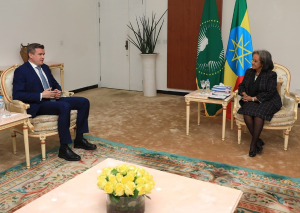
President Sahle-Work Holds Discussion with World Anti-Doping Agency President Bonka
Mar 29, 2023 413802
Addis Ababa March 29/2023/ENA/ President Sahle-Work Zewde has received a delegation led by World Anti-Doping Agency (WADA) President Witold Bonka today, according to the Office of the President. The discussion centered on the conditions under which Ethiopia and the World Anti-Doping Agency can work closely in anti-doping control and investigation, and how the organization can provide technical support, it was learned. During the discussion, Sahle-Work said that Ethiopia has a long history in athletics and is known in the world since athlete Abebe Bikila won marathon in Rome. She finally thanked the World Anti-Doping Agency for its technical support in anti-doping control.
Ethiopian Diaspora Demand Egypt to Change Counterproductive Posture on GERD
Apr 4, 2023 324038
Addis Ababa April 4/2023 (ENA) Ethiopians in the Diaspora have called on Egypt to change its counterproductive posture and find mutually beneficial agreements on the Grand Ethiopian Renaissance Dam (GERD). In a statement the diaspora issued yesterday, they noted that Ethiopia is the main source of the Nile by contributing 86 percent of the water to the Nile basin states while utilizing less than 1 percent of the potential for hydroelectric power. Ethiopians are currently building the GERD on the Blue Nile that is financed entirely by Ethiopians and is a crucial project for the country's development as it will provide clean, renewable energy and lift millions out of poverty. About 65 percent of the 122 million of Ethiopia's population have no access to any form of electricity. The much-needed electricity will facilitate economic growth for Ethiopia and the region, the statement elaborated. The dam will promote regional cooperation and integration while offering opportunity for eleven countries of the Nile Basin to work together to manage the river's resources more efficiently and effectively, it added. The GERD is being built with the highest environmental and technical standards to achieve the objectives of the national electrification program and the execution of Ethiopia’s Climate-Resilient Green Economy Strategy. According to the statement, Ethiopia has provided scientific evidence and expert testimonies that GERD will not significantly affect the flow of water downstream, and provided compelling arguments for the need for equitable use of the Nile's resources by all countries in the region. The diaspora further said they understand that the GERD has raised concerns in Egypt about the downstream effects on the Nile's flow and water availability since Egyptians have been misinformed about the GERD for many years. But on the contrary, the dam will provide several benefits to Egypt and Sudan, including increased water flow during dry seasons and decreased flooding events. “We want to assure Egyptians that Ethiopians are committed to fair and equitable use of the Nile's waters without harming our downstream neighbors. We recognize that the Nile River is a shared resource, and we support finding a mutually beneficial solution.” As Ethiopians in the Diaspora, we reiterate our support for fair and equitable use of the Nile River and call on the Egyptian people and Egyptian Diaspora to question the misinformation about the GERD in Egypt's mainstream media and embrace the spirit of friendship and cooperation by understanding that the GERD is a project of great national importance to Ethiopians that will benefit Egyptians by ensuring a reliable and predictable supply of water, that Ethiopians have the right to use their water resources for the development of its people and economy, in accordance with the principles of equitable and reasonable utilization without causing significant harm. Efforts to destabilize Ethiopia by the regime in Egypt, will indeed affect the historical and diplomatic relations dating back to several thousand years, the long-term interest of the Egyptian people and make Ethiopians less trusting in cooperating on the GERD and future hydropower projects on the Nile, they warned. The diaspora groups urged Egyptian leaders to engage in constructive dialogue with the leaders of Ethiopia regarding the GERD and steer away from their counterproductive posture of calling for a “binding agreement” on the GERD filling and the subsequent operations as an imposing instrument on water sharing that Ethiopians will never accept. The GERD can be a source of cooperation and collaboration between our two countries rather than a source of conflict, they underscored. "Ethiopians believe that, through dialogue and understanding, peaceful and equitable agreements that benefit all parties involved can be realized to build a brighter future for all people in the Nile basin. Belligerent positions by Egyptian leaders stating ‘all options are open’ are contrary to the spirit of the 2015 Declaration of Principles signed by Ethiopia, Sudan and Egypt." According to the statement, such postures will surely harm Egypt's long-term interest and impede trustful cooperation with the Ethiopian people and government. They asked Arab League and its member states to refrain from interfering in the issue of the GERD, which is the sole concern of the three riparian countries (Ethiopia, Sudan and Egypt) and their shared regional organization (the African Union), which is mediating the talks to find ‘African Solutions to African Problems.’ The issues remaining on the table at the trilateral negotiations under the auspices of the African Union are being narrowed to a handful of critical matters on equity and justice, on which the Arab league nations have no business or legal right to be involved.

Ethiopia's Ayana Takes Paris Win on Marathon Debut
Apr 2, 2023 322836
Addis Ababa April 2/ 2023 (ENA) Ethiopia's Abeje Ayana won the men's race at the Paris Marathon on Sunday in his first competitive run over the distance. The 20-year-old Ayana won with a time of two hours, seven minutes and 15 seconds, 20 seconds ahead of compatriot and pre-race favourite Guye Adola with Kenya's Josphat Boit a further five seconds back in third. After clocking 59:39 in a half marathon in Poznan, Poland in 2021, Ayana was one of the men to watch on a grey, windy morning in the French capital, Reuters reported.
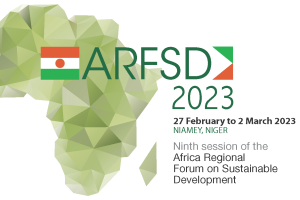
Africa’s Sustainable Growth Hinges on Science, Technology and Innovation: Experts
Mar 3, 2023 319059
Addis Ababa March 3/2023/ENA/ Achieving the ambitious targets of the 2030 and 2063 Agendas of Africa requires leveraging the power of science, technology, and innovation (STI), according to experts. A press release issued by the ECA stated experts at the Ninth African Regional Forum on Sustainable Development have emphasized the crucial role of STI as a key driver and enabler for ensuring economic growth, improving well-being, mitigating the effects of climate change, and safeguarding the environment. They also underscored the need to strengthen national and regional STI ecosystems by fostering innovation, promoting entrepreneurship, and investing in research and development. By doing so, the experts said that Africa can harness the potential of STI to accelerate its socio-economic progress and achieve the Sustainable Development Goals (SDGs) by 2030 and the African Union's Agenda by 2063. The session, held on 2 March 2023, builds on the recommendations of the Fifth African Science, Technology, and Innovation Forum, which accentuates the central role of STI and digitalization during the COVID-19 pandemic and the need for the necessary infrastructures for the development of STI, plans, and policies that are action-oriented towards strengthening its full implantation. The experts highlighted that despite advances in STI, significant gaps remain in bridging the scientific and technological divide between developed countries and Africa. The highly uneven global distribution of scientific capacity and access to knowledge threatens to derail the goal of leaving no one behind, which is the central and transformative promise of Agenda 2030. “We need a clear political will from governments to ensure science, technology, and innovation is a reality. By doing so our education systems will be capacitated to deliver knowledge that is vital to solving Africa’s sustainability challenges,” Niger Higher Education and Research Minister Mamoudou Djibo said. The strategy includes the establishment of universities as centers for excellence and investments in education, technical competencies, and training in the fields of science, technology, research, and innovation. These initiatives are crucial in accelerating progress towards achieving global goals. However, in order to fully leverage the potential of STI, significant investments in research and development are required. National systems also need to be strengthened, Namibia Information and Communication Technologies Deputy Minister Emma Theophilus, stated adding that “strengthening our national systems for STI is a key game changer for rapid structural transformation in Africa. Leveraging the digital transformation can achieve a stronger, smarter, and more inclusive recovery.” Emerging evidence suggests that an STI and digital Africa can be a springboard to accelerate the implementation of the SDGs and fulfill the aspirations of Agenda 2063.
Feature Article
.jpg)
Ethiopia Advances Global Peacekeeping Ambitions, Climate Diplomacy and Strategic Red Sea Aspirations
Nov 22, 2026 13686
By Staff Writer November 22, 2026 (ENA) From strengthening its legacy in international peacekeeping and preparing to host COP32 to expanding diplomatic partnerships and renewing the debate over Red Sea access, Ethiopia’s engagements throughout the week highlighted its ambition to shape regional stability and play a more influential role in global affairs. Ethiopia has intensified its diplomatic, security and development engagements, projecting an increasingly multifaceted vision of its role in Africa and the wider international community. Developments throughout the week reflected the country's efforts to consolidate its longstanding contribution to international peacekeeping, strengthen its climate leadership ahead of hosting COP32 in 2027, deepen regional cooperation and advance discussions surrounding its strategic maritime interests. Together, these developments underscore Ethiopia's ambition to translate its historical diplomatic standing, growing national capabilities and development achievements into greater regional and international influence. Seven Decades of Peacekeeping: Ethiopia Seeks to Strengthen Its Global Role Ethiopia's longstanding contribution to international peacekeeping remains a defining pillar of its foreign policy and international engagement, with the country now seeking to adapt its capabilities to an increasingly complex global security environment. Speaking at a consultative forum jointly organized by the Ethiopian National Defense Force's International Peace Support Training Institute (IPSTI) and the Ethiopian National Defense College, IPSTI Commandant Brigadier General Gezahegn Fekadu underscored Ethiopia's nearly seven-decade legacy of contributing to international peace and security. From its participation in the Korean War to subsequent peace support missions in Sudan, South Sudan and Somalia, Ethiopia has maintained a sustained presence in international and regional efforts to promote stability. However, the changing global security landscape, declining funding for peace operations and political disagreements within multilateral institutions are creating new challenges for troop-contributing countries. Gezahegn stressed that Ethiopia must strengthen its operational readiness, modernize its capabilities and establish sustainable partnerships to maintain its position as a major contributor to international peacekeeping. He also highlighted the significant progress made by the Ethiopian National Defense Force through organizational reforms, improved weaponry, advanced training and broader capacity-building initiatives. These developments, he noted, have strengthened the country's defense readiness while enhancing its ability to safeguard national interests and contribute to regional security. The strategic discussion was further reinforced by FDRE Navy Commandant Vice Admiral Kindu Gezu, who emphasized that Ethiopia's future peacekeeping engagements must balance national security priorities, international responsibilities and its enduring commitment to stability in the Horn of Africa. He described the country's peacekeeping legacy as more than an international obligation, characterizing it as a national asset and strategic legacy that should inform future engagements. The message emerging from the forum was clear: Ethiopia cannot rely solely on its historical achievements. It must continuously adapt its military capabilities, operational strategies and international partnerships to remain relevant in a rapidly changing global security environment. Securing Sovereign Red Sea Access and Its Regional Implications Alongside its peacekeeping ambitions, Ethiopia's strategic interest in the Red Sea continued to feature prominently in discussions about its long-term economic and geopolitical future. Political scientist Bizuneh Yimenu, a lecturer in Comparative Politics at Queen's University Belfast, argued that Ethiopia's maritime future should ultimately be based on sovereign ownership of a Red Sea port rather than continued dependence on access arrangements with neighboring countries. He described Eritrea's independence in 1993 and the subsequent loss of Ethiopia's coastline as a major geopolitical transformation whose implications continue to shape the country's strategic calculations. According to Bizuneh, the political process surrounding Eritrea's independence should have included separate negotiations over Ethiopia's maritime position and unresolved border questions. He maintained that the legitimacy of Eritrea's self-determination and Ethiopia's responsibility to safeguard its strategic interests were distinct matters that should have been addressed independently. The scholar emphasized that the issue should now be pursued through political dialogue, diplomacy, regional integration and negotiations rather than rigid legal or constitutional arguments. His assessment highlights the wider geopolitical and economic significance of Ethiopia's maritime aspirations, particularly for a country whose population, economic ambitions and regional responsibilities continue to expand. COP32: Ethiopia Positions Climate Leadership at the Center of Its Global Engagement On the climate diplomacy front, Prime Minister Abiy Ahmed reaffirmed the government's commitment to ensuring successful preparations for COP32, which Ethiopia is scheduled to host in 2027. The Prime Minister said he convened the COP32 National Steering Committee to review progress, assess preparations and provide strategic direction for the country's hosting of the global climate summit. He called for a coordinated, whole-of-government approach, emphasizing that all task forces must work in alignment to ensure effective preparations and successful delivery of the conference. Beyond hosting a major international gathering, Abiy described COP32 as a strategic opportunity for Ethiopia to advance its environmental priorities, strengthen international partnerships, attract investment and translate ongoing national initiatives into lasting development outcomes. The summit is expected to provide Ethiopia with an important international platform to showcase its climate initiatives, development priorities and commitment to sustainable growth. For Ethiopia, COP32 represents more than a diplomatic hosting responsibility. It offers an opportunity to connect its domestic development agenda with global climate action, particularly around climate finance, green investment, renewable energy and sustainable development. GERD: A Landmark for Ethiopia's Energy Future and Regional Cooperation Ethiopia's development ambitions also received international recognition during a visit by a delegation from the United States Council on Foreign Relations (CFR) to the Grand Ethiopian Renaissance Dam (GERD). Led by CFR President Michael Froman, the delegation described the mega-hydropower project as a remarkable engineering achievement and an important milestone for Ethiopia's economic growth, industrial development and regional energy cooperation. The visiting delegation, including Mahesh K. Kotecha, Kevin Kinsella and Michelle Gavin, expressed admiration for the project's scale, efficiency and significance. Froman acknowledged the enormous investment of time, financial resources and human effort behind the construction of the dam, describing its completion as a major accomplishment for Ethiopia and the wider region. He also highlighted its potential to generate electricity for Ethiopia and neighboring countries, contributing to broader economic development and regional energy cooperation. The visit placed the GERD in the wider context of Africa's energy transformation, demonstrating the importance of large-scale infrastructure in supporting industrialization, expanding electricity access and strengthening economic connectivity. IGAD Chief Reaffirms Ethiopia's Indispensable Regional Leadership Ethiopia's regional diplomatic significance was further underscored by Intergovernmental Authority on Development (IGAD) Executive Secretary Dr. Workneh Gebeyehu, who described the country as an indispensable anchor for peace, diplomacy and cooperation across the Greater Horn of Africa. Speaking to ENA, Workneh highlighted Ethiopia's founding role in IGAD and its longstanding contribution to regional integration and collective action. He also noted that Ethiopia has played a significant role in the leadership of the regional organization, including his own tenure as Executive Secretary for more than eight years. "Ethiopia's role is indispensable. It can lead in peace, diplomacy, and bringing all member states together. We appreciate Ethiopia's role, not only in the region but also across the continent," he said. His remarks reinforced Ethiopia's strategic importance in advancing regional solidarity, promoting dialogue and mobilizing collective responses to shared challenges. At a time when the Horn of Africa faces complex political, security and economic dynamics, Ethiopia's diplomatic influence and geographical position make its engagement central to efforts aimed at building a more integrated and stable region. New Ambassadors Signal Stronger Partnerships with Ethiopia Ethiopia's diplomatic engagement also gained momentum as President Taye Atske Selassie received the credentials of 16 newly appointed ambassadors, marking another opportunity to strengthen bilateral and multilateral relations. The newly accredited diplomats expressed their commitment to expanding cooperation with Ethiopia across trade, investment, peace and security, agriculture, digitalization, healthcare and cultural exchange. Norwegian Ambassador Yngvild Berggrav described Ethiopia as a strategic country and pledged to build on existing areas of cooperation. Finnish Ambassador Erik Lundberg and Maltese Ambassador Bernard Hamilton also expressed their commitment to further strengthening relations with Ethiopia. Meanwhile, Republic of Korea Ambassador Koo Hong-seok highlighted opportunities to attract additional South Korean investment, particularly in agriculture, digitalization and healthcare. He also paid tribute to Ethiopia's historic contribution to the Korean War, recalling the sacrifices made by Ethiopian soldiers in defending South Korea's freedom and independence. The ambassador affirmed that his country would continue supporting Ethiopian veterans and their families, while working to deepen bilateral relations. The diplomatic commitments reflect Ethiopia's continuing importance as a partner for countries seeking expanded engagement in the Horn of Africa and across the African continent. A Broader Strategic Vision In nutshell, the week's developments reveal a country seeking to strengthen its influence through multiple interconnected fronts. Its peacekeeping legacy provides a foundation for greater international security engagement, while military modernization is intended to sustain its capacity to respond to emerging threats. Its preparations for COP32 offer an opportunity to elevate its climate diplomacy and attract international investment. The GERD, meanwhile, demonstrates the country's determination to expand energy production and contribute to regional economic transformation. At the same time, Ethiopia's diplomatic partnerships and renewed maritime debate reflect its broader ambition to secure strategic interests, deepen regional integration and expand its international standing. The challenge ahead will be to translate these ambitions into sustainable outcomes through diplomacy, institutional capacity, economic cooperation and constructive regional engagement. Eventually, Ethiopia's engagements throughout the week point to a broader national aspiration: to move beyond its historical role as a major African diplomatic and security actor and strengthen its position as an influential force in shaping Africa's peace, prosperity, climate future and strategic direction.
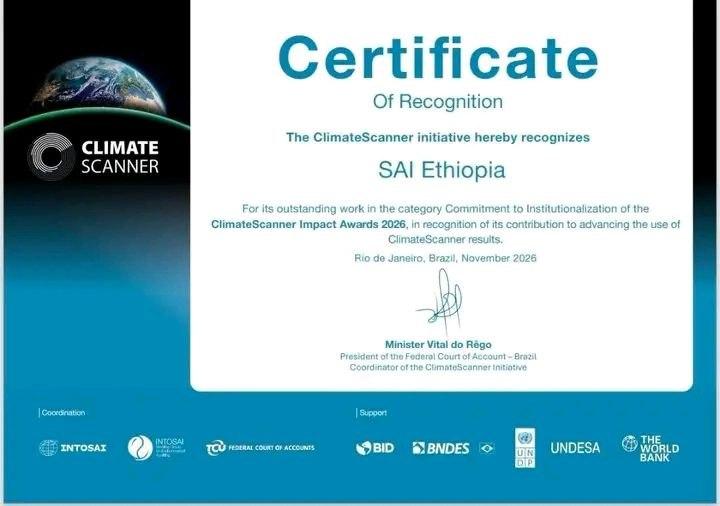
Ethiopia Wins Int’l Award for Institutionalizing Climate-Responsive Auditing
Nov 17, 2026 13775
Addis Ababa, November 17, 2026--The Office of the Federal Auditor General has won international recognition for its efforts to institutionalize climate-responsive auditing at the 2026 ClimateScanner Impact Awards held in Rio de Janeiro, Brazil. The award recognizes OFAG’s efforts to integrate climate change considerations into its institutional structures, strategic planning and auditing practices, according to the ClimateScanner initiative. In particular, the initiative commended the Office for establishing a dedicated Environmental Performance Audit Department, integrating climate-responsive auditing into its Strategic Plan for 2026–2031. The achievements demonstrate OFAG’s efforts to make climate-related auditing an integral part of its institutional operations and long-term strategic direction, it stated. The winners of the 2026 ClimateScanner Impact Awards were selected by an international panel of judges comprising representatives of Supreme Audit Institutions (SAIs) and partner organizations. The awards were announced during a special ceremony held as part of the ClimateScanner Summit 2026 in Rio de Janeiro, Brazil, on November 5–6. ClimateScanner is a global collaborative initiative led by Supreme Audit Institutions from more than 100 countries to assess government responses to climate change. The initiative provides a framework for evaluating government actions on climate change and strengthening accountability through independent public-sector auditing.


