ENA - ENA English
Live:


Headlines
.jpg)
Diplomatic Visibility, Strategic Deterrence and Growing Stakes in the Red Sea Region
Nov 1, 2026 2522
By Staff Writer November 1, 2026 (ENA) The final week of October 2026 brought Ethiopia into sharper international focus, as the country advanced its defence modernization, strengthened strategic partnerships and renewed attention to its interests in the Abay (Nile) Basin and Red Sea region. From the announcement of the delivery of advanced fighter jets and plans to acquire sophisticated air defence systems to high-level diplomatic engagements at the Russia-Africa Summit, Ethiopia's activities reflected the growing intersection of national security, economic ambitions and regional geopolitics. Prime Minister Abiy Ahmed's participation in the Third Russia-Africa Summit in Moscow provided an important platform for advancing bilateral and continental cooperation. His announcement that Ethiopia had received its first 12 Su-35 fighter jets and was set to acquire four batteries of S-400 air defence systems also brought the country's military modernization into the international spotlight. Meanwhile, the Third Ethiopian Water and Energy Week highlighted the country's efforts to strengthen water-resource management amid rising demand from agriculture, industry and a growing population. In Addis Ababa, the introduction of the first 26 natural gas-powered city buses marked another step towards reducing fuel imports, lowering transport costs and expanding the use of locally sourced energy. Beyond these developments, discussions surrounding Ethiopia's interests in the Abay River and sustainable access to the Red Sea continued to feature prominently in national and international discourse. Together, these developments underscored Ethiopia's efforts to strengthen its national capabilities, diversify international partnerships and advance its economic and strategic interests in an increasingly interconnected regional environment. Defence Modernization: Ethiopia Advances Strategic Deterrence One of the week's most consequential announcements came from Prime Minister Abiy Ahmed, who disclosed that Ethiopia had taken delivery of its first 12 Russian-made Su-35 4++ generation fighter jets and was preparing to receive four batteries of S-400 air defence systems. The Prime Minister described the development as a significant milestone in the country's efforts to strengthen national defence and security capabilities, emphasizing the importance of building military readiness during peacetime to deter potential threats. "Today, in accordance with our prior agreement with the Russian government, we have taken delivery of the first twelve Su-35 4++ Generation fighter jets," he announced. He further disclosed that Ethiopia would receive four batteries of S-400 air defence systems, marking another major component of the country's military modernization programme. The Prime Minister elaborated that the delivery was expedited ahead of schedule following high-level engagements with the Russian government, including discussions with President Vladimir Putin. Highlighting the capabilities of the newly acquired aircraft, Abiy said the Su-35 combines advanced radar technology, high manoeuvrability and air-to-air and air-to-ground combat capabilities. He also pointed to its ability to detect and engage aerial threats, including cruise missiles and certain ballistic targets. The acquisition signals Ethiopia's intention to strengthen its air capabilities as part of a broader effort to modernize the Ethiopian National Defence Force (ENDF). Beyond acquiring sophisticated military platforms, the country's evolving defence priorities also place emphasis on operational readiness, technological capabilities and the institutional capacity required to maintain and sustain modern military systems. The announcement has consequently drawn international attention to Ethiopia's changing defence posture and its implications for the wider Horn of Africa and Red Sea security environment. Russia-Africa Summit: Advancing Ethiopia's Strategic Partnerships Ethiopia's defence announcement coincided with Prime Minister Abiy Ahmed's participation in the Third Russia-Africa Summit in Moscow, where he engaged in bilateral and multilateral discussions aimed at expanding cooperation across strategic sectors. Among the key engagements was his meeting with Russian President Vladimir Putin, during which the two leaders discussed ways to deepen the longstanding relationship between their countries. PM Abiy pointed out that the discussions explored opportunities for expanding cooperation in nuclear energy, healthcare, trade and other areas of mutual interest. The meeting reflected the two countries' continued interest in broadening their partnership beyond traditional diplomatic relations into sectors central to Ethiopia's long-term economic and technological ambitions. In a gesture underscoring the importance of intellectual exchange and mutual understanding, the Ethiopian Prime Minister also presented Putin with the Russian edition of his book, Medemer. PM Abiy described the presentation as reflecting the shared commitment of the two countries to dialogue, mutual understanding and the continued advancement of bilateral relations. Addressing the summit, the Prime Minister emphasized the importance of translating longstanding diplomatic relationships and strategic commitments into tangible development outcomes. He identified food security and agricultural productivity, reliable energy supply, and skills and knowledge transfer as three essential pillars underpinning Ethiopia's development ambitions. He further noted that Ethiopia and Russia have maintained diplomatic relations for more than a century, founded on mutual respect and shared interests. As part of efforts to expand this historic partnership, the two countries are pursuing cooperation on the development of a nuclear power plant in Ethiopia, an initiative expected to contribute to the country's long-term energy ambitions. Prime Minister Abiy said the strategic partnership with Russia could help diversify Ethiopia's energy options, accelerate its development aspirations and strengthen cooperation in areas critical to national prosperity. Water and Energy: Strengthening the Foundation for Sustainable Development While defence and diplomacy attracted considerable international attention, Ethiopia's water and energy agenda remained another important focus during the week. The Third Ethiopian Water and Energy Week brought together policymakers, technical experts and other stakeholders to examine the country's progress and challenges in managing its water resources and expanding access to essential services. The third day of the event was dedicated to Water Day under the theme "Evidence to Action: Science-Based Solutions for Integrated WASH and Water Resource Management." Discussions focused on strengthening the identification, documentation and sustainable management of Ethiopia's surface and groundwater resources as population growth, industrialization and agricultural expansion continue to increase national demand. The gathering also provided an opportunity to assess progress over the past decade in drinking water supply and sanitation, recognize achievements and identify remaining gaps. For Ethiopia, effective water-resource management is closely linked to food security, energy generation, industrial development and public health. With agriculture remaining central to the national economy, improved water management and expanded irrigation infrastructure are increasingly important to strengthening agricultural productivity and reducing vulnerability to climate-related shocks. The discussions therefore highlighted the importance of translating scientific evidence, research and policy commitments into practical solutions that can support the country's long-term development. Addis Ababa Introduces Its First Natural Gas-Powered City Buses Another notable development during the week was the introduction of the first 26 natural gas-powered city buses into Addis Ababa's public transportation system. Prime Minister Abiy Ahmed announced that the buses, converted from conventional fuel to natural gas, had officially entered service, marking a new phase in the capital's efforts to modernize public transport and diversify its energy sources. The initiative is expected to reduce the country's fuel import bill, lower public transport operating expenses and make transportation more affordable for passengers. the Prime Minister revealed that the transition is projected to cut passenger fares by half while reducing foreign currency expenditure on conventional fuels. He explained that the initiative followed months of work to transport domestically produced natural gas to Addis Ababa, establish refuelling facilities and retrofit existing buses. Beyond its immediate transport benefits, the project demonstrates efforts to expand the domestic application of locally available energy resources and strengthen technological and industrial capabilities. The Premier also disclosed that an additional 400 natural gas-powered buses were expected to arrive soon, as the government seeks to accelerate the transition towards more affordable and diversified public transportation. The initiative forms part of broader efforts to improve urban mobility, reduce dependence on imported petroleum products and deliver tangible economic benefits to citizens. Abay and Red Sea: Ethiopia's Strategic Interests Gain International Attention Alongside developments in defence, diplomacy and economic transformation, Ethiopia's interests in the Abay River and sustainable access to the Red Sea continued to attract attention from political leaders, analysts and international commentators. The country's geographical position, population size, economic ambitions and growing regional responsibilities have increasingly brought these issues into discussions about the future of the Horn of Africa. Former Prime Minister Hailemariam Desalegn described Ethiopia's pursuit of sustainable sea access as a legitimate national aspiration that should be addressed through dialogue, negotiations and mutually beneficial arrangements. He argued that the central question should not be whether Ethiopia needs access to the sea, but how such access can be secured peacefully while respecting the interests of all parties. With a population of approximately 130 million, a growing economy and a vast geographical area, Ethiopia is the world's most populous landlocked country. Hailemariam described the loss of direct maritime access as a historical development that continues to influence the country's economic and strategic interests. He also traced the region's present geographical arrangements to the European scramble for Africa in the 1880s, arguing that the issue deserves serious consideration rather than being passed on to future generations. His remarks added to the growing discussion about Ethiopia's maritime interests and the importance of pursuing regional solutions through constructive engagement. Meanwhile, former African Union Commission Chairperson Nkosazana Dlamini-Zuma highlighted Ethiopia's broader continental significance, particularly its homegrown development approach and investments in energy. Speaking to ENA in Moscow ahead of the Russia-Africa Summit, Dlamini-Zuma described Ethiopia as an important model of African development and self-determination. Having led the African Union Commission from its headquarters in Addis Ababa between 2012 and 2017, she emphasized the country's unique responsibility as the diplomatic capital of Africa. She said Ethiopia should continue contributing to the vision of an integrated, peaceful and prosperous continent, driven by African leadership and the aspirations of its people. Her remarks highlighted the importance of Ethiopia's development experience and its role in advancing continental cooperation. A Week Reflecting Ethiopia's Expanding Strategic Priorities Taken together, the developments of the final week of October reflected several interconnected dimensions of Ethiopia's national priorities. The defence acquisitions highlighted efforts to strengthen military readiness and strategic deterrence. The Russia-Africa Summit provided an opportunity to expand international partnerships in energy, trade, healthcare and technology. The Water and Energy Week reinforced the importance of sustainable resource management, while the introduction of natural gas-powered buses demonstrated the practical application of domestic energy resources. At the same time, discussions surrounding the Abay River and Red Sea access underscored the enduring importance of geography, economic interests and regional cooperation in shaping Ethiopia's strategic outlook. These developments point to a broader national agenda in which security, economic transformation, technological advancement and diplomatic engagement increasingly intersect. As Ethiopia continues to pursue its development ambitions and navigate a changing regional and international environment, the challenge will be to translate these strategic priorities into sustainable economic gains, stronger national institutions and peaceful, mutually beneficial regional partnerships.
.jpg)
Israeli Water Expert Sees Ethiopia’s Water Potential as Catalyst for Agricultural Superpower Ambition
Nov 1, 2026 2461
Addis Ababa, November 1, 2026 (ENA)— Ethiopia has enormous potential to advance agriculture and other development sectors through additional dams and other water-related projects, an Israeli water-technology expert said. The country has vast potential to harness its water resources, while investments in hydropower and expanding infrastructure offer enormous opportunities to transform its agricultural sector, boost energy production and accelerate broader economic development, he told ENA. Ravid Levy, Director of WaterEdge.IL, Israel’s national water innovation community, said Ethiopia has the potential to emerge as an agricultural powerhouse if its water resources and ongoing development projects are effectively harnessed. In an exclusive interview with ENA on the sidelines of the Third Ethiopian Water and Energy Week in Addis Ababa, Levy highlighted the country's expanding infrastructure, hydropower development and growing economy as key foundations for unlocking its agricultural and economic potential. "Ethiopia has a huge potential with the dam, with other projects, with growing infrastructure, economy, and agriculture as well. It could be and can be an agriculture superpower," he said. Levy, an Israeli water-technology expert, noted that water and energy are closely interconnected. He further stressed that coordinated development of the two sectors is essential to expanding electricity generation, improving water management and supporting sustainable economic growth. The expert emphasized that effectively harnessing Ethiopia's water resources could generate wider economic and social benefits, particularly by strengthening agricultural productivity, food security and energy access. He also underscored the importance of modern water-management technologies, including smart monitoring, metering and systems to reduce non-revenue water, in improving the efficiency and sustainability of water utilities. Turning to bilateral cooperation, Levy said Israel's experience in water management, technological innovation and research offers significant opportunities for collaboration with Ethiopian institutions. He identified joint academic research, partnerships between technology companies and Ethiopian water utilities, and technology transfer as promising areas for advancing bilateral cooperation. He explained that partnerships between Ethiopian and Israeli universities could combine their research capabilities to develop practical solutions to water-related challenges, adapting existing technologies and expertise to Ethiopia's specific needs and development priorities. Similarly, collaboration between Israeli technology companies and Ethiopian water utilities could help introduce innovative solutions in smart water monitoring, metering, water-loss reduction and improved service delivery. Highlighting the wider significance of water development, Levy said reliable water supply and effective wastewater management are essential not only for agriculture but also for public health, environmental protection and economic advancement. He further stressed that strong government commitment, complemented by the active participation of universities, private companies and other stakeholders, is crucial to translating the two countries' shared development interests into tangible results. Levy said such cooperation could help both countries address their respective water challenges while advancing technological innovation and sustainable development.
.jpg)
Ethiopia’s Defence Modernization Signals New Era of Strategic Deterrence
Nov 1, 2026 2774
By Staff Writer November 1, 2026 (ENA) Ethiopia’s announcement of the acquisition of advanced Russian-made Su-35 fighter jets and plans to receive S-400 air defence systems marks a significant development in the country’s efforts to modernize its national defence capabilities, strengthen the protection of its airspace and reinforce its strategic deterrence. Prime Minister Abiy Ahmed announced on October 28 in Moscow, Russia that Ethiopia had taken delivery of its first batch of Su-35 fighter jets under an agreement with Russia and would also receive four batteries of the S-400 air defence system. He described the development as a major milestone in the country’s efforts to strengthen national security, safeguard sovereignty and contribute to regional stability. The announcement, made during the Prime Minister’s visit to Moscow for the Third Russia–Africa Summit, also underscored the growing defence cooperation between Ethiopia and Russia. Beyond Military Acquisition: A Strategic Investment in National Security The acquisition represents more than the addition of advanced military equipment to Ethiopia’s arsenal. It reflects a broader effort to build a modern defence force capable of responding to evolving security challenges and protecting the country's national interests. The Su-35, a fourth-generation-plus multirole fighter, is designed to undertake air-superiority and air-to-ground missions. Its advanced radar, manoeuvrability and weapons systems provide capabilities for airspace surveillance, interception and a range of combat operations. The planned acquisition of the Russian-made S-400 system would add another dimension to Ethiopia’s air defence architecture. Designed to engage aircraft, cruise missiles and other aerial threats, the system is intended to provide long-range air defence capabilities and strengthen the protection of strategic assets. Together, these platforms could expand Ethiopia’s capacity to monitor and defend its airspace. However, their effectiveness will depend not only on the equipment itself but also on trained personnel, maintenance systems, logistics, command-and-control infrastructure and the ability to integrate different defence capabilities. Deterrence as an Instrument of Peace The strategic significance of military modernization extends beyond battlefield capabilities. A credible defence posture can serve as a deterrent by raising the potential costs of aggression and discouraging threats before they escalate into conflict. Prime Minister Abiy has emphasized this principle, noting that military preparedness is not simply about fighting wars but also about preventing them. For Ethiopia, strengthening defence readiness is closely connected to protecting its sovereignty, territorial integrity and national development interests. The objective, as articulated by the government, is to build the capacity to safeguard peace and security while reducing vulnerability to external threats. This approach places deterrence within a broader national security framework in which military preparedness is intended to support stability rather than confrontation. Regional Security and the Horn of Africa Ethiopia’s defence modernization carries significance beyond its national borders, particularly given its strategic position in the Horn of Africa and its extensive economic and security interests across the wider Red Sea region. As a landlocked country with a large population and substantial dependence on regional trade and transport corridors, Ethiopia has important interests in the security of its airspace, critical infrastructure and cross-border economic connections. The evolving security environment in the Horn of Africa, together with the growing use of drones, precision-guided weapons and other emerging military technologies, has increased the importance of modern surveillance, air defence and rapid-response capabilities. In this context, Ethiopia’s investment in advanced fighter aircraft and air defence systems reflects an effort to adapt its defence posture to changing regional and technological realities. At the same time, military modernization alone cannot guarantee regional stability. Sustainable peace also requires diplomatic engagement, confidence-building, respect for national sovereignty and stronger regional cooperation. A credible deterrent is most effective when complemented by constructive relations with neighbouring countries and regional institutions. Building a Modern and Sustainable Defence Force The acquisition of advanced platforms also places greater importance on the institutional and technological foundations of national defence. Operating sophisticated fighter aircraft and integrated air defence systems requires specialized training, reliable maintenance facilities, technical expertise, secure supply chains and sustained investment in personnel development. The Ethiopian National Defence Force (ENDF) has made significant strides in expanding its military capabilities through the acquisition of modern and sophisticated weaponry, reflecting an ambitious effort to transform its defence posture. Beyond conventional military capabilities, the ENDF is increasingly moving towards a technology-driven defence model, seeking to integrate artificial intelligence, cyber operations, digital warfare and advanced surveillance technologies into its military operations. This transition reflects the changing nature of modern warfare, where technological superiority, real-time intelligence and integrated command-and-control systems are becoming increasingly important. However, building a modern and technologically advanced military requires more than acquiring sophisticated weapons systems. It also demands sustained investment in specialized training, technical expertise, maintenance infrastructure, logistics, research and development, and institutional capacity to operate and sustain these capabilities over the long term. Strengthening these foundations will be essential to translating military modernization into lasting operational readiness and strategic self-reliance. The development also highlights the importance of strengthening domestic technical expertise and reducing dependence on external support wherever possible. Building such capabilities is essential to ensuring that military modernization translates into sustainable national defence readiness. Sovereignty, Security and the Pursuit of Peace Ethiopia’s latest defence acquisitions form part of a broader national effort to strengthen its security institutions and respond to an increasingly complex regional environment. The delivery of the Su-35 fighter jets and the planned arrival of the S-400 systems signal an expansion of the country’s defence ambitions and its military cooperation with Russia. Ultimately, the significance of this modernization will be measured not simply by the sophistication of the equipment acquired, but by the country's ability to translate those capabilities into effective national defence, strategic resilience and a more secure regional environment. For Ethiopia, the central objective remains the protection of sovereignty and the preservation of peace. A modern, capable and sustainable defence force, complemented by diplomacy and regional cooperation, can play an important role in safeguarding national interests and creating the security conditions necessary for long-term development.

Danish Diplomat Hails Ethiopia’s Energy Advances as Catalyst for Strategic Partnership
Nov 1, 2026 1831
Addis Ababa, November 1, 2026 (ENA)— Ethiopia’s growing renewable energy capacity and ambitious green development agenda are creating significant opportunities to deepen strategic cooperation with Denmark in clean energy, water management and climate resilience, a Danish diplomat has told ENA. Thomas Fleurine Sorensen, Counsellor at the Embassy of Denmark in Ethiopia, highlighted the longstanding partnership between the two countries during an interview with ENA on the sidelines of the Third Ethiopian Water and Energy Week in Addis Ababa. He said Ethiopia’s progress in renewable energy and its commitment to sustainable development provide a strong foundation for expanding bilateral cooperation, particularly through knowledge exchange, institutional partnerships, and greater private-sector engagement. Sorensen identified the Assela Wind Farm as a flagship example of the two countries’ cooperation. He further underscored the importance of renewable energy investments in diversifying Ethiopia’s energy mix, increasing electricity generation, and advancing its green transition. The Counsellor reaffirmed Denmark’s commitment to supporting Ethiopia’s development priorities, emphasizing that stronger institutional and human-resource capacities are essential to ensuring sustainable progress. He particularly highlighted the importance of science-based, evidence-driven policymaking in the energy sector. Commending Ethiopia’s achievements in expanding its electricity grid and advancing universal energy access, the diplomat said the country’s experience offers valuable lessons for other African nations pursuing ambitious energy and development targets. With Ethiopia preparing to host COP32 in 2027, Sorensen also stressed the importance of strategic planning and clear priorities in advancing the country’s climate ambitions, reaffirming Denmark’s readiness to support its global climate objectives. He further praised Ethiopia’s willingness to pursue bold policy decisions in renewable energy and green growth. For him, the country’s development trajectory could inspire neighboring countries to embrace more ambitious and sustainable development pathways.
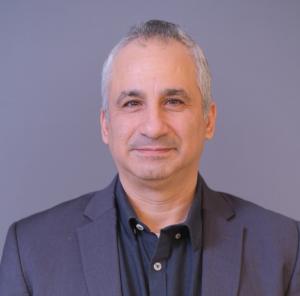
Israeli Researcher Says Ethiopia's Su-35 Fighters Spark Anxiety in Egyptian Circles
Oct 31, 2026 10688
Addis Ababa, October 31, 2026 (ENA) — Ethiopia’s acquisition of Russian Su-35 fighter jets has boosted Ethiopia’s military capabilities and its expanding regional influence, Israeli researcher and journalist with Israel’s Channel 14, Edy Cohen, said. In an exclusive interview with ENA, the researcher said Egyptian and Arab media outlets are closely following Ethiopia’s military development. Egypt views Ethiopia’s successful acquisition of the advanced fighter jets with growing concern, he added. According to Cohen, Egypt had previously sought to acquire the same Russian aircraft but abandoned the deal following American pressure and threats of severe sanctions. "Washington warned Egypt against concluding the military agreement with Moscow, prompting the Egyptian government to abandon its efforts to acquire the fighter jets." Ethiopia, meanwhile, managed to overcome these obstacles, using its diplomatic initiatives and international relations to secure the agreement with Russia, he elaborated. “The Egyptians are terrified of the aircraft Ethiopia has received from Russia,” Cohen said, pointing to the scale of concern the development has generated in Egypt. He stated that Ethiopia’s success in acquiring the fighter jets, despite the international pressure that forced Egypt to abandon its own efforts, demonstrates a clear difference in the two countries’ ability to manage international relations and advance their strategic interests. Cohen also criticized Egyptian policies, arguing that Egypt lacks a coherent political vision capable of addressing domestic challenges and regional transformations. He added that mounting economic difficulties, alongside political and regional challenges, are raising increasing questions about the Egyptian leadership’s ability to manage the country's affairs. Cohen’s remarks highlight the contrast between Ethiopia’s approach of expanding international partnerships and strengthening its defense capabilities, and Egypt’s trajectory of mounting domestic economic pressures and growing challenges in its regional policy. Recall that Ethiopia received advanced Russian Su-35 fighter jets as part of the country’s ongoing efforts to strengthen its defense capabilities and modernize its military infrastructure. Addressing the broader geopolitical landscape, Prime Minister Abiy stressed that robust preparation during times of peace is essential to insulate the nation from external vulnerabilities. "If we fail to build this capability, surviving as a country in our region will become difficult. Because of this, we have been training personnel, and the Su-35s we have now been equipped adequately help defend Ethiopia's airspace. Above all, however, countries with sufficient preparation are not easily defied. Preparation averts conflict." As the first nation in Sub-Saharan Africa to harness such advanced military capabilities, Ethiopia has significantly strengthened its deterrent framework.
Featured
.jpg)
Diplomatic Visibility, Strategic Deterrence and Growing Stakes in the Red Sea Region
Nov 1, 2026 2522
By Staff Writer November 1, 2026 (ENA) The final week of October 2026 brought Ethiopia into sharper international focus, as the country advanced its defence modernization, strengthened strategic partnerships and renewed attention to its interests in the Abay (Nile) Basin and Red Sea region. From the announcement of the delivery of advanced fighter jets and plans to acquire sophisticated air defence systems to high-level diplomatic engagements at the Russia-Africa Summit, Ethiopia's activities reflected the growing intersection of national security, economic ambitions and regional geopolitics. Prime Minister Abiy Ahmed's participation in the Third Russia-Africa Summit in Moscow provided an important platform for advancing bilateral and continental cooperation. His announcement that Ethiopia had received its first 12 Su-35 fighter jets and was set to acquire four batteries of S-400 air defence systems also brought the country's military modernization into the international spotlight. Meanwhile, the Third Ethiopian Water and Energy Week highlighted the country's efforts to strengthen water-resource management amid rising demand from agriculture, industry and a growing population. In Addis Ababa, the introduction of the first 26 natural gas-powered city buses marked another step towards reducing fuel imports, lowering transport costs and expanding the use of locally sourced energy. Beyond these developments, discussions surrounding Ethiopia's interests in the Abay River and sustainable access to the Red Sea continued to feature prominently in national and international discourse. Together, these developments underscored Ethiopia's efforts to strengthen its national capabilities, diversify international partnerships and advance its economic and strategic interests in an increasingly interconnected regional environment. Defence Modernization: Ethiopia Advances Strategic Deterrence One of the week's most consequential announcements came from Prime Minister Abiy Ahmed, who disclosed that Ethiopia had taken delivery of its first 12 Russian-made Su-35 4++ generation fighter jets and was preparing to receive four batteries of S-400 air defence systems. The Prime Minister described the development as a significant milestone in the country's efforts to strengthen national defence and security capabilities, emphasizing the importance of building military readiness during peacetime to deter potential threats. "Today, in accordance with our prior agreement with the Russian government, we have taken delivery of the first twelve Su-35 4++ Generation fighter jets," he announced. He further disclosed that Ethiopia would receive four batteries of S-400 air defence systems, marking another major component of the country's military modernization programme. The Prime Minister elaborated that the delivery was expedited ahead of schedule following high-level engagements with the Russian government, including discussions with President Vladimir Putin. Highlighting the capabilities of the newly acquired aircraft, Abiy said the Su-35 combines advanced radar technology, high manoeuvrability and air-to-air and air-to-ground combat capabilities. He also pointed to its ability to detect and engage aerial threats, including cruise missiles and certain ballistic targets. The acquisition signals Ethiopia's intention to strengthen its air capabilities as part of a broader effort to modernize the Ethiopian National Defence Force (ENDF). Beyond acquiring sophisticated military platforms, the country's evolving defence priorities also place emphasis on operational readiness, technological capabilities and the institutional capacity required to maintain and sustain modern military systems. The announcement has consequently drawn international attention to Ethiopia's changing defence posture and its implications for the wider Horn of Africa and Red Sea security environment. Russia-Africa Summit: Advancing Ethiopia's Strategic Partnerships Ethiopia's defence announcement coincided with Prime Minister Abiy Ahmed's participation in the Third Russia-Africa Summit in Moscow, where he engaged in bilateral and multilateral discussions aimed at expanding cooperation across strategic sectors. Among the key engagements was his meeting with Russian President Vladimir Putin, during which the two leaders discussed ways to deepen the longstanding relationship between their countries. PM Abiy pointed out that the discussions explored opportunities for expanding cooperation in nuclear energy, healthcare, trade and other areas of mutual interest. The meeting reflected the two countries' continued interest in broadening their partnership beyond traditional diplomatic relations into sectors central to Ethiopia's long-term economic and technological ambitions. In a gesture underscoring the importance of intellectual exchange and mutual understanding, the Ethiopian Prime Minister also presented Putin with the Russian edition of his book, Medemer. PM Abiy described the presentation as reflecting the shared commitment of the two countries to dialogue, mutual understanding and the continued advancement of bilateral relations. Addressing the summit, the Prime Minister emphasized the importance of translating longstanding diplomatic relationships and strategic commitments into tangible development outcomes. He identified food security and agricultural productivity, reliable energy supply, and skills and knowledge transfer as three essential pillars underpinning Ethiopia's development ambitions. He further noted that Ethiopia and Russia have maintained diplomatic relations for more than a century, founded on mutual respect and shared interests. As part of efforts to expand this historic partnership, the two countries are pursuing cooperation on the development of a nuclear power plant in Ethiopia, an initiative expected to contribute to the country's long-term energy ambitions. Prime Minister Abiy said the strategic partnership with Russia could help diversify Ethiopia's energy options, accelerate its development aspirations and strengthen cooperation in areas critical to national prosperity. Water and Energy: Strengthening the Foundation for Sustainable Development While defence and diplomacy attracted considerable international attention, Ethiopia's water and energy agenda remained another important focus during the week. The Third Ethiopian Water and Energy Week brought together policymakers, technical experts and other stakeholders to examine the country's progress and challenges in managing its water resources and expanding access to essential services. The third day of the event was dedicated to Water Day under the theme "Evidence to Action: Science-Based Solutions for Integrated WASH and Water Resource Management." Discussions focused on strengthening the identification, documentation and sustainable management of Ethiopia's surface and groundwater resources as population growth, industrialization and agricultural expansion continue to increase national demand. The gathering also provided an opportunity to assess progress over the past decade in drinking water supply and sanitation, recognize achievements and identify remaining gaps. For Ethiopia, effective water-resource management is closely linked to food security, energy generation, industrial development and public health. With agriculture remaining central to the national economy, improved water management and expanded irrigation infrastructure are increasingly important to strengthening agricultural productivity and reducing vulnerability to climate-related shocks. The discussions therefore highlighted the importance of translating scientific evidence, research and policy commitments into practical solutions that can support the country's long-term development. Addis Ababa Introduces Its First Natural Gas-Powered City Buses Another notable development during the week was the introduction of the first 26 natural gas-powered city buses into Addis Ababa's public transportation system. Prime Minister Abiy Ahmed announced that the buses, converted from conventional fuel to natural gas, had officially entered service, marking a new phase in the capital's efforts to modernize public transport and diversify its energy sources. The initiative is expected to reduce the country's fuel import bill, lower public transport operating expenses and make transportation more affordable for passengers. the Prime Minister revealed that the transition is projected to cut passenger fares by half while reducing foreign currency expenditure on conventional fuels. He explained that the initiative followed months of work to transport domestically produced natural gas to Addis Ababa, establish refuelling facilities and retrofit existing buses. Beyond its immediate transport benefits, the project demonstrates efforts to expand the domestic application of locally available energy resources and strengthen technological and industrial capabilities. The Premier also disclosed that an additional 400 natural gas-powered buses were expected to arrive soon, as the government seeks to accelerate the transition towards more affordable and diversified public transportation. The initiative forms part of broader efforts to improve urban mobility, reduce dependence on imported petroleum products and deliver tangible economic benefits to citizens. Abay and Red Sea: Ethiopia's Strategic Interests Gain International Attention Alongside developments in defence, diplomacy and economic transformation, Ethiopia's interests in the Abay River and sustainable access to the Red Sea continued to attract attention from political leaders, analysts and international commentators. The country's geographical position, population size, economic ambitions and growing regional responsibilities have increasingly brought these issues into discussions about the future of the Horn of Africa. Former Prime Minister Hailemariam Desalegn described Ethiopia's pursuit of sustainable sea access as a legitimate national aspiration that should be addressed through dialogue, negotiations and mutually beneficial arrangements. He argued that the central question should not be whether Ethiopia needs access to the sea, but how such access can be secured peacefully while respecting the interests of all parties. With a population of approximately 130 million, a growing economy and a vast geographical area, Ethiopia is the world's most populous landlocked country. Hailemariam described the loss of direct maritime access as a historical development that continues to influence the country's economic and strategic interests. He also traced the region's present geographical arrangements to the European scramble for Africa in the 1880s, arguing that the issue deserves serious consideration rather than being passed on to future generations. His remarks added to the growing discussion about Ethiopia's maritime interests and the importance of pursuing regional solutions through constructive engagement. Meanwhile, former African Union Commission Chairperson Nkosazana Dlamini-Zuma highlighted Ethiopia's broader continental significance, particularly its homegrown development approach and investments in energy. Speaking to ENA in Moscow ahead of the Russia-Africa Summit, Dlamini-Zuma described Ethiopia as an important model of African development and self-determination. Having led the African Union Commission from its headquarters in Addis Ababa between 2012 and 2017, she emphasized the country's unique responsibility as the diplomatic capital of Africa. She said Ethiopia should continue contributing to the vision of an integrated, peaceful and prosperous continent, driven by African leadership and the aspirations of its people. Her remarks highlighted the importance of Ethiopia's development experience and its role in advancing continental cooperation. A Week Reflecting Ethiopia's Expanding Strategic Priorities Taken together, the developments of the final week of October reflected several interconnected dimensions of Ethiopia's national priorities. The defence acquisitions highlighted efforts to strengthen military readiness and strategic deterrence. The Russia-Africa Summit provided an opportunity to expand international partnerships in energy, trade, healthcare and technology. The Water and Energy Week reinforced the importance of sustainable resource management, while the introduction of natural gas-powered buses demonstrated the practical application of domestic energy resources. At the same time, discussions surrounding the Abay River and Red Sea access underscored the enduring importance of geography, economic interests and regional cooperation in shaping Ethiopia's strategic outlook. These developments point to a broader national agenda in which security, economic transformation, technological advancement and diplomatic engagement increasingly intersect. As Ethiopia continues to pursue its development ambitions and navigate a changing regional and international environment, the challenge will be to translate these strategic priorities into sustainable economic gains, stronger national institutions and peaceful, mutually beneficial regional partnerships.
.jpg)
Israeli Water Expert Sees Ethiopia’s Water Potential as Catalyst for Agricultural Superpower Ambition
Nov 1, 2026 2461
Addis Ababa, November 1, 2026 (ENA)— Ethiopia has enormous potential to advance agriculture and other development sectors through additional dams and other water-related projects, an Israeli water-technology expert said. The country has vast potential to harness its water resources, while investments in hydropower and expanding infrastructure offer enormous opportunities to transform its agricultural sector, boost energy production and accelerate broader economic development, he told ENA. Ravid Levy, Director of WaterEdge.IL, Israel’s national water innovation community, said Ethiopia has the potential to emerge as an agricultural powerhouse if its water resources and ongoing development projects are effectively harnessed. In an exclusive interview with ENA on the sidelines of the Third Ethiopian Water and Energy Week in Addis Ababa, Levy highlighted the country's expanding infrastructure, hydropower development and growing economy as key foundations for unlocking its agricultural and economic potential. "Ethiopia has a huge potential with the dam, with other projects, with growing infrastructure, economy, and agriculture as well. It could be and can be an agriculture superpower," he said. Levy, an Israeli water-technology expert, noted that water and energy are closely interconnected. He further stressed that coordinated development of the two sectors is essential to expanding electricity generation, improving water management and supporting sustainable economic growth. The expert emphasized that effectively harnessing Ethiopia's water resources could generate wider economic and social benefits, particularly by strengthening agricultural productivity, food security and energy access. He also underscored the importance of modern water-management technologies, including smart monitoring, metering and systems to reduce non-revenue water, in improving the efficiency and sustainability of water utilities. Turning to bilateral cooperation, Levy said Israel's experience in water management, technological innovation and research offers significant opportunities for collaboration with Ethiopian institutions. He identified joint academic research, partnerships between technology companies and Ethiopian water utilities, and technology transfer as promising areas for advancing bilateral cooperation. He explained that partnerships between Ethiopian and Israeli universities could combine their research capabilities to develop practical solutions to water-related challenges, adapting existing technologies and expertise to Ethiopia's specific needs and development priorities. Similarly, collaboration between Israeli technology companies and Ethiopian water utilities could help introduce innovative solutions in smart water monitoring, metering, water-loss reduction and improved service delivery. Highlighting the wider significance of water development, Levy said reliable water supply and effective wastewater management are essential not only for agriculture but also for public health, environmental protection and economic advancement. He further stressed that strong government commitment, complemented by the active participation of universities, private companies and other stakeholders, is crucial to translating the two countries' shared development interests into tangible results. Levy said such cooperation could help both countries address their respective water challenges while advancing technological innovation and sustainable development.
.jpg)
Ethiopia’s Defence Modernization Signals New Era of Strategic Deterrence
Nov 1, 2026 2774
By Staff Writer November 1, 2026 (ENA) Ethiopia’s announcement of the acquisition of advanced Russian-made Su-35 fighter jets and plans to receive S-400 air defence systems marks a significant development in the country’s efforts to modernize its national defence capabilities, strengthen the protection of its airspace and reinforce its strategic deterrence. Prime Minister Abiy Ahmed announced on October 28 in Moscow, Russia that Ethiopia had taken delivery of its first batch of Su-35 fighter jets under an agreement with Russia and would also receive four batteries of the S-400 air defence system. He described the development as a major milestone in the country’s efforts to strengthen national security, safeguard sovereignty and contribute to regional stability. The announcement, made during the Prime Minister’s visit to Moscow for the Third Russia–Africa Summit, also underscored the growing defence cooperation between Ethiopia and Russia. Beyond Military Acquisition: A Strategic Investment in National Security The acquisition represents more than the addition of advanced military equipment to Ethiopia’s arsenal. It reflects a broader effort to build a modern defence force capable of responding to evolving security challenges and protecting the country's national interests. The Su-35, a fourth-generation-plus multirole fighter, is designed to undertake air-superiority and air-to-ground missions. Its advanced radar, manoeuvrability and weapons systems provide capabilities for airspace surveillance, interception and a range of combat operations. The planned acquisition of the Russian-made S-400 system would add another dimension to Ethiopia’s air defence architecture. Designed to engage aircraft, cruise missiles and other aerial threats, the system is intended to provide long-range air defence capabilities and strengthen the protection of strategic assets. Together, these platforms could expand Ethiopia’s capacity to monitor and defend its airspace. However, their effectiveness will depend not only on the equipment itself but also on trained personnel, maintenance systems, logistics, command-and-control infrastructure and the ability to integrate different defence capabilities. Deterrence as an Instrument of Peace The strategic significance of military modernization extends beyond battlefield capabilities. A credible defence posture can serve as a deterrent by raising the potential costs of aggression and discouraging threats before they escalate into conflict. Prime Minister Abiy has emphasized this principle, noting that military preparedness is not simply about fighting wars but also about preventing them. For Ethiopia, strengthening defence readiness is closely connected to protecting its sovereignty, territorial integrity and national development interests. The objective, as articulated by the government, is to build the capacity to safeguard peace and security while reducing vulnerability to external threats. This approach places deterrence within a broader national security framework in which military preparedness is intended to support stability rather than confrontation. Regional Security and the Horn of Africa Ethiopia’s defence modernization carries significance beyond its national borders, particularly given its strategic position in the Horn of Africa and its extensive economic and security interests across the wider Red Sea region. As a landlocked country with a large population and substantial dependence on regional trade and transport corridors, Ethiopia has important interests in the security of its airspace, critical infrastructure and cross-border economic connections. The evolving security environment in the Horn of Africa, together with the growing use of drones, precision-guided weapons and other emerging military technologies, has increased the importance of modern surveillance, air defence and rapid-response capabilities. In this context, Ethiopia’s investment in advanced fighter aircraft and air defence systems reflects an effort to adapt its defence posture to changing regional and technological realities. At the same time, military modernization alone cannot guarantee regional stability. Sustainable peace also requires diplomatic engagement, confidence-building, respect for national sovereignty and stronger regional cooperation. A credible deterrent is most effective when complemented by constructive relations with neighbouring countries and regional institutions. Building a Modern and Sustainable Defence Force The acquisition of advanced platforms also places greater importance on the institutional and technological foundations of national defence. Operating sophisticated fighter aircraft and integrated air defence systems requires specialized training, reliable maintenance facilities, technical expertise, secure supply chains and sustained investment in personnel development. The Ethiopian National Defence Force (ENDF) has made significant strides in expanding its military capabilities through the acquisition of modern and sophisticated weaponry, reflecting an ambitious effort to transform its defence posture. Beyond conventional military capabilities, the ENDF is increasingly moving towards a technology-driven defence model, seeking to integrate artificial intelligence, cyber operations, digital warfare and advanced surveillance technologies into its military operations. This transition reflects the changing nature of modern warfare, where technological superiority, real-time intelligence and integrated command-and-control systems are becoming increasingly important. However, building a modern and technologically advanced military requires more than acquiring sophisticated weapons systems. It also demands sustained investment in specialized training, technical expertise, maintenance infrastructure, logistics, research and development, and institutional capacity to operate and sustain these capabilities over the long term. Strengthening these foundations will be essential to translating military modernization into lasting operational readiness and strategic self-reliance. The development also highlights the importance of strengthening domestic technical expertise and reducing dependence on external support wherever possible. Building such capabilities is essential to ensuring that military modernization translates into sustainable national defence readiness. Sovereignty, Security and the Pursuit of Peace Ethiopia’s latest defence acquisitions form part of a broader national effort to strengthen its security institutions and respond to an increasingly complex regional environment. The delivery of the Su-35 fighter jets and the planned arrival of the S-400 systems signal an expansion of the country’s defence ambitions and its military cooperation with Russia. Ultimately, the significance of this modernization will be measured not simply by the sophistication of the equipment acquired, but by the country's ability to translate those capabilities into effective national defence, strategic resilience and a more secure regional environment. For Ethiopia, the central objective remains the protection of sovereignty and the preservation of peace. A modern, capable and sustainable defence force, complemented by diplomacy and regional cooperation, can play an important role in safeguarding national interests and creating the security conditions necessary for long-term development.
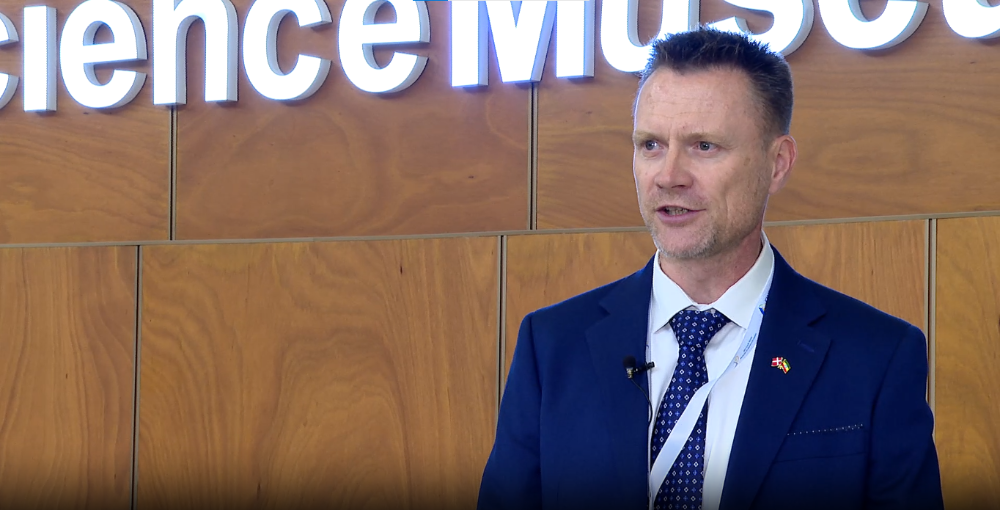
Danish Diplomat Hails Ethiopia’s Energy Advances as Catalyst for Strategic Partnership
Nov 1, 2026 1831
Addis Ababa, November 1, 2026 (ENA)— Ethiopia’s growing renewable energy capacity and ambitious green development agenda are creating significant opportunities to deepen strategic cooperation with Denmark in clean energy, water management and climate resilience, a Danish diplomat has told ENA. Thomas Fleurine Sorensen, Counsellor at the Embassy of Denmark in Ethiopia, highlighted the longstanding partnership between the two countries during an interview with ENA on the sidelines of the Third Ethiopian Water and Energy Week in Addis Ababa. He said Ethiopia’s progress in renewable energy and its commitment to sustainable development provide a strong foundation for expanding bilateral cooperation, particularly through knowledge exchange, institutional partnerships, and greater private-sector engagement. Sorensen identified the Assela Wind Farm as a flagship example of the two countries’ cooperation. He further underscored the importance of renewable energy investments in diversifying Ethiopia’s energy mix, increasing electricity generation, and advancing its green transition. The Counsellor reaffirmed Denmark’s commitment to supporting Ethiopia’s development priorities, emphasizing that stronger institutional and human-resource capacities are essential to ensuring sustainable progress. He particularly highlighted the importance of science-based, evidence-driven policymaking in the energy sector. Commending Ethiopia’s achievements in expanding its electricity grid and advancing universal energy access, the diplomat said the country’s experience offers valuable lessons for other African nations pursuing ambitious energy and development targets. With Ethiopia preparing to host COP32 in 2027, Sorensen also stressed the importance of strategic planning and clear priorities in advancing the country’s climate ambitions, reaffirming Denmark’s readiness to support its global climate objectives. He further praised Ethiopia’s willingness to pursue bold policy decisions in renewable energy and green growth. For him, the country’s development trajectory could inspire neighboring countries to embrace more ambitious and sustainable development pathways.

Israeli Researcher Says Ethiopia's Su-35 Fighters Spark Anxiety in Egyptian Circles
Oct 31, 2026 10688
Addis Ababa, October 31, 2026 (ENA) — Ethiopia’s acquisition of Russian Su-35 fighter jets has boosted Ethiopia’s military capabilities and its expanding regional influence, Israeli researcher and journalist with Israel’s Channel 14, Edy Cohen, said. In an exclusive interview with ENA, the researcher said Egyptian and Arab media outlets are closely following Ethiopia’s military development. Egypt views Ethiopia’s successful acquisition of the advanced fighter jets with growing concern, he added. According to Cohen, Egypt had previously sought to acquire the same Russian aircraft but abandoned the deal following American pressure and threats of severe sanctions. "Washington warned Egypt against concluding the military agreement with Moscow, prompting the Egyptian government to abandon its efforts to acquire the fighter jets." Ethiopia, meanwhile, managed to overcome these obstacles, using its diplomatic initiatives and international relations to secure the agreement with Russia, he elaborated. “The Egyptians are terrified of the aircraft Ethiopia has received from Russia,” Cohen said, pointing to the scale of concern the development has generated in Egypt. He stated that Ethiopia’s success in acquiring the fighter jets, despite the international pressure that forced Egypt to abandon its own efforts, demonstrates a clear difference in the two countries’ ability to manage international relations and advance their strategic interests. Cohen also criticized Egyptian policies, arguing that Egypt lacks a coherent political vision capable of addressing domestic challenges and regional transformations. He added that mounting economic difficulties, alongside political and regional challenges, are raising increasing questions about the Egyptian leadership’s ability to manage the country's affairs. Cohen’s remarks highlight the contrast between Ethiopia’s approach of expanding international partnerships and strengthening its defense capabilities, and Egypt’s trajectory of mounting domestic economic pressures and growing challenges in its regional policy. Recall that Ethiopia received advanced Russian Su-35 fighter jets as part of the country’s ongoing efforts to strengthen its defense capabilities and modernize its military infrastructure. Addressing the broader geopolitical landscape, Prime Minister Abiy stressed that robust preparation during times of peace is essential to insulate the nation from external vulnerabilities. "If we fail to build this capability, surviving as a country in our region will become difficult. Because of this, we have been training personnel, and the Su-35s we have now been equipped adequately help defend Ethiopia's airspace. Above all, however, countries with sufficient preparation are not easily defied. Preparation averts conflict." As the first nation in Sub-Saharan Africa to harness such advanced military capabilities, Ethiopia has significantly strengthened its deterrent framework.

POA English
Pulse Of Africa - English Language
Your news, current affairs and entertainment channel
Join us on
POA Arabic - عربي
Pulse Of Africa - Arabic Language
قناتكم الاخبارية و الترفيهية
Join us on
Politics
Diplomatic Visibility, Strategic Deterrence and Growing Stakes in the Red Sea Region
Nov 1, 2026 2522
By Staff Writer November 1, 2026 (ENA) The final week of October 2026 brought Ethiopia into sharper international focus, as the country advanced its defence modernization, strengthened strategic partnerships and renewed attention to its interests in the Abay (Nile) Basin and Red Sea region. From the announcement of the delivery of advanced fighter jets and plans to acquire sophisticated air defence systems to high-level diplomatic engagements at the Russia-Africa Summit, Ethiopia's activities reflected the growing intersection of national security, economic ambitions and regional geopolitics. Prime Minister Abiy Ahmed's participation in the Third Russia-Africa Summit in Moscow provided an important platform for advancing bilateral and continental cooperation. His announcement that Ethiopia had received its first 12 Su-35 fighter jets and was set to acquire four batteries of S-400 air defence systems also brought the country's military modernization into the international spotlight. Meanwhile, the Third Ethiopian Water and Energy Week highlighted the country's efforts to strengthen water-resource management amid rising demand from agriculture, industry and a growing population. In Addis Ababa, the introduction of the first 26 natural gas-powered city buses marked another step towards reducing fuel imports, lowering transport costs and expanding the use of locally sourced energy. Beyond these developments, discussions surrounding Ethiopia's interests in the Abay River and sustainable access to the Red Sea continued to feature prominently in national and international discourse. Together, these developments underscored Ethiopia's efforts to strengthen its national capabilities, diversify international partnerships and advance its economic and strategic interests in an increasingly interconnected regional environment. Defence Modernization: Ethiopia Advances Strategic Deterrence One of the week's most consequential announcements came from Prime Minister Abiy Ahmed, who disclosed that Ethiopia had taken delivery of its first 12 Russian-made Su-35 4++ generation fighter jets and was preparing to receive four batteries of S-400 air defence systems. The Prime Minister described the development as a significant milestone in the country's efforts to strengthen national defence and security capabilities, emphasizing the importance of building military readiness during peacetime to deter potential threats. "Today, in accordance with our prior agreement with the Russian government, we have taken delivery of the first twelve Su-35 4++ Generation fighter jets," he announced. He further disclosed that Ethiopia would receive four batteries of S-400 air defence systems, marking another major component of the country's military modernization programme. The Prime Minister elaborated that the delivery was expedited ahead of schedule following high-level engagements with the Russian government, including discussions with President Vladimir Putin. Highlighting the capabilities of the newly acquired aircraft, Abiy said the Su-35 combines advanced radar technology, high manoeuvrability and air-to-air and air-to-ground combat capabilities. He also pointed to its ability to detect and engage aerial threats, including cruise missiles and certain ballistic targets. The acquisition signals Ethiopia's intention to strengthen its air capabilities as part of a broader effort to modernize the Ethiopian National Defence Force (ENDF). Beyond acquiring sophisticated military platforms, the country's evolving defence priorities also place emphasis on operational readiness, technological capabilities and the institutional capacity required to maintain and sustain modern military systems. The announcement has consequently drawn international attention to Ethiopia's changing defence posture and its implications for the wider Horn of Africa and Red Sea security environment. Russia-Africa Summit: Advancing Ethiopia's Strategic Partnerships Ethiopia's defence announcement coincided with Prime Minister Abiy Ahmed's participation in the Third Russia-Africa Summit in Moscow, where he engaged in bilateral and multilateral discussions aimed at expanding cooperation across strategic sectors. Among the key engagements was his meeting with Russian President Vladimir Putin, during which the two leaders discussed ways to deepen the longstanding relationship between their countries. PM Abiy pointed out that the discussions explored opportunities for expanding cooperation in nuclear energy, healthcare, trade and other areas of mutual interest. The meeting reflected the two countries' continued interest in broadening their partnership beyond traditional diplomatic relations into sectors central to Ethiopia's long-term economic and technological ambitions. In a gesture underscoring the importance of intellectual exchange and mutual understanding, the Ethiopian Prime Minister also presented Putin with the Russian edition of his book, Medemer. PM Abiy described the presentation as reflecting the shared commitment of the two countries to dialogue, mutual understanding and the continued advancement of bilateral relations. Addressing the summit, the Prime Minister emphasized the importance of translating longstanding diplomatic relationships and strategic commitments into tangible development outcomes. He identified food security and agricultural productivity, reliable energy supply, and skills and knowledge transfer as three essential pillars underpinning Ethiopia's development ambitions. He further noted that Ethiopia and Russia have maintained diplomatic relations for more than a century, founded on mutual respect and shared interests. As part of efforts to expand this historic partnership, the two countries are pursuing cooperation on the development of a nuclear power plant in Ethiopia, an initiative expected to contribute to the country's long-term energy ambitions. Prime Minister Abiy said the strategic partnership with Russia could help diversify Ethiopia's energy options, accelerate its development aspirations and strengthen cooperation in areas critical to national prosperity. Water and Energy: Strengthening the Foundation for Sustainable Development While defence and diplomacy attracted considerable international attention, Ethiopia's water and energy agenda remained another important focus during the week. The Third Ethiopian Water and Energy Week brought together policymakers, technical experts and other stakeholders to examine the country's progress and challenges in managing its water resources and expanding access to essential services. The third day of the event was dedicated to Water Day under the theme "Evidence to Action: Science-Based Solutions for Integrated WASH and Water Resource Management." Discussions focused on strengthening the identification, documentation and sustainable management of Ethiopia's surface and groundwater resources as population growth, industrialization and agricultural expansion continue to increase national demand. The gathering also provided an opportunity to assess progress over the past decade in drinking water supply and sanitation, recognize achievements and identify remaining gaps. For Ethiopia, effective water-resource management is closely linked to food security, energy generation, industrial development and public health. With agriculture remaining central to the national economy, improved water management and expanded irrigation infrastructure are increasingly important to strengthening agricultural productivity and reducing vulnerability to climate-related shocks. The discussions therefore highlighted the importance of translating scientific evidence, research and policy commitments into practical solutions that can support the country's long-term development. Addis Ababa Introduces Its First Natural Gas-Powered City Buses Another notable development during the week was the introduction of the first 26 natural gas-powered city buses into Addis Ababa's public transportation system. Prime Minister Abiy Ahmed announced that the buses, converted from conventional fuel to natural gas, had officially entered service, marking a new phase in the capital's efforts to modernize public transport and diversify its energy sources. The initiative is expected to reduce the country's fuel import bill, lower public transport operating expenses and make transportation more affordable for passengers. the Prime Minister revealed that the transition is projected to cut passenger fares by half while reducing foreign currency expenditure on conventional fuels. He explained that the initiative followed months of work to transport domestically produced natural gas to Addis Ababa, establish refuelling facilities and retrofit existing buses. Beyond its immediate transport benefits, the project demonstrates efforts to expand the domestic application of locally available energy resources and strengthen technological and industrial capabilities. The Premier also disclosed that an additional 400 natural gas-powered buses were expected to arrive soon, as the government seeks to accelerate the transition towards more affordable and diversified public transportation. The initiative forms part of broader efforts to improve urban mobility, reduce dependence on imported petroleum products and deliver tangible economic benefits to citizens. Abay and Red Sea: Ethiopia's Strategic Interests Gain International Attention Alongside developments in defence, diplomacy and economic transformation, Ethiopia's interests in the Abay River and sustainable access to the Red Sea continued to attract attention from political leaders, analysts and international commentators. The country's geographical position, population size, economic ambitions and growing regional responsibilities have increasingly brought these issues into discussions about the future of the Horn of Africa. Former Prime Minister Hailemariam Desalegn described Ethiopia's pursuit of sustainable sea access as a legitimate national aspiration that should be addressed through dialogue, negotiations and mutually beneficial arrangements. He argued that the central question should not be whether Ethiopia needs access to the sea, but how such access can be secured peacefully while respecting the interests of all parties. With a population of approximately 130 million, a growing economy and a vast geographical area, Ethiopia is the world's most populous landlocked country. Hailemariam described the loss of direct maritime access as a historical development that continues to influence the country's economic and strategic interests. He also traced the region's present geographical arrangements to the European scramble for Africa in the 1880s, arguing that the issue deserves serious consideration rather than being passed on to future generations. His remarks added to the growing discussion about Ethiopia's maritime interests and the importance of pursuing regional solutions through constructive engagement. Meanwhile, former African Union Commission Chairperson Nkosazana Dlamini-Zuma highlighted Ethiopia's broader continental significance, particularly its homegrown development approach and investments in energy. Speaking to ENA in Moscow ahead of the Russia-Africa Summit, Dlamini-Zuma described Ethiopia as an important model of African development and self-determination. Having led the African Union Commission from its headquarters in Addis Ababa between 2012 and 2017, she emphasized the country's unique responsibility as the diplomatic capital of Africa. She said Ethiopia should continue contributing to the vision of an integrated, peaceful and prosperous continent, driven by African leadership and the aspirations of its people. Her remarks highlighted the importance of Ethiopia's development experience and its role in advancing continental cooperation. A Week Reflecting Ethiopia's Expanding Strategic Priorities Taken together, the developments of the final week of October reflected several interconnected dimensions of Ethiopia's national priorities. The defence acquisitions highlighted efforts to strengthen military readiness and strategic deterrence. The Russia-Africa Summit provided an opportunity to expand international partnerships in energy, trade, healthcare and technology. The Water and Energy Week reinforced the importance of sustainable resource management, while the introduction of natural gas-powered buses demonstrated the practical application of domestic energy resources. At the same time, discussions surrounding the Abay River and Red Sea access underscored the enduring importance of geography, economic interests and regional cooperation in shaping Ethiopia's strategic outlook. These developments point to a broader national agenda in which security, economic transformation, technological advancement and diplomatic engagement increasingly intersect. As Ethiopia continues to pursue its development ambitions and navigate a changing regional and international environment, the challenge will be to translate these strategic priorities into sustainable economic gains, stronger national institutions and peaceful, mutually beneficial regional partnerships.
Ethiopia’s Defence Modernization Signals New Era of Strategic Deterrence
Nov 1, 2026 2774
By Staff Writer November 1, 2026 (ENA) Ethiopia’s announcement of the acquisition of advanced Russian-made Su-35 fighter jets and plans to receive S-400 air defence systems marks a significant development in the country’s efforts to modernize its national defence capabilities, strengthen the protection of its airspace and reinforce its strategic deterrence. Prime Minister Abiy Ahmed announced on October 28 in Moscow, Russia that Ethiopia had taken delivery of its first batch of Su-35 fighter jets under an agreement with Russia and would also receive four batteries of the S-400 air defence system. He described the development as a major milestone in the country’s efforts to strengthen national security, safeguard sovereignty and contribute to regional stability. The announcement, made during the Prime Minister’s visit to Moscow for the Third Russia–Africa Summit, also underscored the growing defence cooperation between Ethiopia and Russia. Beyond Military Acquisition: A Strategic Investment in National Security The acquisition represents more than the addition of advanced military equipment to Ethiopia’s arsenal. It reflects a broader effort to build a modern defence force capable of responding to evolving security challenges and protecting the country's national interests. The Su-35, a fourth-generation-plus multirole fighter, is designed to undertake air-superiority and air-to-ground missions. Its advanced radar, manoeuvrability and weapons systems provide capabilities for airspace surveillance, interception and a range of combat operations. The planned acquisition of the Russian-made S-400 system would add another dimension to Ethiopia’s air defence architecture. Designed to engage aircraft, cruise missiles and other aerial threats, the system is intended to provide long-range air defence capabilities and strengthen the protection of strategic assets. Together, these platforms could expand Ethiopia’s capacity to monitor and defend its airspace. However, their effectiveness will depend not only on the equipment itself but also on trained personnel, maintenance systems, logistics, command-and-control infrastructure and the ability to integrate different defence capabilities. Deterrence as an Instrument of Peace The strategic significance of military modernization extends beyond battlefield capabilities. A credible defence posture can serve as a deterrent by raising the potential costs of aggression and discouraging threats before they escalate into conflict. Prime Minister Abiy has emphasized this principle, noting that military preparedness is not simply about fighting wars but also about preventing them. For Ethiopia, strengthening defence readiness is closely connected to protecting its sovereignty, territorial integrity and national development interests. The objective, as articulated by the government, is to build the capacity to safeguard peace and security while reducing vulnerability to external threats. This approach places deterrence within a broader national security framework in which military preparedness is intended to support stability rather than confrontation. Regional Security and the Horn of Africa Ethiopia’s defence modernization carries significance beyond its national borders, particularly given its strategic position in the Horn of Africa and its extensive economic and security interests across the wider Red Sea region. As a landlocked country with a large population and substantial dependence on regional trade and transport corridors, Ethiopia has important interests in the security of its airspace, critical infrastructure and cross-border economic connections. The evolving security environment in the Horn of Africa, together with the growing use of drones, precision-guided weapons and other emerging military technologies, has increased the importance of modern surveillance, air defence and rapid-response capabilities. In this context, Ethiopia’s investment in advanced fighter aircraft and air defence systems reflects an effort to adapt its defence posture to changing regional and technological realities. At the same time, military modernization alone cannot guarantee regional stability. Sustainable peace also requires diplomatic engagement, confidence-building, respect for national sovereignty and stronger regional cooperation. A credible deterrent is most effective when complemented by constructive relations with neighbouring countries and regional institutions. Building a Modern and Sustainable Defence Force The acquisition of advanced platforms also places greater importance on the institutional and technological foundations of national defence. Operating sophisticated fighter aircraft and integrated air defence systems requires specialized training, reliable maintenance facilities, technical expertise, secure supply chains and sustained investment in personnel development. The Ethiopian National Defence Force (ENDF) has made significant strides in expanding its military capabilities through the acquisition of modern and sophisticated weaponry, reflecting an ambitious effort to transform its defence posture. Beyond conventional military capabilities, the ENDF is increasingly moving towards a technology-driven defence model, seeking to integrate artificial intelligence, cyber operations, digital warfare and advanced surveillance technologies into its military operations. This transition reflects the changing nature of modern warfare, where technological superiority, real-time intelligence and integrated command-and-control systems are becoming increasingly important. However, building a modern and technologically advanced military requires more than acquiring sophisticated weapons systems. It also demands sustained investment in specialized training, technical expertise, maintenance infrastructure, logistics, research and development, and institutional capacity to operate and sustain these capabilities over the long term. Strengthening these foundations will be essential to translating military modernization into lasting operational readiness and strategic self-reliance. The development also highlights the importance of strengthening domestic technical expertise and reducing dependence on external support wherever possible. Building such capabilities is essential to ensuring that military modernization translates into sustainable national defence readiness. Sovereignty, Security and the Pursuit of Peace Ethiopia’s latest defence acquisitions form part of a broader national effort to strengthen its security institutions and respond to an increasingly complex regional environment. The delivery of the Su-35 fighter jets and the planned arrival of the S-400 systems signal an expansion of the country’s defence ambitions and its military cooperation with Russia. Ultimately, the significance of this modernization will be measured not simply by the sophistication of the equipment acquired, but by the country's ability to translate those capabilities into effective national defence, strategic resilience and a more secure regional environment. For Ethiopia, the central objective remains the protection of sovereignty and the preservation of peace. A modern, capable and sustainable defence force, complemented by diplomacy and regional cooperation, can play an important role in safeguarding national interests and creating the security conditions necessary for long-term development.
Israeli Researcher Says Ethiopia's Su-35 Fighters Spark Anxiety in Egyptian Circles
Oct 31, 2026 10688
Addis Ababa, October 31, 2026 (ENA) — Ethiopia’s acquisition of Russian Su-35 fighter jets has boosted Ethiopia’s military capabilities and its expanding regional influence, Israeli researcher and journalist with Israel’s Channel 14, Edy Cohen, said. In an exclusive interview with ENA, the researcher said Egyptian and Arab media outlets are closely following Ethiopia’s military development. Egypt views Ethiopia’s successful acquisition of the advanced fighter jets with growing concern, he added. According to Cohen, Egypt had previously sought to acquire the same Russian aircraft but abandoned the deal following American pressure and threats of severe sanctions. "Washington warned Egypt against concluding the military agreement with Moscow, prompting the Egyptian government to abandon its efforts to acquire the fighter jets." Ethiopia, meanwhile, managed to overcome these obstacles, using its diplomatic initiatives and international relations to secure the agreement with Russia, he elaborated. “The Egyptians are terrified of the aircraft Ethiopia has received from Russia,” Cohen said, pointing to the scale of concern the development has generated in Egypt. He stated that Ethiopia’s success in acquiring the fighter jets, despite the international pressure that forced Egypt to abandon its own efforts, demonstrates a clear difference in the two countries’ ability to manage international relations and advance their strategic interests. Cohen also criticized Egyptian policies, arguing that Egypt lacks a coherent political vision capable of addressing domestic challenges and regional transformations. He added that mounting economic difficulties, alongside political and regional challenges, are raising increasing questions about the Egyptian leadership’s ability to manage the country's affairs. Cohen’s remarks highlight the contrast between Ethiopia’s approach of expanding international partnerships and strengthening its defense capabilities, and Egypt’s trajectory of mounting domestic economic pressures and growing challenges in its regional policy. Recall that Ethiopia received advanced Russian Su-35 fighter jets as part of the country’s ongoing efforts to strengthen its defense capabilities and modernize its military infrastructure. Addressing the broader geopolitical landscape, Prime Minister Abiy stressed that robust preparation during times of peace is essential to insulate the nation from external vulnerabilities. "If we fail to build this capability, surviving as a country in our region will become difficult. Because of this, we have been training personnel, and the Su-35s we have now been equipped adequately help defend Ethiopia's airspace. Above all, however, countries with sufficient preparation are not easily defied. Preparation averts conflict." As the first nation in Sub-Saharan Africa to harness such advanced military capabilities, Ethiopia has significantly strengthened its deterrent framework.
Tanzanian Delegates Recommend Addis Ababa's Urban Dev't Efforts for Other African Cities
Oct 31, 2026 9797
Addis Ababa, October 31, 2026 (ENA) — Tanzanian delegates, who have been in Addis Ababa for experience sharing visit, have described the city’s urban planning, infrastructure development and management efforts as a valuable lesson for other African countries. The delegates visited Ethiopian capital market institutions, Unity Park and the Adwa Victory Memorial Museum, where they observed the city’s development and historical heritages. Dorcas Dawido, a member of the delegation, said Addis Ababa’s corridor development projects have made the city more comfortable, clean, and attractive for both residents and visitors. She commended the city’s advanced infrastructure and organized layout, noting that Ethiopia’s approach to urban management reflects proper planning and systematic implementation. The delegate further highlighted the city’s green development efforts, saying she would encourage other Tanzanians to visit Ethiopia and learn from its development experience. Eliad E. Mndeme, a lawyer and legal expert at the Tanzanian Capital Market Tribunal, expressed admiration for Addis Ababa’s transformation, particularly its infrastructure, road networks, and building developments. He said a walking tour of the city allowed him to observe the improvements in its neighborhoods and urban layout. Mndeme also noted that the Victory of Adwa demonstrates the resilience and determination of Ethiopians and offers important lessons for Africans. The other delegate, Elias Mapunda, described Addis Ababa’s urban development and long-term planning as admirable, adding that the Tanzanian government and financial-sector leaders could draw lessons from Ethiopia’s development and business practices. Mapunda also underscored the role of unity that has been demonstrated throughout Ethiopia’s history and reflected in its present-day society in the country’s growth and development.
.jpg)
PMO Hails Addis Ababa’s 2026 Global Award as Catalyst for Sustainable Urban Growth across Ethiopia
Oct 31, 2026 6213
Addis Ababa, October 31, 2026 (ENA) — The recognition of Addis Ababa with the 2026 Global Award for Sustainable Development in Cities marks a historic milestone for Ethiopia and reflects the capital’s ongoing progress in sustainable urban transformation, according to the Office of the Prime Minister. The Office stated that the recognition of Addis Ababa marks a historic milestone for Ethiopia and reflects the capital’s ongoing progress in sustainable urban transformation. In a statement released today, the Office highlighted that this global award underscores the city's continuous modernization, inclusive urban planning, and infrastructure development. Describing the accolade as a proud achievement for the nation, the Office emphasized that this milestone serves as a foundation and inspiration for future urban growth across all Ethiopian cities. "We must continue building modern, inclusive, and sustainable cities while preserving the history, heritage, and identity that make each of them unique," it stated, emphasizing that true urban development extends beyond physical infrastructure to fostering a culture of urbanity, creating high-quality public spaces, and improving liveability. The statement noted that the vision for modern and resilient city building goes beyond Addis Ababa to encompass urban centers nationwide. "From Harar to Bahir Dar, Hawassa to Jimma, Arba Minch to Dire Dawa, every Ethiopian city has the potential to become a model of sustainable urban development," the Office added. Reaffirming the national commitment to sustainable development, the statement called for continued collaboration to build urban centers that blend modernization with heritage preservation. "Today, Addis Ababa. Tomorrow, a new chapter for every Ethiopian city. Let us build cities that embrace the future without losing their connection to the past," it concluded.
.jpg)
Addis Ababa Wins 2026 Global Award for Sustainable Development in Cities
Oct 31, 2026 7060
Addis Ababa, October 31, 2026 (ENA) — Addis Ababa has won the 2026 Global Award for Sustainable Development in Cities, also known as the Shanghai Award, UN-Habitat Shanghai Award, for being one of the five cities worldwide recognized for their efforts in promoting sustainable, inclusive, and resilient urban development. The Award, led by the United Nations Human Settlements Programme (UN-Habitat) and China, was launched in 2023 to recognize cities' outstanding progress in implementing the 2030 Agenda for Sustainable Development and the New Urban Agenda. Presented annually to five cities, the award recognizes achievements in advancing sustainable, inclusive, and resilient urban development, with a focus on cities' contributions to these global development agendas. In a social media post announcing the achievement, Addis Ababa Mayor Adanech Abiebie said the recognition was a source of pride not only for the city but also for Ethiopia as a whole. She noted that the latest accolade follows the city's 2024 Seoul Smart City Prize, organized by UN-Habitat and the city of Seoul, South Korea, describing the consecutive international awards as evidence of the strides made in urban development and the city's growing global competitiveness. According to her, the Shanghai Award particularly recognizes the effectiveness and sustainability of Addis Ababa's urban development initiatives, especially those undertaken during the reform years, and their direct benefits to residents. She identified several key development areas that contributed to the achievement, including integrating human-centered approaches into urban renewal to prioritize residents' needs and expanding housing supply. The city's urban corridor and riverside development projects have also promoted inclusive and integrated urban development, while efforts to improve public transportation services and accessibility have contributed to making the capital more livable. Other initiatives include expanding green spaces, improving cleanliness, and enhancing urban aesthetics to create a more comfortable urban environment. The Mayor said these initiatives demonstrate how the city's potential has been translated into tangible results, improving residents' well-being and strengthening Addis Ababa's position as a globally competitive city. She particularly highlighted the city's urban renewal model as a practical lesson and an inspiring example for other cities, noting that urban renewal remains a major challenge for many developing nations. Mayor Adanech described the award as a testament to tangible action, collective effort, and shared achievement, congratulating the city's residents and the country on the international recognition. Besides Addis Ababa, Santiago de Cali (Colombia), Istanbul (Türkiye), Jingdezhen (China), and Katowice (Poland) were the other four cities selected for the 2026 Global Award for Sustainable Development in Cities (Shanghai Award).
Ethiopia’s Quest for Seaport at Irreversible Stage, Say Experts
Oct 31, 2026 6605
Addis Ababa, October 31, 2026 (ENA) — Ethiopia's pursuit of sea access has gained momentum and reached an irreversible stage, experts told ENA. Nile and Red Sea Strategic Forum Executive Committee member and legal consultant, Yonas Woldeyes, said the quest for sovereign seaport is a vital issue grounded in international law, economic development needs, and geographical proximity that ensures mutual benefit in the region. Highlighting the ongoing major national projects—including the construction of the Bishoftu Airport, a massive fertilizer factory, oil refinery facilities, and energy infrastructure of the country, the legal consultant added that securing seaport has become an existential and developmental necessity. Yonas noted that relying solely on the Port of Djibouti causes container delays that place heavy pressure on the business community and the economy, making the quest for direct sea access an absolute necessity. As a result, Ethiopia's quest for seaport has reached an irreversible stage; and it is backed by legal, historical, geographical, and economic rationale, he underscored. According to him, Ethiopians must therefore work to build a shared understanding backed by scientific evidence concerning their access to the sea and water resources. The expert warned certain actors against distorting Ethiopia's legally grounded quest and misleading the international community, emphasizing the need for strengthening to counter such deceitful activities. For his part, Peace and Security researcher at Addis Ababa University, Mulugeta Ayele, said while other nations traverse thousands of miles to protect their interests in the Red Sea, keeping Ethiopia—which is located merely 60 kilometers away from the Red Sea— away from sea access is unacceptable by any standard. Safeguarding its interests in the Red Sea is therefore Ethiopia's indispensable right, he underlined. Noting Ethiopia's sea access quest as guided by principles of give-and-take and international norms, the researcher said its acceptance is growing; and this can be achieved if we stand united. Recalling that the Red Sea and Gulf of Aden experience maritime piracy, ship hijackings, and criminal acts, Mulugeta pointed out that Ethiopia's return to the Red Sea would play a pivotal role in ensuring regional peace and stability.
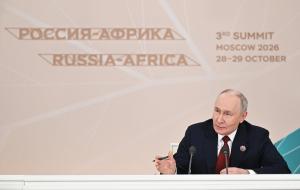
Putin Describes Russia and Africa as “Natural Allies” in Multipolar World Order
Oct 30, 2026 11158
Addis Ababa, October 30, 2026 (ENA) — Russian President Vladimir Putin has described Russia and Africa as "natural allies" in shaping a multipolar, democratic world order anchored in international law, sovereignty, and equality. Speaking on October 29 at the second plenary session of the Russia-Africa Summit in Moscow, the president emphasized the strong friendship and close partnership connecting the two sides. “We are natural allies in building a multipolar, genuinely democratic world order, a world order free from diktat and double standards, based on respect for the norms of international law and the fundamental principles of the UN Charter in their entirety and interconnectedness,” he stated. President Putin further reaffirmed Russia’s interest in supporting African countries as they defend their sovereignty, pursue independent development, and strengthen their economies and social sectors. He also expressed Moscow’s readiness to maintain close cooperation with African nations to advance these shared objectives. Highlighting the growing economic partnership, the President said Russian companies have been implementing major investment projects across Africa in various sectors, including energy production, peaceful nuclear energy, mining, industrial cooperation, logistics, and tourism. Russian businesses, he noted, conduct their operations with integrity and respect for their African partners, emphasizing equality and mutual benefit in their engagements. “They work on an equal footing with their partners and, rather than extracting profits as the former colonial powers once did,” he noted, adding, “they do the opposite: they invest and reinvest their earnings in the development of your national economies”. He added that Russian companies also share advanced technologies and expertise, engage local subcontractors, establish production facilities and create employment opportunities. Russia’s role as a reliable supplier of food and agricultural products to African markets has been supporting food security across the continent, Putin underscored. Turning to peace and security, he said Russia, as a permanent member of the UN Security Council, contributes to resolving existing conflicts and preventing new ones in Africa. “In doing so, we consistently adhere to the fundamental principle you yourselves have proclaimed: African solutions to African problems,” he stressed. The president also said Russia was undertaking various initiatives to support African countries in maintaining domestic stability, strengthening security and enhancing their defense and law enforcement capabilities.
Politics
Diplomatic Visibility, Strategic Deterrence and Growing Stakes in the Red Sea Region
Nov 1, 2026 2522
By Staff Writer November 1, 2026 (ENA) The final week of October 2026 brought Ethiopia into sharper international focus, as the country advanced its defence modernization, strengthened strategic partnerships and renewed attention to its interests in the Abay (Nile) Basin and Red Sea region. From the announcement of the delivery of advanced fighter jets and plans to acquire sophisticated air defence systems to high-level diplomatic engagements at the Russia-Africa Summit, Ethiopia's activities reflected the growing intersection of national security, economic ambitions and regional geopolitics. Prime Minister Abiy Ahmed's participation in the Third Russia-Africa Summit in Moscow provided an important platform for advancing bilateral and continental cooperation. His announcement that Ethiopia had received its first 12 Su-35 fighter jets and was set to acquire four batteries of S-400 air defence systems also brought the country's military modernization into the international spotlight. Meanwhile, the Third Ethiopian Water and Energy Week highlighted the country's efforts to strengthen water-resource management amid rising demand from agriculture, industry and a growing population. In Addis Ababa, the introduction of the first 26 natural gas-powered city buses marked another step towards reducing fuel imports, lowering transport costs and expanding the use of locally sourced energy. Beyond these developments, discussions surrounding Ethiopia's interests in the Abay River and sustainable access to the Red Sea continued to feature prominently in national and international discourse. Together, these developments underscored Ethiopia's efforts to strengthen its national capabilities, diversify international partnerships and advance its economic and strategic interests in an increasingly interconnected regional environment. Defence Modernization: Ethiopia Advances Strategic Deterrence One of the week's most consequential announcements came from Prime Minister Abiy Ahmed, who disclosed that Ethiopia had taken delivery of its first 12 Russian-made Su-35 4++ generation fighter jets and was preparing to receive four batteries of S-400 air defence systems. The Prime Minister described the development as a significant milestone in the country's efforts to strengthen national defence and security capabilities, emphasizing the importance of building military readiness during peacetime to deter potential threats. "Today, in accordance with our prior agreement with the Russian government, we have taken delivery of the first twelve Su-35 4++ Generation fighter jets," he announced. He further disclosed that Ethiopia would receive four batteries of S-400 air defence systems, marking another major component of the country's military modernization programme. The Prime Minister elaborated that the delivery was expedited ahead of schedule following high-level engagements with the Russian government, including discussions with President Vladimir Putin. Highlighting the capabilities of the newly acquired aircraft, Abiy said the Su-35 combines advanced radar technology, high manoeuvrability and air-to-air and air-to-ground combat capabilities. He also pointed to its ability to detect and engage aerial threats, including cruise missiles and certain ballistic targets. The acquisition signals Ethiopia's intention to strengthen its air capabilities as part of a broader effort to modernize the Ethiopian National Defence Force (ENDF). Beyond acquiring sophisticated military platforms, the country's evolving defence priorities also place emphasis on operational readiness, technological capabilities and the institutional capacity required to maintain and sustain modern military systems. The announcement has consequently drawn international attention to Ethiopia's changing defence posture and its implications for the wider Horn of Africa and Red Sea security environment. Russia-Africa Summit: Advancing Ethiopia's Strategic Partnerships Ethiopia's defence announcement coincided with Prime Minister Abiy Ahmed's participation in the Third Russia-Africa Summit in Moscow, where he engaged in bilateral and multilateral discussions aimed at expanding cooperation across strategic sectors. Among the key engagements was his meeting with Russian President Vladimir Putin, during which the two leaders discussed ways to deepen the longstanding relationship between their countries. PM Abiy pointed out that the discussions explored opportunities for expanding cooperation in nuclear energy, healthcare, trade and other areas of mutual interest. The meeting reflected the two countries' continued interest in broadening their partnership beyond traditional diplomatic relations into sectors central to Ethiopia's long-term economic and technological ambitions. In a gesture underscoring the importance of intellectual exchange and mutual understanding, the Ethiopian Prime Minister also presented Putin with the Russian edition of his book, Medemer. PM Abiy described the presentation as reflecting the shared commitment of the two countries to dialogue, mutual understanding and the continued advancement of bilateral relations. Addressing the summit, the Prime Minister emphasized the importance of translating longstanding diplomatic relationships and strategic commitments into tangible development outcomes. He identified food security and agricultural productivity, reliable energy supply, and skills and knowledge transfer as three essential pillars underpinning Ethiopia's development ambitions. He further noted that Ethiopia and Russia have maintained diplomatic relations for more than a century, founded on mutual respect and shared interests. As part of efforts to expand this historic partnership, the two countries are pursuing cooperation on the development of a nuclear power plant in Ethiopia, an initiative expected to contribute to the country's long-term energy ambitions. Prime Minister Abiy said the strategic partnership with Russia could help diversify Ethiopia's energy options, accelerate its development aspirations and strengthen cooperation in areas critical to national prosperity. Water and Energy: Strengthening the Foundation for Sustainable Development While defence and diplomacy attracted considerable international attention, Ethiopia's water and energy agenda remained another important focus during the week. The Third Ethiopian Water and Energy Week brought together policymakers, technical experts and other stakeholders to examine the country's progress and challenges in managing its water resources and expanding access to essential services. The third day of the event was dedicated to Water Day under the theme "Evidence to Action: Science-Based Solutions for Integrated WASH and Water Resource Management." Discussions focused on strengthening the identification, documentation and sustainable management of Ethiopia's surface and groundwater resources as population growth, industrialization and agricultural expansion continue to increase national demand. The gathering also provided an opportunity to assess progress over the past decade in drinking water supply and sanitation, recognize achievements and identify remaining gaps. For Ethiopia, effective water-resource management is closely linked to food security, energy generation, industrial development and public health. With agriculture remaining central to the national economy, improved water management and expanded irrigation infrastructure are increasingly important to strengthening agricultural productivity and reducing vulnerability to climate-related shocks. The discussions therefore highlighted the importance of translating scientific evidence, research and policy commitments into practical solutions that can support the country's long-term development. Addis Ababa Introduces Its First Natural Gas-Powered City Buses Another notable development during the week was the introduction of the first 26 natural gas-powered city buses into Addis Ababa's public transportation system. Prime Minister Abiy Ahmed announced that the buses, converted from conventional fuel to natural gas, had officially entered service, marking a new phase in the capital's efforts to modernize public transport and diversify its energy sources. The initiative is expected to reduce the country's fuel import bill, lower public transport operating expenses and make transportation more affordable for passengers. the Prime Minister revealed that the transition is projected to cut passenger fares by half while reducing foreign currency expenditure on conventional fuels. He explained that the initiative followed months of work to transport domestically produced natural gas to Addis Ababa, establish refuelling facilities and retrofit existing buses. Beyond its immediate transport benefits, the project demonstrates efforts to expand the domestic application of locally available energy resources and strengthen technological and industrial capabilities. The Premier also disclosed that an additional 400 natural gas-powered buses were expected to arrive soon, as the government seeks to accelerate the transition towards more affordable and diversified public transportation. The initiative forms part of broader efforts to improve urban mobility, reduce dependence on imported petroleum products and deliver tangible economic benefits to citizens. Abay and Red Sea: Ethiopia's Strategic Interests Gain International Attention Alongside developments in defence, diplomacy and economic transformation, Ethiopia's interests in the Abay River and sustainable access to the Red Sea continued to attract attention from political leaders, analysts and international commentators. The country's geographical position, population size, economic ambitions and growing regional responsibilities have increasingly brought these issues into discussions about the future of the Horn of Africa. Former Prime Minister Hailemariam Desalegn described Ethiopia's pursuit of sustainable sea access as a legitimate national aspiration that should be addressed through dialogue, negotiations and mutually beneficial arrangements. He argued that the central question should not be whether Ethiopia needs access to the sea, but how such access can be secured peacefully while respecting the interests of all parties. With a population of approximately 130 million, a growing economy and a vast geographical area, Ethiopia is the world's most populous landlocked country. Hailemariam described the loss of direct maritime access as a historical development that continues to influence the country's economic and strategic interests. He also traced the region's present geographical arrangements to the European scramble for Africa in the 1880s, arguing that the issue deserves serious consideration rather than being passed on to future generations. His remarks added to the growing discussion about Ethiopia's maritime interests and the importance of pursuing regional solutions through constructive engagement. Meanwhile, former African Union Commission Chairperson Nkosazana Dlamini-Zuma highlighted Ethiopia's broader continental significance, particularly its homegrown development approach and investments in energy. Speaking to ENA in Moscow ahead of the Russia-Africa Summit, Dlamini-Zuma described Ethiopia as an important model of African development and self-determination. Having led the African Union Commission from its headquarters in Addis Ababa between 2012 and 2017, she emphasized the country's unique responsibility as the diplomatic capital of Africa. She said Ethiopia should continue contributing to the vision of an integrated, peaceful and prosperous continent, driven by African leadership and the aspirations of its people. Her remarks highlighted the importance of Ethiopia's development experience and its role in advancing continental cooperation. A Week Reflecting Ethiopia's Expanding Strategic Priorities Taken together, the developments of the final week of October reflected several interconnected dimensions of Ethiopia's national priorities. The defence acquisitions highlighted efforts to strengthen military readiness and strategic deterrence. The Russia-Africa Summit provided an opportunity to expand international partnerships in energy, trade, healthcare and technology. The Water and Energy Week reinforced the importance of sustainable resource management, while the introduction of natural gas-powered buses demonstrated the practical application of domestic energy resources. At the same time, discussions surrounding the Abay River and Red Sea access underscored the enduring importance of geography, economic interests and regional cooperation in shaping Ethiopia's strategic outlook. These developments point to a broader national agenda in which security, economic transformation, technological advancement and diplomatic engagement increasingly intersect. As Ethiopia continues to pursue its development ambitions and navigate a changing regional and international environment, the challenge will be to translate these strategic priorities into sustainable economic gains, stronger national institutions and peaceful, mutually beneficial regional partnerships.
Ethiopia’s Defence Modernization Signals New Era of Strategic Deterrence
Nov 1, 2026 2774
By Staff Writer November 1, 2026 (ENA) Ethiopia’s announcement of the acquisition of advanced Russian-made Su-35 fighter jets and plans to receive S-400 air defence systems marks a significant development in the country’s efforts to modernize its national defence capabilities, strengthen the protection of its airspace and reinforce its strategic deterrence. Prime Minister Abiy Ahmed announced on October 28 in Moscow, Russia that Ethiopia had taken delivery of its first batch of Su-35 fighter jets under an agreement with Russia and would also receive four batteries of the S-400 air defence system. He described the development as a major milestone in the country’s efforts to strengthen national security, safeguard sovereignty and contribute to regional stability. The announcement, made during the Prime Minister’s visit to Moscow for the Third Russia–Africa Summit, also underscored the growing defence cooperation between Ethiopia and Russia. Beyond Military Acquisition: A Strategic Investment in National Security The acquisition represents more than the addition of advanced military equipment to Ethiopia’s arsenal. It reflects a broader effort to build a modern defence force capable of responding to evolving security challenges and protecting the country's national interests. The Su-35, a fourth-generation-plus multirole fighter, is designed to undertake air-superiority and air-to-ground missions. Its advanced radar, manoeuvrability and weapons systems provide capabilities for airspace surveillance, interception and a range of combat operations. The planned acquisition of the Russian-made S-400 system would add another dimension to Ethiopia’s air defence architecture. Designed to engage aircraft, cruise missiles and other aerial threats, the system is intended to provide long-range air defence capabilities and strengthen the protection of strategic assets. Together, these platforms could expand Ethiopia’s capacity to monitor and defend its airspace. However, their effectiveness will depend not only on the equipment itself but also on trained personnel, maintenance systems, logistics, command-and-control infrastructure and the ability to integrate different defence capabilities. Deterrence as an Instrument of Peace The strategic significance of military modernization extends beyond battlefield capabilities. A credible defence posture can serve as a deterrent by raising the potential costs of aggression and discouraging threats before they escalate into conflict. Prime Minister Abiy has emphasized this principle, noting that military preparedness is not simply about fighting wars but also about preventing them. For Ethiopia, strengthening defence readiness is closely connected to protecting its sovereignty, territorial integrity and national development interests. The objective, as articulated by the government, is to build the capacity to safeguard peace and security while reducing vulnerability to external threats. This approach places deterrence within a broader national security framework in which military preparedness is intended to support stability rather than confrontation. Regional Security and the Horn of Africa Ethiopia’s defence modernization carries significance beyond its national borders, particularly given its strategic position in the Horn of Africa and its extensive economic and security interests across the wider Red Sea region. As a landlocked country with a large population and substantial dependence on regional trade and transport corridors, Ethiopia has important interests in the security of its airspace, critical infrastructure and cross-border economic connections. The evolving security environment in the Horn of Africa, together with the growing use of drones, precision-guided weapons and other emerging military technologies, has increased the importance of modern surveillance, air defence and rapid-response capabilities. In this context, Ethiopia’s investment in advanced fighter aircraft and air defence systems reflects an effort to adapt its defence posture to changing regional and technological realities. At the same time, military modernization alone cannot guarantee regional stability. Sustainable peace also requires diplomatic engagement, confidence-building, respect for national sovereignty and stronger regional cooperation. A credible deterrent is most effective when complemented by constructive relations with neighbouring countries and regional institutions. Building a Modern and Sustainable Defence Force The acquisition of advanced platforms also places greater importance on the institutional and technological foundations of national defence. Operating sophisticated fighter aircraft and integrated air defence systems requires specialized training, reliable maintenance facilities, technical expertise, secure supply chains and sustained investment in personnel development. The Ethiopian National Defence Force (ENDF) has made significant strides in expanding its military capabilities through the acquisition of modern and sophisticated weaponry, reflecting an ambitious effort to transform its defence posture. Beyond conventional military capabilities, the ENDF is increasingly moving towards a technology-driven defence model, seeking to integrate artificial intelligence, cyber operations, digital warfare and advanced surveillance technologies into its military operations. This transition reflects the changing nature of modern warfare, where technological superiority, real-time intelligence and integrated command-and-control systems are becoming increasingly important. However, building a modern and technologically advanced military requires more than acquiring sophisticated weapons systems. It also demands sustained investment in specialized training, technical expertise, maintenance infrastructure, logistics, research and development, and institutional capacity to operate and sustain these capabilities over the long term. Strengthening these foundations will be essential to translating military modernization into lasting operational readiness and strategic self-reliance. The development also highlights the importance of strengthening domestic technical expertise and reducing dependence on external support wherever possible. Building such capabilities is essential to ensuring that military modernization translates into sustainable national defence readiness. Sovereignty, Security and the Pursuit of Peace Ethiopia’s latest defence acquisitions form part of a broader national effort to strengthen its security institutions and respond to an increasingly complex regional environment. The delivery of the Su-35 fighter jets and the planned arrival of the S-400 systems signal an expansion of the country’s defence ambitions and its military cooperation with Russia. Ultimately, the significance of this modernization will be measured not simply by the sophistication of the equipment acquired, but by the country's ability to translate those capabilities into effective national defence, strategic resilience and a more secure regional environment. For Ethiopia, the central objective remains the protection of sovereignty and the preservation of peace. A modern, capable and sustainable defence force, complemented by diplomacy and regional cooperation, can play an important role in safeguarding national interests and creating the security conditions necessary for long-term development.
Israeli Researcher Says Ethiopia's Su-35 Fighters Spark Anxiety in Egyptian Circles
Oct 31, 2026 10688
Addis Ababa, October 31, 2026 (ENA) — Ethiopia’s acquisition of Russian Su-35 fighter jets has boosted Ethiopia’s military capabilities and its expanding regional influence, Israeli researcher and journalist with Israel’s Channel 14, Edy Cohen, said. In an exclusive interview with ENA, the researcher said Egyptian and Arab media outlets are closely following Ethiopia’s military development. Egypt views Ethiopia’s successful acquisition of the advanced fighter jets with growing concern, he added. According to Cohen, Egypt had previously sought to acquire the same Russian aircraft but abandoned the deal following American pressure and threats of severe sanctions. "Washington warned Egypt against concluding the military agreement with Moscow, prompting the Egyptian government to abandon its efforts to acquire the fighter jets." Ethiopia, meanwhile, managed to overcome these obstacles, using its diplomatic initiatives and international relations to secure the agreement with Russia, he elaborated. “The Egyptians are terrified of the aircraft Ethiopia has received from Russia,” Cohen said, pointing to the scale of concern the development has generated in Egypt. He stated that Ethiopia’s success in acquiring the fighter jets, despite the international pressure that forced Egypt to abandon its own efforts, demonstrates a clear difference in the two countries’ ability to manage international relations and advance their strategic interests. Cohen also criticized Egyptian policies, arguing that Egypt lacks a coherent political vision capable of addressing domestic challenges and regional transformations. He added that mounting economic difficulties, alongside political and regional challenges, are raising increasing questions about the Egyptian leadership’s ability to manage the country's affairs. Cohen’s remarks highlight the contrast between Ethiopia’s approach of expanding international partnerships and strengthening its defense capabilities, and Egypt’s trajectory of mounting domestic economic pressures and growing challenges in its regional policy. Recall that Ethiopia received advanced Russian Su-35 fighter jets as part of the country’s ongoing efforts to strengthen its defense capabilities and modernize its military infrastructure. Addressing the broader geopolitical landscape, Prime Minister Abiy stressed that robust preparation during times of peace is essential to insulate the nation from external vulnerabilities. "If we fail to build this capability, surviving as a country in our region will become difficult. Because of this, we have been training personnel, and the Su-35s we have now been equipped adequately help defend Ethiopia's airspace. Above all, however, countries with sufficient preparation are not easily defied. Preparation averts conflict." As the first nation in Sub-Saharan Africa to harness such advanced military capabilities, Ethiopia has significantly strengthened its deterrent framework.
Tanzanian Delegates Recommend Addis Ababa's Urban Dev't Efforts for Other African Cities
Oct 31, 2026 9797
Addis Ababa, October 31, 2026 (ENA) — Tanzanian delegates, who have been in Addis Ababa for experience sharing visit, have described the city’s urban planning, infrastructure development and management efforts as a valuable lesson for other African countries. The delegates visited Ethiopian capital market institutions, Unity Park and the Adwa Victory Memorial Museum, where they observed the city’s development and historical heritages. Dorcas Dawido, a member of the delegation, said Addis Ababa’s corridor development projects have made the city more comfortable, clean, and attractive for both residents and visitors. She commended the city’s advanced infrastructure and organized layout, noting that Ethiopia’s approach to urban management reflects proper planning and systematic implementation. The delegate further highlighted the city’s green development efforts, saying she would encourage other Tanzanians to visit Ethiopia and learn from its development experience. Eliad E. Mndeme, a lawyer and legal expert at the Tanzanian Capital Market Tribunal, expressed admiration for Addis Ababa’s transformation, particularly its infrastructure, road networks, and building developments. He said a walking tour of the city allowed him to observe the improvements in its neighborhoods and urban layout. Mndeme also noted that the Victory of Adwa demonstrates the resilience and determination of Ethiopians and offers important lessons for Africans. The other delegate, Elias Mapunda, described Addis Ababa’s urban development and long-term planning as admirable, adding that the Tanzanian government and financial-sector leaders could draw lessons from Ethiopia’s development and business practices. Mapunda also underscored the role of unity that has been demonstrated throughout Ethiopia’s history and reflected in its present-day society in the country’s growth and development.
PMO Hails Addis Ababa’s 2026 Global Award as Catalyst for Sustainable Urban Growth across Ethiopia
Oct 31, 2026 6213
Addis Ababa, October 31, 2026 (ENA) — The recognition of Addis Ababa with the 2026 Global Award for Sustainable Development in Cities marks a historic milestone for Ethiopia and reflects the capital’s ongoing progress in sustainable urban transformation, according to the Office of the Prime Minister. The Office stated that the recognition of Addis Ababa marks a historic milestone for Ethiopia and reflects the capital’s ongoing progress in sustainable urban transformation. In a statement released today, the Office highlighted that this global award underscores the city's continuous modernization, inclusive urban planning, and infrastructure development. Describing the accolade as a proud achievement for the nation, the Office emphasized that this milestone serves as a foundation and inspiration for future urban growth across all Ethiopian cities. "We must continue building modern, inclusive, and sustainable cities while preserving the history, heritage, and identity that make each of them unique," it stated, emphasizing that true urban development extends beyond physical infrastructure to fostering a culture of urbanity, creating high-quality public spaces, and improving liveability. The statement noted that the vision for modern and resilient city building goes beyond Addis Ababa to encompass urban centers nationwide. "From Harar to Bahir Dar, Hawassa to Jimma, Arba Minch to Dire Dawa, every Ethiopian city has the potential to become a model of sustainable urban development," the Office added. Reaffirming the national commitment to sustainable development, the statement called for continued collaboration to build urban centers that blend modernization with heritage preservation. "Today, Addis Ababa. Tomorrow, a new chapter for every Ethiopian city. Let us build cities that embrace the future without losing their connection to the past," it concluded.
Addis Ababa Wins 2026 Global Award for Sustainable Development in Cities
Oct 31, 2026 7060
Addis Ababa, October 31, 2026 (ENA) — Addis Ababa has won the 2026 Global Award for Sustainable Development in Cities, also known as the Shanghai Award, UN-Habitat Shanghai Award, for being one of the five cities worldwide recognized for their efforts in promoting sustainable, inclusive, and resilient urban development. The Award, led by the United Nations Human Settlements Programme (UN-Habitat) and China, was launched in 2023 to recognize cities' outstanding progress in implementing the 2030 Agenda for Sustainable Development and the New Urban Agenda. Presented annually to five cities, the award recognizes achievements in advancing sustainable, inclusive, and resilient urban development, with a focus on cities' contributions to these global development agendas. In a social media post announcing the achievement, Addis Ababa Mayor Adanech Abiebie said the recognition was a source of pride not only for the city but also for Ethiopia as a whole. She noted that the latest accolade follows the city's 2024 Seoul Smart City Prize, organized by UN-Habitat and the city of Seoul, South Korea, describing the consecutive international awards as evidence of the strides made in urban development and the city's growing global competitiveness. According to her, the Shanghai Award particularly recognizes the effectiveness and sustainability of Addis Ababa's urban development initiatives, especially those undertaken during the reform years, and their direct benefits to residents. She identified several key development areas that contributed to the achievement, including integrating human-centered approaches into urban renewal to prioritize residents' needs and expanding housing supply. The city's urban corridor and riverside development projects have also promoted inclusive and integrated urban development, while efforts to improve public transportation services and accessibility have contributed to making the capital more livable. Other initiatives include expanding green spaces, improving cleanliness, and enhancing urban aesthetics to create a more comfortable urban environment. The Mayor said these initiatives demonstrate how the city's potential has been translated into tangible results, improving residents' well-being and strengthening Addis Ababa's position as a globally competitive city. She particularly highlighted the city's urban renewal model as a practical lesson and an inspiring example for other cities, noting that urban renewal remains a major challenge for many developing nations. Mayor Adanech described the award as a testament to tangible action, collective effort, and shared achievement, congratulating the city's residents and the country on the international recognition. Besides Addis Ababa, Santiago de Cali (Colombia), Istanbul (Türkiye), Jingdezhen (China), and Katowice (Poland) were the other four cities selected for the 2026 Global Award for Sustainable Development in Cities (Shanghai Award).
Ethiopia’s Quest for Seaport at Irreversible Stage, Say Experts
Oct 31, 2026 6605
Addis Ababa, October 31, 2026 (ENA) — Ethiopia's pursuit of sea access has gained momentum and reached an irreversible stage, experts told ENA. Nile and Red Sea Strategic Forum Executive Committee member and legal consultant, Yonas Woldeyes, said the quest for sovereign seaport is a vital issue grounded in international law, economic development needs, and geographical proximity that ensures mutual benefit in the region. Highlighting the ongoing major national projects—including the construction of the Bishoftu Airport, a massive fertilizer factory, oil refinery facilities, and energy infrastructure of the country, the legal consultant added that securing seaport has become an existential and developmental necessity. Yonas noted that relying solely on the Port of Djibouti causes container delays that place heavy pressure on the business community and the economy, making the quest for direct sea access an absolute necessity. As a result, Ethiopia's quest for seaport has reached an irreversible stage; and it is backed by legal, historical, geographical, and economic rationale, he underscored. According to him, Ethiopians must therefore work to build a shared understanding backed by scientific evidence concerning their access to the sea and water resources. The expert warned certain actors against distorting Ethiopia's legally grounded quest and misleading the international community, emphasizing the need for strengthening to counter such deceitful activities. For his part, Peace and Security researcher at Addis Ababa University, Mulugeta Ayele, said while other nations traverse thousands of miles to protect their interests in the Red Sea, keeping Ethiopia—which is located merely 60 kilometers away from the Red Sea— away from sea access is unacceptable by any standard. Safeguarding its interests in the Red Sea is therefore Ethiopia's indispensable right, he underlined. Noting Ethiopia's sea access quest as guided by principles of give-and-take and international norms, the researcher said its acceptance is growing; and this can be achieved if we stand united. Recalling that the Red Sea and Gulf of Aden experience maritime piracy, ship hijackings, and criminal acts, Mulugeta pointed out that Ethiopia's return to the Red Sea would play a pivotal role in ensuring regional peace and stability.
Putin Describes Russia and Africa as “Natural Allies” in Multipolar World Order
Oct 30, 2026 11158
Addis Ababa, October 30, 2026 (ENA) — Russian President Vladimir Putin has described Russia and Africa as "natural allies" in shaping a multipolar, democratic world order anchored in international law, sovereignty, and equality. Speaking on October 29 at the second plenary session of the Russia-Africa Summit in Moscow, the president emphasized the strong friendship and close partnership connecting the two sides. “We are natural allies in building a multipolar, genuinely democratic world order, a world order free from diktat and double standards, based on respect for the norms of international law and the fundamental principles of the UN Charter in their entirety and interconnectedness,” he stated. President Putin further reaffirmed Russia’s interest in supporting African countries as they defend their sovereignty, pursue independent development, and strengthen their economies and social sectors. He also expressed Moscow’s readiness to maintain close cooperation with African nations to advance these shared objectives. Highlighting the growing economic partnership, the President said Russian companies have been implementing major investment projects across Africa in various sectors, including energy production, peaceful nuclear energy, mining, industrial cooperation, logistics, and tourism. Russian businesses, he noted, conduct their operations with integrity and respect for their African partners, emphasizing equality and mutual benefit in their engagements. “They work on an equal footing with their partners and, rather than extracting profits as the former colonial powers once did,” he noted, adding, “they do the opposite: they invest and reinvest their earnings in the development of your national economies”. He added that Russian companies also share advanced technologies and expertise, engage local subcontractors, establish production facilities and create employment opportunities. Russia’s role as a reliable supplier of food and agricultural products to African markets has been supporting food security across the continent, Putin underscored. Turning to peace and security, he said Russia, as a permanent member of the UN Security Council, contributes to resolving existing conflicts and preventing new ones in Africa. “In doing so, we consistently adhere to the fundamental principle you yourselves have proclaimed: African solutions to African problems,” he stressed. The president also said Russia was undertaking various initiatives to support African countries in maintaining domestic stability, strengthening security and enhancing their defense and law enforcement capabilities.
Social
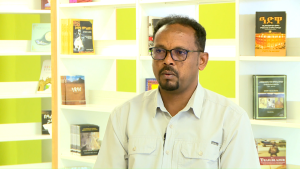
Specialized Educational Program Set to Launch in Schools to Pass Down Legacy of Adwa Victory to Generations
Oct 30, 2026 8427
Addis Ababa, October 30, 2026 (ENA) — A specialized school outreach program designed to enable the new generation to properly comprehend the historical Victory of Adwa, the unity of its peoples, and the shared historical narrative will be launched soon, the Adwa Victory Memorial announced. A specialized school outreach program designed to enable the new generation to properly comprehend the historical Victory of Adwa, the unity of its peoples, and the shared historical narrative will be launched soon, the Adwa Victory Memorial announced. The Victory of Adwa stands as a landmark historical event where Ethiopians unitarily repelled an invasion threatening their independence and honor, lighting a torch of triumph by declaring that Black people would not bow down to European colonial aggression. The victory further cast a beam of freedom for all Black people who were under oppression at the time, inspiring them to strive and fight for their liberation. Extensive works are currently underway to pass down this monumental victory to future generations, supported by thorough study and research. Adwa Victory Memorial Study and Research Director Mekuanent Tilahun stated that efforts are in motion to transform the memorial into a dynamic platform where Ethiopians and Africans gather to engage in constructive discourse. He noted that the current generation must contribute its share toward building a great Ethiopia by understanding history, learning from forefathers, preserving national unity, and honoring identity. The monthly public discussion forums serve as an educational venue for history and a foundation for cultivating a shared narrative that solidifies Ethiopian unity, he added. He emphasized that the forum assists Ethiopians in drawing lessons from their ancestors to consolidate their sovereignty and unity. Announcing that a program titled "Adwa Forum" will take place in February, he highlighted that preparations have been finalized to launch a School Outreach program, recognizing that only a limited number of people can attend in person. Preliminary activities enabling the imminent launch of the school outreach program, which teaches about Adwa, Ethiopian culture, and unity, have been completed. To this end, work has commenced to sign a Memorandum of Understanding with the Addis Ababa City Administration Education Bureau. The program encompasses schools ranging from pre-primary to secondary levels, serving to educate the generation on Adwa, Ethiopian culture, identity, unity, and shared national narratives. Initiatives enabling similar discussion-oriented activities in higher education institutions are likewise currently underway.
.jpg)
Ethiopian News Agency Signs Agreement with ITAR-TASS and Russia Today (RT)
Oct 29, 2026 12279
Addis Ababa, October 29, 2026 (ENA) — The Ethiopian News Agency (ENA) has signed a cooperation agreement with Russia’s ITAR-TASS news agency and Russia Today (RT). The agreement was signed today in Moscow on the sidelines of the Russia–Africa Media Forum, ENA learned. State Minister of Foreign Affairs Hadera Abera and TASS Director General Andrey Kondrashov signed the agreement on behalf of the two sides. The agreement establishes a framework for cooperation in exchanging information, building professional capacity through personnel training, and facilitating mutual staff visits. The partnership is expected to enhance professional exchanges and strengthen collaboration between the two news agencies.
Ethiopia Emerges as Leading Healthcare Manufacturing Hub in Africa: Expert
Oct 29, 2026 8265
Addis Ababa, October 29, 2026 (ENA)— Ethiopia is becoming a premier destination for healthcare manufacturing investment in Africa, driven by bold policy reforms, improved foreign exchange access, and an open investment environment, according to Dr. Iain Barton, Founding Principal of Health 4 Development. Speaking to ENA on the sidelines of the African Healthcare Manufacturing Trade Exhibition and Conference (AHMTEC 2026) in Addis Ababa, Dr. Barton noted that recent reforms have significantly transformed the nation's business climate. He emphasized that these changes are creating major new opportunities for investors across the pharmaceutical and broader healthcare manufacturing sectors. Barton, who has worked in Ethiopia’s pharmaceutical sector for nearly two decades, recalled that the country had previously been a difficult market to serve because of import restrictions and foreign exchange constraints. However, he said the situation had changed considerably over the past three years. “What we’ve seen over the last 36 months is a complete transformation of the Ethiopian market,” he said. “I’ve always called Ethiopia the jewel of the East. It is such an incredible economy and such an incredible population. And suddenly it’s opened up.” He attributed the transformation to government led reforms in regulation, foreign exchange management, investment incentives, and business ownership, saying the changes were helping attract renewed investor interest. “Those policies are what is driving this transformation,” Barton said, adding that the impact could extend beyond healthcare manufacturing to other sectors of the economy. He said Ethiopia’s large population and economic potential made it an increasingly important market for companies seeking to expand their presence across Africa. While countries such as Nigeria, Tanzania, Rwanda, Egypt, Morocco, and Algeria also offer significant investment opportunities, Barton said Ethiopia should be central to companies’ long-term strategies for the continent. “Anyone who doesn’t have Ethiopia on their strategic plan is missing the biggest opportunity of the moment,” he said. Barton also highlighted Ethiopia’s potential within Africa’s broader drive to expand local production of medicines, vaccines, and medical devices, a move aimed at strengthening the continent’s capacity to meet its healthcare needs. Referring to Africa Centers for Disease Control and Prevention Director General Dr. Jean Kaseya’s description of African manufacturing as “the second liberation of Africa,” Barton stressed the importance of developing domestic production capacity and making better use of the continent’s human and economic resources. “We have to allow ourselves to explore our talents, explore our capacity, explore our market potential, and deliver against the promise we have made to the patients we serve,” he said. “If we do that effectively, our dreams know no bounds.” He also commended African entrepreneurs for building businesses and creating economic value despite challenging operating conditions. To sustain this progress, he called on governments to strengthen investment in universities, research and development, innovation hubs, and other support systems needed to nurture local talent and industrial capacity. “All we have to do is give our talent the space, the opportunity, and the capacity,” he said. AHMTEC 2026, held in Addis Ababa from October 26 to 28 under the theme “Industrialize to Commercialize,” brought together manufacturers, policymakers, investors, regulators, and development partners to explore ways to strengthen Africa’s healthcare manufacturing ecosystem and expand the continent’s capacity to produce essential health products locally.
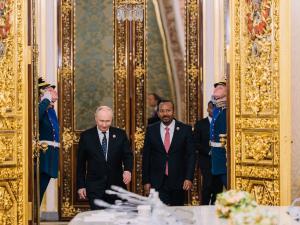
Ethiopia, Russia Vow to Deepen Longstanding Ties Across Key Sectors
Oct 29, 2026 13894
Addis Ababa, October 29, 2026 (ENA)— Prime Minister Abiy Ahmed has held talks with Russian President Vladimir Putin to advance Ethiopia–Russia relations, with discussions focusing on expanding cooperation in nuclear energy, health, trade, and other areas of mutual interest. Describing the bilateral meeting as fruitful, Prime Minister Abiy said the discussions explored avenues for further strengthening the longstanding partnership between the two countries, including cooperation on bilateral and multilateral issues. The talks underscored the two countries’ continued engagement in broadening collaboration across strategic sectors and advancing their shared interests. In a gesture highlighting the importance of dialogue and mutual understanding, Prime Minister Abiy also presented President Putin with the Russian edition of his book, Medemer. “I also personally presented President Putin with the Russian edition of my book, Medemer, reflecting our shared commitment to dialogue, mutual understanding, and the continued advancement of Ethiopia–Russia relations.” Rooted in the concept of synergy and cooperation, Medemer adds an intellectual dimension to Ethiopia’s engagement with Russia, reflecting the potential of dialogue and shared ideas to foster mutual understanding and further strengthen bilateral relations.
Economy
Diplomatic Visibility, Strategic Deterrence and Growing Stakes in the Red Sea Region
Nov 1, 2026 2522
By Staff Writer November 1, 2026 (ENA) The final week of October 2026 brought Ethiopia into sharper international focus, as the country advanced its defence modernization, strengthened strategic partnerships and renewed attention to its interests in the Abay (Nile) Basin and Red Sea region. From the announcement of the delivery of advanced fighter jets and plans to acquire sophisticated air defence systems to high-level diplomatic engagements at the Russia-Africa Summit, Ethiopia's activities reflected the growing intersection of national security, economic ambitions and regional geopolitics. Prime Minister Abiy Ahmed's participation in the Third Russia-Africa Summit in Moscow provided an important platform for advancing bilateral and continental cooperation. His announcement that Ethiopia had received its first 12 Su-35 fighter jets and was set to acquire four batteries of S-400 air defence systems also brought the country's military modernization into the international spotlight. Meanwhile, the Third Ethiopian Water and Energy Week highlighted the country's efforts to strengthen water-resource management amid rising demand from agriculture, industry and a growing population. In Addis Ababa, the introduction of the first 26 natural gas-powered city buses marked another step towards reducing fuel imports, lowering transport costs and expanding the use of locally sourced energy. Beyond these developments, discussions surrounding Ethiopia's interests in the Abay River and sustainable access to the Red Sea continued to feature prominently in national and international discourse. Together, these developments underscored Ethiopia's efforts to strengthen its national capabilities, diversify international partnerships and advance its economic and strategic interests in an increasingly interconnected regional environment. Defence Modernization: Ethiopia Advances Strategic Deterrence One of the week's most consequential announcements came from Prime Minister Abiy Ahmed, who disclosed that Ethiopia had taken delivery of its first 12 Russian-made Su-35 4++ generation fighter jets and was preparing to receive four batteries of S-400 air defence systems. The Prime Minister described the development as a significant milestone in the country's efforts to strengthen national defence and security capabilities, emphasizing the importance of building military readiness during peacetime to deter potential threats. "Today, in accordance with our prior agreement with the Russian government, we have taken delivery of the first twelve Su-35 4++ Generation fighter jets," he announced. He further disclosed that Ethiopia would receive four batteries of S-400 air defence systems, marking another major component of the country's military modernization programme. The Prime Minister elaborated that the delivery was expedited ahead of schedule following high-level engagements with the Russian government, including discussions with President Vladimir Putin. Highlighting the capabilities of the newly acquired aircraft, Abiy said the Su-35 combines advanced radar technology, high manoeuvrability and air-to-air and air-to-ground combat capabilities. He also pointed to its ability to detect and engage aerial threats, including cruise missiles and certain ballistic targets. The acquisition signals Ethiopia's intention to strengthen its air capabilities as part of a broader effort to modernize the Ethiopian National Defence Force (ENDF). Beyond acquiring sophisticated military platforms, the country's evolving defence priorities also place emphasis on operational readiness, technological capabilities and the institutional capacity required to maintain and sustain modern military systems. The announcement has consequently drawn international attention to Ethiopia's changing defence posture and its implications for the wider Horn of Africa and Red Sea security environment. Russia-Africa Summit: Advancing Ethiopia's Strategic Partnerships Ethiopia's defence announcement coincided with Prime Minister Abiy Ahmed's participation in the Third Russia-Africa Summit in Moscow, where he engaged in bilateral and multilateral discussions aimed at expanding cooperation across strategic sectors. Among the key engagements was his meeting with Russian President Vladimir Putin, during which the two leaders discussed ways to deepen the longstanding relationship between their countries. PM Abiy pointed out that the discussions explored opportunities for expanding cooperation in nuclear energy, healthcare, trade and other areas of mutual interest. The meeting reflected the two countries' continued interest in broadening their partnership beyond traditional diplomatic relations into sectors central to Ethiopia's long-term economic and technological ambitions. In a gesture underscoring the importance of intellectual exchange and mutual understanding, the Ethiopian Prime Minister also presented Putin with the Russian edition of his book, Medemer. PM Abiy described the presentation as reflecting the shared commitment of the two countries to dialogue, mutual understanding and the continued advancement of bilateral relations. Addressing the summit, the Prime Minister emphasized the importance of translating longstanding diplomatic relationships and strategic commitments into tangible development outcomes. He identified food security and agricultural productivity, reliable energy supply, and skills and knowledge transfer as three essential pillars underpinning Ethiopia's development ambitions. He further noted that Ethiopia and Russia have maintained diplomatic relations for more than a century, founded on mutual respect and shared interests. As part of efforts to expand this historic partnership, the two countries are pursuing cooperation on the development of a nuclear power plant in Ethiopia, an initiative expected to contribute to the country's long-term energy ambitions. Prime Minister Abiy said the strategic partnership with Russia could help diversify Ethiopia's energy options, accelerate its development aspirations and strengthen cooperation in areas critical to national prosperity. Water and Energy: Strengthening the Foundation for Sustainable Development While defence and diplomacy attracted considerable international attention, Ethiopia's water and energy agenda remained another important focus during the week. The Third Ethiopian Water and Energy Week brought together policymakers, technical experts and other stakeholders to examine the country's progress and challenges in managing its water resources and expanding access to essential services. The third day of the event was dedicated to Water Day under the theme "Evidence to Action: Science-Based Solutions for Integrated WASH and Water Resource Management." Discussions focused on strengthening the identification, documentation and sustainable management of Ethiopia's surface and groundwater resources as population growth, industrialization and agricultural expansion continue to increase national demand. The gathering also provided an opportunity to assess progress over the past decade in drinking water supply and sanitation, recognize achievements and identify remaining gaps. For Ethiopia, effective water-resource management is closely linked to food security, energy generation, industrial development and public health. With agriculture remaining central to the national economy, improved water management and expanded irrigation infrastructure are increasingly important to strengthening agricultural productivity and reducing vulnerability to climate-related shocks. The discussions therefore highlighted the importance of translating scientific evidence, research and policy commitments into practical solutions that can support the country's long-term development. Addis Ababa Introduces Its First Natural Gas-Powered City Buses Another notable development during the week was the introduction of the first 26 natural gas-powered city buses into Addis Ababa's public transportation system. Prime Minister Abiy Ahmed announced that the buses, converted from conventional fuel to natural gas, had officially entered service, marking a new phase in the capital's efforts to modernize public transport and diversify its energy sources. The initiative is expected to reduce the country's fuel import bill, lower public transport operating expenses and make transportation more affordable for passengers. the Prime Minister revealed that the transition is projected to cut passenger fares by half while reducing foreign currency expenditure on conventional fuels. He explained that the initiative followed months of work to transport domestically produced natural gas to Addis Ababa, establish refuelling facilities and retrofit existing buses. Beyond its immediate transport benefits, the project demonstrates efforts to expand the domestic application of locally available energy resources and strengthen technological and industrial capabilities. The Premier also disclosed that an additional 400 natural gas-powered buses were expected to arrive soon, as the government seeks to accelerate the transition towards more affordable and diversified public transportation. The initiative forms part of broader efforts to improve urban mobility, reduce dependence on imported petroleum products and deliver tangible economic benefits to citizens. Abay and Red Sea: Ethiopia's Strategic Interests Gain International Attention Alongside developments in defence, diplomacy and economic transformation, Ethiopia's interests in the Abay River and sustainable access to the Red Sea continued to attract attention from political leaders, analysts and international commentators. The country's geographical position, population size, economic ambitions and growing regional responsibilities have increasingly brought these issues into discussions about the future of the Horn of Africa. Former Prime Minister Hailemariam Desalegn described Ethiopia's pursuit of sustainable sea access as a legitimate national aspiration that should be addressed through dialogue, negotiations and mutually beneficial arrangements. He argued that the central question should not be whether Ethiopia needs access to the sea, but how such access can be secured peacefully while respecting the interests of all parties. With a population of approximately 130 million, a growing economy and a vast geographical area, Ethiopia is the world's most populous landlocked country. Hailemariam described the loss of direct maritime access as a historical development that continues to influence the country's economic and strategic interests. He also traced the region's present geographical arrangements to the European scramble for Africa in the 1880s, arguing that the issue deserves serious consideration rather than being passed on to future generations. His remarks added to the growing discussion about Ethiopia's maritime interests and the importance of pursuing regional solutions through constructive engagement. Meanwhile, former African Union Commission Chairperson Nkosazana Dlamini-Zuma highlighted Ethiopia's broader continental significance, particularly its homegrown development approach and investments in energy. Speaking to ENA in Moscow ahead of the Russia-Africa Summit, Dlamini-Zuma described Ethiopia as an important model of African development and self-determination. Having led the African Union Commission from its headquarters in Addis Ababa between 2012 and 2017, she emphasized the country's unique responsibility as the diplomatic capital of Africa. She said Ethiopia should continue contributing to the vision of an integrated, peaceful and prosperous continent, driven by African leadership and the aspirations of its people. Her remarks highlighted the importance of Ethiopia's development experience and its role in advancing continental cooperation. A Week Reflecting Ethiopia's Expanding Strategic Priorities Taken together, the developments of the final week of October reflected several interconnected dimensions of Ethiopia's national priorities. The defence acquisitions highlighted efforts to strengthen military readiness and strategic deterrence. The Russia-Africa Summit provided an opportunity to expand international partnerships in energy, trade, healthcare and technology. The Water and Energy Week reinforced the importance of sustainable resource management, while the introduction of natural gas-powered buses demonstrated the practical application of domestic energy resources. At the same time, discussions surrounding the Abay River and Red Sea access underscored the enduring importance of geography, economic interests and regional cooperation in shaping Ethiopia's strategic outlook. These developments point to a broader national agenda in which security, economic transformation, technological advancement and diplomatic engagement increasingly intersect. As Ethiopia continues to pursue its development ambitions and navigate a changing regional and international environment, the challenge will be to translate these strategic priorities into sustainable economic gains, stronger national institutions and peaceful, mutually beneficial regional partnerships.
Israeli Water Expert Sees Ethiopia’s Water Potential as Catalyst for Agricultural Superpower Ambition
Nov 1, 2026 2461
Addis Ababa, November 1, 2026 (ENA)— Ethiopia has enormous potential to advance agriculture and other development sectors through additional dams and other water-related projects, an Israeli water-technology expert said. The country has vast potential to harness its water resources, while investments in hydropower and expanding infrastructure offer enormous opportunities to transform its agricultural sector, boost energy production and accelerate broader economic development, he told ENA. Ravid Levy, Director of WaterEdge.IL, Israel’s national water innovation community, said Ethiopia has the potential to emerge as an agricultural powerhouse if its water resources and ongoing development projects are effectively harnessed. In an exclusive interview with ENA on the sidelines of the Third Ethiopian Water and Energy Week in Addis Ababa, Levy highlighted the country's expanding infrastructure, hydropower development and growing economy as key foundations for unlocking its agricultural and economic potential. "Ethiopia has a huge potential with the dam, with other projects, with growing infrastructure, economy, and agriculture as well. It could be and can be an agriculture superpower," he said. Levy, an Israeli water-technology expert, noted that water and energy are closely interconnected. He further stressed that coordinated development of the two sectors is essential to expanding electricity generation, improving water management and supporting sustainable economic growth. The expert emphasized that effectively harnessing Ethiopia's water resources could generate wider economic and social benefits, particularly by strengthening agricultural productivity, food security and energy access. He also underscored the importance of modern water-management technologies, including smart monitoring, metering and systems to reduce non-revenue water, in improving the efficiency and sustainability of water utilities. Turning to bilateral cooperation, Levy said Israel's experience in water management, technological innovation and research offers significant opportunities for collaboration with Ethiopian institutions. He identified joint academic research, partnerships between technology companies and Ethiopian water utilities, and technology transfer as promising areas for advancing bilateral cooperation. He explained that partnerships between Ethiopian and Israeli universities could combine their research capabilities to develop practical solutions to water-related challenges, adapting existing technologies and expertise to Ethiopia's specific needs and development priorities. Similarly, collaboration between Israeli technology companies and Ethiopian water utilities could help introduce innovative solutions in smart water monitoring, metering, water-loss reduction and improved service delivery. Highlighting the wider significance of water development, Levy said reliable water supply and effective wastewater management are essential not only for agriculture but also for public health, environmental protection and economic advancement. He further stressed that strong government commitment, complemented by the active participation of universities, private companies and other stakeholders, is crucial to translating the two countries' shared development interests into tangible results. Levy said such cooperation could help both countries address their respective water challenges while advancing technological innovation and sustainable development.
Danish Diplomat Hails Ethiopia’s Energy Advances as Catalyst for Strategic Partnership
Nov 1, 2026 1831
Addis Ababa, November 1, 2026 (ENA)— Ethiopia’s growing renewable energy capacity and ambitious green development agenda are creating significant opportunities to deepen strategic cooperation with Denmark in clean energy, water management and climate resilience, a Danish diplomat has told ENA. Thomas Fleurine Sorensen, Counsellor at the Embassy of Denmark in Ethiopia, highlighted the longstanding partnership between the two countries during an interview with ENA on the sidelines of the Third Ethiopian Water and Energy Week in Addis Ababa. He said Ethiopia’s progress in renewable energy and its commitment to sustainable development provide a strong foundation for expanding bilateral cooperation, particularly through knowledge exchange, institutional partnerships, and greater private-sector engagement. Sorensen identified the Assela Wind Farm as a flagship example of the two countries’ cooperation. He further underscored the importance of renewable energy investments in diversifying Ethiopia’s energy mix, increasing electricity generation, and advancing its green transition. The Counsellor reaffirmed Denmark’s commitment to supporting Ethiopia’s development priorities, emphasizing that stronger institutional and human-resource capacities are essential to ensuring sustainable progress. He particularly highlighted the importance of science-based, evidence-driven policymaking in the energy sector. Commending Ethiopia’s achievements in expanding its electricity grid and advancing universal energy access, the diplomat said the country’s experience offers valuable lessons for other African nations pursuing ambitious energy and development targets. With Ethiopia preparing to host COP32 in 2027, Sorensen also stressed the importance of strategic planning and clear priorities in advancing the country’s climate ambitions, reaffirming Denmark’s readiness to support its global climate objectives. He further praised Ethiopia’s willingness to pursue bold policy decisions in renewable energy and green growth. For him, the country’s development trajectory could inspire neighboring countries to embrace more ambitious and sustainable development pathways.
.jpg)
Ethiopia Prepares 4.5 Million Hectares for Summer Irrigated Wheat Production
Oct 31, 2026 6560
Addis Ababa, October 31, 2026 (ENA) — More than 4.5 million hectares of land will be cultivated under this year’s summer irrigated wheat development program, according to Ministry of Agriculture. Lead Executive Officer for Crop Development at the Ministry, Teshome Geletu, said the target marks a significant scaling of the national initiative, which has become a cornerstone of Ethiopia’s strategy to ensure food sovereignty. Historically, Ethiopia faced an annual wheat demand exceeding 107 million quintals, necessitating the expenditure of 700 million USD to 1 billion USD each year to bridge the deficit. However, agricultural reforms introduced under the current administration have successfully shifted the narrative from aid dependency to self-sufficiency. The summer irrigated wheat initiative, championed by Prime Minister Abiy Ahmed, has proven to be a transformative catalyst. Since the 2021/22 fiscal year, these efforts have enabled Ethiopia to cease wheat imports entirely and build the infrastructure required to enter the international export market, the Lead Executive Officer said. "The strides made in the agricultural sector have fundamentally decoupled our farmers and pastoralists from a total reliance on rain-fed agriculture," Teshome told ENA. "We are fostering a dynamic new development culture." The initiative has effectively dismantled the traditional practice of limiting wheat cultivation to a single season in highland and midland regions. By leveraging diverse irrigation methods, farmers are now empowered to harvest up to three times per year, extending productivity into vast lowland areas previously considered unsuitable for such crops, he explained. According to Teshome, the program’s growth has been rapid. What began as a pilot project covering just 20,000 hectares has expanded exponentially. During the 2025/26 season, the country successfully cultivated 3.78 million hectares, resulting in a bumper harvest of 149 million quintals. Looking ahead, the Ministry is preparing for the upcoming season, which commences in November. For this, the government has set a target to cultivate 4.5 million hectares, with a projected yield of 189 million quintals. Beyond the production figures, Teshome emphasized that the initiative has significantly bolstered the economic livelihoods of rural communities, effectively replacing long-standing mindsets of dependency with a focus on sustainable, high-yield productivity.
Videos
.jpg)
.jpg)
.jpg)

Technology
Diplomatic Visibility, Strategic Deterrence and Growing Stakes in the Red Sea Region
Nov 1, 2026 2522
By Staff Writer November 1, 2026 (ENA) The final week of October 2026 brought Ethiopia into sharper international focus, as the country advanced its defence modernization, strengthened strategic partnerships and renewed attention to its interests in the Abay (Nile) Basin and Red Sea region. From the announcement of the delivery of advanced fighter jets and plans to acquire sophisticated air defence systems to high-level diplomatic engagements at the Russia-Africa Summit, Ethiopia's activities reflected the growing intersection of national security, economic ambitions and regional geopolitics. Prime Minister Abiy Ahmed's participation in the Third Russia-Africa Summit in Moscow provided an important platform for advancing bilateral and continental cooperation. His announcement that Ethiopia had received its first 12 Su-35 fighter jets and was set to acquire four batteries of S-400 air defence systems also brought the country's military modernization into the international spotlight. Meanwhile, the Third Ethiopian Water and Energy Week highlighted the country's efforts to strengthen water-resource management amid rising demand from agriculture, industry and a growing population. In Addis Ababa, the introduction of the first 26 natural gas-powered city buses marked another step towards reducing fuel imports, lowering transport costs and expanding the use of locally sourced energy. Beyond these developments, discussions surrounding Ethiopia's interests in the Abay River and sustainable access to the Red Sea continued to feature prominently in national and international discourse. Together, these developments underscored Ethiopia's efforts to strengthen its national capabilities, diversify international partnerships and advance its economic and strategic interests in an increasingly interconnected regional environment. Defence Modernization: Ethiopia Advances Strategic Deterrence One of the week's most consequential announcements came from Prime Minister Abiy Ahmed, who disclosed that Ethiopia had taken delivery of its first 12 Russian-made Su-35 4++ generation fighter jets and was preparing to receive four batteries of S-400 air defence systems. The Prime Minister described the development as a significant milestone in the country's efforts to strengthen national defence and security capabilities, emphasizing the importance of building military readiness during peacetime to deter potential threats. "Today, in accordance with our prior agreement with the Russian government, we have taken delivery of the first twelve Su-35 4++ Generation fighter jets," he announced. He further disclosed that Ethiopia would receive four batteries of S-400 air defence systems, marking another major component of the country's military modernization programme. The Prime Minister elaborated that the delivery was expedited ahead of schedule following high-level engagements with the Russian government, including discussions with President Vladimir Putin. Highlighting the capabilities of the newly acquired aircraft, Abiy said the Su-35 combines advanced radar technology, high manoeuvrability and air-to-air and air-to-ground combat capabilities. He also pointed to its ability to detect and engage aerial threats, including cruise missiles and certain ballistic targets. The acquisition signals Ethiopia's intention to strengthen its air capabilities as part of a broader effort to modernize the Ethiopian National Defence Force (ENDF). Beyond acquiring sophisticated military platforms, the country's evolving defence priorities also place emphasis on operational readiness, technological capabilities and the institutional capacity required to maintain and sustain modern military systems. The announcement has consequently drawn international attention to Ethiopia's changing defence posture and its implications for the wider Horn of Africa and Red Sea security environment. Russia-Africa Summit: Advancing Ethiopia's Strategic Partnerships Ethiopia's defence announcement coincided with Prime Minister Abiy Ahmed's participation in the Third Russia-Africa Summit in Moscow, where he engaged in bilateral and multilateral discussions aimed at expanding cooperation across strategic sectors. Among the key engagements was his meeting with Russian President Vladimir Putin, during which the two leaders discussed ways to deepen the longstanding relationship between their countries. PM Abiy pointed out that the discussions explored opportunities for expanding cooperation in nuclear energy, healthcare, trade and other areas of mutual interest. The meeting reflected the two countries' continued interest in broadening their partnership beyond traditional diplomatic relations into sectors central to Ethiopia's long-term economic and technological ambitions. In a gesture underscoring the importance of intellectual exchange and mutual understanding, the Ethiopian Prime Minister also presented Putin with the Russian edition of his book, Medemer. PM Abiy described the presentation as reflecting the shared commitment of the two countries to dialogue, mutual understanding and the continued advancement of bilateral relations. Addressing the summit, the Prime Minister emphasized the importance of translating longstanding diplomatic relationships and strategic commitments into tangible development outcomes. He identified food security and agricultural productivity, reliable energy supply, and skills and knowledge transfer as three essential pillars underpinning Ethiopia's development ambitions. He further noted that Ethiopia and Russia have maintained diplomatic relations for more than a century, founded on mutual respect and shared interests. As part of efforts to expand this historic partnership, the two countries are pursuing cooperation on the development of a nuclear power plant in Ethiopia, an initiative expected to contribute to the country's long-term energy ambitions. Prime Minister Abiy said the strategic partnership with Russia could help diversify Ethiopia's energy options, accelerate its development aspirations and strengthen cooperation in areas critical to national prosperity. Water and Energy: Strengthening the Foundation for Sustainable Development While defence and diplomacy attracted considerable international attention, Ethiopia's water and energy agenda remained another important focus during the week. The Third Ethiopian Water and Energy Week brought together policymakers, technical experts and other stakeholders to examine the country's progress and challenges in managing its water resources and expanding access to essential services. The third day of the event was dedicated to Water Day under the theme "Evidence to Action: Science-Based Solutions for Integrated WASH and Water Resource Management." Discussions focused on strengthening the identification, documentation and sustainable management of Ethiopia's surface and groundwater resources as population growth, industrialization and agricultural expansion continue to increase national demand. The gathering also provided an opportunity to assess progress over the past decade in drinking water supply and sanitation, recognize achievements and identify remaining gaps. For Ethiopia, effective water-resource management is closely linked to food security, energy generation, industrial development and public health. With agriculture remaining central to the national economy, improved water management and expanded irrigation infrastructure are increasingly important to strengthening agricultural productivity and reducing vulnerability to climate-related shocks. The discussions therefore highlighted the importance of translating scientific evidence, research and policy commitments into practical solutions that can support the country's long-term development. Addis Ababa Introduces Its First Natural Gas-Powered City Buses Another notable development during the week was the introduction of the first 26 natural gas-powered city buses into Addis Ababa's public transportation system. Prime Minister Abiy Ahmed announced that the buses, converted from conventional fuel to natural gas, had officially entered service, marking a new phase in the capital's efforts to modernize public transport and diversify its energy sources. The initiative is expected to reduce the country's fuel import bill, lower public transport operating expenses and make transportation more affordable for passengers. the Prime Minister revealed that the transition is projected to cut passenger fares by half while reducing foreign currency expenditure on conventional fuels. He explained that the initiative followed months of work to transport domestically produced natural gas to Addis Ababa, establish refuelling facilities and retrofit existing buses. Beyond its immediate transport benefits, the project demonstrates efforts to expand the domestic application of locally available energy resources and strengthen technological and industrial capabilities. The Premier also disclosed that an additional 400 natural gas-powered buses were expected to arrive soon, as the government seeks to accelerate the transition towards more affordable and diversified public transportation. The initiative forms part of broader efforts to improve urban mobility, reduce dependence on imported petroleum products and deliver tangible economic benefits to citizens. Abay and Red Sea: Ethiopia's Strategic Interests Gain International Attention Alongside developments in defence, diplomacy and economic transformation, Ethiopia's interests in the Abay River and sustainable access to the Red Sea continued to attract attention from political leaders, analysts and international commentators. The country's geographical position, population size, economic ambitions and growing regional responsibilities have increasingly brought these issues into discussions about the future of the Horn of Africa. Former Prime Minister Hailemariam Desalegn described Ethiopia's pursuit of sustainable sea access as a legitimate national aspiration that should be addressed through dialogue, negotiations and mutually beneficial arrangements. He argued that the central question should not be whether Ethiopia needs access to the sea, but how such access can be secured peacefully while respecting the interests of all parties. With a population of approximately 130 million, a growing economy and a vast geographical area, Ethiopia is the world's most populous landlocked country. Hailemariam described the loss of direct maritime access as a historical development that continues to influence the country's economic and strategic interests. He also traced the region's present geographical arrangements to the European scramble for Africa in the 1880s, arguing that the issue deserves serious consideration rather than being passed on to future generations. His remarks added to the growing discussion about Ethiopia's maritime interests and the importance of pursuing regional solutions through constructive engagement. Meanwhile, former African Union Commission Chairperson Nkosazana Dlamini-Zuma highlighted Ethiopia's broader continental significance, particularly its homegrown development approach and investments in energy. Speaking to ENA in Moscow ahead of the Russia-Africa Summit, Dlamini-Zuma described Ethiopia as an important model of African development and self-determination. Having led the African Union Commission from its headquarters in Addis Ababa between 2012 and 2017, she emphasized the country's unique responsibility as the diplomatic capital of Africa. She said Ethiopia should continue contributing to the vision of an integrated, peaceful and prosperous continent, driven by African leadership and the aspirations of its people. Her remarks highlighted the importance of Ethiopia's development experience and its role in advancing continental cooperation. A Week Reflecting Ethiopia's Expanding Strategic Priorities Taken together, the developments of the final week of October reflected several interconnected dimensions of Ethiopia's national priorities. The defence acquisitions highlighted efforts to strengthen military readiness and strategic deterrence. The Russia-Africa Summit provided an opportunity to expand international partnerships in energy, trade, healthcare and technology. The Water and Energy Week reinforced the importance of sustainable resource management, while the introduction of natural gas-powered buses demonstrated the practical application of domestic energy resources. At the same time, discussions surrounding the Abay River and Red Sea access underscored the enduring importance of geography, economic interests and regional cooperation in shaping Ethiopia's strategic outlook. These developments point to a broader national agenda in which security, economic transformation, technological advancement and diplomatic engagement increasingly intersect. As Ethiopia continues to pursue its development ambitions and navigate a changing regional and international environment, the challenge will be to translate these strategic priorities into sustainable economic gains, stronger national institutions and peaceful, mutually beneficial regional partnerships.
Ethiopia’s Defence Modernization Signals New Era of Strategic Deterrence
Nov 1, 2026 2774
By Staff Writer November 1, 2026 (ENA) Ethiopia’s announcement of the acquisition of advanced Russian-made Su-35 fighter jets and plans to receive S-400 air defence systems marks a significant development in the country’s efforts to modernize its national defence capabilities, strengthen the protection of its airspace and reinforce its strategic deterrence. Prime Minister Abiy Ahmed announced on October 28 in Moscow, Russia that Ethiopia had taken delivery of its first batch of Su-35 fighter jets under an agreement with Russia and would also receive four batteries of the S-400 air defence system. He described the development as a major milestone in the country’s efforts to strengthen national security, safeguard sovereignty and contribute to regional stability. The announcement, made during the Prime Minister’s visit to Moscow for the Third Russia–Africa Summit, also underscored the growing defence cooperation between Ethiopia and Russia. Beyond Military Acquisition: A Strategic Investment in National Security The acquisition represents more than the addition of advanced military equipment to Ethiopia’s arsenal. It reflects a broader effort to build a modern defence force capable of responding to evolving security challenges and protecting the country's national interests. The Su-35, a fourth-generation-plus multirole fighter, is designed to undertake air-superiority and air-to-ground missions. Its advanced radar, manoeuvrability and weapons systems provide capabilities for airspace surveillance, interception and a range of combat operations. The planned acquisition of the Russian-made S-400 system would add another dimension to Ethiopia’s air defence architecture. Designed to engage aircraft, cruise missiles and other aerial threats, the system is intended to provide long-range air defence capabilities and strengthen the protection of strategic assets. Together, these platforms could expand Ethiopia’s capacity to monitor and defend its airspace. However, their effectiveness will depend not only on the equipment itself but also on trained personnel, maintenance systems, logistics, command-and-control infrastructure and the ability to integrate different defence capabilities. Deterrence as an Instrument of Peace The strategic significance of military modernization extends beyond battlefield capabilities. A credible defence posture can serve as a deterrent by raising the potential costs of aggression and discouraging threats before they escalate into conflict. Prime Minister Abiy has emphasized this principle, noting that military preparedness is not simply about fighting wars but also about preventing them. For Ethiopia, strengthening defence readiness is closely connected to protecting its sovereignty, territorial integrity and national development interests. The objective, as articulated by the government, is to build the capacity to safeguard peace and security while reducing vulnerability to external threats. This approach places deterrence within a broader national security framework in which military preparedness is intended to support stability rather than confrontation. Regional Security and the Horn of Africa Ethiopia’s defence modernization carries significance beyond its national borders, particularly given its strategic position in the Horn of Africa and its extensive economic and security interests across the wider Red Sea region. As a landlocked country with a large population and substantial dependence on regional trade and transport corridors, Ethiopia has important interests in the security of its airspace, critical infrastructure and cross-border economic connections. The evolving security environment in the Horn of Africa, together with the growing use of drones, precision-guided weapons and other emerging military technologies, has increased the importance of modern surveillance, air defence and rapid-response capabilities. In this context, Ethiopia’s investment in advanced fighter aircraft and air defence systems reflects an effort to adapt its defence posture to changing regional and technological realities. At the same time, military modernization alone cannot guarantee regional stability. Sustainable peace also requires diplomatic engagement, confidence-building, respect for national sovereignty and stronger regional cooperation. A credible deterrent is most effective when complemented by constructive relations with neighbouring countries and regional institutions. Building a Modern and Sustainable Defence Force The acquisition of advanced platforms also places greater importance on the institutional and technological foundations of national defence. Operating sophisticated fighter aircraft and integrated air defence systems requires specialized training, reliable maintenance facilities, technical expertise, secure supply chains and sustained investment in personnel development. The Ethiopian National Defence Force (ENDF) has made significant strides in expanding its military capabilities through the acquisition of modern and sophisticated weaponry, reflecting an ambitious effort to transform its defence posture. Beyond conventional military capabilities, the ENDF is increasingly moving towards a technology-driven defence model, seeking to integrate artificial intelligence, cyber operations, digital warfare and advanced surveillance technologies into its military operations. This transition reflects the changing nature of modern warfare, where technological superiority, real-time intelligence and integrated command-and-control systems are becoming increasingly important. However, building a modern and technologically advanced military requires more than acquiring sophisticated weapons systems. It also demands sustained investment in specialized training, technical expertise, maintenance infrastructure, logistics, research and development, and institutional capacity to operate and sustain these capabilities over the long term. Strengthening these foundations will be essential to translating military modernization into lasting operational readiness and strategic self-reliance. The development also highlights the importance of strengthening domestic technical expertise and reducing dependence on external support wherever possible. Building such capabilities is essential to ensuring that military modernization translates into sustainable national defence readiness. Sovereignty, Security and the Pursuit of Peace Ethiopia’s latest defence acquisitions form part of a broader national effort to strengthen its security institutions and respond to an increasingly complex regional environment. The delivery of the Su-35 fighter jets and the planned arrival of the S-400 systems signal an expansion of the country’s defence ambitions and its military cooperation with Russia. Ultimately, the significance of this modernization will be measured not simply by the sophistication of the equipment acquired, but by the country's ability to translate those capabilities into effective national defence, strategic resilience and a more secure regional environment. For Ethiopia, the central objective remains the protection of sovereignty and the preservation of peace. A modern, capable and sustainable defence force, complemented by diplomacy and regional cooperation, can play an important role in safeguarding national interests and creating the security conditions necessary for long-term development.
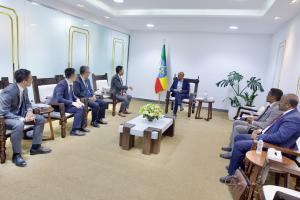
Ethiopia Moves to Deepen Digital Partnership with Huawei as It Advances 2030 Vision
Oct 31, 2026 5943
Addis Ababa, October 31, 2026 (ENA) — Ethiopia and Chinese technology giant Huawei have agreed to deepen their strategic cooperation in digital transformation. The agreement focuses on expanding ICT infrastructure, strengthening national technological capabilities, and accelerating the country's digital economy. Deputy Prime Minister Temesgen Tiruneh held discussions with Eric Yuan, the newly appointed Chief Executive Officer of Huawei Ethiopia, on the progress of Ethiopia's digital economy and prospects for further cooperation. In a social media post, Temesgen said the discussions reflected a shared commitment to advancing Ethiopia's transformation into a more connected, inclusive, and competitive economy. He noted that Huawei has played an important role in Ethiopia's digital development, particularly through the expansion of ICT infrastructure and improved connectivity. Yuan commended the government's ongoing efforts to advance the country's digital economy and reaffirmed Huawei's commitment to supporting Ethiopia's national development ambitions, the Deputy Prime Minister said. The discussions also explored opportunities to expand collaboration as Ethiopia advances its Digital Ethiopia 2030 strategy, with particular emphasis on national ownership, mutual trust, sustainability, security, and local value creation. Temesgen underscored that Ethiopia's digital transformation is not merely about adopting emerging technologies, but ensuring that they deliver tangible benefits to citizens, strengthen domestic technological capabilities, and create new opportunities for innovation and economic growth. He emphasized that although strong international partnerships are essential to advancing the country's digital ambitions, Ethiopia's technological future must remain firmly anchored in its own national priorities and aspirations. The two sides agreed to further strengthen their cooperation and translate their shared commitments into practical outcomes that contribute to Ethiopia's long-term development. "Our ambition is clear: an Ethiopia that is not only more connected, but more capable, more competitive, and better positioned to shape its own future," Temesgen stated.
Tanzania Interested in Exploring Ethiopia's Experience in AI-Assisted Tribunal Hearings
Oct 29, 2026 10083
Addis Ababa, October 29, 2026 (ENA) —The Tanzanian Finance Commissioner for Financial Sector Development, Dionisia Peter Mjema, has expressed interest in exploring artificial intelligence for tribunal hearings, citing Ethiopia's experience as a useful lesson for improving efficiency and reducing human error. The Commissioner made the remarks following a visit to Ethiopia's Capital Market Administrative Tribunal, where the Tanzanian delegation learned about the country's legal and regulatory framework for capital markets and the tribunal's operations. She said the delegation was particularly interested in Ethiopia's plan to develop AI-assisted hearings that could help improve the timely resolution of cases. According to the Commissioner, Tanzania could explore similar technology to modernize its tribunal's courtroom operations. The application of AI in hearings was an area of interest in the country's financial sector development efforts, she added. During the visit, the delegation also toured Ethiopia's capital market institutions, including the Ethiopian Securities Exchange and the Ethiopian Commodity Exchange, providing insights into the institutional arrangements supporting the country's developing capital market. Mjema said Tanzania could draw lessons from Ethiopia's experience in building institutional expertise, particularly the international exposure of professionals working in its capital market institutions. She also highlighted the importance of raising awareness of capital market products and services so that more companies, including small and medium-sized enterprises, could benefit from capital market financing. For his part, Eliad E. Mndeme, a lawyer and member of Tanzania’s Capital Market Tribunal, said the delegation learned how Ethiopia’s tribunal uses technology to facilitate electronic complaint filing and virtual hearings, allowing participants to follow proceedings remotely. The tribunal also uses artificial intelligence to transcribe spoken proceedings into written records, with the system reportedly achieving 87 percent accuracy, he said, adding that the tribunal is working with the Artificial Intelligence Institute of Ethiopia to improve its accuracy further. Mndeme pointed out that these practices offered useful lessons for Tanzania, particularly in applying technology to make dispute resolution more accessible and efficient. He also highlighted the tribunal’s efforts to prepare a guidebook on dispute-resolution mechanisms for lawyers and judges, saying public awareness of the system helps strengthen investor confidence by demonstrating that capital market disputes can be handled through an impartial and independent body.
Sport
.jpg)
WHO RC76 Participants “Walk the Talk” in Addis Ababa, Championing Healthier Africa
Aug 23, 2026 160464
Addis Ababa, August 23, 2026 (ENA) —Participants of the 76th Session of the World Health Organization (WHO) Regional Committee for Africa (RC76) joined a symbolic health walk on Sunday from the Adwa Victory Memorial to Meskel Square in Addis Ababa. The participants also turned the message of “Walk the Talk” into action while promoting physical activity and healthier lifestyles across Africa. Ethiopia’s Minister of Health Dr. Mekdes Daba, African health ministers, senior government officials, WHO leaders and prominent athletes, including Ethiopian Athletics Federation President Commander Sileshi Sihine, took part in the event. The initiative sought to translate health policies and commitments into practical action by encouraging people to make regular physical activity part of their daily lives and strengthening public awareness about the prevention of non-communicable diseases. The walk began at the Adwa Victory Memorial, a landmark symbolizing Ethiopia’s historic victory and African resistance to colonialism, and continued through Addis Ababa’s pedestrian routes before concluding at Meskel Square. Organizers emphasized that regular physical activity plays a vital role in reducing the risk of non-communicable diseases, including diabetes, hypertension and cardiovascular diseases, while contributing to healthier and more active communities. The event also highlighted Africa’s collective commitment to improving public health and demonstrated the importance of moving beyond policy discussions toward tangible, everyday health practices. The 76th Session of the WHO Regional Committee for Africa, scheduled to take place in Addis Ababa from August 24 to 28, 2026, will bring together more than 600 delegates, including health ministers and senior officials from the WHO African Region’s 47 member states, global health leaders, development partners, donors and WHO representatives. Over the five-day session, participants will assess progress toward regional health goals, deliberate on new strategies and resolutions. The session is also anticipated to identify collective actions to strengthen health systems, advance universal health coverage, enhance health security and improve emergency preparedness across the continent. The gathering is expected to serve as a major platform for African countries and global health partners to deepen continental health cooperation and advance practical solutions to Africa’s most pressing health challenges.
National Dialogue Conference to Address Root Causes of Differences through Consultation, Says ENDC Chief
Jul 12, 2026 156694
Addis Ababa, July 12, 2026 (ENA) —The upcoming National Dialogue Conference will serve as a platform to resolve the issues underlying Ethiopia's longstanding differences through peaceful consultation, Chief Commissioner of the Ethiopian National Dialogue Commission (ENDC) Professor Mesfin Araya, said. Speaking at a five-kilometer public race organized by the Commission at Meskel Square under the theme "Ethiopia is consulting" today, Professor Mesfin said the country has finalized all preparations for the landmark conference, which is scheduled to begin on July 15, 2026 in Addis Ababa. "The main national consultation conference will be a place where issues that are the source of our differences will be resolved through consultation," he said. According to the Chief Commissioner, delegates representing communities from every region, all woredas, Addis Ababa, Dire Dawa, and Ethiopians living abroad have already arrived in the capital to participate in the conference. He said participants are expected to engage in inclusive and constructive discussions and work toward consensus on recommendations that offer lasting solutions to issues that have fueled differences among Ethiopians. Professor Mesfin described the conference as a historic opportunity to address national challenges through dialogue rather than confrontation. He also expressed appreciation to security institutions, federal and regional government bodies, civil society organizations, and other stakeholders for their contributions in preparing for what he described as a significant stage in Ethiopia's national dialogue process. Participants in a five-kilometer race also expressed optimism that the conference would help strengthen national unity and foster lasting peace. "There is no problem that cannot be solved through consultation," participant Sherefa Ali said. "I believe the challenges that have persisted in Ethiopia for generations can be addressed through the main consultation conference." He added that such dialogue platforms help build trust between citizens and the government while creating opportunities to work together toward common national goals. Another participant, Gemechisa Waqgari, said the conference represents an important step toward reinforcing peace, unity, solidarity, and democratic values. Participant Tnisae Abebe also voiced hope that the conference would generate practical ideas to address the country's social and economic challenges. The National Dialogue Conference will deliberate on eight broad thematic areas identified during nationwide consultations. The agenda includes nation building, systems of government and governance, the political and electoral system, the status of the federal cities of Addis Ababa and Dire Dawa, religion and state relations, institution building, the rule of law and human rights, socio economic issues including the concerns of farmers and pastoralists, corruption and good governance, as well as peace building. The five kilometer race was attended by Deputy Chairperson of the House of Peoples' Representatives Standing Committee on Democratic Affairs Azmeraw Andemo, Professor Mesfin Araya, senior government officials, representatives of civil society organizations, and members of the public.

Diplomatic Football Participants Praise Ethiopia’s Heritage and Hospitality
Jun 14, 2026 154352
Addis Ababa, June 14, 2026 (ENA) —Participants in a diplomatic football event held in Addis Ababa have praised Ethiopia’s cultural heritage, historical legacy and warm hospitality. The tournament, organized in anticipation of the 2026 World Cup, brought together diplomatic football teams and invited guests who later toured key historical and cultural sites in the city. The delegation visited the Ethiopian National Museum, the Adwa Victory Memorial and Addis Sport Park, gaining what many described as a deeper appreciation of Ethiopia’s past and present development. Several participants said the experience reshaped their understanding of the country. Gordon Johnson, one of the participants, expressed admiration for what he witnessed during the visit. “The people are so welcoming and friendly. I love the culture,” he said. He further stated that: “We had a tour of the museum, and the guide showed us hominid fossils recovered in the ’60s, ’70s, and ’90s that date back millions of years.” Johnson said the experience reflected Ethiopia’s deeper historical significance beyond modern perceptions. Cameroonian guest Loic Kovamo also said the visit challenged her previous perceptions of the country. “I am speechless because I didn’t picture Ethiopia like this. It’s a very developed country, and the people are so proud of who they are,” she said, noting, “I’m going back with a lot of pride as an African because I discovered the incredible courage and bravery of the Ethiopian people.” Mark Hayes, one of the visitors, said his expectations were changed after arriving in Addis Ababa. “You have a perception before you come, but it’s the complete opposite. It’s an amazing country,” he said, adding, “What we do now is go home and tell stories about how good Ethiopia is. I feel like a proud advocate.” He further noted that he intends to share his experience in the United Kingdom, saying he would “educate others in England about what he had seen in Addis Ababa.” Joseph Kirule, who works with the Food and Agriculture Organization of the United Nations in Addis Ababa, highlighted the importance of the historical sites visited. “Today we saw different milestones in human civilization that originated here,” he said, adding, “Most importantly, we learned about the Adwa victory. That is a massive milestone that raises our prestige as Africans.”
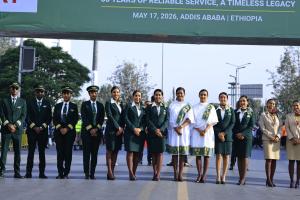
Ethiopian Airlines Rises as Africa’s Leading Carrier After Decades of Expansion, Success, Says CEO
May 17, 2026 160508
Addis Ababa, May 17, 2026 —Ethiopian Airlines has solidified its position as Africa’s largest and leading airline after years of sustained growth and operational success, the airline’s Group Chief Executive Officer, Mesfin Tasew, said on Sunday. The remarks were made during an 8-kilometer street race organized as part of celebrations marking the airline’s 80th anniversary. Speaking at the event, CEO Mesfin reflected on the airline’s humble beginnings in 1946, when it launched operations with only a small fleet of aircraft. Since then, he said, the carrier has expanded significantly and now operates one of the continent’s most modern fleets, including advanced aircraft from Boeing and Airbus. According to Tasew, the airline currently serves more than 145 international destinations worldwide and has achieved strong growth across multiple sectors, including cargo transportation, aviation training through the Ethiopian Aviation Academy, and other aviation-related services. He further said the airline’s operational strength and long-term strategic investments have helped make it one of the most preferred carriers in Africa and a major player in the global aviation industry. As part of commemorating its eight decades of operations, Ethiopian Airlines is holding a series of celebratory events, including the street race, panel discussions, exhibitions, and community outreach programs. The anniversary run attracted senior officials, including Sileshi Sihine, President of the Ethiopian Athletics Federation, alongside airline executives and invited guests. The race began at Pushkin Square, commonly known as Sar Bet, and is set to conclude at Bole International Airport. Athletes, airline employees, members of the sporting community, and participants from various institutions are taking part in the event.
Environment

Ethiopia Inaugurates 11 EV Fast-Charging Stations Across Six Cities
Oct 31, 2026 4087
Addis Ababa, October 31, 2026 (ENA) — The Ethiopian Electric Utility (EEU) inaugurated 11 electric vehicle fast-charging stations today across six cities. The facilities are capable of charging 96 vehicles simultaneously, marking a significant step in the country's efforts to expand electric mobility infrastructure. The stations have been established in Addis Ababa, Bishoftu, Mojo, Adama, Batu, and Hawassa. Five of these are located in Addis Ababa, as part of a broader initiative to improve access to electric vehicle charging services nationwide. Speaking at the inauguration ceremony, the utility’s CEO, Getu Geremew, said that opening 11 charging stations in a single day marked a significant milestone for the institution. One of the newly inaugurated facilities, located along what is commonly known as Hachalu Road in Addis Ababa, was constructed in collaboration with the city administration and can charge nearly 12 vehicles at a time. Getu noted that the center would help meet the growing demand for charging services in the area, with potential for further capacity expansion. He added that the utility is working to expand charging infrastructure extensively across Addis Ababa and its surroundings, announcing plans to increase the number of charging stations fivefold over the next year. Beyond the capital, the utility is also planning to extend charging services to more regional cities, including Dire Dawa, Mekelle, Bahir Dar, Gondar, Jijiga, Jimma, and Arba Minch, among others. The expansion is expected to improve the availability of charging services as the adoption of electric vehicles increases across the country. Getu further noted that the utility has developed the capacity to accommodate up to 150 electric vehicles for charging at a time, adding that expanding the infrastructure would encourage clean energy use, reduce air pollution, and lessen dependence on conventional fuel. He stated that encouraging electric vehicles and expanding charging infrastructure are among the efforts the institution is undertaking to promote the use of clean energy. Bishoftu City Mayor Alemayehu Assefa, for his part, said the newly established charging facilities in his city would support tourism and green development activities by making it easier for electric vehicle users to access charging services. Located 47 kilometers from Addis Ababa, Bishoftu is a tourism and economic center known for its lakes and natural resources. Alemayehu said improved charging access would make travel and stays more convenient for visitors. He added that electric vehicles offer an important alternative for easing fuel demand and reducing air pollution, assuring that the city administration would cooperate in preparing sites and facilitating the establishment and operation of additional charging stations in Bishoftu and its surroundings. Ethiopia's expansion of electric vehicle charging infrastructure is part of its broader transition toward electric mobility, aimed at reducing dependence on imported petroleum and making greater use of the country's renewable energy resources. In January 2024, the government prohibited the importation of gasoline- and diesel-powered vehicles as part of efforts to accelerate electric mobility and reduce fuel imports. Ethiopia subsequently developed its National E-Mobility Strategy and Implementation Plan (2025–2030), which sets out measures to expand charging infrastructure, promote electric public transport, encourage local vehicle production, and strengthen the domestic electric mobility industry. The strategy envisages establishing more than 2,200 charging centers across Addis Ababa and regional areas by 2030, reflecting the importance of accessible charging facilities in supporting the country's transition to electric transport.
.jpg)
Natural Gas-Powered Buses Mark Milestone in Ethiopia’s Drive for Economic Resilience and Sustainability
Oct 30, 2026 7162
Addis Ababa, October 30, 2026 (ENA) — Ethiopia has taken a significant step toward sustainable energy use and economic self-reliance with the launch of natural gas-powered public transport buses in Addis Ababa, inaugurated by Prime Minister Abiy Ahmed today. The initial rollout of 26 converted city buses marks a strategic shift toward harnessing domestically produced natural gas as a cleaner and more affordable alternative to imported petroleum. The initiative is expected to reduce public transport operating costs, ease the country's dependence on imported fuel, and curb urban carbon emissions while creating new opportunities for the wider use of locally produced energy. Speaking at the inauguration ceremony, Prime Minister Abiy highlighted the extensive coordination and infrastructure development required to transform Ethiopia's domestic natural gas resources into a practical energy source for public transportation. He said the initiative builds on the initial phase of natural gas production in Gode, Somali Region. “The gas we produced there is not like liquid fuel. Because it is in gaseous form, extracting it from the well, transporting it, and delivering it to users requires significant additional work,” PM Abiy said. He explained that, unlike conventional liquid fuels, natural gas requires specialized infrastructure for storage, transportation, and distribution. “For that reason, dedicated storage facilities and specialized stations like this are necessary. A standard fuel station will not work for gas because their physical characteristics are entirely different,” he said. The conversion initiative builds on existing public transport infrastructure, drawing on domestic technical expertise to retrofit former diesel-powered Anbessa buses to operate on natural gas. “These buses you see are former Addis Ababa Anbessa buses that were previously fueled by diesel. By bringing them in, completely modifying them, adjusting their interiors, and adapting them for natural gas, considering we are beginners in this, we have successfully converted around 256 buses over the past few months,” the Prime Minister noted. Alongside the retrofitting programme, the government is expanding the city's fleet through the procurement of new gas-powered buses to accelerate the transition. “If we proceeded only by retrofitting, it would take too long. Therefore, we have ordered around 400 new gas buses, which will arrive within the next three months,” he announced. “When those 400 arrive, gas-powered vehicles will make up at least 30 percent of the current Anbessa bus fleet in Addis Ababa. Once we reach that benchmark in three to four months, we will scale up further to completely convert all fuel-using city buses in Addis Ababa to natural gas within a few years.” The transition to locally produced natural gas is also expected to lower public transport fares, ease the financial burden on urban households, and reduce Ethiopia's expenditure on imported petroleum. “Under current realistic conditions, [transport costs] drop by a minimum of 50 percent,” Prime Minister Abiy explained. “If you pay one Birr on this bus, you would have paid two Birr on the previous one.” Identifying transportation, housing, and food as major financial pressures facing low-income citizens, he said reducing costs in these areas remains central to improving living standards. “For low-income people, transportation and housing are the main burdens in Ethiopia,” he noted. “If we reduce transport costs, provide housing through our initiatives, and maintain our efforts on food security, we address the three issues that concern people most. Resolving these gives citizens the opportunity to live better lives.” “Our primary desire is to produce enough food to feed ourselves. When transport is imported, it comes with a lot of hassle,” PM Abiy stated, highlighting the importance of strengthening domestic production and industrial capacity. “We have ordered nearly 100 gas trucks, arriving in two to three months,” he added. He said lower transportation costs from factories to construction sites, combined with reduced manufacturing expenses, would generate broader economic benefits, particularly in housing construction, agricultural produce distribution, and urban economic activities. The next phases of the strategy will extend natural gas utilization to fertilizer production, electricity generation, and other commercial applications. “Gas extraction is an exciting beginning, but it must expand,” he said. “If taxis convert their cylinders and switch to gas, fares will decrease. In the next phase, gas will serve as an input for fertilizer and electricity generation.” He cited the Mojo and Debre Berhan ceramics manufacturing factories, which together meet more than 100 percent of national demand and have been converted to natural gas. “We will no longer import fuel for them. Because they utilize local energy and labor, ceramics will be delivered to the public at an affordable price,” he said. To facilitate the wider distribution of natural gas and support industrial operations, the government has also ordered additional transportation infrastructure. “We have ordered nearly 100 gas trucks, arriving in two to three months,” he added. He said lower transportation costs from factories to construction sites, combined with reduced manufacturing expenses, would generate broader economic benefits, particularly in housing construction, agricultural produce distribution, and urban economic activities. The next phases of the strategy will extend natural gas utilization to fertilizer production, electricity generation, and other commercial applications. Acknowledging the technical and financial challenges involved in developing the sector, the Prime Minister reaffirmed the government's commitment to addressing existing limitations through sustained investment, knowledge development, and national collaboration. “This work is complex. Beyond financial constraints, there are knowledge limitations, but we will address them diligently,” he remarked, adding that “very commendable results are being seen.” “The coming times for Ethiopia and our children are very promising and bright,” he said. “There is no result achieved without effort, work, and diligence. When we join forces, immense energy, capacity, knowledge, and wealth are gathered. Applied to nation-building, Ethiopia will flourish and achieve its aspirations through a united effort.”
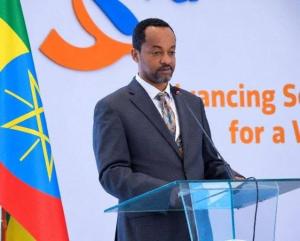
Success Achieved in Natural Resource Conservation Playing Pivotal Role in Regional Shared Benefit: Ministry
Oct 30, 2026 6171
Addis Ababa, October 30, 2026 (ENA) — Ethiopia’s strides in natural resource conservation and watershed development are significantly fostering regional growth and mutual benefit, according to the Ministry of Water and Energy. Success achieved in natural resource conservation is playing a pivotal role in regional shared benefit: Ministry of Water and Energy Ethiopia’s strides in natural resource conservation and watershed development are significantly fostering regional growth and mutual benefit, according to the Ministry of Water and Energy. The 3rd Ethiopian Water and Energy Week continues under the theme “Advancing Science-Based Policy and Partnerships for a Water and Energy Secure Future.” Speaking on the occasion, Michael Mehari, advisor to the Minister of Water and Energy, highlighted that developing water resources through integrated management is key to simultaneously safeguarding water, food, and energy security. He emphasized the necessity of expanding multipurpose water storage and infrastructure to harmoniously elevate both irrigation development and power generation. Noting that Ethiopia contributes over 86 percent of the water entering the Nile Basin system, he explained that prudently developing and protecting its water resources is essential not only for national progress but also for the shared prospering of all basin nations. Reflecting on Ethiopia’s extensive endeavors in soil and water conservation, watershed management, and environmental protection, he underscored that safeguarding upper basin ecosystems remains vital for domestic advancement and for downstream nations' mutual advantage. Accordingly, he pointed out the imperative to reinforce cross-border river governance through collaboration grounded in equity and equitable utilization. He further noted that policy formulation and development choices within the water and energy domains must firmly anchor themselves on scientific research and empirical evidence. He added that scaling up investment while building the capacity of domestic contractors and the private sector is vital for progress. Observing that viewing the water-energy-food-ecosystem nexus in unison is crucial for sustainable development, he stressed that these sectors transcend technical dialogues, it is interlinked with national survival, prosperity, and sovereignty. He concluded by noting that deliberations during Water and Energy Week have centered around green energy, power access, eco-friendly and health-conscious cooking options, integrated water resources management, sanitation, and digital innovation.
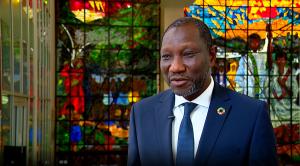
Green Initiatives in Ethiopia Catalyst to Drive Climate Action across Africa: UN-Habitat Official
Oct 29, 2026 6992
Addis Ababa, October 29, 2026 (ENA)—Ethiopia’s green development initiatives provide a practical lesson for African countries seeking to reduce emissions and advance climate action, UN-Habitat Regional Office for Africa Director Oumar Sylla said. In an exclusive interview with ENA, Sylla commended Ethiopia’s efforts to curb emissions through clean cooking, cleaner energy for vehicles, green corridors and large-scale tree planting, urging other African countries to learn from the experience and replicate the initiatives. Emphasizing the significance of leadership, he said “we can only commend the leadership of Ethiopia on those measures to curb emissions in the country, from clean cooking to cleaner energy for vehicles, all those green corridor as well with the goal of planting millions of trees in Ethiopia”. The Director also stressed the need for African mayors and ministers of urban development to replicate Ethiopia’s experience across the continent. Ethiopia has planted over 56 billion tree seedlings since the launching of the Green Legacy Initiative in 2019. Commenting on the hosting of the 2027 United Nations Climate Change Conference (COP) in Ethiopia, he said the event is an important opportunity for Africa to strengthen its voice in global climate negotiations, promote green investment, and demonstrate progress in addressing climate change. “We are all excited seeing Ethiopia hosting one of the most critical and most important COP in the human story.” Sylla noted that the conference comes at a critical time and African countries could use the platform to highlight their climate initiatives, exchange experiences with other nations and strengthen cooperation in advancing the goals of the Paris Agreement. He underscored the importance of addressing climate change in Africa’s rapidly urbanizing cities, noting that the continent faces growing needs for climate adaptation, mitigation and urban resilience. According to him, African cities require stronger measures to withstand the impacts of climate change. The UN-Habitat official emphasized that African countries and cities should strengthen solidarity, share knowledge and develop a common agenda that could be reflected in COP32’s Action Agenda. Coordinated action among African countries would help advance urban climate solutions and enable cities to learn from one another’s experiences, he added. Sylla further noted that UN-Habitat remains committed to supporting the Ethiopian government in ensuring the success of COP32. He said the organization has been engaging with the COP presidencies and working with the Addis Ababa city administration to incorporate urban development priorities into the conference preparations. He also highlighted Ethiopia’s urban regeneration and greening initiatives as opportunities to demonstrate how cities can contribute to climate action and sustainable urban transformation. Sylla called on African cities, mayors and housing and urban development ministers to examine Ethiopia’s experience and consider adapting relevant initiatives to their own national and local contexts. He said COP32 could help advance a stronger African voice in international climate discussions while promoting practical cooperation on emissions reduction, climate resilience and sustainable urban development. “This COP happening in Africa, in Ethiopia, is a real opportunity for Africa to be more vocal, but also at the same time to build the solidarity we need.”
Most viewed
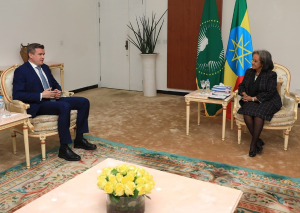
President Sahle-Work Holds Discussion with World Anti-Doping Agency President Bonka
Mar 29, 2023 379512
Addis Ababa March 29/2023/ENA/ President Sahle-Work Zewde has received a delegation led by World Anti-Doping Agency (WADA) President Witold Bonka today, according to the Office of the President. The discussion centered on the conditions under which Ethiopia and the World Anti-Doping Agency can work closely in anti-doping control and investigation, and how the organization can provide technical support, it was learned. During the discussion, Sahle-Work said that Ethiopia has a long history in athletics and is known in the world since athlete Abebe Bikila won marathon in Rome. She finally thanked the World Anti-Doping Agency for its technical support in anti-doping control.
Ethiopian Diaspora Demand Egypt to Change Counterproductive Posture on GERD
Apr 4, 2023 295929
Addis Ababa April 4/2023 (ENA) Ethiopians in the Diaspora have called on Egypt to change its counterproductive posture and find mutually beneficial agreements on the Grand Ethiopian Renaissance Dam (GERD). In a statement the diaspora issued yesterday, they noted that Ethiopia is the main source of the Nile by contributing 86 percent of the water to the Nile basin states while utilizing less than 1 percent of the potential for hydroelectric power. Ethiopians are currently building the GERD on the Blue Nile that is financed entirely by Ethiopians and is a crucial project for the country's development as it will provide clean, renewable energy and lift millions out of poverty. About 65 percent of the 122 million of Ethiopia's population have no access to any form of electricity. The much-needed electricity will facilitate economic growth for Ethiopia and the region, the statement elaborated. The dam will promote regional cooperation and integration while offering opportunity for eleven countries of the Nile Basin to work together to manage the river's resources more efficiently and effectively, it added. The GERD is being built with the highest environmental and technical standards to achieve the objectives of the national electrification program and the execution of Ethiopia’s Climate-Resilient Green Economy Strategy. According to the statement, Ethiopia has provided scientific evidence and expert testimonies that GERD will not significantly affect the flow of water downstream, and provided compelling arguments for the need for equitable use of the Nile's resources by all countries in the region. The diaspora further said they understand that the GERD has raised concerns in Egypt about the downstream effects on the Nile's flow and water availability since Egyptians have been misinformed about the GERD for many years. But on the contrary, the dam will provide several benefits to Egypt and Sudan, including increased water flow during dry seasons and decreased flooding events. “We want to assure Egyptians that Ethiopians are committed to fair and equitable use of the Nile's waters without harming our downstream neighbors. We recognize that the Nile River is a shared resource, and we support finding a mutually beneficial solution.” As Ethiopians in the Diaspora, we reiterate our support for fair and equitable use of the Nile River and call on the Egyptian people and Egyptian Diaspora to question the misinformation about the GERD in Egypt's mainstream media and embrace the spirit of friendship and cooperation by understanding that the GERD is a project of great national importance to Ethiopians that will benefit Egyptians by ensuring a reliable and predictable supply of water, that Ethiopians have the right to use their water resources for the development of its people and economy, in accordance with the principles of equitable and reasonable utilization without causing significant harm. Efforts to destabilize Ethiopia by the regime in Egypt, will indeed affect the historical and diplomatic relations dating back to several thousand years, the long-term interest of the Egyptian people and make Ethiopians less trusting in cooperating on the GERD and future hydropower projects on the Nile, they warned. The diaspora groups urged Egyptian leaders to engage in constructive dialogue with the leaders of Ethiopia regarding the GERD and steer away from their counterproductive posture of calling for a “binding agreement” on the GERD filling and the subsequent operations as an imposing instrument on water sharing that Ethiopians will never accept. The GERD can be a source of cooperation and collaboration between our two countries rather than a source of conflict, they underscored. "Ethiopians believe that, through dialogue and understanding, peaceful and equitable agreements that benefit all parties involved can be realized to build a brighter future for all people in the Nile basin. Belligerent positions by Egyptian leaders stating ‘all options are open’ are contrary to the spirit of the 2015 Declaration of Principles signed by Ethiopia, Sudan and Egypt." According to the statement, such postures will surely harm Egypt's long-term interest and impede trustful cooperation with the Ethiopian people and government. They asked Arab League and its member states to refrain from interfering in the issue of the GERD, which is the sole concern of the three riparian countries (Ethiopia, Sudan and Egypt) and their shared regional organization (the African Union), which is mediating the talks to find ‘African Solutions to African Problems.’ The issues remaining on the table at the trilateral negotiations under the auspices of the African Union are being narrowed to a handful of critical matters on equity and justice, on which the Arab league nations have no business or legal right to be involved.

Ethiopia's Ayana Takes Paris Win on Marathon Debut
Apr 2, 2023 294797
Addis Ababa April 2/ 2023 (ENA) Ethiopia's Abeje Ayana won the men's race at the Paris Marathon on Sunday in his first competitive run over the distance. The 20-year-old Ayana won with a time of two hours, seven minutes and 15 seconds, 20 seconds ahead of compatriot and pre-race favourite Guye Adola with Kenya's Josphat Boit a further five seconds back in third. After clocking 59:39 in a half marathon in Poznan, Poland in 2021, Ayana was one of the men to watch on a grey, windy morning in the French capital, Reuters reported.
Africa’s Sustainable Growth Hinges on Science, Technology and Innovation: Experts
Mar 3, 2023 292059
Addis Ababa March 3/2023/ENA/ Achieving the ambitious targets of the 2030 and 2063 Agendas of Africa requires leveraging the power of science, technology, and innovation (STI), according to experts. A press release issued by the ECA stated experts at the Ninth African Regional Forum on Sustainable Development have emphasized the crucial role of STI as a key driver and enabler for ensuring economic growth, improving well-being, mitigating the effects of climate change, and safeguarding the environment. They also underscored the need to strengthen national and regional STI ecosystems by fostering innovation, promoting entrepreneurship, and investing in research and development. By doing so, the experts said that Africa can harness the potential of STI to accelerate its socio-economic progress and achieve the Sustainable Development Goals (SDGs) by 2030 and the African Union's Agenda by 2063. The session, held on 2 March 2023, builds on the recommendations of the Fifth African Science, Technology, and Innovation Forum, which accentuates the central role of STI and digitalization during the COVID-19 pandemic and the need for the necessary infrastructures for the development of STI, plans, and policies that are action-oriented towards strengthening its full implantation. The experts highlighted that despite advances in STI, significant gaps remain in bridging the scientific and technological divide between developed countries and Africa. The highly uneven global distribution of scientific capacity and access to knowledge threatens to derail the goal of leaving no one behind, which is the central and transformative promise of Agenda 2030. “We need a clear political will from governments to ensure science, technology, and innovation is a reality. By doing so our education systems will be capacitated to deliver knowledge that is vital to solving Africa’s sustainability challenges,” Niger Higher Education and Research Minister Mamoudou Djibo said. The strategy includes the establishment of universities as centers for excellence and investments in education, technical competencies, and training in the fields of science, technology, research, and innovation. These initiatives are crucial in accelerating progress towards achieving global goals. However, in order to fully leverage the potential of STI, significant investments in research and development are required. National systems also need to be strengthened, Namibia Information and Communication Technologies Deputy Minister Emma Theophilus, stated adding that “strengthening our national systems for STI is a key game changer for rapid structural transformation in Africa. Leveraging the digital transformation can achieve a stronger, smarter, and more inclusive recovery.” Emerging evidence suggests that an STI and digital Africa can be a springboard to accelerate the implementation of the SDGs and fulfill the aspirations of Agenda 2063.
Feature Article
Diplomatic Visibility, Strategic Deterrence and Growing Stakes in the Red Sea Region
Nov 1, 2026 2522
By Staff Writer November 1, 2026 (ENA) The final week of October 2026 brought Ethiopia into sharper international focus, as the country advanced its defence modernization, strengthened strategic partnerships and renewed attention to its interests in the Abay (Nile) Basin and Red Sea region. From the announcement of the delivery of advanced fighter jets and plans to acquire sophisticated air defence systems to high-level diplomatic engagements at the Russia-Africa Summit, Ethiopia's activities reflected the growing intersection of national security, economic ambitions and regional geopolitics. Prime Minister Abiy Ahmed's participation in the Third Russia-Africa Summit in Moscow provided an important platform for advancing bilateral and continental cooperation. His announcement that Ethiopia had received its first 12 Su-35 fighter jets and was set to acquire four batteries of S-400 air defence systems also brought the country's military modernization into the international spotlight. Meanwhile, the Third Ethiopian Water and Energy Week highlighted the country's efforts to strengthen water-resource management amid rising demand from agriculture, industry and a growing population. In Addis Ababa, the introduction of the first 26 natural gas-powered city buses marked another step towards reducing fuel imports, lowering transport costs and expanding the use of locally sourced energy. Beyond these developments, discussions surrounding Ethiopia's interests in the Abay River and sustainable access to the Red Sea continued to feature prominently in national and international discourse. Together, these developments underscored Ethiopia's efforts to strengthen its national capabilities, diversify international partnerships and advance its economic and strategic interests in an increasingly interconnected regional environment. Defence Modernization: Ethiopia Advances Strategic Deterrence One of the week's most consequential announcements came from Prime Minister Abiy Ahmed, who disclosed that Ethiopia had taken delivery of its first 12 Russian-made Su-35 4++ generation fighter jets and was preparing to receive four batteries of S-400 air defence systems. The Prime Minister described the development as a significant milestone in the country's efforts to strengthen national defence and security capabilities, emphasizing the importance of building military readiness during peacetime to deter potential threats. "Today, in accordance with our prior agreement with the Russian government, we have taken delivery of the first twelve Su-35 4++ Generation fighter jets," he announced. He further disclosed that Ethiopia would receive four batteries of S-400 air defence systems, marking another major component of the country's military modernization programme. The Prime Minister elaborated that the delivery was expedited ahead of schedule following high-level engagements with the Russian government, including discussions with President Vladimir Putin. Highlighting the capabilities of the newly acquired aircraft, Abiy said the Su-35 combines advanced radar technology, high manoeuvrability and air-to-air and air-to-ground combat capabilities. He also pointed to its ability to detect and engage aerial threats, including cruise missiles and certain ballistic targets. The acquisition signals Ethiopia's intention to strengthen its air capabilities as part of a broader effort to modernize the Ethiopian National Defence Force (ENDF). Beyond acquiring sophisticated military platforms, the country's evolving defence priorities also place emphasis on operational readiness, technological capabilities and the institutional capacity required to maintain and sustain modern military systems. The announcement has consequently drawn international attention to Ethiopia's changing defence posture and its implications for the wider Horn of Africa and Red Sea security environment. Russia-Africa Summit: Advancing Ethiopia's Strategic Partnerships Ethiopia's defence announcement coincided with Prime Minister Abiy Ahmed's participation in the Third Russia-Africa Summit in Moscow, where he engaged in bilateral and multilateral discussions aimed at expanding cooperation across strategic sectors. Among the key engagements was his meeting with Russian President Vladimir Putin, during which the two leaders discussed ways to deepen the longstanding relationship between their countries. PM Abiy pointed out that the discussions explored opportunities for expanding cooperation in nuclear energy, healthcare, trade and other areas of mutual interest. The meeting reflected the two countries' continued interest in broadening their partnership beyond traditional diplomatic relations into sectors central to Ethiopia's long-term economic and technological ambitions. In a gesture underscoring the importance of intellectual exchange and mutual understanding, the Ethiopian Prime Minister also presented Putin with the Russian edition of his book, Medemer. PM Abiy described the presentation as reflecting the shared commitment of the two countries to dialogue, mutual understanding and the continued advancement of bilateral relations. Addressing the summit, the Prime Minister emphasized the importance of translating longstanding diplomatic relationships and strategic commitments into tangible development outcomes. He identified food security and agricultural productivity, reliable energy supply, and skills and knowledge transfer as three essential pillars underpinning Ethiopia's development ambitions. He further noted that Ethiopia and Russia have maintained diplomatic relations for more than a century, founded on mutual respect and shared interests. As part of efforts to expand this historic partnership, the two countries are pursuing cooperation on the development of a nuclear power plant in Ethiopia, an initiative expected to contribute to the country's long-term energy ambitions. Prime Minister Abiy said the strategic partnership with Russia could help diversify Ethiopia's energy options, accelerate its development aspirations and strengthen cooperation in areas critical to national prosperity. Water and Energy: Strengthening the Foundation for Sustainable Development While defence and diplomacy attracted considerable international attention, Ethiopia's water and energy agenda remained another important focus during the week. The Third Ethiopian Water and Energy Week brought together policymakers, technical experts and other stakeholders to examine the country's progress and challenges in managing its water resources and expanding access to essential services. The third day of the event was dedicated to Water Day under the theme "Evidence to Action: Science-Based Solutions for Integrated WASH and Water Resource Management." Discussions focused on strengthening the identification, documentation and sustainable management of Ethiopia's surface and groundwater resources as population growth, industrialization and agricultural expansion continue to increase national demand. The gathering also provided an opportunity to assess progress over the past decade in drinking water supply and sanitation, recognize achievements and identify remaining gaps. For Ethiopia, effective water-resource management is closely linked to food security, energy generation, industrial development and public health. With agriculture remaining central to the national economy, improved water management and expanded irrigation infrastructure are increasingly important to strengthening agricultural productivity and reducing vulnerability to climate-related shocks. The discussions therefore highlighted the importance of translating scientific evidence, research and policy commitments into practical solutions that can support the country's long-term development. Addis Ababa Introduces Its First Natural Gas-Powered City Buses Another notable development during the week was the introduction of the first 26 natural gas-powered city buses into Addis Ababa's public transportation system. Prime Minister Abiy Ahmed announced that the buses, converted from conventional fuel to natural gas, had officially entered service, marking a new phase in the capital's efforts to modernize public transport and diversify its energy sources. The initiative is expected to reduce the country's fuel import bill, lower public transport operating expenses and make transportation more affordable for passengers. the Prime Minister revealed that the transition is projected to cut passenger fares by half while reducing foreign currency expenditure on conventional fuels. He explained that the initiative followed months of work to transport domestically produced natural gas to Addis Ababa, establish refuelling facilities and retrofit existing buses. Beyond its immediate transport benefits, the project demonstrates efforts to expand the domestic application of locally available energy resources and strengthen technological and industrial capabilities. The Premier also disclosed that an additional 400 natural gas-powered buses were expected to arrive soon, as the government seeks to accelerate the transition towards more affordable and diversified public transportation. The initiative forms part of broader efforts to improve urban mobility, reduce dependence on imported petroleum products and deliver tangible economic benefits to citizens. Abay and Red Sea: Ethiopia's Strategic Interests Gain International Attention Alongside developments in defence, diplomacy and economic transformation, Ethiopia's interests in the Abay River and sustainable access to the Red Sea continued to attract attention from political leaders, analysts and international commentators. The country's geographical position, population size, economic ambitions and growing regional responsibilities have increasingly brought these issues into discussions about the future of the Horn of Africa. Former Prime Minister Hailemariam Desalegn described Ethiopia's pursuit of sustainable sea access as a legitimate national aspiration that should be addressed through dialogue, negotiations and mutually beneficial arrangements. He argued that the central question should not be whether Ethiopia needs access to the sea, but how such access can be secured peacefully while respecting the interests of all parties. With a population of approximately 130 million, a growing economy and a vast geographical area, Ethiopia is the world's most populous landlocked country. Hailemariam described the loss of direct maritime access as a historical development that continues to influence the country's economic and strategic interests. He also traced the region's present geographical arrangements to the European scramble for Africa in the 1880s, arguing that the issue deserves serious consideration rather than being passed on to future generations. His remarks added to the growing discussion about Ethiopia's maritime interests and the importance of pursuing regional solutions through constructive engagement. Meanwhile, former African Union Commission Chairperson Nkosazana Dlamini-Zuma highlighted Ethiopia's broader continental significance, particularly its homegrown development approach and investments in energy. Speaking to ENA in Moscow ahead of the Russia-Africa Summit, Dlamini-Zuma described Ethiopia as an important model of African development and self-determination. Having led the African Union Commission from its headquarters in Addis Ababa between 2012 and 2017, she emphasized the country's unique responsibility as the diplomatic capital of Africa. She said Ethiopia should continue contributing to the vision of an integrated, peaceful and prosperous continent, driven by African leadership and the aspirations of its people. Her remarks highlighted the importance of Ethiopia's development experience and its role in advancing continental cooperation. A Week Reflecting Ethiopia's Expanding Strategic Priorities Taken together, the developments of the final week of October reflected several interconnected dimensions of Ethiopia's national priorities. The defence acquisitions highlighted efforts to strengthen military readiness and strategic deterrence. The Russia-Africa Summit provided an opportunity to expand international partnerships in energy, trade, healthcare and technology. The Water and Energy Week reinforced the importance of sustainable resource management, while the introduction of natural gas-powered buses demonstrated the practical application of domestic energy resources. At the same time, discussions surrounding the Abay River and Red Sea access underscored the enduring importance of geography, economic interests and regional cooperation in shaping Ethiopia's strategic outlook. These developments point to a broader national agenda in which security, economic transformation, technological advancement and diplomatic engagement increasingly intersect. As Ethiopia continues to pursue its development ambitions and navigate a changing regional and international environment, the challenge will be to translate these strategic priorities into sustainable economic gains, stronger national institutions and peaceful, mutually beneficial regional partnerships.
Ethiopia’s Defence Modernization Signals New Era of Strategic Deterrence
Nov 1, 2026 2774
By Staff Writer November 1, 2026 (ENA) Ethiopia’s announcement of the acquisition of advanced Russian-made Su-35 fighter jets and plans to receive S-400 air defence systems marks a significant development in the country’s efforts to modernize its national defence capabilities, strengthen the protection of its airspace and reinforce its strategic deterrence. Prime Minister Abiy Ahmed announced on October 28 in Moscow, Russia that Ethiopia had taken delivery of its first batch of Su-35 fighter jets under an agreement with Russia and would also receive four batteries of the S-400 air defence system. He described the development as a major milestone in the country’s efforts to strengthen national security, safeguard sovereignty and contribute to regional stability. The announcement, made during the Prime Minister’s visit to Moscow for the Third Russia–Africa Summit, also underscored the growing defence cooperation between Ethiopia and Russia. Beyond Military Acquisition: A Strategic Investment in National Security The acquisition represents more than the addition of advanced military equipment to Ethiopia’s arsenal. It reflects a broader effort to build a modern defence force capable of responding to evolving security challenges and protecting the country's national interests. The Su-35, a fourth-generation-plus multirole fighter, is designed to undertake air-superiority and air-to-ground missions. Its advanced radar, manoeuvrability and weapons systems provide capabilities for airspace surveillance, interception and a range of combat operations. The planned acquisition of the Russian-made S-400 system would add another dimension to Ethiopia’s air defence architecture. Designed to engage aircraft, cruise missiles and other aerial threats, the system is intended to provide long-range air defence capabilities and strengthen the protection of strategic assets. Together, these platforms could expand Ethiopia’s capacity to monitor and defend its airspace. However, their effectiveness will depend not only on the equipment itself but also on trained personnel, maintenance systems, logistics, command-and-control infrastructure and the ability to integrate different defence capabilities. Deterrence as an Instrument of Peace The strategic significance of military modernization extends beyond battlefield capabilities. A credible defence posture can serve as a deterrent by raising the potential costs of aggression and discouraging threats before they escalate into conflict. Prime Minister Abiy has emphasized this principle, noting that military preparedness is not simply about fighting wars but also about preventing them. For Ethiopia, strengthening defence readiness is closely connected to protecting its sovereignty, territorial integrity and national development interests. The objective, as articulated by the government, is to build the capacity to safeguard peace and security while reducing vulnerability to external threats. This approach places deterrence within a broader national security framework in which military preparedness is intended to support stability rather than confrontation. Regional Security and the Horn of Africa Ethiopia’s defence modernization carries significance beyond its national borders, particularly given its strategic position in the Horn of Africa and its extensive economic and security interests across the wider Red Sea region. As a landlocked country with a large population and substantial dependence on regional trade and transport corridors, Ethiopia has important interests in the security of its airspace, critical infrastructure and cross-border economic connections. The evolving security environment in the Horn of Africa, together with the growing use of drones, precision-guided weapons and other emerging military technologies, has increased the importance of modern surveillance, air defence and rapid-response capabilities. In this context, Ethiopia’s investment in advanced fighter aircraft and air defence systems reflects an effort to adapt its defence posture to changing regional and technological realities. At the same time, military modernization alone cannot guarantee regional stability. Sustainable peace also requires diplomatic engagement, confidence-building, respect for national sovereignty and stronger regional cooperation. A credible deterrent is most effective when complemented by constructive relations with neighbouring countries and regional institutions. Building a Modern and Sustainable Defence Force The acquisition of advanced platforms also places greater importance on the institutional and technological foundations of national defence. Operating sophisticated fighter aircraft and integrated air defence systems requires specialized training, reliable maintenance facilities, technical expertise, secure supply chains and sustained investment in personnel development. The Ethiopian National Defence Force (ENDF) has made significant strides in expanding its military capabilities through the acquisition of modern and sophisticated weaponry, reflecting an ambitious effort to transform its defence posture. Beyond conventional military capabilities, the ENDF is increasingly moving towards a technology-driven defence model, seeking to integrate artificial intelligence, cyber operations, digital warfare and advanced surveillance technologies into its military operations. This transition reflects the changing nature of modern warfare, where technological superiority, real-time intelligence and integrated command-and-control systems are becoming increasingly important. However, building a modern and technologically advanced military requires more than acquiring sophisticated weapons systems. It also demands sustained investment in specialized training, technical expertise, maintenance infrastructure, logistics, research and development, and institutional capacity to operate and sustain these capabilities over the long term. Strengthening these foundations will be essential to translating military modernization into lasting operational readiness and strategic self-reliance. The development also highlights the importance of strengthening domestic technical expertise and reducing dependence on external support wherever possible. Building such capabilities is essential to ensuring that military modernization translates into sustainable national defence readiness. Sovereignty, Security and the Pursuit of Peace Ethiopia’s latest defence acquisitions form part of a broader national effort to strengthen its security institutions and respond to an increasingly complex regional environment. The delivery of the Su-35 fighter jets and the planned arrival of the S-400 systems signal an expansion of the country’s defence ambitions and its military cooperation with Russia. Ultimately, the significance of this modernization will be measured not simply by the sophistication of the equipment acquired, but by the country's ability to translate those capabilities into effective national defence, strategic resilience and a more secure regional environment. For Ethiopia, the central objective remains the protection of sovereignty and the preservation of peace. A modern, capable and sustainable defence force, complemented by diplomacy and regional cooperation, can play an important role in safeguarding national interests and creating the security conditions necessary for long-term development.


