CPHIA 2026 Closes with Call for African Ownership of Health Security - ENA English


CPHIA 2026 Closes with Call for African Ownership of Health Security
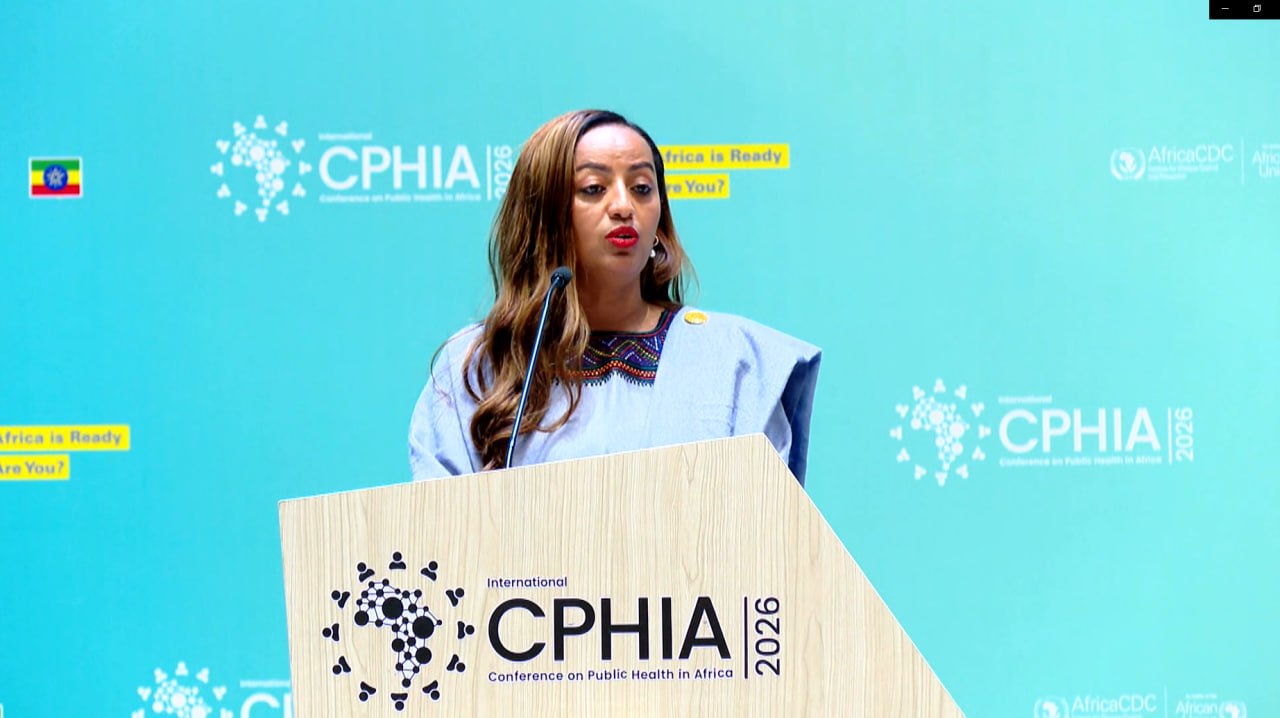
Addis Ababa, November 27, 2026 (ENA)— The five-day 2026 Conference on Public Health in Africa (CPHIA) concluded in Addis Ababa today with a strong call for African countries to take greater ownership of their health security through increased domestic investment, resilient health systems, and stronger continental cooperation.
Closing the conference, Ethiopia’s Health Minister, Dr. Mekdes Daba, urged African governments to translate the commitments made during the gathering into tangible action through national budgets, legislation, and improved frontline healthcare delivery.
The conference brought together more than 50,000 registered participants and featured over 90 sessions, attracting heads of state, ministers, scientists, health professionals, researchers, and private sector leaders.
Highlighting Ethiopia’s efforts to strengthen domestic health financing, Dr. Mekdes said the government is funding its health extension workers entirely through local resources.
She noted that Ethiopia aims to increase the government’s share of health financing to 53 percent by 2030 while reducing out-of-pocket healthcare expenditure to 20 percent.
The minister called on African countries to prioritize pandemic preparedness, primary healthcare, predictable domestic financing, and local pharmaceutical manufacturing, including the production of African-made vaccines and other essential medical products.
She also stressed the importance of stronger partnerships with the private sector, civil society, researchers, and young people in building sustainable health systems and advancing African-led solutions.
Outlining the next steps, Dr. Mekdes identified three key actions: reviewing conference priorities and incorporating them into national plans and budgets within 90 days; establishing a permanent multi-stakeholder platform; and assessing progress at the next CPHIA.
Africa CDC Director-General Dr. Jean Kaseya described CPHIA 2026 as a milestone in continental public health cooperation, declaring that “CPHIA is not just a conference; CPHIA is a movement” toward African health sovereignty.
He said discussions had highlighted Africa’s growing capacity in pandemic preparedness, local manufacturing, and domestic health financing, while stressing the need for countries to learn from one another and deepen regional cooperation.
Dr. Kaseya also called for more equitable partnerships with development partners, emphasizing that African countries must assume greater responsibility for their health security through domestic investment, good governance, and accountability.
He identified the African Pooled Procurement Mechanism and the African Medicines Agency as important instruments for reducing dependence on external suppliers and strengthening pharmaceutical production across the continent.
He reaffirmed Africa CDC’s commitment to building a continental community that connects countries, facilitates experience-sharing, coordinates health priorities, and advances collective ownership of Africa’s health security.
For his part, Addis Ababa Deputy Mayor Samuel Molalign called for stronger cooperation in developing urban health solutions, highlighting the capital’s use of artificial intelligence and digital health technologies to improve patient record management, identify health risks early, and deliver more efficient healthcare services.
He said Addis Ababa remained open to piloting innovative urban health initiatives in collaboration with partners.
Samuel also encouraged participants to share Ethiopia’s development and healthcare achievements in their respective countries and serve as ambassadors for Addis Ababa and Ethiopia.
During the five-day conference, two continental health roadmaps were also launched.
The first seeks to improve maternal, newborn, child, and adolescent health by 2030 and is championed by Tanzanian President Samia Suluhu Hassan. The second focuses on advancing African-led artificial intelligence and digital health solutions and is championed by Ethiopian Prime Minister Abiy Ahmed.


