Nat'l Dialogue Big Step Forward in Building Culture of Conversation: PM Abiy - ENA English


Nat'l Dialogue Big Step Forward in Building Culture of Conversation: PM Abiy
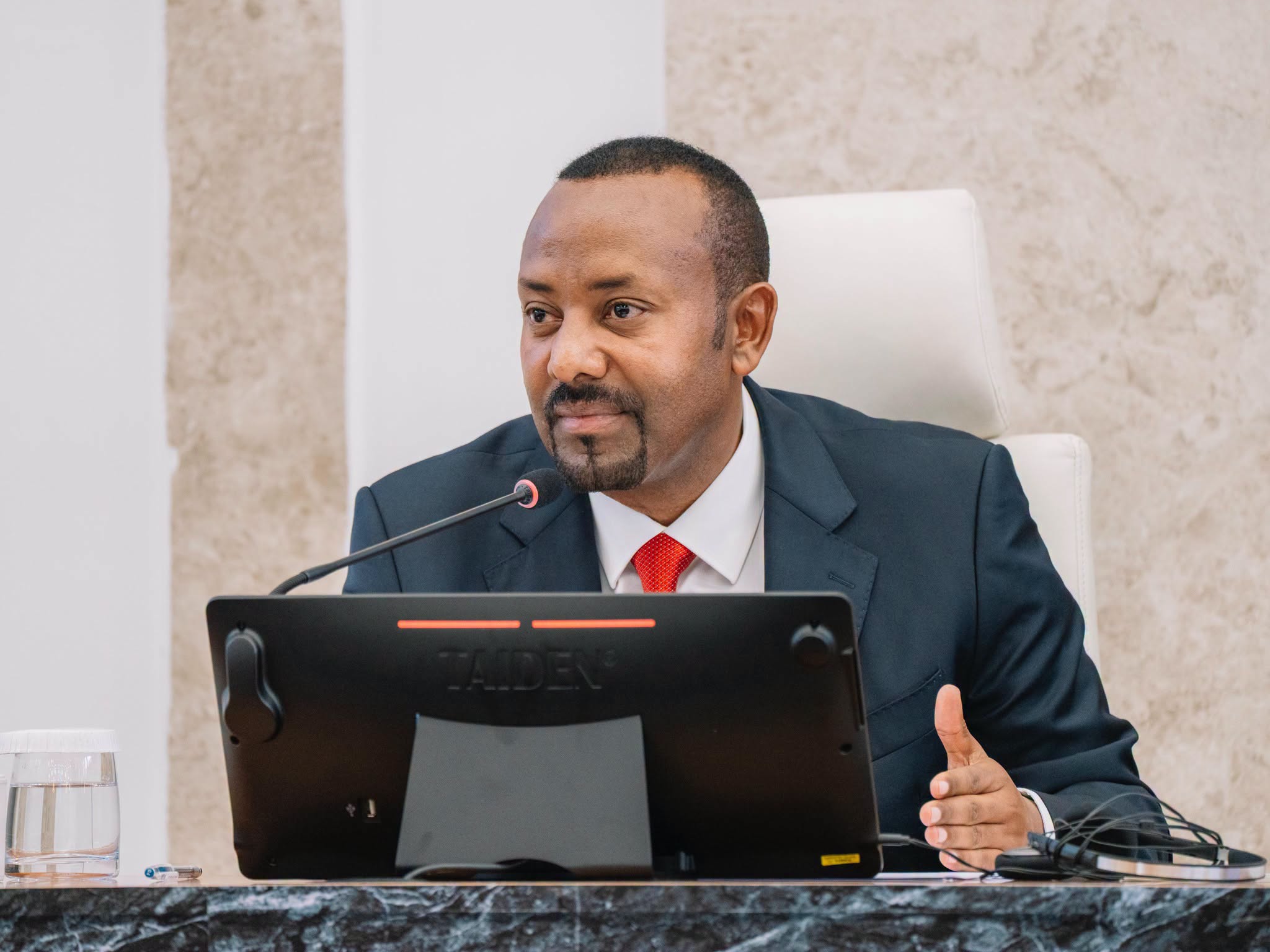
Addis Ababa, November 26, 2026 (ENA)— The Ethiopian National Dialogue is a major leap forward in the nation's history, laying the foundation for a culture of conversation and helping build national consensus, Prime Minister Abiy Ahmed noted.
Addressing the House of People’s Representatives today, the PM said hundreds of thousands of Ethiopians, both at home and abroad, had participated in extensive discussions over the past four years on issues of national importance.
He described the process as a significant achievement, noting that it brought together people from different regions, ethnic groups, languages, and religious backgrounds to openly discuss the country's affairs.
The Prime Minister said the dialogue had created an opportunity to understand public concerns, accommodate diverse perspectives, and strengthen a culture of peaceful discussion.
PM Abiy noted that around 4,000 participants held discussions in one hall for 46 days, describing the achievement as a major milestone in Ethiopia's political history.
He commended the National Dialogue Commission for successfully managing the challenging process and compiling its findings and recommendations within a short period.
The Premier added that the Commission had submitted recommendations to the federal government and regional administrations, covering issues requiring policy adjustments, administrative measures, and constitutional amendments.
According to him, the Medemer Grand Strategy has incorporated many of the recommendations, while legal experts have been working to review constitutional reform proposals.
He stressed that constitutional reform should build on existing achievements rather than discard the entire document, emphasizing the need to preserve useful provisions while correcting shortcomings.
Referring to Article 39 of the present Constitution as an example, PM Abiy said the recognition of the rights of nations, nationalities, and peoples to use their languages, administer themselves, and protect their rights remains important.
However, he noted that provisions that need improvements should be improved rather than being totally eliminated. The Commission had been working with that mind set.
PM Abiy expressed confidence that the constitutional review process would be completed in the coming weeks and months, with the participation of the House of People’s Representatives, adding that the outcomes of the dialogue and consultations would eventually be presented to the Ethiopian public.
The Prime Minister reaffirmed the government's commitment to implementing ideas raised during the four-year dialogue process through legal, policy, and administrative measures.
Turning to the Medemer Grand Strategy, Abiy said it seeks to transform Ethiopia's untapped potential into national capability and, ultimately, national power through institutional development, effective governance, and economic advancement.
He emphasized that development alone is not sufficient unless it can be sustained across generations, highlighting the importance of stewardship, responsible leadership, and building institutions capable of preserving national achievements.
The strategy, he added, outlines 15 nation-building models designed to strengthen institutions, systems, and national capabilities, alongside economic frameworks for mobilizing and managing capital.
The Premier elaborated that Medemer, which is the foundation of the country's long-term development ambitions, emphasizes cooperation and the pooling of individual and collective capacities.
He said the strategy is not intended to serve a single political party or government but to establish a shared national direction that transcends political administrations and generations.
The Prime Minister further stressed that Ethiopia needs a common long-term vision capable of guiding the country over the next 25, 50, 75, and 100 years, noting that national transformation and the preservation of achievements require collective commitment beyond the tenure of individual governments.


