Horn Dialogue Participants Call for Stronger Cooperation, Strategic Trust in Horn Africa - ENA English


Horn Dialogue Participants Call for Stronger Cooperation, Strategic Trust in Horn Africa
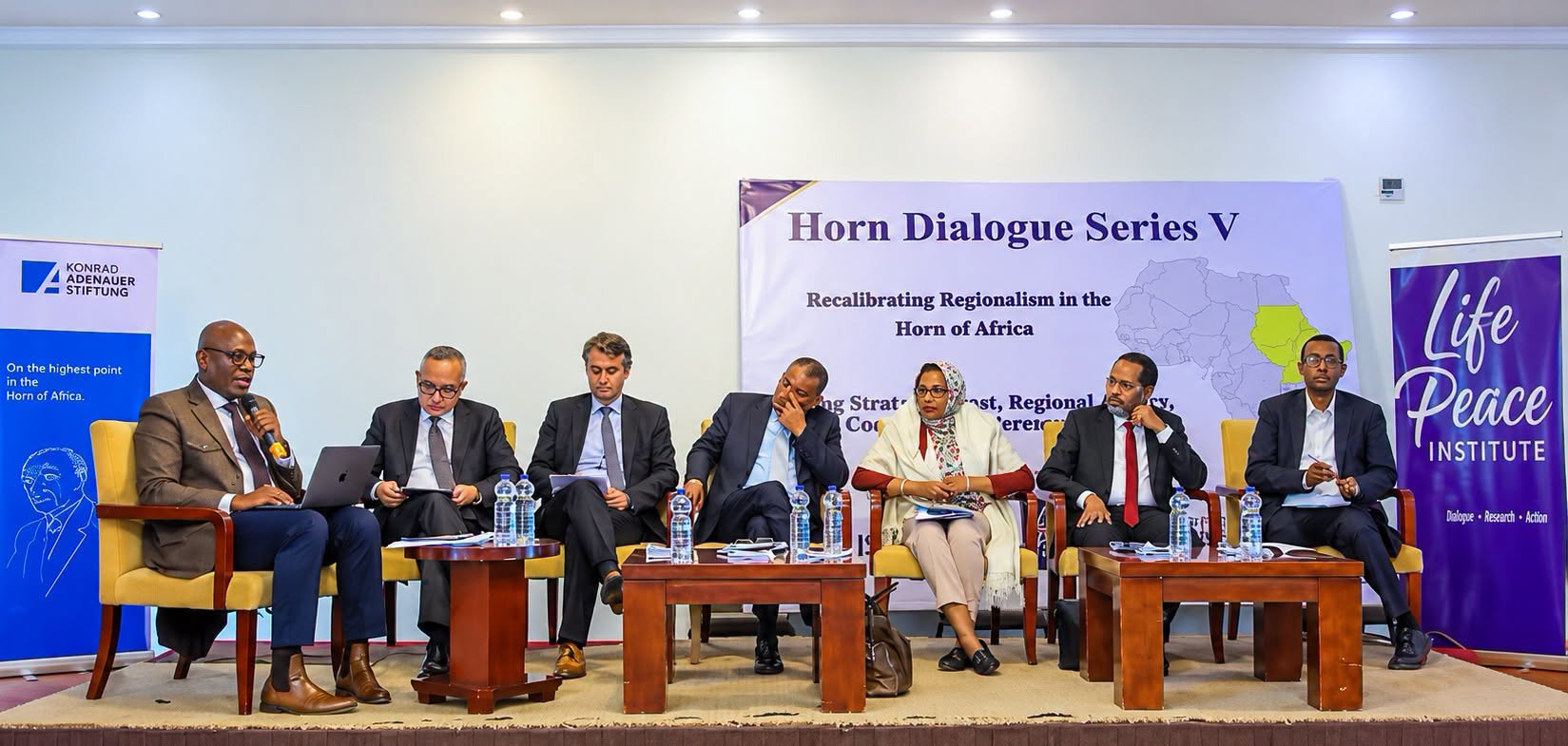
Addis Ababa, November 25, 2026 (ENA)— Strengthening regional cooperation, building strategic trust, and promoting collective action are essential to addressing the multifaceted challenges facing the Horn of Africa, participants at the fifth edition of the Horn Dialogue Series emphasized.
The forum opened in Addis Ababa today under the theme, “Recalibrating Regionalism in the Horn of Africa: Building Strategic Trust, Regional Agency, and Cooperative Interdependence.”
Speaking at the opening ceremony, Ambassador Adam Tesfaye, Chief of Staff at the Ministry of Foreign Affairs, described the dialogue as an important platform for bringing together scholars, diplomats, and other key stakeholders to exchange perspectives and develop practical solutions to pressing regional challenges.
Despite its considerable economic potential and strong geographical, economic, and social interconnectedness, the Horn of Africa continues to grapple with interstate tensions, internal conflicts, competing national interests, and divergent security perceptions, he noted.
Ambassador Adam stressed that addressing these challenges requires collective action, emphasizing that regional integration is crucial to advancing peace, stability, economic development, and connectivity.
He reaffirmed Ethiopia’s commitment to regional and continental integration, highlighting the country's ongoing efforts to expand cross-border transport and energy infrastructure.
He also underscored Ethiopia’s active and constructive engagement in promoting regional peace and security through the Intergovernmental Authority on Development (IGAD), the African Union, and the United Nations.
The Ambassador further highlighted the strategic importance of Red Sea security to regional stability and Ethiopia’s national security.
He reiterated Ethiopia’s commitment to securing reliable access to the sea through peaceful dialogue, diplomacy, international law, and mutually beneficial arrangements.
For his part, Gizachew Asrat, Chief of Staff at the Institute of Foreign Affairs, said the region’s strategic location, economic potential, and proximity to major maritime routes present significant opportunities for shared prosperity and development.
However, persistent conflicts, insecurity, fragmented economic cooperation, and a lack of mutual trust continue to prevent countries in the region from fully harnessing their economic complementarities, he noted.
Gizachew described the dialogue series as a vital platform for generating practical policy recommendations, strengthening cooperation among regional research institutions, and fostering lasting networks between policymakers and scholars.
Similarly, Paul-Simon Handy, East Africa Regional Director and Representative to the African Union for the Institute for Security Studies, said the forum would contribute to building a community of practice and knowledge to address the region’s complex challenges.
Despite persistent instability, the Horn of Africa has considerable economic potential and continues to record notable growth, he observed.
He added that this year’s edition places particular emphasis on translating regional cooperation into practical action, even amid strained political relations.
Meanwhile, Jan-Ole Voss, Director of the Konrad-Adenauer-Stiftung Regional Programme Security Dialogue for East Africa, emphasized that trust-building, dialogue, and regional ownership are fundamental to achieving sustainable peace and development.
He called on regional states to strengthen existing cooperation frameworks and work collectively to address shared challenges, including climate change, food insecurity, migration, and evolving security threats.
He stressed that sustainable solutions must be rooted in local realities and shaped by the people of the Horn of Africa.
The fifth edition of the Horn Dialogue Series brought together policymakers, diplomats, researchers, security experts, and other regional stakeholders to deliberate on strategic trust, economic cooperation, regional connectivity, and the future of regional institutions.


