Ethiopia’s Returnee Support Model Emerges as Regional Benchmark, Says IOM Officer - ENA English


Ethiopia’s Returnee Support Model Emerges as Regional Benchmark, Says IOM Officer
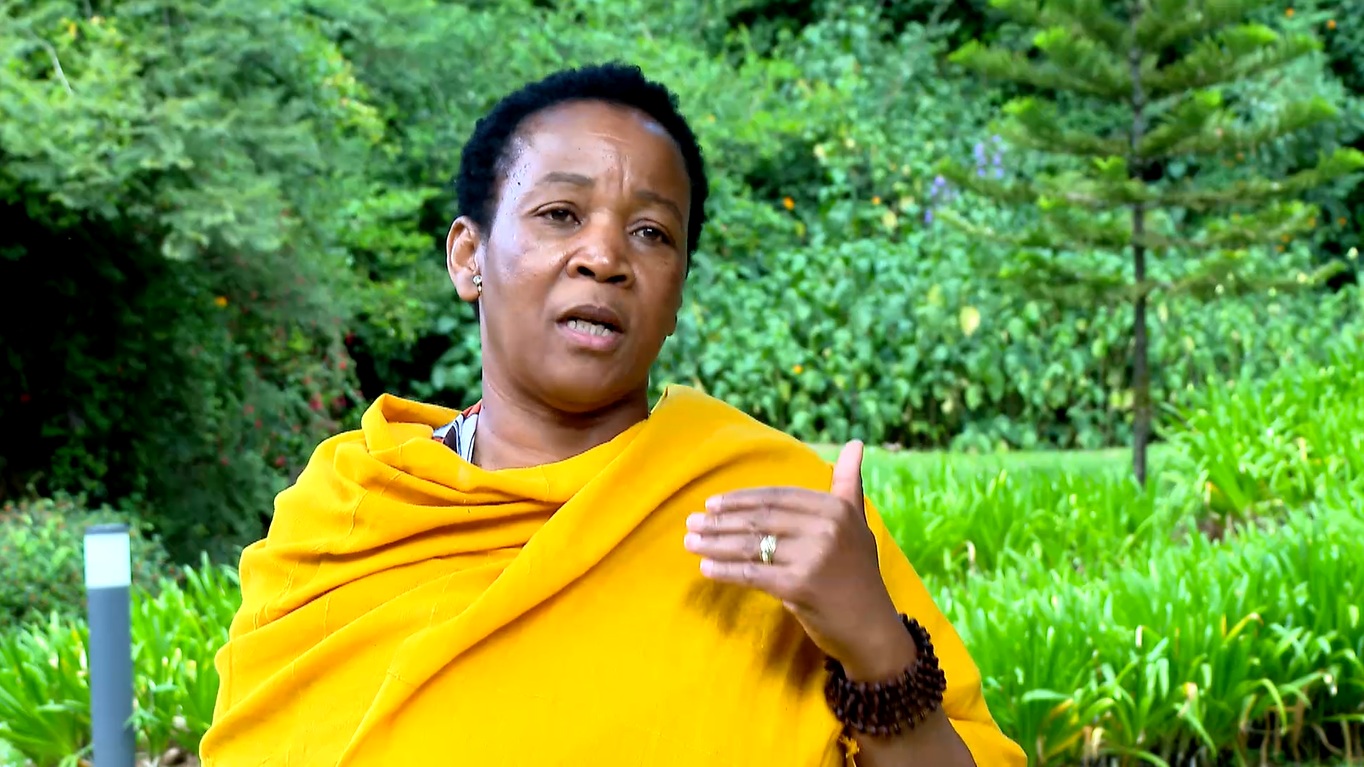
Addis Ababa, November 25, 2026 (ENA)— Ethiopia is transitioning its support for citizens returning from abroad from short-term humanitarian assistance to a sustainable, government-led system integrated into existing public institutions, an International Organization for Migration (IOM) senior officer said.
Memory Mwale, IOM Senior Programme Officer for Protection, told ENA that the new approach aims to ensure returning migrants receive long-term support and access to essential services while reducing their dependence on humanitarian organizations.
“The best practice is really government-led systems. We need to move from a service-based system to a government-led, sustainable, institutionalized framework,” Mwale said.
She explained that the Ministry of Women and Social Affairs, the Ministry of Labor and Skills, and other government institutions are working through a coordinated mechanism to strengthen existing structures rather than establish parallel systems.
“We are not recreating the wheel or bringing in new systems, but working with what is available. We strengthen the systems that are there and work together with the communities as well,” she said.
Mwale emphasized that community participation is essential to sustainable reintegration, noting that local communities are best positioned to understand their challenges, identify their needs, and develop appropriate solutions.
“Communities have a wealth of information. They are the people living in these environments; they know the issues they face and have solutions. Communities lead, and we are there to support,” she added.
Ethiopia's National Referral Mechanism (NRM), implemented alongside the National Reintegration Directive, is also emerging as a regional model for connecting vulnerable migrants and returnees with protection services, healthcare, legal assistance, and other essential support.
According to Mwale, several countries have visited Ethiopia to exchange experiences and draw lessons from the mechanism, underscoring its potential to strengthen coordinated assistance for returning migrants.
“We have had several countries coming into Ethiopia, and we have exchanged different lessons learned from that national referral mechanism,” she said.
She stressed that effective implementation requires stronger government leadership, institutional ownership, and community engagement.
Mwale further noted that sustainable reintegration could help address some of the underlying factors driving irregular migration by creating opportunities for people to make informed and voluntary migration decisions.
“Communities will be able to migrate in a regular manner, to make a choice in migrating rather than being forced to migrate because of difficult circumstances,” she said.
In another effort to institutionalize support for returnees, Ethiopia's Fayda national digital identification programme has been integrated into services provided at the IOM Transit Centre in Addis Ababa, which receives approximately 7,000 returnees annually.
Previously, many returnees left the centre without identification documents, limiting their ability to access banking and other public services. The integration of Fayda has helped address this challenge by enabling returnees to obtain identification before returning to their communities.
“At this point in time, all returnees coming through the transit center receive an ID before going back to their communities. They are able to access banking systems and other services offered by the government,” Mwale said.
With the Ministry of Women and Social Affairs playing a central coordinating role, the initiative seeks to strengthen institutional capacity, improve access to essential services, and empower returning migrants to take an active role in their recovery and reintegration.
“We need to tap into that agency so that they lead their own lives and make their own decisions,” Mwale said.


