AfCFTA Chief Commends Ethiopia’s Trade Reforms, Cites Progress in Duty-Free Exports - ENA English


AfCFTA Chief Commends Ethiopia’s Trade Reforms, Cites Progress in Duty-Free Exports
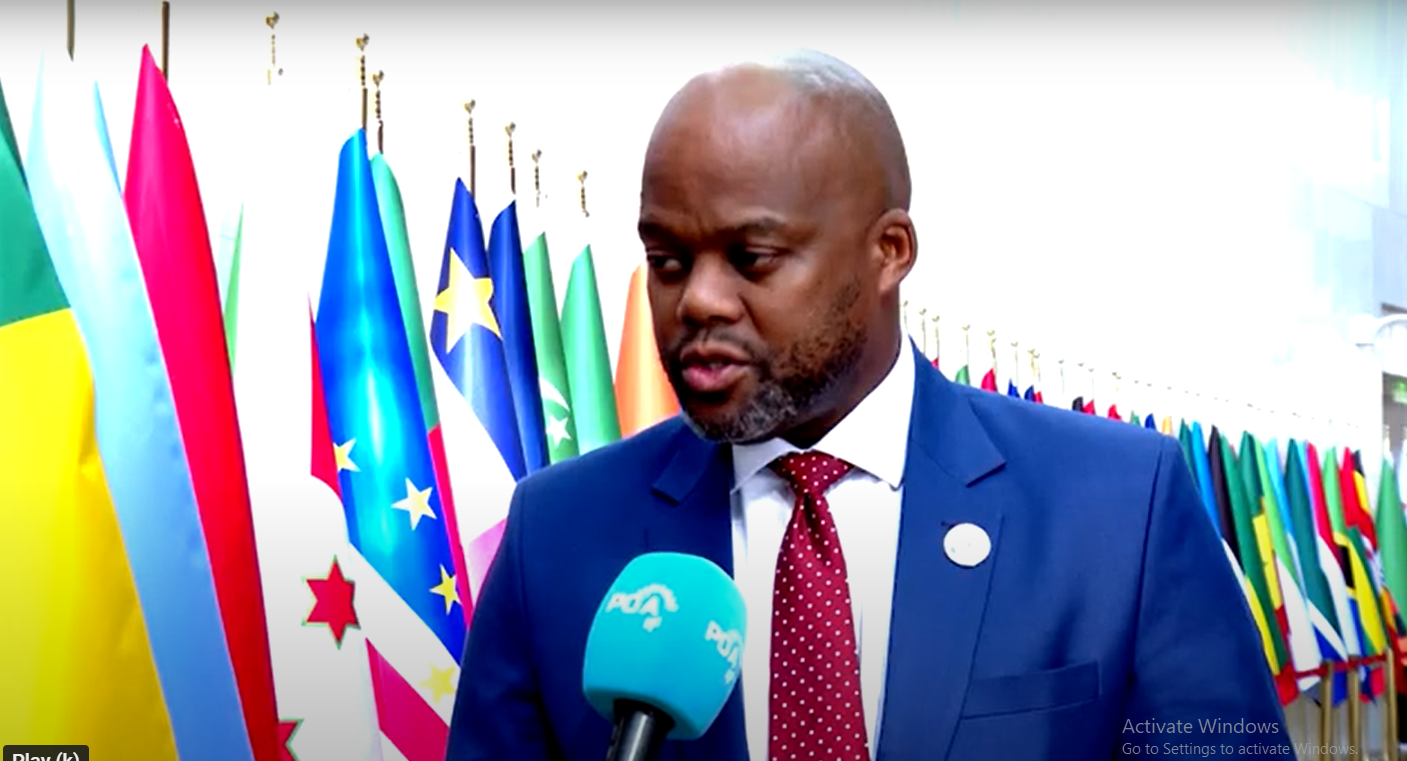
Addis Ababa, November 25, 2026 (ENA)— African Continental Free Trade Area (AfCFTA) Secretary-General Wamkele Keabetswe Mene commends Ethiopia’s sweeping trade, logistics, and digital reforms.
In written responses to ENA, Mene highlighted the country as a continental example of translating policy commitments into tangible trade opportunities.
He emphasized that Ethiopia’s launch of preferential trading under the AfCFTA on October 9, 2025, marked by its first duty-free shipments of meat, coffee, fruits, vegetables, and beans to Kenya, Somalia, and South Africa, demonstrates how targeted structural reforms can unlock regional markets.
He noted that the priority now is to turn these initial shipments into regular exports by finalizing tariff schedules, strengthening rules-of-origin verification, operationalizing the AfCFTA Resource Centre, and raising awareness among private sector actors about opportunities under the continental trade agreement.
To sustain this momentum, the Secretary-General underscored the importance of improving connectivity and logistics, particularly along the strategic Ethio-Djibouti corridor, which carries more than 95 percent of Ethiopia’s trade.
He called for deeper reforms in the logistics and financial sectors to address remaining bottlenecks and facilitate the efficient movement of goods and services.
Mene also highlighted partnerships facilitated by TradeMark Africa (TMA), including a memorandum of understanding linking the British Freight Forwarders Association with its Ethiopian counterpart, as important steps toward aligning Ethiopia’s logistics sector with international best practices.
He further underscored the growing role of digital transformation in facilitating trade and improving market access for Ethiopian exporters.
Ethiopia’s implementation of the electronic phytosanitary certification (ePhyto) system, he noted, has reduced the time required to issue phytosanitary certificates by 30 percent and strengthened the country's connection to the global International Plant Protection Convention (IPPC) hub.
The system provides Ethiopian exporters with access to more than 108 markets and supports approximately 800 million US dollars in agricultural exports.
Mene also encouraged Ethiopia to leverage emerging technologies, including artificial intelligence, to strengthen connectivity among government agencies and across borders, further advancing the implementation of AfCFTA and World Trade Organization (WTO) trade facilitation frameworks.
Equally important, he stressed, is strengthening institutional capacity and coordination to ensure that reforms are implemented consistently and effectively.
"Reforms only deliver when the institutions that apply them are equipped and coordinated," Mene stated, pointing to the need to build the capacity of institutions such as the Ministry of Trade and Regional Integration, Customs, and the Ethiopian Agriculture Authority.
In this regard, TMA-supported training for 40 technical staff from the Ethiopian Horticulture Producer Exporters Association (EHPEA) and the Ethiopian Agriculture Authority on surveillance and European Union compliance standards has produced encouraging results.
False codling moth interceptions declined from seven cases in the 2024/25 period to zero between October 2025 and February 2026, strengthening the competitiveness of Ethiopian horticultural exports in international markets.
Mene also highlighted the importance of sustained technical support and institutional partnerships in advancing Ethiopia’s WTO accession and AfCFTA implementation.
With funding from the European Union and the British government, TMA has embedded two advisers in the Ministry of Trade and Regional Integration’s joint WTO/AfCFTA Unit. The advisers have supported the Ministry in preparing responses to questions raised by WTO members during the accession process.
At the fifth WTO Working Party meeting, members raised 110 questions, in addition to 47 questions from the United States. The embedded advisers assisted the Ministry in responding to all the queries.
The Secretary-General also highlighted continued financial support from the United Kingdom’s Foreign, Commonwealth and Development Office (FCDO), which has funded Ethiopia’s WTO accession programme since 2023.
Mene further emphasized the importance of raising awareness and strengthening private sector readiness to ensure Ethiopian businesses can fully benefit from the opportunities created by WTO accession and AfCFTA trading.
TMA is supporting a communications adviser at the Ministry to enhance public awareness and stakeholder engagement around the accession process, while also exploring ways to improve private sector preparedness.
He noted that linking WTO accession with AfCFTA implementation through the joint unit enables Ethiopia to negotiate and implement its continental and multilateral trade commitments in a coordinated manner, avoiding duplication of efforts.
The same embedded experts provide technical analysis and strategic guidance on both agendas, an arrangement the Ministry considers pivotal as Ethiopia advances WTO accession while building on its AfCFTA trading experience, which began in October 2025.
Mene also highlighted Ethiopia’s broader macroeconomic reforms as essential to strengthening investor confidence and creating a more competitive business environment.
He pointed to the Homegrown Economic Reform Agenda, which targets exchange-rate reform, a modern monetary policy framework, increased domestic revenue mobilization, debt sustainability, and reform of state-owned enterprises.
Citing recent assessments by the International Monetary Fund (IMF) and the World Bank, he noted progress in implementing the reforms, particularly following the IMF's fifth review in July 2026.
Following the review, the IMF Executive Board confirmed that Ethiopia had met all quantitative performance criteria and approved a disbursement of approximately 464 million US dollars, bringing total disbursements under the programme to about 2.65 billion dollars.
The reforms have also been credited with supporting stronger exports, revenue mobilization, and foreign-exchange reserves, while authorities have been recognized for progress in debt restructuring and foreign-exchange market reforms.
Mene observed that greater exchange-rate predictability and a clearer debt outlook help reduce investment risks and improve the business environment.
He further noted that foreign-exchange and financial-sector liberalization could expand access to trade finance, credit programmes for small and medium-sized enterprises, and capital-market opportunities, enabling exporters and emerging businesses to secure the financing and imported inputs they need.
Maintaining lower currency volatility and inflation, he stressed, remains essential to sustaining investor confidence.
The Secretary-General also underscored the significance of Ethiopia's transition toward a more open, private sector-led economy, noting that expanded public-private partnerships, enterprise development, and WTO accession are creating opportunities for a more competitive, rules-based market.
Together with AfCFTA preferential trading, these reforms could give investors access to a wider regional market while building on Ethiopia's domestic market of approximately 132 million people.
He added that macroeconomic reforms must be complemented by efficient trade corridors, modern logistics, digital systems, and compliance with international market requirements to reduce business costs and strengthen the competitiveness of Ethiopian exports.
Mene also highlighted opportunities to support innovators through digital trade and e-commerce reforms, citing Ethiopia's growing digital capabilities.
Among the examples is HortiCampus, a phone-based learning platform developed through the horticulture sector, which has reduced training costs by 80 percent. Digital platforms, including electronic Certificates of Origin, are also making it easier for new and small-scale exporters to participate in international trade.


