WHO Urges African Countries to Prioritize Domestic Financing for Pandemic Preparedness - ENA English


WHO Urges African Countries to Prioritize Domestic Financing for Pandemic Preparedness
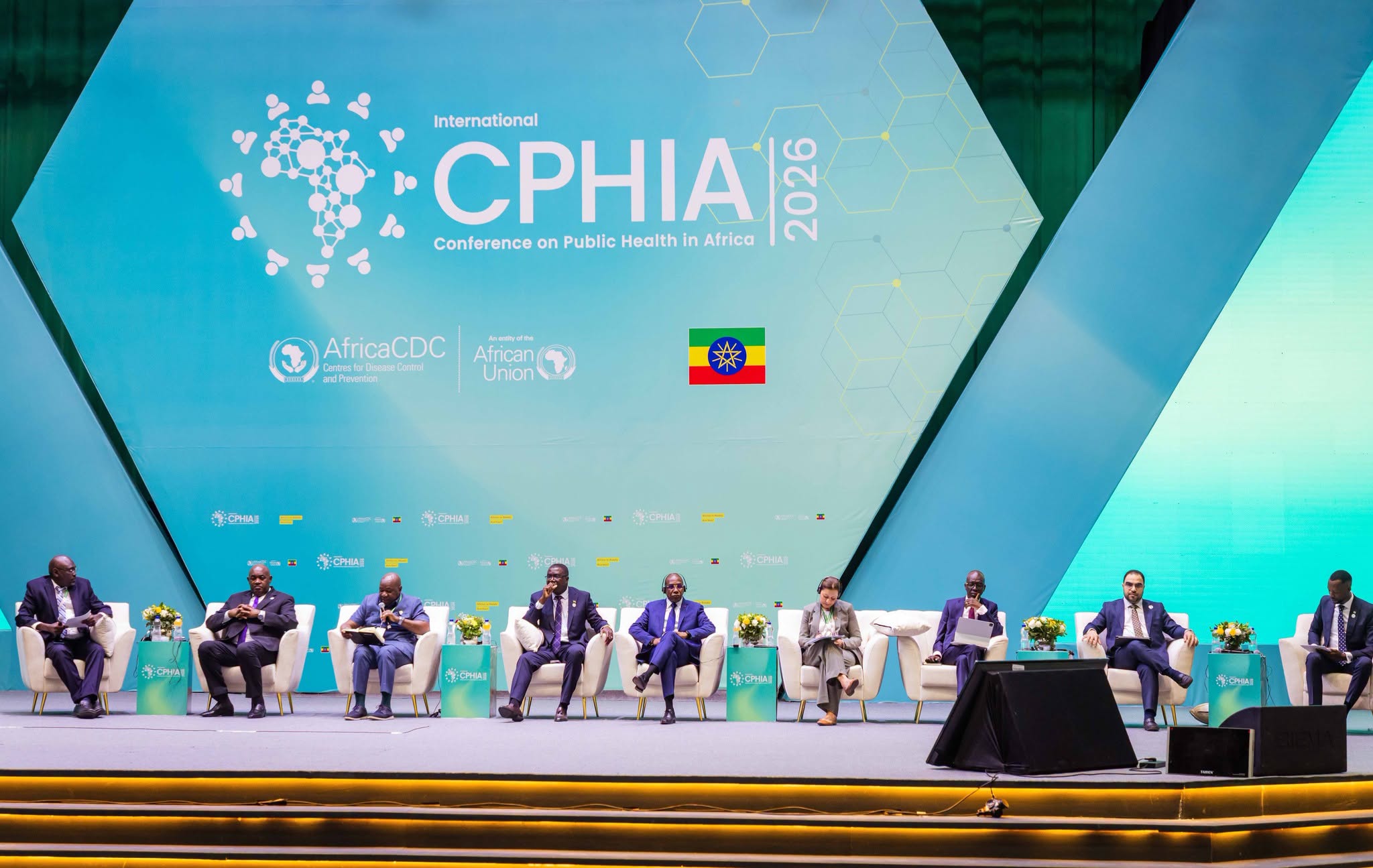
Addis Ababa, November 25, 2026 (ENA)— African governments have to increase domestic investment in pandemic preparedness instead reliance on external partners to finance health emergency responses after outbreaks have begun, Dr. Mohamed Yakub Janabi, WHO Regional Director for Africa said.
The Regional Director made the call during a panel discussion at the 2026 Conference on Public Health in Africa (CPHIA), emphasizing that preparedness requires sustained investment before health emergencies emerge.
According to him, African countries should prioritize financing national preparedness plans rather than waiting for international partners to provide resources after outbreaks begin.
"Preparedness is cheaper, is faster, and it saves lives," Dr. Janabi said, urging governments to strengthen their readiness against emerging health threats.
Citing Nigeria's experience, he said President Bola Tinubu approved 10 billion naira in June for the Nigeria Centre for Disease Control and Prevention and emergency preparedness ahead of an imported Ebola case.
Accordingly, the Regional Director urged development partners to redirect more support toward preparedness and called on African governments not to depend on external funding to finance their readiness.
"Preparedness is an investment, and then response is the bill," he said, underscoring the importance of investing in national health systems before outbreaks occur.
Dr. Janabi highlighted Africa's collective negotiations on amendments to the International Health Regulations and the WHO Pandemic Agreement as important steps toward strengthening coordinated pandemic prevention and response.
The amended International Health Regulations entered into force on September 19, 2025, introducing provisions on pandemic emergencies, national implementation mechanisms and equitable access to medical products.
The Regional Director urged member states to incorporate the amended regulations into their national laws, translating international commitments into practical domestic health preparedness measures.
He also emphasized the need to finalize the Pandemic Agreement's Pathogen Access and Benefit-Sharing annex, which addresses equitable access to vaccines, diagnostic tests and treatments developed using shared pathogen samples.
"Our continent cannot only be study sites and subject of the clinical trials," Dr. Janabi stressed, calling for assurances that countries sharing pathogen samples also benefit from resulting medical products.
Negotiations on the annex remain ongoing, with WHO member states reaffirming their commitment in November 2026 to finalize it for consideration by the World Health Assembly in May 2027.
The Regional Director further called for expanded pooled procurement, stronger continental health institutions, including the African Medicines Agency, and increased regional pharmaceutical manufacturing to strengthen Africa's capacity to meet its medical needs.
On WHO's institutional financing, he noted that member states had approved two increments toward raising assessed contributions to cover half of the organization's base budget by 2030–2031.
His remarks underscored the importance of African ownership, sustainable financing and regional cooperation in strengthening the continent's capacity to prevent, detect and respond to future public health emergencies.


