Ethiopia Urges Egypt to Modernize Water Use, Consult on Nile Development Projects - ENA English


Ethiopia Urges Egypt to Modernize Water Use, Consult on Nile Development Projects
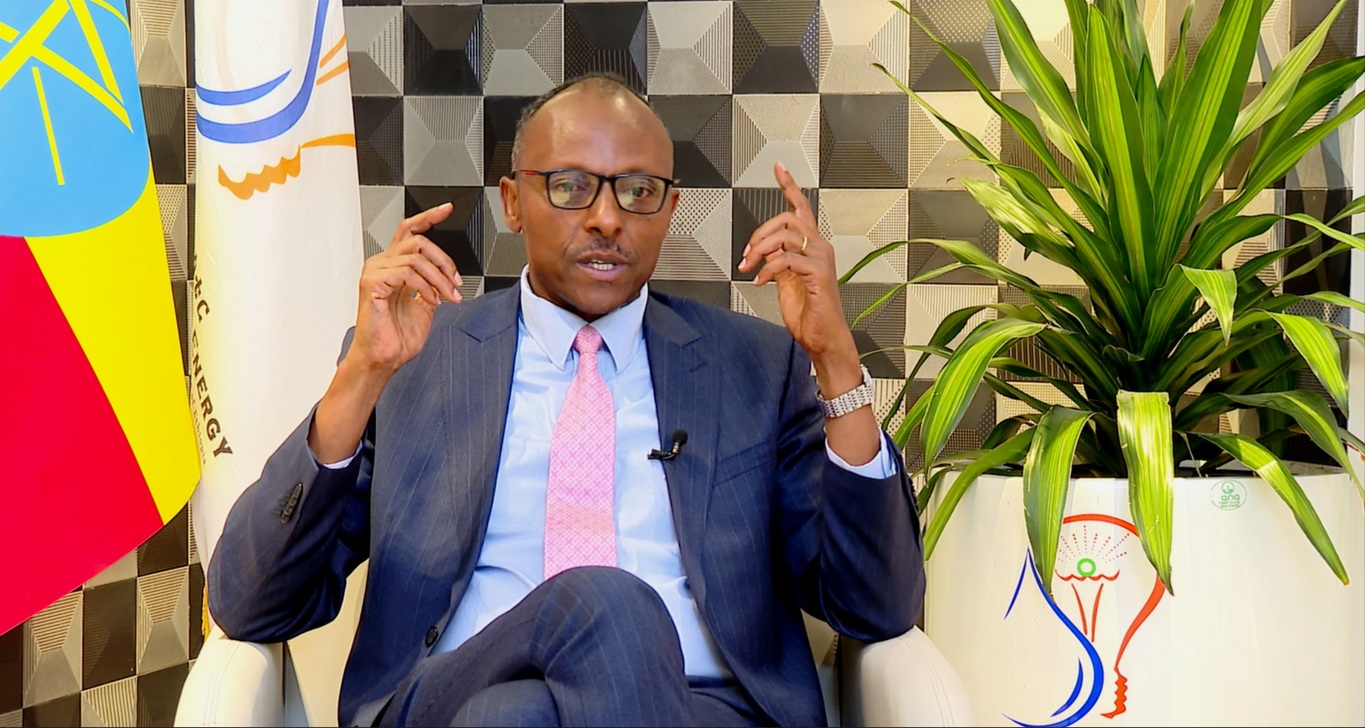
Addis Ababa, November 24, 2026 (ENA)— Ethiopia’s Minister of Water and Energy, Habtamu Itefa, has urged Egypt to modernize its domestic water management practices and reconsider water-intensive agricultural activities that have resulted in excessive water wastage in the downstream country.
Minister Habtamu also stressed the need for Egypt to consult Ethiopia before undertaking development projects involving the shared Nile River.
In an exclusive interview with ENA, the minister said Egypt should address substantial water losses associated with inefficient irrigation, evaporation and water-intensive agricultural practices rather than blaming upstream countries for pursuing their legitimate development aspirations.
"They don't have to point their finger toward Ethiopia; they have to look at their own yard and consume water efficiently, not abuse it," the minister said.
He particularly criticized Egypt’s continued reliance on traditional flood irrigation despite its hot and arid climate, arguing that the practice contributes to significant water losses through evaporation.
The minister also pointed to Egypt’s cultivation of water-intensive crops, including rice across more than 500,000 hectares and sugarcane on over 100,000 hectares, as major factors contributing to the country's substantial water consumption.
He further questioned the diversion of Nile water to desert reclamation schemes, including projects in the Toshka Valley and the Sinai Peninsula, arguing that such initiatives result in considerable water losses.
Habtamu maintained that Egypt should prioritize modern irrigation technologies, efficient water management and sustainable agricultural practices instead of attributing its water challenges to Ethiopia’s development activities along the Abay (Blue Nile).
Beyond domestic water management, the minister called on Egypt to abandon unilateral approaches to the shared river and recognize Ethiopia’s development interests when planning projects that could affect Nile water resources.
"Whenever they go for any development, they have to have consent from Ethiopia because Ethiopia also has a plan," he said.
Referring to Egypt’s reported plans to construct a new city, Habtamu stressed that Cairo should consult Addis Ababa before embarking on development initiatives involving the shared water resource.
"They have to stop unilateral actions," he emphasized.
The minister cited the Aswan High Dam, the Toshka Canal and the Al-Salam (Peace) Canal, which extends toward the Sinai Peninsula, as examples of major Egyptian water infrastructure projects undertaken without Ethiopia’s participation or consent.
He also pointed to the 1959 Nile Waters Agreement between Egypt and Sudan, which excluded Ethiopia, a major contributor of the water flow and other upstream Nile Basin countries, as evidence of the longstanding challenge of reaching inclusive arrangements over the shared river.
In contrast, Habtamu highlighted Ethiopia’s participation in the 2015 Declaration of Principles (DoP) on the Grand Ethiopian Renaissance Dam (GERD), signed in Khartoum by the leaders of Ethiopia, Egypt and Sudan, as an example of an agreed framework for cooperation.
He said Ethiopia had developed the GERD in line with the principles of the agreement and called on Egypt to demonstrate a similar commitment to consultation, cooperation and mutual understanding in its Nile-related development activities.
Emphasizing that sustainable solutions to Nile-related differences require flexibility, mutual understanding and compromise, the minister urged Cairo to pursue constructive dialogue rather than opposing Ethiopia’s development aspirations.
He also proposed joint investments in water infrastructure across the Nile Basin, particularly along the Blue Nile, arguing that collaborative projects, including dams, could unlock significant economic opportunities and generate shared benefits for all riparian countries.
Habtamu reiterated that equitable utilization, cooperation and mutual respect should underpin the management of the Nile, stressing that Ethiopia’s growing water and energy needs must be recognized as the country works to meet the demands of its population of approximately 130 million.
Contributing more than 86 percent of the Nile's annual flow, Blue Nile gives the country a significant stake in the river's equitable and sustainable utilization.
The minister reaffirmed Ethiopia’s position that it has the right to harness its water resources for national development while taking the interests of downstream countries into consideration.


