Ethiopia’s Deputy PM Urges African Nations to Move Beyond Raw Material Exports, Boost Value Addition - ENA English


Ethiopia’s Deputy PM Urges African Nations to Move Beyond Raw Material Exports, Boost Value Addition
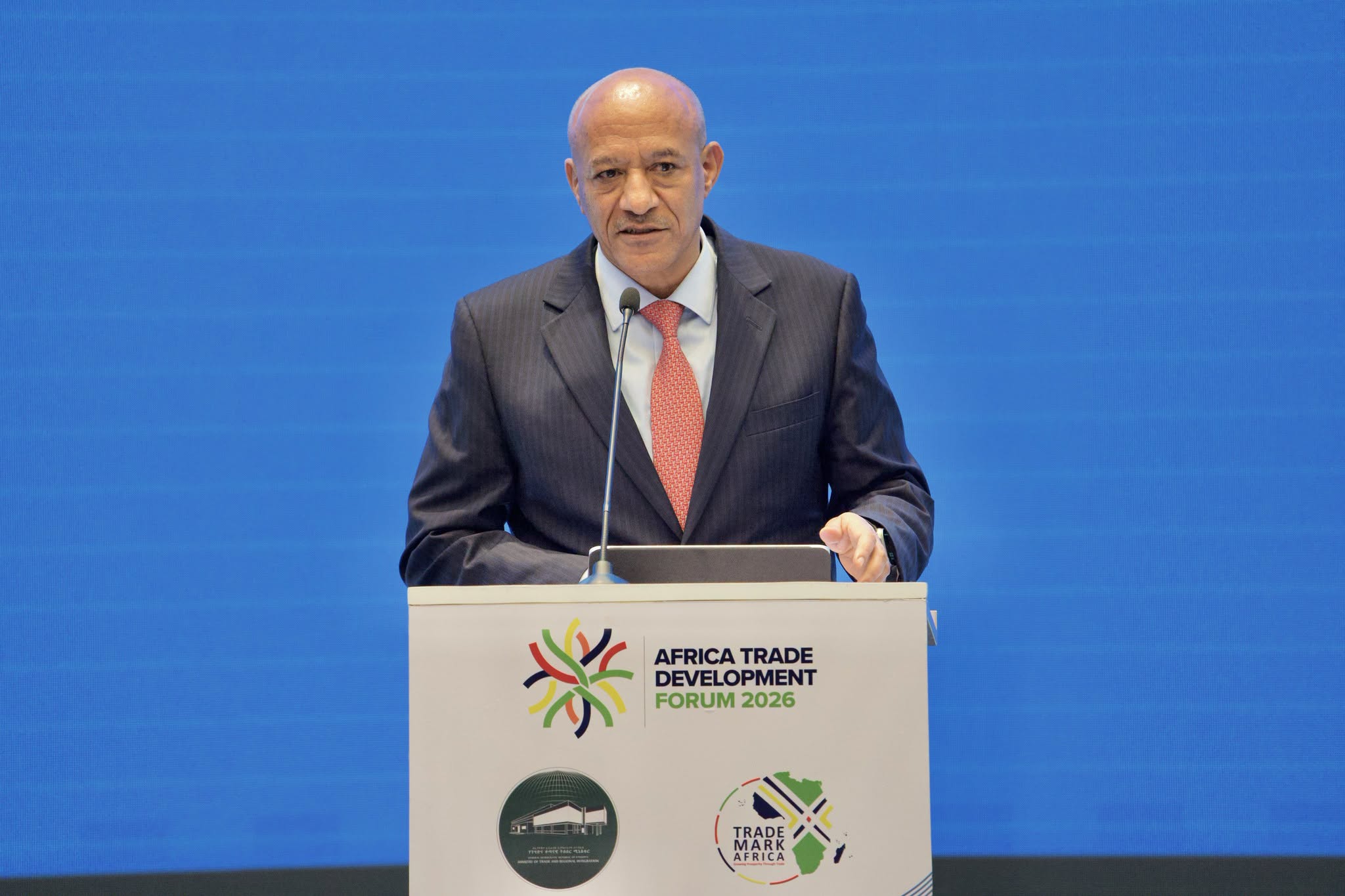
Ethiopia’s Deputy Prime Minister Temesgen Tiruneh has urged African countries to move beyond exporting raw materials and accelerate value addition, industrialization and intra-African trade to translate the continent’s economic potential into jobs, prosperity and improved living standards.
Speaking at a continental trade forum in Addis Ababa, Temesgen stressed that Africa must retain a greater share of the economic value generated from its natural resources, expanding production capacity and growing consumer markets.
“We are more than 1.5 billion people, young and ambitious. We have land, minerals, and growing markets. We have everything, except the habit of keeping the value we create,” he said.
“A free trade area on paper is not the goal. The goal is more trade among Africans, strong factories, more jobs, and better lives,” the Deputy PM underscored.
The forum, co-hosted by Ethiopia’s Ministry of Trade and Regional Integration and TradeMark Africa under the theme “Building Africa’s Exports Through Quality,” brings together policymakers, regulators, business leaders, researchers and development partners to explore ways of strengthening the continent’s export capacity and competitiveness.
The Deputy Prime Minister emphasized that realizing the full potential of the African Continental Free Trade Area (AfCFTA) requires more than removing trade barriers, calling for stronger industrial production, improved product quality and the development of competitive African manufacturing industries.
Against the backdrop of rising global protectionism and shifting supply chains, Temesgen called on African countries to strengthen their collective voice in international trade negotiations while investing in domestic quality infrastructure.
He underscored that product quality is fundamental to building trust and securing access to international markets.
“Quality is not just a technical matter. Quality is trust, and trust is the currency of trade,” he said, warning that the rejection of African products at international borders results in financial losses for exporters and undermines the continent’s commercial reputation.
He called for an integrated continental quality infrastructure that would allow products tested and certified in one African country to be recognized across other markets, reducing unnecessary compliance costs, delays and technical barriers to trade.
“No African producer should lose a sale because there is no laboratory to test the product or no certificate the buyer will accept,” he stressed.
Highlighting Ethiopia’s institutional reforms, Temesgen said the country had brought its standards, inspection, certification, metrology and accreditation institutions under a unified framework to help domestic businesses meet international market requirements.
“We want Made in Ethiopia to mean something everywhere it travels,” he added.
The Deputy Prime Minister further urged African governments and development partners to treat quality infrastructure as a strategic investment and expand support for small and medium-sized enterprises, particularly businesses led by women and young people.
He also emphasized the importance of modernizing transport corridors, logistics networks, cold-chain facilities and border systems to ensure that African products reach markets safely, efficiently and in good condition.
“A product that spoils on the way to market has not been exported; it has been wasted,” he cautioned.
Reaffirming Ethiopia’s commitment to advancing the forum’s outcomes and strengthening intra-African trade, Temesgen called for greater confidence in African products, production capacity and industrial potential.
“Let Made in Africa mean excellence. Let it mean reliability. Let it mean a promise kept,” he said.


