Ethiopia Targets Skilled Workforce to Drive Pharmaceutical Industry Expansion - ENA English


Ethiopia Targets Skilled Workforce to Drive Pharmaceutical Industry Expansion
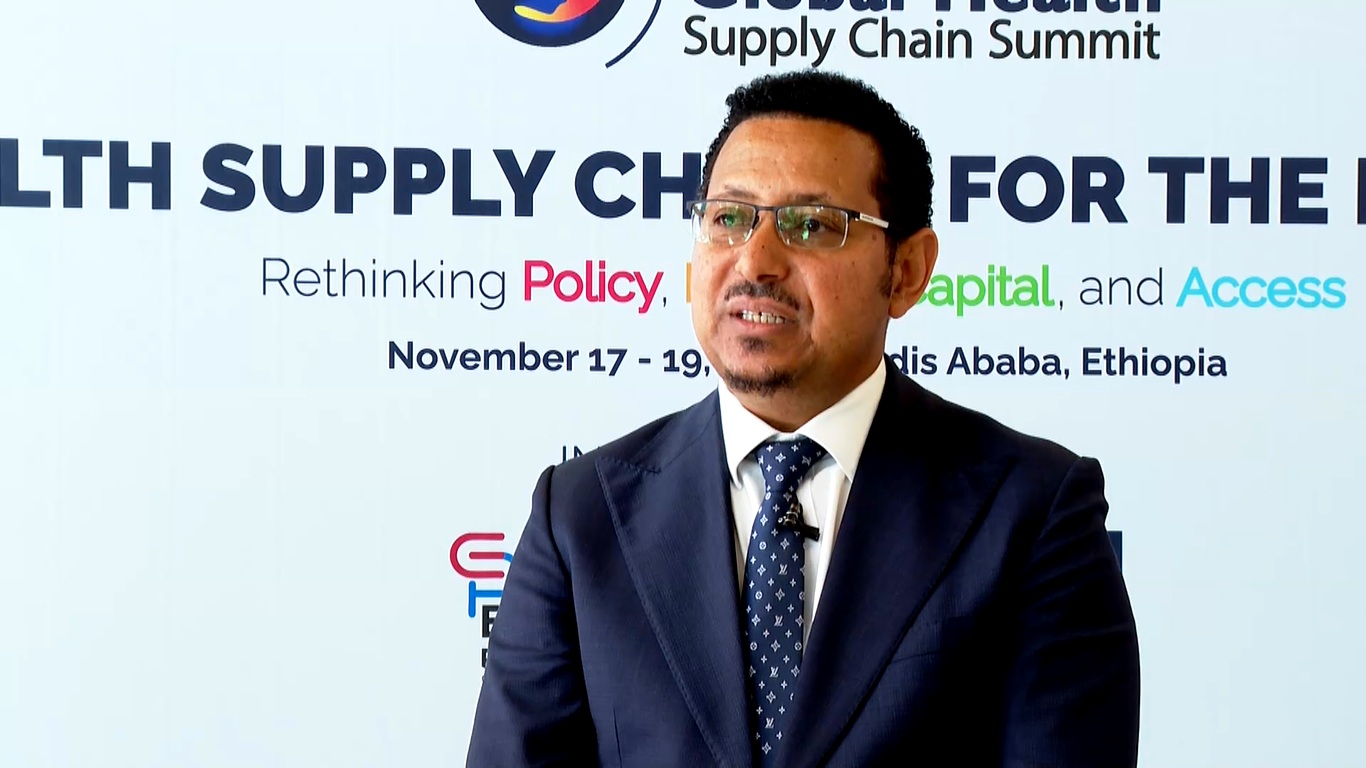
Addis Ababa, November 22, 2026 (ENA)— Ethiopia is stepping up efforts to bridge the gap between university education and industrial expertise, targeting the practical training of 5,000 Ethiopians by 2031 to strengthen its growing pharmaceutical manufacturing industry, the Ethiopian Pharmaceuticals and Medical Supplies Manufacturing Industries Sectoral Association (EPMSMISA) told ENA.
President of EPMSMISA, Dr. Tadesse Teferi indicated that while Ethiopia has a substantial pool of university graduates in pharmacy, pharmaceutical sciences, industrial and biomedical engineering, microbiology, biology and chemistry, translating this academic potential into practical industrial expertise remains a major challenge.
"Ethiopia has a huge number of trained graduates in these fields. The problem lies in the industrial application of their skills to prepare them for an industry that is growing year on year," he said.
He identified weak collaboration between pharmaceutical manufacturers, universities and research institutions as a key gap limiting the effective utilization of the country's skilled workforce.
Addressing this challenge, he said, is increasingly important as Ethiopia seeks to expand domestic pharmaceutical production, strengthen medicine supply security and reduce its dependence on imported medical products.
To accelerate this transition, EPMSMISA has incorporated workforce development as a central pillar of its strategic plan, which outlines six strategic objectives.
Under its second strategic objective, the association aims to strengthen workforce capacity, he pointed out.
The association aims to provide hands-on training to 5,000 Ethiopians by 2031, equipping them with the technical skills and industrial know-how needed to support the country's rapidly expanding pharmaceutical manufacturing sector.
The training will be conducted in pharmaceutical manufacturing facilities, research institutions and academic settings, enabling graduates, scholars and interns to acquire the practical competencies required by the expanding industry.
"Our aim is to train 5,000 Ethiopians through hands-on experience in different pharmaceutical plants, research institutions and academia so that they can become fit for this fast-growing industry," Dr. Tadesse explained.
He said the initiative builds on a collaborative effort launched by the Ministry of Health, EPMSMISA, the Ethiopian Pharmaceutical Association and Addis Ababa University through a memorandum of understanding signed last year.
The Armauer Hansen Research Institute (AHRI) is also contributing to the initiative, including through training in Good Manufacturing Practices (GMP) and efforts to establish a bioequivalence centre to support the quality, safety and effectiveness of locally manufactured medicines.
Dr. Tadesse described the partnership as an important model of government-industry-academia collaboration, emphasizing the need to expand and accelerate the initiative to keep pace with the sector's growth.
"This linkage has to be strengthened and fast-tracked. At the end of the day, having sufficient, qualified and proficient human resources determines how effectively and efficiently we can manufacture medicines and supply the public," he stressed.
He added that closer cooperation between industry, academia and research institutions would help transform academic knowledge and research into practical industrial applications, while creating a sustainable pipeline of skilled professionals for the pharmaceutical sector.
The initiative comes as Ethiopia seeks to build a competitive domestic pharmaceutical manufacturing base capable of meeting more of its healthcare needs, improving the reliability of medicine supplies and creating opportunities for technology transfer and industrial innovation.
Beyond expanding manufacturing facilities and investment, developing a highly skilled workforce remains fundamental to the country's ambition to establish a resilient pharmaceutical industry and strengthen its position in Africa's growing healthcare manufacturing landscape.


