Ethiopia’s Refugee Policy Shift Signals Growing Economic Role of Refugees: Inkomoko Ethiopia Managing Director - ENA English


Ethiopia’s Refugee Policy Shift Signals Growing Economic Role of Refugees: Inkomoko Ethiopia Managing Director
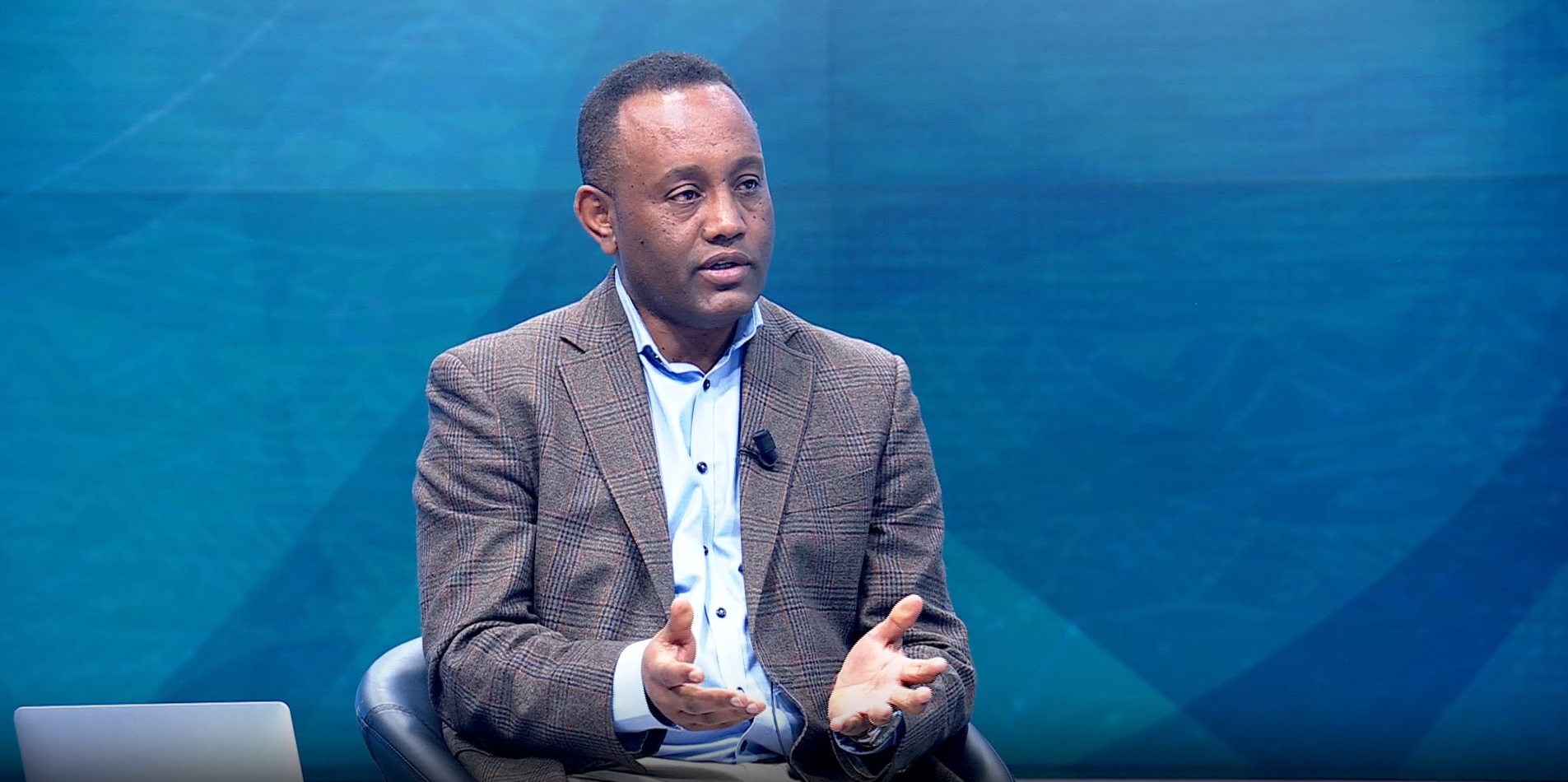
Addis Ababa, November 20, 2026 (ENA)— Ethiopia’s growing recognition of refugees as contributors to economic development marks an important step toward expanding their access to employment, business opportunities, and formal services, according to Inkomoko Ethiopia Managing Director Dawit Tilahun.
Inkomoko is an African social enterprise that supports micro and small business entrepreneurs especially refugees and displaced people through affordable financing, business advisory, market linkages, and policy advocacy.
Founded in Rwanda in 2012, it operates across Rwanda, Kenya, Ethiopia, South Sudan, and Chad.
Speaking in an exclusive interview with ENA, Dawit said the country’s policy shift reflects a broader recognition that refugees can contribute meaningfully to the national economy rather than being viewed solely through a humanitarian lens.
He cited the 2019 Refugee Proclamation, the 2024 right-to-work directive, and ongoing efforts to extend Fayda digital identification to refugees as key milestones in creating opportunities for employment, entrepreneurship, and access to formal services.
He also highlighted the Makatet Roadmap, launched in June this year, as an important initiative for integrating refugee inclusion into government-led development planning.
Ethiopia hosts more than 1.1 million refugees and asylum seekers, alongside nearly two million internally displaced people, making economic inclusion and sustainable livelihood opportunities increasingly important.
Dawit said the main challenge now is translating existing policies into tangible economic opportunities through stronger coordination among government institutions, financial service providers, employers, and development partners.
He disclosed that Inkomoko has partnered with the Refugees and Returnees Service since 2022, helping more than 7,000 refugees obtain work permits.
“One of the most important changes we've seen is greater access to work permits. Since 2022, Inkomoko has worked with the Refugees and Returnees Service to support more than 7,000 persons with refugee status to obtain them. But what matters to me is what people can do with that documentation,” he said.
Drawing on the experiences of refugee entrepreneurs in Addis Ababa, Dawit said access to work permits, financing, and business support enables refugees to establish businesses, expand operations, and create employment.
He added that extending Fayda digital identification to refugees would improve their access to banking, mobile services, and other formal institutions.
Dawit also emphasized the investment potential of refugee-hosting communities, noting that they have active markets, established customer bases, and entrepreneurs whose businesses serve customers beyond their immediate areas.
Inkomoko’s operations across five African countries have recorded a 92 percent loan repayment rate, challenging perceptions that businesses in displacement-affected communities are too risky to finance.
He identified agriculture, food processing, livestock, light manufacturing, and services as sectors with significant potential to create jobs and expand business opportunities for refugees and host communities.
He cited businesses supported by Inkomoko in Bambasi, near Assosa, and around Jijiga in the Somali Region, particularly in bakery, livestock, and dairy value chains, as examples of emerging opportunities in Ethiopia.
Dawit called on Ethiopian banks, manufacturers, and larger companies to strengthen partnerships with refugee and host-community-owned businesses through accessible financing, local sourcing, and improved market linkages.
He further noted that displacement should not define people's entrepreneurial potential, pointing out that 97 percent of businesses supported by Inkomoko across its five countries of operation remained active over the past year despite significant market pressures.
Reflecting on the fourth edition of the Africa Private Sector Forum on Displacement (APSFd), Dawit said the platform has helped shift discussions from the humanitarian needs of displaced people toward their economic contributions and investment potential.
The forum brings together governments, banks, investors, employers, and refugee entrepreneurs to identify practical ways to increase investment, create jobs, and build business partnerships.
He said the ultimate measure of the forum's success would be increased financing for entrepreneurs, stronger market connections, and more employment opportunities benefiting both refugees and host communities.


