Ethiopia’s Future Peacekeeping Role Must Keep Balancing National Interests, Regional Duties: Navy Commandant - ENA English


Ethiopia’s Future Peacekeeping Role Must Keep Balancing National Interests, Regional Duties: Navy Commandant
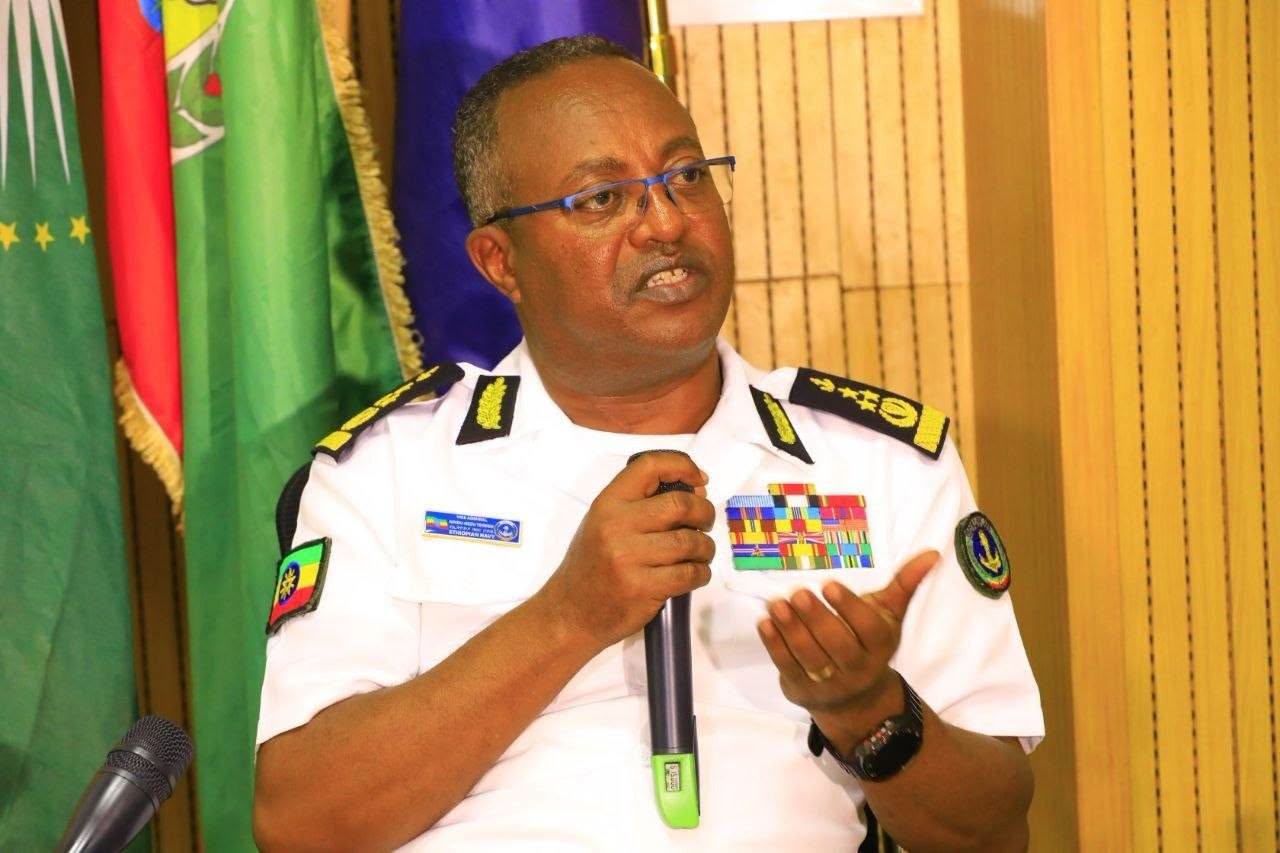
Addis Ababa, November 18, 2026 (ENA)— Ethiopia’s future engagement in international peacekeeping must keep balancing national security interests, international obligations, and its enduring commitment to peace and stability in the Horn of Africa, FDRE Navy Commandant Vice Admiral Kindu Gezu stated.
He made these remarks during the closing session of a consultative forum convened to discuss strategies for sustaining Ethiopia’s peacekeeping role amid shifting global dynamics and mounting challenges to multilateralism.
Vice Admiral Kindu emphasized that Ethiopia's rich legacy in international peacekeeping extends beyond a mere international duty.
Instead, he noted, it serves as a critical national legacy and a strategic asset that must be thoughtfully leveraged to guide the nation's future peacekeeping engagements.
He stressed that Ethiopia could not rely solely on its past achievements, but must adapt to the changing international environment and take practical measures to sustain and strengthen its contribution to peace support operations.
He identified shifts in the global order, intensifying geopolitical competition, declining funding for peace operations, political disagreements among member states, and weakening multilateral institutions as major developments reshaping the environment for international and regional peacekeeping missions.
As one of the major troop-contributing countries, Ethiopia is directly affected by these changes, underscoring the need to reassess its peacekeeping priorities based on its available capabilities, national interests, and regional security responsibilities.
The Navy Commandant further emphasized that sustaining Ethiopia’s peacekeeping role requires enhancing the operational readiness of its forces through improved training, logistics, equipment, and professional development.
He also highlighted the importance of modernizing institutional capacities, incorporating emerging technologies, and ensuring that the country’s peacekeeping policies, legal frameworks, and operational procedures are aligned with international standards.


