Stationing of Ethiopian Peacekeepers over 7 Decades Reflects Commitment to Collective Security: IPSTI - ENA English


Stationing of Ethiopian Peacekeepers over 7 Decades Reflects Commitment to Collective Security: IPSTI
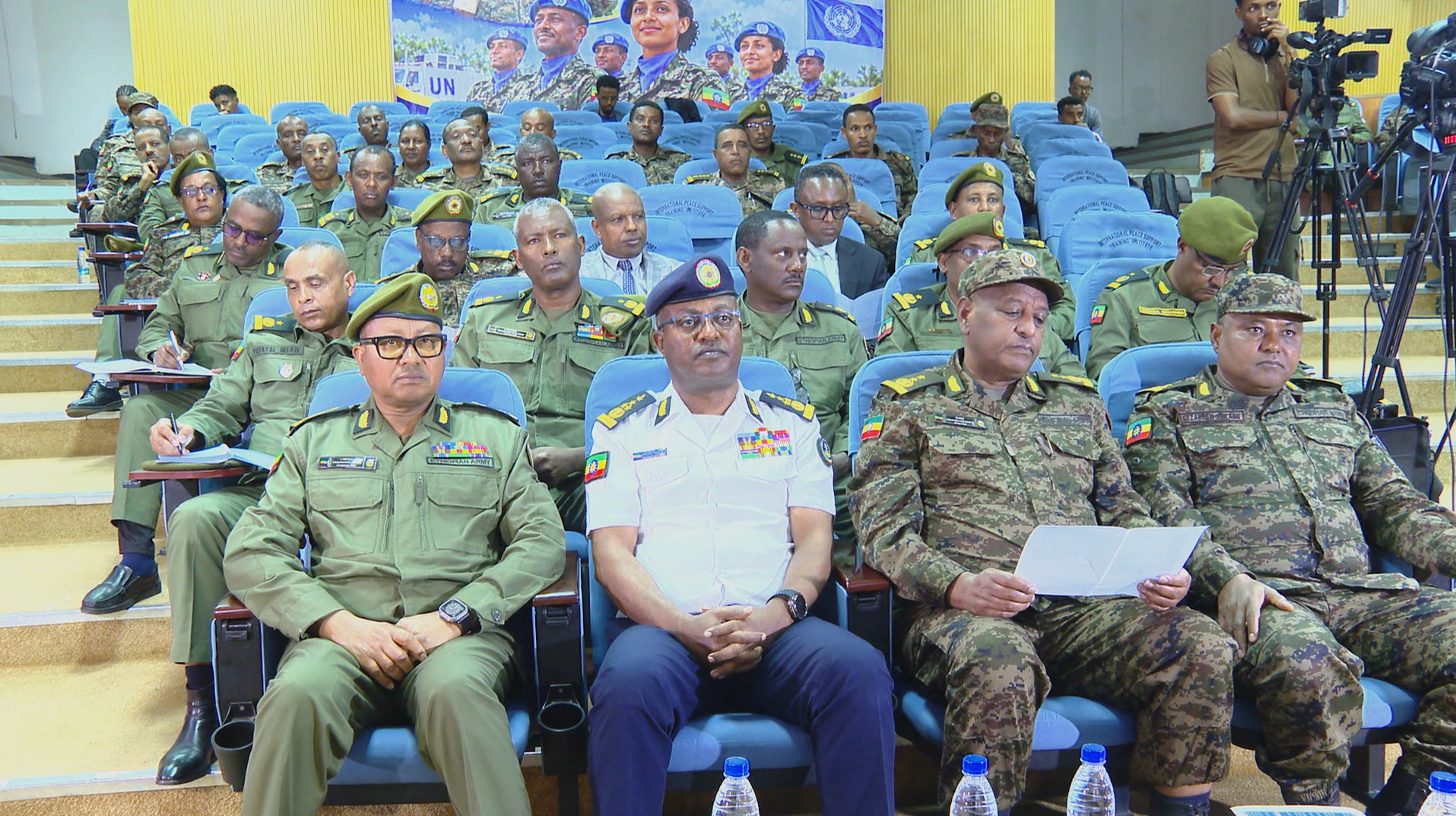
Addis Ababa, November 17, 2026 (ENA)— Ethiopia's deployment of peacekeepers over the last seven decades reflects its longstanding commitment to collective security, regional stability and international cooperation, Brigadier General Gezahegn Fekadu, Ethiopian National Defense Force International Peace Support Training Institute (IPSTI) Commandant said.
The country’s peacekeeping engagement began with the Korean War and continued through missions in countries including Sudan, South Sudan and Somalia, demonstrating its sustained involvement in international and regional peace efforts, he added.
The Commandant made the remarks at a consultative forum organized jointly by IPSTI and the Ethiopian National Defense College to examine strategies for sustaining Ethiopia’s peacekeeping role amid changing global dynamics.
Brigadier General Gezahegn said the evolving global order, declining funding for peace operations and political disagreements among multilateral institutions are creating challenges for countries contributing to international peacekeeping, including Ethiopia.
As a major troop-contributing country, Ethiopia therefore needs to strengthen its operational readiness, modernize its capabilities and develop sustainable partnerships to maintain its contribution to global peace and security, the Commandant noted.
The forum examined Ethiopia’s historical peacekeeping contributions, the effects of global and regional transitions, funding and partnership challenges, as well as the country’s operational readiness and future strategy.
For his part, Ethiopian National Defense College representative Seraw Demas said Ethiopia’s contribution to regional stability extends beyond peacekeeping deployments.
The country also hosts hundreds of thousands of refugees, particularly from neighboring countries, he added.
Commandant Seraw noted that Ethiopia has continued to shoulder this humanitarian responsibility despite economic, social and institutional pressures, which have been compounded by constraints in international support, particularly in recent years.
Beyond these country-specific considerations, the French Defense Attaché Colonel Damien Cypryk highlighted broader challenges confronting international peacekeeping, saying the changing nature of armed conflicts, driven by the growing use of cyberattacks, information warfare, artificial intelligence and drones, is making operations more complex and demanding new approaches to maintaining international peace and security.
Divisions among UN member states over peacekeeping mandates and objectives, alongside growing mistrust among host countries and local communities, are also weakening the effectiveness of missions and making it harder to achieve lasting political solutions.
Colonel Cypryk further said the UN peacekeeping system faces serious financial constraints, with liquidity shortages, payment arrears and declining voluntary contributions forcing the closure or downsizing of some missions, sometimes without sufficient consideration of security conditions on the ground.
The attaché emphasized that UN peacekeeping operations remain vital to protecting civilians, monitoring ceasefires and supporting peace processes, stressing the need to adapt their mandates, resources and funding to evolving geopolitical, security and operational realities.


