Ethiopia’s Role Indispensable to Red Sea Security, Says Strategic Forum CEO - ENA English


Ethiopia’s Role Indispensable to Red Sea Security, Says Strategic Forum CEO
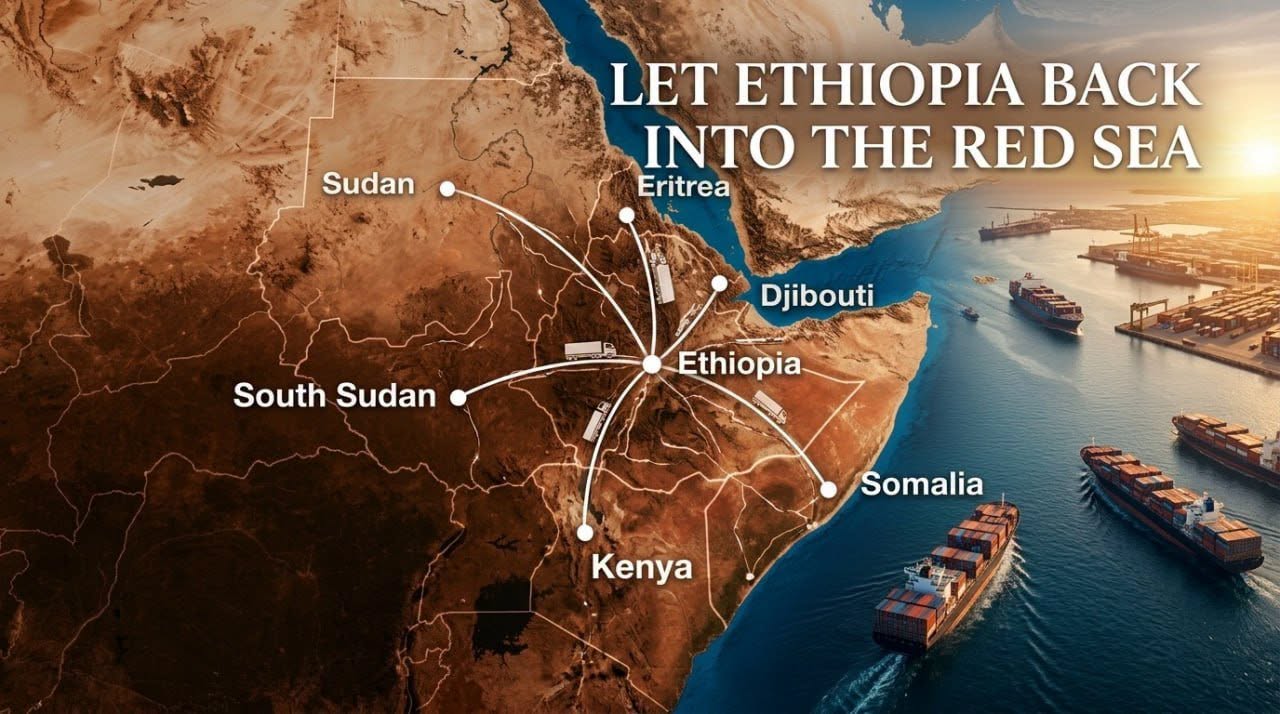
Addis Ababa, November 17, 2026 (ENA)— Ethiopia’s strategic importance to Red Sea security is growing amid shifting geopolitical dynamics and intensifying military competition in the Horn of Africa, Founder and CEO of the newly established Nile and Red Sea Strategic Forum, Solomon Tefera said.
Speaking to ENA, Solomon argued that lasting security and stability in the Red Sea region cannot be achieved without Ethiopia’s meaningful participation, given its strategic geographical position, population of approximately 130 million and far-reaching economic and security interests.
“Previously, it was Ethiopia that needed the Red Sea. Now, the Red Sea itself needs Ethiopia,” he said.
Solomon further underscored the country's potential role in safeguarding regional maritime security.
He noted that the Horn of Africa has increasingly become a focal point of geopolitical and military competition, with several foreign powers maintaining military bases and security deployments across the region. This evolving security landscape, he argued, makes Ethiopia an essential stakeholder in regional maritime security arrangements.
For Ethiopia, the stakes are particularly high.
As a landlocked country heavily dependent on Djibouti's port for its international trade, the country remains exposed to potential disruptions along critical maritime corridors, especially the Bab-el-Mandeb Strait, Solomon explained.
Although alternative shipping routes exist, instability or interruptions around this strategic chokepoint could significantly affect Ethiopia's access to international markets and the movement of essential imports.
He stressed that the implications extend well beyond trade, as disruptions to maritime supply chains could affect the availability of critical commodities, including fuel, fertilizers and military equipment, while placing additional pressure on the national economy and foreign currency resources.
Against this backdrop, Solomon described reliable maritime access as a strategic imperative closely linked to Ethiopia's economic resilience, national security and long-term development ambitions.
“Access to the sea is an existential issue for Ethiopia, not a matter of luxury,” he emphasized.
With a population of around 130 million and expanding economic ambitions, Ethiopia's maritime interests should be viewed not merely as a national concern but also within the broader context of regional economic integration and shared prosperity, he added.
Solomon further argued that Ethiopia's potential maritime engagement could create economic and strategic opportunities extending beyond its borders, just as major Ethiopian development initiatives have demonstrated their potential to generate regional benefits.
Citing the Grand Ethiopian Renaissance Dam (GERD), he noted that the flagship project illustrates how Ethiopia's development ambitions can contribute to wider regional interests, including those of neighboring countries such as Djibouti and Kenya.
He said a similar approach to maritime engagement could open new avenues for regional economic cooperation, connectivity and shared prosperity.
The Forum CEO also called for greater international and academic attention to the historical, geographical and legal dimensions of Ethiopia's loss of direct sea access, arguing that these issues warrant informed discussion and a deeper understanding across the Horn of Africa.
He emphasized that examining Ethiopia's maritime interests within their historical and legal context could help foster constructive dialogue, mutual understanding and practical cooperation among countries in the region.
The Nile and Red Sea Strategic Forum is a newly established Ethiopian institution dedicated to advancing the country's interests in the Nile and Red Sea through research, policy advocacy, regional cooperation and public engagement.


