GERD Proves Ethiopia’s Ability to Overcome Future Water Dev’t Challenges, Says Water Minister - ENA English


GERD Proves Ethiopia’s Ability to Overcome Future Water Dev’t Challenges, Says Water Minister
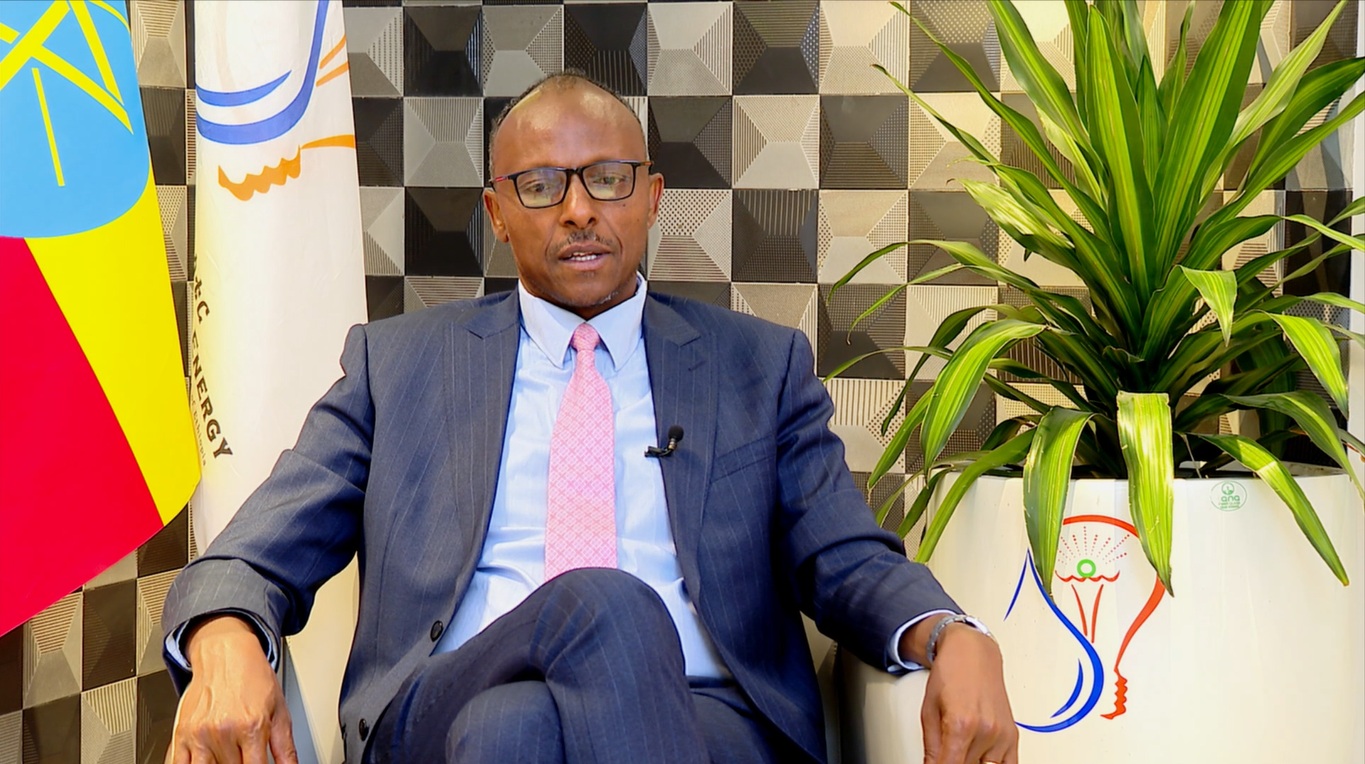
Addis Ababa, November 14, 2026 (ENA)— The successful execution of the Grand Ethiopian Renaissance Dam (GERD) has amply demonstrated the nation's capacity to overcome challenges and bring to fruition its water development projects, Water and Energy Minister Habtamu Itefa told ENA.
The Minister added that any future development and infrastructure projects in Ethiopia will be significantly smoother and less burdensome than past endeavors.
"Challenges for any further development projects in Ethiopia will be much simpler than that we passed through; because we built Africa’s biggest dam overcoming many difficulties," he stated.
Habtamu noted that external pressure and attempts to prevent Ethiopia from utilizing its water resources for development have ironically strengthened national unity and determination.
“The more pressure is exerted on Ethiopia from outside, the more united Ethiopians become,” he said, citing the construction of the GERD as evidence of the country's collective commitment to safeguarding its national interests.
The Minister criticized Egypt’s approach to the Nile River, noting that its continued opposition to Ethiopia’s water development projects disregards the contributions of upstream countries.
Ethiopia, for instance, contributes over 86 percent of the Nile’s water. Similarly, the other upstream countries contributing to the river have the right to utilize their water resources for development.
Habtamu argues that Egypt’s political rhetoric over the Nile is partly intended to divert public attention from domestic challenges and create the impression that its government is protecting national interests.
However, the truth is that Ethiopia’s development projects are not intended and do no harm to downstream countries.
On the contrary, the GERD for example provides benefits to both Sudan and Egypt. Among the benefits he mentioned improved water regulation, increased water availability during dry seasons, and reduced evaporation losses compared with the Aswan High Dam.
The Minister reiterated that Ethiopia remains committed to utilizing its natural resources for development while respecting the interests of other countries.
Recall that Ethiopia signed the 2015 Declaration of Principles on the GERD with Egypt and Sudan to exchange information and cooperation during the dam's construction and filling process.
On the other hand, Egypt had undertaken several water development projects without adequately considering Ethiopia's interests, including the construction of the Aswan High Dam and other water-transfer schemes, Habtamu elaborated.
The Water Minister insisted that Egypt abandon such unilateral approaches to Nile water development and engage Ethiopia and all other Nile Basin countries through meaningful negotiations and cooperation based on mutual understanding, compromise and the recognition of the legitimate development interests of all Nile Basin countries.
He urged Egypt to move beyond opposing Ethiopia's development initiatives and instead participate in joint water development projects across the Nile Basin.
Furthermore, Habtamu advised Egypt to re-evaluate domestic water consumption policies, pointing to water intensive agricultural practices such as extensive rice and sugarcane cultivation, as well as water diversion projects directed toward desert areas like the Toshka Valley and the Sinai Peninsula, rather than placing sole focus on upstream development.
Egypt needs to improve its water management practices, including adopting modern irrigation technologies and reconsidering water-intensive agricultural activities, he said.


