African Delegates See Ethiopia’s Medemer as Inspiration for Collective Development - ENA English


African Delegates See Ethiopia’s Medemer as Inspiration for Collective Development
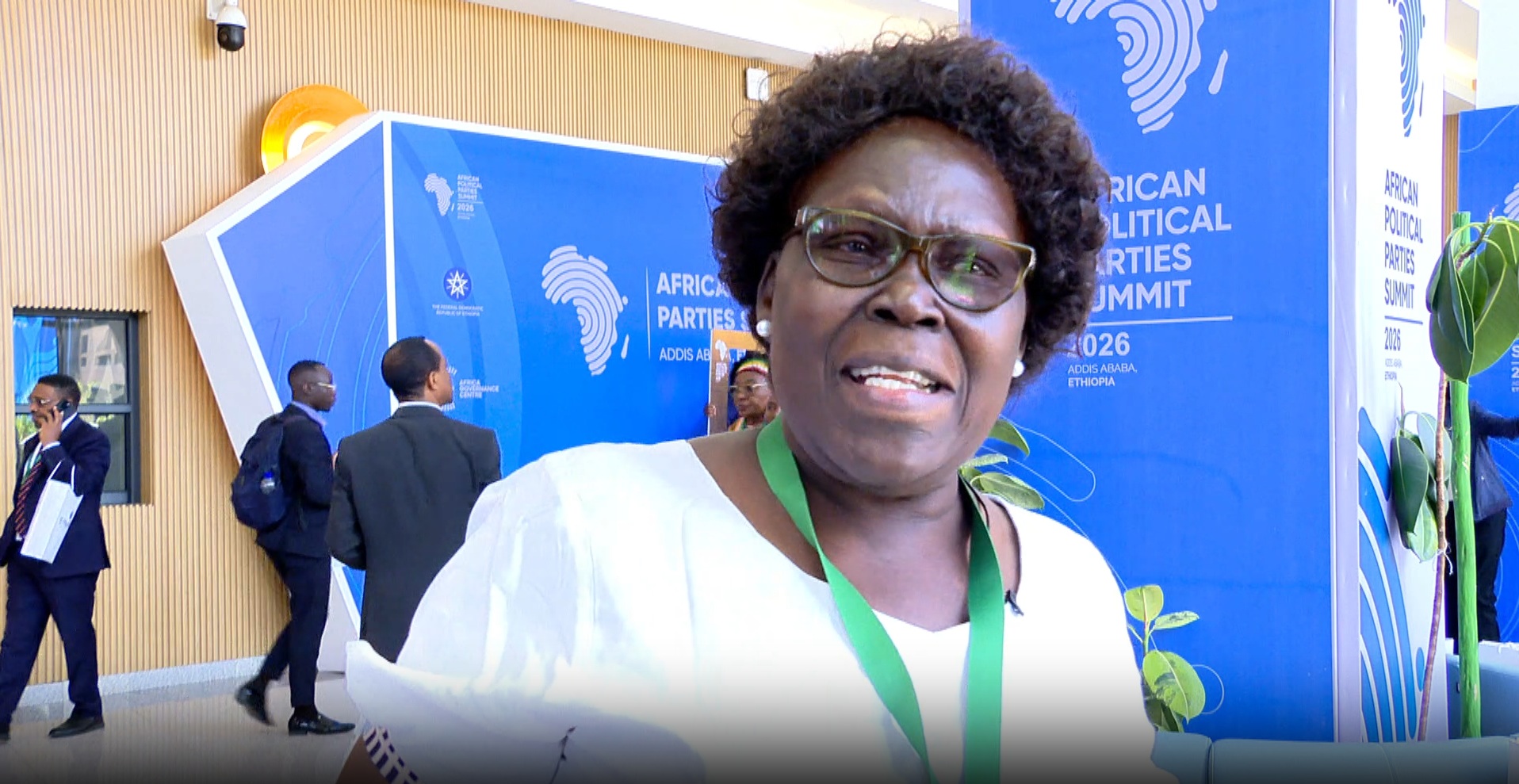
Addis Ababa, November 11, 2026 (ENA)— African political delegates at the Second African Political Parties Summit (APPS 2026) have highlighted Ethiopia’s Medemer philosophy as a transformative model for collective action, inclusive governance, and development-oriented leadership across the continent.
The delegates emphasized that political parties must look beyond routine electoral competition to drive long-term national and regional progress.
Speaking to ENA at the sidelines of the summit, Ugandan Member of Parliament and former Leader of the Opposition, Hon. Aol Betty Ocan, noted that the Medemer philosophy provides valuable lessons for African nations on leveraging political synergy to foster shared development and institutional unity.
“Synergy is where mathematically even two plus two cannot be four; two plus two can be like six or eight. When you put people together, you achieve better,” she said.
Ocan said she had embraced the philosophy and expressed hope that it would inspire younger generations across Africa to embrace cooperation, solidarity, and shared progress.
She called for wider promotion of Medemer, particularly through social media, to enable future generations to understand and apply its principles in their respective countries.
She further stressed that political parties should look beyond electoral competition and work collectively to advance national development, uphold constitutional principles, and improve citizens’ livelihoods.
Emphasizing the importance of multiparty democracy, Ocan said diverse political perspectives, including those of minority and opposition parties, should be accommodated in governance and policymaking.
“The majority should know that it is the minority that should give them other options,” she said, describing opposition parties as an important source of alternative perspectives that can help governing parties reconsider decisions and strengthen accountability.
Ocan also underscored the importance of women's participation in political leadership, calling on political parties to mentor young people and equip them with the skills and opportunities needed to assume meaningful roles in governance and decision-making.
Reflecting on Ethiopia's development experience, she commended Addis Ababa's infrastructure development, urban transformation, and active youth participation.
She also highlighted Ethiopia's role as the host of the African Union headquarters, noting that its development experience and welcoming environment offer opportunities for other African countries to learn and exchange experiences.
She further emphasized that political leadership should prioritize translating ideas into tangible development outcomes rather than relying on political patronage.
Similarly, Eden Mzumara from Malawi's Office of the Registrar of Political Parties said Medemer provides an approach to strengthening cooperation among different sectors and groups in pursuit of shared development objectives.
He said the philosophy encourages efficiency through collaboration and could help African countries advance their economic development efforts.
Mzumara identified inclusiveness as a fundamental requirement for addressing national challenges, stressing that marginalized communities should have opportunities to participate in identifying problems and developing solutions.
He also emphasized that the participation of young people and women should extend beyond numerical representation to building their capacities for meaningful engagement in leadership and decision-making.
“It is not enough to just include the youth or marginalized women, but then to build the capacity of the people you are trying to engage with,” he said.
He further cited Ethiopia's engagement of local capacities in infrastructure development and other economic activities as an experience from which African countries could draw lessons, noting that local participation helps strengthen skills, ownership, and contributions to national development.
Mzumara also underscored the importance of continuity in governance, arguing that political differences should not prevent parties from pursuing common development objectives through cooperation, dialogue, and the exchange of ideas.
The Second African Political Parties Summit, hosted in Addis Ababa, provided a continental platform for political parties to discuss their roles in governance, peacebuilding, economic transformation, and inclusive development, with particular attention to strengthening cooperation beyond electoral politics.


