Ethiopia Targets to Become Africa’s Leading AI Innovation Hub by 2030: EAII Director General - ENA English


Ethiopia Targets to Become Africa’s Leading AI Innovation Hub by 2030: EAII Director General
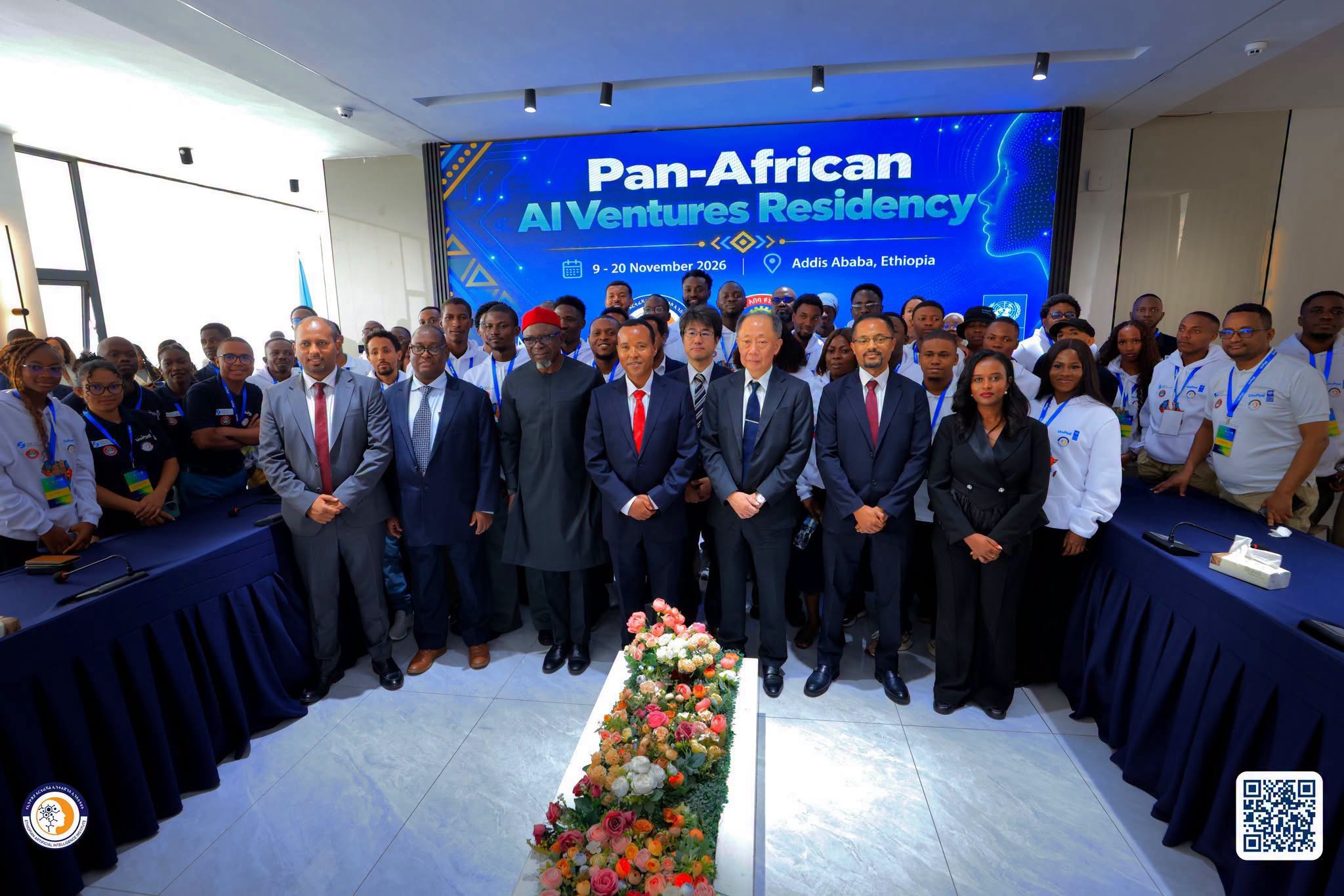
Addis Ababa, November 9, 2026 (ENA)— Ethiopia is accelerating efforts to position itself as one of Africa’s leading hubs for artificial intelligence (AI) research and innovation by 2030 through strategic investments in digital infrastructure, human capital development and continental partnerships, Director General of the Ethiopian Artificial Intelligence Institute (EAII), Worku Gachena, said.
Speaking at the opening of the Pan-African AI Ventures Residency Program in Addis Ababa, Worku said Ethiopia aims to build strong AI capabilities that support national development priorities while contributing to technological advancement across Africa through research, innovation and entrepreneurship.
He noted that the ambition is aligned with Digital Ethiopia 2030, the country’s strategic roadmap for digital transformation, and supported by initiatives designed to strengthen research capacity and develop the next generation of AI professionals.
Among these initiatives is Medemer AI University, established as an autonomous public university following the Council of Ministers’ approval of its founding regulation.
The institution is expected to train AI scientists, engineers and entrepreneurs while expanding the country’s technological and research capabilities.
Worku also highlighted the AI UniPod, inaugurated on February 16, 2026, through a partnership between EAII, the United Nations Development Programme (UNDP) and Addis Ababa University.
The facility is equipped with advanced laboratories, robotics facilities, high-performance computing resources, design studios and collaborative learning spaces. It is designed to connect research with entrepreneurship and the development of practical technological solutions.
He emphasized that realizing Ethiopia’s ambition to become a leading African AI research and development hub by 2030 requires sustained investment in digital infrastructure, computing capacity and skilled human resources.
In this regard, the Pan-African AI Ventures Residency Program brings together young innovators from 12 African countries to develop AI-driven solutions to challenges facing the continent.
The initiative provides participants with mentorship, knowledge exchange opportunities, professional networks and platforms for cross-border collaboration.
Worku further underscored the importance of stronger African cooperation, particularly in responsible data sharing and developing African-language datasets and AI models, to ensure that emerging technologies reflect the continent’s realities and development priorities.
He also acknowledged the contributions of the Japanese government, UNDP and Addis Ababa University, noting that international and regional partnerships are essential to strengthening Africa’s competitiveness in the global AI landscape.
Japanese Ambassador to Ethiopia Shibata Hironori highlighted Japan’s support for the AI UniPod initiative through its Ministry of Economy, Trade and Industry, which provides approximately 1 million USD in annual funding to advance African AI capacity and digital innovation.
He said the initiative also creates opportunities for Japanese companies to collaborate with African startups through joint development and pilot projects, reaffirming Japan’s commitment to supporting Ethiopia in partnership with EAII, Addis Ababa University and UNDP.
Meanwhile, Matthias Z. Naab, Director of UNDP’s Regional Service Centre for Africa, called on African countries to move beyond being passive consumers of foreign technologies and become active creators of solutions to their own development challenges.
He said Africa’s youthful population, expanding digital economy and growing innovation ecosystem provide a strong foundation for developing homegrown AI technologies and generating sustainable employment opportunities.
Naab also highlighted UNDP’s investments in digital infrastructure through its EDGE initiative, which provides essential resources, including high-performance graphics processing units (GPUs) at the AI UniPod, enabling innovators to develop AI-powered products.
However, he stressed that access to computing resources alone would not be sufficient, emphasizing the need for young innovators to acquire practical skills and connect their solutions to real-world markets.
He added that promising ventures emerging from the residency program could advance to UNDP’s broader Timbuktoo Initiative, gaining access to thematic innovation hubs, venture capital and market networks.
The 10-day residency brings together 51 AI startup founders from 12 African countries at the AI UniPod for intensive training, mentorship, product development and networking, marking another step toward strengthening Africa’s homegrown artificial intelligence ecosystem.


