Prosperity Party Urges Shift from Election Politics to Long-Term National Development - ENA English


Prosperity Party Urges Shift from Election Politics to Long-Term National Development
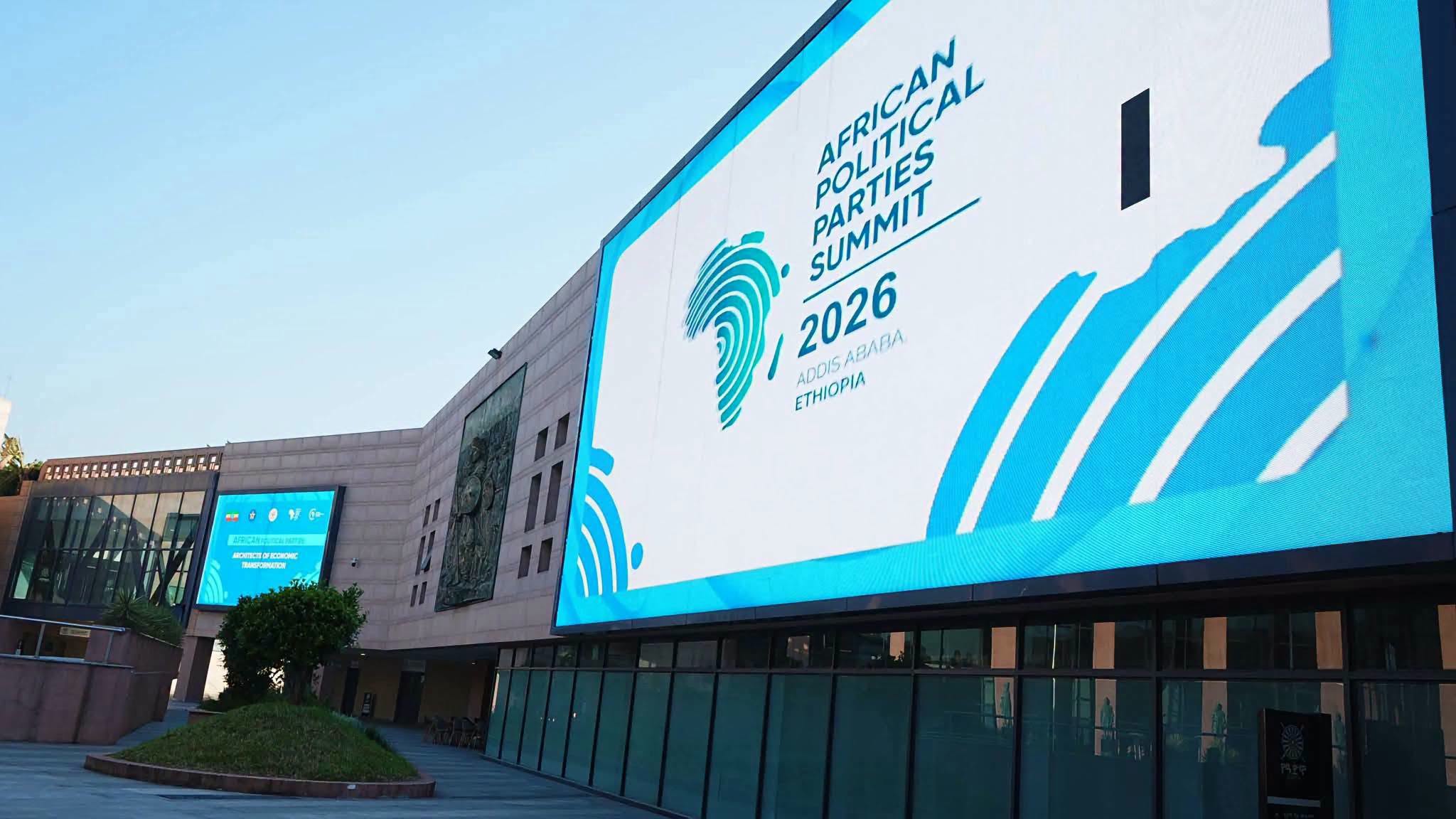
Addis Ababa, November 7, 2026 (ENA)— Ethiopia’s ruling Prosperity Party urged political parties to move beyond election-driven politics and embrace long-term strategic leadership that prioritizes effective governance, sustainable investment, and national development.
Head of Strategic Affairs at the Prosperity Party, Dr. Dereje Duguma said political parties should focus less on winning elections and more on translating national development ambitions into tangible and lasting results.
He made the remarks during a panel discussion held under the theme “Political Parties as Engines of National Development.”
Dr. Dereje underscored that political parties have a crucial responsibility to shape national development agendas, advance strategic priorities, and ensure that development plans deliver meaningful outcomes for citizens.
He emphasized the need for political parties to align their policies and actions with long-term national and continental aspirations, particularly the African Union’s Agenda 2063.
“Political parties should look beyond seasonal election campaigns and adopt long-term strategic frameworks that advance national prosperity and development,” he noted.
He further stressed that sustainable development requires investment in the country's future, strong institutions, and leadership commitment that extends beyond electoral cycles. Effective governance, he added, should begin with adequate preparation and institutional capacity even before political parties assume office.
Comparing political engagement to a marathon rather than a 100-meter sprint, Dr. Dereje said political parties must approach their responsibilities as a long-term undertaking, with sustained efforts directed toward national transformation.
Highlighting the Prosperity Party’s institutional efforts to strengthen leadership capacity, he pointed to the establishment of training structures designed to develop party members and leaders at different levels.
Among these, he cited the African Leadership Excellence Center (AfLEX), alongside similar institutions established at regional levels, which provide leadership training and strengthen institutional capacity.
According to him, these institutions help enhance leadership development, performance evaluation, monitoring, and accountability within the party.
He also identified Medemer as the philosophical foundation underpinning the Prosperity Party’s policies and strategies across social, economic, and foreign affairs sectors.
Dr. Dereje further highlighted the party’s leadership incubation programme, which aims to nurture capable leaders at different levels through structured development initiatives and objective performance evaluation.
He stressed that strong leadership, capable institutions, and a long-term development vision are essential for political parties to move beyond electoral competition and become effective drivers of national transformation.


