Ethiopia Calls for Regional Solidarity to Effectively Respond to Health Emergencies - ENA English


Ethiopia Calls for Regional Solidarity to Effectively Respond to Health Emergencies
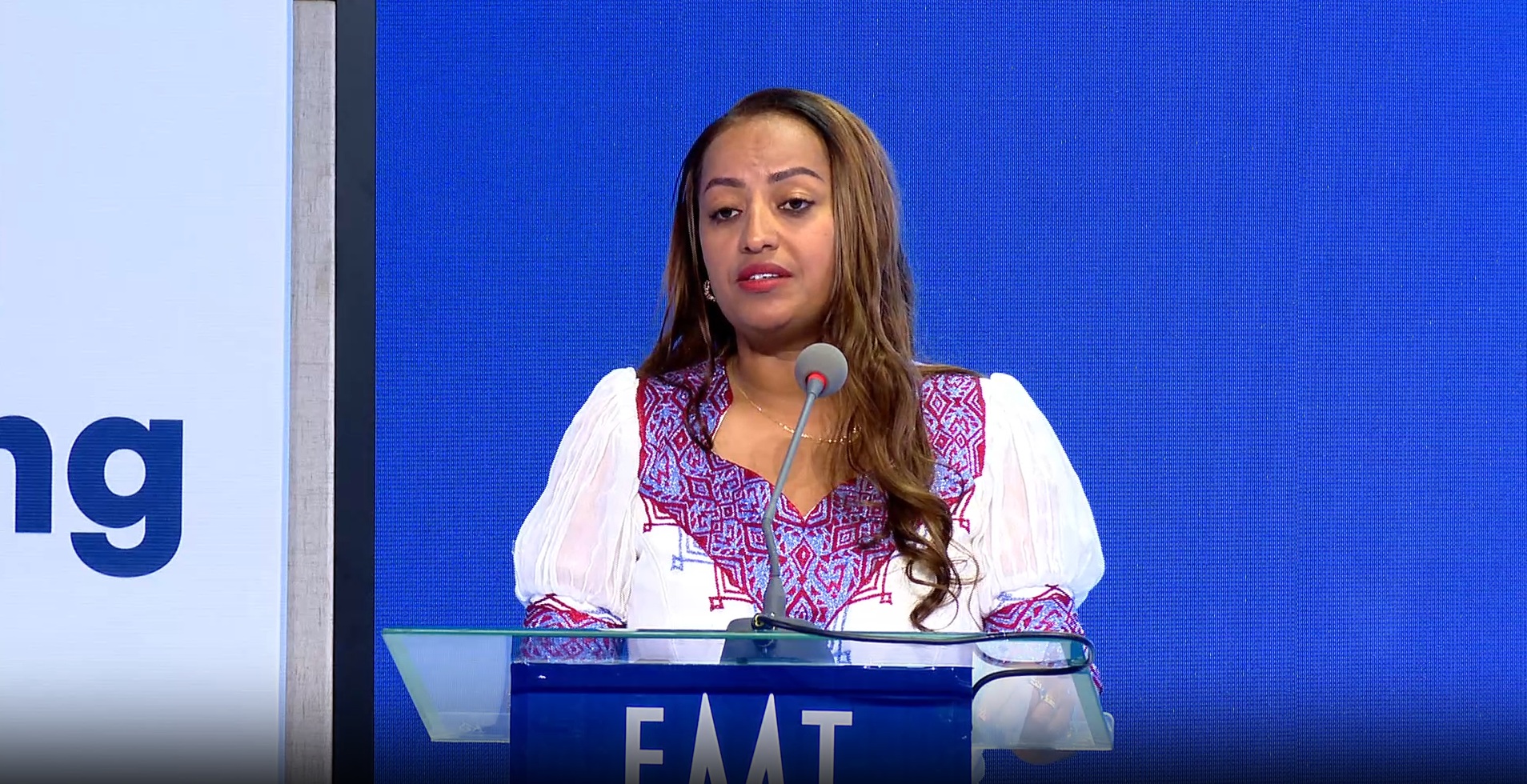
Addis Ababa, November 3, 2026 (ENA)— Ethiopia has called for operational regional solidarity to improve preparedness and respond to health emergencies.
Today, Health Minister Dr. Mekdes Daba has called for sustained investment in emergency medical teams, stronger coordination across sectors and operational regional solidarity to improve preparedness and response to health emergencies.
She noted that Africa has been strengthening its leadership and capacity in global emergency response, moving beyond receiving assistance to training skilled professionals, developing evidence-based solutions and deploying its own emergency teams in partnership with international actors.
However, she stressed that growing emergency challenges across Africa and beyond require stronger national capabilities, country ownership and effective international cooperation to ensure timely and coordinated responses.
Addressing the opening of the 7th World Health Organization (WHO) Emergency Medical Teams (EMT) Global Meeting that opened in Addis Ababa today, the Health Minister said the historic gathering should accelerate the transition from commitments to practical readiness and collective resilience.
The event “must be remembered as a meeting where we accelerate a transition from commitment to operationalization of readiness, from individual national achievements to collective resilience,” she stressed.
Dr. Mekdes further highlighted Ethiopia’s progress in developing its emergency medical response capacity, noting that the country established its Disaster Medical Assistance Team in 2018 and has since undertaken domestic missions to support communities affected by natural and other emergencies.
She added that Ethiopia has more than 600 trained professionals as part of its emergency medical response capacity.
The Minister also recalled Ethiopia’s deployment of medical responders to Türkiye following the devastating earthquake in 2023, describing it as an expression of solidarity beyond national borders.
Moreover, Dr. Mekdes highlighted Ethiopia’s achievement in September 2026, when its national Type 1 fixed Emergency Medical Team received WHO international classification, becoming the first civilian EMT in the WHO African Region to attain the status.
However, she stressed that classification should not be considered the end of the process, emphasizing the need for continuous training, simulation exercises, quality assurance, adequate equipment, logistics and reliable deployment arrangements.
“A real measure of our progress is going to be whether we can reach our people and whether we can reach our continent and beyond when any emergency strikes.”
According to her, strengthening emergency medical response is part of Ethiopia’s broader health-system transformation.
Ethiopia is working to strengthen pre-hospital coordination, emergency dispatch, timely referrals, communication, professional training and operational systems closer to communities.
She outlined the country’s three priorities for advancing emergency medical response: strengthening nationally led EMT programs through sustained investment in personnel, equipment and logistics; integrating common standards into regular practice through exercises and continuous quality improvement; and making cross-border solidarity operational.
The ongoing 7th WHO EMT Global Meeting has brought together government representatives, health professionals, researchers and humanitarian partners from around the world to exchange experiences and strengthen global emergency medical response capacities.


