Tight Monetary Policy Indispensable to Achieve Single-Digit Inflation, Says NBE Governor - ENA English


Tight Monetary Policy Indispensable to Achieve Single-Digit Inflation, Says NBE Governor
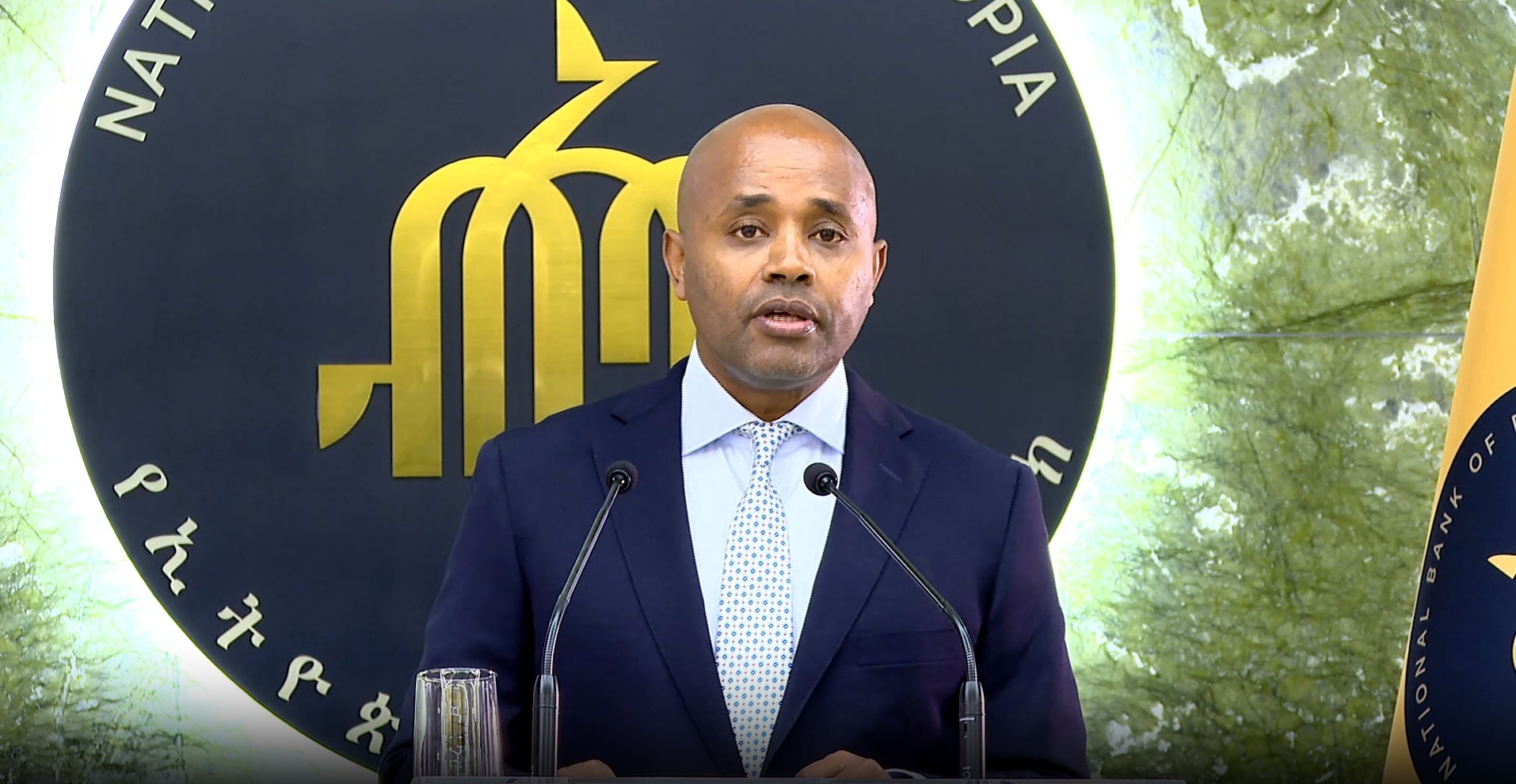
Addis Ababa, November 3, 2026 (ENA)— Maintaining a tight monetary policy stance remains indispensable to achieve Ethiopia’s medium-term target of single-digit inflation, according to the Monetary Policy Committee (MPC) report of the National Bank of Ethiopia.
NBE Governor and Monetary Policy Committee Chair Eyob Tekalign told journalists today that the MPC had reviewed developments in the real, monetary, financial, fiscal and external sectors as well as global economic conditions and their implications for the Ethiopian economy.
It assessed recent macroeconomic developments and the near-term economic outlook before recommending monetary policy measures, which were subsequently approved by the Bank’s Board.
According to Eyob, inflation has started easing from its supply-driven peak but remained significantly above the Bank’s single-digit target by standing at 14.9 percent in September 2026.
The supply-side factors remained the predominant drivers of inflation, particularly following the conflict in the Middle East.
The report stated that headline inflation is expected to remain in double digits over the coming six months, although it is projected to follow a declining trend.
Meanwhile, the Ethiopian economy has maintained strong growth momentum, with the NBE's Composite Indicators of Economic Activity signaling robust economic performance in the first quarter of the 2026/27 fiscal year.
The growth outlook is expected to be reinforced by ongoing macroeconomic reforms and improvements in electricity generation, industrial production, tourism, banking credit, air passenger traffic, gold exports, imports of capital and intermediate goods, and tax revenue mobilization, the report said.
It added that annual reserve money growth accelerated to 87.2 percent in the first quarter of 2026/27, compared with 72.6 percent during the same period of the previous fiscal year.
The increase was largely attributed to the Bank’s gold operations, which boosted net foreign assets while injecting corresponding local currency liquidity into the banking system.
Regarding interest rates, Treasury bill yields and interbank money market rates continued to decline, remaining negative in real terms since May 2026. Meanwhile, commercial banks' lending and deposit rates remained unchanged from the previous quarter.
The declining short-term interest rates were attributed partly to excess reserves held by commercial banks at the National Bank.
The banking sector also remained sound during the review period, with low non-performing loans and adequate capital positions.
The committee noted that fiscal policy remained prudent, supporting the NBE's tight monetary policy stance and the broader macroeconomic reform agenda.
The government maintained its commitment to refraining from direct advances from the National Bank, extending the period to more than 27 months, the longest such period on record.
The report said this measure has contributed to price stability and strengthened macroeconomic management.
Following its assessment, the Monetary Policy Committee emphasized that maintaining a tight monetary policy stance remains essential to achieving the NBE's medium-term single-digit inflation target.
Accordingly, the Bank's Board approved the three major monetary policy measures recommended by the Committee.
First, the Bank will maintain its policy interest rate, the National Bank Rate (NBR) at 16 percent and keep the existing interest rate corridor of plus or minus three percentage points unchanged.
The relatively loose monetary and financial conditions, coupled with the projection of double-digit inflation in the short term, necessitate maintaining the tight policy stance.
Second, the Bank will continue monitoring individual commercial banks' loan-to-deposit ratios and employ targeted additional reserve requirements whenever credit expansion threatens the inflation trajectory.
Third, the NBE will continue using its available indirect monetary policy instruments effectively, particularly open market operations, to absorb excess liquidity from the banking system.


