Al-Arousi Accuses Egypt of Distorting Ethiopia’s Nile Rights, Vows More Dam Construction - ENA English


Al-Arousi Accuses Egypt of Distorting Ethiopia’s Nile Rights, Vows More Dam Construction
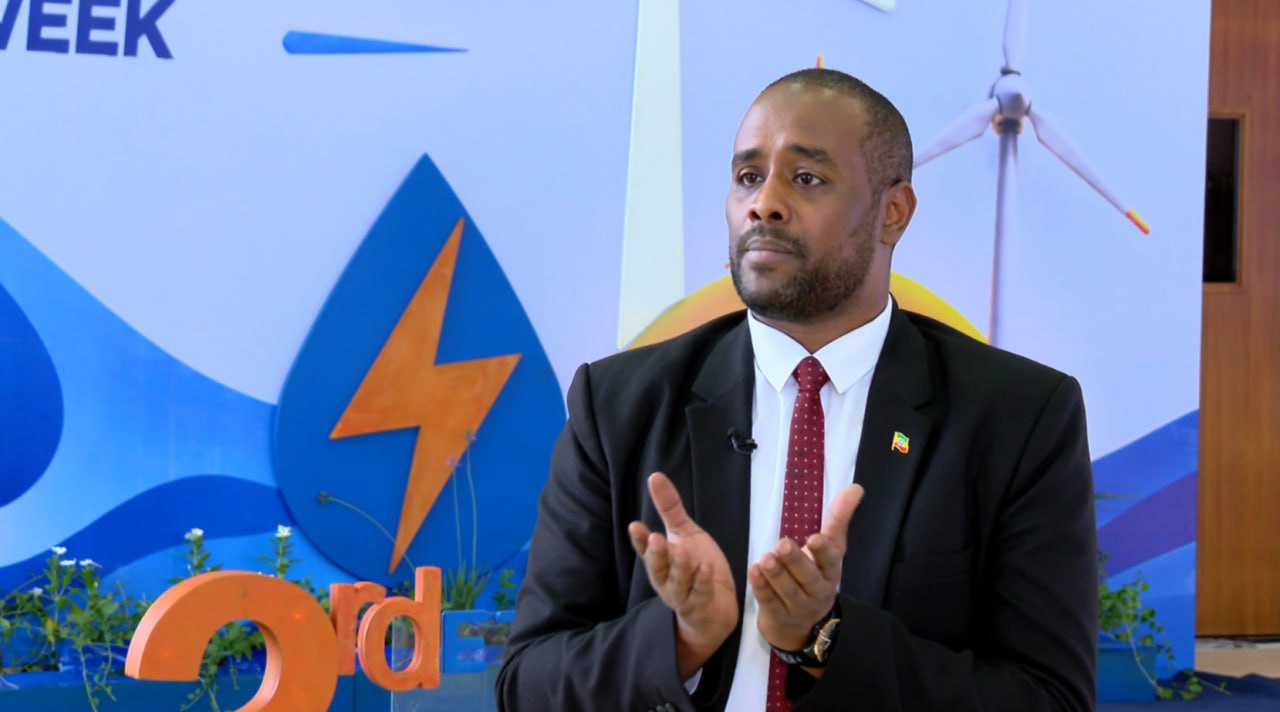
Addis Ababa, November 3, 2026 (ENA)— Ethiopia must reinforce its ongoing efforts and determination to continue developing its water resources through major dam projects, Mohamed Al-Arousi, Advisor to the Ethiopian Minister of Water and Energy, said.
He told ENA that the country would press ahead with its dam-building program, stressing that its development ambitions would not be deterred by political pressure or disputed narratives surrounding the shared river.
“We have built dams, and, God willing, we will continue building a series of dams,” Al-Arousi said.
He accused Egypt of mobilizing media outlets to portray Ethiopia’s water development agenda in a misleading manner.
Al-Arousi argued that such narratives seek to generate international sympathy and support against Ethiopia’s legitimate development aspirations.
The advisor said Ethiopia’s continued investment in water infrastructure reflects its determination to harness its natural resources for national development. He also rejected attempts to undermine the legitimacy of its projects through what he described as political pressure and distortion of facts in this regard.
Addressing concerns raised by downstream countries, particularly over the Grand Ethiopian Renaissance Dam (GERD), he said recurring accusations had failed to advance negotiations or bring the parties closer to a lasting agreement.
He questioned allegations that Ethiopia was pursuing unilateral actions, asking which parties had withdrawn from negotiations, declared the process unsuccessful and suspended it without establishing a clear path for its resumption.
“Who is refusing to negotiate and insisting on unilateral practices?” he asked, recalling Egypt repeatedly obstructing trilateral negotiations.
Al-Arousi also questioned efforts to take the Nile issue to international forums through unilateral initiatives, despite the existence of the Declaration of Principles, which he said provides a framework for addressing issues surrounding the GERD.
He said Ethiopia remains attentive to the concerns of other riparian countries but maintained that such concerns should be supported by scientific evidence rather than speculation, misrepresentation or politically motivated narratives.
“If you approach the matter in good faith, sit at the negotiating table, and present scientific facts upon which your concerns are based, you do not need anyone's sympathy,” he said.
Challenging those who question the GERD, Al-Arousi called on them to demonstrate scientifically how the dam would harm their countries, contribute to water shortages or undermine their access to the shared resource.
He said discussions should instead focus on identifying ways to utilize the Nile's water resources to advance development, stability and prosperity across all riparian countries.
Turning to Ethiopia’s broader water development ambitions, Al-Arousi said the country’s dam-building program would continue beyond projects already completed and those recently announced.
He said Ethiopia’s announcement of another dam projects on the Blue Nile River demonstrated the country's continued commitment to expanding its water infrastructure.
Al-Arousi also described Ethiopia’s experience in developing major dams as an opportunity for neighboring countries to draw lessons and harness their own natural resources for economic transformation and shared prosperity.
He urged regional countries and the international community to assess Ethiopia’s water development policies based on facts and its stated commitment to regional cooperation, rather than narratives questioning the legitimacy of its development ambitions.
He maintained that Ethiopia’s approach is rooted in utilizing its natural resources for national development while pursuing constructive relations with neighboring countries.
Al-Arousi emphasized that cooperation, science-based dialogue and respect for the interests of all riparian states are essential to transforming the Nile from a source of political disagreement into an instrument of regional development, stability and shared prosperity.


