Ethiopia Steps Up Water Resource Mapping Amid Growing Demand - ENA English


Ethiopia Steps Up Water Resource Mapping Amid Growing Demand
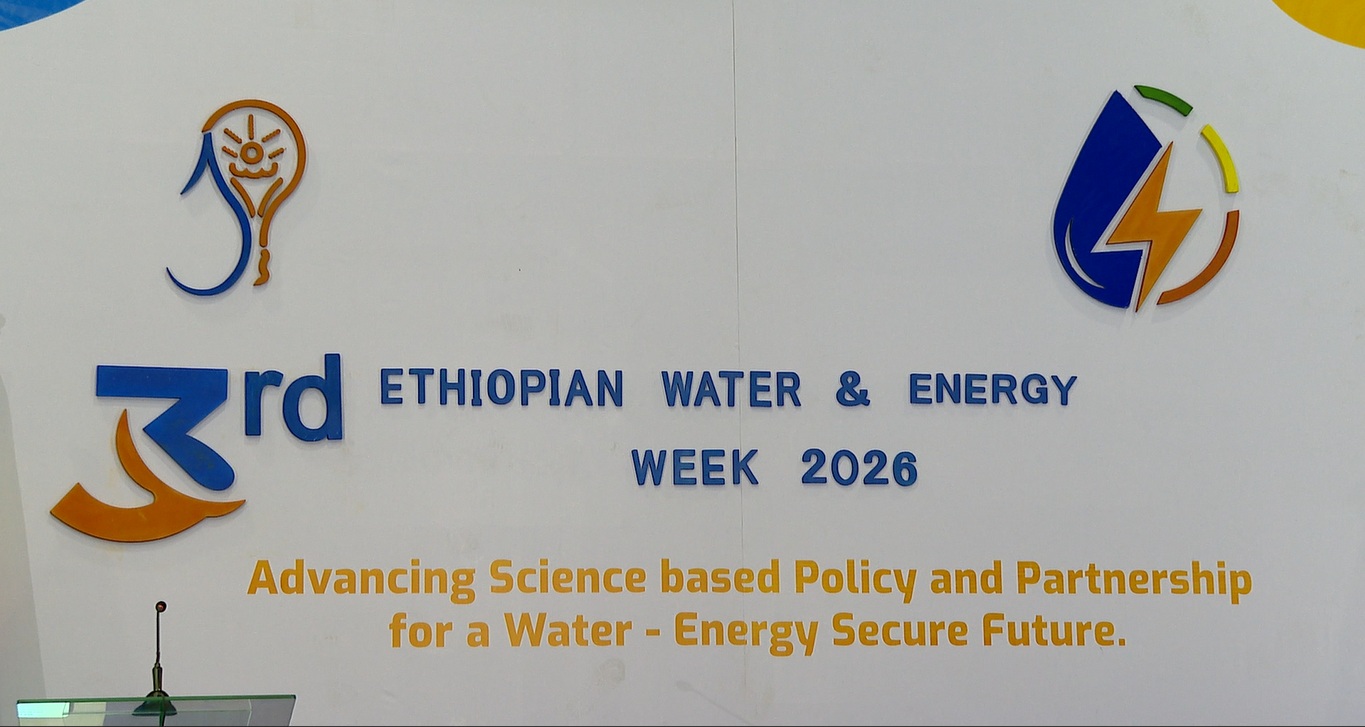
Addis Ababa, October 28, 2026 (ENA)— Ethiopia is strengthening efforts to identify, document, and manage its surface and groundwater resources as rapid population growth, industrialization, and agricultural expansion drive up national demand for water, according to a senior expert at the Ministry of Water and Energy (MoWE).
The remarks were made during the 3rd Ethiopian Water and Energy Week, which designated its third day as Water Day.
The day focused on strategic discussions surrounding drinking water supply, sanitation, sustainable resource management, and progress toward global Sustainable Development Goals (SDGs).
Held under the theme “Evidence to Action: Science-Based Solutions for Integrated WASH and Water Resource Management,” Water Day convened industry experts and policy makers to evaluate progress made over the past decade in drinking water and sanitation, celebrate key milestones, and address ongoing challenges across the nation.
Speaking to ENA on the sidelines of the event, MoWE Water Resource Development Senior Expert Yoseph Abebe highlighted the ministry’s efforts to map surface and groundwater resources and introduce modern instruments and databases to improve the collection, organization, and management of water-related information.
Although Ethiopia is often described as a water-abundant country and the “tower of water” of the region, Yoseph said efforts to adequately assess and harness its water resources had remained insufficient.
He also emphasized the importance of watershed conservation in protecting water resources and improving their sustainability.
Citing conservation activities undertaken under the Green Legacy Initiative, Yoseph said groundwater recharge had improved, declines in water sources were showing signs of recovery, and soil erosion and sedimentation in water bodies were decreasing.
These developments, he noted, indicated progress in efforts to conserve the country’s water resources and strengthen their long-term sustainability.
Beyond resource assessment and conservation, Water Day discussions also focused on the role of improved planning, infrastructure development, and partnerships in addressing Ethiopia’s water supply and sanitation challenges.
Azeb Tadesse, head of the Urban Water Supply Study, Design and Construction Supervision Desk at MoWE, said the event focused on sustaining water resources and showcasing practices and innovations in water, sanitation, and energy.
She said the sessions reviewed developments in drinking water supply and sanitation over the past decade, examining progress, identifying outstanding challenges, and exploring measures to accelerate progress toward the Sustainable Development Goals.
The discussions also explored ways to expand private-sector participation in Ethiopia’s water sector, particularly through partnerships and supportive policy frameworks, Azeb said.
Local and international presenters are sharing experiences and practices to inform the development of water supply and sanitation services, she added.


