No Country Can Claim Exclusive Control of Nile Waters, Says Transboundary Waters Advisor - ENA English


No Country Can Claim Exclusive Control of Nile Waters, Says Transboundary Waters Advisor
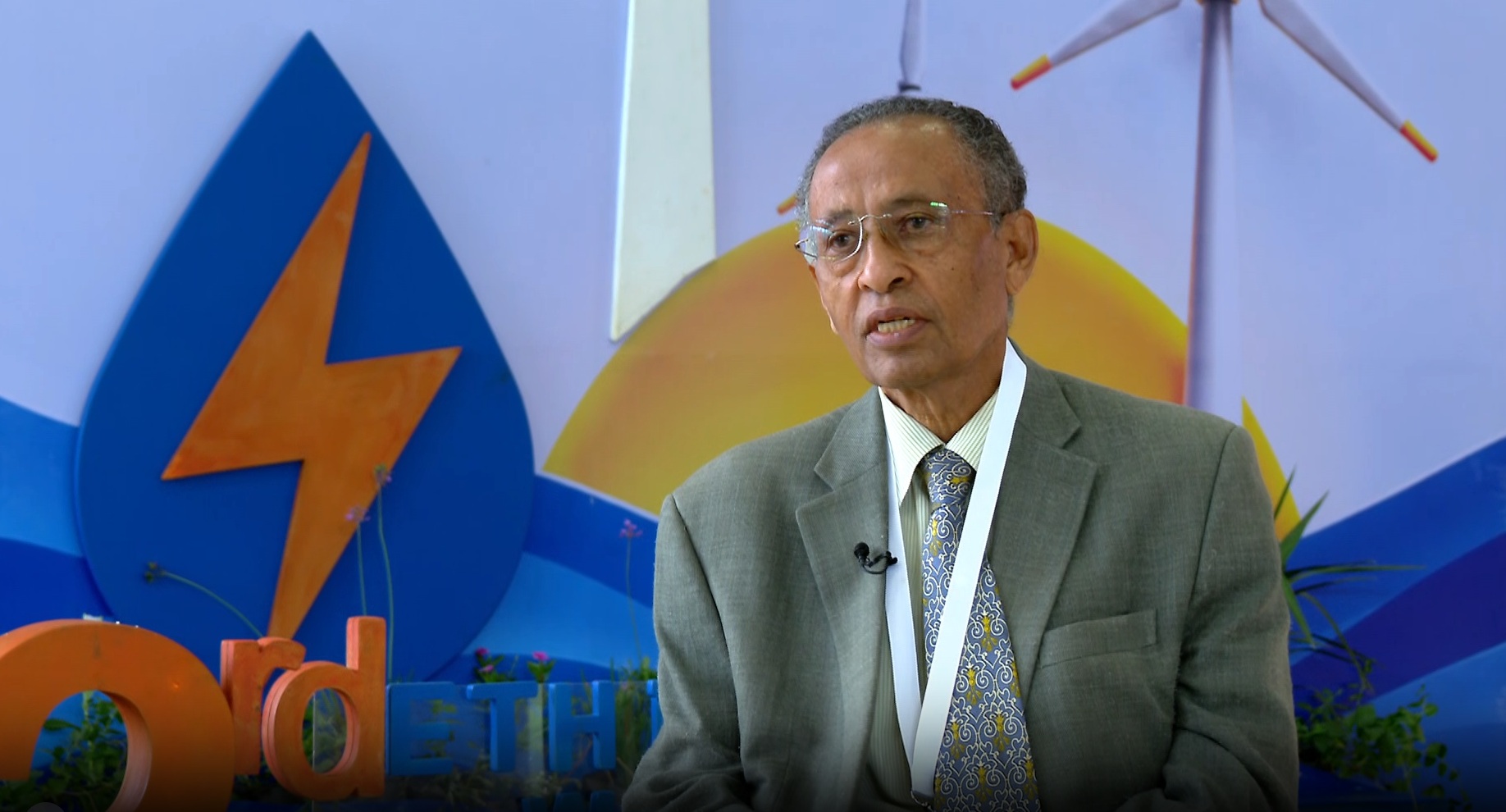
Addis Ababa, October 28, 2026 (ENA)— "No one country has an exclusive right to use the Nile water alone," Gedion Asfaw, Senior Advisor for Dams, Boundary, and Transboundary Waters, said, stressing that equitable and reasonable utilization should guide water management among Nile Basin countries.
In an exclusive interview with ENA, Gedion noted that Ethiopia contributes about 86 percent of the Nile waters reaching Egypt’s High Aswan Dam through rivers including the Blue Nile, Baro, Akobo and Tekeze, underscoring the importance of recognizing the development needs of upstream countries in managing the shared resource.
Gedion, who was a Chairman of the GERD Negotiation Technical Team, said Ethiopia, as a major contributor to the Nile’s waters, has the right to develop its water resources while respecting prevailing international law and the Cooperative Framework Agreement (CFA).
“The only reason that Egypt is complaining arises from its desire to control the whole of the Nile water according to an accepted agreement between Sudan and Egypt of the 1959 agreement,” he said, arguing that the arrangement was not accepted by Ethiopia or other Nile Basin countries.
He said it is time for Egypt and Sudan to accept the facts on the ground and move beyond past agreements that would not be helpful to cooperation and regional integration.
Gedion said the CFA provides a framework for cooperation and equitable and reasonable utilization of Nile waters.
“There is no international law that forbids upstream countries not to develop their resources,” he said, reaffirming Ethiopia’s position that it has the right to develop its natural resources in accordance with international law.
He said Ethiopia would continue developing its water resources on the Blue Nile and other river basins, including Baro, Akobo and Tekeze, and called on other Nile Basin countries to respect the same legal principles.
Gedion cited the Grand Ethiopian Renaissance Dam (GERD) as an example of Ethiopia’s efforts to pursue development while contributing to regional water management.
He said the dam became fully operational in 2025, following the operation of some turbines in 2020, and that filling had been carried out according to the schedule agreed upon by the three countries.
He said downstream and other Nile Basin countries had witnessed the dam’s operation, adding that no negative impacts had been observed during its full operation.
“The inflow to Roseries Dam has improved very well during the dry seasons, and expected floods did not occur because of the regulation effect of the Renaissance Dam,” Gedion said.
He added that studies and data showed Sudan’s Roseires Dam was functioning well and Egypt’s High Aswan Dam reservoir was full. He also said Toshka Lake in Egypt was full, citing these observations to support his argument that the operation of the GERD had not reduced water availability downstream.
Gedion said the dam’s regulation of river flows had also helped manage floods and sediment, adding that these effects could be observed through satellite imagery and studies conducted across the Nile Basin in recent years.
He also highlighted the potential benefits of developing storage dams in upstream countries, explaining that reservoirs in cooler highland areas may experience less evaporation than reservoirs in hotter lowland areas.
He said such differences in climate and geography should be considered when assessing water storage and management across the basin.
Gedion added that upstream storage dams could help regulate river flows during dry seasons, strengthening water security for Ethiopia and downstream countries.
“We will keep on building more storage dams for our security, own water security, and for the security of downstream countries also,” he said.
Beyond water management, Gedion highlighted Ethiopia’s hydropower development as a contribution to regional integration through electricity exports to neighboring countries, including Sudan, Kenya and Djibouti.
He also cited Tanzania among the countries benefiting from regional electricity cooperation, presenting power exports as another way Ethiopia’s development can support wider regional needs.
He said Ethiopia would continue developing its natural resources and called for Nile Basin countries to respect international law and cooperate on the basis of equitable and reasonable utilization of the shared waters.


