Ethiopia Calls for Stronger Regional Cooperation on Shared Rivers - ENA English


Ethiopia Calls for Stronger Regional Cooperation on Shared Rivers
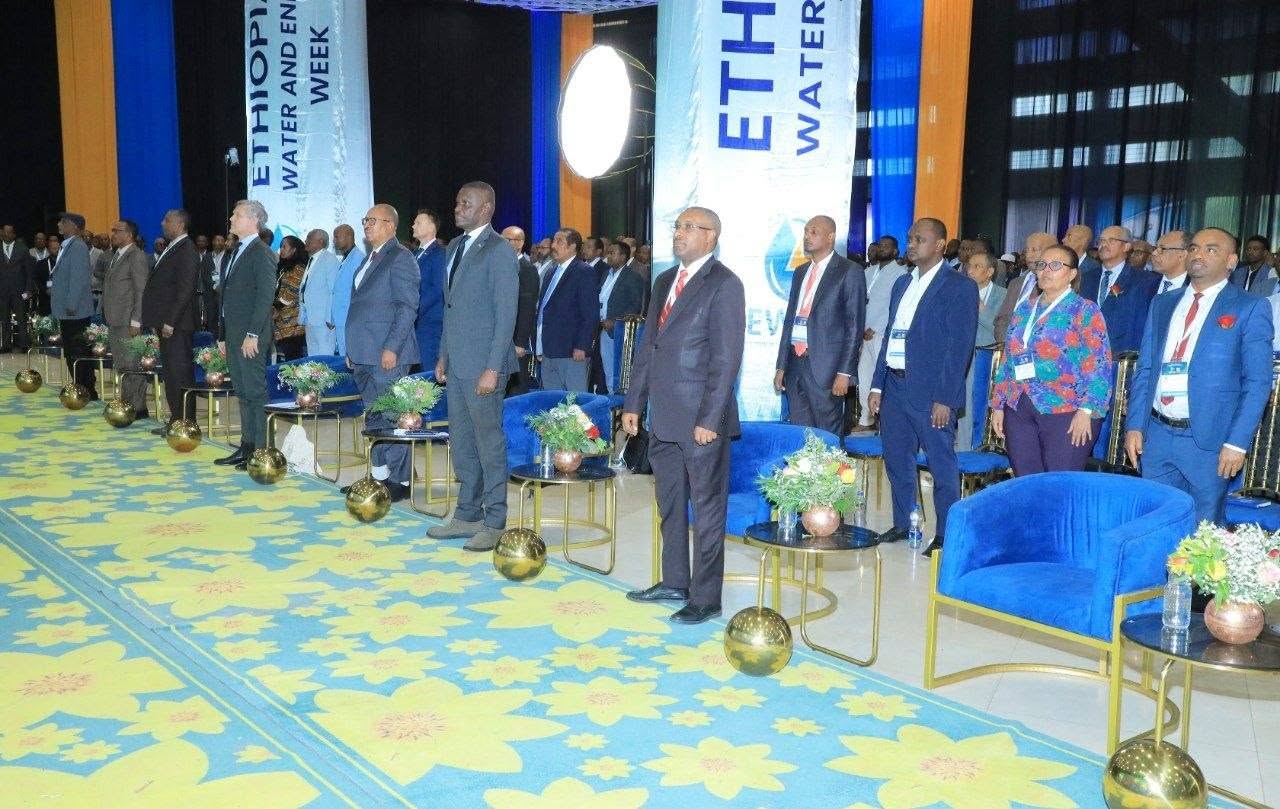
Addis Ababa, October 26, 2026 (ENA)— Ethiopia called for stronger regional cooperation equitable utilization of transboundary water resources, emphasizing hydro-diplomacy as a pathway to regional integration.
The call was made at the opening of the 3rd Ethiopian Water and Energy Week, which runs from October 26 to 30 under the theme: “Advancing Science-Based Policy and Partnerships for a Water- and Energy-Secure Future.”
In a message delivered on behalf of Minister of Water and Energy Dr. Eng. Habtamu Itefa, the Ministry underscored that shared rivers require constructive engagement, reliable information and practical cooperation to turn common water challenges into opportunities for regional development and stability.
It emphasized that water and energy are fundamental to food security, public health, industrial growth, job creation, environmental sustainability and national development.
The Ministry also called for integrated planning to maximize development benefits, reduce resource wastage and strengthen resilience.
The Ministry highlighted Ethiopia’s considerable water and renewable energy potential, stressing the need to translate these resources into sustainable development through effective resource management, coordinated institutions and decisive implementation.
Expanding access to affordable and reliable energy, improving water supply and sanitation, strengthening irrigation and water-use efficiency, and protecting groundwater and water-source catchments were identified as key priorities.
It also underscored the importance of science, digital information and modern technology in guiding policy decisions and development investments.
Strengthening hydrological and meteorological monitoring, improving basin information systems, tracking water quality and generating reliable energy data would help identify risks, prioritize investments and evaluate development outcomes, it noted.
The Ministry further emphasized the need to bridge the gap between scientific research and practical policymaking by strengthening collaboration among researchers, government institutions, investors, service providers and local communities.
It called for a coordinated approach involving the government, private sector, universities, research institutions, development partners and communities to improve service delivery, mobilize investment and ensure the sustainable management of natural resources.
The Ministry also stressed the importance of integrating water, energy, food production and ecosystem protection into development planning, noting that the water-energy-food-ecosystem nexus can help maximize the benefits of investments while safeguarding natural resources for future generations.
Beyond policy discussions, the forum is expected to produce actionable recommendations, stronger partnerships, investment-ready projects and practical measures to improve services in the water and energy sectors.
The Ministry emphasized that translating these objectives into tangible results requires capable institutions, clear responsibilities, sustainable financing, effective regulation and accountability.
The 3rd Ethiopian Water and Energy Week has brought together government officials, members of the diplomatic community, development partners, private-sector leaders, researchers, academics, contractors, consultants and civil society representatives to explore science-based policies and partnerships for a water- and energy-secure future.


