Ethiopia’s Renewed Rise: Medemer Government Leading Modernization - ENA English


Ethiopia’s Renewed Rise: Medemer Government Leading Modernization
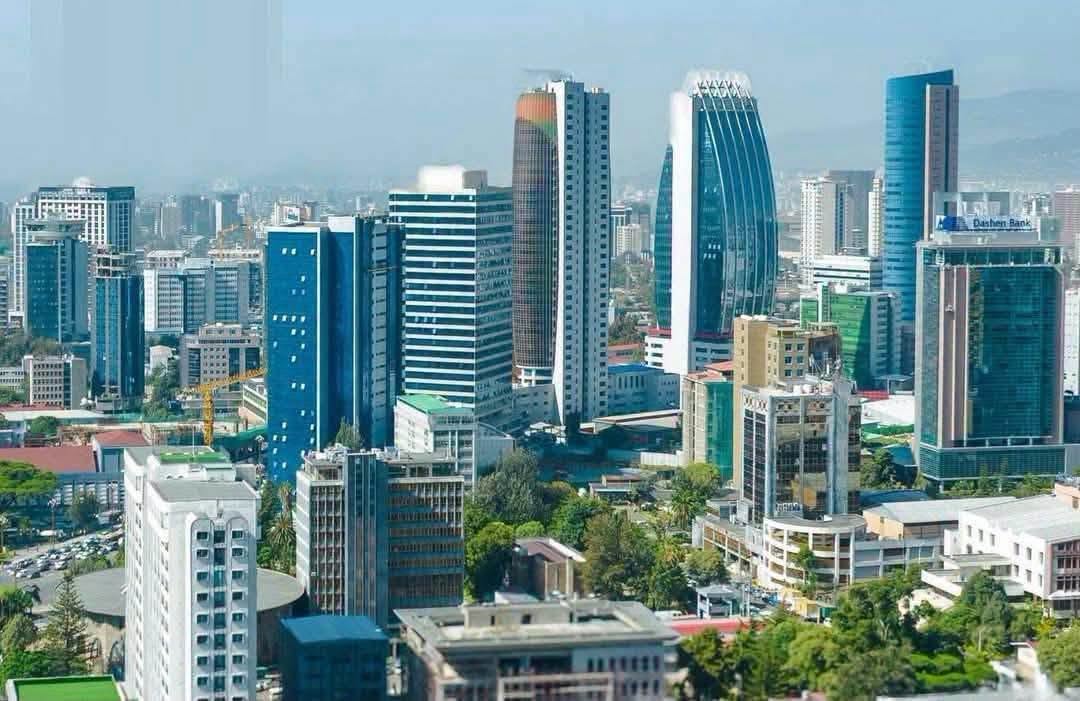
By Dessalegn Kassa
October 22, 2026 (ENA)
Ethiopia is entering a new political and economic chapter, seeking to translate its rich historical legacy into sustainable development, stronger democratic institutions, and a more influential regional role. Following the general election held in June 2026, the formation of a new Medemer government in October marks another phase in the country’s efforts to promote national unity, strengthen economic self-reliance, accelerate technological innovation, and deepen regional cooperation.
The government’s development agenda centers on strategic investments in energy, agriculture, digital technology, mining, and tourism. From the Grand Ethiopian Renaissance Dam (GERD) to agricultural modernization and expanding digital public services, these initiatives are intended to strengthen domestic productive capacity, create employment, and improve citizens’ livelihoods. Delivering on these ambitions, however, will require effective institutions, political consensus, inclusive growth, and the equitable distribution of development gains.
Ambition for Ethiopian Modernization
Ethiopia’s historical experience provides an important foundation for its contemporary ambitions. The ancient Kingdom of Aksum emerged as a major political, commercial, and cultural power, connecting Africa with the Middle East and Asia through trade and diplomacy. The country’s long tradition of statehood and resistance to colonial domination further established its place in world history.
Ethiopia seeks to build on this legacy by strengthening its economy, mobilizing domestic resources, modernizing public institutions, and expanding regional integration. Yet historical achievements alone cannot guarantee future prosperity. The country’s continued progress will depend on its ability to address persistent development challenges, broaden economic opportunities, and respond to the needs of its rapidly growing population.
Energy and Economic Transformation
Despite its abundant natural resources, considerable agricultural potential, and strategic location, Ethiopia continues to face significant economic challenges, including infrastructure gaps, foreign exchange constraints, unemployment, and dependence on imports. Expanding domestic production, strengthening industrial capacity, and diversifying exports remain central to the pursuit of sustainable growth and economic self-reliance.
The Grand Ethiopian Renaissance Dam, inaugurated in September 2025 with an installed capacity of approximately 5,150 megawatts, represents a major milestone in this transformation. Financed substantially through domestic resources, including contributions from Ethiopian citizens and institutions, the project demonstrates the country’s capacity to mobilize national resources for large-scale infrastructure development.
Beyond electricity generation, the dam is expected to support industrialization, expand electricity access, and increase opportunities for power exports to neighboring countries. Realizing these benefits will require continued investment in transmission networks, distribution systems, and cross-border electricity connections. Reliable and affordable power can lower production costs, improve industrial productivity, and create more favorable conditions for manufacturing and investment.
Alongside energy development, broader economic reforms seek to attract investment, strengthen domestic industries, improve the business environment, and diversify exports. These measures are particularly important for easing foreign exchange pressures, expanding employment, and reducing the economy’s vulnerability to external shocks.
Digital Transformation
Digitalization has become another major pillar of Ethiopia’s development strategy, with technology increasingly used to improve public services, enhance productivity, and create new economic opportunities. Through Digital Ethiopia 2025 and its successor, Digital Ethiopia 2030, the government has pursued the modernization of public administration, the expansion of digital financial services, and the development of skills required to participate in the global digital economy.
One prominent initiative is the Five Million Ethiopian Coders Initiative, launched by Prime Minister Abiy Ahmed in July 2024. The program aims to equip participants with practical skills in web development, Android programming, data analysis, and artificial intelligence. Participation was expanded to seven million by August 2026, reflecting the scale of the country’s digital skills ambitions.
Public service delivery is also being transformed through platforms such as Mesob, designed to integrate government procedures and simplify access to services for citizens and businesses. The Fayda national digital identification program, meanwhile, has registered more than 40.9 million people, supporting efforts to establish a more integrated digital public infrastructure. The Personal Data Protection Proclamation provides an additional legal framework for safeguarding personal information.
However, the long-term benefits of digitalization will depend on reliable telecommunications infrastructure, affordable internet access, effective cybersecurity, and stronger digital literacy. Ensuring that rural communities and underserved populations can access and use these services will be essential to preventing the digital divide from widening existing inequalities.
Mining and Industrial Development
Ethiopia’s mineral resources, including gold, potash, industrial minerals, and natural gas, offer opportunities to diversify exports, generate employment, and supply raw materials for domestic industries. Gold is an important source of foreign exchange, while potash and natural gas have the potential to broaden the export base and support industrial development.
Figures provided for the sector indicate that mining generated nearly 5.7 billion US dollars in foreign exchange during the 2018 Ethiopian fiscal year, with gold accounting for most of the reported earnings. Gold production by mining companies and traditional miners was estimated at approximately 44 tonnes, reportedly generating around 5.65 billion dollars. These figures require verification against official records, particularly the reporting period, production volume and revenue calculations. The Ministry of Mines has also reportedly set a target of generating 6.7 billion dollars in revenue from the sector during the current fiscal year. The target, its timeframe and the distinction between projected revenue and realized foreign exchange earnings should be confirmed before publication.
The government’s ambition extends beyond extracting and exporting raw materials. Strengthening links between mining and domestic manufacturing, including fertilizer production and iron processing, could help retain more economic value within the country, stimulate investment, and create jobs across related industries.
Realizing this potential will require sustained investment in geological exploration, processing facilities, transport infrastructure, and technical expertise. Transparent licensing, responsible resource management, environmental safeguards, and meaningful participation by local communities will also be necessary to ensure that mineral wealth contributes to broad-based and sustainable development.
Agricultural Productivity and Food Security
Agriculture remains a cornerstone of Ethiopia’s economy, supporting millions of livelihoods, supplying domestic markets, and providing raw materials for industry. Improving productivity, strengthening food security, and reducing dependence on imported agricultural commodities are therefore central to the country’s economic transformation agenda.
Wheat production has become a major focus of these efforts. Through the National Wheat Development Initiative, Ethiopia has expanded cultivation, particularly through dry-season irrigation, helping increase domestic production and reduce reliance on imports. The expansion of irrigated farming has also demonstrated the potential to increase output beyond traditional rain-fed agricultural cycles.
Figures provided for the initiative indicate that irrigated wheat cultivation increased from approximately 20,000 hectares in 2020 to 3.5 million hectares in 2025. Dry-season production reportedly rose from 600,000 quintals to 128 million quintals over the same period. Across the rainy and dry seasons, wheat cultivation was reported to have reached 7.8 million hectares in 2025, with total production of approximately 280 million quintals. Rainy-season output reportedly increased from 53 million quintals in 2020 to 152 million quintals in 2025.
In recognition of Ethiopia’s agricultural development efforts, Prime Minister Abiy Ahmed received the FAO Agricola Medal from the United Nations Food and Agriculture Organization in January 2024. Sustaining progress in food production will require continued investment in irrigation, mechanization, improved seeds, fertilizer, agricultural research, storage facilities, and transport networks.
At the same time, climate variability, land degradation, rising production costs, and post-harvest losses remain important challenges. Addressing them will require stronger extension services, wider access to agricultural finance, improved market connections, and technologies that enable farmers to increase yields while managing climate-related risks.
Tourism and Economic Diversification
Ethiopia’s identity as the Land of Origins reflects its ancient history, cultural diversity, and exceptional natural landscapes. These assets provide a foundation for developing tourism into a stronger source of foreign exchange, employment, investment, and local economic growth. The government has promoted initiatives such as Dine for Sheger, Dine for Nation, and Dine for Generations to improve visitor facilities, develop tourism infrastructure, and expand economic opportunities for local communities.
In Addis Ababa, projects including Unity Park, Entoto Park, Friendship Park, the Science Museum, and the National Palace Museum have broadened the capital’s cultural and recreational offerings. Regional developments, including Gorgora Eco Resort, Wenchi Dendi Eco Tourism Village, Halala Kela, Elephant Paw Lodge, Denbi Eco Lodge, Shabeely Resort, Haroo Dendi Lodge, and Niin Lee Palm Lodge, have extended tourism investment to different parts of the country.
These developments can support local businesses, stimulate demand for agricultural products and handicrafts, and create employment in hospitality, transport, and related services. Their long-term contribution, however, will depend on accessibility, service quality, environmental protection, and effective promotion in international markets. Preserving cultural heritage and natural ecosystems while ensuring that surrounding communities benefit directly from tourism revenues will be essential to building a competitive and sustainable sector.
Medemer State
The formation of Ethiopia’s new Medemer government in October 2026 marks another phase in the country’s efforts to align political governance with economic transformation. At the center of its political philosophy is Medemer, an Amharic concept associated with addition, synergy, and working together. The philosophy emphasizes collective responsibility, cooperation, and national unity as foundations for addressing differences and pursuing shared development goals.
National unity, peace, economic development, and the protection of national interests remain central to the administration’s priorities. Translating these objectives into lasting progress will require stronger democratic institutions, respect for the rule of law, accountable governance, and constructive engagement among political and social groups.
Ethiopia’s regional ambitions are also closely linked to these domestic priorities. Deeper cooperation with neighboring countries, expanded trade, improved infrastructure connections, and coordinated approaches to shared security and development challenges can strengthen the country’s position in the Horn of Africa. Regional peace and economic integration will be important not only for cross-border commerce but also for creating a more stable environment for investment and long-term development.
Ethiopia’s development agenda brings together investments in energy, digital technology, mining, agriculture, and tourism in an effort to reduce dependence on imports, expand productive capacity, create jobs, and establish a more resilient economy. The new Medemer government adds a political dimension to this agenda by placing national unity, institutional capacity, and collective responsibility alongside economic transformation.
Conclusion
Ethiopia’s development agenda brings together investments in energy, digital technology, mining, agriculture, and tourism in an effort to reduce dependence on imports, expand productive capacity, create jobs, and establish a more resilient economy. The new Medemer government adds a political dimension to this agenda by placing national unity, institutional capacity, and collective responsibility alongside economic transformation.
Ethiopia’s historical legacy offers a source of national confidence, while its natural resources, human capital, and strategic position provide opportunities for further development. Ethiopia’s ongoing effort to rebuild its economic and political landscape demonstrates a commitment to self-determination and long-term self-reliance. By leveraging its strategic location, rich natural resources, and dynamic youth population, the nation has laid foundational building blocks across energy infrastructure, digital systems, modernized agriculture, and cultural tourism. The political framework offered by the Medemer philosophy provides a theoretical blueprint for unifying these sectoral initiatives into a cohesive strategy for national development.
Crucially, the new administration devotes in implementation and equitable distribution and ensuring the daily benefits for citizens, ranging from lower living costs and meaningful jobs to transparent governance and social stability through fostering political consensus, strengthening public institutions, and bridging digital and economic divides. Ethiopia, therefore, will not only honor its historic legacy but also secure its position as a resilient, prosperous leader in the Horn of Africa and beyond.


