Expert Cites Crucial Role of International Cooperation in Enhancing Ethiopia's Public Audit Quality - ENA English


Expert Cites Crucial Role of International Cooperation in Enhancing Ethiopia's Public Audit Quality
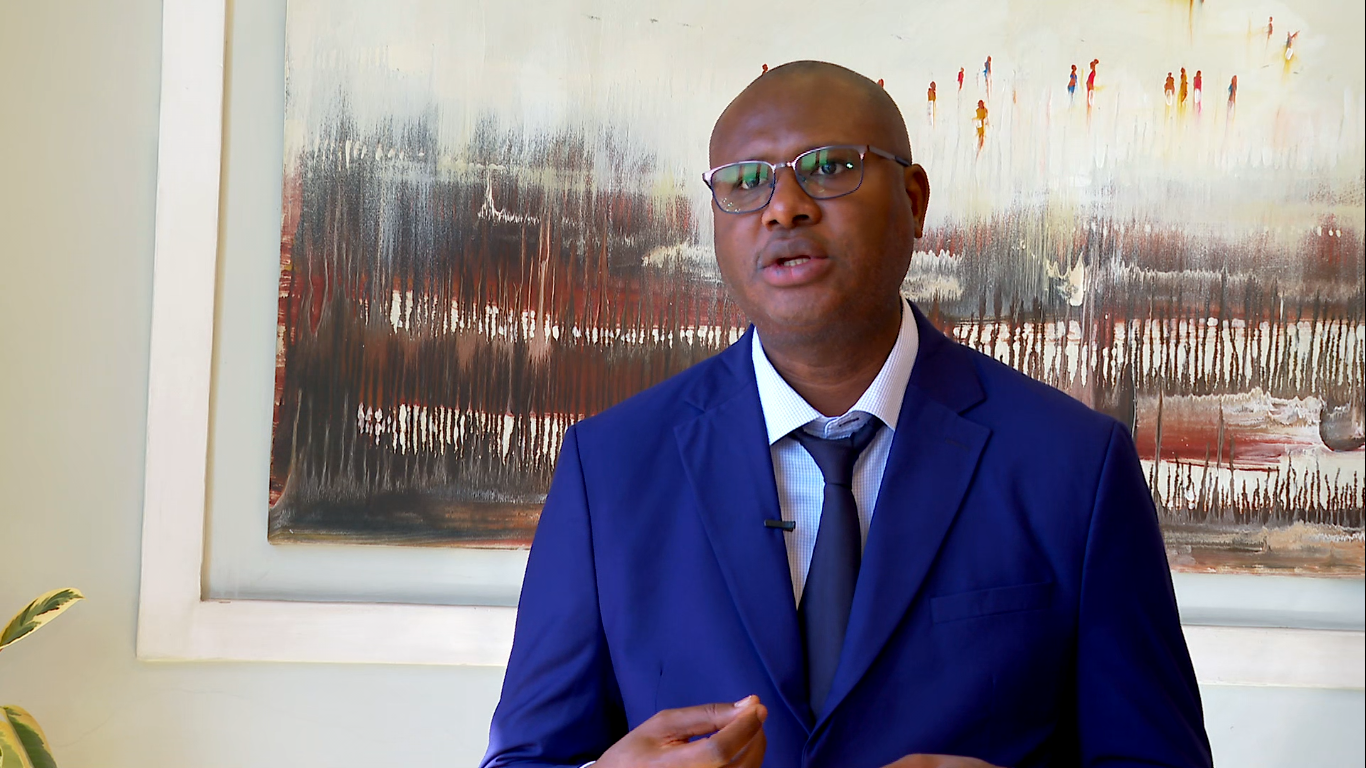
Addis Ababa, October 21, 2026 (ENA) —International cooperation can help Ethiopia strengthen public accountability and improve public financial management through institutional capacity development, knowledge-sharing ,and the adoption of international best practices, Muhammed Dabo, Senior Manager at the INTOSAI Development Initiative (IDI) Bilateral Support Unit, has said.
International cooperation is vital for Ethiopia to further enhance public financial management through institutional capacity development and the adoption of global best practices, according to the INTOSAI Development Initiative (IDI).
Muhammed Dabo, Senior Manager at the IDI Bilateral Support Unit, stated that Ethiopia stands to gain significantly from its active membership in regional and international organizations of supreme audit institutions.
He emphasized that by accessing professional guidance, technical resources, and shared expertise, the nation can effectively bolster its institutional development and elevate the overall quality of its audit processes.
“Ethiopia is doing quite well already, but there is always room for improvement,” Dabo noted, underscoring the necessity of sustained cooperation to help audit institutions overcome operational challenges and enhance their effectiveness.
He further highlighted that international cooperation creates a platform for countries to exchange technical expertise. This enables Ethiopia not only to share its own experiences but also to adapt successful lessons from other nations to its specific institutional context.
According to the Senior Manager, supreme audit institutions serve as a cornerstone for safeguarding public resources by providing rigorous oversight of government budgets, income, expenditure, and financial statements. Through evidence-based findings and recommendations, these institutions enable the government to identify financial irregularities and improve public financial management.
Dabo, however, stressed that the impact of auditing extends beyond identifying problems; it requires that relevant authorities take decisive action on audit findings.
“The core mandate of supreme audit institutions is to audit,” he said, adding that meaningful improvements are achieved when audit work is supported by coordinated efforts among other accountability pillars.
He pointed out that the parliament, the judiciary, law enforcement, and anti-corruption agencies play critical roles in ensuring that irregularities identified through audits receive appropriate follow-up. Integrated action among these institutions is essential to strengthening national accountability and intensifying the fight against corruption.
Furthermore, Dabo highlighted Ethiopia’s potential to contribute to the development of audit institutions across the African continent. He noted that through its participation in regional and global professional networks, Ethiopia can foster a mutually beneficial relationship—sharing its own best practices while learning from international counterparts to refine its audit standards.
The expert reaffirmed that Ethiopia’s continued engagement in these networks remains a key factor in advancing the effectiveness and transparency of its audit systems.


