ECA Chief Urges African Countries to Prioritize Statistics in Development Decisions - ENA English


ECA Chief Urges African Countries to Prioritize Statistics in Development Decisions
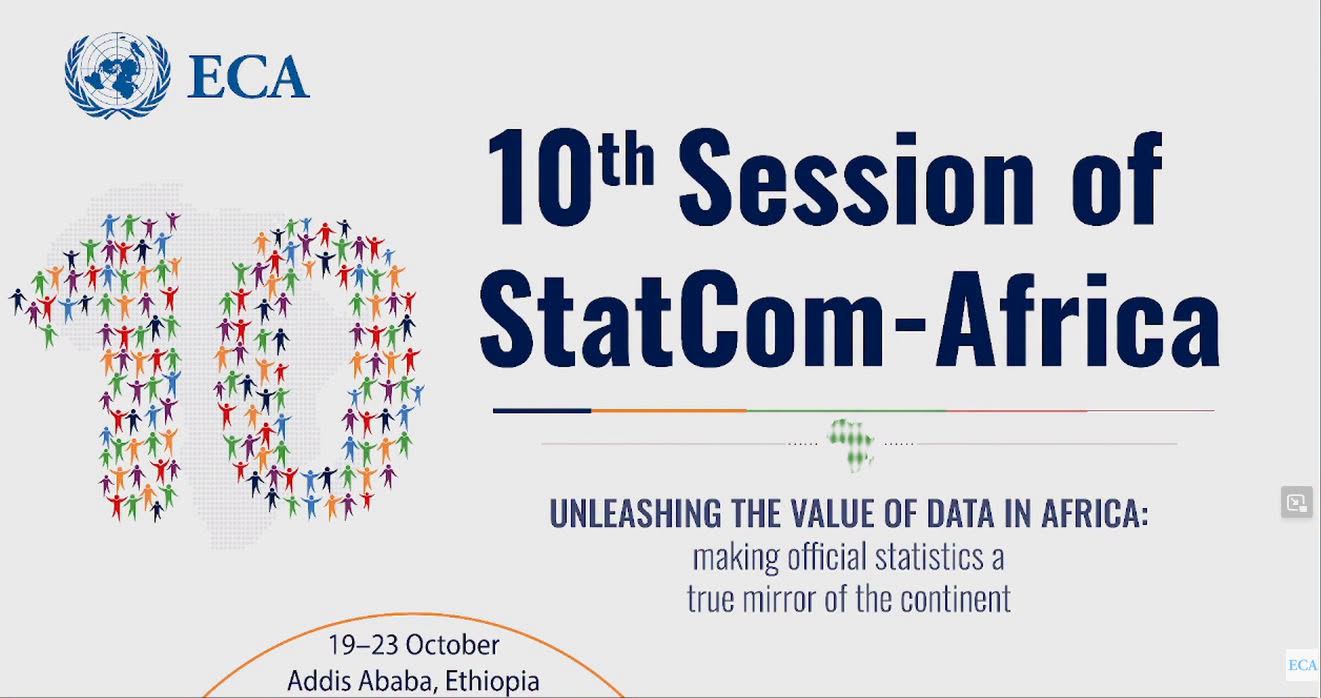
Addis Ababa, October 21, 2026 (ENA) —African countries must ensure that reliable, timely, and relevant statistics directly inform public policy, investment decisions, and national development, United Nations Economic Commission for Africa (ECA) Executive Secretary Clever Gatete said.
Speaking at the opening of the 10th Session of the Statistical Commission for Africa in Addis Ababa, Gatete warned that outdated, incomplete, or unavailable data could lead governments to misallocate limited public resources, overlook underserved communities, and miss economic growth opportunities.
He said African statistical systems must move beyond producing data primarily for reporting purposes and ensure that statistical information reflects the continent’s economic and social realities while guiding development priorities.
To achieve this, Gatete called for modernized and adequately financed statistical systems, highlighting the 2030 round of population and housing censuses, a United Nations-led decennial initiative, as an opportunity to strengthen the evidence underpinning national development decisions.
He stressed the need to connect census data with national identification systems, civil registration, business registers, and geospatial information to help governments better understand population distribution, settlement patterns, and gaps in access to essential services.
Gatete also emphasized the importance of statistics that accurately capture African labor markets and poverty, noting that unemployment figures alone cannot adequately reflect employment conditions across the continent.
He cited Africa’s 6.3 percent unemployment rate and 84.4 percent informal employment share in 2025, highlighting the need for more comprehensive data to inform employment policies and economic planning.
He further urged countries to harness artificial intelligence, satellite imagery, and digital records to improve statistical systems while establishing safeguards to protect confidentiality, assess emerging data sources, and preserve statistical integrity and professional independence.
Integrating statistical and geospatial information, he said, could help governments identify communities vulnerable to floods and droughts, improve land-use planning, and direct climate adaptation investments where they are most needed. Such data could also inform industrial policy, trade, and the development of regional value chains.
Gatete reaffirmed that ECA would continue working with member states and development partners to promote adequate financing, integrate statistical and geospatial systems, and advance practical commitments that translate data into tangible development outcomes.
Addressing the same session, Rwanda’s Minister of Finance and Economic Planning, Yusuf Murangwa, reinforced the importance of reliable statistics in government decision-making, noting that while Africa had made progress in developing its statistical systems, significant gaps remained.
Drawing on his experience as both a former producer and a current user of official statistics, Murangwa said decisions made without sound evidence carry significant costs.
He called for strong political commitment, adequate financing, and technical and operational independence for national statistical offices.
The minister also urged statistical institutions to produce relevant, timely, and high-quality information, communicate findings effectively, and expand their role beyond statistics production to coordinating broader national data ecosystems.


