Egyptian Analyst Says Efforts to Obstruct GERD Mistake, Calls for Strategic Relations between Ethiopia and Egypt - ENA English


Egyptian Analyst Says Efforts to Obstruct GERD Mistake, Calls for Strategic Relations between Ethiopia and Egypt
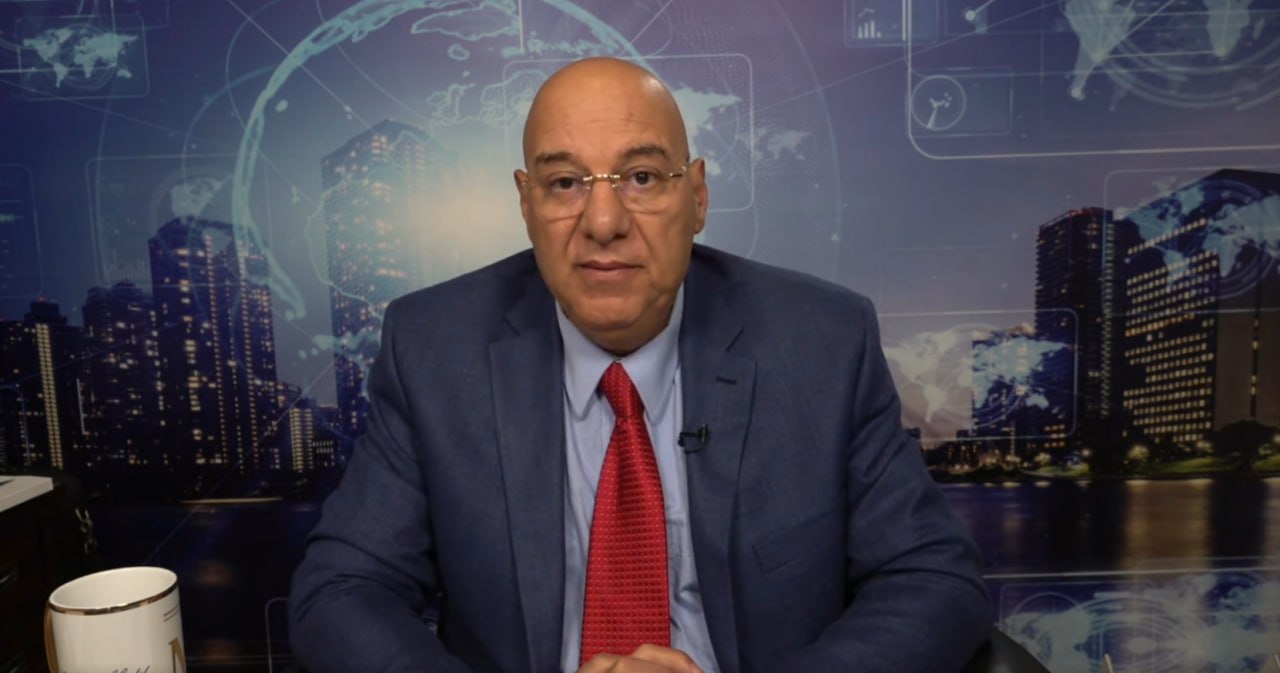
Addis Ababa, October 21, 2026 (ENA) — Egypt’s efforts to obstruct the construction of the Grand Ethiopian Renaissance Dam (GERD) was a mistake, Egyptian analyst Magdi Khalil said, calling for stronger strategic relations based on mutual interests between Ethiopia and Egypt.
In an exclusive interview with ENA, the analyst said “GERD does not pose threat to Egypt. Rather, it is a development project. I regret that Egypt has greatly obstructed the construction of a dam intended to generate electricity. This was an Egyptian mistake.”
He noted that Ethiopia is one of the most important countries for Egypt because of the Nile River’s vital role in sustaining life and development in both countries.
Recognizing this reality should encourage Egyptian decision-makers to place Ethiopia among the countries with which Cairo needs to build closest relations, Khalil stressed.
Khalil criticized the persistence of conspiracy theories in Egyptian perceptions of Ethiopia, noting that fears of Ethiopia diverting the Blue Nile date back centuries.
Such historical narratives have contributed to a negative outlook that continues to hinder the development of relations between the two countries.
The Egyptian analyst noted that persistent negative perceptions and mutual suspicions have prevented relations between Ethiopia and Egypt from improving, stressing the need to move beyond such thinking and adopt an approach grounded in cooperation, trust, and shared interests.
Egypt can safeguard its water interests while respecting Ethiopia’s right to utilize its natural resources for development and electricity generation, Khalil added, emphasizing that one country’s gains should not come at the expense of the other.
In this regard, he called for the adoption of a mutual-benefit approach, which he described as a “win-win situation,” instead of a confrontational mindset in which one side seeks to prevail at the expense of the other.
The analyst emphasized that cooperation between Ethiopia and Egypt can generate shared benefits by taking Egypt’s water interests into account while enabling Ethiopia to harness its resources to support development and meet its energy needs.
Highlighting Ethiopia’s strategic importance to Egypt, Khalil said: “I consider Ethiopia the most important country for Egypt, the most important country, because where the waters of the Nile originate, life originates.”
Regarding the legal frameworks surrounding the Nile water dispute, the analyst questioned the validity of historical agreements invoked by Egypt in its position on Ethiopia’s water rights, referring to the agreements of 1902 and 1929 and 1959 between Egypt and Sudan.
He recounted that Egypt’s Ministry of Foreign Affairs had, at one point, summoned Egyptian legal expert Georges Abi-Saab, a former judge at the International Court of Justice, to seek his assessment of the validity of historical Nile agreements under international law.
According to Khalil’s account, Abi-Saab cautioned against relying on such agreements, citing legal principles concerning agreements concluded during the colonial era.
These agreements generally do not carry the same legal standing as boundary agreements, the Egyptian analyst said, arguing that the 1959 agreement between Egypt and Sudan on the allocation of Nile waters cannot be binding on Ethiopia as Ethiopia was not a party to the bilateral agreement.
Instead, Khalil called for a new agreement that takes the interests of both Ethiopia and Egypt into account and is consistent with international law and the principle of mutual benefit, while respecting Ethiopia’s development rights and Egypt’s water interests.
He stressed that building strong relations between Ethiopia and Egypt requires moving beyond hostile attitudes and suspicion and establishing a strategic partnership based on mutual respect and the principle of avoiding harm to either side.
Khalil concluded that a fair approach to the Nile water issue requires recognizing Ethiopia’s right to development and the use of its natural resources while taking Egypt’s water needs into consideration. Cooperation between the two countries offers a constructive path toward stable and sustainable relations.


