Why Ethiopia’s Return to Red Sea is Indispensable Asset for Regional Peace and Stability? - ENA English


Why Ethiopia’s Return to Red Sea is Indispensable Asset for Regional Peace and Stability?
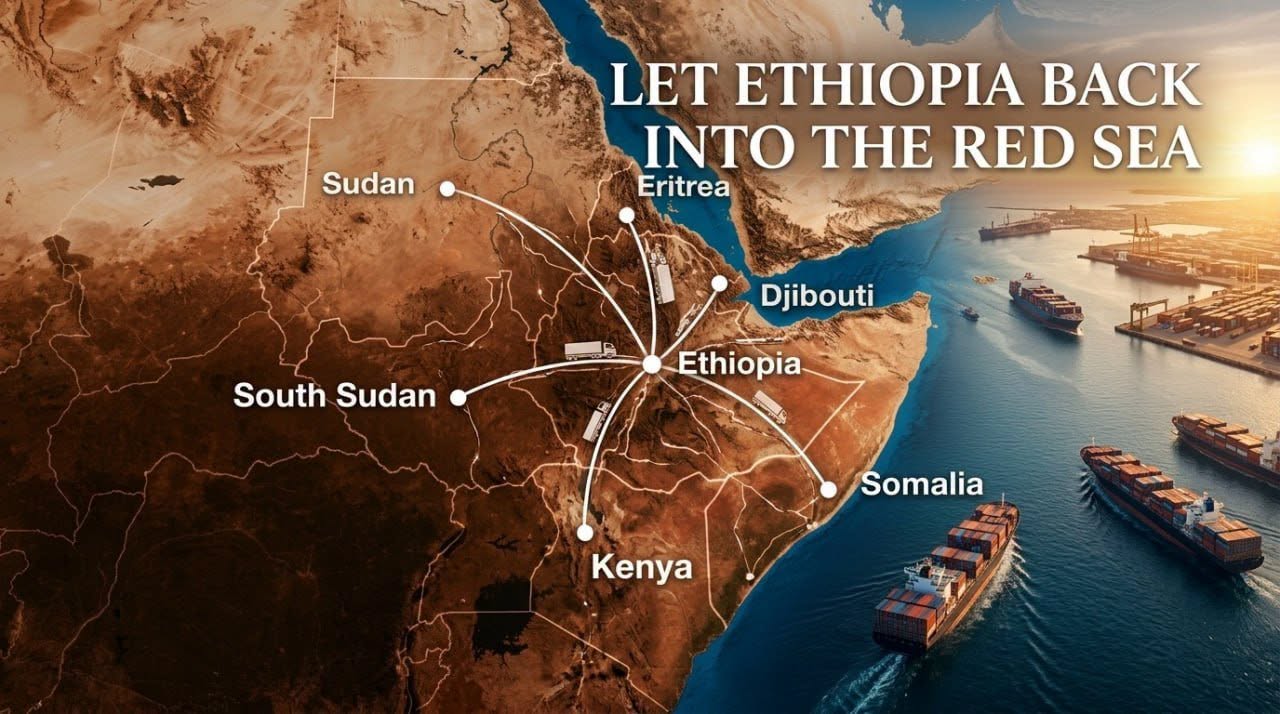
By Ambaye Woretaw
October 18, 2026 (ENA)
Ethiopia has a long history of contributing to regional, continental and international peacekeeping missions, guided by its commitment to collective security, Pan-Africanism and regional stability. Its pursuit of reliable maritime access presents an opportunity to expand this role by contributing to maritime security, protecting international trade and promoting lasting peace across the Red Sea region.
Situated at the heart of the Horn of Africa, Ethiopia possesses substantial human resources, economic potential and security capabilities that could contribute to safeguarding one of the world’s most important commercial corridors. Through constructive regional engagement, institutional partnerships and appropriate maritime security cooperation, the country could help address shared security challenges while advancing collective security, economic integration and regional prosperity.
Ethiopia’s potential contribution extends beyond protecting its economic interests. Its engagement in regional maritime initiatives could support efforts to combat illicit trafficking, deter maritime threats, protect commercial shipping and improve coordination among regional actors. Moreover, Ethiopia’s maritime engagement could strengthen regional capacity to respond to emerging threats and contribute to a more coordinated security architecture.
Regional Integration
Chief of Staff and Senior Researcher on the Horn of Africa at the Institute of Foreign Affairs (IFA), Gizachew Asrat, underscored the strategic importance of Ethiopia’s pursuit of reliable and sovereign access to the sea in a recent exclusive interview with ENA, linking the issue to regional peace, integration and collective security. “Ethiopia's return to reliable sea access is vital for peace, regional integration and collective security of the Horn of Africa and beyond,” he asserted.
As one of Africa’s most populous countries and a major economic actor in the Horn of Africa, Ethiopia has a significant stake in the security and efficiency of regional maritime trade routes. Reliable access to these routes could improve commercial competitiveness, strengthen regional connectivity and support the resilience of interconnected economies.
Gizachew also emphasized that Ethiopia’s participation in regional maritime initiatives should be viewed as an opportunity for the wider region. “Engaging Ethiopia on the Red Sea platform is an asset for the region,” he said, highlighting the importance of cooperation and partnership in addressing shared challenges. His assessment points to the potential benefits of a regional approach in which Ethiopia’s economic weight and institutional capabilities complement the efforts of neighboring countries to secure maritime routes and promote regional integration.
Security Cooperation
Ethiopia’s potential contribution to maritime security rests not only on its strategic position but also on its human resources, security capabilities and economic potential. These capacities could support regional initiatives aimed at protecting commercial shipping, improving information sharing and strengthening responses to cross-border threats.
As Gizachew explained, Ethiopia’s “human resources, strong security-wise operation capacity, and a better economic potential as well as growth will add additional asset for the regional cooperation frameworks on maritime connectivity and security issues to be managed in partnership.”
Ethiopia determines to translate these capabilities into practical contributions through sustained dialogue, institutional cooperation and arrangements. By aligning its national priorities with shared regional objectives, Ethiopia could help strengthen maritime security cooperation and build confidence among neighboring states.
Such engagement could also encourage closer coordination between maritime security institutions and regional economic initiatives. Cooperation on information exchange, the prevention of illicit activities and the protection of commercial shipping could help address common threats more effectively than isolated national efforts.
Maritime Connectivity
The strategic significance of Ethiopia’s renewed maritime engagement extends beyond shipping routes and port infrastructure. It also concerns the broader challenge of overcoming persistent insecurity, improving regional connectivity and establishing a more cooperative order in the Horn of Africa.
For decades, infrastructure gaps, recurring conflicts and fragmented transport networks have constrained the region’s economic potential. Improved maritime connectivity, supported by reliable access arrangements and coordinated regional planning, could help reduce these barriers, facilitate trade and strengthen economic interdependence.
For Ethiopia, dependable access to maritime trade routes is closely linked to economic resilience, export competitiveness and integration into global markets. For neighboring countries, stronger transport and trade connections could create opportunities for investment, logistics development and expanded commercial exchanges.
Ethiopia’s pursuit of access to the Red Sea and Gulf of Aden corridors therefore has both national and regional implications. If pursued through peaceful negotiations, mutually beneficial agreements and respect for international law, it could complement wider efforts to establish a more secure, interconnected and prosperous Horn of Africa.
Global Trade
The security of the Red Sea is a matter of international importance because the corridor connects major commercial routes linking Europe, Asia and Africa. Disruptions can delay shipments, increase transportation costs, affect energy markets and place additional pressure on economies that depend on predictable trade flows.
Instability along these routes can also expose commercial vessels and seafarers to security threats, underscoring the need for effective coordination among regional and international stakeholders.
Ethiopia’s constructive participation could broaden the economic and institutional base of regional security cooperation. Its human resources, economic potential and strategic position could complement existing initiatives, provided that its engagement is developed through appropriate regional mechanisms and mutually agreed arrangements.
Gizachew Asrat’s assessment captures the central opportunity: Ethiopia’s participation in the Red Sea security framework could benefit the wider region when grounded in partnership, mutual benefit and a shared commitment to stability.
A more inclusive approach to maritime security could help regional countries coordinate their responses to common threats while strengthening the relationship between security, trade and economic development. Given the corridor’s international significance, the benefits of such cooperation could extend well beyond the Horn of Africa.
Strategic Opportunity
Ethiopia’s pursuit of reliable maritime access is driven by economic development, national resilience and the need for stronger integration into regional and global trade networks. At the same time, it presents an opportunity to deepen the country’s contribution to peace and security in the Horn of Africa and the wider Red Sea region.
With its substantial human resources, economic potential and strategic position, Ethiopia could play a constructive role in protecting maritime commerce, strengthening regional cooperation and addressing shared security threats. Realizing this potential, Ethiopia has been executing sustained diplomacy, practical institutional partnerships and arrangements that serve the legitimate interests of all parties.
Ultimately, Ethiopia’s maritime aspirations and the security of the Red Sea need not be competing priorities. Through peaceful engagement and mutual benefit, the pursuit of reliable sea access could become part of a broader regional effort to promote stability, expand economic opportunities and build a more integrated and prosperous Horn of Africa.


