Egypt’s Involvement Threatening Sudanese Sovereignty, Regional Stability: Political analyst Al-Arrousi - ENA English


Egypt’s Involvement Threatening Sudanese Sovereignty, Regional Stability: Political analyst Al-Arrousi
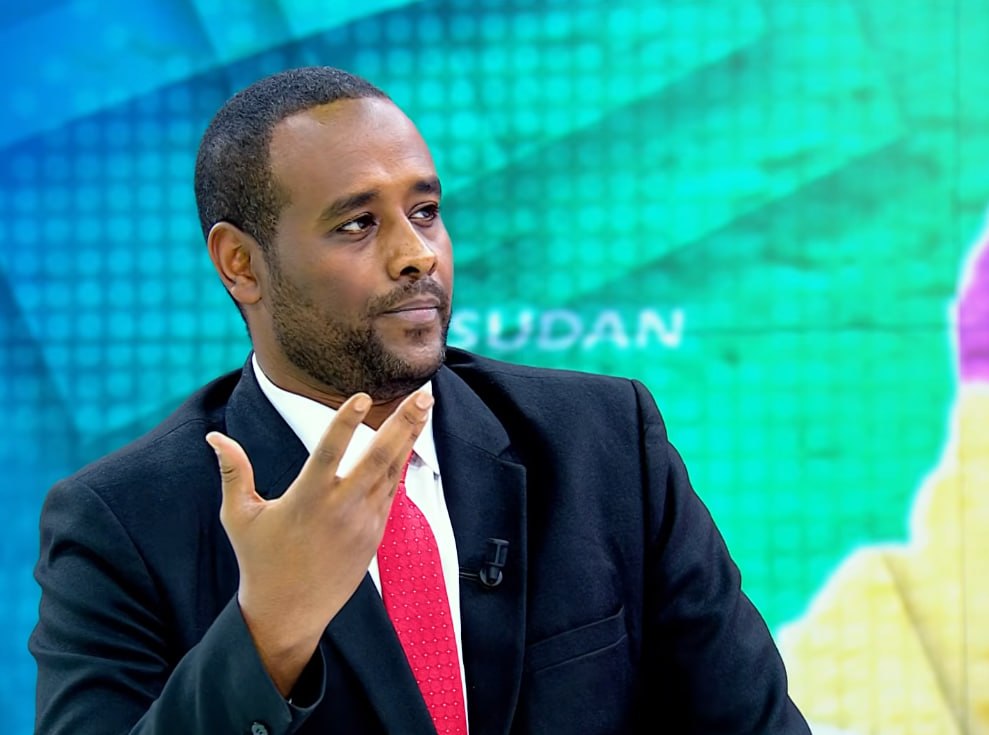
Addis Ababa, October 16, 2026 (ENA) — Ongoing Egyptian interference in Sudan is threatening the nation’s sovereignty and jeopardizing stability in the Horn of Africa, political analyst Mohamed Al-Arrousi said.
He argued that the prolonged conflict and weakened state institutions have left Sudan increasingly vulnerable to external influence.
In an exclusive interview with Pulse of Africa, Al-Arrousi addressed recent reports of Egyptian airstrikes within Sudan, noting that such cross-border military operations raise serious legal and political questions regarding their alignment with international law and the United Nations Charter.
Egypt has reportedly massacred at least 200 Sudanese miners and wounded many others in targeting mining sites in Sudan’s North Al-Wadi area.
Many observers say the recent civilian attacks are part of Egypt’s direct and indirect involvement in Sudan’s ongoing conflict, aimed at maximizing its own interests.
Al-Arrousi emphasized that strict adherence to state sovereignty and the principle of non-interference in internal affairs remain foundational for maintaining stable international relations.
He questioned the contradiction between Egypt’s official statements supporting Sudan’s unity and stability and its actual interference in the country's internal affairs.
Cairo’s policies, he noted, should be assessed based on their practical consequences for Sudan’s territorial integrity, political independence, and ability to make independent national decisions.
He reiterated that the ongoing war, internal divisions, and declining institutional capacity have left Sudan increasingly exposed to external influence.
Attempts by regional powers to expand their footprint under these fragile circumstances, he warned, could prolong the conflict, complicate political settlement efforts, and hinder the restoration of effective national institutions.
Al-Arrousi also suggested that Egyptian engagement in Sudan must be viewed within the broader context of geopolitical competition for influence in the Nile Basin and the Horn of Africa.
He clarified that cooperation between Cairo and Khartoum is not inherently problematic; rather, the core issue is whether their relationship is founded on mutual interests, equal respect for sovereignty, and recognition of Sudan’s right to determine its own political and strategic priorities.
Turning Sudan into an arena for regional competition, he cautioned, risks subjecting its decision-making processes to external pressures at the direct expense of its people.
Despite boasting substantial natural resources, extensive agricultural land, and a vital strategic location, Sudan remains unable to realize its economic potential due to the ongoing war and political divisions, Al-Arrousi observed.
He emphasized that protecting national resources is inseparable from safeguarding political sovereignty, noting that weak state institutions severely diminish the country’s ability to manage its wealth, direct revenues toward development and reconstruction, and improve living conditions for its citizens.
Ultimately, the continued weakening of Sudan’s institutions could trigger repercussions far beyond its borders, threatening security and stability across the Horn of Africa while undermining regional cooperation and economic integration.
Given Sudan's pivotal role in the security dynamics of both the Nile Basin and the Horn of Africa, restoring stability within the country is essential for maintaining broader regional balance, he concluded.
Al-Arrousi also criticized domestic political forces, accusing them of prioritizing power retention over national interests and relying heavily on external support.
Such approaches, he argued, risk drawing Sudan’s conflict further into regional rivalries, thereby diminishing the prospects for an independent political settlement.
Resolving the crisis, he stressed, requires an inclusive national project focused on ending the war, restoring state institutions, and safeguarding the country’s sovereignty.
He called for strengthening Sudan’s capacity to make independent political and economic decisions free from external pressures or dictates.
Turning to bilateral ties, Al-Arrousi advocated for Egyptian-Sudanese relations grounded in mutual respect for sovereignty and strict non-interference.
A balanced partnership, he noted, must respect both nations' interests while fully recognizing Sudan’s right to determine its own stance on security, natural resources, and regional diplomacy.


