Ethiopia Elected to Chair 78th UNHCR Executive Committee Session - ENA English


Ethiopia Elected to Chair 78th UNHCR Executive Committee Session
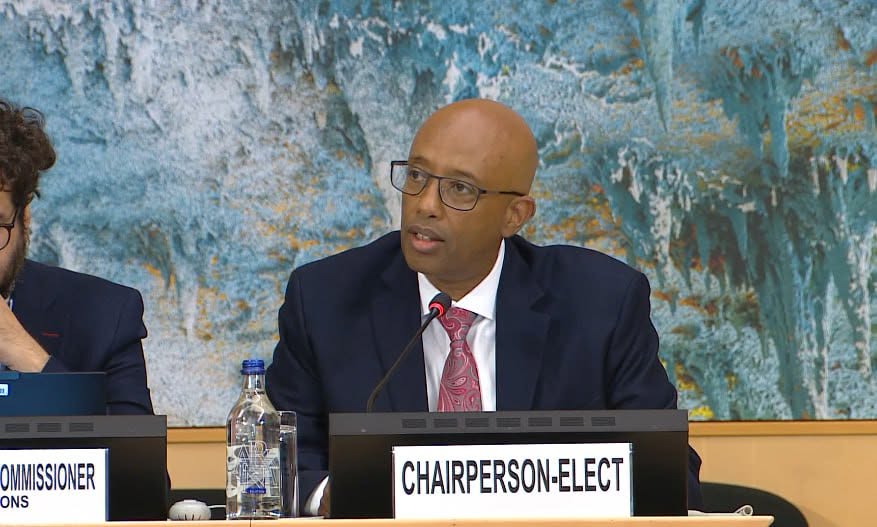
Addis Ababa, October 16, 2026 (ENA) —Ethiopia has been elected to chair the 78th session of the Executive Committee of the United Nations High Commissioner for Refugees (UNHCR), recognizing its longstanding role in refugee protection and international cooperation as it hosts more than 1.2 million refugees and asylum seekers.
Addressing member states following the election, Ethiopia’s Permanent Representative to the UN Office at Geneva and other international organizations in Switzerland, Ambassador Tsegab Kebebew Daka, expressed gratitude to the African Group for its confidence and to other countries that supported Ethiopia’s nomination.
Ambassador Tsegab highlighted Ethiopia’s historic tradition of providing refuge to people fleeing persecution, recalling how the ancient Kingdom of Aksum offered protection to early Muslims escaping persecution in Mecca during the seventh century.
He said the refusal of the Aksumite king to surrender the refugees to their persecutors remained a powerful historical example of the principle of non-refoulement, a cornerstone of the 1951 Refugee Convention.
“Long before this principle was codified in international law, Ethiopia’s history offered an enduring example of the importance of protecting those fleeing persecution and upholding the dignity of people seeking refuge,” he said, stressing that refugee protection transcends borders, cultures and generations.
The ambassador underscored that refugee protection is a shared international responsibility, calling for stronger collective action, equitable responsibility-sharing and sustained support for refugees and host communities amid rising displacement and growing pressure on humanitarian resources.
He also highlighted Ethiopia’s engagement in the Global Refugee Forum and the launch of the Makatet Roadmap as part of efforts to advance refugee inclusion, self-reliance and access to national systems while supporting development in host communities.
He emphasized that these nationally led initiatives require predictable international financing and meaningful partnerships to achieve lasting results.
Drawing on Ethiopia’s experience serving on the Executive Committee’s Bureau over the past two years, Ambassador Tsegab outlined the country’s vision for an effective, inclusive and constructive committee that promotes focused deliberations and gives all members meaningful opportunities to contribute.
He pledged to foster open engagement among member states, UNHCR and its leadership, promoting dialogue and consensus to bridge differing perspectives and advance shared objectives in accordance with the committee’s rules of procedure.
Addressing growing humanitarian needs and significant funding constraints, he stressed that institutional reform and efficiency must strengthen—not undermine—UNHCR’s ability to protect refugees and deliver assistance where it is most needed.
“Reform, efficiency, and the responsible use of resources must strengthen rather than weaken UNHCR’s capacity to deliver protection and assistance where they are most needed,” he said.
Ambassador Tsegab also expressed appreciation to Japan’s Ambassador Oike, the outgoing chairperson, and the previous Bureau for their work over the past year.
He pledged Ethiopia’s close cooperation with the newly elected Executive Committee, the High Commissioner, UNHCR management and the Secretariat to advance shared priorities and strengthen the international refugee protection system.
Ethiopia’s election comes as the country continues to host more than 1.2 million refugees and asylum seekers, underscoring both its substantial responsibilities and its engagement in international efforts to strengthen refugee protection and support host communities.


