Six-Month Caretaker Administration Established in Tigray Region - ENA English


Six-Month Caretaker Administration Established in Tigray Region
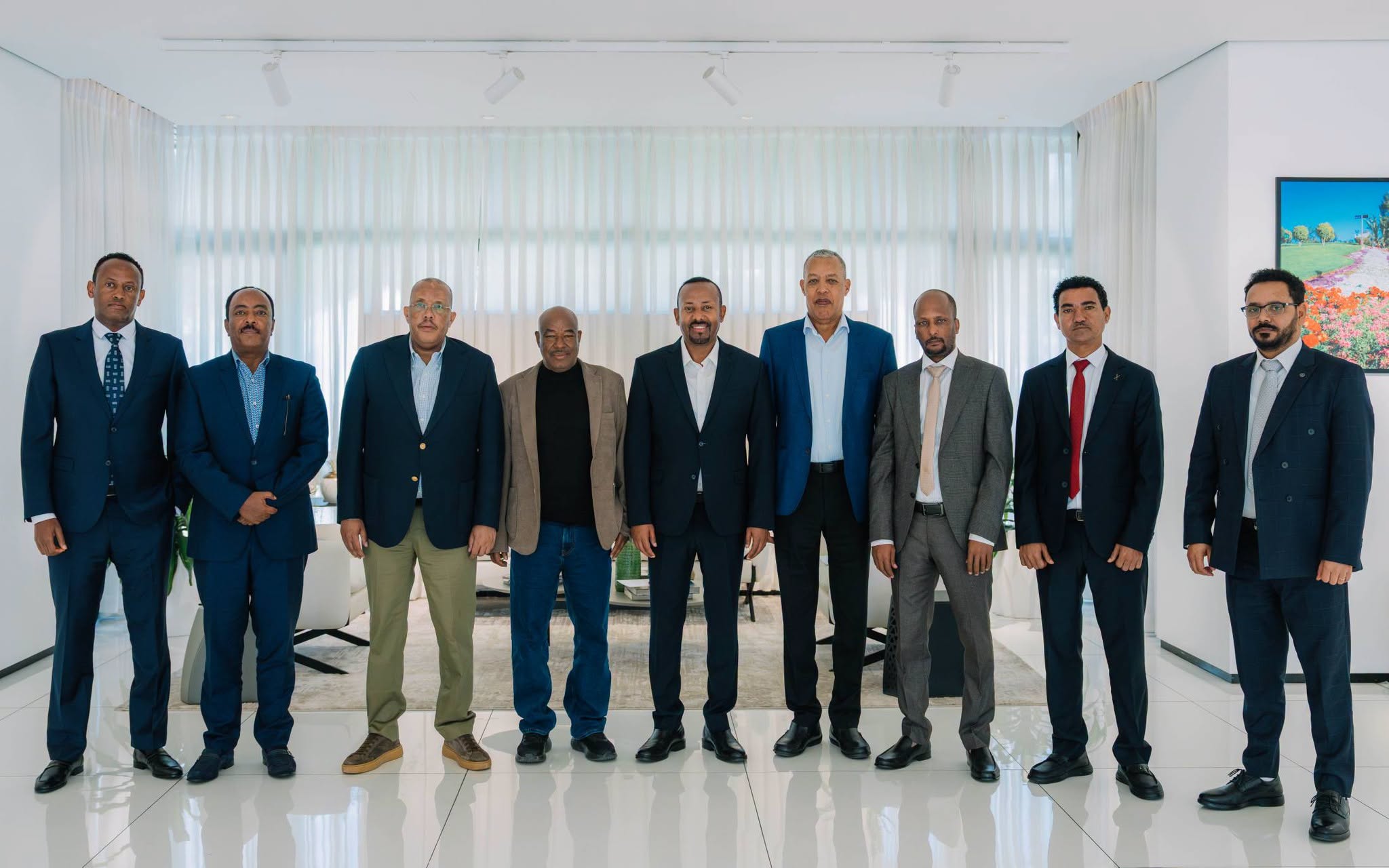
Addis Ababa, October 16, 2026 (ENA) — Ethiopia’s federal government has established a six-month caretaker administration for the Tigray Region.
In its social media post, Office of the Prime Minister said the administration is tasked with restoring peace and stability, rebuilding damaged infrastructure, restoring public services and preparing the region for free and transparent elections.
The decision follows a resolution by the House of Federation and a subsequent binding decision by the Federal Government’s Council of Ministers to establish a provisional administration for the region, according to the Office.
The statement said repeated efforts to resolve the conflict in the Tigray Region under the Pretoria Agreement had been obstructed by the TPLF leadership.
The statement mentioned TPLF leadership of rejecting peace and initiating a destructive war for the fourth time, which it underscored that had once again ended in the group’s defeat.
It further stressed that the people of Tigray must break the cycle of conflict to achieve lasting peace, exercise their right to self-governance and benefit from development opportunities they have long been denied.
To this end, the statement emphasized the need for Tigray to strengthen its place within Ethiopia’s federal system, maintain peace, prioritize development and deepen unity with the country’s other peoples.
To facilitate these objectives as swiftly as possible, the Federal Government has established a caretaker administration for the Tigray Region under a Council of Ministers regulation.
The six-month administration is expected to restore functioning government institutions, enable the resumption of essential social services, repair war-damaged infrastructure and facilitate the return of internally displaced people to their homes.
A central priority will be creating the political and security conditions necessary to hold free and transparent elections within six months, allowing Tigray to return to regular elected regional governance.
The caretaker administration will also coordinate with federal defence, police and security institutions, alongside regional security forces, to strengthen stability down to the kebele level, facilitate the disarmament and reintegration of armed elements into civilian life, and restructure the regional security apparatus.
The statement added Beyond security and institutional recovery, the administration is mandated to promote social healing, prepare communities for reconstruction, coordinate media activities and organize public forums. It will also work to ensure that the upcoming election is peaceful and inclusive.
The statement said the administration must act in accordance with Ethiopia’s national interests, territorial integrity and the fundamental interests of the people of Tigray.
Its mandate will be limited to routine governance and creating conditions for the election, excluding long-term strategic decisions until a democratically elected regional government is established.
The administration will operate under the direction and oversight of the Federal Government.
Appointed leadership
The following officials have been appointed to lead the caretaker administration:
- Assefa Abreha Hagos — Chief Executive Officer of Administration and Public Services
- Dr. Tewodros Aregawe W/Selassie — Chief Executive Officer of Economy and Reconstruction
- Brigadier General Gebre-Egziabher Beyene Hailu — Chief Executive Officer of Peace and Security
- Redae Halefom W/Selassie — Chief Executive Officer of Political and Public Mobilization
- Dr. Shishay Amare — Mayor of Mekelle City
The Federal Government will provide the appointees with policy direction, leadership and support while monitoring the implementation of their responsibilities.
The six-month transition places peace, institutional restoration, reconstruction and preparations for an inclusive election at the centre of efforts to return Tigray to regular regional governance and normalcy.


