EIAR Reports Significant Gains in Teff, Wheat Productivity - ENA English


EIAR Reports Significant Gains in Teff, Wheat Productivity
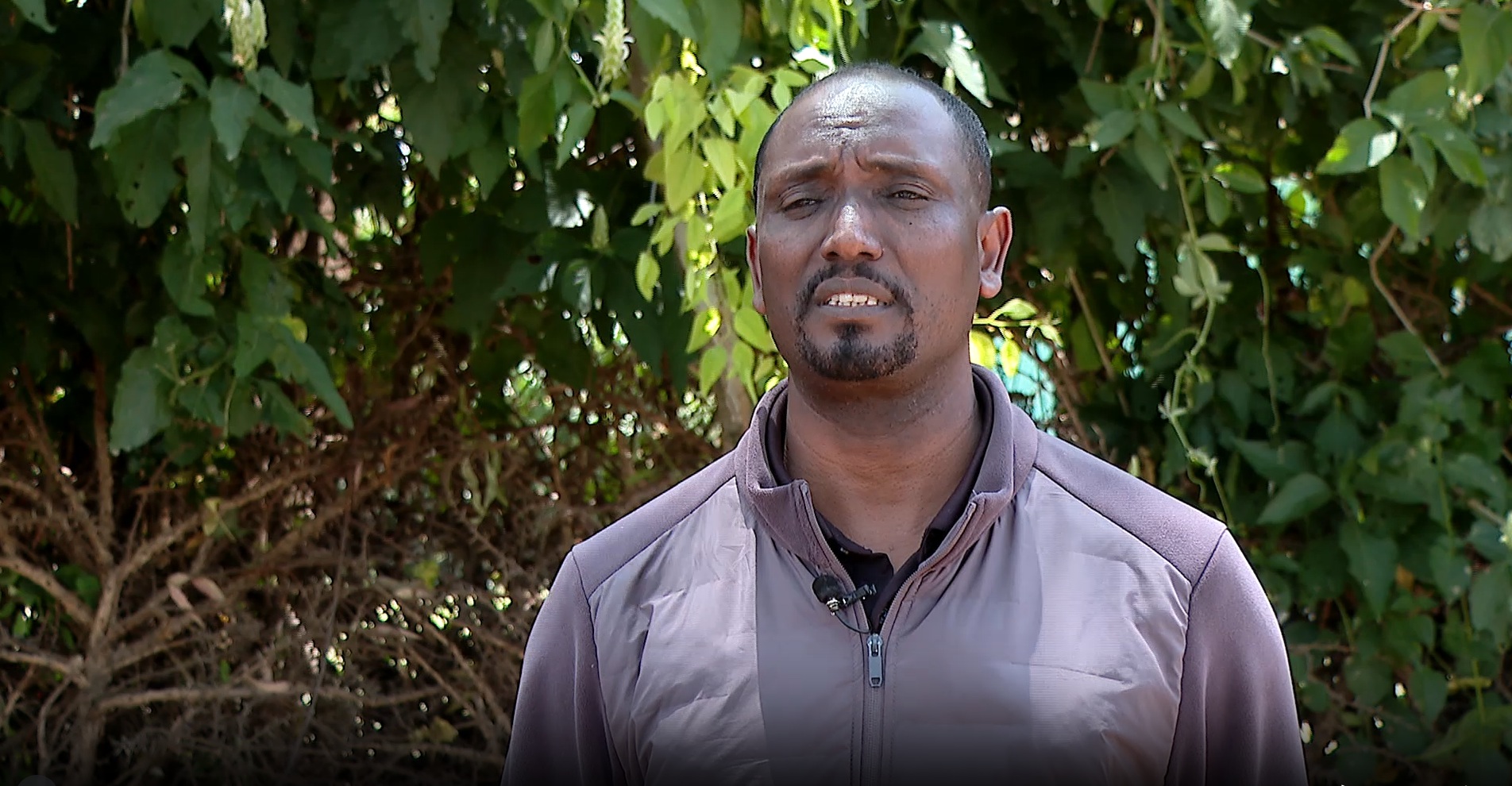
Addis Ababa, October 15, 2026 (ENA) — The Ethiopian Institute of Agricultural Research (EIAR) has reported significant gains in teff, wheat and other crop yields, attributing the improvements to research and the development of high yielding varieties aimed at strengthening food security and increasing agricultural production.
Fekadu Gurmu, Director of Crop Research at EIAR, told ENA that improved teff varieties developed by the institute can produce more than 30 quintals per hectare, compared with less than 10 quintals per hectare from traditional varieties.
He said most wheat varieties currently promoted through government backed initiatives were developed by EIAR, underscoring the institute’s contribution to improving national wheat production and advancing efforts toward self-sufficiency.
The institute has also played a key role in expanding irrigated wheat production. According to Fekadu, summer irrigated wheat cultivation was first pioneered and tested on a small scale at EIAR’s Werer Agricultural Research Center before the government supported its wider adoption across the country.
To date, EIAR has released approximately 150 bread wheat varieties and 50 durum wheat varieties, expanding the range of improved seeds available to farmers.
Research has also contributed to higher maize productivity, with the national average yield reaching 42 to 43 quintals per hectare.
Yields of up to 130 quintals per hectare have been recorded in hybrid maize trials and on farm demonstrations, demonstrating the potential of improved varieties and farming practices to increase production.
Beyond staple food crops, EIAR’s research supports import substitution and domestic industries. The development of high quality malt barley varieties has helped local breweries source raw materials domestically, reducing reliance on imported supplies.
In rice production, the institute has released varieties suited to preparing Injera, while research is continuing to develop varieties better suited for boiling and other consumption preferences.
EIAR has also developed nearly 50 coffee varieties that are being introduced to producers, supporting efforts to improve productivity and strengthen the competitiveness of Ethiopia’s coffee sector.
Its research activities extend to high value crops, including sesame, haricot beans and soybeans, which are important for export earnings, domestic edible oil production and animal feed.
Fekadu said the institute aligns its research priorities with national development strategies, including wheat self-sufficiency, oilseed production expansion and the Green Legacy Initiative.
Established nearly six decades ago, EIAR now operates more than 20 agricultural research centers across the country.
Through research in crop production, livestock development and natural resource management, the institute continues to support efforts to modernize Ethiopian agriculture, improve farmers’ productivity and promote sustainable economic growth.


