Egypt Seeks to Prolong War in Sudan to Benefit from Water Resources: Senior Researcher - ENA English


Egypt Seeks to Prolong War in Sudan to Benefit from Water Resources: Senior Researcher
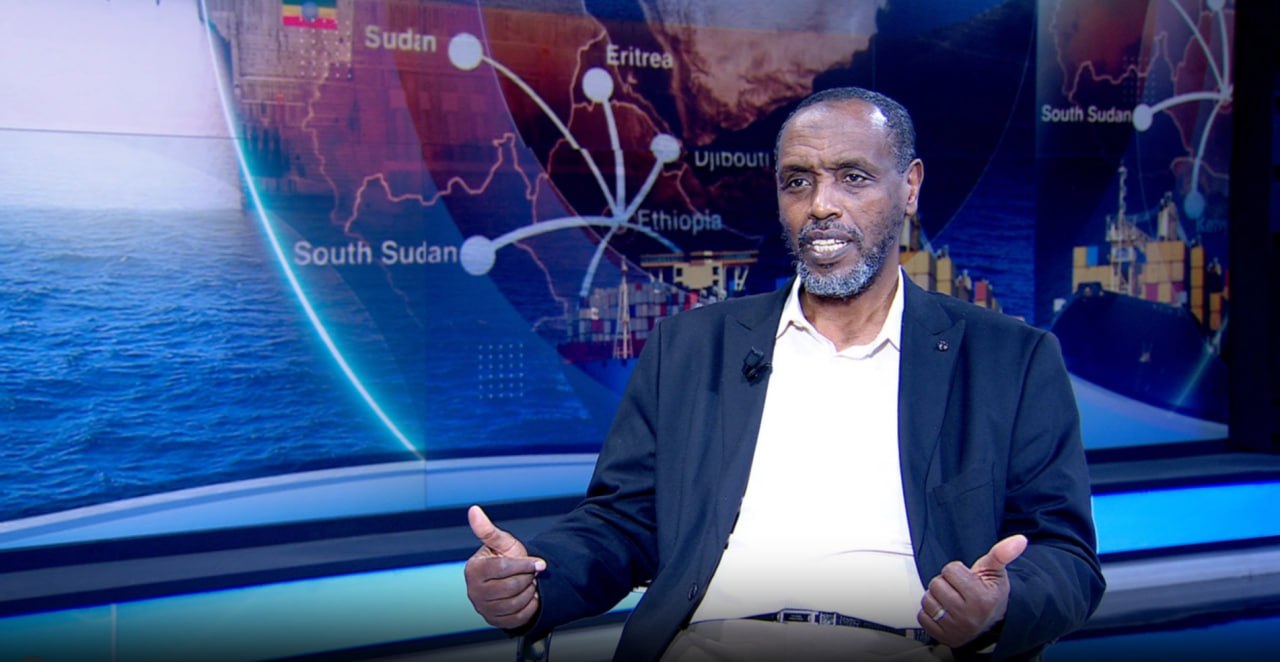
Addis Ababa, October 10, 2026 (ENA)—Egypt seeks to prolong the war in Sudan in order to continue benefiting from Sudanese water resources, Senior Researcher at the Center for Strategic Studies and Regional Integration Initiative, Abdulshakur Abdulsamad told ENA.
The ongoing war allows Egypt to benefit from larger-than-usual quantities of water that Sudan has been unable to utilize, the senior researcher noted.
Abdulshakur explained that Egypt benefits from the ongoing developments in Sudan on several levels, including the economic and water-related aspects, stressing that Egypt’s benefits from the Sudanese crisis “are no secret to anyone.”
With Sudan’s war now in its fourth year, he argued that Egypt could be benefiting from even larger volumes of water as Sudan’s capacity to develop and utilize its resources remains constrained.
“Is Egypt seeking to prolong this period, this crisis, and this war in Sudan so that it can continue benefiting from it?” he asked, while pointing to statements by Egyptian water experts who have discussed the issue publicly.
Abdulshakur cited remarks attributed to Egyptian water experts, including Dr. Mohamed Hafez and former Minister of Water Resources and Irrigation Dr. Nasser Allam, stated that what concerns them is not that the Grand Ethiopian Renaissance Dam (GERD) would negatively affect Egypt. But rather that Sudan could benefit from the dam by cultivating three agricultural seasons per year.
He said Allam had highlighted the possibility that the GERD could enable Sudan to expand agricultural production to three growing seasons annually, potentially increasing its water consumption and reducing the volume available to Egypt.
The researcher argued that such concerns reflect Egypt’s longstanding approach to the Nile Basin, which he said treats Sudan and other upstream countries as falling within its sphere of influence, particularly on water-related matters.
He further maintained that the 1959 Nile colonial waters agreement and Ethiopia as a major contributor of the flow excluded, concluded in connection with the construction of Egypt’s Aswan High Dam, could constrain Sudan’s ability to independently determine its water policies and exercise full control over its resources.
Abdulshakur argued that Sudan’s accession to the Entebbe Agreement aimed at establishing a more equitable and inclusive arrangement for Nile Basin water use, could help expand its policy options and strengthen its sovereign control over its resources.
He said Egypt’s opposition to such a move should not be interpreted as giving it the right to dictate Sudan’s decisions.
“Egypt is neither qualified nor entitled to exercise guardianship over Sudan,” Abdulshakur said, stressing that the Sudanese people possess the scientific expertise, professional capacity, and resources needed to determine their own economic, agricultural, and development policies.


