Irreecha - When Ethiopia’s Rains Give Way to Gratitude, Renewal and Hope - ENA English


Irreecha - When Ethiopia’s Rains Give Way to Gratitude, Renewal and Hope
By Tesfatsion Tariku
Addis Ababa, October 3, 2026 (ENA)— There is a moment in Ethiopia when the clouds begin to retreat, the rains that have drenched the highlands for months begin to ease, and the landscape takes on a different beauty. The skies clear to an azure blue, the countryside remains lush and green, and the yellow Adey flowers begin to bloom across fields and hillsides. After months of rain, mud and overcast skies, the sun returns with a promise of renewal.
For millions of Oromo people, this transformation is more than a change in the weather. It is a moment to give thanks for life, the blessings of the past season and the hope of the season ahead. It is the time of Irreecha, one of Ethiopia’s most distinctive and deeply rooted cultural celebrations.
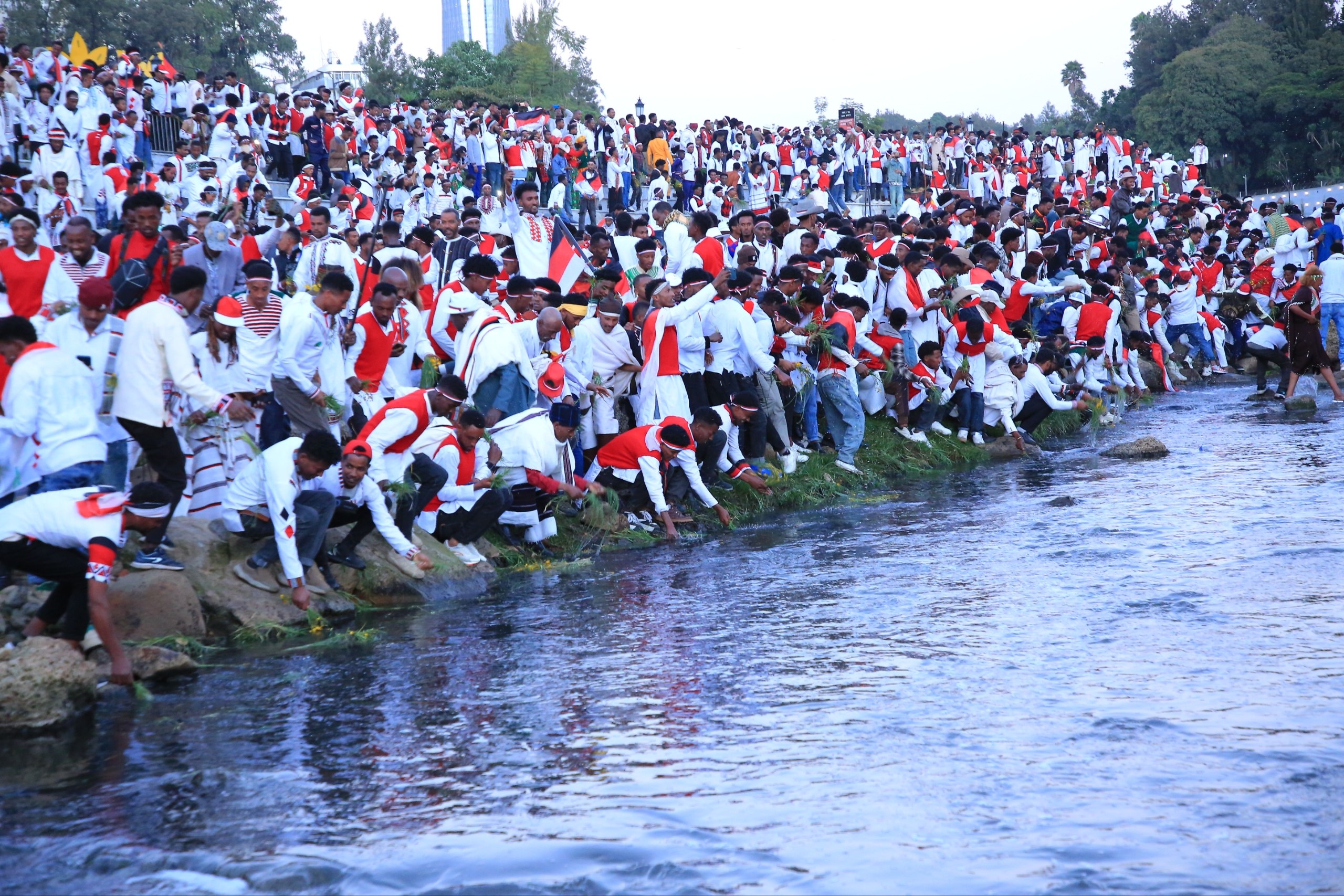
As the rainy season gives way to Birraa, the bright season, people travel from towns and villages, from across Ethiopia and from the diaspora, to gather at rivers, lakes and other traditional ceremonial sites. They come carrying fresh green grass and flowers, dressed in traditional garments and adorned with ornaments that tell stories of identity, ancestry and belonging.
But Irreecha is not simply a festival to watch. It is a tradition to experience: in the songs that rise above the gathering, the prayers offered beside the water, the rhythm of traditional dances, the blessings of elders and the joy of families reunited. Above all, it is an expression of gratitude.
When Nature Becomes Part of the Celebration
To understand Irreecha, one must first understand its relationship with nature.
The Ethiopian rainy season transforms the land, replenishing rivers, lakes, fields and pastures. Yet the prolonged rains also bring cloudy days, muddy roads and difficult journeys in many parts of the country. When the skies clear and the landscape begins to welcome the new season, the change is felt not only in the environment but also in the lives and expectations of the people.
The blooming of the Adey flower, with its bright yellow petals, has become one of the most recognizable signs of this seasonal transition. Against the green countryside and blue sky, it captures the feeling of a landscape emerging from the rains into light.
In the Oromo worldview, this transition provides an occasion to thank Waaqa, the Creator, for life, rainfall, fertility and the blessings that sustain communities. Irreecha expresses the understanding that human life is inseparable from the natural world and that the gifts people receive should be met with gratitude.
The festival also looks forward. The end of the rainy season is a threshold between what has passed and what is to come. People give thanks for the blessings they have received while praying for peace, good health, prosperity, successful harvests and a better year ahead.
This combination of gratitude and expectation gives Irreecha its enduring meaning. It looks back with appreciation but faces the future with hope.
A Sea of Green Grass, Flowers and Traditional Beauty
At the principal celebration sites, particularly Hora Finfinnee in Addis Ababa and Hora Arsadi, also known as Hora Harsadii, in Bishoftu, the gathering becomes a remarkable display of Oromo cultural life.
From the early hours, people arrive in groups, many having travelled long distances. Families walk together, friends meet after long separations, and elders are accompanied by younger generations. Traditional clothing, carefully prepared ornaments and distinctive hairstyles transform the gathering into a living exhibition of cultural artistry.
Many participants wear white garments, while others display richly decorated traditional attire and colorful accessories. Women adorn themselves with Caaccuu, traditional beads and ornaments, and carry Siinqee, a culturally significant stick associated with Oromo women's identity and social role. Men and women alike wear garments that reflect the traditions of their communities and the craftsmanship passed down through generations.
The fresh grass and flowers carried by participants are not merely decorations. They are central to the thanksgiving ritual, representing the living landscape and the gratitude expressed through the ceremony.
As the gathering moves towards the water, traditional songs and chants accompany the procession. Women sing devotional expressions, including the familiar call of “Maariyoo, Maareyoo,” while participants join in songs of praise, prayer and thanksgiving. The voices rise and fall together, creating a soundscape that connects the present gathering with generations of observance.
There is beauty in the clothing, but the meaning goes deeper than appearance. Each ornament, garment, song and ritual carries cultural knowledge. Together, they allow the Oromo people to celebrate their identity not as something preserved only in books or museums, but as a living tradition practised by people of all ages.
At the Water’s Edge: The Heart of Irreecha
The physical setting of Irreecha is inseparable from its spiritual significance.
Irreecha Malkaa is observed at riversides and lakes, while Irreecha Tullu is associated with hills and mountain tops. The celebrations at Hora Finfinnee and Hora Arsadi have become particularly prominent gatherings, attracting large numbers of participants from across the country and beyond.
At the water's edge, participants carry their fresh grass and flowers as traditional and spiritual leaders guide the ceremony. Prayers, songs of praise and expressions of thanksgiving accompany the ritual. The grass and flowers are placed in the water in accordance with customary practices, giving physical expression to gratitude for the blessings of the Creator and the gifts of nature.
Water is central to the meaning of the ceremony. It sustains human life, nourishes crops and pastures, and supports the natural systems on which communities depend. In a country whose agriculture and rural livelihoods are closely connected to seasonal rainfall, the significance of water is readily understood.
Yet the ceremony is not a celebration of nature alone. It expresses a relationship between people, the Creator and the world that sustains them. By gathering beside the water, participants give thanks for what has been received and pray for what lies ahead.
Traditional leaders, including Abbaa Gadaas and Abbaa Malkaas, guide important parts of the observance, while spiritual leaders have their own responsibilities in the customary rites. Their prayers and blessings provide continuity with the practices of earlier generations.
For those taking part, the ceremony is a collective expression of faith, memory and belonging. Its significance lies not in spectacle alone, but in the shared act of giving thanks.
Women, Elders and the Continuity of Tradition
One of the most striking aspects of Irreecha is the visible role of women in the celebration.
Women participate in processions, lead songs and appear in traditional dress adorned with beads and other ornaments. Their carrying of Siinqee reflects a cultural institution associated with women's dignity, solidarity and role in community life. Their presence is not incidental to the festival; it is part of the cultural expression through which the tradition is sustained.
Elders and traditional leaders, meanwhile, help preserve the knowledge that gives the ceremony its meaning. They guide the rituals, explain customary practices and encourage younger people to carry these traditions forward.
For children and young people, Irreecha offers an opportunity to learn by participating. They see how traditional garments are worn, hear the songs of their elders, observe the ceremonial roles and experience the gathering as part of a wider community.
Much of cultural heritage survives in precisely this way: through participation, repetition and the quiet transmission of knowledge within families and communities. A song learned from an elder, an ornament carefully prepared for the occasion or a blessing heard beside the water can become part of a young person's own cultural memory.
Irreecha therefore connects generations. The people who gather today inherit a tradition shaped by those who came before them, while carrying the responsibility of keeping it meaningful for those who will follow.
A Tradition That Calls for Peace and Reconciliation
Gratitude is at the heart of Irreecha, but peace and reconciliation are among its most important social values.
The celebration offers an occasion for people to renew relationships, forgive past grievances and strengthen bonds with relatives, neighbours and the wider community. In Oromo cultural tradition, thanksgiving is closely associated with goodwill, harmony and the rejection of hatred and revenge.
This gives the gathering a meaning beyond the ritual itself. People do not come together only to look back on the past season; they also have an opportunity to consider how they will treat one another in the season ahead.
The message is especially relevant in societies where disagreements can strain relationships and weaken trust. Reconciliation requires more than words. It calls for a willingness to listen, acknowledge differences and restore the relationships on which communities depend.
Irreecha provides a cultural setting in which these values can be reaffirmed collectively. Its prayers and blessings express hopes for peace, while the gathering itself brings people together through shared observance.
Although rooted in Oromo tradition, the celebration increasingly draws Ethiopians from different cultural backgrounds. Visitors and participants from other communities join the festivities, experience Oromo cultural expressions and share in the atmosphere of hospitality and goodwill.
This participation does not erase the distinct identity of Irreecha. Rather, it demonstrates how respect for a particular community's heritage can create opportunities for others to learn, appreciate and build relationships across cultural boundaries.
From Oromo Heritage to Ethiopia’s Cultural Tapestry
Irreecha belongs first and foremost to the Oromo people, whose traditions, cultural institutions and spiritual practices give the celebration its identity. Its significance, however, can also be appreciated within Ethiopia's wider cultural landscape, where diverse communities preserve distinctive forms of music, dress, ritual and collective memory.
The festival is closely associated with the Gadaa system, the indigenous Oromo system of governance and social organization. UNESCO inscribed the Gada system on the Representative List of the Intangible Cultural Heritage of Humanity in 2016, recognizing its importance as a system of community knowledge, leadership and social organization.
Irreecha forms part of the wider cultural world connected with Gadaa traditions. Its annual observance demonstrates how heritage remains alive when people continue to practise it, teach it and adapt its presentation to changing circumstances without losing its essential meaning.
The celebration also illustrates that cultural preservation need not mean isolating tradition from contemporary life. Traditional attire and songs now reach wider audiences through photography, film, digital media and cultural exhibitions. Artisans, designers, musicians and other creative practitioners help introduce cultural expressions to new generations and international visitors.
For Ethiopia, the challenge and opportunity lie in ensuring that this wider recognition goes hand in hand with respect for the communities that sustain the traditions. Cultural heritage gains depth when its origins are understood, its custodians are respected and its transmission to future generations is supported.
A Living Cultural Experience for the World
Irreecha also offers opportunities for cultural tourism and local economic activity.
Visitors encounter more than a large public gathering. They experience traditional clothing, music, dance, ornaments, food and forms of hospitality that reveal aspects of Oromo life and craftsmanship. The celebration can create opportunities for local businesses, transport providers, accommodation services, artisans, photographers and cultural practitioners.
Its appeal rests largely on its authenticity. Irreecha is a community tradition with spiritual and social meaning, not simply a performance arranged for visitors. Its cultural value comes from the people who celebrate it, the knowledge they preserve and the relationships it renews.
For international visitors, the festival provides a chance to understand Ethiopia through the lived experiences of its people. The colours of traditional garments, the songs beside the water and the significance of the green grass and flowers offer an introduction to a cultural heritage that cannot be fully understood through photographs alone.
Responsible cultural tourism can help widen this appreciation while supporting the preservation of traditions and the livelihoods connected with them. The priority, however, remains the integrity of the celebration and the communities whose heritage it represents.
When the Celebration Ends, Its Message Remains
As the songs fade and participants begin their journeys home, the meaning of Irreecha extends beyond the celebration sites.
The rainy season has passed, the Adey flowers have announced the arrival of Birraa, and a new season has begun. But the most enduring message of the festival is not simply that the weather has changed. It is that renewal offers an opportunity to give thanks, restore relationships and approach the future with hope.
In the fresh grass and flowers, there is an expression of gratitude. In the prayers, there is a search for blessing. In the gathering of families and communities, there is a reaffirmation of belonging. And in the emphasis on peace and forgiveness, there is a reminder that the future of any society depends not only on what it possesses, but also on how its people live together.
Irreecha's beauty is visible in the colours, songs and dances that fill the celebration. Its deeper beauty lies in the values those expressions carry- respect for nature, gratitude for life, continuity between generations and the possibility of reconciliation.
For the Oromo people, it remains a treasured expression of cultural identity and thanksgiving. For other Ethiopians, it offers an opportunity to appreciate the depth and diversity of the country's cultural heritage. For visitors from abroad, it opens a window into a tradition in which nature, spirituality and community are closely intertwined.
Every year, as the clouds give way to blue skies and the Adey flowers brighten the Ethiopian landscape, Irreecha returns with a message that is both ancient and enduring: receive the gifts of life with gratitude, meet the future with hope, and make room for peace in the relationships that bind people together.


