Egypt’s Aswan Dam Legacy Catastrophic and Unilateral, Says Ethiopian Water Minister - ENA English


Egypt’s Aswan Dam Legacy Catastrophic and Unilateral, Says Ethiopian Water Minister
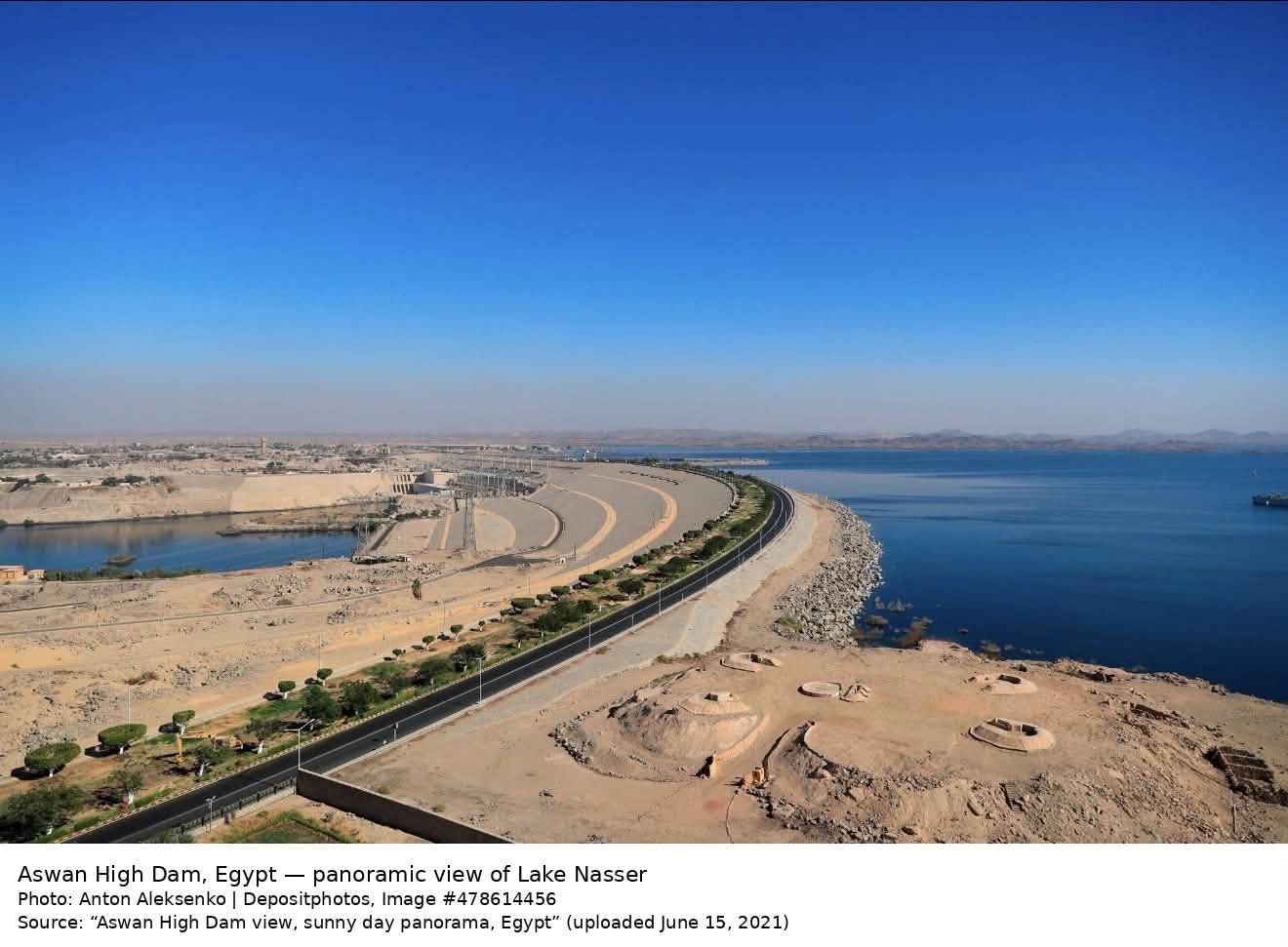
Addis Ababa, October 3, 2026 (ENA)—Minister of Water and Energy Habtamu Itefa underscored that the historical legacy of Egypt’s Aswan High Dam and its construction caused major social disruption while proceeding without Ethiopia’s consent.
In a social media post early today, Minister Habtamu described the Aswan High Dam as one of Africa’s most consequential mega-dam projects, saying its construction displaced more than 100,000 Nubians and profoundly affected their communities, livelihoods and ancestral lands.
He argued that the history of the Aswan project should be considered in the current debate over Abay (Nile) development and Ethiopia’s right to utilize its water resources.
“Ethiopia has a sovereign right to develop and utilize its Nile water resources based on the principle of equitable and reasonable utilization,” Habtamu said, rejecting calls for Ethiopia to obtain prior consent from downstream countries for its water-development projects.
The Minister said Ethiopia had repeatedly called for consultation over Nile-water projects, while revealing that historical records from the 1950s documented Ethiopian objections to the lack of broader consultation surrounding the Aswan project and earlier Nile-water arrangements.
Against this historical backdrop, Habtamu said the Grand Ethiopian Renaissance Dam (GERD) is governed by a more recent regional framework — the 2015 Declaration of Principles (DoP) signed by Ethiopia, Sudan and Egypt.
“Before criticizing Ethiopia, Egypt should explain why it built the Aswan High Dam without Ethiopian consent,” Habtamu said, linking the historical experience of the Aswan project to the contemporary debate over the GERD.
He further stated that Egypt’s historical record weakens its criticism of Ethiopia solely on the grounds of downstream consultation, pointing to the displacement of Nubian communities associated with the Aswan project.
“Egypt’s historical record gives it NO moral basis for criticizing Ethiopia solely on the grounds of downstream consultation, because in 1950’s Ethiopia itself formally objected to the lack of consultation over the Aswan High Dam and earlier Nile-water arrangements, while the Aswan project caused large-scale displacement of Nubian communities,” he elaborated.
The GERD, by contrast, was addressed through the 2015 Declaration of Principles signed by Egypt, Ethiopia, and Sudan, Minister Habtamu said.


