Digital Finance Surge Marks Turning Point for Ethiopian Banking Sector: NBE - ENA English


Digital Finance Surge Marks Turning Point for Ethiopian Banking Sector: NBE
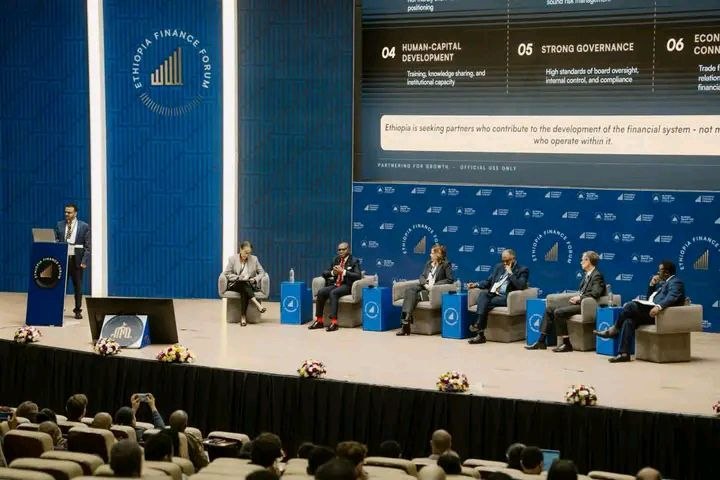
Addis Ababa, October 1, 2026 (ENA)—The rapid expansion of digital financial services, coupled with comprehensive macroeconomic reforms, is creating a major turning point for the growth and transformation of Ethiopia’s banking sector, according to the National Bank of Ethiopia (NBE).
Speaking on the second day of the Ethiopia Finance Forum 2026, Gemechis Dugasa, Director of Regulation, Licensing and Approval at the NBE, said simultaneous structural changes in the economy and the emergence of capital markets are reshaping Ethiopia’s financial landscape.
Dugasa made the remarks while opening a session titled “Partnering for Growth: An Enabling Policy and Regulatory Environment for Banking Sector Investment.”
He said the rapid expansion of mobile banking, digital payments, mobile money and agent based financial services is creating new business models while raising the standard of financial services available to customers across the country.
“Digital finance is changing the way financial services are delivered in Ethiopia,” Dugasa said, noting the continued growth of mobile banking, mobile money, digital payments and agent-based services.
Ethiopia recorded digital financial transactions worth 33 trillion birr during the 2025/26 fiscal year, reflecting the rapid expansion of digital financial services, particularly mobile money and digital banking.
Dugasa, however, stressed that the rapid digitalization of the financial sector must be accompanied by strong cybersecurity, effective data protection, reliable digital infrastructure and strengthened operational governance.
He said Ethiopia has also been modernizing its banking regulatory framework while establishing a legal basis for foreign participation in the financial sector.
Developments in capital markets and digital financial infrastructure are further expanding opportunities for investment and innovation, he added.
According to Dugasa, foreign investors entering Ethiopia’s financial sector are expected to bring more than capital.
They are expected to contribute long term investment commitments, advanced technologies, knowledge transfer, human capital development, sound governance practices and international financial connectivity.
He also emphasized the need to adapt international financial practices to Ethiopia’s economic circumstances rather than adopting them without consideration of local realities.
Such an approach, he said, would help support sustainable and responsible growth while strengthening the resilience and capacity of the national financial system.
Ethiopia is undertaking broad economic reforms aimed at strengthening macroeconomic stability, expanding financial inclusion, mobilizing investment and accelerating digital transformation.
The financial sector is at the center of these efforts, playing a critical role in mobilizing savings, financing investment, supporting innovation and expanding access to financial services.
The NBE is hosting the Ethiopia Finance Forum 2026, which brings together policymakers, financial institutions, development partners, private sector representatives and financial sector experts to examine the modernization and structural transformation of Ethiopia’s financial system.
The forum provides a platform for stakeholders to discuss policy and regulatory reforms, investment opportunities and the future direction of the financial sector while promoting collaboration among domestic and international actors.
The discussions are also expected to help build greater alignment on the future of Ethiopia’s financial system and identify opportunities for investment and partnership as the country advances its broader economic transformation agenda.


