Ethiopia Establishes Nile Compensation Committee to Assess Projects Blocked by Egypt - ENA English


Ethiopia Establishes Nile Compensation Committee to Assess Projects Blocked by Egypt
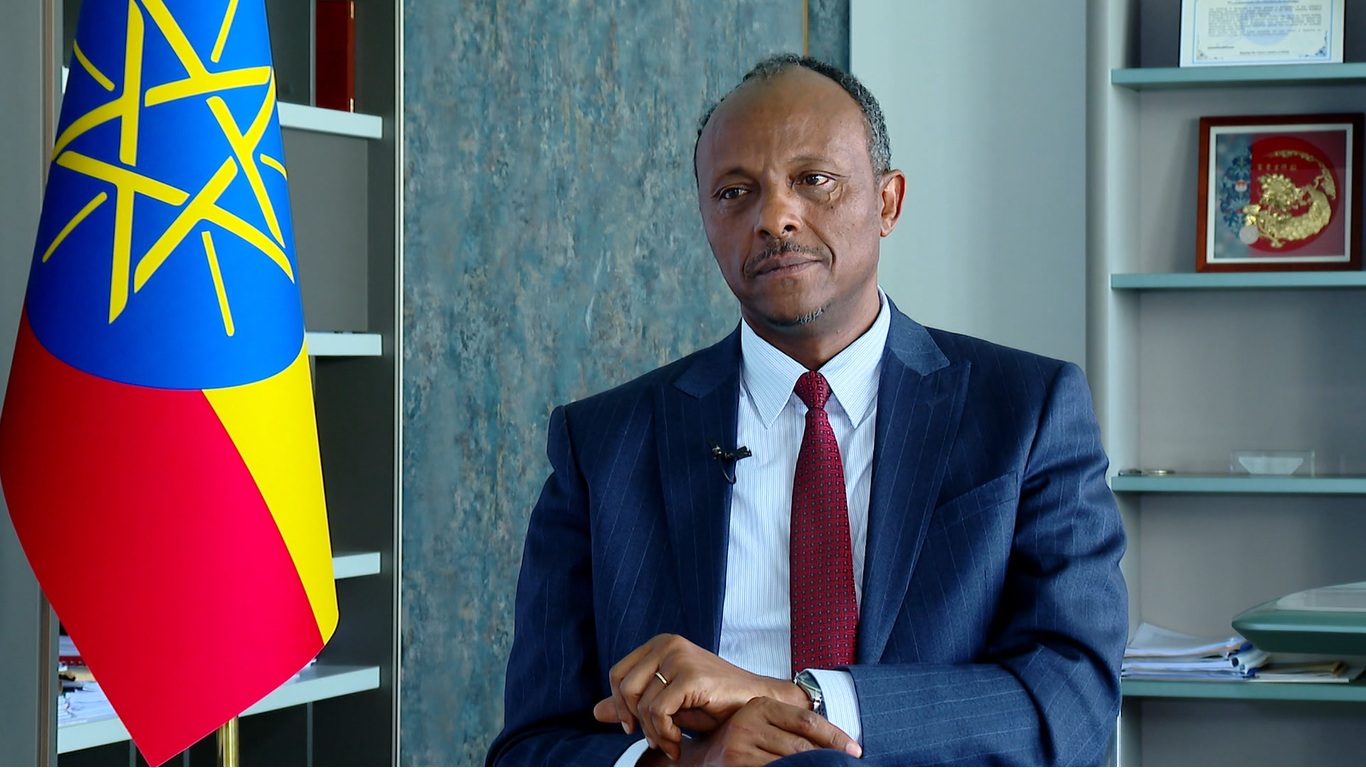
Addis Ababa, October 1, 2026 (ENA)— Ethiopia has established a national committee to assess economic losses and foregone development opportunities linked to water projects that have been “blocked or obstructed by Egyptians” over the Nile River, Minister of Water and Energy Habtamu Itefa announced.
In an exclusive interview with ENA, Habtamu said the committee has so far identified more than 22 development projects, including the Grand Ethiopian Renaissance Dam (GERD), that Ethiopia were obstructed by Egypt.
“We have established a national committee. And as a {committee}, we counted more than 22 projects that have been blocked or obstructed by Egyptians, including the GERD project,” the Minister disclosed.
Ethiopia’s longstanding concerns over Nile Basin development inequalities are gaining growing scholarly support, strengthening its case for redress over historical economic losses and foregone development opportunities.
In that regard, Minister Habtamu said the newly established committee is compiling evidence on the projects and examining the basis for Ethiopia’s compensation claims.
The assessment involves experts, former ministers, advisers and legal professionals who are examining the scale of the losses and possible approaches for addressing them, he pointed out.
“We are already collecting the evidence. We have documented as many of the projects as possible that they (Egyptians) opposed, including the GERD, over which they even attempted to threaten Ethiopia, to say as if they have a giant military power and then come to exercise something, which is really a crime in front of the international community,” Habtamu stated.
Habtamu further elaborated that the review will consider not only projects that were prevented from being implemented, but also Ethiopia’s environmental conservation efforts and the benefits its water-management infrastructure provides downstream.
He cited the Green Legacy Initiative, under which more than 50 billion trees have reportedly been planted, noting that substantial activities have taken place in major river basins, including the Baro, Abay and Tekeze.
Habtamu said this conservation efforts should be considered in assessing Ethiopia’s contribution to protecting water resources and addressing climate-related impacts across the Nile Basin.
He also highlighted the GERD’s potential role in regulating river flows, saying its operation could help reduce downstream flooding and maintain water availability during periods of lower rainfall.
The Minister pointed to current El Niño-related rainfall conditions as an example of the importance of coordinated water management, saying flow regulation could provide benefits to downstream countries, including Sudan and Egypt.
Outlining possible scenarios for securing compensation, the Minister said Ethiopia’s approach would have clear milestones, with negotiation and mutual understanding as the preferred option, while other scenarios would involve Ethiopia taking further action.


