Multilingualism Key to Africa’s International Cooperation: ECA - ENA English


Multilingualism Key to Africa’s International Cooperation: ECA
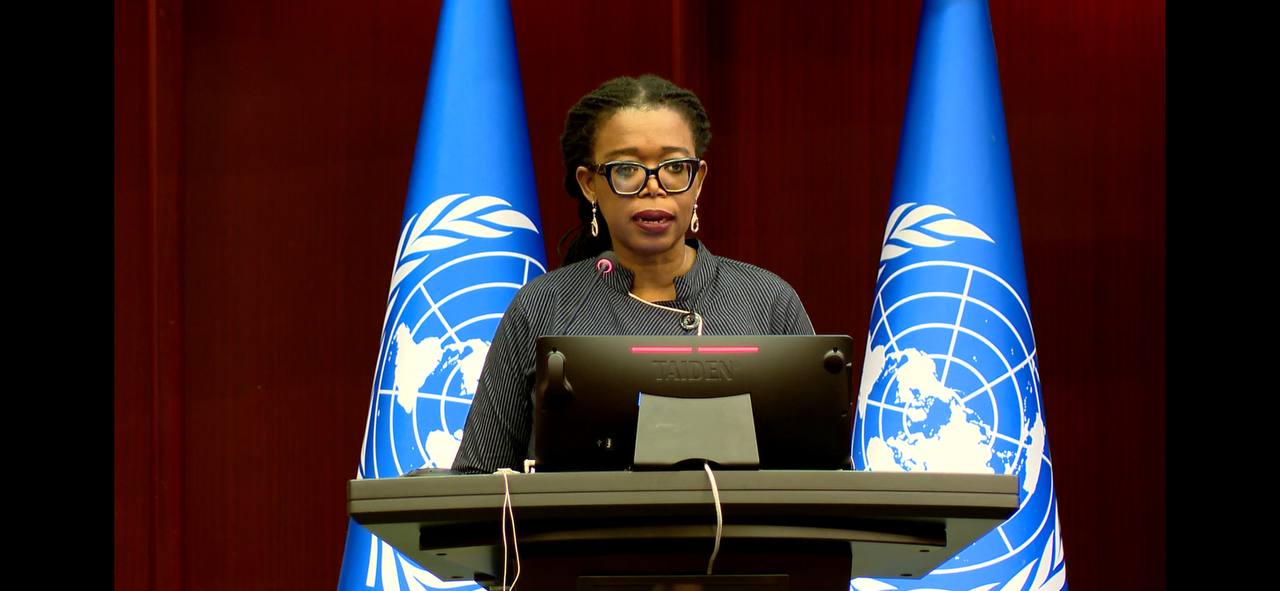
Addis Ababa, September 30, 2026 (ENA) — Multilingualism is essential to strengthening Africa’s international cooperation as language plays a central role in diplomacy, trade, education, science, culture and development, Economic Commission for Africa (ECA) said.
ECA Deputy Executive Secretary Mama Keita made the remarks today at an event marking International Translation Day, observed annually on September 30 under this year’s theme, “Language Diversity and Language Rights: The Power to be Understood.”
She said multilingualism enables people and communities to communicate across linguistic and cultural boundaries, thereby contributing to stronger international cooperation and mutual understanding.
Access to information in languages people understand is essential for meaningful participation in society, Keita said, emphasizing the importance of language in enabling people to access knowledge, public services and opportunities.
She stressed that knowledge must be able to cross language barriers and reach all communities, particularly in an increasingly interconnected world.
Keita also underscored the vital role of translators, interpreters, editors, terminologists and other language professionals in facilitating dialogue and enabling ideas, decisions and experiences to cross linguistic boundaries.
Within the United Nations system, she noted, language professionals help make decisions, resolutions, reports, agreements and other official documents available in the organization’s official languages.
This, she said, enables member states and other stakeholders to understand and engage with the UN’s work.
The Deputy Executive Secretary further linked multilingualism with cultural diversity, saying language professionals contribute to promoting tolerance, mutual understanding and respect among different cultures.
Meanwhile, UNESCO Liaison Office Director Rita Bissoonauth said translation plays a critical role in facilitating the international exchange of knowledge and literature, allowing ideas and cultural expressions to move across languages and borders.
Bissoonauth cautioned that artificial intelligence driven language technologies should not deepen existing linguistic inequalities, noting that many African languages remain underrepresented in digital resources.
She said UNESCO advocates for technology that supports rather than replaces human expertise, stressing that effective translation requires cultural knowledge, contextual understanding and professional accountability that go beyond the literal conversion of words.
International Translation Day is observed annually to recognize the contribution of translators and interpreters to communication, international cooperation, cultural exchange, knowledge sharing, peace and mutual understanding.


